Understand your care, one short lesson at a time
This course is for people living with kidney disease and for the people who support them: a spouse, a son or daughter, a friend, a paid helper. Start with the shared foundations, then choose the pathway that fits your treatment or the person you support. Each module takes about 15 minutes: five minutes of reading, five of practice, and five explaining it back in your own words.
Every module follows the same path. It opens with an everyday picture, shows where the picture stops being true, explains how the body really works, and only then gives the practical rule. A realistic Filipino situation shows the rule in action, and a short “What the research shows” box says honestly how strong the evidence is. You leave each module with questions to bring to your next visit.
What this course is, and is not
This course is education, not treatment. It does not diagnose, choose a treatment, or set any personal number. Finishing it gives no job qualification, nursing or technician credential, Philippine Society of Nephrology (PSN) recognition, Philippine Health Insurance Corporation (PhilHealth) accreditation, Department of Health (DOH) licensure or continuing professional development (CPD) credit, and it never authorizes anyone to perform dialysis or any procedure. Practical home dialysis training and readiness are decided by your treatment service. The Everyday self-care modules are in English and Tagalog.
Choose the path that fits you
Choosing a path selects lessons, not treatment. It does not ask for your diagnosis, laboratory values or any identifier, and you can change it any time. Care partners add the pathway of the person they support. You can read any module, in any order, whenever you need it.
40 modules in ten pathways
🧭 Shared foundations
Twelve modules everyone takes: your team, your results, choices, medicines, food, fluid, infection, emergencies, wellbeing, costs, disasters and speaking up.
 C0115 min
Start with your goals and care team
Choose a learning route that matches your situation.
 C0215 min
Understand kidney disease and your test results
Describe in plain words what healthy kidneys do.
 C0315 min
Choose treatment through shared decisions
Name the main kidney care options.
 C0420 min
Make medicines easier and safer
Keep one complete, current medicine list.
 C0520 min
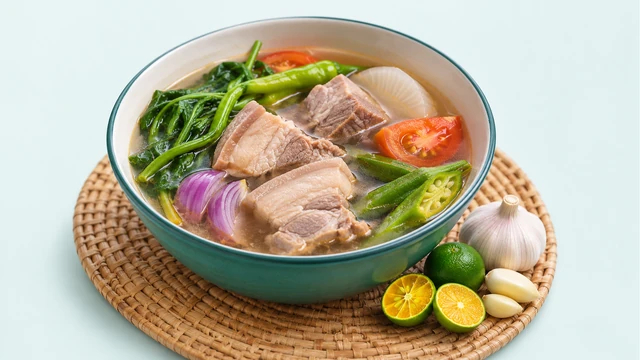
Build a food plan that fits your life
Explain why kidney diets are individual.
 C0620 minSafety questions
Follow your own fluid and monitoring plan
Find your personal fluid plan, if you have one.
 C0715 minSafety questions
Prevent infection and protect your access
Clean your hands the way your setting teaches.
 C0815 minSafety questions
Recognize urgent problems and get help
Identify symptoms that need emergency help now.
 C0915 minSafety questions
Manage tiredness, emotions and daily activity
Describe how symptoms affect your day, without blame.
 C1015 min
Understand Philippine benefits and treatment costs
Tell the difference between a benefit paid to a facility and cash paid to you.
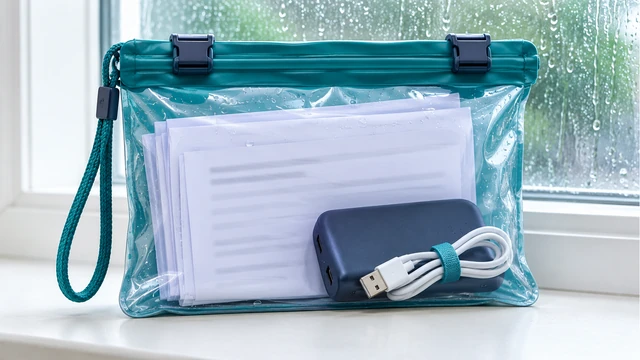 C1115 minSafety questions
Plan for travel, typhoons and interrupted care
Prepare a portable treatment folder.
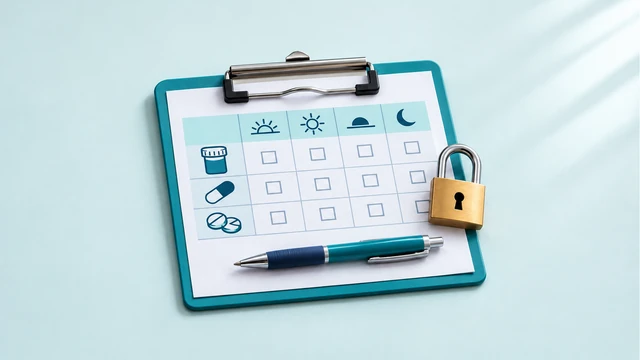 C1215 min
Speak up, protect privacy and review your plan
Use teach-back to check that you understood.
📋 Everyday self-care
The daily habits that keep you well: your records, medicine reminders on your phone, products to avoid, appointments and clinic visits, safety in the dialysis unit, food and fluid, exercise, and the rest of your body. In English and Tagalog.
🍃 Kidney disease before dialysis
Protect the kidneys you have, plan ahead, and understand the heart, kidney and sugar connection.
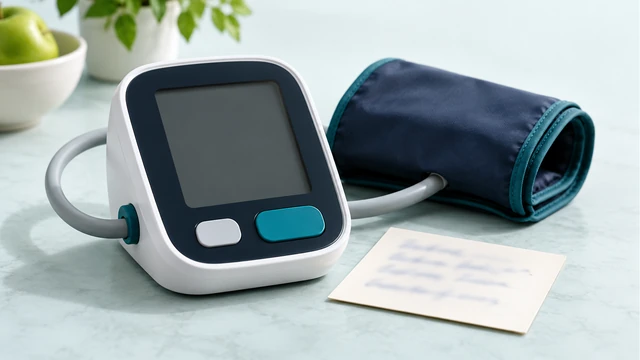 K0115 min
Protect kidney health before dialysis
Name your personal kidney-protection priorities.
 K0215 min
Prepare for changing kidney care needs
Start conversations about future treatment early.
 K0315 min
The heart, kidney and sugar connection, and kidney-protecting medicines
Explain why kidney, heart and blood sugar problems travel together.
💧 In-center hemodialysis
Treatment days, protecting your access, using reviews, and why potassium, phosphorus and fluid rules exist.
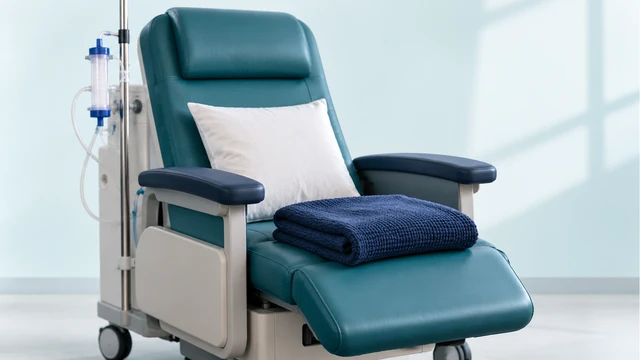 H0120 minSafety questions
Navigate a hemodialysis treatment day
Prepare for each session.
 H0215 minSafety questions
Protect fistulas, grafts and dialysis catheters
Identify your access type.
 H0315 min
Use dialysis reviews to improve daily life
Prepare questions for your monthly or quarterly review.
 H0415 minSafety questions
Potassium, phosphorus and fluid between sessions: why the rules exist
Explain why potassium matters for the heart.
🌊 Peritoneal dialysis at home
Get ready for supervised training, spot infection early, and run a safe home routine.
 P0115 minSafety questions
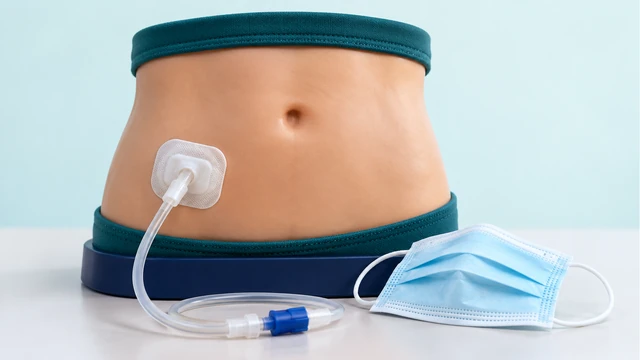
Prepare for supervised peritoneal dialysis training
Describe how peritoneal dialysis (PD) works in plain words.
 P0215 minSafety questions
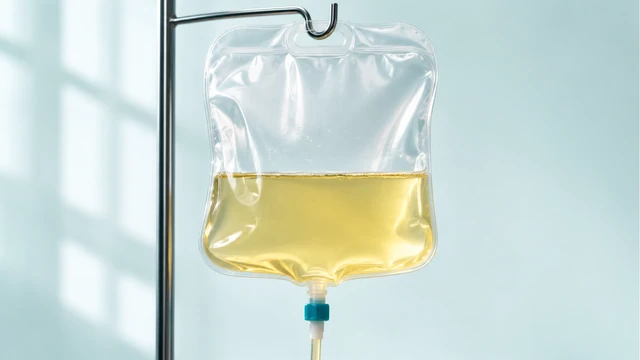
Recognize PD infection and contamination concerns
Recognize cloudy drained fluid as urgent.
 P0315 min
Organize home dialysis routines and reassessment
Keep the records your home team requests.
🏠 Exploring home hemodialysis
Orientation only: the hemodialysis modules plus home organization. Device training happens with an authorized program.
The home hemodialysis orientation uses the hemodialysis modules (H01, H02, H03, H04) and P03 for organizing a home routine. P03 is not a home hemodialysis technical module: device-specific training and readiness are decided by an authorized program.
🌱 Kidney transplant
Evaluation, a safe routine with anti-rejection medicines, and coverage across policy dates.
 T0115 min
Prepare for a kidney transplant evaluation
Describe transplant evaluation as a process.
 T0215 minSafety questions
Build a safe routine after transplantation
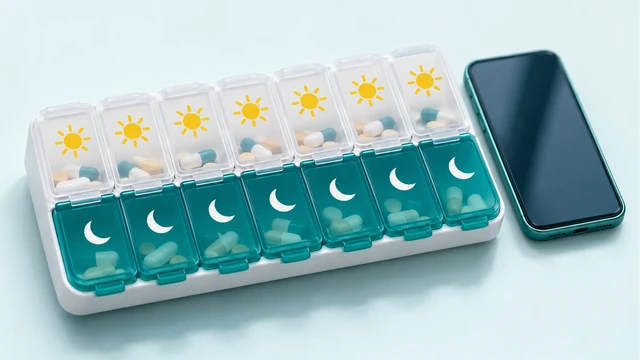
Explain why every anti-rejection dose matters.
 T0315 min
Navigate transplant benefits across policy dates
Separate surgery coverage from post-transplant coverage.
☀️ Conservative kidney care
Active care focused on comfort and what matters most, and conversations about future care.
 S0115 min
Understand conservative kidney management
Describe conservative kidney management as active care.
 S0215 min
Plan for comfort and future care conversations
Track your symptom priorities.
🤝 Care partners
Support without taking over, organize the practical load, and look after yourself.
 A0115 min
Support someone while protecting their choices
Agree on a support role with the person you help.
 A0215 min
Organize appointments, records and practical support
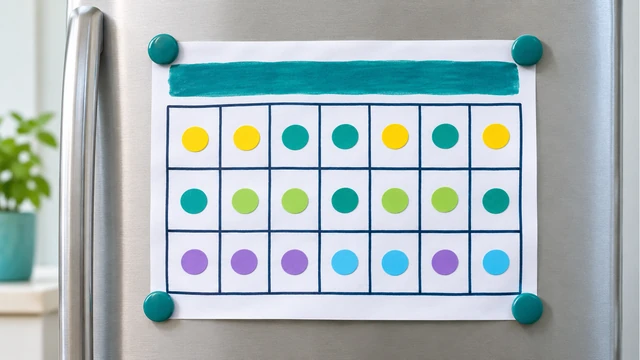
Create a shared task plan.
 A0315 min
Prevent care partner burnout and arrange backup
Recognize signs of overload in yourself.
👪 Families and transitions
Children and teenagers, growing independence, and coming home safely after a hospital stay.
The same steps every time
Every module page can be read aloud with the Listen button, highlighted and annotated on your own device, and saved for use with no signal in the Schola app. Ask for help with reading, hearing, eyesight or language; an educator can go through any module with you and check your answers out loud.
Learning, not testing
Each module ends with three questions and explanations. When you have finished your pathway, the final knowledge check builds a set from the modules you studied: the first question of every shared-foundation module, every safety question from your pathway, and more questions up to 20 (it shows the real number when your path has more or fewer). It passes at 80 percent with every safety question correct; a missed safety question shows you the right answer and the reason. There is no time limit, and an educator may read the questions with you.
Finishing gives you a printable self-reported learning summary, never a certificate or a qualification. Hands-on skills, such as peritoneal dialysis exchanges, are taught and checked only by your treatment team, on their own records.
Worksheets and tools
Helping without taking over
A care partner is someone the patient chooses. The patient decides what you help with and what you may know; being family does not by itself give access to records. Start with the shared foundations, add the pathway of the person you support, then the three care-partner modules: A01 on supporting choices, A02 on organizing the practical load, and A03 on looking after yourself. Helping with daily life never authorizes clinical procedures: any home dialysis task needs training and assessment by the home team.
Sources and review
The modules draw on international guidelines (KDIGO 2024, KDOQI vascular access 2019 and nutrition 2020, ISPD peritonitis 2022), large studies and systematic reviews (Global Burden of Disease 2023, DOPPS, Cochrane reviews of decision aids and of conservative care), surveillance data from the Centers for Disease Control and Prevention (CDC), Philippine policy (PhilHealth circulars, the DOH dialysis licensing order), and patient resources from National Institute of Diabetes and Digestive and Kidney Diseases (NIDDK) and National Institute for Health and Care Excellence (NICE).1,2,3,4,5,6,7,8,9,10,11,12,13,14 Each module lists its own sources. Evidence was checked on November 28, 2026. PhilHealth amounts and dates change: confirm them with your facility. PhilHealth Circular 2026-0019 on transplants was published on November 21, 2026, with an expected effective date of December 6, 2026 calculated from its 15-day clause.
Figures and languages. Philippine chronic kidney disease (CKD) and dialysis counts quoted in the modules are press-reported and will be replaced with Philippine Renal Disease Registry figures when available. The eight Everyday self-care modules are in English and Tagalog (switch at the top of each module). Translations of the other modules into Filipino, Cebuano and Kapampangan are planned and will appear only after independent review.