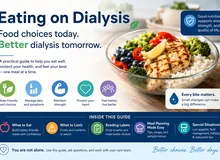
After this module you should be able toPagkatapos ng modyul na ito, dapat kaya mong
- Turn your team's food and fluid instructions into everyday meals and habitsGawing pang-araw-araw na pagkain at ugali ang tagubilin ng team mo sa pagkain at tubig
- Use practical ways to handle thirst, starting with less saltGumamit ng praktikal na paraan para makayanan ang uhaw, simula sa mas kaunting asin
- Plan for fiestas, eating out and hard weeks without giving upMakapagplano para sa fiesta, pagkain sa labas at mahihirap na linggo nang hindi sumusuko
Suggested earlier modules: C05, C06, H04. You may read any module in any order; the suggestion only helps the lessons build on each other.Mga modyul na mainam basahin muna: C05, C06, H04. Puwede mong basahin ang kahit anong modyul sa kahit anong pagkakasunod; tumutulong lang ang mungkahing ito para magkakabit ang mga aralin.
The everyday pictureAng larawan sa araw-araw
Make the plan concreteGawing malinaw ang plano
- Copy your team's instructions exactly onto one page: what to limit, what to choose, and your fluid amount if you were given one. Ask for it in writing if you only heard it.
- Plan three family meals that fit the plan, so you are not cooking separately every day. Small changes, such as less salt and soy sauce in the shared pot, help the whole family.
- Change the shopping list, not just the plate: fewer instant noodles, canned meats, processed meats, chips and salty sauces in the house means fewer temptations.
- Read labels for sodium on packaged food, and compare brands (Module C05).
- Ask your dietitian for food lists that fit your results, and bring questions about local foods you actually eat.
- Kopyahin nang eksakto ang tagubilin ng team mo sa isang pahina: ano ang lilimitahan, ano ang pipiliin, at ang dami ng tubig mo kung binigyan ka. Hilingin ito nang nakasulat kung narinig mo lang.
- Magplano ng tatlong pagkain ng pamilya na pasok sa plano, para hindi ka nagluluto nang hiwalay araw-araw. Nakakatulong sa buong pamilya ang maliliit na pagbabago, gaya ng mas kaunting asin at toyo sa iisang kaldero.
- Baguhin ang listahan ng bibilhin, hindi lang ang plato: mas kaunting instant noodles, de-lata, processed meat, chichirya at maalat na sarsa sa bahay ay mas kaunting tukso.
- Basahin ang label para sa sodium sa nakapaketeng pagkain, at ikumpara ang mga brand (Modyul C05).
- Magtanong sa dietitian mo ng listahan ng pagkain na pasok sa mga resulta mo, at dalhin ang mga tanong tungkol sa lokal na pagkaing talagang kinakain mo.
Handle thirstMakayanan ang uhaw
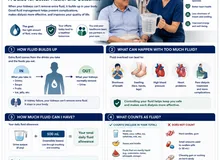
Salt drives thirst. The most effective way to drink less is usually to eat less salt, because the body asks for water to dilute the salt you eat.
- Use a small cup and sip slowly; measure your fluids for a few days so you know what your usual amount looks like.
- Remember that soup, ice, gelatin, coffee, milk and very watery fruit count as fluid.
- Suck a small ice chip, chew gum, rinse your mouth with water and spit it out, or keep your lips moist.
- Take medicines with meals or with the smallest amount of water that works, if your team agrees.
- If your blood sugar is high, thirst increases; follow your diabetes plan.
Ang asin ang nagdudulot ng uhaw. Ang kadalasang pinakamabisang paraan para mas kaunti ang inumin ay kumain ng mas kaunting asin, dahil humihingi ng tubig ang katawan para palabnawin ang asing kinain mo.
- Gumamit ng maliit na tasa at higop-higop lang; sukatin ang iniinom mo nang ilang araw para malaman mo ang itsura ng karaniwan mong dami.
- Tandaan na binibilang na fluid ang sabaw, yelo, gulaman, kape, gatas at prutas na sobrang matubig.
- Sumipsip ng maliit na yelo, ngumuya ng chewing gum, magmumog ng tubig at iluwa, o panatilihing basa ang labi.
- Uminom ng gamot kasabay ng pagkain o sa pinakakaunting tubig na kaya, kung pumapayag ang team mo.
- Kapag mataas ang blood sugar, lumalakas ang uhaw; sundin ang plano mo para sa diabetes.
Track without obsessingSubaybayan nang hindi nahuhumaling
- On hemodialysis, your weight gain between sessions shows how much fluid you kept. Weigh yourself at the same time each day with similar clothes, and write it down.
- Use a simple fluid log for a few days when you are unsure, then for a day or two each week. The fluid counter in the toolkit can help.
- Look at your results with your team: potassium, phosphorus and albumin show how the plan is working, and the team adjusts it.
- Aim for most days, not perfect days. Tracking is for learning, not for blame.
- Sa hemodialysis, ipinapakita ng nadagdag sa timbang mo sa pagitan ng mga session kung gaano karaming fluid ang naiwan sa katawan mo. Magtimbang sa parehong oras araw-araw na halos pareho ang damit, at isulat ito.
- Gumamit ng simpleng fluid log nang ilang araw kapag hindi ka sigurado, saka isa o dalawang araw bawat linggo. Makakatulong ang fluid counter sa toolkit.
- Tingnan ang mga resulta mo kasama ang team: ipinapakita ng potassium, phosphorus at albumin kung gumagana ang plano, at ang team ang nag-aadjust nito.
- Ang layunin ay karamihan ng araw, hindi perpektong mga araw. Para matuto ang pagsubaybay, hindi para manisi.
Fiestas, eating out and hard weeksFiesta, pagkain sa labas at mahihirap na linggo
- Before a party, eat a small plan-friendly snack, choose one or two favorites in small portions, and skip the sauces and soups.
- Eating out: ask for less salt or the sauce on the side, choose grilled or steamed over fried and salty dishes, and share portions.
- Tell family and hosts about your plan in one sentence. Most people want to help once they know.
- After a hard week, go back to the plan at the next meal. Tell your team honestly; they can adjust your treatment or support.
- Holiday dialysis schedules change. Confirm your session dates early and do not skip a session because of a celebration.
- Bago ang handaan, kumain ng maliit na meryendang pasok sa plano, pumili ng isa o dalawang paborito sa maliit na bahagi, at laktawan ang sarsa at sabaw.
- Sa pagkain sa labas: humiling ng mas kaunting asin o hiwalay ang sarsa, piliin ang inihaw o pinasingawan kaysa pritong maalat, at maghati sa order.
- Sabihin sa pamilya at sa may-handa ang plano mo sa isang pangungusap. Gusto ng karamihan na tumulong kapag alam nila.
- Pagkatapos ng mahirap na linggo, bumalik sa plano sa susunod na kain. Sabihin nang tapat sa team mo; maiaayos nila ang treatment o suporta mo.
- Nagbabago ang iskedyul ng dialysis tuwing holiday. Kumpirmahin nang maaga ang mga petsa ng session at huwag laktawan ang session dahil sa selebrasyon.
Christmas weekLinggo ng Pasko
Carlo, 38, has been on hemodialysis for a year and usually does well. Christmas week brings ham, queso de bola, pancit, sweet drinks and family visits every night. He skips one session to attend a reunion. At his next session he has gained much more weight than usual, his ankles are swollen and he is breathless climbing the stairs.
Si Carlo, 38, ay isang taon nang nagha-hemodialysis at kadalasang maayos ang lagay. Sa linggo ng Pasko, may hamon, queso de bola, pancit, matatamis na inumin at bisita ng pamilya gabi-gabi. Nilaktawan niya ang isang session para dumalo sa reunion. Sa sumunod niyang session, mas marami nang husto ang nadagdag sa timbang niya kaysa karaniwan, namamaga ang bukung-bukong niya at hinihingal siya sa pag-akyat ng hagdan.
Before reading on: what would you do, and whom would you call?Bago magpatuloy: ano ang gagawin mo, at sino ang tatawagan mo?
How sure are we?Gaano tayo kasigurado? Moderate evidenceKatamtamang ebidensya
In large observational studies of people on hemodialysis, higher weight gain between sessions was associated with more heart problems and deaths, and missed or shortened sessions were associated with more hospital stays. Lower salt intake is the main way guidelines advise reducing thirst. These are associations, not proof, but they are consistent and support following the plan your team gives you.Sa malalaking observational na pag-aaral ng mga nagha-hemodialysis, iniuugnay ang mas malaking nadagdag na timbang sa pagitan ng mga session sa mas maraming problema sa puso at pagkamatay, at ang nalaktawan o pinaikling session sa mas maraming pagkaka-ospital. Ang pagbabawas ng asin ang pangunahing paraang ipinapayo ng mga guideline para mabawasan ang uhaw. Mga ugnayan ang mga ito, hindi patunay, pero magkakatugma ang mga ito at sinusuportahan ang pagsunod sa planong ibinigay ng team mo.1,2,3
Questions to ask your teamMga tanong para sa iyong care team
- Can you write down my food and fluid instructions for me?Puwede ba ninyong isulat ang mga tagubilin ko sa pagkain at tubig?
- Which of my usual foods should I change first?Alin sa mga karaniwan kong kinakain ang dapat kong baguhin muna?
- Can I see a dietitian, and how often?Puwede ba akong magpatingin sa dietitian, at gaano kadalas?
Try it, then say it in your own wordsSubukan, saka ipaliwanag sa sarili mong salita
Practice. Use W29 to plan a week: copy your team's instructions, plan three family meals and write your thirst tips. Worksheet W29: My week of food and fluid is ready to print. Use invented details when practicing; keep your real health information on paper, not online.
Pagsasanay. Gamitin ang W29 para magplano ng isang linggo: kopyahin ang tagubilin ng team mo, magplano ng tatlong pagkain ng pamilya at isulat ang mga paraan mo laban sa uhaw. Handa nang i-print ang worksheet na W29: My week of food and fluid (nasa Ingles). Gumamit ng gawa-gawang detalye habang nagsasanay; itago sa papel, hindi online, ang totoong impormasyon tungkol sa iyong kalusugan.
Three quick questionsTatlong mabilis na tanong
Choose the best answer for each, then select Check answers. An explanation appears under the best answer. Try again as often as you like. Questions marked Safety question (1 here) must be answered correctly before the module counts as complete; the explanation shows you why. Nothing you select is sent anywhere.
Piliin ang pinakamahusay na sagot sa bawat tanong, saka pindutin ang Check answers. Lalabas ang paliwanag sa ilalim ng pinakamahusay na sagot. Puwede kang umulit kahit ilang beses. Ang mga tanong na may markang Tanong pangkaligtasan (1 dito) ay dapat masagot nang tama bago maituring na tapos ang modyul; ipinapakita ng paliwanag kung bakit. Walang ipinapadala kahit saan ang mga pinili mo.
Read next on this siteBasahin din sa site na ito (nasa Ingles)
- Eating on Dialysis: What the Evidence Actually SaysEating well on dialysis.Pagkain habang nagda-dialysis.
- Fluid Management on DialysisFluid on dialysis, explained.Pamamahala ng fluid sa dialysis.
- Meal Prep & Fast Food for chronic kidney disease (CKD) PatientsMeal prep and eating out.Paghahanda ng pagkain at fast food para sa may CKD.
Choose your own path on the course home. Last checked November 29, 2026.
Piliin ang sarili mong landas sa course home. Huling sinuri noong Nobyembre 29, 2026.
Module 38 of 402 modules to go