1. My results trend log
Type up to six dated results for one test, exactly as printed on your reports, with the same unit each time. The tool sorts them by date, shows the change from first to last, and draws the trend. It does not stage your kidney disease or tell you what the trend means: bring the trend to your team and ask (Module C02). Nothing is saved after you close the page.
2. Food label sodium counter
Nutrition labels list sodium per serving. Many packs hold two or more servings. Enter up to five packaged foods: sodium per serving (milligrams) and how many servings you actually ate. Optionally enter the daily target your own dietitian or doctor gave you. For reference only, the World Health Organization advises adults generally to keep sodium under 2,000 mg a day; your team may set a different target (Module C05).
3. My fluid counter
For people whose team has given them a daily fluid amount. This tool never supplies an amount: type the one in your own plan, or leave this tool alone if you have no fluid limit. Count everything that is liquid at room temperature: water, coffee, soup and sabaw, juice, ice (Modules C06 and H04).
4. Weight gain between sessions
Most weight gained between hemodialysis sessions is fluid. Enter your weight after the last session and your weight today before the session, on the same scale, in kilograms. The tool shows the gain and, if you enter your target (dry) weight from your unit, the gain as a share of that weight. It does not judge the result: ask your unit what range they want for you (Module H01).
5. PhilHealth hemodialysis session counter
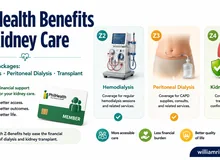
PhilHealth Circular 2024-0023 covers up to 156 hemodialysis sessions per calendar year for eligible members registered in the PhilHealth Dialysis Database (checked November 28, 2026). This counts how many are left and when they would run out at your schedule, so you can talk with the benefits officer early. It does not estimate any peso amount; confirm the rules in force with your facility (Modules C10 and H03).
6. Transplant medicine clock and refill planner
Type the dose times on your own prescription label and how many tablets you have. The tool lists your daily times in order and the date to ask for a refill, two weeks before you would run out. Never change times or doses without your transplant team (Module T02).
Building a full daily medicine schedule? Use the Med Scheduler. Back to the Renal Patients and Care Partners course.