The one system every patient shares
A dialysis patient’s blood meets more than 300 liters of water every week, separated from it only by a thin membrane. If that water carries chlorine, metals, or bacterial fragments, every patient on the shift is exposed at the same moment. The water treatment technician is the person who prevents that.

This series has twelve modules, written to the level of a technician who runs the water room independently under the medical director. It explains what each tank and membrane removes, how to read every gauge and result, how to test, sample, disinfect, and maintain the system, how concentrates are mixed and delivered, and exactly what to do when a result is out of range. It assumes you have studied the Dialysis Technician series, especially its module on water, concentrates, and dialysate.
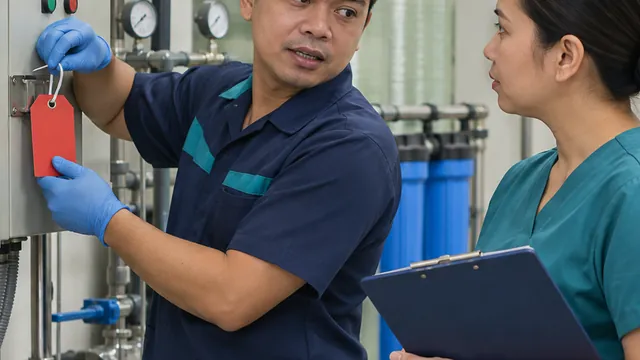
Figure 2 · What a water treatment technician does
What this series is, and is not
It is study material. It is not a license or a certificate, and it does not make you competent on a system you have not been trained on. The medical director is responsible for the quality of dialysis water, and the facility works to the limits it has adopted from the applicable standard and regulation.1,2 Every system is built differently: learn yours from its drawings, its manual, and a preceptor.
One foundation, three technical roles
A dialysis unit depends on three kinds of technical staff, grouped here as the Renal Technician Program. Most people start at the chairside as a dialysis technician. From there, two specialist branches open up: the water room and the workshop. The three study series share the same format, so you can move between them.
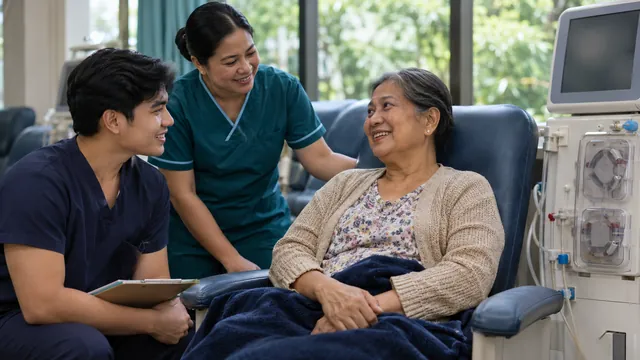 Foundation · chairsideDialysis TechnicianStations, machines, the blood circuit, the treatment session, and safe teamwork with the dialysis nurse.
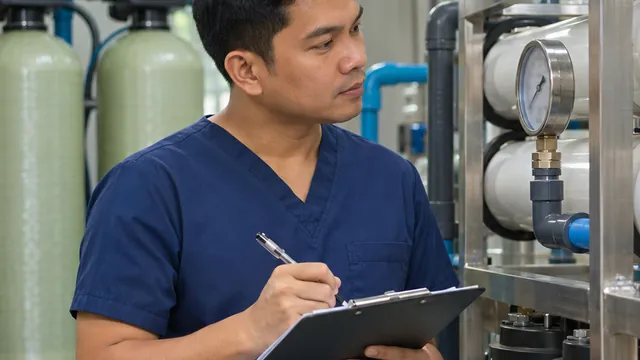 Specialist branch · water roomWater Treatment System TechnicianPretreatment, carbon tanks, reverse osmosis, the distribution loop, daily testing, sampling, and disinfection.
 Specialist branch · workshopHemodialysis Center Biomedical TechnicianHow dialysis machines work inside, preventive maintenance, calibration, safety testing, troubleshooting, and return to service.
This branch suits technicians who like systems, measurements, and routine. It needs patience with logs and the confidence to stop a shift when a number is wrong.
Twelve modules, in order
Study the modules in order. Modules 1 to 7 explain the system stage by stage; Modules 8 to 12 explain how to watch it, test it, clean it, maintain it, and respond when it fails.
 Module 1
Why Dialysis Water Is Different
Why water that is safe to drink can harm a dialysis patient, what the main contaminants do, how to read the units, and who is responsible for what.
 Module 2
Source Water and System Design
City, well, and delivered water; reading a feed water report; the system drawing and its valves; sizing; and validation.
 Module 3
Sediment Filtration and Softening
Filters, pressure drop, and backwash; how a softener works and regenerates; the hardness test; and troubleshooting.
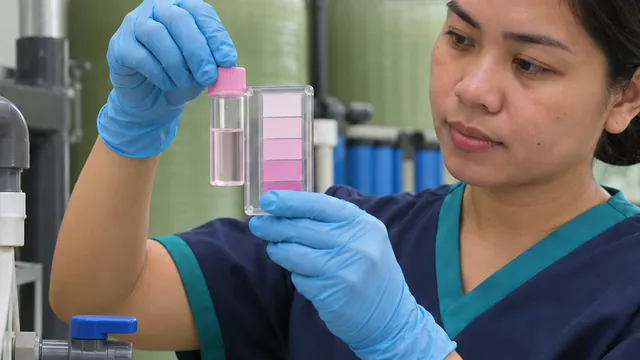 Module 4
Carbon Tanks and Chlorine Control
Free, combined, and total chlorine; contact time; worker and polisher; the total chlorine test done properly; and carbon replacement.
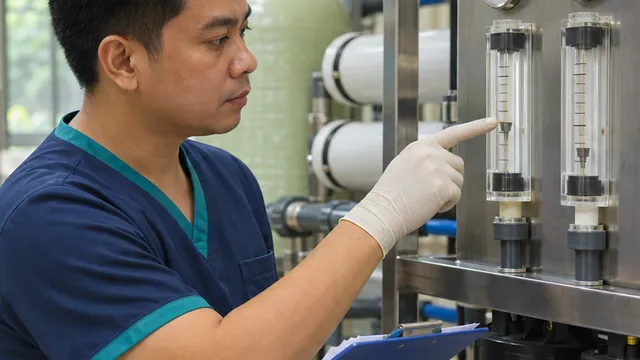 Module 5
Reverse Osmosis
How the membrane works, the readings that matter, rejection and recovery, recognizing patterns, and responding to alarms.
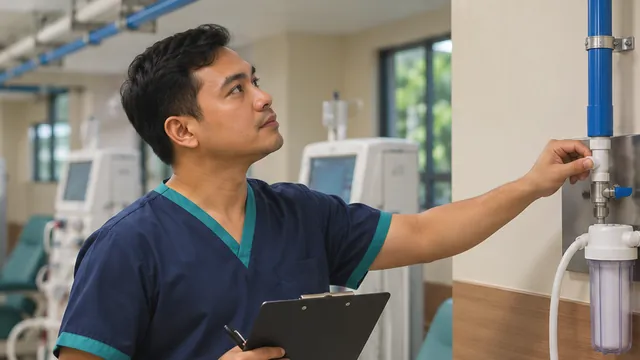 Module 6
The Distribution Loop, Storage, and Final Filters
Direct-feed and tank-fed loops, dead legs, keeping water moving, ultraviolet lamps and ultrafilters, and the hoses at each station.
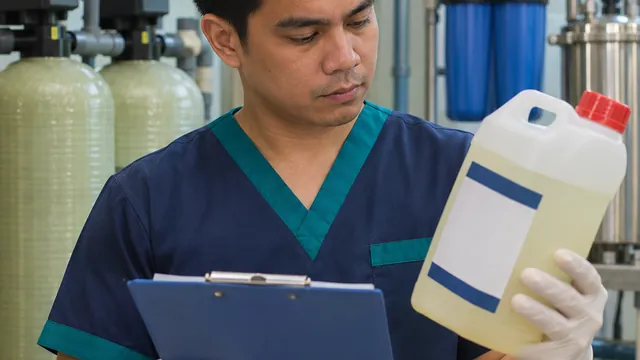 Module 7
Concentrates and Central Delivery
What acid and bicarbonate concentrates do, reading labels, mixing and verifying bicarbonate, and central delivery systems.
 Module 8
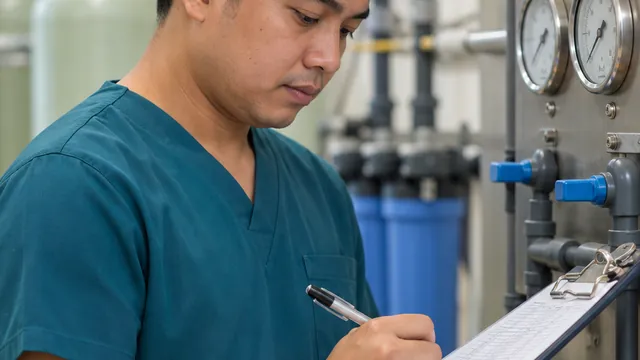
Daily Monitoring, Logs, and Trends
The start-of-day round, your system’s normal ranges, records that can be trusted, trends, and review.
 Module 9
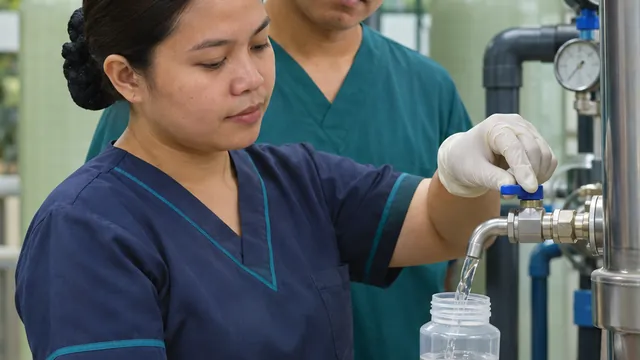
Chemical Analysis and Microbiological Sampling
Chemical, culture, and endotoxin tests; limits and action levels; collecting and sending samples; and responding to each kind of result.
 Module 10
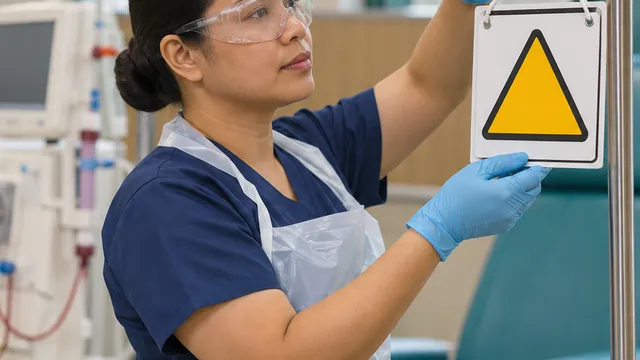
Disinfection and Biofilm Control
How biofilm forms, heat and chemical methods, working out a dilution, a documented disinfection, and chemical safety.
 Module 11
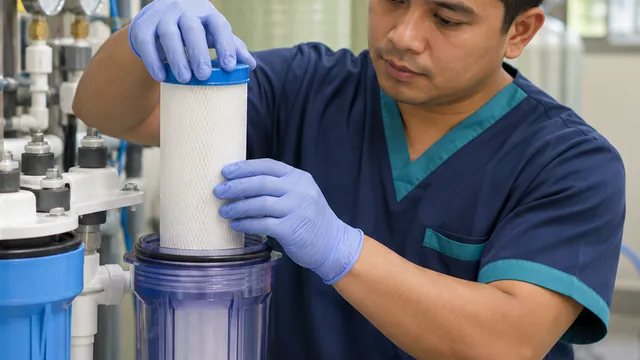
Maintenance, Component Replacement, and Validation
What wears out and when, what to prove after every change, managing service visits, and the system file.
 Module 12
Failures, Emergencies, and Capstone
Stop, hold, report; the common failures; supply loss and disasters; incident review; and four practical stations.
The same seven steps every time
Figure 3 · How to work through a module
- ObjectivesRead what you should be able to do by the end.
- Big pictureA plain-words summary and the key terms, before any detail.
- Opening caseA fictional shift problem. Decide what you would do first.
- LessonShort parts with pictures, tables, and worked examples.
- Case reviewCompare your answer with one sound response.
- Skills checklistPractice with a preceptor on real or training equipment.
- Self-assessmentFive questions drawn from a larger bank, with explanations.
New terms are explained the first time they appear, and every page ends with a glossary. Abbreviations are spelled out at first use. If a sentence still reads like jargon, check the glossary, then ask your preceptor to show you the real object on the unit: most of this work makes sense faster when you can see and touch the equipment.
The series at a glance
Each module takes about 60 to 90 minutes to read and work through. Supervised practice in the water room takes far longer and is set by your facility.
| No. | Module | Lessons | Opening case | Skills checklist | Practice |
|---|---|---|---|---|---|
| 1 | Why Dialysis Water Is Different |
| The city flushes its pipes | Tracing the system and explaining the risks | 10 questions · 4 real situations |
| 2 | Source Water and System Design |
| A new well replaces the city supply | Reading the system drawing and the feed water report | 8 questions · 4 real situations |
| 3 | Sediment Filtration and Softening |
| The softener that regenerated at noon | Filter and softener round with a hardness test | 8 questions · 4 real situations |
| 4 | Carbon Tanks and Chlorine Control |
| A row of ticks | Total chlorine test and daily log | 12 questions · 4 real situations |
| 5 | Reverse Osmosis |
| The numbers that drifted | Reverse osmosis readings, calculations, and alarm response | 8 questions · 4 real situations |
| 6 | The Distribution Loop, Storage, and Final Filters |
| The station nobody uses | Loop walk-down and dead-leg hunt | 8 questions · 4 real situations |
| 7 | Concentrates and Central Delivery |
| Two acid formulas on one shelf | Mixing, labeling, and verifying a bicarbonate batch | 8 questions · 4 real situations |
| 8 | Daily Monitoring, Logs, and Trends |
| The log nobody reviewed | Start-of-day round and release | 8 questions · 4 real situations |
| 9 | Chemical Analysis and Microbiological Sampling |
| A high count from one port | Aseptic sampling and a documented disinfection | 8 questions · 4 real situations |
| 10 | Disinfection and Biofilm Control |
| Chills on the Wednesday shift | A documented loop disinfection | 8 questions · 4 real situations |
| 11 | Maintenance, Component Replacement, and Validation |
| New carbon, cloudy water | Cartridge change with post-change checks | 8 questions · 4 real situations |
| 12 | Failures, Emergencies, and Capstone |
| Breakthrough before the second shift | Out-of-range drill | 10 questions · 4 real situations |
Self-assessment is not sign-off
The questions at the end of each module are for practice. Each visit draws five from a larger bank, and every question explains its best answer.
Competence in the water room is shown on the equipment: performing a chlorine test correctly, drawing a clean sample, reading a trend, and carrying out a disinfection with a documented rinse. Each module has a skills checklist for a preceptor to complete while watching you work.
End-of-course examination. When you have finished every module, take the end-of-course examination. It draws questions at random from all 12 modules, so no two sittings are the same.
What the series is built on
Water quality limits and system requirements follow the international standard series International Organization for Standardization (ISO) 23500 (2024), which covers water treatment equipment, dialysis water, concentrates, and dialysis fluid.1,3,4,5 Philippine requirements come from the Department of Health (DOH) licensing order for dialysis facilities and its guidance on monitoring dialysis water, and from the Philippine Society of Nephrology (PSN) guidelines.2,6,7 Background on why each contaminant matters draws on published reviews and on the Centers for Disease Control and Prevention (CDC).8,9,10
Standards are revised from time to time, and facilities adopt specific editions. Where this series gives a number, check it against the edition and the written limits your facility uses.
Using the series in a training program
A head nurse, chief technician, or training provider can use these modules as the guided-study part of a supervised program. The trainer and preceptor page gathers the proposed hours, completion criteria, and every skills checklist in one printable place. These are proposals for a provider to adapt and validate on its own equipment; they are not requirements of any regulator.