Transfer as a handoff, temporary dialysis away from home, typhoon and flood planning, and arrival confirmation.
PublishedNailathalaGipatikPepalwal:ReferencesMga SanggunianMga TinubdanReng Reperensya:3Audience: Registered social workers in dialysis units, hospital medical social work departments, and kidney transplant programs · medical social workers rotating into kidney care · navigation and support staff on the orientation pathRead timeOras ng pagbasaOras sa pagbasaOras ning pamamasa:
This module is study material for social workers and navigation staff in kidney care. It explains the reasoning behind social work decisions; it is not a facility procedure, legal advice, a benefits ruling, or a mental health diagnosis. Rules, assistance programs, and amounts change: confirm them against the current issuance and your facility’s approved policy. Medical treatment belongs to the nephrologist, benefits to PhilHealth, donation ethics to the ethics committee, and psychiatric diagnosis to the mental health team. Every case, name, and identifier is fictional.
Learning objectives
After this module you should be able to
Treat every transfer between units, hospitals, or home as a handoff that closes only when the receiving service confirms the person arrived and was treated.
Arrange temporary dialysis away from home (travel, family emergencies, work) with the information the receiving unit needs.
Prepare patients and families for typhoons, floods, and earthquakes with a personal dialysis emergency plan.
Coordinate during a disaster: contact lists, alternative units, transport, and tracing patients who did not arrive.
Protect privacy while sharing only what the receiving service needs for safe care.
Classroom 1 hSkills lab 1 hSupervised placement 1 h
Pre-testBefore you read, answer the 5 self-assessment questions and note your score. After the module, select New set of questions and compare. The difference is what you learned; the questions you still miss are what to reread.
Start here
The big picture, in plain words
In plain wordsMoving a person on dialysis from one unit to another is like passing a lit candle from hand to hand in the wind. The flame does not care how carefully the first person held it. What matters is whether the second hand was ready, and whether anyone checked that the flame was still burning on the other side.
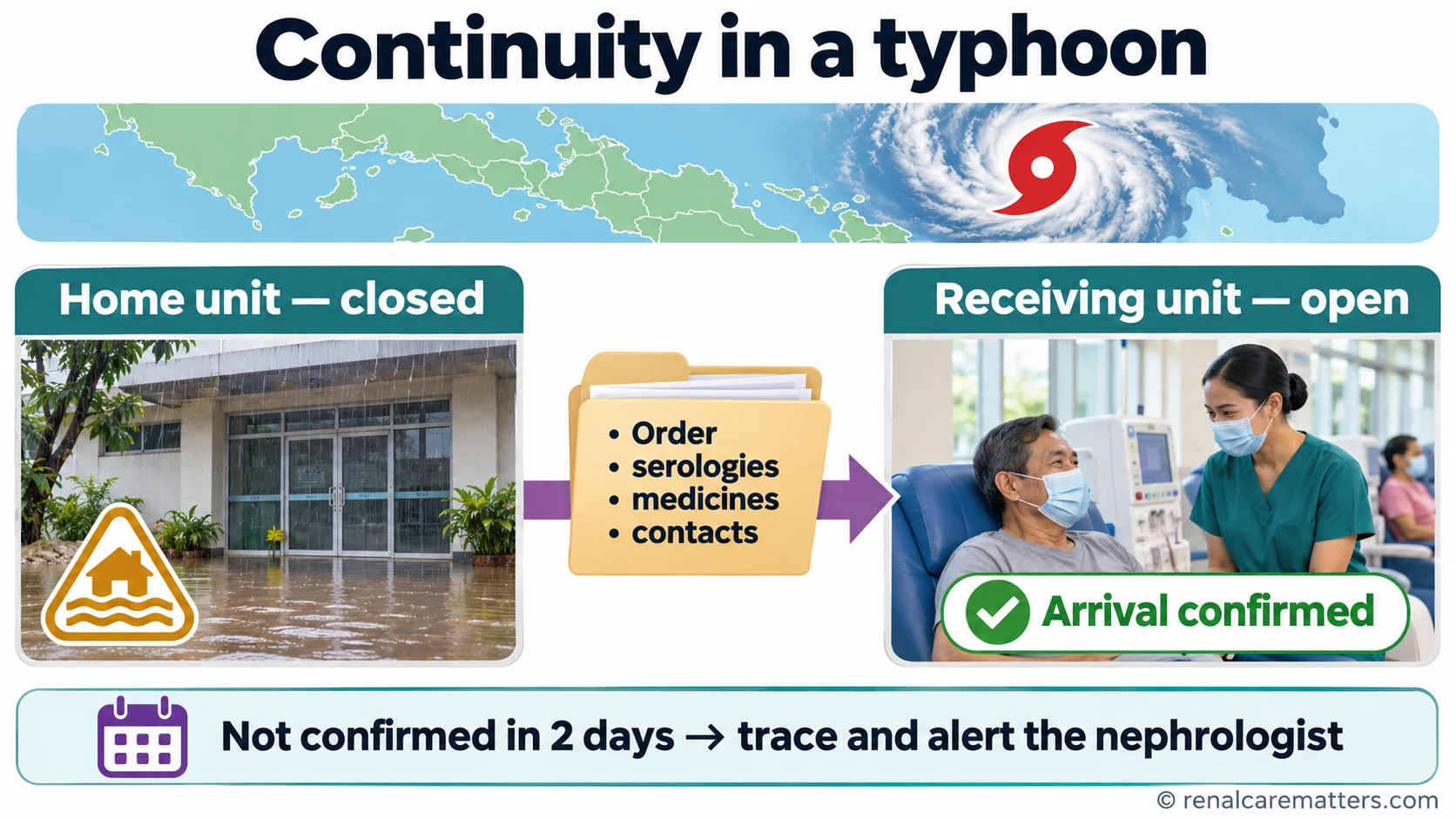
Figure 1. Continuity of care. A transfer closes only when the receiving unit confirms the patient arrived and was treated.
The picture has a limit. A candle that goes out can be relit in a second. A person on hemodialysis who misses sessions while a transfer is “being arranged” builds up fluid and potassium every day, and after two or three missed sessions the danger is real (Module 2). That is why continuity is not paperwork. It is the difference between a person who is dialyzed on time in a new place and one who ends up in an emergency room.
Your job in this module is to make transfers and disasters into handoffs that close on evidence. Disasters show what happens when continuity fails. After Hurricane Katrina in 2005, 94 dialysis facilities on the United States Gulf Coast closed for at least a week and existing plans were inadequate.1 In interviews with 386 patients from nine New Orleans units, 44% missed at least one session and almost 17% missed three or more; missing three or more was associated with hospitalization, and patients unaware of their unit’s emergency plan were more likely to miss.2 The Philippines faces typhoons and floods every year.
Figure 2 · Key terms for this module
TransferA permanent move of a patient’s dialysis care to another unit.
Transient dialysisTemporary dialysis at another unit while traveling or during an emergency.
Handoff packetThe information the receiving unit needs: dialysis order, access, serologies, medicines, allergies, contacts, benefit status.
Arrival confirmationThe receiving unit’s confirmation that the patient arrived and was treated.
Personal emergency planA patient’s written plan for disasters: where to go, whom to call, what to bring, what to eat.
Patient tracingContacting every patient after a disaster to find who missed treatment and why.
Opening case · fictional
Case: Typhoon signal 3 on a Monday
Sunday, 6:00 p.m. The national weather agency raises a Signal No. 3 tropical cyclone wind signal over your province. Your unit in a coastal town expects flooding on its access road by Monday morning. The unit head decides to run an extra early shift Monday before the roads close, then close until the water recedes.
You are asked to help reach 60 patients. Among them: Mrs. Lourdes Cabrera, 70, who lives alone on an island barangay reachable only by boat; Mr. Ariel Domingo, 36, whose phone has been off for two days; and Mr. Victor Lim, 55, who is visiting his daughter in Cebu and asked last week to dialyze there, but whose papers were never sent.
By Wednesday the unit is still closed. The nearest open unit is in the provincial capital, 40 kilometers away.
Before reading on, decide:
How do you organize contacting 60 patients before Monday?
What do you do for Mrs. Cabrera, Mr. Domingo, and Mr. Lim?
How do you know, by Thursday, that every patient has been dialyzed somewhere?
Keep your answers in mind. The lesson gives you what you need, and the case review near the end shows one sound response.
Lesson · part 1
Closed only on arrival
A transfer begins with a request and ends with a confirmation. In between, the person is at risk of falling through the gap: the receiving unit has no slot, the papers are incomplete, the serology results are too old, the Philippine Health Insurance Corporation (PhilHealth) session count is unclear, or the person cannot afford the travel.
Figure 3 · A transfer that closes
RequestThe patient asks, or the team recommends; agree the reason and date.
Find a slotCall the receiving unit; get a named contact and a confirmed start date.
Send the packetDialysis order, access type, recent serologies, medicines, allergies, contacts, benefit status, social notes needed for care.
Plan the journeyTransport, cost, companion, timing relative to the last session.
Confirm arrivalCall the receiving unit after the first session; record who confirmed.
Send only what the receiving unit needs for safe care and benefit processing. A full psychosocial assessment rarely needs to travel; a short summary of what affects care (language, caregiver, safety concerns the person agreed to share) usually does. Under the Data Privacy Act, health information is sensitive personal information; share it for a clear purpose with a lawful basis (Module 18).3
RememberA transfer is not done when the papers leave. It is done when the receiving unit confirms the person was dialyzed.
Lesson · part 2
Travel, family emergencies, work
People on dialysis travel for funerals, weddings, graduations, work, and family emergencies. With planning, most can dialyze at another unit for a few sessions. Without planning, many skip sessions instead.
Step
Detail
Owner
Ask early
Ask every patient at review whether they plan to travel
Social worker, nurse
Medical clearance
Whether travel is safe; schedule around it
Attending nephrologist
Find a unit
Units near the destination with a slot; their requirements
Social worker, patient
Send the packet
Order, serologies within the receiving unit’s required period, medicines, contacts
Nurse, social worker
Costs and benefits
How PhilHealth sessions and charges apply at the receiving unit
Claims officer, receiving unit
Confirm
The first session at the receiving unit happened
Social worker
Serology results (for hepatitis B, hepatitis C, and human immunodeficiency virus (HIV)) are the most common reason a receiving unit refuses a patient on arrival. Check how recent the receiving unit requires them to be, before the person travels.
RememberAsk about travel at every review. Plan the receiving unit, the packet, the cost, and the confirmation before the trip.
Lesson · part 3
The personal emergency plan
The best time to plan for a disaster is a calm week. Every patient and family should have a written personal emergency plan, reviewed at the start of the rainy season.
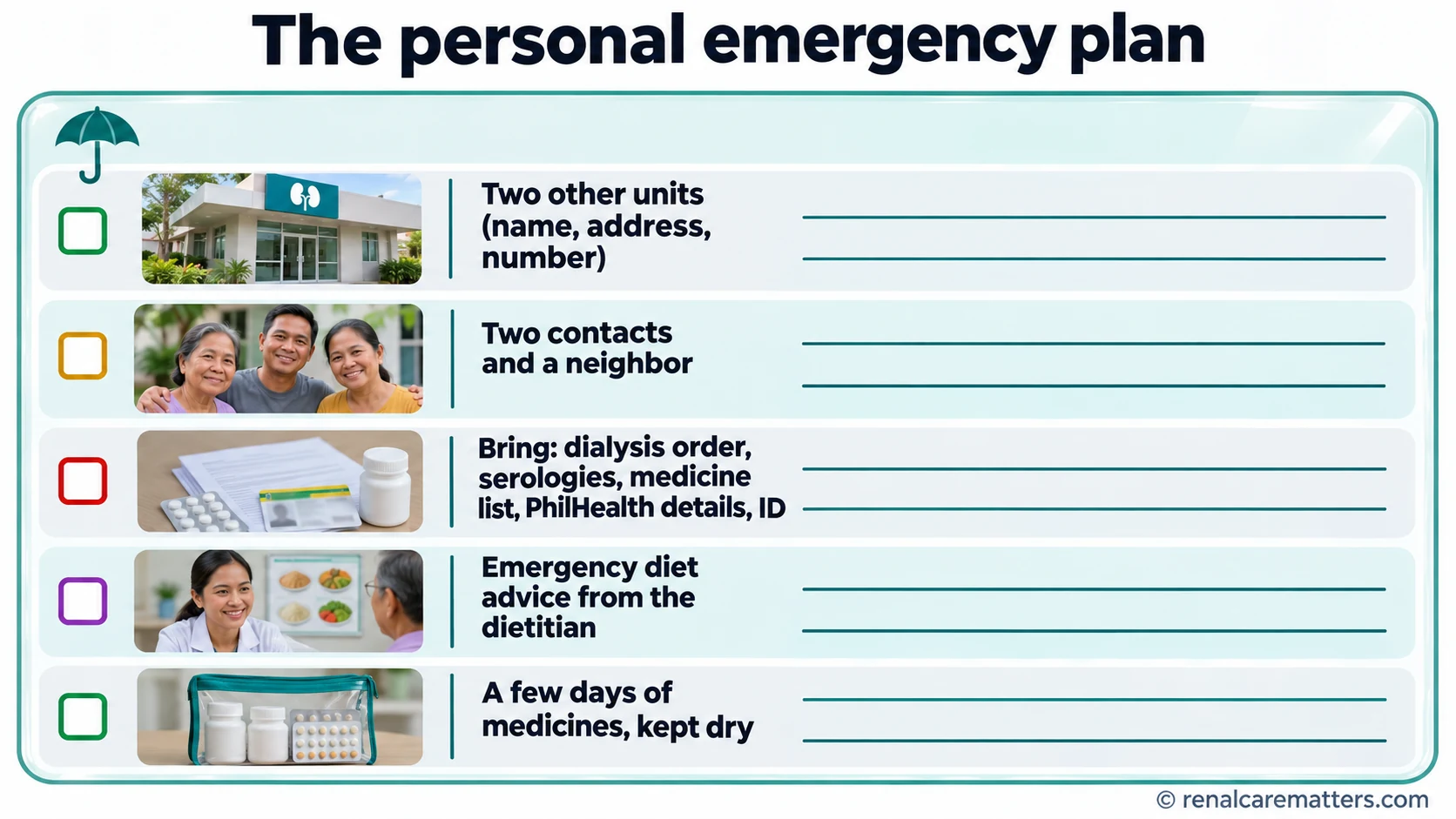
Figure 4. Every patient has a written plan before the rainy season.
The plan covers
Examples
Where to go if our unit closes
Two alternative units, with addresses and numbers
How to reach us and how we reach you
Two phone numbers, a relative’s number, a neighbor’s number
What to bring
A copy of the dialysis order, serologies, medicine list, PhilHealth details, ID
What to eat and drink if dialysis is delayed
The unit’s emergency diet advice from the dietitian (stricter fluid, salt, and potassium limits)
Medicines
A few days’ supply kept dry
Who needs extra help
Those living alone, on islands, in flood-prone areas, or without phones
Keep a unit-level list of the patients who will need extra help: those who live alone, far away, on islands, in flood zones, or who depend on others for transport. Those are the people you call first when a signal is raised. In the Katrina interviews, patients who did not know their unit’s plan were more likely to miss three or more sessions,2 which suggests that the plan only helps if patients know it.
RememberEvery patient has a written emergency plan before the rainy season, and the unit knows who needs help first.
Lesson · part 4
Find every patient
When a disaster hits, the work is to get every patient dialyzed somewhere and to find those who were not. Divide the patient list among staff, call in order of risk, and record each call.
Figure 5 · Coordinating during a disaster
Before landfallCall the high-risk list first; move sessions earlier if the unit decides; confirm each person’s plan.
Unit closedArrange sessions at open units; share a list with them; organize transport where possible.
TrackOne sheet: every patient, where they will dialyze, when, confirmed or not.
TraceAnyone not confirmed in 48 hours: call relatives and neighbors; ask the barangay; alert the nephrologist.
AfterReview who missed sessions and why; update the plans.
Disasters also bring social emergencies: homes lost, income gone, documents destroyed. After the immediate danger, your usual work (assistance, documents, caregiver plans) resumes at higher intensity. The site’s patient guide on typhoon preparedness is a good handout for families.
Stop and callA patient on hemodialysis who cannot be reached or confirmed dialyzed within two days of a disaster: alert the attending nephrologist and start tracing through relatives, neighbors, and the barangay.
On the floor · The boat
Before a typhoon, social worker Mr. Noel Pascua calls the barangay captain of an island community where two dialysis patients live.
The captain arranges a boat to bring both patients to the mainland the day before landfall. They stay with relatives near an open unit and miss no sessions.
The plan worked because the list of who needed help first existed before the signal was raised.
Illustrative scenario. Names and details are invented.
On the floor
Real situations: problems and solutions
These are fictional but typical. For each one, cover the answer, decide what you would do, then compare. Where a step depends on local rules, your unit’s procedure and your supervisor’s direction come first.
The papers that never went
What you see
A patient arrives at a unit in another city to dialyze, but no papers were sent.
What is likely going on
A transfer arranged by assumption.
What to do
Send the packet, confirm the slot, and confirm the first session.
Why it matters
A transfer closes on arrival, not on intention.
Old serologies
What you see
A receiving unit refuses a patient because her hepatitis results are too old.
What is likely going on
A requirement not checked before travel.
What to do
Check the receiving unit’s serology requirement for every transfer before the trip.
Why it matters
One phone call prevents a missed session.
The island patients
What you see
Two patients live on an island cut off in storms.
What is likely going on
Highest-risk patients in any disaster.
What to do
Plan with the barangay before the rainy season for transport and a place to stay.
Why it matters
The list of who needs help first must exist before the signal is raised.
Field notes
Review every patient’s emergency plan at the start of the rainy season.
Keep one disaster tracking sheet: patient, where, when, confirmed.
Case review
Back to the case: Typhoon signal 3 on a Monday
Contacting 60 patients. Divide the list among available staff. Start with the high-risk list (living alone, islands, flood zones, no phone, dependent on others). For each: the time of the extra Monday shift, what to eat and drink if dialysis is delayed, where to go if the unit stays closed, and a confirmed callback number. Record every call on one tracking sheet.
The three patients. Mrs. Cabrera: call the barangay captain today about bringing her to the mainland before the roads and seas close, and a place to stay near an open unit. Mr. Domingo: call his listed relatives and neighbors; ask the barangay; tell the nephrologist that he is unreachable. Mr. Lim: send his packet to the Cebu unit today, confirm a slot, check his serologies are recent enough, and confirm after his first session there.
Knowing by Thursday. The tracking sheet shows every patient, where and when they will dialyze, and whether the receiving unit confirmed it. Anyone unconfirmed after 48 hours is traced and reported to the nephrologist. Afterward, review who missed sessions and why, and update every plan.
Skills lab · with your preceptor
Skills checklist: A transfer packet and an emergency plan
For a fictional patient, prepare a transfer and a personal emergency plan, and run a disaster call list, while your supervisor observes. Your preceptor rates each step as satisfactory, needs practice, or not observed. Steps marked Critical must all be satisfactory before sign-off. This checklist supports supervised learning; your unit’s own procedure and competency form are the authority. A printable version of every checklist is on the trainer page.
Arranges a transfer with a named receiving contact and confirmed start date.
Sends a packet limited to what the receiving unit needs for safe care and benefits.
Checks serology dates against the receiving unit’s requirement before travel.
CriticalConfirms the first session at the receiving unit before closing the transfer.
Writes a personal emergency plan with alternative units, contacts, documents, and diet advice.
Prioritizes a disaster call list by risk and keeps one tracking sheet.
CriticalAlerts the nephrologist and starts tracing for any patient unconfirmed within two days.
Placement activity. Review your unit’s disaster plan with the head nurse. Build or update the list of patients who need help first, and check their contact numbers.
Self-assessment
Check your understanding
Each visit draws 5 questions at random from this module’s 10-question bank. Choose the single best answer for each, then select Check answers; an explanation appears under the best answer. Select New set of questions for a different mix. A good target is 4 of 5 on two different sets. Nothing you select is sent anywhere; scoring happens in your browser.
Kopp, J. B., Ball, L. K., Cohen, A., Kenney, R. J., Lempert, K. D., Miller, P. E., Muntner, P., Qureshi, N., & Yelton, S. A. (2007). Kidney patient care in disasters: Lessons from the hurricanes and earthquake of 2005. Clinical Journal of the American Society of Nephrology, 2(4), 814–824. https://doi.org/10.2215/CJN.03481006
Anderson, A. H., Cohen, A. J., Kutner, N. G., Kopp, J. B., Kimmel, P. L., & Muntner, P. (2009). Missed dialysis sessions and hospitalization in hemodialysis patients after Hurricane Katrina. Kidney International, 75(11), 1202–1208. https://doi.org/10.1038/ki.2009.5
Educational material for social workers and navigation staff in kidney care. Completing it is an Academy learning record only. It is not a Professional Regulation Commission (PRC) license, a specialty credential, CPD units, or DOH or PhilHealth recognition, and it does not authorize anyone to practice beyond their own registration.