Use: Labeled indications
- Dopamine HCl Injection is indicated to improve hemodynamic status in patients in distributive shock or shock due to reduced cardiac output.
Full indications and usage US FDA label
1 INDICATIONS AND USAGE Dopamine HCl Injection is indicated to improve hemodynamic status in patients in distributive shock or shock due to reduced cardiac output. Dopamine HCl Injection is a catecholamine indicated to improve hemodynamic status in patients in shock. (1)
Contraindications
4 CONTRAINDICATIONS Dopamine is contraindicated in patients with pheochromocytoma. Dopamine is contraindicated in patients with pheochromocytoma. (4)
US FDA labelDosing: Adult
- Correct hypovolemia, acidosis, and hypoxia prior to use. (2.1)
- Administer in a large vein with an infusion pump preferably in an intensive care setting. (2.1)
- Recommended starting dosage in adults and pediatric patients is 2 to 5 mcg/kg/minute as a continuous intravenous infusion. Titrate in 5 to 10 mcg/kg/minute increments based on hemodynamic response and tolerability, up to not more than 50 mcg/kg/minute. (2.2)
- See the Full Prescribing Information for important preparation instructions and drug incompatibilities. (2.1, 2.3)
2.1 Preparation and Administration Instructions Correct Hypovolemia, Acidosis, and Hypoxia
2.1 Preparation and Administration Instructions Correct Hypovolemia, Acidosis, and Hypoxia Address hypovolemia, acidosis, and hypoxia before initiating Dopamine HCl Injection. If patient does not respond to therapy, suspect occult hypovolemia. Acidosis may reduce the effectiveness of dopamine [see Warnings and Precautions (5.1)].
Preparation For the 40‑mg/mL preparation, transfer by aseptic technique the contents containing either 5 mL (200 mg) or 10 mL (400 mg) of Dopamine HCl Injection to either a 250‑mL or a 500‑mL bottle of one of the sterile intravenous solutions listed below:
- 0.9% Sodium Chloride Injection, USP
- 5% Dextrose Injection, USP
- 5% Dextrose and 0.9% Sodium Chloride Injection, USP
- 5% Dextrose and 0.45% Sodium Chloride Injection, USP
- 5% Dextrose and Lactated Ringer’s Injection
- Sodium Lactate Injection, USP 1/6 Molar
- Lactated Ringer’s Injection, USP The resultant dilutions are summarized in the following chart: Volume of IV solution Volume of Dopamine Hydrochloride Injection 5 mL 10 mL 250 mL 800 mcg/mL 1600 mcg/mL 500 mL 400 mcg/mL 800 mcg/mL 1000 mL 200 mcg/mL 400 mcg/mL Dopamine HCl Injection has been found to be stable for 24 hours after dilution in the foregoing intravenous solutions. Administration Dopamine HCl Injection is administered (only after dilution) by intravenous infusion. Administer Dopamine HCl Injection into a large vein [see Warnings and Precautions (5.1)] with the use of an infusion pump preferably in an intensive care setting. Inspect Dopamine HCl Injection for particulate matter and discoloration prior to administration whenever solution and container permit (the solution is clear, practically colorless). Do not administer if the solution is darker or discolored. Use higher concentration solutions (e.g., 3200 mcg/mL or 1600 mcg/mL strengths) in patients requiring fluid restriction. Discontinuation When discontinuing Dopamine HCl Injection, gradually reduce the infusion rate while expanding blood volume with intravenous fluids [see Warnings and Precautions (5.3)].
2.2 Recommended Dosage
2.2 Recommended Dosage The recommended starting dosage in adults and pediatric patients is 2 to 5 mcg/kg/minute as a continuous intravenous infusion [see Dosage and Administration (2.3)]. Titrate the infusion rate in increments of 5 to 10 mcg/kg/minute based on hemodynamic response and tolerability, but do not exceed 50 mcg/kg/minute.
Infusion rates may be calculated using the following formula: Infusion Rate (mL/hour) = [Dose (mcg/kg/minute) x Weight (kg) x 60 (minutes/hour)] Concentration (mcg/mL) Example calculations for infusion rates are as follows: Example 1: for a 60 kg person at the recommended initial dose of 2 mcg/kg/minute using a 800 mcg/mL concentration, the infusion rate would be as follows: Infusion Rate (mL/hour) = [2 (mcg/kg/minute) x 60 (kg) x 60 (minutes/hour)] = 9 (mL/hour) 800 (mcg/mL) Example 2: for a 70 kg person at a dose of 5 mcg/kg/minute using a 1600 mcg/mL concentration, the infusion rate would be as follows: Infusion Rate (mL/hour) = [5 (mcg/kg/minute) x 70 (kg) x 60 (minutes/hour)] = 13.13 (mL/hour) 1600 (mcg/mL)
2.3 Drug Incompatibilities
2.3 Drug Incompatibilities Dopamine HCl Injection is incompatible with the following products; therefore, avoid simultaneous administration (through the same infusion set):
- Sodium bicarbonate or other alkalinizing substances, because dopamine is inactivated in alkaline solution
- Blood, because of the risk of pseudoagglutination of red cells
- Iron salts Do not add additional medications in the diluted infusion solution.
Dosing: Altered kidney function
No kidney-specific text is available from the US label for this generic yet. Check the Philippine package insert in the products table.
Kidney-specific guidance from renalcarematters.com: in preparation.
Dosing: Pediatric
Pediatric use (US label) US FDA label
8.4 Pediatric Use Dopamine HCl infusions have been used in pediatric patients from birth through adolescence. Most reports in pediatric patients describe dosing that is similar (on a mcg/kg/minute basis) to that used in adults [see Dosage and Administration (2.2)]. Except for vasoconstrictive effects caused by inadvertent infusion of dopamine into the umbilical artery, adverse reactions unique to pediatric patients have not been identified, nor have adverse reactions identified in adults been found to be more common in pediatric patients.
Dosing: Older adult
Geriatric use (US label) US FDA label
8.5 Geriatric Use Clinical studies of dopamine did not include sufficient numbers of subjects aged 65 and over to determine whether they respond differently from younger subjects. Other reported clinical experience has not identified differences in responses between the elderly and younger patients. In general, dose selection for an elderly patient should start at the low end of the dosing range, reflecting the frequency of decreased hepatic, renal or cardiac function, and of concomitant disease or other drug therapy.
Administration
2.1 Preparation and Administration Instructions Correct Hypovolemia, Acidosis, and Hypoxia Address hypovolemia, acidosis, and hypoxia before initiating Dopamine HCl Injection. If patient does not respond to therapy, suspect occult hypovolemia. Acidosis may reduce the effectiveness of dopamine [see Warnings and Precautions (5.1) ] . Preparation For the 40‑mg/mL preparation, transfer by aseptic technique the contents containing either 5 mL (200 mg) or 10 mL (400 mg) of Dopamine HCl Injection to either a 250‑mL or a 500‑mL bottle of one of the sterile intravenous solutions listed below: • 0.9% Sodium Chloride Injection, USP • 5% Dextrose Injection, USP • 5% Dextrose and 0.9% Sodium Chloride Injection, USP • 5% Dextrose and 0.45% Sodium Chloride Injection, USP • 5% Dextrose and Lactated Ringer’s Injection • Sodium Lactate Injection, USP 1/6 Molar • Lactated Ringer’s Injection, USP The resultant dilutions are summarized in the following chart: Volume of IV solution Volume of Dopamine Hydrochloride Injection 5 mL 10 mL 250 mL 800 mcg/mL 1600 mcg/mL 500 mL 400 mcg/mL 800 mcg/mL 1000 mL 200 mcg/mL 400 mcg/mL Dopamine HCl Injection has been found to be stable for 24 hours after dilution in the foregoing intravenous solutions. Administration Dopamine HCl Injection is administered (only after dilution) by intravenous infusion. Administer Dopamine HCl Injection into a large vein [see Warnings and Precautions (5.1) ] with the use of an infusion pump preferably in an intensive care setting. Inspect Dopamine HCl Injection for particulate matter and discoloration prior to administration whenever solution and container permit (the solution is clear, practically colorless). Do not administer if the solution is darker or discolored. Use higher concentration solutions (e.g., 3200 mcg/mL or 1600 mcg/mL strengths) in patients requiring fluid restriction. Discontinuation When discontinuing Dopamine HCl Injection, gradually reduce the infusion rate while expanding blood volume with intravenous fluids [see Warnings and Precautions (5.3) ] .
2.3 Drug Incompatibilities Dopamine HCl Injection is incompatible with the following products; therefore, avoid simultaneous administration (through the same infusion set): • Sodium bicarbonate or other alkalinizing substances, because dopamine is inactivated in alkaline solution • Blood, because of the risk of pseudoagglutination of red cells • Iron salts Do not add additional medications in the diluted infusion solution.
US FDA labelDosage forms
Philippines
- ) solution for injection: 40 mg/mL (200 mg/5 mL
- Solution for intravenous infusion: 40 mg/mL
- ) solution for injection for i.v. infusion: 40 mg/mL (200 mg/5 mL
- ) concentrate solution for i.v. infusion: 40 mg/mL (200 mg/5 mL
- ) concentrate solution for injection: 40 mg/mL (200 mg/5 mL
- Solution for injection: 40 mg/mL
- Solution for reconstitution: 40 mg/mL
Registered products in the Philippines
30 products registered with the Food and Drug Administration (FDA) Philippines list Dopamine as the generic name. Registration status changes; confirm a product's current status on the FDA portal before relying on it.
All registered products30
| Package insert | |||||||
|---|---|---|---|---|---|---|---|
AffomineDopamine Hydrochloride | 40 mg/mL (200mg/5mL) Solution for Injection (IV)USP Type I Clear Colorless glass ampoule x 5mL (Box of 5's) | Rx | Celon Laboratories Private LimitedIndia | Affomedz, Inc.Importer: I.E. Medica, Inc. | DRP-7994-01 | Aug 4, 2031 | |
CardaminDopamine Hydrochloride | 40 mg/mL (200 mg/5 mL) Solution for Injection (I.V. Infusion)USP Type I Amber Glass Ampoule x 5 mL in Blister Tray Box of 10's | Rx | Myungmoon Pharmaceutical Co., Ltd.Republic of Korea | Amediqo Phils., Inc.Importer: H & B Pharma International Inc. | DRP-4717-06 | Sep 17, 2028 | |
CardiocefDopamine (as hydrochloride) | 40 mg/mL (200 mg/5 mL) Solution for Injection (I.V.)5 mL USP Type I light amber glass vial placed in plastic tray (Box of 10's) | Rx | Harmann Pharmaceutical Laboratories (Pvt) Ltd.Pakistan | Exa Life Care Pharma Inc.Importer: Raquel -Abbas Pharmaceuticals & General Merchandise | DRP-4492-02 | Jun 19, 2028 | |
CardiopamineDopamine Hydrochloride | 40 mg/mL (200 mg/5 mL) Solution for Injection (IV Infusion)5 mL in USP Type I Amber Glass Ampoule in Blister Tray x 5's (Box of 10's) | Rx | Myungmoon Pharmaceutical Co., Ltd.Republic of Korea | Pharmaessence Inc.Importer: H & B Pharma International Inc. | DRP-4717-07 | Sep 17, 2028 | |
CatephDopamine Hydrochloride | 40 mg/mL (200 mg/5mL) Solution for Injection for I.V. InfusionUSP Type I clear glass ampoule x 5 mL (Box of 5's). | Rx | Swiss Parenterals Ltd. (Block-B)India | Despina Pharma Inc. | DRP-13711 | Feb 1, 2028 | |
DecaphenDopamine hydrochloride | 40 mg/ mL (200 mg/ 5mL) Solution for Injection for I.V. InfusionUSP Type I clear glass ampoule x 5 mL (Box of 5’s) | Rx | Swiss Parenterals Ltd. (Block-B)India | EPIONE LIFECARE INC.Importer: Despina Pharma Inc. | DRP-13711-01 | Feb 1, 2028 | |
DhoparalDopamine hydrochloride | 40 mg/mL (200 mg/5 mL) Solution for Injection (I.V. Infusion)Clear glass ampoule x 5 mL in clear transparent plastic tray (Box of 5's) | Rx | Hiral Labs LimitedIndia | Bellus Life Solutions, Inc. | DRP-15674 | Aug 22, 2029 | |
Dopa-HealthDopamine Hydrochloride | 40 mg/mL (200 mg/5mL) Solution for Injection (IV)USP Type I Glass Ampoule x 5 mL (Box of 10's) | Rx | Celogen Pharma Pvt. LtdIndia | Healthwinds Medical Trading Corp.Importer: Pharmastar Int'l Trading Corp. | DRP-8800-01 | Nov 12, 2029 | |
DopabasDopamine (as hydrochloride) | 40 mg/mL (200 mg/5 mL) Solution for Injection (I.V.)5 mL USP Type I light amber glass vial placed in plastic tray (Box of 10's) | Rx | Harmann Pharmaceutical (Pvt.) Ltd.Pakistan | Racquel-Abbas Pharmaceuticals & General Merchandise | DRP-4492 | Jun 19, 2028 | |
DopacentDopamine hydrochloride | 40 mg/mL (200 mg/5 mL) Solution for Injection (IV Infusion)5 mL in USP Type I Amber Glass Ampoule in Blister Tray x 5's (Box of 10's) | Rx | Myungmoon Pharmaceutical Co., Ltd.Republic of Korea | Central West Medicale Inc.Importer: H & B Pharma International Inc. | DRP-4717-08 | Sep 17, 2028 | |
DopacoreDopamine hydrochloride | 40 mg/mL (200 mg/5 mL) Solution for Injection (I.V. Infusion)5 mL in USP Type I Amber Glass Ampoule in Blister Tray x 5's (Box of 10's) | Rx | Myungmoon Pharmaceutical Co., Ltd.Republic of Korea | Greencore Pharma Inc.Importer: H & B Pharma International Inc. | DRP-4717-03 | Sep 17, 2028 | |
DopadonDopamine hydrochloride | 40mg/mL (200 mg/5 mL) Solution for Injection (IV)USP Type I clear glass ampoule x 5 mL (Box of 5's) | Rx | Ratnaris Pharmaceuticals Pvt. Ltd.India | AMB HK Enterprises Inc. | DRP-17539 | Jan 23, 2031 | |
DopagenDopamine Hydrochloride | 40 mg/mL (200 mg/5 mL) Solution for injection (IV)USP Type I Glass Ampoule x 5 mL (Box of 10's) | Rx | CELOGEN PHARMA PVT. LTD.India | PHARMASTAR INT'L TRADING CORP.Importer: PHARMASTAR INT'L TRADING CORP | DRP-8800 | Nov 12, 2029 | |
DopamDopamine Hydrochloride | 40 mg/mL Solution for Reconstitution (I.V. Infusion)5 mL Ampoules (Blister packed x 5's) (Box of 10's) | Rx | Sakar Healthcare Ltd.India | Macropharma Corporation | DRP-12001 | May 27, 2027 | |
DopamaxDopamine hydrochloride | 40 mg/mL (200 mg/5 mL) Solution for Injection (IV Infusion)USP Type I Ampoule x 5 mL (Box of 5's) | Rx | Swiss Parenterals Ltd.India | Endure Medical, Inc. | DRP-3752 | Jul 8, 2028 | |
DopanDopamine Hydrochloride | 40mg/ml (200mg/5mL) Solution for injection (IV)USP TYPE I clear colorless glass ampoule x 5mL (Box of 5's) | Rx | Celon Laboratories Private LimitedIndia | I.E Medica Inc. | DRP-7994 | Oct 25, 2031 | |
DopaqardDopamine (as Hydrochloride) | 40 mg/mL (200 mg/5 mL) Concentrate Solution for Injection (IV)Amber Glass Ampoule x 5 mL (Box of 10's) | Rx | SAMRUDH PHARMACEUTICALS PVT. LTD.India | CV CLEARVUE PHARMA, INC.Importer: VHERMANN PHARMACEUTICAL INC. | DRP-1156 | Sep 30, 2028 | |
DopaSAVEDopamine hydrochloride | 40 mg/mL (200 mg/5 mL) Solution for Injection (I.V. Infusion)Clear glass ampoule x 5 mL in clear transparent plastic tray (Box of 5's) | Rx | Hiral Labs LimitedIndia | Savelink Pharma and Trading Co.Importer: Bellus Life Solutions, Inc. | DRP-15674-01 | Aug 22, 2029 | |
DopasenzDopamine hydrochloride | 40 mg/mL (200 mg/5 mL) Solution for Injection (I.V. Infusion)5 mL in USP Type I Amber Glass Ampoule in Blister Tray x 5's (Box of 10's) | Rx | Myungmoon Pharmaceutical Co., Ltd.Republic of Korea | Starpharm, Inc.Importer: H & B Pharma International Inc. | DRP-4717-05 | Sep 17, 2028 | |
DopasurDopamine Hydrochloride | 40 mg/mL (200 mg/5 mL) Solution for Injection (IV)USP Type I clear glass ampoule x 5 mL in a plastic tray x 5's (Box of 5's) | Rx | ANG Life Sciences India LimitedIndia | Pharma-Surrey International, Inc. | DRP-17285 | Nov 7, 2030 | |
DopetronDopamine Hydrochloride | 40mg/mL (200mg/5mL) Solution For Injection (I.V.)USP Type I clear glass ampoule x 5mL (Box of 5's) | Rx | Farbe FirmaIndia | AMB HK Enterprises Inc. | DRP-14524 | Oct 2, 2028 | |
DopineDopamine hydrochloride | 40 mg/mL (200 mg/5 mL) Solution for Injection (I.V. Infusion)5 mL in USP Type I Amber Glass Ampoule in Blister Tray x 5's (Box of 10's) | Rx | Myungmoon Pharmaceutical Co., Ltd.Republic of Korea | Pharmakon Pharmaceutical Inc.Importer: H & B Pharma International Inc. | DRP-4717-01 | Sep 17, 2028 | |
DopnaxDopamine Hydrochloride | 40mg/mL Solution for Intravenous InfusionUSP Type I amber glass ampoule x 5mL Box of 5's | Rx | Troikaa Pharmaceuticals, Ltd.India | Troikaa Pharmaceuticals Philippines, Inc. | DRP-299-01 | Sep 28, 2027 | |
DoprinaDopamine hydrochloride | 40 mg/mL (200 mg/5 mL) Solution for Injection (I.V. Infusion)5 mL in USP Type I Amber Glass Ampoule in Blister Tray x 5's (Box of 10's) | Rx | Myungmoon Pharmaceutical Co., Ltd.Republic of Korea | Ellebasy Medicale TradingImporter: H & B Pharma International Inc. | DRP-4717 | Sep 17, 2028 | |
DoptrexDopamine Hydrochloride | 40mg/mL Solution for Intravenous InfusionUSP Type I amber glass ampoule x 5mL (Box of 5's) | Rx | Troikaa Pharmaceuticals Ltd.India | Greencore Pharma Inc.Importer: Troikaa Pharmaceuticals Philippines, Inc. | DRP-299-02 | Sep 28, 2027 | |
DuomineDopamine Hydrochloride | 40mg/mL (200mg /5mL) Solution for Injection (I.V.)Type I amber glass ampoule x 5 mL in clear PVC tray (Box of 10's) | Rx | Duopharma (M) Sdn. Bhd.Malaysia | DB (Philippines), Inc. | DR-XY48759 | Jun 6, 2028 | |
GopamineDopamine Hydrochloride | 40 mg/mL (200 mg/5 mL) Solution for Injection (I.V.)5 mL Clear glass ampoule (Box of 5's) | Rx | Swiss Parenterals Ltd..India | Applied Pharmaceutical Distribution, Inc. | DRP-14333 | Aug 23, 2028 | |
MyocardDopamine hydrochloride | 40mg/mL Solution for Injection (IV Infusion)Type I Amber Glass Ampoule x 5 mL in PVC Tray (Box of 10’s) | Rx | Ciron Drugs & Pharmaceuticals Pvt. LimitedIndia | Phil Pharmawealth, Inc.Trader: Oboi Laboratories | DR-XY49462 | Aug 5, 2030 | |
NoneDopamine hydrochloride | 40 mg/mL (200 mg/5 mL) Concentrate Solution for I.V. InfusionUSP Type I Clear Glass Ampoule x 5 mL (Box of 5’s in plastic tray) | Rx | Siegfried Hameln GmbHGermany | Importer: Pfizer, Inc. | DR-XY25101 | Oct 19, 2027 | |
TroydopaDopamine Hydrochloride | 40mg/mL Solution for Intravenous InfusionUSP Type I amber glass ampoule x 5mL (Box of 5's and 10's) | Rx | Troikaa Pharmaceuticals, Ltd.India | Troikaa Pharmaceuticals Philippines, Inc. | DRP-299 | Sep 28, 2027 |
Source: FDA Philippines product registration database. "Valid until" is the registration validity date listed by the FDA; a past date may mean a renewal is pending. Package insert links point to files published by the FDA.
United States (label)
Dosage forms and strengths (US label) US FDA label
3 DOSAGE FORMS AND STRENGTHS The following strengths of Dopamine HCL, USP, are supplied in single-dose vials (the solution is clear practically colorless): • 200 mg/5 mL (40 mg/mL) • 400 mg/10 mL (40 mg/mL) The following strengths of Dopamine HCL, USP, are supplied in single-dose vials: (3) • 200 mg/5 mL (40 mg/mL) • 400 mg/10 mL (40 mg/mL)
Warnings/Precautions
- • Tissue ischemia: Severe peripheral and visceral vasoconstriction can occur. Address hypovolemia prior to use, monitor extremities, and infuse into large vein. (5.1)
- • Cardiac arrhythmias: Monitor closely. (5.2)
- • Hypotension after abrupt discontinuation: Gradually reduce infusion rate while expanding blood volume with intravenous fluids. (5.3)
- • Severe hypersensitivity reactions due to sodium metabisulfite excipient: May cause anaphylaxis including life‑threatening or less severe asthmatic episodes in susceptible individuals. (5.4)
5.1 Tissue Ischemia
5.1 Tissue Ischemia Administration of dopamine to patients who are hypotensive from hypovolemia can result in severe peripheral and visceral vasoconstriction, decreased renal perfusion and hypouresis, tissue hypoxia, lactic acidosis, and poor systemic blood flow despite “normal” blood pressure. Address hypovolemia prior to initiating Dopamine HCl Injection [see Dosage and Administration (2.2)].
Gangrene of the extremities has occurred in patients with occlusive vascular disease or who received prolonged or high dose infusions. Monitor for changes to the skin of the extremities in susceptible patients. Extravasation of Dopamine HCl Injection may cause necrosis and sloughing of surrounding tissue. To reduce the risk of extravasation, infuse into a large vein [see Dosage and Administration (2.1)], check the infusion site frequently for free flow, and monitor for signs of extravasation.
Emergency Treatment of Extravasation To prevent sloughing and necrosis in areas in which extravasation has occurred, infiltrate the ischemic area as soon as possible, using a syringe with a fine hypodermic needle with:
- 5 to 10 mg of phentolamine mesylate in 10 to 15 mL of 0.9% Sodium Chloride Injection in adults
- 0.1 to 0.2 mg/kg of phentolamine mesylate up to a maximum of 10 mg per dose in pediatric patients. Sympathetic blockade with phentolamine causes immediate and conspicuous local hyperemic changes if the area is infiltrated within 12 hours.
5.2 Cardiac Arrhythmias
5.2 Cardiac Arrhythmias Dopamine may cause arrhythmias. Monitor patients with arrhythmias and treat appropriately.
5.3 Hypotension
5.3 Hypotension after Abrupt Discontinuation Sudden cessation of the infusion may result in marked hypotension. Gradually reduce the infusion rate while expanding blood volume with intravenous fluids.
5.4 Severe Hypersensitivity Reactions due to Sodium Metabisulfite Excipient
5.4 Severe Hypersensitivity Reactions due to Sodium Metabisulfite Excipient Dopamine HCl Injection contains sodium metabisulfite, a sulfite that may cause allergic-type reactions including anaphylactic symptoms and life-threatening or less severe asthmatic episodes in certain susceptible people. The overall prevalence of sulfite sensitivity in the general population is unknown and probably low.
Sulfite sensitivity is seen more frequently in asthmatic than in nonasthmatic people.
Drug interactions
Drug interactions (US label) US FDA label
7 DRUG INTERACTIONS See Table 1 for clinically significant drug interactions with dopamine. Table 1: Clinically Significant Drug Interactions with Dopamine Halogenated Anesthetics Clinical Impact: Concomitant use may increase cardiac autonomic irritability and can sensitize the myocardium to the action of dopamine which may lead to ventricular arrhythmias and hypertension.
Intervention: Monitor cardiac rhythm. Examples: desflurane, enflurane, isoflurane, and sevoflurane. MAO Inhibitors Clinical Impact: Because dopamine is metabolized by monoamine oxidase (MAO), inhibition of this enzyme prolongs and potentiates the effect of dopamine which may result in severe hypertension and cardiac arrhythmia.
Intervention: Reduce the recommended starting dosage to no greater than one‑tenth (1/10) of the recommended dose in patients who have been treated with MAO inhibitors within two to three weeks prior to the administration of Dopamine HCl Injection. Examples: isocarboxazid, phenelzine, tranylcypromine, rasagiline, selegiline, linezolid.
Tricyclic Antidepressants Clinical Impact: Concomitant use may potentiate the cardiovascular effects of dopamine (e.g., hypertension). Intervention: Monitor blood pressure. Examples: amitriptyline, desipramine, doxepin, imipramine, nortriptyline. Vasopressors Clinical Impact: Concomitant use may result in severe hypertension.
Intervention: Monitor blood pressure. Examples: norepinephrine, epinephrine, oxytocin.
- Halogenated anesthetics: Can sensitize the myocardium to the effects of dopamine and can produce ventricular arrhythmias and hypertension. (7)
- MAO inhibitors: Risk of severe hypertension. Reduce recommended Dopamine HCl Injection dosage. (7)
- Tricyclic antidepressants: Risk of hypertension. Monitor blood pressure. (7)
- Vasopressors: Risk of severe hypertension. Monitor blood pressure. (7)
Adverse reactions
Adverse reactions (US label) US FDA label
6 ADVERSE REACTIONS The following adverse reactions are described elsewhere in the labeling:
- Tissue Ischemia [see Warnings and Precautions (5.1)]
- Cardiac Arrhythmias [see Warnings and Precautions (5.2)]
- Hypotension [see Warnings and Precautions (5.3)]
- Severe Hypersensitivity Reactions [see Warnings and Precautions (5.4)] The following adverse reactions have been identified during postapproval use of dopamine. Because these reactions are reported voluntarily from a population of uncertain size, it is not always possible to reliably estimate their frequency or establish a causal relationship to drug exposure. Cardiac Disorders: anginal pain, palpitation Gastrointestinal Disorders: nausea, vomiting Metabolism and Nutrition Disorders: azotemia Nervous System Disorders: headache, anxiety Respiratory Disorders: dyspnea Skin and Subcutaneous Tissue Disorders: piloerection Vascular Disorders: hypertension The most common adverse reaction is localized vasoconstriction due to extravasation. (6) To report SUSPECTED ADVERSE REACTIONS, contact Pfizer Inc. at 1-800-438-1985 or FDA at 1-800-FDA-1088 or www.fda.gov/medwatch.
Pregnancy considerations
Pregnancy (US label) US FDA label
8.1 Pregnancy Risk Summary There are no human data with dopamine use in pregnant women. There are risks to the mother and fetus from hypotension associated with shock, which can be fatal if left untreated (see Clinical Considerations). In animal reproduction studies, adverse developmental outcomes were observed with intravenous dopamine HCl administration in pregnant rats during organogenesis at doses, on a mcg/m 2 basis, of one‑third the human starting dose of 2 mcg/kg/minute (90 mcg/m 2 /minute).
The background risk of major birth defects and miscarriage for the indicated population is unknown. All pregnancies carry some risk of birth defect, loss, or other adverse outcomes. In the U.S. general population, the background risk of major birth defects and miscarriage in clinically recognized pregnancies is 2‑4% and 15‑20%, respectively.
Clinical Considerations Disease-Associated Maternal and/or Embryo/Fetal risk Hypotension associated with distributive shock, or shock due to reduced cardiac output are medical emergencies in pregnancy which can be fatal if left untreated. Delaying treatment in pregnant women with hypotension associated with distributive shock, or shock due to reduced cardiac output may increase the risk of maternal and fetal morbidity and mortality.
Life-sustaining therapy for the pregnant woman should not be withheld due to potential concerns regarding the effects of dopamine on the fetus. Labor or Delivery Vasopressor drugs, including dopamine, may cause severe maternal hypertension when used concomitantly with some oxytocic drugs [see Drug Interactions (7)]. Data Animal Data Animal reproduction studies in rats and rabbits at dopamine HCl dosages up to 6 mg/kg/day intravenously (on a mcg/m 2 basis, one third and two thirds, respectively, the human starting dosage of 2 mcg/kg/minute) during organogenesis produced no detectable teratogenic or embryotoxic effects, although maternal toxicity consisting of mortalities, decreased body weight gain, and pharmacotoxic signs were observed in rats.
In a published study, administration of 10 mg/kg/day dopamine HCl (on a mcg/m 2 basis, two-thirds the human starting dosage of 2 mcg/kg/minute) to pregnant rats throughout gestation or for 5 days starting on gestation day 10 or 15 resulted in decreased body weight gain, increased mortality, and slight increase in cataract formation among the offspring.
Mechanism of action
12.1 Mechanism of Action Dopamine is a natural catecholamine formed by the decarboxylation of 3,4 dihydroxyphenylalanine (DOPA). It is a precursor to norepinephrine in noradrenergic nerves and is also a neurotransmitter in certain areas of the central nervous system, especially in the nigrostriatal tract, and in a few peripheral sympathetic nerves. Dopamine elicits its pharmacological action by activating dopamine D1 and D2 receptors, beta 1 receptors and alpha 1 receptors. The activation of different receptors leading to its effects are dependent on dopamine dose.
US FDA labelPharmacodynamics
Pharmacodynamics (US label) US FDA label
12.2 Pharmacodynamics Dopamine’s onset of action occurs within five minutes of intravenous administration and the duration of action is less than about ten minutes. Dopamine effects are dosage‑dependent. • At <5 mcg/kg/minute, dopamine HCl activates dopamine D1 and D2 receptors in the renal, mesenteric, and coronary vasculature causing vasodilation. • At 5 to 10 mcg/kg/minute, dopamine HCl activates beta‑1 receptors enhancing heart rate and contractility. • At >10 mcg/kg/minute, dopamine HCl activates alpha‑1 receptors causing vasoconstriction and increased blood pressure
Pharmacokinetics
Elimination The half‑life of dopamine in adults is less than 2 minutes.
Excretion About 80% of dopamine is renally excreted as inactive metabolites within 24 hours.
The reported apparent volume of distribution in neonates was 0.6 to 4 L/kg, leading to an elimination half life of 5 to 11 minutes.
Pharmacokinetics (US label) US FDA label
12.3 Pharmacokinetics Distribution Following intravenous administration, dopamine is widely distributed in the body but does not cross the blood‑brain barrier to a significant extent. Elimination The half‑life of dopamine in adults is less than 2 minutes. Metabolism About 75% of dopamine is metabolized by monoamine oxidase (MAO) and catechol O‑methyl transferase (COMT) in the liver, kidney, and plasma to the inactive compounds homovanillic acid (HVA) and 3,4‑dihydroxyphenylacetic acid, and about 25% is metabolized to norepinephrine in the adrenergic nerve terminals.
Excretion About 80% of dopamine is renally excreted as inactive metabolites within 24 hours. Dopamine is stored in vesicles or diffused back into the plasma. Specific Populations Pediatric Patients The reported clearance rate of dopamine in critically ill infants and pediatric patients ranged from 46 to 168 mL/kg/minute, with the higher values seen in the younger patients.
The reported apparent volume of distribution in neonates was 0.6 to 4 L/kg, leading to an elimination half life of 5 to 11 minutes.
Formulary and pricing (Philippines)
Government price references
| Preparation | Price (PHP) | Unit | Type |
|---|---|---|---|
| Dopamine 40 mg/mL, 5 mL Ampule | ₱31.25–₱89.00Reference ₱37.45 | per ampule | DPRI procurement range |
| Dopamine 40 mg/mL, 5 mL Vial | ₱42.00–₱42.45Reference ₱42.00 | per vial | DPRI procurement range |
Range = lowest-highest procurement price (highest usable only in GIDA areas); reference_price = 2021 DPRI ceiling (median)
These are government procurement and reimbursement references, not retail prices. Sources:
- DOH Drug Price Reference Index (DPRI) 2021, 9th edition (as of September 17, 2021); https://caro.doh.gov.ph/wp-content/uploads/2021/09/2021DPRI-as-of-9-17-2021.pdf, as of September 17, 2021
Formulary and coverage
| Philippine National Formulary | Listed as Dopamine (as hydrochloride) |
| PNF listing | Inj.: 40 mg/mL, 5 mL vial/ampul (IVRestrictions: Specific expertise, diagnostic precision, or special equipment required for proper use (PNF code 1); Limited indications or narrow spectrum of activity (PNF code 2) |
| PNF listing | Inj.: 800 micrograms/mL, 250 mL D5W (pre-mixed) (IV)Restrictions: Specific expertise, diagnostic precision, or special equipment required for proper use (PNF code 1); Limited indications or narrow spectrum of activity (PNF code 2) |
| PNF listing | Inj.: 1.6 mg/mL, 250 mL D5W (pre-mixed) (IV)Restrictions: Specific expertise, diagnostic precision, or special equipment required for proper use (PNF code 1); Limited indications or narrow spectrum of activity (PNF code 2) |
| PhilHealth GAMOT | No |
Sources:
- PNF Essential Medicines List, 8th ed. (as of November 2, 2022), DOH; https://www.philhealth.gov.ph/partners/providers/pdf/PNF-EML_11022022.pdf, as of November 2, 2022
Check availability
Prices and stock vary by branch; renalcarematters.com does not sell medicines or receive payment from pharmacies.
Related guides & calculators
Guides and calculators on renalcarematters.com for this medicine, for patients and clinicians.
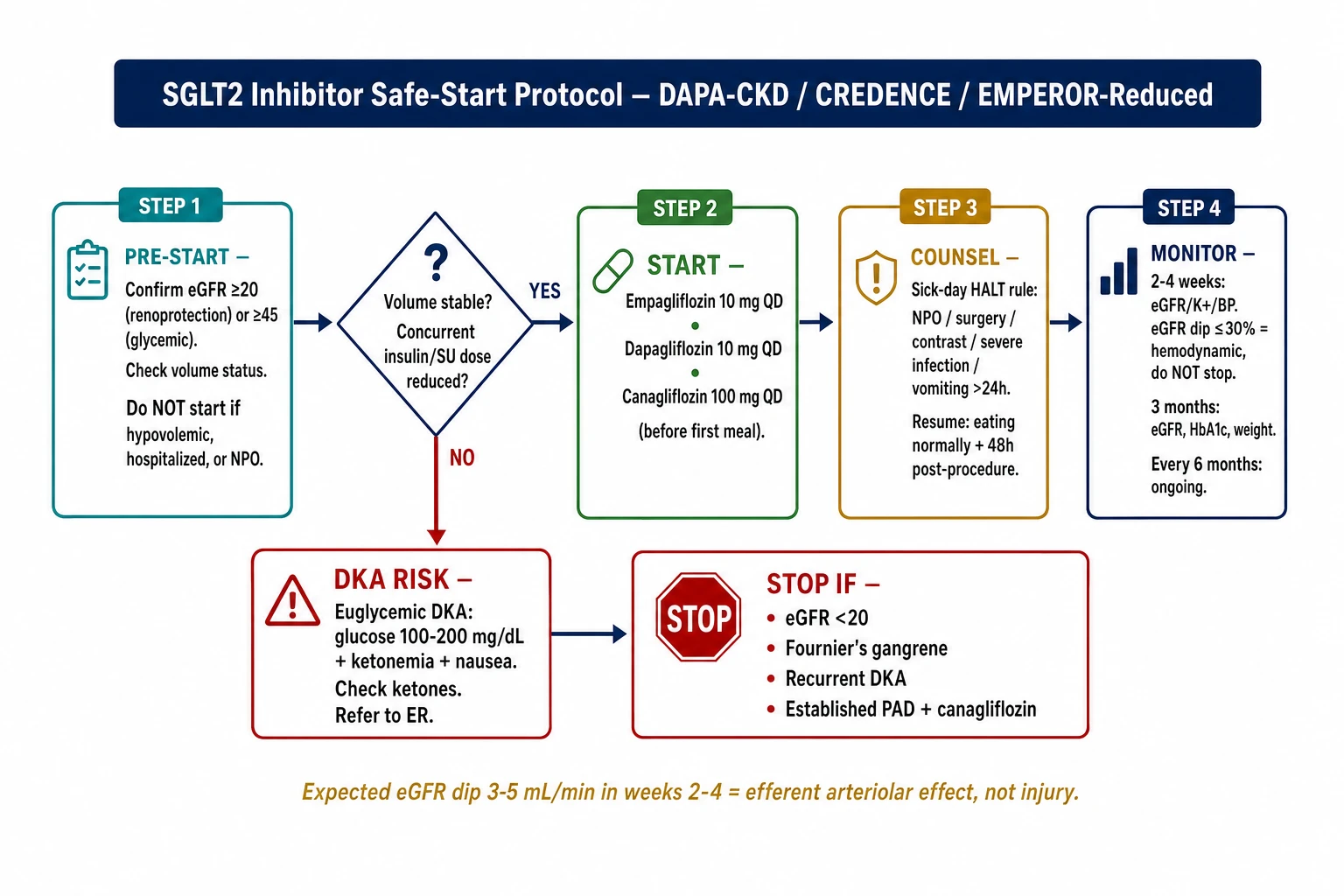 GuideThe CKD Prescriber's PlaybookClinician-focused operational guide: exactly how to start, titrate, and adjust SGLT2 inhibitors, ACEi/ARB, GLP-1 agonists, diuretics, phosphate binders, and ESAs in CKD and nephrology practice. KDIGO 2024 aligned.
 GuideCKD, Mental Health & SleepHow kidney disease affects mental health and sleep — depression, anxiety, cognitive changes, insomnia, restless legs, and evidence-based strategies to help.
 GuideSexual Health & Intimacy in CKD / ESRDEvidence-based guide to sexual dysfunction in CKD and ESRD — hormonal causes, medication effects, IIEF-5 calculator, 4-tier treatment, and how to talk to your nephrologist. By Dr. W Rivero, MD.
 GuideStrengthening Kidney Resilience to AKIProtect your kidneys during illness, before procedures, and after an acute kidney injury (AKI). A patient-and-clinician guide to kidney resilience: baseline creatinine, sick-day and restart plans, NSAID safety, heat and floodwater, perioper
- CalculatorVasopressor & Inotrope Infusion Calculator — Local FormulationsConvert vasopressor/inotrope dose to infusion rate (mL/hr) and back, using locally available Philippine ampoule formulations for norepinephrine, epinephrine, dopamine, dobutamine, phenylephrine, vasopressin, and milrinone.
- CalculatorVasoactive-Inotropic Score (VIS) Calculator — Hemodynamic Support BurdenCalculate the Vasoactive-Inotropic Score (VIS) from dopamine, dobutamine, epinephrine, norepinephrine, milrinone, vasopressin, and dopexamine doses to quantify the cumulative burden of hemodynamic support. With severity bands, indications,
References
- U.S. Food and Drug Administration. DOPamine Hydrochloride · Hospira, Inc. [US FDA-approved label, version 22, May 13, 2026]. Via DailyMed/openFDA. https://dailymed.nlm.nih.gov/dailymed/drugInfo.cfm?setid=1f306ad2-3606-4525-5a8a-ce78f426c1a2
- Food and Drug Administration Philippines. Verification portal (product registrations). https://verification.fda.gov.ph
- PNF Essential Medicines List, 8th ed. (as of November 2, 2022), DOH; https://www.philhealth.gov.ph/partners/providers/pdf/PNF-EML_11022022.pdf
- DOH Drug Price Reference Index (DPRI) 2021, 9th edition (as of September 17, 2021); https://caro.doh.gov.ph/wp-content/uploads/2021/09/2021DPRI-as-of-9-17-2021.pdf
This page shows official label and registry text only; no renalcarematters.com clinical summary has been approved for it yet.
Last updated: .