Vitamins, Minerals, Supplements, and Foods That Harm
Water-soluble vitamin losses, vitamins A and C, iron and zinc, herbal products, star fruit (balimbing) and kamias, and how to review a supplement bag.
PublishedNailathalaGipatikPepalwal:ReferencesMga SanggunianMga TinubdanReng Reperensya:5Audience: Registered nutritionist-dietitians entering adult kidney care · renal RND preceptors, nephrologists, and head nurses who orient themRead timeOras ng pagbasaOras sa pagbasaOras ning pamamasa:
This module is study material for dietitians in adult kidney care. It explains the reasoning behind common decisions; it is not a protocol. In practice, follow your facility’s policy and the responsible physician’s orders. Targets and cut-off values are set by your unit and the attending nephrologist. Every case is fictional.
Learning objectives
After this module you should be able to
Explain which vitamins are lost in dialysis and which build up in kidney failure.
Advise on water-soluble vitamin supplements for patients with poor intake or on dialysis.
Explain why vitamin A and high-dose vitamin C can harm people with kidney failure.
Review a patient’s supplement bag in a structured way.
Recognize star fruit (balimbing) and kamias as dangerous for people with kidney disease.
Route herbal and supplement questions to the physician and pharmacist.
Pre-testBefore you read, answer the 8 self-assessment questions and note your score. After the module, select New set of questions and compare. The difference is what you learned; the questions you still miss are what to reread.
Start here
The big picture, in plain words
In plain wordsWater-soluble vitamins are like coins in an open hand: whatever is not used soon slips away in the urine or, on dialysis, into the dialysis fluid. Fat-soluble vitamins and some minerals are like coins in a closed fist: the healthy kidney opens the fist to release the excess, and a failed kidney cannot. So dialysis patients may run short of the first kind and build up too much of the second.
Figure 1 · Key terms for this module
Water-soluble vitaminsB vitamins (including thiamine, folate, and B12) and vitamin C. Lost in dialysis.
Fat-soluble vitaminsA, D, E, and K. Stored in the body.
Renal multivitaminA product with B vitamins and modest vitamin C, without vitamin A or minerals that build up.
OxalateA compound in some foods and made from vitamin C; forms crystals with calcium in the kidney.
CaramboxinA nerve toxin in star fruit that a failing kidney cannot clear.
KamiasAverrhoa bilimbi, a sour fruit related to star fruit, rich in oxalate.
ReportRisky items to the physician and pharmacist.
TeachWhy, and what to do instead.
Opening case · fictional
Case: The bag of bottles
Mrs. Castro, 66, on hemodialysis for a year, brings a bag her son filled after reading online. It holds a general multivitamin with vitamin A 5,000 IU, vitamin C 1,000 mg tablets, a calcium-plus-vitamin-D tablet, a magnesium supplement, noni juice, and a “kidney detox” herbal tea. She also says a neighbor gave her balimbing “to cleanse the kidneys,” and she has eaten two.
She feels well today. Her potassium is 5.6 mmol/L, and her calcium is at the top of the range.
Before reading on, decide:
Which item worries you most, and what will you do now?
Which items could harm her, and why?
What would a sensible vitamin plan look like?
Keep your answers in mind. The lesson gives you what you need, and the case review near the end shows one sound response.
Lesson · part 1
What is lost and what builds up
Dialysis removes small molecules that dissolve in water, and that includes B vitamins and vitamin C. Poor appetite, restrictions on fruits and vegetables, and inflammation add to the shortfall. Fat-soluble vitamins behave differently. Vitamin A is normally cleared by the kidney, and its levels rise in kidney failure, sometimes to toxic levels with bone pain, high calcium, and dry skin.1
Vitamin
In kidney failure
Practical point
B vitamins (thiamine, B6, folate)
Lost in dialysis; intake often low
Kidney Disease Outcomes Quality Initiative (KDOQI) considers supplementing reasonable when intake is poor
Vitamin B12
Usually adequate; check if deficient
Supplement if deficient
Vitamin C
Lost in dialysis; excess turns into oxalate
Modest supplement only if intake is low; avoid high doses
Vitamin A
Builds up
Avoid supplements
Vitamin D (nutritional)
Often deficient
Physician checks the level and prescribes
Vitamin E, vitamin K
Varies
Not routinely supplemented
KDOQI considers it reasonable to supplement water-soluble vitamins, especially B vitamins and folate, in patients with poor intake or on dialysis, and advises against routine vitamin A supplements in dialysis patients because of toxicity (both expert opinion).1 For vitamin C, it is reasonable to aim for the usual daily intake, about 75 to 90 mg, not the 1,000 mg tablets sold for colds; high doses raise oxalate, which can deposit in tissues and blood vessels.1 The European Society for Clinical Nutrition and Metabolism (ESPEN) micronutrient guideline adds that patients on continuous kidney replacement therapy (CKRT) lose water-soluble vitamins and trace elements continuously and need monitoring.2
Zinc and selenium are not routinely supplemented. Iron is given by the physician based on iron tests, often intravenously on dialysis. Calcium and magnesium supplements add to loads the kidney cannot clear (Module 7).
Lesson · part 2
Review the bag, item by item
Many patients take products their physicians do not know about. Ask every patient, at every review, to bring every pill, powder, tea, and drink. Read each label yourself.
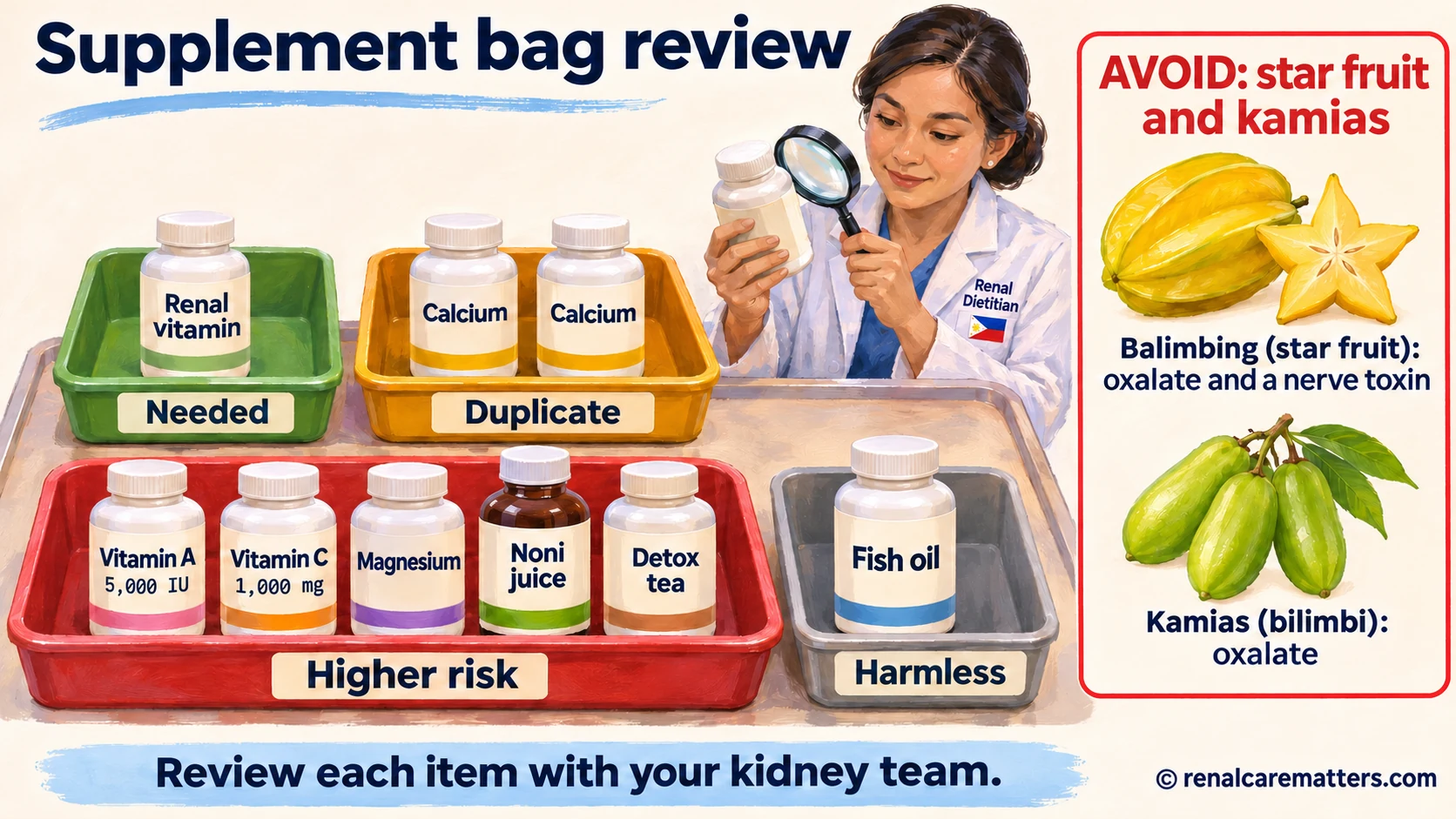
Figure 3 · Sort each item into one of four groups
NeededPrescribed and appropriate, such as a renal multivitamin or a prescribed vitamin D.
HarmlessLow dose and nothing that builds up; still list it.
DuplicateThe same ingredient twice, such as calcium in two products.
RiskyVitamin A, high-dose vitamin C, potassium, magnesium, phosphorus, aluminum, unknown herbs, “detox” products, juices such as noni (very high in potassium).
You may advise that a non-prescribed product be stopped when its risk is clear and it is a food or over-the-counter product, following your facility’s policy, and you must tell the physician. You do not stop a prescribed medicine. Herbal products are the hardest, because ingredients and amounts are often unknown, and some are contaminated. When in doubt, ask the patient to pause the product and bring it to the physician and pharmacist.
Figure 4. Review the bag item by item. Star fruit and kamias are dangerous in kidney disease.
Lesson · part 3
Star fruit and kamias: foods that harm
Star fruit (balimbing, Averrhoa carambola) is common in Philippine markets and in folk remedies. It contains two harmful substances. Oxalate can deposit in the kidney and cause sudden kidney injury. Caramboxin, a nerve toxin, is normally cleared by the kidneys; when they fail, it builds up and causes hiccups, confusion, seizures, and coma.
A review of published cases found 136 people with star fruit poisoning; 69% already had kidney disease, but some had normal kidneys and ate large amounts or drank the juice on an empty stomach. Symptoms ranged from hiccups to prolonged seizures. Dialysis improved the nerve symptoms, and the authors advised early dialysis once poisoning is recognized.3,4 This evidence comes from case reports. They cannot tell us how common poisoning is, but they show the harm is real and can be severe.
Kamias (Averrhoa bilimbi), the sour fruit used in sinigang and in juices, is a close relative rich in oxalate. Case reports describe sudden kidney injury from oxalate deposits after drinking kamias juice.5
Stop and reportA patient with kidney disease who has eaten star fruit or drunk its juice, especially with hiccups, confusion, weakness, or vomiting, needs urgent medical assessment. Call the physician now. Tell every patient with chronic kidney disease (CKD) or on dialysis to avoid star fruit completely, and to avoid kamias juice and large amounts of kamias.
Lesson · part 4
Herbs, teas, and “kidney cleansers”
“Kidney detox” products claim to cleanse the kidneys. No product does that, and some cause harm. Herbal products can contain potassium, oxalate, heavy metals, or compounds that affect medicines. Some plants, such as those containing aristolochic acid, cause kidney failure outright.
Ask without judgment. Many patients use remedies because a relative cares about them, or because they fear dialysis. Respect that, explain the risk, and offer something the family can do instead: cook a meal the patient enjoys, help with the binder, come to the next clinic.
RememberWhen a patient asks about a remedy, the useful answer is not “no” alone. It is “not this one, and here is why, and here is what would help instead.”
Stop and callAny herbal product in a transplant recipient, any product with unknown ingredients in a patient with CKD or on dialysis, or any new symptom after starting a remedy: report it to the physician and ask the pharmacist to review it.
On the floor
Real situations: problems and solutions
These are fictional but typical. For each one, cover the answer, decide what you would do, then compare. Where a step depends on local rules, your unit’s procedure and your supervisor’s direction come first.
Hiccups after balimbing juice
What you see
A dialysis patient’s wife calls: he drank star fruit juice yesterday and now has hiccups and is confused.
What is likely going on
Possible star fruit poisoning.
What to do
Tell her to bring him to the emergency room now and to tell them about the star fruit. Inform the nephrologist at once.
Why it matters
Early dialysis can reverse the nerve effects; delay can be fatal.
The vitamin bottle from abroad
What you see
A patient’s relative sent a high-dose multivitamin with vitamin A and minerals.
What is likely going on
A generous gift with ingredients that build up in kidney failure.
What to do
Explain which ingredients are risky and suggest a renal vitamin if the team agrees. Thank the family for caring.
Why it matters
Respect keeps the conversation going; lecturing ends it.
Field notes
Ask about remedies at every visit; patients do not call them medicines.
Tell every patient with kidney disease: no star fruit, ever.
Case review
Back to the case: The bag of bottles
What worries you most? The balimbing. She has eaten two star fruits and has kidney failure. Even though she feels well now, caramboxin can cause hiccups, confusion, and seizures, sometimes hours later. Call the physician now, tell them what she ate and when, and follow their instructions. She may need monitoring or extra dialysis. Tell her and her son that star fruit must not be eaten again.
Which other items could harm her? The multivitamin with 5,000 IU of vitamin A, because vitamin A builds up in kidney failure. The 1,000 mg vitamin C tablets, because the excess becomes oxalate. Noni juice, which is very high in potassium, and her potassium is already 5.6 mmol/L. The calcium-plus-vitamin-D tablet, with her calcium at the top of the range. The magnesium supplement, which her kidneys cannot clear. The “detox” tea, with unknown contents.
What would a sensible plan look like? Ask her to pause all of these and bring them to the physician and pharmacist, following your facility’s policy. If the team agrees, a renal multivitamin with B vitamins and modest vitamin C, and vitamin D only if prescribed after a blood test. Thank her son for caring, and suggest helping in ways that fit her plan.
And next time? Ask about supplements and remedies at every visit. Many patients do not think of them as medicines. A dietitian who asks routinely will find the bag before it causes harm.
Skills lab · with your preceptor
Skills checklist: Supplement bag review
The preceptor provides a bag of real or mock product labels and a fictional patient card. Your preceptor rates each step as satisfactory, needs practice, or not observed. Steps marked Critical must all be satisfactory before sign-off. This checklist supports supervised learning; your unit’s own procedure and competency form are the authority. A printable version of every checklist is on the trainer page.
Asks the patient to bring every pill, powder, tea, and drink, and reads each label.
Sorts each item as needed, harmless, duplicate, or risky, with reasons.
Identifies vitamin A, high-dose vitamin C, potassium, magnesium, phosphorus, and calcium as risks in kidney failure.
CriticalRecognizes star fruit ingestion as urgent and calls the physician at once.
Advises avoiding star fruit and kamias juice and explains why.
CriticalReports risky items to the physician and pharmacist and does not stop a prescribed medicine.
Responds to remedies with respect and offers alternatives the family can do.
Placement activity. Review the supplement use of five patients with your preceptor and list every product the physician did not know about.
Self-assessment
Check your understanding
Each visit draws 8 questions at random from this module’s 15-question bank. Choose the single best answer for each, then select Check answers; an explanation appears under the best answer. Select New set of questions for a different mix. A good target is 7 of 8 on two different sets. Nothing you select is sent anywhere; scoring happens in your browser.
Ikizler, T. A., Burrowes, J. D., Byham-Gray, L. D., Campbell, K. L., Carrero, J. J., Chan, W., Fouque, D., Friedman, A. N., Ghaddar, S., Goldstein-Fuchs, D. J., Kaysen, G. A., Kopple, J. D., Teta, D., Yee-Moon Wang, A., & Cuppari, L. (2020). KDOQI clinical practice guideline for nutrition in CKD: 2020 update. American Journal of Kidney Diseases, 76(3, Suppl. 1), S1–S107. https://doi.org/10.1053/j.ajkd.2020.05.006
Berger, M. M., Shenkin, A., Schweinlin, A., Amrein, K., Augsburger, M., Biesalski, H. K., Bischoff, S. C., Casaer, M. P., Gundogan, K., Lepp, H. L., de Man, A. M. E., Muscogiuri, G., Pietka, M., Pironi, L., Rezzi, S., & Cuerda, C. (2022). ESPEN micronutrient guideline. Clinical Nutrition, 41(6), 1357–1424. https://doi.org/10.1016/j.clnu.2022.02.015
Yasawardene, P., Jayarajah, U., De Zoysa, I., & Seneviratne, S. L. (2021). Nephrotoxicity and neurotoxicity following star fruit (Averrhoa carambola) ingestion: A narrative review. Transactions of the Royal Society of Tropical Medicine and Hygiene, 115(9), 947–955. https://doi.org/10.1093/trstmh/trab026
Yasawardene, P., Jayarajah, U., De Zoysa, I., & Seneviratne, S. L. (2020). Mechanisms of star fruit (Averrhoa carambola) toxicity: A mini-review. Toxicon, 187, 198–202. https://doi.org/10.1016/j.toxicon.2020.09.010
Bartholameuz, N., Karunarathne, S., Galabada, D., & Fernandopulle, S. (2023). A case of acute oxalate nephropathy due to Averrhoa bilimbi (bilin) juice ingestion in Sri Lanka. Ceylon Medical Journal, 68(3), 132–134. https://doi.org/10.4038/cmj.v68i3.9777
Educational study material for registered nutritionist-dietitians. Does not replace the nephrologist’s orders, facility policy, the Nutrition Care Process documentation required by the Department of Health, or supervised practice.