Use: Labeled indications
- RESTASIS MULTIDOSE ® ophthalmic emulsion is indicated to increase tear production in patients whose tear production is presumed to be suppressed due to ocular inflammation associated with keratoconjunctivitis sicca.
Full indications and usage US FDA label
1 INDICATIONS AND USAGE RESTASIS MULTIDOSE ® ophthalmic emulsion is indicated to increase tear production in patients whose tear production is presumed to be suppressed due to ocular inflammation associated with keratoconjunctivitis sicca. Increased tear production was not seen in patients currently taking topical anti-inflammatory drugs or using punctal plugs.
RESTASIS MULTIDOSE is a calcineurin inhibitor immunosuppressant indicated to increase tear production in patients whose tear production is presumed to be suppressed due to ocular inflammation associated with keratoconjunctivitis sicca. Increased tear production was not seen in patients currently taking topical anti-inflammatory drugs or using punctal plugs.
(1)
Contraindications
4 CONTRAINDICATIONS RESTASIS MULTIDOSE is contraindicated in patients with known or suspected hypersensitivity to any of the ingredients in the formulation [see Adverse Reactions (6.2)]. Hypersensitivity (4)
US FDA labelDosing: Adult
- Instill one drop of RESTASIS MULTIDOSE ophthalmic emulsion twice a day in each eye approximately 12 hours apart. RESTASIS MULTIDOSE can be used concomitantly with lubricant eye drops, allowing a 15-minute interval between products. Prime by squeezing two drops onto a tissue before initial use. (2.1)
- Instill one drop of RESTASIS MULTIDOSE ophthalmic emulsion twice a day in each eye approximately 12 hours apart. (2.2)
- Pull off the clear shipping cover by pulling straight up. Throw the shipping cover away. Do not use RESTASIS MULTIDOSETM if shipping cover or pull tab are damaged or missing. Remove the pull tab on the olive green colored protective cap by pulling the end of the pull tab away from the bottle then winding it counterclockwise. Throw away the pull tab. Remove the olive green colored protective cap by pulling it straight up. Keep the colored protective cap. Prime the bottle for first-time use by squeezing two drops onto a tissue. Do not let the bottle tip touch the tissue. The bottle is now ready for use. After use, recap the bottle with the olive green colored protective cap by pushing it straight down onto the bottle. Turn the bottle upside down a few times before giving your dose to make sure the medicine is mixed well.
2.1 Preparation for First-Time Use Step 1
2.1 Preparation for First-Time Use Step 1: Pull off the clear shipping cover by pulling straight up. Throw the shipping cover away. Do not use RESTASIS MULTIDOSE if shipping cover or pull tab are damaged or missing. Step 2: Remove the pull tab on the olive green colored protective cap by pulling the end of the pull tab away from the bottle then winding it counterclockwise.
Throw away the pull tab. Step 3: Remove the olive green colored protective cap by pulling it straight up. Keep the colored protective cap. Step 4: Prime the bottle for first-time use by squeezing two drops onto a tissue. Do not let the bottle tip touch the tissue. Step 5: The bottle is now ready for use. After use, recap the bottle with the olive green colored protective cap by pushing it straight down onto the bottle.
2.2 Preparation for Use Step 6
2.2 Preparation for Use Step 6: Turn the bottle upside down a few times before giving your dose to make sure the medicine is mixed well. Step 7: Instill one drop in the affected eye. Replace the olive green colored protective cap.
Dosing: Altered kidney function
No kidney-specific text is available from the US label for this generic yet. Check the Philippine package insert in the products table.
Kidney-specific guidance from renalcarematters.com: in preparation.
Dosing: Pediatric
Pediatric use (US label) US FDA label
8.4 Pediatric Use Safety and efficacy have not been established in pediatric patients below the age of 16.
Dosing: Older adult
Geriatric use (US label) US FDA label
8.5 Geriatric Use No overall difference in safety or effectiveness has been observed between elderly and younger patients.
Administration
2.1 Preparation for First-Time Use Step 1: Pull off the clear shipping cover by pulling straight up. Throw the shipping cover away. Do not use RESTASIS MULTIDOSE if shipping cover or pull tab are damaged or missing. Step 2: Remove the pull tab on the olive green colored protective cap by pulling the end of the pull tab away from the bottle then winding it counterclockwise. Throw away the pull tab. Step 3: Remove the olive green colored protective cap by pulling it straight up. Keep the colored protective cap. Step 4: Prime the bottle for first-time use by squeezing two drops onto a tissue. Do not let the bottle tip touch the tissue. Step 5: The bottle is now ready for use. After use, recap the bottle with the olive green colored protective cap by pushing it straight down onto the bottle.
2.2 Preparation for Use Step 6: Turn the bottle upside down a few times before giving your dose to make sure the medicine is mixed well. Step 7: Instill one drop in the affected eye. Replace the olive green colored protective cap.
US FDA labelDosage forms
Philippines
- Ophthalmic emulsion: 0.5 mg/g
Registered products in the Philippines
1 product registered with the Food and Drug Administration (FDA) Philippines list Cyclosporine as the generic name. Registration status changes; confirm a product's current status on the FDA portal before relying on it.
| Package insert | |||||||
|---|---|---|---|---|---|---|---|
RestasisCyclosporine | 0.5 mg/g (0.5%) Ophthalmic EmulsionLDPE Plastic Ampoule x 0.4 mL (Tray of 30’s) | RxVAT-exempt | Allergan Sales LLCUSA | Zuellig Pharma Corporation | DR-XY30656 | Apr 18, 2030 |
Source: FDA Philippines product registration database. "Valid until" is the registration validity date listed by the FDA; a past date may mean a renewal is pending. Package insert links point to files published by the FDA.
United States (label)
Dosage forms and strengths (US label) US FDA label
3 DOSAGE FORMS AND STRENGTHS Ophthalmic emulsion containing cyclosporine 0.05% (0.5 mg/mL) Cyclosporine ophthalmic emulsion 0.05% (0.5 mg/mL) (3)
Warnings/Precautions
Warnings and precautions (US label) US FDA label
5 WARNINGS AND PRECAUTIONS To avoid the potential for eye injury and contamination, be careful not to touch the bottle tip to your eye or other surfaces. (5.1) 5. 1 Potential for Eye Injury and Contamination Be careful not to touch the bottle tip to your eye or other surfaces to avoid potential for eye injury and contamination. 5.2 Use with Contact Lenses RESTASIS MULTIDOSE should not be administered while wearing contact lenses.
Patients with decreased tear production typically should not wear contact lenses. If contact lenses are worn, they should be removed prior to the administration of the emulsion. Lenses may be reinserted 15 minutes following administration of RESTASIS MULTIDOSE ophthalmic emulsion.
Adverse reactions
- The following serious adverse reactions are described elsewhere in the labeling: Potential for Eye Injury and Contamination [see Warnings and Precautions (5.1)] The most common adverse reaction following the use of cyclosporine ophthalmic emulsion 0.05% was ocular burning (17%). (6.1)
- To report SUSPECTED ADVERSE REACTIONS, contact AbbVie at 1-800-633-9110 or FDA at 1-800-FDA-1088 or www.fda.gov/medwatch.
6.1 Clinical Trials Experience
6.1 Clinical Trials Experience Because clinical trials are conducted under widely varying conditions, adverse reaction rates observed in the clinical trials of a drug cannot be directly compared to rates in the clinical trials of another drug and may not reflect the rates observed in practice. In clinical trials, the most common adverse reaction following the use of cyclosporine ophthalmic emulsion, 0.05% was ocular burning (17%).
Other reactions reported in 1% to 5% of patients included conjunctival hyperemia, discharge, epiphora, eye pain, foreign body sensation, pruritus, stinging, and visual disturbance (most often blurring).
6.2 Post-marketing Experience
6.2 Post-marketing Experience The following adverse reactions have been identified during post approval use of cyclosporine ophthalmic emulsion, 0.05%. Because these reactions are reported voluntarily from a population of uncertain size, it is not always possible to reliably estimate their frequency or establish a causal relationship to drug exposure.
Reported reactions have included: hypersensitivity (including eye swelling, urticaria, rare cases of severe angioedema, face swelling, tongue swelling, pharyngeal edema, and dyspnea); and superficial injury of the eye (from the bottle tip touching the eye during administration).
Pregnancy considerations
Pregnancy (US label) US FDA label
8.1 Pregnancy Risk Summary Clinical administration of cyclosporine ophthalmic emulsion 0.05% is not detected systemically following topical ocular administration [see Clinical Pharmacology (12.3)], and maternal use is not expected to result in fetal exposure to the drug. Oral administration of cyclosporine to pregnant rats or rabbits did not produce teratogenicity at clinically relevant doses [see Data].
Data Animal Data At maternally toxic doses (30 mg/kg/day in rats and 100 mg/kg/day in rabbits), cyclosporine oral solution (USP) was teratogenic as indicated by increased pre- and postnatal mortality, reduced fetal weight and skeletal retardations. These doses (normalized to body surface area) are 5,000 and 32,000 times greater, respectively, than the daily recommended human dose of one drop (approximately 28 mcL) of cyclosporine ophthalmic emulsion 0.05% twice daily into each eye of a 60 kg person (0.001 mg/kg/day), assuming that the entire dose is absorbed.
No evidence of embryofetal toxicity was observed in rats or rabbits receiving cyclosporine during organogenesis at oral doses up to 17 mg/kg/day or 30 mg/kg/day, respectively. These doses in rats and rabbits are approximately 3,000 and 10,000 times greater, respectively, than the daily recommended human dose. An oral dose of 45 mg/kg/day cyclosporine administered to rats from Day 15 of pregnancy until Day 21 postpartum produced maternal toxicity and an increase in postnatal mortality in offspring.
This dose is 7,000 times greater than the daily recommended human dose. No adverse effects in dams or offspring were observed at oral doses up to 15 mg/kg/day (2,000 times greater than the daily recommended human dose).
Mechanism of action
12.1 Mechanism of Action Cyclosporine is an immunosuppressive agent when administered systemically. In patients whose tear production is presumed to be suppressed due to ocular inflammation associated with keratoconjunctivitis sicca, cyclosporine emulsion is thought to act as a partial immunomodulator. The exact mechanism of action is not known.
US FDA labelPharmacokinetics
Pharmacokinetics (US label) US FDA label
12.3 Pharmacokinetics Blood cyclosporine A concentrations were measured using a specific high pressure liquid chromatography-mass spectrometry assay. Blood concentrations of cyclosporine, in all the samples collected, after topical administration of cyclosporine ophthalmic emulsion, 0.05%, twice daily, in humans for up to 12 months, were below the quantitation limit of 0.1 ng/mL. There was no detectable drug accumulation in blood during 12 months of treatment with cyclosporine ophthalmic emulsion, 0.05%.
Formulary and pricing (Philippines)
Check availability
Prices and stock vary by branch; renalcarematters.com does not sell medicines or receive payment from pharmacies.
Related guides
Guides on renalcarematters.com for this medicine, for patients and clinicians.
 GuideNephrotic Syndrome: When the Kidney Filter Leaks ProteinFoamy urine, swelling, low albumin: what nephrotic syndrome is, the three common adult causes (minimal change disease, FSGS, membranous nephropathy), new antibody tests, and how treatment works.
 GuideThe CKD Prescriber's PlaybookClinician-focused operational guide: exactly how to start, titrate, and adjust SGLT2 inhibitors, ACEi/ARB, GLP-1 agonists, diuretics, phosphate binders, and ESAs in CKD and nephrology practice. KDIGO 2024 aligned.
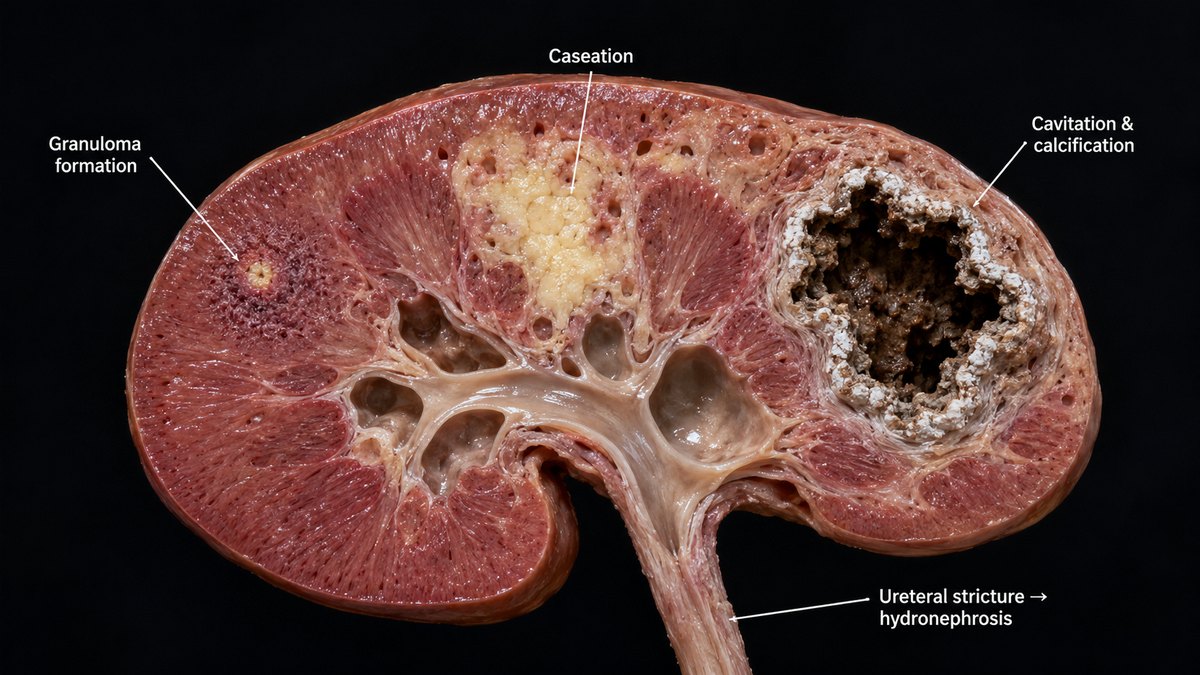 GuideTuberculosis and Kidney DiseaseTuberculosis and kidney disease in the Philippines — how CKD increases TB risk, kidney TB symptoms, treatment challenges, rifampicin dose adjustments in kidney failure.
 GuideCKD and PregnancyCKD and pregnancy: risk stratification, safe medications, monitoring, dialysis, transplant, lupus, warning signs, and postpartum care. KDIGO 2023 · ISSHP 2022.
References
- U.S. Food and Drug Administration. Restasis MultiDose · Allergan, Inc. [US FDA-approved label, version 15, August 21, 2025]. Via DailyMed/openFDA. https://dailymed.nlm.nih.gov/dailymed/drugInfo.cfm?setid=7224d810-bb96-4682-a942-3355e6e8061a
- Food and Drug Administration Philippines. Verification portal (product registrations). https://verification.fda.gov.ph
This page shows official label and registry text only; no renalcarematters.com clinical summary has been approved for it yet.
Last updated: .