After this module you should be able to
- Explain why potassium matters for the heart
- Explain why phosphorus and binders matter for bones and blood vessels
- Use your own plan to prepare for the longest gap between sessions
Suggested earlier modules: C01, C03, C04, C07, C08, C12. You may read any module in any order; the suggestion only helps the lessons build on each other.
The everyday picture

Rising behind the dam. Potassium and fluid rise between dialysis sessions on Monday, Wednesday and Friday and fall on dialysis days, highest after the weekend gap. Never skip the session after a long gap.
Potassium and the heart
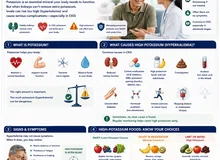
Potassium helps every muscle and nerve work, including the heart's electrical system. Healthy kidneys remove extra potassium every day; on dialysis, it accumulates between sessions. Too much can make the heartbeat irregular or even stop it, often with few warning signs except perhaps weakness or tingling. Whether you need to limit potassium, and how much, depends on your own blood results; many people on dialysis can still enjoy some fruits and vegetables with the right portions and preparation. Ask your dietitian, and be especially careful before the long weekend gap.
Phosphorus, binders and bones
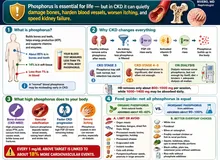
Phosphorus is found in protein foods, dairy and especially in processed foods with phosphate additives, such as some processed meats, instant noodles and soft drinks. Dialysis removes only part of it. High phosphorus pulls calcium from bones and can deposit calcium in blood vessels and the heart, making them stiff. Phosphate binders are medicines that grab phosphorus in the food inside your gut, which is why they must be taken with meals, not on an empty stomach. Ask how to time yours with your actual meals and snacks.

Why binders go with meals. Phosphorus from food, including processed foods and some soft drinks, is caught by binder medicine in the stomach and intestine and leaves in the stool. Too much phosphorus pulls calcium from bones and stiffens blood vessels. Take binders with meals, as your team instructs.
Plan for the long gap
Look at your schedule and find your longest gap. Before it, follow your own plan for fluid, salt, potassium and phosphorus more carefully. Salty food makes you thirsty, so cutting salt is often the easiest way to drink less. Never skip the session after a long gap. If you feel unusual weakness, palpitations or breathlessness, seek urgent help.
Christmas Eve and the long gap
Tito Ernie, 62, dialyzes Monday, Wednesday and Friday. After his Friday session before Christmas, he enjoys Noche Buena: ham, fruit salad, buko juice and soft drinks. By Monday morning he feels weak and his legs feel heavy.
Before reading on: what would you do, and whom would you call?
How sure are we? Moderate evidence
Large studies have found that deaths and hospitalizations among people on three-times-weekly hemodialysis cluster after the long interdialytic gap (observational data). In Dialysis Outcomes and Practice Patterns Study (DOPPS), high phosphorus was associated with about 17% higher mortality. The Kidney Disease Outcomes Quality Initiative (KDOQI) 2020 nutrition guideline recommends individualized potassium and phosphorus management guided by blood tests rather than blanket restrictions.1,2,3,4,5
Questions to ask your team
- Do my blood results mean I need to limit potassium, and which foods matter most for me?
- How should I time my phosphate binder with my real meals and snacks?
- What should I do differently before my longest gap?
Try it, then say it in your own words
Practice. On W13, mark your longest gap between sessions and write one plan for food and fluid before it, using your own team's advice. Worksheet W13: My dialysis day handoff is ready to print. Use invented details when practicing; keep your real health information on paper, not online.
Three quick questions
Choose the best answer for each, then select Check answers. An explanation appears under the best answer. Try again as often as you like. Questions marked Safety question (1 here) must be answered correctly before the module counts as complete; the explanation shows you why. Nothing you select is sent anywhere.
Read next on this site
- Potassium and HyperkalemiaPotassium, in depth.
- Phosphorus: The Silent Threat in chronic kidney disease (CKD)Phosphorus and binders.
Choose your own path on the course home. Last checked November 29, 2026.
Module 19 of 4021 modules to go