After this module you should be able to
- Tell the difference between a benefit paid to a facility and cash paid to you
- Ask for a current eligibility check and itemized explanation
- Recognize that each treatment has its own policy and effective date
Suggested earlier modules: none. You may read any module in any order; the suggestion only helps the lessons build on each other.
The everyday picture
Know the benefit category
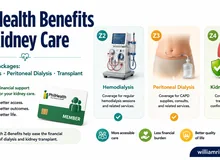
Under PhilHealth Circular 2024-0023, eligible members with stage 5 chronic kidney disease who are registered in the PhilHealth Dialysis Database can receive coverage for up to 156 hemodialysis sessions per calendar year, at a package rate of PHP 6,350 per session, paid to the accredited facility. That is roughly three sessions a week for a year. These are payments to the provider for covered treatment, not cash given to you. Ask the facility to confirm your registration, eligibility and how many sessions remain.

A benefit, not cash. PhilHealth pays an accredited facility for covered services; the patient receives treatment and keeps the itemized bill and copies of documents. The benefit is not cash paid to you. Up to 156 hemodialysis sessions per calendar year for eligible, registered members (PhilHealth Circular 2024-0023, checked November 28, 2026).
Ask before signing
Ask the benefits officer to explain, in a language you understand, which services the package covers, whether any charges are optional, and what you would pay. Ask for an itemized bill. Keep copies of every document you sign and every receipt. If something is unclear, ask how to raise a concern or file a complaint. Other help may be available, such as government medical assistance programs, local government units, charity offices and patient groups; a social worker can help you find them.
Check the right policy
Peritoneal dialysis, kidney transplant surgery and care after transplant are covered by separate circulars with their own rules, and policies are revised. A circular can be published on one date and take effect later. Ask: "Which policy applies to me, and from what date?" Bring benefit questions to the facility coordinator or PhilHealth directly rather than relying on a social media post or an advertised maximum.
The rate in the news
Mang Celso, 55, hears on the radio that PhilHealth "gives P6,350 per dialysis." He expects nothing to pay and is upset when the unit asks him to sign a form and mentions a charge for a medicine given during dialysis.
Before reading on: what would you do, and whom would you call?
How sure are we? Policy fact (dated)
These are policy facts, not research findings, and they change. The hemodialysis package figures above come from PhilHealth Circular 2024-0023 and PhilHealth's public benefit listing, checked November 28, 2026. Peritoneal dialysis and transplant figures are deliberately not quoted here until their full circulars and annexes are verified. Always confirm the current rules with your facility.1,2,3
Questions to ask your team
- Am I registered in the PhilHealth Dialysis Database, and how many sessions do I have left this year?
- What does the package cover, and what might I pay?
- Which other assistance programs can help with my costs?
Try it, then say it in your own words
Practice. On W09, rehearse requesting an itemized explanation, a provider accreditation check and a current eligibility review. Use no real membership numbers online. Worksheet W09: My benefits questions is ready to print. Use invented details when practicing; keep your real health information on paper, not online.
Three quick questions
Choose the best answer for each, then select Check answers. An explanation appears under the best answer. Try again as often as you like. Nothing you select is sent anywhere.
Read next on this site
- National Health Insurance Benefits for Dialysis and TransplantPhilHealth hemodialysis, peritoneal dialysis (PD) and transplant benefits.
- "Zero Balance" Doesn't Mean Zero WorriesZero balance billing, explained.
Choose your own path on the course home. Last checked November 29, 2026.
Module 10 of 4030 modules to go