Nephrology Nursing Track · By Role · Module 18 of 18
Ethics, Resilience, and the Integrated Shift
Choice and safety, privacy on an open floor, conflict, moral distress and fatigue, and a capstone shift from the first gate to the last handoff.
PublishedNailathalaGipatikPepalwal:ReferencesMga SanggunianMga TinubdanReng Reperensya:3Audience: Experienced hemodialysis nurses who take charge of a shift · nurses being prepared for charge duty · head nurses and educators who orient themRead timeOras ng pagbasaOras sa pagbasaOras ning pamamasa:
This module is study material for charge nurses in hemodialysis units. It explains the reasoning behind common decisions; it is not a protocol. On the floor, follow your unit’s protocol and always ask the attending nephrologist for guidance. Doses, limits, and cut-off values are set by your unit. Every case is fictional.
Learning objectives
After this module you should be able to
Respect patient choice while keeping patients safe.
Protect privacy on an open dialysis floor.
Handle conflict with patients, families, and colleagues calmly and safely.
Recognize moral distress and fatigue in yourself and your team, and act on them.
Sequence an integrated shift from the first gate to the last handoff, and present a portfolio of evidence.
Pre-testBefore you read, answer the 8 self-assessment questions and note your score. After the module, select New set of questions and compare. The difference is what you learned; the questions you still miss are what to reread.
Start here
The big picture, in plain words
In plain wordsA good charge nurse is not the one who never has a bad shift. She is the one whose team still trusts her at the end of a bad one.
Ethics on the hemodialysis (HD) floor is mostly small and daily: protecting a patient’s privacy at a crowded station, treating the difficult patient fairly, telling the truth about a delay. Resilience is not toughness. It is having the habits and the support to come back the next day still able to care. This capstone module brings the whole track together in one shift.
Figure 1 · Key terms for this module
Informed refusalA patient’s choice to decline part of a treatment after understanding the risks.
Data privacyProtecting personal and health information from people who do not need it.
De-escalationCalming a tense situation by listening, moving, and setting limits.
Moral distressThe distress of knowing the right thing to do but being unable to do it.
DebriefA short team conversation after a hard event about what happened and how people are.
Opening case · fictional
Case: The integrated shift
A Monday at a 14-station unit. You are in charge. At 5:40 the water entry is missing (Module 2). You have two nurses and an orientee (Module 3). Mr. Reyes is 4.6 kilograms over and slept sitting up (Module 5). At 7:15, Mrs. Santos at Bed 8 becomes drowsy and her pressure falls (Module 7). At 7:20, Bed 11’s fistula bleeds under a blanket (Module 8).
At 9:00 a daughter shouts at a nurse about the late start. At 10:45 the incoming charge nurse arrives (Module 14). At 11:30 you notice you have not eaten or sat down since 5:30.
Before reading on, decide:
Sequence your actions from 5:40 to 11:30.
Where do ethics and conflict appear in this shift?
What do you do for yourself and your team?
Keep your answers in mind. The lesson gives you what you need, and the case review near the end shows one sound response.
Lesson · part 1
Choice and safety
Patients may refuse part of a treatment: a needle by a particular nurse, the full fluid goal, an extra session. Make sure the choice is informed, record it in the patient’s words, and tell the physician. A refusal is a starting point for asking why, not the end of the conversation (Module 6).
Lesson · part 2
Privacy on an open floor
Speak quietly. Keep screens and charts turned away from other patients. Discuss results at the station, not across chairs. Use bed numbers or initials on the board. The Data Privacy Act of 2012 protects patients’ personal and health information in the Philippines.1 A family member filming the floor on a phone is asked politely to stop, to protect the other patients.
Lesson · part 3
Conflict
Stay calm. Move the conversation away from other patients. Listen first and let the person finish. Say what you can do. Set a limit on threats or abuse, and call security if anyone is at risk. Document the facts.
On the floor · The daughter at 9:00
Mrs. Santos’s daughter, angry that her mother started 25 minutes late, raises her voice at the nurse at Bed 8. The charge nurse walks over: “Ma’am, I’m the nurse in charge today. Let’s talk in the side room so your mother can rest.” She listens for two minutes without interrupting. Then: “The water test this morning was late. We do not start until the water is checked, because unsafe water can harm the blood. Your mother will get her full four hours. Her pressure dropped earlier; she’s stable now, and the doctor has seen her.” The daughter is still annoyed, but she is no longer shouting. The charge nurse thanks her for caring about her mother.
Illustrative scenario. Names and details are invented.
Lesson · part 4
Moral distress and fatigue
Moral distress is common among dialysis nurses. A recent literature review linked it to the burdens of direct patient care, workload and organization, and hierarchical barriers and poor communication within teams.2 Fatigue adds to it: shifts of 12.5 hours or more were associated with about three times the odds of an error (Module 3).3
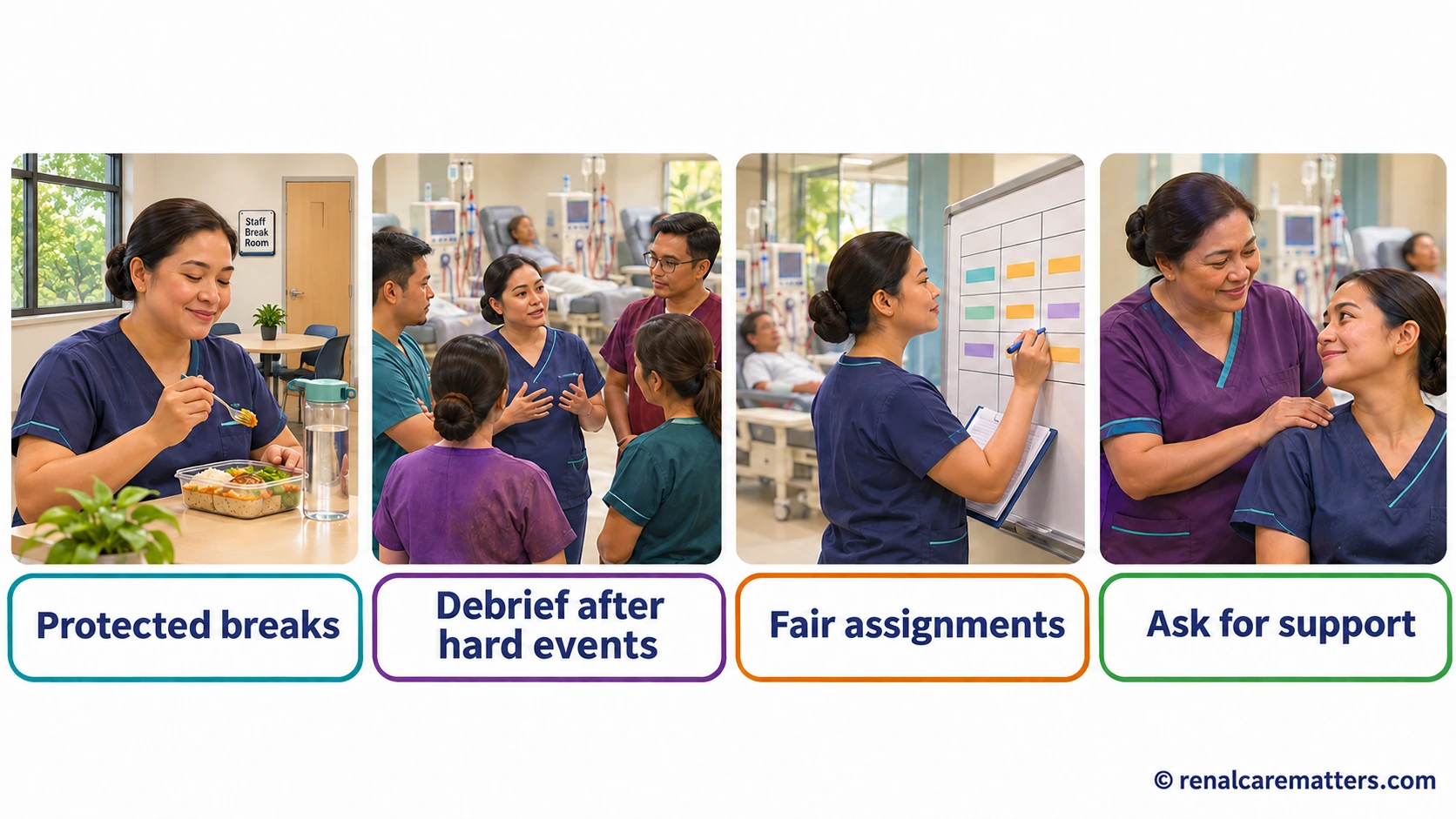
Figure 2. Small habits that protect a team.
Four habits help: protect breaks, including your own; debrief for five minutes after hard events; keep assignments fair; and ask for support when you need it. A charge nurse who never eats teaches her team that eating is optional.
Lesson · part 5
The integrated shift and the portfolio
The capstone is a two-hour simulation of the shift above and a portfolio of evidence from the track: the responsibility map (Module 1), an opening sweep record (2), an assignment with breaks (3), a board and huddle (4), an escalation call (5 or 7), an access round (8), an observed double-check (9), an infection tally (10), a water hold tabletop (11), an emergency station (12), a downtime board (13), a recorded handoff (14), a coaching note (15), a teach-back (16), an improvement run chart (17), and a short reflection. Score sheets are on the trainer page.
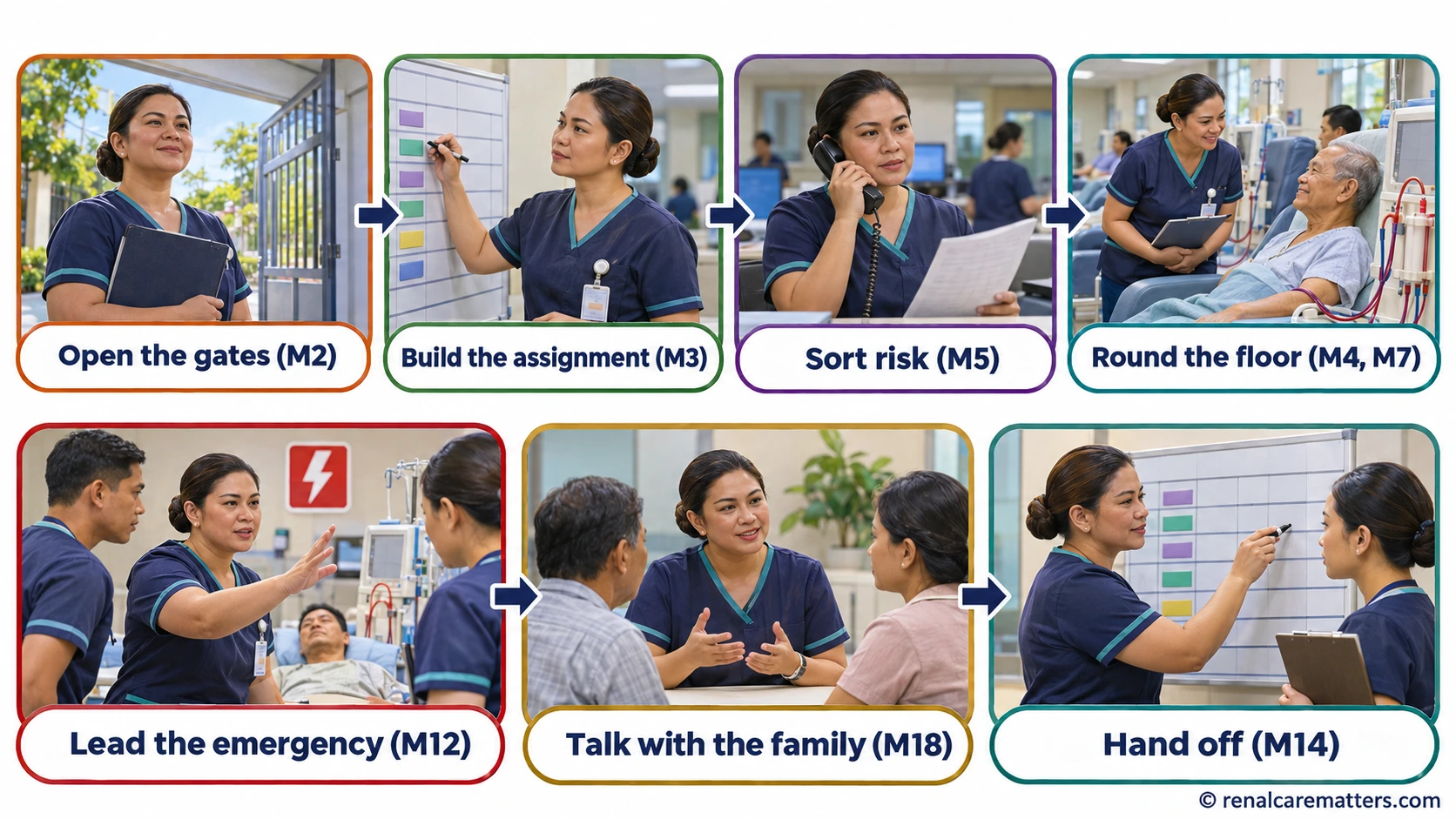
Figure 3. The integrated shift, from the first gate to the last handoff.
On the floor
Real situations: problems and solutions
These are fictional but typical. For each one, cover the answer, decide what you would do, then compare. Where a step depends on local rules, your unit’s procedure and your supervisor’s direction come first.
A patient refuses a trainee
What you see
A patient says she does not want the orientee to needle her.
What is likely going on
Fear, or a past bad experience.
What to do
Respect the choice, reassign the needling, and record it.
Why it matters
Choice and learning can both be honored.
A colleague in tears after a code
What you see
A nurse cries in the pantry after an unsuccessful resuscitation.
What is likely going on
Normal distress after a hard event.
What to do
Debrief with the team, offer support, and lighten her assignment for the rest of the shift.
Why it matters
Teams that debrief come back.
A family filming the floor
What you see
A relative records a video of the unit on his phone.
What is likely going on
Worry, or wanting to share with family.
What to do
Ask politely to stop, to protect other patients’ privacy.
Why it matters
Every patient on that floor has a right to privacy.
Field notes
Fair is not the same as identical.
Debrief after hard events.
Eat.
Case review
Back to the case: The integrated shift
The sequence. 5:40 hold for water, tell patients why. 5:50 build the assignment with breaks on the board, orientee with a named resource nurse. 6:05 Mr. Reyes is a Now call before connection, with the ultrafiltration rate calculated. 6:15 water signed, connections begin. 7:15 Bed 8: stop fluid removal, lay flat, check pressure and glucose, call the physician. 7:20 Bed 11: hand Bed 8’s monitoring to the senior nurse with a named task, go to Bed 11, stop the pump, press, call for help. 7:35 both stable, physician informed. 9:00 the daughter: move to the side room, listen, explain, set expectations. 10:45 I-PASS handoff with action owners. 11:30 eat, sit, and debrief the morning with the team for five minutes.
Ethics and conflict. Telling waiting patients the truth about the delay; protecting Bed 8’s privacy while her daughter is upset; treating the daughter with respect while protecting the nurse; recording everything honestly, including the late start.
Yourself and the team. The capstone tests priorities, not perfection: patients before paperwork, the sicker patient first, someone always watching the floor, honest words to families, a closed handoff, and a charge nurse who takes care of herself so that she can come back tomorrow.
Skills lab · with your preceptor
Skills checklist: Capstone: the integrated shift
A two-hour simulated shift with a facilitator, followed by review of the portfolio. This is the final observed station. Your preceptor rates each step as satisfactory, needs practice, or not observed. Steps marked Critical must all be satisfactory before sign-off. This checklist supports supervised learning; your unit’s own procedure and competency form are the authority. A printable version of every checklist is on the trainer page.
CriticalSequences the shift safely, with the sicker patient first.
CriticalKeeps someone watching the floor during every deterioration.
Protects privacy on the open floor.
De-escalates a conflict away from other patients.
CriticalGives a closed-loop handoff with action owners.
Takes a break and debriefs the team.
CriticalPresents a complete portfolio with a reflection.
Placement activity. Shift 6 of the supervised practice: take charge with the preceptor at a distance, and present your portfolio within two weeks.
Self-assessment
Check your understanding
Each visit draws 8 questions at random from this module’s 15-question bank. Choose the single best answer for each, then select Check answers; an explanation appears under the best answer. Select New set of questions for a different mix. A good target is 7 of 8 on two different sets. Nothing you select is sent anywhere; scoring happens in your browser.
Brioni, E., Guerriero, M. P., Magnaghi, C., Pozzi, D., Finazzi, M., Delli Zotti, G. B., Pennacchio, N., Soliman, C., Rosa, D., Villa, G., & Manara, D. F. (2025). [Predisposing factors and strategies to address moral distress in dialysis nurses: A literature review]. Giornale Italiano di Nefrologia, 42(1). https://doi.org/10.69097/42-01-2025-10
Rogers, A. E., Hwang, W.-T., Scott, L. D., Aiken, L. H., & Dinges, D. F. (2004). The working hours of hospital staff nurses and patient safety. Health Affairs, 23(4), 202–212. https://doi.org/10.1377/hlthaff.23.4.202
Educational study material for nurses. Does not replace the attending nephrologist’s orders, the unit’s protocols, required training and certification, or supervised practice.