WARNING: SERIOUS AND LIFE-THREATENING RISKS FROM USE OF TRAMADOL HYDROCHLORIDE TABLET ADDICTION, ABUSE AND MISUSE Because the use of tramadol hydrochloride tablets exposes patients and other users to the risks of opioid addiction, abuse, and misuse, which can lead to overdose and death, assess each patient's risk prior to prescribing and reassess all patients regularly for the development of these behaviors and conditions [see Warnings and Precautions (5.1)]. LIFE-THREATENING RESPIRATORY DEPRESSION Serious, life-threatening, or fatal respiratory depression may occur with use of tramadol hydrochloride tablets, especially during initiation or following a dose increase.
To reduce the risk of respiratory depression, proper dosing and titration of tramadol hydrochloride tablets are essential [see Warnings and Precautions (5.2)]. ACCIDENTAL INGESTION Accidental ingestion of even one dose of tramadol hydrochloride tablets, especially by children, can result in a fatal overdose of tramadol [see Warnings and Precautions (5.2)].
RISKS FROM CONCOMITANT USE WITH BENZODIAZEPINES OR OTHER CNS DEPRESSANTS Concomitant use of opioids with benzodiazepines or other central nervous system (CNS) depressants, including alcohol, may result in profound sedation, respiratory depression, coma, and death. Reserve concomitant prescribing of tramadol hydrochloride tablets and benzodiazepines or other CNS depressants for use in patients for whom alternative treatment options are inadequate [see Warnings and Precautions (5.3), Drug Interactions (7)].
NEONATAL OPIOID WITHDRAWAL SYNDROME (NOWS) Advise pregnant women using opioids for an extended period of time of the risk of Neonatal Opioid Withdrawal Syndrome, which may be life-threatening if not recognized and treated. Ensure that management by neonatology experts will be available at delivery [see Warnings and Precautions (5.4)].
OPIOID ANALGESIC RISK EVALUATION AND MITIGATION STRATEGY (REMS) Healthcare providers are strongly encouraged to complete a REMS compliant education program and to counsel patients and caregivers on serious risks, safe use, and the importance of reading the Medication Guide with each prescription [see Warnings and Precautions (5.5)]. ULTRA-RAPID METABOLISM OF TRAMADOL AND OTHER RISK FACTORS FOR LIFE-THREATENING RESPIRATORY DEPRESSION IN CHILDREN Life-threatening respiratory depression and death have occurred in children who received tramadol.
Some of the reported cases followed tonsillectomy and/or adenoidectomy; in at least one case, the child had evidence of being an ultra-rapid metabolizer of tramadol due to a CYP2D6 polymorphism [see Warnings and Precautions (5.6)]. Tramadol hydrochloride tablets are contraindicated in children younger than 12 years of age and in children younger than 18 years of age following tonsillectomy and/or adenoidectomy [see Contraindications (4)].
Avoid the use of tramadol hydrochloride tablets in adolescents 12 to 18 years of age who have other risk factors that may increase their sensitivity to the respiratory depressant effects of tramadol [see Warnings and Precautions (5.6)]. INTERACTIONS WITH DRUGS AFFECTING CYTOCHROME P450 ISOENZYMES The effects of concomitant use or discontinuation of cytochrome P450 3A4 inducers, 3A4 inhibitors, or 2D6 inhibitors with tramadol are complex.
Use of cytochrome P450 3A4 inducers, 3A4 inhibitors, or 2D6 inhibitors with tramadol hydrochloride tablets requires careful consideration of the effects on the parent drug, tramadol, and the active metabolite, M1 [see Warnings and Precautions (5.6); Drug Interactions (7)]. WARNING: SERIOUS AND LIFE-THREATENING RISKS FROM USE OF TRAMADOL HYDROCHLORIDE TABLET See full prescribing information for complete boxed warning.
Tramadol hydrochloride tablets exposes users to the risks of addiction, abuse and misuse, which can lead to overdose and death. Assess each patient's risk prior to prescribing tramadol hydrochloride tablets, and monitor regularly for these behaviors or conditions. (5.1) Serious, life-threatening, or fatal respiratory depression may occur.
Monitor closely, especially during initiation or following a dose increase. (5.2) Accidental ingestion of tramadol hydrochloride tablets, especially by children, can result in a fatal overdose of tramadol. (5.2) Concomitant use of opioids with benzodiazepines or other central nervous system (CNS) depressants, including alcohol, may result in profound sedation, respiratory depression, coma, and death.
Reserve concomitant prescribing for use in patients for whom alternative treatment options are inadequate; limit dosages and durations to the minimum required; and follow patients for signs and symptoms of respiratory depression and sedation. (5.3, 7) Advise pregnant women using opioids for an extended period of time of the risk of Neonatal Opioid Withdrawal Syndrome, which may be life-threatening if not recognized and treated.
Ensure that management by neonatology experts will be available at delivery. (5.4) To ensure that the benefits of opioid analgesics outweigh the risks of addiction, abuse, and misuse, the Food and Drug Administration (FDA) has required a Risk Evaluation and Mitigation Strategy (REMS) for these products. (5.5) Life-threatening respiratory depression and death have occurred in children who received tramadol.
Some of the reported cases followed tonsillectomy and/or adenoidectomy; in at least one case, the child had evidence of being an ultra-rapid metabolizer of tramadol due to a CYP2D6 polymorphism. (5.6) Tramadol hydrochloride tablets are contraindicated in children younger than 12 years of age and in children younger than 18 years of age following tonsillectomy and/or adenoidectomy (4).
Avoid the use of tramadol hydrochloride tablets in adolescents 12 to 18 years of age who have other risk factors that may increase their sensitivity to the respiratory depressant effects of tramadol. (5.6) The effects of concomitant use or discontinuation of cytochrome P450 3A4 inducers, 3A4 inhibitors, or 2D6 inhibitors with tramadol are complex.
Use of cytochrome P450 3A4 inducers, 3A4 inhibitors, or 2D6 inhibitors with tramadol hydrochloride tablets requires careful consideration of the effects on the parent drug, tramadol, and the active metabolite, M1. (5.7, 7)
Use: Labeled indications
- Tramadol hydrochloride tablets are indicated in adults for the management of pain severe enough to require an opioid analgesic and for which alternative treatments are inadequate.
Full indications and usage US FDA label
1 INDICATIONS AND USAGE Tramadol hydrochloride tablets are indicated in adults for the management of pain severe enough to require an opioid analgesic and for which alternative treatments are inadequate. Limitations of Use Because of the risks of addiction, abuse, misuse, overdose, and death, which can occur at any dosage or duration and persist over the course of therapy [see Warnings and Precautions (5.1)], reserve opioid analgesics, including tramadol hydrochloride tablets for use in patients for whom alternative treatment options are ineffective, not tolerated, or would be otherwise inadequate to provide sufficient management of pain.
Tramadol hydrochloride tablets are an opioid agonist indicated in adults for the management of pain severe enough to require an opioid analgesic and for which alternative treatments are inadequate (1). Limitations of Use Because of the risks of addiction, abuse, misuse, overdose, and death, which can occur at any dosage or duration and persist over the course of therapy, reserve opioid analgesics, including tramadol hydrochloride tablets for use in patients for whom alternative treatment options are ineffective, not tolerated, or would be otherwise inadequate to provide sufficient management of pain.
(1, 5.1)
Contraindications
- Children younger than 12 years
- Postoperative use after tonsillectomy and/or adenoidectomy in children younger than 18 years
- Significant respiratory depression
- Acute or severe bronchial asthma in an unmonitored setting
- Known or suspected gastrointestinal obstruction including paralytic ileus
- Hypersensitivity to tramadol
- Concurrent MAO inhibitor or use within the last 14 days
Contraindications (US label) US FDA label
4 CONTRAINDICATIONS Tramadol hydrochloride tablets are contraindicated for: all children younger than 12 years of age [see Warnings and Precautions (5.6)]. postoperative management in children younger than 18 years of age following tonsillectomy and/or adenoidectomy [see Warnings and Precautions (5.6)]. Tramadol hydrochloride tablets are also contraindicated in patients with: Significant respiratory depression [see Warnings and Precautions (5.2)].
Acute or severe bronchial asthma in an unmonitored setting or in the absence of resuscitative equipment [see Warnings and Precautions (5.12)]. Known or suspected gastrointestinal obstruction, including paralytic ileus [see Warnings and Precautions (5.16)]. Hypersensitivity to tramadol, any other component of this product or opioids [see Warnings and Precautions (5.17)].
Concurrent use of monoamine oxidase inhibitors (MAOIs) or use within the last 14 days [see Drug Interactions (7)]. Children younger than 12 years of age (4). Postoperative management in children younger than 18 years of age following tonsillectomy and/or adenoidectomy (4). Significant respiratory depression (4). Acute or severe bronchial asthma in an unmonitored setting or in the absence of resuscitative equipment (4).
Known or suspected gastrointestinal obstruction, including paralytic ileus (4). Hypersensitivity to tramadol, any other component of this product or opioids (4). Concurrent use of monoamine oxidase inhibitors (MAOIs) or use of MAOIs within the last 14 days (4).
Dosing: Adult
- Pain severe enough to need an opioid (immediate-release tablets): Start 25 mg/day and titrate by 25 mg every 3 days to 100 mg/day (25 mg four times daily), then by 50 mg every 3 days to 200 mg/day; then 50 to 100 mg every 4 to 6 hours as needed, maximum 400 mg/day (over 75 years: 300 mg/day)
- CrCl below 30 mL/min (immediate-release): Every 12 hours; maximum 200 mg/day
- Severe hepatic impairment (immediate-release): 50 mg every 12 hours
- Extended-release products (one PH registration): Follow the product label; do not use extended-release tramadol at CrCl below 30 mL/min
- Tramadol hydrochloride tablets should be prescribed only by healthcare professionals who are knowledgeable about the use of opioids and how to mitigate the associated risks. (2.1)
- Use the lowest effective dosage for the shortest duration consistent with individual patient treatment goals. Reserve titration to higher doses of, tramadol hydrochloride tablets for patients in whom lower doses are insufficiently effective and in whom the expected benefits of using a higher dose opioid clearly outweigh the substantial risks. (2.1, 5) Many acute pain conditions (e.g., the pain that occurs with a number of surgical procedures or acute musculoskeletal injuries) require no more than a few days of an opioid analgesic. Clinical guidelines on opioid prescribing for some acute pain conditions are available. (2.1)
- Initiate the dosing regimen for each patient individually, taking into account the patient's underlying cause and severity of pain, prior analgesic treatment and response, and risk factors for addiction, abuse, and misuse. (2.1, 5.1)
- Respiratory depression can occur at any time during opioid therapy, especially when initiating and following dosage increases with, tramadol hydrochloride tablets. Consider this risk when selecting an initial dose and when making dose adjustments. (2.1, 5.2)
- Initiate the dosing regimen for each patient individually, taking into account the …
2.1 Important Dosage and Administration Instructions
2.1 Important Dosage and Administration Instructions Do not use tramadol hydrochloride tablets concomitantly with other tramadol-containing products. Do not administer tramadol hydrochloride tablets at a dose exceeding 400 mg per day. Tramadol hydrochloride tablets should be prescribed only by healthcare professionals who are knowledgeable about the use of opioids and how to mitigate the associated risks.
Use the lowest effective dosage for the shortest duration of time consistent with individual patient treatment goals [see Warnings and Precautions (5)]. Because the risk of overdose increases as opioid doses increases, reserve titration to higher doses of tramadol hydrochloride tablets for patients in whom lower doses are insufficiently effective and in whom the expected benefits of using a higher dose opioid clearly outweigh the substantial risks.
Many acute pain conditions (e.g., the pain that occurs with a number of surgical procedures or acute musculoskeletal injuries) require no more than a few days of an opioid analgesic. Clinical guidelines on opioid prescribing for some acute pain conditions are available. There is variability in the opioid analgesic dose and duration needed to adequately manage pain due both to the cause of pain and to individual patient factors.
Initiate the dosing regimen for each patient individually, taking into account the patient's underlying cause and severity of pain, prior analgesic treatment response and risk factors for addiction, abuse, and misuse [see Warnings and Precautions (5.1)]. Respiratory depression, can occur at any time during opioid therapy, especially when initiating and following dosage increases with tramadol hydrochloride tablets.
Consider this risk when selecting an initial dose and when making dose adjustments [see Warnings and Precautions (5)].
2.2 Patient
2.2 Patient Access to an Opioid Overdose Reversal Agent for the Emergency Treatment of Opioid Overdose Inform patients and caregivers about opioid overdose reversal agents (e.g., naloxone, nalmefene). Discuss the importance of having access to an opioid overdose reversal agent, especially if the patient has risk factors for overdose (e.g., concomitant use of CNS depressants, a history of opioid use disorder, or prior opioid overdose) or if there are household members (including children) or other close contacts at risk for accidental ingestion or opioid overdose.
The presence of risk factors for overdose should not prevent the management of pain in any patient [see Warnings and Precautions (5.1, 5.2, 5.3)]. Discuss the options for obtaining an opioid overdose reversal agent (e.g., prescription, over-the-counter, or as part of a community-based program) [see Warnings and Precautions (5.2)].
There are important differences among the opioid overdose reversal agents, such as route of administration, product strength, approved patient age range, and pharmacokinetics. Be familiar with these differences, as outlined in the approved labeling for those products, prior to recommending or prescribing such an agent.
2.3 Initial Dosage
2.3 Initial Dosage Initiating Treatment with Tramadol Hydrochloride Tablets Initiate treatment at the lowest dose necessary to achieve adequate analgesia. Titrate the dose based upon the individual patient's response to their initial dose of tramadol hydrochloride tablets. For patients not requiring rapid onset of analgesic effect, the tolerability of tramadol hydrochloride tablets can be improved by initiating therapy with the following titration regimen: Start tramadol hydrochloride tablets at 25 mg/day and titrated in 25 mg increments as separate doses every 3 days to reach 100 mg/day (25 mg four times a day).
Thereafter the total daily dose may be increased by 50 mg as tolerated every 3 days to reach 200 mg/day (50 mg four times a day). After titration, tramadol hydrochloride tablets 50 to 100 mg can be administered as needed for pain relief every 4 to 6 hours not to exceed 400 mg/day. For the subset of patients for whom rapid onset of analgesic effect is required and for whom the benefits outweigh the risk of discontinuation due to adverse events associated with higher initial doses, tramadol hydrochloride tablets 50 mg to 100 mg can be administered as needed for pain relief every four to six hours, not to exceed 400 mg per day.
Conversion from Tramadol hydrochloride tablets to Extended-Release Tramadol The relative bioavailability of tramadol hydrochloride tablets compared to extended-release tramadol is unknown, so conversion to extended-release formulations may lead to increased risk of excessive sedation and respiratory depression. Dosage Modification in Patients with Hepatic Impairment The recommended dose for adult patients with severe hepatic impairment is 50 mg every 12 hours.
Dosage Modification in Patients with Renal Impairment In all patients with creatinine clearance less than 30 mL/min, it is recommended that the dosing interval of tramadol hydrochloride tablets be increased to 12 hours, with a maximum daily dose of 200 mg. Since only 7% of an administered dose is removed by hemodialysis, dialysis patients can receive their regular dose on the day of dialysis.
Dosage Modification in Geriatric Patients Do not exceed a total dose of 300 mg/day in patients over 75 years old.
2.4 Titration and Maintenance of Therapy
2.4 Titration and Maintenance of Therapy Individually titrate tramadol hydrochloride tablets to a dose that provides adequate analgesia and minimizes adverse reactions. Continually reevaluate patients receiving tramadol hydrochloride tablets to assess the maintenance of pain control, signs and symptoms of opioid withdrawal, and other adverse reactions, as well as to reassess for the development of addiction, abuse, or misuse [see Warnings and Precautions (5.1), (5.18)].
Frequent communication is important among the prescriber, other members of the healthcare team, the patient, and the caregiver/family during periods of changing analgesic requirements, including initial titration. If the level of pain increases after dosage stabilization, attempt to identify the source of increased pain before increasing the tramadol hydrochloride tablets dosage.
If after increasing the dosage, unacceptable opioid-related adverse reactions are observed (including an increase in pain after dosage increase), consider reducing the dosage [see Warnings and Precautions (5)]. Adjust the dosage to obtain an appropriate balance between management of pain and opioid-related adverse reactions.
2.5 Safe Reduction and Discontinuation of Tramadol Hydrochloride Tablets
2.5 Safe Reduction and Discontinuation of Tramadol Hydrochloride Tablets Do not rapidly reduce or abruptly discontinue tramadol hydrochloride tablets in patients who may be physically dependent on opioids. Rapid reduction or abrupt discontinuation of opioid analgesics in patients who are physically dependent on opioids has resulted in serious withdrawal symptoms, uncontrolled pain, and suicide.
Rapid reduction or abrupt discontinuation has also been associated with attempts to find other sources of opioid analgesics, which may be confused with drug-seeking for abuse. Patients may also attempt to treat their pain or withdrawal symptoms with illicit opioids, such as heroin, and other substances. When a decision has been made to decrease the dose or discontinue therapy in an opioid-dependent patient taking tramadol hydrochloride tablets, there are a variety of factors that should be considered, including the total daily dose of opioid (including tramadol hydrochloride tablets) the patient has been taking, the duration of treatment, the type of pain being treated, and the physical and psychological attributes of the patient.
It is important to ensure ongoing care of the patient and to agree on an appropriate tapering schedule and follow-up plan so that patient and provider goals and expectations are clear and realistic. When opioid analgesics are being discontinued due to a suspected substance use disorder, evaluate and treat the patient, or refer for evaluation and treatment of the substance use disorder.
Treatment should include evidence-based approaches, such as medication assisted treatment of opioid use disorder. Complex patients with comorbid pain and substance use disorders may benefit from referral to a specialist. There are no standard opioid tapering schedules that are suitable for all patients. Good clinical practice dictates a patient-specific plan to taper the dose of the opioid gradually.
For patients on tramadol hydrochloride tablets who are physically opioid-dependent, initiate the taper by a small enough increment, (e.g., no greater than 10% to 25% of the total daily dose) to avoid withdrawal symptoms, and proceed with dose-lowering at an interval of every 2 to 4 weeks. Patients who have been taking opioids for briefer periods of time may tolerate a more rapid taper.
It may be necessary to provide the patient with a lower dosage strength to accomplish a successful taper. Reassess the patient frequently to manage pain and withdrawal symptoms, should they emerge. Common withdrawal symptoms include restlessness, lacrimation, rhinorrhea, yawning, perspiration, chills, myalgia, and mydriasis.
Other signs and symptoms also may develop, including irritability, anxiety, backache, joint pain, weakness, abdominal cramps, insomnia, nausea, anorexia, vomiting, diarrhea, or increased blood pressure, respiratory rate, or heart rate. If withdrawal symptoms arise, it may be necessary to pause the taper for a period of time or raise the dose of the opioid analgesic to the previous dose, and then proceed with a slower taper.
In addition, regularly evaluate patients for any changes in mood, emergence of suicidal thoughts, or use of other substances. When managing patients taking opioid analgesics, particularly those who have been treated for an extended period of time, and/or with high doses for chronic pain, ensure that a multimodal approach to pain management, including mental health support (if needed), is in place prior to initiating an opioid analgesic taper.
A multimodal approach to pain management may optimize the treatment of chronic pain, as well as assist with the successful tapering of the opioid analgesic [see Warnings and Precautions (5.18), Drug Abuse and Dependence (9.3)].
Dosing: Altered kidney function
Tramadol and its active metabolite (M1) build up as kidney function falls. For immediate-release (IR) tramadol, the form registered for almost all PH products, the US label lengthens the dosing interval to every 12 hours with a maximum of 200 mg/day when creatinine clearance (CrCl) is below 30 mL/min; dialysis removes less than 7%, so the regular dose can be given on dialysis days. Extended-release (ER) tramadol should not be used at CrCl below 30 mL/min.
Kidney function measure: Label uses creatinine clearance (CrCl, mL/min).
Show full dosing details
- CrCl ≥60 mL/min
- IR: 50 to 100 mg every 4 to 6 hours as needed after titration, maximum 400 mg/day; over 75 years, maximum 300 mg/day (label). ER: usual dosing, maximum 300 mg/day (label).
- CrCl 30–59 mL/min
- IR: no adjustment at CrCl ≥30 (label). ER: no consistent change in tramadol exposure at CrCl 30–80; M1 exposure 20–40% higher (label). Use with caution.
- CrCl 15–29 mL/min
- IR: increase the dosing interval to every 12 hours, maximum 200 mg/day (label: CrCl <30). ER: do not use (label).
- CrCl <15 mL/min (not on dialysis)
- IR: increase the dosing interval to every 12 hours, maximum 200 mg/day (label: CrCl <30). ER: do not use (label).
- Hemodialysis (intermittent)
- IR: dose as for CrCl <30 (every 12 hours, maximum 200 mg/day); give the regular dose on dialysis days, since less than 7% is removed in a 4-hour dialysis (label). ER: do not use.
- Peritoneal dialysis
- IR: not studied in peritoneal dialysis. Clinical extrapolation: dose as for CrCl <30 (every 12 hours, maximum 200 mg/day). ER: do not use.
- CRRT
- No data in the IR or ER labels. IR: specialist input (the CrCl <30 schedule is a reasonable starting point but is not studied in CRRT). ER: do not use.
- Dialyzable? No: less than 7% removed in a 4-hour dialysis (label).
- Monitoring Respiratory depression, sedation, seizures, serotonin syndrome, hypoglycemia, hyponatremia; opioid boxed warnings.
Children (kidney dosing)
- eGFR ≥60
- Not established in children. Contraindicated under 12 years; 12 to 17 years: avoid with respiratory risk factors (label). Age, not kidney function, determines use.
- eGFR 30–59
- Not established in children. Contraindicated under 12 years; 12 to 17 years: avoid with respiratory risk factors (label). Age, not kidney function, determines use.
- eGFR 15–29
- Not established in children. Contraindicated under 12 years; 12 to 17 years: avoid with respiratory risk factors (label). Age, not kidney function, determines use.
- eGFR <15 (not on dialysis)
- Not established in children. Contraindicated under 12 years; 12 to 17 years: avoid with respiratory risk factors (label). Age, not kidney function, determines use.
- Hemodialysis (intermittent)
- Not established.
- Peritoneal dialysis
- Not established.
- CRRT
- Not established.
Pediatric eGFR: bedside Schwartz equation, 0.413 × height (cm) / serum creatinine (mg/dL). Weight-based doses should not exceed the adult maximum.
renalcarematters.com guidance, reviewed by William Gregory M. Rivero, MD, FPCP, DPSN on November 17, 2026. Sources are listed under References. Use with the product's package insert and the patient's current kidney function.
US label text: Renal impairment US FDA label
Renal Impairment Impaired renal function results in a decreased rate and extent of excretion of tramadol and its active metabolite, M1. In patients with creatinine clearances of less than 30 mL/min, adjustment of the dosing regimen is recommended [see Dosage and Administration (2)]. The total amount of tramadol and M1 removed during a 4-hour dialysis period is less than 7% of the administered dose.
Dosing: Pediatric
- Approved ages
- Safety and effectiveness not established in pediatric patients. Contraindicated under 12 years, and under 18 years after tonsillectomy and/or adenoidectomy (IR label 4, 8.4).
- Usual dose
- Not established; contraindicated under 12 years.
- Maximum dose
- Not applicable.
- Neonates
- Neonates: contraindicated (under 12 years).
Avoid in adolescents 12 to 18 years with risk factors for respiratory depression (obstructive sleep apnea, obesity, severe lung or neuromuscular disease) (label).
Kidney dosing in children: see Dosing: Altered kidney function.
renalcarematters.com, reviewedAdministration
2.1 Important Dosage and Administration Instructions Do not use tramadol hydrochloride tablets concomitantly with other tramadol-containing products. Do not administer tramadol hydrochloride tablets at a dose exceeding 400 mg per day. Tramadol hydrochloride tablets should be prescribed only by healthcare professionals who are knowledgeable about the use of opioids and how to mitigate the associated risks. Use the lowest effective dosage for the shortest duration of time consistent with individual patient treatment goals [see Warnings and Precautions ( 5 )]. Because the risk of overdose increases as opioid doses increases, reserve titration to higher doses of tramadol hydrochloride tablets for patients in whom lower doses are insufficiently effective and in whom the expected benefits of using a higher dose opioid clearly outweigh the substantial risks. Many acute pain conditions (e.g., the pain that occurs with a number of surgical procedures or acute musculoskeletal injuries) require no more than a few days of an opioid analgesic. Clinical guidelines on opioid prescribing for some acute pain conditions are available. There is variability in the opioid analgesic dose and duration needed to adequately manage pain due both to the cause of pain and to individual patient factors. Initiate the dosing regimen for each patient individually, taking into account the patient's underlying cause and severity of pain, prior analgesic treatment response and risk factors for addiction, abuse, and misuse [see Warnings and Precautions ( 5.1 )]. Respiratory depression, can occur at any time during opioid therapy, especially when initiating and following dosage increases with tramadol hydrochloride tablets. Consider this risk when selecting an initial dose and when making dose adjustments [see Warnings and Precautions ( 5 )].
US FDA labelDosage forms
Philippines
- Solution for injection: 50 mg/mL, 50 mg/mL (100 mg/2 mL, 100 mg/2 mL
- Capsule: 50 mg
- ) solution for injection: 50 mg/mL (100 mg/2 mL
- Dispersible tablet: 50 mg
- Film-coated tablet: 50 mg
- Tablet: 50 mg
- Controlled-release capsule: 100 mg
- Retard tablet: 100 mg
- Solutions for injection: 50 mg/mL
Registered products in the Philippines
116 products registered with the Food and Drug Administration (FDA) Philippines list Tramadol as the generic name (including products registered under a variant spelling). Registration status changes; confirm a product's current status on the FDA portal before relying on it.
Also registered under: Tramadol hyrochloride (1 product). Products registered under these spellings are included in the table and marked.
All registered products116
| Package insert | |||||||
|---|---|---|---|---|---|---|---|
AetramTramadol hydrochloride | 50 mg /ml Solution for InjectionType I Clear Colorless Glass Ampoule x 2 ml (Box of 10’s) | Rx | CSPC Ouyi Pharmaceutical Co., Ltd.China | Dynasty PharmaceuticalsImporter: Amb Hk Enterprises Inc. | DRP-8397-02 | Sep 25, 2029 | |
AgoramTramadol Hydrochloride | 50 mg CapsuleAlu/Clear PVC Blister pack x 10's Box of 100's | Rx | Drugmakers Laboratories IncPhilippines | — | DRP-2946 | Feb 8, 2030 | |
AkidolTramadol Hydrochloride | 100 mg / 2 mL Solution for Injection (IM/IV)2mL Clear Glass Ampoule (Box of 5's in Blister Pack Tray) | Rx | Scott-Edil Pharmacia LimitedIndia | Teramedix Pharma Trading Inc.Importer: Pharmakon Biotec Inc. | DRP-3892-8 | May 10, 2027 | |
AmbidolTramadol hydrochloride | 50 mg/mL Solution for Injection (IM/IV)Type I Clear Colorless Glass Ampoule x 2 mL (Box of 10’S) | Rx | CSPC Ouyi Pharmaceutical Co. Ltd.China | AMB HK Enterprises Inc. | DRP-8397 | Sep 25, 2029 | |
AmbidolTramadol Hydrochloride | 50mg CapsuleAlu/White Opaque PVC/PVDC Blister Pack x 10's (Box of 100's) | Rx | Fredun Pharmaceuticals LimitedIndia | AMB HK Enterprises, Inc.Importer: AMB HK Enterprises Inc. | DRP-13487 | Feb 27, 2028 | |
AmsodolTramadol hydrochloride | 50 mg/mL Solution for Injection (IM/IV)Type I Clear Glass Ampoule x 2 mL (Box of 10's) | Rx | CSPC Ouyi Pharmaceutical Co., Ltd.China | Amson PharmaceuticalsImporter: Sahar International Trading, Inc. | DRP-8804-01 | Jun 17, 2027 | |
Amtram-STramadol Hydrochloride | 50 mg / mL Solution for Injection (I.M./I.V.)Colorless Glass Ampoule x 1 mL (Box of 50’s) | Rx | Shin Poong Pharmaceutical Co. Ltd.Republic of Korea | Starpharm, Inc.Importer: Phil.Shinpoong Pharma Inc. | DRP-412-04 | Jun 28, 2027 | |
Amtram-STramadol Hydrochloride | 50 mg CapsuleAlu PVC Blister Pack x 10's (Box of 100's) | Rx | Azarias Pharmaceutical Laboratories Inc.Philippines | STARPHARM, INC. | DRP-5837-05 | Nov 26, 2029 | |
AnalgenTramadol hydrochloride | 50 mg/mL Solution for Injection (I.M./I.V.)Clear, Colorless Glass Type I Ampoule x 1 mL (Box of 10’s and 50's) | Rx | Samjin Pharmaceutical Co., Ltd.Republic Of Korea | Pharma King DistributorImporter: Unimex, Inc. | DRP-399-01 | May 7, 2031 | |
AptradolTramadol Hydrochloride | 50 mg CapsuleAlu-PVC Blister Pack x 10's (Box of 30's, 50's and 100's) | Rx | Azarias Pharmaceutical Laboratories Inc.Philippines | — | DRP-5837 | Nov 26, 2029 | |
AralevTramadol Hydrochloride | 50 mg Dispersible TabletAlu/White PVC Blister Pack x 10's (Box of 100's) | Rx | Magbro Healthcare Pvt. Ltd.India | Pharmakon Biotec Inc. | DRP-15212 | May 29, 2029 | |
ArmalTramadol Hydrochloride | 50 mg CapsuleAlu/PVC Blister Pack x 10's (Box of 100's). | Rx | Baroque Pharmaceuticals Pvt. Ltd.India | Hexagon Pharmaceuticals | DRP-14615 | Nov 3, 2028 | |
AvistraTramadol hydrochloride | 50 mg Dispersible TabletAlu/White PVC blister pack x 10's (Box of 100's) | Rx | Magbro Healthcare Pvt. Ltd.India | Teramedix Pharma Trading Inc. | DRP-15988 | Oct 9, 2029 | |
BertramTramadol Hydrochloride | 50 mg CapsuleBlister Pack x 10's (Box of 100's) | Rx | Lloyd Laboratories, Inc.Philippines | Better Option Pharmaceuticals, Inc.Trader: D.B. Manix International, Inc. | DRP-092-02 | Jan 18, 2030 | |
Biopyrex-01Tramadol (as hydrochloride) | 50 mg/mL Solution for Injection (I.M./I.V./S.C.)2 mL USP Type I Glass Ampoule x 1's (Box of 5's) | Rx | Cooper Pharma LimitedIndia | Ambicare Pharmaceuticals Inc.Importer: Ambica International Corporation | DRP-5457-02 | Aug 18, 2029 | |
CenactTramadol Hydrochloride | 50 mg/mL Solution for Injection (IV/IM/SC)2 mL USP Type 1 Amber Glass Ampoule (Box of 10’s) | Rx | Umedica Laboratories Pvt. Ltd.India | Suhitas Pharmaceuticals Inc. | DRP-5701 | Nov 10, 2029 | |
DolcapTramadol Hydrochloride | 50 mg CapsuleBlister Pack x 10's (Box of 100's) | Rx | Lloyd Laboratories, Inc.Philippines | Foramen Product CorporationTrader: D.B. Manix International, Inc. | DRP-092-04 | Jan 18, 2030 | |
DolmenovTramadol Hydrochloride | 50 mg/mL Solution for Injection (IV/IM)USP Type I Amber Glass Ampoule in PVC Tray x 2 mL (Box of 10's) | Rx | Bharat Parenterals LimitedIndia | Medinova Pharmaceutical Inc. | DRP-15665 | Aug 16, 2029 | |
DolotralTramadol Hydrochloride | 50 mg CapsuleAlu/PVC Blister Pack x 10’s (Box of 50’s & 100’s) | Rx | Stada Arzneimittel AGGermany | STADA Philippines Inc. | DRP-529 | Jul 10, 2031 | |
DolpainTramadol Hydrochloride | 50 mg/mL (100 mg/2 mL) Solution for Injection (IM/IV)Clear Transparent Glass Ampoule x 2 mL (Box of 5's) | Rx | Agio Pharmaceuticals Ltd.India | Ambicare Pharmaceuticals Inc.Importer: Ambica International Corporation | DRP-4508-02 | Jul 8, 2028 | |
DolrightTramadol Hydrochloride | 50 mg/mL (100 mg/2 mL) Solution for Injection (IM/IV)Clear Transparent Glass Ampoule x 2 mL (Box of 5's) | Rx | Agio Pharmaceuticals Ltd.India | Neo-Care PhilippinesImporter: Ambica International Corporation | DRP-4508-01 | Jul 8, 2028 | |
DolrightTramadol (as Hydrochloride) | 50 mg/mL Solution for Injection (IM/IV/SC)2 mL USP Type I Glass Ampoule x 1’s (Box of 5’s) | Rx | Cooper Pharma LimitedIndia | Neo-Care PhilippinesImporter: Ambica International Corporation | DRP-5457-04 | Aug 18, 2029 | |
DOLRIGHTTramadol Hydrochloride | 50 mg/mL Solution for Injection (IV/IM)USP Type I Amber Glass Ampoule in PVC Tray x 2 mL (Box of 10's) | Rx | Bharat Parenterals LimitedIndia | Neo Care Philippines, Inc.Importer: Medinova Pharmaceutical Inc. | DRP-15665-01 | Aug 16, 2029 | |
DoltrahexTramadol Hydrochloride | 50 mg TabletBlister Pack x 10's (Box of 100's) | Rx | Lloyd Laboratories, Inc.Philippines | — | DR-XY29995 | Sep 17, 2029 | |
DoltramTramadol Hydrochloride | 50 mg/mL Solution for Injection (I.M./I.V./S.C.)1 mL Type I Clear and Colorless Glass Ampoule (Box of 10's) | Rx | Dongkwang Pharm. Co., Ltd.Republic of Korea | Endure Medical, Inc. | DR-XY42503 | Sep 2, 2028 | |
DynatramTramadol (as hydrochloride) | 50 mg/mL Solution for Injection (IM/IV/SC)2 mL USP Type I Glass Ampoule x 1's (Box of 5's) | Rx | Cooper Pharma LimitedIndia | Dynasty PharmaceuticalsImporter: Ambica International Corporation | DRP-5457-01 | Aug 18, 2029 | |
GentradolTramadol Hydrochloride | 50 mg CapsuleAlu PVC Blister Pack x 10's Box of 30's, 50's and 100's | Rx | Azarias Pharmaceutical Laboratories Inc.Philippines | EBA GENERISCH TRADING INC. | DRP-5837-04 | Feb 12, 2032 | |
GesidolTramadol Hydrochloride | 50 mg CapsuleBlister Pack x 10's (Box of 100's) | Rx | Lloyd Laboratories, Inc.Philippines | 999 Seth PharmaceuticalTrader: D.B. Manix International, Inc. | DRP-092-01 | Jan 18, 2030 | |
GesitramTramadol Hydrochloride | 50 mg capsuleBlister Pack x 10's Box of 100's | Rx | Lloyd Laboratories, Inc.Philippines | Medhaus Pharma, In.Trader: D.B. Manix International, Inc. | DRP-092 | Jan 18, 2030 | |
KoremadolTramadol Hydrochloride | 50 mg/mL Solution for Injection (IM/IV)1-mL USP Type I Glass Ampoule placed in PET press- through pack (Box of 50’s) | Rx | Dai Han Pharm Co., Ltd.South Korea | JLT Pharma Inc. | DRP-19071 | Oct 22, 2031 | |
LormalTramadol Hydrochloride | 50 mg/ mL Solution for Injection (IM/ IV)Type I Clear and Colorless Glass Ampoule x 1 mL (Box of 50’s) | Rx | T.P. Drug Laboratories (1969) Co., Ltd.Thailand | Lordla Pharma Sales | DR-XY37634 | Mar 16, 2037 | |
LotramTramadol Hydrochloride | 50 mg CapsuleAlu/Clear PVC Blister Pack x 10’s (Box of 100’s) | Rx | Flamingo Pharmaceuticals Ltd.India | Trumed PharmaceuticalsImporter: Hexagon Pharmaceuticals | DRP-1433-01 | Sep 2, 2028 | |
MarelaxTramadol Hydrochloride | 50 mg CapsuleAlu/PVC Blister Pack x 10's (Box of 10's) | Rx | Lifesquare Laboratories Inc.Philippines | — | DRP-17793 | Mar 11, 2031 | |
MaxtramTramadol Hydrochloride | 50 mg CapsuleAlu PVC Blister Pack x 10's Box of 50's and 100's | Rx | Azarias Pharmaceutical Laboratories Inc.Philippines | ST. RAPHAEL ARCHANGEL PHARMACEUTICAL PRODUCT DISTRIBUTION | DRP-5837-02 | Nov 26, 2029 | |
MeditramTramadol (as hydrochloride) | 50 mg/mL Solution for Injection (I.M./I.V./S.C.)2 mL USP Type I Glass Ampoule x 1’s Box of 5’s | Rx | Cooper Pharma LimitedIndia | Medhaus Pharma, IncorporatedImporter: Ambica International Corporation | DRP-5457-05 | Aug 18, 2029 | |
NavidolTramadol Hydrochloride | 50 mg / mL Solution for Injection (I.M./I.V.)Colorless Glass Ampoule x 1mL (Box of 50’s) | Rx | Shin Poong Pharmaceutical Co., Ltd.Korea | JN Carlo Pharmaceuticals DistributorImporter: Phil Shin Poong Pharma, Inc. | DRP-412-05 | Jun 28, 2027 | |
NewmacdolTramadol Hydrochloride | 50 mg/mL (100 mg/ 2 mL) Solution for Injection (IM/IV)Clear Transparent Glass Ampoule x 1 mL and 2 mL (Box of 5's) | Rx | Agio Pharmaceuticals Ltd.India | Macropharma CorporationImporter: Ambica International Corporation | DRP-4508-04 | Jul 8, 2028 | |
NictramTramadol Hydrochloride | 50 mg/mL Solution for Injection (IM/IV)USP Type I clear glass ampoule x 2 mL Box of 10’s | Rx | Nitin Lifesciences Ltd.India | Seapharma International, Inc. | DRP-7244 | Jul 21, 2029 | |
NoneTramadol Hydrochloride | 50 mg CapsuleAlu/Alu Blister Pack of 10 Capsules Box of 30's | Rx | XL Laboratories Pvt. Ltd.India | Actimed, Inc.Importer: Ambica International Corporation | DRP-2510-03 | Oct 7, 2027 | |
NoneTramadol Hydrochloride | 50 mg CapsuleAlu/Clear PVC Blister Pack x 10's (Box of 100's) | Rx | Drugmaker's Laboratories, IncPhilippines | TGP Pharma Inc. | DRP-2946-01 | Feb 8, 2030 | |
NoneTramadol Hydrochloride | 50 mg Film-Coated TabletAlu/PVDC Blister Pack x 10's (Box of 100's) | Rx | Hizon Laboratories, Inc.Philippines | ActimedActimed, Inc., Inc. | DRP-12390 | Dec 4, 2029 | |
NoneTramadol Hydrochloride | 50 mg/mL (100 mg/2 mL) Solution for Injection (I.M./I.V.)Type I Clear Colorless Glass Ampoule x 2 mL (Net content) in a Plastic Tray x 10's (Box of 10's) | Rx | Hizon Laboratories, Inc.Philippines | — | DRP-5705 | May 26, 2029 | |
NoneTramadol Hydrochloride | 50 mg/mL (100 mg/2 mL) Solution for Injection (IM/IV)Clear Transparent Glass Ampoule x 2 mL (Box of 5's) | Rx | Agio Pharmaceuticals Ltd.India | Jalmed Pharma Inc.Importer: Ambica International Corporation | DRP-4508-03 | Jul 8, 2028 | |
NoneTramadol Hydrochloride | 50 mg/mL Solution for Injection (I.M./I.V.)Clear and Colorless Glass ampoule x 2 mL (Box of 10's) | Rx | Karnataka Antibiotics and Pharmaceuticals LimitedIndia | Phil. Pharmawealth, Inc. | DR-XY28661 | May 21, 2028 | |
NoneTramadol Hydrochloride | 50 mg/mL Solution for Injection (I.M/I.V.)Clear and Colorless Glass ampoule x 1 mL (Box of 10's) | Rx | Karnataka Antibiotics and Pharmaceuticals LimitedIndia | Phil. Pharmawealth, Inc. | DR-XY28662 | May 21, 2028 | |
NoneTramadol Hydrochloride | 50 mg/mL Solution for Injection (IM/IV)Low Density Polyethylene Ampoules x 1 mL and 2 mL in Laminated Foil Pouch x 5's (Box of 30's) | Rx | Euro-Med Laboratories Phil., Inc.Philippines | — | DR-XY35939 | Jun 2, 2029 | |
NoneTramadol (as hydrochloride) | 50 mg/mL Solution for Injection (IM/IV)USP Type 1 Amber Glass Ampoule x 2 mL (Box of 10's) | Rx | Steril-Gene Life Sciences (P) Ltd.India | =Medhaus Pharma, IncorporatedImporter: Euro-Health Care Exponents, Inc. | DR-XY40882 | May 16, 2027 | |
NoneTramadol hydrochloride | 50 mg/mL Solution for Injection (IM/IV)1 mL ampoule in Blister Tray x 10's (Box of 10’s); 1 mL ampoule in Blister Tray x 10's (Box of 50’s); 2 mL Ampoule in Blister Tray x 10’s (Box of 50’s) | Rx | KYUNG DONG PHARM CO., LTD.Republic of Korea | UNIMEX, INC. | DRP-6727 | Feb 7, 2028 | |
NoneTramadol (as hydrochloride) | 50 mg/mL Solution for Injection (IM/IV/SC)2 mL USP Type I Glass Ampoule x 1’s (Box of 5’s) | Rx | Cooper Pharma LimitedIndia | Ritemed Phils., Inc.Importer: Ambica International Corporation | DRP-5457-03 | Aug 18, 2029 | |
Nutram IVTramadol Hydrochloride | 50 mg/mL Solution for Injection (IM/IV)In a Box of 10 Clear Glass Ampoule x 2 mL | Rx | Hizon Laboratories, Inc.Philippines | Trader: S.V. More Pharma Corporation | DR-XY44754 | Sep 4, 2030 | |
OpiodexTramadol Hydrochloride | 50 mg CapsuleAlu/ White Opaque PVC/PVDC Blister Pack x 10's (Box of 100's) | Rx | Fredun Pharmaceuticals LimitedIndia | PhilRx Pharma Inc.Importer: AMB HK Enterprises Inc. | DRP-13487-01 | Feb 27, 2028 | |
PengesicTramadol Hydrochloride | 50 mg CapsuleAlu/PVC Blister Pack x 10's (Box of 100's) | Rx | Hovid BerhadMalaysia | Hovid Inc. | DR-XY29620 | May 21, 2029 | |
PenradolTramadol Hydrochloride | 50 mg CapsuleAlu-PVC Blister Pack x 10's (Box of 50's and 100's) | Rx | Azarias Pharmaceutical Laboratories Inc.Philippines | St. Raphael Archangel Pharmaceutical Product Distribution | DRP-5837-03 | Nov 26, 2029 | |
PeptradTramadol Hydrochloride | 50mg/mL Solution for Injection (I.M./I.V.)Colorless Glass Ampoule x 1mL (Box of 50's) | Rx | Shin Poong Pharmaceutical Co. Ltd.Republic of Korea | PHIL SHIN POONG PHARMA, INC. | DRP-412 | Jun 28, 2027 | |
PilltramTramadol (as hydrochloride) | 50 mg / mL Solution for Injection (I.M./I.V./S.C.)2 mL USP Type I Glass Ampoule x 1's (Box of 5’s) | Rx | Cooper Pharma LimitedIndia | AGB Pharmaceutical Trading and Consultancy CorporationImporter: Ambica International Corporation | DRP-5457-06 | Aug 18, 2029 | |
PrimadolTramadol Hydrochloride | 50 mg / mL Solution for Injection (I.M./I.V.)Colorless Glass Ampoule x 1mL (Box of 50's) | Rx | Shin Poong Pharmaceutical Co. Ltd.Korea | MG Prime Pharmaceutical, Inc.Importer: Phil Shinpoong Pharma, Inc. | DRP-412-02 | Jun 28, 2027 | |
RamodolTramadol Hydrochloride | 50 mg/mL Solution For Injection (IM/IV)Type I Glass Ampoule x 1 mL and 2 mL (Box of 10's) | Rx | Jiangsu Ruinian Qianjin Pharmaceutical Co., Ltd.China | Raquel Abbas Pharma Inc. | DRP-18971 | Oct 8, 2031 | |
RamolTramadol Hydrochloride | 50 mg CapsuleAlu/Clear PVC Blister Pack x 20's (Box of 20's) | Rx | Macter International LtdPakistan | Sahar International Trading Inc | DR-XY45441 | Jun 13, 2031 | |
RelidolTramadol Hydrochloride | 50 mg CapsuleBlister Pack x 10's (Box of 100's) | Rx | Lloyd Laboratories, Inc.Philippines | TGP Pharma, Inc.Trader: D.B. Manix International, Inc. | DRP-092-03 | Jan 18, 2030 | |
Ridil-50Tramadol (as hydrochloride) | 50 mg/mL Solution for Injection (I.M./I.V./S.C.)2 mL USP Type I Glass Ampoule x 1's Box of 5's | Rx | Cooper Pharma LimitedIndia | Labmate Pharma Inc.Importer: Ambica International Corporation | DRP-5457 | Aug 18, 2029 | |
RounoxTramadol Hydrochloride | 50 mg CapsuleAlu/PVC Blister Pack x 10's (Box of 100's) | Rx | Centurion Remedies Pvt. Ltd.India | Philgen Pharmaceuticals Inc. | DRP-1850 | Jul 25, 2028 | |
SaphtramTramadol Hydrochloride | 50 mg CapsuleAlu/PVC Blister Pack x 10's (Box of 100's) | Rx | Genom Biotech Pvt. Ltd.India | Nelpa Lifesciences, Inc. | DRP-3942 | Aug 28, 2030 | |
SaphtramTramadol Hydrochloride | 50 mg/mL (100mg/2mL) Solution For Injection (IM/IV)USP Type I Glass ampoule (Box of 10 ampoules x 1 mL in PVC tray; Box of 10 ampoules x 2mL in PVC tray) | Rx | Kilitch Drugs (1) Ltd.India | Nelpa Lifesciences, Inc.Trader: Sapphire Lifesciences Pvt. Ltd. | DRP-12929 | Nov 3, 2027 | |
SiverolTramadol Hydrochloride | 100 mg/2 mL Solution for Injection (IM/IV)Clear Glass Ampoule x 2 mL (Box of 1's); Clear Glass Ampoule x 2 mL (Box of 10's) | Rx | Amherst Parenterals, Inc.Philippines | Trader: UNILAB, Inc. | DR-XY24853 | Feb 23, 2029 | |
SiverolTramadol (as hydrochloride) | 50 mg CapsuleFoil Strips x 4's (Box of 100's) | Rx | Amherst Laboratories, Inc.Philippines | Trader: UNILAB, Inc. | DR-XY20446 | Dec 21, 2027 | |
SiverolTramadol Hydrochloride | 50 mg/mL Solution for Injection (I.M./I.V.)Clear Glass Ampoule x 1 mL (Box of 1's); Clear Glass Ampoule x 1 mL (Box of 10's) | Rx | Amherst Parenterals, Inc.Philippines | Trader: UNILAB, Inc. | DR-XY24854 | Feb 23, 2029 | |
TadolTramadol Hydrochloride | 50 mg/mL (100 mg/2 mL Solution For Injection (IV/IM) | Rx | Psychotropics India Limited (General Block)India | Despina Pharma Inc. | DRP-17734 | Feb 25, 2031 | |
Takol-CRTramadol Hydrochloride | 100 mg Controlled Release CapsulePVDC/PVC Blister Pack x 10's (Box of 30's and 100's) | Rx | Raptakos Brett & Co. LtdIndia | Raptakos Brett & Co. Ltd | DRP-2210 | Feb 19, 2029 | |
TamamiTramadol hydrochloride | 50 mg/mL Solution for Injection (I.M./I.V.)USP Type I Clear Colorless Glass Ampoule in a Plastic Tray x 2 mL (Box of 10's) | Rx | Vesco Pharmaceutical Company LimitedThailand | Asianmeds, Inc.Importer: Euro-Care Products Philippines | DRP-11667-01 | Apr 8, 2027 | |
TDLTramadol hydrochloride | 50 mg CapsuleAluminum Blister Foil x 10's Box of 50's | Rx | Hizon Laboratories, Inc.Philippines | Trader: Patriot Pharmaceuticals Corporation | DR-XY16016 | Oct 9, 2028 | |
TDLTramadol Hydrochloride | 50 mg/mL (100 mg/2mL) Solution for Injection (I.M/I.V)Clear Glass Ampoule x 2 mL (Box of 10's) | Rx | Hizon Laboratories, IncPhilippines | Trader: Patriot Pharmaceuticals Corporation | DR-XY17749 | Apr 1, 2029 | |
TiradolTramadol Hydrochloride | 50 mg CapsuleAlu PVC Blister Pack x 10's (Box of 50's and 100's) | Rx | Azarias Pharmaceutical Laboratories Inc.Philippines | ST. RAPHAEL ARCHANGEL PHARMACEUTICAL PRODUCT DISTRIBUTION | DRP-5837-01 | Nov 26, 2029 | |
50 mg Film-coated TabletAlu/Clear PVDC Blister Pack x 10’s (Box of 100’s) | Rx | Hizon Laboratories, Inc.Rizal | Trader: PHARMA NUTRIA N.A. INC | DR-XY45286 | Apr 12, 2031 | ||
TradminTramadol (as hydrochloride) | 50mg/mL Solution for Injection (IM/IV)Clear Glass Ampoule x 2 mL in White Plastic Tray x 5's (Box of 5's) | Rx | Akums Drugs & Pharmaceuticals Limited.India | 2MG Incorporated | DRP-17879 | Mar 30, 2031 | |
TradomalTramadol (as hydrochloride) | 50 mg/mL Solution for Injection (IM/IV/SC)USP Type I Colorless Glass Ampoule x 1 mL and 2 mL (Box of 25's) | Rx | Harson LaboratoriesIndia | Phil Pharmawealth Inc. | DRP-3113 | Apr 24, 2029 | |
TradosikTramadol Hydrochloride | 50 mg/mL (100 mg/2mL) Solution for InjectionClear USP type I glass ampoule x 2mL (net content) individually overwrapped in blister pack x 5's (Box of individually o 10's) | Rx | PT. Sanbe Farma (Unit 3)Indonesia | Macropharm Corporation | DRP-16827 | Jul 15, 2030 | |
TraloflamTramadol Hydrochloride | 50 mg CapsuleAlu/Clear PVC Blister Pack x 10’s (Box of 100’s) | Rx | Flamingo Pharmaceuticals Ltd.India | Hexagon Pharmaceuticals | DRP-1433 | Sep 2, 2028 | |
TramacircTramadol Hydrochloride | 100mg/2mL Solution for Injection (IM/IV)2mL Clear Glass Ampoule (Box of 5's in Blister Pack Tray) | Rx | Scott-Edil Pharmacia LimitedIndia | PharmaCircle Enterprise CorporationImporter: Pharmakon Biotec Inc. | DRP-3892-09 | May 10, 2027 | |
TramadinTramadol hydrochloride | 50 mg/mL Solution for Injection (IM/IV/SC)Ampoule x 2 mL (Box of 10's) | Rx | Utopian Co., Ltd.Thailand | JustRight Healthcare Inc. | DR-XY33216 | Apr 18, 2037 | |
TramafarTramadol Hydrochloride | 100mg/2mL Solution for Injection (IM/IV)2mL Clear Glass Ampoule (Box of 5's in Blister Pack Tray) | Rx | Scott-Edil Pharmacia LimitedIndia | Pharmakon Biotec Inc. | DRP-3892 | May 10, 2027 | |
TramaGetTramadol (as hydrochloride) | 50 mg/mL Solution for Injection (IM/IV)Clear Glass Ampoule x 2 mL in White Plastic Tray x 5's (Box of 5's) | Rx | Akums Drugs & Pharmaceuticals LimitedIndia | Getmeds Philippines Inc.Importer: 2MG Incorporated | DRP-17879-01 | Mar 30, 2031 | |
TramagoldTramadol Hydrochloride | 50 mg CapsuleAlu-PVC Blister Pack x 10's (Box of 30's, 50's and 100's) | Rx | Azarias Pharmaceutical Laboratories Inc.Philippines | Brilliantmeed, Inc. | DRP-5837-06 | Nov 26, 2029 | |
TramalTramadol Hydrochloride | 100 mg Retard TabletAluminum/PVC/PVDC Foil Blister Pack x 10's (Box of 30's) | Rx | Farmaceutici Formenti S.P.A.Italy | Mundipharma Distribution GmbH (Philippine Branch) | DRP-8509 | Mar 3, 2027 | |
TramalTramadol Hydrochloride | 50 mg CapsuleAlu/PVC/PE/PVDC Blister Pack x 10's (Box of 50's) | Rx | Farmaceutici Formenti S.P.A.Italy | DKSH Market Expansion Services Philippines, Inc. | DRP-8510 | Jul 4, 2031 | |
TramalTramadol Hydrochloride | 50 mg Dispersible TabletBlister Pack x 10's (Box of 30's) | Rx | Farmaceutici Formenti S.P.A.Italy | Importer: Mundipharma Distribution GmbH (Philippine Branch)Trader: Grünenthal GmbH | DRP-8511 | Jul 23, 2027 | |
TramalTramadol Hydrochloride | 50 mg/mL (100 mg/2mL) Solution for Injection (I.M/I.V./S.C.)Clear Ampoule x 2 mL Box of 10's | Rx | Grünenthal GmbHGermany | Importer: Mundipharma Distribution GmbH (Philippine Branch) | DR-XY4233 | Nov 26, 2027 | |
TramalTramadol Hydrochloride | 50mg/mL Solution for Injection (IM/IV/SC)Glass Ampoule x 1mL (Box of 10's) | Rx | Grünenthal GmbHGermany | DKSH Market Expansion Services Philippines, Inc. | DR-XY4232 | Oct 23, 2029 | |
TramalinTramadol hydrochloride | 50mg/mL Solution for Injection (IM IV)1 mL Colorless Glass Ampoule (Box of 50's) | Rx | Shin Poong Pharmaceutical Co., Ltd.Korea | Elin Pharmaceuticals, Inc.Importer: Phil Shin Poong Pharma Inc. | DRP-412-01 | Jun 28, 2027 | |
TramanTramadol Hydrochloride | Solution for Injection (IM/IV) 50 mg/mL1 mL Type I Amber Colored Glass Ampoule in Plastic Tray x 10's (Box of 10's) | Rx | Kwality Pharmaceuticals Ltd.India | Janamed Corporation | DR-XY41492 | Dec 19, 2030 | |
Tramanov-50Tramadol Hydrochloride | 50 mg CapsuleAlu/PVC Blister Pack x 10's (Box of 100's) | Rx | Acme Formulation Pvt. Ltd.India | Medinova Pharmaceutical Inc. | DRP-15211 | May 28, 2029 | |
TramaphilTramadol Hydrochloride | 50 mg/mL Solution for Injection (IM/IV)USP Type I Amber Color Glass Ampoule x 2 mL (Box of 10's) | Rx | Ratnatris Pharmaceuticals Pvt. Ltd.India | AMB HK Enterprises Inc. | DRP-17341 | Nov 19, 2030 | |
TramasethTramadol Hydrochloride | 50 mg CapsuleAlu/PVC Blister Pack x 10's (Box of 100's) | Rx | Sapphire Lifesciences Pvt. Ltd.India | 777 Red Pharma IncImporter: Nelpa Lifesciences, Inc. | DRP-3942-01 | Sep 11, 2027 | |
TramavicTramadol Hydrochloride | 100mg/2mL Solution for Injection (IM/IV)2mL Clear Glass Ampoule (Box of 5's in blister pack tray) | Rx | Scott-Edil Pharmacia LimitedIndia | GROVIC PHARMA INC.Importer: PHARMAKON BIOTEC INC. | DRP-3892-01 | May 10, 2027 | |
TramawiseTramadol Hydrochloride | 50 mg/mL (100 mg/2 mL) Solution for Injection (I.M./I.V.)Clear Transparent Glass Ampoule x 2 mL (Box of 5's) | Rx | Agio Pharmaceuticals Ltd.India | AGB Pharmaceutical Trading and Consultancy CorporationImporter: Ambica International Corporation | DRP-4508-05 | Jul 8, 2028 | |
TramaxolTramadol Hydrochloride | 50mg CapsuleAlu/Pvc Blister Pack X 10’s (Box of 30's and 100's) | Rx | Baroque Pharmaceuticals Pvt. Ltd.India | Epione Lifecare Inc.Importer: Despina Pharma Inc. | DRP-16800-01 | Jul 15, 2030 | |
TramazacTramadol Hydrochloride | 50 mg/mL Solutions for Injection (IV Infusion)USP Type I Clear and Colorless Flint Glass Ampoule x 2 mL (Box of 5's); USP Type I Clear and Colorless Flint Glass Ampoule x 2 mL [Box of 5's (as physician's sample)] | Rx | Cadila Healthcare LimitedIndia | Zydus Healthcare Philippines, Inc. | DRP-9964 | Mar 25, 2029 | |
TramazeTramadol Hydrochloride | 50 mg/mL (100 mg/2 mL) Solution for Injection (IM/IV)Clear Transparent Glass Ampoule x 1 mL and 2 mL (Box of 5's) | Rx | Agio Pharmaceuticals Ltd.India | Ambica International Corporation | DRP-4508 | Jul 8, 2028 | |
TramcareTramadol Hydrochloride | 50 mg CapsuleAlu/PVC Blister Pack x 10's (Box of 30's) | Rx | XL Laboratories Pvt. Ltd.India | Ambica International Corporation | DRP-4746 | Sep 26, 2028 | |
Tramdin 50Tramadol Hydrochloride | 50 mg CapsuleAlu/PVC Blister Pack x 10's (Box of 30's and 100's) | Rx | Baroque Pharmaceuticals Pvt. Ltd.India | Despina Pharma Inc. | DRP-16800 | Jul 15, 2030 | |
TramdipTramadol Hydrochloride | 50 mg CapsuleAlu/PVC Blister Pack x 10's (Box of 100's) | Rx | Ratnatris Pharmaceuticals Pvt. Ltd.India | AMB HK Enterprises Inc. | DRP-17357 | Nov 20, 2030 | |
TramexolTramadol hydrochloride | 50 mg/mL Solution for Injection (I.M/I.V./S.C.)Low Borosilicate Glass Ampoule x 2 mL (Box of 5's) | Rx | Cisen Pharmaceutical Co. Ltd.China | Endure Medical, Inc. | DR-XY45056 | Feb 22, 2031 | |
TramidTramadol Hydrochloride | 50 mg/mL Solution for Injection (IM/IV)LDPE Plastic Ampoule x 1 mL (Box of 30's)/foil pouch (Box of 6's); LDPE Plastic Ampoule x 2 mL (Box of 30's)/foil pouch (Box of 6's) | Rx | Euro-Med Laboratories Phil., Inc.Philippines | — | DR-XY31771 | May 23, 2031 | |
TramideTramadol (as hydrochloride) | 50 mg/mL Solution for Injection (IM/IV)USP Type I Clear Glass Ampoule x 1 mL (Box of 10's); USP Type I Clear Glass Ampoule x 2 mL (Box of 10's) | Rx | Harmann Pharmaceutical Laboratories (Pvt.) Ltd.Pakistan | Raquel-Abbas Pharmaceuticals & General Merchandise | DRP-9994 | May 2, 2028 | |
TramineTramadol Hydrochloride | 50 mg CapsuleAlu/Alu Blister Pack of 10 Capsules Box of 30's | Rx | XL Laboratories Pvt. Ltd.India | Starpharm, Inc.Importer: Ambica International Corporation | DRP-2510-01 | Oct 7, 2027 | |
TramizethTramadol Hydrochloride | 50 mg CapsuleAlu-PVC Blister Pack x 10's (Box of 100's) | Rx | Genom Biotech Pvt. Ltd.India | Eliset Pharmaceutical, Inc.Importer: Nelpa Lifesciences, Inc. | DRP-3942-03 | Aug 28, 2030 | |
TramklorTramadol Hydrochloride | 50 mg TabletAlu/PVC Blister Pack x 10's (Box of 10's) | Rx | CSPC Ouyi Pharmaceutical Co., Ltd.China | Global Pharmatrade | DR-XY43295 | Nov 18, 2028 | |
TramklorTramadol Hydrochloride | 50mg/mL (100mg/2mL) Solution for Injection (IM/IV/SC)2mL Type I Clear and colorless glass ampoule Box of 10’s | Rx | CSPC Ouyi Pharmaceutical Co., Ltd.China | Global Pharmatrade | DR-XY43662 | Aug 22, 2029 | |
TramkorTramadol hydrochloride | 50 mg/mL Solution for Injection (I.M./I.V.)Clear, Colorless Glass Type I Ampoule x 1 mL (Box of 10’s and 50's) | Rx | Samjin Pharmaceutical Co., Ltd.Republic of Korea | Largen Med Inc.Importer: Unimex, Inc. | DRP-399 | May 7, 2031 | |
TramonTramadol Hydrochloride | 50 mg /mL Solution for Injection(I.M./I.V.)Colorless Glass Ampoule x 1mL (Box of 50's) | Rx | Shin Poong Pharmaceutical Co., Ltd.Korea | Ellebasy Medicale Group Inc.Importer: Phil ShinPoong Pharma, Inc. | DRP-412-03 | Jun 28, 2027 | |
TramoselTramadol Hydrochloride | 50 mg/mL (100 mg/2 mL) Solution for Injection (I.M./I.V./S.C.)2 mL Type I glass ampoule x 5's (Box of 5's) | Rx | Osel Ilaç San. Ve Tic. A.Ş..Turkey | Accesspoint International Trading, Inc. | DRP-15380 | Jun 28, 2029 | |
TramsethTramadol Hydrochloride | 50 mg CapsuleAlu/PVC Blister Pack x 10’s (Box of 100’s) | Rx | Genom Biotech Pvt. Ltd.India | 777 Red Pharma Inc.Importer: Nelpa Lifesciences, Inc. | DRP-3942-02 | Aug 28, 2030 | |
TramxlTramadol Hydrochloride | 50 mg CapsuleAlu/Alu Blister Pack of 10 Capsules (Box of 30's) | Rx | XL Laboratories Pvt. Ltd.India | Ambica International Corporation | DRP-2510 | Oct 7, 2027 | |
TrawellTramadol Hydrochloride | 50 mg/ml (100 mg/2 mL) Solution For Injection (IM/IV)Type I Clear Glass Ampoule x 2 mL (Box of 10's) | Rx | Pharmax India Pvt. Lyd.India | Wellchem Pharmaceutical Products | DRP-18821 | Sep 14, 2031 | |
Vesnon-V100Tramadol Hydrochloride | 50 mg/mL Solution for Injection (I.M./I.V.)USP Type I Clear Colorless Glass Ampoule in a Plastic Tray x 2 mL (Box of 10's) | Rx | Vesco Pharmaceutical Company LimitedThailand | Euro-Care Products Philippines | DRP-11667 | Apr 8, 2027 | |
VitralTramadol Hydrochloride | 50 mg/mL Solution for Injection (I.M. / I.V.)USP Type I Clear and Colorless Glass Ampoule x 1 mL (Box of 10'S) | Rx | Vitalis S.A.C.I. - Plant 8Colombia | Importer: Pan-Ject Pharmaceuticals Corp.Trader: Vitalis Sociedad Anomia C.I. | DRP-2520 | Oct 13, 2029 | |
(no brand name)Tramadol Hydrochloride. | 50 mg/mL Solution for Injection (IM/IV)2 mL USP Type I clear glass ampoule x 10's in plastic tray (Box of 10's) | Rx | Rusan Pharma LimitedIndia | Faberco Life Sciences Inc. | DRP-15218 | May 29, 2029 |
Source: FDA Philippines product registration database. "Valid until" is the registration validity date listed by the FDA; a past date may mean a renewal is pending. Package insert links point to files published by the FDA.
United States (label)
Dosage forms and strengths (US label) US FDA label
3 DOSAGE FORMS AND STRENGTHS Tramadol hydrochloride tablets, USP 25 mg are White to off-white, film coated, round, biconvex tablets debossed with "76" on one side and plain on the other side. Tramadol hydrochloride tablets, USP 50 mg are White to off-white, film coated, round tablets debossed with "7" & "2" separated with a functional score on one side and plain on the other side.
Tramadol hydrochloride tablets, USP 100 mg are White to off-white, film coated, capsule shaped tablets debossed with "7" & "3" separated with a functional score on one side and plain on the other side. Tablets: 25 mg, 50 mg and 100 mg (3).
Warnings/Precautions
The boxed warning is shown at the top of this page.
- Opioid-Induced Hyperalgesia and Allodynia: Opioid-Induced Hyperalgesia (OIH) occurs when an opioid analgesic paradoxically causes an increase in pain, or an increase in sensitivity to pain. If OIH is suspected, carefully consider appropriately decreasing the dose of the current opioid analgesic, or opioid rotation. (5.8)
- Serotonin Syndrome: May be life-threatening. Can occur with use of tramadol alone, with concomitant use of serotonergic drugs, with drugs that impair metabolism of serotonin or tramadol (5.9). Risk of Seizure: Can occur at the recommended dose of tramadol. Concomitant use with other drugs may increase seizure risk. Risk may increase in patients with epilepsy, a history of seizures, and in patients with a recognized risk for seizures (5.10). Risk of Suicide: Do not prescribe for suicidal or addiction-prone patients (5.11). Life-Threatening Respiratory Depression in Patients with Chronic Pulmonary Disease or in Elderly, Cachectic, or Debilitated Patients: Regularly evaluate closely, particularly during initiation and titration (5.12). Adrenal Insufficiency: If diagnosed, treat with physiologic replacement of corticosteroids, and wean patient off the opioid (5.13). Severe Hypotension: Regularly evaluate during dosage initiation and titration. Avoid use of tramadol hydrochloride tablets in patients with circulatory shock (5.14). Risks of Use …
5.1 Addiction, Abuse and Misuse
5.1 Addiction, Abuse and Misuse Tramadol hydrochloride tablets contains tramadol, a Schedule IV controlled substance. As an opioid, tramadol hydrochloride tablets exposes users to the risks of addiction, abuse, and misuse [see Drug Abuse and Dependence (9)]. Although the risk of addiction in any individual is unknown, it can occur in patients appropriately prescribed tramadol hydrochloride tablets.
Addiction can occur at recommended dosages and if the drug is misused or abused. The risk of opioid-related overdose or overdose-related death is increased with higher opioid doses, and this risk persists over the course of therapy. In postmarketing studies, addiction, abuse, misuse, and fatal and non-fatal opioid overdose were observed in patients with long-term opioid use [see Adverse Reactions (6)].
Assess each patient's risk for opioid addiction, abuse, or misuse prior to prescribing tramadol hydrochloride tablets, and reassess all patients receiving tramadol hydrochloride tablets for the development of these behaviors and conditions. Risks are increased in patients with a personal or family history of substance abuse (including drug or alcohol abuse or addiction) or mental illness (e.g., major depression).
The potential for these risks should not, however, prevent the proper management of pain in any given patient. Patients at increased risk may be prescribed opioids such as tramadol hydrochloride tablets, but use in such patients necessitates intensive counseling about the risks and proper use of tramadol hydrochloride tablets along with frequent reevaluation for signs of addiction, abuse, and misuse.
Consider recommending or prescribing an opioid overdose reversal agent [see Dosage and Administration (2.2), Warnings and Precautions (5.2)]. Opioids are sought for nonmedical use and are subject to diversion from legitimate prescribed use. Consider these risks when prescribing or dispensing tramadol hydrochloride tablets.
Strategies to reduce these risks include prescribing the drug in the smallest appropriate quantity and advising the patient on careful storage of the drug during the course of treatment and proper disposal of unused drug. Contact local state professional licensing board or state-controlled substances authority for information on how to prevent and detect abuse or diversion of this product.
5.2 Life-Threatening Respiratory Depression
5.2 Life-Threatening Respiratory Depression Serious, life-threatening, or fatal respiratory depression has been reported with the use of opioids, even when used as recommended. Respiratory depression, if not immediately recognized and treated, may lead to respiratory arrest and death. Management of respiratory depression may include close observation, supportive measures, and use of opioid overdose reversal agents, depending on the patient's clinical status [see Overdosage (10)].
Carbon dioxide (CO 2) retention from opioid-induced respiratory depression can exacerbate the sedating effects of opioids. While serious, life-threatening, or fatal respiratory depression can occur at any time during the use of tramadol hydrochloride tablets, the risk is greatest during the initiation of therapy or following a dosage increase.
To reduce the risk of respiratory depression, proper dosing and titration of tramadol hydrochloride tablets are essential [see Dosage and Administration (2)]. Overestimating the tramadol hydrochloride tablets dosage when converting patients from another opioid product can result in a fatal overdose with the first dose. Accidental ingestion of even one dose of tramadol hydrochloride tablets, especially by children, can result in respiratory depression and death due to an overdose of tramadol.
Educate patients and caregivers on how to recognize respiratory depression and emphasize the importance of calling 911 or getting emergency medical help right away in the event of a known or suspected overdose [see Patient Counseling Information (17)]. Opioids can cause sleep-related breathing disorders including central sleep apnea (CSA) and sleep-related hypoxemia.
Opioid use increases the risk of CSA in a dose-dependent fashion. In patients who present with CSA, consider decreasing the opioid dosage using best practices for opioid taper [see Dosage and Administration (2.5)]. Patient Access to an Opioid Overdose Reversal Agent for the Emergency Treatment of Opioid Overdose Inform patients and caregivers about opioid overdose reversal agents (e.g., naloxone, nalmefene).
Discuss the importance of having access to an opioid overdose reversal agent, especially if the patient has risk factors for overdose (e.g., concomitant use of CNS depressants, a history of opioid use disorder, or prior opioid overdose) or if there are household members (including children) or other close contacts at risk for accidental ingestion or opioid overdose. The presence of risk factors for overdose should not prevent the management of pain in any patient [see Warnings and Precautions (5.1, 5.3)].
Discuss the options for obtaining an opioid overdose reversal agent (e.g., prescription, over-the-counter, or as part of a community-based program). There are important differences among the opioid overdose reversal agents, such as route of administration, product strength, approved patient age range, and pharmacokinetics.
Be familiar with these differences, as outlined in the approved labeling for those products, prior to recommending or prescribing such an agent. Educate patients and caregivers on how to recognize respiratory depression, and how to use an opioid overdose reversal agent for the emergency treatment of opioid overdose. Emphasize the importance of calling 911 or getting emergency medical help, even if an opioid overdose reversal agent is administered [see Dosage and Administration (2.2), Warnings and Precautions (5.1, 5.3), Overdosage (10)].
5.3 Risks from Concomitant Use with Benzodiazepines or Other CNS Depressants
5.3 Risks from Concomitant Use with Benzodiazepines or Other CNS Depressants Profound sedation, respiratory depression, coma, and death may result from the concomitant use of tramadol hydrochloride tablets with benzodiazepines and/or other CNS depressants, including alcohol (e.g., non-benzodiazepine sedatives/hypnotics, anxiolytics, tranquilizers, muscle relaxants, general anesthetics, antipsychotics, gabapentinoids [gabapentin or pregabalin], and other opioids). Because of these risks, reserve concomitant prescribing of these drugs for use in patients for whom alternative treatment options are inadequate.
Observational studies have demonstrated that concomitant use of opioid analgesics and benzodiazepines increases the risk of drug-related mortality compared to use of opioid analgesics alone. Because of similar pharmacological properties, it is reasonable to expect similar risk with the concomitant use of other CNS depressant drugs with opioid analgesics [see Drug Interactions (7)].
If the decision is made to prescribe a benzodiazepine or other CNS depressant concomitantly with an opioid analgesic, prescribe the lowest effective dosages and minimum durations of concomitant use. In patients already receiving an opioid analgesic, prescribe a lower initial dose of the benzodiazepine or other CNS depressant than indicated in the absence of an opioid, and titrate based on clinical response.
If an opioid analgesic is initiated in a patient already taking a benzodiazepine or other CNS depressant, prescribe a lower initial dose of the opioid analgesic, and titrate based on clinical response. Inform patients and caregivers of this potential interaction and educate them on the signs and symptoms of respiratory depression (including sedation).
If concomitant use is warranted, consider recommending or prescribing an opioid overdose reversal agent [see Dosage and Administration (2.2), Warnings and Precautions (5.2) and Overdosage (10)]. Advise both patients and caregivers about the risks of respiratory depression and sedation when tramadol hydrochloride tablets are used with benzodiazepines or other CNS depressants (including alcohol and illicit drugs).
Advise patients not to drive or operate heavy machinery until the effects of concomitant use of the benzodiazepine or other CNS depressant have been determined. Screen patients for risk of substance use disorders, including opioid abuse and misuse, and warn them of the risk for overdose and death associated with the use of additional CNS depressants including alcohol and illicit drugs [see Drug Interactions (7); and Patient Counseling Information (17)].
5.4 Neonatal Opioid Withdrawal Syndrome
5.4 Neonatal Opioid Withdrawal Syndrome Use of tramadol hydrochloride tablets for an extended period of time during pregnancy can result in withdrawal in the neonate. Neonatal opioid withdrawal syndrome, unlike opioid withdrawal syndrome in adults, may be life-threatening if not recognized and treated, and requires management according to protocols developed by neonatology experts.
Observe new-borns for signs of neonatal opioid withdrawal syndrome and manage accordingly. Advise pregnant women using opioids for an extended period of time of the risk of neonatal opioid withdrawal syndrome and ensure that appropriate treatment will be available [see Use in Specific Populations (8.1) and Patient Counseling Information (17)].
5.5 Opioid Analgesic Risk Evaluation and Mitigation Strategy (REMS)
5.5 Opioid Analgesic Risk Evaluation and Mitigation Strategy (REMS) To ensure that the benefits of opioid analgesics outweigh the risks of addiction, abuse, and misuse, the Food and Drug Administration (FDA) has required a Risk Evaluation and Mitigation Strategy (REMS) for these products. Under the requirements of the REMS, drug companies with approved opioid analgesic products must make REMS-compliant education programs available to healthcare providers.
Healthcare providers are strongly encouraged to do all of the following: Complete a REMS-compliant education program offered by an accredited provider of continuing education (CE) or another education program that includes all the elements of the FDA Education Blueprint for Health Care Providers Involved in the Management or Support of Patients with Pain. Discuss the safe use, serious risks, and proper storage and disposal of opioid analgesics with patients and/or their caregivers every time these medicines are prescribed.
The Patient Counseling Guide (PCG) can be obtained at this link: www.fda.gov/OpioidAnalgesicREMSPCG. Emphasize to patients and their caregivers the importance of reading the Medication Guide that they will receive from their pharmacist every time an opioid analgesic is dispensed to them. Consider using other tools to improve patient, household, and community safety, such as patient-prescriber agreements that reinforce patient-prescriber responsibilities.
To obtain further information on the opioid analgesic REMS and for a list of accredited REMS CME/CE, call 1-800-503-0784, or log on to www.opioidanalgesicrems.com. FDA Blueprint can be found at www.fda.gov/OpioidAnalgesicREMSBlueprint.
5.6 Ultra-Rapid Metabolism of Tramadol and Other Risk Factors for Life-threatening…
5.6 Ultra-Rapid Metabolism of Tramadol and Other Risk Factors for Life-threatening Respiratory Depression in Children Life-threatening respiratory depression and death have occurred in children who received tramadol. Tramadol and codeine are subject to variability in metabolism based upon CYP2D6 genotype (described below), which can lead to increased exposure to an active metabolite.
Based upon postmarketing reports with tramadol or with codeine, children younger than 12 years of age may be more susceptible to the respiratory depressant effects of tramadol. Furthermore, children with obstructive sleep apnea who are treated with opioids for post-tonsillectomy and/or adenoidectomy pain may be particularly sensitive to their respiratory depressant effect.
Because of the risk of life-threatening respiratory depression and death: Tramadol hydrochloride tablets are contraindicated for all children younger than 12 years of age [see Contraindications (4)]. Tramadol hydrochloride tablets are contraindicated for postoperative management in pediatric patients younger than 18 years of age following tonsillectomy and/or adenoidectomy [see Contraindications (4)].
Avoid the use of tramadol hydrochloride tablets in adolescents 12 to 18 years of age who have other risk factors that may increase their sensitivity to the respiratory depressant effects of tramadol unless the benefits outweigh the risks. Risk factors include conditions associated with hypoventilation such as postoperative status, obstructive sleep apnea, obesity, severe pulmonary disease, neuromuscular disease, and concomitant use of other medications that cause respiratory depression.
As with adults, when prescribing opioids for adolescents, healthcare providers should choose the lowest effective dose for the shortest period of time and inform patients and caregivers about these risks and the signs of opioid overdose [see Use in Specific Populations (8.4), Overdosage (10)]. Nursing Mothers Tramadol is subject to the same polymorphic metabolism as codeine, with ultra-rapid metabolizers of CYP2D6 substrates being potentially exposed to life-threatening levels of the active metabolite O -desmethyltramadol (M1).
At least one death was reported in a nursing infant who was exposed to high levels of morphine in breast milk because the mother was an ultra-rapid metabolizer of codeine. A baby nursing from an ultra-rapid metabolizer mother taking tramadol hydrochloride tablets could potentially be exposed to high levels of M1, and experience life-threatening respiratory depression.
For this reason, breastfeeding is not recommended during treatment with tramadol hydrochloride tablets [see Use in Specific Populations (8.2)]. CYP2D6 Genetic Variability: Ultra-rapid Metabolizer Some individuals may be ultra-rapid metabolizers because of a specific CYP2D6 genotype (e.g., gene duplications denoted as *1/*1xN or *1/*2xN).
The prevalence of this CYP2D6 phenotype varies widely and has been estimated at 1 to 10% for Whites (European, North American), 3 to 4% for Blacks (African Americans), 1 to 2% for East Asians (Chinese, Japanese, Korean), and may be greater than 10% in certain racial/ethnic groups (i.e., Oceanian, Northern African, Middle Eastern, Ashkenazi Jews, Puerto Rican). These individuals convert tramadol into its active metabolite, O -desmethyltramadol (M1), more rapidly and completely than other people.
This rapid conversion results in higher than expected serum M1 levels. Even at labeled dosage regimens, individuals who are ultra-rapid metabolizers may have life-threatening or fatal respiratory depression or experience signs of overdose (such as extreme sleepiness, confusion, or shallow breathing) [see Overdosage (10)].
Therefore, individuals who are ultra-rapid metabolizers should not use tramadol hydrochloride tablets.
5.7 Risks of Interactions with Drugs Affecting Cytochrome P450 Isoenzymes
5.7 Risks of Interactions with Drugs Affecting Cytochrome P450 Isoenzymes The effects of concomitant use or discontinuation of cytochrome P450 3A4 inducers, 3A4 inhibitors, or 2D6 inhibitors on levels of tramadol and M1 from tramadol hydrochloride tablets are complex. Use of cytochrome P450 3A4 inducers, 3A4 inhibitors, or 2D6 inhibitors with tramadol hydrochloride tablets requires careful consideration of the effects on the parent drug, tramadol which is a weak serotonin and norepinephrine reuptake inhibitor and μ-opioid agonist, and the active metabolite, M1, which is more potent than tramadol in μ-opioid receptor binding [see Drug Interactions (7)].
Risks of Concomitant Use or Discontinuation of Cytochrome P450 2D6 Inhibitors The concomitant use of tramadol hydrochloride tablets with all cytochrome P450 2D6 inhibitors (e.g., amiodarone, quinidine) may result in an increase in tramadol plasma levels and a decrease in the levels of the active metabolite, M1. A decrease in M1 exposure in patients who have developed physical dependence to tramadol, may result in signs and symptoms of opioid withdrawal and reduced efficacy.
The effect of increased tramadol levels may be an increased risk for serious adverse events including seizures and serotonin syndrome. Discontinuation of a concomitantly used cytochrome P450 2D6 inhibitor may result in a decrease in tramadol plasma levels and an increase in active metabolite M1 levels, which could increase or prolong adverse reactions related to opioid toxicity and may cause potentially fatal respiratory depression.
Evaluate patients receiving tramadol hydrochloride tablets and any CYP2D6 inhibitor at frequent intervals for the risk of serious adverse events including seizures and serotonin syndrome, signs and symptoms that may reflect opioid toxicity, and opioid withdrawal when tramadol hydrochloride tablets are used in conjunction with inhibitors of CYP2D6 [see Drug Interactions (7)]. Cytochrome P450 3A4 Interaction The concomitant use of tramadol hydrochloride tablets with cytochrome P450 3A4 inhibitors, such as macrolide antibiotics (e.g., erythromycin), azole-antifungal agents (e.g., ketoconazole), and protease inhibitors (e.g., ritonavir) or discontinuation of a cytochrome P450 3A4 inducer such as rifampin, carbamazepine, and phenytoin, may result in an increase in tramadol plasma concentrations, which could increase or prolong adverse reactions, increase the risk for serious adverse events including seizures and serotonin syndrome, and may cause potentially fatal respiratory depression.
The concomitant use of tramadol hydrochloride tablets with all cytochrome P450 3A4 inducers or discontinuation of a cytochrome P450 3A4 inhibitor may result in lower tramadol levels. This may be associated with a decrease in efficacy, and in some patients, may result in signs and symptoms of opioid withdrawal. Evaluate patients receiving tramadol hydrochloride tablets and any CYP3A4 inhibitor or inducer at frequent intervals for the risk for serious adverse events including seizures and serotonin syndrome, signs and symptoms that may reflect opioid toxicity and opioid withdrawal when tramadol hydrochloride tablets are used in conjunction with inhibitors and inducers of CYP3A4 [see Drug Interactions (7)].
5.8 Opioid-Induced Hyperalgesia and Allodynia
5.8 Opioid-Induced Hyperalgesia and Allodynia Opioid-Induced Hyperalgesia (OIH) occurs when an opioid analgesic paradoxically causes an increase in pain, or an increase in sensitivity to pain. This condition differs from tolerance, which is the need for increasing doses of opioids to maintain a defined effect [see Dependence (9.3)].
Symptoms of OIH include (but may not be limited to) increased levels of pain upon opioid dosage increase, decreased levels of pain upon opioid dosage decrease, or pain from ordinarily non-painful stimuli (allodynia). These symptoms may suggest OIH only if there is no evidence of underlying disease progression, opioid tolerance, opioid withdrawal, or addictive behavior.
Cases of OIH have been reported, both with short-term and longer-term use of opioid analgesics. Though the mechanism of OIH is not fully understood, multiple biochemical pathways have been implicated. Medical literature suggests a strong biologic plausibility between opioid analgesics and OIH and allodynia. If a patient is suspected to be experiencing OIH, carefully consider appropriately decreasing the dose of the current opioid analgesic or opioid rotation (safely switching the patient to a different opioid moiety) [see Dosage and Administration (2.5); Warnings and Precautions (5.18)].
5.9 Serotonin Syndrome Risk
5.9 Serotonin Syndrome Risk Cases of serotonin syndrome, a potentially life-threatening condition, have been reported with the use of tramadol, particularly during concomitant use with serotonergic drugs. Serotonergic drugs include selective serotonin reuptake inhibitors (SSRIs), serotonin and norepinephrine reuptake inhibitors (SNRIs), tricyclic antidepressants (TCAs), triptans, 5-HT3 receptor antagonists, drugs that affect the serotonergic neurotransmitter system (e.g., mirtazapine, trazodone, tramadol), certain muscle relaxants (i.e., cyclobenzaprine, metaxalone), and drugs that impair metabolism of serotonin (including MAO inhibitors, both those intended to treat psychiatric disorders and also others, such as linezolid and intravenous methylene blue) [see Drug Interactions (7)].
This may occur within the recommended dosage range. Serotonin syndrome symptoms may include mental status changes (e.g., agitation, hallucinations, coma), autonomic instability (e.g., tachycardia, labile blood pressure, hyperthermia), neuromuscular aberrations (e.g., hyperreflexia, incoordination, rigidity), and/or gastrointestinal symptoms (e.g., nausea, vomiting, diarrhea).
The onset of symptoms generally occurs within several hours to a few days of concomitant use, but may occur later than that. Discontinue tramadol hydrochloride tablets if serotonin syndrome is suspected.
5.10 Increased Risk of Seizure
5.10 Increased Risk of Seizure Seizures have been reported in patients receiving tramadol hydrochloride tablets within the recommended dosage range. Spontaneous postmarketing reports indicate that seizure risk is increased with doses of tramadol hydrochloride tablets above the recommended range. Concomitant use of tramadol hydrochloride tablets increases the seizure risk in patients taking [see Drug Interactions (7)]: Selective serotonin re-uptake inhibitors (SSRI antidepressants or anorectics), Tricyclic antidepressants (TCAs), and other tricyclic compounds (e.g., cyclobenzaprine, promethazine, etc.), Other opioids, MAO inhibitors [see Warnings and Precautions (5.9); Drug Interactions (7)].
Neuroleptics, or Other drugs that reduce the seizure threshold. Risk of seizure may also increase in patients with epilepsy, those with a history of seizures, or in patients with a recognized risk for seizure (such as head trauma, metabolic disorders, alcohol and drug withdrawal, CNS infections). In tramadol hydrochloride tablets overdose, administration of an opioid overdose reversal agent (e.g., naloxone or nalmefene) may increase the risk of seizure.
5.11 Suicide Risk
5.11 Suicide Risk Do not prescribe tramadol hydrochloride tablets for patients who are suicidal or addiction-prone. Consideration should be given to the use of non-narcotic analgesics in patients who are suicidal or depressed [see Drug Abuse and Dependence (9)]. Prescribe tramadol hydrochloride tablets with caution for patients with a history of misuse and/or are currently taking CNS-active drugs including tranquilizers or antidepressant drugs, alcohol in excess, and patients who suffer from emotional disturbance or depression [see Drug Interactions (7)].
Inform patients not to exceed the recommended dose and to limit their intake of alcohol [see Dosage and Administration (2), Warnings and Precautions (5.3)].
5.12 Life-Threatening Respiratory Depression in Patients with Chronic Pulmonary Disease or in…
5.12 Life-Threatening Respiratory Depression in Patients with Chronic Pulmonary Disease or in Elderly, Cachectic, or Debilitated Patients The use of tramadol hydrochloride tablets in patients with acute or severe bronchial asthma in an unmonitored setting or in the absence of resuscitative equipment is contraindicated. Patients with Chronic Pulmonary Disease Tramadol hydrochloride tablets-treated patients with significant chronic obstructive pulmonary disease or core pulmonale, and those with a substantially decreased respiratory reserve, hypoxia, hypercapnia, or pre-existing respiratory depression are at increased risk of decreased respiratory drive including apnea, even at recommended dosages of tramadol hydrochloride tablets [see Warnings and Precautions (5.2)].
Elderly, Cachectic, or Debilitated Patients Life-threatening respiratory depression is more likely to occur in elderly, cachectic, or debilitated patients because they may have altered pharmacokinetics or altered clearance compared to younger, healthier patients [see Warnings and Precautions (5.2)]. Regularly evaluate patients, particularly when initiating and titrating tramadol hydrochloride tablets and when tramadol hydrochloride tablets are given concomitantly with other drugs that depress respiration [see Warnings and Precautions (5.3); Drug Interactions (7)].
Alternatively, consider the use of non-opioid analgesics in these patients.
5.13 Adrenal Insufficiency
5.13 Adrenal Insufficiency Cases of adrenal insufficiency have been reported with opioid use, more often following greater than one month of use. Presentation of adrenal insufficiency may include non-specific symptoms and signs including nausea, vomiting, anorexia, fatigue, weakness, dizziness, and low blood pressure. If adrenal insufficiency is suspected, confirm the diagnosis with diagnostic testing as soon as possible.
If adrenal insufficiency is diagnosed, treat with physiologic replacement doses of corticosteroids. Wean the patient off of the opioid to allow adrenal function to recover and continue corticosteroid treatment until adrenal function recovers. Other opioids may be tried as some cases reported use of a different opioid without recurrence of adrenal insufficiency.
The information available does not identify any particular opioids as being more likely to be associated with adrenal insufficiency.
5.14 Severe Hypotension
5.14 Severe Hypotension Tramadol hydrochloride tablets may cause severe hypotension including orthostatic hypotension and syncope in ambulatory patients. There is increased risk in patients whose ability to maintain blood pressure has already been compromised by a reduced blood volume or concurrent administration of certain CNS depressant drugs (e.g. phenothiazines or general anesthetics) [see Drug Interactions (7)].
Regularly evaluate these patients for signs of hypotension after initiating or titrating the dosage of tramadol hydrochloride tablets. In patients with circulatory shock, tramadol hydrochloride tablets may cause vasodilation that can further reduce cardiac output and blood pressure. Avoid the use of tramadol hydrochloride tablets in patients with circulatory shock.
5.15 Risks
5.15 Risks of use in Patients with Increased Intracranial Pressure, Brain Tumors, Head Injury, or Impaired Consciousness In patients who may be susceptible to the intracranial effects of CO 2 retention (e.g., those with evidence of increased intracranial pressure or brain tumors), tramadol hydrochloride tablets may reduce respiratory drive, and the resultant CO 2 retention can further increase intracranial pressure. Monitor such patients for signs of sedation and respiratory depression, particularly when initiating therapy with tramadol hydrochloride tablets.
Opioids may also obscure the clinical course in a patient with a head injury. Avoid the use of tramadol hydrochloride tablets in patients with impaired consciousness or coma.
5.16 Risks of Gastrointestinal Complications
5.16 Risks of Gastrointestinal Complications Tramadol hydrochloride tablets are contraindicated in patients with known or suspected gastrointestinal obstruction, including paralytic ileus [see Contraindications (4)]. The tramadol in tramadol hydrochloride tablets may cause spasm of the sphincter of Oddi. Opioids may cause increases in serum amylase.
Regularly evaluate patients with biliary tract disease, including acute pancreatitis for worsening symptoms. Cases of opioid-induced esophageal dysfunction (OIED) have been reported in patients taking opioids. The risk of OIED may increase as the dose and/or duration of opioids increases. Regularly evaluate patients for signs and symptoms of OIED (e.g., dysphagia, regurgitation, non-cardiac chest pain) and, if necessary, adjust opioid therapy as clinically appropriate. [see Clinical Pharmacology (12.2)].
5.17 Anaphylaxis and Other Hypersensitivity Reactions
5.17 Anaphylaxis and Other Hypersensitivity Reactions Serious and rarely fatal anaphylactic reactions have been reported in patients receiving therapy with tramadol hydrochloride tablets. When these events do occur it is often following the first dose. Other reported allergic reactions include pruritus, hives, bronchospasm, angioedema, toxic epidermal necrolysis and Stevens-Johnson syndrome.
Patients with a history of hypersensitivity reactions to tramadol and other opioids may be at increased risk and therefore should not receive tramadol hydrochloride tablets [see Contraindications (4)]. If anaphylaxis or other hypersensitivity occurs, stop administration of tramadol hydrochloride tablets immediately, discontinue tramadol hydrochloride tablets permanently, and do not rechallenge with any formulation of tramadol.
Advise patients to seek immediate medical attention if they experience any symptoms of a hypersensitivity reaction. [see Contraindications (4); Patient Counselling Information (17)].
5.18 Withdrawal
5.18 Withdrawal Do not rapidly reduce or abruptly discontinue tramadol hydrochloride tablets in a patient physically dependent on opioids. When discontinuing tramadol hydrochloride tablets in a physically dependent patient, gradually taper the dosage. Rapid tapering of tramadol in a patient physically dependent on opioids may lead to a withdrawal syndrome and return of pain [see Dosage and Administration (2.5), Drug Abuse and Dependence (9.3)].
Additionally, avoid the use of mixed agonist/antagonist (e.g., pentazocine, nalbuphine, and butorphanol) or partial agonist (e.g., buprenorphine) analgesics in patients who are receiving a full opioid agonist analgesic, including tramadol hydrochloride tablets. In these patients, mixed agonist/antagonist and partial agonist analgesics may reduce the analgesic effect and/or precipitate withdrawal symptoms [see Drug Interactions (7)].
5.19 Risks Driving and Operating Machinery
5.19 Risks Driving and Operating Machinery Tramadol hydrochloride tablets may impair the mental or physical abilities needed to perform potentially hazardous activities such as driving a car or operating machinery. Warn patients not to drive or operate dangerous machinery unless they are tolerant to the effects of tramadol hydrochloride tablets and know how they will react to the medication [see Patient Counselling Information (17)].
5.20 Hyponatremia
5.20 Hyponatremia Hyponatremia (serum sodium < 135 mmol/L) has been reported with the use of tramadol, and many cases are severe (sodium level < 120 mmol/L). Most cases of hyponatremia occurred in females over the age of 65 and within the first week of therapy. In some reports, hyponatremia resulted from the syndrome of inappropriate antidiuretic hormone secretion (SIADH).
Regularly evaluate patients for signs and symptoms of hyponatremia (e.g., confusion, disorientation), during treatment with tramadol hydrochloride tablets, especially during initiation of therapy. If signs and symptoms of hyponatremia are present, initiate appropriate treatment (e.g., fluid restriction) and discontinue tramadol hydrochloride tablets [see Dosage and Administration: Safe Reduction and Discontinuation (2.5)].
5.21 Hypoglycemia
5.21 Hypoglycemia Cases of tramadol-associated hypoglycemia have been reported, some resulting in hospitalization. In most cases, patients had predisposing risk factors (e.g. diabetes). If hypoglycemia is suspected, monitor blood glucose levels and consider drug discontinuation as appropriate [see Dosage and Administration: Safe Reduction and Discontinuation (2.5)].
Drug interactions
| Drug or class | Severity | Effect | What to do |
|---|---|---|---|
| Benzodiazepines and other CNS depressants (incl. gabapentin, pregabalin, other opioids, alcohol) | Adjust or monitor | Hypotension, profound sedation, respiratory depression, coma, death. | Reserve for patients without alternatives; use the lowest doses and shortest duration; monitor closely. |
| Serotonergic drugs (SSRIs, SNRIs, tricyclics, triptans, others) | Adjust or monitor | Serotonin syndrome. | Evaluate often, especially when starting or changing doses; stop tramadol if serotonin syndrome is suspected. |
| MAO inhibitors | Avoid | Serotonin syndrome or opioid toxicity. | Avoid use (within 14 days of an MAOI). |
| CYP2D6 inhibitors (quinidine, fluoxetine, paroxetine, bupropion) | Adjust or monitor | More tramadol, less M1: seizures, serotonin syndrome, or withdrawal; toxicity when the inhibitor stops. | Evaluate often; consider lowering tramadol when the inhibitor is stopped. |
| CYP3A4 inhibitors | Adjust or monitor | Higher tramadol and M1 levels; seizures, serotonin syndrome, respiratory depression. | Consider lowering the tramadol dose; monitor closely. |
| Digoxin | Adjust or monitor | Rare digoxin toxicity (postmarketing). | Monitor for digoxin toxicity; adjust digoxin. |
| Warfarin | Adjust or monitor | Altered warfarin effect, raised prothrombin time (postmarketing). | Recheck prothrombin time often. |
| CYP3A4 inducers (carbamazepine, rifampin, phenytoin) | Adjust or monitor | Lower tramadol levels (less effect, withdrawal); carbamazepine also adds seizure risk. | Carbamazepine: combination not recommended. Others: monitor; reduce tramadol if the inducer is stopped. |
| Seizure-threshold-lowering drugs (bupropion, tricyclics, antipsychotics, others) | Adjust or monitor | Higher seizure risk. | Avoid if possible; use the lowest tramadol dose and monitor. |
Severity scale (renalcarematters.com): Avoid: do not combine; Adjust or monitor: change the dose or monitor closely; Minor: usually no action.
renalcarematters.com, reviewedDrug interactions (US label) US FDA label
7 DRUG INTERACTIONS Table 2: Clinically Significant Drug Interactions with Tramadol hydrochloride tablets Inhibitors of CYP2D6 Clinical Impact: The concomitant use of tramadol hydrochloride tablets and CYP2D6 inhibitors may result in an increase in the plasma concentration of tramadol and a decrease in the plasma concentration of M1, particularly when an inhibitor is added after a stable dose of tramadol hydrochloride tablets are achieved. Since M1 is a more potent μ-opioid agonist, decreased M1 exposure could result in decreased therapeutic effects, and may result in signs and symptoms of opioid withdrawal in patients who had developed physical dependence to tramadol.
Increased tramadol exposure can result in increased or prolonged therapeutic effects and increased risk for serious adverse events including seizures and serotonin syndrome. After stopping a CYP2D6 inhibitor, as the effects of the inhibitor decline, the tramadol plasma concentration will decrease and the M1 plasma concentration will increase.
This could increase or prolong therapeutic effects but also increase adverse reactions related to opioid toxicity, such as potentially fatal respiratory depression [see Clinical Pharmacology (12.3)]. Intervention: If concomitant use of a CYP2D6 inhibitor is necessary, evaluate patients at frequent intervals for adverse reactions including opioid withdrawal, seizures and serotonin syndrome.
If a CYP2D6 inhibitor is discontinued, consider lowering tramadol hydrochloride tablets dosage until stable drug effects are achieved. Evaluate patients at frequent intervals for adverse events including respiratory depression and sedation. Examples: Quinidine, fluoxetine, paroxetine and bupropion Inhibitors of CYP3A4 Clinical Impact: The concomitant use of tramadol hydrochloride tablets and CYP3A4 inhibitors can increase the plasma concentration of tramadol and may result in a greater amount of metabolism via CYP2D6 and greater levels of M1.
Follow patients closely for increased risk of serious adverse events including seizures and serotonin syndrome, and adverse reactions related to opioid toxicity including potentially fatal respiratory depression, particularly when an inhibitor is added after a stable dose of tramadol hydrochloride tablets are achieved. After stopping a CYP3A4 inhibitor, as the effects of the inhibitor decline, the tramadol plasma concentration will decrease [see Clinical Pharmacology (12.3)], resulting in decreased opioid efficacy or a withdrawal syndrome in patients who had developed physical dependence to tramadol.
Intervention: If concomitant use is necessary, consider dosage reduction of tramadol hydrochloride tablets until stable drug effects are achieved. Inform patients and caregivers of this potential interaction, educate them on the signs and symptoms of seizures, serotonin syndrome, and signs of respiratory depression and sedation.
If a CYP3A4 inhibitor is discontinued, consider increasing the tramadol hydrochloride tablets dosage until stable drug effects are achieved and evaluate patients at frequent intervals for signs and symptoms of opioid withdrawal. Examples: Macrolide antibiotics (e.g., erythromycin), azole-antifungal agents (e.g. ketoconazole), protease inhibitors (e.g., ritonavir) CYP3A4 Inducers Clinical Impact: The concomitant use of tramadol hydrochloride tablets and CYP3A4 inducers can decrease the plasma concentration of tramadol [see Clinical Pharmacology (12.3)], resulting in decreased efficacy or onset of a withdrawal syndrome in patients who have developed physical dependence to tramadol.
After stopping a CYP3A4 inducer, as the effects of the inducer decline, the tramadol plasma concentration will increase [see Clinical Pharmacology (12.3)], which could increase or prolong both the therapeutic effects and adverse reactions, and may cause seizures, serotonin syndrome, and/or potentially fatal respiratory depression. Intervention: If concomitant use is necessary, consider increasing the tramadol hydrochloride tablets dosage until stable drug effects are achieved.
Assess patients for signs of opioid withdrawal. If a CYP3A4 inducer is discontinued, consider tramadol hydrochloride tablets dosage reduction and evaluate patients at frequent intervals for signs of respiratory depression and sedation. Patients taking carbamazepine, a CYP3A4 inducer, may have a significantly reduced analgesic effect of tramadol.
Because carbamazepine increases tramadol metabolism and because of the seizure risk associated with tramadol, concomitant administration of tramadol hydrochloride tablets and carbamazepine is not recommended. Examples: Rifampin, carbamazepine, phenytoin Benzodiazepines and Other Central Nervous System (CNS) Depressants Clinical Impact: Due to additive pharmacologic effect, the concomitant use of benzodiazepines or other CNS depressants, including alcohol, increases the risk of respiratory depression, profound sedation, coma, and death.
Intervention: Reserve concomitant prescribing of these drugs for use in patients for whom alternative treatment options are inadequate. Limit dosages and durations to the minimum required. Inform patients and caregivers of this potential interaction, educate them on the signs and symptoms of respiratory depression (including sedation).
If concomitant use is warranted, consider recommending or prescribing an opioid overdose reversal agent [see Dosage and Administration (2.2), Warnings and Precautions (5.1, 5.2, 5.3)]. Examples: Benzodiazepines and other sedatives/hypnotics, anxiolytics, tranquilizers, muscle relaxants, general anesthetics, antipsychotics, gabapentinoids (gabapentin or pregabalin), other opioids, and alcohol.
Serotonergic Drugs Clinical Impact: The concomitant use of opioids with other drugs that affect the serotonergic neurotransmitter system has resulted in serotonin syndrome. Intervention: If concomitant use is warranted, frequently evaluate the patient, particularly during treatment initiation and dose adjustment. Discontinue tramadol hydrochloride tablets immediately if serotonin syndrome is suspected.
Examples: Selective serotonin reuptake inhibitors (SSRIs), serotonin and norepinephrine reuptake inhibitors (SNRIs), tricyclic antidepressants (TCAs), triptans, 5-HT3 receptor antagonists, drugs that affect the serotonin neurotransmitter system (e.g., mirtazapine, trazodone, tramadol), certain muscle relaxants (i.e., cyclobenzaprine, metaxalone), monoamine oxidase (MAO) inhibitors (those intended to treat psychiatric disorders and also others, such as linezolid and intravenous methylene blue). Monoamine Oxidase Inhibitors (MAOIs) Clinical Impact: MAOI interactions with opioids may manifest as serotonin syndrome [see Warnings and Precautions (5.10)] or opioid toxicity (e.g., respiratory depression, coma) [see Warnings and Precautions (5.2)].
Intervention: Do not use tramadol hydrochloride tablets in patients taking MAOIs or within 14 days of stopping such treatment. Examples: phenelzine, tranylcypromine, linezolid Mixed Agonist/Antagonist and Partial Agonist Opioid Analgesics Clinical Impact: May reduce the analgesic effect of tramadol hydrochloride tablets and/or precipitate withdrawal symptoms.
Intervention: Avoid concomitant use. Examples: butorphanol, nalbuphine, pentazocine, buprenorphine Muscle Relaxants Clinical Impact: Tramadol may enhance the neuromuscular blocking action of skeletal muscle relaxants and produce an increased degree of respiratory depression. Intervention: Because respiratory depression may be greater than otherwise expected, decrease the dosage of tramadol hydrochloride tablets and/or the muscle relaxant as necessary.
Due to the risk of respiratory depression with concomitant use of skeletal muscle relaxants and opioids, consider recommending or prescribing an opioid overdose reversal agent [see Dosage and Administration (2.2), Warnings and Precautions (5.2, 5.3)]. Examples: Cyclobenzaprine, metaxalone. Diuretics Clinical Impact: Opioids can reduce the efficacy of diuretics by inducing the release of antidiuretic hormone.
Intervention: Evaluate patients for signs of diminished diuresis and/or effects on blood pressure and increase the dosage of the diuretic as needed. Anticholinergic Drugs Clinical Impact: The concomitant use of anticholinergic drugs may increase risk of urinary retention and/or severe constipation, which may lead to paralytic ileus.
Intervention: Evaluate patients for signs of urinary retention or reduced gastric motility when tramadol hydrochloride tablets are used concomitantly with anticholinergic drugs. Digoxin Clinical Impact: Postmarketing surveillance of tramadol has revealed rare reports of digoxin toxicity. Intervention: Evaluate patients at frequent intervals for signs of digoxin toxicity and adjust dosage of digoxin as needed.
Warfarin Clinical Impact: Postmarketing surveillance of tramadol has revealed rare reports of alteration of warfarin effect, including elevation of prothrombin times. Intervention: Frequently reevaluate the prothrombin time of patients on warfarin for signs of an interaction and adjust the dosage of warfarin as needed. Mixed Agonist/Antagonist and Partial Agonist Opioid Analgesics: Avoid use with tramadol hydrochloride tablets because they may reduce analgesic effect of tramadol hydrochloride tablets or precipitate withdrawal symptoms (7).
Metabolism and transporters (CYP, P-gp, OATP; US label) US FDA label
Metabolism Tramadol is extensively metabolized after oral administration by a number of pathways, including CYP2D6 and CYP3A4, as well as by conjugation of parent and metabolites.
Formation of M1 is dependent on CYP2D6 and as such is subject to inhibition, which may affect the therapeutic response [Warnings and Precautions (5.6);
Approximately 7% of the population has reduced activity of the CYP2D6 isoenzyme of cytochrome P-450.
Concomitant therapy with inhibitors of CYP2D6 such as fluoxetine, paroxetine and quinidine could result in significant drug interactions.
In vitro drug interaction studies in human liver microsomes indicate that inhibitors of CYP2D6 such as fluoxetine and its metabolite norfluoxetine, amitriptyline and quinidine inhibit the metabolism of tramadol to various degrees, suggesting that concomitant administration of these compounds could result in increases in tramadol concentrations and decreased concentrations of M1.
Poor / Extensive Metabolizers, CYP2D6 The formation of the active metabolite, M1, is mediated by CYP2D6, a polymorphic enzyme.
Approximately 7% of the population has reduced activity of the CYP2D6 isoenzyme of cytochrome P450 metabolizing enzyme system.
7 DRUG INTERACTIONS Table 2: Clinically Significant Drug Interactions with Tramadol hydrochloride tablets Inhibitors of CYP2D6 Clinical Impact: The concomitant use of tramadol hydrochloride tablets and CYP2D6 inhibitors may result in an increase in the plasma concentration of tramadol and a decrease in the plasma concentration of M1, particularly when an inhibitor is added after a stable dose of tramadol hydrochloride tablets are achieved.
Adverse reactions
Common
- Dizziness or vertigo, nausea, constipation, headache, somnolence, vomiting, pruritus (15% or more in trials)
Serious
- Addiction, abuse and misuse (boxed warning)
- Life-threatening respiratory depression (boxed warning)
- Ultra-rapid CYP2D6 metabolism risk in children (boxed warning)
- Neonatal opioid withdrawal syndrome
- Serotonin syndrome
- Seizures
- Suicide risk
- Adrenal insufficiency
- Severe hypotension
- Anaphylaxis and other hypersensitivity
- Withdrawal on abrupt discontinuation
- Hypoglycemia (especially diabetes/CKD)
- Hyponatremia/SIADH
The following serious adverse reactions are described, or described in greater detail, in other sections: Addiction, Abuse, and Misuse [see Warnings and Precautions (5.1)] Life-Threatening Respiratory Depression [see Warnings and Precautions (5.2)] Interactions with Benzodiazepines or Other CNS Depressants [see Warnings and Precautions (5.3)] Neonatal Opioid Withdrawal Syndrome [see Warnings and Precautions (5.4)] Ultra-Rapid Metabolism of Tramadol and Other Risk Factors for Life-threatening Respiratory Depression in Children [see Warnings and Precautions (5.6)] Opioid-Induced Hyperalgesia and Allodynia [see Warnings and Precautions (5.8)] Serotonin Syndrome [see Warnings and Precautions (5.9)] Seizures [see Warnings and Precautions (5.10)] Suicide [see Warnings and Precautions (5.11)] Adrenal Insufficiency [see Warnings and Precautions (5.13)] Severe Hypotension [see Warnings and Precautions (5.14)] Gastrointestinal Adverse Reactions [see Warnings and Precautions (5.16)] Hypersensitivity Reactions [see Warnings and Precautions (5.17)] Withdrawal [see Warnings and Precautions (5.18)] The most common incidence of treatment-emergent adverse events (≥15.0%) in patients from clinical trials were dizziness/vertigo, nausea, constipation, headache, somnolence, vomiting and pruritus (6). To report SUSPECTED ADVERSE REACTIONS, contact Rising Pharma …
6.1 Clinical Trials Experience
6.1 Clinical Trials Experience Because clinical trials are conducted under widely varying conditions, adverse reaction rates observed in the clinical trials of a drug cannot be directly compared to rates in the clinical trials of another drug and may not reflect the rates observed in practice. Tramadol hydrochloride tablets was administered to 550 patients during the double-blind or open-label extension periods in U.S. studies of chronic non malignant pain.
Of these patients, 375 were 65 years old or older. Table 1 reports the cumulative incidence rate of adverse reactions by 7, 30 and 90 days for the most frequent reactions (5% or more by 7 days). The most frequently reported events were in the central nervous system and gastrointestinal system. Although the reactions listed in the table are felt to be probably related to tramadol hydrochloride tablets administration, the reported rates also include some events that may have been due to underlying disease or concomitant medication.
The overall incidence rates of adverse experiences in these trials were similar for tramadol hydrochloride tablets and the active control groups, TYLENOL with Codeine #3 (acetaminophen 300 mg with codeine phosphate 30 mg), and aspirin 325 mg with codeine phosphate 30 mg, however, the rates of withdrawals due to adverse events appeared to be higher in the tramadol hydrochloride tablets groups. Table 1: Cumulative Incidence of Adverse Reactions for Tramadol hydrochloride tablets in Chronic Trials of Non malignant Pain (N=427) 1 "CNS Stimulation" is a composite of nervousness, anxiety, agitation, tremor, spasticity, euphoria, emotional lability and hallucinations Up to 7 Days Up to 30 Days Up to 90 Days Dizziness/Vertigo 26% 31% 33% Nausea 24% 34% 40% Constipation 24% 38% 46% Headache 18% 26% 32% Somnolence 16% 23% 25% Vomiting 9% 13% 17% Pruritus 8% 10% 11% "CNS Stimulation" 1 7% 11% 14% Asthenia 6% 11% 12% Sweating 6% 7% 9% Dyspepsia 5% 9% 13% Dry Mouth 5% 9% 10% Diarrhea 5% 6% 10% Incidence 1% to Less than 5% Possibly Causally Related The following lists adverse reactions that occurred with an incidence of 1% to less than 5% in clinical trials, and for which the possibility of a causal relationship with tramadol hydrochloride tablets exists.
Body as a Whole: Malaise. Cardiovascular: Vasodilation. Central Nervous System: Anxiety, Confusion, Coordination disturbance, Euphoria, Miosis, Nervousness, Sleep disorder. Gastrointestinal: Abdominal pain, Anorexia, Flatulence. Musculoskeletal: Hypertonia. Skin: Rash. Special Senses: Visual disturbance. Urogenital: Menopausal symptoms, Urinary frequency, Urinary retention.
Incidence Less than 1%, Possibly Causally Related The following lists adverse reactions that occurred with an incidence of less than 1% in clinical trials of tramadol and/or reported in postmarketing experience with tramadol-containing products. Body as a Whole: Accidental injury, Allergic reaction, Anaphylaxis, Death, Suicidal tendency, Weight loss, Serotonin syndrome (mental status change, hyperreflexia, fever, shivering, tremor, agitation, diaphoresis, seizures and coma).
Cardiovascular: Orthostatic hypotension, Syncope, Tachycardia. Central Nervous System: Abnormal gait, Amnesia, Cognitive dysfunction, Depression, Difficulty in concentration, Hallucinations, Paresthesia, Seizure, Tremor. Respiratory: Dyspnea. Skin: Stevens-Johnson syndrome/Toxic epidermal necrolysis, Urticaria, Vesicles. Special Senses: Dysgeusia.
Urogenital: Dysuria, Menstrual disorder. Other Adverse Experiences, Causal Relationship Unknown A variety of other adverse events were reported infrequently in patients taking tramadol hydrochloride tablets during clinical trials and/or reported in postmarketing experience. A causal relationship between tramadol hydrochloride tablets and these events has not been determined.
However, the most significant events are listed below as alerting information to the physician. Cardiovascular: Abnormal ECG, Hypertension, Hypotension, Myocardial ischemia, Palpitations, Pulmonary edema, Pulmonary embolism. Central Nervous System: Migraine. Gastrointestinal: Gastrointestinal bleeding, Hepatitis, Stomatitis, Liver failure.
Laboratory Abnormalities: Creatinine increase, Elevated liver enzymes, Hemoglobin decrease, Proteinuria. Sensory: Cataracts, Deafness, Tinnitus.
6.2 Postmarketing Experience
6.2 Postmarketing Experience The following adverse reactions have been identified during post-approval use of tramadol hydrochloride tablets. Because these reactions are reported voluntarily from a population of uncertain size, it is not always possible to reliably estimate their frequency or establish a causal relationship to drug exposure.
Serotonin syndrome: Cases of serotonin syndrome, a potentially life-threatening condition, have been reported during concomitant use of opioids with serotonergic drugs. Adrenal insufficiency: Cases of adrenal insufficiency have been reported with opioid use, more often following greater than one month of use. Androgen deficiency: Cases of androgen deficiency have occurred with use of opioids for an extended period of time [see Clinical Pharmacology (12.2)].
Hyperalgesia and Allodynia: Cases of hyperalgesia and allodynia have been reported with opioid therapy of any duration [see Warnings and Precautions (5.8)]. QT prolongation/torsade de pointes: Cases of QT prolongation and/or torsade de pointes have been reported with tramadol use. Many of these cases were reported in patients taking another drug labeled for QT prolongation, in patients with a risk factor for QT prolongation (e.g., hypokalemia), or in the overdose setting.
Eye disorders – mydriasis Metabolism and nutrition disorders – Hyponatremia: Cases of severe hyponatremia and/or SIADH have been reported in patients taking tramadol, most often in females over the age of 65, and within the first week of therapy [see Warnings and Precautions (5.20)]. Hypoglycemia: Cases of hypoglycemia have been reported in patients taking tramadol.
Most reports were in patients with predisposing risk factors, including diabetes or renal insufficiency, or in elderly patients [see Warnings and Precautions (5.21)]. Nervous system disorders – movement disorder, speech disorder Psychiatric disorders – delirium Opioid-induced esophageal dysfunction (OIED): Cases of OIED have been reported in patients taking opioids and may occur more frequently in patients taking higher doses of opioids, and/or in patients taking opioids longer term [see Warnings and Precautions (5.16)].
Adverse Reactions from Observational Studies A prospective, observational cohort study estimated the risks of addiction, abuse, and misuse in patients initiating long-term use of Schedule II opioid analgesics between 2017 and 2021. Study participants included in one or more analyses had been enrolled in selected insurance plans or health systems for at least one year, were free of at least one outcome at baseline, completed a minimum number of follow-up assessments, and either: 1) filled multiple extended-release/long-acting opioid analgesic prescriptions during a 90day period (n=978); or 2) filled any Schedule II opioid analgesic prescriptions covering at least 70 of 90 days (n=1,244).
Those included also had no dispensing of the qualifying opioids in the previous 6 months. Over 12 months: approximately 1% to 6% of participants across the two cohorts newly met criteria for addiction, as assessed with two validated interview-based measures of moderate-to-severe opioid use disorder based on Diagnostic and Statistical Manual of Mental Disorders, Fifth Edition (DSM-5) criteria, and approximately 9% and 22% of participants across the two cohorts newly met criteria for prescription opioid abuse and misuse [defined in Drug Abuse and Dependence (9.2)], respectively, as measured with a validated self-reported instrument.
A retrospective, observational cohort study estimated the risk of opioid-involved overdose or opioid overdose-related death in patients with new long-term use of Schedule II opioid analgesics from 2006 through 2016 (n=220, 249). Included patients had been enrolled in either one of two commercial insurance programs, one managed care program, or one Medicaid program for at least 9 months.
New long-term use was defined as having Schedule II opioid analgesic prescriptions covering at least 70 days' supply over the 3 months prior to study entry and none during the preceding 6 months. Patients were excluded if they had an opioid-involved overdose in the 9 months prior to study entry. Overdose was measured using a validated medical code-based algorithm with linkage to the National Death Index database.
The 5-year cumulative incidence estimates for opioid-involved overdose or opioid overdose-related death ranged from approximately 1.5% to 4% across study sites, counting only the first event during follow-up. Approximately 17% of first opioid overdoses observed over the entire study period (5 to11 years, depending on the study site) were fatal.
Higher baseline opioid dose was the strongest and most consistent predictor of opioid-involved overdose or opioid overdose-related death. Study exclusion criteria may have selected patients at lower risk of overdose, and substantial loss to follow-up (approximately 80%) also may have biased estimates. The risk estimates from the studies described above may not be generalizable to all patients receiving opioid analgesics, such as those with exposures shorter or longer than the duration evaluated in the studies.
Adverse reaction frequency tables (US label) US FDA label
| 1 "CNS Stimulation" is a composite of nervousness, anxiety, agitation, tremor, spasticity, euphoria, emotional lability and hallucinations | |||
| Up to 7 Days | Up to 30 Days | Up to 90 Days | |
| Dizziness/Vertigo | 26% | 31% | 33% |
| Nausea | 24% | 34% | 40% |
| Constipation | 24% | 38% | 46% |
| Headache | 18% | 26% | 32% |
| Somnolence | 16% | 23% | 25% |
| Vomiting | 9% | 13% | 17% |
| Pruritus | 8% | 10% | 11% |
| "CNS Stimulation"1 | 7% | 11% | 14% |
| Asthenia | 6% | 11% | 12% |
| Sweating | 6% | 7% | 9% |
| Dyspepsia | 5% | 9% | 13% |
| Dry Mouth | 5% | 9% | 10% |
| Diarrhea | 5% | 6% | 10% |
Monitoring parameters
- Respiratory depression, sedation, seizures, serotonin syndrome, hypoglycemia, hyponatremia; opioid boxed warnings. Kidney
- Respiratory status and sedation, especially when starting or increasing the dose
- Signs of serotonin syndrome and seizures
- Signs of misuse and addiction
- Kidney function: at CrCl below 30 mL/min give every 12 hours, maximum 200 mg/day (IR); do not use extended-release
- Blood glucose and sodium in at-risk patients (hypoglycemia, hyponatremia warnings)
Pharmacokinetics
Key PK parameters
| Bioavailability | About 75% (100 mg oral dose) |
|---|---|
| Onset | Analgesia within about 1 hour |
| Time to peak | Tramadol about 2 hours, M1 about 3 hours; peak analgesia 2 to 3 hours |
| Half-life | 6.3 ± 1.4 hours (tramadol) and 7.4 ± 1.4 hours (M1); about 7 hours with multiple dosing |
| Half-life in kidney failure (ESKD) kidney | About 10.6 hours (tramadol) and 11.5 hours (M1) at CLcr 10 to 30; about 11.0 and 16.9 hours at CLcr below 5 (label PK table, single 100 mg IV dose) |
| Volume of distribution | 2.6 to 2.9 L/kg (100 mg IV) |
| Protein binding | About 20% |
| Metabolism (CYP, transporters) | Hepatic: CYP2D6 (O-demethylation to M1), CYP3A4 and CYP2B6 (N-demethylation), conjugation |
| Active metabolites | O-desmethyltramadol (M1), more potent at the mu-opioid receptor |
| Renal excretion kidney | About 30% unchanged in urine; 60% as metabolites |
| Dialyzability kidney | No: less than 7% of tramadol and M1 removed in a 4-hour dialysis (label). |
The plasma elimination half-life of racemic tramadol increased from approximately six hours to seven hours upon multiple dosing.
Approximately 30% of the dose is excreted in the urine as unchanged drug, whereas 60% of the dose is excreted as metabolites.
The remainder is excreted either as unidentified or as unextractable metabolites.
Excretion Tramadol metabolites are eliminated primarily by the kidneys.
Renal Impairment Impaired renal function results in a decreased rate and extent of excretion of tramadol and its active metabolite, M1.
Pharmacokinetics (US label) US FDA label
12 CLINICAL PHARMACOLOGY 12.1 Mechanism of Action Tramadol hydrochloride tablets contains tramadol, an opioid agonist and inhibitor of norepinephrine and serotonin re-uptake. Although the mode of action is not completely understood, the analgesic effect of tramadol is believed to be due to both binding to μ-opioid receptors and weak inhibition of re-uptake of norepinephrine and serotonin.
Opioid activity is due to both low affinity binding of the parent compound and higher affinity binding of the O -demethylated metabolite M1 to μ-opioid receptors. In animal models, M1 is up to 6 times more potent than tramadol in producing analgesia and 200 times more potent in μ- opioid binding. Tramadol-induced analgesia is only partially antagonized by the opioid antagonist naloxone in several animal tests.
The relative contribution of both tramadol and M1 to human analgesia is dependent upon the plasma concentrations of each compound [see Clinical Pharmacology (12.2)]. Analgesia in humans begins approximately within one hour after administration and reaches a peak in approximately two to three hours. 12.2 Pharmacodynamics Effects on the Central Nervous System Tramadol produces respiratory depression by direct action on brain stem respiratory centers.
The respiratory depression involves a reduction in the responsiveness of the brain stem respiratory centers to both increases in carbon dioxide tension and electrical stimulation. Tramadol administration may produce a constellation of symptoms including nausea and vomiting, dizziness, and somnolence. Tramadol causes miosis, even in total darkness.
Pinpoint pupils are a sign of opioid overdose but are not pathognomonic (e.g., pontine lesions of hemorrhagic or ischemic origins may produce similar findings). Marked mydriasis rather than miosis may be seen due to hypoxia in overdose situations. Effects on the Gastrointestinal Tract and Other Smooth Muscle Tramadol causes a reduction in motility associated with an increase in smooth muscle tone in the antrum of the stomach and duodenum.
Digestion of food in the small intestine is delayed and propulsive contractions are decreased. Propulsive peristaltic waves in the colon are decreased, while tone may be increased to the point of spasm resulting in constipation. Other opioid-induced effects may include a reduction in biliary and pancreatic secretions, spasm of sphincter of Oddi, transient elevations in serum amylase, and opioid-induced esophageal dysfunction (OIED).
Effects on the Cardiovascular System Tramadol produces peripheral vasodilation, which may result in orthostatic hypotension or syncope. Manifestations of peripheral vasodilation may include pruritus, flushing, red eyes, sweating and/or orthostatic hypotension. The effect of oral tramadol on the QTcF interval was evaluated in a double-blind, randomized, four-way crossover, placebo- and positive- (moxifloxacin) controlled study in 68 adult male and female healthy subjects.
At a 600 mg/day dose (1.5-fold the maximum immediate-release daily dose), the study demonstrated no significant effect on the QTcF interval. Effects on the Endocrine System Opioids inhibit the secretion of adrenocorticotropic hormone (ACTH), cortisol, and luteinizing hormone (LH) in humans. They also stimulate prolactin, growth hormone (GH) secretion, and pancreatic secretion of insulin and glucagon [see Warnings and Precautions (5.13); Adverse Reactions (6)].
Use of opioids for an extended period of time may influence the hypothalamic-pituitary-gonadal axis, leading to androgen deficiency that may manifest as low libido, impotence, erectile dysfunction, amenorrhea, or infertility. The causal role of opioids in the clinical syndrome of hypogonadism is unknown because the various medical, physical, lifestyle, and psychological stressors that may influence gonadal hormone levels have not been adequately controlled for in studies conducted to date [see Adverse Reactions (6)].
Effects on the Immune System Opioids have been shown to have a variety of effects on components of the immune system in in vitro and animal models. The clinical significance of these findings is unknown. Overall, the effects of opioids appear to be modestly immunosuppressive. Concentration–Efficacy Relationships The minimum effective analgesic concentration will vary widely among patients, especially among patients who have been previously treated with extended-release agonists opioid.
The minimum effective analgesic concentration of tramadol for any individual patient may increase over time due to an increase in pain, the development of a new pain syndrome and/or the development of analgesic tolerance [see Dosage and Administration (2)]. Concentration–Adverse Reaction Relationships There is a relationship between increasing tramadol plasma concentration and increasing frequency of dose-related opioid adverse reactions such as nausea, vomiting, CNS effects, and respiratory depression.
In opioid-tolerant patients, the situation may be altered by the development of tolerance to opioid-related adverse reactions [see Dosage and Administration (2)]. 12.3 Pharmacokinetics The analgesic activity of tramadol hydrochloride tablets are due to both parent drug and the M1 metabolite [see Clinical Pharmacology (12.1, 12.2)]. Tramadol is administered as a racemate and both the [-] and [+] forms of both tramadol and M1 are detected in the circulation.
Linear pharmacokinetics have been observed following multiple doses of 50 and 100 mg to steady-state. Absorption The mean absolute bioavailability of a 100 mg oral dose is approximately 75%. The mean peak plasma concentration of racemic tramadol and M1 occurs at two and three hours, respectively, after administration in healthy adults.
In general, both enantiomers of tramadol and M1 follow a parallel time course in the body following single and multiple doses although small differences (~ 10%) exist in the absolute amount of each enantiomer present. Steady-state plasma concentrations of both tramadol and M1 are achieved within two days with four times per day dosing.
There is no evidence of self-induction (see Figure 1 and Table 3 below). Figure 1: Mean Tramadol and M1 Plasma Concentration Profiles after a Single 100 mg Oral Dose and after Twenty-Nine 100 mg Oral Doses of Tramadol HCl given four times per day. Table 3: Mean (%CV) Pharmacokinetic Parameters for Racemic Tramadol and M1 Metabolite a SD = Single dose, MD = Multiple dose, p.o.= Oral administration, i.v.= Intravenous administration, q.i.d. = Four times daily b F represents the oral bioavailability of tramadol c Not applicable d Not measured Population/Dosage Regimen a Parent Drug/ Metabolite Peak Conc.
(ng/mL) Time to Peak (hrs) Clearance/F b (mL/min/Kg) t 1/2 (hrs) Healthy Adults, 100 mg qid, MD p.o. Tramadol M1 592 (30) 110 (29) 2.3 (61) 2.4 (46) 5.90 (25) c 6.7 (15) 7.0 (14) Healthy Adults, 100 mg SD p.o. Tramadol M1 308 (25) 55.0 (36) 1.6 (63) 3.0 (51) 8.50 (31) c 5.6 (20) 6.7 (16) Geriatric, (>75 yrs) 50 mg SD p.o.
Tramadol M1 208 (31) d 2.1 (19) d 6.89 (25) c 7.0 (23) d Hepatic Impaired, 50 mg SD p.o. Tramadol M1 217 (11) 19.4 (12) 1.9 (16) 9.8 (20) 4.23 (56) c 13.3 (11) 18.5 (15) Renal Impaired, CLcr 10 to 30 mL/min 100 mg SD i.v. Tramadol M1 C C C C 4.23 (54) c 10.6 (31) 11.5 (40) Renal Impaired, CLcr <5 mL/min 100 mg SD i.v. Tramadol M1 C C C C 3.73 (17) c 11.0 (29) 16.9 (18) Food Effects Oral administration of tramadol hydrochloride tablets with food does not significantly affect its rate or extent of absorption, therefore, tramadol hydrochloride tablets can be administered without regard to food.
Distribution The volume of distribution of tramadol was 2.6 and 2.9 liters/kg in male and female subjects, respectively, following a 100 mg intravenous dose. The binding of tramadol to human plasma proteins is approximately 20% and binding also appears to be independent of concentration up to 10 mcg/mL. Saturation of plasma protein binding occurs only at concentrations outside the clinically relevant range.
Elimination Tramadol is eliminated primarily through metabolism by the liver and the metabolites are eliminated primarily by the kidneys. The mean (%CV) apparent total clearance of tramadol after a single 100 mg oral dose is 8.50 (31) mL/min/kg. The mean terminal plasma elimination half-lives of racemic tramadol and racemic M1 are 6.3 ± 1.4 and 7.4 ± 1.4 hours, respectively.
The plasma elimination half-life of racemic tramadol increased from approximately six hours to seven hours upon multiple dosing. Metabolism Tramadol is extensively metabolized after oral administration by a number of pathways, including CYP2D6 and CYP3A4, as well as by conjugation of parent and metabolites. Approximately 30% of the dose is excreted in the urine as unchanged drug, whereas 60% of the dose is excreted as metabolites.
The remainder is excreted either as unidentified or as unextractable metabolites. The major metabolic pathways appear to be N - and O- demethylation and glucuronidation or sulfation in the liver. One metabolite (O -desmethyltramadol, denoted M1) is pharmacologically active in animal models. Formation of M1 is dependent on CYP2D6 and as such is subject to inhibition, which may affect the therapeutic response [Warnings and Precautions (5.6); Drug Interactions (7)].
Approximately 7% of the population has reduced activity of the CYP2D6 isoenzyme of cytochrome P-450. These individuals are "poor metabolizers" of debrisoquine, dextromethorphan, tricyclic antidepressants, among other drugs. Based on a population PK analysis of Phase 1 studies in healthy subjects, concentrations of tramadol were approximately 20% higher in "poor metabolizers" versus "extensive metabolizers", while M1 concentrations were 40% lower.
Concomitant therapy with inhibitors of CYP2D6 such as fluoxetine, paroxetine and quinidine could result in significant drug interactions. In vitro drug interaction studies in human liver microsomes indicate that inhibitors of CYP2D6 such as fluoxetine and its metabolite norfluoxetine, amitriptyline and quinidine inhibit the metabolism of tramadol to various degrees, suggesting that concomitant administration of these compounds could result in increases in tramadol concentrations and decreased concentrations of M1.
The full pharmacological impact of these alterations in terms of either efficacy or safety is unknown. Concomitant use of serotonin re-uptake inhibitors and MAO inhibitors may enhance the risk of adverse events, including seizure and serotonin syndrome [see Warnings and Precautions (5.9) and Drug Interactions (7)]. Excretion Tramadol metabolites are eliminated primarily by the kidneys.
Approximately 30% of the dose is excreted in the urine as unchanged drug, whereas 60% of the dose is excreted as metabolites. The remainder is excreted either as unidentified or as unextractable metabolites. Special Populations Hepatic Impairment Metabolism of tramadol and M1 is reduced in patients with severe hepatic impairment based on a study in patients with advanced cirrhosis of the liver, resulting in both a larger area under the concentration time curve for tramadol and longer tramadol and M1 elimination half-lives (13 hrs. for tramadol and 19 hrs. for M1).
In patients with severe hepatic impairment, adjustment of the dosing regimen is recommended [see Dosage and Administration (2)]. Renal Impairment Impaired renal function results in a decreased rate and extent of excretion of tramadol and its active metabolite, M1. In patients with creatinine clearances of less than 30 mL/min, adjustment of the dosing regimen is recommended [see Dosage and Administration (2)].
The total amount of tramadol and M1 removed during a 4-hour dialysis period is less than 7% of the administered dose. Age: Geriatric Healthy elderly subjects aged 65 to 75 years have plasma tramadol concentrations and elimination half-lives comparable to those observed in healthy subjects less than 65 years of age. In subjects over 75 years, maximum serum concentrations are elevated (208 vs. 162 ng/mL) and the elimination half-life is prolonged (7 vs. 6 hours) compared to subjects 65 to 75 years of age.
Adjustment of the daily dose is recommended for patients older than 75 years [see Dosage and Administration (2.3)]. Sex The absolute bioavailability of tramadol was 73% in males and 79% in females. The plasma clearance was 6.4 mL/min/kg in males and 5.7 mL/min/kg in females following a 100 mg IV dose of tramadol. Following a single oral dose, and after adjusting for body weight, females had a 12% higher peak tramadol concentration and a 35% higher area under the concentration-time curve compared to males.
The clinical significance of this difference is unknown. Poor / Extensive Metabolizers, CYP2D6 The formation of the active metabolite, M1, is mediated by CYP2D6, a polymorphic enzyme. Approximately 7% of the population has reduced activity of the CYP2D6 isoenzyme of cytochrome P450 metabolizing enzyme system. These individuals are "poor metabolizers" of debrisoquine, dextromethorphan and tricyclic antidepressants, among other drugs.
Based on a population PK analysis of Phase 1 studies with IR tablets in healthy subjects, concentrations of tramadol were approximately 20% higher in "poor metabolizers" versus "extensive metabolizers," while M1 concentrations were 40% lower. Image
Formulary and pricing (Philippines)
Government price references
| Preparation | Price (PHP) | Unit | Type |
|---|---|---|---|
| Tramadol 50 mg Capsule | ₱0.60–₱6.69Reference ₱1.98 | per capsule | DPRI procurement range |
| Tramadol 50 mg Dispersible Tablet | ₱1.40–₱2.00Reference ₱1.80 | per tablet | DPRI procurement range |
| Tramadol 50 mg/ml, 1 ml Ampule | ₱6.39–₱38.00Reference ₱9.40 | per ampule | DPRI procurement range |
| Tramadol 50 mg/ml, 2 ml Ampule | ₱5.49–₱59.00Reference ₱6.38 | per ampule | DPRI procurement range |
| Tramadol 100 mg MR Tablet | ₱3.00–₱79.90Reference ₱77.50 | per tablet | DPRI procurement range |
Range = lowest-highest procurement price (highest usable only in GIDA areas); reference_price = 2021 DPRI ceiling (median)
These are government procurement and reimbursement references, not retail prices. Sources:
- DOH Drug Price Reference Index (DPRI) 2021, 9th edition (as of September 17, 2021); https://caro.doh.gov.ph/wp-content/uploads/2021/09/2021DPRI-as-of-9-17-2021.pdf, as of September 17, 2021
Formulary and coverage
| Philippine National Formulary | Listed as Tramadol (as hydrochloride) |
| PNF listing | Oral: 50 mg capsuleRestrictions: Specific expertise, diagnostic precision, or special equipment required for proper use (PNF code 1) |
| PNF listing | Oral: 50 mg dispersible tabletRestrictions: Specific expertise, diagnostic precision, or special equipment required for proper use (PNF code 1) |
| PNF listing | Oral: 100 mg, 150 mg and 200 mg MR tabletRestrictions: Specific expertise, diagnostic precision, or special equipment required for proper use (PNF code 1) |
| PNF listing | Inj.: 50 mg/mL, 1 mL and 2 mL ampul (IM, IV, SC)Restrictions: Specific expertise, diagnostic precision, or special equipment required for proper use (PNF code 1) |
| PhilHealth GAMOT | No |
Sources:
- PNF Essential Medicines List, 8th ed. (as of November 2, 2022), DOH; https://www.philhealth.gov.ph/partners/providers/pdf/PNF-EML_11022022.pdf, as of November 2, 2022
Check availability
Prices and stock vary by branch; renalcarematters.com does not sell medicines or receive payment from pharmacies.
Related guides & calculators
Guides and calculators on renalcarematters.com for this medicine, for patients and clinicians.
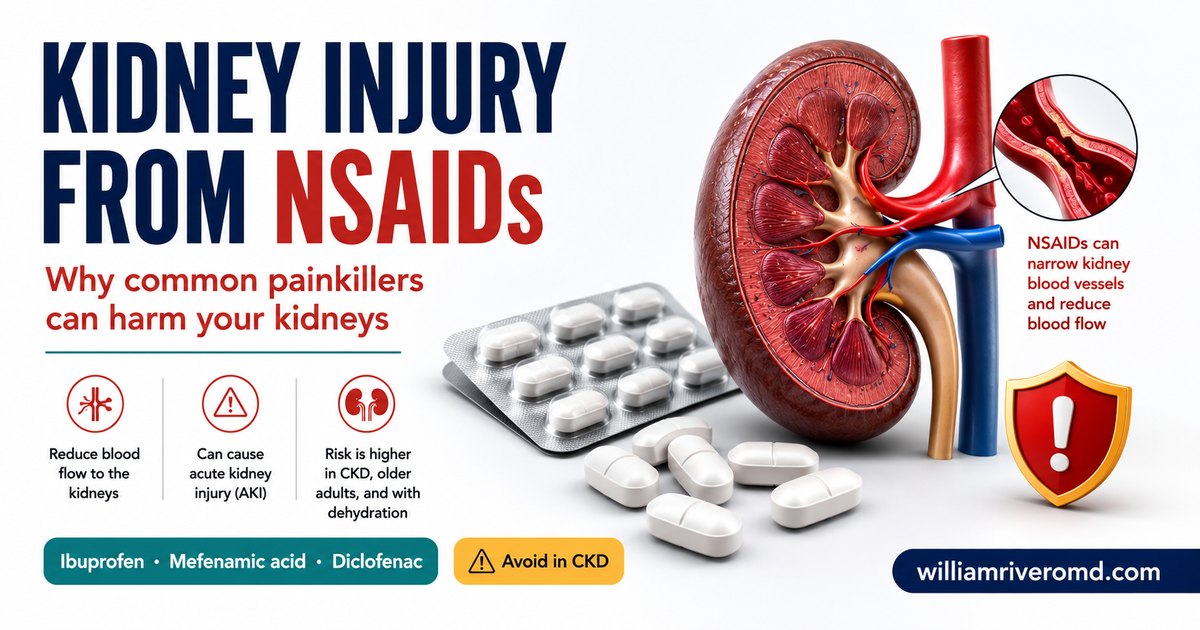 GuideNSAID-Induced Kidney InjuryNSAIDs and kidney injury — why ibuprofen, mefenamic acid (Ponstan), and diclofenac damage kidneys in CKD patients, and safer pain alternatives in the Philippines.
 GuideSubstance Use & Chronic Kidney DiseaseHow tobacco, stimulants (shabu), opioids, inhalants, and misused painkillers and supplements injure the kidneys — plus a stigma-free, evidence-based recovery roadmap for Filipino patients with CKD. Patient and clinician views.
 GuideThe Kidney–Brain Axis: Thinking, Memory, and Kidney DiseaseWhy thinking and memory can change in chronic kidney disease and dialysis, when confusion is an emergency, which medicines and reversible causes to review, how dialysis blood-pressure swings affect the brain, and what hemodiafiltration, exe
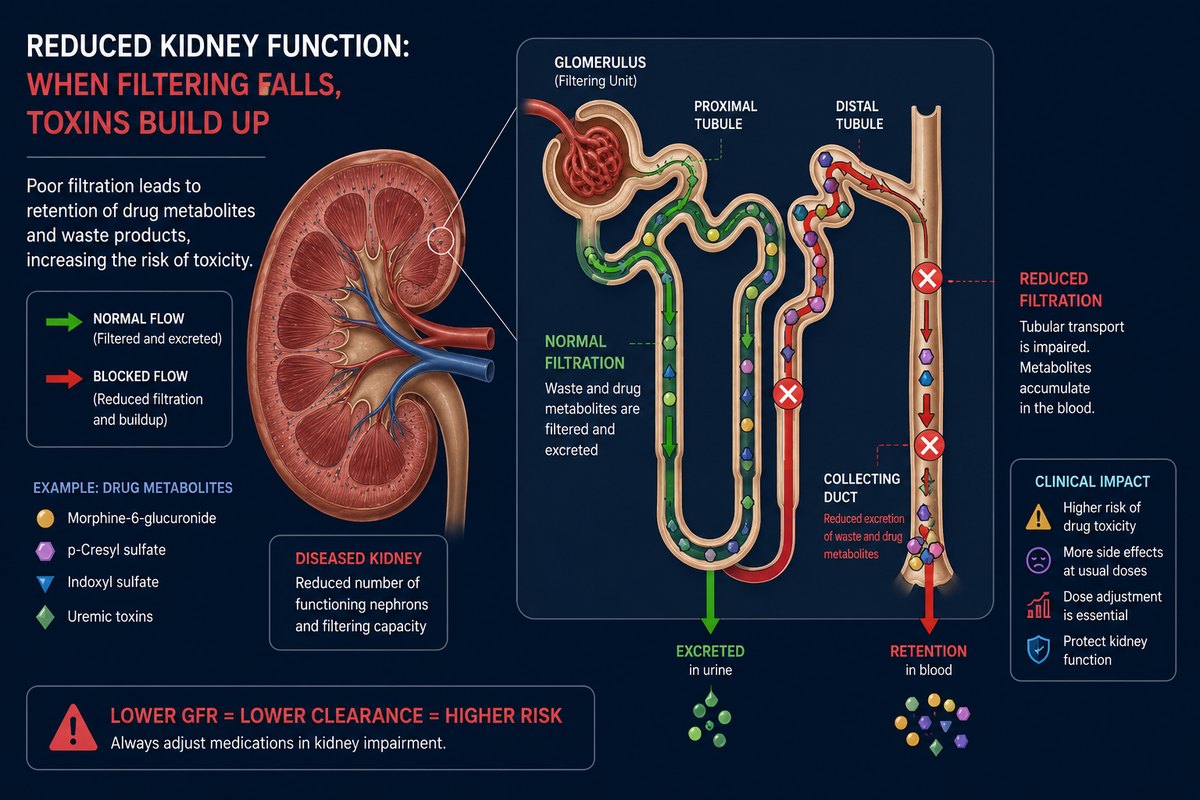 GuideHurt Without Harm: A Guide to Safe Pain Relief in Kidney DiseaseManaging pain safely with kidney disease — which painkillers to avoid, safe alternatives like paracetamol, gabapentin, and topical treatments for Filipino CKD patients.
- CalculatorRenal Dosing: Nerve Pain & Gout Medicines — Dose Adjustment by CrClLook up renally-adjusted doses for gabapentin, pregabalin, allopurinol, tramadol, and colchicine by Cockcroft–Gault creatinine clearance. Built-in CrCl calculator plus auditable, label/guideline-referenced dose bands with avoid/reduce/stand
- CalculatorCreatinine Clearance — Cockcroft-Gault (drug dosing)Estimate creatinine clearance for drug dosing with the Cockcroft-Gault equation using age, sex, weight, and serum creatinine, with ideal/adjusted body-weight options. With indications, formula, evidence, and references.
References
- U.S. Food and Drug Administration. Tramadol Hydrochloride · Rising Pharma Holdings, Inc. [US FDA-approved label, version 5, October 14, 2026]. Via DailyMed/openFDA. https://dailymed.nlm.nih.gov/dailymed/drugInfo.cfm?setid=b5852b90-e415-47ef-8f73-87266b58e033
- Food and Drug Administration Philippines. Verification portal (product registrations). https://verification.fda.gov.ph
- PNF Essential Medicines List, 8th ed. (as of November 2, 2022), DOH; https://www.philhealth.gov.ph/partners/providers/pdf/PNF-EML_11022022.pdf
- DOH Drug Price Reference Index (DPRI) 2021, 9th edition (as of September 17, 2021); https://caro.doh.gov.ph/wp-content/uploads/2021/09/2021DPRI-as-of-9-17-2021.pdf
- Rising Pharma Holdings, Inc. (2026). Tramadol hydrochloride tablets (tramadol hydrochloride; immediate release) [Prescribing information; US FDA-approved label, ANDA075968, set ID b5852b90-e415-47ef-8f73-87266b58e033, version effective October 14, 2026]. DailyMed, U.S. National Library of Medicine. https://dailymed.nlm.nih.gov/dailymed/drugInfo.cfm?setid=b5852b90-e415-47ef-8f73-87266b58e033
- Trigen Laboratories, LLC. (2026). Tramadol hydrochloride extended-release capsules (tramadol hydrochloride) [Prescribing information; US FDA-approved label, NDA022370, set ID c0bc7218-3fd0-4646-96f4-25355fc84aa9, version effective January 23, 2026]. DailyMed, U.S. National Library of Medicine. https://dailymed.nlm.nih.gov/dailymed/drugInfo.cfm?setid=c0bc7218-3fd0-4646-96f4-25355fc84aa9
- Schwartz, G. J., Muñoz, A., Schneider, M. F., Mak, R. H., Kaskel, F., Warady, B. A., & Furth, S. L. (2009). New equations to estimate GFR in children with CKD. Journal of the American Society of Nephrology, 20(3), 629–637. https://doi.org/10.1681/ASN.2008030287
- Fournier, J. P., Azoulay, L., Yin, H., Montastruc, J. L., & Suissa, S. (2015). Tramadol use and the risk of hospitalization for hypoglycemia in patients with noncancer pain. JAMA Internal Medicine, 175(2), 186–193. https://doi.org/10.1001/jamainternmed.2014.6512
renalcarematters.com content: Kidney and pediatric dosing: reviewed by William Gregory M. Rivero, MD, FPCP, DPSN on November 17, 2026. Dosing, interaction, adverse-effect and monitoring summary: reviewed by William Gregory M. Rivero, MD, FPCP, DPSN on November 16, 2026.
Last updated: .