Use: Labeled indications
- Tamsulosin hydrochloride capsules are indicated for the treatment of the signs and symptoms of benign prostatic hyperplasia (BPH) [see Clinical Studies (14) ] .
- Tamsulosin hydrochloride capsules are not indicated for the treatment of hypertension
Full indications and usage US FDA label
1 INDICATIONS AND USAGE Tamsulosin hydrochloride capsules are indicated for the treatment of the signs and symptoms of benign prostatic hyperplasia (BPH) [see Clinical Studies (14)]. Tamsulosin hydrochloride capsules are not indicated for the treatment of hypertension. Tamsulosin hydrochloride capsules are an alpha 1 adrenoceptor antagonist indicated for treatment of the signs and symptoms of benign prostatic hyperplasia (1) Tamsulosin hydrochloride capsules are not indicated for the treatment of hypertension (1)
Contraindications
4 CONTRAINDICATIONS Tamsulosin hydrochloride capsules are contraindicated in patients known to be hypersensitive to tamsulosin hydrochloride or any component of tamsulosin hydrochloride capsules. Reactions have included skin rash, urticaria, pruritus, angioedema, and respiratory symptoms [see Adverse Reactions (6.2)]. Contraindicated in patients known to be hypersensitive to tamsulosin hydrochloride or any component of tamsulosin hydrochloride capsules (4, 6.2)
US FDA labelDosing: Adult
Dosage and administration (US label) US FDA label
2 DOSAGE AND ADMINISTRATION Tamsulosin hydrochloride capsules 0.4 mg once daily is recommended as the dose for the treatment of the signs and symptoms of BPH. It should be administered approximately one-half hour following the same meal each day. Tamsulosin hydrochloride capsules should not be crushed, chewed or opened. For those patients who fail to respond to the 0.4 mg dose after 2 to 4 weeks of dosing, the dose of tamsulosin hydrochloride capsules can be increased to 0.8 mg once daily.
Tamsulosin hydrochloride capsules 0.4 mg should not be used in combination with strong inhibitors of CYP3A4 (e.g., ketoconazole) [see Warnings and Precautions (5.2)]. If tamsulosin hydrochloride capsules administration is discontinued or interrupted for several days at either the 0.4 mg or 0.8 mg dose, therapy should be started again with the 0.4 mg once-daily dose. 0.4 mg once daily taken approximately one-half hour following the same meal each day.
Tamsulosin hydrochloride capsules should not be crushed, chewed or opened. (2) Can be increased to 0.8 mg once daily for patients who fail to respond to the 0.4 mg dose after 2 to 4 weeks of dosing (2) If discontinued or interrupted for several days, therapy should start again with the 0.4 mg once-daily dose (2)
Dosing: Altered kidney function
8.6 Renal Impairment Patients with renal impairment do not require an adjustment in tamsulosin hydrochloride capsules dosing. However, patients with end-stage renal disease (CL cr <10 mL/min/1.73 m²) have not been studied [see Clinical Pharmacology (12.3)].
Kidney-specific guidance from renalcarematters.com: in preparation.
Dosing: Hepatic impairment
8.7 Hepatic Impairment Patients with moderate hepatic impairment do not require an adjustment in tamsulosin hydrochloride capsules dosage. Tamsulosin hydrochloride capsules have not been studied in patients with severe hepatic impairment [see Clinical Pharmacology (12.3)].
US FDA labelDosing: Pediatric
Pediatric use (US label) US FDA label
8.4 Pediatric Use Tamsulosin hydrochloride capsules are not indicated for use in pediatric populations. Efficacy and positive benefit/risk of tamsulosin hydrochloride was not demonstrated in two studies conducted in patients 2 years to 16 years of age with elevated detrusor leak point pressure (>40 cm H 2 O) associated with known neurological disorder (e.g., spina bifida).
Patients in both studies were treated on a weight-based mg/kg schema (0.025 mg, 0.05 mg, 0.1 mg, 0.2 mg, or 0.4 mg tamsulosin hydrochloride) for the reduction in detrusor leak point pressure below 40 cm H 2 O. In a randomized, double-blind, placebo-controlled, 14-week, pharmacokinetic, safety and efficacy study in 161 patients, no statistically significant difference in the proportion of responders was observed between groups receiving tamsulosin hydrochloride and placebo.
In an open-label, 12-month safety study, 87 patients were treated with tamsulosin hydrochloride. The most frequently reported adverse events (≥5%) from the pooled data of both studies were urinary tract infection, vomiting, pyrexia, headache, nasopharyngitis, cough, pharyngitis, influenza, diarrhea, abdominal pain, and constipation.
Dosing: Older adult
Geriatric use (US label) US FDA label
8.5 Geriatric Use Of the total number of subjects (1783) in clinical studies of tamsulosin, 36% were 65 years of age and over. No overall differences in safety or effectiveness were observed between these subjects and younger subjects, and the other reported clinical experience has not identified differences in responses between the elderly and younger patients, but greater sensitivity of some older individuals cannot be ruled out [see Clinical Pharmacology (12.3)].
Dosage forms
Philippines
- Prolonged-release capsule: 200 mcg, 400 mcg
- Enteric-coated tablet: 200 mcg, 400 mcg
- Prolonged-release tablet: 200 mcg, 400 mcg
- Film-coated tablet: 400 mcg
- Capsule: 400 mcg
- Modified-release capsule: 400 mcg
- Sustained-release capsule: 200 mcg, 400 mcg
- Extended-release tablet: 200 mcg
- Prolonged-release film-coated tablet: 400 mcg
- Prolonged-release-capsule: 400 mcg
and 1 more forms; see the products table.
Registered products in the Philippines
86 products registered with the Food and Drug Administration (FDA) Philippines list Tamsulosin as the generic name. Registration status changes; confirm a product's current status on the FDA portal before relying on it.
All registered products86
| Package insert | |||||||
|---|---|---|---|---|---|---|---|
AlfatamTamsulosin (as hydrochloride) | 400 mcg CapsuleAlu/ PVC Blister Pack x 10's (Box of 30's) | Rx | Cadila Healthcare LimitedIndia | Zydus Healthcare Philippines Inc. | DRP-9962 | Mar 13, 2027 | |
AmkoprosTamsulosin Hydrochloride | 400 mcg Film-Coated TabletAlu/Alu Blister Pack x 10's Box of 30's | Rx | Cooper Pharma LimitedIndia | AMK Pharma International TradingImporter: Ambica International Corporation | DRP-6069-03 | Mar 11, 2030 | |
AmsoTamsulosin Hydrochloride | 400mcg Prolonged-Release CapsuleAlu-Alu Blister Pack x 10's (Box of 10's and 30's) | Rx | Globela Pharma Pvt. Ltd.India | Biocare Lifesciences, Inc.Trader: AMN Life Science Pvt. Ltd. | DRP-3940 | Sep 5, 2027 | |
BettamTamsulosin Hydrochloride | 400 mcg Prolonged-Release CapsuleAlu/Alu Blister Pack x 10's (Box of 30's) | Rx | Sydler Remedies Pvt. Ltd.India | Medinova Pharmaceutical Inc.Importer: S.M.H.P Marketing & ConsultancyTrader: Betam Laboratories Pvt. Ltd. | DRP-12762 | Jun 3, 2028 | |
Dellosin ExtTamsulosin Hydrochloride | 400 mcg Prolonged-Release TabletAlu/ Alu Blister Pack x 10's (Box of 30’s) | Rx | Magbro Healthcare Pvt. Ltd.India | NAB Trading Corp.Importer: Pharmakon Biotec Inc. | DRP-13519-05 | Mar 3, 2028 | |
FloezyTamsulosin Hydrochloride | 400 mcg Prolonged Release TabletAlu/PA/Alu/PVC Blister Pack x 10's (Box of 30's) | Rx | SYNTHON HISPANIA, S.L.Spain | METRO DRUG, INC.Importer: MEGA LIFESCIENCES LIMITED INC.Trader: MEGA LIFESCIENCES (AUSTRALIA) PTY. LTD. | DRP-8084 | Jan 28, 2029 | |
Freelosin MRTamsulosin hydrochloride | 400 mcg Prolonged-Release-CapsuleAlu/Alu Blister Pack x 6's (Box of 30's) | Rx | Aristopharma Ltd.Bangladesh | Amson PharmaceuticalsImporter: Sahar International Trading Inc. | DRP-13026-01 | Aug 23, 2027 | |
GilosinTamsulosin | 400 mcg Prolonged-Release TabletAlu/Alu Blister Pack x 10's (Box of 30's) | Rx | Magbro Healthcare Pvt. Ltd.India | Gijun Trading Inc.Importer: Teramedix Pharma Trading Inc. | DRP-13392-01 | Feb 10, 2028 | |
Harnal DTamsulosin hydrochloride | 200 mcg TabletAlu-alu blister pack x 14's (Box of 28's) | Rx | TOA Pharmaceuticals Co., Ltd. (Nishihongo Plant)Japan | Zuellig Pharma CorporationImporter: Astellas Pharma Philippines, Inc. | DR-XY34109 | Jan 7, 2028 | |
Harnal OcasTamsulosin Hydrochloride | 400 mcg Prolonged Release Film-Coated TabletAlu-Alu Blister Pack x 10's (Box of 30's) | Rx | Astellas Pharma Europe B.V.Netherlands | Zuellig Pharma CorporationImporter: Astellas Pharma Philippines, Inc. | DR-XY33041 | Feb 26, 2027 | |
LifezulTamsulosin Hydrochloride | 400 mcg Film-Coated TabletAlu/Alu Blister Pack x 10’s (Box of 30's) | Rx | Cooper Pharma LimitedIndia | Curasave PharmaImporter: Ambica International Corporation | DRP-6069-02 | Mar 11, 2030 | |
NeolosinTamsulosin Hydrochloride | 200 mcg Prolonged Release CapsuleAlu/Alu Blister Pack x 10's (Box of 30’s) | Rx | Stallion Laboratories Pvt. Ltd.India | Ambitech Biopharmaceuticals Inc.Importer: Ambica International Corporation | DRP-5272-04 | Apr 22, 2029 | |
NoneTamsulosin Hydrochloride | 200 mcg Enteric-Coated TabletAlu/PVC Blister Pack x 10's (Box of 30's) | Rx | Unicure Remedies Pvt. Ltd.India | Ritemed Phils., Inc.Importer: Ambica International Corporation | DRP-5529-01 | Sep 23, 2029 | |
NoneTamsulosin Hydrochloride | 200 mcg Prolonged Release CapsuleAlu/Alu Blister Pack x 10's (Box of 100's) | Rx | Stallion Laboratories Pvt. Ltd.India | Watsons Personal Care Stores (Philippines), Inc.Importer: Ambica International Corporation | DRP-5272 | Apr 22, 2029 | |
NoneTamsulosin Hydrochloride | 200 mcg Prolonged Release CapsuleAlu/Alu Blister Pack x 10’s (Box of 30’s) | Rx | Stallion Laboratories Pvt. Ltd.India | PharmaVital Corp.Importer: Ambica International Corporation | DRP-5272-05 | Apr 22, 2029 | |
NoneTamsulosin hydrochloride | 400 mcg Enteric-Coated TabletAlu/PVC Blister Pack x 10's (Box of 30's) | Rx | Unicure Remedies Pvt. Ltd.India | TGP Pharma Inc.Importer: Ambica International Corporation | DRP-4938-01 | Nov 19, 2028 | |
NoneTamsulosin hydrochloride | 400 mcg Enteric-Coated TabletAlu/PVC Blister Pack x 10's (Box of 30's) | Rx | Unicure Remedies Pvt. Ltd.India | Ambicare Pharmaceuticals Inc.Importer: Ambica International Corporation | DRP-4938-03 | Nov 19, 2028 | |
NoneTamsulosin Hydrochloride | 400 mcg Film-Coated TabletAlu/Alu Blister pack x 10’s Box of 30's | Rx | Cooper Pharma LimitedIndia | Ritemed Phils., Inc.Importer: Ambica International Corporation | DRP-6069-01 | Mar 11, 2030 | |
NoneTamsulosin Hydrochloride | 400 mcg Film-Coated TabletAlu/Alu Blister pack x 10’s (Box of 30's) | Rx | Cooper Pharma LimitedIndia | Rose Pharmacy, IncorporatedImporter: Ambica International Corporation | DRP-6069-06 | Mar 11, 2030 | |
NoneTamsulosin hydrochloride | 400 mcg Prolonged-Release CapsuleAlu/Alu Blister Pack of 10’s (Box of 30’s) | Rx | Sydler Remedies Pvt. Ltd.India | Diafarm Inc.Importer: Ambica International Corporation | DRP-6372-01 | Oct 7, 2030 | |
NoneTamsulosin hydrochloride | 400 mcg Prolonged-Release CapsuleAlu/Alu Blister Pack of 10’s (Box of 30’s) | Rx | Sydler Remedies Pvt. Ltd.India | Watsons Personal Care Stores (Philippines), Inc.Importer: Ambica International Corporation | DRP-6372-03 | Oct 7, 2030 | |
NoneTamsulosin Hydrochloride | 400 mcg Prolonged-Release CapsuleAlu/Alu Blister Pack x 7’s (Box of 28's and 98's) | Rx | Stallion Laboratories Pvt. Ltd.India | PharmaVital Corp.Importer: Ambica International Corporation | DRP-8237-03 | Jun 18, 2029 | |
NoneTamsulosin Hydrochloride | 400 mcg Prolonged-Release CapsuleAlu/Alu Blister Pack x 7’s (Box of 28's) | Rx | Stallion Laboratories Pvt. Ltd.India | Ambicare Pharmaceuticals Inc.Importer: Ambica International Corporation | DRP-8237-04 | Jun 18, 2029 | |
NoneTamsulosin | 400 mcg Prolonged-Release TabletAlu/Alu Blister Pack x 10's (Box of 30's) | Rx | Magbro Healthcare Pvt. LtdIndia | Reta DrugImporter: Teramedix Pharma Trading Inc. | DRP-13392-02 | Feb 10, 2028 | |
PimaxTamsulosin Hydrochloride | 200mcg Enteric-Coated TabletAlu/PVC Blister Pack X 10's (Box of 30's) | Rx | UNICURE REMEDIES PVT.LTD.India | ECE Pharmaceuticals, Inc.Importer: AAA PHARMA INC. | DR-XY 41055 | Jul 20, 2027 | |
PimaxTamsulosin Hydrochloride | 400mcg Enteric-Coated TabletAlu/PVC Blister Pack x 10's (Box of 30's) | Rx | Unicare Remedies Pvt. LimitedIndia | ECE Pharmaceuticals, Inc.,Importer: AAA Pharma, Inc., | DR-XY36548 | Aug 25, 2029 | |
PrositamTamsulosin Hydrochloride | 400 mcg CapsuleAlu-Alu Blister Packs of 10's (Box of 30's and 100's) | Rx | Ratnatris Pharmaceuticals Private LimitedIndia | Medinova Pharmaceutical Inc. | DRP-18165 | May 21, 2031 | |
ProstalifeTamsulosin Hydrochloride | 400 mcg Modified-Release CapsuleAlu/Alu Blister Pack x 10’s (Box of 30’s) | Rx | Zim Laboratories Ltd.India | Macropharma CorporationImporter: Ambica International CorporationTrader: Rainbow Life Sciences Pvt. Ltd. | DRP-4930 | Nov 15, 2028 | |
Prostanil MRTamsulosin hydrochloride | 400 mcg Prolonged-Release CapsuleAlu/Alu Blister Pack x 6's (Box of 30's) | Rx | Aristopharma Ltd.Bangladesh | Sahar International Trading, Inc. | DR-XY45993 | Aug 23, 2027 | |
Prostanil MRTamsulosin hydrochloride | 400 mcg Prolonged-Release CapsuleAlu/Alu Blister Pack x 6's (Box of 30's) | Rx | Aristopharma Ltd.Bangladesh | Sahar International Trading, Inc. | DRP-13026 | Aug 23, 2027 | |
Prostasaph-400Tamsulosin Hydrochloride | 400 mcg Enteric Coated TabletAlu/Clear PVC Blister Pack x 10’s (Box of 100’s) | Rx | Sai Parenterals Ltd.India | Nelpa Lifesciences, Inc.Importer: Ollen Pharma Trading Inc. | DRP-10996-01 | Apr 15, 2030 | |
ProstazinTamsulosin hydrochloride | 400 mcg Enteric-Coated TabletAlu/PVC Blister Pack x 10's (Box of 30's) | Rx | Unicure Remedies Pvt. Ltd.India | Labmate Pharma Inc.Importer: Ambica International Corporation | DRP-4938-02 | Nov 19, 2028 | |
ProstulaxTamsulosin Hydrochloride | 400 mcg Prolonged-Release CapsuleAlu/Alu Blister Pack x 10's (Box of 30's) | Rx | Sydler Remedies Pvt. Ltd.India | Trumed PharmaceuticalsImporter: S.M.H.P Marketing & ConsultancyTrader: Betam Laboratories Pvt. Ltd. | DRP-12762-1 | Jun 3, 2028 | |
ProzelaxTamsulosin Hydrochloride | 200 mcg Sustained-Release CapsuleBlister Foil in Aluminum Pouch x 14's (Box of 28's) | Rx | Stand Chem. & Pharma Co., Ltd (Plant II)China | UNILAB, INC. | DR-XY34655 | Jun 16, 2028 | |
ProzelaxTamsulosin Hydrochloride | 400 mcg CapsuleAlu/PVC/PVDC blister pack x 10's (box of 30's) | Rx | UNILAB, Inc.Philippines | — | DR-XY40807 | Oct 14, 2027 | |
Proztab ForteTamsulosin hydrochloride | 400 mcg Enteric-Coated TabletAlu/Clear PVC Blister Pack x 10's Box of 100's | Rx | UNICURE REMEDIES PVT. LTD.India | TGP PHARMA INC.Importer: NEXT CHEMICAL ENTERPRISES | DRP-4194-01 | Aug 3, 2027 | |
Saphbph-Ge400Tamsulosin Hydrochloride | 400 mcg Enteric Coated TabletAlu/Clear PVC Blister Pack x 10’s (Box of 30’s and 100’s) | Rx | Genom Biotech Pvt. Ltd.India | Nelpa Lifesciences, Inc. | DRP-18553 | Jul 30, 2031 | |
SultamTamsulosin hydrochloride | 200 mcg Enteric-Coated TabletAlu/Clear PVC blister pack x l0's (Box of 100's) | Rx | UNICURE REMEDIES PVT. LTD.India | NEXT CHEMICAL ENTERPRISES | DRP-4220 | Aug 3, 2027 | |
SultamTamsulosin hydrochloride | 400 mcg Enteric-Coated TabletAlu/Clear PVC Blister Pack x 10's Box of 100's | Rx | UNICURE REMEDIES PVT. LTD.India | Importer: NEXT CHEMICAL ENTERPRISES | DRP-4194 | Aug 3, 2027 | |
Susaphtam-400Tamsulosin hydrochloride | 400 mcg Prolonged Release CapsuleAlu/Clear PVC Blister pack x 10's in aluminum pouch (Box of 10's) | Rx | Sapphire Lifesciences Pvt. Ltd.India | Nelpa Lifesciences, Inc. | DRP-14513 | Oct 18, 2028 | |
TamdomeTamsulosin Hydrochloride | 400 mcg Prolonged-Release CapsuleAlu/Alu Blister Pack x 10's (Box of 30's) | Rx | Fredun Pharmaceuticals LimitedIndia | AMB HK Enterprises Inc. | DRP-14512 | Sep 26, 2028 | |
TamloTamsulosin hydrochloride | 400 mcg Modified-Release CapsuleTransparent PVDC (Alu foil blister x 10's) (Box 30's) | Rx | World Medicine İlaç Sanayi ve Ticaret A.Ş.Turkey | Orange Biotec Inc. | DRP-15872 | Oct 1, 2029 | |
TamlozulTamsulosin Hydrochloride | 200 mcg Enteric Coated TabletAlu/Clear PVC Blister Pack x 10’s (Box of 100's) | Rx | Sapphire Lifesciences Pvt. Ltd.India | Ambitech Biopharmaceuticals Inc.Importer: Nelpa Lifesciences Inc. | DRP-12004-01 | May 30, 2027 | |
Tamprost 0.4Tamsulosin Hydrochloride | 400 mcg Prolonged Release CapsuleAlu/Alu Blister Pack x 10's (Box of 30's) | Rx | Sydler Remedies Pvt. LimitedIndia | Medethix IInc.Importer: I.E. Medica, Inc. | DRP-6526-02 | Aug 27, 2031 | |
Tamsaph-200Tamsulosin Hydrochloride | 200 mcg Enteric Coated TabletAlu/Clear PVC Blister Pack x 10's (Box of 100's) | Rx | Sapphire Lifesciences Pvt. Ltd.India | Nelpa Lifesciences, Inc. | DRP-12004 | May 30, 2027 | |
Tamsia 0.4Tamsulosin hydrochloride | 400 mcg Prolonged-Release CapsuleAlu/Alu Blister Pack of 10’s Box of 30’s | Rx | Sydler Remedies Pvt. Ltd.India | Scriptmed, Inc.Importer: Ambica International Corporation | DRP-6372 | Oct 7, 2030 | |
TamsodixTamsulosin | 400 mcg Prolonged-Release TabletAlu-Alu Blister Pack X 10's (Box of 30's) | Rx | Magbro Healthcare Pvt., Ltd.India | Euroasia Pharmaceuticals, Inc.Importer: Teramedix Pharma Trading Inc. | DRP-13392-03 | Feb 10, 2028 | |
TamsolinTamsulosin hydrochloride | 400 mcg Modified-Release CapsuleAlu/ PVDC Blister Pack x 10’s (Box of 10’s) | Rx | Getz Pharma (Pvt.), Ltd.Pakistan | Importer: Getz Pharma (Phils.), Inc. | DR-XY38119 | Jun 23, 2031 | |
TamsonTamsulosin Hydrochloride | 400 mcg Prolonged Release TabletIn a Box of 3 Alu-Alu Blister Pack x 10’s | Rx | Steril-Gene Life Sciences (P) LTD.India | 999 Seth Pharmaceutical Inc.Importer: Ambica International CorporationTrader: Swati Spentose Pvt. Ltd. | DRP-6481-01 | Jun 4, 2037 | |
TamsudinTamsulosin Hydrochloride | 200 mcg Prolonged Release CapsuleAlu/Alu Blister Pack x 10's (Box of 100's) | Rx | Stallion Laboratories Pvt. Ltd.India | Ambicare Pharmaceuticals Inc.Importer: Ambica International Corporation | DRP-5272-01 | Apr 22, 2029 | |
TamsufarTamsulosin Hydrochloride | 400 mcg Prolonged-Release TabletAlu/Alu blister pack x 10's (Box of 30's) | Rx | Magbro Healthcare Pvt. Ltd.India | Pharmakon Biotec Inc. | DRP-13519 | Mar 3, 2028 | |
TamsukemTamsulosin Hydrochloride | 400 mcg Prolonged-Release TabletAlu/Alu Blister Pack x 10's (Box of 30's) | Rx | Magbro Healthcare Pvt. Ltd.India | Alkem Laboratories CorporationImporter: Pharmakon Biotec Inc. | DRP-13519-01 | Mar 3, 2028 | |
Tamsulon-XLTamsulosin Hydrochloride | 200 mcg Prolonged Release CapsuleAlu/Alu Blister Pack x 10's (Box of 100's) | Rx | Stallion Laboratories Pvt. Ltd.India | Diafarm Inc.Importer: Ambica International Corporation | DRP-5272-02 | Apr 22, 2029 | |
Tamsulon-XLTamsulosin Hydrochloride | 400 mcg Prolonged-Release CapsuleAlu/Alu Blister Pack x 7’s (Box of 28's and 98's) | Rx | Stallion Laboratories Pvt. Ltd.India | Ambica International Corporation | DRP-8237 | Jun 18, 2029 | |
TamsumaxTamsulosin Hydrochloride | 200 mcg Sustained-Release CapsuleClear PVC/PVDC-Alu Blister Pack x 10's (Box of 30's) | Rx | Hangzhou Conba Pharmaceutical Co., Ltd.China | Pharmabest Incorporated | DR-XY40607 | Feb 3, 2027 | |
TamsumaxTamsulosin Hydrochloride | 400 mcg Sustained-Release CapsuleClear PVC/Alu Blister Pack x 10's (Box of 30's) | Rx | Hangzhou Conba Pharmaceutical Co., Ltd.China | Pharmabest Incorporated | DR-XY40606 | Feb 3, 2027 | |
TamsunavTamsulosin Hydrochloride | 400 mcg Prolonged-Release TabletAlu/Alu Blister Pack x 10's (Box of 30's) | Rx | Magbro Healthcare Pvt. Ltd.India | Rexmed Pharmaceutical SalesImporter: Pharmakon Biotec Inc. | DRP-13519-02 | Mar 3, 2028 | |
TAMSUREDTamsulosin Hydrochloride | 400 mcg Enteric Coated TabletAlu/Clear PVC Blister Pack x 10’s (Box of 100’s) | Rx | Sai Parenterals Ltd.India | 777 RED PHARMA INC.Importer: Ollen Pharma Trading Inc. | DRP-10996-02 | Apr 15, 2030 | |
TamsusaveTamsulosin Hydrochloride | 400 mcg Film-Coated TabletAlu/Alu Blister pack x 10’s (Box of 30’s) | Rx | Cooper Pharma LimitedIndia | Curasave PharmaImporter: Ambica International Corporation | DRP-6069-05 | Mar 11, 2030 | |
TamsuzenTamsulosin Hydrochloride | 400 mcg Prolonged-Release TabletAlu/Alu Blister Pack x 10's (Box of 30's) | Rx | Magbro Healthcare Pvt. Ltd.India | Janamed CorporationImporter: Pharmakon Biotec Inc. | DRP-13519-04 | Mar 3, 2028 | |
TamsycareTamsulosin Hydrochloride | 400 mcg Prolonged-Release CapsuleAlu/Alu Blister pack x 7’s (Box of 28’s and 98's) | Rx | Stallion Laboratories Pvt. Ltd.India | Medcare PharmaceuticalsImporter: Ambica International Corporation | DRP-8237-01 | Jun 18, 2029 | |
TamtessTamsulosin Hydrochloride | 400 mcg Prolonged Release TabletIn a Box of 3 Alu-Alu Blister Pack x 10’s | Rx | Steril-Gene Life Sciences (P) LimitedIndia | Vitalife Pharma & Medical Supply Inc.Importer: Ambica International CorporationTrader: Swati Spentose Pvt. Ltd. | DRP-6481-02 | Jan 25, 2038 | |
TamulsinTamsulosin Hydrochloride | 400 mcg Film-Coated TabletAlu/Alu Blister Pack x 10's (Box of 30's) | Rx | Cooper Pharma Ltd.India | D & G PharmaImporter: Ambica International Corporation | DRP-6069-04 | Mar 11, 2030 | |
Tamysin 0.2Tamsulosin Hydrochloride | 200 mcg Prolonged Release TabletIn a box of 3 alu-alu blister pack x 10’s Not Applicable | Rx | Steril-Gene Life Sciences (P) LimitedIndia | Ambica International CorporationTrader: Swati Spentose Pvt. Ltd. | DRP-6482 | Jan 25, 2038 | |
Tamysin 0.4Tamsulosin Hydrochloride | 400 mcg Prolonged Release TabletIn a box of 3 alu-alu blister pack x 10’s | Rx | Steril-Gene Life Sciences (P) LimitedIndia | Ambica International CorporationTrader: Swati Spentose Pvt. Ltd. | DRP-6481 | Jan 25, 2038 | |
TamzorTamsulosin Hydrochloride | 200 mcg Enteric-Coated TabletAlu/PVC Blister Pack x 10's (Box of 30's) | Rx | Unicure Remedies Pvt. Ltd.India | The Cathay Drug Co., Inc.Importer: Ambica International Corporation | DRP-5529-03 | Sep 23, 2029 | |
TamzorTamsulosin Hydrochloride | 200 mcg Prolonged Release CapsuleAlu/Alu Blister Pack x 10's (Box of 100's) | Rx | Stallion Laboratories Pvt. Ltd.India | The Cathay Drug Co., Inc.Importer: Ambica International Corporation | DRP-5272-03 | Apr 22, 2029 | |
TamzorTamsulosin Hydrochloride | 200 mcg Prolonged Release TabletIn a box of 3 Alu-Alu Blister Pack x 10’s N/A | Rx | Steril-Gene Life Sciences (P) LimitedIndia | The Cathay Drug Co., Inc.Importer: Ambica International CorporationTrader: Swati Spentose Pvt. Ltd. | DRP-6482-01 | Jun 17, 2037 | |
TamzorTamsulosin hydrochloride | 400 mcg Prolonged-Release CapsuleAlu/ Alu Blister Pack x 10's (Box of 10's) | Rx | GLOBELA PHARMA PRIVATE LIMITEDIndia | THE CATHAY DRUG CO., INC.Importer: BIOCARE LIFESCIENCES, INC. | DRP-3940-01 | Sep 5, 2027 | |
TamzorTamsulosin Hydrochloride | 400 mcg Prolonged-Release CapsuleAlu/Alu Blister Pack x 7's (Box of 28’s) | Rx | Stallion Laboratories Pvt. Ltd.India | The Cathay Drug Co., Inc.Importer: Ambica International Corporation | DRP-8237-02 | Jun 18, 2029 | |
TamzuTamsulosin Hydrochloride | 400 mcg Film-Coated TabletAlu/Clear PVC Blister Pack x 14's Box of 28's | Rx | General Pharmaceuticals Ltd. (Unit I)Bangladesh | Beracah Pharma Phils., Inc.Importer: Ambica International Corporation | DRP-3818-02 | Jun 29, 2027 | |
TemsolTamsulosin hydrochloride | 400 mcg Enteric-Coated TabletAlu/PVC Blister Pack x 10's (Box of 30's) | Rx | Unicure Remedies Pvt. Ltd.India | Innogen Pharmaceuticals, Inc.Importer: Ambica International Corporation | DRP-4938 | Nov 19, 2028 | |
Temsol 200Tamsulosin Hydrochloride | 200 mcg Enteric-Coated TabletAlu/PVC Blister Pack x 10's (Box of 30's) | Rx | Unicure Remedies Pvt. Ltd.India | Innogen Pharmaceuticals, Inc.Importer: Ambica International Corporation | DRP-5529 | Sep 23, 2029 | |
ToreaseTamsulosin Hydrochloride | 400 mcg Film-Coated TabletAlu/Alu Blister Pack x 10’s (Box of 30’s) | Rx | Cooper Pharma LimitedIndia | Torrent Pharma Philippines, Inc.Importer: Ambica International Corporation | DRP-6069-07 | Mar 11, 2030 | |
TozulTamsulosin Hydrochloride | 400 mcg Prolonged-Release TabletAlu/Alu Blister Pack x 10's (Box of 30's) | Rx | Magbro Healthcare Pvt. Ltd.India | Teramedix Pharma Trading Inc.Importer: Pharmakon Biotec Inc. | DRP-13519-03 | Mar 3, 2028 | |
UnbrandedTamsulosin Hydrochloride | 200 mcg Enteric-Coated TabletAlu/PVC Blister Pack x 10's (Box of 30's) | Rx | Unicure Remedies Pvt. Ltd.India | TGP Pharma Inc.Importer: Ambica International Corporation | DRP-5529-02 | Sep 23, 2029 | |
UnbrandedTamsulosin Hydrochloride | 400 mcg Prolonged Release CapsuleAlu/Alu Blister Pack x 10's (Box of 30's and 10's) | Rx | Sydler Remedies Pvt. LimitedIndia | Actimed, Inc.Importer: I.E. Medica, Inc. | DRP-6526 | Feb 15, 2031 | |
UnbrandedTamsulosin Hydrochloride | 400 mcg Prolonged Release CapsuleAlu/Alu Blister Pack x 10's (Box of 30's) | Rx | Sydler Remedies Pvt. LimitedIndia | Vivilon Pharmaceuticals Inc.Importer: I.E. Medica, Inc. | DRP-6526-01 | Aug 27, 2031 | |
UreazyTamsulosin | 400 mcg Prolonged-Release TabletAlu/Alu Blister Pack x 10's (Box of 30's) | Rx | MAGBRO HEALTHCARE PVT. LTD.India | TERAMEDIX PHARMA TRADING INC. | DRP-13392 | Feb 10, 2028 | |
UrilaxTamsulosin (as Hydrochloride) | 200 mcg Extended Release TabletAlu-Alu Blister Pack x 10's (Box of 30's) | Rx | Kyung Dong Pharma Co. Ltd.Republic of Korea | Littman Drug Corporation | DRP-3897 | Mar 29, 2031 | |
URILAXTamsulosin hydrochloride | 400 mcg Enteric-Coated TabletAlu/Clear PVC Blister Pack x 10's Box of 100's | Rx | UNICURE REMEDIES PVT. LTD.India | LITTMAN DRUG CORPORATIONImporter: NEXT CHEMICAL ENTERPRISES | DRP-4194-03 | Aug 3, 2027 | |
Urimax 400Tamsulosin hydrochloride | 400 mcg Enteric-Coated TabletAlu/Clear PVC Blister Pack x 10's (Box of 100's) | Rx | UNICURE REMEDIES PVT. LTD.India | Importer: NEXT CHEMICAL ENTERPRISESTrader: QUALIMED PHARMA INC. | DRP-4194-02 | Aug 3, 2027 | |
UritamTamsulosin Hydrochloride | 400 mcg Film-Coated TabletAlu/Alu Blister pack x 10’s Box of 30's | Rx | Cooper Pharma LimitedIndia | Genace Pharma DistributorImporter: Ambica International Corporation | DRP-6069 | Mar 11, 2030 | |
UrolosinTamsulosin Hydrochloride | 400 mcg Film-Coated TabletAlu Clear/PVC Blister Pack x 14's (Box of 28's) | Rx | General Pharmaceuticals Ltd. (Unit I)Bangladesh | A-Z Market Enterprise Developers IncImporter: Ambica International Corporation | DRP-3818 | Jun 29, 2027 | |
UrotosinTamsulosin hydrochloride | 400 mcg Prolonged-Release CapsuleAlu/Alu Blister Pack of 10’s (Box of 30’s) | Rx | Sydler Remedies Pvt. Ltd.India | PPAN TradingImporter: Ambica International Corporation | DRP-6372-02 | Oct 7, 2030 | |
YulosinTamsulosin (as hydrochloride) | 400 mcg Prolonged Release TabletAlu-PVC/PVDC Blister Pack x 10’s (Box of 30’s) | Rx | Kopran LimitedIndia | Triple Tact Import & Export Corp. | DRP-18162 | May 20, 2031 |
Source: FDA Philippines product registration database. "Valid until" is the registration validity date listed by the FDA; a past date may mean a renewal is pending. Package insert links point to files published by the FDA.
United States (label)
Dosage forms and strengths (US label) US FDA label
3 DOSAGE FORMS AND STRENGTHS Capsule: 0.4 mg, olive green opaque cap and an orange opaque body. The cap is imprinted with the code "TSL 0.4" in black ink. Capsules: 0.4 mg (3)
Warnings/Precautions
- Advise patients about the possibility of symptoms related to postural hypotension and to avoid situations where injury could result should syncope occur (5.1)
- Should not be used in combination with strong inhibitors of CYP3A4. Use with caution in combination with moderate inhibitors of CYP3A4, with strong or moderate inhibitors of CYP2D6, in patients known to be CYP2D6 poor metabolizers, or in combination with other cytochrome P450 inhibitors. (5.2, 7.1, 12.3)
- Should not be used in combination with other alpha adrenergic blocking agents (5.2, 7.2, 12.3)
- Exercise caution with concomitant administration of warfarin (5.2, 7.4, 12.3)
- Advise patients about the possibility and seriousness of priapism (5.3)
- Intraoperative Floppy Iris Syndrome has been observed during cataract and glaucoma surgery in some patients. Advise patients considering cataract or glaucoma surgery to tell their ophthalmologist that they have taken tamsulosin hydrochloride capsules. (5.5)
- Advise patients to be screened for the presence of prostate cancer prior to treatment and at regular intervals afterwards (5.4)
5.1 Orthostasis
5.1 Orthostasis The signs and symptoms of orthostasis (postural hypotension, dizziness, and vertigo) were detected more frequently in tamsulosin hydrochloride capsule-treated patients than in placebo recipients. As with other alpha adrenergic blocking agents there is a potential risk of syncope [see Adverse Reactions (6.1)].
Patients beginning treatment with tamsulosin hydrochloride capsules should be cautioned to avoid situations in which injury could result should syncope occur.
5.2 Drug Interactions
5.2 Drug Interactions Tamsulosin is extensively metabolized, mainly by CYP3A4 and CYP2D6. Tamsulosin hydrochloride capsules 0.4 mg should not be used in combination with strong inhibitors of CYP3A4 (e.g., ketoconazole) [see Drug Interactions (7.1) and Clinical Pharmacology (12.3)]. Tamsulosin hydrochloride capsules should be used with caution in combination with moderate inhibitors of CYP3A4 (e.g., erythromycin), in combination with strong (e.g., paroxetine) or moderate (e.g., terbinafine) inhibitors of CYP2D6, in patients known to be CYP2D6 poor metabolizers particularly at a dose higher than 0.4 mg (e.g., 0.8 mg) [see Drug Interactions (7.1) and Clinical Pharmacology (12.3)].
Tamsulosin hydrochloride capsules should be used with caution in combination with cimetidine, particularly at a dose higher than 0.4 mg (e.g., 0.8 mg) [see Drug Interactions (7.1) and Clinical Pharmacology (12.3)]. Tamsulosin hydrochloride capsules should not be used in combination with other alpha adrenergic blocking agents [see Drug Interactions (7.2) and Clinical Pharmacology (12.3)].
Caution is advised when alpha adrenergic blocking agents including tamsulosin hydrochloride are co-administered with PDE5 inhibitors. Alpha-adrenergic blockers and PDE5 inhibitors are both vasodilators that can lower blood pressure. Concomitant use of these two drug classes can potentially cause symptomatic hypotension [see Drug Interactions (7.3) and Clinical Pharmacology (12.3)].
Caution should be exercised with concomitant administration of warfarin and tamsulosin hydrochloride capsules [see Drug Interactions (7.4) and Clinical Pharmacology (12.3)].
5.3 Priapism Rarely (probably less than 1 in 50,000 patients)
5.3 Priapism Rarely (probably less than 1 in 50,000 patients), tamsulosin, like other alpha 1 antagonists, has been associated with priapism (persistent painful penile erection unrelated to sexual activity). Because this condition can lead to permanent impotence if not properly treated, patients must be advised about the seriousness of the condition.
5.4 Screening for Prostate Cancer
5.4 Screening for Prostate Cancer Prostate cancer and BPH frequently coexist; therefore, patients should be screened for the presence of prostate cancer prior to treatment with tamsulosin hydrochloride capsules and at regular intervals afterwards.
5.5 Intraoperative Floppy Iris Syndrome
5.5 Intraoperative Floppy Iris Syndrome Intraoperative Floppy Iris Syndrome (IFIS) has been observed during cataract and glaucoma surgery in some patients on or previously treated with alpha 1 blockers, including tamsulosin hydrochloride capsules [see Adverse Reactions (6.2)]. Most reports were in patients taking the alpha 1 blocker when IFIS occurred, but in some cases, the alpha 1 blocker had been stopped prior to surgery.
In most of these cases, the alpha 1 blocker had been stopped recently prior to surgery (2 to 14 days), but in a few cases, IFIS was reported after the patient had been off the alpha 1 blocker for a longer period (5 weeks to 9 months). IFIS is a variant of small pupil syndrome and is characterized by the combination of a flaccid iris that billows in response to intraoperative irrigation currents, progressive intraoperative miosis despite preoperative dilation with standard mydriatic drugs and potential prolapse of the iris toward the phacoemulsification incisions.
The patient's ophthalmologist should be prepared for possible modifications to their surgical technique, such as the utilization of iris hooks, iris dilator rings, or viscoelastic substances. IFIS may increase the risk of eye complications during and after the operation. The benefit of stopping alpha 1 blocker therapy prior to cataract or glaucoma surgery has not been established.
The initiation of therapy with tamsulosin in patients for whom cataract or glaucoma surgery is scheduled is not recommended.
5.6 Sulfa Allergy
5.6 Sulfa Allergy In patients with sulfa allergy, allergic reaction to tamsulosin hydrochloride capsules has been rarely reported. If a patient reports a serious or life-threatening sulfa allergy, caution is warranted when administering tamsulosin hydrochloride capsules.
Drug interactions
- Tamsulosin hydrochloride capsules 0.4 mg should not be used with strong inhibitors of CYP3A4 (e.g., ketoconazole). Tamsulosin hydrochloride capsules should be used with caution in combination with moderate inhibitors of CYP3A4 (e.g., erythromycin), in combination with strong (e.g., paroxetine) or moderate (e.g., terbinafine) inhibitors of CYP2D6, or in patients known to be CYP2D6 poor metabolizers, particularly at a dose higher than 0.4 mg (e.g., 0.8 mg). (5.2, 7.1, 12.3)
- Concomitant use of PDE5 inhibitors with tamsulosin can potentially cause symptomatic hypotension (5.2, 7.3, 12.3)
7.1 Cytochrome P450 Inhibition Strong and Moderate
7.1 Cytochrome P450 Inhibition Strong and Moderate Inhibitors of CYP3A4 or CYP2D6 Tamsulosin is extensively metabolized, mainly by CYP3A4 and CYP2D6. Concomitant treatment with ketoconazole (a strong inhibitor of CYP3A4) resulted in an increase in the C max and AUC of tamsulosin by a factor of 2.2 and 2.8, respectively [see Warnings and Precautions (5.2) and Clinical Pharmacology (12.3)].
The effects of concomitant administration of a moderate CYP3A4 inhibitor (e.g., erythromycin) on the pharmacokinetics of tamsulosin hydrochloride capsules have not been evaluated [see Warnings and Precautions (5.2) and Clinical Pharmacology (12.3)]. Concomitant treatment with paroxetine (a strong inhibitor of CYP2D6) resulted in an increase in the C max and AUC of tamsulosin by a factor of 1.3 and 1.6, respectively [see Warnings and Precautions (5.2) and Clinical Pharmacology (12.3)].
A similar increase in exposure is expected in CYP2D6 poor metabolizers (PM) as compared to extensive metabolizers (EM). Since CYP2D6 PMs cannot be readily identified and the potential for significant increase in tamsulosin exposure exists when tamsulosin hydrochloride capsules 0.4 mg are co-administered with strong CYP3A4 inhibitors in CYP2D6 PMs, tamsulosin hydrochloride capsules 0.4 mg should not be used in combination with strong inhibitors of CYP3A4 (e.g., ketoconazole) [see Warnings and Precautions (5.2) and Clinical Pharmacology (12.3)].
The effects of concomitant administration of a moderate CYP2D6 inhibitor (e.g., terbinafine) on the pharmacokinetics of tamsulosin hydrochloride capsules have not been evaluated [see Warnings and Precautions (5.2) and Clinical Pharmacology (12.3)]. The effects of co-administration of both a CYP3A4 and a CYP2D6 inhibitor with tamsulosin hydrochloride capsules have not been evaluated.
However, there is a potential for significant increase in tamsulosin exposure when tamsulosin hydrochloride capsules 0.4 mg are co-administered with a combination of both CYP3A4 and CYP2D6 inhibitors [see Warnings and Precautions (5.2) and Clinical Pharmacology (12.3)]. Cimetidine Treatment with cimetidine resulted in a significant decrease (26%) in the clearance of tamsulosin hydrochloride, which resulted in a moderate increase in tamsulosin hydrochloride AUC (44%) [see Warnings and Precautions (5.2) and Clinical Pharmacology (12.3)].
7.2 Other Alpha Adrenergic Blocking Agents
7.2 Other Alpha Adrenergic Blocking Agents The pharmacokinetic and pharmacodynamic interactions between tamsulosin hydrochloride capsules and other alpha adrenergic blocking agents have not been determined; however, interactions between tamsulosin hydrochloride capsules and other alpha adrenergic blocking agents may be expected [see Warnings and Precautions (5.2) and Clinical Pharmacology (12.3)].
7.3 PDE5 Inhibitors
7.3 PDE5 Inhibitors Caution is advised when alpha adrenergic blocking agents including tamsulosin hydrochloride capsules are co-administered with PDE5 inhibitors. Alpha-adrenergic blockers and PDE5 inhibitors are both vasodilators that can lower blood pressure. Concomitant use of these two drug classes can potentially cause symptomatic hypotension [see Warnings and Precautions (5.2) and Clinical Pharmacology (12.3)].
7.4 Warfarin
7.4 Warfarin A definitive drug-drug interaction study between tamsulosin hydrochloride and warfarin was not conducted. Results from limited in vitro and in vivo studies are inconclusive. Caution should be exercised with concomitant administration of warfarin and tamsulosin hydrochloride capsules [see Warnings and Precautions (5.2) and Clinical Pharmacology (12.3)].
7.5 Nifedipine, Atenolol, Enalapril
7.5 Nifedipine, Atenolol, Enalapril Dosage adjustments are not necessary when tamsulosin hydrochloride capsules are administered concomitantly with nifedipine, atenolol, or enalapril [see Clinical Pharmacology (12.3)].
7.6 Digoxin and Theophylline
7.6 Digoxin and Theophylline Dosage adjustments are not necessary when a tamsulosin hydrochloride capsule is administered concomitantly with digoxin or theophylline [see Clinical Pharmacology (12.3)].
7.7 Furosemide
7.7 Furosemide Tamsulosin hydrochloride capsules had no effect on the pharmacodynamics (excretion of electrolytes) of furosemide. While furosemide produced an 11% to 12% reduction in tamsulosin hydrochloride C max and AUC, these changes are expected to be clinically insignificant and do not require adjustment of the tamsulosin hydrochloride capsules dosage [see Clinical Pharmacology (12.3)].
Metabolism and transporters (CYP, P-gp, OATP; US label) US FDA label
Tamsulosin is extensively metabolized, mainly by CYP3A4 and CYP2D6 as well as via some minor participation of other CYP isoenzymes.
Drug Interactions Cytochrome P450 inhibition Strong and moderate inhibitors of CYP3A4 or CYP2D6 The effects of ketoconazole (a strong inhibitor of CYP3A4) at 400 mg once daily for 5 days on the pharmacokinetics of a single tamsulosin hydrochloride capsule 0.4 mg dose was investigated in 24 healthy volunteers (age range 23 to 47 years).
The effects of concomitant administration of a moderate CYP3A4 inhibitor (e.g., erythromycin) on the pharmacokinetics of tamsulosin hydrochloride capsules have not been evaluated [see Warnings and Precautions (5.2) and Drug Interactions (7.1) ] .
The effects of paroxetine (a strong inhibitor of CYP2D6) at 20 mg once daily for 9 days on the pharmacokinetics of a single tamsulosin hydrochloride capsule 0.4 mg dose was investigated in 24 healthy volunteers (age range 23 to 47 years).
A similar increase in exposure is expected in CYP2D6 poor metabolizers (PM) as compared to extensive metabolizers (EM).
A fraction of the population (about 7% of Caucasians and 2% of African Americans) are CYP2D6 PMs.
Since CYP2D6 PMs cannot be readily identified and the potential for significant increase in tamsulosin exposure exists when tamsulosin hydrochloride capsules 0.4 mg are co-administered with strong CYP3A4 inhibitors in CYP2D6 PMs, tamsulosin hydrochloride capsules 0.4 mg should not be used in combination with strong inhibitors of CYP3A4 (e.g., ketoconazole) [see Warnings and Precautions (5.2) and Drug Interactions (7.1) ] .
The effects of concomitant administration of a moderate CYP2D6 inhibitor (e.g., terbinafine) on the pharmacokinetics of tamsulosin hydrochloride capsules have not been evaluated [see Warnings and Precautions (5.2) and Drug Interactions (7.1) ] .
Adverse reactions
- The most common adverse events (≥2% of patients and at a higher incidence than placebo) with the 0.4 mg dose or 0.8 mg dose were headache, dizziness, rhinitis, infection, abnormal ejaculation, asthenia, back pain, diarrhea, pharyngitis, chest pain, cough increased, somnolence, nausea, sinusitis, insomnia, libido decreased, tooth disorder, and blurred vision (6.1)
- To report SUSPECTED ADVERSE REACTIONS, contact Synthon at 919-493-6006 or FDA at 1-800-FDA-1088 or www.fda.gov/medwatch.
6.1 Clinical Trials Experience
6.1 Clinical Trials Experience Because clinical trials are conducted under widely varying conditions, adverse reactions rates observed in the clinical trials of a drug cannot be directly compared to rates in the clinical trials of another drug and may not reflect the rates observed in practice. The incidence of treatment-emergent adverse events has been ascertained from six short-term U.S. and European placebo-controlled clinical trials in which daily doses of 0.1 to 0.8 mg tamsulosin hydrochloride capsules were used.
These studies evaluated safety in 1783 patients treated with tamsulosin hydrochloride capsules and 798 patients administered placebo. Table 1 summarizes the treatment-emergent adverse events that occurred in ≥2% of patients receiving either tamsulosin hydrochloride capsules 0.4 mg or 0.8 mg and at an incidence numerically higher than that in the placebo group during two 13-week U.S. trials (US92-03A and US93-01) conducted in 1487 men.
Table 1: Treatment-Emergent A treatment-emergent adverse event was defined as any event satisfying one of the following criteria: The adverse event occurred for the first time after initial dosing with double-blind study medication;The adverse event was present prior to or at the time of initial dosing with double-blind study medication and subsequently increased in severity during double-blind treatment; or The adverse event was present prior to or at the time of initial dosing with double-blind study medication, disappeared completely, and then reappeared during double-blind treatment. Adverse Events Occurring in ≥2% of Tamsulosin Hydrochloride Capsules or Placebo Patients in Two U.S.
Short-Term Placebo-Controlled Clinical Studies BODY SYSTEM/ ADVERSE EVENT TAMSULOSIN HYDROCHLORIDE CAPSULES GROUPS PLACEBO 0.4 mg n=502 0.8 mg n=492 n=493 BODY AS WHOLE Headache 97 (19.3%) 104 (21.1%) 99 (20.1%) Infection Coding preferred terms also include cold, common cold, head cold, flu, and flu-like symptoms. 45 (9.0%) 53 (10.8%) 37 (7.5%) Asthenia 39 (7.8%) 42 (8.5%) 27 (5.5%) Back pain 35 (7.0%) 41 (8.3%) 27 (5.5%) Chest pain 20 (4.0%) 20 (4.1%) 18 (3.7%) NERVOUS SYSTEM Dizziness 75 (14.9%) 84 (17.1%) 50 (10.1%) Somnolence 15 (3.0%) 21 (4.3%) 8 (1.6%) Insomnia 12 (2.4%) 7 (1.4%) 3 (0.6%) Libido decreased 5 (1.0%) 10 (2.0%) 6 (1.2%) RESPIRATORY SYSTEM Rhinitis Coding preferred terms also include nasal congestion, stuffy nose, runny nose, sinus congestion, and hay fever. 66 (13.1%) 88 (17.9%) 41 (8.3%) Pharyngitis 29 (5.8%) 25 (5.1%) 23 (4.7%) Cough increased 17 (3.4%) 22 (4.5%) 12 (2.4%) Sinusitis 11 (2.2%) 18 (3.7%) 8 (1.6%) DIGESTIVE SYSTEM Diarrhea 31 (6.2%) 21 (4.3%) 22 (4.5%) Nausea 13 (2.6%) 19 (3.9%) 16 (3.2%) Tooth disorder 6 (1.2%) 10 (2.0%) 7 (1.4%) UROGENITAL SYSTEM Abnormal ejaculation 42 (8.4%) 89 (18.1%) 1 (0.2%) SPECIAL SENSES Blurred vision 1 (0.2%) 10 (2.0%) 2 (0.4%) Signs and Symptoms of Orthostasis In the two U.S. studies, symptomatic postural hypotension was reported by 0.2% of patients (1 of 502) in the 0.4 mg group, 0.4% of patients (2 of 492) in the 0.8 mg group, and by no patients in the placebo group. Syncope was reported by 0.2% of patients (1 of 502) in the 0.4 mg group, 0.4% of patients (2 of 492) in the 0.8 mg group, and 0.6% of patients (3 of 493) in the placebo group.
Dizziness was reported by 15% of patients (75 of 502) in the 0.4 mg group, 17% of patients (84 of 492) in the 0.8 mg group, and 10% of patients (50 of 493) in the placebo group. Vertigo was reported by 0.6% of patients (3 of 502) in the 0.4 mg group, 1% of patients (5 of 492) in the 0.8 mg group, and by 0.6% of patients (3 of 493) in the placebo group.
Multiple testing for orthostatic hypotension was conducted in a number of studies. Such a test was considered positive if it met one or more of the following criteria: (1) a decrease in systolic blood pressure of ≥20 mmHg upon standing from the supine position during the orthostatic tests; (2) a decrease in diastolic blood pressure ≥10 mmHg upon standing, with the standing diastolic blood pressure <65 mmHg during the orthostatic test; (3) an increase in pulse rate of ≥20 bpm upon standing with a standing pulse rate ≥100 bpm during the orthostatic test; and (4) the presence of clinical symptoms (faintness, lightheadedness/lightheaded, dizziness, spinning sensation, vertigo, or postural hypotension) upon standing during the orthostatic test.
Following the first dose of double-blind medication in Study 1, a positive orthostatic test result at 4 hours post dose was observed in 7% of patients (37 of 498) who received tamsulosin hydrochloride capsules 0.4 mg once daily and in 3% of the patients (8 of 253) who received placebo. At 8 hours post dose, a positive orthostatic test result was observed for 6% of the patients (31 of 498) who received tamsulosin hydrochloride capsules 0.4 mg once daily and 4% (9 of 250) who received placebo (Note: patients in the 0.8 mg group received 0.4 mg once daily for the first week of Study 1).
In Studies 1 and 2, at least one positive orthostatic test result was observed during the course of these studies for 81 of the 502 patients (16%) in the tamsulosin hydrochloride capsules 0.4 mg once-daily group, 92 of the 491 patients (19%) in the tamsulosin hydrochloride capsules 0.8 mg once-daily group, and 54 of the 493 patients (11%) in the placebo group. Because orthostasis was detected more frequently in tamsulosin hydrochloride capsule-treated patients than in placebo recipients, there is a potential risk of syncope [see Warnings and Precautions (5.1)].
Abnormal Ejaculation Abnormal ejaculation includes ejaculation failure, ejaculation disorder, retrograde ejaculation, and ejaculation decrease. As shown in Table 1, abnormal ejaculation was associated with tamsulosin hydrochloride capsules administration and was dose-related in the U.S. studies. Withdrawal from these clinical studies of tamsulosin hydrochloride capsules because of abnormal ejaculation was also dose-dependent, with 8 of 492 patients (1.6%) in the 0.8 mg group and no patients in the 0.4 mg or placebo groups discontinuing treatment due to abnormal ejaculation.
Laboratory Tests No laboratory test interactions with tamsulosin hydrochloride capsules are known. Treatment with tamsulosin hydrochloride capsules for up to 12 months had no significant effect on prostate-specific antigen (PSA).
6.2 Postmarketing Experience
6.2 Postmarketing Experience The following adverse reactions have been identified during postapproval use of tamsulosin hydrochloride capsules. Because these reactions are reported voluntarily from a population of uncertain size, it is not always possible to reliably estimate their frequency or establish a causal relationship to drug exposure.
Decisions to include these reactions in labeling are typically based on one or more of the following factors: (1) seriousness of the reaction, (2) frequency of reporting, or (3) strength of causal connection to tamsulosin hydrochloride capsules. Allergic-type reactions such as skin rash, urticaria, pruritus, angioedema, and respiratory symptoms have been reported with positive rechallenge in some cases.
Priapism has been reported rarely. Infrequent reports of dyspnea, palpitations, hypotension, atrial fibrillation, arrhythmia, tachycardia, skin desquamation including reports of Stevens-Johnson syndrome, erythema multiforme, dermatitis exfoliative, constipation, vomiting, dry mouth, visual impairment, and epistaxis have been received during the postmarketing period.
During cataract and glaucoma surgery, a variant of small pupil syndrome known as Intraoperative Floppy Iris Syndrome (IFIS) has been reported in association with alpha 1 blocker therapy [see Warnings and Precautions (5.5)].
Adverse reaction frequency tables (US label) US FDA label
| BODY SYSTEM/ ADVERSE EVENT | TAMSULOSIN HYDROCHLORIDE CAPSULES GROUPS | PLACEBO | |
|---|---|---|---|
| 0.4 mg n=502 | 0.8 mg n=492 | n=493 | |
| BODY AS WHOLE | |||
| Headache | 97 (19.3%) | 104 (21.1%) | 99 (20.1%) |
| Infection Coding preferred terms also include cold, common cold, head cold, flu, and flu-like symptoms. | 45 (9.0%) | 53 (10.8%) | 37 (7.5%) |
| Asthenia | 39 (7.8%) | 42 (8.5%) | 27 (5.5%) |
| Back pain | 35 (7.0%) | 41 (8.3%) | 27 (5.5%) |
| Chest pain | 20 (4.0%) | 20 (4.1%) | 18 (3.7%) |
| NERVOUS SYSTEM | |||
| Dizziness | 75 (14.9%) | 84 (17.1%) | 50 (10.1%) |
| Somnolence | 15 (3.0%) | 21 (4.3%) | 8 (1.6%) |
| Insomnia | 12 (2.4%) | 7 (1.4%) | 3 (0.6%) |
| Libido decreased | 5 (1.0%) | 10 (2.0%) | 6 (1.2%) |
| RESPIRATORY SYSTEM | |||
| Rhinitis Coding preferred terms also include nasal congestion, stuffy nose, runny nose, sinus congestion, and hay fever. | 66 (13.1%) | 88 (17.9%) | 41 (8.3%) |
| Pharyngitis | 29 (5.8%) | 25 (5.1%) | 23 (4.7%) |
| Cough increased | 17 (3.4%) | 22 (4.5%) | 12 (2.4%) |
| Sinusitis | 11 (2.2%) | 18 (3.7%) | 8 (1.6%) |
| DIGESTIVE SYSTEM | |||
| Diarrhea | 31 (6.2%) | 21 (4.3%) | 22 (4.5%) |
| Nausea | 13 (2.6%) | 19 (3.9%) | 16 (3.2%) |
| Tooth disorder | 6 (1.2%) | 10 (2.0%) | 7 (1.4%) |
| UROGENITAL SYSTEM | |||
| Abnormal ejaculation | 42 (8.4%) | 89 (18.1%) | 1 (0.2%) |
| SPECIAL SENSES | |||
| Blurred vision | 1 (0.2%) | 10 (2.0%) | 2 (0.4%) |
Pregnancy considerations
Pregnancy (US label) US FDA label
8.1 Pregnancy Risk Summary Tamsulosin hydrochloride capsules are not indicated for use in women. There are no adequate data on the developmental risk associated with the use of tamsulosin hydrochloride capsules in pregnant women. No adverse developmental effects were observed in animal studies in which tamsulosin hydrochloride was administered to rats or rabbits during the period of organogenesis (GD 7 to 17 in the rat and GD 6 to 18 in the rabbit) [see Data].
In the U.S. general population, the estimated background risk of major birth defects and of miscarriage in clinically recognized pregnancies is 2%–4% and 15%–20%, respectively. Data Administration of tamsulosin hydrochloride to pregnant female rats during the period of organogenesis at dose levels up to approximately 50 times the human therapeutic AUC exposure (300 mg/kg/day) revealed no evidence of harm to the fetus.
Administration of tamsulosin hydrochloride to pregnant rabbits during the period of organogenesis at dose levels up to 50 mg/kg/day produced no evidence of fetal harm.
Mechanism of action
12.1 Mechanism of Action The symptoms associated with benign prostatic hyperplasia (BPH) are related to bladder outlet obstruction, which is comprised of two underlying components: static and dynamic. The static component is related to an increase in prostate size caused, in part, by a proliferation of smooth muscle cells in the prostatic stroma.
However, the severity of BPH symptoms and the degree of urethral obstruction do not correlate well with the size of the prostate. The dynamic component is a function of an increase in smooth muscle tone in the prostate and bladder neck leading to constriction of the bladder outlet. Smooth muscle tone is mediated by the sympathetic nervous stimulation of alpha 1 adrenoceptors, which are abundant in the prostate, prostatic capsule, prostatic urethra, and bladder neck.
Blockade of these adrenoceptors can cause smooth muscles in the bladder neck and prostate to relax, resulting in an improvement in urine flow rate and a reduction in symptoms of BPH. Tamsulosin, an alpha 1 adrenoceptor blocking agent, exhibits selectivity for alpha 1 receptors in the human prostate. At least three discrete alpha 1 adrenoceptor subtypes have been identified: alpha 1A, alpha 1B, and alpha 1D; their distribution differs between human organs and tissue.
Approximately 70% of the alpha 1 receptors in the human prostate are of the alpha 1A subtype. Tamsulosin hydrochloride capsules are not intended for use as an antihypertensive drug.
US FDA labelPharmacodynamics
Pharmacodynamics (US label) US FDA label
12.2 Pharmacodynamics Urologic pharmacodynamic effects have been evaluated in neurologically impaired pediatric patients and in adults with BPH [see Use in Specific Populations (8.4) and Clinical Studies (14)].
Pharmacokinetics
Tamsulosin hydrochloride is extensively metabolized by cytochrome P450 enzymes in the liver and less than 10% of the dose is excreted in urine unchanged.
The metabolites of tamsulosin hydrochloride undergo extensive conjugation to glucuronide or sulfate prior to renal excretion.
Excretion On administration of the radiolabeled dose of tamsulosin hydrochloride to 4 healthy volunteers, 97% of the administered radioactivity was recovered, with urine (76%) representing the primary route of excretion compared to feces (21%) over 168 hours.
Following intravenous or oral administration of an immediate-release formulation, the elimination half-life of tamsulosin hydrochloride in plasma ranged from 5 to 7 hours.
Because of absorption rate-controlled pharmacokinetics with tamsulosin hydrochloride capsules, the apparent half-life of tamsulosin hydrochloride is approximately 9 to 13 hours in healthy volunteers and 14 to 15 hours in the target population.
Pharmacokinetics (US label) US FDA label
12.3 Pharmacokinetics The pharmacokinetics of tamsulosin hydrochloride have been evaluated in adult healthy volunteers and patients with BPH after single and/or multiple administration with doses ranging from 0.1 mg to 1 mg. Absorption Absorption of tamsulosin hydrochloride from tamsulosin hydrochloride capsules 0.4 mg is essentially complete (>90%) following oral administration under fasting conditions.
Tamsulosin hydrochloride exhibits linear kinetics following single and multiple dosing, with achievement of steady-state concentrations by the fifth day of once-a-day dosing. Effect of Food The time to maximum concentration (T max) is reached by 4 to 5 hours under fasting conditions and by 6 to 7 hours when tamsulosin hydrochloride capsules are administered with food.
Taking tamsulosin hydrochloride capsules under fasted conditions results in a 30% increase in bioavailability (AUC) and 40% to 70% increase in peak concentrations (C max) compared to fed conditions (Figure 1). Figure 1: Mean Plasma Tamsulosin Hydrochloride Concentrations Following Single-Dose Administration of Tamsulosin Hydrochloride Capsules 0.4 mg Under Fasted and Fed Conditions (n=8) The effects of food on the pharmacokinetics of tamsulosin hydrochloride are consistent regardless of whether a tamsulosin hydrochloride capsule is taken with a light breakfast or a high-fat breakfast (Table 2).
Table 2: Mean (± S.D.) Pharmacokinetic Parameters Following Tamsulosin Hydrochloride Capsules 0.4 mg Once Daily or 0.8 mg Once Daily with a Light Breakfast, High-Fat Breakfast or Fasted Pharmacokinetic Parameter 0.4 mg QD to healthy volunteers; n=23 (age range 18–32 years) 0.8 mg QD to healthy volunteers; n=22 (age range 55–75 years) Light Breakfast Fasted Light Breakfast High-Fat Breakfast Fasted C min = observed minimum concentration C max = observed maximum tamsulosin hydrochloride plasma concentration T max = median time-to-maximum concentration T 1/2 = observed half-life AUC τ = area under the tamsulosin hydrochloride plasma time curve over the dosing interval C min (ng/mL) 4.0 ± 2.6 3.8 ± 2.5 12.3 ± 6.7 13.5 ± 7.6 13.3 ± 13.3 C max (ng/mL) 10.1 ± 4.8 17.1 ± 17.1 29.8 ± 10.3 29.1 ± 11.0 41.6 ± 15.6 C max /C min Ratio 3.1 ± 1.0 5.3 ± 2.2 2.7 ± 0.7 2.5 ± 0.8 3.6 ± 1.1 T max (hours) 6.0 4.0 7.0 6.6 5.0 T 1/2 (hours) - - - - 14.9 ± 3.9 AUC τ (ng∙hr/mL) 151 ± 81.5 199 ± 94.1 440 ± 195 449 ± 217 557 ± 257 Distribution The mean steady-state apparent volume of distribution of tamsulosin hydrochloride after intravenous administration to 10 healthy male adults was 16 L, which is suggestive of distribution into extracellular fluids in the body. Tamsulosin hydrochloride is extensively bound to human plasma proteins (94% to 99%), primarily alpha 1 acid glycoprotein (AAG), with linear binding over a wide concentration range (20 to 600 ng/mL).
The results of two-way in vitro studies indicate that the binding of tamsulosin hydrochloride to human plasma proteins is not affected by amitriptyline, diclofenac, glyburide, simvastatin plus simvastatin-hydroxy acid metabolite, warfarin, diazepam, propranolol, trichlormethiazide, or chlormadinone. Likewise, tamsulosin hydrochloride had no effect on the extent of binding of these drugs.
Metabolism There is no enantiomeric bioconversion from tamsulosin hydrochloride [R(-) isomer] to the S(+) isomer in humans. Tamsulosin hydrochloride is extensively metabolized by cytochrome P450 enzymes in the liver and less than 10% of the dose is excreted in urine unchanged. However, the pharmacokinetic profile of the metabolites in humans has not been established.
Tamsulosin is extensively metabolized, mainly by CYP3A4 and CYP2D6 as well as via some minor participation of other CYP isoenzymes. Inhibition of hepatic drug-metabolizing enzymes may lead to increased exposure to tamsulosin [see Warnings and Precautions (5.2) and Drug Interactions (7.1)]. The metabolites of tamsulosin hydrochloride undergo extensive conjugation to glucuronide or sulfate prior to renal excretion.
Incubations with human liver microsomes showed no evidence of clinically significant metabolic interactions between tamsulosin hydrochloride and amitriptyline, albuterol (beta agonist), glyburide (glibenclamide) and finasteride (5-alpha-reductase inhibitor for treatment of BPH). However, results of the in vitro testing of the tamsulosin hydrochloride interaction with diclofenac and warfarin were equivocal.
Excretion On administration of the radiolabeled dose of tamsulosin hydrochloride to 4 healthy volunteers, 97% of the administered radioactivity was recovered, with urine (76%) representing the primary route of excretion compared to feces (21%) over 168 hours. Following intravenous or oral administration of an immediate-release formulation, the elimination half-life of tamsulosin hydrochloride in plasma ranged from 5 to 7 hours.
Because of absorption rate-controlled pharmacokinetics with tamsulosin hydrochloride capsules, the apparent half-life of tamsulosin hydrochloride is approximately 9 to 13 hours in healthy volunteers and 14 to 15 hours in the target population. Tamsulosin hydrochloride undergoes restrictive clearance in humans, with a relatively low systemic clearance (2.88 L/h).
Specific Populations Pediatric use Tamsulosin hydrochloride capsules are not indicated for use in pediatric populations [see Use in Specific Populations (8.4)]. Geriatric (age) use Cross-study comparison of tamsulosin hydrochloride capsules overall exposure (AUC) and half-life indicates that the pharmacokinetic disposition of tamsulosin hydrochloride may be slightly prolonged in geriatric males compared to young, healthy male volunteers.
Intrinsic clearance is independent of tamsulosin hydrochloride binding to AAG, but diminishes with age, resulting in a 40% overall higher exposure (AUC) in subjects of age 55 to 75 years compared to subjects of age 20 to 32 years [see Use in Specific Populations (8.5)]. Renal impairment The pharmacokinetics of tamsulosin hydrochloride have been compared in 6 subjects with mild-moderate (30≤ CL cr <70 mL/min/1.73 m²) or moderate-severe (10≤ CL cr <30 mL/min/1.73 m²) renal impairment and 6 normal subjects (CL cr >90 mL/min/1.73 m²).
While a change in the overall plasma concentration of tamsulosin hydrochloride was observed as the result of altered binding to AAG, the unbound (active) concentration of tamsulosin hydrochloride, as well as the intrinsic clearance, remained relatively constant. Therefore, patients with renal impairment do not require an adjustment in Tamsulosin hydrochloride capsules dosing.
However, patients with end-stage renal disease (CL cr <10 mL/min/1.73 m²) have not been studied [see Use in Specific Populations (8.6)]. Hepatic impairment The pharmacokinetics of tamsulosin hydrochloride have been compared in 8 subjects with moderate hepatic impairment (Child-Pugh's classification: Grades A and B) and 8 normal subjects.
While a change in the overall plasma concentration of tamsulosin hydrochloride was observed as the result of altered binding to AAG, the unbound (active) concentration of tamsulosin hydrochloride does not change significantly, with only a modest (32%) change in intrinsic clearance of unbound tamsulosin hydrochloride. Therefore, patients with moderate hepatic impairment do not require an adjustment in tamsulosin hydrochloride capsules dosage.
Tamsulosin hydrochloride capsules have not been studied in patients with severe hepatic impairment [see Use in Specific Populations (8.7)]. Drug Interactions Cytochrome P450 inhibition Strong and moderate inhibitors of CYP3A4 or CYP2D6 The effects of ketoconazole (a strong inhibitor of CYP3A4) at 400 mg once daily for 5 days on the pharmacokinetics of a single tamsulosin hydrochloride capsule 0.4 mg dose was investigated in 24 healthy volunteers (age range 23 to 47 years).
Concomitant treatment with ketoconazole resulted in an increase in the C max and AUC of tamsulosin by a factor of 2.2 and 2.8, respectively [see Warnings and Precautions (5.2) and Clinical Pharmacology (12.3)]. The effects of concomitant administration of a moderate CYP3A4 inhibitor (e.g., erythromycin) on the pharmacokinetics of tamsulosin hydrochloride capsules have not been evaluated [see Warnings and Precautions (5.2) and Drug Interactions (7.1)].
The effects of paroxetine (a strong inhibitor of CYP2D6) at 20 mg once daily for 9 days on the pharmacokinetics of a single tamsulosin hydrochloride capsule 0.4 mg dose was investigated in 24 healthy volunteers (age range 23 to 47 years). Concomitant treatment with paroxetine resulted in an increase in the C max and AUC of tamsulosin by a factor of 1.3 and 1.6, respectively [see Warnings and Precautions (5.2) and Drug Interactions (7.1)].
A similar increase in exposure is expected in CYP2D6 poor metabolizers (PM) as compared to extensive metabolizers (EM). A fraction of the population (about 7% of Caucasians and 2% of African Americans) are CYP2D6 PMs. Since CYP2D6 PMs cannot be readily identified and the potential for significant increase in tamsulosin exposure exists when tamsulosin hydrochloride capsules 0.4 mg are co-administered with strong CYP3A4 inhibitors in CYP2D6 PMs, tamsulosin hydrochloride capsules 0.4 mg should not be used in combination with strong inhibitors of CYP3A4 (e.g., ketoconazole) [see Warnings and Precautions (5.2) and Drug Interactions (7.1)].
The effects of concomitant administration of a moderate CYP2D6 inhibitor (e.g., terbinafine) on the pharmacokinetics of tamsulosin hydrochloride capsules have not been evaluated [see Warnings and Precautions (5.2) and Drug Interactions (7.1)]. The effects of co-administration of both a CYP3A4 and a CYP2D6 inhibitor with tamsulosin hydrochloride capsules have not been evaluated.
However, there is a potential for significant increase in tamsulosin exposure when tamsulosin hydrochloride capsules 0.4 mg are co-administered with a combination of both CYP3A4 and CYP2D6 inhibitors [see Warnings and Precautions (5.2) and Drug Interactions (7.1)]. Cimetidine The effects of cimetidine at the highest recommended dose (400 mg every 6 hours for 6 days) on the pharmacokinetics of a single tamsulosin hydrochloride capsule 0.4 mg dose was investigated in 10 healthy volunteers (age range 21 to 38 years).
Treatment with cimetidine resulted in a significant decrease (26%) in the clearance of tamsulosin hydrochloride, which resulted in a moderate increase in tamsulosin hydrochloride AUC (44%) [see Warnings and Precautions (5.2) and Drug Interactions (7.1)]. Other alpha adrenergic blocking agents The pharmacokinetic and pharmacodynamic interactions between tamsulosin hydrochloride capsules and other alpha adrenergic blocking agents have not been determined; however, interactions between tamsulosin hydrochloride capsules and other alpha adrenergic blocking agents may be expected [see Warnings and Precautions (5.2) and Drug Interactions (7.2)].
PDE5 inhibitors Caution is advised when alpha adrenergic blocking agents, including tamsulosin hydrochloride, are co-administered with PDE5 inhibitors. Alpha-adrenergic blockers and PDE5 inhibitors are both vasodilators that can lower blood pressure. Concomitant use of these two drug classes can potentially cause symptomatic hypotension [see Warnings and Precautions (5.2) and Drug Interactions (7.3)].
Warfarin A definitive drug-drug interaction study between tamsulosin hydrochloride and warfarin was not conducted. Results from limited in vitro and in vivo studies are inconclusive. Therefore, caution should be exercised with concomitant administration of warfarin and tamsulosin hydrochloride capsules [see Warnings and Precautions (5.2) and Drug Interactions (7.4)].
Nifedipine, atenolol, enalapril In three studies in hypertensive subjects (age range 47 to 79 years) whose blood pressure was controlled with stable doses of nifedipine, atenolol, or enalapril for at least 3 months, tamsulosin hydrochloride capsules 0.4 mg for 7 days followed by tamsulosin hydrochloride capsules 0.8 mg for another 7 days (n=8 per study) resulted in no clinically significant effects on blood pressure and pulse rate compared to placebo (n=4 per study). Therefore, dosage adjustments are not necessary when tamsulosin hydrochloride capsules are administered concomitantly with nifedipine, atenolol, or enalapril [see Drug Interactions (7.5)].
Digoxin and theophylline In two studies in healthy volunteers (n=10 per study; age range 19 to 39 years) receiving tamsulosin hydrochloride capsules 0.4 mg/day for 2 days, followed by tamsulosin hydrochloride capsules 0.8 mg/day for 5 to 8 days, single intravenous doses of digoxin 0.5 mg or theophylline 5 mg/kg resulted in no change in the pharmacokinetics of digoxin or theophylline. Therefore, dosage adjustments are not necessary when a tamsulosin hydrochloride capsule is administered concomitantly with digoxin or theophylline [see Drug Interactions (7.6)].
Furosemide The pharmacokinetic and pharmacodynamic interaction between tamsulosin hydrochloride capsules 0.8 mg/day (steady-state) and furosemide 20 mg intravenously (single dose) was evaluated in 10 healthy volunteers (age range 21 to 40 years). Tamsulosin hydrochloride capsules had no effect on the pharmacodynamics (excretion of electrolytes) of furosemide.
While furosemide produced an 11% to 12% reduction in tamsulosin hydrochloride C max and AUC, these changes are expected to be clinically insignificant and do not require adjustment of the tamsulosin hydrochloride capsules dosage [see Drug Interactions (7.7)]. Figure 1
Formulary and pricing (Philippines)
Government price references
| Preparation | Price (PHP) | Unit | Type |
|---|---|---|---|
| Tamsulosin 200 mcg Capsule | ₱11.60–₱28.00Reference ₱17.50 | per capsule | DPRI procurement range |
| Tamsulosin 200 mcg Orally Disintegrating Tablet | ₱10.50–₱38.49Reference ₱21.00 | per tablet | DPRI procurement range |
| Tamsulosin 400 mcg MR Film Coated Tablet | ₱4.99–₱21.00Reference ₱14.73 | per tablet | DPRI procurement range |
| 200 mcg (as hydrochloride) capsule | ₱47.00 | per capsule | PhilHealth GAMOT fixed fee |
| 200 mcg orally disintegrating tablet | ₱10.50 | per tablet | PhilHealth GAMOT fixed fee |
| 400 mcg prolonged release film coated tablet | ₱30.50 | per tablet | PhilHealth GAMOT fixed fee |
PhilHealth GAMOT fixed fee paid to the accredited GAMOT pharmacy per unit dispensed Range = lowest-highest procurement price (highest usable only in GIDA areas); reference_price = 2021 DPRI ceiling (median)
These are government procurement and reimbursement references, not retail prices. Sources:
- DOH Drug Price Reference Index (DPRI) 2021, 9th edition (as of September 17, 2021); https://caro.doh.gov.ph/wp-content/uploads/2021/09/2021DPRI-as-of-9-17-2021.pdf, as of September 17, 2021
- PhilHealth Circular No. 2026-0018, Annex A.2 GAMOT Fixed Fee Schedule (249 preparations; fees otherwise unchanged from PC2025-0013); https://www.philhealth.gov.ph/circulars/2026/PC-2026-0018.pdf, as of October 13, 2026
Formulary and coverage
| Philippine National Formulary | Listed as Tamsulosin |
| PNF listing | Oral: 200 micrograms capsule (as hydrochloride) |
| PNF listing | Oral: 200 mcg orally disintegrating tablet |
| PNF listing | Oral: 400 mcg prolonged release film coated tablet |
| PhilHealth GAMOT | Yes (listed since July 28, 2025) |
Sources:
- PNF Essential Medicines List, 8th ed. (as of November 2, 2022), DOH; https://www.philhealth.gov.ph/partners/providers/pdf/PNF-EML_11022022.pdf, as of November 2, 2022
- PhilHealth Circular No. 2026-0018, Expanding Access to Outpatient First-line Anti-TB Drugs through PhilHealth GAMOT, Annex A.i GAMOT List (81 molecules); https://www.philhealth.gov.ph/circulars/2026/PC-2026-0018.pdf
Check availability
Prices and stock vary by branch; renalcarematters.com does not sell medicines or receive payment from pharmacies.
Related guides
Guides on renalcarematters.com for this medicine, for patients and clinicians.
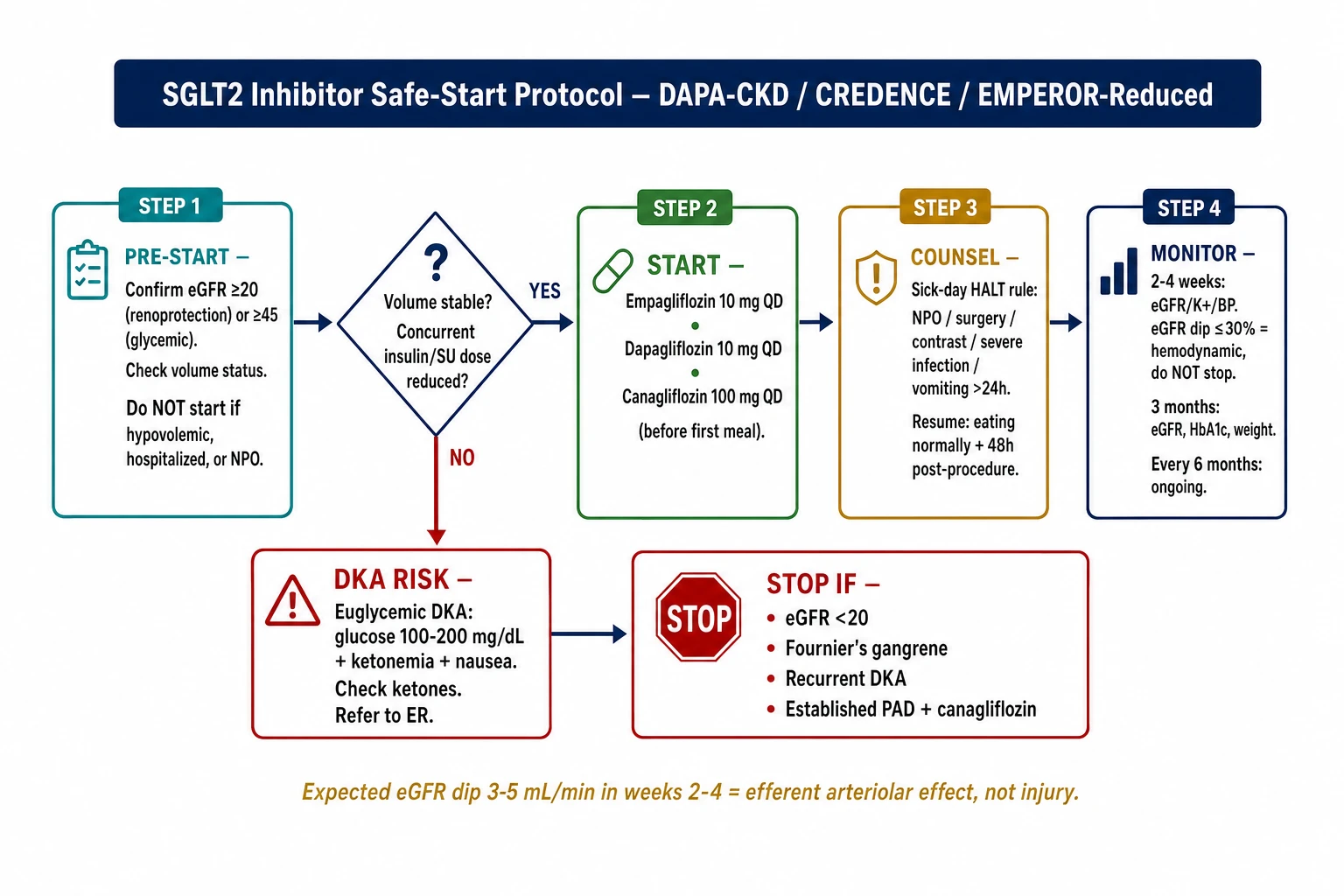 GuideThe CKD Prescriber's PlaybookClinician-focused operational guide: exactly how to start, titrate, and adjust SGLT2 inhibitors, ACEi/ARB, GLP-1 agonists, diuretics, phosphate binders, and ESAs in CKD and nephrology practice. KDIGO 2024 aligned.
 GuideWhen Your Prostate Blocks the Flow: A Guide to BPHBenign prostatic hyperplasia (BPH) — urinary symptoms, medications, lifestyle changes, and when surgery is needed to restore urinary flow in Filipino men.
References
- U.S. Food and Drug Administration. Tamsulosin hydrochloride · Synthon B.V. [US FDA-approved label, version 9, October 27, 2026]. Via DailyMed/openFDA. https://dailymed.nlm.nih.gov/dailymed/drugInfo.cfm?setid=13a5032d-0be1-4001-916e-459f0b1a051d
- Food and Drug Administration Philippines. Verification portal (product registrations). https://verification.fda.gov.ph
- PNF Essential Medicines List, 8th ed. (as of November 2, 2022), DOH; https://www.philhealth.gov.ph/partners/providers/pdf/PNF-EML_11022022.pdf
- PhilHealth Circular No. 2026-0018, Expanding Access to Outpatient First-line Anti-TB Drugs through PhilHealth GAMOT, Annex A.i GAMOT List (81 molecules); https://www.philhealth.gov.ph/circulars/2026/PC-2026-0018.pdf
- PhilHealth Circular No. 2026-0018, Annex A.2 GAMOT Fixed Fee Schedule (249 preparations; fees otherwise unchanged from PC2025-0013); https://www.philhealth.gov.ph/circulars/2026/PC-2026-0018.pdf
- DOH Drug Price Reference Index (DPRI) 2021, 9th edition (as of September 17, 2021); https://caro.doh.gov.ph/wp-content/uploads/2021/09/2021DPRI-as-of-9-17-2021.pdf
This page shows official label and registry text only; no renalcarematters.com clinical summary has been approved for it yet.
Last updated: .