WARNING: RISK OF THYROID C-CELL TUMORS
- In rodents, semaglutide causes dose-dependent and treatment-duration-dependent thyroid C-cell tumors at clinically relevant exposures. It is unknown whether OZEMPIC causes thyroid C-cell tumors, including medullary thyroid carcinoma (MTC), in humans as human relevance of semaglutide-induced rodent thyroid C-cell tumors has not been determined [see Warnings and Precautions (5.1), Nonclinical Toxicology (13.1)].
- OZEMPIC is contraindicated in patients with a personal or family history of MTC or in patients with Multiple Endocrine Neoplasia syndrome type 2 (MEN 2) [see Contraindications (4)]. Counsel patients regarding the potential risk for MTC with the use of OZEMPIC and inform them of symptoms of thyroid tumors (e.g., a mass in the neck, dysphagia, dyspnea, persistent hoarseness). Routine monitoring of serum calcitonin or using thyroid ultrasound is of uncertain value for early detection of MTC in patients treated with OZEMPIC [see Contraindications (4), Warnings and Precautions (5.1)]. WARNING: RISK OF THYROID C-CELL TUMORS See full prescribing information for complete boxed warning.
- In rodents, semaglutide causes thyroid C-cell tumors. It is unknown whether OZEMPIC causes thyroid C-cell tumors, including medullary thyroid carcinoma (MTC), in humans as the human relevance of semaglutide-induced rodent thyroid C-cell tumors has not been determined (5.1, 13.1).
- OZEMPIC is contraindicated in patients with a personal or family history of MTC or in patients with Multiple Endocrine Neoplasia syndrome type 2 (MEN 2). Counsel patients regarding the potential risk of MTC and symptoms of thyroid tumors (4, 5.1).
Use: Labeled indications
- as an adjunct to diet and exercise to improve glycemic control in adults with type 2 diabetes mellitus.
- to reduce the risk of major adverse cardiovascular events in adults with type 2 diabetes mellitus and established cardiovascular disease.
- to reduce the risk of sustained eGFR decline, end-stage kidney disease and cardiovascular death in adults with type 2 diabetes mellitus and chronic kidney disease.
Full indications and usage US FDA label
1 INDICATIONS AND USAGE OZEMPIC is indicated:
- as an adjunct to diet and exercise to improve glycemic control in adults with type 2 diabetes mellitus.
- to reduce the risk of major adverse cardiovascular events (cardiovascular death, non-fatal myocardial infarction or non-fatal stroke) in adults with type 2 diabetes mellitus and established cardiovascular disease.
- to reduce the risk of sustained eGFR decline, end-stage kidney disease, and cardiovascular death in adults with type 2 diabetes mellitus and chronic kidney disease. OZEMPIC is a glucagon-like peptide 1 (GLP-1) receptor agonist indicated:
- as an adjunct to diet and exercise to improve glycemic control in adults with type 2 diabetes mellitus. (1)
- to reduce the risk of major adverse cardiovascular events in adults with type 2 diabetes mellitus and established cardiovascular disease. (1)
- to reduce the risk of sustained eGFR decline, end-stage kidney disease and cardiovascular death in adults with type 2 diabetes mellitus and chronic kidney disease. (1)
Contraindications
4 CONTRAINDICATIONS OZEMPIC is contraindicated in patients with: • A personal or family history of MTC or in patients with MEN 2 [see Warnings and Precautions (5.1)]. • A serious hypersensitivity reaction to semaglutide or to any of the excipients in OZEMPIC. Serious hypersensitivity reactions including anaphylaxis and angioedema have been reported with OZEMPIC [see Warnings and Precautions (5.8)]. • Personal or family history of MTC or in patients with MEN 2. (4) • Serious hypersensitivity reaction to semaglutide or any of the excipients in OZEMPIC. (4)
US FDA labelDosing: Adult
- • Administer once weekly at any time of day, with or without meals. (2.1)
- • Start at 0.25 mg once weekly. After 4 weeks, increase the dosage to 0.5 mg once weekly. (2.2)
- • If additional glycemic control is needed, increase the dosage to 1 mg once weekly after at least 4 weeks on the 0.5 mg dose. (2.2)
- • If additional glycemic control is needed, increase the dosage to 2 mg once weekly after at least 4 weeks on the 1 mg dosage. (2.2)
- • To reduce the risk of sustained eGFR decline, end-stage kidney disease and cardiovascular death, increase the dosage to 1 mg once weekly after at least 4 weeks on the 0.5 mg dosage. (1, 2.2) • If a dose is missed, administer within 5 days of missed dose. (2.1)
- • Inject subcutaneously in the abdomen, thigh, or upper arm. (2.1)
2.1 Important Administration Instructions
2.1 Important Administration Instructions
- Inspect OZEMPIC visually before use. It should appear clear and colorless. Do not use OZEMPIC if particulate matter and coloration is seen.
- Administer OZEMPIC once weekly, on the same day each week, at any time of the day, with or without meals.
- Inject OZEMPIC subcutaneously in the abdomen, thigh, or upper arm. Instruct patients to use a different injection site each week when injecting in the same body region.
- When using OZEMPIC with insulin, instruct patients to administer as separate injections and to never mix the products. It is acceptable to inject OZEMPIC and insulin in the same body region, but the injections should not be adjacent to each other.
- The day of weekly administration can be changed if necessary as long as the time between two doses is at least 2 days (>48 hours).
- If a dose is missed, administer OZEMPIC as soon as possible within 5 days after the missed dose. If more than 5 days have passed, skip the missed dose and administer the next dose on the regularly scheduled day. In each case, patients can then resume their regular once-weekly dosing schedule.
2.2 Recommended Dosage
2.2 Recommended Dosage Recommended Initiation Dosage Initiate OZEMPIC with a dosage of 0.25 mg injected subcutaneously once weekly for 4 weeks. Follow the dosage escalation below to reduce the risk of gastrointestinal adverse reactions [see Warnings and Precautions (5.7), Adverse Reactions (6.1)]. After 4 weeks on the 0.25 mg dosage, increase the dosage to 0.5 mg once weekly.
Recommended Maintenance and Maximum Dosages for Glycemic Control The recommended maintenance dosage is 0.5 mg, 1 mg, or 2 mg, injected subcutaneously once weekly, based on glycemic control. If additional glycemic control is needed after at least 4 weeks on the:
- 0.5 mg dosage, the dosage may be increased to 1 mg once weekly.
- 1 mg dosage, the dosage may be increased to 2 mg once weekly. The maximum recommended dosage is 2 mg once weekly. Recommended Maintenance Dosage in Patients with Type 2 Diabetes Mellitus and Chronic Kidney Disease Increase the dosage to the maintenance dosage, 1 mg once weekly, after at least 4 weeks on the 0.5 mg dosage.
Dosing: Altered kidney function
8.6 Renal Impairment No dose adjustment of OZEMPIC is recommended for patients with renal impairment. In subjects with renal impairment including kidney failure, no clinically relevant change in semaglutide pharmacokinetics (PK) was observed [see Clinical Pharmacology (12.3)].
Kidney-specific guidance from renalcarematters.com: in preparation.
Dosing: Hepatic impairment
8.7 Hepatic Impairment No dose adjustment of OZEMPIC is recommended for patients with hepatic impairment. In a study in subjects with different degrees of hepatic impairment, no clinically relevant change in semaglutide pharmacokinetics (PK) was observed [see Clinical Pharmacology (12.3)].
US FDA labelDosing: Pediatric
Pediatric use (US label) US FDA label
8.4 Pediatric Use Safety and efficacy of OZEMPIC have not been established in pediatric patients.
Dosing: Older adult
Geriatric use (US label) US FDA label
8.5 Geriatric Use In the pool of placebo- and active-controlled glycemic control trials, 744 (23.6%) OZEMPIC-treated patients were 65 years of age and over and 102 OZEMPIC-treated patients (3.2%) patients were 75 years of age and over. In SUSTAIN 6, the cardiovascular outcome trial, 788 (48%) OZEMPIC-treated patients were 65 years of age and over and 157 OZEMPIC-treated patients (9.6%) patients were 75 years of age and over.
No overall differences in safety or efficacy were detected between these patients and younger patients, but greater sensitivity of some older individuals cannot be ruled out.
Administration
2.1 Important Administration Instructions • Inspect OZEMPIC visually before use. It should appear clear and colorless. Do not use OZEMPIC if particulate matter and coloration is seen. • Administer OZEMPIC once weekly, on the same day each week, at any time of the day, with or without meals. • Inject OZEMPIC subcutaneously in the abdomen, thigh, or upper arm. Instruct patients to use a different injection site each week when injecting in the same body region. • When using OZEMPIC with insulin, instruct patients to administer as separate injections and to never mix the products. It is acceptable to inject OZEMPIC and insulin in the same body region, but the injections should not be adjacent to each other. • The day of weekly administration can be changed if necessary as long as the time between two doses is at least 2 days (>48 hours). • If a dose is missed, administer OZEMPIC as soon as possible within 5 days after the missed dose. If more than 5 days have passed, skip the missed dose and administer the next dose on the regularly scheduled day. In each case, patients can then resume their regular once-weekly dosing schedule.
US FDA labelDosage forms
Philippines
- ) solution for injection: 0.25 mg/0.19 mL (1.34 mg/mL, 0.25 mg/0.5 mL (0.5 mg/mL, 0.5 mg/0.37 mL (1.34 mg/mL, 0.5 mg/0.5 mL (1 mg/mL, 1 mg/0.5 mL (2 mg/mL, 1 mg/0.74 mL (1.34 mg/mL, 1 mg/0.75 mL (1.34 mg/mL, 1.7 mg/0.75 mL (2.27 mg/mL, 2.4 mg/0.75 mL (3.2 mg/mL
- Tablet: 3 mg, 7 mg, 14 mg
- ) solution injection: 0.25 mg/0.37 mL (0.68 mg/mL
Registered products in the Philippines
16 products registered with the Food and Drug Administration (FDA) Philippines list Semaglutide as the generic name. Registration status changes; confirm a product's current status on the FDA portal before relying on it.
All registered products16
| Package insert | |||||||
|---|---|---|---|---|---|---|---|
OzempicSemaglutide | 0.25 mg/0.19 mL (1.34 mg/mL) Solution for Injection (SC)Multiple dose. 1.5 mL Type I glass cartridge with chlorobutyl rubber plunger and aluminum cap with a laminated rubber sheet assembled in blue PDS290 pen injector + 6 Novofine Plus 32G 4 mm needles (Box of 1's) | RxVAT-exempt | Novo Nordisk A/SDenmark | Novo Nordisk Pharmaceuticals (Philippines), Inc. | BR-1346 | Oct 28, 2027 | |
OzempicSemaglutide | 0.5 mg/0.37 mL (1.34 mg/mL) Solution for Injection (SC)Multiple dose. 1.5 mL Type I glass cartridge with chlorobutyl rubber plunger and aluminum cap with a laminated rubber sheet assembled in blue PDS290 pen injector + 4 Novofine Plus 32G 4 mm needles (Box of l's) | RxVAT-exempt | Novo Nordisk A/SDenmark | Novo Nordisk Pharmaceuticals (Philippines), Inc. | BR-1327 | Oct 28, 2027 | |
OzempicSemaglutide | 1 mg/0.74mL (1.34mg/mL) Solution For Injection (SC)Multiple dose. 3 mL Type I glass cartridge with chlorobutyl rubber plunger and aluminum cap with a laminated rubber sheet assembled in disposable blue. PDS290 pen-injector with a dose adjustment of 74 increments +4 Novofine Plus 32G 4 mm needles (Box of 1's) | RxVAT-exempt | Novo Nordisk A/SDenmark | Novo Nordisk Pharmaceuticals (Philippines), Inc. | BR-1326 | Nov 17, 2027 | |
RybelsusSemaglutide | 14 mg TabletAlu/Alu blister pack x 10's (box of 30's, 60's, and 90's) | RxVAT-exempt | Novo Nordisk A/SDenmark | Novo Nordisk Pharmaceuticals (Philippines), Inc. | BR-1412 | Aug 18, 2027 | |
RybelsusSemaglutide | 3 mg TabletAlu/Alu blister pack x 10's (box of 30's, 60's, and 90's) | RxVAT-exempt | Novo Nordisk A/SDenmark | Novo Nordisk Pharmaceuticals (Philippines), Inc. | BR-1413 | Aug 18, 2027 | |
RybelsusSemaglutide | 7 mg TabletAlu/Alu blister pack x 10's (box of 30's, 60's, and 90's) | RxVAT-exempt | Novo Nordisk A/SDenmark | Novo Nordisk Pharmaceuticals (Philippines), Inc. | BR-1411 | Aug 18, 2027 | |
WegovySemaglutide | 0.25 mg/0.37 mL (0.68 mg/mL) Solution Injection (SC)Multiple dose. 1.5 mL Type I colourless glass cartridge with chlorobutyl rubber plunger, and aluminum cap with laminated rubber disc, assembled in a PDS290 pen-injector + 4 NovoFine® Plus 32G x 4 mm needles (Box of 1's). | RxVAT-exempt | Novo Nordisk A/SDenmark | Novo Nordisk Pharmaceuticals (Philippines), Inc. | BR-1468 | Feb 28, 2029 | |
WegovySemaglutide | 0.25 mg/0.5 mL (0.5 mg/mL) Solution for Injection (SC)Single dose. 1 mL (Net content: 0.5 mL) Type I glass tent pre-filled syringe with grey chlorobutyl rubber plunger, four (4) 29G stainless steel needles and polyisoprene rubber Type II rigid needle shield assembled in a pen- injector (Box of 4's) | RxVAT-exempt | Catalent BelgiumBelgium | Novo Nordisk Pharmaceuticals (Philippines), Inc. | BR-1477 | May 22, 2029 | |
WegovySemaglutide | 0.5 mg/0.37 mL (1.34 mg/mL) Solution for Injection (SC)Multiple dose. 1.5 mL Type I colourless glass cartridge with chlorobutyl rubber plunger, and aluminum cap with laminated rubber disc, assembled in a PDS290. pen-injector +4 NovoFine® Plus 32G x 4 mm needles (Box of 1's). | RxVAT-exempt | Novo Nordisk A/SDenmark | Novo Nordisk Pharmaceuticals (Philippines), Inc. | BR-1470 | Feb 28, 2029 | |
WegovySemaglutide | 0.5 mg/0.5 mL (1 mg/mL) Solution for Injection (SC)Single dose. 1 mL (Net content: 0.5 mL) Type I glass pre-filled syringe with grey chlorobutyl rubber plunger, four (4) 29G stainless steel needles and polyisoprene rubber Type II rigid needle shield assembled in a pen- injector (Box of 4's). | RxVAT-exempt | Catalent BelgiumBelgium | Novo Nordisk Pharmaceuticals (Philippines), Inc. | BR-1476 | May 22, 2029 | |
WegovySemaglutide | 1 mg/0.5 mL (2 mg/mL) Solution for Injection (SC)Single dose. 1 mL (Net content: 0.5 mL) Type I glass content: pre-filled syringe with grey chlorobutyl rubber plunger, four (4) 29G stainless steel needles and polyisoprene rubber Type II rigid needle shield assembled in a pen- injector (Box of 4's). | RxVAT-exempt | Catalent BelgiumBelgium | Novo Nordisk Pharmaceuticals (Philippines), Inc. | BR-1475 | May 22, 2029 | |
WegovySemaglutide | 1 mg/0.75 mL (1.34 mg/mL) Solution for Injection (SC)Multiple dose. 3 mL Type I colourless glass cartridge with chlorobutyl rubber plunger, and aluminum cap with laminated rubber disc, assembled in a PDS290 pen-injector + 4 needles (Box of 1's). | RxVAT-exempt | Novo Nordisk A/SDenmark | Novo Nordisk Pharmaceuticals (Philippines), Inc. | BR-1471 | Feb 28, 2029 | |
WegovySemaglutide | 1.7 mg/ 0.75 mL (2.27 mg/mL) Solution for Injection (SC)Multiple dose. 3 mL Type I colourless glass cartridge with chlorobutyl rubber plunger, and aluminum cap with laminated rubber disc, assembled in a PDS290 pen-injector 4 needles (Box of 1's). | RxVAT-exempt | Novo Nordisk A/SDenmark | Novo Nordisk Pharmaceuticals (Philippines), Inc. | BR-1472 | Feb 28, 2029 | |
WegovySemaglutide | 1.7 mg/0.75 mL (2.27 mg/mL) Solution for Injection (SC)Single dose. 1 mL (Net content: 0.75 mL) Type I glass pre-filled syringe with grey chlorobutyl rubber plunger, four (4) 29G stainless steel needles and polyisoprene 2 rubber Type II rigid needle shield assembled in a pen- injector (Box of 4's). | RxVAT-exempt | Novo Nordisk A/SDenmark | Novo Nordisk Pharmaceuticals (Philippines), Inc. | BR-1474 | May 22, 2029 | |
WegovySemaglutide | 2.4 mg/ 0.75 mL (3.2 mg/mL) Solution for Injection (SC)Multiple dose. 3 mL Type I colourless glass cartridge with chlorobutyl rubber plunger, and aluminum cap with laminated rubber disc, assembled in a PDS290 pen-injector + 4 NovoFine® Plus 32G x 4 mm needles (Box of 1's). | RxVAT-exempt | Novo Nordisk A/SDenmark | Novo Nordisk Pharmaceuticals (Philippines), Inc. | BR-1469 | Feb 28, 2029 | |
WegovySemaglutide | 2.4 mg/0.75 mL (3.2 mg/mL) Solution for Injection (SC)Single dose. 1 mL (Net content: 0.75 mL) Type I glass pre-filled syringe with grey chlorobutyl rubber plunger, fubber four (4) 29G stainless steel needles and polyisoprene rubber Type II rigid needle shield assembled in a pen- injector (Box of 4's). | RxVAT-exempt | Novo Nordisk A/SDenmark | Novo Nordisk Pharmaceuticals (Philippines), Inc. | BR-1473 | May 22, 2029 |
Source: FDA Philippines product registration database. "Valid until" is the registration validity date listed by the FDA; a past date may mean a renewal is pending. Package insert links point to files published by the FDA.
United States (label)
Dosage forms and strengths (US label) US FDA label
3 DOSAGE FORMS AND STRENGTHS Injection: clear, colorless solution available as follows: Single-Patient-Use Pens (with multiple weekly doses) Dose per Injection Total Strength per Total Volume Strength per mL 0.25 mg 0.5 mg 2 mg / 3 mL 0.68 mg/mL 1 mg 4 mg / 3 mL 1.34 mg/mL 2 mg 8 mg / 3 mL 2.68 mg/mL Single-Dose Prefilled Syringes Dose per Injection Total Strength per Total Volume 0.25 mg 0.25 mg / 0.5 mL 0.5 mg 0.5 mg / 0.5 mL 1 mg 1 mg / 0.5 mL
- Injection: 2 mg/3 mL (0.68 mg/mL) for 4 doses of 0.25 mg and 2 doses of 0.5 mg or 4 doses of 0.5 mg, 4 mg/3 mL (1.34 mg/mL) for 4 doses of 1 mg, and 8 mg/3 mL (2.68 mg/mL) for 4 doses of 2 mg in single-patient-use pens (3)
- Injection: 0.25 mg, 0.5 mg or 1 mg per 0.5 mL in a single-dose prefilled syringe (3)
Warnings/Precautions
The boxed warning is shown at the top of this page.
- • Acute Pancreatitis: Has been observed in patients treated with GLP-1 receptor agonists, including OZEMPIC. Discontinue if pancreatitis is suspected. (5.2)
- • Diabetic Retinopathy Complications: Has been reported in a clinical trial. Patients with a history of diabetic retinopathy should be monitored. (5.3)
- • Never share an OZEMPIC pen between patients, even if the needle is changed. (5.4)
- • Hypoglycemia: Concomitant use with an insulin secretagogue or insulin may increase the risk of hypoglycemia, including severe hypoglycemia. Reducing dose of insulin secretagogue or insulin may be necessary. (5.5)
- • Acute Kidney Injury Due to Volume Depletion: Monitor renal function in patients reporting adverse reactions that could lead to volume depletion. (5.6)
- • Severe Gastrointestinal Adverse Reactions: Use has been associated with gastrointestinal adverse reactions, sometimes severe. OZEMPIC is not recommended in patients with severe gastroparesis. (5.7)
- • Hypersensitivity Reactions: Serious hypersensitivity reactions (e.g., anaphylaxis and angioedema) have been reported. Discontinue OZEMPIC if suspected and promptly seek medical advice. (5.8)
- • Acute Gallbladder Disease: If cholelithiasis or cholecystitis are suspected, gallbladder studies are indicated. (5.9)
- • Pulmonary Aspiration During General Anesthesia or Deep Sedation: Has been reported in patients receiving …
5.1 Risk of Thyroid C-Cell Tumors
5.1 Risk of Thyroid C-Cell Tumors In mice and rats, semaglutide caused a dose-dependent and treatment-duration-dependent increase in the incidence of thyroid C-cell tumors (adenomas and carcinomas) after lifetime exposure at clinically relevant plasma exposures [see Nonclinical Toxicology (13.1)]. It is unknown whether OZEMPIC causes thyroid C-cell tumors, including MTC, in humans as human relevance of semaglutide-induced rodent thyroid C-cell tumors has not been determined.
Cases of MTC in patients treated with liraglutide, another GLP-1 receptor agonist, have been reported in the postmarketing period; the data in these reports are insufficient to establish or exclude a causal relationship between MTC and GLP-1 receptor agonist use in humans. OZEMPIC is contraindicated in patients with a personal or family history of MTC or in patients with MEN 2.
Counsel patients regarding the potential risk for MTC with the use of OZEMPIC and inform them of symptoms of thyroid tumors (e.g., a mass in the neck, dysphagia, dyspnea, persistent hoarseness). Routine monitoring of serum calcitonin or using thyroid ultrasound is of uncertain value for early detection of MTC in patients treated with OZEMPIC.
Such monitoring may increase the risk of unnecessary procedures, due to the low-test specificity for serum calcitonin and a high background incidence of thyroid disease. Significantly elevated serum calcitonin value may indicate MTC and patients with MTC usually have calcitonin values >50 ng/L. If serum calcitonin is measured and found to be elevated, the patient should be further evaluated.
Patients with thyroid nodules noted on physical examination or neck imaging should also be further evaluated.
5.2 Acute Pancreatitis
5.2 Acute Pancreatitis Acute pancreatitis, including fatal and non-fatal hemorrhagic or necrotizing pancreatitis, has been observed in patients treated with GLP-1 receptor agonists, including OZEMPIC [see Adverse Reactions (6)]. After initiation of OZEMPIC, observe patients carefully for signs and symptoms of acute pancreatitis, which may include persistent or severe abdominal pain (sometimes radiating to the back), and which may or may not be accompanied by nausea or vomiting.
If pancreatitis is suspected, discontinue OZEMPIC and initiate appropriate management.
5.3 Diabetic Retinopathy Complications
5.3 Diabetic Retinopathy Complications In a 2-year trial involving patients with type 2 diabetes and high cardiovascular risk, more events of diabetic retinopathy complications occurred in patients treated with OZEMPIC (3.0%) compared to placebo (1.8%). The absolute risk increase for diabetic retinopathy complications was larger among patients with a history of diabetic retinopathy at baseline (OZEMPIC 8.2%, placebo 5.2%) than among patients without a known history of diabetic retinopathy (OZEMPIC 0.7%, placebo 0.4%).
Rapid improvement in glucose control has been associated with a temporary worsening of diabetic retinopathy. The effect of long-term glycemic control with semaglutide on diabetic retinopathy complications has not been studied. Patients with a history of diabetic retinopathy should be monitored for progression of diabetic retinopathy.
5.4 Never
5.4 Never Share an OZEMPIC Pen Between Patients OZEMPIC pens must never be shared between patients, even if the needle is changed. Pen-sharing poses a risk for transmission of blood-borne pathogens.
5.5 Hypoglycemia with Concomitant Use of Insulin Secretagogues
5.5 Hypoglycemia with Concomitant Use of Insulin Secretagogues or Insulin Patients receiving OZEMPIC in combination with an insulin secretagogue (e.g., sulfonylurea) or insulin may have an increased risk of hypoglycemia, including severe hypoglycemia [see Adverse Reactions (6.1), Drug Interactions (7)]. The risk of hypoglycemia may be lowered by a reduction in the dose of sulfonylurea (or other concomitantly administered insulin secretagogue) or insulin.
Inform patients using these concomitant medications of the risk of hypoglycemia and educate them on the signs and symptoms of hypoglycemia.
5.6 Acute Kidney Injury Due to Volume Depletion
5.6 Acute Kidney Injury Due to Volume Depletion There have been postmarketing reports of acute kidney injury, in some cases requiring hemodialysis, in patients treated with semaglutide. The majority of the reported events occurred in patients who experienced gastrointestinal reactions leading to dehydration such as nausea, vomiting, or diarrhea [see Adverse Reactions (6.1)].
Monitor renal function in patients reporting adverse reactions to OZEMPIC that could lead to volume depletion, especially during dosage initiation and escalation of OZEMPIC.
5.7 Severe Gastrointestinal Adverse Reactions Use
5.7 Severe Gastrointestinal Adverse Reactions Use of OZEMPIC has been associated with gastrointestinal adverse reactions, sometimes severe [see Adverse Reactions (6)]. In OZEMPIC clinical trials, severe gastrointestinal adverse reactions were reported more frequently among patients receiving OZEMPIC (0.5 mg 0.4%, 1 mg 0.8%) than placebo (0%).
Severe gastrointestinal adverse reactions have also been reported postmarketing with GLP-1 receptor agonists. OZEMPIC is not recommended in patients with severe gastroparesis.
5.8 Hypersensitivity Reactions
5.8 Hypersensitivity Reactions Serious hypersensitivity reactions (e.g., anaphylaxis, angioedema) have been reported in patients treated with OZEMPIC. If hypersensitivity reactions occur, discontinue use of OZEMPIC; treat promptly per standard of care, and monitor until signs and symptoms resolve. Do not use in patients with a previous hypersensitivity to OZEMPIC [see Contraindications (4), Adverse Reactions (6.2)].
Anaphylaxis and angioedema have been reported with other GLP-1 receptor agonists. Use caution in a patient with a history of angioedema or anaphylaxis with another GLP-1 receptor agonist because it is unknown whether such patients will be predisposed to anaphylaxis with OZEMPIC.
5.9 Acute Gallbladder Disease
5.9 Acute Gallbladder Disease Acute events of gallbladder disease such as cholelithiasis or cholecystitis have been reported in GLP-1 receptor agonist trials and postmarketing. In placebo-controlled trials, cholelithiasis was reported in 1.5% and 0.4% of patients-treated with OZEMPIC 0.5 mg and 1 mg, respectively. Cholelithiasis was not reported in placebo-treated patients.
If cholelithiasis is suspected, gallbladder studies and appropriate clinical follow-up are indicated.
5.10 Pulmonary Aspiration During General Anesthesia or Deep Sedation
5.10 Pulmonary Aspiration During General Anesthesia or Deep Sedation OZEMPIC delays gastric emptying [see Clinical Pharmacology (12.2)]. There have been rare postmarketing reports of pulmonary aspiration in patients receiving GLP-1 receptor agonists undergoing elective surgeries or procedures requiring general anesthesia or deep sedation who had residual gastric contents despite reported adherence to preoperative fasting recommendations.
Available data are insufficient to inform recommendations to mitigate the risk of pulmonary aspiration during general anesthesia or deep sedation in patients taking OZEMPIC, including whether modifying preoperative fasting recommendations or temporarily discontinuing OZEMPIC could reduce the incidence of retained gastric contents. Instruct patients to inform healthcare providers prior to any planned surgeries or procedures if they are taking OZEMPIC.
5.1 Risk of Thyroid C-Cell Tumors
5.1 Risk of Thyroid C-Cell Tumors In mice and rats, semaglutide caused a dose-dependent and treatment-duration-dependent increase in the incidence of thyroid C-cell tumors (adenomas and carcinomas) after lifetime exposure at clinically relevant plasma exposures [see Nonclinical Toxicology (13.1)]. It is unknown whether OZEMPIC causes thyroid C-cell tumors, including MTC, in humans as human relevance of semaglutide-induced rodent thyroid C-cell tumors has not been determined.
Cases of MTC in patients treated with liraglutide, another GLP-1 receptor agonist, have been reported in the postmarketing period; the data in these reports are insufficient to establish or exclude a causal relationship between MTC and GLP-1 receptor agonist use in humans. OZEMPIC is contraindicated in patients with a personal or family history of MTC or in patients with MEN 2.
Counsel patients regarding the potential risk for MTC with the use of OZEMPIC and inform them of symptoms of thyroid tumors (e.g., a mass in the neck, dysphagia, dyspnea, persistent hoarseness). Routine monitoring of serum calcitonin or using thyroid ultrasound is of uncertain value for early detection of MTC in patients treated with OZEMPIC.
Such monitoring may increase the risk of unnecessary procedures, due to the low-test specificity for serum calcitonin and a high background incidence of thyroid disease. Significantly elevated serum calcitonin value may indicate MTC and patients with MTC usually have calcitonin values >50 ng/L. If serum calcitonin is measured and found to be elevated, the patient should be further evaluated.
Patients with thyroid nodules noted on physical examination or neck imaging should also be further evaluated.
5.2 Acute Pancreatitis
5.2 Acute Pancreatitis Acute pancreatitis, including fatal and non-fatal hemorrhagic or necrotizing pancreatitis, has been observed in patients treated with GLP-1 receptor agonists, including OZEMPIC [see Adverse Reactions (6)]. After initiation of OZEMPIC, observe patients carefully for signs and symptoms of acute pancreatitis, which may include persistent or severe abdominal pain (sometimes radiating to the back), and which may or may not be accompanied by nausea or vomiting.
If pancreatitis is suspected, discontinue OZEMPIC and initiate appropriate management.
5.3 Diabetic Retinopathy Complications
5.3 Diabetic Retinopathy Complications In a 2-year trial involving patients with type 2 diabetes and high cardiovascular risk, more events of diabetic retinopathy complications occurred in patients treated with OZEMPIC (3.0%) compared to placebo (1.8%). The absolute risk increase for diabetic retinopathy complications was larger among patients with a history of diabetic retinopathy at baseline (OZEMPIC 8.2%, placebo 5.2%) than among patients without a known history of diabetic retinopathy (OZEMPIC 0.7%, placebo 0.4%).
Rapid improvement in glucose control has been associated with a temporary worsening of diabetic retinopathy. The effect of long-term glycemic control with semaglutide on diabetic retinopathy complications has not been studied. Patients with a history of diabetic retinopathy should be monitored for progression of diabetic retinopathy.
5.4 Never
5.4 Never Share an OZEMPIC Pen Between Patients OZEMPIC pens must never be shared between patients, even if the needle is changed. Pen-sharing poses a risk for transmission of blood-borne pathogens.
5.5 Hypoglycemia with Concomitant Use of Insulin Secretagogues
5.5 Hypoglycemia with Concomitant Use of Insulin Secretagogues or Insulin Patients receiving OZEMPIC in combination with an insulin secretagogue (e.g., sulfonylurea) or insulin may have an increased risk of hypoglycemia, including severe hypoglycemia [see Adverse Reactions (6.1), Drug Interactions (7)]. The risk of hypoglycemia may be lowered by a reduction in the dose of sulfonylurea (or other concomitantly administered insulin secretagogue) or insulin.
Inform patients using these concomitant medications of the risk of hypoglycemia and educate them on the signs and symptoms of hypoglycemia.
5.6 Acute Kidney Injury Due to Volume Depletion
5.6 Acute Kidney Injury Due to Volume Depletion There have been postmarketing reports of acute kidney injury, in some cases requiring hemodialysis, in patients treated with semaglutide. The majority of the reported events occurred in patients who experienced gastrointestinal reactions leading to dehydration such as nausea, vomiting, or diarrhea [see Adverse Reactions (6.1)].
Monitor renal function in patients reporting adverse reactions to OZEMPIC that could lead to volume depletion, especially during dosage initiation and escalation of OZEMPIC.
5.8 Hypersensitivity Reactions
5.8 Hypersensitivity Reactions Serious hypersensitivity reactions (e.g., anaphylaxis, angioedema) have been reported in patients treated with OZEMPIC. If hypersensitivity reactions occur, discontinue use of OZEMPIC; treat promptly per standard of care, and monitor until signs and symptoms resolve. Do not use in patients with a previous hypersensitivity to OZEMPIC [see Contraindications (4), Adverse Reactions (6.2)].
Anaphylaxis and angioedema have been reported with other GLP-1 receptor agonists. Use caution in a patient with a history of angioedema or anaphylaxis with another GLP-1 receptor agonist because it is unknown whether such patients will be predisposed to anaphylaxis with OZEMPIC.
Drug interactions
Oral Medications: OZEMPIC delays gastric emptying. May impact absorption of concomitantly administered oral medications. Use with caution. (7.2)
7.1 Concomitant
7.1 Concomitant Use with an Insulin Secretagogue (e.g., Sulfonylurea) or with Insulin OZEMPIC stimulates insulin release in the presence of elevated blood glucose concentrations. Patients receiving OZEMPIC in combination with an insulin secretagogue (e.g., sulfonylurea) or insulin may have an increased risk of hypoglycemia, including severe hypoglycemia.
When initiating OZEMPIC, consider reducing the dose of concomitantly administered insulin secretagogue (such as sulfonylureas) or insulin to reduce the risk of hypoglycemia [see Warnings and Precautions (5.5), Adverse Reactions (6)].
7.2 Oral Medications
7.2 Oral Medications OZEMPIC causes a delay of gastric emptying, and thereby has the potential to impact the absorption of concomitantly administered oral medications. In clinical pharmacology trials, semaglutide did not affect the absorption of orally administered medications to any clinically relevant degree [see Clinical Pharmacology (12.3)].
Nonetheless, caution should be exercised when oral medications are concomitantly administered with OZEMPIC.
7.1 Concomitant
7.1 Concomitant Use with an Insulin Secretagogue (e.g., Sulfonylurea) or with Insulin OZEMPIC stimulates insulin release in the presence of elevated blood glucose concentrations. Patients receiving OZEMPIC in combination with an insulin secretagogue (e.g., sulfonylurea) or insulin may have an increased risk of hypoglycemia, including severe hypoglycemia.
When initiating OZEMPIC, consider reducing the dose of concomitantly administered insulin secretagogue (such as sulfonylureas) or insulin to reduce the risk of hypoglycemia [see Warnings and Precautions (5.5), Adverse Reactions (6)].
7.2 Oral Medications
7.2 Oral Medications OZEMPIC causes a delay of gastric emptying, and thereby has the potential to impact the absorption of concomitantly administered oral medications. In clinical pharmacology trials, semaglutide did not affect the absorption of orally administered medications to any clinically relevant degree [see Clinical Pharmacology (12.3)].
Nonetheless, caution should be exercised when oral medications are concomitantly administered with OZEMPIC.
Metabolism and transporters (CYP, P-gp, OATP; US label) US FDA label
Excretion The primary excretion routes of semaglutide-related material are via the urine and feces.
Adverse reactions
- The following serious adverse reactions are described below or elsewhere in the prescribing information: • Risk of Thyroid C-cell Tumors [see Warnings and Precautions (5.1)] • Acute Pancreatitis [see Warnings and Precautions (5.2)] • Diabetic Retinopathy Complications [see Warnings and Precautions (5.3)] • Hypoglycemia with Concomitant Use of Insulin Secretagogues or Insulin [see Warnings and Precautions (5.5)] • Acute Kidney Injury Due to Volume Depletion [see Warnings and Precautions (5.6)] • Severe Gastrointestinal Adverse Reactions [see Warnings and Precautions (5.7)] • Hypersensitivity Reactions [see Warnings and Precautions (5.8)] • Acute Gallbladder Disease [see Warnings and Precautions (5.9)] • Pulmonary Aspiration During General Anesthesia or Deep Sedation [see Warnings and Precautions (5.10)] The most common adverse reactions reported in ≥5% of patients treated with OZEMPIC are: nausea, vomiting, diarrhea, abdominal pain and constipation. (6.1)
- To report SUSPECTED ADVERSE REACTIONS, contact Novo Nordisk Inc., at 1-888-693-6742 or FDA at 1-800-FDA-1088 or http://www.fda.gov/medwatch
6.1 Clinical Trials Experience
6.1 Clinical Trials Experience Because clinical trials are conducted under widely varying conditions, adverse reaction rates observed in the clinical trials of a drug cannot be directly compared to rates in the clinical trials of another drug and may not reflect the rates observed in practice. Pool of Placebo-Controlled Trials The data in Table 1 are derived from 2 placebo-controlled trials (1 monotherapy trial and 1 trial in combination with basal insulin) in patients with type 2 diabetes [see Clinical Studies (14)].
These data reflect exposure of 521 patients to OZEMPIC and a mean duration of exposure to OZEMPIC of 32.9 weeks. Across the treatment arms, the mean age of patients was 56 years, 3.4% were 75 years or older and 55% were male. In these trials 71% were White, 7% were Black or African American, and 19% were Asian; 21% identified as Hispanic or Latino ethnicity.
At baseline, patients had type 2 diabetes for an average of 8.8 years and had a mean HbA 1c of 8.2%. At baseline, 8.9% of the population reported retinopathy. Baseline estimated renal function was normal (eGFR ≥90 mL/min/1.73 m²) in 57.2%, mildly impaired (eGFR 60 to 90 mL/min/1.73 m²) in 35.9% and moderately impaired (eGFR 30 to 60 mL/min/1.73 m²) in 6.9% of patients.
Pool of Placebo- and Active-Controlled Trials The occurrence of adverse reactions was also evaluated in a larger pool of patients with type 2 diabetes participating in 7 placebo- and active-controlled glycemic control trials [see Clinical Studies (14)] including two trials in Japanese patients evaluating the use of OZEMPIC as monotherapy and add-on therapy to oral medications or insulin. In this pool, a total of 3150 patients with type 2 diabetes were treated with OZEMPIC for a mean duration of 44.9 weeks.
Across the treatment arms, the mean age of patients was 57 years, 3.2% were 75 years or older and 57% were male. In these trials, 60% were White, 6% were Black or African American, and 31% were Asian; 16% identified as Hispanic or Latino ethnicity. At baseline, patients had type 2 diabetes for an average of 8.2 years and had a mean HbA 1c of 8.2%.
At baseline, 7.8% of the population reported retinopathy. Baseline estimated renal function was normal (eGFR ≥90 mL/min/1.73 m²) in 63.1%, mildly impaired (eGFR 60 to 90 mL/min/1.73 m²) in 34.3%, and moderately impaired (eGFR 30 to 60 mL/min/1.73 m²) in 2.5% of the patients. Common Adverse Reactions Table 1 shows common adverse reactions, excluding hypoglycemia, associated with the use of OZEMPIC in the pool of placebo-controlled trials.
These adverse reactions occurred more commonly on OZEMPIC than on placebo and occurred in at least 5% of patients treated with OZEMPIC. Table 1. Adverse Reactions in Placebo-Controlled Trials Reported in ≥5% of OZEMPIC-Treated Patients with Type 2 Diabetes Mellitus Adverse Reaction Placebo (N=262) % OZEMPIC 0.5 mg (N=260) % OZEMPIC 1 mg (N=261) % Nausea 6.1 15.8 20.3 Vomiting 2.3 5 9.2 Diarrhea 1.9 8.5 8.8 Abdominal pain 4.6 7.3 5.7 Constipation 1.5 5 3.1 In the pool of placebo- and active-controlled trials and in the 2-year cardiovascular outcomes trial, the types and frequency of common adverse reactions, excluding hypoglycemia, were similar to those listed in Table 1.
In a clinical trial with 959 patients treated with OZEMPIC 1 mg or OZEMPIC 2 mg as add-on to metformin with or without sulfonylurea treatment for 40 weeks, no new safety signals were identified. In the FLOW trial [see Clinical Studies (14.3)] in patients with type 2 diabetes mellitus and chronic kidney disease, safety data collection was limited to serious adverse events and selected predefined categories of adverse events regardless of seriousness.
There were no new serious or severe adverse reactions identified in this trial. Gastrointestinal Adverse Reactions In the pool of placebo-controlled trials, gastrointestinal adverse reactions occurred more frequently among patients receiving OZEMPIC than placebo (placebo 15.3%, OZEMPIC 0.5 mg 32.7%, OZEMPIC 1 mg 36.4%).
The majority of reports of nausea, vomiting, and/or diarrhea occurred during dose escalation. More patients receiving OZEMPIC 0.5 mg (3.1%) and OZEMPIC 1 mg (3.8%) discontinued treatment due to gastrointestinal adverse reactions than patients receiving placebo (0.4%). In the trial with OZEMPIC 1 mg and 2 mg, gastrointestinal adverse reactions occurred more frequently among patients receiving OZEMPIC 2 mg (34%) vs OZEMPIC 1 mg (30.8%).
In addition to the reactions in Table 1, the following gastrointestinal adverse reactions with a frequency of <5% were associated with OZEMPIC (frequencies listed, respectively, as: placebo; 0.5 mg; 1 mg): dyspepsia (1.9%, 3.5%, 2.7%), eructation (0%, 2.7%, 1.1%), flatulence (0.8%, 0.4%, 1.5%), gastroesophageal reflux disease (0%, 1.9%, 1.5%), and gastritis (0.8%, 0.8%, 0.4%). Other Adverse Reactions Hypoglycemia Table 2 summarizes the incidence of events related to hypoglycemia by various definitions in the placebo-controlled trials.
Table 2. Hypoglycemia Adverse Reactions in Placebo-Controlled Trials in Patients with Type 2 Diabetes Mellitus Placebo OZEMPIC 0.5 mg OZEMPIC 1 mg Monotherapy (30 weeks) N=129 N=127 N=130 Severe † 0% 0% 0% Documented symptomatic (≤70 mg/dL glucose threshold) 0% 1.6% 3.8% Severe † or Blood Glucose Confirmed Symptomatic (≤56 mg/dL glucose threshold) 1.6% 0% 0% Add-on to Basal Insulin with or without Metformin (30 weeks) N=132 N=132 N=131 Severe † 0% 0% 1.5% Documented symptomatic (≤70 mg/dL glucose threshold) 15.2% 16.7% 29.8% Severe † or Blood Glucose Confirmed Symptomatic (≤56 mg/dL glucose threshold) 5.3% 8.3% 10.7% † “Severe” hypoglycemia adverse reactions are episodes requiring the assistance of another person.
Hypoglycemia was more frequent when OZEMPIC was used in combination with a sulfonylurea [see Warnings and Precautions (5.5), Clinical Studies (14)]. Severe hypoglycemia occurred in 0.8% and 1.2% of patients when OZEMPIC 0.5 mg and 1 mg, respectively, was coadministered with a sulfonylurea. Documented symptomatic hypoglycemia occurred in 17.3% and 24.4% of patients when OZEMPIC 0.5 mg and 1 mg, respectively, was coadministered with a sulfonylurea.
Severe or blood glucose confirmed symptomatic hypoglycemia occurred in 6.5% and 10.4% of patients when OZEMPIC 0.5 mg and 1 mg, respectively, was coadministered with a sulfonylurea. Injection Site Reactions In placebo-controlled trials, injection site reactions (e.g., injection-site discomfort, erythema) were reported in 0.2% of OZEMPIC-treated patients.
Increases in Amylase and Lipase In placebo-controlled trials, patients exposed to OZEMPIC had a mean increase from baseline in amylase of 13% and lipase of 22%. These changes were not observed in placebo-treated patients. Acute Pancreatitis In glycemic control trials, acute pancreatitis was confirmed by adjudication in 7 OZEMPIC-treated patients (0.3 cases per 100 patient years) versus 3 in comparator-treated patients (0.2 cases per 100 patient years).
Cholelithiasis In placebo-controlled trials, cholelithiasis was reported in 1.5% and 0.4% of patients-treated with OZEMPIC 0.5 mg and 1 mg, respectively. Cholelithiasis was not reported in placebo-treated patients. Increases in Heart Rate In placebo-controlled trials, OZEMPIC 0.5 mg and 1 mg resulted in a mean increase in heart rate of 2 to 3 beats per minute.
There was a mean decrease in heart rate of 0.3 beats per minute in placebo-treated patients. Fatigue, Dysgeusia and Dizziness Other adverse reactions with a frequency of >0.4% were associated with OZEMPIC include fatigue, dysgeusia and dizziness.
6.2 Postmarketing Experience
6.2 Postmarketing Experience The following adverse reactions have been reported during post-approval use of semaglutide, the active ingredient of OZEMPIC. Because these reactions are reported voluntarily from a population of uncertain size, it is not always possible to reliably estimate their frequency or establish a causal relationship to drug exposure.
Gastrointestinal: acute pancreatitis and necrotizing pancreatitis, sometimes resulting in death; ileus, intestinal obstruction, severe constipation including fecal impaction Hypersensitivity: anaphylaxis, angioedema, rash, urticaria Hepatobiliary: cholecystitis, cholecystectomy Neurologic: dysesthesia, headache Pulmonary: Pulmonary aspiration has occurred in patients receiving GLP-1 receptor agonists undergoing elective surgeries or procedures requiring general anesthesia or deep sedation. Renal: acute kidney injury Skin and Subcutaneous Tissue: alopecia
6.1 Clinical Trials Experience
6.1 Clinical Trials Experience Because clinical trials are conducted under widely varying conditions, adverse reaction rates observed in the clinical trials of a drug cannot be directly compared to rates in the clinical trials of another drug and may not reflect the rates observed in practice. Pool of Placebo-Controlled Trials The data in Table 1 are derived from 2 placebo-controlled trials (1 monotherapy trial and 1 trial in combination with basal insulin) in patients with type 2 diabetes [see Clinical Studies (14)].
These data reflect exposure of 521 patients to OZEMPIC and a mean duration of exposure to OZEMPIC of 32.9 weeks. Across the treatment arms, the mean age of patients was 56 years, 3.4% were 75 years or older and 55% were male. In these trials 71% were White, 7% were Black or African American, and 19% were Asian; 21% identified as Hispanic or Latino ethnicity.
At baseline, patients had type 2 diabetes for an average of 8.8 years and had a mean HbA 1c of 8.2%. At baseline, 8.9% of the population reported retinopathy. Baseline estimated renal function was normal (eGFR ≥90 mL/min/1.73 m²) in 57.2%, mildly impaired (eGFR 60 to 90 mL/min/1.73 m²) in 35.9% and moderately impaired (eGFR 30 to 60 mL/min/1.73 m²) in 6.9% of patients.
Pool of Placebo- and Active-Controlled Trials The occurrence of adverse reactions was also evaluated in a larger pool of patients with type 2 diabetes participating in 7 placebo- and active-controlled glycemic control trials [see Clinical Studies (14)] including two trials in Japanese patients evaluating the use of OZEMPIC as monotherapy and add-on therapy to oral medications or insulin. In this pool, a total of 3150 patients with type 2 diabetes were treated with OZEMPIC for a mean duration of 44.9 weeks.
Across the treatment arms, the mean age of patients was 57 years, 3.2% were 75 years or older and 57% were male. In these trials, 60% were White, 6% were Black or African American, and 31% were Asian; 16% identified as Hispanic or Latino ethnicity. At baseline, patients had type 2 diabetes for an average of 8.2 years and had a mean HbA 1c of 8.2%.
At baseline, 7.8% of the population reported retinopathy. Baseline estimated renal function was normal (eGFR ≥90 mL/min/1.73 m²) in 63.1%, mildly impaired (eGFR 60 to 90 mL/min/1.73 m²) in 34.3%, and moderately impaired (eGFR 30 to 60 mL/min/1.73 m²) in 2.5% of the patients. Common Adverse Reactions Table 1 shows common adverse reactions, excluding hypoglycemia, associated with the use of OZEMPIC in the pool of placebo-controlled trials.
These adverse reactions occurred more commonly on OZEMPIC than on placebo and occurred in at least 5% of patients treated with OZEMPIC. Table 1. Adverse Reactions in Placebo-Controlled Trials Reported in ≥5% of OZEMPIC-Treated Patients with Type 2 Diabetes Mellitus Adverse Reaction Placebo (N=262) % OZEMPIC 0.5 mg (N=260) % OZEMPIC 1 mg (N=261) % Nausea 6.1 15.8 20.3 Vomiting 2.3 5 9.2 Diarrhea 1.9 8.5 8.8 Abdominal pain 4.6 7.3 5.7 Constipation 1.5 5 3.1 In the pool of placebo- and active-controlled trials and in the 2-year cardiovascular outcomes trial, the types and frequency of common adverse reactions, excluding hypoglycemia, were similar to those listed in Table 1.
In a clinical trial with 959 patients treated with OZEMPIC 1 mg or OZEMPIC 2 mg as add-on to metformin with or without sulfonylurea treatment for 40 weeks, no new safety signals were identified. In the FLOW trial [see Clinical Studies (14.3)] in patients with type 2 diabetes mellitus and chronic kidney disease, safety data collection was limited to serious adverse events and selected predefined categories of adverse events regardless of seriousness.
There were no new serious or severe adverse reactions identified in this trial. Gastrointestinal Adverse Reactions In the pool of placebo-controlled trials, gastrointestinal adverse reactions occurred more frequently among patients receiving OZEMPIC than placebo (placebo 15.3%, OZEMPIC 0.5 mg 32.7%, OZEMPIC 1 mg 36.4%).
The majority of reports of nausea, vomiting, and/or diarrhea occurred during dose escalation. More patients receiving OZEMPIC 0.5 mg (3.1%) and OZEMPIC 1 mg (3.8%) discontinued treatment due to gastrointestinal adverse reactions than patients receiving placebo (0.4%). In the trial with OZEMPIC 1 mg and 2 mg, gastrointestinal adverse reactions occurred more frequently among patients receiving OZEMPIC 2 mg (34%) vs OZEMPIC 1 mg (30.8%).
In addition to the reactions in Table 1, the following gastrointestinal adverse reactions with a frequency of <5% were associated with OZEMPIC (frequencies listed, respectively, as: placebo; 0.5 mg; 1 mg): dyspepsia (1.9%, 3.5%, 2.7%), eructation (0%, 2.7%, 1.1%), flatulence (0.8%, 0.4%, 1.5%), gastroesophageal reflux disease (0%, 1.9%, 1.5%), and gastritis (0.8%, 0.8%, 0.4%). Other Adverse Reactions Hypoglycemia Table 2 summarizes the incidence of events related to hypoglycemia by various definitions in the placebo-controlled trials.
Table 2. Hypoglycemia Adverse Reactions in Placebo-Controlled Trials in Patients with Type 2 Diabetes Mellitus Placebo OZEMPIC 0.5 mg OZEMPIC 1 mg Monotherapy (30 weeks) N=129 N=127 N=130 Severe † 0% 0% 0% Documented symptomatic (≤70 mg/dL glucose threshold) 0% 1.6% 3.8% Severe † or Blood Glucose Confirmed Symptomatic (≤56 mg/dL glucose threshold) 1.6% 0% 0% Add-on to Basal Insulin with or without Metformin (30 weeks) N=132 N=132 N=131 Severe † 0% 0% 1.5% Documented symptomatic (≤70 mg/dL glucose threshold) 15.2% 16.7% 29.8% Severe † or Blood Glucose Confirmed Symptomatic (≤56 mg/dL glucose threshold) 5.3% 8.3% 10.7% † “Severe” hypoglycemia adverse reactions are episodes requiring the assistance of another person.
Hypoglycemia was more frequent when OZEMPIC was used in combination with a sulfonylurea [see Warnings and Precautions (5.5), Clinical Studies (14)]. Severe hypoglycemia occurred in 0.8% and 1.2% of patients when OZEMPIC 0.5 mg and 1 mg, respectively, was coadministered with a sulfonylurea. Documented symptomatic hypoglycemia occurred in 17.3% and 24.4% of patients when OZEMPIC 0.5 mg and 1 mg, respectively, was coadministered with a sulfonylurea.
Severe or blood glucose confirmed symptomatic hypoglycemia occurred in 6.5% and 10.4% of patients when OZEMPIC 0.5 mg and 1 mg, respectively, was coadministered with a sulfonylurea. Injection Site Reactions In placebo-controlled trials, injection site reactions (e.g., injection-site discomfort, erythema) were reported in 0.2% of OZEMPIC-treated patients.
Increases in Amylase and Lipase In placebo-controlled trials, patients exposed to OZEMPIC had a mean increase from baseline in amylase of 13% and lipase of 22%. These changes were not observed in placebo-treated patients. Acute Pancreatitis In glycemic control trials, acute pancreatitis was confirmed by adjudication in 7 OZEMPIC-treated patients (0.3 cases per 100 patient years) versus 3 in comparator-treated patients (0.2 cases per 100 patient years).
Cholelithiasis In placebo-controlled trials, cholelithiasis was reported in 1.5% and 0.4% of patients-treated with OZEMPIC 0.5 mg and 1 mg, respectively. Cholelithiasis was not reported in placebo-treated patients. Increases in Heart Rate In placebo-controlled trials, OZEMPIC 0.5 mg and 1 mg resulted in a mean increase in heart rate of 2 to 3 beats per minute.
There was a mean decrease in heart rate of 0.3 beats per minute in placebo-treated patients. Fatigue, Dysgeusia and Dizziness Other adverse reactions with a frequency of >0.4% were associated with OZEMPIC include fatigue, dysgeusia and dizziness.
6.2 Postmarketing Experience
6.2 Postmarketing Experience The following adverse reactions have been reported during post-approval use of semaglutide, the active ingredient of OZEMPIC. Because these reactions are reported voluntarily from a population of uncertain size, it is not always possible to reliably estimate their frequency or establish a causal relationship to drug exposure.
Gastrointestinal: acute pancreatitis and necrotizing pancreatitis, sometimes resulting in death; ileus, intestinal obstruction, severe constipation including fecal impaction Hypersensitivity: anaphylaxis, angioedema, rash, urticaria Hepatobiliary: cholecystitis, cholecystectomy Neurologic: dysesthesia, headache Pulmonary: Pulmonary aspiration has occurred in patients receiving GLP-1 receptor agonists undergoing elective surgeries or procedures requiring general anesthesia or deep sedation. Renal: acute kidney injury Skin and Subcutaneous Tissue: alopecia
Adverse reaction frequency tables (US label) US FDA label
| Adverse Reaction | Placebo (N=262)% | OZEMPIC 0.5 mg(N=260)% | OZEMPIC 1 mg(N=261)% |
| Nausea | 6.1 | 15.8 | 20.3 |
| Vomiting | 2.3 | 5 | 9.2 |
| Diarrhea | 1.9 | 8.5 | 8.8 |
| Abdominal pain | 4.6 | 7.3 | 5.7 |
| Constipation | 1.5 | 5 | 3.1 |
| Placebo | OZEMPIC 0.5 mg | OZEMPIC 1 mg | |
| Monotherapy | |||
| N=129 | N=127 | N=130 | |
| 0% | 0% | 0% | |
| 0% | 1.6% | 3.8% | |
| 1.6% | 0% | 0% | |
| Add-on to Basal Insulin with or without Metformin | |||
| N=132 | N=132 | N=131 | |
| 0% | 0% | 1.5% | |
| 15.2% | 16.7% | 29.8% | |
| 5.3% | 8.3% | 10.7% | |
| † “Severe” hypoglycemia adverse reactions are episodes requiring the assistance of another person. | |||
| Adverse Reaction | Placebo (N=262)% | OZEMPIC 0.5 mg(N=260)% | OZEMPIC 1 mg(N=261)% |
| Nausea | 6.1 | 15.8 | 20.3 |
| Vomiting | 2.3 | 5 | 9.2 |
| Diarrhea | 1.9 | 8.5 | 8.8 |
| Abdominal pain | 4.6 | 7.3 | 5.7 |
| Constipation | 1.5 | 5 | 3.1 |
| Placebo | OZEMPIC 0.5 mg | OZEMPIC 1 mg | |
| Monotherapy | |||
| N=129 | N=127 | N=130 | |
| 0% | 0% | 0% | |
| 0% | 1.6% | 3.8% | |
| 1.6% | 0% | 0% | |
| Add-on to Basal Insulin with or without Metformin | |||
| N=132 | N=132 | N=131 | |
| 0% | 0% | 1.5% | |
| 15.2% | 16.7% | 29.8% | |
| 5.3% | 8.3% | 10.7% | |
| † “Severe” hypoglycemia adverse reactions are episodes requiring the assistance of another person. | |||
Pregnancy considerations
Pregnancy (US label) US FDA label
8.1 Pregnancy Risk Summary There are limited data with semaglutide use in pregnant women to inform a drug-associated risk for adverse developmental outcomes. There are clinical considerations regarding the risks of poorly controlled diabetes in pregnancy (see Clinical Considerations). Based on animal reproduction studies, there may be potential risks to the fetus from exposure to semaglutide during pregnancy.
OZEMPIC should be used during pregnancy only if the potential benefit justifies the potential risk to the fetus. In pregnant rats administered semaglutide during organogenesis, embryofetal mortality, structural abnormalities and alterations to growth occurred at maternal clinical exposure based on AUC. In rabbits and cynomolgus monkeys administered semaglutide during organogenesis, early pregnancy losses or structural abnormalities were observed at clinical exposure (rabbit) and ≥2-fold the MRHD (monkey).
These findings coincided with a marked maternal body weight loss in both animal species (see Data). In the U.S. general population, the estimated background risk of major birth defects and miscarriage in clinically recognized pregnancies is 2 to 4% and 15 to 20%, respectively. The estimated background risk of major birth defects is 6 to 10% in women with pre-gestational diabetes with a peri-conceptional HbA 1c >7 and has been reported to be as high as 20 to 25% in women with a peri-conceptional HbA 1c >10.
The estimated background risk of miscarriage for the indicated population is unknown. Clinical Considerations Disease-Associated Maternal and/or Embryo/fetal Risk Hypoglycemia and hyperglycemia occur more frequently during pregnancy in patients with pre-gestational diabetes. Poorly controlled diabetes during pregnancy increases the maternal risk for diabetic ketoacidosis, pre- eclampsia, spontaneous abortions, preterm delivery, and delivery complications.
Poorly controlled diabetes increases the fetal risk for major birth defects, stillbirth, and macrosomia related morbidity. Data Animal Data In a combined fertility and embryofetal development study in rats, subcutaneous doses of 0.01, 0.03 and 0.09 mg/kg/day (0.06-, 0.2-, and 0.6-fold the MRHD) were administered to males for 4 weeks prior to and throughout mating and to females for 2 weeks prior to mating, and throughout organogenesis to Gestation Day 17.
In parental animals, pharmacologically mediated reductions in body weight gain and food consumption were observed at all dose levels. In the offspring, reduced growth and fetuses with visceral (heart blood vessels) and skeletal (cranial bones, vertebra, ribs) abnormalities were observed at the human exposure. In an embryofetal development study in pregnant rabbits, subcutaneous doses of 0.0010, 0.0025 or 0.0075 mg/kg/day (0.02-, 0.2-, and 1.2-fold the MRHD) were administered throughout organogenesis from Gestation Day 6 to 19.
Pharmacologically mediated reductions in maternal body weight gain and food consumption were observed at all dose levels. Early pregnancy losses and increased incidences of minor visceral (kidney, liver) and skeletal (sternebra) fetal abnormalities were observed at ≥0.0025 mg/kg/day, at clinically relevant exposures. In an embryofetal development study in pregnant cynomolgus monkeys, subcutaneous doses of 0.015, 0.075, and 0.15 mg/kg twice weekly (0.5-, 3-, and 8-fold the MRHD) were administered throughout organogenesis, from Gestation Day 16 to 50.
Pharmacologically mediated, marked initial maternal body weight loss and reductions in body weight gain and food consumption coincided with the occurrence of sporadic abnormalities (vertebra, sternebra, ribs) at ≥0.075 mg/kg twice weekly (≥3X human exposure). In a pre- and postnatal development study in pregnant cynomolgus monkeys, subcutaneous doses of 0.015, 0.075, and 0.15 mg/kg twice weekly (0.3-, 2-, and 4-fold the MRHD) were administered from Gestation Day 16 to 140.
Pharmacologically mediated marked initial maternal body weight loss and reductions in body weight gain and food consumption coincided with an increase in early pregnancy losses and led to delivery of slightly smaller offspring at ≥0.075 mg/kg twice weekly (≥2X human exposure).
Mechanism of action
12.1 Mechanism of Action Semaglutide is a GLP-1 analogue with 94% sequence homology to human GLP-1. Semaglutide acts as a GLP-1 receptor agonist that selectively binds to and activates the GLP-1 receptor, the target for native GLP-1. GLP-1 is a physiological hormone that has multiple actions on glucose, mediated by the GLP-1 receptors.
The principal mechanism of protraction resulting in the long half-life of semaglutide is albumin binding, which results in decreased renal clearance and protection from metabolic degradation. Furthermore, semaglutide is stabilized against degradation by the DPP-4 enzyme. Semaglutide reduces blood glucose through a mechanism where it stimulates insulin secretion and lowers glucagon secretion, both in a glucose-dependent manner.
Thus, when blood glucose is high, insulin secretion is stimulated, and glucagon secretion is inhibited. The mechanism of blood glucose lowering also involves a minor delay in gastric emptying in the early postprandial phase. The mechanism of kidney-related risk reduction has not been established.
US FDA labelPharmacodynamics
Pharmacodynamics (US label) US FDA label
12.2 Pharmacodynamics Semaglutide lowers fasting and postprandial blood glucose and reduces body weight. All pharmacodynamic evaluations were performed after 12 weeks of treatment (including dose escalation) at steady state with semaglutide 1 mg. Fasting and Postprandial Glucose Semaglutide reduces fasting and postprandial glucose concentrations.
In patients with type 2 diabetes, treatment with semaglutide 1 mg resulted in reductions in glucose in terms of absolute change from baseline and relative reduction compared to placebo of 29 mg/dL (22%) for fasting glucose, 74 mg/dL (36%) for 2-hour postprandial glucose, and 30 mg/dL (22%) for mean 24-hour glucose concentration (see Figure 1). Figure 1.
Mean 24-hour Plasma Glucose Profiles (standardized meals) in Patients with Type 2 Diabetes before (Baseline) and after 12 Weeks of Treatment with Semaglutide or Placebo Insulin Secretion Both first-and second-phase insulin secretion are increased in patients with type 2 diabetes treated with OZEMPIC compared with placebo. Glucagon Secretion Semaglutide lowers the fasting and postprandial glucagon concentrations.
In patients with type 2 diabetes, treatment with semaglutide resulted in the following relative reductions in glucagon compared to placebo, fasting glucagon (8%), postprandial glucagon response (14 to 15%), and mean 24-hour glucagon concentration (12%). Glucose dependent insulin and glucagon secretion Semaglutide lowers high blood glucose concentrations by stimulating insulin secretion and lowering glucagon secretion in a glucose-dependent manner.
With semaglutide, the insulin secretion rate in patients with type 2 diabetes was similar to that of healthy subjects (see Figure 2). Figure 2. Mean Insulin Secretion Rate Versus Glucose Concentration in Patients with Type 2 Diabetes during Graded Glucose Infusion before (Baseline) and after 12 Weeks of Treatment with Semaglutide or Placebo and in Untreated Healthy Subjects During induced hypoglycemia, semaglutide did not alter the counter regulatory responses of increased glucagon compared to placebo and did not impair the decrease of C-peptide in patients with type 2 diabetes.
Gastric emptying Semaglutide causes a delay of early postprandial gastric emptying, thereby reducing the rate at which glucose appears in the circulation postprandially. Cardiac electrophysiology (QTc) The effect of semaglutide on cardiac repolarization was tested in a thorough QTc trial. Semaglutide does not prolong QTc intervals at doses up to 1.5 mg at steady-state.
Figure 1. Mean 24-hour Plasma Glucose Profiles Figure 2. Mean Insulin Secretion
Pharmacokinetics
With an elimination half-life of approximately 1 week, semaglutide will be present in the circulation for about 5 weeks after the last dose.
Excretion The primary excretion routes of semaglutide-related material are via the urine and feces.
Approximately 3% of the dose is excreted in the urine as intact semaglutide.
Pharmacokinetics (US label) US FDA label
12.3 Pharmacokinetics Absorption Absolute bioavailability of semaglutide is 89%. Maximum concentration of semaglutide is reached 1 to 3 days post dose. Similar exposure is achieved with subcutaneous administration of semaglutide in the abdomen, thigh, or upper arm. In patients with type 2 diabetes, semaglutide exposure increases in a dose-proportional manner for once-weekly doses of 0.5 mg, 1 mg and 2 mg.
Steady-state exposure is achieved following 4 to 5 weeks of once-weekly administration. In patients with type 2 diabetes, the mean population-PK estimated steady-state concentrations following once-weekly subcutaneous administration of 0.5 mg and 1 mg semaglutide were approximately 65 ng/mL and 123 ng/mL, respectively. In the trial comparing semaglutide 1 mg and 2 mg, the mean steady state concentrations were 111.1 ng/mL and 222.1 ng/mL, respectively.
Distribution The mean apparent volume of distribution of semaglutide following subcutaneous administration in patients with type 2 diabetes is approximately 12.5 L. Semaglutide is extensively bound to plasma albumin (>99%). Elimination The apparent clearance of semaglutide in patients with type 2 diabetes is approximately 0.05 L/h.
With an elimination half-life of approximately 1 week, semaglutide will be present in the circulation for about 5 weeks after the last dose. Metabolism The primary route of elimination for semaglutide is metabolism following proteolytic cleavage of the peptide backbone and sequential beta-oxidation of the fatty acid sidechain.
Excretion The primary excretion routes of semaglutide-related material are via the urine and feces. Approximately 3% of the dose is excreted in the urine as intact semaglutide. Specific Populations Based on a population pharmacokinetic analysis, age, sex, race, and ethnicity, and renal impairment do not have a clinically meaningful effect on the pharmacokinetics of semaglutide.
The exposure of semaglutide decreases with an increase in body weight. However, semaglutide doses of 0.5 mg and 1 mg provide adequate systemic exposure over the body weight range of 40 to 198 kg evaluated in the clinical trials. The effects of intrinsic factors on the pharmacokinetics of semaglutide are shown in Figure 3.
Figure 3. Impact of Intrinsic Factors on Semaglutide Exposure Semaglutide exposure (C avg) relative to reference subject profile: non-Hispanic/non-Latino, White, female below 65 years, body weight 85 kg, with normal renal function. Population PK model also included maintenance dose and injection site as covariates. Body weight test categories (55 and 127 kg) represent the 5% and 95% percentiles in the dataset.
Abbreviations: C avg: average semaglutide concentration. CI: Confidence interval. Patients with Renal impairment - Renal impairment does not impact the pharmacokinetics of semaglutide in a clinically relevant manner. This was shown in a study with a single dose of 0.5 mg semaglutide in patients with different degrees of renal impairment (mild, moderate, severe, or kidney failure) compared with subjects with normal renal function.
This was also shown for subjects with both type 2 diabetes and renal impairment based on data from clinical studies (Figure 3). Patients with Hepatic impairment - Hepatic impairment does not have any impact on the exposure of semaglutide. The pharmacokinetics of semaglutide were evaluated in patients with different degrees of hepatic impairment (mild, moderate, severe) compared with subjects with normal hepatic function in a study with a single-dose of 0.5 mg semaglutide.
Pediatric Patients - Semaglutide has not been studied in pediatric patients. Drug Interaction Studies In vitro studies have shown very low potential for semaglutide to inhibit or induce CYP enzymes, and to inhibit drug transporters. The delay of gastric emptying with semaglutide may influence the absorption of concomitantly administered oral medicinal products [see Drug Interactions (7.2)].
The potential effect of semaglutide on the absorption of co-administered oral medications was studied in trials at semaglutide 1 mg steady-state exposure. No clinically relevant drug-drug interaction with semaglutide (Figure 4) was observed based on the evaluated medications; therefore, no dose adjustment is required when co-administered with semaglutide.
In a separate study, no apparent effect on the rate of gastric emptying was observed with semaglutide 2.4 mg. Figure 4. Impact of Semaglutide on the Exposure of Coadministered Oral Medications Relative exposure in terms of AUC and C max for each medication when given with semaglutide compared to without semaglutide. Metformin and oral contraceptive drug (ethinylestradiol/levonorgestrel) were assessed at steady state.
Warfarin (S-warfarin/R-warfarin), digoxin and atorvastatin were assessed after a single dose. Abbreviations: AUC: area under the curve. C max: maximum concentration. CI: confidence interval. figure_3 Figure 4. Impact of Semaglutid
Formulary and pricing (Philippines)
Check availability
Prices and stock vary by branch; renalcarematters.com does not sell medicines or receive payment from pharmacies.
Related guides
Guides on renalcarematters.com for this medicine, for patients and clinicians.
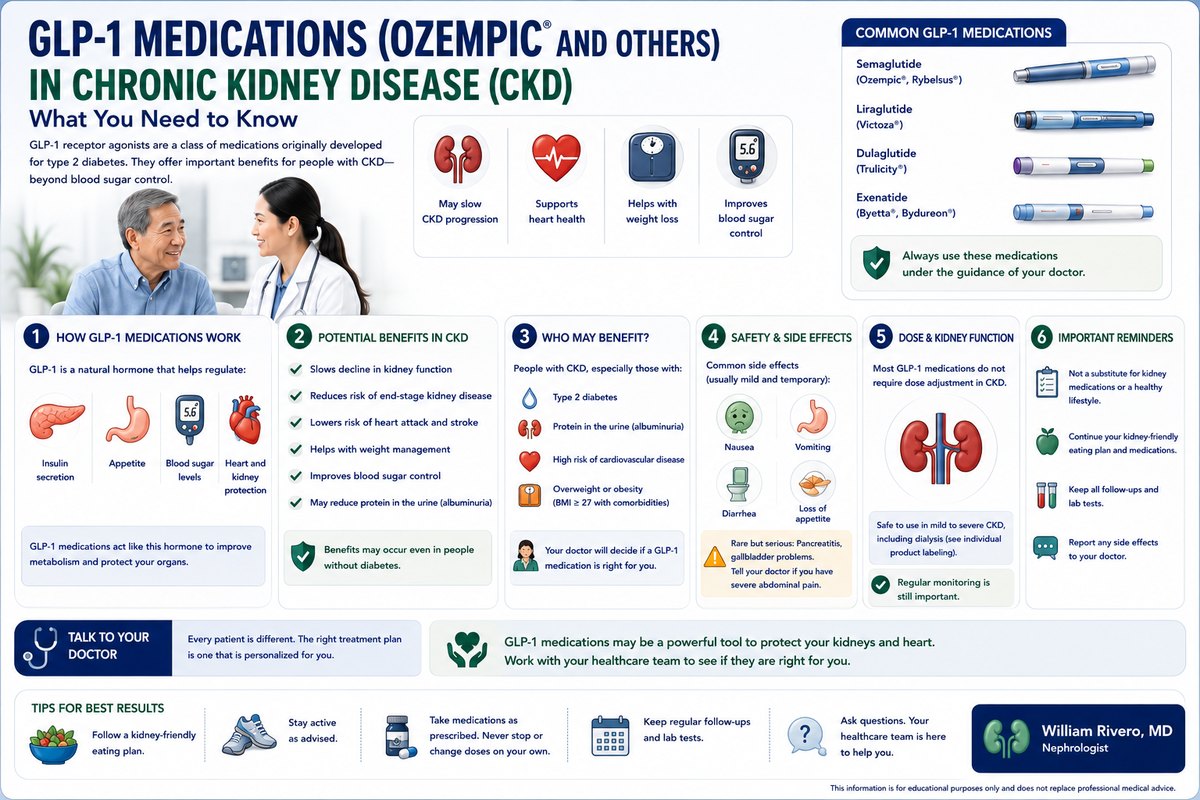 GuideGLP-1 Drugs & Your KidneysOzempic (semaglutide) and GLP-1 drugs for kidney protection in type 2 diabetes and CKD — what the FLOW trial showed, who benefits, and access in the Philippines.
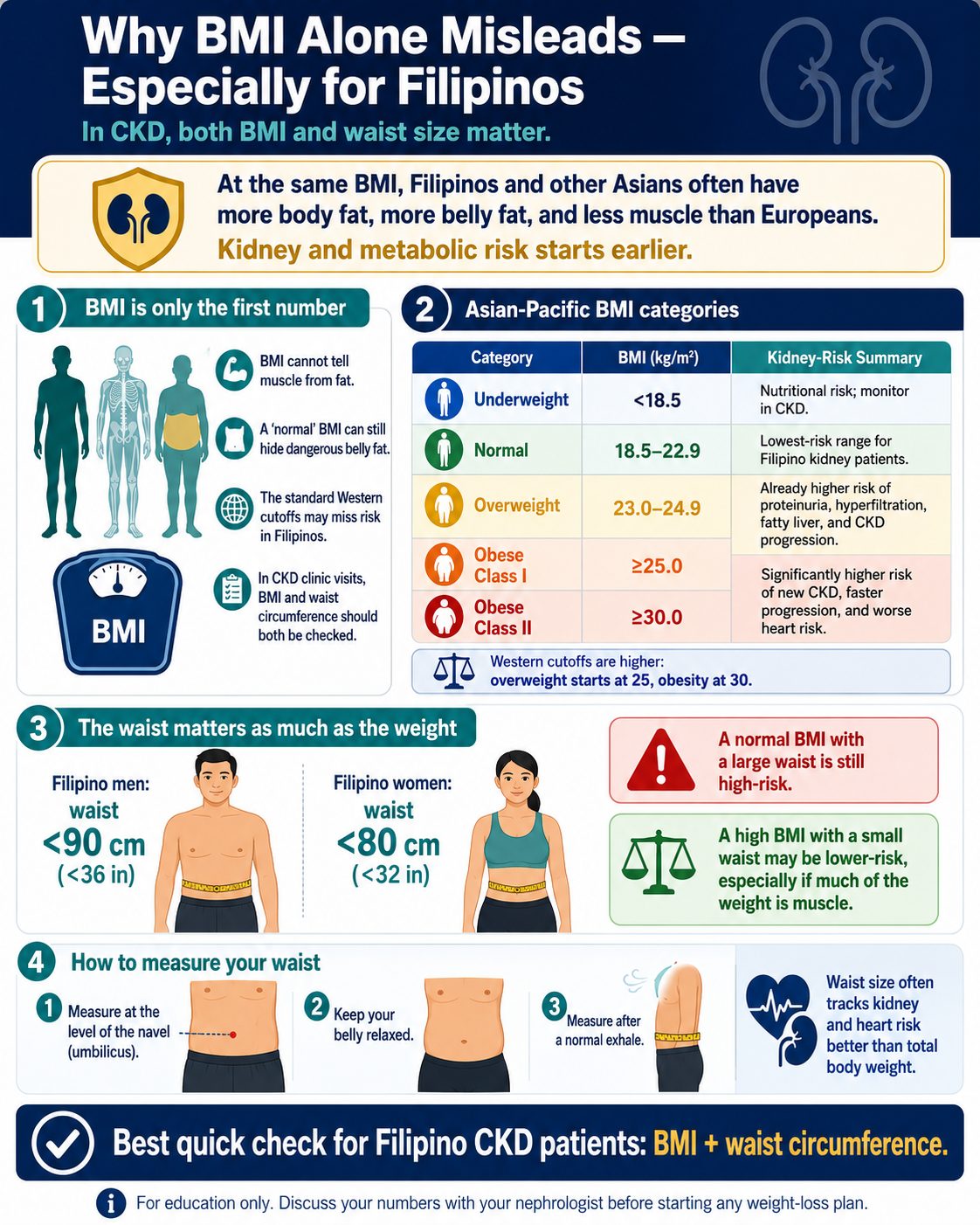 GuideObesity, Overweight & CKD — Why BMI Alone MisleadsObesity and kidney disease in Filipinos — Asian BMI cutoffs, how excess weight damages kidneys, safe weight loss strategies, GLP-1 drugs, and dialysis considerations.
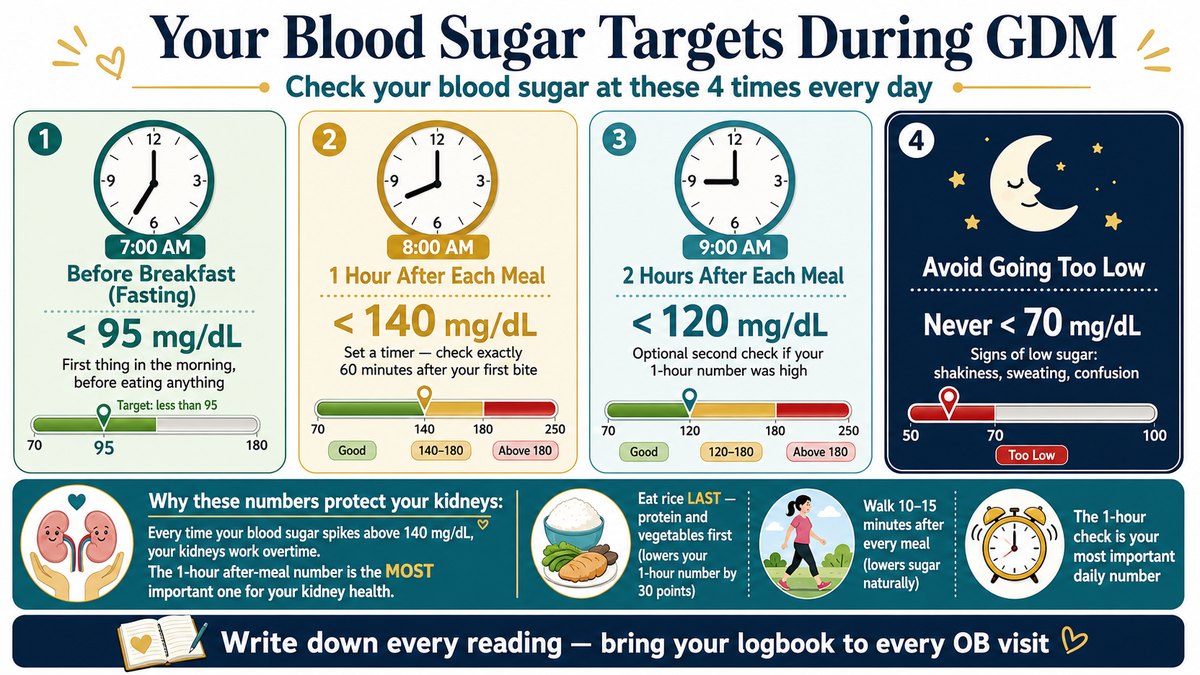 GuideGDM Nutrition & Meal Planning — A Nephrologist's PerspectiveGestational diabetes and kidney health — nutrition guidance for pregnant Filipino women to protect kidneys and reduce future CKD risk after gestational diabetes.
 GuideThe CKD Prescriber's PlaybookClinician-focused operational guide: exactly how to start, titrate, and adjust SGLT2 inhibitors, ACEi/ARB, GLP-1 agonists, diuretics, phosphate binders, and ESAs in CKD and nephrology practice. KDIGO 2024 aligned.
References
- U.S. Food and Drug Administration. Ozempic · A-S Medication Solutions [US FDA-approved label, version 1, July 30, 2026]. Via DailyMed/openFDA. https://dailymed.nlm.nih.gov/dailymed/drugInfo.cfm?setid=42bdd912-2393-44c4-b7e0-47672ca28991
- Food and Drug Administration Philippines. Verification portal (product registrations). https://verification.fda.gov.ph
This page shows official label and registry text only; no renalcarematters.com clinical summary has been approved for it yet.
Last updated: .