WARNING: FATAL INFUSION-RELATED REACTIONS, SEVERE MUCOCUTANEOUS REACTIONS, HEPATITIS B VIRUS REACTIVATION and PROGRESSIVE MULTIFOCAL LEUKOENCEPHALOPATHY Infusion-Related Reactions Administration of rituximab products can result in serious, including fatal, infusion-related reactions. Deaths within 24 hours of rituximab infusion have occurred.
Approximately 80% of fatal infusion-related reactions occurred in association with the first infusion. Monitor patients closely. Discontinue RIABNI infusion for severe reactions and provide medical treatment for Grade 3 or 4 infusion-related reactions [see Warnings and Precautions (5.1), Adverse Reactions (6.1)]. Severe Mucocutaneous Reactions Severe, including fatal, mucocutaneous reactions can occur in patients receiving rituximab products [see Warnings and Precautions (5.2)].
Hepatitis B Virus (HBV) Reactivation HBV reactivation can occur in patients treated with rituximab products, in some cases resulting in fulminant hepatitis, hepatic failure, and death. Screen all patients for HBV infection before treatment initiation and monitor patients during and after treatment with RIABNI. Discontinue RIABNI and concomitant medications in the event of HBV reactivation [see Warnings and Precautions (5.3)].
Progressive Multifocal Leukoencephalopathy (PML), including fatal PML, can occur in patients receiving rituximab products [see Warnings and Precautions (5.4) and Adverse Reactions (6.1)]. WARNING: FATAL INFUSION-RELATED REACTIONS, SEVERE MUCOCUTANEOUS REACTIONS, HEPATITIS B VIRUS REACTIVATION and PROGRESSIVE MULTIFOCAL LEUKOENCEPHALOPATHY See full prescribing information for complete boxed warning.
Fatal infusion-related reactions within 24 hours of rituximab infusion; approximately 80% of fatal reactions occurred with first infusion. Monitor patients and discontinue RIABNI infusion for severe reactions (5.1). Severe mucocutaneous reactions, some with fatal outcomes (5.2). Hepatitis B virus (HBV) reactivation, in some cases resulting in fulminant hepatitis, hepatic failure, and death (5.3).
Progressive multifocal leukoencephalopathy (PML) resulting in death (5.4).
Use: Labeled indications
- Adult patients with Non-Hodgkin's Lymphoma (NHL)
- .
Full indications and usage US FDA label
1 INDICATIONS AND USAGE RIABNI is a CD20-directed cytolytic antibody indicated for the treatment of: Adult patients with Non-Hodgkin's Lymphoma (NHL) (1.1). Relapsed or refractory, low grade or follicular, CD20-positive B-cell NHL as a single agent. Previously untreated follicular, CD20-positive, B-cell NHL in combination with first line chemotherapy and, in patients achieving a complete or partial response to a rituximab product in combination with chemotherapy, as single-agent maintenance therapy.
Non-progressing (including stable disease), low-grade, CD20-positive, B-cell NHL as a single agent after first-line cyclophosphamide, vincristine, and prednisone (CVP) chemotherapy. Previously untreated diffuse large B-cell, CD20-positive NHL in combination with cyclophosphamide, doxorubicin, vincristine, and prednisone (CHOP) or other anthracycline-based chemotherapy regimens.
Adult patients with Chronic Lymphocytic Leukemia (CLL) (1.2). Previously untreated and previously treated CD20-positive CLL in combination with fludarabine and cyclophosphamide (FC). Rheumatoid Arthritis (RA) in combination with methotrexate in adult patients with moderately-to-severely-active RA who have inadequate response to one or more TNF antagonist therapies (1.3).
Granulomatosis with Polyangiitis (GPA) (Wegener's Granulomatosis) and Microscopic Polyangiitis (MPA) in adult and pediatric patients 2 years of age and older in combination with glucocorticoids (1.4). Moderate to severe Pemphigus Vulgaris (PV) in adult patients (1.5). 1.1 Non-Hodgkin's Lymphoma (NHL) RIABNI is indicated for the treatment of adult patients with: Relapsed or refractory, low-grade or follicular, CD20-positive, B-cell NHL as a single agent.
Previously untreated follicular, CD20-positive, B-cell NHL in combination with first line chemotherapy and, in patients achieving a complete or partial response to a rituximab product in combination with chemotherapy, as single-agent maintenance therapy. Non-progressing (including stable disease), low-grade, CD20-positive, B-cell NHL as a single agent after first-line cyclophosphamide, vincristine, and prednisone (CVP) chemotherapy.
Previously untreated diffuse large B-cell, CD20-positive NHL in combination with cyclophosphamide, doxorubicin, vincristine, prednisone (CHOP) or other anthracycline-based chemotherapy regimens. 1.2 Chronic Lymphocytic Leukemia (CLL) RIABNI, in combination with fludarabine and cyclophosphamide (FC), is indicated for the treatment of adult patients with previously untreated and previously treated CD20-positive CLL. 1.3 Rheumatoid Arthritis (RA) RIABNI, in combination with methotrexate, is indicated for the treatment of adult patients with moderately- to-severely- active rheumatoid arthritis who have had an inadequate response to one or more TNF antagonist therapies. 1.4 Granulomatosis with Polyangiitis (GPA) (Wegener's Granulomatosis) and Microscopic Polyangiitis (MPA) RIABNI, in combination with glucocorticoids, is indicated for the treatment of adult and pediatric patients 2 years of age and older with Granulomatosis with Polyangiitis (GPA) (Wegener's Granulomatosis) and Microscopic Polyangiitis (MPA). 1.5 Pemphigus Vulgaris (PV) RIABNI is indicated for the treatment of adult patients with moderate to severe pemphigus vulgaris.
Contraindications
4 CONTRAINDICATIONS None. None (4)
US FDA labelDosing: Adult
Administer only as an intravenous infusion (2.1). Do not administer as an intravenous push or bolus (2.1). RIABNI should only be administered by a healthcare professional with appropriate medical support to manage severe infusion-related reactions that can be fatal if they occur (2.1). The dose for adult B-cell NHL is 375 mg/m 2 (2.2).
The dose for CLL is 375 mg/m 2 in the first cycle and 500 mg/m 2 in cycles 2-6, in combination with FC, administered every 28 days (2.3). The dose as a component of Zevalin ® (ibritumomab tiuxetan) Therapeutic Regimen is 250 mg/m 2 (2.4). The dose for RA in combination with methotrexate is two-1,000 mg intravenous infusions separated by 2 weeks (one course) every 24 weeks or based on clinical evaluation, but not sooner than every 16 weeks.
Methylprednisolone 100 mg intravenous or equivalent glucocorticoid is recommended 30 minutes prior to each infusion (2.5). The induction dose for adult patients with active GPA and MPA in combination with glucocorticoids is 375 mg/m 2 once weekly for 4 weeks. The follow up dose for adult patients with GPA and MPA who have achieved disease control with induction treatment, in combination with glucocorticoids is two 500 mg intravenous infusions separated by two weeks, followed by a 500 mg intravenous infusion every 6 months thereafter based on clinical evaluation (2.6).
The induction dose for …
2.1 Important Dosing Information
2.1 Important Dosing Information Administer only as an intravenous infusion [see Dosage and Administration (2.8)]. Do not administer as an intravenous push or bolus. RIABNI should only be administered by a healthcare professional with appropriate medical support to manage severe infusion-related reactions that can be fatal if they occur [see Warnings and Precautions (5.1)].
Premedicate before each infusion [see Dosage and Administration (2.8)]. Prior to First Infusion Screen all patients for HBV infection by measuring HBsAg and anti-HBc before initiating treatment with RIABNI [see Warnings and Precautions (5.3)]. Obtain complete blood counts (CBC) including platelets prior to the first dose.
During RIABNI Therapy In patients with lymphoid malignancies during treatment with RIABNI monotherapy, obtain complete blood counts (CBC) with differential and platelet counts prior to each RIABNI course. During treatment with RIABNI and chemotherapy, obtain CBC with differential and platelet counts at weekly to monthly intervals and more frequently in patients who develop cytopenias [see Adverse Reactions (6.1)].
In patients with RA, GPA or MPA, obtain CBC with differential and platelet counts at two to four month intervals during RIABNI therapy. Continue to monitor for cytopenias after final dose and until resolution. First Infusion: Standard Infusion: Initiate infusion at a rate of 50 mg/hour. In the absence of infusion toxicity, increase infusion rate by 50 mg/hour increments every 30 minutes, to a maximum of 400 mg/hour.
Subsequent Infusions: Standard Infusion: Initiate infusion at a rate of 100 mg/hour. In the absence of infusion toxicity, increase rate by 100 mg/hour increments at 30-minute intervals, to a maximum of 400 mg/hour. For Previously Untreated Follicular NHL and DLBCL Adult Patients: If patients did not experience a Grade 3 or 4 infusion-related adverse event during Cycle 1, a 90-minute infusion can be administered in Cycle 2 with a glucocorticoid-containing chemotherapy regimen.
Initiate at a rate of 20% of the total dose given in the first 30 minutes and the remaining 80% of the total dose given over the next 60 minutes. If the 90-minute infusion is tolerated in Cycle 2, the same rate can be used when administering the remainder of the treatment regimen (through Cycle 6 or 8). Patients who have clinically significant cardiovascular disease or who have a circulating lymphocyte count greater than or equal to 5,000/mm 3 before Cycle 2 should not be administered the 90-minute infusion [see Clinical Studies (14.4)].
Interrupt the infusion or slow the infusion rate for infusion-related reactions [see Boxed Warning, Warnings and Precautions (5.1)]. Continue the infusion at one-half the previous rate upon improvement of symptoms.
2.2 Recommended Dose for Non-Hodgkin's Lymphoma (NHL)
2.2 Recommended Dose for Non-Hodgkin's Lymphoma (NHL) The recommended dose is 375 mg/m 2 as an intravenous infusion according to the following schedules: Relapsed or Refractory, Low-Grade or Follicular, CD20-Positive, B-Cell NHL Administer once weekly for 4 or 8 doses. Retreatment for Relapsed or Refractory, Low-Grade or Follicular, CD20-Positive, B-Cell NHL Administer once weekly for 4 doses.
Previously Untreated, Follicular, CD20-Positive, B-Cell NHL Administer on Day 1 of each cycle of chemotherapy, for up to 8 doses. In patients with complete or partial response, initiate RIABNI maintenance eight weeks following completion of a rituximab product in combination with chemotherapy. Administer RIABNI as a single-agent every 8 weeks for 12 doses.
Non-progressing, Low-Grade, CD20-Positive, B-Cell NHL, after first-line CVP chemotherapy Following completion of 6–8 cycles of CVP chemotherapy, administer once weekly for 4 doses at 6-month intervals to a maximum of 16 doses. Diffuse Large B-Cell NHL Administer on Day 1 of each cycle of chemotherapy for up to 8 infusions.
2.3 Recommended Dose for Chronic Lymphocytic Leukemia (CLL)
2.3 Recommended Dose for Chronic Lymphocytic Leukemia (CLL) The recommended dose is 375 mg/m 2 the day prior to the initiation of FC chemotherapy, then 500 mg/m 2 on Day 1 of cycles 2–6 (every 28 days).
2.4 Recommended
2.4 Recommended Dose as a Component of Zevalin ® for Treatment of NHL When used as part of the Zevalin therapeutic regimen, infuse 250 mg/m 2 in accordance with the Zevalin package insert. Refer to the Zevalin package insert for full prescribing information regarding the Zevalin therapeutic regimen.
2.5 Recommended Dose for Rheumatoid Arthritis (RA)
2.5 Recommended Dose for Rheumatoid Arthritis (RA) Administer RIABNI as two-1,000 mg intravenous infusions separated by 2 weeks. Glucocorticoids administered as methylprednisolone 100 mg intravenous or its equivalent 30 minutes prior to each infusion are recommended to reduce the incidence and severity of infusion-related reactions.
Subsequent courses should be administered every 24 weeks or based on clinical evaluation, but not sooner than every 16 weeks. RIABNI is given in combination with methotrexate.
2.6 Recommended Dose for Granulomatosis with Polyangiitis (GPA) (Wegener's
2.6 Recommended Dose for Granulomatosis with Polyangiitis (GPA) (Wegener's Granulomatosis) and Microscopic Polyangiitis (MPA) Induction Treatment of Adult Patients with Active GPA/MPA Administer RIABNI as a 375 mg/m 2 intravenous infusion once weekly for 4 weeks for patients with active GPA or MPA. Glucocorticoids administered as methylprednisolone 1,000 mg intravenously per day for 1 to 3 days followed by oral prednisone as per clinical practice.
This regimen should begin within 14 days prior to or with the initiation of RIABNI and may continue during and after the 4 week induction course of RIABNI treatment. Follow up Treatment of Adult Patients with GPA/MPA who have Achieved Disease Control with Induction Treatment Administer RIABNI as two 500 mg intravenous infusions separated by two weeks, followed by a 500 mg intravenous infusion every 6 months thereafter based on clinical evaluation.
If induction treatment of active disease was with a rituximab product, initiate follow up treatment with RIABNI within 24 weeks after the last induction infusion with a rituximab product or based on clinical evaluation, but no sooner than 16 weeks after the last induction infusion with a rituximab product. If induction treatment of active disease was with other standard of care immunosuppressants, initiate RIABNI follow up treatment within the 4 week period that follows achievement of disease control.
Induction Treatment of Pediatric Patients with Active GPA/MPA Administer RIABNI as a 375 mg/m 2 intravenous infusion once weekly for 4 weeks. Prior to the first RIABNI infusion, administer intravenous methylprednisolone 30 mg/kg (not to exceed 1 g/day) once daily for 3 days. Following intravenous methylprednisolone administration, oral steroids should be continued per clinical practice.
Follow up Treatment of Pediatric Patients with GPA/MPA who have Achieved Disease Control with Induction Treatment Administer RIABNI as two 250 mg/m 2 intravenous infusions separated by two weeks, followed by a 250 mg/m 2 intravenous infusion every 6 months thereafter based on clinical evaluation. If induction treatment of active disease was with a rituximab product, initiate follow up treatment with RIABNI within 24 weeks after the last induction infusion with a rituximab product or based on clinical evaluation, but no sooner than 16 weeks after the last induction infusion with a rituximab product.
If induction treatment of active disease was with other standard of care immunosuppressants, initiate RIABNI follow up treatment within the 4 week period following achievement of disease control.
2.7 Recommended Dose for Pemphigus Vulgaris (PV)
2.7 Recommended Dose for Pemphigus Vulgaris (PV) Administer RIABNI as two-1,000 mg intravenous infusions separated by 2 weeks in combination with a tapering course of glucocorticoids. Maintenance treatment Administer RIABNI as a 500 mg intravenous infusion at Month 12 and every 6 months thereafter or based on clinical evaluation.
Treatment of relapse Administer RIABNI as a 1,000 mg intravenous infusion on relapse, and consider resuming or increasing the glucocorticoid dose based on clinical evaluation. Subsequent infusions of RIABNI may be administered no sooner than 16 weeks following the previous infusion.
2.8 Recommended Dose for Premedication and Prophylactic Medications
2.8 Recommended Dose for Premedication and Prophylactic Medications Premedicate with acetaminophen and an antihistamine before each infusion of RIABNI. For adult patients administered RIABNI according to the 90-minute infusion rate, the glucocorticoid component of their chemotherapy regimen should be administered prior to infusion [see Clinical Studies (14.4)].
For RA, GPA and MPA, and PV patients, methylprednisolone 100 mg intravenously or its equivalent is recommended 30 minutes prior to each infusion. Provide prophylaxis treatment for Pneumocystis jirovecii pneumonia (PCP) and herpes virus infections for patients with CLL during treatment and for up to 12 months following treatment as appropriate [see Warnings and Precautions (5.6)].
PCP prophylaxis is also recommended for patients with GPA and MPA during treatment and for at least 6 months following the last RIABNI infusion. PCP prophylaxis should be considered for patients with PV during and following RIABNI treatment.
2.9 Administration and Storage
2.9 Administration and Storage Use appropriate aseptic technique. Parenteral drug products should be inspected visually for particulate matter and discoloration prior to administration. RIABNI should be a clear to slightly opalescent, colorless to slightly yellow liquid. Do not use vial if particulates or discoloration is present.
Administration Use a sterile needle and syringe to prepare RIABNI. Withdraw the necessary amount of RIABNI and dilute to a final concentration of 1 mg/mL to 4 mg/mL in an infusion bag containing either 0.9% Sodium Chloride Injection, USP, or 5% Dextrose Injection, USP. Gently invert the bag to mix the solution. Do not mix or dilute with other drugs.
Discard any unused portion left in the vial. Storage If not used immediately, store diluted RIABNI solutions as shown in Table 1. Table 1. Diluted RIABNI Solution Storage Conditions Diluent Used to Prepare Solution for Infusion Diluted RIABNI Solution Storage Conditions 0.9% Sodium Chloride Injection, USP Store RIABNI solution diluted in 0.9% Sodium Chloride Injection, USP refrigerated at 2°C to 8°C (36°F to 46°F) for up to 7 days after preparation and protect from light. 5% Dextrose Injection, USP Store RIABNI solution diluted in 5% Dextrose Injection, USP refrigerated at 2°C to 8°C (36°F to 46°F) for up to 24 hours after preparation.
No incompatibilities between RIABNI and polyvinylchloride or polyethylene bags have been observed.
Dosing: Altered kidney function
No kidney-specific text is available from the US label for this generic yet. Check the Philippine package insert in the products table.
Kidney-specific guidance from renalcarematters.com: in preparation.
Dosing: Pediatric
Pediatric use (US label) US FDA label
8.4 Pediatric Use Granulomatosis with Polyangiitis (GPA) (Wegener's Granulomatosis) and Microscopic Polyangiitis (MPA) RIABNI is indicated for the treatment of GPA and MPA in pediatric patients 2 years of age and older with GPA and MPA. RIABNI is not indicated in pediatric patients less than 2 years of age with GPA or MPA.
The use of RIABNI for the treatment of pediatric patients with GPA and MPA 6 years of age and older is supported by evidence from adequate and well-controlled studies of rituximab in adults with GPA and MPA; a trial in pediatric patients 6 years of age and older with active GPA and MPA; and population pharmacokinetic (PK) analyses showing similar drug exposure levels in adults and pediatric patients 6 years to 17 years of age. The use of RIABNI for the treatment of pediatric patients with GPA and MPA ages 2 to less than 6 years of age is supported by PK modeling in patients 2 years of age and older and safety data from pediatric patients less than 6 years of age treated with rituximab.
The pediatric trial was a multicenter, open-label, single arm study (GPA/MPA Study 4) to evaluate the safety, PK and exploratory efficacy of rituximab or non-U.S.-licensed rituximab in 25 pediatric patients (6 patients 6 years to less than 12 years of age and 19 patients 12 years to 17 years of age) with active GPA and MPA over a 6-month remission induction phase and minimum 12-month follow-up phase, up to 54 months [see Adverse Reactions (6.1), Clinical Pharmacology (12.3), and Clinical Studies (14.7)]. The safety and effectiveness of RIABNI have not been established in pediatric patients with CLL.
Rheumatoid Arthritis and Pemphigus Vulgaris The safety and effectiveness of RIABNI have not been established in pediatric patients with PV or RA. Rituximab was not studied in pediatric patients with polyarticular juvenile idiopathic arthritis (PJIA) due to concerns regarding the potential for prolonged immunosuppression as a result of B-cell depletion in the developing juvenile immune system.
Dosing: Older adult
Geriatric use (US label) US FDA label
8.5 Geriatric Use Diffuse Large B-Cell NHL Among patients with DLBCL evaluated in three randomized, active-controlled trials, 927 patients received rituximab in combination with chemotherapy. Of these, 396 (43%) were age 65 or greater and 123 (13%) were age 75 or greater. No overall differences in effectiveness were observed between these patients and younger patients.
Cardiac adverse reactions, mostly supraventricular arrhythmias, occurred more frequently among elderly patients. Serious pulmonary adverse reactions were also more common among the elderly, including pneumonia and pneumonitis. Low-Grade or Follicular Non-Hodgkin's Lymphoma Patients with previously untreated follicular NHL evaluated in NHL Study 5 were randomized to rituximab as single-agent maintenance therapy (n = 505) or observation (n = 513) after achieving a response to rituximab in combination with chemotherapy.
Of these, 123 (24%) patients in the rituximab arm were age 65 or older. No overall differences in safety or effectiveness were observed between these patients and younger patients. Other clinical studies of rituximab in low-grade or follicular, CD20-positive, B-cell NHL did not include sufficient numbers of patients aged 65 and over to determine whether they respond differently from younger subjects.
Chronic Lymphocytic Leukemia Among patients with CLL evaluated in two randomized active-controlled trials, 243 of 676 rituximab-treated patients (36%) were 65 years of age or older; of these, 100 rituximab-treated patients (15%) were 70 years of age or older. In exploratory analyses defined by age, there was no observed benefit from the addition of rituximab to fludarabine and cyclophosphamide among patients 70 years of age or older in CLL Study 1 or in CLL Study 2; there was also no observed benefit from the addition of rituximab to fludarabine and cyclophosphamide among patients 65 years of age or older in CLL Study 2 [see Clinical Studies (14.5)].
Patients 70 years or older received lower dose intensity of fludarabine and cyclophosphamide compared to younger patients, regardless of the addition of rituximab. In CLL Study 1, the dose intensity of rituximab was similar in older and younger patients, however in CLL Study 2 older patients received a lower dose intensity of rituximab.
The incidence of Grade 3 and 4 adverse reactions was higher among patients receiving R-FC who were 70 years or older compared to younger patients for neutropenia [44% vs. 31% (CLL Study 1); 56% vs. 39% (CLL Study 2)], febrile neutropenia [16% vs. 6% (NHL Study 10 (NCT00719472)], anemia [5% vs. 2% (CLL Study 1); 21% vs. 10% (CLL Study 2)], thrombocytopenia [19% vs. 8% (CLL Study 2)], pancytopenia [7% vs. 2% (CLL Study 1); 7% vs. 2% (CLL Study 2)] and infections [30% vs. 14% (CLL Study 2)]. Rheumatoid Arthritis Among the 2,578 patients in global RA studies completed to date, 12% were 65–75 years old and 2% were 75 years old and older.
The incidences of adverse reactions were similar between older and younger patients. The rates of serious adverse reactions, including serious infections, malignancies, and cardiovascular events were higher in older patients. Granulomatosis with Polyangiitis (GPA) (Wegener's Granulomatosis) and Microscopic Polyangiitis Of the 99 rituximab-treated GPA and MPA patients in GPA/MPA Study 1, 36 (36%) were 65 years old and over, while 8 (8%) were 75 years and over.
No overall differences in efficacy were observed between patients that were 65 years old and over and younger patients. The overall incidence and rate of all serious adverse events was higher in patients 65 years old and over. The clinical study did not include sufficient numbers of patients aged 65 and over to determine whether they respond differently from younger subjects.
In GPA/MPA Study 2, 30 (26%) of the enrolled patients were at least 65 years old, of which 12 patients were exposed to non-U.S.-licensed rituximab and 18 were exposed to azathioprine. The clinical study did not include sufficient numbers of patients aged 65 and over to determine whether they respond differently from younger subjects.
Pemphigus Vulgaris Of the 46 patients treated with non-U.S.-licensed rituximab, 15 (33%) patients were 65 years of age and older. The clinical study did not include sufficient numbers of patients aged 65 and older to determine whether they respond differently from younger patients.
Administration
2.1 Important Dosing Information Administer only as an intravenous infusion [see Dosage and Administration (2.8) ] . Do not administer as an intravenous push or bolus. RIABNI should only be administered by a healthcare professional with appropriate medical support to manage severe infusion-related reactions that can be fatal if they occur [see Warnings and Precautions (5.1) ] . Premedicate before each infusion [see Dosage and Administration (2.8) ] . Prior to First Infusion Screen all patients for HBV infection by measuring HBsAg and anti-HBc before initiating treatment with RIABNI [see Warnings and Precautions (5.3) ] . Obtain complete blood counts (CBC) including platelets prior to the first dose. During RIABNI Therapy In patients with lymphoid malignancies during treatment with RIABNI monotherapy, obtain complete blood counts (CBC) with differential and platelet counts prior to each RIABNI course. During treatment with RIABNI and chemotherapy, obtain CBC with differential and platelet counts at weekly to monthly intervals and more frequently in patients who develop cytopenias [see Adverse Reactions (6.1) ] . In patients with RA, GPA or MPA, obtain CBC with differential and platelet counts at two to four month intervals during RIABNI therapy. Continue to monitor for cytopenias after final dose and until resolution. First Infusion: Standard Infusion: Initiate infusion at a rate of 50 mg/hour. In the absence of infusion toxicity, increase infusion rate by 50 mg/hour increments every 30 minutes, to a maximum of 400 mg/hour. Subsequent Infusions: Standard Infusion: Initiate infusion at a rate of 100 mg/hour. In the absence of infusion toxicity, increase rate by 100 mg/hour increments at 30-minute intervals, to a maximum of 400 mg/hour. For Previously Untreated Follicular NHL and DLBCL Adult Patients: If patients did not experience a Grade 3 or 4 infusion-related adverse event during Cycle 1, a 90-minute infusion can be administered in Cycle 2 with a glucocorticoid-containing chemotherapy regimen. Initiate at a rate of 20% of the total dose given in the first 30 minutes and the remaining 80% of the total dose given over the next 60 minutes. If the 90-minute infusion is tolerated in Cycle 2, the same rate can be used when administering the remainder of the treatment regimen (through Cycle 6 or 8). Patients who have clinically significant cardiovascular disease or who have a circulating lymphocyte count greater than or equal to 5,000/mm 3 before Cycle 2 should not be administered the 90-minute infusion [see Clinical Studies (14.4) ] . Interrupt the infusion or slow the infusion rate for infusion-related reactions [see Boxed Warning , Warnings and Precautions (5.1) ] . Continue the infusion at one-half the previous rate upon improvement of symptoms.
2.9 Administration and Storage Use appropriate aseptic technique. Parenteral drug products should be inspected visually for particulate matter and discoloration prior to administration. RIABNI should be a clear to slightly opalescent, colorless to slightly yellow liquid. Do not use vial if particulates or discoloration is present. Administration Use a sterile needle and syringe to prepare RIABNI. Withdraw the necessary amount of RIABNI and dilute to a final concentration of 1 mg/mL to 4 mg/mL in an infusion bag containing either 0.9% Sodium Chloride Injection, USP, or 5% Dextrose Injection, USP. Gently invert the bag to mix the solution. Do not mix or dilute with other drugs. Discard any unused portion left in the vial. Storage If not used immediately, store diluted RIABNI solutions as shown in Table 1. Table 1. Diluted RIABNI Solution Storage Conditions Diluent Used to Prepare Solution for Infusion Diluted RIABNI Solution Storage Conditions 0.9% Sodium Chloride Injection, USP Store RIABNI solution diluted in 0.9% Sodium Chloride Injection, USP refrigerated at 2°C to 8°C (36°F to 46°F) for up to 7 days after preparation and protect from light. 5% Dextrose Injection, USP Store RIABNI solution diluted in 5% Dextrose Injection, USP refrigerated at 2°C to 8°C (36°F to 46°F) for up to 24 hours after preparation. No incompatibilities between RIABNI and polyvinylchloride or polyethylene bags have been observed.
US FDA labelDosage forms
Philippines
- ) concentrate for solution for infusion: 100 mg/10 mL (10 mg/mL, 500 mg/50 mL (10 mg/mL
- Concentrate for solution for infusion: 10 mg/mL, 500 mg
- Solution for injection: 1400 mg/11.7 mL
Registered products in the Philippines
18 products registered with the Food and Drug Administration (FDA) Philippines list Rituximab as the generic name. Registration status changes; confirm a product's current status on the FDA portal before relying on it.
All registered products18
| Package insert | |||||||
|---|---|---|---|---|---|---|---|
AcellbiaRituximab | 100 mg / 10 mL (10 mg/mL) Concentrate for Solution for Infusion (IV)10 mL USP/Ph. Eur. Type I colorless glass vial sealed with a fluorinated polymer coated bromobutyl rubber stopper with aluminum and propylene flip-off cap in a PVC blister pack (Box of 2's) | RxVAT-exempt | Joint Stock Company BIOCADRussia | Ambitech Biopharmaceuticals Inc. | BRP-137 | Jun 30, 2028 | |
AcellbiaRituximab | 100 mg/ 10 mL (10 mg/mL) Concentrate For Solution For Infusion (Iv)10 mL USP/Ph. Eur. Type I colorless glass vial sealed with a fluorinated polymer coated bromobutyl rubber stopper with aluminum and propylene flip-off cap in a PVC blister pack (Box of 2's) | RxVAT-exempt | Joint Stock Company BIOCADRussia | Ambitech Pharmaceuticals Inc.Importer: Ambitech International Corporation | BR-1446 | Jun 30, 2028 | |
AcellbiaRituximab | 500 mg / 50 mL (10 mg/mL) Concentrate for Solution for Infusion (IV)50 mL USP/Ph. Eur. Type I colorless glass vial sealed with a fluorinated polymer coated bromobutyl rubber stopper with aluminum and propylene flip-off cap (Box of 1's) | RxVAT-exempt | Joint Stock Company BIOCADRussia | Ambitech Biopharmaceuticals Inc. | BRP-138 | Jun 30, 2028 | |
AcellbiaRituximab | 500 mg/50 mL (10 mg/mL) Concentrate For Solution For Infusion (Iv)50 mL USP/Ph. Eur. Type I colorless glass vial sealed with a fluorinated polymer coated bromobutyl rubber stopper with aluminum and propylene flip-off cap (Box of 1's) | RxVAT-exempt | Joint Stock Company BIOCADRussia | Ambitech Pharmaceuticals IncImporter: Ambitech International Corporation | BR-1447 | Jun 30, 2028 | |
BcellimabRituximab | 100 mg/10 mL (10 mg/mL) Concentrate for Solution for Infusion (IV)10 mL USP/Ph. Eur. Type I colorless glass vial sealed with a fluorinated polymer coated bromobutyl rubber stopper with aluminum and propylene flip-off cap in a PVC blister pack (Box of 2's) | RxVAT-exempt | Joint Stock Company BIOCADRussia | Detoxicare Phils., Inc.Importer: Ambitech Biopharmaceuticals Inc | BRP-137-01 | Jun 30, 2028 | |
BcellimabRituximab | 500 mg/50 mL (10 mg/mL) Concentrate for Solution for Infusion (IV)50 mL USP/Ph. Eur. Type I colorless glass vial sealed with a fluorinated polymer coated bromobutyl rubber stopper with aluminum and propylene flip-off cap (Box of 1's) | RxVAT-exempt | Joint Stock Company BIOCADRussia | Detoxicare Phils., Inc.Importer: Ambitech Biopharmaceuticals Inc | BRP-138-01 | Jun 30, 2028 | |
BcemabRituximab | 100 mg/10 mL (10 mg/mL) Concentrate for Solution for Infusion (IV)10 mL USP/Ph. Eur. Type I colorless glass vial sealed with a fluorinated polymer coated bromobutyl rubber stopper with aluminum and propylene flip-off cap in a PVC blister pack (Box of 2's) | RxVAT-exempt | Joint Stock Company BIOCADRussia | Multi Product Line Pharma, Inc.Importer: Ambitech Biopharmaceuticals Inc. | BRP-137-02 | Jun 30, 2028 | |
BcemebRituximab | 500 mg/50 mL (10 mg/mL) Concentrate for Solution for Infusion (IV)50 mL USP/Ph. Eur. Type I colorless glass vial sealed with a fluorinated polymer coated bromobutyl rubber stopper with aluminum and propylene flip-off cap (Box of 1's) | RxVAT-exempt | Joint Stock Company BiocadRussia | Multi Product Line Pharma, Inc.Importer: Ambitech Biopharmaceuticals Inc. | BRP-138-02 | Jun 30, 2028 | |
MabtheraRituximab | 10 mg/mL Concentrate for Solution for Infusion (IV)10 mL (Box of 2's) and 50 mL (Box of 1's) USP Type 1 Colorless Glass Vial | RxVAT-exempt | Roche Diagnostics GmbHGermany | Roche (Philippines) Inc. | BR-1141 | Nov 24, 2030 | |
MabtheraRituximab | 1400 mg/11.7 mL Solution for Injection (SC)Type I USP/Ph.Eur. colourless glass vial sealed with butyl rubber stopper laminated with fluororesin film and crimped with an aluminum overseal fitted with a plastic flip-off disk x 15 mL (Box of 1's) | RxVAT-exempt | F. Hoffman-La Roche AG.Switzerland | Roche (Philippines), Inc., | BR-1122 | Feb 26, 2030 | |
ReddituxRituximab | 10 mg/mL Concentrate for Solution for Infusion (IV)USP Type I borosilicate glass vial with grey butyl rubber stopper, sealed with aluminum crimp and polypropylene flip-off cap x 10 mL and 50 mL (Box of 1's) | RxVAT-exempt | Dr. Reddy's Laboratories Ltd.India | Dr. Reddy's Laboratories Philippines Inc. | BRP-147 | Jun 21, 2027 | |
ReddituxRituximab | 10mg/mL Concentrate For Solution For Infusion (IV)USP Type I Borosilicate glass vial with grey butyl rubber stopper, sealed with aluminum crimp and polypropylene flip-off cap x10 mL and 50 mL | RxVAT-exempt | Dr. Reddy's Laboratories Ltd.India | Dr. Reddy's Laboratories Philippines Inc. | BR-1405 | Jun 21, 2027 | |
RituxellRituximab | 10 mg/mL Concentrate for Solution for Infusion (IV)Type I glass vial with bromobutyl rubber stopper and aluminum crimp cap with polypropylene flip-off cap x 10 mL (Box of 2's); Type I glass vial with bromobutyl rubber stopper and aluminum crimp cap with polypropylene flip-off cap x 50 mL (Box of 1's). | RxVAT-exempt | Joint Stock Company BiocadRussia | Importer: Qualimed Pharma Inc. | BR-1478 | Feb 28, 2029 | |
RixathonRituximab | 100 mg/10 mL (10 mg/mL) Concentrate for Solution for Infusion (IV)Type I colorless glass vial with chlorobutyl rubber stopper and aluminium seal with flip-off cap x 10 mL (Box of 2's and 3's) | RxVAT-exempt | Lek Pharmaceuticals D,D,Slovenia | Sandoz Philippines Corporation | BRP-111 | Nov 13, 2030 | |
RixathonRituximab | 500 mg/50 mL (10 mg/mL) Concentrate for Solution for Infusion (IV)Type I colorless glass vial with chlorobutyl rubber stopper and aluminium seal with flip-off cap x 50 mL (Box of 1's and 2's) | RxVAT-exempt | Lek Pharmaceuticals D,D,Slovenia | Sandoz Philippines Corporation | BRP-110 | Nov 13, 2030 | |
RuxienceRituximab | 10mg/mL Concentrate for Solution for Infusion (IV)Single dose. Type I clear glass vial with chlorobutyl rubber stopper and aluminum crimp seal with flip-off cap (Box of l’s) [Net content: 10 mL and 50 mL] | RxVAT-exempt | Pfizer Manufacturing Belgium NVBelgium | Pfizer, Inc. | BR-1404 | May 30, 2027 | |
TruximaRituximab | 100 mg/10 mL (10mg/mL) Concentrate for Solution For Infusion (IV)10 mL Type I borosilicate glass vial with cholorobutyl rubber stoppper and flip off seal (Box of 2's) | RxVAT-exempt | Celltrion Incorporated (Plant 2)Korea | Importer: Celltrion Healthcare Philippines, Inc. | BRP-155 | Jun 16, 2031 | |
TruximaRituximab | 500mg Concentrate for Solution for Infusion (IV)50 mL Type I borosilicate glass vial with rubber stopper and flip-off seal (Box of 1's) | RxVAT-exempt | Celltrion Incorporated (Plant 2)Korea | Celltrion Healthcare Philippines, Inc. | BRP-083 | Jun 13, 2028 |
Source: FDA Philippines product registration database. "Valid until" is the registration validity date listed by the FDA; a past date may mean a renewal is pending. Package insert links point to files published by the FDA.
United States (label)
Dosage forms and strengths (US label) US FDA label
3 DOSAGE FORMS AND STRENGTHS Injection: 100 mg/10 mL (10 mg/mL) and 500 mg/50 mL (10 mg/mL) as a clear to slightly opalescent, colorless to slightly yellow solution in a single-dose vial. Injection: 100 mg/10 mL (10 mg/mL) and 500 mg/50 mL (10 mg/mL) solution in single-dose vials (3)
Warnings/Precautions
The boxed warning is shown at the top of this page.
Tumor lysis syndrome: Administer aggressive intravenous hydration, anti-hyperuricemic agents, monitor renal function (5.5). Infections: Withhold RIABNI and institute appropriate anti-infective therapy (5.6). Cardiac adverse reactions: Discontinue infusions in case of serious or life-threatening events (5.7). Renal toxicity: Discontinue in patients with rising serum creatinine or oliguria (5.8).
Bowel obstruction and perforation: Consider and evaluate for abdominal pain, vomiting, or related symptoms (5.9). Immunizations: Live virus vaccinations prior to or during RIABNI treatment are not recommended (5.10). Embryo-Fetal toxicity: Can cause fetal harm. Advise females of reproductive potential of the potential risk to a fetus and use of effective contraception (5.11).
5.1 Infusion-Related Reactions
5.1 Infusion-Related Reactions Rituximab products can cause severe, including fatal, infusion-related reactions. Severe reactions typically occurred during the first infusion with time to onset of 30–120 minutes. Rituximab product-induced infusion-related reactions and sequelae include urticaria, hypotension, angioedema, hypoxia, bronchospasm, pulmonary infiltrates, acute respiratory distress syndrome, myocardial infarction, ventricular fibrillation, cardiogenic shock, anaphylactoid events, or death.
Premedicate patients with an antihistamine and acetaminophen prior to dosing. For RA, GPA and MPA, and PV patients, methylprednisolone 100 mg intravenously or its equivalent is recommended 30 minutes prior to each infusion. Institute medical management (e.g., glucocorticoids, epinephrine, bronchodilators, or oxygen) for infusion-related reactions as needed.
Depending on the severity of the infusion-related reaction and the required interventions, temporarily or permanently discontinue RIABNI. Resume infusion at a minimum 50% reduction in rate after symptoms have resolved. Closely monitor the following patients: those with pre-existing cardiac or pulmonary conditions, those who experienced prior cardiopulmonary adverse reactions, and those with high numbers of circulating malignant cells (greater than or equal to 25,000/mm 3) [see Warnings and Precautions (5.7), Adverse Reactions (6.1)].
5.2 Severe Mucocutaneous Reactions
5.2 Severe Mucocutaneous Reactions Mucocutaneous reactions, some with fatal outcome, can occur in patients treated with rituximab products. These reactions include paraneoplastic pemphigus, Stevens-Johnson syndrome, lichenoid dermatitis, vesiculobullous dermatitis, and toxic epidermal necrolysis. The onset of these reactions has been variable and includes reports with onset on the first day of rituximab exposure.
Discontinue RIABNI in patients who experience a severe mucocutaneous reaction. The safety of re-administration of rituximab products to patients with severe mucocutaneous reactions has not been determined.
5.3 Hepatitis B Virus (HBV) Reactivation
5.3 Hepatitis B Virus (HBV) Reactivation Hepatitis B virus (HBV) reactivation, in some cases resulting in fulminant hepatitis, hepatic failure and death, can occur in patients treated with drugs classified as CD20-directed cytolytic antibodies, including rituximab products. Cases have been reported in patients who are hepatitis B surface antigen (HBsAg) positive and also in patients who are HBsAg negative but are hepatitis B core antibody (anti-HBc) positive.
Reactivation also has occurred in patients who appear to have resolved hepatitis B infection (i.e., HBsAg negative, anti-HBc positive and hepatitis B surface antibody [anti-HBs] positive). HBV reactivation is defined as an abrupt increase in HBV replication manifesting as a rapid increase in serum HBV DNA levels or detection of HBsAg in a person who was previously HBsAg negative and anti-HBc positive.
Reactivation of HBV replication is often followed by hepatitis, i.e., increase in transaminase levels. In severe cases increase in bilirubin levels, liver failure, and death can occur. Screen all patients for HBV infection by measuring HBsAg and anti-HBc before initiating treatment with RIABNI. For patients who show evidence of prior hepatitis B infection (HBsAg positive [regardless of antibody status] or HBsAg negative but anti-HBc positive), consult with physicians with expertise in managing hepatitis B regarding monitoring and consideration for HBV antiviral therapy before and/or during RIABNI treatment.
Monitor patients with evidence of current or prior HBV infection for clinical and laboratory signs of hepatitis or HBV reactivation during and for several months following RIABNI therapy. HBV reactivation has been reported up to 24 months following completion of rituximab therapy. In patients who develop reactivation of HBV while on RIABNI, immediately discontinue RIABNI and any concomitant chemotherapy, and institute appropriate treatment.
Insufficient data exist regarding the safety of resuming RIABNI treatment in patients who develop HBV reactivation. Resumption of RIABNI treatment in patients whose HBV reactivation resolves should be discussed with physicians with expertise in managing HBV.
5.4 Progressive Multifocal Leukoencephalopathy (PML)
5.4 Progressive Multifocal Leukoencephalopathy (PML) JC virus infection resulting in PML and death can occur in rituximab product-treated patients with hematologic malignancies or with autoimmune diseases. The majority of patients with hematologic malignancies diagnosed with PML received rituximab in combination with chemotherapy or as part of a hematopoietic stem cell transplant.
The patients with autoimmune diseases had prior or concurrent immunosuppressive therapy. Most cases of PML were diagnosed within 12 months of their last infusion of rituximab. Consider the diagnosis of PML in any patient presenting with new-onset neurologic manifestations. Evaluation of PML includes, but is not limited to, consultation with a neurologist, brain MRI, and lumbar puncture.
Discontinue RIABNI and consider discontinuation or reduction of any concomitant chemotherapy or immunosuppressive therapy in patients who develop PML.
5.5 Tumor Lysis Syndrome (TLS)
5.5 Tumor Lysis Syndrome (TLS) Acute renal failure, hyperkalemia, hypocalcemia, hyperuricemia, or hyperphosphatemia from tumor lysis, sometimes fatal, can occur within 12–24 hours after the first infusion of rituximab products in patients with NHL. A high number of circulating malignant cells (greater than or equal to 25,000/mm 3) or high tumor burden, confers a greater risk of TLS.
Administer aggressive intravenous hydration and anti-hyperuricemic therapy in patients at high risk for TLS. Correct electrolyte abnormalities, monitor renal function and fluid balance, and administer supportive care, including dialysis as indicated [see Warnings and Precautions (5.8)].
5.6 Infections
5.6 Infections Serious, including fatal, bacterial, fungal, and new or reactivated viral infections can occur during and following the completion of rituximab product-based therapy. Infections have been reported in some patients with prolonged hypogammaglobulinemia (defined as hypogammaglobulinemia greater than 11 months after rituximab exposure).
New or reactivated viral infections included cytomegalovirus, herpes simplex virus, parvovirus B19, varicella zoster virus, West Nile virus, and hepatitis B and C. Discontinue RIABNI for serious infections and institute appropriate anti-infective therapy [see Adverse Reactions (6.1, 6.3)]. RIABNI is not recommended for use in patients with severe, active infections.
5.7 Cardiovascular Adverse Reactions
5.7 Cardiovascular Adverse Reactions Cardiac adverse reactions, including ventricular fibrillation, myocardial infarction, and cardiogenic shock may occur in patients receiving rituximab products. Discontinue infusions for serious or life-threatening cardiac arrhythmias. Perform cardiac monitoring during and after all infusions of RIABNI for patients who develop clinically significant arrhythmias, or who have a history of arrhythmia or angina [see Adverse Reactions (6.1)].
5.8 Renal Toxicity
5.8 Renal Toxicity Severe, including fatal, renal toxicity can occur after rituximab product administration in patients with NHL. Renal toxicity has occurred in patients who experience tumor lysis syndrome and in patients with NHL administered concomitant cisplatin therapy during clinical trials. The combination of cisplatin and RIABNI is not an approved treatment regimen.
Monitor closely for signs of renal failure and discontinue RIABNI in patients with a rising serum creatinine or oliguria [see Warnings and Precautions (5.5)].
5.9 Bowel Obstruction and Perforation
5.9 Bowel Obstruction and Perforation Abdominal pain, bowel obstruction and perforation, in some cases leading to death, can occur in patients receiving rituximab products in combination with chemotherapy. In postmarketing reports, the mean time to documented gastrointestinal perforation was 6 (range 1−77) days in patients with NHL.
Evaluate if symptoms of obstruction such as abdominal pain or repeated vomiting occur.
5.10 Immunization
5.10 Immunization The safety of immunization with live viral vaccines following rituximab product therapy has not been studied and vaccination with live virus vaccines is not recommended before or during treatment. For patients treated with RIABNI, physicians should review the patient's vaccination status and patients should, if possible, be brought up-to-date with all immunizations in agreement with current immunization guidelines prior to initiating RIABNI and administer non-live vaccines at least 4 weeks prior to a course of RIABNI.
The effect of rituximab on immune responses was assessed in a randomized, controlled study in patients with RA treated with rituximab and methotrexate (MTX) compared to patients treated with MTX alone. A response to pneumococcal vaccination (a T-cell independent antigen) as measured by an increase in antibody titers to at least 6 of 12 serotypes was lower in patients treated with rituximab plus MTX as compared to patients treated with MTX alone (19% vs. 61%).
A lower proportion of patients in the rituximab plus MTX group developed detectable levels of anti-keyhole limpet hemocyanin antibodies (a novel protein antigen) after vaccination compared to patients on MTX alone (47% vs. 93%). A positive response to tetanus toxoid vaccine (a T-cell dependent antigen with existing immunity) was similar in patients treated with rituximab plus MTX compared to patients on MTX alone (39% vs. 42%).
The proportion of patients maintaining a positive Candida skin test (to evaluate delayed type hypersensitivity) was also similar (77% of patients on rituximab plus MTX vs. 70% of patients on MTX alone). Most patients in the rituximab-treated group had B-cell counts below the lower limit of normal at the time of immunization.
The clinical implications of these findings are not known.
5.11 Embryo-Fetal Toxicity
5.11 Embryo-Fetal Toxicity Based on human data, rituximab products can cause fetal harm due to B-cell lymphocytopenia in infants exposed in utero. Advise pregnant women of the potential risk to a fetus. Advise females of reproductive potential to use effective contraception while receiving RIABNI and for 12 months after the last dose [see Use in Specific Populations (8.1, 8.3)].
5.12 Concomitant Use with Other Biologic Agents
5.12 Concomitant Use with Other Biologic Agents and DMARDS other than Methotrexate in RA, GPA and MPA, PV Limited data are available on the safety of the use of biologic agents or disease modifying antirheumatic drugs (DMARDs) other than methotrexate in RA patients exhibiting peripheral B-cell depletion following treatment with rituximab. Observe patients closely for signs of infection if biologic agents and/or DMARDs are used concomitantly.
Use of concomitant immunosuppressants other than corticosteroids has not been studied in GPA or MPA or PV patients exhibiting peripheral B-cell depletion following treatment with rituximab products.
5.13 Use in RA Patients Who Have Not Had Prior Inadequate Response to Tumor Necrosis
5.13 Use in RA Patients Who Have Not Had Prior Inadequate Response to Tumor Necrosis Factor (TNF) Antagonists While the efficacy of rituximab was supported in four controlled trials in patients with RA with prior inadequate responses to non-biologic DMARDs, and in a controlled trial in MTX-naïve patients, a favorable risk-benefit relationship has not been established in these populations. The use of RIABNI in patients with RA who have not had prior inadequate response to one or more TNF antagonists is not recommended [see Clinical Studies (14.6)].
Drug interactions
Drug interactions (US label) US FDA label
7 DRUG INTERACTIONS Formal drug interaction studies have not been performed with rituximab products. In patients with CLL, rituximab did not alter systemic exposure to fludarabine or cyclophosphamide. In clinical trials of patients with RA, concomitant administration of methotrexate or cyclophosphamide did not alter the pharmacokinetics of rituximab. Renal toxicity when used in combination with cisplatin (5.8).
Adverse reactions
The following clinically significant adverse reactions are discussed in greater detail in other sections of the labeling: Infusion-related reactions [see Warnings and Precautions (5.1)] Severe mucocutaneous reactions [see Warnings and Precautions (5.2)] Hepatitis B reactivation with fulminant hepatitis [see Warnings and Precautions (5.3)] Progressive multifocal leukoencephalopathy [see Warnings and Precautions (5.4)] Tumor lysis syndrome [see Warnings and Precautions (5.5)] Infections [see Warnings and Precautions (5.6)] Cardiovascular adverse reactions [see Warnings and Precautions (5.7)] Renal toxicity [see Warnings and Precautions (5.8)] Bowel obstruction and perforation [see Warnings and Precautions (5.9)] Most common adverse reactions in clinical trials were: NHL (greater than or equal to 25%): infusion-related reactions, fever, lymphopenia, chills, infection, and asthenia (6.1). CLL (greater than or equal to 25%): infusion-related reactions and neutropenia (6.1).
RA (greater than or equal to 10%): upper respiratory tract infection, nasopharyngitis, urinary tract infection, and bronchitis (other important adverse reactions include infusion-related reactions, serious infections, and cardiovascular events) (6.1). GPA and MPA (greater than or equal to 15%): infections, nausea, diarrhea, headache, muscle spasms, anemia, peripheral edema, infusion-related …
6.1 Clinical Trials Experience
6.1 Clinical Trials Experience Because clinical trials are conducted under widely varying conditions, adverse reaction rates observed in the clinical trials of a drug cannot be directly compared to rates in the clinical trials of another drug and may not reflect the rates observed in clinical practice. B-Cell Malignancies The data described below reflect exposure to rituximab in 3,092 patients, with exposures ranging from a single infusion up to 2 years.
Rituximab was studied in both single-arm and controlled trials (n = 356 and n = 2,427). The population included 1,180 patients with low grade or follicular lymphoma, 927 patients with DLBCL, 676 patients with CLL, and 309 patients with another indication. Most NHL patients received rituximab as an infusion of 375 mg/m 2 per infusion, given as a single agent weekly for up to 8 doses, in combination with chemotherapy for up to 8 doses, or following chemotherapy for up to 16 doses.
CLL patients received rituximab 375 mg/m 2 as an initial infusion followed by 500 mg/m 2 for up to 5 doses, in combination with fludarabine and cyclophosphamide. Seventy-one percent of CLL patients received 6 cycles and 90% received at least 3 cycles of rituximab-based therapy. The most common adverse reactions of rituximab (incidence greater than or equal to 25%) observed in clinical trials of patients with NHL were infusion-related reactions, fever, lymphopenia, chills, infection, and asthenia.
The most common adverse reactions of rituximab (incidence greater than or equal to 25%) observed in clinical trials of patients with CLL were: infusion-related reactions and neutropenia. Infusion-Related Reactions In the majority of patients with NHL, infusion-related reactions consisting of fever, chills/rigors, nausea, pruritus, angioedema, hypotension, headache, bronchospasm, urticaria, rash, vomiting, myalgia, dizziness, or hypertension occurred during the first rituximab infusion.
Infusion-related reactions typically occurred within 30 to 120 minutes of beginning the first infusion and resolved with slowing or interruption of the rituximab infusion and with supportive care (diphenhydramine, acetaminophen, and intravenous saline). The incidence of infusion-related reactions was highest during the first infusion (77%) and decreased with each subsequent infusion [see Warnings and Precautions (5.1)].
In adult patients with previously untreated follicular NHL or previously untreated DLBCL, who did not experience a Grade 3 or 4 infusion-related reaction in Cycle 1 and received a 90-minute infusion of rituximab at Cycle 2, the incidence of Grade 3-4 infusion-related reactions on the day of, or day after the infusion was 1.1% (95% CI [0.3%, 2.8%]). For Cycles 2-8, the incidence of Grade 3-4 infusion-related reactions on the day of or day after the 90-minute infusion, was 2.8% (95% CI [1.3%, 5.0%]) [see Warnings and Precautions (5.1), Clinical Studies (14.4)].
Infections Serious infections (NCI-CTCAE Grade 3 or 4), including sepsis, occurred in less than 5% of patients with NHL in the single-arm studies. The overall incidence of infections was 31% (bacterial 19%, viral 10%, unknown 6%, and fungal 1%) [see Warnings and Precautions (5.6)]. In randomized, controlled studies where rituximab was administered following chemotherapy for the treatment of follicular or low-grade NHL, the rate of infection was higher among patients who received rituximab.
In diffuse large B-cell lymphoma patients, viral infections occurred more frequently in those who received rituximab. Cytopenias and Hypogammaglobulinemia In patients with NHL receiving rituximab monotherapy, NCI-CTC Grade 3 and 4 cytopenias were reported in 48% of patients. These included lymphopenia (40%), neutropenia (6%), leukopenia (4%), anemia (3%), and thrombocytopenia (2%).
The median duration of lymphopenia was 14 days (range, 1−588 days) and of neutropenia was 13 days (range, 2−116 days). A single occurrence of transient aplastic anemia (pure red cell aplasia) and two occurrences of hemolytic anemia following rituximab therapy occurred during the single-arm studies. In studies of monotherapy, rituximab-induced B-cell depletion occurred in 70% to 80% of patients with NHL.
Decreased IgM and IgG serum levels occurred in 14% of these patients. In CLL trials, the frequency of prolonged neutropenia and late-onset neutropenia was higher in patients treated with rituximab in combination with fludarabine and cyclophosphamide (R-FC) compared to patients treated with FC. Prolonged neutropenia is defined as Grade 3-4 neutropenia that has not resolved between 24 and 42 days after the last dose of study treatment.
Late-onset neutropenia is defined as Grade 3-4 neutropenia starting at least 42 days after the last treatment dose. In patients with previously untreated CLL, the frequency of prolonged neutropenia was 8.5% for patients who received R-FC (n = 402) and 5.8% for patients who received FC (n = 398). In patients who did not have prolonged neutropenia, the frequency of late-onset neutropenia was 14.8% of 209 patients who received R-FC and 4.3% of 230 patients who received FC.
For patients with previously treated CLL, the frequency of prolonged neutropenia was 24.8% for patients who received R-FC (n = 274) and 19.1% for patients who received FC (n = 274). In patients who did not have prolonged neutropenia, the frequency of late-onset neutropenia was 38.7% in 160 patients who received R-FC and 13.6% of 147 patients who received FC.
Relapsed or Refractory, Low-Grade NHL Adverse reactions presented in Table 2 occurred in 356 patients with relapsed or refractory, low-grade or follicular, CD20-positive, B-cell NHL treated in single-arm studies of rituximab administered as a single agent [see Clinical Studies (14.1)]. Most patients received rituximab 375 mg/m 2 weekly for 4 doses.
Table 2. Incidence of Adverse Reactions in Greater Than or Equal to 5% of Patients with Relapsed or Refractory, Low-Grade or Follicular NHL, Receiving Single-agent Rituximab (N = 356) Adverse reactions observed up to 12 months following rituximab., Adverse reactions graded for severity by NCI-CTC criteria. All Grades (%) Grade 3 and 4 (%) Any Adverse Reactions 99 57 Body as a Whole 86 10 Fever 53 1 Chills 33 3 Infection 31 4 Asthenia 26 1 Headache 19 1 Abdominal Pain 14 1 Pain 12 1 Back Pain 10 1 Throat Irritation 9 0 Flushing 5 0 Heme and Lymphatic System 67 48 Lymphopenia 48 40 Leukopenia 14 4 Neutropenia 14 6 Thrombocytopenia 12 2 Anemia 8 3 Skin and Appendages 44 2 Night Sweats 15 1 Rash 15 1 Pruritus 14 1 Urticaria 8 1 Respiratory System 38 4 Increased Cough 13 1 Rhinitis 12 1 Bronchospasm 8 1 Dyspnea 7 1 Sinusitis 6 0 Metabolic and Nutritional Disorders 38 3 Angioedema 11 1 Hyperglycemia 9 1 Peripheral Edema 8 0 LDH Increase 7 0 Digestive System 37 2 Nausea 23 1 Diarrhea 10 1 Vomiting 10 1 Nervous System 32 1 Dizziness 10 1 Anxiety 5 1 Musculoskeletal System 26 3 Myalgia 10 1 Arthralgia 10 1 Cardiovascular System 25 3 Hypotension 10 1 Hypertension 6 1 In these single- arm rituximab studies, bronchiolitis obliterans occurred during and up to 6 months after rituximab infusion.
Previously Untreated, Low-Grade or Follicular, NHL In NHL Study 4, patients in the R-CVP arm experienced a higher incidence of infusional toxicity and neutropenia compared to patients in the CVP arm. The following adverse reactions occurred more frequently (greater than or equal to 5%) in patients receiving R-CVP compared to CVP alone: rash (17% vs. 5%), cough (15% vs. 6%), flushing (14% vs. 3%), rigors (10% vs. 2%), pruritus (10% vs. 1%), neutropenia (8% vs. 3%), and chest tightness (7% vs. 1%) [see Clinical Studies (14.2)].
In NHL Study 5, detailed safety data collection was limited to serious adverse reactions, Grade greater than or equal to 2 infections, and Grade greater than or equal to 3 adverse reactions. In patients receiving rituximab as single-agent maintenance therapy following rituximab plus chemotherapy, infections were reported more frequently compared to the observation arm (37% vs. 22%).
Grade 3-4 adverse reactions occurring at a higher incidence (greater than or equal to 2%) in the rituximab group were infections (4% vs. 1%) and neutropenia (4% vs. less than 1%). In NHL Study 6, the following adverse reactions were reported more frequently (greater than or equal to 5%) in patients receiving rituximab following CVP compared to patients who received no further therapy: fatigue (39% vs. 14%), anemia (35% vs. 20%), peripheral sensory neuropathy (30% vs. 18%), infections (19% vs. 9%), pulmonary toxicity (18% vs. 10%), hepato-biliary toxicity (17% vs. 7%), rash and/or pruritus (17% vs. 5%), arthralgia (12% vs. 3%), and weight gain (11% vs. 4%).
Neutropenia was the only Grade 3 or 4 adverse reaction that occurred more frequently (greater than or equal to 2%) in the rituximab arm compared with those who received no further therapy (4% vs. 1%) [see Clinical Studies (14.3)]. DLBCL In NHL Studies 7 (NCT00003150) and 8 [see Clinical Studies (14.3)], the following adverse reactions, regardless of severity, were reported more frequently (greater than or equal to 5%) in patients age greater than or equal to 60 years receiving R-CHOP as compared to CHOP alone: pyrexia (56% vs. 46%), lung disorder (31% vs. 24%), cardiac disorder (29% vs. 21%), and chills (13% vs. 4%).
Detailed safety data collection in these studies was primarily limited to Grade 3 and 4 adverse reactions and serious adverse reactions. In NHL Study 8, a review of cardiac toxicity determined that supraventricular arrhythmias or tachycardia accounted for most of the difference in cardiac disorders (4.5% for R-CHOP vs. 1.0% for CHOP).
The following Grade 3 or 4 adverse reactions occurred more frequently among patients in the R-CHOP arm compared with those in the CHOP arm: thrombocytopenia (9% vs. 7%) and lung disorder (6% vs. 3%). Other Grade 3 or 4 adverse reactions occurring more frequently among patients receiving R-CHOP were viral infection (NHL Study 8), neutropenia (NHL Studies 8 and 9 (NCT00064116)), and anemia (NHL Study 9).
CLL The data below reflect exposure to rituximab in combination with fludarabine and cyclophosphamide in 676 patients with CLL in CLL Study 1 (NCT00281918) or CLL Study 2 (NCT00090051) [see Clinical Studies (14.5)]. The age range was 30−83 years and 71% were men. Detailed safety data collection in CLL Study 1 was limited to Grade 3 and 4 adverse reactions and serious adverse reactions.
Infusion-related adverse reactions were defined by any of the following adverse events occurring during or within 24 hours of the start of infusion: nausea, pyrexia, chills, hypotension, vomiting, and dyspnea. In CLL Study 1, the following Grade 3 and 4 adverse reactions occurred more frequently in R-FC-treated patients compared to FC-treated patients: infusion-related reactions (9% in R-FC arm), neutropenia (30% vs. 19%), febrile neutropenia (9% vs. 6%), leukopenia (23% vs. 12%), and pancytopenia (3% vs. 1%).
In CLL Study 2, the following Grade 3 or 4 adverse reactions occurred more frequently in R-FC-treated patients compared to FC-treated patients: infusion-related reactions (7% in R-FC arm), neutropenia (49% vs. 44%), febrile neutropenia (15% vs. 12%), thrombocytopenia (11% vs. 9%), hypotension (2% vs. 0%), and hepatitis B (2% vs. < 1%). Fifty-nine percent of R-FC-treated patients experienced an infusion-related reaction of any severity.
Rheumatoid Arthritis The data presented below reflect the experience in 2,578 RA patients treated with rituximab in controlled and long-term studies Pooled studies: NCT00074438, NCT00422383, NCT00468546, NCT00299130, NCT00282308, NCT00266227, NCT02693210, NCT02093026 and NCT02097745. with a total exposure of 5,014 patient-years. Among all exposed patients, adverse reactions reported in greater than 10% of patients include infusion-related reactions, upper respiratory tract infection, nasopharyngitis, urinary tract infection, and bronchitis.
In placebo-controlled studies, patients received 2 × 500 mg or 2 × 1,000 mg intravenous infusions of rituximab or placebo, in combination with methotrexate, during a 24-week period. From these studies, 938 patients treated with rituximab (2 × 1,000 mg) or placebo have been pooled (see Table 3). Adverse reactions reported in greater than or equal to 5% of patients were hypertension, nausea, upper respiratory tract infection, arthralgia, pyrexia and pruritus (see Table 3).
The rates and types of adverse reactions in patients who received rituximab 2 × 500 mg were similar to those observed in patients who received rituximab 2 × 1,000 mg. Table 3 These data are based on 938 patients treated in Phase 2 and 3 studies of rituximab (2 × 1,000 mg) or placebo administered in combination with methotrexate..
Incidence of All Adverse Reactions Coded using MedDRA. Occurring in Greater Than or Equal to 2% and at Least 1% Greater than Placebo Among Rheumatoid Arthritis Patients in Clinical Studies Up to Week 24 (Pooled) Adverse Reactions Placebo + MTX N = 398 n (%) Rituximab + MTX N = 540 n (%) Hypertension 21 (5) 43 (8) Nausea 19 (5) 41 (8) Upper Respiratory Tract Infection 23 (6) 37 (7) Arthralgia 14 (4) 31 (6) Pyrexia 8 (2) 27 (5) Pruritus 5 (1) 26 (5) Chills 9 (2) 16 (3) Dyspepsia 3 (< 1) 16 (3) Rhinitis 6 (2) 14 (3) Paresthesia 3 (< 1) 12 (2) Urticaria 3 (< 1) 12 (2) Abdominal Pain Upper 4 (1) 11 (2) Throat Irritation 0 (0) 11 (2) Anxiety 5 (1) 9 (2) Migraine 2 (< 1) 9 (2) Asthenia 1 (< 1) 9 (2) Infusion-Related Reactions In the rituximab RA pooled placebo-controlled studies, 32% of rituximab-treated patients experienced an adverse reaction during or within 24 hours following their first infusion, compared to 23% of placebo-treated patients receiving their first infusion.
The incidence of adverse reactions during the 24-hour period following the second infusion, rituximab or placebo, decreased to 11% and 13%, respectively. Acute infusion-related reactions (manifested by fever, chills, rigors, pruritus, urticaria/rash, angioedema, sneezing, throat irritation, cough, and/or bronchospasm, with or without associated hypotension or hypertension) were experienced by 27% of rituximab-treated patients following their first infusion, compared to 19% of placebo-treated patients receiving their first placebo infusion.
The incidence of these acute infusion-related reactions following the second infusion of rituximab or placebo decreased to 9% and 11%, respectively. Serious acute infusion-related reactions were experienced by less than 1% of patients in either treatment group. Acute infusion-related reactions required dose modification (stopping, slowing, or interruption of the infusion) in 10% and 2% of patients receiving rituximab or placebo, respectively, after the first course.
The proportion of patients experiencing acute infusion-related reactions decreased with subsequent courses of rituximab. The administration of intravenous glucocorticoids prior to rituximab infusions reduced the incidence and severity of such reactions, however, there was no clear benefit from the administration of oral glucocorticoids for the prevention of acute infusion-related reactions.
Patients in clinical studies also received antihistamines and acetaminophen prior to rituximab infusions. Infections In the pooled, placebo-controlled studies, 39% of patients in the rituximab group experienced an infection of any type compared to 34% of patients in the placebo group. The most common infections were nasopharyngitis, upper respiratory tract infections, urinary tract infections, bronchitis, and sinusitis.
The incidence of serious infections was 2% in the rituximab-treated patients and 1% in the placebo group. In the experience with rituximab in 2,578 RA patients, the rate of serious infections was 4.31 per 100 patient years. The most common serious infections (greater than or equal to 0.5%) were pneumonia or lower respiratory tract infections, cellulitis and urinary tract infections.
Fatal serious infections included pneumonia, sepsis and colitis. Rates of serious infection remained stable in patients receiving subsequent courses. In 185 rituximab-treated RA patients with active disease, subsequent treatment with a biologic DMARD, the majority of which were TNF antagonists, did not appear to increase the rate of serious infection.
Thirteen serious infections were observed in 186.1 patient years (6.99 per 100 patient years) prior to exposure and 10 were observed in 182.3 patient years (5.49 per 100 patient years) after exposure. Cardiovascular Adverse Reactions In the pooled, placebo-controlled studies, the proportion of patients with serious cardiovascular reactions was 1.7% and 1.3% in the rituximab and placebo treatment groups, respectively.
Three cardiovascular deaths occurred during the double-blind period of the RA studies including all rituximab regimens (3/769 = 0.4%) as compared to none in the placebo treatment group (0/389). In the experience with rituximab in 2,578 RA patients, the rate of serious cardiac reactions was 1.93 per 100 patient years. The rate of myocardial infarction (MI) was 0.56 per 100 patient years (28 events in 26 patients), which is consistent with MI rates in the general RA population.
These rates did not increase over three courses of rituximab. Since patients with RA are at increased risk for cardiovascular events compared with the general population, patients with RA should be monitored throughout the infusion and RIABNI should be discontinued in the event of a serious or life-threatening cardiac event.
Hypophosphatemia and Hyperuricemia In the pooled, placebo-controlled studies, newly-occurring hypophosphatemia (less than 2.0 mg/dL) was observed in 12% (67/540) of patients on rituximab versus 10% (39/398) of patients on placebo. Hypophosphatemia was more common in patients who received corticosteroids. Newly-occurring hyperuricemia (greater than 10 mg/dL) was observed in 1.5% (8/540) of patients on rituximab versus 0.3% (1/398) of patients on placebo.
In the experience with rituximab in RA patients, newly-occurring hypophosphatemia was observed in 21% (528/2570) of patients and newly-occurring hyperuricemia was observed in 2% (56/2570) of patients. The majority of the observed hypophosphatemia occurred at the time of the infusions and was transient. Retreatment in Patients with RA In the experience with rituximab in RA patients, 2,578 patients have been exposed to rituximab and have received up to 10 courses of rituximab in RA clinical trials, with 1,890, 1,043, and 425 patients having received at least two, three, and four courses, respectively.
Most of the patients who received additional courses did so 24 weeks or more after the previous course and none were retreated sooner than 16 weeks. The rates and types of adverse reactions reported for subsequent courses of rituximab were similar to rates and types seen for a single course of rituximab. In RA Study 2, where all patients initially received rituximab, the safety profile of patients who were retreated with rituximab was similar to those who were retreated with placebo [see Clinical Studies (14.6), and Dosage and Administration (2.5)].
Granulomatosis with Polyangiitis (GPA) (Wegener's Granulomatosis) and Microscopic Polyangiitis (MPA) Induction Treatment of Adult Patients with Active GPA/MPA (GPA/MPA Study 1) The data presented below from GPA/MPA Study 1 (NCT00104299) reflect the experience in 197 adult patients with active GPA and MPA treated with rituximab or cyclophosphamide in a single controlled study, which was conducted in two phases: a 6-month randomized, double-blind, double-dummy, active-controlled remission induction phase and an additional 12-month remission maintenance phase [see Clinical Studies (14.7)]. In the 6-month remission induction phase, 197 patients with GPA and MPA were randomized to either rituximab 375 mg/m 2 once weekly for 4 weeks plus glucocorticoids, or oral cyclophosphamide 2 mg/kg daily (adjusted for renal function, white blood cell count, and other factors) plus glucocorticoids to induce remission.
Once remission was achieved or at the end of the 6-month remission induction period, the cyclophosphamide group received azathioprine to maintain remission. The rituximab group did not receive additional therapy to maintain remission. The primary analysis was at the end of the 6-month remission induction period and the safety results for this period are described below.
Adverse reactions presented below in Table 4 were adverse events which occurred at a rate of greater than or equal to 10% in the rituximab group. This table reflects experience in 99 GPA and MPA patients treated with rituximab, with a total of 47.6 patient-years of observation and 98 GPA and MPA patients treated with cyclophosphamide, with a total of 47.0 patient-years of observation.
Infection was the most common category of adverse events reported (47-62%) and is discussed below. Table 4. Incidence of All Adverse Reactions Occurring in Greater Than or Equal to 10% of Rituximab-treated Patients with Active GPA and MPA in the GPA/MPA Study 1 Up to Month 6 The study design allowed for crossover or treatment by best medical judgment, and 13 patients in each treatment group received a second therapy during the 6 month study period.
Adverse Reactions Rituximab N = 99 n (%) Cyclophosphamide N = 98 n (%) Nausea 18 (18%) 20 (20%) Diarrhea 17 (17%) 12 (12%) Headache 17 (17%) 19 (19%) Muscle spasms 17 (17%) 15 (15%) Anemia 16 (16%) 20 (20%) Peripheral edema 16 (16%) 6 (6%) Insomnia 14 (14%) 12 (12%) Arthralgia 13 (13%) 9 (9%) Cough 13 (13%) 11 (11%) Fatigue 13 (13%) 21 (21%) Increased ALT 13 (13%) 15 (15%) Hypertension 12 (12%) 5 (5%) Epistaxis 11 (11%) 6 (6%) Dyspnea 10 (10%) 11 (11%) Leukopenia 10 (10%) 26 (27%) Rash 10 (10%) 17 (17%) Infusion-Related Reactions Infusion-related reactions in GPA/MPA Study 1 were defined as any adverse event occurring within 24 hours of an infusion and considered to be infusion-related by investigators. Among the 99 patients treated with rituximab, 12% experienced at least one infusion-related reaction, compared with 11% of the 98 patients in the cyclophosphamide group.
Infusion-related reactions included cytokine release syndrome, flushing, throat irritation, and tremor. In the rituximab group, the proportion of patients experiencing an infusion-related reaction was 12%, 5%, 4%, and 1% following the first, second, third, and fourth infusions, respectively. Patients were pre-medicated with antihistamine and acetaminophen before each rituximab infusion and were on background oral corticosteroids which may have mitigated or masked an infusion-related reaction; however, there is insufficient evidence to determine whether premedication diminishes the frequency or severity of infusion-related reactions.
Infections In GPA/MPA Study 1, 62% (61/99) of patients in the rituximab group experienced an infection of any type compared to 47% (46/98) patients in the cyclophosphamide group by Month 6. The most common infections in the rituximab group were upper respiratory tract infections, urinary tract infections, and herpes zoster.
The incidence of serious infections was 11% in the rituximab-treated patients and 10% in the cyclophosphamide treated patients, with rates of approximately 25 and 28 per 100 patient-years, respectively. The most common serious infection was pneumonia. Hypogammaglobulinemia Hypogammaglobulinemia (IgA, IgG or IgM below the lower limit of normal) has been observed in patients with GPA and MPA treated with rituximab in GPA/MPA Study 1.
At 6 months, in the rituximab group, 27%, 58% and 51% of patients with normal immunoglobulin levels at baseline, had low IgA, IgG and IgM levels, respectively compared to 25%, 50% and 46% in the cyclophosphamide group. Follow up Treatment of Adult Patients with GPA/MPA who have Achieved Disease Control with Induction Treatment (GPA/MPA Study 2) In GPA/MPA Study 2 (NCT00748644), an open-label, controlled, clinical study [see Clinical Studies (14.7)], evaluating the efficacy and safety of non-U.S.-licensed rituximab versus azathioprine as follow up treatment in adult patients with GPA, MPA or renal-limited ANCA-associated vasculitis who had achieved disease control after induction treatment with cyclophosphamide, a total of 57 GPA and MPA patients in disease remission received follow up treatment with two 500 mg intravenous infusions of non-U.S.-licensed rituximab, separated by two weeks on Day 1 and Day 15, followed by a 500 mg intravenous infusion every 6 months for 18 months.
The safety profile was consistent with the safety profile for rituximab in RA and GPA and MPA. Infusion-Related Reactions In GPA/MPA Study 2, 7/57 (12%) patients in the non-U.S.-licensed rituximab arm reported infusion-related reactions. The incidence of IRR symptoms was highest during or after the first infusion (9%) and decreased with subsequent infusions (less than 4%).
One patient had two serious IRRs, two IRRs led to a dose modification, and no IRRs were severe, fatal, or led to withdrawal from the study. Infections In GPA/MPA Study 2, 30/57 (53%) patients in the non-U.S.-licensed rituximab arm and 33/58 (57%) in the azathioprine arm reported infections. The incidence of all grade infections was similar between the arms.
The incidence of serious infections was similar in both arms (12%). The most commonly reported serious infection in the group was mild or moderate bronchitis. Long-term, Observational Study with Rituximab in Patients with GPA/MPA (GPA/MPA Study 3) In a long-term observational safety study (NCT01613599), 97 patients with GPA or MPA received treatment with rituximab (mean of 8 infusions [range 1-28]) for up to 4 years, according to physician standard practice and discretion.
Majority of patients received doses ranging from 500 mg to 1,000 mg, approximately every 6 months. The safety profile was consistent with the safety profile for rituximab in RA, GPA and MPA. Treatment of Pediatric Patients with GPA/MPA (GPA/MPA Study 4) An open-label, single arm study (NCT01750697) was conducted in 25 pediatric patients 6 years to 17 years of age with active GPA or MPA.
The overall study period consisted of a 6-month remission induction phase and a minimum 12-month follow-up phase, up to 54 months. During the remission induction phase, patients received rituximab or non- U.S.-licensed rituximab. During the follow-up phase, rituximab or non-U.S.-licensed rituximab were given at the discretion of the investigator (17 out of 25 patients received this additional treatment).
Concomitant treatment with other immunosuppressive therapy was permitted [see Clinical Studies (14.7)]. The safety profile in pediatric GPA and MPA patients was consistent in type, nature and severity with the known safety profile of rituximab in adult patients with RA, GPA and MPA, and PV. Infusion-Related Reactions In GPA/MPA Study 4, the proportion of patients experiencing an IRR was 32%, 20%, 12%, and 8% following the first, second, third, and fourth infusions, respectively.
The observed symptoms of IRRs were similar to those in adult GPA and MPA patients treated with rituximab. [see Warning and Precautions (5.1)]. Serious Infections Serious infections were reported in 7 patients (28%), and included influenza (2 patients [8%]) and lower respiratory tract infection (2 patients [8%]) as the most frequently reported events.
Hypogammaglobulinemia Hypogammaglobulinemia (IgG or IgM below the lower limit of normal), including prolonged hypogammaglobulinemia (defined as Ig levels below lower limit of normal for at least 4 months) was observed in GPA/MPA Study 4. During the overall study period, 18/25 patients (72%) had prolonged low IgG levels, including 15 patients who also had prolonged low IgM.
Three patients received treatment with intravenous immunoglobulin. Pemphigus Vulgaris (PV) PV Study 1 PV Study 1 (NCT00784589), a randomized, controlled, multicenter open-label study, evaluated the efficacy and safety of non-U.S.-licensed rituximab in combination with short-term prednisone compared to prednisone monotherapy in 90 patients (74 Pemphigus Vulgaris [PV] patients and 16 Pemphigus Foliaceus [PF] patients) [see Clinical Studies (14.8)].
Safety results for the PV patient population during the 24-month treatment period are described below. The safety profile of the non-U.S.-licensed rituximab in patients with PV was consistent with that observed in patients with rituximab-treated RA and GPA and MPA [see Adverse Reactions (6.1)]. Adverse reactions from PV Study 1 are presented below in Table 5 and were adverse events which occurred at a rate greater than or equal to 5% among PV patients treated with non-U.S.-licensed rituximab and with at least 2% absolute difference in incidence between the group treated with non-U.S.-licensed rituximab and the prednisone monotherapy group up to Month 24.
No patients in the group treated with non-U.S.-licensed rituximab withdrew due to adverse reactions. The clinical study did not include sufficient number of patients to allow for direct comparison of adverse reaction rates between treatment groups. Table 5. Incidence of All Adverse Reactions Occurring in greater than or equal to 5% Among PV Patients Treated with Non-U.S.-licensed Rituximab and with at Least 2% Absolute Difference in Incidence Between the Group Treated with Non-U.S.-licensed Rituximab with Short-term Prednisone and the Group Treated with Prednisone Monotherapy in PV Study 1 (Up to Month 24) Adverse Reactions Non-U.S.-licensed Rituximab + Short-term Prednisone N = 38 n (%) Prednisone N = 36 n (%) N/A = not applicable.
Infusion-related reactions Infusion-related reactions included symptoms collected on the next scheduled visit after each infusion, and adverse reactions occurring on the day of or one day after the infusion. The most common infusion-related reactions included headaches, chills, high blood pressure, nausea, asthenia, and pain. 22 (58%) N/A Depression 7 (18%) 4 (11%) Herpes simplex 5 (13%) 1 (3%) Alopecia 5 (13%) 0 (0%) Fatigue 3 (8%) 2 (6%) Abdominal pain upper 2 (5%) 1 (3%) Conjunctivitis 2 (5%) 0 (0%) Dizziness 2 (5%) 0 (0%) Headache 2 (5%) 1 (3%) Herpes zoster 2 (5%) 1 (3%) Irritability 2 (5%) 0 (0%) Musculoskeletal pain 2 (5%) 0 (0%) Pruritus 2 (5%) 0 (0%) Pyrexia 2 (5%) 0 (0%) Skin disorder 2 (5%) 0 (0%) Skin papilloma 2 (5%) 0 (0%) Tachycardia 2 (5%) 0 (0%) Urticaria 2 (5%) 0 (0%) Infusion-Related Reactions Infusion-related reactions were the most commonly reported adverse drug reactions (58%, 22 patients).
All infusion-related reactions were mild to moderate (Grade 1 or 2) except one Grade 3 serious infusion-related reaction (arthralgia) associated with the Month 12 maintenance infusion. The proportion of patients experiencing an infusion-related reaction was 29% (11 patients), 40% (15 patients), 13% (5 patients), and 10% (4 patients) following the first, second, third, and fourth infusions, respectively.
No patients were withdrawn from treatment due to infusion-related reactions. Symptoms of infusion-related reactions were similar in type and severity to those seen in RA and GPA and MPA patients [see Adverse Reactions (6.1)]. Infections Fourteen patients (37%) in the group treated with non-U.S.-licensed rituximab experienced treatment-related infections compared to 15 patients (42%) in the prednisone group.
The most common infections in the group treated with non-U.S.-licensed rituximab were herpes simplex, herpes zoster, bronchitis, urinary tract infection, fungal infection, and conjunctivitis. Three patients (8%) in the group treated with non-U.S.-licensed rituximab experienced a total of 5 serious infections (Pneumocystis jirovecii pneumonia, infective thrombosis, intervertebral discitis, lung infection, Staphylococcal sepsis) and 1 patient (3%) in the prednisone group experienced 1 serious infection (Pneumocystis jirovecii pneumonia).
PV Study 2 In PV Study 2 (NCT02383589), a randomized, double-blind, double-dummy, active-comparator, multicenter study evaluating the efficacy and safety of rituximab compared to mycophenolate mofetil (MMF) in patients with moderate-to-severe PV requiring oral corticosteroids, 67 PV patients received treatment with rituximab (initial 1,000 mg IV on Study Day 1 and a second 1,000 mg IV on Study Day 15 repeated at Weeks 24 and 26) for up to 52 weeks [see Clinical Studies (14.8)]. In PV Study 2, ADR defined as adverse events occurring in greater than or equal to 5% of patients in the rituximab arms and assessed as related are shown in Table 6.
Table 6. Incidence of All Adverse Reactions occurring in greater than or equal to 5% of Rituximab-treated Pemphigus Vulgaris Patients (N = 67) from PV Study 2 (up to Week 52) Adverse Reactions Rituximab (N = 67) Infusion-related reactions 15 (22%) The most common infusion-related reaction symptoms/Preferred Terms for PV Study 2 in the rituximab arm were dyspnea, erythema, hyperhidrosis, flushing/hot flush, hypotension/low blood pressure and rash/rash pruritic Upper respiratory tract infection/Nasopharyngitis 11 (16%) Headache 10 (15%) Asthenia/Fatigue 9 (13%) Oral candidiasis 6 (9%) Arthralgia 6 (9%) Back pain 6 (9%) Urinary tract infection 5 (8%) Dizziness 4 (6%) Infusion-Related Reactions In PV Study 2, IRRs occurred primarily at the first infusion and the frequency of IRRs decreased with subsequent infusions: 17.9%, 4.7%, 3.5% and 3.5% of patients experienced IRRs at the first, second, third, and fourth infusions, respectively.
In 11/15 patients who experienced at least one IRR, the IRRs were Grade 1 or 2. In 4/15 patients, Grade greater than or equal to 3 IRRs were reported and led to discontinuation of rituximab treatment; three of the four patients experienced serious [life-threatening] IRRs. Serious IRRs occurred at the first (2 patients) or second (1 patient) infusion and resolved with symptomatic treatment.
Infections In PV Study 2, 42/67 patients (62.7%) in the rituximab arm experienced infections. The most common infections in the rituximab arm were upper respiratory tract infection, nasopharyngitis, oral candidiasis and urinary tract infection. Six patients (9%) in the rituximab arm experienced serious infections. Laboratory Abnormalities In PV Study 2, in the rituximab arm, transient decreases in T-cell lymphocytes and phosphorus level were very commonly observed post-infusion.
In some cases, treatment of hypophosphatemia was required. Hypogammaglobulinemia (IgG or IgM below the lower limit of normal), including prolonged hypogammaglobulinemia (defined as Ig levels below lower limit of normal for at least 4 months) was observed in PV Study 2. Based on levels less than LLN measured at Week 16, Week 24, Week 40, and Week 52, 16.4% (11/67) of patients with normal baseline immunoglobulins had prolonged hypogammaglobulinemia (10 patients – IgM, 1 patient – both IgG and IgM) after treatment with rituximab.
6.2 Immunogenicity
6.2 Immunogenicity The observed incidence of anti-drug antibodies is highly dependent on the sensitivity and specificity of the assay. Differences in assay methods preclude meaningful comparisons of the incidence of anti-drug antibodies in the studies described below with the incidence of anti-drug antibodies in other studies, including those of rituximab or of other rituximab products.
Using an ELISA assay, anti-rituximab antibody was detected in 4 of 356 (1.1%) patients with low-grade or follicular NHL receiving single-agent rituximab. Three of the four patients had an objective clinical response. A total of 273/2578 (11%) patients with RA tested positive for anti-rituximab antibodies at any time after receiving rituximab.
Anti-rituximab antibody positivity was not associated with increased rates of infusion-related reactions or other adverse events. Upon further treatment, the proportions of patients with infusion-related reactions were similar between anti-rituximab antibody positive and negative patients, and most reactions were mild to moderate.
Four anti-rituximab antibody positive patients had serious infusion-related reactions, and the temporal relationship between anti-rituximab antibody positivity and infusion-related reaction was variable. A total of 23/99 (23%) rituximab-treated adult patients with GPA and MPA developed anti-rituximab antibodies by 18 months in GPA/MPA Study 1.
The clinical relevance of anti-rituximab antibody formation in rituximab-treated adult patients is unclear. In GPA/MPA Study 4, a total of 4/21 (19%) rituximab-treated pediatric patients with GPA and MPA developed anti-rituximab antibodies during the overall study period (assessed at Month 18). Using a new ELISA assay, a total of 19/34 (56%) patients with PV, who were treated with non-U.S.-licensed rituximab, tested positive for anti-rituximab antibodies by 18 months in PV Study 1.
In PV Study 2, a total of 20/63 (32%) rituximab-treated PV patients tested positive for ADA by week 52 (19 patients had treatment-inducted ADA and 1 patient had treatment-enhanced ADA). The clinical relevance of anti-rituximab antibody formation in rituximab-treated PV patients is unclear.
6.3 Postmarketing Experience
6.3 Postmarketing Experience The following adverse reactions have been identified during post-approval use of rituximab. Because these reactions are reported voluntarily from a population of uncertain size, it is not always possible to reliably estimate their frequency or establish a causal relationship to drug exposure.
Hematologic: prolonged pancytopenia, marrow hypoplasia, Grade 3-4 prolonged or late-onset neutropenia, hyperviscosity syndrome in Waldenstrom's macroglobulinemia, prolonged hypogammaglobulinemia [see Warnings and Precautions (5.6)]. Cardiac: fatal cardiac failure. Immune/Autoimmune Events: uveitis, optic neuritis, systemic vasculitis, pleuritis, lupus-like syndrome, serum sickness, polyarticular arthritis, and vasculitis with rash.
Infection: viral infections, including progressive multifocal leukoencephalopathy (PML), increase in fatal infections in HIV-associated lymphoma, and a reported increased incidence of Grade 3 and 4 infections [see Warnings and Precautions (5.6)]. Neoplasia: disease progression of Kaposi's sarcoma. Skin: severe mucocutaneous reactions, pyoderma gangrenosum (including genital presentation).
Gastrointestinal: bowel obstruction and perforation. Pulmonary: fatal bronchiolitis obliterans and fatal interstitial lung disease. Nervous system: Posterior Reversible Encephalopathy Syndrome (PRES)/Reversible Posterior Leukoencephalopathy Syndrome (RPLS).
Adverse reaction frequency tables (US label) US FDA label
| All Grades (%) | Grade 3 and 4 (%) | |
|---|---|---|
| Any Adverse Reactions | 99 | 57 |
| Body as a Whole | 86 | 10 |
| Fever | 53 | 1 |
| Chills | 33 | 3 |
| Infection | 31 | 4 |
| Asthenia | 26 | 1 |
| Headache | 19 | 1 |
| Abdominal Pain | 14 | 1 |
| Pain | 12 | 1 |
| Back Pain | 10 | 1 |
| Throat Irritation | 9 | 0 |
| Flushing | 5 | 0 |
| Heme and Lymphatic System | 67 | 48 |
| Lymphopenia | 48 | 40 |
| Leukopenia | 14 | 4 |
| Neutropenia | 14 | 6 |
| Thrombocytopenia | 12 | 2 |
| Anemia | 8 | 3 |
| Skin and Appendages | 44 | 2 |
| Night Sweats | 15 | 1 |
| Rash | 15 | 1 |
| Pruritus | 14 | 1 |
| Urticaria | 8 | 1 |
| Respiratory System | 38 | 4 |
| Increased Cough | 13 | 1 |
| Rhinitis | 12 | 1 |
| Bronchospasm | 8 | 1 |
| Dyspnea | 7 | 1 |
| Sinusitis | 6 | 0 |
| Metabolic and Nutritional Disorders | 38 | 3 |
| Angioedema | 11 | 1 |
| Hyperglycemia | 9 | 1 |
| Peripheral Edema | 8 | 0 |
| LDH Increase | 7 | 0 |
| Digestive System | 37 | 2 |
| Nausea | 23 | 1 |
| Diarrhea | 10 | 1 |
| Vomiting | 10 | 1 |
| Nervous System | 32 | 1 |
| Dizziness | 10 | 1 |
| Anxiety | 5 | 1 |
| Musculoskeletal System | 26 | 3 |
| Myalgia | 10 | 1 |
| Arthralgia | 10 | 1 |
| Cardiovascular System | 25 | 3 |
| Hypotension | 10 | 1 |
| Hypertension | 6 | 1 |
| Adverse Reactions | Placebo + MTX N = 398 n (%) | Rituximab + MTX N = 540 n (%) |
|---|---|---|
| Hypertension | 21 (5) | 43 (8) |
| Nausea | 19 (5) | 41 (8) |
| Upper Respiratory Tract Infection | 23 (6) | 37 (7) |
| Arthralgia | 14 (4) | 31 (6) |
| Pyrexia | 8 (2) | 27 (5) |
| Pruritus | 5 (1) | 26 (5) |
| Chills | 9 (2) | 16 (3) |
| Dyspepsia | 3 (< 1) | 16 (3) |
| Rhinitis | 6 (2) | 14 (3) |
| Paresthesia | 3 (< 1) | 12 (2) |
| Urticaria | 3 (< 1) | 12 (2) |
| Abdominal Pain Upper | 4 (1) | 11 (2) |
| Throat Irritation | 0 (0) | 11 (2) |
| Anxiety | 5 (1) | 9 (2) |
| Migraine | 2 (< 1) | 9 (2) |
| Asthenia | 1 (< 1) | 9 (2) |
| Adverse Reactions | Rituximab N = 99 n (%) | Cyclophosphamide N = 98 n (%) |
|---|---|---|
| Nausea | 18 (18%) | 20 (20%) |
| Diarrhea | 17 (17%) | 12 (12%) |
| Headache | 17 (17%) | 19 (19%) |
| Muscle spasms | 17 (17%) | 15 (15%) |
| Anemia | 16 (16%) | 20 (20%) |
| Peripheral edema | 16 (16%) | 6 (6%) |
| Insomnia | 14 (14%) | 12 (12%) |
| Arthralgia | 13 (13%) | 9 (9%) |
| Cough | 13 (13%) | 11 (11%) |
| Fatigue | 13 (13%) | 21 (21%) |
| Increased ALT | 13 (13%) | 15 (15%) |
| Hypertension | 12 (12%) | 5 (5%) |
| Epistaxis | 11 (11%) | 6 (6%) |
| Dyspnea | 10 (10%) | 11 (11%) |
| Leukopenia | 10 (10%) | 26 (27%) |
| Rash | 10 (10%) | 17 (17%) |
| Adverse Reactions | Non-U.S.-licensed Rituximab + Short-term Prednisone N = 38 n (%) | Prednisone N = 36 n (%) |
|---|---|---|
| N/A = not applicable. | ||
| Infusion-related reactionsInfusion-related reactions included symptoms collected on the next scheduled visit after each infusion, and adverse reactions occurring on the day of or one day after the infusion. The most common infusion-related reactions included headaches, chills, high blood pressure, nausea, asthenia, and pain. | 22 (58%) | N/A |
| Depression | 7 (18%) | 4 (11%) |
| Herpes simplex | 5 (13%) | 1 (3%) |
| Alopecia | 5 (13%) | 0 (0%) |
| Fatigue | 3 (8%) | 2 (6%) |
| Abdominal pain upper | 2 (5%) | 1 (3%) |
| Conjunctivitis | 2 (5%) | 0 (0%) |
| Dizziness | 2 (5%) | 0 (0%) |
| Headache | 2 (5%) | 1 (3%) |
| Herpes zoster | 2 (5%) | 1 (3%) |
| Irritability | 2 (5%) | 0 (0%) |
| Musculoskeletal pain | 2 (5%) | 0 (0%) |
| Pruritus | 2 (5%) | 0 (0%) |
| Pyrexia | 2 (5%) | 0 (0%) |
| Skin disorder | 2 (5%) | 0 (0%) |
| Skin papilloma | 2 (5%) | 0 (0%) |
| Tachycardia | 2 (5%) | 0 (0%) |
| Urticaria | 2 (5%) | 0 (0%) |
| Adverse Reactions | Rituximab (N = 67) |
|---|---|
| Infusion-related reactions | 15 (22%)The most common infusion-related reaction symptoms/Preferred Terms for PV Study 2 in the rituximab arm were dyspnea, erythema, hyperhidrosis, flushing/hot flush, hypotension/low blood pressure and rash/rash pruritic |
| Upper respiratory tract infection/Nasopharyngitis | 11 (16%) |
| Headache | 10 (15%) |
| Asthenia/Fatigue | 9 (13%) |
| Oral candidiasis | 6 (9%) |
| Arthralgia | 6 (9%) |
| Back pain | 6 (9%) |
| Urinary tract infection | 5 (8%) |
| Dizziness | 4 (6%) |
Pregnancy considerations
Pregnancy (US label) US FDA label
8.1 Pregnancy Risk Summary Based on human data, rituximab products can cause adverse developmental outcomes including B-cell lymphocytopenia in infants exposed in utero (see Clinical Considerations). In animal reproduction studies, intravenous administration of rituximab to pregnant cynomolgus monkeys during the period of organogenesis caused lymphoid B-cell depletion in the newborn offspring at doses resulting in 80% of the exposure (based on AUC) of those achieved following a dose of 2 grams in humans.
Advise pregnant women of the risk to a fetus. Adverse outcomes in pregnancy occur regardless of the health of the mother or the use of medications. The background risk of major birth defects and miscarriage for the indicated populations is unknown. The estimated background risk in the U.S. general population of major birth defects is 2%-4% and of miscarriage is 15%-20% of clinically recognized pregnancies.
Clinical Considerations Fetal/Neonatal Adverse Reactions Observe newborns and infants for signs of infection and manage accordingly. Data Human Data Postmarketing data indicate that B-cell lymphocytopenia generally lasting less than 6 months can occur in infants exposed to rituximab in utero. Rituximab was detected postnatally in the serum of infants exposed in utero.
Animal Data An embryo-fetal developmental toxicity study was performed on pregnant cynomolgus monkeys. Pregnant animals received rituximab via the intravenous route during early gestation (organogenesis period; post coitum Days 20 through 50). Rituximab was administered as loading doses on post coitum (PC) Days 20, 21 and 22, at 15, 37.5 or 75 mg/kg/day, and then weekly on PC Days 29, 36, 43 and 50, at 20, 50 or 100 mg/kg/week.
The 100 mg/kg/week dose resulted in 80% of the exposure (based on AUC) of those achieved following a dose of 2 grams in humans. Rituximab crosses the monkey placenta. Exposed offspring did not exhibit any teratogenic effects but did have decreased lymphoid tissue B cells. A subsequent pre-and postnatal reproductive toxicity study in cynomolgus monkeys was completed to assess developmental effects including the recovery of B cells and immune function in infants exposed to rituximab in utero.
Animals were treated with a loading dose of 0, 15, or 75 mg/kg every day for 3 days, followed by weekly dosing with 0, 20, or 100 mg/kg dose. Subsets of pregnant females were treated from PC Day 20 through postpartum Day 78, PC Day 76 through PC Day 134, and from PC Day 132 through delivery and postpartum Day 28. Regardless of the timing of treatment, decreased B cells and immunosuppression were noted in the offspring of rituximab-treated pregnant animals.
The B-cell counts returned to normal levels, and immunologic function was restored within 6 months postpartum.
Mechanism of action
12.1 Mechanism of Action Rituximab-arrx is a monoclonal antibody. Rituximab products target the CD20 antigen expressed on the surface of pre-B and mature B-lymphocytes. Upon binding to CD20, rituximab products mediate B-cell lysis. Possible mechanisms of cell lysis include complement dependent cytotoxicity (CDC) and antibody dependent cell mediated cytotoxicity (ADCC).
B cells are believed to play a role in the pathogenesis of rheumatoid arthritis (RA) and associated chronic synovitis. In this setting, B cells may be acting at multiple sites in the autoimmune/inflammatory process, including through production of rheumatoid factor (RF) and other autoantibodies, antigen presentation, T-cell activation, and/or proinflammatory cytokine production.
US FDA labelPharmacodynamics
Pharmacodynamics (US label) US FDA label
12.2 Pharmacodynamics Non-Hodgkin's Lymphoma (NHL) In NHL patients, administration of rituximab resulted in depletion of circulating and tissue-based B cells. Among 166 patients in NHL Study 1 (NCT000168740), circulating CD19-positive B cells were depleted within the first three weeks with sustained depletion for up to 6 to 9 months post treatment in 83% of patients.
B-cell recovery began at approximately 6 months and median B-cell levels returned to normal by 12 months following completion of treatment. There were sustained and statistically significant reductions in both IgM and IgG serum levels observed from 5 through 11 months following rituximab administration; 14% of patients had IgM and/or IgG serum levels below the normal range.
Rheumatoid Arthritis In RA patients, treatment with rituximab induced depletion of peripheral B lymphocytes, with the majority of patients demonstrating near complete depletion (CD19 counts below the lower limit of quantification, 20 cells/µL) within 2 weeks after receiving the first dose of rituximab. The majority of patients showed peripheral B-cell depletion for at least 6 months.
A small proportion of patients (~4%) had prolonged peripheral B-cell depletion lasting more than 3 years after a single course of treatment. Total serum immunoglobulin levels, IgM, IgG, and IgA were reduced at 6 months with the greatest change observed in IgM. At Week 24 of the first course of rituximab treatment, small proportions of patients experienced decreases in IgM (10%), IgG (2.8%), and IgA (0.8%) levels below the lower limit of normal (LLN).
In the experience with rituximab in RA patients during repeated rituximab treatment, 23.3%, 5.5%, and 0.5% of patients experienced decreases in IgM, IgG, and IgA concentrations below LLN at any time after receiving rituximab, respectively. The clinical consequences of decreases in immunoglobulin levels in RA patients treated with rituximab are unclear.
Treatment with rituximab in patients with RA was associated with reduction of certain biologic markers of inflammation such as interleukin-6 (IL-6), C-reactive protein (CRP), serum amyloid protein (SAA), S100 A8/S100 A9 heterodimer complex (S100 A8/9), anti-citrullinated peptide (anti-CCP), and RF. Granulomatosis with Polyangiitis (GPA) (Wegener's Granulomatosis) and Microscopic Polyangiitis In GPA and MPA patients in GPA/MPA Study 1, peripheral blood CD19 B-cells depleted to less than 10 cells/µL following the first two infusions of rituximab, and remained at that level in most (84%) patients through Month 6.
By Month 12, the majority of patients (81%) showed signs of B-cell return with counts greater than 10 cells/µL. By Month 18, most patients (87%) had counts greater than 10 cells/µL. In GPA/MPA Study 2 where patients received non-U.S.-licensed rituximab as two 500 mg intravenous infusions separated by two weeks, followed by a 500 mg intravenous infusion at Month 6, 12, and 18, 70% (30 out of 43) of the rituximab-treated patients with CD19+ peripheral B cells evaluated post-baseline had undetectable CD19+ peripheral B cells at Month 24.
At Month 24, all 37 patients with evaluable baseline CD19+ peripheral B cells and Month 24 measurements had lower CD19+ B cells relative to baseline.
Pharmacokinetics
Based on a population pharmacokinetic analysis of data from 298 NHL patients who received rituximab once weekly or once every three weeks, the estimated median terminal elimination half-life was 22 days (range, 6.1 to 52 days).
The estimated median terminal half-life of rituximab was 32 days (range, 14 to 62 days).
Based on a population pharmacokinetic analysis of data from 2,005 RA patients who received rituximab, the estimated clearance of rituximab was 0.335 L/day; volume of distribution was 3.1 L and mean terminal elimination half-life was 18.0 days (range, 5.17 to 77.5 days).
Population PK in adult PV patients from PV Study 2 Parameter Infusion Cycle 1 st cycle of 1,000 mg Day 1 and Day 15 N = 67 2 nd cycle of 1,000 mg Day 168 and Day 182 N = 67 Terminal Half-life (days) Median 21.1 26.2 (Range) (9.3 to 36.2) (16.4 to 42.8) Clearance (L/day) Median 0.30 0.24 (Range) (0.16 to 1.51) (0.13 to 0.45) Central Volume of Distribution (L) Median 3.49 3.49 (Range) (2.48 to 5.22) (2.48 to 5.22) Following the first cycle of rituximab administration, the PK parameters of rituximab in patients with PV were similar to those in patients with RA and in patients with GPA/MPA.
Pharmacokinetics (US label) US FDA label
12.3 Pharmacokinetics Non-Hodgkin's Lymphoma (NHL) Pharmacokinetics were characterized in 203 NHL patients receiving 375 mg/m 2 rituximab weekly by intravenous infusion for 4 doses. Rituximab was detectable in the serum of patients 3 to 6 months after completion of treatment. The pharmacokinetic profile of rituximab when administered as 6 infusions of 375 mg/m 2 in combination with 6 cycles of CHOP chemotherapy was similar to that seen with rituximab alone.
Based on a population pharmacokinetic analysis of data from 298 NHL patients who received rituximab once weekly or once every three weeks, the estimated median terminal elimination half-life was 22 days (range, 6.1 to 52 days). Patients with higher CD19-positive cell counts or larger measurable tumor lesions at pretreatment had a higher clearance.
However, dose adjustment for pretreatment CD19 count or size of tumor lesion is not necessary. Age and gender had no effect on the pharmacokinetics of rituximab. Pharmacokinetics were characterized in 21 patients with CLL receiving rituximab according to the recommended dose and schedule. The estimated median terminal half-life of rituximab was 32 days (range, 14 to 62 days).
Rheumatoid Arthritis Following administration of 2 doses of rituximab in patients with RA, the mean (± S.D.; % CV) concentrations after the first infusion (C max first) and second infusion (C max second) were 157 (± 46; 29%) and 183 (± 55; 30%) mcg/mL, and 318 (± 86; 27%) and 381 (± 98; 26%) mcg/mL for the 2 × 500 mg and 2 × 1,000 mg doses, respectively. Based on a population pharmacokinetic analysis of data from 2,005 RA patients who received rituximab, the estimated clearance of rituximab was 0.335 L/day; volume of distribution was 3.1 L and mean terminal elimination half-life was 18.0 days (range, 5.17 to 77.5 days).
Age, weight and gender had no effect on the pharmacokinetics of rituximab in RA patients. Granulomatosis with Polyangiitis (GPA) (Wegener's Granulomatosis) and Microscopic Polyangiitis The pharmacokinetic parameters in adult and pediatric patients 6 years to 17 years of age with GPA/MPA receiving 375 mg/m 2 intravenous rituximab or non-U.S.-licensed rituximab once weekly for four doses are summarized in Table 7.
Table 7. Population PK in Pediatric Patients (GPA/MPA Study 4) and Adult Patients (GPA/MPA Study 1) with GPA/MPA Parameter Statistic Study Pediatric GPA/MPA (GPA/MPA Study 4) Adult GPA/MPA (GPA/MPA Study 1) N Number of Patients 25 97 Terminal Half-life (days) Median (Range) 22 (11 to 42) 25 (11 to 52) AUC 0-180d (µg/mL*day) Median (Range) 9787 (4,838 to 20,446) 10,302 (3,653 to 21,874) Clearance (L/day) Median (Range) 0.222 (0.0996 to 0.381) 0.279 (0.113 to 0.653) Volume of Distribution (L) Median (Range) 2.28 (1.43 to 3.17) 3.12 (2.42 to 3.91) Based on a population PK analysis in pediatric patients with GPA and MPA, the PK parameters of rituximab were similar to those in adults with GPA and MPA, once taking into account the BSA effect on clearance and volume of distribution parameters.
The population PK analysis in adults with GPA and MPA showed that male patients and patients with higher BSA or positive anti-rituximab antibody levels have higher clearance. However, further dose adjustment based on gender or anti-drug antibody status is not necessary. Pemphigus Vulgaris The PK parameters in adult PV patients receiving 1,000 mg IV infusion of rituximab at Days 1, 15, 168, and 182 are summarized in Table 8.
Table 8. Population PK in adult PV patients from PV Study 2 Parameter Infusion Cycle 1 st cycle of 1,000 mg Day 1 and Day 15 N = 67 2 nd cycle of 1,000 mg Day 168 and Day 182 N = 67 Terminal Half-life (days) Median 21.1 26.2 (Range) (9.3 to 36.2) (16.4 to 42.8) Clearance (L/day) Median 0.30 0.24 (Range) (0.16 to 1.51) (0.13 to 0.45) Central Volume of Distribution (L) Median 3.49 3.49 (Range) (2.48 to 5.22) (2.48 to 5.22) Following the first cycle of rituximab administration, the PK parameters of rituximab in patients with PV were similar to those in patients with RA and in patients with GPA/MPA.
Following the 2 nd cycle of rituximab administration, rituximab clearance decreased by 22% assuming Pemphigus Disease Area Index (PDAI) activity score of 0 at the start of both cycles, while the central volume of distribution remained unchanged. The presence of anti-rituximab antibodies was associated with a higher clearance resulting in lower rituximab concentrations.
Specific Populations The clearance and volume of distribution of rituximab increased with increasing body surface area (BSA). No formal studies were conducted to examine the effects of either renal or hepatic impairment on the pharmacokinetics of rituximab products. Pediatric patients The pharmacokinetics of rituximab have been studied in pediatric patients 6 years of age and older with active GPA and MPA (GPA/MPA Study 4).
The effect of body surface area on the pharmacokinetics of rituximab was assessed in a population pharmacokinetic analysis which included 6 patients 6 years to less than 12 years of age and 19 patients 12 years to 17 years of age with GPA and MPA. BSA was a significant covariate on rituximab pharmacokinetics. The median AUC 0-180d in patients 2 years to 5 years of age (BSA of 0.5 m²) was estimated to be 10100 (µg/mL*day) and is comparable to that in adults.
For follow up treatment of pediatric patients with GPA/MPA, the 250 mg/m 2 dose is estimated to provide pediatric GPA and MPA patients with exposure comparable to that observed in adults [see Use in Specific Populations (8.4) and Clinical Studies (14.7)]. Drug Interaction Studies Formal drug interaction studies have not been performed with rituximab products.
Formulary and pricing (Philippines)
Government price references
| Preparation | Price (PHP) | Unit | Type |
|---|---|---|---|
| Rituximab 10 mg/mL, 10 mL Vial | ₱8,363.00 | per vial | DPRI reference price |
| Rituximab 10 mg/mL, 50 mL Vial | ₱40,757.00 | per vial | DPRI reference price |
These are government procurement and reimbursement references, not retail prices. Sources:
- DOH Drug Price Reference Index (DPRI) 2021, 9th edition (as of September 17, 2021); https://caro.doh.gov.ph/wp-content/uploads/2021/09/2021DPRI-as-of-9-17-2021.pdf, as of September 17, 2021
Formulary and coverage
| Philippine National Formulary | Listed as Rituximab |
| PNF listing | Inj.: 10 mg/mL, 10 mL and 50 mL vial (IV)Restrictions: Specific expertise, diagnostic precision, or special equipment required for proper use (PNF code 1); Limited indications or narrow spectrum of activity (PNF code 2) |
| PhilHealth GAMOT | No |
Sources:
- PNF Essential Medicines List, 8th ed. (as of November 2, 2022), DOH; https://www.philhealth.gov.ph/partners/providers/pdf/PNF-EML_11022022.pdf, as of November 2, 2022
Check availability
Prices and stock vary by branch; renalcarematters.com does not sell medicines or receive payment from pharmacies.
Related guides
Guides on renalcarematters.com for this medicine, for patients and clinicians.
 GuideNephrotic Syndrome: When the Kidney Filter Leaks ProteinFoamy urine, swelling, low albumin: what nephrotic syndrome is, the three common adult causes (minimal change disease, FSGS, membranous nephropathy), new antibody tests, and how treatment works.
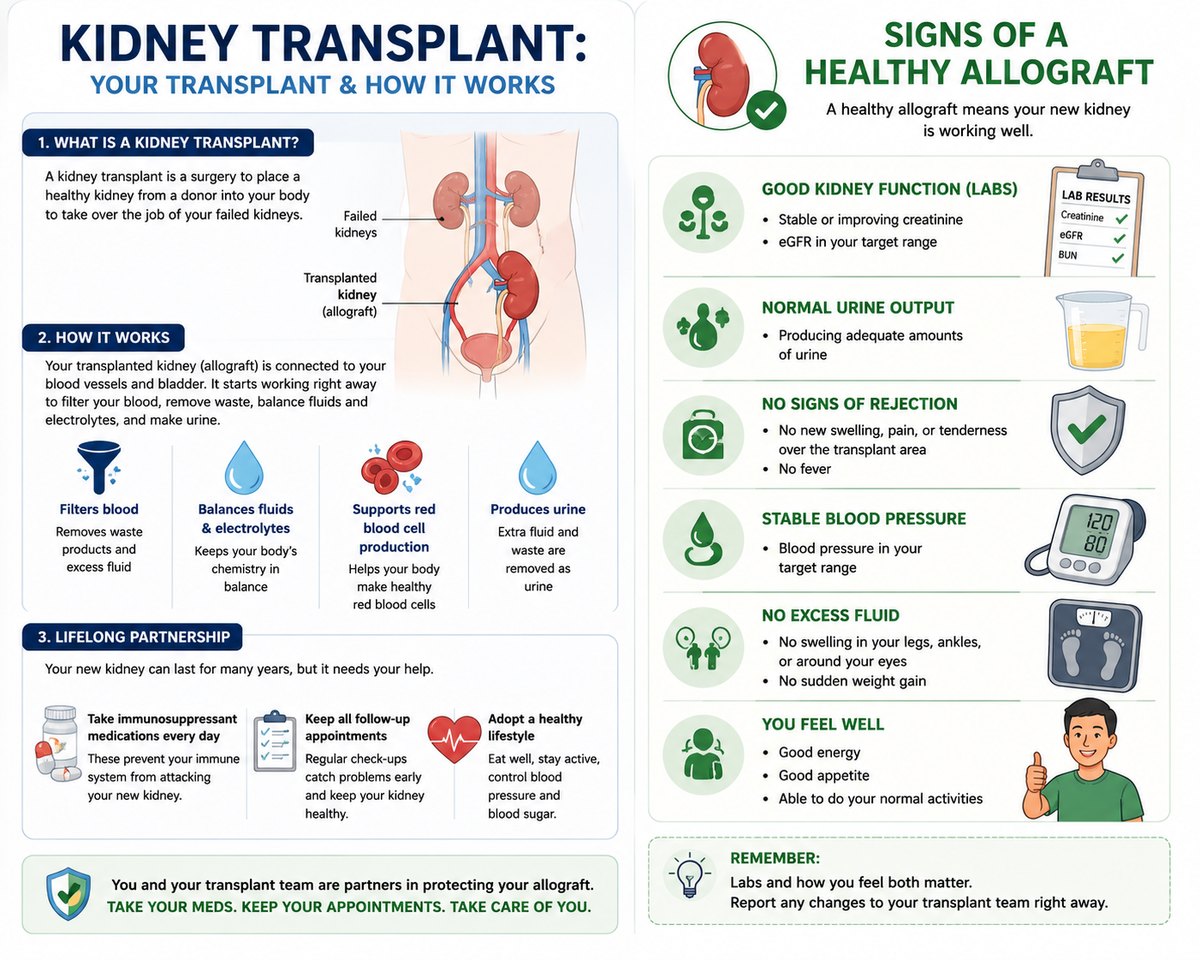 GuideKidney Transplant Failure — Understanding Rejection & What Comes NextWhen a transplanted kidney fails — causes of allograft failure, management, returning to dialysis, second transplant options, and emotional support in the Philippines.
- GuideAnti-GBM Disease (Goodpasture Disease): A Kidney and Lung EmergencyAnti-GBM disease attacks the kidney filters and sometimes the lungs. The warning signs, why treatment must start within hours, the antibody test, plasma exchange, and the newer variant forms doctors now recognize.
 GuideLupus Nephritis — When Your Immune System Attacks Your KidneysLupus nephritis guide — classes, diagnosis by kidney biopsy, treatment with mycophenolate and belimumab, monitoring, and protecting kidneys from SLE in the Philippines.
References
- U.S. Food and Drug Administration. Riabni · Amgen, Inc [US FDA-approved label, version 13, October 1, 2026]. Via DailyMed/openFDA. https://dailymed.nlm.nih.gov/dailymed/drugInfo.cfm?setid=da1c4de7-0e5b-4f72-97ec-7a8d368f085f
- Food and Drug Administration Philippines. Verification portal (product registrations). https://verification.fda.gov.ph
- PNF Essential Medicines List, 8th ed. (as of November 2, 2022), DOH; https://www.philhealth.gov.ph/partners/providers/pdf/PNF-EML_11022022.pdf
- DOH Drug Price Reference Index (DPRI) 2021, 9th edition (as of September 17, 2021); https://caro.doh.gov.ph/wp-content/uploads/2021/09/2021DPRI-as-of-9-17-2021.pdf
This page shows official label and registry text only; no renalcarematters.com clinical summary has been approved for it yet.
Last updated: .