Use: Labeled indications
- INDICATIONS AND USAGE In the treatment of both tuberculosis and the meningococcal carrier state, the small number of resistant cells present within large populations of susceptible cells can rapidly become the…
Full indications and usage US FDA label
INDICATIONS AND USAGE In the treatment of both tuberculosis and the meningococcal carrier state, the small number of resistant cells present within large populations of susceptible cells can rapidly become the predominant type. Bacteriologic cultures should be obtained before the start of therapy to confirm the susceptibility of the organism to rifampin and they should be repeated throughout therapy to monitor the response to treatment.
Since resistance can emerge rapidly, susceptibility tests should be performed in the event of persistent positive cultures during the course of treatment. If test results show resistance to rifampin and the patient is not responding to therapy, the drug regimen should be modified. Tuberculosis Rifampin is indicated in the treatment of all forms of tuberculosis.
A three-drug regimen consisting of rifampin, isoniazid, and pyrazinamide is recommended in the initial phase of short-course therapy which is usually continued for 2 months. The Advisory Council for the Elimination of Tuberculosis, the American Thoracic Society, and Centers for Disease Control and Prevention recommend that either streptomycin or ethambutol be added as a fourth drug in a regimen containing isoniazid (INH), rifampin, and pyrazinamide for initial treatment of tuberculosis unless the likelihood of INH resistance is very low.
The need for a fourth drug should be reassessed when the results of susceptibility testing are known. If community rates of INH resistance are currently less than 4%, an initial treatment regimen with less than four drugs may be considered. Following the initial phase, treatment should be continued with rifampin and isoniazid for at least 4 months.
Treatment should be continued for longer if the patient is still sputum or culture positive, if resistant organisms are present, or if the patient is HIV positive. Rifampin IV is indicated for the initial treatment and retreatment of tuberculosis when the drug cannot be taken by mouth. Meningococcal Carriers Rifampin is indicated for the treatment of asymptomatic carriers of Neisseria meningitidis to eliminate meningococci from the nasopharynx.
Rifampin is not indicated for the treatment of meningococcal infection because of the possibility of the rapid emergence of resistant organisms (See WARNINGS). Rifampin should not be used indiscriminately, and, therefore, diagnostic laboratory procedures, including serotyping and susceptibility testing, should be performed for establishment of the carrier state and the correct treatment.
So that the usefulness of rifampin in the treatment of asymptomatic meningococcal carriers is preserved, the drug should be used only when the risk of meningococcal disease is high. To reduce the development of drug-resistant bacteria and maintain the effectiveness of rifampin and other antibacterial drugs, rifampin should be used only to treat or prevent infections that are proven or strongly suspected to be caused by susceptible bacteria.
When culture and susceptibility information are available, they should be considered in selecting or modifying antibacterial therapy. In the absence of such data, local epidemiology and susceptibility patterns may contribute to the empiric selection of therapy.
Contraindications
CONTRAINDICATIONS Rifampin capsules are contraindicated in patients with a history of hypersensitivity to rifampin or any of the components, or to any of the rifamycins. (See WARNINGS). Rifampin is contraindicated in patients who are also receiving ritonavir-boosted saquinavir due to an increased risk of severe hepatocellular toxicity.
(See PRECAUTIONS, Drug Interactions). Rifampin is contraindicated in patients who are also receiving atazanavir, darunavir, fosamprenavir, saquinavir, tipranavir, cabotegravir, fostemsavir and lenacapavir (see prescribing information for SUNLENCA) due to the potential of rifampin to substantially decrease plasma concentrations of these antiviral drugs, which may result in decreased antiviral efficacy and/or development of viral resistance.
(See PRECAUTIONS, Drug Interactions). Rifampin is contraindicated in patients receiving praziquantel since therapeutically effective blood levels of praziquantel may not be achieved. In patients receiving rifampin who need immediate treatment with praziquantel alternative agents should be considered. However, if treatment with praziquantel is necessary, rifampin should be discontinued 4 weeks before administration of praziquantel.
Treatment with rifampin can then be restarted one day after completion of praziquantel treatment. Rifampin is contraindicated in patients receiving lurasidone. Concomitant use of lurasidone with strong CYP3A4 inducers (e.g., rifampin) decreased the exposure of lurasidone compared to the use of lurasidone alone. (See PRECAUTIONS, Drug Interactions).
US FDA labelDosing: Adult
Dosage and administration (US label) US FDA label
DOSAGE AND ADMINISTRATION Rifampin can be administered by the oral route (see INDICATIONS AND USAGE). See CLINICAL PHARMACOLOGY for dosing information in patients with renal failure. Tuberculosis Adults 10 mg/kg, in a single daily administration, not to exceed 600 mg/day, oral Pediatric Patients 10 to 20 mg/kg, not to exceed 600 mg/day, oral It is recommended that oral rifampin be administered once daily, either 1 hour before or 2 hours after a meal with a full glass of water.
Rifampin is indicated in the treatment of all forms of tuberculosis. A three-drug regimen consisting of rifampin, isoniazid, and pyrazinamide is recommended in the initial phase of short-course therapy which is usually continued for 2 months. The Advisory Council for the Elimination of Tuberculosis, the American Thoracic Society, and the Centers for Disease Control and Prevention recommend that either streptomycin or ethambutol be added as a fourth drug in a regimen containing isoniazid (INH), rifampin, and pyrazinamide for initial treatment of tuberculosis unless the likelihood of INH resistance is very low.
The need for a fourth drug should be reassessed when the results of susceptibility testing are known. If community rates of INH resistance are currently less than 4%, an initial treatment regimen with less than four drugs may be considered. Following the initial phase, treatment should be continued with rifampin and isoniazid for at least 4 months.
Treatment should be continued for longer if the patient is still sputum or culture positive, if resistant organisms are present, or if the patient is HIV positive. Meningococcal Carriers Adults: For adults, it is recommended that 600 mg rifampin be administered twice daily for two days. Pediatric Patients: Pediatric patients 1 month of age or older: 10 mg/kg (not to exceed 600 mg per dose) every 12 hours for two days.
Pediatric patients under 1 month of age: 5 mg/kg every 12 hours for two days. Preparation of Extemporaneous Oral Suspension For pediatric and adult patients in whom capsule swallowing is difficult or where lower doses are needed, a liquid suspension may be prepared as follows: Rifampin 1% w/v suspension (10 mg/mL) can be compounded using one of four syrups–Simple Syrup (Syrup NF), Simple Syrup (Humco Laboratories), SyrPalta ®+ Syrup (Emerson Laboratories), or Raspberry Syrup (Humco Laboratories).
Empty the contents of four rifampin capsules 300 mg or eight rifampin capsules 150 mg onto a piece of weighing paper. If necessary, gently crush the capsule contents with a spatula to produce a fine powder. Transfer the rifampin powder blend to a 4-ounce amber glass or plastic (high density polyethylene [HDPE], polypropylene, or polycarbonate) prescription bottle.
Rinse the paper and spatula with 20 mL of one of the above-mentioned syrups, and add the rinse to the bottle. Shake vigorously. Add 100 mL of syrup to the bottle and shake vigorously. This compounding procedure results in a 1% w/v suspension containing 10 mg rifampin/mL. Stability studies indicate that the suspension is stable when stored at room temperature (25 ± 3°C) or in a refrigerator (2 to 8°C) for four weeks.
This extemporaneously prepared suspension must be shaken well prior to administration.
Dosing: Altered kidney function
See CLINICAL PHARMACOLOGY for dosing information in patients with renal failure.
Kidney-specific guidance from renalcarematters.com: in preparation.
Dosage forms
Philippines
- Suspension: 200 mg per 5 mL, 200 mg/5 mL, 200 mg/mL
- Capsule: 300 mg, 450 mg
- Oral suspension: 200 mg/5 mL
Registered products in the Philippines
22 products registered with the Food and Drug Administration (FDA) Philippines list Rifampicin as the generic name. Registration status changes; confirm a product's current status on the FDA portal before relying on it.
All registered products22
| Package insert | |||||||
|---|---|---|---|---|---|---|---|
EufropinRifampicin | 450 mg CapsuleBlister Pack x 10's (Box of 100's) | RxVAT-exempt | New Myrex Laboratories, Inc.Philippines | — | DRP-2426 | Jan 3, 2030 | |
FamcinRifampicin | 200 mg/5 mL SuspensionAmber Bottle x 60 mL (Box of 1's) | RxVAT-exempt | Lloyd Laboratories, Inc.Philippines | Trader: Westfield Pharmaceuticals, Inc. | DRP-7397 | Nov 21, 2027 | |
FamcinRifampicin | 450 mg CapsuleBlister Pack x 10's (Box of 100's) | RxVAT-exempt | Lloyd Laboratories, Inc.Philippines | Trader: Westfield Pharmaceuticals, Inc. | DRP-12811 | Dec 21, 2030 | |
FampisecRifampicin | 200 mg/5 mL SuspensionBoston Round Amber Glass Bottle x 60mL and 120mL (Box of 1's) | RxVAT-exempt | San Marino Laboratories CorporationPhilippines | — | DRP-1309 | Oct 21, 2029 | |
Famtricin ForteRifampicin | 200 mg per 5 mL SuspensionBoston Round Amber Bottle x 60 mL and 120 mL (Box of 1's) | RxVAT-exempt | San Marino Laboratories CorporationPhilippines | Regimed Pharmaceutical DistributorTrader: Johntann Internationale Pharmaceutical, Corp. | DR-XY29703 | Jun 21, 2029 | |
LyvifamRifampicin | 200 mg/5 mL SuspensionBoston Round Amber Glass Bottle x 60 mL and 120 mL Box of 1's | RxVAT-exempt | San Marino Laboratories CorporationPhilippines | Trader: Johntann Internationale Pharmaceutical Corp. | DRP-1222 | Sep 27, 2029 | |
Natricin forteRifampicin | 200mg/5mL SuspensionAmber Glass Bottle x 60mL (Box of 1's); Amber Glass Bottle x 120mL (Box of 1's); Amber Glass Bottle x 250mL (Box of 1's) | RxVAT-exempt | Lloyd Laboratories, Inc.Philippines | Trader: Natrapharm Inc. | DR-XY23213 | Sep 30, 2028 | |
PICINAFRifampicin | 200 mg/5 mL SuspensionBoston Round Amber Bottle x 60 ml and 120 mL (Box of 1's) | RxVAT-exempt | J.M. TOLMANN LABORATORIES INC.Philippines | — | DRP-3357 | May 19, 2031 | |
PicinafRifampicin | 450mg CapsuleBlister Pack x 10's (Box of 100's) | RxVAT-exempt | J.M. Tolmann Laboratories, Inc.Philippines | Westfield Pharmaceuticals, Inc. | DRP-833 | Sep 28, 2027 | |
RaphicinRifampicin | 200 mg/5 mL Oral Suspension120 mL Boston round amber glass bottle (Box of 1's) | RxVAT-exempt | Azarias Pharmaceutical Laboratories Inc.Philippines | St. Raphael Archangel Pharmaceutical Product Distribution | DRP-16527-02 | Apr 15, 2030 | |
RexilanRifampicin | 450 mg CapsuleBlister Pack X 10's (Box of 100's) | RxVAT-exempt | Am-Europharma CorporationPhilippines | Rilem Pharma Corp. | DRP-3950 | May 25, 2031 | |
RifacareRifampicin | 200 mg/5 mL SuspensionBoston Round Amber Bottle x 120 ml (Box of 1's) | RxVAT-exempt | J.M. Tolmann Laboratories, Inc.Philippines | Multicare Pharmaceuticals Phils. Inc. | DRP-3357-02 | May 19, 2031 | |
RifadrilRifampicin | 200 mg/5 mL SuspensionAmber Glass Bottle x 60 mL and 120 mL (Box of 1's) | RxVAT-exempt | Lloyd Laboratories, Inc.Philippines | Aldril Pharmaceuticals, Inc.Trader: Solvang Pharmaceuticals, Inc. | DRP-4249-01 | Feb 22, 2027 | |
Rifam-SRifampicin | 200 mg/5 mL Oral Suspension120 mL Boston round amber glass bottle (Box of 1's) | RxVAT-exempt | Azarias Pharmaceutical Laboratories Inc.Philippines | — | DRP-16527 | Apr 15, 2030 | |
RifamgenRifampicin | 200 mg / 5 mL Oral Suspension120 mL Boston round amber glass bottle (Box of 1's) | RxVAT-exempt | Azarias Pharmaceutical Laboratories Inc.Philippines | Eba Generisch Trading Inc. | DRP-16527-01 | Apr 15, 2030 | |
RifamlifeRifampicin | 200 mg/ mL Suspension60 mL & 120 mL Round Amber Glass Bottle with ROPP Cap (Box of 1's) | RxVAT-exempt | Nucare Labs LLPIndia | Biophil Medical Equipment and Supplies Trading | DRP-19004 | Oct 15, 2031 | |
RifamoxRifampicin | 200 mg/5 mL SuspensionAmber Bottle x 60 mL (Box of 1's) | RxVAT-exempt | Lloyd Laboratories, Inc.Philippines | Eliset Pharmaceutical, Inc.Trader: Westfield Pharmaceuticals, Inc. | DRP-7397-02 | Nov 21, 2027 | |
RifampisaphRifampicin | 300 mg CapsuleAlu/Red PVC Blister Pack x 10's (Box of 30's and 100's) | RxVAT-exempt | Sai Parenterals Ltd.India | Nelpa Lifesciences Inc. | DRP-13413 | Dec 9, 2030 | |
RifasolRifampicin | 200 mg/5 mL SuspensionAmber Glass Bottle x 60 mL (Box of 1's) | RxVAT-exempt | Lloyd Laboratories, Inc.Philippines | Trader: Solvang Pharmaceuticals, Inc. | DRP-4249 | Feb 22, 2032 | |
RimapedRifampicin | 200 mg/5 mL Suspension120 mL Amber glass bottle (Box of 1's) | RxVAT-exempt | Amherst Laboratories, Inc.Philippines | Trader: UNILAB, Inc. | DR-XY28362 | Oct 18, 2030 | |
RiprocinRifampicin | 200 mg/5 mL SuspensionAmber Bottle x 60 mL and 120 mL (Box of 1's) | RxVAT-exempt | San Marino Laboratories CorporationPhilippines | Trader: IAE Pharmaceuticals Corporation | DR-XY28479 | Mar 31, 2028 | |
TrifamRifampicin | 200 mg/5 mL SuspensionAmber Glass Bottle x 60 mL (Box of 1's) | RxVAT-exempt | Lloyd Laboratories, Inc.Philippines | Metz Pharmaceuticals, Inc.Trader: Solvang Pharmaceuticals, Inc. | DRP-4249-02 | Feb 22, 2027 |
Source: FDA Philippines product registration database. "Valid until" is the registration validity date listed by the FDA; a past date may mean a renewal is pending. Package insert links point to files published by the FDA.
Warnings/Precautions
Warnings and precautions (US label) US FDA label
WARNINGS Hepatotoxicity of hepatocellular, cholestatic, and mixed patterns has been reported in patients treated with rifampin. Severity ranged from asymptomatic elevations in liver enzymes, isolated jaundice/hyperbilirubinemia, symptomatic self-limited hepatitis to fulminant liver failure and death. Severe hepatic dysfunction including fatalities were reported in patients with liver disease and in patients taking rifampin with other hepatotoxic agents.
Monitor for symptoms and clinical/laboratory signs of liver injury, especially if treatment is prolonged or given with other hepatotoxic drugs. Patients with impaired liver function should be given rifampin only in cases of necessity and then under strict medical supervision. In these patients, careful monitoring of liver function should be done prior to therapy and then every 2 to 4 weeks during therapy.
If signs of hepatic damage occur or worsen, discontinue rifampin. Rifampin has enzyme-inducing properties, including induction of delta amino levulinic acid synthetase. Isolated reports have associated porphyria exacerbation with rifampin administration. The possibility of rapid emergence of resistant meningococci restricts the use of rifampin capsules to short-term treatment of the asymptomatic carrier state.
Rifampin capsules are not to be used for the treatment of meningococcal disease. Systemic hypersensitivity reactions were reported with rifampin capsules administration. Signs and symptoms of hypersensitivity reactions may include fever, rash, urticaria, angioedema, hypotension, acute bronchospasm, conjunctivitis, thrombocytopenia, neutropenia, elevated liver transaminases or flu-like syndrome (weakness, fatigue, muscle pain, nausea, vomiting, headache, chills, aches, itching, sweats, dizziness, shortness of breath, chest pain, cough, syncope, palpitations).
Manifestations of hypersensitivity, such as fever, lymphadenopathy or laboratory abnormalities (including eosinophilia, liver abnormalities) may be present even though rash is not evident. Monitor patients receiving rifampin capsules for signs and/or symptoms of hypersensitivity reactions. If these signs or symptoms occur, discontinue rifampin capsules and administer supportive measures.
Cases of severe cutaneous adverse reactions (SCAR) such as Stevens-Johnson syndrome (SJS), toxic epidermal necrolysis (TEN), acute generalized exanthematous pustulosis (AGEP), and drug reaction with eosinophilia and systemic symptoms (DRESS) syndrome have been reported with rifampin. If symptoms or signs of severe cutaneous adverse reactions develop, discontinue rifampin capsules immediately and institute appropriate therapy.
Rifampin may cause vitamin K–dependent coagulation disorders and bleeding (see ADVERSE REACTIONS). Monitor coagulation tests during rifampin treatment (prothrombin time and other coagulation tests) in patients at risk of vitamin K deficiency (such as those with chronic liver disease, poor nutritional status, on prolonged antibacterial drugs or anticoagulants).
Consider discontinuation of rifampin capsules if abnormal coagulation tests and/or bleeding occur. Supplemental vitamin K administration should be considered when appropriate. Pulmonary toxicity manifested as interstitial lung disease (including, but not limited to, pneumonitis, hypersensitivity pneumonitis, eosinophilic pneumonia, pulmonary infiltrates, and organizing pneumonia) has been reported with rifampin treatment.
Pulmonary toxicity could be fatal. If symptoms or signs of severe pulmonary toxicity (including respiratory failure, pulmonary fibrosis, and acute respiratory distress syndrome) develop, discontinue rifampin capsules immediately and initiate appropriate treatment. Postmarketing reports suggest that concomitant administration of high doses of cefazolin and rifampin may prolong the prothrombin time, leading to severe vitamin K–dependent coagulation disorders that may be life-threatening or fatal.
Avoid concomitant use of cefazolin and rifampin in patients at increased risk for bleeding. If no alternative treatment options are available, closely monitor prothrombin time and other coagulation tests, and administer vitamin K as indicated. Postmarketing cases of paradoxical drug reaction (recurrence or appearance of new symptoms, physical and radiological signs in a patient who had previously shown improvement with appropriate antimycobacterial treatment, in the absence of disease relapse, poor treatment compliance, drug resistance, side effects of treatment, or secondary infection/diagnosis) have been reported with Rifampin capsules (see ADVERSE REACTIONS).
Paradoxical drug reactions are often transient and should not be misinterpreted as failure to respond to treatment. If worsening of symptoms or signs occurs during antimycobacterial treatment, consider paradoxical drug reaction in the differential diagnosis, monitor, or treat accordingly. Cases of thrombotic microangiopathy (TMA), including thrombotic thrombocytopenic purpura and hemolytic uremia syndrome, some fatal, have been reported with rifampin.
Discontinue Rifampin if clinical symptoms and laboratory findings consistent with TMA occur. The findings of unexplained thrombocytopenia and anemia should prompt further evaluation and consideration of the diagnosis of TMA.
Adverse reactions
Adverse reactions (US label) US FDA label
ADVERSE REACTIONS The following adverse reactions associated with the use of rifampin were identified in clinical studies or postmarketing reports. Because some of these reactions were reported voluntarily from a population of uncertain size, it is not always possible to reliably estimate their frequency or establish a causal relationship to drug exposure.
Gastrointestinal Heartburn, epigastric distress, anorexia, nausea, vomiting, jaundice, flatulence, cramps, and diarrhea have been noted in some patients. Although Clostridium difficile has been shown in vitro to be sensitive to rifampin, pseudomembranous colitis has been reported with the use of rifampin (and other broad-spectrum antibiotics).
Therefore, it is important to consider this diagnosis in patients who develop diarrhea in association with antibiotic use. Tooth discoloration (which may be permanent) may occur. Hepatic Hepatotoxicity including transient abnormalities in liver function tests (e.g., elevations in serum bilirubin, alkaline phosphatase, serum transaminases, gamma-glutamyl transferase), hepatitis, a shock-like syndrome with hepatic involvement and abnormal liver function tests, and cholestasis have been reported.
(see WARNINGS). Hematologic Cases of thrombotic microangiopathy, including thrombotic thrombocytopenic purpura and hemolytic uremic syndrome, have been reported (see WARNINGS). Thrombocytopenia has occurred primarily with high dose intermittent therapy, but has also been noted after resumption of interrupted treatment. It rarely occurs during well-supervised daily therapy.
This effect is reversible if the drug is discontinued as soon as purpura occurs. Cerebral hemorrhage and fatalities have been reported when rifampin administration has been continued or resumed after the appearance of purpura. Rare reports of disseminated intravascular coagulation have been observed. Leukopenia, hemolytic anemia, decreased hemoglobin, bleeding, and vitamin K–dependent coagulation disorders (abnormal prolongation of prothrombin time or low vitamin K–dependent coagulation factors) have been observed.
Agranulocytosis has been reported very rarely. Central Nervous System Headache, fever, drowsiness, fatigue, ataxia, dizziness, inability to concentrate, mental confusion, behavioral changes, muscular weakness, pains in extremities, and generalized numbness have been observed. Psychoses have been rarely reported. Rare reports of myopathy have also been observed.
Ocular Visual disturbances have been observed. Endocrine Menstrual disturbances have been observed. Rare reports of adrenal insufficiency in patients with compromised adrenal function have been observed. Renal Elevations in BUN and serum uric acid have been reported. Rarely, hemolysis, hemoglobinuria, hematuria, interstitial nephritis, acute tubular necrosis, renal insufficiency, and acute renal failure have been noted.
These are generally considered to be hypersensitivity reactions. They usually occur during intermittent therapy or when treatment is resumed following intentional or accidental interruption of a daily dosage regimen, and are reversible when rifampin is discontinued and appropriate therapy instituted. Dermatologic Cutaneous reactions are mild and self-limiting and do not appear to be hypersensitivity reactions.
Typically, they consist of flushing and itching with or without a rash. More serious cutaneous reactions which may be due to hypersensitivity occur but are uncommon. Hypersensitivity Reactions Occasionally, pruritus, urticaria, rash, pemphigoid reaction, erythema multiforme, acute generalized exanthematous pustulosis, Stevens-Johnson syndrome, toxic epidermal necrolysis, drug reaction with eosinophilia and systemic symptoms syndrome (see WARNINGS), vasculitis, eosinophilia, sore mouth, sore tongue, and conjunctivitis have been observed.
Anaphylaxis has been reported rarely. Respiratory, Thoracic and Mediastinal Disorders Pulmonary toxicity (including, but not limited to, interstitial lung disease, pneumonitis, hypersensitivity pneumonitis, eosinophilic pneumonia, pulmonary infiltrates, organizing pneumonia, respiratory failure, pulmonary fibrosis, and acute respiratory distress syndrome) has been observed (see WARNINGS).
Miscellaneous Paradoxical drug reaction has been reported with Rifampin (see WARNINGS). Edema of the face and extremities has been reported. Other reactions which have occurred with intermittent dosage regimens include "flu syndrome" (such as episodes of fever, chills, headache, dizziness, and bone pain), shortness of breath, wheezing, decrease in blood pressure and shock.
The "flu syndrome" may also appear if rifampin is taken irregularly by the patient or if daily administration is resumed after a drug-free interval.
Pharmacokinetics
In healthy adults, the mean biological half-life of rifampin in serum averages 3.35 ± 0.66 hours after a 600 mg oral dose, with increases up to 5.08 ± 2.45 hours reported after a 900 mg dose.
With repeated administration, the half-life decreases and reaches average values of approximately 2 to 3 hours.
The half-life does not differ in patients with renal failure at doses not exceeding 600 mg daily, and consequently, no dosage adjustment is required.
The half-life of rifampin at a dose of 720 mg daily has not been established in patients with renal failure.
Following a single 900 mg oral dose of rifampin in patients with varying degrees of renal insufficiency, the mean half-life increased from 3.6 hours in healthy adults to 5.0, 7.3, and 11.0 hours in patients with glomerular filtration rates of 30 to 50 mL/min, less than 30 mL/min, and in anuric patients, respectively.
Pharmacokinetics (US label) US FDA label
CLINICAL PHARMACOLOGY Oral Administration Rifampin is readily absorbed from the gastrointestinal tract. Peak serum concentrations in healthy adults and pediatric populations vary widely from individual to individual. Following a single 600 mg oral dose of rifampin in healthy adults, the peak serum concentration averages 7 mcg/mL but may vary from 4 to 32 mcg/mL.
Absorption of rifampin is reduced by about 30% when the drug is ingested with food. Rifampin is widely distributed throughout the body. It is present in effective concentrations in many organs and body fluids, including cerebrospinal fluid. Rifampin is about 80% protein bound. Most of the unbound fraction is not ionized and, therefore, diffuses freely into tissues.
In healthy adults, the mean biological half-life of rifampin in serum averages 3.35 ± 0.66 hours after a 600 mg oral dose, with increases up to 5.08 ± 2.45 hours reported after a 900 mg dose. With repeated administration, the half-life decreases and reaches average values of approximately 2 to 3 hours. The half-life does not differ in patients with renal failure at doses not exceeding 600 mg daily, and consequently, no dosage adjustment is required.
The half-life of rifampin at a dose of 720 mg daily has not been established in patients with renal failure. Following a single 900 mg oral dose of rifampin in patients with varying degrees of renal insufficiency, the mean half-life increased from 3.6 hours in healthy adults to 5.0, 7.3, and 11.0 hours in patients with glomerular filtration rates of 30 to 50 mL/min, less than 30 mL/min, and in anuric patients, respectively.
Refer to the WARNINGS section for information regarding patients with hepatic insufficiency. After absorption, rifampin is rapidly eliminated in the bile, and an enterohepatic circulation ensues. During this process, rifampin undergoes progressive deacetylation so that nearly all the drug in the bile is in this form in about 6 hours.
This metabolite has antibacterial activity. Intestinal reabsorption is reduced by deacetylation, and elimination is facilitated. Up to 30% of a dose is excreted in the urine, with about half of this being unchanged drug. Pediatrics Oral Administration In one study, pediatric patients 6 to 58 months old were given rifampin suspended in simple syrup or as dry powder mixed with applesauce at a dose of 10 mg/kg body weight.
Peak serum concentrations of 10.7 ± 3.7 and 11.5 ± 5.1 mcg/mL were obtained 1 hour after preprandial ingestion of the drug suspension and the applesauce mixture, respectively. After the administration of either preparation, the t 1/2 of rifampin averaged 2.9 hours. It should be noted that in other studies in pediatric populations, at doses of 10 mg/kg body weight, mean peak serum concentrations of 3.5 mcg/mL to 15 mcg/mL have been reported.
Microbiology Mechanism of Action Rifampin inhibits DNA-dependent RNA polymerase activity in susceptible Mycobacterium tuberculosis organisms. Specifically, it interacts with bacterial RNA polymerase but does not inhibit the mammalian enzyme. Resistance Organisms resistant to rifampin are likely to be resistant to other rifamycins.
In the treatment of both tuberculosis and the meningococcal carrier state (see INDICATIONS AND USAGE), the small number of resistant cells present within large populations of susceptible cells can rapidly become predominant. In addition, resistance to rifampin has been determined to occur as single-step mutations of the DNA-dependent RNA polymerase.
Since resistance can emerge rapidly, appropriate susceptibility tests should be performed in the event of persistent positive cultures. Activity in vitro and in vivo Rifampin has bactericidal activity in vitro against slow and intermittently growing M tuberculosis organisms. Rifampin has been shown to be active against most isolates of the following microorganisms, both in vitro and in clinical infections (see INDICATIONS AND USAGE).
Aerobic Gram-Negative Microorganisms: Neisseria meningitidis "Other" Microorganisms: Mycobacterium tuberculosis The following in vitro data are available, but their clinical significance is unknown. At least 90% of the following bacteria exhibit an in vitro minimum inhibitory concentration (MIC) less than or equal to the susceptible breakpoint for rifampin against isolates of similar genus or organism group.
However, the efficacy of rifampin in treating clinical infections caused by these bacteria has not been established in adequate and well-controlled clinical trials. Aerobic Gram-Positive Microorganisms: Staphylococcus aureus (including Methicillin-Resistant S aureus /MRSA) Staphylococcus epidermidis Aerobic Gram-Negative Microorganisms: Haemophilus influenzae "Other" Microorganisms: Mycobacterium leprae ß-lactamase production should have no effect on rifampin activity.
Susceptibility Testing For specific information regarding susceptibility test interpretive criteria and associated test methods and quality control standards recognized by FDA for this drug, please see: https://www.fda.gov/STIC.
Formulary and pricing (Philippines)
Government price references
| Preparation | Price (PHP) | Unit | Type |
|---|---|---|---|
| Rifampicin 200 mg/5 mL, 120 mL Suspension | ₱195.00–₱320.00Reference ₱265.00 | per unit | DPRI procurement range |
| Rifampicin 450 mg Capsule | ₱9.00–₱9.50Reference ₱9.00 | per capsule | DPRI procurement range |
Range = lowest-highest procurement price (highest usable only in GIDA areas); reference_price = 2021 DPRI ceiling (median)
These are government procurement and reimbursement references, not retail prices. Sources:
- DOH Drug Price Reference Index (DPRI) 2021, 9th edition (as of September 17, 2021); https://caro.doh.gov.ph/wp-content/uploads/2021/09/2021DPRI-as-of-9-17-2021.pdf, as of September 17, 2021
Formulary and coverage
| Philippine National Formulary | Listed as Rifampicin |
| PNF listing | Oral: 300 mg, 450 mg and 600 mg tablet/capsuleRestrictions: List B: in vivo bioequivalence studies required (PNF code B) |
| PNF listing | Oral: 200 mg/5 mL suspension, 120 mL |
| PhilHealth GAMOT | No |
Sources:
- PNF Essential Medicines List, 8th ed. (as of November 2, 2022), DOH; https://www.philhealth.gov.ph/partners/providers/pdf/PNF-EML_11022022.pdf, as of November 2, 2022
Check availability
Prices and stock vary by branch; renalcarematters.com does not sell medicines or receive payment from pharmacies.
Related guides
Guides on renalcarematters.com for this medicine, for patients and clinicians.
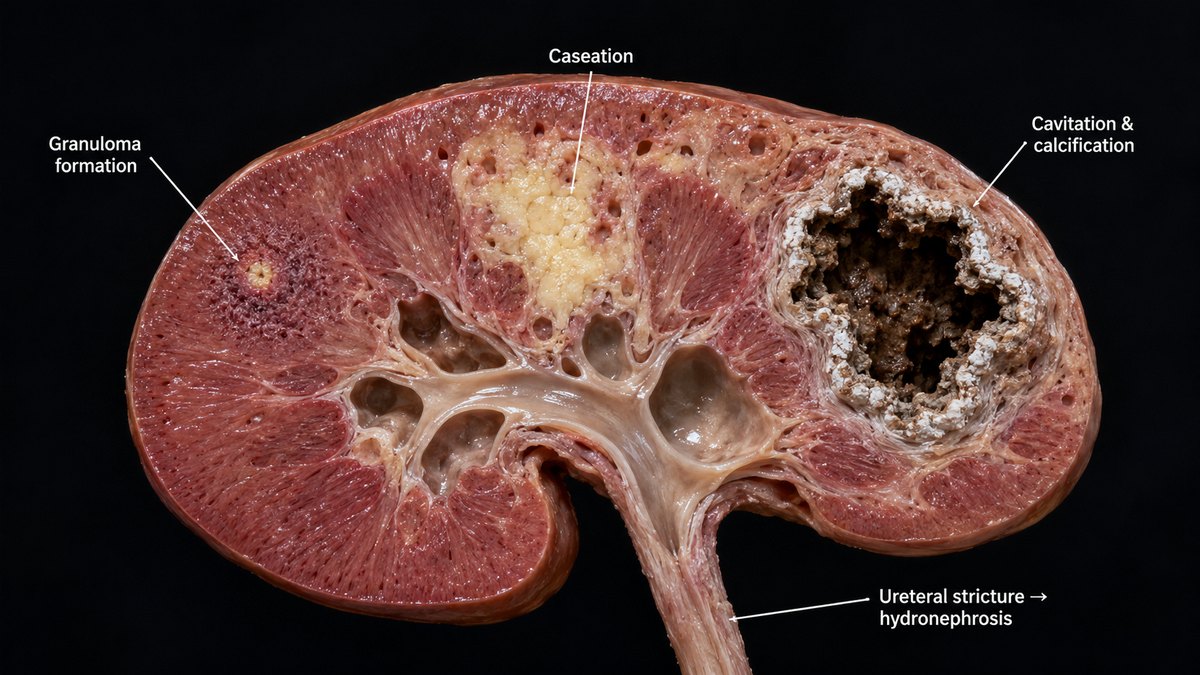 GuideTuberculosis and Kidney DiseaseTuberculosis and kidney disease in the Philippines — how CKD increases TB risk, kidney TB symptoms, treatment challenges, rifampicin dose adjustments in kidney failure.
 GuideThe CKD Prescriber's PlaybookClinician-focused operational guide: exactly how to start, titrate, and adjust SGLT2 inhibitors, ACEi/ARB, GLP-1 agonists, diuretics, phosphate binders, and ESAs in CKD and nephrology practice. KDIGO 2024 aligned.
References
- U.S. Food and Drug Administration. rifampin · Lupin Pharmaceuticals, Inc. [US FDA-approved label, version 26, February 11, 2026]. Via DailyMed/openFDA. https://dailymed.nlm.nih.gov/dailymed/drugInfo.cfm?setid=b56004f0-f23d-47f6-80c7-39884fccbccc
- Food and Drug Administration Philippines. Verification portal (product registrations). https://verification.fda.gov.ph
- PNF Essential Medicines List, 8th ed. (as of November 2, 2022), DOH; https://www.philhealth.gov.ph/partners/providers/pdf/PNF-EML_11022022.pdf
- DOH Drug Price Reference Index (DPRI) 2021, 9th edition (as of September 17, 2021); https://caro.doh.gov.ph/wp-content/uploads/2021/09/2021DPRI-as-of-9-17-2021.pdf
This page shows official label and registry text only; no renalcarematters.com clinical summary has been approved for it yet.
Last updated: .