WARNING: RISK OF SERIOUS CARDIOVASCULAR AND GASTROINTESTINAL EVENTS WARNING: RISK OF SERIOUS CARDIOVASCULAR AND GASTROINTESTINAL EVENTS Cardiovascular Thrombotic Events
- Nonsteroidal anti-inflammatory drugs (NSAIDs) cause an increased risk of serious cardiovascular thrombotic events, including myocardial infarction and stroke, which can be fatal. This risk may occur early in treatment and may increase with duration of use [see Warnings and Precautions (5.1)].
- Naproxen tablets are contraindicated in the setting of coronary artery bypass graft (CABG) surgery [see Contraindications (4), Warnings and Precautions (5.1)]. Gastrointestinal Bleeding, Ulceration, and Perforation NSAIDs cause an increased risk of serious gastrointestinal (GI) adverse events including bleeding, ulceration, and perforation of the stomach or intestines, which can be fatal. These events can occur at any time during use and without warning symptoms. Elderly patients and patients with a prior history of peptic ulcer disease and/or GI bleeding are at greater risk for serious GI events [see Warnings and Precautions (5.2)].
Use: Labeled indications
- rheumatoid arthritis
- steoarthritis
- ankylosing spondylitis
- Polyarticular Juvenile Idiopathic Arthritis NAPROXEN Tablets and NAPROXEN SODIUM are also indicated for: the relief of signs and symptoms of
- tendonitis
- bursitis
- acute gout the management of
- pain
Full indications and usage US FDA label
1 INDICATIONS & USAGE NAPROXEN Tablets, Naproxen Delayed-Release Tablets, and NAPROXEN SODIUM are indicated for: the relief of the signs and symptoms of: • rheumatoid arthritis • osteoarthritis • ankylosing spondylitis • Polyarticular Juvenile Idiopathic Arthritis NAPROXEN Tablets and NAPROXEN SODIUM are also indicated for: the relief of signs and symptoms of: • tendonitis • bursitis • acute gout the management of: • pain • primary dysmenorrhea
Contraindications
- Hypersensitivity to the drug
- Asthma, urticaria or allergic-type reaction after aspirin or other NSAIDs
- Setting of coronary artery bypass graft (CABG) surgery
Contraindications (US label) US FDA label
4 CONTRAINDICATIONS NAPROXEN Tablets, Naproxen Delayed-Release Tablets, and NAPROXEN SODIUM are contraindicated in the following patients: Known hypersensitivity (e.g., anaphylactic reactions and serious skin reactions) to naproxen or any components of the drug product [see Warnings and Precautions (5.7, 5.9)] History of asthma, urticaria, or other allergic-type reactions after taking aspirin or other NSAIDs. Severe, sometimes fatal, anaphylactic reactions to NSAIDs have been reported in such patients [see Warnings and Precautions (5.7, 5.8)] In the setting of coronary artery bypass graft (CABG) surgery [see Warnings and Precautions (5.1)]
Dosing: Adult
- Rheumatoid arthritis, osteoarthritis, ankylosing spondylitis: Naproxen 250 to 500 mg twice daily, or naproxen sodium 275 to 550 mg twice daily
- Pain, dysmenorrhea, tendonitis, bursitis: Naproxen sodium 550 mg, then 550 mg every 12 hours or 275 mg every 6 to 8 hours as needed
2.1 General Dosing Instructions
2.1 General Dosing Instructions Carefully consider the potential benefits and risks of NAPROXEN Tablets, Naproxen Delayed-Release Tablets and NAPROXEN SODIUM and other treatment options before deciding to use NAPROXEN Tablets, Naproxen Delayed-Release Tablets and NAPROXEN SODIUM. Use the lowest effective dose for the shortest duration consistent with individual patient treatment goals [see Warnings and Precautions (5)].
After observing the response to initial therapy with NAPROXEN Tablets, Naproxen Delayed-Release Tablets or NAPROXEN SODIUM, the dose and frequency should be adjusted to suit an individual patient’s needs. To maintain the integrity of the enteric coating, the Naproxen Delayed-Release Tablets tablet should not be broken, crushed or chewed during ingestion.
Naproxen-containing products such as NAPROXEN, Naproxen Delayed-Release Tablets and NAPROXEN SODIUM, and other naproxen products should not be used concomitantly since they all circulate in the plasma as the naproxen anion
2.2 Rheumatoid Arthritis, Osteoarthritis and Ankylosing Spondylitis
2.2 Rheumatoid Arthritis, Osteoarthritis and Ankylosing Spondylitis The recommended dosages of NAPROXEN Tablets, NAPROXEN SODIUM, and Naproxen Delayed-Release Tablets are shown in Table 1. Table 1: Recommended dosages for NAPROXEN Tablets, NAPROXEN SODIUM, and Naproxen Delayed-Release Tablets NAPROXEN Tablets 250 mg (one-half tablet) 500 mg twice daily NAPROXEN SODIUM 275 mg (one-half tablet) 550 mg twice daily Naproxen Delayed-Release Tablets 375 mg or 500 mg twice daily During long-term administration, the dose of naproxen may be adjusted up or down depending on the clinical response of the patient.
A lower daily dose may suffice for long-term administration. The morning and evening doses do not have to be equal in size and administration of the drug more frequently than twice daily does not generally make a difference in response. In patients who tolerate lower doses well, the dose may be increased to naproxen 1500 mg/day for limited periods of up to 6 months when a higher level of anti-inflammatory/analgesic activity is required.
When treating such patients with naproxen 1500 mg/day, the physician should observe sufficient increased clinical benefits to offset the potential increased risk.
2.3 Polyarticular Juvenile Idiopathic Arthritis
2.3 Polyarticular Juvenile Idiopathic Arthritis Naproxen solid-oral dosage forms may not allow for the flexible dose titration needed in pediatric patients with polyarticular juvenile idiopathic arthritis. A liquid formulation may be more appropriate for weight-based dosing and due to the need for dose flexibility in children.
In pediatric patients, doses of 5 mg/kg/day produced plasma levels of naproxen similar to those seen in adults taking 500 mg of naproxen [see Clinical Pharmacology (12)]. The recommended total daily dose of naproxen is approximately 10 mg/kg given in 2 divided doses. Dosing with NAPROXEN tablets is not appropriate for children weighing less than 50 kilograms.
2.4 Management of Pain, Primary Dysmenorrhea, and Acute Tendonitis and Bursitis
2.4 Management of Pain, Primary Dysmenorrhea, and Acute Tendonitis and Bursitis The recommended starting dose of NAPROXEN SODIUM (naproxen sodium) tablets is 550 mg followed by 550 mg every 12 hours or 275 mg (one half of a 550 mg tablet) every 6 to 8 hours as required. The initial total daily dose should not exceed 1375 mg (two and one-half tablets) of naproxen sodium.
Thereafter, the total daily dose should not exceed 1100 mg of naproxen sodium. Because the sodium salt of naproxen is more rapidly absorbed, NAPROXEN SODIUM is recommended for the management of acute painful conditions when prompt onset of pain relief is desired. NAPROXEN Tablets may also be used. The recommended starting dose of NAPROXEN Tablets is 500 mg followed by 250 mg (one half of a 500 mg NAPROXEN tablet) every 6-8 hours as required.
The total daily dose should not exceed 1250 mg of naproxen. Naproxen Delayed-Release Tablets is not recommended for initial treatment of acute pain because absorption of naproxen is delayed compared to other naproxen-containing products [see Clinical Pharmacology (12)].
2.5 Acute Gout
2.5 Acute Gout The recommended starting dose is 750 mg (one and one-half tablets) of NAPROXEN Tablets followed by 250 mg (one-half tablet) every 8 hours until the attack has subsided. NAPROXEN SODIUM may also be used at a starting dose of 825 mg (one and one-half tablets) followed by 275 mg (one-half tablet) every 8 hours.
Naproxen Delayed-Release Tablets is not recommended because of the delay in absorption.
2.6 Non-Interchangeability with Other Formulations of Naproxen
2.6 Non-Interchangeability with Other Formulations of Naproxen Different dose strengths and formulations (e.g., tablets, suspension) of naproxen are not interchangeable. This difference should be taken into consideration when changing strengths or formulations.
Dosing: Altered kidney function
Naproxen is a nonsteroidal anti-inflammatory drug (NSAID) excreted mainly in urine as conjugates, which can accumulate in kidney failure. The US label does not recommend naproxen-containing products at creatinine clearance (CrCl) below 30 mL/min. NSAID kidney risks (acute kidney injury, hyperkalemia, fluid retention) apply at any level of kidney function.
Kidney function measure: Label uses creatinine clearance (CrCl <30 mL/min).
Show full dosing details
- CrCl ≥60 mL/min
- Usual: naproxen 250 to 500 mg twice daily, or naproxen sodium 275 to 550 mg twice daily; lowest effective dose, shortest duration (label).
- CrCl 30–59 mL/min
- No label dose change at CrCl ≥30. Monitor creatinine, potassium and blood pressure; avoid volume depletion and the ACE inhibitor or ARB plus diuretic combination (label 5.6). Acute gout in CKD: low-dose colchicine or glucocorticoids are preferred over NSAIDs (KDIGO 2024 PP 3.14.3).
- CrCl 15–29 mL/min
- Not recommended at CrCl <30 mL/min (moderate to severe and severe impairment; label 8.7). Naproxen metabolites accumulate in kidney failure. Acute gout in CKD: low-dose colchicine or glucocorticoids are preferred over NSAIDs (KDIGO 2024 PP 3.14.3).
- CrCl <15 mL/min (not on dialysis)
- Not recommended at CrCl <30 mL/min (moderate to severe and severe impairment; label 8.7). Naproxen metabolites accumulate in kidney failure. Acute gout in CKD: low-dose colchicine or glucocorticoids are preferred over NSAIDs (KDIGO 2024 PP 3.14.3).
- Hemodialysis (intermittent)
- Not recommended (CrCl <30; label). NSAIDs may hasten loss of residual kidney function.
- Peritoneal dialysis
- Not recommended (CrCl <30; label). NSAIDs may hasten loss of residual kidney function.
- CRRT
- Avoid: NSAIDs can worsen acute kidney injury.
- Dialyzable? Unlikely: hemodialysis may not be useful because of high protein binding (over 99%; label 10).
- Monitoring Creatinine, potassium and blood pressure in CKD, heart failure, liver disease, dehydration or with ACE inhibitors, ARBs or diuretics. Naproxen sodium contains sodium (about 2 mEq per 500 mg naproxen).
Children (kidney dosing)
Show full dosing details
- eGFR ≥60
- About 10 mg/kg/day in 2 doses (label).
- eGFR 30–59
- No pediatric kidney data; at CrCl ≥30 the label gives no dose change. Monitor creatinine and potassium.
- eGFR 15–29
- Not recommended at CrCl <30 (label statement not limited by age).
- eGFR <15 (not on dialysis)
- Not recommended at CrCl <30.
- Hemodialysis (intermittent)
- Not recommended.
- Peritoneal dialysis
- Not recommended.
- CRRT
- Avoid.
Pediatric eGFR: bedside Schwartz equation, 0.413 × height (cm) / serum creatinine (mg/dL). Weight-based doses should not exceed the adult maximum.
renalcarematters.com guidance, reviewed by William Gregory M. Rivero, MD, FPCP, DPSN on November 17, 2026. Sources are listed under References. Use with the product's package insert and the patient's current kidney function.
US label text: Renal impairment US FDA label
8.7 Renal Impairment Naproxen-containing products are not recommended for use in patients with moderate to severe and severe renal impairment (creatinine clearance <30 mL/min) [see Warnings and Precautions (5.6), Clinical Pharmacology (12.3)].
Renal Impairment: Naproxen pharmacokinetics has not been determined in subjects with renal insufficiency. Given that naproxen, its metabolites and conjugates are primarily excreted by the kidney, the potential exists for naproxen metabolites to accumulate in the presence of renal insufficiency. Elimination of naproxen is decreased in patients with severe renal impairment.
Dosing: Hepatic impairment
8.6 Hepatic Impairment Caution is advised when high doses are required and some adjustment of dosage may be required in these patients. It is prudent to use the lowest effective dose [see Clinical Pharmacology (12.3)].
US FDA labelDosing: Pediatric
- Approved ages
- Juvenile arthritis (label; suspension preferred for weight-based dosing). Tablets not appropriate under 50 kg.
- Usual dose
- About 10 mg/kg/day in 2 divided doses (label 2.3).
- Maximum dose
- Not stated separately; adult maximum applies.
Kidney dosing in children: see Dosing: Altered kidney function.
renalcarematters.com, reviewedDosage forms
Philippines
- Film-coated tablet: 220 mg, 275 mg, 500 mg, 550 mg
- Tablet: 220 mg, 275 mg, 500 mg, 550 mg
Registered products in the Philippines
50 products registered with the Food and Drug Administration (FDA) Philippines list Naproxen as the generic name. Registration status changes; confirm a product's current status on the FDA portal before relying on it.
All registered products50
| Package insert | |||||||
|---|---|---|---|---|---|---|---|
AmproxNaproxen (as sodium) | 500 mg TabletAlu/PVC Blister Pack x 10's (Box of 100's) | Rx | Am-Europharma CorporationPhilippines | — | DRP-5704 | Aug 7, 2030 | |
Docxen 220Naproxen Sodium | 220 mg Film-Coated TabletAlu/Clear PVC Blister Pack x 10's (Box of 10's, 30"s and 100"s) | OTC | Phil. United Pharma CorporationPhilippines | Trader: Docteur's Choice Corporation | DRP-8834 | Apr 23, 2031 | |
Docxen 275Naproxen Sodium | 275 mg Film-Coated TabletAlu/Clear PVC Blister Pack x 10's (Box of 10's,30's and 100's) | OTC | Phil. United Pharma CorporationPhilippines | Trader: Docteur's Choice Corporation | DRP-8833 | Apr 23, 2031 | |
FlacidonNaproxen | 500 mg TabletBlister Pack x 10's | Rx | Lloyd Laboratories, Inc.Philippines | Altomed Pharmaceuticals, Inc.Trader: Gamot Philippines, Inc. | DRP-940 | May 5, 2029 | |
FlametzNaproxen | 500 mg TabletRECOMMENDED FOR DISAPPROVAL RECOMMENDED FOR DISAPPROVAL | Rx | Lloyd Laboratories, Inc.Philippines | Metz Pharmaceuticals, Inc.Trader: Aldril Pharmaceuticals, Inc. | DRP-1125-02 | Jan 6, 2030 | |
FlanaxNaproxen Sodium | 220 mg Film-Coated TabletAlu/PVC Blister Pack x 10's (Box of 100's); Alu/PVC Blister Pack x 10's (Box of 500's) | OTC | Interphil Laboratories, Inc.Philippines | Zuellig Pharma Corp.Trader: Taisho Pharmaceuticals (Philippines), Inc. | DR-XY46695 | Sep 11, 2029 | |
FlanaxNaproxen Sodium | 275 mg Film-Coated TabletAlu/PVC Blister Pack x 10's (Box of 100's and 500's) | OTC | PT. Taisho Pharmaceutical Indonesia Tbk.Indonesia | Importer: Taisho Pharmaceuticals (Philippines), Inc. | DR-XY46696 | Sep 11, 2029 | |
FlanaxNaproxen Sodium | 275 mg TabletBlister Pack x 10's (Box of 100's and 500's) | Rx | Interphil Laboratories, Inc.Philippines | Zuellig Pharma CorporationTrader: Taisho Pharmaceuticals (Philippines), Inc. | DR-X7096 | Jan 9, 2030 | |
Flanax ForteNaproxen Sodium | 550 mg TabletBlister Pack x 10's (Box of 50's and 250's) | Rx | Interphil Laboratories,Inc.Philippines | Zuellig Pharma CorporationTrader: Taisho Pharmaceuticals (Philippines), Inc. | DR-XY2914 | Jan 9, 2031 | |
GolxenNaproxen Sodium | Film-Coated Tablet ; 220 mgAlu/PVC Film Clear Blister Pack x 10's (Box of 10's, 30's, and 100's) | OTC | Phil. United Pharma CorporationPhilippines | Trader: Golden Dale Pharma Corp. | DRP-8793 | Mar 30, 2031 | |
NaflaxNaproxen | 500 mg TabletAlu/PVC Blister Pack x 10's (Box of 100's) | Rx | Lloyd Laboratories, Inc.Philippines | TGP Pharma Inc.Trader: Gamot Philippines, Inc. | DRP-940-01 | May 5, 2029 | |
NaplexNaproxen | 500 mg TabletAlu/PVC Blister Pack x 10's (Box of 100's) | Rx | Lloyd Laboratories, Inc.Philippines | Foramen Products CorporationTrader: Gamot Philippines, Inc. | DRP-940-02 | May 5, 2029 | |
NapoxedNaproxen sodium | 550 mg Film Coated TabletAlu/Clear PVC Blister Pack x 10’s (Box of 100's) | Rx | Sai Parenterals Ltd.TSIIC Industrial Park Hyderabad-Warangal Highway Bhongir Telangana 508116 India | 777 Red Pharma Inc.Importer: Nelpa Lifesciences, Inc. | DRP-16789-01 | Jul 11, 2030 | |
NaprenNaproxen | 500 mg TabletAlu/PVC Blister Pack x 10's (Box of 100's) | Rx | Lloyd Laboratories, Inc.Philippines | 999 Seth Pharmaceutical, Inc.Trader: Aldril Pharmaceuticals, Inc. | DRP-1125-01 | Jan 6, 2030 | |
NaprokinNaproxen | 500 mg TabletBlister pack x 10’s (Box of 100’s) | Rx | Flamingo Pharmaceuticals Ltd.India | Hexagon Pharmaceuticals | DRP-1906 | Jan 28, 2030 | |
NaprolexNaproxen sodium | 500 mg TabletAlu/PVC Blister Pack x 10's (Box of 30's) | Rx | Baroque Pharmaceuticals Pvt. Ltd.India | Amb Hk Enterprises Inc. | DRP-16285 | Jan 27, 2030 | |
NapronaxNaproxen sodium | 275 mg Film-Coated TabletAluminum foil/PVC film clear blister pack x 10’s (Box of 10’s and 30's) | OTC | Phil. United Pharma CorporationPhilippines | ATC Healthcare International Corp. | DRP-7468 | Nov 16, 2027 | |
NaproxNaproxen Sodium | 550 mg TabletAlu/Clear PVC Blister Pack x 20's Box of 40's and 100's | Rx | Azarias Pharmaceutical Laboratories Inc.Philippines | — | DRP-4900 | Nov 7, 2028 | |
NaxenNaproxen Sodium | 275 mg Film-Coated TabletAlu/PVC Blister Pack x 10's (Box of 100's) | OTC | Interphil Laboratories, Inc.Philippines | — | DRP-1872 | Sep 10, 2028 | |
NaxenNaproxen Sodium | 550 mg Film-Coated TabletBlister Pack x 10's (Box of 100's) | Rx | Interphil Laboratories, Inc.Philippines | — | DRP-2227 | Sep 10, 2028 | |
NoneNaproxen Sodium | 275 mg Film-Coated TabletAlu/PVC Blister Pack 10's (Box of 100's) | OTC | Interphil Laboratories, Inc.Philippines | Neodrug Inc. | DRP-1872-01 | Sep 10, 2028 | |
NoneNaproxen | 500 mg Film-Coated TabletAlu/Amber PVDC Blister Pack x 10's Box of 100's | Rx | Lloyd Laboratories, Inc.Philippines | Trader: Vamsler Phils. Incorporated | DR-XY43129 | Feb 11, 2029 | |
NoneNaproxen | 500 mg TabletBlister Pack x 10’s (Box of 100’s) | Rx | Flamingo Pharmaceuticals Ltd.India | Qualifirst Health Inc.Importer: Hexagon Pharmaceuticals | DRP-1906-03 | Jan 28, 2030 | |
NoneNaproxen | 500 mg TabletAlu PVC Blister Pack x 10's Box of 100's; Alu PVC Blister Pack x 20's Box of 100's | Rx | Drugmaker's Laboratories Inc.Philippines | — | DRP-5637 | Apr 20, 2028 | |
NoneNaproxen (as Sodium) | 500 mg TabletAlu/Red PVC Blister Pack x 10's (Box of 100's) | Rx | Am-Europharma CorporationPhilippines | RiteMED Phils., Inc. | DRP-5704-01 | Apr 5, 2031 | |
NoneNaproxen | 500 mg TabletAlu/PVC Blister Pack x 10's (Box of 100's) | Rx | Lloyd Laboratories, Inc.Philippines | Foramen Products CorporationTrader: Gamot Philippines, Inc. | DRP-940-04 | May 5, 2029 | |
NoneNaproxen Sodium | 550 mg Film-Coated TabletAlu/PVC Blister Pack x 10's (Box of 100's) | Rx | Interphil Laboratories, Inc.Philippines | Rose Pharmacy, Incorporated | DRP-2227-01 | Sep 10, 2028 | |
NoneNaproxen Sodium | 550 mg Film-Coated TabletAlu/PVC Blister Pack x 10's (Box of 100's) | Rx | Interphil Laboratories, Inc.Philippines | Neodrug Inc. | DRP-2227-02 | Sep 10, 2028 | |
NoneNaproxen Sodium | 550 mg Film-Coated TabletBlister Pack x 10's (Box of 100's) | Rx | Interphil Laboratories, Inc.Philippines | SOUTH STAR DRUG, INC. | DRP-2227-05 | Sep 10, 2028 | |
NoneNaproxen Sodium | 550 mg Film-Coated TabletBlister Pack x 10's (Box of 100's) | Rx | Lloyd Laboratories, Inc.Philippines | Actimed, Inc.Trader: Innogen Pharmaceuticals, Inc. | DRP-7093 | Apr 13, 2030 | |
NoneNaproxen Sodium | 550 mg Film-Coated TabletAmber PVDC Blister Pack x 10's (Box of 100's) | Rx | Lloyd Laboratories, Inc.Philippines | Sr. Joseph DrugstoreTrader: Innogen Pharmaceuticals, Inc. | DRP-7093-01 | Apr 13, 2030 | |
NoneNaproxen Sodium | 550 mg Film-Coated TabletAlu/Amber PVDC Blister Pack x 10's (Box of 100's) | Rx | Lloyd Laboratories, Inc.Philippines | Dr. Zen’s Research, Inc.Trader: Innogen Pharmaceuticals, Inc. | DRP-7093-02 | Apr 13, 2030 | |
NoneNaproxen Sodium | 550 mg Film-Coated TabletBlister Pack x 10's (Box of 100's) | Rx | Lloyd Laboratories, Inc.Philippines | Watsons Personal Care Stores (Philippines), Inc.Trader: Innogen Pharmaceuticals, Inc. | DRP-7093-03 | Apr 13, 2030 | |
PaincureNaproxen Sodium | 550 mg TabletAlu/Clear PVC Blister Pack x 20's Box of 100's | Rx | Azarias Pharmaceutical Laboratories Inc.Philippines | JAAC HEALTHLINE MARKETING | DRP-4900-02 | Nov 7, 2028 | |
PenegenNaproxen Sodium | 550 mg TabletAlu/Clear PVC Blister Pack x 20's (Box of 40's and 100's) | Rx | Azarias Pharmaceutical Laboratories Inc.Philippines | EBA GENERISCH TRADING INC. | DRP-4900-01 | Nov 7, 2028 | |
PlanaxNaproxen Sodium | 275 mg Film-Coated TabletAlu/PVC Film Clear Blister Pack x 10's (Box of 10's, 30's, 100's) | OTC | Phil. United Pharma Corp.Philippines | Trader: Golden Dale Pharma Corp. | DRP-8792 | Mar 30, 2031 | |
PROKOLENNaproxen Sodium | 550 mg TabletAlu/Clear PVC Blister Pack x 20's (Box of 100's) | Rx | Azarias Pharmaceutical Laboratories Inc.Philippines | KONZEPT CONVENIENCE AND DRUG STORE CORP. | DRP-4900-03 | Nov 7, 2028 | |
ProxenNaproxen | 500mg TabletAlu/PVC Blister Pack x 10's (Box of 100's) | Rx | Drugmaker's Laboratories, Inc.Philippines | Drugmaker's Laboratories, Inc. | DRP-5637-01 | Apr 20, 2028 | |
RaproxynNaproxen Sodium | 550 mg TabletAlu/Clear PVC Blister Pack x 20's (Box of 40's and 100's) | Rx | Azarias Pharmaceutical Laboratories Inc.Philippines | St. Raphael Archangel Pharmaceutical Product Distribution | DRP-4981 | Dec 6, 2028 | |
SanomedNaproxen | 500 mg TabletBlister Pack x 10's (Box of 100's) | Rx | Lloyd Laboratories, Inc.Philippines | Trader: Vitalink Health Products, Inc. | DR-XY25498 | Sep 15, 2029 | |
SaphroxenNaproxen sodium | 550 mg Film-Coated Tablet.Alu/Clear PVC Blister Pack x 10's (Box of 100's) | Rx | Sai Parenterals Ltd.India | Nelpa Lifesciences, Inc. | DRP-16789 | Jul 11, 2030 | |
Saridon MaxNaproxen Sodium | 275 mg Film-Coated TabletAlu/PVC Blister Pack x 10's (Box of 100's) | OTC | Interphil Laboratories, Inc.Philippines | Bayer Philippines, Inc. | DRP-1872-02 | Sep 10, 2028 | |
Saridon MaxNaproxen Sodium | 550 mg Film-Coated TabletBlister Pack x 10's (Box of 100's) | Rx | Interphil Laboratories, Inc.Philippines | Bayer Philippines, Inc. | DRP-2227-04 | Sep 10, 2028 | |
SkelanNaproxen Sodium | 220 mg Tablet | OTC | Amherst Laboratories, Inc. | — | DR-XY27237 | Jan 18, 2027 | |
Skelan 550Naproxen Sodium | 550 mg Film-Coated TabletAluminum Foil Strip x 4's (Box of 100's) | Rx | Amherst Laboratories, Inc.Laguna | Trader: UNILAB, Inc. | DR-XY27226 | Jan 12, 2032 | |
SonapNaproxen Sodium | 500 mg TabletAlu/Clear PVC Blister Pack x 10’s (Box of 100’s) | Rx | Jiangxi Xierkangtai Pharmaceutical Co., Ltd.China | PhilRx Pharma Inc. | DRP-7974 | Feb 14, 2030 | |
SyproxenNaproxen Sodium | 550 mg TabletAlu/Clear PVC Blister Pack x 10's (Box of 100's) | Rx | Sydenham Laboratories, Inc.Philippines | Sydenham Pharmaceuticals, Inc. | DRP-2113 | Oct 13, 2029 | |
UnbrandedNaproxen | 275mg Film-Coated TabletAlu/PVC Film Clear Blister Pack x 10's (Box of 10's and 30's) | Rx | Phil. United Pharma CorporationPhilippines | — | DRP-9488 | Jan 21, 2031 | |
UnbrandedNaproxen | 500 mg Film-Coated TabletAlu/Amber PVDC Blister Pack x 10's (Box of 30's) | Rx | Lloyd Laboratories, Inc.Philippines | Trader: Dyna Drug Corporation | DRP-7556 | Mar 28, 2031 | |
WesproxenNaproxen | 500 mg TabletBlister Pack x 10's (Box of 100's) | Rx | Lloyd Laboratories, Inc.Philippines | Trader: Westfield Pharmaceuticals, Inc. | DRP-1125 | Jan 6, 2030 |
Source: FDA Philippines product registration database. "Valid until" is the registration validity date listed by the FDA; a past date may mean a renewal is pending. Package insert links point to files published by the FDA.
United States (label)
Dosage forms and strengths (US label) US FDA label
3 DOSAGE FORMS AND STRENGTHS Naproxen Delayed-Release Tablets: 500 mg: white, oblong coated tablets imprinted with NPR EC 500 on one side.
Warnings/Precautions
The boxed warning is shown at the top of this page.
5.1 Cardiovascular Thrombotic Events
5.1 Cardiovascular Thrombotic Events Clinical trials of several COX-2 selective and nonselective NSAIDs of up to three years duration have shown an increased risk of serious cardiovascular (CV) thrombotic events, including myocardial infarction (MI) and stroke, which can be fatal. Based on available data, it is unclear that the risk for CV thrombotic events is similar for all NSAIDs.
The relative increase in serious CV thrombotic events over baseline conferred by NSAID use appears to be similar in those with and without known CV disease or risk factors for CV disease. However, patients with known CV disease or risk factors had a higher absolute incidence of excess serious CV thrombotic events, due to their increased baseline rate.
Some observational studies found that this increased risk of serious CV thrombotic events began as early as the first weeks of treatment. The increase in CV thrombotic risk has been observed most consistently at higher doses. To minimize the potential risk for an adverse CV event in NSAID-treated patients, use the lowest effective dose for the shortest duration possible.
Physicians and patients should remain alert for the development of such events, throughout the entire treatment course, even in the absence of previous CV symptoms. Patients should be informed about the symptoms of serious CV events and the steps to take if they occur. There is no consistent evidence that concurrent use of aspirin mitigates the increased risk of serious CV thrombotic events associated with NSAID use.
The concurrent use of aspirin and an NSAID, such as naproxen, increases the risk of serious gastrointestinal (GI) events [see Warnings and Precautions (5.2)]. Status Post Coronary Artery Bypass Graft (CABG) Surgery Two large, controlled clinical trials of a COX-2 selective NSAID for the treatment of pain in the first 10-14 days following CABG surgery found an increased incidence of myocardial infarction and stroke.
NSAIDs are contraindicated in the setting of CABG [see Contraindications (4)]. Post-MI Patients Observational studies conducted in the Danish National Registry have demonstrated that patients treated with NSAIDs in the post-MI period were at increased risk of reinfarction, CV-related death, and all-cause mortality beginning in the first week of treatment.
In this same cohort, the incidence of death in the first year post-MI was 20 per 100 person years in NSAID-treated patients compared to 12 per 100 person years in non-NSAID exposed patients. Although the absolute rate of death declined somewhat after the first year post-MI, the increased relative risk of death in NSAID users persisted over at least the next four years of follow-up.
Avoid the use of NAPROXEN Tablets, Naproxen Delayed-Release Tablets, and NAPROXEN SODIUM in patients with a recent MI unless the benefits are expected to outweigh the risk of recurrent CV thrombotic events. If NAPROXEN Tablets, Naproxen Delayed-Release Tablets and NAPROXEN SODIUM are used in patients with a recent MI, monitor patients for signs of cardiac ischemia.
5.2 Gastrointestinal Bleeding, Ulceration, and Perforation
5.2 Gastrointestinal Bleeding, Ulceration, and Perforation NSAIDs, including naproxen, cause serious gastrointestinal (GI) adverse events including inflammation, bleeding, ulceration, and perforation of the esophagus, stomach, small intestine, or large intestine, which can be fatal. These serious adverse events can occur at any time, with or without warning symptoms, in patients treated with NSAIDs.
Only one in five patients who develop a serious upper GI adverse event on NSAID therapy is symptomatic. Upper GI ulcers, gross bleeding, or perforation caused by NSAIDs occurred in approximately 1% of patients treated for 3-6 months, and in about 2%-4% of patients treated for one year. However, even short-term NSAID therapy is not without risk.
Risk Factors for GI Bleeding, Ulceration, and Perforation Patients with a prior history of peptic ulcer disease and/or GI bleeding who used NSAIDs had a greater than 10-fold increased risk for developing a GI bleed compared to patients without these risk factors. Other factors that increase the risk of GI bleeding in patients treated with NSAIDs include longer duration of NSAID therapy; concomitant use of oral corticosteroids, aspirin, anticoagulants, or selective serotonin reuptake inhibitors (SSRIs); smoking; use of alcohol; older age; and poor general health status.
Most postmarketing reports of fatal GI events occurred in elderly or debilitated patients. Additionally, patients with advanced liver disease and/or coagulopathy are at increased risk for GI bleeding. Strategies to Minimize the GI Risks in NSAID-treated patients:
- Use the lowest effective dosage for the shortest possible duration.
- Avoid administration of more than one NSAID at a time.
- Avoid use in patients at higher risk unless benefits are expected to outweigh the increased risk of bleeding. For such patients, as well as those with active GI bleeding, consider alternate therapies other than NSAIDs.
- Remain alert for signs and symptoms of GI ulceration and bleeding during NSAID therapy.
- If a serious GI adverse event is suspected, promptly initiate evaluation and treatment, and discontinue NAPROXEN Tablets, Naproxen Delayed-Release Tablets, or NAPROXEN SODIUM until a serious GI adverse event is ruled out.
- In the setting of concomitant use of low-dose aspirin for cardiac prophylaxis, monitor patients more closely for evidence of GI bleeding [see Drug Interactions (7)].
5.3 Hepatotoxicity Elevations of ALT or AST
5.3 Hepatotoxicity Elevations of ALT or AST (three or more times the upper limit of normal [ULN]) have been reported in approximately 1% of NSAID-treated patients in clinical trials. In addition, rare, sometimes fatal, cases of severe hepatic injury, including fulminant hepatitis, liver necrosis, and hepatic failure have been reported.
Elevations of ALT or AST (less than three times ULN) may occur in up to 15% of patients treated with NSAIDs including naproxen. Inform patients of the warning signs and symptoms of hepatotoxicity (e.g., nausea, fatigue, lethargy, diarrhea, pruritus, jaundice, right upper quadrant tenderness, and “flu-like” symptoms). If clinical signs and symptoms consistent with liver disease develop, or if systemic manifestations occur (e.g., eosinophilia, rash, etc.), discontinue NAPROXEN Tablets, Naproxen Delayed-Release Tablets, or NAPROXEN SODIUM immediately, and perform a clinical evaluation of the patient.
5.4 Hypertension
5.4 Hypertension NSAIDs, including NAPROXEN Tablets, Naproxen Delayed-Release Tablets, and NAPROXEN SODIUM, can lead to new onset of hypertension or worsening of pre-existing hypertension, either of which may contribute to the increased incidence of CV events. Patients taking angiotensin converting enzyme (ACE) inhibitors, thiazide diuretics, or loop diuretics may have impaired response to these therapies when taking NSAIDs [see Drug Interactions (7)].
Monitor blood pressure (BP) during the initiation of NSAID treatment and throughout the course of therapy.
5.5 Heart Failure and Edema
5.5 Heart Failure and Edema The Coxib and traditional NSAID Trialists’ Collaboration meta-analysis of randomized controlled trials demonstrated an approximately two-fold increase in hospitalizations for heart failure in COX-2 selective-treated patients and nonselective NSAID-treated patients compared to placebo-treated patients. In a Danish National Registry study of patients with heart failure, NSAID use increased the risk of MI, hospitalization for heart failure, and death.
Additionally, fluid retention and edema have been observed in some patients treated with NSAIDs. Use of naproxen may blunt the CV effects of several therapeutic agents used to treat these medical conditions (e.g., diuretics, ACE inhibitors, or angiotensin receptor blockers [ARBs]) [see Drug Interactions (7)]. Avoid the use of NAPROXEN Tablets, Naproxen Delayed-Release Tablets, or NAPROXEN SODIUM in patients with severe heart failure unless the benefits are expected to outweigh the risk of worsening heart failure.
If NAPROXEN Tablets, Naproxen Delayed-Release Tablets, or NAPROXEN SODIUM is used in patients with severe heart failure,monitor patients for signs of worsening heart failure. Since each NAPROXEN SODIUM tablet contains 50 mg of sodium (about 2 mEq per each 500 mg of naproxen), this should be considered in patients whose overall intake of sodium must be severely restricted.
5.6 Renal Toxicity and Hyperkalemia Renal
5.6 Renal Toxicity and Hyperkalemia Renal Toxicity Long-term administration of NSAIDs has resulted in renal papillary necrosis and other renal injury. Renal toxicity has also been seen in patients in whom renal prostaglandins have a compensatory role in the maintenance of renal perfusion. In these patients, administration of an NSAID may cause a dose-dependent reduction in prostaglandin formation and, secondarily, in renal blood flow, which may precipitate overt renal decompensation.
Patients at greatest risk of this reaction are those with impaired renal function, dehydration, hypovolemia, heart failure, liver dysfunction, those taking diuretics and ACE inhibitors or ARBs, and the elderly.Discontinuation of NSAID therapy is usually followed by recovery to the pretreatment state. No information is available from controlled clinical studies regarding the use of NAPROXEN Tablets, Naproxen Delayed-Release Tablets, or NAPROXEN SODIUM in patients with advanced renal disease.
The renal effects of NAPROXEN Tablets, Naproxen Delayed-Release Tablets, or NAPROXEN SODIUM may hasten the progression of renal dysfunction in patients with preexisting renal disease. Correct volume status in dehydrated or hypovolemic patients prior to initiating NAPROXEN Tablets, Naproxen Delayed-Release Tablets, or NAPROXEN SODIUM.
Monitor renal function in patients with renal or hepatic impairment, heart failure, dehydration, or hypovolemia during use of NAPROXEN Tablets, Naproxen Delayed-Release Tablets, and NAPROXEN SODIUM [see Drug Interactions (7)]. Avoid the use of NAPROXEN Tablets, Naproxen Delayed-Release Tablets, and NAPROXEN SODIUM in patients with advanced renal disease unless the benefits are expected to outweigh the risk of worsening renal function.
If NAPROXEN Tablets, Naproxen Delayed-Release Tablets, or NAPROXEN SODIUM is used in patients with advanced renal disease, monitor patient for signs of worsening renal function. Hyperkalemia Increases in serum potassium concentration, including hyperkalemia, have been reported with use of NSAIDs, even in some patients without renal impairment.
In patients with normal renal function, these effects have been attributed to a hyporeninemic-hypoaldosteronism state.
5.7 Anaphylactic Reactions
5.7 Anaphylactic Reactions Naproxen has been associated with anaphylactic reactions in patients with and without known hypersensitivity to naproxen and in patients with aspirin-sensitive asthma [see Contraindications (4) and Warnings and Precautions (5.8)]. Seek emergency help if an anaphylactic reaction occurs.
5.8 Exacerbation of Asthma Related to Aspirin Sensitivity
5.8 Exacerbation of Asthma Related to Aspirin Sensitivity A subpopulation of patients with asthma may have aspirin-sensitive asthma which may include chronic rhinosinusitis complicated by nasal polyps; severe, potentially fatal bronchospasm; and/or intolerance to aspirin and other NSAIDs. Because cross-reactivity between aspirin and other NSAIDs has been reported in such aspirin-sensitive patients, NAPROXEN Tablets, Naproxen Delayed-Release Tablets, and NAPROXEN SODIUM are contraindicated in patients with this form of aspirin sensitivity [see Contraindications (4)].
When NAPROXEN Tablets, Naproxen Delayed-Release Tablets, or NAPROXEN SODIUM is used in patients with preexisting asthma (without known aspirin sensitivity), monitor patients for changes in the signs and symptoms of asthma.
5.9 Serious Skin Reactions
5.9 Serious Skin Reactions NSAIDs, including naproxen, can cause serious skin adverse reactions such as exfoliative dermatitis, Stevens-Johnson Syndrome (SJS), and toxic epidermal necrolysis (TEN), which can be fatal. NSAIDs can also cause fixed drug eruption (FDE). FDE may present as a more severe variant known as generalized bullous fixed drug eruption (GBFDE), which can be life- threatening.
These serious events may occur without warning. Inform patients about the signs and symptoms of serious skin reactions, and to discontinue the use of NAPROXEN Tablets, Naproxen Delayed-Release Tablets, or NAPROXEN SODIUM at the first appearance of skin rash or any other sign of hypersensitivity. NAPROXEN Tablets, Naproxen Delayed-Release Tablets, and NAPROXEN SODIUM are contraindicated in patients with previous serious skin reactions to NSAIDs [see Contraindications (4)].
5.10 Drug Reaction with Eosinophilia and Systemic Symptoms (DRESS) Drug
5.10 Drug Reaction with Eosinophilia and Systemic Symptoms (DRESS) Drug Reaction with Eosinophilia and Systemic Symptoms (DRESS) has been reported in patients taking NSAIDs such as NAPROXEN Tablets, Naproxen Delayed-Release Tablets, and NAPROXEN SODIUM. Some of these events have been fatal or life-threatening. DRESS typically, although not exclusively, presents with fever, rash, lymphadenopathy, and/or facial swelling.
Other clinical manifestations may include hepatitis, nephritis, hematological abnormalities, myocarditis, or myositis. Sometimes symptoms of DRESS may resemble an acute viral infection. Eosinophilia is often present. Because this disorder is variable in its presentation, other organ systems not noted here may be involved.
It is important to note that early manifestations of hypersensitivity, such as fever or lymphadenopathy, may be present even though rash is not evident. If such signs or symptoms are present, discontinue NAPROXEN Tablets, Naproxen Delayed-Release Tablets, and NAPROXEN SODIUM and evaluate the patient immediately.
5.11 Fetal Toxicity Premature Closure of Fetal Ductus Arteriosus
5.11 Fetal Toxicity Premature Closure of Fetal Ductus Arteriosus Avoid use of NSAIDs, including NAPROXEN Tablets, Naproxen Delayed-Release Tablets, and NAPROXEN SODIUM, in pregnant women at about 30 weeks of gestation and later. NSAIDs, including NAPROXEN Tablets, Naproxen Delayed-Release Tablets, and NAPROXEN SODIUM, increase the risk of premature closure of the fetal ductus arteriosus at approximately this gestational age.
Oligohydramnios/Neonatal Renal Impairment Use of NSAIDs, including NAPROXEN Tablets, Naproxen Delayed-Release Tablets, and NAPROXEN SODIUM, at about 20 weeks gestation or later in pregnancy may cause fetal renal dysfunction leading to oligohydramnios and, in some cases, neonatal renal impairment. These adverse outcomes are seen, on average, after days to weeks of treatment, although oligohydramnios has been infrequently reported as soon as 48 hours after NSAID initiation.
Oligohydramnios is often, but not always, reversible with treatment discontinuation. Complications of prolonged oligohydramnios may, for example, include limb contractures and delayed lung maturation. In some postmarketing cases of impaired neonatal renal function, invasive procedures such as exchange transfusion or dialysis were required.
If NSAID treatment is necessary between about 20 weeks and 30 weeks gestation, limit NAPROXEN Tablets, Naproxen Delayed-Release Tablets, or NAPROXEN SODIUM use to the lowest effective dose and shortest duration possible. Consider ultrasound monitoring of amniotic fluid if NAPROXEN Tablets, Naproxen Delayed-Release Tablets, or NAPROXEN SODIUM treatment extends beyond 48 hours.
Discontinue NAPROXEN Tablets, Naproxen Delayed-Release Tablets, and NAPROXEN SODIUM if oligohydramnios occurs and follow up according to clinical practice [see Use in Specific Populations (8.1)].
5.12 Hematologic Toxicity
5.12 Hematologic Toxicity Anemia has occurred in NSAID-treated patients. This may be due to occult or gross blood loss, fluid retention, or an incompletely described effect on erythropoiesis. If a patient treated with NAPROXEN Tablets, Naproxen Delayed-Release Tablets, or NAPROXEN SODIUM has any signs or symptoms of anemia, monitor hemoglobin or hematocrit.
NSAIDs, including NAPROXEN Tablets, Naproxen Delayed-Release Tablets, and NAPROXEN SODIUM, may increase the risk of bleeding events. Co-morbid conditions such as coagulation disorders or concomitant use of warfarin and other anticoagulants, antiplatelet agents (e.g., aspirin), serotonin reuptake inhibitors (SSRIs), and serotonin norepinephrine reuptake inhibitors (SNRIs) may increase this risk.
Monitor these patients for signs of bleeding [see Drug Interactions (7)].
5.13 Masking of Inflammation and Fever
5.13 Masking of Inflammation and Fever The pharmacological activity of NAPROXEN Tablets, Naproxen Delayed-Release Tablets, and NAPROXEN SODIUM in reducing inflammation, and possibly fever, may diminish the utility of diagnostic signs in detecting infections.
5.14 Long-Term Use and Laboratory Monitoring
5.14 Long-Term Use and Laboratory Monitoring Because serious GI bleeding, hepatotoxicity, and renal injury can occur without warning symptoms or signs, consider monitoring patients on long-term NSAID treatment with a CBC and a chemistry profile periodically [see Warnings and Precautions (5.2, 5.3, 5.6)]. Patients with initial hemoglobin values of 10g or less who are to receive long-term therapy should have hemoglobin values determined periodically.
Because of adverse eye findings in animal studies with drugs of this class, it is recommended that ophthalmic studies be carried out if any change or disturbance in vision occurs.
Drug interactions
| Drug or class | Severity | Effect | What to do |
|---|---|---|---|
| ACE inhibitors, ARBs, diuretics ("triple whammy") | Adjust or monitor | Less blood-pressure and diuretic effect; risk of acute kidney injury and hyperkalemia, especially in older, volume-depleted or CKD patients (label). | Avoid the triple combination where possible; if used, check creatinine and potassium within 1 to 2 weeks and keep the patient hydrated. |
| Anticoagulants, antiplatelets (including aspirin), SSRIs, SNRIs | Adjust or monitor | Higher risk of serious bleeding (label). | Avoid if possible; otherwise monitor for bleeding. |
| Other NSAIDs or salicylates | Avoid | More gastrointestinal toxicity without added benefit (label). | Do not combine. |
| Lithium, methotrexate, cyclosporine, digoxin | Adjust or monitor | Higher levels or more nephrotoxicity (label). | Monitor drug levels and kidney function. |
| Other naproxen-containing products | Avoid | All circulate as naproxen anion (label). | Do not combine. |
Severity scale (renalcarematters.com): Avoid: do not combine; Adjust or monitor: change the dose or monitor closely; Minor: usually no action.
renalcarematters.com, reviewedDrug interactions (US label) US FDA label
7 DRUG INTERACTIONS See Table 1 for clinically significant drug interactions with naproxen. Table 1: Clinically Significant Drug Interactions with naproxen Drugs That Interfere with Hemostasis Clinical Impact: Naproxen and anticoagulants such as warfarin have a synergistic effect on bleeding. The concomitant use of naproxen and anticoagulants have an increased risk of serious bleeding compared to the use of either drug alone.
Serotonin release by platelets plays an important role in hemostasis. Case-control and cohort epidemiological studies showed that concomitant use of drugs that interfere with serotonin reuptake and an NSAID may potentiate the risk of bleeding more than an NSAID alone. Intervention: Monitor patients with concomitant use of NAPROXEN Tablets, Naproxen Delayed-Release Tablets, or NAPROXEN SODIUM with anticoagulants (e.g., warfarin), antiplatelet agents (e.g., aspirin), selective serotonin reuptake inhibitors (SSRIs), and serotonin norepinephrine reuptake inhibitors (SNRIs) for signs of bleeding [see Warnings and Precautions (5.12)].
Aspirin Clinical Impact: A pharmacodynamic (PD) study has demonstrated an interaction in which lower dose naproxen (220mg/day or 220mg twice daily) interfered with the antiplatelet effect of low-dose immediate-release aspirin, with the interaction most marked during the washout period of naproxen (see 12.2 Pharmacodynamics). There is reason to expect that the interaction would be present with prescription doses of naproxen or with enteric-coated low-dose aspirin; however, the peak interference with aspirin function may be later than observed in the PD study due to the longer washout period.
Controlled clinical studies showed that the concomitant use of NSAIDs and analgesic doses of aspirin does not produce any greater therapeutic effect than the use of NSAIDs alone. In a clinical study, the concomitant use of an NSAID and aspirin was associated with a significantly increased incidence of GI adverse reactions as compared to use of the NSAID alone [see Warnings and Precautions (5.2)].
Intervention: Because there may be an increased risk of cardiovascular events following discontinuation of naproxen due to the interference with the antiplatelet effect of aspirin during the washout period, for patients taking low-dose aspirin for cardioprotection who require intermittent analgesics, consider use of an NSAID that does not interfere with the antiplatelet effect of aspirin, or non NSAID analgesics where appropriate. Concomitant use of NAPROXEN Tablets, Naproxen Delayed-Release Tablets, or NAPROXEN SODIUM and analgesic doses of aspirin is not generally recommended because of the increased risk of bleeding [see Warnings and Precautions (5.12)].
NAPROXEN Tablets, Naproxen Delayed-Release Tablets, or NAPROXEN SODIUM are not substitute for low dose aspirin for cardiovascular protection. ACE Inhibitors, Angiotensin Receptor Blockers, and Beta-Blockers Clinical Impact: NSAIDs may diminish the antihypertensive effect of angiotensin converting enzyme (ACE) inhibitors, angiotensin receptor blockers (ARBs), or beta-blockers (including propranolol).
In patients who are elderly, volume-depleted (including those on diuretic therapy), or have renal impairment, co-administration of an NSAID with ACE inhibitors or ARBs may result in deterioration of renal function, including possible acute renal failure. These effects are usually reversible. Intervention: During concomitant use of NAPROXEN Tablets, Naproxen Delayed-Release Tablets, or NAPROXEN SODIUM and ACE-inhibitors, ARBs, or beta-blockers, monitor blood pressure to ensure that the desired blood pressure is obtained.
During concomitant use of NAPROXEN Tablets, Naproxen Delayed-Release Tablets, or NAPROXEN SODIUM and ACE-inhibitors or ARBs in patients who are elderly, volume-depleted, or have impaired renal function, monitor for signs of worsening renal function [see Warnings and Precautions (5.6)]. When these drugs are administered concomitantly, patients should be adequately hydrated.
Assess renal function at the beginning of the concomitant treatment and periodically thereafter. Diuretics Clinical Impact: Clinical studies, as well as post-marketing observations, showed that NSAIDs reduced the natriuretic effect of loop diuretics (e.g., furosemide) and thiazide diuretics in some patients. This effect has been attributed to the NSAID inhibition of renal prostaglandin synthesis.
Intervention: During concomitant use of NAPROXEN Tablets, Naproxen Delayed-Release Tablets, or NAPROXEN SODIUM with diuretics, observe patients for signs of worsening renal function, in addition to assuring diuretic efficacy including antihypertensive effects [see Warnings and Precautions (5.6)]. Digoxin Clinical Impact: The concomitant use of naproxen with digoxin has been reported to increase the serum concentration and prolong the half-life of digoxin.
Intervention: During concomitant use of NAPROXEN Tablets, Naproxen Delayed-Release Tablets, or NAPROXEN SODIUM and digoxin, monitor serum digoxin levels. Lithium Clinical Impact: NSAIDs have produced elevations in plasma lithium levels and reductions in renal lithium clearance. The mean minimum lithium concentration increased 15%, and the renal clearance decreased by approximately 20%.
This effect has been attributed to NSAID inhibition of renal prostaglandin synthesis. Intervention: During concomitant use of NAPROXEN Tablets, Naproxen Delayed-Release Tablets, or NAPROXEN SODIUM and lithium, monitor patients for signs of lithium toxicity. Methotrexate Clinical Impact: Concomitant use of NSAIDs and methotrexate may increase the risk for methotrexate toxicity (e.g., neutropenia, thrombocytopenia, renal dysfunction).
Intervention: During concomitant use of NAPROXEN Tablets, Naproxen Delayed-Release Tablets, or NAPROXEN SODIUM and methotrexate, monitor patients for methotrexate toxicity. Cyclosporine Clinical Impact: Concomitant use of NAPROXEN Tablets, Naproxen Delayed-Release Tablets, or NAPROXEN SODIUM and cyclosporine may increase cyclosporine’s nephrotoxicity.
Intervention: During concomitant use of NAPROXEN Tablets, Naproxen Delayed-Release Tablets, or NAPROXEN SODIUM and cyclosporine, monitor patients for signs of worsening renal function. NSAIDs and Salicylates Clinical Impact: Concomitant use of naproxen with other NSAIDs or salicylates (e.g., diflunisal, salsalate) increases the risk of GI toxicity, with little or no increase in efficacy [see Warnings and Precautions (5.2)].
Intervention: The concomitant use of naproxen with other NSAIDs or salicylates is not recommended. Pemetrexed Clinical Impact: Concomitant use of NAPROXEN Tablets, Naproxen Delayed-Release Tablets, or NAPROXEN SODIUM and pemetrexed may increase the risk of pemetrexed-associated myelosuppression, renal, and GI toxicity (see the pemetrexed prescribing information).
Intervention: During concomitant use of NAPROXEN Tablets, Naproxen Delayed-Release Tablets, or NAPROXEN SODIUM and pemetrexed, in patients with renal impairment whose creatinine clearance ranges from 45 to 79 mL/min, monitor for myelosuppression, renal and GI toxicity. NSAIDs with short elimination half-lives (e.g., diclofenac, indomethacin) should be avoided for a period of two days before, the day of, and two days following administration of pemetrexed.
In the absence of data regarding potential interaction between pemetrexed and NSAIDs with longer half-lives (e.g., meloxicam, nabumetone), patients taking these NSAIDs should interrupt dosing for at least five days before, the day of, and two days following pemetrexed administration. Antacids and Sucralfate Clinical Impact: Concomitant administration of some antacids (magnesium oxide or aluminum hydroxide) and sucralfate can delay the absorption of naproxen.
Intervention: Concomitant administration of antacids such as magnesium oxide or aluminum hydroxide, and sucralfate with NAPROXEN Tablets, Naproxen Delayed-Release Tablets, or NAPROXEN SODIUM is not recommended. Cholestyramine Clinical Impact: Concomitant administration of cholestyramine can delay the absorption of NAPROXEN Tablets, Naproxen Delayed-Release Tablets, or NAPROXEN SODIUM.
Intervention: Concomitant administration of cholestyramine with naproxen tablets is not recommended. Probenecid Clinical Impact: Probenecid given concurrently increases naproxen anion plasma levels and extends its plasma half-life significantly. Intervention: Patients simultaneously receiving NAPROXEN Tablets, Naproxen Delayed-Release Tablets, or NAPROXEN SODIUM and probenecid should be observed for adjustment of dose if required.
Other albumin-bound drugs Clinical Impact: Naproxen is highly bound to plasma albumin; it thus has a theoretical potential for interaction with other albumin-bound drugs such as coumarin-type anticoagulants, sulphonylureas, hydantoins, other NSAIDs, and aspirin. Intervention: Patients simultaneously receiving NAPROXEN Tablets, Naproxen Delayed-Release Tablets, or NAPROXEN SODIUM and a hydantoin, sulphonamide or sulphonylurea should be observed for adjustment of dose if required.
Bleeding times Clinical Impact: Naproxen may decrease platelet aggregation and prolong bleeding time. Intervention: This effect should be kept in mind when bleeding times are determined. Porter-Silber test Clinical Impact: The administration of naproxen may result in increased urinary values for 17-ketogenic steroids because of an interaction between the drug and/or its metabolites with m-di-nitrobenzene used in this assay.
Intervention: Although 17-hydroxy-corticosteroid measurements (Porter-Silber test) do not appear to be artifactually altered, it is suggested that therapy with naproxen be temporarily discontinued 72 hours before adrenal function tests are performed if the Porter-Silber test is to be used. Urinary assays of 5-hydroxy indoleacetic acid (5HIAA) Clinical Impact: Naproxen may interfere with some urinary assays of 5-hydroxy indoleacetic acid (5HIAA).
Intervention: This effect should be kept in mind when urinary 5-hydroxy indoleacetic acid is determined.
Adverse reactions
Common
- Dyspepsia, heartburn, abdominal pain, nausea
- Headache, dizziness, drowsiness
- Edema, pruritus, tinnitus
Serious
- Cardiovascular thrombotic events (boxed warning)
- Gastrointestinal bleeding, ulceration, perforation (boxed warning)
- Acute kidney injury, papillary necrosis, hyperkalemia
- Heart failure and edema; hypertension
- Hepatotoxicity
- Serious skin reactions, DRESS, anaphylaxis
6.1 Clinical Trials Experience
6.1 Clinical Trials Experience Because clinical trials are conducted under widely varying conditions, adverse reaction rates observed in the clinical trials of a drug cannot be directly compared to rates in the clinical trials of another drug and may not reflect the rates observed in practice. Adverse reactions reported in controlled clinical trials in 960 patients treated for rheumatoid arthritis or osteoarthritis are listed below.
In general, reactions in patients treated chronically were reported 2 to 10 times more frequently than they were in short- term studies in the 962 patients treated for mild to moderate pain or for dysmenorrhea. The most frequent complaints reported related to the gastrointestinal tract. A clinical study found gastrointestinal reactions to be more frequent and more severe in rheumatoid arthritis patients taking daily doses of 1500 mg naproxen compared to those taking 750 mg naproxen.
In controlled clinical trials with about 80 pediatric patients and in well-monitored, open-label studies with about 400 pediatric patients with polyarticular juvenile idiopathic arthritis treated with naproxen, the incidence of rash and prolonged bleeding times were greater, the incidence of gastrointestinal and central nervous system reactions were about the same, and the incidence of other reactions were lower in pediatric patients than in adults. In patients taking naproxen in clinical trials, the most frequently reported adverse experiences in approximately 1% to 10% of patients were: Gastrointestinal (GI) Experiences, including: heartburn*, abdominal pain*, nausea*, constipation*, diarrhea, dyspepsia, stomatitis Central Nervous System: headache*, dizziness*, drowsiness*, lightheadedness, vertigo Dermatologic: pruritus (itching)*, skin eruptions*, ecchymoses*, sweating, purpura Special Senses: tinnitus*, visual disturbances, hearing disturbances Cardiovascular: edema*, palpitations General: dyspnea*, thirst *Incidence of reported reaction between 3% and 9%.
Those reactions occurring in less than 3% of the patients are unmarked. In patients taking NSAIDs, the following adverse experiences have also been reported in approximately 1% to 10% of patients. Gastrointestinal (GI) Experiences, including: flatulence, gross bleeding/perforation, GI ulcers (gastric/duodenal), vomiting General: abnormal renal function, anemia, elevated liver enzymes, increased bleeding time, rashes The following are additional adverse experiences reported in <1% of patients taking naproxen during clinical trials.
Gastrointestinal: pancreatitis, vomiting Hepatobiliary: jaundice Hemic and Lymphatic: melena, thrombocytopenia, agranulocytosis Nervous System: inability to concentrate Dermatologic: skin rashes
6.2 Postmarketing Experience
6.2 Postmarketing Experience The following adverse reactions have been identified during post approval use of naproxen. Because these reactions are reported voluntarily from a population of uncertain size, it is not always possible to reliably estimate their frequency or establish a causal relationship to drug exposure.
The following are additional adverse experiences reported in <1% of patients taking naproxen during clinical trials and through postmarketing reports. Those adverse reactions observed through postmarketing reports are italicized. Body as a Whole: anaphylactoid reactions, angioneurotic edema, menstrual disorders, pyrexia (chills and fever) Cardiovascular: congestive heart failure, vasculitis, hypertension, pulmonary edema Gastrointestinal: inflammation, bleeding (sometimes fatal, particularly in the elderly), ulceration, perforation and obstruction of the upper or lower gastrointestinal tract.
Esophagitis, stomatitis, hematemesis, colitis, exacerbation of inflammatory bowel disease (ulcerative colitis, Crohn’s disease). Hepatobiliary: abnormal liver function tests, hepatitis (some cases have been fatal) Hemic and Lymphatic: eosinophilia, leucopenia, granulocytopenia, hemolytic anemia, aplastic anemia Metabolic and Nutritional: hyperglycemia, hypoglycemia Nervous System: depression, dream abnormalities, insomnia, malaise, myalgia, muscle weakness, aseptic meningitis, cognitive dysfunction, convulsions Respiratory: eosinophilic pneumonitis, asthma Dermatologic: alopecia, urticaria, toxic epidermal necrolysis, erythema multiforme, erythema nodosum, lichen planus, pustular reaction, systemic lupus erythematoses, bullous reactions, including Stevens-Johnson syndrome, fixed drug eruption (FDE), photosensitive dermatitis, photosensitivity reactions, including rare cases resembling porphyria cutanea tarda (pseudoporphyria) or epidermolysis bullosa.
If skin fragility, blistering or other symptoms suggestive of pseudoporphyria occur, treatment should be discontinued and the patient monitored. Special Senses: hearing impairment, corneal opacity, papillitis, retrobulbar optic neuritis, papilledema Urogenital: glomerular nephritis, hematuria, hyperkalemia, interstitial nephritis, nephrotic syndrome, renal disease, renal failure, renal papillary necrosis, raised serum creatinine Reproduction (female): infertility In patients taking NSAIDs, the following adverse experiences have also been reported in <1% of patients.
Body as a Whole: fever, infection, sepsis, anaphylactic reactions, appetite changes, death Cardiovascular: hypertension, tachycardia, syncope, arrhythmia, hypotension, myocardial infarction Gastrointestinal: dry mouth, esophagitis, gastric/peptic ulcers, gastritis, glossitis, eructation Hepatobiliary: hepatitis, liver failure Hemic and Lymphatic: rectal bleeding, lymphadenopathy, pancytopenia Metabolic and Nutritional: weight changes Nervous System: anxiety, asthenia, confusion, nervousness, paresthesia, somnolence, tremors, convulsions, coma, hallucinations Respiratory: asthma, respiratory depression, pneumonia Dermatologic: exfoliative dermatitis Special Senses: blurred vision, conjunctivitis Urogenital: cystitis, dysuria, oliguria/polyuria, proteinuria
Monitoring parameters
- Creatinine, potassium and blood pressure in CKD, heart failure, liver disease, dehydration or with ACE inhibitors, ARBs or diuretics. Naproxen sodium contains sodium (about 2 mEq per 500 mg naproxen). Kidney
- Serum creatinine and potassium at baseline and during use in CKD, heart failure, cirrhosis, older adults, or with ACE inhibitors, ARBs or diuretics
- Blood pressure; signs of gastrointestinal bleeding; hemoglobin if anemia symptoms
Pharmacokinetics
Key PK parameters
| Bioavailability | 95% |
|---|---|
| Half-life | 12 to 17 hours |
| Half-life in kidney failure (ESKD) kidney | Elimination decreased; metabolites accumulate (label) |
| Volume of distribution | 0.16 L/kg |
| Protein binding | Over 99% (albumin) |
| Metabolism (CYP, transporters) | Hepatic (6-O-desmethyl naproxen) and conjugation |
| Active metabolites | None |
| Renal excretion kidney | About 95% in urine, mostly conjugates (under 1% unchanged) |
| Dialyzability kidney | Unlikely (over 99% protein-bound; label) |
Even with the observed differences in pattern of absorption, the elimination half-life of naproxen is unchanged across products ranging from 12 to 17 hours.
Steady-state levels of naproxen are reached in 4 to 5 days, and the degree of naproxen accumulation is consistent with this half-life.
Excretion The clearance of naproxen is 0.13 mL/min/kg.
Approximately 95% of the naproxen from any dose is excreted in the urine, primarily as naproxen (<1%), 6-0-desmethyl naproxen (<1%) or their conjugates (66% to 92%).
The plasma half-life of the naproxen anion in humans ranges from 12 to 17 hours.
Pharmacokinetics (US label) US FDA label
12 CLINICAL PHARMACOLOGY 12.1 Mechanism of Action Naproxen has analgesic, anti-inflammatory, and antipyretic properties. NAPROXEN SODIUM (naproxen sodium) has been developed as a more rapidly absorbed formulation of naproxen for use as an analgesic. The mechanism of action of naproxen, like that of other NSAIDs, is not completely understood but involves inhibition of cyclooxygenase (COX-1 and COX-2).
Naproxen is a potent inhibitor of prostaglandin synthesis in vitro. Naproxen concentrations reached during therapy have produced in vivo effects. Prostaglandins sensitize afferent nerves and potentiate the action of bradykinin in inducing pain in animal models. Prostaglandins are mediators of inflammation. Because naproxen is an inhibitor of prostaglandin synthesis, its mode of action may be due to a decrease of prostaglandins in peripheral tissues. 12.2 Pharmacodynamics In a healthy volunteer study, 10 days of concomitant administration of naproxen 220 mg once-daily with low-dose immediate-release aspirin (81 mg) showed an interaction with the antiplatelet activity of aspirin as measured by % serum thromboxane B2 inhibition at 24 hours following the day 10 dose [98.7% (aspirin alone) vs 93.1% (naproxen and aspirin)].
The interaction was observed even following discontinuation of naproxen on day 11 (while aspirin dose was continued) but normalized by day 13. In the same study, the interaction was greater when naproxen was administered 30 minutes prior to aspirin [98.7% vs 87.7%] and minimal when aspirin was administered 30 minutes prior to naproxen [98.7% vs 95.4%].
Following administration of naproxen 220 mg twice-daily with low-dose immediate-release aspirin (first naproxen dose given 30 minutes prior to aspirin), the interaction was minimal at 24 h following day 10 dose [98.7% vs 95.7%]. However, the interaction was more prominent after discontinuation of naproxen (washout) on day 11 [98.7% vs 84.3%] and did not normalize completely by day 13 [98.5% vs 90.7%]. [see Drug Interactions (7)]. 12.3 Pharmacokinetic Naproxen and naproxen sodium are rapidly and completely absorbed from the gastrointestinal tract with an in vivo bioavailability of 95%.
The different dosage forms of NAPROXEN are bioequivalent in terms of extent of absorption (AUC) and peak concentration (Cmax); however, the products do differ in their pattern of absorption. These differences between naproxen products are related to both the chemical form of naproxen used and its formulation. Even with the observed differences in pattern of absorption, the elimination half-life of naproxen is unchanged across products ranging from 12 to 17 hours.
Steady-state levels of naproxen are reached in 4 to 5 days, and the degree of naproxen accumulation is consistent with this half-life. This suggests that the differences in pattern of release play only a negligible role in the attainment of steady-state plasma levels. Absorption NAPROXEN Tablets/NAPROXEN SODIUM: After administration of NAPROXEN Tablets, peak plasma levels are attained in 2 to 4 hours.
After oral administration of NAPROXEN SODIUM, peak plasma levels are attained in 1 to 2 hours. The difference in rates between the two products is due to the increased aqueous solubility of the sodium salt of naproxen used in NAPROXEN SODIUM. Naproxen Delayed-Release Tablets: Naproxen Delayed-Release Tablets is designed with a pH-sensitive coating to provide a barrier to disintegration in the acidic environment of the stomach and to lose integrity in the more neutral environment of the small intestine.
The enteric polymer coating selected for Naproxen Delayed-Release Tablets dissolves above pH 6. When Naproxen Delayed-Release Tablets was given to fasted subjects, peak plasma levels were attained about 4 to 6 hours following the first dose (range: 2 to 12 hours). An in vivo study in man using radiolabeled Naproxen Delayed- Release Tablets demonstrated that Naproxen Delayed-Release Tablets dissolves primarily in the small intestine rather than in the stomach, so the absorption of the drug is delayed until the stomach is emptied.
When Naproxen Delayed-Release Tablets and NAPROXEN were given to fasted subjects (n=24) in a crossover study following 1 week of dosing, differences in time to peak plasma levels (Tmax) were observed, but there were no differences in total absorption as measured by Cmax and AUC: Naproxen Delayed-Release Tablets* 500 mg bid Naproxen Delayed-Release Tablets* 500 mg bid C max (µg/mL) 94.9 (18%) 97.4 (13%) T max (hours) 4 (39%) 1.9 (61%) AUC 0–12 hr (µg·hr/mL) 845 (20%) 767 (15%) *Mean value (coefficient of variation) Antacid Effects When Naproxen Delayed-Release Tablets was given as a single dose with antacid (54 mEq buffering capacity), the peak plasma levels of naproxen were unchanged, but the time to peak was reduced (mean Tmax fasted 5.6 hours, mean Tmax with antacid 5 hours), although not significantly [see Drug Interactions (7)]. Food Effects When Naproxen Delayed-Release Tablets was given as a single dose with food, peak plasma levels in most subjects were achieved in about 12 hours (range: 4 to 24 hours).
Residence time in the small intestine until disintegration was independent of food intake. The presence of food prolonged the time the tablets remained in the stomach, time to first detectable serum naproxen levels, and time to maximal naproxen levels (T max), but did not affect peak naproxen levels (C max). Distribution Naproxen has a volume of distribution of 0.16 L/kg.
At therapeutic levels naproxen is greater than 99% albumin-bound. At doses of naproxen greater than 500 mg/day there is less than proportional increase in plasma levels due to an increase in clearance caused by saturation of plasma protein binding at higher doses (average trough C ss 36.5, 49.2 and 56.4 mg/L with 500, 1000 and 1500 mg daily doses of naproxen, respectively).
The naproxen anion has been found in the milk of lactating women at a concentration equivalent to approximately 1% of maximum naproxen concentration in plasma [see Use in Specific Populations (8.2)]. Elimination Metabolism Naproxen is extensively metabolized in the liver to 6-0-desmethyl naproxen, and both parent and metabolites do not induce metabolizing enzymes.
Both naproxen and 6-0-desmethyl naproxen are further metabolized to their respective acylglucuronide conjugated metabolites. Excretion The clearance of naproxen is 0.13 mL/min/kg. Approximately 95% of the naproxen from any dose is excreted in the urine, primarily as naproxen (<1%), 6-0-desmethyl naproxen (<1%) or their conjugates (66% to 92%).
The plasma half-life of the naproxen anion in humans ranges from 12 to 17 hours. The corresponding half-lives of both naproxen’s metabolites and conjugates are shorter than 12 hours, and their rates of excretion have been found to coincide closely with the rate of naproxen clearance from the plasma. Small amounts, 3% or less of the administered dose, are excreted in the feces.
In patients with renal failure metabolites may accumulate [see Warnings and Precautions (5.6)]. Specific Populations Pediatric: In pediatric patients aged 5 to 16 years with arthritis, plasma naproxen levels following a 5 mg/kg single dose of naproxen suspension [see Dosage and Administration (2)] were found to be similar to those found in normal adults following a 500 mg dose.
The terminal half-life appears to be similar in pediatric and adult patients. Pharmacokinetic studies of naproxen were not performed in pediatric patients younger than 5 years of age. Pharmacokinetic parameters appear to be similar following administration of naproxen suspension or tablets in pediatric patients. Geriatric: Studies indicate that although total plasma concentration of naproxen is unchanged, the unbound plasma fraction of naproxen is increased in the elderly, although the unbound fraction is <1% of the total naproxen concentration.
Unbound trough naproxen concentrations in elderly subjects have been reported to range from 0.12% to 0.19% of total naproxen concentration, compared with 0.05% to 0.075% in younger subjects. Hepatic Impairment: Naproxen pharmacokinetics has not been determined in subjects with hepatic insufficiency. Chronic alcoholic liver disease and probably other diseases with decreased or abnormal plasma proteins (albumin) reduce the total plasma concentration of naproxen, but the plasma concentration of unbound naproxen is increased.
Renal Impairment: Naproxen pharmacokinetics has not been determined in subjects with renal insufficiency. Given that naproxen, its metabolites and conjugates are primarily excreted by the kidney, the potential exists for naproxen metabolites to accumulate in the presence of renal insufficiency. Elimination of naproxen is decreased in patients with severe renal impairment.
Drug Interaction Studies Aspirin: When NSAIDs were administered with aspirin, the protein binding of NSAIDs were reduced, although the clearance of free NSAID was not altered. The clinical significance of this interaction is not known. See Table 1 for clinically significant drug interactions of NSAIDs with aspirin [see Drug Interactions (7)].
Formulary and pricing (Philippines)
Government price references
| Preparation | Price (PHP) | Unit | Type |
|---|---|---|---|
| Naproxen Sodium 550 mg Tablet | ₱3.00–₱3.38Reference ₱3.00 | per tablet | DPRI procurement range |
| 275 mg (as sodium) or 250 mg (base) tablet | ₱7.00 | per tablet | PhilHealth GAMOT fixed fee |
| 550 mg (as sodium) or 200 mg (base) tablet | ₱12.50 | per tablet | PhilHealth GAMOT fixed fee |
PhilHealth GAMOT fixed fee paid to the accredited GAMOT pharmacy per unit dispensed Range = lowest-highest procurement price (highest usable only in GIDA areas); reference_price = 2021 DPRI ceiling (median)
These are government procurement and reimbursement references, not retail prices. Sources:
- DOH Drug Price Reference Index (DPRI) 2021, 9th edition (as of September 17, 2021); https://caro.doh.gov.ph/wp-content/uploads/2021/09/2021DPRI-as-of-9-17-2021.pdf, as of September 17, 2021
- PhilHealth Circular No. 2026-0018, Annex A.2 GAMOT Fixed Fee Schedule (249 preparations; fees otherwise unchanged from PC2025-0013); https://www.philhealth.gov.ph/circulars/2026/PC-2026-0018.pdf, as of October 13, 2026
Formulary and coverage
| Philippine National Formulary | Listed as Naproxen (as sodium salt) |
| PNF listing | Oral: 250 mg base (275 mg) and 500 mg base (550mg) tablet |
| PhilHealth GAMOT | Yes (listed since July 28, 2025) |
Sources:
- PNF Essential Medicines List, 8th ed. (as of November 2, 2022), DOH; https://www.philhealth.gov.ph/partners/providers/pdf/PNF-EML_11022022.pdf, as of November 2, 2022
- PhilHealth Circular No. 2026-0018, Expanding Access to Outpatient First-line Anti-TB Drugs through PhilHealth GAMOT, Annex A.i GAMOT List (81 molecules); https://www.philhealth.gov.ph/circulars/2026/PC-2026-0018.pdf
Check availability
Prices and stock vary by branch; renalcarematters.com does not sell medicines or receive payment from pharmacies.
Related guides & calculators
Guides and calculators on renalcarematters.com for this medicine, for patients and clinicians.
 GuideAlcohol & CKD — How Much Is Too Much?How alcohol affects kidneys with CKD — safe limits, Filipino drink equivalents (SMB, Red Horse, lambanog), drug interactions, and dialysis risks explained.
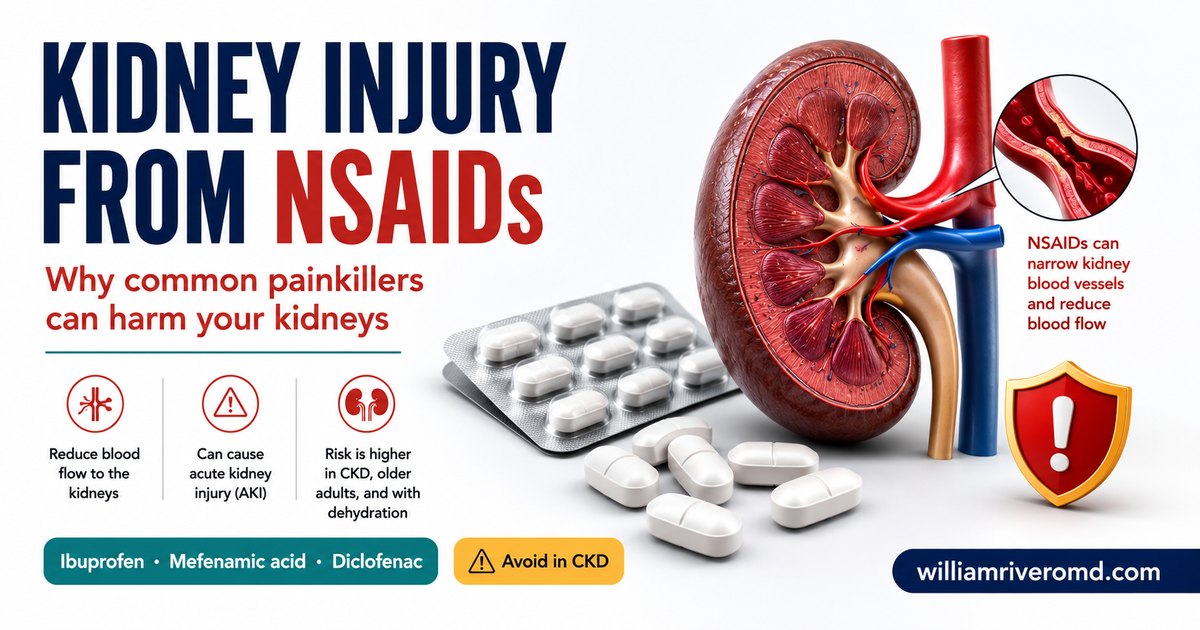 GuideNSAID-Induced Kidney InjuryNSAIDs and kidney injury — why ibuprofen, mefenamic acid (Ponstan), and diclofenac damage kidneys in CKD patients, and safer pain alternatives in the Philippines.
 GuideTop 5 Mistakes CKD Patients MakeThe 5 most common mistakes kidney patients make — stopping medications, ignoring diet, missing labs, using herbal remedies, and skipping nephrologist visits.
- CalculatorCreatinine Clearance — Cockcroft-Gault (drug dosing)Estimate creatinine clearance for drug dosing with the Cockcroft-Gault equation using age, sex, weight, and serum creatinine, with ideal/adjusted body-weight options. With indications, formula, evidence, and references.
References
- U.S. Food and Drug Administration. Naproxen · Zameer Pharmaceuticals LLC [US FDA-approved label, version 1, August 23, 2025]. Via DailyMed/openFDA. https://dailymed.nlm.nih.gov/dailymed/drugInfo.cfm?setid=d2e5553a-7c90-407c-9f07-3be65560c23a
- Food and Drug Administration Philippines. Verification portal (product registrations). https://verification.fda.gov.ph
- PNF Essential Medicines List, 8th ed. (as of November 2, 2022), DOH; https://www.philhealth.gov.ph/partners/providers/pdf/PNF-EML_11022022.pdf
- PhilHealth Circular No. 2026-0018, Expanding Access to Outpatient First-line Anti-TB Drugs through PhilHealth GAMOT, Annex A.i GAMOT List (81 molecules); https://www.philhealth.gov.ph/circulars/2026/PC-2026-0018.pdf
- PhilHealth Circular No. 2026-0018, Annex A.2 GAMOT Fixed Fee Schedule (249 preparations; fees otherwise unchanged from PC2025-0013); https://www.philhealth.gov.ph/circulars/2026/PC-2026-0018.pdf
- DOH Drug Price Reference Index (DPRI) 2021, 9th edition (as of September 17, 2021); https://caro.doh.gov.ph/wp-content/uploads/2021/09/2021DPRI-as-of-9-17-2021.pdf
- Zameer Pharmaceuticals LLC. (2025). NAPROSYN, EC-NAPROSYN, ANAPROX DS (naproxen, naproxen sodium) tablets [Prescribing information; US FDA-approved label, NDA020067, set ID d2e5553a-7c90-407c-9f07-3be65560c23a, version effective August 23, 2025]. DailyMed, U.S. National Library of Medicine. https://dailymed.nlm.nih.gov/dailymed/drugInfo.cfm?setid=d2e5553a-7c90-407c-9f07-3be65560c23a
- Kidney Disease: Improving Global Outcomes (KDIGO) CKD Work Group. (2024). KDIGO 2024 clinical practice guideline for the evaluation and management of chronic kidney disease. Kidney International, 105(4S), S117–S314. https://doi.org/10.1016/j.kint.2023.10.018
renalcarematters.com content: Kidney and pediatric dosing: reviewed by William Gregory M. Rivero, MD, FPCP, DPSN on November 17, 2026. Dosing, interaction, adverse-effect and monitoring summary: reviewed by William Gregory M. Rivero, MD, FPCP, DPSN on November 17, 2026.
Last updated: .