Use: Labeled indications
SmPC 4.1 Therapeutic indications EU SmPC (EMA)
Eucreas is indicated as an adjunct to diet and exercise to improve glycaemic control in adults with type 2 diabetes mellitus:
- in patients who are inadequately controlled with metformin hydrochloride alone.
- in patients who are already being treated with the combination of vildagliptin and metformin hydrochloride, as separate tablets.
- in combination with other medicinal products for the treatment of diabetes, including insulin, when these do not provide adequate glycaemic control (see sections 4.4, 4.5 and 5.1 for available data on different combinations).
Contraindications
- GFR below 30 mL/min
- Acute metabolic acidosis (lactic acidosis, diabetic ketoacidosis); diabetic precoma
- Acute conditions that can alter kidney function: dehydration, severe infection, shock, intravascular iodinated contrast
- Conditions causing tissue hypoxia: heart or respiratory failure, recent myocardial infarction, shock
- Hepatic impairment
- Acute alcohol intoxication, alcoholism
- Breastfeeding
- Hypersensitivity
SmPC 4.3 Contraindications EU SmPC (EMA)
−     Hypersensitivity to the active substances or to any of the excipients listed in section 6.1
−     Any type of acute metabolic acidosis (such as lactic acidosis, diabetic ketoacidosis)
−     Diabetic pre-coma
−     Severe renal failure (GFR < 30 ml/min) (see section 4.4)
−     Acute conditions with the potential to alter renal function, such as:
      -     dehydration,
      -     severe infection,
      -     shock,
      -     intravascular administration of iodinated contrast agents (see section 4.4).
−     Acute or chronic disease which may cause tissue hypoxia, such as:
      -     cardiac or respiratory failure,
      -     recent myocardial infarction,
      -     shock.
−     Hepatic impairment (see sections 4.2, 4.4 and 4.8)
−     Acute alcohol intoxication, alcoholism
−     Breast-feeding (see section 4.6)
Dosing: Adult
- Type 2 diabetes: One tablet (vildagliptin 50 mg with metformin hydrochloride 850 mg or 1,000 mg) twice daily with or just after meals; maximum vildagliptin 100 mg/day
SmPC 4.2 Posology and method of administration EU SmPC (EMA)
Posology
Adults with normal renal function (GFR ≥ 90 ml/min)
The dose of antihyperglycaemic therapy with Eucreas should be individualised on the basis of the patient’s current regimen, effectiveness and tolerability while not exceeding the maximum
recommended daily dose of 100 mg vildagliptin. Eucreas may be initiated at either the 50 mg/850 mg or 50 mg/1000 mg tablet strength twice daily, one tablet in the morning and the other in the evening.
- For patients inadequately controlled at their maximal tolerated dose of metformin monotherapy: The starting dose of Eucreas should provide vildagliptin as 50 mg twice daily (100 mg total daily dose) plus the dose of metformin already being taken.
- For patients switching from co-administration of vildagliptin and metformin as separate tablets: Eucreas should be initiated at the dose of vildagliptin and metformin already being taken.
- For patients inadequately controlled on dual combination with metformin and a sulphonylurea: The doses of Eucreas should provide vildagliptin as 50 mg twice daily (100 mg total daily dose) and a dose of metformin similar to the dose already being taken. When Eucreas is used in combination with a sulphonylurea, a lower dose of the sulphonylurea may be considered to reduce the risk of hypoglycaemia.
- For patients inadequately controlled on dual combination therapy with insulin and the maximal tolerated dose of metformin: The dose of Eucreas should provide vildagliptin dosed as 50 mg twice daily (100 mg total daily dose) and a dose of metformin similar to the dose already being taken.
The safety and efficacy of vildagliptin and metformin as triple oral therapy in combination with a thiazolidinedione have not been established.
Special populations
Elderly (≥ 65 years) As metformin is excreted via the kidney, and elderly patients have a tendency to decreased renal function, elderly patients taking Eucreas should have their renal function monitored regularly (see sections 4.4 and 5.2).
Renal impairment
A GFR should be assessed before initiation of treatment with metformin-containing products and at least annually thereafter. In patients at increased risk of further progression of renal impairment and in the elderly, renal function should be assessed more frequently, e.g. every 3-6 months.
The maximum daily dose of metformin should preferably be divided into 2-3 daily doses. Factors that may increase the risk of lactic acidosis (see section 4.4) should be reviewed before considering initiation of metformin in patients with GFR<60 ml/min.
If no adequate strength of Eucreas is available, individual monocomponents should be used instead of the fixed dose combination.
GFR ml/min     Metformin                                     Vildagliptin
60-89          Maximum daily dose is 3000 mg.                No dose adjustment.
               Dose reduction may be considered in
               relation to declining renal function.
45-59          Maximum daily dose is 2000 mg.                Maximal daily dose is 50 mg.
               The starting dose is at most half of the
               maximum dose.
30-44          Maximum daily dose is 1000 mg.
               The starting dose is at most half of the
               maximum dose.
<30            Metformin is contraindicated.
Hepatic impairment
Eucreas should not be used in patients with hepatic impairment, including those with pre-treatment alanine aminotransferase (ALT) or aspartate aminotransferase (AST) > 3 times the upper limit of normal (ULN) (see sections 4.3, 4.4 and 4.8).
Paediatric population
Eucreas is not recommended for use in children and adolescents (< 18 years). The safety and efficacy of Eucreas in children and adolescents (< 18 years) have not been established. No data are available.
Method of administration
Oral use. Taking Eucreas with or just after food may reduce gastrointestinal symptoms associated with metformin (see also section 5.2).
Dosing: Altered kidney function
Both components depend on the kidneys: metformin is excreted unchanged and accumulates (lactic acidosis risk), and vildagliptin exposure rises. The European label caps metformin at 2,000 mg/day at glomerular filtration rate (GFR) 45–59 and 1,000 mg/day at GFR 30–44, with vildagliptin 50 mg/day in both bands, and contraindicates the combination below GFR 30 mL/min. It has no US FDA label.
Kidney function measure: European summary of product characteristics (SmPC) uses glomerular filtration rate (GFR, mL/min); bands shown as eGFR.
Show full dosing details
- eGFR ≥60
- GFR ≥90: usual dose, one tablet (50/850 or 50/1000 mg) twice daily with meals; vildagliptin maximum 100 mg/day. GFR 60–89: metformin maximum 3,000 mg/day, consider reduction as function declines; no vildagliptin change (SmPC).
- eGFR 30–59
- GFR 45–59: metformin maximum 2,000 mg/day (start at no more than half the maximum); vildagliptin 50 mg/day. GFR 30–44: metformin maximum 1,000 mg/day (start at no more than half); vildagliptin 50 mg/day. Because vildagliptin is capped at 50 mg/day, use one tablet daily or the single agents (SmPC). Note: the combination tablet caps vildagliptin at GFR <60 per its own table (Eucreas), whereas Galvus alone changes at CrCl <50.
- eGFR 15–29
- GFR <30: contraindicated (SmPC). Use the single agents (vildagliptin 50 mg once daily) instead.
- eGFR <15 (not on dialysis)
- Contraindicated (GFR <30; SmPC).
- Hemodialysis (intermittent)
- Contraindicated (metformin; GFR <30). Vildagliptin alone may be used at 50 mg once daily (see vildagliptin).
- Peritoneal dialysis
- Contraindicated (metformin; GFR <30).
- CRRT
- Not appropriate: contraindicated in severe kidney impairment and acute conditions that may alter kidney function (SmPC).
- Dialyzable? Metformin: yes, hemodialysis is the most effective way to remove it in overdose. Vildagliptin: not removed meaningfully; its main inactive metabolite is (SmPC 4.9).
- Monitoring GFR before starting and at least yearly; every 3 to 6 months in older adults and those at risk of progression. Stop before or at the time of iodinated contrast. Stop at the time of surgery under general, spinal or epidural anesthesia; restart no earlier than 48 hours after surgery or after oral intake resumes, once kidney function is stable. Hold on sick days (vomiting, diarrhea, dehydration). Liver function tests at baseline, every 3 months in year 1, then periodically (SmPC 4.4).
Children (kidney dosing)
- eGFR ≥60
- Not established in children; kidney dosing not applicable.
- eGFR 30–59
- Not established in children; kidney dosing not applicable.
- eGFR 15–29
- Not established in children; kidney dosing not applicable.
- eGFR <15 (not on dialysis)
- Not established in children; kidney dosing not applicable.
- Hemodialysis (intermittent)
- Not established in children; kidney dosing not applicable.
- Peritoneal dialysis
- Not established in children; kidney dosing not applicable.
- CRRT
- Not established in children; kidney dosing not applicable.
Pediatric eGFR: bedside Schwartz equation, 0.413 × height (cm) / serum creatinine (mg/dL). Weight-based doses should not exceed the adult maximum.
renalcarematters.com guidance, reviewed by William Gregory M. Rivero, MD, FPCP, DPSN on November 17, 2026. Sources are listed under References. Use with the product's package insert and the patient's current kidney function.
Source: EMA product information. This generic has no US FDA label.
EU SmPC text: renal impairment EU SmPC (EMA)
The dose of antihyperglycaemic therapy with Eucreas should be individualised on the basis of the patient’s current regimen, effectiveness and tolerability while not exceeding the maximum
recommended daily dose of 100 mg vildagliptin. Eucreas may be initiated at either the 50 mg/850 mg or 50 mg/1000 mg tablet strength twice daily, one tablet in the morning and the other in the evening.
- For patients inadequately controlled at their maximal tolerated dose of metformin monotherapy: The starting dose of Eucreas should provide vildagliptin as 50 mg twice daily (100 mg total daily dose) plus the dose of metformin already being taken.
- For patients switching from co-administration of vildagliptin and metformin as separate tablets: Eucreas should be initiated at the dose of vildagliptin and metformin already being taken.
- For patients inadequately controlled on dual combination with metformin and a sulphonylurea: The doses of Eucreas should provide vildagliptin as 50 mg twice daily (100 mg total daily dose) and a dose of metformin similar to the dose already being taken. When Eucreas is used in combination with a sulphonylurea, a lower dose of the sulphonylurea may be considered to reduce the risk of hypoglycaemia.
- For patients inadequately controlled on dual combination therapy with insulin and the maximal tolerated dose of metformin: The dose of Eucreas should provide vildagliptin dosed as 50 mg twice daily (100 mg total daily dose) and a dose of metformin similar to the dose already being taken.
The safety and efficacy of vildagliptin and metformin as triple oral therapy in combination with a thiazolidinedione have not been established.
A GFR should be assessed before initiation of treatment with metformin-containing products and at least annually thereafter. In patients at increased risk of further progression of renal impairment and in the elderly, renal function should be assessed more frequently, e.g. every 3-6 months.
The maximum daily dose of metformin should preferably be divided into 2-3 daily doses. Factors that may increase the risk of lactic acidosis (see section 4.4) should be reviewed before considering initiation of metformin in patients with GFR<60 ml/min.
If no adequate strength of Eucreas is available, individual monocomponents should be used instead of the fixed dose combination.
GFR ml/min     Metformin                                     Vildagliptin
60-89          Maximum daily dose is 3000 mg.                No dose adjustment.
               Dose reduction may be considered in
               relation to declining renal function.
45-59          Maximum daily dose is 2000 mg.                Maximal daily dose is 50 mg.
               The starting dose is at most half of the
               maximum dose.
30-44          Maximum daily dose is 1000 mg.
               The starting dose is at most half of the
               maximum dose.
<30 Metformin is contraindicated.Renal impairment: In subjects with mild, moderate, or severe renal impairment, systemic exposure to vildagliptin was increased (Cmax 8-66%; AUC 32-134%) and total body clearance was reduced compared to subjects with normal renal function.
Metformin is eliminated by renal excretion. Renal clearance of metformin is > 400 ml/min, indicating that metformin is eliminated by glomerular filtration and tubular secretion. Following an oral dose, the apparent terminal elimination half-life is approximately 6.5 h. When renal function is impaired, renal
Dosing: Hepatic impairment
Hepatic impairment (SmPC 4.2) EU SmPC (EMA)
Hepatic impairment
Eucreas should not be used in patients with hepatic impairment, including those with pre-treatment alanine aminotransferase (ALT) or aspartate aminotransferase (AST) > 3 times the upper limit of normal (ULN) (see sections 4.3, 4.4 and 4.8).
Dosing: Pediatric
- Approved ages
- Not recommended under 18 years (SmPC).
- Usual dose
- Not established.
Kidney dosing in children: see Dosing: Altered kidney function.
renalcarematters.com, reviewedPediatric population (SmPC 4.2) EU SmPC (EMA)
Paediatric population
Eucreas is not recommended for use in children and adolescents (< 18 years). The safety and efficacy of Eucreas in children and adolescents (< 18 years) have not been established. No data are available.
Dosage forms
Philippines
- Film-coated tablet: 50 mg + 500 mg, 50 mg/1 g, 50 mg/500 mg, 50 mg/800 mg, 50 mg/850 mg
- Tablet: 50 mg/850 mg
Registered products in the Philippines
63 products registered with the Food and Drug Administration (FDA) Philippines list Metformin + Vildagliptin as the generic name (including products registered under a variant spelling). Registration status changes; confirm a product's current status on the FDA portal before relying on it.
Also registered under: Vildagliptin + Metformin HC1 (1 product) · Vildagliptin Metformin Hydrochloride (1 product). Products registered under these spellings are included in the table and marked.
All registered products63
| Package insert | |||||||
|---|---|---|---|---|---|---|---|
Akuvilda-M 1000Vildagliptin + Metformin Hydrochloride | 50 mg/ 1 g Film-Coated TabletAlu/Alu Blister pack x 10 Box of 20’s | RxVAT-exempt | Akums Drugs & Pharmaceuticals LtdIndia | 2MG Incorporated | DRP-18092 | May 5, 2031 | |
Akuvilda-M 500Vildagliptin + Metformin Hydrochloride | 50 mg/ 500 mg Film Coated TabletAlu- Alu Blister Pack in 2 x 10's. Box of 20's. | RxVAT-exempt | Akums Drugs & Pharmaceuticals Ltd.India | 2MG Incorporated | DRP-18539 | Jul 27, 2031 | |
Akuvilda-M 850Vildagliptin + Metformin Hydrochloride | 50 mg / 800 mg Film Coated TabletAlu- Alu Blister Pack in 2 x 10's. Box of 20's. | RxVAT-exempt | Akums Drugs & Pharmaceuticals Ltd.India | 2MG Incorporated | DRP-18538 | Jul 27, 2031 | |
Alvida-MVildagliptin + Metformin Hydrochloride | 50 mg/500 mg Film-Coated TabletAlu/Alu Blister Pack x 10's (Box of 30's) | RxVAT-exempt | Intas Pharmaceuticals Limited.India | Metro Drug, Inc.Trader: Lotus International Pte. Limited (Lotus SG) | DRP-15432 | Jul 9, 2029 | |
Blildamet 1000Vildagliptin + Metformin Hydrochloride | 50 mg/1 g Film-Coated TabletAlu/Alu Blister Pack x 10's (Box of 30's) | RxVAT-exempt | Lee Pharma LimitedIndia | Bliss Pharma Distribution and Consultancy Corp. | DRP-17150 | Oct 7, 2030 | |
Blildamet 500Vildagliptin + Metformin Hydrochloride | 50 mg/500 mg Film-Coated TabletAlu/Alu Blister Pack x 10's (Box of 30's) | RxVAT-exempt | Lee Pharma LimitedIndia | Bliss Pharma Distribution and Consultancy Corp. | DRP-17152 | Oct 7, 2030 | |
Blildamet 850Vildagliptin + Metformin Hydrochloride | 50 mg/850 mg Film-Coated TabletAlu/Alu Blister Pack x 10's (Box of 30's) | RxVAT-exempt | Lee Pharma LimitedIndia | Bliss Pharma Distribution and Consultancy Corp. | DRP-17151 | Oct 7, 2030 | |
DiglucothixVildagliptin + Metformin HCl | 50 mg/850 mg TabletAlu/Alu Blister Pack x 10's (Box of 30's) | RxVAT-exempt | Novagen Healthcare Private LimitedIndia | Medethix, Inc. | DRP-15291 | Jun 10, 2031 | |
DIPP-4 PlusVildagliptin + Metformin Hydrochloride. | 50 mg/ 850 mg Film-Coated TabletAlu/Alu Blister Pack x 10's (Box of 30's) | RxVAT-exempt | Bafna Pharmaceuticals LimitedIndia | Medethix, Inc. | DRP-15077 | Apr 17, 2029 | |
DIPP-4 PlusVildagliptin + Metformin HCl | 50 mg/1 g Film-coated TabletAlu/Alu Blister Pack x 10's (Box of 30's) | RxVAT-exempt | BAFNA Pharmaceuticals Limited.India | Medethix, Inc. | DRP-15893 | Sep 26, 2029 | |
DIPP-4 PlusVildagliptin + Metformin HCl | 50 mg/500 mg Film-coated TabletAlu/Alu Blister Pack x 10's (Box of 30's) | RxVAT-exempt | Bafna Pharmaceuticals LimitedIndia | Medethix, Inc.Importer: I.E. Medica, Inc. | DRP-15672 | Aug 19, 2031 | |
GalvusmetVildagliptin + Metformin Hydrochloride | 50 mg/ 1 g Film-Coated TabletAlu/Alu Blister Pack x 10's (Box of 30's). | RxVAT-exempt | Novartis Saglik, Gida Ve Tarim Urunleri San. Ve Tic. A.S.Turkey | Importer: Novartis Healthcare Philippines, Inc., | DRP-4797 | Jan 17, 2029 | |
GalvusmetVildagliptin + Metformin Hydrochloride | 50 mg/500 mg Film-Coated TabletAlu/Alu Blister Pack x 10's (Box of 30's) Store at temperatures not exceeding 30°C. FDA. Alu/Alu Blister Pack x 10's [as Physician's sample] (Box of 10's) | RxVAT-exempt | Novartis Saglik, Gida Ve Tarim Urunleri San. Ve Tic. A.S.Turkey | Importer: Novartis Healthcare Philippines, Inc., | DRP-4893 | Jan 17, 2029 | |
GalvusmetVildagliptin + Metformin Hydrochloride | 50mg/ 850mg Film-Coated TabletAlu/Alu Blister Pack x 10's (Box of 30's). | RxVAT-exempt | Novartis Saglik, Gida Ve Tarim Urunleri San. Ve Tic. A.S.Turkey | Importer: Novartis Healthcare Philippines, Inc., | DRP-4795 | Jan 17, 2029 | |
Gilda MetVildagliptin + Metformin HCl | 50 mg/ 500 mg Film-Coated TabletAlu/Alu Blister Pack x 10's (Box 30's) | RxVAT-exempt | Lloyd Laboratories, Inc.Philippines | Trader: Aldril Pharmaceuticals, Inc. | DRP-18273 | Jun 4, 2031 | |
GILDA METVildagliptin + Metformin hydrochloride | 50 mg/500 mg Film-Coated TabletAlu/Alu Blister Pack x 10's (Box of 30's) | RxVAT-exempt | Saludcare (India) LimitedIndia | Aldril Pharmaceuticals, Inc.Importer: Medinova Pharmaceutical Inc. | DRP-16936-01 | Aug 28, 2030 | |
GluconovaVildagliptin + Metformin hydrochloride | 50 mg/500 mg Film-Coated TabletAlu/Alu Blister Pack x 10's (Box of 30's and 100's) | RxVAT-exempt | Saludcare (I) Pvt. Ltd.India | Medinova Pharmaceutical, Inc. | DRP-16936 | Aug 28, 2030 | |
Gluvimet 1000Vildagliptin + Metformin Hydrochloride | 50mg/1g Film Coated TabletAlu/Alu Blister Pack X 10’s (box of 30’S, 60's and 100,s) | RxVAT-exempt | Lee Pharma LimitedIndia | Epione Lifecare Inc.Importer: Despina Pharma Inc. | DRP-17204-01 | Oct 24, 2030 | |
Gluvimet 500Vildagliptin + Metformin Hydrochloride | 50 mg/500 mg Film Coated TabletAlu/Alu Blister Pack X 10’s (Box of 30’s, 60’s, and 100’s) | RxVAT-exempt | Lee Pharma LimitedIndia | Epione Lifecare Inc.Importer: Despina Pharma Inc. | DRP-17301-01 | Nov 12, 2030 | |
Gluvimet 850Vildagliptin + Metformin Hydrochloride | 50 mg / 850 mg Film Coated TabletAlu/Alu Blister Pack X 10’s (Box of 30's, 60's and 100's) | RxVAT-exempt | Lee Pharma LimitedIndia | Epione Lifecare Inc.Importer: Despina Pharma Inc. | DRP-17254-01 | Oct 24, 2030 | |
GLYCOVILD 50/500Vildagliptin + Metformin hydrochloride | 50 mg/500 mg Film-Coated TabletAlu/Alu Blister Pack x 10's (Box of 30's and 100's) | RxVAT-exempt | Salud Care (India) LimitedIndia | GA2 Pharmaceutical IncImporter: Medinova Pharmaceutical Inc. | DRP-16936-02 | Aug 28, 2030 | |
MetvidalVildagliptin + Metformin Hydrochloride | 50 mg/ 850 mg Film-Coated TabletAlu/Alu Blister Pack x 10's (Box of 30's) | RxVAT-exempt | Ravenbhel Healthcare Private LimitedIndia | Ambica International Corporation | DRP-15658 | Aug 15, 2029 | |
MetvidalVildagliptin + Metformin Hydrochloride | 50 mg/1 g Film-Coated TabletAlu/Alu Blister Pack x 10's (Box of 30's) | RxVAT-exempt | Ravenbhel Healthcare Private LimitedIndia | Ambica International Corporation | DRP-15659 | Aug 15, 2029 | |
NoneVildagliptin + Metformin hydrochloride | 50 mg /850 mg Film-Coated TabletAlu/Alu Blister Pack x 10's (Box of 30's) | RxVAT-exempt | Bafna Pharmaceuticals LimitedIndia | Medethix, Inc. | DRP-15091 | Apr 22, 2031 | |
NoneVildagliptin + Metformin Hydrochloride | 50 mg/ 1g Film-Coated TabletAlu / Alu Blister Pack x 10’s (Box of 30’s) | RxVAT-exempt | Sun Pharmaceutical Industries LimitedIndia | Ritemed Phils., Inc.Importer: Sun Pharma Philippines, Inc. | DRP-15476-01 | Jul 12, 2029 | |
NoneVildagliptin + Metformin Hydrochloride | 50 mg/ 500 mg Film-Coated TabletAlu/Alu Blister Pack x 10's (Box of 30's) | RxVAT-exempt | Stallion Laboratories Pvt. Ltd.India | Ambicare Pharmaceuticals Inc.Importer: Ambica International Corporation | DRP-13355-01 | Feb 2, 2028 | |
NoneVildagliptin + Metformin Hydrochloride | 50 mg/ 500 mg Film-Coated TabletAlu/Alu Blister Pack x 10’s (Box of 30’s) | RxVAT-exempt | Sun Pharmaceutical Industries LimitedIndia | Ritemed Phils., Inc.Importer: Sun Pharma Philippines, Inc. | DRP-15474-01 | Jul 12, 2029 | |
NoneVildagliptin + Metformin Hydrochloride | 50 mg/ 850 mg Film-Coated TabletAlu / Alu Blister Pack x 10's (Box of 30’s) | RxVAT-exempt | Sun Pharmaceutical Industries LimitedIndia | Ritemed Phils., Inc.Importer: Sun Pharma Philippines, Inc. | DRP-15475-01 | Jul 12, 2029 | |
NoneVildagliptin + Metformin Hydrochloride | 50 mg/1 g Film-Coated TabletAlu/Alu Blister Pack x 10's (Box of 30's) | RxVAT-exempt | Stallion Laboratories Pvt. Ltd.India | Ambicare Pharmaceuticals Inc.Importer: Ambica International Corporation | DRP-13356-01 | Feb 2, 2028 | |
NoneVildagliptin + Metformin Hydrochloride | 50 mg/500 mg Film-Coated TabletAlu/Alu Blister Pack X 10’s (Box of 30’s) | RxVAT-exempt | East African (India) OverseasIndia | Actimed, Inc.Importer: Ambica International Corporation | DRP-15478-01 | Jul 12, 2029 | |
NoneVildagliptin + Metformin HCl | 50 mg/500 mg Film-Coated TabletAlu/Alu Blister Pack x 10's (Box of 30's) | RxVAT-exempt | BAFNA Pharmaceuticals LimitedIndia | MedEthix, Inc. | DRP-15671 | Aug 22, 2031 | |
NoneVildagliptin + Metformin HCl | 50 mg/850 mg TabletAlu/Alu Blister Pack x 10's (Box of 30's) | RxVAT-exempt | Novagen Healthcare Private LimitedIndia | Medethix, Inc. | DRP-15247 | May 31, 2031 | |
Proglin MetVildagliptin + Metformin Hydrochloride | 50 mg/ 1 g Film-Coated TabletAlu/Alu Blister Pack x 10's (Box of 30's). | RxVAT-exempt | Novartis Saglik, Gida Ve Tarim Urunleri San. Ve Tic. A.S.Turkey | Unilab, IncImporter: Novartis Healthcare Philippines, Inc., | DRP-4797-01 | Jan 17, 2029 | |
Proglin MetVildagliptin + Metformin Hydrochloride | 50 mg/500 mg Film-Coated TabletAlu/Alu Blister Pack x 10's (Box of 30's). | RxVAT-exempt | Novartis Saglik, Gida Ve Tarim Urunleri San. Ve Tic. A.S.Turkey | Unilab, IncImporter: Novartis Healthcare Philippines, Inc., | DRP-4893-01 | Jan 17, 2029 | |
Proglin MetVildagliptin + Metformin Hydrochloride | 50mg/ 850mg Film-Coated TabletAlu/Alu Blister Pack x 10's (Box of 30's). | RxVAT-exempt | Novartis Saglik, Gida Ve Tarim Urunleri San. Ve Tic. A.S.Turkey | Unilab, Inc.Importer: Novartis Healthcare Philippines, Inc., | DRP-4795-01 | Jan 17, 2029 | |
Sunvilda-M 50/1000Vildagliptin + Metformin Hydrochloride | 50 mg/1 g Film-Coated TabletAlu/Alu Blister Pack x 10's (Box of 30's) | RxVAT-exempt | Sun Pharmaceutical Industries LimitedIndia | Sun Pharma Philippines, Inc. | DRP-15476 | Jul 12, 2029 | |
Sunvilda-M 50/500Vildagliptin + Metformin Hydrochloride | 50 mg/ 500 mg Film-Coated TabletAlu/Alu Blister Pack x 10's | RxVAT-exempt | Sun Pharmaceutical Industries LimitedIndia | Sun Pharma Philippines, Inc. | DRP-15474 | Jul 12, 2029 | |
Sunvilda-M 50/850Vildagliptin + Metformin Hydrochloride | 50 mg/ 850 mg Film-Coated TabletAlu/Alu Blister Pack x 10's (Box of 30's) | RxVAT-exempt | Sun Pharmaceutical Industries LimitedIndia | Sun Pharma Philippines, Inc. | DRP-15475 | Jul 12, 2029 | |
Torvilda-M 1000Vildagliptin + Metformin Hydrochloride | 50 mg/ 1 g Film-Coated TabletAlu/Alu Blister Pack x 10's (Box of 30's) | RxVAT-exempt | Ravenbhel Healthcare Private LimitedIndia | Torrent Pharma Philippines, Inc.Importer: Ambica International Corporation | DRP-15659-01 | Aug 15, 2029 | |
Torvilda-M 500Vildagliptin + Metformin Hydrochloride | 50 mg/ 500 mg Film-Coated TabletAlu/Alu Blister Pack x 10's (Box of 30's) | RxVAT-exempt | East African (India) OverseasIndia | Torrent Pharma Philippines, Inc.Importer: Ambica International Corporation | DRP-15478-02 | Jul 12, 2029 | |
VildaglioVildagliptin + Metformin Hydrochloride | 50 mg/ 500 mg Film-Coated TabletAlu/Alu Blister Pack x 10's (Box of 30's) | RxVAT-exempt | Stallion Laboratories Pvt. Ltd.India | Ambicare Pharmaceuticals Inc.Importer: Ambica International Corporation | DRP-13355-03 | Feb 2, 2028 | |
Vildalion- M 550Vildagliptin + Metformin Hydrochloride | 50 mg/ 500 mg Film-Coated TabletAlu/Alu Blister Pack x 10's (Box of 30's) | RxVAT-exempt | Stallion Laboratories Pvt. Ltd.India | Ambica International Corporation | DRP-13355 | Feb 2, 2028 | |
Vildalion-M 1050Vildagliptin + Metformin Hydrochloride | 50 mg/1 g Film-Coated TabletAlu/Alu Blister Pack x 10's (Box of 30's) | RxVAT-exempt | Stallion Laboratories Pvt. Ltd.India | Ambica International Corporation.Importer: Ambica International Corporation | DRP-13356 | Feb 2, 2028 | |
Vildalion-M 900Vildagliptin + Metformin Hydrochloride | 50 mg/850 mg Film-Coated TabletAlu/Alu Blister Pack x 10's (Box of 30's) | RxVAT-exempt | Stallion Laboratories Pvt. Ltd.India | Ambica International Corporation.Importer: Ambica International Corporation | DRP-13357 | Feb 2, 2028 | |
VildalunaVildagliptin + Metformin Hydrochloride | 50 mg/ 1 g Film-Coated TabletAlu/Alu Blister Pack x 10's (Box of 30's) | RxVAT-exempt | Stallion Laboratories Pvt. Ltd.India | TGP Pharma Inc.Importer: Ambica International Corporation | DRP-13356-02 | Feb 2, 2028 | |
VildalunaVildagliptin + Metformin Hydrochloride | 50 mg/ 500 mg Film-Coated TabletAlu/ Alu Blister Pack x 10's (Box of 30's) | RxVAT-exempt | Stallion Laboratories Pvt. Ltd.India | TGP Pharma Inc.Importer: Ambica International Corporation | DRP-13355-02 | Feb 2, 2028 | |
VildametVildagliptin + Metformin Hydrochloride | 50 mg + 500 mg Film-Coated TabletAlu/Alu Blister Pack x 10's (Box of 30's) | RxVAT-exempt | Medisure Laboratories Pakistan (Pvt.) LtdPakistan | Euroasia Pharmaceuticals, Inc | DRP-14204 | Jul 21, 2028 | |
Vildametsaph-GE900Vildagliptin + Metformin Hydrochloride | 50mg/850mg Film-Coated TabletAlu/Alu Blister Pack Of 10's (Box of 30's & 100's) | RxVAT-exempt | Genom Biotech Pvt. Ltd.India | Nelpa Lifesciences, Inc. | DRP-18719 | Aug 26, 2031 | |
50 mg/ 500 mg Film-Coated TabletAlu/Alu Blister Pack x 10's (Box of 30's) | Rx | East African (India) OverseasIndia | Ambica International Corporation | DRP-15478 | Jul 12, 2029 | ||
Vildaxil-PlusVildagliptin + Metformin Hydrochloride. | 50 mg/ 500 mg Film-Coated TabletAlu/Alu Blister Pack x 10's (Box of 30's) | RxVAT-exempt | Globela Pharma Private LimitedIndia | AMB HK Enterprises Inc. | DRP-14539 | Oct 13, 2028 | |
VildometVildagliptin + Metformin Hydrochloride | 50 mg/ 500 mg Film Coated TabletAlu-Alu Blister Pack x 10's (Box of 30's) | RxVAT-exempt | Baroque Pharmaceuticals Pvt. Ltd.India | AMB HK Enterprises, Inc. | DRP-18628 | Aug 12, 2031 | |
VildophilVildagliptin + Metformin Hydrochloride | 50 mg/ 850 mg Film Coated TabletsAlu/Alu Blister Pack x 10’s (Box of 30’s) | RxVAT-exempt | Ratnatris Pharmaceuticals Pvt. Ltd.India | AMB HK Enterprises Inc. | DRP-18585 | Aug 4, 2031 | |
VilmeGetVildagliptin + Metformin Hydrochloride | 50 mg / 500 mg Film-Coated TabletAlu/Alu Blister Pack x 10's (Box of 20's) | RxVAT-exempt | Akums Drugs & Pharmaceuticals Ltd.India | Getmeds Philippines Inc.Importer: 2MG Incorporated | DRP-18539-01 | Jul 27, 2031 | |
VilmetlifeVildagliptin + Metformin Hydrochloride | 50mg/1g Film-Coated TabletAlu/Alu Blister Pack x 10's (Box of 30's and 100's) | RxVAT-exempt | Innovative HealthcareIndia | Biophil Medical Equipment and Supplies Trading | DRP-17838 | Mar 18, 2031 | |
VilmetlifeVildagliptin + Metformin Hydrochloride | 50mg/500 mg Film-Coated TabletAlu/Alu Blister Pack x 10's (Box of 30's and 100's) | RxVAT-exempt | Innovative HealthcareIndia | Biophil Medical Equipment and Supplies Trading | DRP-17839 | Mar 18, 2031 | |
VilometVildagliptin + Metformin Hydrochloride | 50 mg/1 g Film-Coated TabletAlu-Alu Blister Pack x 10's (Box of 30's) | RxVAT-exempt | Exemed PharmaceuticalsIndia | AMB HK Enterprises Inc. | DRP-16099 | Oct 31, 2029 | |
Vilomet 500Vildagliptin+ Metformin Hydrochloride | 50 mg/500 mg Film-Coated TabletAlu-Alu Blister Pack x 10's (Box of 30's) | RxVAT-exempt | Exemed PharmaceuticalsIndia | AMB HK Enterprises Inc. | DRP-16102 | Oct 31, 2029 | |
Vilomet 850Vildagliptin + Metformin Hydrochloride | 50 mg/850 mg Film-Coated TabletAlu-Alu Blister Pack x 10's (Box of 30's) | RxVAT-exempt | Exemed PharmaceuticalsIndia | AMB HK Enterprises Inc. | DRP-16100 | Oct 31, 2029 | |
50 mg/1 g Film-coated TabletAlu/Alu Blister Pack x 10's (Box of 30's) | Rx | BAFNA Pharmaceuticals LimitedIndia | Medethix, Inc. | DRP-15897 | Sep 26, 2029 | ||
(no brand name)Vildagliptin + Metformin Hydrochloride | 50 mg/1 g Film-Coated TabletAlu/Alu Blister Pack x 10's (Box of 30's) | RxVAT-exempt | Lloyd Laboratories, Inc.Philippines | — | DRP-18031 | Apr 23, 2031 | |
(no brand name)Vildagliptin + Metformin hydrochloride | 50 mg/1g Film Coated TabletAlu/Alu Blister Pack x 10's (Box of 30's) | RxVAT-exempt | Lee Pharma LimitedIndia | Despina Pharma Inc. | DRP-17204 | Oct 24, 2030 | |
(no brand name)Vildagliptin + Metformin hydrochloride | 50 mg/500 mg Film Coated TabletAlu/Alu Blister Pack x 10's (Box of 30's) | RxVAT-exempt | Lee Pharma LimitedIndia | Despina Pharma Inc. | DRP-17301 | Nov 12, 2030 | |
(no brand name)Vildagliptin + Metformin hydrochloride | 50 mg/850 mg Film-Coated TabletAlu/Alu Blister Pack x 10's (Box of 30's) | RxVAT-exempt | Lee Pharma LimitedIndia | Despina Pharma Inc. | DRP-17254 | Oct 24, 2030 |
Source: FDA Philippines product registration database. "Valid until" is the registration validity date listed by the FDA; a past date may mean a renewal is pending. Package insert links point to files published by the FDA.
Warnings/Precautions
SmPC 4.4 Special warnings and precautions for use EU SmPC (EMA)
General
Eucreas is not a substitute for insulin in insulin-requiring patients and should not be used in patients with type 1 diabetes.
Lactic acidosis
Lactic acidosis, a very rare but serious metabolic complication, most often occurs at acute worsening of renal function, or cardiorespiratory illness or sepsis. Metformin accumulation occurs at acute worsening of renal function and increases the risk of lactic acidosis.
In case of dehydration (severe diarrhoea or vomiting, fever or reduced fluid intake), metformin should be temporarily discontinued and contact with a health care professional is recommended.
Medicinal products that can acutely impair renal function (such as antihypertensives, diuretics and NSAIDs) should be initiated with caution in metformin-treated patients. Other risk factors for lactic acidosis are excessive alcohol intake, hepatic insufficiency, inadequately controlled diabetes, ketosis, prolonged fasting and any conditions associated with hypoxia, as well as concomitant use of medicinal products that may cause lactic acidosis (see sections 4.3 and 4.5).
Patients and/or care-givers should be informed of the risk of lactic acidosis. Lactic acidosis is characterised by acidotic dyspnoea, abdominal pain, muscle cramps, asthenia and hypothermia followed by coma. In case of suspected symptoms, the patient should stop taking metformin and seek immediate medical attention. Diagnostic laboratory findings are decreased blood pH (< 7.35), increased plasma lactate levels (> 5 mmol/l) and an increased anion gap and lactate/pyruvate ratio.
Administration of iodinated contrast agents
Intravascular administration of iodinated contrast agents may lead to contrast-induced nephropathy, resulting in metformin accumulation and increased risk of lactic acidosis. Metformin should be discontinued prior to or at the time of the imaging procedure and not restarted until at least 48 hours after, provided that renal function has been re-evaluated and found to be stable (see sections 4.2 and 4.5).
Patients with known or suspected mitochondrial diseases
In patients with known mitochondrial diseases such as Mitochondrial Encephalopathy with Lactic Acidosis, and Stroke-like episodes (MELAS) syndrome and Maternal inherited diabetes and deafness (MIDD), metformin is not recommended due to the risk of lactic acidosis exacerbation and neurologic complications which may lead to worsening of the disease.
In case of signs and symptoms suggestive of MELAS syndrome or MIDD after the intake of metformin, treatment with metformin should be withdrawn immediately and prompt diagnostic evaluation should be performed.
Renal function
GFR should be assessed before treatment initiation and regularly thereafter (see section 4.2). Metformin is contraindicated in patients with GFR < 30 ml/min and should be temporarily discontinued in the presence of conditions that alter renal function (see section 4.3).
Concomitant medicinal products that may affect renal function, result in significant haemodynamic change, or inhibit renal transport and increase metformin systemic exposure, should be used with caution (see section 4.5).
Hepatic impairment
Patients with hepatic impairment, including those with pre-treatment ALT or AST > 3x ULN, should not be treated with Eucreas (see sections 4.2, 4.3 and 4.8).
Liver enzyme monitoring
Rare cases of hepatic dysfunction (including hepatitis) have been reported with vildagliptin. In these cases, the patients were generally asymptomatic without clinical sequelae and liver function tests (LFTs) returned to normal after discontinuation of treatment. LFTs should be performed prior to the initiation of treatment with Eucreas in order to know the patient’s baseline value. Liver function should be monitored during treatment with Eucreas at three-month intervals during the first year and periodically thereafter. Patients who develop increased transaminase levels should be monitored with a second liver function evaluation to confirm the finding and be followed thereafter with frequent LFTs until the abnormality(ies) return(s) to normal. Should an increase in AST or in ALT of 3x ULN or greater persist, withdrawal of Eucreas therapy is recommended. Patients who develop jaundice or other signs suggestive of liver dysfunction should discontinue Eucreas.
Following withdrawal of treatment with Eucreas and LFT normalisation, treatment with Eucreas should not be re-initiated.
Skin disorders
Skin lesions, including blistering and ulceration have been reported with vildagliptin in extremities of monkeys in non-clinical toxicology studies (see section 5.3). Although skin lesions were not observed at an increased incidence in clinical trials, there was limited experience in patients with diabetic skin complications. Furthermore, there have been post-marketing reports of bullous and exfoliative skin lesions. Therefore, in keeping with routine care of the diabetic patient, monitoring for skin disorders, such as blistering or ulceration, is recommended.
Acute pancreatitis
Use of vildagliptin has been associated with a risk of developing acute pancreatitis. Patients should be informed of the characteristic symptom of acute pancreatitis.
If pancreatitis is suspected, vildagliptin should be discontinued; if acute pancreatitis is confirmed, vildagliptin should not be restarted. Caution should be exercised in patients with a history of acute pancreatitis.
Hypoglycaemia
Sulphonylureas are known to cause hypoglycaemia. Patients receiving vildagliptin in combination with a sulphonylurea may be at risk for hypoglycaemia. Therefore, a lower dose of sulphonylurea may be considered to reduce the risk of hypoglycaemia.
Surgery
Metformin must be discontinued at the time of surgery under general, spinal or epidural anaesthesia. Therapy may be restarted no earlier than 48 hours following surgery or resumption of oral nutrition and provided that renal function has been re-evaluated and found to be stable.
Drug interactions
| Drug or class | Severity | Effect | What to do |
|---|---|---|---|
| Iodinated contrast | Adjust or monitor | Contrast-related kidney injury can cause metformin accumulation and lactic acidosis. | Stop before or at the time of imaging; restart after 48 hours once kidney function is stable. |
| Alcohol | Avoid | Raises lactic acidosis risk, especially when intoxicated. | Avoid alcohol. |
| NSAIDs, ACE inhibitors, ARBs, diuretics (especially loop diuretics) | Adjust or monitor | May impair kidney function and raise lactic acidosis risk. | Use with caution; monitor kidney function closely. |
| OCT2/MATE inhibitors (ranolazine, vandetanib, dolutegravir, cimetidine) | Adjust or monitor | Higher metformin exposure. | Weigh benefit and risk; monitor. |
| ACE inhibitors (vildagliptin) | Adjust or monitor | Higher risk of angioedema. | Monitor. |
| Glucocorticoids, beta-2 agonists, thiazides | Minor | Raise blood glucose. | Monitor glucose; adjust doses. |
Severity scale (renalcarematters.com): Avoid: do not combine; Adjust or monitor: change the dose or monitor closely; Minor: usually no action.
renalcarematters.com, reviewedSmPC 4.5 Interaction with other medicinal products and other forms of interaction EU SmPC (EMA)
There have been no formal interaction studies for Eucreas. The following statements reflect the information available on the individual active substances.
Vildagliptin
Vildagliptin has a low potential for interactions with co-administered medicinal products. Since vildagliptin is not a cytochrome P (CYP) 450 enzyme substrate and does not inhibit or induce CYP 450 enzymes, it is not likely to interact with active substances that are substrates, inhibitors or inducers of these enzymes.
Results from clinical trials conducted with the oral antidiabetics pioglitazone, metformin and glyburide in combination with vildagliptin have shown no clinically relevant pharmacokinetic interactions in the target population.
Drug-drug interaction studies with digoxin (P-glycoprotein substrate) and warfarin (CYP2C9 substrate) in healthy subjects have shown no clinically relevant pharmacokinetic interactions after co-administration with vildagliptin.
Drug-drug interaction studies in healthy subjects were conducted with amlodipine, ramipril, valsartan and simvastatin. In these studies, no clinically relevant pharmacokinetic interactions were observed after co-administration with vildagliptin. However, this has not been established in the target population.
Combination with ACE inhibitors
There may be an increased risk of angioedema in patients concomitantly taking ACE inhibitors.(see section 4.8).
As with other oral antidiabetic medicinal products the hypoglycaemic effect of vildagliptin may be reduced by certain active substances, including thiazides, corticosteroids, thyroid products and sympathomimetics.
Metformin
Combinations not recommended
Alcohol Alcohol intoxication is associated with an increased risk of lactic acidosis, particularly in cases of fasting, malnutrition or hepatic impairment.
Iodinated contrast agents
Metformin must be discontinued prior to or at the time of the imaging procedure and not restarted until at least 48 hours after, provided that renal function has been re-evaluated and found to be stable (see sections 4.2 and 4.4).
Combinations requiring precautions for use
Some medicinal products can adversely affect renal function which may increase the risk of lactic acidosis, e.g. NSAIDs, including selective cyclo-oxygenase (COX) II inhibitors, ACE inhibitors, angiotensin II receptor antagonists and diuretics, especially loop diuretics. When starting or using such products in combination with metformin, close monitoring of renal function is necessary.
Glucocorticoids, beta-2-agonists, and diuretics have intrinsic hyperglycaemic activity. The patient should be informed and more frequent blood glucose monitoring performed, especially at the beginning of treatment. If necessary, the dosage of Eucreas may need to be adjusted during concomitant therapy and on its discontinuation.
Angiotensin converting enzyme (ACE) inhibitors may decrease the blood glucose levels. If necessary, the dosage of the antihyperglycaemic medicinal product should be adjusted during therapy with the other medicinal product and on its discontinuation.
Concomitant use of medicinal products that interfere with common renal tubular transport systems involved in the renal elimination of metformin (e.g. organic cationic transporter-2 [OCT2] / multidrug and toxin extrusion [MATE] inhibitors such as ranolazine, vandetanib, dolutegravir and cimetidine) could increase systemic exposure to metformin.
Adverse reactions
Common
- Nausea, vomiting, diarrhea, abdominal pain, flatulence, reflux
- Dizziness, headache, tremor
- Upper respiratory tract infection
- Hyperhidrosis, rash, pruritus
- Arthralgia, asthenia
Serious
- Lactic acidosis (very rare)
- Pancreatitis
- Hepatitis
- Angioedema
- Vitamin B12 deficiency with long-term use
- Bullous or exfoliative skin lesions, bullous pemphigoid
SmPC 4.8 Undesirable effects EU SmPC (EMA)
Summary of the safety profile
Safety data were obtained from a total of 6 197 patients exposed to vildagliptin/metformin in randomised placebo-controlled trials. Of these patients, 3 698 patients received vildagliptin/metformin and 2 499 patients received placebo/metformin.
There have been no therapeutic clinical trials conducted with Eucreas. However, bioequivalence of Eucreas with co-administered vildagliptin and metformin has been demonstrated (see section 5.2).
The majority of adverse reactions were mild and transient, not requiring treatment discontinuations. No association was found between adverse reactions and age, ethnicity, duration of exposure or daily dose. Vildagliptin use is associated with the risk of development of pancreatitis. Lactic acidosis has been reported following the use of metformin, especially in patients with underlying renal impairment (see section 4.4).
Tabulated list of adverse reactions
Adverse reactions reported in patients who received vildagliptin in double-blind clinical trials as monotherapy and add-on therapies are listed below by system organ class and absolute frequency. Frequencies are defined as very common (≥1/10); common (≥1/100 to <1/10); uncommon (≥1/1 000 to <1/100); rare (≥1/10 000 to <1/1 000); very rare (<1/10 000), not known (cannot be estimated from the available data). Within each frequency grouping, adverse reactions are presented in order of decreasing seriousness.
Table 1 Adverse reactions reported in patients who received vildagliptin and metformin (as mono-components or as fixed dose combination), or in combination with other anti-diabetic treatments, in clinical trials and in post-marketing experience
System organ class - adverse reaction                 Frequency
Infections and infestations
Upper respiratory tract infection                     Common
Nasopharyngitis                                       Common
Metabolism and nutrition disorders
Hypoglycaemia                                         Uncommon
Loss of appetite                                      Uncommon
Decrease of vitamin B12 absorption and lactic
                                                      Very rare*
acidosis
Nervous system disorders
Dizziness                                             Common
Headache                                              Common
Tremor                                                Common
Metallic taste                                        Uncommon

Gastrointestinal disorders
Vomiting                                              Common
Diarrhoea                                             Common
Nausea                                                Common
Gastro-oesophageal reflux disease                     Common
Flatulence                                            Common
Constipation                                          Common
Abdominal pain including upper                        Common
Pancreatitis                                          Uncommon
Hepatobiliary disorders
Hepatitis                                             Uncommon
Skin and subcutaneous tissue disorders
Hyperhidrosis                                         Common
Pruritis                                              Common
Rash                                                  Common
Dermatitis                                            Common
Erythema                                              Uncommon
Urticaria                                             Uncommon
Exfoliative and bullous skin lesions, including
                                                      Not known†
bullous pemphigoid
Cutaneous vasculitis                                  Not known†
Musculoskeletal and connective tissue disorders
Arthalgia                                             Common
Myalgia                                               Uncommon
General disorders and administration site conditions
Asthenia                                              Common
Fatigue                                               Uncommon
Chills                                                Uncommon
Oedema peripheral                                     Uncommon
Investigations
Abnormal liver function tests                         Uncommon
*      Adverse reactions reported in patients who received metformin as monotherapy and that were
       not observed in patients who received vildalgiptin+metformin fixed dose combination. Refer
       to summary of product characteristics for metformin for additional information.
†
       Based on post-marketing experience.
Description of selected adverse reactions
Vildagliptin
Hepatic impairment Rare cases of hepatic dysfunction (including hepatitis) have been reported with vildagliptin. In these cases, the patients were generally asymptomatic without clinical sequelae and liver function returned to normal after discontinuation of treatment. In data from controlled monotherapy and add-on therapy trials of up to 24 weeks in duration, the incidence of ALT or AST elevations ≥ 3x ULN (classified as present on at least 2 consecutive measurements or at the final on-treatment visit) was 0.2%, 0.3% and 0.2% for vildagliptin 50 mg once daily, vildagliptin 50 mg twice daily and all comparators, respectively. These elevations in transaminases were generally asymptomatic, non-progressive in nature and not associated with cholestasis or jaundice.
Angioedema
Rare cases of angioedema have been reported on vildagliptin at a similar rate to controls. A greater proportion of cases were reported when vildagliptin was administered in combination with an ACE inhibitor. The majority of events were mild in severity and resolved with ongoing vildagliptin treatment.
Hypoglycaemia
Hypoglycaemia was uncommon when vildagliptin (0.4%) was used as monotherapy in comparative controlled monotherapy studies with an active comparator or placebo (0.2%). No severe or serious events of hypoglycaemia were reported. When used as add-on to metformin, hypoglycaemia occurred in 1% of vildagliptin-treated patients and in 0.4% of placebo-treated patients. When pioglitazone was added, hypoglycaemia occurred in 0.6% of vildagliptin-treated patients and in 1.9% of placebo-treated patients. When sulphonylurea was added, hypoglycaemia occurred in 1.2% of vildagliptin treated patients and in 0.6% of placebo-treated patients. When sulphonylurea and metformin were added, hypoglycaemia occurred in 5.1% of vildagliptin-treated patients and in 1.9% of placebo-treated patients. In patients taking vildagliptin in combination with insulin, the incidence of hypoglycaemia was 14% for vildagliptin and 16% for placebo.
Metformin
Decrease of vitamin B12 absorption A decrease in vitamin B12 absorption with decrease in serum levels has been observed very rarely in patients who have been treated with metformin over a long period. Consideration of such aetiology is recommended if a patient presents with megaloblastic anaemia.
Liver function
Isolated cases of liver function test abnormalities or hepatitis resolving upon metformin discontinuation have been reported.
Gastrointestinal disorders
Gastrointestinal adverse reactions occur most frequently during initiation of therapy and resolve spontaneously in most cases. To prevent them, it is recommended that metformin be taken in 2 daily doses during or after meals. A slow increase in the dose may also improve gastrointestinal tolerability.
Reporting of suspected adverse reactions
Reporting suspected adverse reactions after authorisation of the medicinal product is important. It allows continued monitoring of the benefit/risk balance of the medicinal product. Healthcare professionals are asked to report any suspected adverse reactions via the national reporting system listed in Appendix V.
Monitoring parameters
- GFR before starting and at least yearly; every 3 to 6 months in older adults and those at risk of progression. Stop before or at the time of iodinated contrast. Stop at the time of surgery under general, spinal or epidural anesthesia; restart no earlier than 48 hours after surgery or after oral intake resumes, once kidney function is stable. Hold on sick days (vomiting, diarrhea, dehydration). Liver function tests at baseline, every 3 months in year 1, then periodically (SmPC 4.4). Kidney
- GFR at baseline and at least yearly (every 3 to 6 months if older or at risk)
- Liver function tests at baseline, every 3 months in year 1, then periodically
- Vitamin B12 with long-term use
- Glucose and HbA1c
Pregnancy considerations
SmPC 4.6 Fertility, pregnancy and lactation EU SmPC (EMA)
Pregnancy
There are no adequate data from the use of Eucreas in pregnant women. For vildagliptin studies in animals have shown reproductive toxicity at high doses. For metformin, studies in animals have not shown reproductive toxicity. Studies in animals performed with vildagliptin and metformin have not shown evidence of teratogenicity, but foetotoxic effects at maternotoxic doses (see section 5.3). The potential risk for humans is unknown. Eucreas should not be used during pregnancy.
Breast-feeding
Studies in animals have shown excretion of both metformin and vildagliptin in milk. It is unknown whether vildagliptin is excreted in human milk, but metformin is excreted in human milk in low amounts. Due to both the potential risk of neonate hypoglycaemia related to metformin and the lack of human data with vildagliptin, Eucreas should not be used during breast-feeding (see section 4.3).
Fertility
No studies on the effect on human fertility have been conducted for Eucreas (see section 5.3).
Breastfeeding considerations
Breastfeeding is covered in SmPC 4.6 Fertility, pregnancy and lactation, under Pregnancy considerations above.
Overdose
SmPC 4.9 Overdose EU SmPC (EMA)
No data are available with regard to overdose of Eucreas.
Vildagliptin
Information regarding overdose with vildagliptin is limited.
Symptoms
Information on the likely symptoms of overdose with vildagliptin was taken from a rising dose tolerability study in healthy subjects given vildagliptin for 10 days. At 400 mg, there were three cases of muscle pain, and individual cases of mild and transient paraesthesia, fever, oedema and a transient increase in lipase levels. At 600 mg, one subject experienced oedema of the feet and hands, and increases in creatine phosphokinase (CPK), AST, C-reactive protein (CRP) and myoglobin levels. Three other subjects experienced oedema of the feet, with paraesthesia in two cases. All symptoms and laboratory abnormalities resolved without treatment after discontinuation of the study medicinal product.
Metformin
A large overdose of metformin (or co-existing risk of lactic acidosis) may lead to lactic acidosis, which is a medical emergency and must be treated in hospital.
Management
The most effective method of removing metformin is haemodialysis. However, vildagliptin cannot be removed by haemodialysis, although the major hydrolysis metabolite (LAY 151) can. Supportive management is recommended.
Mechanism of action
SmPC 5.1 Pharmacodynamic properties EU SmPC (EMA)
Pharmacotherapeutic group: Drugs used in diabetes, combinations of oral blood glucose lowering drugs, ATC code: A10BD08
Mechanism of action
Eucreas combines two antihyperglycaemic agents with complimentary mechanisms of action to improve glycaemic control in patients with type 2 diabetes: vildagliptin, a member of the islet enhancer class, and metformin hydrochloride, a member of the biguanide class.
Vildagliptin, a member of the islet enhancer class, is a potent and selective dipeptidyl-peptidase-4 (DPP-4) inhibitor. Metformin acts primarily by decreasing endogenous hepatic glucose production.
Pharmacodynamic effects
Vildagliptin
Vildagliptin acts primarily by inhibiting DPP-4, the enzyme responsible for the degradation of the incretin hormones GLP-1 (glucagon-like peptide-1) and GIP (glucose-dependent insulinotropic polypeptide).
The administration of vildagliptin results in a rapid and complete inhibition of DPP-4 activity resulting in increased fasting and postprandial endogenous levels of the incretin hormones GLP-1 and GIP.
By increasing the endogenous levels of these incretin hormones, vildagliptin enhances the sensitivity of beta cells to glucose, resulting in improved glucose-dependent insulin secretion. Treatment with vildagliptin 50-100 mg daily in patients with type 2 diabetes significantly improved markers of beta cell function including HOMA- (Homeostasis Model Assessment–), proinsulin to insulin ratio and measures of beta cell responsiveness from the frequently-sampled meal tolerance test. In non-diabetic (normal glycaemic) individuals, vildagliptin does not stimulate insulin secretion or reduce glucose levels.
By increasing endogenous GLP-1 levels, vildagliptin also enhances the sensitivity of alpha cells to glucose, resulting in more glucose-appropriate glucagon secretion.
The enhanced increase in the insulin/glucagon ratio during hyperglycaemia due to increased incretin hormone levels results in a decrease in fasting and postprandial hepatic glucose production, leading to reduced glycaemia.
The known effect of increased GLP-1 levels delaying gastric emptying is not observed with vildagliptin treatment.
Metformin
Metformin is a biguanide with antihyperglycaemic effects, lowering both basal and postprandial plasma glucose. It does not stimulate insulin secretion and therefore does not produce hypoglycaemia or increased weight gain.
Metformin may exert its glucose-lowering effect via three mechanisms:
- by reduction of hepatic glucose production through inhibition of gluconeogenesis and glycogenolysis;
- in muscle, by modestly increasing insulin sensitivity, improving peripheral glucose uptake and utilisation;
- by delaying intestinal glucose absorption. Metformin stimulates intracellular glycogen synthesis by acting on glycogen synthase and increases the transport capacity of specific types of membrane glucose transporters (GLUT-1 and GLUT-4).
In humans, independently of its action on glycaemia, metformin has favourable effects on lipid metabolism. This has been shown at therapeutic doses in controlled, medium-term or long-term clinical studies: metformin reduces serum levels of total cholesterol, LDL cholesterol and triglycerides.
The prospective randomised UKPDS (UK Prospective Diabetes Study) study has established the long-term benefit of intensive blood glucose control in type 2 diabetes. Analysis of the results for overweight patients treated with metformin after failure of diet alone showed:
- a significant reduction in the absolute risk of any diabetes-related complication in the metformin group (29.8 events/1 000 patient-years) versus diet alone (43.3 events/1 000 patient-years), p=0.0023, and versus the combined sulphonylurea and insulin monotherapy groups (40.1 events/1 000 patient-years), p=0.0034;
- a significant reduction in the absolute risk of diabetes-related mortality: metformin 7.5 events/1 000 patient-years, diet alone 12.7 events/1 000 patient-years, p=0.017;
- a significant reduction in the absolute risk of overall mortality: metformin 13.5 events/1 000 patient-years versus diet alone 20.6 events/1 000 patient-years (p=0.011), and versus the combined sulphonylurea and insulin monotherapy groups 18.9 events/1 000 patient-years (p=0.021);
- a significant reduction in the absolute risk of myocardial infarction: metformin 11 events/1 000 patient-years, diet alone 18 events/1 000 patient-years (p=0.01).
Clinical efficacy and safety
Vildagliptin added to patients whose glycaemic control was not satisfactory despite treatment with metformin monotherapy resulted after 6-month treatment in additional statistically significant mean reductions in HbA1c compared to placebo (between group differences of -0.7% to -1.1% for vildagliptin 50 mg and 100 mg, respectively). The proportion of patients who achieved a decrease in HbA1c of ≥ 0.7% from baseline was statistically significantly higher in both vildagliptin plus metformin groups (46% and 60%, respectively) versus the metformin plus placebo group (20%).
In a 24-week trial, vildagliptin (50 mg twice daily) was compared to pioglitazone (30 mg once daily) in patients inadequately controlled with metformin (mean daily dose: 2020 mg). Mean reductions from baseline HbA1c of 8.4% were -0.9% with vildagliptin added to metformin and -1.0% with pioglitazone added to metformin. A mean weight gain of +1.9 kg was observed in patients receiving pioglitazone added to metformin compared to +0.3 kg in those receiving vildagliptin added to metformin.
In a clinical trial of 2 years’ duration, vildagliptin (50 mg twice daily) was compared to glimepiride (up to 6 mg/day – mean dose at 2 years: 4.6 mg) in patients treated with metformin (mean daily dose: 1894 mg). After 1 year mean reductions in HbA1c were -0.4% with vildagliptin added to metformin and -0.5% with glimepiride added to metformin, from a mean baseline HbA1c of 7.3%. Body weight change with vildagliptin was -0.2 kg vs +1.6 kg with glimepiride. The incidence of hypoglycaemia was significantly lower in the vildagliptin group (1.7%) than in the glimepiride group (16.2%). At study endpoint (2 years), the HbA1c was similar to baseline values in both treatment groups and the body weight changes and hypoglycaemia differences were maintained.
In a 52-week trial, vildagliptin (50 mg twice daily) was compared to gliclazide (mean daily dose: 229.5 mg) in patients inadequately controlled with metformin (metformin dose at baseline 1928 mg/day). After 1 year, mean reductions in HbA1c were -0.81% with vildagliptin added to
metformin (mean baseline HbA1c 8.4%) and -0.85% with gliclazide added to metformin (mean baseline HbA1c 8.5%); statistical non-inferiority was achieved (95% CI -0.11 – 0.20). Body weight change with vildagliptin was +0.1 kg compared to a weight gain of +1.4 kg with gliclazide.
In a 24-week trial the efficacy of the fixed dose combination of vildagliptin and metformin (gradually titrated to a dose of 50 mg/500 mg twice daily or 50 mg/1000 mg twice daily) as initial therapy in drug-naïve patients was evaluated. Vildagliptin/metformin 50 mg/1000 mg twice daily reduced HbA1c by -1.82% ,vildagliptin/metformin 50 mg/500 mg twice daily by -1.61%, metformin 1000 mg twice daily by -1.36% and vildagliptin 50 mg twice daily by -1.09% from a mean baseline HbA1c of 8.6%. The decrease in HbA1c observed in patients with a baseline ≥10.0% was greater.
A 24-week randomised, double-blind, placebo-controlled trial was conducted in 318 patients to evaluate the efficacy and safety of vildagliptin (50 mg twice daily) in combination with metformin (≥1500 mg daily) and glimepiride (≥4 mg daily). Vildagliptin in combination with metformin and glimepiride significantly decreased HbA1c compared with placebo. The placebo-adjusted mean reduction from a mean baseline HbA1c of 8.8% was -0.76%.
A five-year multi-centre, randomised, double-blind study (VERIFY) was conducted in patients with type 2 diabetes to evaluate the effect of an early combination therapy with vildagliptin and metformin (N = 998) against standard-of-care initial metformin monotherapy followed by combination with vildagliptin (sequential treatment group) (N = 1 003) in newly diagnosed patients with type 2 diabetes. The combination regimen of vildagliptin 50 mg twice daily plus metformin resulted in a statistically and clinically significant relative reduction in hazard for “time to confirmed initial treatment failure” (HbA1c value ≥7%) vs metformin monotherapy in treatment-naïve patients with type 2 diabetes over the 5-year study duration (HR [95%CI]: 0.51 [0.45, 0.58]; p<0.001). The incidence of initial treatment failure (HbA1c value ≥7%) was 429 (43.6%) patients in the combination treatment group and 614 (62.1%) patients in the sequential treatment group.
A 24-week randomised, double-blind, placebo-controlled trial was conducted in 449 patients to evaluate the efficacy and safety of vildagliptin (50 mg twice daily) in combination with a stable dose of basal or premixed insulin (mean daily dose 41 units), with concomitant use of metformin (N=276) or without concomitant metformin (N=173). Vildagliptin in combination with insulin significantly decreased HbA1c compared with placebo. In the overall population, the placebo-adjusted mean reduction from a mean baseline HbA1c 8.8% was -0.72%. In the subgroups treated with insulin with or without concomitant metformin the placebo-adjusted mean reduction in HbA1c was -0.63% and -0.84%, respectively. The incidence of hypoglycaemia in the overall population was 8.4% and 7.2% in the vildagliptin and placebo groups, respectively. Patients receiving vildagliptin experienced no weight gain (+0.2 kg) while those receiving placebo experienced weight reduction (-0.7 kg).
In another 24-week study in patients with more advanced type 2 diabetes not adequately controlled on insulin (short and longer acting, average insulin dose 80 IU/day), the mean reduction in HbA1c when vildagliptin (50 mg twice daily) was added to insulin was statistically significantly greater than with placebo plus insulin (0.5% vs. 0.2%). The incidence of hypoglycaemia was lower in the vildagliptin group than in the placebo group (22.9% vs. 29.6%).
Cardiovascular risk
A meta-analysis of independently and prospectively adjudicated cardiovascular events from 37 phase III and IV monotherapy and combination therapy clinical studies of up to more than 2 years duration (mean exposure 50 weeks for vildagliptin and 49 weeks for comparators) was performed and showed that vildagliptin treatment was not associated with an increase in cardiovascular risk versus comparators. The composite endpoint of adjudicated major adverse cardiovascular events (MACE) including acute myocardial infarction, stroke or cardiovascular death was similar for vildagliptin versus combined active and placebo comparators [Mantel–Haenszel risk ratio (M-H RR) 0.82 (95% CI 0.61-1.11)]. A MACE occurred in 83 out of 9 599 (0.86%) vildagliptin-treated patients and in 85 out of 7 102 (1.20%) comparator-treated patients. Assessment of each individual MACE component showed no increased risk (similar M-H RR). Confirmed heart failure (HF) events defined as HF
requiring hospitalisation or new onset of HF were reported in 41 (0.43%) vildagliptin-treated patients and 32 (0.45%) comparator-treated patients with M-H RR 1.08 (95% CI 0.68-1.70).
Paediatric population
The European Medicines Agency has waived the obligation to submit the results of studies with vildagliptin in combination with metformin in all subsets of the paediatric population with type 2 diabetes mellitus (see section 4.2 for information on paediatric use).
Pharmacokinetics
Key PK parameters
| Half-life | Metformin about 6.5 hours; vildagliptin about 3 hours |
|---|---|
| Half-life in kidney failure (ESKD) kidney | Metformin half-life lengthens in proportion to the fall in creatinine clearance (not quantified) |
| Protein binding | Metformin negligible; vildagliptin about 9% |
| Metabolism (CYP, transporters) | Metformin not metabolized; vildagliptin hydrolyzed to inactive LAY 151 |
| Renal excretion kidney | Metformin excreted unchanged in urine (renal clearance above 400 mL/min); vildagliptin about 85% in urine (23% unchanged) |
| Dialyzability kidney | Metformin yes (hemodialysis effective); vildagliptin minimal |
SmPC 5.2 Pharmacokinetic properties EU SmPC (EMA)
Eucreas
Absorption
Bioequivalence has been demonstrated between Eucreas at three dose strengths (50 mg/500 mg, 50 mg/850 mg and 50 mg/1000 mg) versus free combination of vildagliptin and metformin hydrochloride tablets at the corresponding doses.
Food does not affect the extent and rate of absorption of vildagliptin from Eucreas. The rate and extent of absorption of metformin from Eucreas 50 mg/1000 mg were decreased when given with food as reflected by the decrease in Cmax by 26%, AUC by 7% and delayed Tmax (2.0 to 4.0 h).
The following statements reflect the pharmacokinetic properties of the individual active substances of Eucreas.
Vildagliptin
Absorption
Following oral administration in the fasting state, vildagliptin is rapidly absorbed with peak plasma concentrations observed at 1.7 hours. Food slightly delays the time to peak plasma concentration to 2.5 hours, but does not alter the overall exposure (AUC). Administration of vildagliptin with food resulted in a decreased Cmax (19%) compared to dosing in the fasting state. However, the magnitude of change is not clinically significant, so that vildagliptin can be given with or without food. The absolute bioavailability is 85%.
Distribution
The plasma protein binding of vildagliptin is low (9.3%) and vildagliptin distributes equally between plasma and red blood cells. The mean volume of distribution of vildagliptin at steady-state after intravenous administration (Vss) is 71 litres, suggesting extravascular distribution.
Biotransformation
Metabolism is the major elimination pathway for vildagliptin in humans, accounting for 69% of the dose. The major metabolite (LAY 151) is pharmacologically inactive and is the hydrolysis product of the cyano moiety, accounting for 57% of the dose, followed by the amide hydrolysis product (4% of dose). DPP-4 contributes partially to the hydrolysis of vildagliptin based on an in vivo study using DPP-4 deficient rats. Vildagliptin is not metabolised by CYP 450 enzymes to any quantifiable extent, and accordingly the metabolic clearance of vildagliptin is not anticipated to be affected by co-medications that are CYP 450 inhibitors and/or inducers. In vitro studies demonstrated that vildagliptin does not inhibit/induce CYP 450 enzymes. Therefore, vildagliptin is not likely to affect metabolic clearance of co-medications metabolised by CYP 1A2, CYP 2C8, CYP 2C9, CYP 2C19, CYP 2D6, CYP 2E1 or CYP 3A4/5.
Elimination
Following oral administration of [14C] vildagliptin, approximately 85% of the dose was excreted into the urine and 15% of the dose was recovered in the faeces. Renal excretion of the unchanged vildagliptin accounted for 23% of the dose after oral administration. After intravenous administration to healthy subjects, the total plasma and renal clearances of vildagliptin are 41 and 13 l/h, respectively.
The mean elimination half-life after intravenous administration is approximately 2 hours. The elimination half-life after oral administration is approximately 3 hours.
Linearity/non-linearity
The Cmax for vildagliptin and the area under the plasma concentrations versus time curves (AUC) increased in an approximately dose proportional manner over the therapeutic dose range.
Characteristics in patients
Gender: No clinically relevant differences in the pharmacokinetics of vildagliptin were observed between male and female healthy subjects within a wide range of age and body mass index (BMI). DPP-4 inhibition by vildagliptin is not affected by gender.
Age: In healthy elderly subjects (≥ 70 years), the overall exposure of vildagliptin (100 mg once daily) was increased by 32%, with an 18% increase in peak plasma concentration as compared to young healthy subjects (18-40 years). These changes are not considered to be clinically relevant, however. DPP-4 inhibition by vildagliptin is not affected by age.
Hepatic impairment: In subjects with mild, moderate or severe hepatic impairment (Child-Pugh A-C) there were no clinically significant changes (maximum ~30%) in exposure to vildagliptin.
Renal impairment: In subjects with mild, moderate, or severe renal impairment, systemic exposure to vildagliptin was increased (Cmax 8-66%; AUC 32-134%) and total body clearance was reduced compared to subjects with normal renal function.
Ethnic group: Limited data suggest that race does not have any major influence on vildagliptin pharmacokinetics.
Metformin
Absorption
After an oral dose of metformin, the maximum plasma concentration (Cmax) is achieved after about 2.5 h. Absolute bioavailability of a 500 mg metformin tablet is approximately 50-60% in healthy subjects. After an oral dose, the non-absorbed fraction recovered in faeces was 20-30%.
After oral administration, metformin absorption is saturable and incomplete. It is assumed that the pharmacokinetics of metformin absorption are non-linear. At the usual metformin doses and dosing schedules, steady state plasma concentrations are reached within 24-48 h and are generally less than 1 µg/ml. In controlled clinical trials, maximum metformin plasma levels (Cmax) did not exceed 4 µg/ml, even at maximum doses.
Food slightly delays and decreases the extent of the absorption of metformin. Following administration of a dose of 850 mg, the plasma peak concentration was 40% lower, AUC was decreased by 25% and time to peak plasma concentration was prolonged by 35 minutes. The clinical relevance of this decrease is unknown.
Distribution
Plasma protein binding is negligible. Metformin partitions into erythrocytes. The mean volume of distribution (Vd) ranged between 63-276 litres.
Biotransformation
Metformin is excreted unchanged in the urine. No metabolites have been identified in humans.
Elimination
Metformin is eliminated by renal excretion. Renal clearance of metformin is > 400 ml/min, indicating that metformin is eliminated by glomerular filtration and tubular secretion. Following an oral dose, the apparent terminal elimination half-life is approximately 6.5 h. When renal function is impaired, renal
clearance is decreased in proportion to that of creatinine and thus the elimination half-life is prolonged, leading to increased levels of metformin in plasma.
Formulary and pricing (Philippines)
Check availability
Prices and stock vary by branch; renalcarematters.com does not sell medicines or receive payment from pharmacies.
Related guides & calculators
Guides and calculators on renalcarematters.com for this medicine, for patients and clinicians.
 GuideThe CKD Prescriber's PlaybookClinician-focused operational guide: exactly how to start, titrate, and adjust SGLT2 inhibitors, ACEi/ARB, GLP-1 agonists, diuretics, phosphate binders, and ESAs in CKD and nephrology practice. KDIGO 2024 aligned.
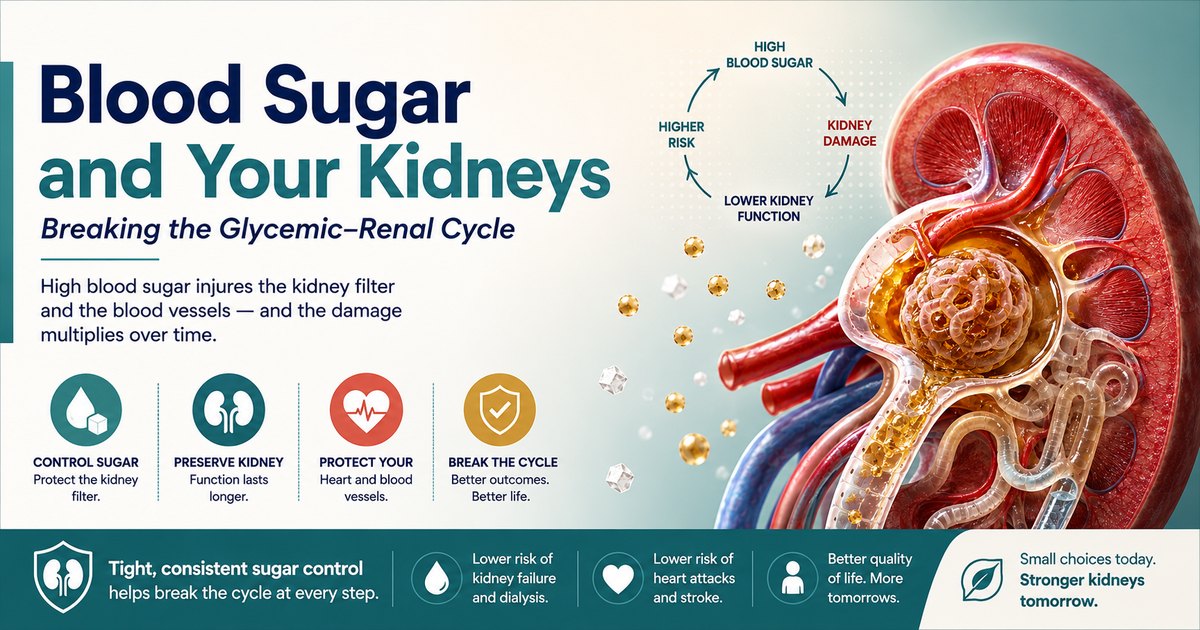 GuideBlood Sugar and Your Kidneys: Breaking the Glycemic-Renal CycleA dual-mode (patient + clinician) guide to glycemic management across the CKD spectrum. Why high sugar is 'syrup in the filter', your individualized HbA1c target, Filipino food and movement, and the SGLT2i/GLP-1RA medicines that protect sug
- CalculatorMetformin Safety Checker in CKD (eGFR hold/continue)eGFR-based metformin hold, continue, or discontinue guidance in CKD per the 2023 ADA Standards of Care and the FDA label, with dose-capping advice, transient-hold triggers (contrast, acute illness, surgery), monitoring, and references.
- CalculatoreGFR Calculator — CKD-EPI 2021 (race-free)Estimate GFR from serum creatinine using the race-free CKD-EPI 2021 creatinine equation. Enter age, sex, and creatinine to get eGFR and CKD stage. With indications, formula, evidence, and references.
References
- European Medicines Agency. Eucreas: EPAR, product information, Annex I, Summary of Product Characteristics [EU SmPC, last updated December 8, 2025; no US FDA label]. https://www.ema.europa.eu/en/medicines/human/EPAR/eucreas © European Medicines Agency; reproduced with acknowledgment of the source.
- European Medicines Agency. Eucreas EPAR product information (SmPC) [EMA product information; no US FDA label]. https://www.ema.europa.eu/en/documents/product-information/eucreas-epar-product-information_en.pdf
- Food and Drug Administration Philippines. Verification portal (product registrations). https://verification.fda.gov.ph
- European Medicines Agency. (n.d.). Eucreas (vildagliptin/metformin hydrochloride): EPAR product information [Summary of product characteristics]. Novartis Europharm Limited. Retrieved November 17, 2026. https://www.ema.europa.eu/en/documents/product-information/eucreas-epar-product-information_en.pdf
- Novartis Pharmaceuticals UK Ltd. (2025). Eucreas 50 mg/1000 mg film-coated tablets (vildagliptin/metformin hydrochloride) [Summary of product characteristics; text revised July 24, 2025]. Electronic Medicines Compendium (UK). https://www.medicines.org.uk/emc/product/11521/smpc/print
renalcarematters.com content: Kidney and pediatric dosing: reviewed by William Gregory M. Rivero, MD, FPCP, DPSN on November 17, 2026. Dosing, interaction, adverse-effect and monitoring summary: reviewed by William Gregory M. Rivero, MD, FPCP, DPSN on November 17, 2026.
Last updated: .