WARNING: RISK OF SERIOUS CARDIOVASCULAR and GASTROINTESTINAL EVENTS Cardiovascular Thrombotic Events Nonsteroidal anti-inflammatory drugs (NSAIDs) cause an increased risk of serious cardiovascular thrombotic events, including myocardial infarction and stroke, which can be fatal. This risk may occur early in treatment and may increase with duration of use [see Warnings and Precautions (5.1)].
Mefenamic acid is contraindicated in the setting of coronary artery bypass graft (CABG) surgery [see Contraindications (4), see Warnings and Precautions (5.1)]. Gastrointestinal Bleeding, Ulceration, and Perforation NSAIDs cause an increased risk of serious gastrointestinal (GI) adverse events including bleeding, ulceration, and perforation of the stomach or intestines, which can be fatal.
These events can occur at any time during use and without warning symptoms. Elderly patients and patients with a prior history of peptic ulcer disease and/or GI bleeding are at greater risk for serious GI events [see Warnings and Precautions (5.2)]. WARNING: RISK OF SERIOUS CARDIOVASCULAR and GASTROINTESTINAL EVENTS See full prescribing information for complete boxed warning.
Cardiovascular Thrombotic Events Nonsteroidal anti-inflammatory drugs (NSAIDs) cause an increased risk of serious cardiovascular thrombotic events, including myocardial infarction and stroke, which can be fatal. This risk may occur early in treatment and may increase with duration of use [see Warnings and Precautions (5.1)].
Mefenamic acid is contraindicated in the setting of coronary artery bypass graft (CABG) surgery [see Warnings and Precautions (5.1)]. Gastrointestinal Bleeding, Ulceration, and Perforation NSAIDs cause an increased risk of serious gastrointestinal (GI) adverse events including bleeding, ulceration, and perforation of the stomach or intestines, which can be fatal.
These events can occur at any time during use and without warning symptoms. Elderly patients and patients with a prior history of peptic ulcer disease and/or GI bleeding are at greater risk for serious GI events [see Warnings and Precautions (5.2)].
Use: Labeled indications
- For management of mild to moderate pain in patient 14 years of age and older, when therapy will not exceed one week (7 days).
- For treatment of primary dysmenorrhea.
Full indications and usage US FDA label
1 INDICATIONS AND USAGE Mefenamic acid capsules are nonsteroidal anti-inflammatory drug indicated for: For management of mild to moderate pain in patient 14 years of age and older, when therapy will not exceed one week (7 days). (1.1) For treatment of primary dysmenorrhea. (1.2) 1.1 Mild to Moderate Pain Mefenamic acid capsules are indicated for management of mild to moderate pain in adults and pediatric patients 14 years of age and older, when therapy will not exceed one week (7 days). 1.2 Dysmenorrhea Mefenamic acid capsules are indicated for treatment of primary dysmenorrhea.
Contraindications
- Hypersensitivity to the drug
- Asthma, urticaria or allergic-type reaction after aspirin or other NSAIDs
- Setting of coronary artery bypass graft (CABG) surgery
Contraindications (US label) US FDA label
4 CONTRAINDICATIONS Mefenamic acid capsules are contraindicated in the following patients: Known hypersensitivity (e.g., anaphylactic reactions and serious skin reactions) to mefenamic acid or any components of the drug product [see Warnings and Precautions (5.7)]. History of asthma, urticaria, or other allergic-type reactions after taking aspirin or other NSAIDs.
Severe, sometimes fatal, anaphylactic reactions to NSAIDs have been reported in such patients [see Warnings and Precautions (5.7, 5.8, 5.9)]. In the setting of coronary artery bypass graft (CABG) surgery [see Warnings and Precautions (5.1)]. Known hypersensitivity (e.g., anaphylactic reactions and serious skin reactions) to mefenamic acid or any components of the drug product (4) History of asthma, urticaria, or other allergic-type reactions after taking aspirin or other NSAIDs.
Severe, sometimes fatal, anaphylactic reactions to NSAIDs have been reported in such patients (4) In the setting of coronary artery bypass graft (CABG) surgery (4)
Dosing: Adult
- Mild to moderate pain (14 years and older): 500 mg first, then 250 mg every 6 hours as needed; usually up to 1 week
- Primary dysmenorrhea: 500 mg first, then 250 mg every 6 hours from onset of bleeding
- Adults and adolescents 14 years of age and older: 500 mg given orally as an initial dose followed by 250 mg every 6 hours as needed (2.2)
- For the treatment of primary dysmenorrhea: 500 mg given orally as an initial dose followed by 250 mg every 6 hours (2.3)
2.1 Important Dosage and Administration Information
2.1 Important Dosage and Administration Information Carefully consider the potential benefits and risks of mefenamic acid capsules and other treatment options before deciding to use mefenamic acid capsules. Use the lowest effective dose for the shortest duration consistent with individual patient treatment goals [see Warnings and Precautions (5.2)].
After observing the response to initial therapy with mefenamic acid capsules, the dose and frequency should be adjusted to suit an individual patient's needs.
2.2 For the Management of Mild to Moderate Pain
2.2 For the Management of Mild to Moderate Pain The recommended dosage in adults and pediatric patients 14 years of age and older is 500 mg given orally as an initial dose followed by 250 mg every 6 hours as needed.
2.3 Dysmenorrhea
2.3 Dysmenorrhea The recommended dose is 500 mg given orally as an initial dose followed by 250 mg every 6 hours starting with the onset of bleeding and associated symptoms.
Dosing: Altered kidney function
Mefenamic acid is a fenamate nonsteroidal anti-inflammatory drug (NSAID) whose metabolites are excreted mainly in urine and can accumulate. The US label says it should not be given to patients with pre-existing kidney disease or significantly impaired kidney function. NSAID kidney risks (acute kidney injury, hyperkalemia, fluid retention) apply. For pain the label limits use to 1 week.
Kidney function measure: Label uses qualitative terms (pre-existing renal disease, significantly impaired renal function); no CrCl threshold. Band mapping is our judgment.
Show full dosing details
- CrCl ≥60 mL/min
- 500 mg first dose, then 250 mg every 6 hours as needed; usually not beyond 1 week (label). Check kidney function before use if risk factors.
- CrCl 30–59 mL/min
- Label 8.6: should not be given to patients with pre-existing kidney disease or significantly impaired kidney function; metabolites (excreted mainly in urine) may accumulate. Not studied in kidney impairment.
- CrCl 15–29 mL/min
- Label 8.6: should not be given to patients with pre-existing kidney disease or significantly impaired kidney function; metabolites (excreted mainly in urine) may accumulate. Not studied in kidney impairment.
- CrCl <15 mL/min (not on dialysis)
- Label 8.6: should not be given to patients with pre-existing kidney disease or significantly impaired kidney function; metabolites (excreted mainly in urine) may accumulate. Not studied in kidney impairment.
- Hemodialysis (intermittent)
- Avoid (label: not in pre-existing kidney disease). Not dialyzable (high protein binding). NSAIDs may hasten loss of residual kidney function.
- Peritoneal dialysis
- Avoid (label: not in pre-existing kidney disease). NSAIDs may hasten loss of residual kidney function.
- CRRT
- Avoid: NSAIDs can worsen acute kidney injury.
- Dialyzable? Unlikely: hemodialysis may not be useful because of high protein binding (label 10).
- Monitoring Kidney function before and during use in at-risk patients; stop if kidney function worsens. Potassium, blood pressure; gastrointestinal bleeding.
Children (kidney dosing)
Show full dosing details
- eGFR ≥60
- 14 years and older: adult dose (label).
- eGFR 30–59
- Avoid: label says not in pre-existing kidney disease (not limited by age).
- eGFR 15–29
- Avoid.
- eGFR <15 (not on dialysis)
- Avoid.
- Hemodialysis (intermittent)
- Avoid.
- Peritoneal dialysis
- Avoid.
- CRRT
- Avoid.
Pediatric eGFR: bedside Schwartz equation, 0.413 × height (cm) / serum creatinine (mg/dL). Weight-based doses should not exceed the adult maximum.
renalcarematters.com guidance, reviewed by William Gregory M. Rivero, MD, FPCP, DPSN on November 17, 2026. Sources are listed under References. Use with the product's package insert and the patient's current kidney function.
US label text: Renal impairment US FDA label
8.6 Renal Impairment The renal effects of mefenamic acid capsules may hasten the progression of renal dysfunction in patients with pre-existing renal disease. Given that mefenamic acid, its metabolites and conjugates are primarily excreted by the kidneys, the potential exists for mefenamic acid metabolites to accumulate. Mefenamic acid capsules should not be administered to patients with pre-existing renal disease or in patients with significantly impaired renal function [see Warnings and Precautions (5.6)].
Renal Impairment: Mefenamic acid pharmacokinetics have not been investigated in subjects with renal insufficiency.
Dosing: Hepatic impairment
8.7 Hepatic Impairment As hepatic metabolism is a significant pathway of mefenamic acid elimination, patients with acute and chronic hepatic disease may require reduced doses of mefenamic acid compared to patients with normal hepatic function [see Warnings and Precautions (5.3)].
US FDA labelDosing: Pediatric
- Approved ages
- Pain: 14 years and older. Primary dysmenorrhea: established in pediatric patients (label 8.4).
- Usual dose
- 14 years and older: 500 mg, then 250 mg every 6 hours as needed (label).
- Maximum dose
- Not stated as mg/kg; usually no more than 1 week.
Kidney dosing in children: see Dosing: Altered kidney function.
renalcarematters.com, reviewedPediatric use (US label) US FDA label
8.4 Pediatric Use The safety and effectiveness of mefenamic acid have been established for management of mild to moderate pain in pediatric patients 14 years of age and older. The safety and effectiveness of mefenamic acid have been established for treatment of primary dysmenorrhea in pediatric patients. The safety and effectiveness of mefenamic acid have not been established for management of mild to moderate pain in pediatric patients less than 14 years of age.
Dosing: Older adult
Geriatric use (US label) US FDA label
8.5 Geriatric Use Elderly patients, compared to younger patients, are at greater risk for NSAID-associated serious cardiovascular, gastrointestinal, and/or renal adverse reactions. If the anticipated benefit for the elderly patient outweighs these potential risks, start dosing at the low end of the dosing range, and monitor patients for adverse effects [see Warnings and Precautions (5.1, 5.2, 5.3, 5.6, 5.14)].
Clinical studies of mefenamic acid did not include sufficient numbers of subjects aged 65 and over to determine whether they respond differently from younger subjects. As with any NSAID, caution should be exercised in treating the elderly (65 years and older). Mefenamic acid is known to be substantially excreted by the kidney, and the risk of toxic reactions to this drug may be greater in patients with impaired renal function.
Because elderly patients are more likely to have decreased renal function, care should be taken in dose selection, and it may be useful to monitor renal function [see Warnings and Precautions (5.1, 5.2, 5.3, 5.6, 5.14), Clinical Pharmacology (12.2), Adverse Reactions (7.1)].
Administration
2.1 Important Dosage and Administration Information Carefully consider the potential benefits and risks of mefenamic acid capsules and other treatment options before deciding to use mefenamic acid capsules. Use the lowest effective dose for the shortest duration consistent with individual patient treatment goals [see Warnings and Precautions ( 5.2 )] . After observing the response to initial therapy with mefenamic acid capsules, the dose and frequency should be adjusted to suit an individual patient's needs.
US FDA labelDosage forms
Philippines
- Capsule: 250 mg, 500 mg
- Tablet: 250 mg, 500 mg
- Suspension: 50 mg/5 mL
- Film-coated tablet: 250 mg, 500 mg
- Oral suspension: 50 mg/5 mL
Registered products in the Philippines
191 products registered with the Food and Drug Administration (FDA) Philippines list Mefenamic acid as the generic name. Registration status changes; confirm a product's current status on the FDA portal before relying on it.
All registered products191
| Package insert | |||||||
|---|---|---|---|---|---|---|---|
AciflamMefenamic Acid | 50 mg/5 mL Oral SuspensionAmber glass bottle x 60mL (Box of 1's) | Rx | Drugmaker's Laboratories IncPhilippines | — | DRP-6284 | Mar 22, 2030 | |
AciflamMefenamic Acid | 500 mg CapsuleClear PVC/Alu Blister Pack x 10's (Box of 100's) | Rx | Drugmaker's Laboratories, Inc.Philippines | — | DRP-5533 | Mar 15, 2030 | |
AciflamMefenamic Acid | 500mg TabletBlister pack x 10's Box of 100's | Rx | Drugmaker's Laboratories, Inc.Philippines | — | DRP-5434 | Nov 6, 2027 | |
ADFENMefenamic Acid | 500 mg CapsuleBlister Pack x 10's (Box of 100's) | Rx | Lloyd Laboratories, Inc.Philippines | Advance Pharma Distribution Corp.Trader: Foramen Products Corporation | DRP-1794-01 | Jul 30, 2031 | |
AfligecMefenamic Acid | 500 mg CapsuleClear PVC/Alu Blister Pack x 10's (Box of 100's) | Rx | Drugmaker's Laboratories, Inc.Philippines | Filadams Pharma, Inc. | DRP-5533-03 | Mar 12, 2031 | |
AlcidMefenamic Acid | 500 mg CapsuleBlister Pack x 10's (Box of 100's) | Rx | Lloyd Laboratories, Inc.Philippines | Pharmahealth EnterprisesTrader: Eadriex Pharmaceuticals, Phils., Inc. | DRP-2421-04 | Sep 21, 2027 | |
AlgicapMefenamic Acid | 50 mg/5 mL SuspensionType III Boston Round Amber Glass Bottle x 60 mL (Box of 1's) | Rx | Lloyd Laboratories, Inc.Philippines | Trader: Vitalink Health Products, Inc. | DR-XY47494 | Oct 22, 2031 | |
AlgicapMefenamic Acid | 500 mg CapsuleFoil Strips x 10's (Box of 100's) | Rx | Lloyd Laboratories, Inc.Malolos Bulacan | Pharmahealth EnterprisesTrader: Vitalink Health Products, Inc. | DR-XY19433-B | May 23, 2032 | |
AlmefenMefenamic Acid | 50 mg/5 mL SuspensionAmber Bottle x 60 mL (Box of 1's); Amber Bottle x 15 mL (Physician's Sample) | Rx | Lloyd Laboratories, Inc.Philippines | Altomed Pharmaceuticals, Inc.Trader: Interhealthcare Pharmaceuticals, Inc | DRP-11705 | Jun 16, 2030 | |
AlmefenMefenamic Acid | 500 mg CapsuleAlu/Clear PVC Blister Pack x 10's (Box of 100's) | Rx | Lloyd Laboratories, Inc.Philippines | Altomed Pharmaceuticals, Inc.Trader: Interhealthcare Pharmaceuticals, Inc. | DRP-1304-03 | Feb 28, 2027 | |
AlmicMefenamic Acid | 50 mg/ 5 mL Oral SuspensionAmber Bottle x 60 mL (Box of 1's); Amber Bottle x 15 mL (Box of 1's Physician's Sample) | Rx | Lloyd Laboratories, Inc.Philippines | Trader: Vitalink Health Products, Inc. | DR-XY26113 | Apr 10, 2030 | |
AnalcidMefenamic Acid | 500 mg TabletBlister Pack x 10's (Box of 100's) | Rx | Drugmaker's Laboratories, Inc.Philippines | Trader: Terramedic, Inc. | DR-XY19117 | Dec 18, 2027 | |
AnalminMefenamic Acid | 250 mg CapsuleAlu/PVC Blister Pack x 10’s Box of 100’s | OTC | Flamingo Pharmaceuticals Ltd.India | Hexagon Pharmaceuticals | DRP-285 | Feb 10, 2030 | |
Analmin 500Mefenamic Acid | 500 mg CapsuleBlister Pack x 10's (Box of 100's) | Rx | Flamingo Pharmaceuticals Ltd.India | Hexagon Pharmaceuticals | DRP-286 | May 2, 2027 | |
ArthranMefenamic Acid | 500 mg CapsuleBlister Pack of 10's (Box of 100's) | Rx | Lloyd Laboratories, Inc.Bulacan | Nutramedica Inc.Trader: D.B. Manix International, Inc. | DR-XY21712 | Aug 1, 2037 | |
AuspidolMefenamic Acid | 500 mg CapsuleAlu/Clear PVC Blister Pack x 10's (Box of 100's) | Rx | Lloyd Laboratories, Inc.Bulacan | Auspicia, Inc.Trader: Interhealthcare Pharmaceuticals Inc. | DRP-1304-04 | Feb 28, 2032 | |
BiomefMefenamic Acid | 500 mg TabletAlu/Clear PVC Blister Pack x 20's (Box of 100’s) | Rx | Vonwelt Inc.Philippines | — | DRP-7036 | Mar 16, 2031 | |
BiopreneMefenamic Acid | 500 mg CapsuleAlu/PVC Blister Pack x 10's (Box of 100's) | Rx | Marnets Pharma CorporationPhilippines | — | DRP-2825 | Mar 8, 2029 | |
Corpugen QRMefenamic Acid | 500 mg CapsuleBlister Packx 10's (Box of 100's) | Rx | Lloyd Laboratories, Inc.Philippines | CHMI Pharma, Inc.Trader: Eadriex Pharmaceuticals, Phils., Inc. | DRP-2421-08 | Sep 21, 2027 | |
DolcuraMefenamic Acid | 500 mg CapsuleAlu/PVC Blister Pack x 10's (Box of 100's) | Rx | Magbro Healthcare Pvt. Ltd.India | Pharmakon Biotec Inc.Importer: Teramedix Pharma Trading Inc. | DRP-17583-02 | Feb 4, 2031 | |
DolfenalMefenamic Acid | 250 mg Film-Coated TabletFlex Foil x 4's (Box of 100's) | OTC | Amherst Laboratories, Inc.Philippines | Trader: UNILAB, Inc. | DRP-8716 | May 25, 2027 | |
DolfenalMefenamic Acid | 500 mg Film-Coated TabletAluminum Foil Strip x 4's (Box of 100's) | Rx | Amherst Laboratories, Inc.Philippines | Trader: UNILAB, Inc. | DRP-8778 | May 25, 2027 | |
DolstenMefenamic Acid | 500 mg CapsuleAlu/PVC Blister Pack x 10's (Box of 100's) | Rx | Interchemex Laboratories, Inc.Philippines | Medic+Aid Distributors Inc. | DRP-660-02 | May 6, 2027 | |
DrexaralMefenamic Acid | 50 mg/5 mL SuspensionAmber Glass Bottle x 60 mL (Box of 1's) | Rx | Lloyd Laboratories, Inc.Philippines | Trader: Eadriex Pharmaceuticals, Phils., Inc. | DRP-8486 | Sep 16, 2029 | |
FedpainMefenamic Acid | 500 mg CapsuleAlu/Clear PVC Blister Pack x 10's (Box of 10's, 30's and 100's) | Rx | Azarias Pharmaceutical Laboratories IncPhilippines | Federal Pharmaceuticals Inc. | DRP-5390-13 | Jul 11, 2029 | |
Felix 500Mefenamic Acid | 500 mg CapsuleAlu/PVC Blister Pack x 10's (Box of 100's) | Rx | Magbro Healthcare Pvt. Ltd.India 174101 | Pharmakon Biotec Inc.Importer: Teramedix Pharma Trading Inc. | DRP-17583-01 | Feb 4, 2031 | |
FenadyMefenamic Acid | 50 mg/5 mL SuspensionAmber Glass Bottle x 60 mL (Box of 1's) | Rx | New Myrex Laboratories, Inc.Philippines | Lumar Pharmaceutical Laboratory Inc. | DRP-244-05 | Nov 16, 2027 | |
FenadyMefenamic Acid | 500 mg CapsuleClear PVC/Aluminum Blister Pack x 10's (Box of 100's) | Rx | New Myrex Laboratories, Inc.Philippines | Lumar Pharmaceutical Laboratory Inc. | DRP-681-13 | Dec 11, 2027 | |
Fenamic 500Mefenamic Acid | 500 mg CapsuleAlu/Clear PVC Blister Pack x 10's Box of 100's | Rx | Azarias Pharmaceutical Laboratories Inc.Philippines | ST. RAPHAEL ARCHANGEL PHARMACEUTICAL PRODUCT DISTRIBUTION | DRP-5390-02 | Jul 11, 2029 | |
Fenamic 500Mefenamic Acid | 500 mg TabletAlu/Clear PVC Blister Pack x 10's (Box of 100's) | Rx | Azarias Pharmaceutical Laboratories Inc.Philippines | ST. RAPHAEL ARCHANGEL PHARMACEUTICAL PRODUCT DISTRIBUTION | DRP-4496-02 | Jul 2, 2028 | |
FenawayMefenamic Acid | 500 mg Film-Coated TabletAlu/PVC Blister Pack x 10's (Box of 100's) | Rx | Nishchay Lifesciences, Inc.India | AMB HK Enterprises Inc. | DR-XY45735 | Jan 12, 2027 | |
FencareMefenamic Acid | 50 mg/5 mL SuspensionAmber Bottle x 60 mL (Box of 1's); Amber Bottle x 15 mL (Physician's sample) | Rx | Lloyd Laboratories, Inc.Philippines | Care First TradingTrader: Interhealthcare Pharmaceuticals Inc. | DRP-11705-01 | May 25, 2031 | |
FencareMefenamic Acid | 500 mg CapsuleAlu/PVC Blister Pack x 10's (Box of 100's) | Rx | Interchemex Laboratories, Inc.Philippines | Care First Trading | DRP-660-01 | May 6, 2027 | |
FerpainMefenamic Acid | 500 mg CapsuleBlister Pack x 10's Box of 100's | Rx | Lloyd Laboratories, Inc.Philippines | West Wing Pharma Sales Inc.Trader: Eadriex Pharmaceuticals, Phils., Inc. | DRP-2421-09 | Sep 21, 2027 | |
FinoxMefenamic Acid | 50 mg/5 mL SuspensionType III Boston Round Amber Glass Bottle x 60 mL (Box of 1's) | Rx | Lloyd Laboratories, Inc.Philippines | Trader: Solvang Pharmaceuticals, Inc. | DR-XY47495 | Nov 16, 2026Past listed date | |
FinoxMefenamic Acid | 500 mg CapsuleBlister Pack x 10's (Box of 100's) | Rx | Lloyd Laboratories, Inc.Philippines | Trader: Solvang Pharmaceuticals, Inc. | DRP-1539 | Dec 6, 2027 | |
FlamdixMefenamic Acid | 500 mg CapsuleAlu/PVC Blister Pack x 10's (Box of 100's) | Rx | Magbro Healthcare Pvt. Ltd.India | Teramedix Pharma Trading Inc. | DRP-17583 | Feb 4, 2031 | |
FlamicMefenamic Acid | 500 mg TabletBlister Pack x 10's (Box of 100's) | Rx | Hebei Jiheng (Group) Pharmaceutical Co., Ltd.China | TGP Pharma Inc.Importer: Philgen Pharmaceuticals Inc. | DRP-1837-03 | Jan 31, 2030 | |
FlamicidMefenamic Acid | 500 mg CapsuleAlu/Clear PVC Blister Pack x 10's (Box of 100's) | Rx | Azarias Pharmaceutical Laboratories Inc.Philippines | St. Raphael Archangel Pharmaceutical Product Distribution | DRP-5390-04 | Jul 11, 2029 | |
FlamicidMefenamic Acid | 500 mg TabletAlu/Clear PVC Blister Pack x 10's (Box of 100's) | Rx | Azarias Pharmaceutical Laboratories Inc.Philippines | ST. RAPHAEL ARCHANGEL PHARMACEUTICAL PRODUCT DISTRIBUTION | DRP-4496-04 | Jul 2, 2028 | |
FlamigenMefenamic Acid | 500 mg CapsuleAlu/Clear PVC Blister Pack x 10's (Box of 100's) | Rx | Azarias Pharmaceutical Laboratories Inc.Philippines | EBA GENERISCH TRADING INC. | DRP-5390-05 | Jul 11, 2029 | |
FlamigenMefenamic Acid | 500 mg TabletAlu/Clear PVC Blister Pack x 10's (Box of 100's) | Rx | Azarias Pharmaceutical Laboratories Inc.Philippines | EBA GENERISCH TRADING INC. | DRP-4496-05 | Jul 2, 2028 | |
ForalgesiaMefenamic Acid | 500 mg CapsuleBlister Pack x 10's (Box of 100's) | Rx | Lloyd Laboratories, Inc.Philippines | D and JB Pharma Medica Corp.Trader: Foramen Products Corporation | DRP-1794 | Nov 14, 2030 | |
FromefenMefenamic Acid | 500mg CapsuleClear PVC Aluminum Blister Pack x 10's (Box of 100's) | Rx | New Myrex Laboratories, Inc.Philippines | Brymar Pharmaceuticals | DRP-681-01 | Dec 11, 2027 | |
GardanMefenamic Acid | 500 mg Film-Coated TabletAlu/PVC Blister Pack x 10's (Box of 40's and 100's) | Rx | Hizon Laboratories, Inc.Philippines | Opella Healthcare Philippines, Inc. | DRP-7761-01 | Feb 8, 2032 | |
GofemicMefenamic Acid | 500 mg CapsuleAlu/PVC Blister Pack x 10's (Box of 100's) | Rx | Jiangxi Xierkangtai Pharmaceutical Co., Ltd.China | Applied Pharmaceutical Distribution Inc.Importer: PhilRx Pharma Inc. | DRP-9418-02 | Oct 10, 2028 | |
GopainMefenamic Acid | 500 mg TabletAlu/PVC Blister pack x 10's (Box of 100's) | Rx | Micro Labs LimitedIndia | Applied Pharmaceutical Division Inc.Importer: Brown & Burk Philippines Inc. | DRP-5534-01 | Feb 16, 2028 | |
IlluvanMefenamic Acid | 500 mg CapsuleBlister pack x 10's (Box of 100's) | Rx | Marnets Pharma CorporationPhilippines | — | DRP-2826 | Mar 8, 2031 | |
InfamixMefenamic Acid | 50 mg/5 mL SuspensionBoston Round Amber Glass Bottle x 60 mL (Box of 1's) | Rx | Azarias Pharmaceutical Laboratories Inc.Bulacan | — | DRP-3228 | Sep 6, 2031 | |
InfamixMefenamic Acid | 500 mg CapsuleAlu/Clear PVC Blister Pack x 10's (Box of 10's); Alu/Clear PVC Blister Pack x 10's (Box of 30's); Alu/Clear PVC Blister Pack x 10's (Box of 100's) | Rx | Azarias Pharmaceutical Laboratories Inc.Philippines | — | DRP-5390 | Jul 11, 2029 | |
InfamixMefenamic Acid | 500 mg TabletAlu/Clear PVC Blister Pack x 10's (Box of 100's) | Rx | Azarias Pharmaceutical Laboratories Inc.Philippines | — | DRP-4496 | Jul 2, 2028 | |
Infamix®R TabMefenamic Acid | 250 mg Film-Coated TabletAlu/Clear PVC Blister Pack x 10's (Box of 30's, 50's and 100's) | OTC | Azarias Pharmaceutical Laboratories Inc.,Philippines | — | DRP-14491 | Sep 13, 2028 | |
InflamgenMefenamic Acid | 250 mg CapsuleAlu/Clear PVC Blister Pack x 10's (Box of 30's, 50's, and 100's) | OTC | Azarias Pharmaceutical Laboratories Inc.Philippines | Trader: Eba Generisch Trading Inc. | DRP-10318 | Sep 15, 2031 | |
InflamgenMefenamic Acid | 50 mg/5 mL SuspensionBoston Round Amber Glass Bottle x 60 mL (Box of 1's) | Rx | Azarias Pharmaceutical Laboratories Inc.Bulacan | Eba Generisch Trading Inc. | DRP-3228-04 | Sep 6, 2031 | |
InflamgenMefenamic Acid | 500 mg CapsuleAlu/ Clear PVC Blister Pack x 10's Box of 100's | Rx | Azarias Pharmaceutical Laboratories Inc.Philippines | EBA GENERISCH TRADING INC. | DRP-5390-01 | Jul 11, 2029 | |
InflamgenMefenamic Acid | 500 mg TabletAlu/ Clear PVC Blister Pack x 10's (Box of 100's) | Rx | Azarias Pharmaceutical Laboratories Inc.Philippines | EBA GENERISCH TRADING INC. | DRP-4496-01 | Jul 2, 2028 | |
Inflamgen TabMefenamic Acid | 250 mg Film-Coated TabletAlu/Clear PVC Blister Pack x 10's (Box of 30's, 50's and 100's) | OTC | Azarias Pharmaceutical Laboratories Inc.Philippines | Trader: EBA Generisch Trading Inc. | DRP-14493 | Sep 13, 2028 | |
IntercidMefenamic Acid | 500 mg CapsuleAlu/Clear PVC Blister Pack x 10's (Box of 100's) | Rx | Lloyd Laboratories, Inc.Philippines | Trader: Interhealthcare Pharmaceuticals Inc. | DRP-1304 | Feb 28, 2032 | |
IstanMefenamic Acid | 500 mg CapsuleBlister Pack x 10's (Box of 100's) | Rx | EL Laboratories, Inc.Philippines | Trader: Elin Pharmaceuticals, Inc. | DRP-431 | May 4, 2027 | |
JesicMefenamic Acid | 500 mg CapsuleBlister Pack x 10's Box of 100's | Rx | Lloyd Laboratories, Inc.Philippines | Thymed EnterprisesTrader: Eadriex Pharmaceuticals Phils., Inc. | DRP-2421 | Sep 21, 2027 | |
JofelynMefenamic Acid | 500 mg CapsuleBlister Pack x 10's (Box of 100's) | Rx | Lloyd Laboratories, Inc.Philippines | Tgif Pharmaceutical Trading Inc.Trader: Foramen Products Corporation | DRP-1794-02 | Jul 14, 2031 | |
KenamicMefenamic Acid | 500 mg CapsuleAlu/Clear PVC Blister Pack x 10's (Box of 100's) | Rx | Azarias Pharmaceutical Laboratories Inc.Philippines | Konzept Convenience and Drug Store Corp. | DRP-5390-09 | Jul 11, 2029 | |
LewinamicMefenamic Acid | 500mg CapsuleClear PVC/Aluminum Blister Pack x 10's (Box of 100's) | Rx | New Myrex Laboratories, Inc.Philippines | Lewison Pharmaceuticals Corporation | DRP-681-12 | Dec 11, 2027 | |
LezpainMefenamic Acid | 500 mg TabletBlister Pack x 10's (Box of 100's) | Rx | Lloyd Laboratories, Inc.Philippines | Trader: Primera Pharma Corporation | DR-XY21758 | Aug 6, 2031 | |
MaripainMefenamic Acid | 500 mg CapsuleALUCLEAR PVC PACK x 10's Box of 100's | Rx | Eurasia Research Pharma CorporationPhilippines | Herbs And Nutri Pharm Laboratories | DRP-4745-01 | Sep 18, 2029 | |
MaxfieldMefenamic Acid | 50 mg/5 mL SuspensionType III Boston Round Amber Glass Bottle x 60 mL (Box of 1's) | Rx | Lloyd Laboratories, Inc.Philippines | Trader: Westfield Pharmaceuticals, Inc. | DR-XY47496 | Oct 22, 2031 | |
MecidMefenamic Acid | 500 mg Capsule | Rx | Jiangxi Xierkangtai Pharmaceutical Co., Ltd.China | PhilRx Pharma Inc. | DRP-9418 | Feb 12, 2031 | |
MedianonMefenamic Acid | 50 mg/5 mL SuspensionType III Borosilicate Amber glass Bottle x 60 mL | Rx | Fortis Medi Pharmaceutical, Inc.Philippines | MG Prime Pharmaceutical, Inc. | DR-XY33647 | Mar 21, 2029 | |
MedianonMefenamic Acid | 500 mg CapsuleClear PVC-Aluminum Blister Pack x 10's Box of 100's | Rx | Fortis Medi Pharmaceutical, Inc.Philippines | MG Prime Pharmaceutical, Inc. | DR-XY16143 | Sep 19, 2027 | |
Mef-Ac TabMefenamic Acid | 500 mg TabletAlu/Clear PVC Blister Pack x 10's (Box of 50's) | Rx | Sapphire Lifesciences Pvt. Ltd.India | 777 Red Pharma IncImporter: Nelpa Lifesciences, Inc. | DRP-5836-01 | Dec 4, 2029 | |
Mefe-CareMefenamic Acid | 500 mg CapsuleBlister Pack x 10's Box of 100's | Rx | Lloyd Laboratories, Inc.Philippines | Euro-Care Products PhilippinesTrader: Eadriex Pharmaceuticals, Phils., Inc. | DRP-2421-05 | Sep 21, 2027 | |
MefecapMefenamic Acid | 250 mg CapsuleAlu/Clear PVC Blister Pack x 10's (Box of 30's, 50's, and 100's) | OTC | Azarias Pharmaceutical Laboratories Inc.Philippines | Trader: St. Raphael Archangel Pharmaceutical Product Distribution | DRP-10320 | Sep 10, 2031 | |
MefecapMefenamic Acid | 500 mg CapsuleAlu/Clear PVC Blister Pack x 10's (Box of 100's) | Rx | Azarias Pharmaceutical Laboratories Inc.Philippines | ST. RAPHAEL ARCHANGEL PHARMACEUTICAL PRODUCT DISTRIBUTION | DRP-5390-03 | Jul 11, 2029 | |
MefechemMefenamic Acid | 50 mg/5 mL Suspension (Banana Flavor)PET Round Amber Bottle with White HDPE Cap x 60 mL and 120 mL (Box of 1's) | Rx | Mascot Health Series Pvt. Ltd.India | Importer: Wellchem Pharmaceutical Products | DRP-9658 | Apr 22, 2031 | |
MefecureMefenamic Acid | 500 mg TabletAlu/Clear PVC Blister Pack x 10's (Box of 100's) | Rx | Azarias Pharmaceutical Laboratories Inc.Philippines | Jaac Healthline Marketing | DRP-4496-11 | Jul 2, 2028 | |
MEFEDMefenamic acid | 500 mg CapsuleBlister Pack x 10’s (Box of 100’s) | Rx | Genom Biotech Pvt. LtdIndia | 777 RED PHARMA INC.Importer: Nelpa Lifesciences, Inc. | DRP-8389-02 | May 19, 2030 | |
MefedMefenamic Acid | 500 mg TabletBlister Pack x 10's (Box of 100's) | Rx | Hebei Jiheng (Group) Pharmaceutical Co., LtdChina | 777 Red Pharma Inc.Importer: Philgen Pharmaceuticals Inc. | DRP-1837-07 | Jan 31, 2030 | |
MefedMefenamic Acid | Capsule 500 mgBlister Pack x 10's (Box of 100's) | Rx | Sapphire Lifesciences Pvt. LtdIndia | 777 Red Pharma IncImporter: Nelpa Lifesciences, Inc. | DRP-8389-01 | Oct 29, 2031 | |
MEFEFERMefenamic Acid | 500 mg CapsuleAlu/Clear PVC Blister Pack x 10's (Box 10's, 30's and 100's) | Rx | Azarias Pharmaceutical Laboratories Inc.Bulacan | Ferma Drug Enterprises | DRP-5390-16 | Jul 11, 2029 | |
MefegenMefenamic Acid | 500 mg CapsuleBlister Pack x 10's Box of 100's | Rx | Lloyd Laboratories, Inc.Philippines | Quad-Gen PharmaceuticalsTrader: Eadriex Pharmaceuticals, Phils., Inc. | DRP-2421-02 | Sep 21, 2027 | |
MefeinMefenamic Acid | 500 mg TabletBlister Pack x 10's (Box of 100's) | Rx | Hebei Jiheng (Group) Pharmaceutical Co. Ltd.China | Meedpharma Medical Supplies & Equipment DistributorImporter: Philgen Pharmaceuticals Inc. | DRP-1837-02 | Jan 31, 2030 | |
MefejalMefenamic Acid | 250mg CapsuleAlu/PVC Blister Pack x 10's (Box of 100's) | Rx | LEJAL LABORATORIES INC.Philippines | — | DR-XY24420 | Aug 10, 2028 | |
Mefejal ForteMefenamic Acid | 500mg CapsuleAlu/PVC clear blister pack x 10's Box of 100's | Rx | LEJAL LABORATORIES INC.Philippines | — | DR-XY38006 | May 28, 2027 | |
MefelifeMefenamic Acid | 500 mg CapsuleAlu/PVC Blister Pack x 10's (Box of 100's) | Rx | Jiangxi Xierkangtai Pharmaceutical Co., Ltd.China | Life and Health Source Pharmaceutical Distribution Co.Importer: Philrx Pharma Inc. | DRP-9418-03 | Oct 10, 2028 | |
MefemedMefenamic acid | 250 mg CapsuleBlister Pack x 10's (Box of 100's) | OTC | Medico Remedies LimitedIndia | Medethix, Inc. | DRP-12756 | Oct 3, 2031 | |
MefemexMefenamic Acid | 500 mg CapsuleBlister Pack x 10's (Box of 100's) | Rx | Lloyd Laboratories, Inc.Philippines | ChemEx Logistics and Trading Inc.Trader: Eadriex Pharmaceuticals Phils., Inc. | DRP-2421-11 | Sep 21, 2027 | |
MefenakMefenamic Acid | 500 mg CapsuleAlu/Clear PVC Blister Pack x 10's (Box of 100's) | Rx | Azarias Pharmaceutical Laboratories Inc.Philippines | St. Raphael Archangel Pharmaceutical Product Distribution | DRP-5390-06 | Jul 11, 2029 | |
MefenakMefenamic Acid | 500 mg TabletAlu/Clear PVC Blister Pack x 10's (Box of 100's) | Rx | Azarias Pharmaceutical Laboratories Inc.Philippines | ST. RAPHAEL ARCHANGEL PHARMACEUTICAL PRODUCT DISTRIBUTION | DRP-4496-06 | Jul 2, 2028 | |
MefenavMefenamic Acid | 500 mg CapsuleBlister Pack x 10's (Box of 100's) | Rx | Lloyd Laboratories, Inc.Bulacan | JNC Pharmaceuticals CorporationTrader: Eadriex Pharmaceuticals Phils., Inc. | DRP-2421-12 | Sep 21, 2027 | |
MefenaxMefenamic acid | 500 mg TabletAlu-PVC Blister Pack x 10's (Box of 100's) | Rx | Hizon Laboratories, Inc.Philippines | Trader: One Pharma Marketing Inc. | DR-XY10083 | Sep 27, 2030 | |
MeferapMefenamic Acid | 500 mg CapsuleAlu/Clear PVC Blister Pack x 10's (Box of 100's) | Rx | Azarias Pharmaceutical Laboratories Inc.Philippines | St. Raphael Archangel Pharmaceutical Product Distribution | DRP-5390-07 | Jul 11, 2029 | |
MeferapMefenamic Acid | 500 mg TabletAlu/Clear PVC Blister Pack x 10's (Box of 100's) | Rx | Azarias Pharmaceutical Laboratories Inc.Philippines | ST. RAPHAEL ARCHANGEL PHARMACEUTICAL PRODUCT DISTRIBUTION | DRP-4496-07 | Jul 2, 2028 | |
MefesaphMefenamic Acid | 500 mg TabletAlu/Clear PVC Blister Pack x 10's (Box of 50's) | Rx | Sapphire Lifesciences Pvt. Ltd.India | Nelpa Lifesciences, Inc. | DRP-5836 | Dec 4, 2029 | |
Mefesaph C250Mefenamic Acid | 250 mg CapsuleAlu/Clear PVC Blister Pack x 10's (Box of 50's); Alu/Clear PVC Blister Pack x 10's (Box of 100's) | OTC | SAPPHIRE LIFESCIENCES PVT. LTDIndia | NELPA LIFESCIENCES, INC. | DRP-4293 | Mar 11, 2028 | |
Mefesaph-50Mefenamic acid | 50 mg/5 mL SuspensionPET Round Amber Bottle with ROPP Cap x 60 mL and 120 mL (Box of 1's) | OTC | Enicar Pharmaceuticals Pvt. Ltd.India | Nelpa Lifesciences, Inc. | DRP-9297 | Nov 16, 2031 | |
Mefesaph-B250Mefenamic Acid | 250 mg CapsuleAlu/PVC Orange Blister Pack of 10's (Box of 100's) | OTC | Belco PharmaIndia | Ollen Pharma Trading Inc. | DRP-18423 | Jul 8, 2031 | |
Mefesaph-C250Mefenamic Acid | 250 mg CapsuleAlu/Clear PVC Blister Pack x 10's (Box of 100's) | OTC | Sai Parenterals Ltd.India | Nelpa Lifesciences, Inc.Trader: Sapphire Lifesciences Pvt. Ltd. | DRP-9712 | Oct 27, 2031 | |
MefesusMefenamic Acid | 50 mg/5 mL SuspensionBoston Round Amber Glass Bottle x 60 mL (Box of 1's) | Rx | Azarias Pharmaceutical Laboratories Inc.Philippines | St. Raphael Archangel Pharmaceutical Product Distribution | DRP-3228-05 | Sep 6, 2031 | |
MefetabMefenamic Acid. | 250 mg Film-Coated TabletAlu/Clear PVC Blister Pack x 10's (Box of 30's, 50's and 100's) | OTC | Azarias Pharmaceutical Laboratories Inc.Philippines | Trader: St. Raphael Archangel Pharmaceutical Product | DRP-14492 | Sep 13, 2028 | |
MefetabMefenamic Acid | 500 mg TabletAlu/Clear PVC Blister Pack x 10's (Box of 100's) | Rx | Azarias Pharmaceutical Laboratories Inc.Philippines | ST. RAPHAEL ARCHANGEL PHARMACEUTICAL PRODUCT DISTRIBUTION | DRP-4496-03 | Jul 2, 2028 | |
MefevinMefenamic Acid | 500 mg CapsuleBlister Pack x 10's Box of 100's | Rx | Lloyd Laboratories, Inc.Philippines | Vincare PharmaTrader: Eadriex Pharmaceuticals, Phils., Inc. | DRP-2421-01 | Sep 21, 2027 | |
MefezanMefenamic Acid | 500 mg CapsuleAlu/Clear PVC Blister Pack x 10's (Box of 10's, 30's and 100's) | Rx | Azarias Pharmaceutical Laboratories Inc.Philippines | Triple 888 Medical And Pharma Inc. | DRP-5390-14 | Jul 11, 2029 | |
MeficMefenamic Acid | 500 mg CapsuleBlister Pack x 10's (Box of 100's) | Rx | Lloyd Laboratories, Inc.Philippines | Medirich Pharma Distribution Corp.Trader: Foramen Products Corporation | DRP-1794-03 | Jul 6, 2031 | |
MefnakMefenamic Acid | 500 mg TabletAlu/Clear PVC Blister Pack x 10's (Box of 100's) | Rx | Azarias Pharmaceutical Laboratories Inc.Philippines | ST. RAPHAEL ARCHANGEL PHARMACEUTICAL PRODUCT DISTRIBUTION | DRP-4496-08 | Jul 2, 2028 | |
MefostanMefenamic Acid | 500 mg Film Coated TabletAlu/PVC Blister Pack x 10's (Box of 100's) | Rx | Micro Labs LimitedIndia | Reta DrugImporter: Brown & Burk Philippines Inc. | DRP-17063-01 | Jul 9, 2030 | |
Mefrel 500Mefenamic Acid | 500 mg CapsuleAlu/PVC Blister Pack x 10's (Box of 100's) | Rx | Magbro Healthcare Pvt. Ltd.India | Pharmakon Biotec Inc.Importer: Teramedix Pharma Trading Inc. | DRP-17583-04 | Feb 4, 2031 | |
Mefumide-250Mefenamic Acid | 250mg TabletAlu/Amber PVC Blister Pack x 10's (Box of 100's) | OTC | Stallion Laboratories Pvt. Ltd.India | Ambica International Corporation | DRP-17262 | Jun 30, 2031 | |
MegalinMefenamic Acid | 250mg CapsuleAlu/PVC Blister Pack x 10's (Box of 100's) | OTC | New Myrex Laboratories, Inc.Philippines | TGP Pharma Inc. | DRP-243-02 | Jul 30, 2031 | |
MegalinMefenamic Acid | 50 mg/5 mL SuspensionAmber Glass Bottle x 60 mL (Box of 1's) | Rx | New Myrex Laboratories, Inc.Philippines | TGP Pharma Inc. | DRP-244-02 | Nov 16, 2027 | |
MegalinMefenamic Acid | 500 mg CapsuleClear PVC/Aluminum Blister Pack x 10's (Box of 100's) | Rx | New Myrex Laboratories, Inc.Philippines | TGP Pharma Inc. | DRP-681-11 | Dec 11, 2027 | |
MegyxanMefenamic acid | 500 mg CapsuleBlister Pack x 10's (Box of 100's) | Rx | Genom Biotech Pvt. Ltd.India | Nelpa Lifesciences Inc. | DRP-8389 | May 19, 2030 | |
Megyxan-50Mefenamic Acid | 50 mg/5 mL SuspensionPET Round Amber Bottle with White HDPE Cap x 60 mL and 120 mL (Box of 10's) | Rx | Azine Healthcare Pvt. Ltd.India | Importer: Nelpa Lifesciences, Inc.Trader: Sapphire Lifesciences Pvt. Ltd | DRP-9310 | Nov 23, 2030 | |
Megyxollen-500Mefenamic acid | 500 mg CapsuleBlister Pack x 10’s (Box of 100’s) | Rx | Genom Biotech Pvt. Ltd.India | Ollen Pharma Trading Inc.Importer: Nelpa Lifesciences, Inc. | DRP-8389-03 | May 19, 2030 | |
Megyxollen-B500Mefenamic Acid | 500 mg Capsule | Rx | Belco PharmaIndia | Ollen Pharma Trading Inc. | DRP-17656 | Feb 12, 2031 | |
MemarayMefenamic Acid | 500 mg CapsuleBlister Pack x 10's (Box of 100's) | Rx | Flamingo Pharmaceuticals Ltd.India | Trumed PharmaceuticalsImporter: Hexagon Pharmaceuticals | DRP-286-04 | May 2, 2027 | |
MepelMefenamic Acid | 500 mg TabletAlu / Clear PVC Blister Pack x 10's (Box of 100's) | Rx | Azarias Pharmaceutical Laboratories Inc.Philippines | Errapel Pharmed Corp. | DRP-4496-10 | Jul 2, 2028 | |
MetmicMefenamic Acid | 500 mg CapsuleBlister Pack x 10's (Box of 100's) | Rx | Lloyd Laboratories, Inc.Malolos Bulacan | Trader: Metz Pharmaceuticals, Inc. | DR-XY18716-B | Sep 18, 2037 | |
ModilonMefenamic Acid | 50 mg/ 5 mL SuspensionAmber bottle x 60 mL (Box of 1's) | OTC | Lloyd Laboratories, Inc.Philippines | Medirich Pharma Distribution Corp.Trader: D.B. Manix International, Inc. | DR-XY26334 | Jun 14, 2030 | |
ModilonMefenamic Acid | 500 mg CapsuleBlister Pack x 10's (Box of 100's) | Rx | Lloyd Laboratories, Inc.Philippines | PharmaCare Products CorporationTrader: D.B. Manix International, Inc. | DR-XY21516-B | Jul 30, 2037 | |
MyrefenMefenamic Acid | 250 mg CapsuleAlu/PVC Blister Pack x 10's (Box of 100's) | OTC | New Myrex Laboratories, Inc.Philippines | — | DRP-243 | Aug 5, 2031 | |
MyrefenMefenamic Acid | 500mg CapsuleClear PVC/ Aluminum Blister Pack x 10's Box of 100's | Rx | New Myrex Laboratories, Inc.Philippines | — | DRP-681 | Dec 11, 2027 | |
MyrefenMefenamic Acid | 50mg/5mL SuspensionAmber Glass Bottle x 60mL (Box of 1's) | Rx | New Myrex Laboratories, Inc.Philippines | — | DRP-244 | Jan 31, 2028 | |
NamicgoldMefenamic Acid | 500 mg CapsuleAlu/Clear PVC Blister Pack x 10's (Box of 10's, 30's and 100's) | Rx | Azarias Pharmaceutical Laboratories Inc.Philippines | Brilliantmeed, Inc. | DRP-5390-15 | Jul 11, 2029 | |
NoneMefenamic Acid | 250 mg CapsuleAlu/PVC Blister Pack x 10's Box of 100's | OTC | Fortis Medi Pharmaceutical, Inc.Philippines | — | DR-XY20954 | Nov 3, 2027 | |
NoneMefenamic Acid | 250 mg CapsuleAlu/PVC Blister pack x 10's (Box of 100's) | OTC | Fortis Medi Pharmaceutical, Inc.Philippines | — | DRP-14552 | Nov 3, 2027 | |
NoneMefenamic Acid | 250 mg CapsuleAlu/PVC Blister Pack x 10's (Box of 100's) | OTC | Drugmaker's Laboratories, Inc.Philippines | TGP Pharma Inc. | DRP-5325-01 | Jan 24, 2027 | |
NoneMefenamic Acid | 250 mg Film-Coated TabletBlister Pack x 10's Box of 100's | OTC | Am-Europharma CorporationPhilippines | Trader: RiteMED Phils., Inc. | DRP-8268 | Jul 21, 2029 | |
NoneMefenamic Acid | 50 mg /5 mL SuspensionType III amber glass bottle x 60 mL (Box of 1's) | Rx | Fortis Medi Pharmaceutical, Inc.Philippines | — | DRP-14553 | Mar 21, 2029 | |
NoneMefenamic Acid | 500 mg CapsuleTransparent Red PVC Blister Pack x 10's (Box of 100's) | Rx | Lloyd Laboratories, Inc.Philippines | Trader: Dyna Drug Corporation | DR-XY9153 | Feb 5, 2027 | |
NoneMefenamic Acid | 500 mg CapsuleClear PVC-Aluminum Blister Pack x 10's Box of 100's | Rx | Fortis Medi Pharmaceutical, Inc.Philippines | — | DRP-10481 | Sep 19, 2027 | |
NoneMefenamic Acid | 500 mg CapsuleClear PVC-Aluminum Blister Pack x 10's (Box of 100's) | Rx | Fortis Medi Pharmaceutical, Inc.Philippines | Ambica International Corporation | DRP-10481-01 | Sep 19, 2027 | |
NoneMefenamic Acid | 500 mg CapsuleAlu/PVC Blister Pack x 10's (Box of 100’s) | Rx | Magbro Healthcare Pvt. Ltd.India 174101 | Reta DrugImporter: Teramedix Pharma Trading Inc. | DRP-17583-03 | Feb 4, 2031 | |
NoneMefenamic Acid | 500 mg CapsuleAlu / PVC Blister Pack x 10's (Box of 100's) | Rx | Magbro Healthcare Pvt. Ltd.India | Pharmakon Biotec Inc.Importer: Teramedix Pharma Trading Inc. | DRP-17583-05 | Feb 4, 2031 | |
NoneMefenamic Acid | 500 mg CapsuleAlu/Clear PVC Blister Pack x 10's (Box of 100's) | Rx | Medico Remedies LimitedIndia | MedEthix, Inc. | DRP-19123 | Oct 29, 2031 | |
NoneMefenamic Acid | 500 mg CapsuleBlister Pack x 10's (Box of 100's) | Rx | Lloyd Laboratories, Inc.Philippines | Transcend Phils., Inc.Trader: Eadriex Pharmaceuticals, Phils., Inc. | DRP-2421-06 | Sep 21, 2027 | |
NoneMefenamic Acid | 500 mg CapsuleBlister Pack x 10's (Box of 100's) | Rx | Lloyd Laboratories, Inc.Philippines | Watsons Personal Care Stores (Philippines), Inc.Trader: Eadriex Pharmaceuticals, Phils., Inc. | DRP-2421-07 | Sep 21, 2027 | |
NoneMefenamic Acid | 500 mg CapsuleBlister Pack x 10’s (Box of 100’s) | Rx | Flamingo Pharmaceuticals Ltd.India | Qualifirst Health, Inc.Importer: Hexagon Pharmaceuticals | DRP-286-05 | May 2, 2027 | |
NoneMefenamic Acid | 500 mg CAPSULEALU/ CLEAR PVC BLISTER PACK x 10's (Box of 100's) | Rx | EURASIA RESEARCH PHARMA CORPORATIONPhilippines | — | DRP-4745 | Sep 18, 2029 | |
NoneMefenamic Acid | 500 mg CapsuleAlu/Clear PVC Blister Pack x 10's (Box of 100's) | Rx | Lloyd Laboratories, Inc.Philippines | Actimed, Inc.Trader: Innogen Pharmaceuticals, Inc. | DRP-7092 | Feb 11, 2028 | |
NoneMefenamic Acid | 500 mg CapsuleAlu/Clear PVC Blister Pack x 10's (Box of 100's) | Rx | Lloyd Laboratories, Inc.Philippines | Dr. Zen’s Research, Inc.Trader: Innogen Pharmaceuticals, Inc. | DRP-7092-01 | Feb 11, 2028 | |
NoneMefenamic Acid | 500 mg capsuleAlu/Clear PVC Blister Pack x 10's (Box of 100's) | Rx | Lloyd Laboratories, Inc.Philippines | St. Joseph DrugstoreTrader: Innogen Pharmaceuticals, Inc. | DRP-7092-02 | Feb 11, 2028 | |
NoneMefenamic Acid | 500 mg CapsuleAlu/Clear PVC Blister Pack x 10's (Box of 100's) | Rx | Lloyd Laboratories, Inc.Philippines | Rose Pharmacy, IncorporatedTrader: Innogen Pharmaceuticals, Inc. | DRP-7092-03 | Feb 11, 2028 | |
NoneMefenamic acid | 500 mg CapsuleBlister Pack x 10's (Box of 100's) | Rx | Genom Biotech Pvt. Ltd.India | PharmaVital Corp.Importer: Nelpa Lifesciences, Inc. | DRP-8389-04 | May 19, 2030 | |
NoneMefenamic Acid | 500 mg CapsuleAlu/PVC Blister Pack x 10's (Box of 100's) | Rx | Jiangxi Xierkangtai Pharmaceutical Co., Ltd.China | Cyden Medicale Trading Inc.Importer: PhilRx Pharma Inc. | DRP-9418-01 | Oct 10, 2028 | |
NoneMefenamic Acid | 500 mg Film Coated TabletAlu/PVC Blister Pack x 10's (Box of 100's) | Rx | Micro Labs LimitedIndia | Brown & Burk Philippines Inc. | DRP-17063 | Jul 9, 2030 | |
NoneMefenamic Acid | 500 mg Film-coated TabletAlu/Clear PVC Blister Pack x 10's (Box of 100's) | Rx | Medico Remedies LimitedIndia | Medethix, Inc. | DRP-13952 | Feb 15, 2031 | |
NoneMefenamic Acid | 500 mg TabletBlister Pack x 10's (Box of 100's) | Rx | Hebei Jiheng (Group) Pharmaceutical Co. Ltd.China | Watsons Personal Care Stores (Philippines), Inc.Importer: Philgen Pharmaceuticals Inc. | DRP-1837-04 | Jan 31, 2030 | |
NoneMefenamic Acid | 500 mg TabletAlu/PVC Blister Pack x 10's Box of 200's | Rx | P.T. Pfizer IndonesiaIndonesia | Philusa CorporationImporter: Pfizer, Inc. | DRP-2092-01 | Sep 21, 2027 | |
NoneMefenamic Acid | 500 mg tabletAlu/PVC Blister Pack x 10's (Box of 100's) | Rx | Micro Labs LimitedIndia | Brown & Burk Philippines Inc. | DRP-5534 | Feb 16, 2028 | |
Nupain 250Mefenamic acid | 250 mg CapsuleBlister Pack x 10's (Box of 100's) | Rx | Medico Remedies LimitedIndia | Vitalife Pharma & Medical Supply Inc.Importer: Medethix, Inc. | DRP-12756-01 | Oct 3, 2031 | |
Nupain 500Mefenamic Acid | 500 mg TabletBlister Pack x 10's (Box of 100's) | Rx | Hebei Jiheng (Group) Pharmaceutical Co. Ltd.China | Vitalife Pharma & Medical Supply Inc.Importer: Philgen Pharmaceuticals Inc. | DRP-1837-05 | Jan 31, 2030 | |
PaincareMefenamic Acid | 500 mg CapsuleAlu/Clear PVC Blister Pack x 10's (Box of 100's) | Rx | Lloyd Laboratories, Inc.Philippines | Care First TradingTrader: Interhealthcare Pharmaceuticals Inc. | DRP-1304-05 | Feb 28, 2032 | |
PainStop 250Mefenamic Acid | 250 mg CapsulePVC-Alu Blister Pack x 10’s (Box of 10’s and 30's) | OTC | Phil. United Pharma CorporationPhilippines | ATC Healthcare International Corp. | DR-XY46187 | Dec 6, 2027 | |
ParasidonMefenamic Acid | 250 mg CapsuleBlister Pack x 10's (Box of 100's) | Rx | Diamond Laboratories Inc.Philippines | — | DRP-7586 | Dec 8, 2030 | |
PlasidMefenamic Acid | 500mg CapsuleClear PVC/Aluminum Blister Pack x 10's (Box of 100's) | Rx | New Myrex Laboratories, Inc.Philippines | Seammed Pharma | DRP-681-03 | Dec 11, 2027 | |
PonserMefenamic Acid | 250 mg CapsuleBlister Pack x 10's (Box of 100's) | OTC | Lloyd Laboratories, Inc.Philippines | Trader: Medhaus Pharma, Incorporated | DRP-9091 | Jan 9, 2027 | |
PonserMefenamic Acid | 50 mg/5 mL Oral Suspension (Banana and Peppermint Flavor)Amber Glass Bottle with White Aluminum Cap x 60 mL (Box of 1's) | Rx | Lloyd Laboratories, Inc.Bulacan | Trader: Medhaus Pharma, Incorporated | DR-XY47560 | Nov 22, 2031 | |
PonserMefenamic Acid | 50 mg/5 mL SuspensionAmber glass bottle x 60 mL (Box of 1's) | Rx | Lloyd Laboratories, Inc.Philippines | Trader: Medhaus Pharma, Incorporated | DR-XY24412 | Sep 21, 2029 | |
PonserMefenamic Acid | 500 mg CapsuleAlu/Clear PVC Blister Pack x 10's (Box of 100's) | Rx | Lloyd Laboratories, Inc.Philippines | Trader: Medhaus Pharma, Incorporated | DR-XY45351 | Apr 29, 2031 | |
PonstanMefenamic Acid | 500 mg TabletAlu/PVC Blister Pack x 10's Box of 200's; Alu/PVC Blister Pack x 10's Box of 200's [Philippine Government Property - Department of Health NOT FOR SALE] | Rx | P.T. Pfizer IndonesiaIndonesia | Importer: Pfizer, Inc. | DRP-2092 | Sep 21, 2027 | |
Ponstan SFMefenamic Acid | 500 mg CapsuleAlu/PVC Blister Pack x 10's with Catchcover (Box of 100's); Alu/PVC Blister Pack x 1's (as Physician's Sample) (Box of 1's) | Rx | Interphil Laboratories, Inc.Philippines | Trader: Pfizer, Inc. | DRP-2099 | Sep 27, 2029 | |
Ponstan® SF 250Mefenamic Acid | 250 mg CapsuleAlu/PVC Blister Pack x 10's (Box of 200's); Catchcover x 2's (physician's sample) | OTC | lnterphil Laboratories, Inc.Philippines | Trader: Pfizer, Inc. | DRP-2074 | Oct 17, 2028 | |
PonteinMefenamic Acid | 500 mg TabletBlister Pack x 10's (Box of 100's) | Rx | Hebei Jiheng (Group) Pharmaceutical Co. Ltd.China | Philgen Pharmaceuticals Inc. | DRP-1837 | Jan 31, 2030 | |
RelivonMMefenamic Acid | 500mg TabletAlu/Clear PVC Blister Pack x 20's (Box of 100's) | Rx | Vonwelt Inc.Philippines | Metromed Distributors Inc. | DRP-7036-01 | Mar 16, 2031 | |
RemefMefenamic Acid | 50 mg/5 mL SuspensionAmber Glass Bottle x 60 mL (Box of 1's) | Rx | New Myrex Laboratories, Inc.Philippines | Regimed Pharmaceutical Distributor | DRP-244-01 | Nov 16, 2027 | |
RemefMefenamic Acid | 500 mg CapsuleClear PVC/ Aluminum Blister Pack x 10's (Box of 100's) | Rx | New Myrex Laboratories, Inc.Philippines | Regimed Pharmaceutical Distributor | DRP-681-02 | Dec 11, 2027 | |
SelmacMefenamic Acid | 500 mg CapsuleBlister Pack x 10's (Box of 100's) | Rx | Lloyd Laboratories, Inc.Philippines | Heltker A.G. CorporationTrader: Eadriex Pharmaceuticals Phils., Inc. | DRP-2421-10 | Sep 21, 2027 | |
Spegic ForteMefenamic Acid | 500 mg CapsuleClear PVC/ Alu Blister Pack x 10's (Box of 100's) | Rx | Drugmaker's Laboratories, Inc.Philippines | Pharma Dynamic, Inc. | DRP-5533-01 | Mar 15, 2030 | |
StangesicMefenamic Acid | 500 mg Film-Coated TabletAlu/PVC Blister Pack x 10's (Box of 40's and 100's) | Rx | Hizon Laboratories, Inc.Philippines | Trader: GX International, Inc. | DRP-7761 | May 31, 2031 | |
SyfenamicMefenamic Acid | 250 mg CapsuleAlu/PVC Clear Blister Pack x 10's (Box of 100's) | OTC | Sydenham Laboratories, Inc.Philippines | — | DRP-10673 | Nov 29, 2026 | |
TraverMefenamic Acid | 500 mg CapsuleBlister Pack x 10's (Box of 100's) | Rx | Lloyd Laboratories, Inc.Philippines | Trader: Philippine Home Pharmaceutical | DR-XY11496 | Oct 3, 2027 | |
UnbrandedMefenamic Acid | 250 mg Film-Coated TabletAlu/Opaque White PVC Blister Pack x 10's (Box of 100's) | Rx | Amherst Laboratories, Inc.Philippines | Trader: RiteMED Phils., Inc. | DRP-9949 | Jul 3, 2031 | |
UnbrandedMefenamic Acid | 50 mg/5 mL Oral Suspension (Banana and Peppermint Flavor)Amber Glass Bottle with White Aluminum Cap x 60 mL (Box of 1's) | Rx | Lloyd Laboratories, Inc.Philippines | Trader: Totalcare Pharma Inc. | DR-XY47558 | Nov 22, 2031 | |
UnbrandedMefenamic Acid | 50 mg/5 mL Oral Suspension (Banana and Peppermint Flavor)Amber Glass Bottle with White Aluminum Cap x 60 mL (Box of 1's) | Rx | Lloyd Laboratories, Inc.Bulacan | Trader: Randril Internation Co., Inc. | DR-XY47559 | Nov 22, 2031 | |
UnbrandedMefenamic Acid | 50 mg/5 mL SuspensionType III Boston Round Amber Glass Bottle x 60 mL (Box of 1's) | Rx | Lloyd Laboratories, Inc.Bulacan | St. Joseph DrugstoreTrader: Solvang Pharmaceuticals, Inc. | DRP-16609-01 | Oct 22, 2031 | |
UnbrandedMefenamic Acid | 500 mg CapsuleTransparent Red PVC Blister Pack x 10's (Box of 100's) | Rx | Lloyd Laboratories, Inc.Philippines | Trader: Dyna Drug Corporation | DRP-11113 | Feb 5, 2032 | |
UnbrandedMefenamic Acid | 500 mg CapsuleAlu/PVC Blister Pack x 10's (Box of 100's) | Rx | Interchemex Laboratories, Inc.Metro Manila | — | DRP-660 | May 6, 2037 | |
UnbrandedMefenamic Acid | 500 mg Film-Coated TabletAlu/Opaque White PVC Blister Pack x 20's (Box of 100's) | Rx | Amherst Laboratories, Inc.Philippines | Trader: RiteMED Phils., Inc. | DRP-9950 | Jul 3, 2031 | |
UnbrandedMefenamic acid | 50mg/5mL Oral Suspension60mL Boston Round Amber glass bottle with white screw cap (Box of 1's) | Rx | Philmed Laboratories Inc.Philippines | — | DRP-11175 | Feb 9, 2032 | |
UnimefMefenamic Acid | 500 mg CapsuleAlu/Clear PVC Blister Pack x 10's (Box of 100's) | Rx | Lloyd Laboratories, Inc.Bulacan | Universal MBF Pharma (UMP), Co.Trader: Interhealthcare Pharmaceuticals Inc. | DRP-1304-06 | Feb 28, 2032 | |
VamgesicMefenamic Acid | 50 mg/5 mL SuspensionAmber Glass Bottle x 60 mL (Box of 1's) | Rx | Lloyd Laboratories, Inc.Philippines | Trader: Vamsler Phils. Incorporated | DR-XY26245 | May 25, 2030 | |
VamgesicMefenamic Acid | 50 mg/5 mL SuspensionType III Boston Round Amber Glass Bottle x 60 mL (Box of 1's) | Rx | Lloyd Laboratories, Inc.Bulacan | Trader: Vamsler Phils. Incorporated | DR-XY47493 | Oct 22, 2031 | |
VamgesicMefenamic Acid | 500 mg CapsuleBlister Pack x 10's (Box of 100's) | Rx | Lloyd Laboratories, Inc.Philippines | Trader: Vamsler Phils. Incorporated | DR-XY27643 | Jun 26, 2027 | |
XenalMefenamic Acid | 500mg CapsuleBlister pack x 10's (Box of 100's) | Rx | Lloyd Laboratories, Inc.Philippines | Xentra Medica Cebu Corp.Trader: Solvang Pharmaceuticals, Inc. | DRP-1539-02 | Dec 6, 2027 | |
ZanovicMefenamic Acid | 500 mg CapsuleBlister Pack x 10's (Box of 100's) | OTC | Marnets Pharma CorporationBulacan | — | DRP-891 | Aug 21, 2031 | |
Zopan DSMefenamic Acid | 500 mg TabletAlu/Clear PVC Blister Pack x 10's (Box of 100's) | Rx | Pharmatec Pakistan (Pvt.) Ltd.Pakistan | Sahar International Trading, Inc. | DRP-6258 | Jun 17, 2028 | |
(no brand name)Mefenamic Acid | 250 mg CapsuleAlu/PVC Clear Blister Pack x 10's (Box of 100's) | OTC | Sydenham Laboratories, Inc.Philippines | — | DRP-10656 | Nov 26, 2026 | |
(no brand name)Mefenamic Acid | 250 mg CapsuleAlu/PVC Clear Blister Pack x 10's (Box of 30's, 50's & 100's) | OTC | Azarias Pharmaceutical Laboratories Inc,Philippines | Trader: Daily Grace Unlimited Inc. | DRP-10692 | Dec 9, 2026 | |
(no brand name)Mefenamic Acid | 250 mg CapsuleBlister Pack X 10'S (Box of 100's) | OTC | Medico Remedies LimitedIndia | MedEthix, Inc. | DRP-13299 | Jan 19, 2031 | |
(no brand name)Mefenamic Acid | 500 mg CapsuleAlu/Clear PVC Blister Pack x 10's (Box of 100's) | Rx | Lloyd Laboratories Inc.Philippines | — | DRP-18331 | Jun 15, 2031 | |
(no brand name)Mefenamic Acid | 500 mg Film-Coated TabletAlu/PVC Blister Pack x 10's (Box of 100's) | Rx | Micro Labs LimitedIndia | Brown & Burk Philippines Inc. | DR-XY49443 | Jul 9, 2030 |
Source: FDA Philippines product registration database. "Valid until" is the registration validity date listed by the FDA; a past date may mean a renewal is pending. Package insert links point to files published by the FDA.
United States (label)
Dosage forms and strengths (US label) US FDA label
3 DOSAGE FORMS AND STRENGTHS 250 mg size '1' capsules having ivory cap and ivory body imprinted with "LU" on cap and "R31" on body in black ink Capsule: 250 mg of mefenamic acid (3)
Warnings/Precautions
The boxed warning is shown at the top of this page.
- Hepatotoxicity: Inform patients of warning signs and symptoms of hepatotoxicity. Discontinue if abnormal liver tests persist or worsen or if clinical signs and symptoms of liver disease develop. (5.3)
- Hypertension: Patients taking some antihypertensive medications may have impaired response to these therapies when taking NSAIDs. Monitor blood pressure. (5.4, 7) Heart Failure and Edema: Avoid use of mefenamic acid in patients with severe heart failure unless benefits are expected to outweigh risk of worsening heart failure. (5.5)
- Renal Toxicity: Monitor renal function in patients with renal or hepatic impairment, heart failure, dehydration, or hypovolemia. Avoid use of mefenamic acid in patients with advanced renal disease unless benefits are expected to outweigh risk of worsening renal function. (5.6)
- Anaphylactic Reactions: Seek emergency help if an anaphylactic reaction occurs. (5.7)
- Exacerbation of Asthma Related to Aspirin Sensitivity: Mefenamic acid is contraindicated in patients with aspirin-sensitive asthma. Monitor patients with preexisting asthma (without aspirin sensitivity). (5.8)
- Serious Skin Reactions: Discontinue mefenamic acid at first appearance of skin rash or other signs of hypersensitivity. (5.9)
- Drug Reaction with Eosinophilia and Systemic Symptoms (DRESS): Discontinue and evaluate clinically. (5.10)
- Fetal Toxicity: Limit use of …
5.1 Cardiovascular Thrombotic Events
5.1 Cardiovascular Thrombotic Events Clinical trials of several COX-2 selective and nonselective NSAIDs of up to three years duration have shown an increased risk of serious cardiovascular (CV) thrombotic events, including myocardial infarction (MI) and stroke, which can be fatal. Based on available data, it is unclear that the risk for CV thrombotic events is similar for all NSAIDs.
The relative increase in serious CV thrombotic events over baseline conferred by NSAID use appears to be similar in those with and without known CV disease or risk factors for CV disease. However, patients with known CV disease or risk factors had a higher absolute incidence of excess serious CV thrombotic events, due to their increased baseline rate.
Some observational studies found that this increased risk of serious CV thrombotic events began as early as the first weeks of treatment. The increase in CV thrombotic risk has been observed most consistently at higher doses. To minimize the potential risk for an adverse CV event in NSAID-treated patients, use the lowest effective dose for the shortest duration possible.
Physicians and patients should remain alert for the development of such events throughout the entire treatment course, even in the absence of previous CV symptoms. Patients should be informed about the symptoms of serious CV events and the steps to take if they occur. There is no consistent evidence that concurrent use of aspirin mitigates the increased risk of serious CV thrombotic events associated with NSAID use.
The concurrent use of aspirin and an NSAID, such as mefenamic acid, increases the risk of serious gastrointestinal (GI) events [see Warnings and Precautions (5.2)]. Status Post Coronary Artery Bypass Graft (CABG) Surgery Two large, controlled, clinical trials of a COX-2 selective NSAID for the treatment of pain in the first 10 to 14 days following CABG surgery found an increased incidence of myocardial infarction and stroke.
NSAIDs are contraindicated in the setting of CABG [see Contraindications (4)]. Post-MI Patients Observational studies conducted in the Danish National Registry have demonstrated that patients treated with NSAIDs in the post-MI period were at increased risk of reinfarction, CV-related death, and all-cause mortality beginning in the first week of treatment.
In this same cohort, the incidence of death in the first year post-MI was 20 per 100 person years in NSAID-treated patients compared to 12 per 100 person years in non-NSAID exposed patients. Although the absolute rate of death declined somewhat after the first year post-MI, the increased relative risk of death in NSAID users persisted over at least the next four years of follow-up.
Avoid the use of mefenamic acid capsules in patients with a recent MI unless the benefits are expected to outweigh the risk of recurrent CV thrombotic events. If mefenamic acid is used in patients with a recent MI, monitor patients for signs of cardiac ischemia.
5.2 Gastrointestinal Bleeding, Ulceration, and Perforation
5.2 Gastrointestinal Bleeding, Ulceration, and Perforation NSAIDs, including mefenamic acid, cause serious gastrointestinal (GI) adverse events including inflammation, bleeding, ulceration, and perforation of the esophagus, stomach, small intestine, or large intestine, which can be fatal. These serious adverse events can occur at any time, with or without warning symptoms, in patients treated with NSAIDs.
Only one in five patients who develop a serious upper GI adverse event on NSAID therapy is symptomatic. Upper GI ulcers, gross bleeding, or perforation caused by NSAIDs occur in approximately 1 % of patients treated for 3 to 6 months, and in about 2 to 4 % of patients treated for one year. However, even short-term NSAID therapy is not without risk.
Risk Factors for GI Bleeding, Ulceration, and Perforation Patients with a prior history of peptic ulcer disease and/or GI bleeding who used NSAIDs had a greater than 10- fold increased risk for developing a GI bleed compared to patients without these risk factors. Other factors that increase the risk for GI bleeding in patients treated with NSAIDs include longer duration of NSAID therapy, concomitant use of oral corticosteroids, anti-platelet drugs (such as aspirin), anticoagulants, or selective serotonin reuptake inhibitors (SSRIs), smoking, use of alcohol, older age, and poor general health status.
Most postmarketing reports of fatal GI events occurred in elderly or debilitated patients. Additionally, patients with advanced liver disease and/or coagulopathy are at increased risk for GI bleeding. Strategies to Minimize the GI Risks in NSAID-treated patients: Use the lowest effective dosage for the shortest possible duration.
Avoid administration of more than one NSAID at a time. Avoid use in patients at higher risk unless benefits are expected to outweigh the increased risk of bleeding. For such patients, as well as those with active GI bleeding, consider alternate therapies other than NSAIDs. Remain alert for signs and symptoms of GI ulceration and bleeding during NSAID therapy.
If a serious GI adverse event is suspected, promptly initiate evaluation and treatment, and discontinue mefenamic acid until a serious GI adverse event is ruled out. In the setting of concomitant use of low-dose aspirin for cardiac prophylaxis, monitor patients more closely for evidence of GI bleeding [see Drug Interactions (7.1)].
5.3 Hepatotoxicity Elevations of ALT or AST
5.3 Hepatotoxicity Elevations of ALT or AST (three or more times the upper limit of normal [ULN]) have been reported in approximately 1 % of NSAID-treated patients in clinical trials. In addition, rare, sometimes fatal, cases of severe hepatic injury, including fulminant hepatitis, liver necrosis, and hepatic failure have been reported.
Elevations of ALT or AST (less than three times ULN) may occur in up to 15 % of patients treated with NSAIDs including mefenamic acid. Inform patients of the warning signs and symptoms of hepatotoxicity (e.g., nausea, fatigue, lethargy, diarrhea, pruritus, jaundice, right upper quadrant tenderness, and "flu-like" symptoms).
If clinical signs and symptoms consistent with liver disease develop, or if systemic manifestations occur (e.g., eosinophilia, rash, etc.), discontinue mefenamic acid capsules immediately, and perform a clinical evaluation of the patient.
5.4 Hypertension
5.4 Hypertension NSAIDs, including mefenamic acid, can lead to new onset of hypertension or worsening of pre- existing hypertension, either of which may contribute to the increased incidence of CV events. Patients taking angiotensin converting enzyme (ACE) inhibitors, thiazides diuretics, or loop diuretics may have impaired response to these therapies when taking NSAIDs [see Drug Interactions (7.1)].
Monitor blood pressure (BP) during the initiation of NSAID treatment and throughout the course of therapy.
5.5 Heart Failure and Edema
5.5 Heart Failure and Edema The Coxib and traditional NSAID Trialists' Collaboration meta-analysis of randomized controlled trials demonstrated an approximately two-fold increase in hospitalizations for heart failure in COX-2 selective-treated patients and non-selective NSAID-treated patients compared to placebo-treated patients. In a Danish National Registry study of patients with heart failure, NSAID use increased the risk of MI, hospitalization for heart failure, and death.
Additionally, fluid retention and edema have been observed in some patients treated with NSAIDs. Use of mefenamic acid may blunt the CV effects of several therapeutic agents used to treat these medical conditions (e.g., diuretics, ACE inhibitors, or angiotensin receptor blockers [ARBs]) [see Drug Interactions (7.1)]. Avoid the use of mefenamic acid in patients with severe heart failure unless the benefits are expected to outweigh the risk of worsening heart failure.
If mefenamic acid capsules are used in patients with severe heart failure, monitor patients for signs of worsening heart failure.
5.6 Renal Toxicity and Hyperkalemia Renal
5.6 Renal Toxicity and Hyperkalemia Renal Toxicity Long-term administration of NSAIDs, including mefenamic acid, has resulted in renal papillary necrosis and other renal injury. Renal toxicity has also been seen in patients in whom renal prostaglandins have a compensatory role in the maintenance of renal perfusion. In these patients, administration of an NSAID may cause a dose-dependent reduction in prostaglandin formation and, secondarily, in renal blood flow, which may precipitate overt renal decompensation.
Patients at greatest risk of this reaction are those with impaired renal function, dehydration, hypovolemia, heart failure, liver dysfunction, those taking diuretics and ACE inhibitors or ARBs, and the elderly. Discontinuation of NSAID therapy is usually followed by recovery to the pretreatment state. No information is available from controlled clinical studies regarding the use of mefenamic acid in patients with advanced renal disease.
The renal effects of mefenamic acid may hasten the progression of renal dysfunction in patients with pre-existing renal disease. Correct volume status in dehydrated or hypovolemic patients prior to initiating mefenamic acid. Monitor renal function in patients with renal or hepatic impairment, heart failure, dehydration, or hypovolemia during use of mefenamic acid [see Drug Interactions (7.1)].
Avoid the use of mefenamic acid in patients with advanced renal disease unless the benefits are expected to outweigh the risk of worsening renal function. If mefenamic acid is used in patients with advanced renal disease, monitor patients for signs of worsening renal function. Hyperkalemia Increases in serum potassium concentration, including hyperkalemia, have been reported with use of NSAIDs, even in some patients without renal impairment.
In patients with normal renal function, these effects have been attributed to a hyporeninemic-hypoaldosteronism state.
5.7 Anaphylactic Reactions
5.7 Anaphylactic Reactions Mefenamic acid has been associated with anaphylactic reactions in patients with and without known hypersensitivity to mefenamic acid and in patients with aspirin-sensitive asthma [see Contraindications (4); Warnings and Precautions (5.7)]. Advise patients to seek emergency help if anaphylactic reaction occurs.
5.8 Exacerbation of Asthma Related to Aspirin Sensitivity
5.8 Exacerbation of Asthma Related to Aspirin Sensitivity A subpopulation of patients with asthma may have aspirin-sensitive asthma which may include chronic rhinosinusitis complicated by nasal polyps; severe, potentially fatal bronchospasm; and/or intolerance to aspirin and other NSAIDs. Because cross-reactivity between aspirin and other NSAIDs has been reported in such aspirin-sensitive patients, mefenamic acid is contraindicated in patients with this form of aspirin sensitivity [see Contraindications (4)].
When mefenamic acid is used in patients with pre-existing asthma (without known aspirin sensitivity), monitor patients for changes in the signs and symptoms of asthma.
5.9 Serious Skin Reactions
5.9 Serious Skin Reactions NSAIDs, including mefenamic acid, can cause serious skin adverse reactions such as exfoliative dermatitis, Stevens-Johnson Syndrome (SJS), and toxic epidermal necrolysis (TEN), which can be fatal. NSAIDs can also cause fixed drug eruption (FDE). FDE may present as a more severe variant known as generalized bullous fixed drug eruption (GBFDE), which can be life-threatening.
These serious events may occur without warning. Inform patients about the signs and symptoms of serious skin reactions and to discontinue the use of mefenamic acid capsules at the first appearance of skin rash or any other sign of hypersensitivity. Mefenamic acid is contraindicated in patients with previous serious skin reactions to NSAIDs [see Contraindications (4)].
5.10 Drug Reaction with Eosinophilia and Systemic Symptoms (DRESS) Drug
5.10 Drug Reaction with Eosinophilia and Systemic Symptoms (DRESS) Drug Reaction with Eosinophilia and Systemic Symptoms (DRESS) has been reported in patients taking NSAIDs such as mefenamic acid. Some of these events have been fatal or life-threatening. DRESS typically, although not exclusively, presents with fever, rash, lymphadenopathy, and/or facial swelling.
Other clinical manifestations may include hepatitis, nephritis, hematological abnormalities, myocarditis, or myositis. Sometimes symptoms of DRESS may resemble an acute viral infection. Eosinophilia is often present. Because this disorder is variable in its presentation, other organ systems not noted here may be involved.
It is important to note that early manifestations of hypersensitivity, such as fever or lymphadenopathy, may be present even though rash is not evident. If such signs or symptoms are present, discontinue mefenamic acid and evaluate the patient immediately.
5.11 Fetal Toxicity Premature Closure of Fetal Ductus Arteriosus
5.11 Fetal Toxicity Premature Closure of Fetal Ductus Arteriosus: Avoid use of NSAIDs, including mefenamic acid, in pregnant women at about 30 weeks gestation and later. NSAIDs, including mefenamic acid, increase the risk of premature closure of the fetal ductus arteriosus at approximately this gestational age. Oligohydramnios/Neonatal Renal Impairment: Use of NSAIDs, including mefenamic acid, at about 20 weeks gestation or later in pregnancy may cause fetal renal dysfunction leading to oligohydramnios and, in some cases, neonatal renal impairment.
These adverse outcomes are seen, on average, after days to weeks of treatment, although oligohydramnios has been infrequently reported as soon as 48 hours after NSAID initiation. Oligohydramnios is often, but not always, reversible with treatment discontinuation. Complications of prolonged oligohydramnios may, for example, include limb contractures and delayed lung maturation.
In some postmarketing cases of impaired neonatal renal function, invasive procedures such as exchange transfusion or dialysis were required. If NSAID treatment is necessary between about 20 weeks and 30 weeks gestation, limit mefenamic acid use to the lowest effective dose and shortest duration possible. Consider ultrasound monitoring of amniotic fluid if mefenamic acid treatment extends beyond 48 hours.
Discontinue mefenamic acid if oligohydramnios occurs and follow up according to clinical practice [see Use in Specific Populations (8.1)].
5.12 Hematological Toxicity
5.12 Hematological Toxicity Anemia has occurred in NSAID-treated patients. This may be due to occult or gross blood loss, fluid retention, or an incompletely described effect on erythropoiesis. If a patient treated with mefenamic acid capsules has any signs or symptoms of anemia, monitor hemoglobin or hematocrit. NSAIDs, including mefenamic acid, may increase the risk of bleeding events.
Co-morbid conditions such as coagulation disorders or concomitant use of warfarin, other anticoagulants, antiplatelet agents (e.g., aspirin), serotonin reuptake inhibitors (SSRIs) and serotonin norepinephrine reuptake inhibitors (SNRIs) may increase this risk. Monitor these patients for signs of bleeding [see Drug Interactions (7.1)].
5.13 Masking of Inflammation and Fever
5.13 Masking of Inflammation and Fever The pharmacological activity of mefenamic acid in reducing inflammation, and possibly fever, may diminish the utility of diagnostic signs in detecting infections.
5.14 Laboratory Monitoring
5.14 Laboratory Monitoring Because serious GI bleeding, hepatotoxicity, and renal injury can occur without warning symptoms or signs, consider monitoring patients on long-term NSAID treatment with a CBC and a chemistry profile checked periodically [see Warnings and Precautions (5.2, 5.3, 5.6)].
Drug interactions
| Drug or class | Severity | Effect | What to do |
|---|---|---|---|
| ACE inhibitors, ARBs, diuretics ("triple whammy") | Adjust or monitor | Less blood-pressure and diuretic effect; risk of acute kidney injury and hyperkalemia, especially in older, volume-depleted or CKD patients (label). | Avoid the triple combination where possible; if used, check creatinine and potassium within 1 to 2 weeks and keep the patient hydrated. |
| Anticoagulants, antiplatelets (including aspirin), SSRIs, SNRIs | Adjust or monitor | Higher risk of serious bleeding (label). | Avoid if possible; otherwise monitor for bleeding. |
| Other NSAIDs or salicylates | Avoid | More gastrointestinal toxicity without added benefit (label). | Do not combine. |
| Lithium, methotrexate, cyclosporine, digoxin | Adjust or monitor | Higher levels or more nephrotoxicity (label). | Monitor drug levels and kidney function. |
Severity scale (renalcarematters.com): Avoid: do not combine; Adjust or monitor: change the dose or monitor closely; Minor: usually no action.
renalcarematters.com, reviewed7.1 Drug Interactions See
7.1 Drug Interactions See Table 1 for clinically significant drug interactions with mefenamic acid. Table1: Clinically Significant Drug Interactions with Mefenamic Acid Drugs That Interfere with Hemostasis Clinical Impact: Mefenamic acid and anticoagulants such as warfarin have a synergistic effect on bleeding. The concomitant use of mefenamic acid and anticoagulants have an increased risk of serious bleeding compared to the use of either drug alone.
Serotonin release by platelets plays an important role in hemostasis. Case-control and cohort epidemiological studies showed that concomitant use of drugs that interfere with serotonin reuptake and an NSAID may potentiate the risk of bleeding more than an NSAID alone. Intervention: Monitor patients with concomitant use of mefenamic acid with anticoagulants (e.g., warfarin), antiplatelet agents (e.g., aspirin), selective serotonin reuptake inhibitors (SSRIs), and serotonin norepinephrine reuptake inhibitors (SNRIs) for signs of bleeding [see Warnings and Precautions (5.12)].
Aspirin Clinical Impact: Controlled clinical studies showed that the concomitant use of NSAIDs and analgesic doses of aspirin does not produce any greater therapeutic effect than the use of NSAIDs alone. In a clinical study, the concomitant use of an NSAID and aspirin was associated with a significantly increased incidence of GI adverse reactions as compared to use of the NSAID alone [see Warnings and Precautions (5.2)].
Intervention: Concomitant use of mefenamic acid and analgesic doses of aspirin is not generally recommended because of the increased risk of bleeding [see Warnings and Precautions (5.12)]. Mefenamic acid is not a substitute for low dose aspirin for cardiovascular protection. ACE Inhibitors, Angiotensin Receptor Blockers, and Beta-Blockers Clinical Impact: NSAIDs may diminish the antihypertensive effect of angiotensin converting enzyme (ACE) inhibitors, angiotensin receptor blockers (ARBs), or beta-blockers (including propranolol).
In patients who are elderly, volume-depleted (including those on diuretic therapy), or have renal impairment, co-administration of an NSAID with ACE inhibitors or ARBs may result in deterioration of renal function, including possible acute renal failure. These effects are usually reversible. Intervention: During concomitant use of mefenamic acid and ACE-inhibitors, ARBs, or beta-blockers, monitor blood pressure to ensure that the desired blood pressure is obtained.
During concomitant use of mefenamic acid and ACE-inhibitors or ARBs in patients who are elderly, volume-depleted, or have impaired renal function, monitor for signs of worsening renal function [see Warnings and Precautions (5.6)]. When these drugs are administered concomitantly, patients should be adequately hydrated. Assess renal function at the beginning of the concomitant treatment and periodically thereafter.
Diuretics Clinical Impact: Clinical studies, as well as post-marketing observations, showed that NSAIDs reduced the natriuretic effect of loop diuretics (e.g., furosemide) and thiazide diuretics in some patients. This effect has been attributed to the NSAID inhibition of renal prostaglandin synthesis. Intervention: During concomitant use of mefenamic acid with diuretics, observe patients for signs of worsening renal function, in addition to assuring diuretic efficacy including antihypertensive effects [see Warnings and Precautions (5.6)].
Digoxin Clinical Impact: The concomitant use of mefenamic acid with digoxin has been reported to increase the serum concentration and prolong the half-life of digoxin. Intervention: During concomitant use of mefenamic acid and digoxin, monitor serum digoxin levels. Lithium Clinical Impact: NSAIDs have produced elevations in plasma lithium levels and reductions in renal lithium clearance.
This effect has been attributed to NSAID inhibition of renal prostaglandin synthesis [See Clinical Pharmacology (12.3)]. Intervention: During concomitant use of mefenamic acid and lithium, monitor patients for signs of lithium toxicity. Methotrexate Clinical Impact: Concomitant use of NSAIDs and methotrexate may increase the risk for methotrexate toxicity (e.g., neutropenia, thrombocytopenia, renal dysfunction).
Intervention: During concomitant use of mefenamic acid and methotrexate, monitor patients for methotrexate toxicity. Cyclosporine Clinical Impact: Concomitant use of mefenamic acid and cyclosporine may increase cyclosporine's nephrotoxicity. Intervention: During concomitant use of mefenamic acid and cyclosporine, monitor patients for signs of worsening renal function.
NSAIDs and Salicylates Clinical Impact: Concomitant use of mefenamic acid with other NSAIDs or salicylates (e.g., diflunisal, salsalate) increases the risk of GI toxicity, with little or no increase in efficacy [see Warnings and Precautions (5.2)]. Intervention: The concomitant use of mefenamic acid with other NSAIDs or salicylates is not recommended.
Pemetrexed Clinical Impact: Concomitant use of mefenamic acid and pemetrexed may increase the risk of pemetrexed- associated myelosuppression, renal, and GI toxicity (see the pemetrexed prescribing information). Intervention: During concomitant use of mefenamic acid and pemetrexed, in patients with renal impairment whose creatinine clearance ranges from 45 to 79 mL/min, monitor for myelosuppression, renal and GI toxicity.
NSAIDs with short elimination half-lives (e.g., diclofenac, indomethacin) should be avoided for a period of two days before, the day of, and two days following administration of pemetrexed. In the absence of data regarding potential interaction between pemetrexed and NSAIDs with longer half-lives (e.g., meloxicam, nabumetone), patients taking these NSAIDs should interrupt dosing for at least five days before, the day of, and two days following pemetrexed administration.
Antacid Clinical Impact: Concomitant ingestion of antacids containing magnesium hydroxide has been shown to significantly increase the rate and extent of mefenamic acid absorption [See Clinical Pharmacology (12.3)] Intervention: Concomitant use of mefenamic acid and antacids is not generally recommended because of possible increased adverse events. Drug/Laboratory Test Interactions Mefenamic acid may prolong prothrombin time.
Therefore, when the drug is administered to patients receiving oral anticoagulant drugs, frequent monitoring of prothrombin time is necessary. A false-positive reaction for urinary bile, using the diazo tablet test, may result after mefenamic acid administration. If biliuria is suspected, other diagnostic procedures, such as the Harrison spot test, should be performed.
7.1 Drug Interactions See
7.1 Drug Interactions See Table 1 for clinically significant drug interactions with mefenamic acid. Table1: Clinically Significant Drug Interactions with Mefenamic Acid Drugs That Interfere with Hemostasis Clinical Impact: Mefenamic acid and anticoagulants such as warfarin have a synergistic effect on bleeding. The concomitant use of mefenamic acid and anticoagulants have an increased risk of serious bleeding compared to the use of either drug alone.
Serotonin release by platelets plays an important role in hemostasis. Case-control and cohort epidemiological studies showed that concomitant use of drugs that interfere with serotonin reuptake and an NSAID may potentiate the risk of bleeding more than an NSAID alone. Intervention: Monitor patients with concomitant use of mefenamic acid with anticoagulants (e.g., warfarin), antiplatelet agents (e.g., aspirin), selective serotonin reuptake inhibitors (SSRIs), and serotonin norepinephrine reuptake inhibitors (SNRIs) for signs of bleeding [see Warnings and Precautions (5.12)].
Aspirin Clinical Impact: Controlled clinical studies showed that the concomitant use of NSAIDs and analgesic doses of aspirin does not produce any greater therapeutic effect than the use of NSAIDs alone. In a clinical study, the concomitant use of an NSAID and aspirin was associated with a significantly increased incidence of GI adverse reactions as compared to use of the NSAID alone [see Warnings and Precautions (5.2)].
Intervention: Concomitant use of mefenamic acid and analgesic doses of aspirin is not generally recommended because of the increased risk of bleeding [see Warnings and Precautions (5.12)]. Mefenamic acid is not a substitute for low dose aspirin for cardiovascular protection. ACE Inhibitors, Angiotensin Receptor Blockers, and Beta-Blockers Clinical Impact: NSAIDs may diminish the antihypertensive effect of angiotensin converting enzyme (ACE) inhibitors, angiotensin receptor blockers (ARBs), or beta-blockers (including propranolol).
In patients who are elderly, volume-depleted (including those on diuretic therapy), or have renal impairment, co-administration of an NSAID with ACE inhibitors or ARBs may result in deterioration of renal function, including possible acute renal failure. These effects are usually reversible. Intervention: During concomitant use of mefenamic acid and ACE-inhibitors, ARBs, or beta-blockers, monitor blood pressure to ensure that the desired blood pressure is obtained.
During concomitant use of mefenamic acid and ACE-inhibitors or ARBs in patients who are elderly, volume-depleted, or have impaired renal function, monitor for signs of worsening renal function [see Warnings and Precautions (5.6)]. When these drugs are administered concomitantly, patients should be adequately hydrated. Assess renal function at the beginning of the concomitant treatment and periodically thereafter.
Diuretics Clinical Impact: Clinical studies, as well as post-marketing observations, showed that NSAIDs reduced the natriuretic effect of loop diuretics (e.g., furosemide) and thiazide diuretics in some patients. This effect has been attributed to the NSAID inhibition of renal prostaglandin synthesis. Intervention: During concomitant use of mefenamic acid with diuretics, observe patients for signs of worsening renal function, in addition to assuring diuretic efficacy including antihypertensive effects [see Warnings and Precautions (5.6)].
Digoxin Clinical Impact: The concomitant use of mefenamic acid with digoxin has been reported to increase the serum concentration and prolong the half-life of digoxin. Intervention: During concomitant use of mefenamic acid and digoxin, monitor serum digoxin levels. Lithium Clinical Impact: NSAIDs have produced elevations in plasma lithium levels and reductions in renal lithium clearance.
This effect has been attributed to NSAID inhibition of renal prostaglandin synthesis [See Clinical Pharmacology (12.3)]. Intervention: During concomitant use of mefenamic acid and lithium, monitor patients for signs of lithium toxicity. Methotrexate Clinical Impact: Concomitant use of NSAIDs and methotrexate may increase the risk for methotrexate toxicity (e.g., neutropenia, thrombocytopenia, renal dysfunction).
Intervention: During concomitant use of mefenamic acid and methotrexate, monitor patients for methotrexate toxicity. Cyclosporine Clinical Impact: Concomitant use of mefenamic acid and cyclosporine may increase cyclosporine's nephrotoxicity. Intervention: During concomitant use of mefenamic acid and cyclosporine, monitor patients for signs of worsening renal function.
NSAIDs and Salicylates Clinical Impact: Concomitant use of mefenamic acid with other NSAIDs or salicylates (e.g., diflunisal, salsalate) increases the risk of GI toxicity, with little or no increase in efficacy [see Warnings and Precautions (5.2)]. Intervention: The concomitant use of mefenamic acid with other NSAIDs or salicylates is not recommended.
Pemetrexed Clinical Impact: Concomitant use of mefenamic acid and pemetrexed may increase the risk of pemetrexed- associated myelosuppression, renal, and GI toxicity (see the pemetrexed prescribing information). Intervention: During concomitant use of mefenamic acid and pemetrexed, in patients with renal impairment whose creatinine clearance ranges from 45 to 79 mL/min, monitor for myelosuppression, renal and GI toxicity.
NSAIDs with short elimination half-lives (e.g., diclofenac, indomethacin) should be avoided for a period of two days before, the day of, and two days following administration of pemetrexed. In the absence of data regarding potential interaction between pemetrexed and NSAIDs with longer half-lives (e.g., meloxicam, nabumetone), patients taking these NSAIDs should interrupt dosing for at least five days before, the day of, and two days following pemetrexed administration.
Antacid Clinical Impact: Concomitant ingestion of antacids containing magnesium hydroxide has been shown to significantly increase the rate and extent of mefenamic acid absorption [See Clinical Pharmacology (12.3)] Intervention: Concomitant use of mefenamic acid and antacids is not generally recommended because of possible increased adverse events. Drug/Laboratory Test Interactions Mefenamic acid may prolong prothrombin time.
Therefore, when the drug is administered to patients receiving oral anticoagulant drugs, frequent monitoring of prothrombin time is necessary. A false-positive reaction for urinary bile, using the diazo tablet test, may result after mefenamic acid administration. If biliuria is suspected, other diagnostic procedures, such as the Harrison spot test, should be performed.
Metabolism and transporters (CYP, P-gp, OATP; US label) US FDA label
Elimination Metabolism Mefenamic acid is metabolized by cytochrome P450 enzyme CYP2C9 to 3-hydroxymethyl mefenamic acid (Metabolite I).
Adverse reactions
Common
- Abdominal pain, dyspepsia, nausea, diarrhea, constipation
- Headache, dizziness
- Edema, rash
Serious
- Cardiovascular thrombotic events (boxed warning)
- Gastrointestinal bleeding, ulceration, perforation (boxed warning)
- Acute kidney injury, papillary necrosis, hyperkalemia
- Heart failure and edema; hypertension
- Hepatotoxicity
- Serious skin reactions, DRESS, anaphylaxis
Adverse reactions (US label) US FDA label
6 ADVERSE REACTIONS The following adverse reactions are discussed in greater detail in other sections of the labeling: Cardiovascular Thrombotic Events [see Warnings and Precautions (5.1)] GI Bleeding, Ulceration and Perforation [see Warnings and Precautions (5.2)] Hepatotoxicity [see Warnings and Precautions (5.3)] Hypertension [see Warnings and Precautions (5.4)] Heart Failure and Edema [see Warnings and Precautions (5.5)] Renal Toxicity and Hyperkalemia [see Warnings and Precautions (5.6)] Anaphylactic Reactions [see Warnings and Precautions (5.7)] Serious Skin Reactions [see Warnings and Precautions (5.9, 5.10)] Hematologic Toxicity [see Warnings and Precautions (5.12)] Because clinical trials are conducted under widely varying conditions, adverse reaction rates observed in the clinical trials of a drug cannot be directly compared to rates in the clinical trials of another drug and may not reflect the rates observed in practice. The following adverse reactions associated with the use of mefenamic acid were identified in clinical studies or post- marketing reports.
Because some of these reactions were reported voluntarily from a population of uncertain size, it is not always possible to reliably estimate their frequency or establish a causal relationship to drug exposure In patients taking mefenamic acid or other NSAIDs, the most frequently reported adverse reactions occurring in approximately 1 to10 % of patients are: Gastrointestinal - Abdominal pain, constipation, diarrhea, dyspepsia, flatulence, gross bleeding/perforation, heartburn, nausea, GI ulcers (gastric/duodenal), vomiting Auditory System - Tinnitus Genitourinary System - Abnormal renal function Hepatic System - Elevated liver enzymes Dermatologic - Pruritus, rashes Cardiovascular - Anemia, edema Central Nervous System - Dizziness, headache Hematopoetic and lymphatic system - Increased bleeding time Additional adverse experiences reported less frequently and listed here by body system include: General - anaphylactoid reactions, appetite changes, death, fever, infection, sepsis Cardiovascular - congestive heart failure, hypertension, tachycardia, syncope arrhythmia, hypotension, myocardial infarction, palpitations, vasculitis Gastrointestinal system - dry mouth, esophagitis, gastric/peptic ulcers, gastritis, gastrointestinal bleeding, glossitis, hematemesis, hepatitis, jaundice, eructation, liver failure, pancreatitis Hematopoetic and lymphatic system - ecchymosis, eosinophilia, leukopenia, melena, purpura, rectal bleeding, stomatitis, thrombocytopenia, agranulocytosis, hemolytic anemia, aplastic anemia, lymph-adenopathy, pancytopenia Metabolic - weight changes, hyperglycemia Central Nervous System - anxiety, asthenia, confusion, depression, dream abnormalities, drowsiness; insomnia, malaise, nervousness, paresthesia, somnolence, tremors, vertigo, convulsions, coma, hallucinations, meningitis Respiratory system - asthma, dyspnea, respiratory depression, pneumonia Dermatologic - alopecia, photosensitivity, pruritus, sweat, angioedema, toxic epidermal necrosis, erythema multiforme, exfoliative dermatitis, Stevens-Johnson syndrome, fixed drug eruption (FDE), urticaria Special senses - blurred vision, conjunctivitis, hearing impairment Genitourinary system - cystitis, dysuria, hematuria, interstitial nephritis, oliguria/polyuria, proteinuria, renal failure In patients taking mefenamic acid or other NSAIDs, the most frequently reported adverse reactions occurring in approximately 1 to 10 % of patients are: abdominal pain, constipation, diarrhea, dyspepsia, flatulence, gross bleeding/perforation, heartburn, nausea, GI ulcers (gastric/duodenal), vomiting, abnormal renal function, anemia, dizziness, edema, elevated liver enzymes, headaches, increased bleeding time, pruritus, rashes, tinnitus (6.1) To report SUSPECTED ADVERSE REACTIONS, contact Lupin Pharmaceuticals, Inc. at 1-800 399-2561 or FDA at 1-800-FDA-1088 or www.fda.gov/medwatch.
Monitoring parameters
- Kidney function before and during use in at-risk patients; stop if kidney function worsens. Potassium, blood pressure; gastrointestinal bleeding. Kidney
- Serum creatinine and potassium at baseline and during use in CKD, heart failure, cirrhosis, older adults, or with ACE inhibitors, ARBs or diuretics
- Blood pressure; signs of gastrointestinal bleeding; hemoglobin if anemia symptoms
Pregnancy considerations
Pregnancy (US label) US FDA label
8.1 Pregnancy Risk Summary Use of NSAIDs, including mefenamic acid, can cause premature closure of the fetal ductus arteriosus and fetal renal dysfunction leading to oligohydramnios and, in some cases, neonatal renal impairment. Because of these risks, limit dose and duration of mefenamic acid use between about 20 and 30 weeks of gestation, and avoid mefenamic acid use at about 30 weeks of gestation and later in pregnancy (see Clinical Considerations, Data).
Premature Closure of Fetal Ductus Arteriosus Use of NSAIDs, including mefenamic acid, at about 30 weeks gestation or later in pregnancy increases the risk of premature closure of the fetal ductus arteriosus. Oligohydramnios/Neonatal Renal Impairment Use of NSAIDs at about 20 weeks gestation or later in pregnancy has been associated with cases of fetal renal dysfunction leading to oligohydramnios, and in some cases, neonatal renal impairment.
Data from observational studies regarding other potential embryofetal risks of NSAID use in women in the first or second trimesters of pregnancy are inconclusive. In animal reproduction studies, administration of mefenamic acid to pregnant rats during organogenesis through lactation resulted in perinatal death and smaller litter sizes at exposures comparable to the Maximum Recommended Human Dose (MRHD) (see Data).
Based on animal data, prostaglandins have been shown to have an important role in endometrial vascular permeability, blastocyst implantation, and decidualization. In animal studies, administration of prostaglandin synthesis inhibitors such as mefenamic acid, resulted in increased pre- and post-implantation loss. Prostaglandins also have been shown to have an important role in fetal kidney development.
In published animal studies, prostaglandin synthesis inhibitors have been reported to impair kidney development when administered at clinically relevant doses. The background risk of major birth defects and miscarriage for the indicated population(s) is unknown. All pregnancies have a background risk of birth defect, loss, or other adverse outcomes.
In the U.S. general population, the estimated background risk of major birth defects and miscarriage in clinically recognized pregnancies is 2 % to 4 % and 15 % to 20 %, respectively. Clinical Considerations Fetal/Neonatal Adverse Reactions Premature Closure of Fetal Ductus Arteriosus: Avoid use of NSAIDs in women at about 30 weeks gestation and later in pregnancy, because NSAIDs, including mefenamic acid capsules, can cause premature closure of the fetal ductus arteriosus (see Data).
Oligohydramnios/Neonatal Renal Impairment: If an NSAID is necessary at about 20 weeks gestation or later in pregnancy, limit the use to the lowest effective dose and shortest duration possible. If mefenamic acid treatment extends beyond 48 hours, consider monitoring with ultrasound for oligohydramnios. If oligohydramnios occurs, discontinue mefenamic acid capsules and follow up according to clinical practice (see Data).
Labor or Delivery There are no studies on the effects of mefenamic acid during labor or delivery. In animal studies, NSAIDs, including mefenamic acid, inhibit prostaglandin synthesis, cause delayed parturition, and increase the incidence of stillbirth. Data Human Data Premature Closure of Fetal Ductus Arteriosus: Published literature reports that the use of NSAIDs at about 30 weeks of gestation and later in pregnancy may cause premature closure of the fetal ductus arteriosus.
Oligohydramnios/Neonatal Renal Impairment: Published studies and postmarketing reports describe maternal NSAID use at about 20 weeks gestation or later in pregnancy associated with fetal renal dysfunction leading to oligohydramnios, and in some cases, neonatal renal impairment. These adverse outcomes are seen, on average, after days to weeks of treatment, although oligohydramnios has been infrequently reported as soon as 48 hours after NSAID initiation.
In many cases, but not all, the decrease in amniotic fluid was transient and reversible with cessation of the drug. There have been a limited number of case reports of maternal NSAID use and neonatal renal dysfunction without oligohydramnios, some of which were irreversible. Some cases of such as exchange transfusion or dialysis.
Methodological limitations of these postmarketing studies and reports include lack of a control group; limited information regarding dose, duration, and timing of drug exposure; and concomitant use of other medications. These limitations preclude establishing a reliable estimate of the risk of adverse fetal and neonatal outcomes with maternal NSAID use.
Because the published safety data on neonatal outcomes involved mostly preterm infants, the generalizability of certain reported risks to the full-term infant exposed to NSAIDs through maternal use is uncertain. Animal Data Pregnant rats administered 249 mg/kg of mefenamic acid (1.6-times the MRHD of 1500 mg/day on a mg/m 2 basis) from Gestation Day (GD) 6 to GD 15 did not result in any clear adverse developmental effects.
Pregnant rabbits given 50 mg/kg of mefenamic acid (0.6-times the MRHD on a mg/m 2 basis) from GD 6 to GD 18 did not result in any clear treatment-related adverse developmental effects. However, incidences of resorption were greater in treated compared to control animals. This dose was associated with some evidence of maternal toxicity with 4 of 18 rabbits exhibiting diarrhea and weight loss.
Dietary administration of mefenamic acid at a dose of 181 mg/kg (1.2-times the MRHD on a mg/m 2 basis) to pregnant rats from GD 15 to weaning resulted in an increased incidence of perinatal death. Treated dams were associated with decreased weight gain and delayed parturition. In another study, dietary administration of mefenamic acid at a dose of 155 mg/kg (equivalent to the MRHD of 1500 mg/day on a mg/m 2 basis) to females 15 days prior to mating through to weaning resulted in smaller average litter sizes and higher incidence of perinatal death.
Mechanism of action
12.1 Mechanism of Action Mefenamic acid has analgesic, anti-inflammatory, and antipyretic properties. The mechanism of action of mefenamic acid, like that of other NSAIDs, is not completely understood but involves inhibition of cyclooxygenase (COX-1 and COX-2). Mefenamic acid is a potent inhibitor of prostaglandin synthesis in vitro.
Mefenamic acid concentrations reached during therapy have produced in vivo effects. Prostaglandins sensitize afferent nerves and potentiate the action of bradykinin in inducing pain in animal models. Prostaglandins are mediators of inflammation. Because mefenamic acid is an inhibitor of prostaglandin synthesis, its mode of action may be due to a decrease of prostaglandins in peripheral tissues.
US FDA labelPharmacokinetics
Key PK parameters
| Time to peak | About 2 to 4 hours |
|---|---|
| Half-life | About 2 hours |
| Half-life in kidney failure (ESKD) kidney | Not studied; metabolites may accumulate (label) |
| Volume of distribution | 1.06 L/kg (apparent) |
| Protein binding | High (label: dialysis not useful because of high protein binding) |
| Metabolism (CYP, transporters) | Hepatic CYP2C9 to 3-hydroxy and 3-carboxy metabolites, then glucuronidation |
| Active metabolites | None clinically important |
| Renal excretion kidney | About 52% of dose in urine (mostly metabolites) |
| Dialyzability kidney | Unlikely (label) |
In a multiple dose trial of normal adult subjects (n=6) receiving 1-gram doses of mefenamic acid four times daily, steady-state concentrations of 20 mcg/mL were reached on the second day of administration, consistent with the short half-life.
Based on its physical and chemical properties, mefenamic acid is expected to be excreted in human breast milk [see Use in Specific Populations ( 8.2 )] .
Excretion Approximately fifty-two percent of a mefenamic acid dose is excreted into the urine primarily as glucuronides of mefenamic acid (6 %), 3-hydroxymefenamic acid (25 %) and 3-carboxymefenamic acid (21 %).
The elimination half-life of mefenamic acid is approximately two hours.
Vz/F (L/kg) 1.06 60 Half-life; t ½ (hrs) 2 to 4 N/A Specific Populations Race: Pharmacokinetic differences due to race have not been identified.
Pharmacokinetics (US label) US FDA label
12.3 Pharmacokinetics Absorption Mefenamic acid is rapidly absorbed after oral administration. In two 500-mg single oral dose studies, the mean extent of absorption was 30.5 mcg/hr/mL (17 %CV). The bioavailability of the capsule relative to an IV dose or an oral solution has not been studied. Following a single 1-gram oral dose, mean peak plasma levels ranging from 10 to 20 mcg/mL have been reported.
Peak plasma levels are attained in 2 to 4 hours. Following multiple doses, plasma levels are proportional to dose with no evidence of drug accumulation. In a multiple dose trial of normal adult subjects (n=6) receiving 1-gram doses of mefenamic acid four times daily, steady-state concentrations of 20 mcg/mL were reached on the second day of administration, consistent with the short half-life.
The effect of food on the rate and extent of absorption of mefenamic acid has not been studied. Distribution Mefenamic acid has been reported as being greater than 90 % bound to albumin. The relationship of unbound fraction to drug concentration has not been studied. The apparent volume of distribution (Vz ss /F) estimated following a 500-mg oral dose of mefenamic acid was 1.06 L/kg.
Based on its physical and chemical properties, mefenamic acid is expected to be excreted in human breast milk [see Use in Specific Populations (8.2)]. Elimination Metabolism Mefenamic acid is metabolized by cytochrome P450 enzyme CYP2C9 to 3-hydroxymethyl mefenamic acid (Metabolite I). Further oxidation to a 3-carboxymefenamic acid (Metabolite II) may occur.
The activity of these metabolites has not been studied. The metabolites may undergo glucuronidation and mefenamic acid is also glucuronidated directly. The mefenamic acid glucuronide may bind irreversibly to plasma proteins. A peak plasma level approximating 20 mcg/mL was observed at 3 hours for the hydroxy metabolite and its glucuronide (n=6) after a single 1-gram dose.
Similarly, a peak plasma level of 8 mcg/mL was observed at 6 to 8 hours for the carboxy metabolite and its glucuronide. Excretion Approximately fifty-two percent of a mefenamic acid dose is excreted into the urine primarily as glucuronides of mefenamic acid (6 %), 3-hydroxymefenamic acid (25 %) and 3-carboxymefenamic acid (21 %).
The fecal route of elimination accounts for up to 20 % of the dose, mainly in the form of unconjugated 3- carboxymefenamic acid. The elimination half-life of mefenamic acid is approximately two hours. Half-lives of metabolites I and II have not been precisely reported but appear to be longer than the parent compound. The metabolites may accumulate in patients with renal or hepatic failure.
Table 2. Pharmacokinetic Parameter Estimates for Mefenamic Acid PK Parameters Normal Healthy Adults (18 to 45 yr) Value CV T max (hr) 2 66 Oral clearance (L/hr) 21.23 38 Apparent volume of distribution; Vz/F (L/kg) 1.06 60 Half-life; t ½ (hrs) 2 to 4 N/A Specific Populations Race: Pharmacokinetic differences due to race have not been identified.
Hepatic Impairment: Mefenamic acid pharmacokinetics have not been studied in patients with hepatic dysfunction. Renal Impairment: Mefenamic acid pharmacokinetics have not been investigated in subjects with renal insufficiency. Drug Interaction Studies Aspirin: When NSAIDs were administered with aspirin, the protein binding of NSAIDs were reduced, although the clearance of free NSAID was not altered.
The clinical significance of this interaction is not known. See Table 1 for clinically significant drug interactions of NSAIDs with aspirin [see Drug Interactions (7.1)]. Antacid: In a single dose study (n=6), ingestion of an antacid containing 1.7-gram of magnesium hydroxide with 500-mg of mefenamic acid increased the C max and AUC of mefenamic acid by 125 % and 36 %, respectively.
Lithium: The mean minimum lithium concentration increased 15 %, and the renal clearance decreased by approximately 20 %.
Formulary and pricing (Philippines)
Government price references
| Preparation | Price (PHP) | Unit | Type |
|---|---|---|---|
| Mefenamic Acid 250 mg Capsule | ₱0.55–₱1.50Reference ₱1.07 | per capsule | DPRI procurement range |
| Mefenamic Acid 500 mg Capsule | ₱0.60–₱12.80Reference ₱1.28 | per capsule | DPRI procurement range |
| Mefenamic Acid 500 mg Tablet | ₱0.53–₱10.14Reference ₱0.91 | per tablet | DPRI procurement range |
| 250 mg capsule | ₱3.00 | per capsule | PhilHealth GAMOT fixed fee |
| 250 mg tablet | ₱3.00 | per tablet | PhilHealth GAMOT fixed fee |
| 500 mg capsule | ₱3.50 | per capsule | PhilHealth GAMOT fixed fee |
| 500 mg tablet | ₱3.50 | per tablet | PhilHealth GAMOT fixed fee |
PhilHealth GAMOT fixed fee paid to the accredited GAMOT pharmacy per unit dispensed Range = lowest-highest procurement price (highest usable only in GIDA areas); reference_price = 2021 DPRI ceiling (median)
These are government procurement and reimbursement references, not retail prices. Sources:
- DOH Drug Price Reference Index (DPRI) 2021, 9th edition (as of September 17, 2021); https://caro.doh.gov.ph/wp-content/uploads/2021/09/2021DPRI-as-of-9-17-2021.pdf, as of September 17, 2021
- PhilHealth Circular No. 2026-0018, Annex A.2 GAMOT Fixed Fee Schedule (249 preparations; fees otherwise unchanged from PC2025-0013); https://www.philhealth.gov.ph/circulars/2026/PC-2026-0018.pdf, as of October 13, 2026
Formulary and coverage
| Philippine National Formulary | Listed as Mefenamic Acid |
| PNF listing | Oral: 250 mg and 500 mg tablet/capsule |
| PhilHealth GAMOT | Yes (listed since July 28, 2025) |
Sources:
- PNF Essential Medicines List, 8th ed. (as of November 2, 2022), DOH; https://www.philhealth.gov.ph/partners/providers/pdf/PNF-EML_11022022.pdf, as of November 2, 2022
- PhilHealth Circular No. 2026-0018, Expanding Access to Outpatient First-line Anti-TB Drugs through PhilHealth GAMOT, Annex A.i GAMOT List (81 molecules); https://www.philhealth.gov.ph/circulars/2026/PC-2026-0018.pdf
Check availability
Prices and stock vary by branch; renalcarematters.com does not sell medicines or receive payment from pharmacies.
Related guides & calculators
Guides and calculators on renalcarematters.com for this medicine, for patients and clinicians.
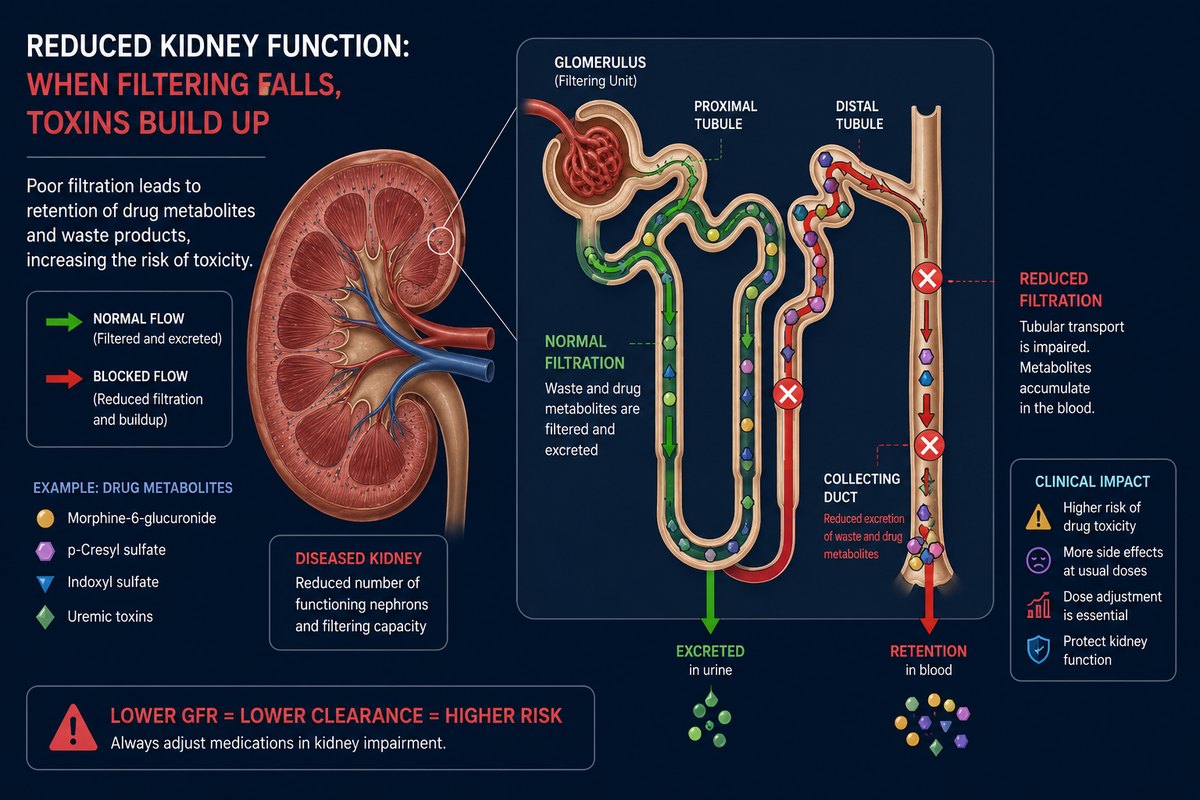 GuideHurt Without Harm: A Guide to Safe Pain Relief in Kidney DiseaseManaging pain safely with kidney disease — which painkillers to avoid, safe alternatives like paracetamol, gabapentin, and topical treatments for Filipino CKD patients.
 GuideTop 5 Mistakes CKD Patients MakeThe 5 most common mistakes kidney patients make — stopping medications, ignoring diet, missing labs, using herbal remedies, and skipping nephrologist visits.
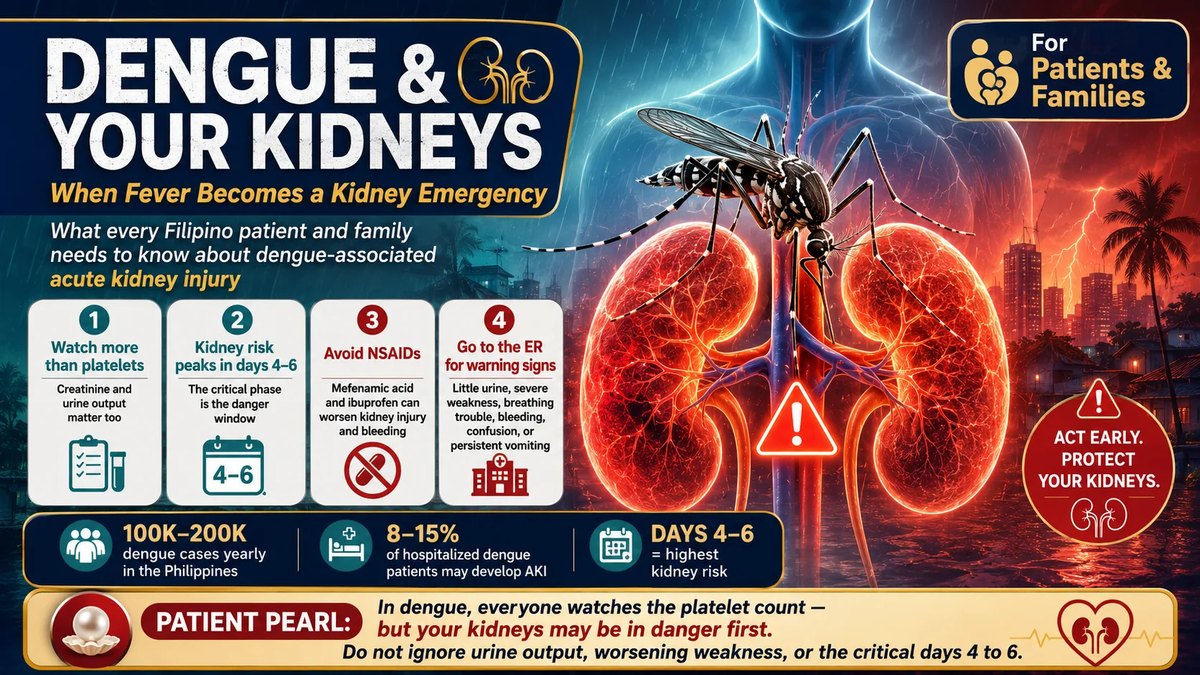 GuideDengue & Your Kidneys — When Fever Becomes a Kidney EmergencyDengue-associated acute kidney injury in the Philippines — mechanisms, three-phase danger window, CKD risk, fluid paradox, red flags, and why mefenamic acid is dangerous in dengue.
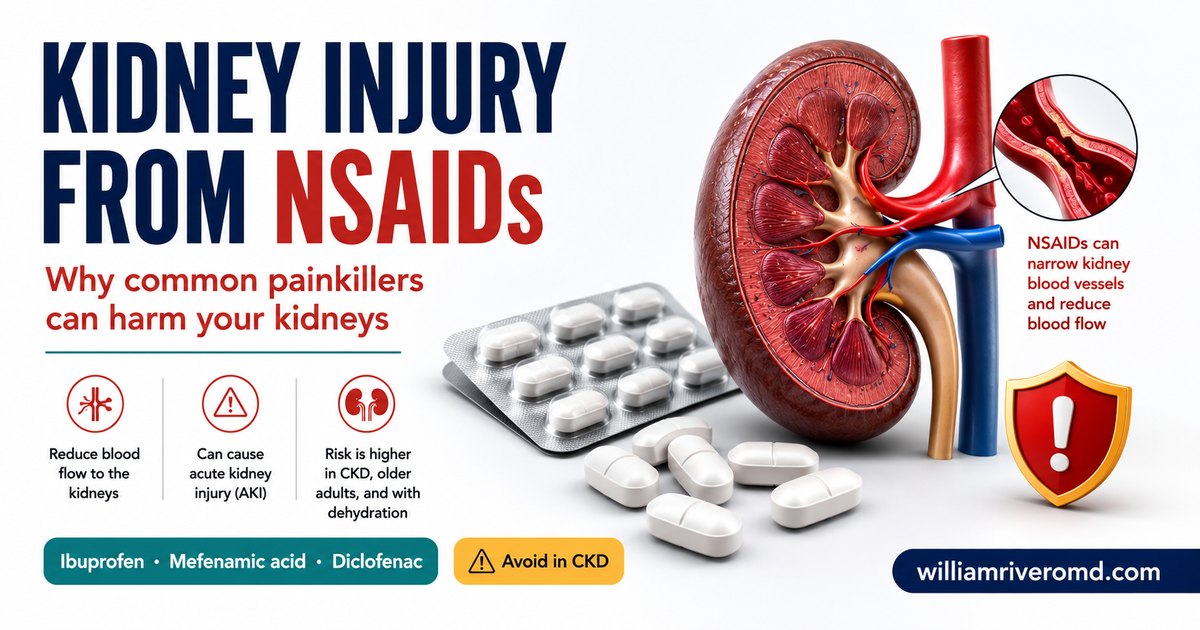 GuideNSAID-Induced Kidney InjuryNSAIDs and kidney injury — why ibuprofen, mefenamic acid (Ponstan), and diclofenac damage kidneys in CKD patients, and safer pain alternatives in the Philippines.
- CalculatorCreatinine Clearance — Cockcroft-Gault (drug dosing)Estimate creatinine clearance for drug dosing with the Cockcroft-Gault equation using age, sex, weight, and serum creatinine, with ideal/adjusted body-weight options. With indications, formula, evidence, and references.
References
- U.S. Food and Drug Administration. Mefenamic Acid · Lupin Pharmaceuticals, Inc. [US FDA-approved label, version 13, April 20, 2026]. Via DailyMed/openFDA. https://dailymed.nlm.nih.gov/dailymed/drugInfo.cfm?setid=d15733a9-d5fd-4d5f-86ce-e7ed8c706c7f
- Food and Drug Administration Philippines. Verification portal (product registrations). https://verification.fda.gov.ph
- PNF Essential Medicines List, 8th ed. (as of November 2, 2022), DOH; https://www.philhealth.gov.ph/partners/providers/pdf/PNF-EML_11022022.pdf
- PhilHealth Circular No. 2026-0018, Expanding Access to Outpatient First-line Anti-TB Drugs through PhilHealth GAMOT, Annex A.i GAMOT List (81 molecules); https://www.philhealth.gov.ph/circulars/2026/PC-2026-0018.pdf
- PhilHealth Circular No. 2026-0018, Annex A.2 GAMOT Fixed Fee Schedule (249 preparations; fees otherwise unchanged from PC2025-0013); https://www.philhealth.gov.ph/circulars/2026/PC-2026-0018.pdf
- DOH Drug Price Reference Index (DPRI) 2021, 9th edition (as of September 17, 2021); https://caro.doh.gov.ph/wp-content/uploads/2021/09/2021DPRI-as-of-9-17-2021.pdf
- Lupin Pharmaceuticals, Inc. (2026). Mefenamic acid capsules [Prescribing information; US FDA-approved label, ANDA091322, set ID d15733a9-d5fd-4d5f-86ce-e7ed8c706c7f, version effective April 20, 2026]. DailyMed, U.S. National Library of Medicine. https://dailymed.nlm.nih.gov/dailymed/drugInfo.cfm?setid=d15733a9-d5fd-4d5f-86ce-e7ed8c706c7f
renalcarematters.com content: Kidney and pediatric dosing: reviewed by William Gregory M. Rivero, MD, FPCP, DPSN on November 17, 2026. Dosing, interaction, adverse-effect and monitoring summary: reviewed by William Gregory M. Rivero, MD, FPCP, DPSN on November 17, 2026.
Last updated: .