Use: Labeled indications
- TRADJENTA is indicated as an adjunct to diet and exercise to improve glycemic control in adults with type 2 diabetes mellitus .
Full indications and usage US FDA label
1 INDICATIONS AND USAGE TRADJENTA is indicated as an adjunct to diet and exercise to improve glycemic control in adults with type 2 diabetes mellitus. TRADJENTA is a dipeptidyl peptidase-4 (DPP-4) inhibitor indicated as an adjunct to diet and exercise to improve glycemic control in adults with type 2 diabetes mellitus (1) Limitations of Use Not recommended in patients with type 1 diabetes mellitus as it would not be effective (1) Has not been studied in patients with a history of pancreatitis (1) Limitations of Use TRADJENTA is not recommended in patients with type 1 diabetes mellitus as it would not be effective.
TRADJENTA has not been studied in patients with a history of pancreatitis. It is unknown whether patients with a history of pancreatitis are at an increased risk for the development of pancreatitis while using TRADJENTA [see Warnings and Precautions (5.1)].
Contraindications
- Hypersensitivity to linagliptin or any excipient
Contraindications (US label) US FDA label
4 CONTRAINDICATIONS TRADJENTA is contraindicated in patients with hypersensitivity to linagliptin or any of the excipients in TRADJENTA, reactions such as anaphylaxis, angioedema, exfoliative skin conditions, urticaria, or bronchial hyperreactivity have occurred [see Warnings and Precautions (5.3) and Adverse Reactions (6)]. Hypersensitivity to linagliptin or any of the excipients in TRADJENTA (4, 5.3)
Dosing: Adult
- Type 2 diabetes (glycemic control): 5 mg once daily, with or without food
Dosage and administration (US label) US FDA label
2 DOSAGE AND ADMINISTRATION The recommended dosage of TRADJENTA is 5 mg orally once daily (2.1) TRADJENTA can be taken with or without food (2.1) 2.1 Recommended Dosage and Administration The recommended dosage of TRADJENTA is 5 mg taken orally once daily, with or without food.
Dosing: Altered kidney function
Linagliptin, a dipeptidyl peptidase-4 (DPP-4) inhibitor, is mostly cleared outside the kidneys (renal excretion under 5%). The US label recommends no dose adjustment at any level of kidney function.
Kidney function measure: Label states no adjustment for renal impairment.
Show full dosing details
- eGFR ≥60
- 5 mg once daily; no adjustment (label).
- eGFR 30–59
- 5 mg once daily; no adjustment (label).
- eGFR 15–29
- 5 mg once daily; no adjustment (label). Studied in CARMELINA (15% had eGFR <30).
- eGFR <15 (not on dialysis)
- No adjustment recommended for renal impairment (label).
- Hemodialysis (intermittent)
- No adjustment in label (renal-impairment PK study did not include dialysis); removal by hemodialysis unlikely. Hypoglycemia risk higher with insulin in severe kidney impairment (label 5.2).
- Peritoneal dialysis
- No adjustment in label (renal-impairment PK study did not include dialysis); removal by peritoneal dialysis unlikely. Hypoglycemia risk higher with insulin in severe kidney impairment (label 5.2).
- CRRT
- No data in label.
- Dialyzable? Unlikely (label).
- Monitoring Hypoglycemia with sulfonylureas or insulin; pancreatitis; bullous pemphigoid.
Children (kidney dosing)
Show full dosing details
- eGFR ≥60
- Not established in children.
- eGFR 30–59
- Not established in children.
- eGFR 15–29
- Not established in children.
- eGFR <15 (not on dialysis)
- Not established in children.
- Hemodialysis (intermittent)
- Not established in children.
- Peritoneal dialysis
- Not established in children.
- CRRT
- Not established in children.
Pediatric eGFR: bedside Schwartz equation, 0.413 × height (cm) / serum creatinine (mg/dL). Weight-based doses should not exceed the adult maximum.
renalcarematters.com guidance, reviewed by William Gregory M. Rivero, MD, FPCP, DPSN on November 16, 2026. Sources are listed under References. Use with the product's package insert and the patient's current kidney function.
US label text: Renal impairment US FDA label
8.6 Renal Impairment No dosage adjustment is recommended for patients with renal impairment [see Clinical Pharmacology (12.3)]. In the TRADJENTA treatment arm of the CARMELINA trial [see Clinical Studies (14)], 2,200 (63%) patients had renal impairment (eGFR <60 mL/min/1.73 m²). Approximately 20% of the population had eGFR ≥45 to <60 mL/min/1.73 m², 28% of the population had eGFR ≥30 to <45 mL/min/1.73 m² and 15% had eGFR <30 mL/min/1.73 m². The overall incidence of adverse reactions were generally similar between the TRADJENTA and placebo treatment arms.
Patients with Renal Impairment An open-label pharmacokinetic study evaluated the pharmacokinetics of linagliptin 5 mg in male and female patients with varying degrees of chronic renal impairment. The study included 6 healthy subjects with normal renal function (creatinine clearance [CrCl] ≥80 mL/min), 6 patients with mild renal impairment (CrCl 50 to <80 mL/min), 6 patients with moderate renal impairment (CrCl 30 to <50 mL/min), 10 patients with type 2 diabetes mellitus and severe renal impairment (CrCl <30 mL/min), and 11 patients with type 2 diabetes mellitus and normal renal function.
Creatinine clearance was measured by 24-hour urinary creatinine clearance measurements or estimated from serum creatinine based on the Cockcroft-Gault formula. Under steady-state conditions, linagliptin exposure in patients with mild renal impairment was comparable to healthy subjects. In patients with moderate renal impairment under steady-state conditions, mean exposure of linagliptin increased (AUC τ,ss by 71% and C max by 46%) compared with healthy subjects.
This increase was not associated with a prolonged accumulation half-life, terminal half-life, or an increased accumulation factor. Renal excretion of linagliptin was below 5% of the administered dose and was not affected by decreased renal function.
Dosing: Hepatic impairment
8.7 Hepatic Impairment No dose adjustment is recommended for patients with hepatic impairment [see Clinical Pharmacology (12.3)].
US FDA labelDosing: Pediatric
- Approved ages
- Safety and effectiveness not established; a 26-week pediatric trial (10–17 years) did not show effectiveness (label).
- Usual dose
- Not established.
- Maximum dose
- Not applicable.
- Neonates
- Neonates: not established.
Kidney dosing in children: see Dosing: Altered kidney function.
renalcarematters.com, reviewedPediatric use (US label) US FDA label
8.4 Pediatric Use The safety and effectiveness of TRADJENTA have not been established in pediatric patients. Effectiveness of TRADJENTA was not demonstrated in a 26-week randomized, double-blind, placebo-controlled trial (NCT03429543) in 157 pediatric patients aged 10 to 17 years with inadequately controlled type 2 diabetes mellitus.
Dosing: Older adult
Geriatric use (US label) US FDA label
8.5 Geriatric Use In linagliptin studies, 1,085 linagliptin-treated patients were 65 years of age and older and 131 patients were 75 years of age and older. In these linagliptin studies, no overall differences in safety or effectiveness of linagliptin were observed between geriatric patients and younger adult patients.
Administration
2.1 Recommended Dosage and Administration The recommended dosage of TRADJENTA is 5 mg taken orally once daily, with or without food.
US FDA labelDosage forms
Philippines
- Film-coated tablet: 5 mg
- Tablet: 5 mg
Registered products in the Philippines
39 products registered with the Food and Drug Administration (FDA) Philippines list Linagliptin as the generic name (including products registered under a variant spelling). Registration status changes; confirm a product's current status on the FDA portal before relying on it.
Also registered under: Linagligptin (1 product). Products registered under these spellings are included in the table and marked.
All registered products39
| Package insert | |||||||
|---|---|---|---|---|---|---|---|
DelgliptinLinagliptin | 5 mg Film-Coated TabletAlu/Alu Blister Pack x 10’s (Box of 100’s); Alu/Alu Blister Pack x 10’s (Box of 50’s) | RxVAT-exempt | Flourish PharmaIndia | NAB Trading Corp.Importer: Biophil Medical Equipment And Supplies Trading | DRP-16713-01 | Jun 25, 2030 | |
EncrylinLinagliptin | 5 mg TabletAlu/Alu Blister Pack x 10's (Box of 10's) | RxVAT-exempt | Mcolson Research Laboratories (Pvt.) Ltd.Pakistan | Sahar International Trading Inc. | DR-XY49548 | Oct 16, 2030 | |
EncrylinLinagliptin | 5 mg TabletAlu/Alu Blister Pack x 10's (Box of 10's and 30's) | RxVAT-exempt | MColson Research Laboratories (PVT.) LTD.Pakistan | Sahar International Trading Inc. | DRP-17761 | Oct 16, 2030 | |
GlindaLinagliptin | 5 mg Film-Coated TabletAlu/Alu Blister Pack x 10's (Box of 30's and 100's) | RxVAT-exempt | Hebei Tiancheng Pharmaceutical Co., Ltd.China | AMB HK Enterprises, Inc. | DRP-18158 | May 19, 2031 | |
GlucolinLinagliptin | 5 mg Film-Coated TabletAlu/Alu blister pack x 10's (box of 30's) | RxVAT-exempt | Macleods Pharmaceuticals LimitedIndia | Macleods Pharmaceuticals Philippines, Inc | DR-XY49524 | Sep 29, 2030 | |
IliataLinagliptin | 5 mg Film-Coated TabletAlu/Alu Blister Pack x 10’s (Box of 30’s) | RxVAT-exempt | CSPC Ouyi Pharmaceutical Co., Ltd.China | Helande Kidney Care, Inc.Importer: AMB HK Enterprises, Inc. | DRP-15824-01 | Sep 18, 2029 | |
KrijentaLinagliptin | 5 mg TabletAlu/Alu Blister Pack x 10's (Box of 30's) | RxVAT-exempt | Fredun Pharmaceuticals Ltd.India | Khriz Pharma Trading, Inc. | DRP 15387 | Jul 3, 2029 | |
LinacoLinagliptin | 5 mg Film-Coated TabletAlu/Alu Blister Pack x 10's (Box of 30's) | RxVAT-exempt | CSPC Ouyi Pharmaceutical Co., Ltd.China | Taisho Pharmaceuticals (Philippines), Inc.Importer: AMB HK Enterprises, Inc. | DRP-15824-03 | Sep 18, 2029 | |
LinagenLinagliptin | 5 mg Film-coated TabletAlu/Alu Blister Pack x 10's (Box of 100's) | RxVAT-exempt | Azarias Pharmaceutical Laboratories Inc.Philippines | Eba Generisch Trading Inc. | DRP-16946-02 | Sep 2, 2030 | |
LinaglixLinagliptin | 5 mg Film-Coated TabletAlu/Alu Blister Pack x 10's (Box of 30's) | RxVAT-exempt | Eskayef Pharmaceuticals LimitedBangladesh | GA2 Pharmaceutical IncImporter: Medinova Pharmaceutical Inc. | DRP-16208-01 | Dec 17, 2029 | |
LinagoldLinagliptin | 5 mg Film-coated TabletAlu / Alu Blister Pack x 10's (Box of 30's & 100's) | RxVAT-exempt | Azarias Pharmaceutical Laboratories Inc.Philippines | Brilliantmeed, Inc. | DRP-16946-03 | Sep 2, 2030 | |
LinajentLinagliptin | 5 mg Film-Coated TabletAlu/Alu Blister Pack x 10’s (Box of 30’s) | RxVAT-exempt | CSPC Ouyi Pharmaceutical Co., Ltd.China | Lakeside Pharmaceuticals Phil., Inc.Importer: AMB HK Enterprises Inc. | DRP-15824-02 | Sep 18, 2027 | |
5 mg Film Coated TabletAlu/Alu Blister Pack x 10's (Box of 30's) | Rx | Intas Pharmaceuticals LimitedIndia | Accord Healthcare Limited - Philippine Branch Office | DRP-18441 | Jul 10, 2032 | ||
LinaproLinagliptin | 5 mg Film-Coated TabletAlu/Alu Blister Pack x 10’s (Box of 30’s) | RxVAT-exempt | Exemed PharmaceuticalsIndia | Thinkhealth Biopharm Inc.Importer: AMB HK Enterprises Inc. | DRP-16994-02 | Oct 7, 2030 | |
Linasun 5Linagliptin | 5 mg Film-Coated TabletAlu / Alu Blister Pack x 10's (Box of 30's) | RxVAT-exempt | Eskayef Pharmaceuticals LimitedBangladesh | Sun Pharma Philippines, Inc.Importer: Medinova Pharmaceutical Inc. | DRP-16208-02 | Dec 17, 2029 | |
LinaxLinagliptin | 5 mg Film-coated TabletAlu/Alu Blister Pack x 10's (Box of 30's, 50's & 100's) | RxVAT-exempt | Azarias Pharmaceutical Laboratories Inc.Philippines | — | DRP-16946 | Sep 2, 2030 | |
LineptinLinagliptin | 5 mg Film-Coated TabletAlu/Alu Blister Pack x Blister Pack x 10's (Box of 30's) | RxVAT-exempt | CSPC Ouyi Pharmaceutical Co., Ltd.China | AMB HK Enterprises, Inc.Importer: AMB HK Enterprises Inc. | DRP-15824 | Sep 18, 2029 | |
LinestaLinagliptin | 5 mg Film-Coated TabletAlu-Alu Blister Pack x 10's (Box of 30's) | RxVAT-exempt | Hetero Labs Limited (Unit V)India | Camber Pharmaceuticals, Inc. | DRP-15761 | Sep 11, 2029 | |
LinovexLinagliptin | 5 mg Film-Coated TabletAlu-Alu Blister Pack of 10's ( Box of 30's and 100's) | RxVAT-exempt | Unison Pharmaceuticals Privated LimitedIndia | Medinova Pharmaceutical Inc. | DRP-18928 | Oct 1, 2032 | |
LitatinLinagliptin | 5 mg Film-Coated TabletAlu/Alu Blister Pack x 10's (Box of 30's) | RxVAT-exempt | Exemed PharmaceuticalsIndia | AMB HK Enterprises Inc | DRP-16994 | Oct 7, 2030 | |
LiviaLinagliptin | 5 mg Film-Coated TabletAlu / Alu Blister Pack x 10's (Box of 30's) | RxVAT-exempt | Lloyd Laboratories, Inc.Philippines | Innogen Pharmaceuticals, Inc.Trader: Aldril Pharmaceuticals, Inc. | DRP-16858-01 | Jul 27, 2028 | |
LiviaLinagliptin | 5 mg Film-Coated TabletAlu/Alu Blister Pack x 10’s (Box of 30’s) | RxVAT-exempt | Lloyd Laboratories, Inc.Philippines | Trader: Innogen Pharmaceuticals, Inc. | DRP-18063 | Apr 30, 2031 | |
LupiglinaLinagliptin | 5 mg Film-Coated TabletAlu/Alu Blister Pack x 10's (Box of 30's) | RxVAT-exempt | Exemed PharmaceuticalsIndia | Multicare Pharmaceuticals Phils. Inc.Importer: AMB HK Enterprises Inc. | DRP-16994-03 | Oct 7, 2030 | |
LynormLinagliptin | 5 mg Film-Coated TabletAlu/Alu blister pack x 10's (Box of 30's) | RxVAT-exempt | Lloyd Laboratories, Inc.Philippines | — | DR-XY48822 | Jul 27, 2028 | |
LynormLinagliptin | 5 mg Film-Coated TabletAlu / Alu Blister Pack x 10s (Box of 30's) | RxVAT-exempt | Lloyd Laboratories, Inc.Philippines | Trader: Aldril Pharmaceuticals, Inc. | DRP-16858 | Jul 27, 2028 | |
Myglip 5Linagliptin | 5 mg Film-Coated TabletAlu/Alu Blister Pack x 10's (Box of 30's ; Box of 10's - Physician's Sample) | RxVAT-exempt | Alidac Healthcare (Myanmar) Ltd.Myanmar | Zydus Healthcare PhilippinesTrader: N/A | DR-XY49729 | May 19, 2031 | |
NaglipLinagliptin | 5 mg Film-Coated TabletAlu/Alu Blister Pack x 10's (Box of 30's, 50's & 100's) | RxVAT-exempt | Azarias Pharmaceutical Laboratories Inc.Philippines | St. Raphael Archangel Pharmaceutical Product Distribution | DRP-16946-01 | Sep 2, 2030 | |
NoneLinagliptin | 5 mg Film-Coated TabletAlu/Alu Blister Pack x 14’s (Box of 28’s) | RxVAT-exempt | Sinil Pharmaceutical Co., Ltd.Republic of Korea | Ritemed Phils., Inc.Importer: JLT Pharma Inc. | DRP-15293-01 | Jun 11, 2029 | |
PenjentaLinagliptin | 5 mg TabletAlu/ Alu Blister Pack x 10's (Box of 30's) | RxVAT-exempt | Fredun Pharmaceuticals Ltd.India | A. Pendragon International Distribution OpcImporter: Khriz Pharma Trading, Inc. | DRP-15387-01 | Jul 3, 2029 | |
Saphgen-DD4Linagliptin | 5 mg Film-Coated TabletAlu/Alu Blister Pack x 10's (Box of 100's) | RxVAT-exempt | Genom Biotech Pvt. LtdIndia | Nelpa Lifesciences, Inc. | DRP-17024 | Sep 8, 2030 | |
TragliptinLinagliptin | 5 mg Film-Coated TabletAlu/Alu Blister Pack x 14's (Box of 28's) | RxVAT-exempt | Sinil Pharmaceutical Co., Ltd.Korea | JLT Pharma Inc. | DRP-15293 | Jun 11, 2029 | |
TrajentaLinagliptin | 5 mg Film-Coated TabletAlu/Alu Blister Pack x 10's [Box of 10's (as Physician's sample) & 30's] | RxVAT-exempt | Dragenopharm Apotheker Püschl GmbHGermany | Boehringer Ingelheim (Philippines), Inc | DR-XY49343 | Feb 26, 2030 | |
TrajentaLinagliptin | 5 mg TabletAlu/Alu Blister Pack x 10's (Box of 10's & 30's) | RxVAT-exempt | West-Ward Columbus Inc.USA | Boehringer Ingelheim (Philippines), Inc. | DRP-11535 | Feb 28, 2030 | |
Trocia 5Linagliptin | 5 mg Film-Coated TabletAlu/Alu Blister Pack x 10's (Box of 30's) | RxVAT-exempt | Lloyd Laboratories, Inc.Philippines | Trader: Solvang Pharmaceuticals, Inc. | DRP-18022 | Apr 23, 2031 | |
ViamitusLinagliptin | 5 mg Film-Coated TabletLaminated Cold Form Alu/PVC Blister Pack x 10's (Box of 30's) | RxVAT-exempt | Mylan Laboratories LimitedIndia | Viatris Pharmaceuticals, Inc. | DR-XY49567 | Oct 22, 2030 | |
XinisiaLinagliptin | 5 mg Film Coated TabletAlu/Alu Blister Pack x 10's (Box of 30's) | RxVAT-exempt | Ajanta Pharma LimitedIndia | Ajanta Pharma Philippines Inc. | DR-XY49352 | Mar 10, 2030 | |
ZolvinaLinagliptin | 5 mg Film-Coated TabletAlu/Alu Blister pack x 14's (Box of 28's) | RxVAT-exempt | Sinil Pharmaceutical Co., Ltd.Republic of Korea | UNILAB, Inc.Importer: JLT Pharma Inc. | DRP-15293-02 | Jun 11, 2029 | |
(no brand name)Linagliptin | 5 mg Film-Coated TabletAlu/Alu Blister Pack x 10's (Box of 30's) (Box of 10's as physician's sample) | RxVAT-exempt | Alidac Healthcare (Myanmar) Ltd.Myanmar | Zydus Healthcare Philippines Inc. | DRP-17869 | May 19, 2031 | |
(no brand name)Linagliptin | 5 mg Film-Coated TabletAlu/Alu Blister Pack x 10's (Box of 30's) | RxVAT-exempt | Lloyd Laboratories, Inc.Philippines | Trader: Dr. Zen's Research, Inc. | DRP-18021 | Apr 23, 2031 |
Source: FDA Philippines product registration database. "Valid until" is the registration validity date listed by the FDA; a past date may mean a renewal is pending. Package insert links point to files published by the FDA.
United States (label)
Dosage forms and strengths (US label) US FDA label
3 DOSAGE FORMS AND STRENGTHS Tablets: 5 mg, light red, round, biconvex, bevel-edged, film-coated tablets with "D5" debossed on one side and the Boehringer Ingelheim symbol debossed on the other side. Tablets: 5 mg (3)
Warnings/Precautions
- Pancreatitis: There have been reports of acute pancreatitis, including fatal pancreatitis. If pancreatitis is suspected, promptly discontinue TRADJENTA. (5.1)
- Hypoglycemia: Consider lowering the dosage of insulin secretagogue or insulin to reduce the risk of hypoglycemia when initiating TRADJENTA (5.2)
- Hypersensitivity reactions: Serious hypersensitivity reactions (e.g., anaphylaxis, angioedema, and exfoliative skin conditions) have occurred with TRADJENTA. If hypersensitivity reactions occur, discontinue TRADJENTA, treat promptly, and monitor until signs and symptoms resolve. (5.3)
- Arthralgia: Severe and disabling arthralgia has been reported in patients taking TRADJENTA. Consider as a possible cause for severe joint pain and discontinue drug if appropriate. (5.4)
- Bullous pemphigoid: There have been reports of bullous pemphigoid requiring hospitalization. Tell patients to report development of blisters or erosions. If bullous pemphigoid is suspected, discontinue TRADJENTA. (5.5)
- Heart failure: Heart failure has been observed with two other members of the DPP-4 inhibitor class. Consider risks and benefits of TRADJENTA in patients who have known risk factors for heart failure. Monitor for signs and symptoms. (5.6)
5.1 Pancreatitis
5.1 Pancreatitis Acute pancreatitis, including fatal pancreatitis, has been reported in patients treated with TRADJENTA. In the CARMELINA trial [see Clinical Studies (14.2)], acute pancreatitis was reported in 9 (0.3%) patients treated with TRADJENTA and in 5 (0.1%) patients treated with placebo. Two patients treated with TRADJENTA in the CARMELINA trial had acute pancreatitis with a fatal outcome.
There have been postmarketing reports of acute pancreatitis, including fatal pancreatitis, in patients treated with TRADJENTA. Take careful notice of potential signs and symptoms of pancreatitis. If pancreatitis is suspected, promptly discontinue TRADJENTA and initiate appropriate management. It is unknown whether patients with a history of pancreatitis are at increased risk for the development of pancreatitis while using TRADJENTA.
5.2 Hypoglycemia with Concomitant Use with Insulin
5.2 Hypoglycemia with Concomitant Use with Insulin and Insulin Secretagogues Insulin secretagogues and insulin are known to cause hypoglycemia. The risk of hypoglycemia is increased when TRADJENTA is used in combination with an insulin secretagogue (e.g., sulfonylurea) or insulin [see Adverse Reactions (6.1)]. The use of TRADJENTA in combination with insulin in subjects with severe renal impairment was associated with a higher rate of hypoglycemia [see Adverse Reactions (6.1)].
Therefore, a lower dosage of the insulin secretagogue or insulin may be required to reduce the risk of hypoglycemia when used in combination with TRADJENTA.
5.3 Hypersensitivity Reactions
5.3 Hypersensitivity Reactions There have been postmarketing reports of serious hypersensitivity reactions in patients treated with TRADJENTA. These reactions include anaphylaxis, angioedema, and exfoliative skin conditions. Onset of these reactions occurred predominantly within the first 3 months after initiation of treatment with TRADJENTA, with some reports occurring after the first dose.
If a serious hypersensitivity reaction is suspected, discontinue TRADJENTA, assess for other potential causes for the event, and institute alternative treatment for diabetes mellitus. Angioedema has also been reported with other dipeptidyl peptidase-4 (DPP-4) inhibitors. Use caution in a patient with a history of angioedema to another DPP-4 inhibitor because it is unknown whether such patients will be predisposed to angioedema with TRADJENTA.
5.4 Severe and Disabling Arthralgia
5.4 Severe and Disabling Arthralgia There have been postmarketing reports of severe and disabling arthralgia in patients taking TRADJENTA [see Adverse Reactions (6)]. The time to onset of symptoms following initiation of drug therapy varied from one day to years. Patients experienced relief of symptoms upon discontinuation of the medication.
A subset of patients experienced a recurrence of symptoms when restarting the same drug or a different DPP-4 inhibitor. Consider the drug as a possible cause for severe joint pain and discontinue drug if appropriate.
5.5 Bullous Pemphigoid
5.5 Bullous Pemphigoid Bullous pemphigoid was reported in 7 (0.2%) patients treated with TRADJENTA compared to none in patients treated with placebo in the CARMELINA trial [see Clinical Studies (14.2)], and 3 of these patients were hospitalized due to bullous pemphigoid. Postmarketing cases of bullous pemphigoid requiring hospitalization have been reported with DPP-4 inhibitor use.
In reported cases, patients typically recovered with topical or systemic immunosuppressive treatment and discontinuation of the DPP-4 inhibitor. Tell patients to report development of blisters or erosions while receiving TRADJENTA. If bullous pemphigoid is suspected, TRADJENTA should be discontinued and referral to a dermatologist should be considered for diagnosis and appropriate treatment.
5.6 Heart Failure
5.6 Heart Failure An association between DPP-4 inhibitor treatment and heart failure has been observed in cardiovascular outcomes trials for two other members of the DPP-4 inhibitor class. These trials evaluated patients with type 2 diabetes mellitus and atherosclerotic cardiovascular disease. Consider the risks and benefits of TRADJENTA prior to initiating treatment in patients at risk for heart failure, such as those with a prior history of heart failure and a history of renal impairment, and observe these patients for signs and symptoms of heart failure during therapy.
Advise patients of the characteristic symptoms of heart failure and to immediately report such symptoms. If heart failure develops, evaluate and manage according to current standards of care and consider discontinuation of TRADJENTA.
Drug interactions
| Drug or class | Severity | Effect | What to do |
|---|---|---|---|
| Strong P-gp or CYP3A4 inducers (e.g., rifampin) | Avoid | Lower linagliptin exposure; reduced efficacy. | Use alternative treatment. |
| Insulin or insulin secretagogues (e.g., sulfonylureas) | Adjust or monitor | More hypoglycemia. | Lower insulin or secretagogue doses may be needed. |
Severity scale (renalcarematters.com): Avoid: do not combine; Adjust or monitor: change the dose or monitor closely; Minor: usually no action.
renalcarematters.com, reviewedStrong P-glycoprotein/CYP3A4 inducer: The efficacy of TRADJENTA may be reduced when administered in combination (e.g., with rifampin). Use of alternative treatments is strongly recommended. (7.1)
7.1 Inducers of P-glycoprotein or CYP3A4 Enzymes
7.1 Inducers of P-glycoprotein or CYP3A4 Enzymes Rifampin decreased linagliptin exposure, suggesting that the efficacy of TRADJENTA may be reduced when administered in combination with a strong P-gp or CYP3A4 inducer. Therefore, use of alternative treatments is strongly recommended when linagliptin is to be administered with a strong P-gp or CYP3A4 inducer [see Clinical Pharmacology (12.3)].
7.2 Insulin Secretagogues
7.2 Insulin Secretagogues or Insulin Insulin and insulin secretagogues are known to cause hypoglycemia. The risk of hypoglycemia is increased when linagliptin is used in combination with an insulin secretagogue (e.g., sulfonylurea) or insulin. Coadministration of TRADJENTA with an insulin secretagogue (e.g., sulfonylurea) or insulin may require lower dosages of the insulin secretagogue or insulin to reduce the risk of hypoglycemia [see Warnings and Precautions (5.2)].
Metabolism and transporters (CYP, P-gp, OATP; US label) US FDA label
Drug Interaction Studies In vitro Assessment of Drug Interactions Linagliptin is a weak to moderate inhibitor of CYP isozyme CYP3A4, but does not inhibit other CYP isozymes and is not an inducer of CYP isozymes, including CYP1A2, 2A6, 2B6, 2C8, 2C9, 2C19, 2D6, 2E1, and 4A11.
Linagliptin is a P-glycoprotein (P-gp) substrate, and inhibits P-gp mediated transport of digoxin at high concentrations.
Based on these results and in vivo drug interaction studies, linagliptin is considered unlikely to cause interactions with other P-gp substrates at therapeutic concentrations.
In vivo Assessment of Drug Interactions Strong inducers of CYP3A4 or P-gp (e.g., rifampin) decrease exposure to linagliptin to subtherapeutic and likely ineffective concentrations [see Drug Interactions (7) ].
In vivo studies indicated evidence of a low propensity for causing drug interactions with substrates of CYP3A4, CYP2C9, CYP2C8, P-gp and organic cationic transporter (OCT).
7 DRUG INTERACTIONS Strong P-glycoprotein/CYP3A4 inducer: The efficacy of TRADJENTA may be reduced when administered in combination (e.g., with rifampin).
( 7.1 ) 7.1 Inducers of P-glycoprotein or CYP3A4 Enzymes Rifampin decreased linagliptin exposure, suggesting that the efficacy of TRADJENTA may be reduced when administered in combination with a strong P-gp or CYP3A4 inducer.
Therefore, use of alternative treatments is strongly recommended when linagliptin is to be administered with a strong P-gp or CYP3A4 inducer [see Clinical Pharmacology (12.3) ] . 7.2 Insulin Secretagogues or Insulin Insulin and insulin secretagogues are known to cause hypoglycemia.
Adverse reactions
Common
- Nasopharyngitis (≥5% and more than placebo)
Serious
- Acute pancreatitis, including fatal
- Hypoglycemia with insulin or secretagogues
- Hypersensitivity (anaphylaxis, angioedema, exfoliative skin reactions)
- Severe and disabling arthralgia
- Bullous pemphigoid
- Heart failure (DPP-4 inhibitor association)
- The following serious adverse reactions are described below or elsewhere in the prescribing information: Pancreatitis [see Warnings and Precautions (5.1)] Hypoglycemia with Concomitant Use with Insulin and Insulin Secretagogues [see Warnings and Precautions (5.2)] Hypersensitivity Reactions [see Warnings and Precautions (5.3)] Severe and Disabling Arthralgia [see Warnings and Precautions (5.4)] Bullous Pemphigoid [see Warnings and Precautions (5.5)] Heart Failure [see Warnings and Precautions (5.6)] Most common adverse reaction (incidence ≥5% and more often than placebo) was nasopharyngitis (6.1)
- To report SUSPECTED ADVERSE REACTIONS, contact Boehringer Ingelheim Pharmaceuticals, Inc. at 1-800-542-6257, or FDA at 1-800-FDA-1088 or www.fda.gov/medwatch.
6.1 Clinical Trials Experience
6.1 Clinical Trials Experience Because clinical trials are conducted under widely varying conditions, adverse reaction rates observed in the clinical trials of a drug cannot be directly compared to rates in the clinical trials of another drug and may not reflect the rates observed in practice. The safety evaluation of TRADJENTA 5 mg once daily in patients with type 2 diabetes mellitus is based on 14 placebo-controlled trials, 1 active-controlled trial, and one trial in patients with severe renal impairment.
In the 14 placebo-controlled studies, a total of 3,625 patients were randomized and treated with TRADJENTA 5 mg daily and 2,176 with placebo. The mean exposure in patients treated with TRADJENTA across studies was 29.6 weeks. The maximum follow-up was 78 weeks. TRADJENTA 5 mg once daily was studied as monotherapy in three placebo-controlled trials of 18 and 24 weeks' duration and in five additional placebo-controlled studies lasting ≤18 weeks.
The use of TRADJENTA in combination with other antihyperglycemic agents was studied in six placebo-controlled trials: two with metformin (12 and 24 weeks' treatment duration); one with a sulfonylurea (18 weeks' treatment duration); one with metformin and sulfonylurea (24 weeks' treatment duration); one with pioglitazone (24 weeks' treatment duration); and one with insulin (primary endpoint at 24 weeks). In a pooled dataset of 14 placebo-controlled clinical trials, adverse reactions that occurred in ≥2% of patients receiving TRADJENTA (n = 3,625) and more commonly than in patients given placebo (n = 2,176), are shown in Table 1.
Table 1 Adverse Reactions Reported in ≥2% of Patients Treated with TRADJENTA and Greater than Placebo in Placebo-Controlled Clinical Studies of TRADJENTA Monotherapy or Combination Therapy Adverse Reactions TRADJENTA 5 mg (%) n = 3,625 Placebo (%) n = 2,176 Nasopharyngitis 7.0
6.1 Diarrhea 3
6.1 Diarrhea 3.3 3.0 Cough 2.1 1.4 Rates for other adverse reactions for TRADJENTA 5 mg vs placebo when TRADJENTA was used in combination with specific antidiabetic agents were: urinary tract infection (3.1% vs 0%) and hypertriglyceridemia (2.4% vs 0%) when TRADJENTA was used as add-on to sulfonylurea; hyperlipidemia (2.7% vs 0.8%) and weight increased (2.3% vs 0.8%) when TRADJENTA was used as add-on to pioglitazone; and constipation (2.1% vs 1%) when TRADJENTA was used as add-on to basal insulin therapy. Other adverse reactions reported in clinical studies with treatment of TRADJENTA were hypersensitivity (e.g., urticaria, angioedema, localized skin exfoliation, or bronchial hyperreactivity) and myalgia.
Following 104 weeks' treatment in a controlled trial comparing TRADJENTA with glimepiride in which all patients were also receiving metformin, adverse reactions reported in ≥5% of patients treated with TRADJENTA (n = 776) and more frequently than in patients treated with a sulfonylurea (n = 775) were back pain (9.1% vs 8.4%), arthralgia (8.1% vs 6.1%), upper respiratory tract infection (8.0% vs 7.6%), headache (6.4% vs 5.2%), cough (6.1% vs 4.9%), and pain in extremity (5.3% vs 3.9%). In the clinical trial program, pancreatitis was reported in 15.2 cases per 10,000 patient year exposure while being treated with TRADJENTA compared with 3.7 cases per 10,000 patient year exposure while being treated with comparator (placebo and active comparator, sulfonylurea).
Three additional cases of pancreatitis were reported following the last administered dose of linagliptin. Other Adverse Reactions Hypoglycemia Table 2 summarizes the incidence of hypoglycemia in placebo-controlled studies of TRADJENTA. The incidence of hypoglycemia increased when TRADJENTA was administered with sulfonylurea or insulin.
Table 2 Incidence (%) of Hypoglycemia in Placebo-Controlled Clinical Studies of TRADJENTA in Patients with Type 2 Diabetes Mellitus *Hypoglycemia requiring assistance of another person to actively administer carbohydrate, glucagon, or other resuscitative actions. Add-on to Sulfonylurea (18 Weeks) Placebo (N=84) TRADJENTA (N=161) Hypoglycemia with plasma glucose <54 mg/dL (%) 1.2 1.9 Severe* hypoglycemia (%) 0 0 Add-on to Metformin and Sulfonylurea (24 Weeks) Placebo (N=263) TRADJENTA (N=792) Hypoglycemia with plasma glucose <54 mg/dL (%) 5.3 8.1 Severe* hypoglycemia (%) 0.8 0.6 Add-on to Basal Insulin (52 Weeks) Placebo (N=630) TRADJENTA (N=631) Hypoglycemia with plasma glucose <54 mg/dL (%) 21.6 19.8 Severe* hypoglycemia (%) 1.1 1.7 In an active-controlled (glimepiride) cardiovascular safety trial with TRADJENTA (CAROLINA) with median time on treatment of 5.9 years, the incidence of severe hypoglycemia was 0.3% in the TRADJENTA group (N=3,014) and 2.2% in glimepiride group (N=3,000).
Use in Renal Impairment TRADJENTA was compared to placebo as add-on to pre-existing antidiabetic therapy over 52 weeks in 133 patients with severe renal impairment (estimated GFR <30 mL/min). For the initial 12 weeks of the trial, background antidiabetic therapy was kept stable and included insulin, sulfonylurea, glinides, and pioglitazone.
For the remainder of the trial, dosage adjustments in antidiabetic background therapy were allowed. In general, the incidence of adverse events including severe hypoglycemia was similar to those reported in other TRADJENTA trials. The observed incidence of hypoglycemia was higher (TRADJENTA, 63% compared to placebo, 49%) due to an increase in asymptomatic hypoglycemic events especially during the first 12 weeks when background glycemic therapies were kept stable.
Ten TRADJENTA-treated patients (15%) and 11 placebo-treated patients (17%) reported at least one episode of confirmed symptomatic hypoglycemia (accompanying finger stick glucose ≤54 mg/dL). During the same time period, severe hypoglycemic events, defined as an event requiring the assistance of another person to actively administer carbohydrate, glucagon or other resuscitative actions, were reported in 3 (4.4%) TRADJENTA-treated patients and 3 (4.6%) placebo-treated patients.
Events that were considered life-threatening or required hospitalization were reported in 2 (2.9%) patients on TRADJENTA and 1 (1.5%) patient on placebo. Renal function as measured by mean eGFR and creatinine clearance did not change over 52 weeks' treatment compared to placebo. Laboratory Test Abnormalities in Clinical Trials Changes in laboratory findings were similar in patients treated with TRADJENTA 5 mg compared to patients treated with placebo.
Increase in Uric Acid: Changes in laboratory values that occurred more frequently in the TRADJENTA group and ≥1% more than in the placebo group were increases in uric acid (1.3% in the placebo group, 2.7% in the TRADJENTA group). Increase in Lipase: In a placebo-controlled clinical trial with TRADJENTA in type 2 diabetes mellitus patients with micro- or macroalbuminuria, a mean increase of 30% in lipase concentrations from baseline to 24 weeks was observed in the TRADJENTA arm compared to a mean decrease of 2% in the placebo arm.
Lipase levels above 3 times upper limit of normal were seen in 8.2% compared to 1.7% patients in the TRADJENTA and placebo arms, respectively. Increase in Amylase: In a cardiovascular safety trial comparing TRADJENTA versus glimepiride in patients with type 2 diabetes mellitus, amylase levels above 3 times upper limit of normal were seen in 1.0% compared to 0.5% of patients in the TRADJENTA and glimepiride arms, respectively.
The clinical significance of elevations in lipase and amylase with TRADJENTA is unknown in the absence of potential signs and symptoms of pancreatitis [see Warnings and Precautions (5.1)]. Vital Signs No clinically meaningful changes in vital signs were observed in patients treated with TRADJENTA.
6.2 Postmarketing Experience
6.2 Postmarketing Experience Additional adverse reactions have been identified during postapproval use of TRADJENTA. Because these reactions are reported voluntarily from a population of uncertain size, it is generally not possible to reliably estimate their frequency or establish a causal relationship to drug exposure.
Gastrointestinal Disorders: Acute pancreatitis, including fatal pancreatitis [see Indications and Usage (1)], mouth ulceration, stomatitis Immune System Disorders: Hypersensitivity reactions including anaphylaxis, angioedema, and exfoliative skin conditions Musculoskeletal and Connective Tissue Disorders: Rhabdomyolysis, severe and disabling arthralgia Skin and Subcutaneous Tissue Disorders: Bullous pemphigoid, rash
Adverse reaction frequency tables (US label) US FDA label
| Adverse Reactions | TRADJENTA 5 mg (%) n = 3,625 | Placebo (%) n = 2,176 |
|---|---|---|
| Nasopharyngitis | 7.0 | 6.1 |
| Diarrhea | 3.3 | 3.0 |
| Cough | 2.1 | 1.4 |
| *Hypoglycemia requiring assistance of another person to actively administer carbohydrate, glucagon, or other resuscitative actions. | ||
| Add-on to Sulfonylurea (18 Weeks) | Placebo (N=84) | TRADJENTA (N=161) |
| Hypoglycemia with plasma glucose <54 mg/dL (%) | 1.2 | 1.9 |
| Severe* hypoglycemia (%) | 0 | 0 |
| Add-on to Metformin and Sulfonylurea (24 Weeks) | Placebo (N=263) | TRADJENTA (N=792) |
| Hypoglycemia with plasma glucose <54 mg/dL (%) | 5.3 | 8.1 |
| Severe* hypoglycemia (%) | 0.8 | 0.6 |
| Add-on to Basal Insulin (52 Weeks) | Placebo (N=630) | TRADJENTA (N=631) |
| Hypoglycemia with plasma glucose <54 mg/dL (%) | 21.6 | 19.8 |
| Severe* hypoglycemia (%) | 1.1 | 1.7 |
Monitoring parameters
- Hypoglycemia with sulfonylureas or insulin; pancreatitis; bullous pemphigoid. Kidney
- Glycemic control (HbA1c)
- Symptoms of pancreatitis
- Signs of heart failure in at-risk patients
- Blisters or erosions (bullous pemphigoid)
Pregnancy considerations
Pregnancy (US label) US FDA label
8.1 Pregnancy Risk Summary The limited data with TRADJENTA use in pregnant women are not sufficient to inform of drug-associated risk for major birth defects and miscarriage. There are risks to the mother and fetus associated with poorly controlled diabetes in pregnancy [see Clinical Considerations]. In animal reproduction studies, no adverse developmental effects were observed when linagliptin was administered to pregnant rats during the period of organogenesis at doses similar to the maximum recommended clinical dose, based on exposure [see Data].
The estimated background risk of major birth defects is 6% to 10% in women with pre-gestational diabetes with a HbA1c >7 and has been reported to be as high as 20% to 25% in women with HbA1c >10. The estimated background risk of miscarriage for the indicated population is unknown. In the U.S. general population, the estimated background risk of major birth defects and miscarriage in clinically recognized pregnancies is 2% to 4% and 15% to 20%, respectively.
Clinical Considerations Disease-associated maternal and/or embryo/fetal risk Poorly controlled diabetes in pregnancy increases the maternal risk for diabetic ketoacidosis, preeclampsia, spontaneous abortions, preterm delivery, and delivery complications. Poorly controlled diabetes increases the fetal risk for major birth defects, stillbirth, and macrosomia related morbidity.
Data Animal Data No adverse developmental outcome was observed when linagliptin was administered to pregnant Wistar Han rats and Himalayan rabbits during the period of organogenesis at doses up to 240 mg/kg/day and 150 mg/kg/day, respectively. These doses represent approximately 943-times (rats) and 1,943-times (rabbits) the 5 mg maximum clinical dose, based on exposure.
No adverse functional, behavioral, or reproductive outcome was observed in offspring following administration of linagliptin to Wistar Han rats from gestation day 6 to lactation day 21 at a dose 49-times the maximum recommended human dose, based on exposure. Linagliptin crosses the placenta into the fetus following oral dosing in pregnant rats and rabbits.
Mechanism of action
12.1 Mechanism of Action Linagliptin is an inhibitor of DPP-4, an enzyme that degrades the incretin hormones glucagon-like peptide-1 (GLP-1) and glucose-dependent insulinotropic polypeptide (GIP). Thus, linagliptin increases the concentrations of active incretin hormones, stimulating the release of insulin in a glucose-dependent manner and decreasing the levels of glucagon in the circulation.
Both incretin hormones are involved in the physiological regulation of glucose homeostasis. Incretin hormones are secreted at a low basal level throughout the day and levels rise immediately after meal intake. GLP-1 and GIP increase insulin biosynthesis and secretion from pancreatic beta cells in the presence of normal and elevated blood glucose levels.
Furthermore, GLP-1 also reduces glucagon secretion from pancreatic alpha-cells, resulting in a reduction in hepatic glucose output.
US FDA labelPharmacodynamics
Pharmacodynamics (US label) US FDA label
12.2 Pharmacodynamics Linagliptin binds to DPP-4 in a reversible manner and thus increases the concentrations of incretin hormones. Linagliptin glucose-dependently increases insulin secretion and lowers glucagon secretion, thus resulting in better regulation of glucose homeostasis. Linagliptin binds selectively to DPP-4 and selectively inhibits DPP-4, but not DPP-8 or DPP-9 activity in vitro at concentrations approximating therapeutic exposures.
Cardiac Electrophysiology In a randomized, placebo-controlled, active-comparator, 4-way crossover study, 36 healthy subjects were administered a single oral dose of linagliptin 5 mg, linagliptin 100 mg (20 times the recommended dose), moxifloxacin, and placebo. No increase in QTc was observed with either the recommended dose of 5 mg or the 100 mg dose.
At the 100 mg dose, peak linagliptin plasma concentrations were approximately 38-fold higher than the peak concentrations following a 5 mg dose.
Pharmacokinetics
Key PK parameters
| Bioavailability | About 30% |
|---|---|
| Time to peak | About 1.5 hours |
| Half-life | Terminal over 100 hours (about 200 hours at steady state; saturable DPP-4 binding); accumulation half-life about 11 to 12 hours |
| Half-life in kidney failure (ESKD) kidney | No prolongation of accumulation or terminal half-life in moderate impairment (label) |
| Volume of distribution | About 1,110 L (Vss) |
| Protein binding | Concentration dependent: about 99% at low to 75% to 89% at higher levels |
| Metabolism (CYP, transporters) | Minor; about 90% excreted unchanged; one inactive metabolite |
| Active metabolites | None |
| Renal excretion kidney | About 5% in urine; about 80% enterohepatic (feces) |
| Dialyzability kidney | Unlikely by hemodialysis or peritoneal dialysis (label). |
Plasma concentrations of linagliptin decline in at least a biphasic manner with a long terminal half-life (>100 hours), related to the saturable binding of linagliptin to DPP-4.
The effective half-life for accumulation of linagliptin, as determined from oral administration of multiple doses of linagliptin 5 mg, is approximately 12 hours.
Elimination Linagliptin has a terminal half-life of about 200 hours at steady-state, though the accumulation half-life is about 11 hours.
Renal clearance at steady-state was approximately 70 mL/min.
Metabolism Following oral administration, the majority (about 90%) of linagliptin is excreted unchanged, indicating that metabolism represents a minor elimination pathway.
Pharmacokinetics (US label) US FDA label
12.3 Pharmacokinetics The pharmacokinetics of linagliptin has been characterized in healthy subjects and patients with type 2 diabetes mellitus. After oral administration of a single 5 mg dose to healthy subjects, peak plasma concentrations of linagliptin occurred at approximately 1.5 hours post dose (T max); the mean plasma area under the curve (AUC) was 139 nmol*h/L and maximum concentration (C max) was 8.9 nmol/L.
Plasma concentrations of linagliptin decline in at least a biphasic manner with a long terminal half-life (>100 hours), related to the saturable binding of linagliptin to DPP-4. The prolonged elimination phase does not contribute to the accumulation of the drug. The effective half-life for accumulation of linagliptin, as determined from oral administration of multiple doses of linagliptin 5 mg, is approximately 12 hours.
After once-daily dosing, steady-state plasma concentrations of linagliptin 5 mg are reached by the third dose, and C max and AUC increased by a factor of 1.3 at steady-state compared with the first dose. The intra-subject and inter-subject coefficients of variation for linagliptin AUC were small (12.6% and 28.5%, respectively).
Plasma AUC of linagliptin increased in a less than dose-proportional manner in the dose range of 1 to 10 mg. The pharmacokinetics of linagliptin is similar in healthy subjects and in patients with type 2 diabetes mellitus. Absorption The absolute bioavailability of linagliptin is approximately 30%. A high-fat meal reduced C max by 15% and increased AUC by 4%; this effect is not clinically relevant.
TRADJENTA may be administered with or without food. Distribution The mean apparent volume of distribution at steady-state following a single intravenous dose of linagliptin 5 mg to healthy subjects is approximately 1,110 L, indicating that linagliptin extensively distributes to the tissues. Plasma protein binding of linagliptin is concentration-dependent, decreasing from about 99% at 1 nmol/L to 75%-89% at ≥30 nmol/L, reflecting saturation of binding to DPP-4 with increasing concentration of linagliptin.
At high concentrations, where DPP-4 is fully saturated, 70% to 80% of linagliptin remains bound to plasma proteins and 20% to 30% is unbound in plasma. Plasma binding is not altered in patients with renal or hepatic impairment. Elimination Linagliptin has a terminal half-life of about 200 hours at steady-state, though the accumulation half-life is about 11 hours.
Renal clearance at steady-state was approximately 70 mL/min. Metabolism Following oral administration, the majority (about 90%) of linagliptin is excreted unchanged, indicating that metabolism represents a minor elimination pathway. A small fraction of absorbed linagliptin is metabolized to a pharmacologically inactive metabolite, which shows a steady-state exposure of 13.3% relative to linagliptin.
Excretion Following administration of an oral [14 C]-linagliptin dose to healthy subjects, approximately 85% of the administered radioactivity was eliminated via the enterohepatic system (80%) or urine (5%) within 4 days of dosing. Specific Populations Patients with Renal Impairment An open-label pharmacokinetic study evaluated the pharmacokinetics of linagliptin 5 mg in male and female patients with varying degrees of chronic renal impairment.
The study included 6 healthy subjects with normal renal function (creatinine clearance [CrCl] ≥80 mL/min), 6 patients with mild renal impairment (CrCl 50 to <80 mL/min), 6 patients with moderate renal impairment (CrCl 30 to <50 mL/min), 10 patients with type 2 diabetes mellitus and severe renal impairment (CrCl <30 mL/min), and 11 patients with type 2 diabetes mellitus and normal renal function. Creatinine clearance was measured by 24-hour urinary creatinine clearance measurements or estimated from serum creatinine based on the Cockcroft-Gault formula.
Under steady-state conditions, linagliptin exposure in patients with mild renal impairment was comparable to healthy subjects. In patients with moderate renal impairment under steady-state conditions, mean exposure of linagliptin increased (AUC τ,ss by 71% and C max by 46%) compared with healthy subjects. This increase was not associated with a prolonged accumulation half-life, terminal half-life, or an increased accumulation factor.
Renal excretion of linagliptin was below 5% of the administered dose and was not affected by decreased renal function. Patients with type 2 diabetes mellitus and severe renal impairment showed steady-state exposure approximately 40% higher than that of patients with type 2 diabetes mellitus and normal renal function (increase in AUC τ,ss by 42% and C max by 35%).
For both type 2 diabetes mellitus groups, renal excretion was below 7% of the administered dose. These findings were further supported by the results of population pharmacokinetic analyses. Patients with Hepatic Impairment In patients with mild hepatic impairment (Child-Pugh class A), steady-state exposure (AUC τ,ss) of linagliptin was approximately 25% lower and C max,ss was approximately 36% lower than in healthy subjects.
In patients with moderate hepatic impairment (Child-Pugh class B), AUC ss of linagliptin was about 14% lower and C max,ss was approximately 8% lower than in healthy subjects. Patients with severe hepatic impairment (Child-Pugh class C) had comparable exposure of linagliptin in terms of AUC 0-24 and approximately 23% lower C max compared with healthy subjects.
Reductions in the pharmacokinetic parameters seen in patients with hepatic impairment did not result in reductions in DPP-4 inhibition. Effects of Age, Body Mass Index (BMI), Gender, and Race Based on the population pharmacokinetic analysis, age, BMI, gender, and race do not have a clinically meaningful effect on the pharmacokinetics of linagliptin [see Use in Specific Populations (8.5)].
Drug Interaction Studies In vitro Assessment of Drug Interactions Linagliptin is a weak to moderate inhibitor of CYP isozyme CYP3A4, but does not inhibit other CYP isozymes and is not an inducer of CYP isozymes, including CYP1A2, 2A6, 2B6, 2C8, 2C9, 2C19, 2D6, 2E1, and 4A11. Linagliptin is a P-glycoprotein (P-gp) substrate, and inhibits P-gp mediated transport of digoxin at high concentrations.
Based on these results and in vivo drug interaction studies, linagliptin is considered unlikely to cause interactions with other P-gp substrates at therapeutic concentrations. In vivo Assessment of Drug Interactions Strong inducers of CYP3A4 or P-gp (e.g., rifampin) decrease exposure to linagliptin to subtherapeutic and likely ineffective concentrations [see Drug Interactions (7)].
In vivo studies indicated evidence of a low propensity for causing drug interactions with substrates of CYP3A4, CYP2C9, CYP2C8, P-gp and organic cationic transporter (OCT). Table 3 describes the effect of coadministered drugs on systemic exposure of linagliptin. Table 3 Effect of Coadministered Drugs on Systemic Exposure of Linagliptin Coadministered Drug Dosing of Coadministered Drug* Dosing of Linagliptin* Geometric Mean Ratio (ratio with/without coadministered drug) No effect = 1.0 AUC † C max *Multiple dose (steady-state) unless otherwise noted **For information regarding clinical recommendations [see Drug Interactions (7.1)]. #Single dose † AUC = AUC(0 to 24 hours) for single-dose treatments and AUC = AUC(TAU) for multiple-dose treatments QD = once daily BID = twice daily TID = three times daily Metformin 850 mg TID 10 mg QD 1.20 1.03 Glyburide 1.75 mg # 5 mg QD 1.02 1.01 Pioglitazone 45 mg QD 10 mg QD 1.13 1.07 Ritonavir 200 mg BID 5 mg # 2.01 2.96 Rifampin** 600 mg QD 5 mg QD 0.60 0.56 Table 4 describes the effect of linagliptin on systemic exposure of coadministered drugs.
Table 4 Effect of Linagliptin on Systemic Exposure of Coadministered Drugs Coadministered Drug Dosing of Coadministered Drug* Dosing of Linagliptin* Geometric Mean Ratio (ratio with/without coadministered drug) No effect = 1.0 AUC † C max *Multiple dose (steady-state) unless otherwise noted #Single dose † AUC=AUC(INF) for single-dose treatments and AUC = AUC(TAU) for multiple-dose treatments **AUC=AUC(0-168) and C max =E max for pharmacodynamic end points INR = International Normalized Ratio PT = Prothrombin Time QD = once daily TID = three times daily Metformin 850 mg TID 10 mg QD metformin 1.01 0.89 Glyburide 1.75 mg # 5 mg QD glyburide 0.86 0.86 Pioglitazone 45 mg QD 10 mg QD pioglitazone metabolite M-III metabolite M-IV 0.94 0.98 1.04 0.86 0.96 1.05 Digoxin 0.25 mg QD 5 mg QD digoxin 1.02 0.94 Simvastatin 40 mg QD 10 mg QD simvastatin simvastatin acid 1.34 1.33 1.10 1.21 Warfarin 10 mg # 5 mg QD R-warfarin S-warfarin INR PT 0.99 1.03 0.93** 1.03** 1.00 1.01 1.04** 1.15** Ethinylestradiol and levonorgestrel ethinylestradiol 0.03 mg and levonorgestrel 0.150 mg QD 5 mg QD ethinylestradiol levonorgestrel 1.01 1.09 1.08 1.13
Formulary and pricing (Philippines)
Check availability
Prices and stock vary by branch; renalcarematters.com does not sell medicines or receive payment from pharmacies.
Related guides & calculators
Guides and calculators on renalcarematters.com for this medicine, for patients and clinicians.
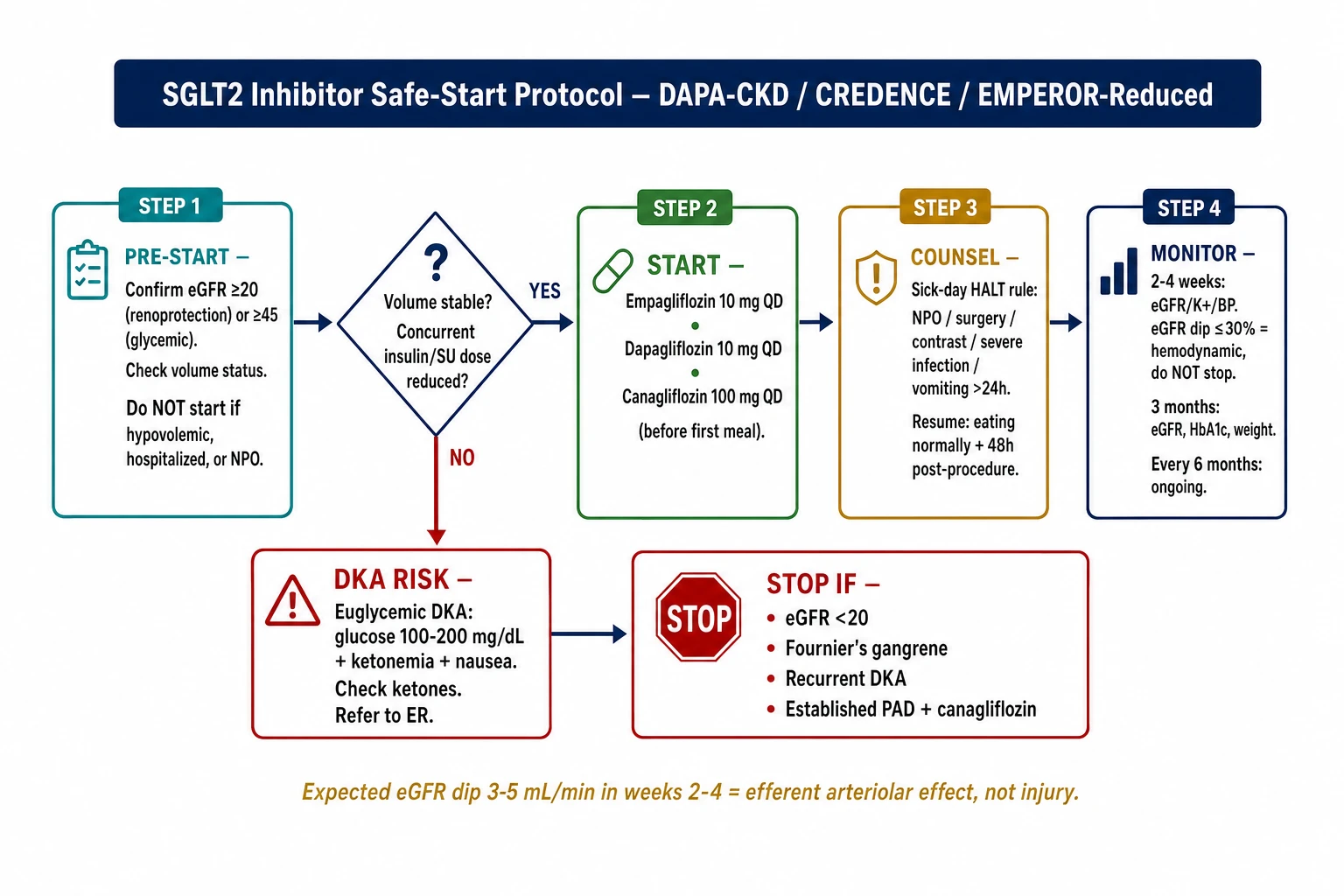 GuideThe CKD Prescriber's PlaybookClinician-focused operational guide: exactly how to start, titrate, and adjust SGLT2 inhibitors, ACEi/ARB, GLP-1 agonists, diuretics, phosphate binders, and ESAs in CKD and nephrology practice. KDIGO 2024 aligned.
- CalculatoreGFR Calculator — CKD-EPI 2021 (race-free)Estimate GFR from serum creatinine using the race-free CKD-EPI 2021 creatinine equation. Enter age, sex, and creatinine to get eGFR and CKD stage. With indications, formula, evidence, and references.
References
- U.S. Food and Drug Administration. Tradjenta · Boehringer Ingelheim Pharmaceuticals, Inc. [US FDA-approved label, version 32, March 21, 2025]. Via DailyMed/openFDA. https://dailymed.nlm.nih.gov/dailymed/drugInfo.cfm?setid=c797ea5c-cab7-494b-9044-27eba0cfe40f
- Food and Drug Administration Philippines. Verification portal (product registrations). https://verification.fda.gov.ph
- Boehringer Ingelheim Pharmaceuticals, Inc.. (2025). Tradjenta (linagliptin) [Prescribing information; US FDA-approved label, NDA201280, set ID c797ea5c-cab7-494b-9044-27eba0cfe40f, version effective March 21, 2025]. DailyMed, U.S. National Library of Medicine. https://dailymed.nlm.nih.gov/dailymed/drugInfo.cfm?setid=c797ea5c-cab7-494b-9044-27eba0cfe40f
- Schwartz, G. J., Muñoz, A., Schneider, M. F., Mak, R. H., Kaskel, F., Warady, B. A., & Furth, S. L. (2009). New equations to estimate GFR in children with CKD. Journal of the American Society of Nephrology, 20(3), 629–637. https://doi.org/10.1681/ASN.2008030287
renalcarematters.com content: Kidney and pediatric dosing: reviewed by William Gregory M. Rivero, MD, FPCP, DPSN on November 16, 2026. Dosing, interaction, adverse-effect and monitoring summary: reviewed by William Gregory M. Rivero, MD, FPCP, DPSN on November 16, 2026.
Last updated: .