Use: Labeled indications
- Xylocaine (lidocaine HCl) Injections are indicated for production of local or regional anesthesia by infiltration techniques such as percutaneous injection and intravenous regional anesthesia by peripheral nerve block…
Full indications and usage US FDA label
Xylocaine (lidocaine HCl) Injections are indicated for production of local or regional anesthesia by infiltration techniques such as percutaneous injection and intravenous regional anesthesia by peripheral nerve block techniques such as brachial plexus and intercostal and by central neural techniques such as lumbar and caudal epidural blocks, when the accepted procedures for these techniques as described in standard textbooks are observed.
Contraindications
Lidocaine HCl is contraindicated in patients with a known history of hypersensitivity to local anesthetics of the amide type.
US FDA labelDosing: Adult
Dosage and administration (US label) US FDA label
Table 1 (Recommended Dosages) summarizes the recommended volumes and concentrations of Xylocaine Injection for various types of anesthetic procedures. The dosages suggested in this table are for normal healthy adults and refer to the use of epinephrine-free solutions. When larger volumes are required, only solutions containing epinephrine should be used except in those cases where vasopressor drugs may be contraindicated.
There have been adverse event reports of chondrolysis in patients receiving intra-articular infusions of local anesthetics following arthroscopic and other surgical procedures. Xylocaine is not approved for this use (see WARNINGS and DOSAGE AND ADMINISTRATION). These recommended doses serve only as a guide to the amount of anesthetic required for most routine procedures.
The actual volumes and concentrations to be used depend on a number of factors such as type and extent of surgical procedure, depth of anesthesia and degree of muscular relaxation required, duration of anesthesia required, and the physical condition of the patient. In all cases the lowest concentration and smallest dose that will produce the desired result should be given.
Dosages should be reduced for children and for the elderly and debilitated patients and patients with cardiac and/or liver disease. The onset of anesthesia, the duration of anesthesia and the degree of muscular relaxation are proportional to the volume and concentration (i.e., total dose) of local anesthetic used. Thus, an increase in volume and concentration of Xylocaine Injection will decrease the onset of anesthesia, prolong the duration of anesthesia, provide a greater degree of muscular relaxation and increase the segmental spread of anesthesia.
However, increasing the volume and concentration of Xylocaine Injection may result in a more profound fall in blood pressure when used in epidural anesthesia. Although the incidence of side effects with lidocaine HCl is quite low, caution should be exercised when employing large volumes and concentrations, since the incidence of side effects is directly proportional to the total dose of local anesthetic agent injected.
For intravenous regional anesthesia, only the 50 mL single dose vial containing Xylocaine (lidocaine HCl) 0.5% Injection should be used. Epidural Anesthesia For epidural anesthesia, only the following dosage forms of Xylocaine Injection are recommended: 1% without epinephrine 10 mL Plastic Ampule 1% without epinephrine 30 mL single dose solutions 1% with epinephrine 1:200,000 30 mL single dose solutions 1.5% without epinephrine 10 mL Plastic Ampule 1.5% without epinephrine 20 mL Plastic Ampule 1.5% with epinephrine 1:200,000 30 mL ampules, 30 mL single dose solutions 2% without epinephrine 10 mL Plastic Ampule 2% with epinephrine 1:200,000 20 mL ampules, 20 mL single dose solutions Although these solutions are intended specifically for epidural anesthesia, they may also be used for infiltration and peripheral nerve block, provided they are employed as single dose units.
These solutions contain no bacteriostatic agent. In epidural anesthesia, the dosage varies with the number of dermatomes to be anesthetized (generally 2 to 3 mL of the indicated concentration per dermatome). Caudal and Lumbar Epidural Block As a precaution against the adverse experience sometimes observed following unintentional penetration of the subarachnoid space, a test dose such as 2 to 3 mL of 1.5% lidocaine HCl should be administered at least 5 minutes prior to injecting the total volume required for a lumbar or caudal epidural block.
The test dose should be repeated if the patient is moved in a manner that may have displaced the catheter. Epinephrine, if contained in the test dose (10 to 15 mcg have been suggested), may serve as a warning of unintentional intravascular injection. If injected into a blood vessel, this amount of epinephrine is likely to produce a transient “epinephrine response” within 45 seconds, consisting of an increase in heart rate and systolic blood pressure, circumoral pallor, palpitations and nervousness in the unsedated patient.
The sedated patient may exhibit only a pulse rate increase of 20 or more beats per minute for 15 or more seconds. Patients on beta blockers may not manifest changes in heart rate, but blood pressure monitoring can detect an evanescent rise in systolic blood pressure. Adequate time should be allowed for onset of anesthesia after administration of each test dose.
The rapid injection of a large volume of Xylocaine Injection through the catheter should be avoided, and, when feasible, fractional doses should be administered. In the event of the known injection of a large volume of local anesthetic solution into the subarachnoid space, after suitable resuscitation and if the catheter is in place, consider attempting the recovery of drug by draining a moderate amount of cerebrospinal fluid (such as 10 mL) through the epidural catheter.
Dosing: Altered kidney function
No kidney-specific text is available from the US label for this generic yet. Check the Philippine package insert in the products table.
Kidney-specific guidance from renalcarematters.com: in preparation.
Dosage forms
Philippines
- Solution for injection: 20 mg/mL, 400 mg/20 mL
- Per actuation topical spray: 10 mg/0.1 mL
- ) solution for injection: 20 mg/mL
- Solution for intravenous injection: 20 mg/mL
- Spray: 10 mg/dose
- W/v) solution for injection: 10 mg/mL (1 %
Registered products in the Philippines
35 products registered with the Food and Drug Administration (FDA) Philippines list Lidocaine as the generic name (including products registered under a variant spelling). Registration status changes; confirm a product's current status on the FDA portal before relying on it.
Also registered under: Lidocaine Injection (1 product). Products registered under these spellings are included in the table and marked.
All registered products35
| Package insert | |||||||
|---|---|---|---|---|---|---|---|
AnestinLidocaine Hydrochloride | 20 mg/mL (2% w/v) Solution for Injection (IM/IV)50 mL Type III Clear Glass Vial x 1's (Box of 10's) | Rx | SYNCOM FORMULATIONS (INDIA) LTD.India | ARVINCARE PHARMA INC. | DRP-2820 | Feb 25, 2028 | |
BlesanumbLidocaine Hydrochloride | 10 mg/mL (1%w/v) Solution For Injection (IM/IV)5 mL USP Type I clear glass ampoule (Box of 5's) | Rx | Makcur Laboratories LimitedIndia | Afree Pharmaceutical Distribution Corp. | DRP-13052 | Nov 23, 2027 | |
20 mg/mL (2% w/v) Solution for Intravenous (IV) InjectionUSP Type I Glass Vial x 20 mL (Box of 1's) | Rx | Swiss Parenterals Ltd. (Block-B)India | Applied Pharmaceutical Distribution Inc. | DRP-12677 | Sep 22, 2027 | ||
Endo-proLidocaine Hydrochloride | 20 mg/mL (2% w/v) Solution for Injection (I.M.I.V.)USP Type I clear and colorless glass vial x 50 mL (Box of 1's) | Rx | Swiss Parenterals Ltd.India | Endure Medical, Inc. | DR-XY46991 | Aug 6, 2030 | |
EurocaineLidocaine Hydrochloride | 20 mg/mL (2% w/v) Solution for Injection (IV/IM)USP Type II Glass Vial with Rubber Stopper and Blue Flip-off Seal x 50 mL (Box of 20's) | Rx | Euro-Med Laboratories Phil., Inc.Philippines | — | DR-XY-49636 | Feb 11, 2031 | |
EurocaineLidocaine Hydrochloride (as monohydrate) | 20 mg/mL (2% w/v) Solution for Injection (IV/IM)5 mL Low Density Polyethylene (LDPE) ampoule x 5's (box of 50's) | Rx | Euro-Med Laboratories Phil., IncPhilippines | — | DR-XY37158 | Dec 3, 2029 | |
EurocaineLidocaine Hydrochloride (as Monohydrate) | 20 mg/mL (2% w/v) Solution for Injection (IV/IM)LDPE Vial x 20 mL and 50 mL | Rx | Euro-Med Laboratories Phil., Inc.Philippines | — | DR-XY40132 | Oct 5, 2031 | |
InocaineLidocaine Hydrochloride | 20 mg/mL (2% w/v) Solution for Injection (I.M./S.C.)Type I clear glass vials with 20 mm grey silicone rubber closure and 20 mm blue flip off seal x 10 mL (Box of 10's) | Rx | Pharmaniaga Lifesciences Sdn. Bhd.Malaysia | Endure Medical, Inc. | DR-XY49138 | Jul 31, 2029 | |
LidoLidocaine (as Hydrochloride) | 20 mg/mL (2%) Solution for InjectionType I Amber Coloured Glass Vial x 50 mL (Box of 1's) | Rx | Kwality Pharmaceuticals Ltd.India | Janamed Corporation | DR-XY40379 | Dec 7, 2031 | |
LidochemLidocaine Hydrochloride | 20 mg/mL (2% w/v) Solution For Injection (I.V.)Type I Clear Glass ampoule x 5 mL (Box of 10's) | Rx | Pharmax India Pvt. Ltd.India | Wellchem Pharmaceutical Products | DRP-18790 | Sep 8, 2031 | |
LidomedLidocaine Hydrochloride (As Monohydrate) | 20mg/mL (2% w/v) Solution For Injection (IM/IV)Type-I Clear Glass Vial Sealed with Gray Bromobutyl Rubber Stopper and Aluminum Seal with White PP Flip Off Cap x 20 mL (Box of 1's) | Rx | Skymap Healthcare Pvt. Ltd.India | Medinova Pharmaceutical Inc. | DRP-18159 | May 19, 2032 | |
LidonemLidocaine Hydrochloride | 20 mg/mL (2% w/v) Solution for Injection (I.V.)Polypropylene ampoule x 5 mL, 10 mL, and 20 mL (Box of 10's, 30's, and 50's) | Rx | Hebei Tiancheng Pharmaceutical Co., Ltd.China | PhilRx Pharma Inc. | DRP-15139 | May 29, 2029 | |
LidooneLidocaine Hydrochloride | 10 mg/0.1 mL per actuation (10% w/v) Topical SprayType III clear and colorless glass vial with white pump sprayer and cap × 50 mL (Box of 1’s) | Rx | Royale Life Pharma Inc.Philippines | — | DRP-18595 | Aug 3, 2031 | |
LidophilLidocaine Hydrochloride | 20 mg/mL (2% w/v) Solution For Injection (IV)20 mL and 50 mL USP Type I clear colorless glass vial with grey bromobutyl rubber stopper, aluminum seal and blue ip-off cap (Box of 1's and 50's) | Rx | Hebei Tiancheng Pharmaceutical Co., Ltd.China | PhilRx Pharma Inc. | DRP-12934 | Nov 4, 2027 | |
LidosaphLidocaine Hydrochloride | 20mg/ml (2% w/v) Solution For Injection (IV)LDPE ampoule x 5 mL (box of 50's) | Rx | Kilitch Drugs (India) Ltd.India | Nelpa Lifesciences, Inc.Trader: Sapphire Lifesciences Pvt. Ltd. | DRP-14078 | Jun 15, 2028 | |
LidosurLidocaine Hydrochloride | 10% w/v Topical Spray50 mL glass bottle with spray nozzle (Box of 1's) | Rx | Kwality Pharmaceuticals Ltd.India | Pharma-Surrey International, Inc. | DRP-18227 | Jun 2, 2031 | |
LidosurLidocaine hydrochloride | 20 mg/mL (2%) Solution for Injection (IM/IV)Type I clear glass vial with grey bromobutyl rubber stopper and orange-colored aluminum flip-off seal x 20 mL (Box of 1’s, 10’s and 25’s); Type I clear glass vial with grey bromobutyl rubber stopper and orange-colored aluminum flip-off seal x 50 mL (Box of 1’s, 10’s and 25’s) | Rx | Kwality Pharmaceuticals Ltd.India | Pharma-Surrey International Inc.Trader: N/A | DRP-18050 | Apr 30, 2031 | |
LignovellLidocaine (as hydrochloride) | 10 mg/dose SprayType I clear glass vials with white opaque PE sprayer with I long nozzle and cap x 50 mL (Box of 1's) | Rx | PT. Novell Pharmaceutical LaboratoriesIndonesia | Prosweal Healthcare Inc. | DR-XY49141 | Jul 31, 2029 | |
LignovellLidocaine Hydrochloride | 20 mg/mL (2% w/v) Solution for Injection (IV)Type I amber glass ampoule x 2 mL (Box of 5's) | Rx | Pt. Novell Pharmaceutical LaboratoriesIndonesia | Prosweal Healthcare Inc. | DR-XY48054 | May 26, 2027 | |
LinocaineLidocaine hydrochloride | 20mg/mL (2% w/v) Solution for Injection (IM/IV)Type I Amber Glass Vial Sealed with Gray Butyl Rubber Stopper and Blue Aluminum Flip Cap x 10 mL (Box of 10's) | Rx | SM Pharmaceuticals Sdn. Bhd.Malaysia | Phil. Pharmawealth, Inc. | DR-XY49307 | Jan 7, 2030 | |
LitaineLidocaine Hydrochloride | 400 mg/20 mL Solution for Injection20 ml USP type ii glass vial with grey Chlorobutyl stopper with aluminum fittings with flip-off cap (Box of 1's) | Rx | Dai Han Pharm. Co. Ltd.Republic of Korea | Bellus Life Solutions, Inc. | DRP-13725 | Mar 31, 2031 | |
LocaineLidocaine Hydrochloride | 20 mg/mL (2% w/v) Solution for Injection50 mL USP Type I Amber-colored Vial with Gray Butyl Rubber Plug and Blue Flip-off Aluminum Seal (Box of 1's) | Rx | Shreechem Pharmaceuticals Pvt., Ltd.India | Aglobal Care, Inc. | DR-XY43264 | Feb 26, 2029 | |
LydosolvLidocaine hydrochloride (as monohydrate) | 20 mg/mL (2% w/v) Solution for Injection (IV)Type I Amber Colored Glass Vial with Grey Bromobutyl Rubber Stopper and Plastic Red Lacquered Flip-Off Cap x 20 mL (Box of l's) | Rx | Indoco Remedies LimitedIndia | Ambica International Corporation | DRP-10858 | Dec 9, 2026 | |
NoneLidocaine Hydrochloride | 20 mg/mL (2% w/v) Solution for InjectionLDPE Vial with Rubber Stopper x 20 mL (Box of 20's) | Rx | Euro-Med Laboratories Phil., Inc.Philippines | — | DR-XY 25885 | Feb 1, 2030 | |
NoneLidocaine Hydrochloride (as monohydrate) | 20 mg/mL (2%) Solution for Injection5 mL Low Density Polyethylene Ampoule (Box of 50's) | Rx | Euro-Med Laboratories Phil., Inc.Philippines | — | DR-XY 34236 | Jan 31, 2028 | |
PuriecaineLidocaine Hydrochloride (as monohydrate) | 20 mg/mL (2%) Solution For InjectionUSP Type I Clear Glass Ampoule x 5 mL (Box of 5 ampoules in plastic tray) | Rx | Makcur Laboratories LimitedIndia | Diafarm Inc. | DRP-14838 | Jan 23, 2029 | |
RoyalecaineLidocaine hydrochloride | 20mg/mL (2% w/v) Solution For InjectionUSP Type I Clear and Colorless glass vial with gray bromobutyl rubber stopper and aluminu, crimp seal with red plastic cap x 5 mL, 10 mL, 20 mL and 50 mL (Box of 1's) | Rx | Royale Life Pharma Inc.Philippines | Importer: N/A | DRP-18596 | Sep 1, 2031 | |
SaphdocaineLidocaine Hydrochloride | 20mg/mL (2% w/v) Solution for Injection (I.V.)Low Density Polyethylene (LDPE) Ampoule with Protective Cap x 5 mL (Box of 50's) | Rx | Althea Pharma Pvt. Ltd.India | Nelpa Lifesciences, Inc.Trader: Sapphire Lifesciences Pvt. Ltd. | DRP-12663 | Sep 20, 2027 | |
Saphdocaine-2%Lidocaine Hydrochloride | 20mg/mL (2% w/v) Solution For InjectionType 1 Flint Amber Glass Vial with Gray Bromobutyl Rubber Stopper and Light Blue Aluminum Flip-Off Seal Cap x 20 mL (Box of 1's) | Rx | Althea Pharma Pvt. Ltd.India | Nelpa Lifesciences, Inc.Trader: Sapphire Lifesciences Pvt. Ltd. | DRP-13938 | May 19, 2028 | |
Saphdocaine-B20Lidocaine hydrochloride | 20mg/mL (2% w/v) Solution for Injection (IV)Type I Amber Glass Vial x 20mL and 50mL (Box 1’s) | Rx | Belco PharmaIndia | Ollen Pharma Trading Inc. | DRP-18769 | Sep 3, 2031 | |
SenziteneLidocaine (as Hydrochloride) | 20 mg/mL (2%) Solution for Injection (I.M./I.V)5 mL Type I Clear and Colorless Glass Ampoule (Box of 10’s) | Rx | Jiangsu Ruinian Qianjin Pharmaceutical Co., Ltd.China | Global Pharmatrade | DR-XY45484 | Jul 1, 2031 | |
UnbrandedLidocaine Hydrochloride | 2% (20mg/mL) Solution for Injection (Epidural, Local Infiltration)USP Type II Glass Amber Vial x 10mL and 50mL NA | Rx | EL Laboratories, Inc.Philippines | Trader: Elin Pharmaceuticals, Inc. | DR-XY1229 | May 24, 2031 | |
XylocaineLidocaine | 10mg/0.1 mL per actuation (10% w/v) Topical SprayType I colorless glass vial fitted with dose valve and plastic spray nozzle applicator x 50 mL (Box of 1’s) | Rx | Aspen Bad Oldesloe GmbHGermany | N/AImporter: Aspen Philippines, Inc.Trader: Aspen Global Incorporated | DR-XY48561 | Jan 9, 2028 | |
XylocaineLidocaine Hydrochloride | 20 mg/mL (2%) Solution for InjectionPolyamp Duofit x 5 mL Box of 50's | Rx | AstraZeneca Pty. Ltd.Australia | Aspen Philippines, Inc. | DR-XY15681 | Nov 12, 2029 | |
XylocareLidocaine Hydrochloride | 20 mg/mL (2%) Solution for Injection (I.M./I.V.)50 mL USP Type II Clear Colorless Glass Vial (Box of 1's) | Rx | Vesco Pharmaceutical Company LimitedThailand | Euro-Care Products Philippines | DR-XY42119 | Jun 14, 2028 |
Source: FDA Philippines product registration database. "Valid until" is the registration validity date listed by the FDA; a past date may mean a renewal is pending. Package insert links point to files published by the FDA.
Warnings/Precautions
Warnings and precautions (US label) US FDA label
XYLOCAINE INJECTIONS FOR INFILTRATION AND NERVE BLOCK SHOULD BE EMPLOYED ONLY BY CLINICIANS WHO ARE WELL VERSED IN DIAGNOSIS AND MANAGEMENT OF DOSE-RELATED TOXICITY AND OTHER ACUTE EMERGENCIES THAT MIGHT ARISE FROM THE BLOCK TO BE EMPLOYED AND THEN ONLY AFTER ENSURING THE IMMEDIATE AVAILABILITY OF OXYGEN, OTHER RESUSCITATIVE DRUGS, CARDIOPULMONARY EQUIPMENT AND THE PERSONNEL NEEDED FOR PROPER MANAGEMENT OF TOXIC REACTIONS AND RELATED EMERGENCIES (see also ADVERSE REACTIONS and PRECAUTIONS). DELAY IN PROPER MANAGEMENT OF DOSE-RELATED TOXICITY, UNDERVENTILATION FROM ANY CAUSE AND/OR ALTERED SENSITIVITY MAY LEAD TO THE DEVELOPMENT OF ACIDOSIS, CARDIAC ARREST AND, POSSIBLY, DEATH.
Methemoglobinemia Cases of methemoglobinemia have been reported in association with local anesthetic use. Although all patients are at risk for methemoglobinemia, patients with glucose-6-phosphate dehydrogenase deficiency, congenital or idiopathic methemoglobinemia, cardiac or pulmonary compromise, infants under 6 months of age, and concurrent exposure to oxidizing agents or their metabolites are more susceptible to developing clinical manifestations of the condition.
If local anesthetics must be used in these patients, close monitoring for symptoms and signs of methemoglobinemia is recommended. Signs of methemoglobinemia may occur immediately or may be delayed some hours after exposure, and are characterized by a cyanotic skin discoloration and/or abnormal coloration of the blood. Methemoglobin levels may continue to rise; therefore, immediate treatment is required to avert more serious central nervous system and cardiovascular adverse effects, including seizures, coma, arrhythmias, and death.
Discontinue Xylocaine and any other oxidizing agents. Depending on the severity of the signs and symptoms, patients may respond to supportive care, i.e., oxygen therapy, hydration. A more severe clinical presentation may require treatment with methylene blue, exchange transfusion, or hyperbaric oxygen. Intra-articular infusions of local anesthetics following arthroscopic and other surgical procedures is an unapproved use, and there have been post-marketing reports of chondrolysis in patients receiving such infusions.
The majority of reported cases of chondrolysis have involved the shoulder joint; cases of gleno-humeral chondrolysis have been described in pediatric and adult patients following intra-articular infusions of local anesthetics with and without epinephrine for periods of 48 to 72 hours. There is insufficient information to determine whether shorter infusion periods are not associated with these findings.
The time of onset of symptoms, such as joint pain, stiffness and loss of motion can be variable, but may begin as early as the 2nd month after surgery. Currently, there is no effective treatment for chondrolysis; patients who experienced chondrolysis have required additional diagnostic and therapeutic procedures and some required arthroplasty or shoulder replacement.
To avoid intravascular injection, aspiration should be performed before the local anesthetic solution is injected. The needle must be repositioned until no return of blood can be elicited by aspiration. Note, however, that the absence of blood in the syringe does not guarantee that intravascular injection has been avoided.
Local anesthetic solutions containing antimicrobial preservatives (e.g., methylparaben) should not be used for epidural or spinal anesthesia because the safety of these agents has not been established with regard to intrathecal injection, either intentional or accidental. Xylocaine with epinephrine solutions contain sodium metabisulfite, a sulfite that may cause allergic-type reactions including anaphylactic symptoms and life-threatening or less severe asthmatic episodes in certain susceptible people.
The overall prevalence of sulfite sensitivity in the general population is unknown and probably low. Sulfite sensitivity is seen more frequently in asthmatic than in non-asthmatic people. Anaphylactic reactions may occur following administration of lidocaine hydrochloride (see ADVERSE REACTIONS). In the case of severe reaction, discontinue the use of the drug.
Adverse reactions
Adverse reactions (US label) US FDA label
To report SUSPECTED ADVERSE REACTIONS, contact Fresenius Kabi USA, LLC at 1-800-551-7176 or FDA at 1-800-FDA-1088 or www.fda.gov/medwatch. Systemic Adverse experiences following the administration of lidocaine HCl are similar in nature to those observed with other amide local anesthetic agents. These adverse experiences are, in general, dose-related and may result from high plasma levels caused by excessive dosage, rapid absorption or inadvertent intravascular injection, or may result from a hypersensitivity, idiosyncrasy or diminished tolerance on the part of the patient.
Serious adverse experiences are generally systemic in nature. The following types are those most commonly reported: Central Nervous System CNS manifestations are excitatory and/or depressant and may be characterized by lightheadedness, nervousness, apprehension, euphoria, confusion, dizziness, drowsiness, tinnitus, blurred or double vision, vomiting, sensations of heat, cold or numbness, twitching, tremors, convulsions, unconsciousness, respiratory depression and arrest.
The excitatory manifestations may be very brief or may not occur at all, in which case the first manifestation of toxicity may be drowsiness merging into unconsciousness and respiratory arrest. Drowsiness following the administration of lidocaine HCl is usually an early sign of a high blood level of the drug and may occur as a consequence of rapid absorption.
Cardiovascular System Cardiovascular manifestations are usually depressant and are characterized by bradycardia, hypotension, and cardiovascular collapse, which may lead to cardiac arrest. Allergic Allergic reactions are characterized by cutaneous lesions, urticaria, edema or anaphylactoid reactions. Allergic reactions may occur as a result of sensitivity either to local anesthetic agents or to the methylparaben used as a preservative in the multiple dose vials.
Allergic reactions, including anaphylactic reactions, may occur as a result of sensitivity to lidocaine, but are infrequent. If allergic reactions do occur, they should be managed by conventional means. The detection of sensitivity by skin testing is of doubtful value. There have been no reports of cross sensitivity between lidocaine hydrochloride and procainamide or between lidocaine hydrochloride and quinidine.
Neurologic The incidences of adverse reactions associated with the use of local anesthetics may be related to the total dose of local anesthetic administered and are also dependent upon the particular drug used, the route of administration and the physical status of the patient. In a prospective review of 10,440 patients who received lidocaine HCl for spinal anesthesia, the incidences of adverse reactions were reported to be about 3 percent each for positional headaches, hypotension and backache; 2 percent for shivering; and less than 1 percent each for peripheral nerve symptoms, nausea, respiratory inadequacy and double vision.
Many of these observations may be related to local anesthetic techniques, with or without a contribution from the local anesthetic. In the practice of caudal or lumbar epidural block, occasional unintentional penetration of the subarachnoid space by the catheter may occur. Subsequent adverse effects may depend partially on the amount of drug administered subdurally.
These may include spinal block of varying magnitude (including total spinal block), hypotension secondary to spinal block, loss of bladder and bowel control, and loss of perineal sensation and sexual function. Persistent motor, sensory and/or autonomic (sphincter control) deficit of some lower spinal segments with slow recovery (several months) or incomplete recovery have been reported in rare instances when caudal or lumbar epidural block has been attempted.
Backache and headache have also been noted following use of these anesthetic procedures. There have been reported cases of permanent injury to extraocular muscles requiring surgical repair following retrobulbar administration. Hematologic Methemoglobinemia.
Pharmacokinetics
Lidocaine HCl is metabolized rapidly by the liver, and metabolites and unchanged drug are excreted by the kidneys.
Approximately 90% of lidocaine HCl administered is excreted in the form of various metabolites, and less than 10% is excreted unchanged.
The elimination half-life of lidocaine HCl following an intravenous bolus injection is typically 1.5 to 2 hours.
The half-life may be prolonged two-fold or more in patients with liver dysfunction.
Pharmacokinetics (US label) US FDA label
Mechanism of Action Lidocaine HCl stabilizes the neuronal membrane by inhibiting the ionic fluxes required for the initiation and conduction of impulses thereby effecting local anesthetic action. Hemodynamics Excessive blood levels may cause changes in cardiac output, total peripheral resistance, and mean arterial pressure.
With central neural blockade these changes may be attributable to block of autonomic fibers, a direct depressant effect of the local anesthetic agent on various components of the cardiovascular system, and/or the beta-adrenergic receptor stimulating action of epinephrine when present. The net effect is normally a modest hypotension when the recommended dosages are not exceeded.
Pharmacokinetics and Metabolism Information derived from diverse formulations, concentrations and usages reveals that lidocaine HCl is completely absorbed following parenteral administration, its rate of absorption depending, for example, upon various factors such as the site of administration and the presence or absence of a vasoconstrictor agent. Except for intravascular administration, the highest blood levels are obtained following intercostal nerve block and the lowest after subcutaneous administration.
The plasma binding of lidocaine HCl is dependent on drug concentration, and the fraction bound decreases with increasing concentration. At concentrations of 1 to 4 mcg of free base per mL 60 to 80 percent of lidocaine HCl is protein bound. Binding is also dependent on the plasma concentration of the alpha-1-acid glycoprotein.
Lidocaine HCl crosses the blood-brain and placental barriers, presumably by passive diffusion. Lidocaine HCl is metabolized rapidly by the liver, and metabolites and unchanged drug are excreted by the kidneys. Biotransformation includes oxidative N-dealkylation, ring hydroxylation, cleavage of the amide linkage, and conjugation.
N-dealkylation, a major pathway of biotransformation, yields the metabolites monoethylglycinexylidide and glycinexylidide. The pharmacological/toxicological actions of these metabolites are similar to, but less potent than, those of lidocaine HCl. Approximately 90% of lidocaine HCl administered is excreted in the form of various metabolites, and less than 10% is excreted unchanged.
The primary metabolite in urine is a conjugate of 4-hydroxy-2,6-dimethylaniline. The elimination half-life of lidocaine HCl following an intravenous bolus injection is typically 1.5 to 2 hours. Because of the rapid rate at which lidocaine HCl is metabolized, any condition that affects liver function may alter lidocaine HCl kinetics.
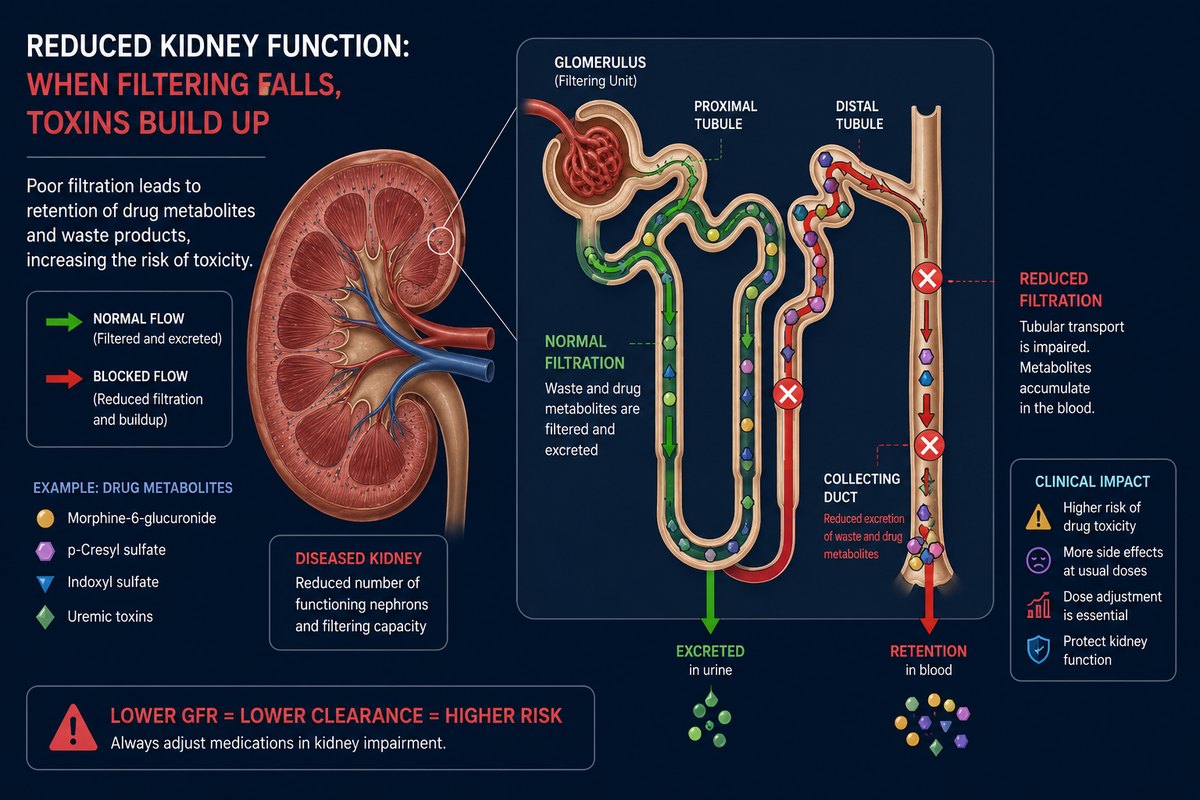
The half-life may be prolonged two-fold or more in patients with liver dysfunction. Renal dysfunction does not affect lidocaine HCl kinetics but may increase the accumulation of metabolites. Factors such as acidosis and the use of CNS stimulants and depressants affect the CNS levels of lidocaine HCl required to produce overt systemic effects.
Objective adverse manifestations become increasingly apparent with increasing venous plasma levels above 6 mcg free base per mL. In the rhesus monkey arterial blood levels of 18 to 21 mcg/mL have been shown to be threshold for convulsive activity.
Formulary and pricing (Philippines)
Government price references
| Preparation | Price (PHP) | Unit | Type |
|---|---|---|---|
| Lidocaine 2%, 1.8mL w/ epinephrine Carpule | ₱18.20–₱29.00Reference ₱18.20 | per unit | DPRI procurement range |
| Lidocaine 2%, 20 mL Ampule | ₱7.68–₱12.00Reference ₱7.68 | per ampule | DPRI procurement range |
| Lidocaine 2%, 5 mL Ampule | ₱6.74–₱36.63Reference ₱10.00 | per ampule | DPRI procurement range |
| Lidocaine 2%, 5 mL Vial | ₱10.24–₱11.94Reference ₱10.24 | per vial | DPRI procurement range |
| Lidocaine 2%, 50 mL Vial | ₱14.74–₱55.00Reference ₱36.91 | per vial | DPRI procurement range |
| Lidocaine 10%, 50 mL Spray | ₱1,993.91–₱2,707.75Reference ₱1,993.91 | per unit | DPRI procurement range |
Range = lowest-highest procurement price (highest usable only in GIDA areas); reference_price = 2021 DPRI ceiling (median)
These are government procurement and reimbursement references, not retail prices. Sources:
- DOH Drug Price Reference Index (DPRI) 2021, 9th edition (as of September 17, 2021); https://caro.doh.gov.ph/wp-content/uploads/2021/09/2021DPRI-as-of-9-17-2021.pdf, as of September 17, 2021
Formulary and coverage
| Philippine National Formulary | Listed as Lidocaine (as hydrochloride) |
| PNF listing | Inj.: 1%, 20 mL ampulRestrictions: Specific expertise, diagnostic precision, or special equipment required for proper use (PNF code 1); Limited indications or narrow spectrum of activity (PNF code 2) |
| PNF listing | Inj.: 2% (20 mg/mL), 2 mL, 5 mL, 20 mL and 50 mL ampul/vial (IM/IV)Restrictions: Specific expertise, diagnostic precision, or special equipment required for proper use (PNF code 1); Limited indications or narrow spectrum of activity (PNF code 2) |
| PNF listing | Inj.: 2%, 5 mL and 50 mL vial (epidural, local infiltration)Restrictions: Specific expertise, diagnostic precision, or special equipment required for proper use (PNF code 1); Limited indications or narrow spectrum of activity (PNF code 2) |
| PNF listing | Inj.: 2%, 1.8 mL carpule (with epinephrine) (local infiltration) Spray: 10%, 50 mLRestrictions: Specific expertise, diagnostic precision, or special equipment required for proper use (PNF code 1); Limited indications or narrow spectrum of activity (PNF code 2) |
| PhilHealth GAMOT | No |
Sources:
- PNF Essential Medicines List, 8th ed. (as of November 2, 2022), DOH; https://www.philhealth.gov.ph/partners/providers/pdf/PNF-EML_11022022.pdf, as of November 2, 2022
Check availability
Prices and stock vary by branch; renalcarematters.com does not sell medicines or receive payment from pharmacies.
Related guides
Guides on renalcarematters.com for this medicine, for patients and clinicians.
References
- U.S. Food and Drug Administration. XYLOCAINE MPF · HF Acquisition Co LLC, DBA HealthFirst [US FDA-approved label, version 4, September 2, 2026]. Via DailyMed/openFDA. https://dailymed.nlm.nih.gov/dailymed/drugInfo.cfm?setid=1986c302-82a0-95a9-e063-6294a90a3339
- Food and Drug Administration Philippines. Verification portal (product registrations). https://verification.fda.gov.ph
- PNF Essential Medicines List, 8th ed. (as of November 2, 2022), DOH; https://www.philhealth.gov.ph/partners/providers/pdf/PNF-EML_11022022.pdf
- DOH Drug Price Reference Index (DPRI) 2021, 9th edition (as of September 17, 2021); https://caro.doh.gov.ph/wp-content/uploads/2021/09/2021DPRI-as-of-9-17-2021.pdf
This page shows official label and registry text only; no renalcarematters.com clinical summary has been approved for it yet.
Last updated: .