WARNING Ketorolac tromethamine, a nonsteroidal anti-inflammatory drug (NSAID), is indicated for the short-term (up to 5 days in adults) management of moderately severe acute pain that requires analgesia at the opioid level. Oral ketorolac tromethamine is indicated only as continuation treatment following intravenous or intramuscular dosing of ketorolac tromethamine, if necessary.
The total combined duration of use of oral ketorolac tromethamine and ketorolac tromethamine injection should not exceed 5 days. Ketorolac tromethamine is not indicated for use in pediatric patients and it is NOT indicated for minor or chronic painful conditions. Increasing the dose of ketorolac tromethamine beyond the label recommendations will not provide better efficacy but will increase the risk of developing serious adverse events.
GASTROINTESTINAL RISK Ketorolac tromethamine can cause peptic ulcers, gastrointestinal bleeding and/or perforation of the stomach or intestines, which can be fatal. These events can occur at any time during use and without warning symptoms. Therefore, ketorolac tromethamine is CONTRAINDICATED in patients with active peptic ulcer disease, in patients with recent gastrointestinal bleeding or perforation, and in patients with a history of peptic ulcer disease or gastrointestinal bleeding.
Elderly patients are at greater risk for serious gastrointestinal events (see WARNINGS). CARDIOVASCULAR THROMBOTIC EVENTS Nonsteroidal anti-inflammatory drugs (NSAIDs) cause an increased risk of serious cardiovascular thrombotic events, including myocardial infarction and stroke, which can be fatal. This risk may occur early in treatment and may increase with duration of use (see WARNINGS and PRECAUTIONS).
Ketorolac tromethamine is CONTRAINDICATED in the setting of coronary artery bypass graft (CABG) surgery (see CONTRAINDICATIONS and WARNINGS). RENAL RISK Ketorolac tromethamine is CONTRAINDICATED in patients with advanced renal impairment and in patients at risk for renal failure due to volume depletion (see WARNINGS). RISK OF BLEEDING Ketorolac tromethamine inhibits platelet function and is, therefore, CONTRAINDICATED in patients with suspected or confirmed cerebrovascular bleeding, patients with hemorrhagic diathesis, incomplete hemostasis and those at high risk of bleeding (see WARNINGS and PRECAUTIONS).
Ketorolac tromethamine is CONTRAINDICATED as prophylactic analgesic before any major surgery. HYPERSENSITIVITY Hypersensitivity reactions, ranging from bronchospasm to anaphylactic shock, have occurred and appropriate counteractive measures must be available when administering the first dose of ketorolac tromethamine injection (see CONTRAINDICATIONS and WARNINGS).
Ketorolac tromethamine is CONTRAINDICATED in patients with previously demonstrated hypersensitivity to ketorolac tromethamine or allergic manifestations to aspirin or other nonsteroidal anti-inflammatory drugs (NSAIDs). INTRATHECAL OR EPIDURAL ADMINISTRATION Ketorolac tromethamine is CONTRAINDICATED for intrathecal or epidural administration due to its alcohol content.
RISK DURING LABOR AND DELIVERY The use of ketorolac tromethamine in labor and delivery is CONTRAINDICATED because it may adversely affect fetal circulation and inhibit uterine contractions. CONCOMITANT USE WITH NSAIDs Ketorolac tromethamine is CONTRAINDICATED in patients currently receiving aspirin or NSAIDs because of the cumulative risk of inducing serious NSAID-related side effects.
SPECIAL POPULATIONS Dosage should be adjusted for patients 65 years or older, for patients under 50 kg (110 lbs.) of body weight (see DOSAGE AND ADMINISTRATION) and for patients with moderately elevated serum creatinine (see WARNINGS). Doses of ketorolac tromethamine injection are not to exceed 60 mg (total dose per day) in these patients.
DOSAGE AND ADMINISTRATION Ketorolac Tromethamine Tablets Ketorolac tromethamine tablets are indicated only as continuation therapy to ketorolac tromethamine injection, and the combined duration of use of ketorolac tromethamine injection and ketorolac tromethamine tablets is not to exceed 5 (five) days, because of the increased risk of serious adverse events. The recommended total daily dose of ketorolac tromethamine tablets (maximum 40 mg) is significantly lower than for ketorolac tromethamine injection (maximum 120 mg) (see DOSAGE AND ADMINISTRATION).
Use: Labeled indications
- INDICATIONS AND USAGE Carefully consider the potential benefits and risks of ketorolac tromethamine and other treatment options before deciding to use ketorolac.
Full indications and usage US FDA label
INDICATIONS AND USAGE Carefully consider the potential benefits and risks of ketorolac tromethamine and other treatment options before deciding to use ketorolac. Use the lowest effective dose for the shortest duration consistent with individual patient treatment goals (see WARNINGS). Acute Pain in Adult Patients Ketorolac tromethamine is indicated for the short-term (≤5 days) management of moderately severe acute pain that requires analgesia at the opioid level, usually in a postoperative setting.
Therapy should always be initiated with intravenous or intramuscular dosing of ketorolac tromethamine, and oral ketorolac tromethamine is to be used only as continuation treatment, if necessary. The total combined duration of use of ketorolac tromethamine injection and oral ketorolac tromethamine is not to exceed 5 days of use because of the potential of increasing the frequency and severity of adverse reactions associated with the recommended doses (see WARNINGS, PRECAUTIONS, DOSAGE AND ADMINISTRATION, and ADVERSE REACTIONS).
Patients should be switched to alternative analgesics as soon as possible, but ketorolac tromethamine therapy is not to exceed 5 days.
Contraindications
- Advanced renal impairment or risk of renal failure from volume depletion
- Active or past peptic ulcer or gastrointestinal bleeding
- Suspected or confirmed cerebrovascular bleeding, hemorrhagic diathesis, high bleeding risk
- Labor and delivery
- Prophylactic analgesic before major surgery; CABG setting
- Concurrent aspirin or other NSAIDs, probenecid or pentoxifylline
- Asthma or allergic reaction after aspirin or NSAIDs
Contraindications (US label) US FDA label
CONTRAINDICATIONS (see also Boxed WARNING) Ketorolac Tromethamine is contraindicated in patients with previously demonstrated hypersensitivity to ketorolac tromethamine. Ketorolac tromethamine is contraindicated in patients with active peptic ulcer disease, in patients with recent gastrointestinal bleeding or perforation and in patients with a history of peptic ulcer disease or gastrointestinal bleeding.
Ketorolac tromethamine should not be given to patients who have experienced asthma, urticaria, or allergic-type reactions after taking aspirin or other NSAIDs. Severe, rarely fatal, anaphylactic-like reactions to NSAIDs have been reported in such patients (see WARNINGS – Anaphylactoid Reactions, and PRECAUTIONS – Pre-existing Asthma).
Ketorolac tromethamine is contraindicated as prophylactic analgesic before any major surgery. Ketorolac tromethamine is contraindicated in the setting of coronary artery bypass graft (CABG) surgery (see WARNINGS). Ketorolac tromethamine is contraindicated in patients with advanced renal impairment or in patients at risk for renal failure due to volume depletion (see WARNINGS for correction of volume depletion).
Ketorolac tromethamine is contraindicated in labor and delivery because, through its prostaglandin synthesis inhibitory effect, it may adversely affect fetal circulation and inhibit uterine musculature, thus increasing the risk of uterine hemorrhage. Ketorolac tromethamine inhibits platelet function and is, therefore, contraindicated in patients with suspected or confirmed cerebrovascular bleeding, hemorrhagic diathesis, incomplete hemostasis and those at high risk of bleeding (see WARNINGS and PRECAUTIONS).
Ketorolac tromethamine is contraindicated in patients currently receiving aspirin or NSAIDs because of the cumulative risks of inducing serious NSAID-related adverse events. The concomitant use of ketorolac tromethamine and probenecid is contraindicated. The concomitant use of ketorolac tromethamine and pentoxifylline is contraindicated.
Ketorolac tromethamine injection is contraindicated for neuraxial (epidural or intrathecal) administration due to its alcohol content.
Dosing: Adult
- Moderately severe acute pain, under 65 years: IV 30 mg or IM 60 mg single dose; or 30 mg IV/IM every 6 hours, maximum 120 mg/day
- 65 years or older, renally impaired, or under 50 kg: IV 15 mg or IM 30 mg single dose; or 15 mg every 6 hours, maximum 60 mg/day
- All patients: Maximum 5 days combined injection and oral
Dosage and administration (US label) US FDA label
DOSAGE AND ADMINISTRATION Carefully consider the potential benefits and risks of ketorolac tromethamine and other treatment options before deciding to use ketorolac tromethamine. Use the lowest effective dose for the shortest duration consistent with individual patient treatment goals. In adults, the combined duration of use of intravenous or intramuscular dosing of ketorolac tromethamine and oral ketorolac tromethamine is not to exceed 5 days.
In adults, the use of oral ketorolac tromethamine is only indicated as continuation therapy to intravenous or intramuscular dosing of ketorolac tromethamine. See package insert for ketorolac tromethamine tablets for transition from intravenous or intramuscular dosing of ketorolac tromethamine (single- or multiple-dose) to multiple-dose oral ketorolac tromethamine.
Note: Oral formulation should not be given as an initial dose. Use minimum effective dose for the individual patient. Total duration of treatment in adult patients: the combined duration of use of intravenous or intramuscular dosing of ketorolac tromethamine and oral ketorolac tromethamine is not to exceed 5 days. KETOROLAC TROMETHAMINE INJECTION Ketorolac tromethamine injection may be used as a single or multiple dose on a regular or "as needed" schedule for the management of moderately severe, acute pain that requires analgesia at the opioid level, usually in a postoperative setting.
Hypovolemia should be corrected prior to the administration of ketorolac tromethamine (see WARNINGS – Renal Effects). Patients should be switched to alternative analgesics as soon as possible, but ketorolac tromethamine therapy is not to exceed 5 days. When administering ketorolac tromethamine injection, the intravenous bolus must be given over no less than 15 seconds.
The intramuscular administration should be given slowly and deeply into the muscle. The analgesic effect begins in ~30 minutes with maximum effect in 1 to 2 hours after dosing intravenous or intramuscular. Duration of analgesic effect is usually 4 to 6 hours. Single-Dose Treatment: The following regimen should be limited to single administration use only Intramuscular Dosing Patients <65 years of age: One dose of 60 mg.
Patients ≥65 years of age, renally impaired and/or less than 50 kg (110 lbs) of body weight: One dose of 30 mg. Intravenous Dosing Patients <65 years of age: One dose of 30 mg. Patients ≥65 years of age, renally impaired and/or less than 50 kg (110 lbs) of body weight: One dose of 15 mg. Multiple-Dose Treatment (Intravenous or Intramuscular) Patients <65 years of age: The recommended dose is 30 mg ketorolac tromethamine injection every 6 hours.
The maximum daily dose for these populations should not exceed 120 mg. For patients ≥65 years of age, renally impaired patients (see WARNINGS), and patients less than 50 kg (110 lbs): The recommended dose is 15 mg ketorolac tromethamine injection every 6 hours. The maximum daily dose for these populations should not exceed 60 mg.
For breakthrough pain, do not increase the dose or the frequency of ketorolac tromethamine. Consideration should be given to supplementing these regimens with low doses of opioids "as needed" unless otherwise contraindicated. Pharmaceutical Information for Ketorolac Tromethamine Injection Ketorolac tromethamine injection should not be mixed in a small volume (e.g., in a syringe) with morphine sulfate, meperidine hydrochloride, promethazine hydrochloride or hydroxyzine hydrochloride; this will result in precipitation of ketorolac from solution.
NOTE: Parenteral drug products should be inspected visually for particulate matter and discoloration prior to administration, whenever solution and container permit.
Dosing: Altered kidney function
Ketorolac is a potent nonsteroidal anti-inflammatory drug (NSAID) cleared by the kidneys (91% in urine). Its boxed warning contraindicates it in advanced renal impairment and in volume depletion, and reduces the dose for renal impairment, age 65 or older, or weight under 50 kg (15 mg IV/IM every 6 hours, maximum 60 mg/day). Total use is limited to 5 days.
Kidney function measure: Label uses 'renally impaired', 'moderately elevated serum creatinine' and 'advanced renal impairment' without CrCl numbers; mapping to CrCl bands is our judgment.
Show full dosing details
- CrCl ≥60 mL/min
- Under 65 years, 50 kg or more, normal kidney function: IV 30 mg or IM 60 mg single dose, or 30 mg every 6 hours, maximum 120 mg/day; 5 days maximum including oral (label). Correct hypovolemia first.
- CrCl 30–59 mL/min
- Renally impaired (moderately elevated serum creatinine): IV 15 mg or IM 30 mg single dose, or 15 mg every 6 hours, maximum 60 mg/day; 5 days maximum (label). Follow kidney function closely.
- CrCl 15–29 mL/min
- Contraindicated in advanced renal impairment and in patients at risk for renal failure from volume depletion (boxed warning). The label does not define advanced renal impairment; the site maps it to CrCl <30 (judgment). The reduced dose applies to patients with moderately elevated serum creatinine.
- CrCl <15 mL/min (not on dialysis)
- Contraindicated in advanced renal impairment and in patients at risk for renal failure from volume depletion (boxed warning). The label does not define advanced renal impairment; the site maps it to CrCl <30 (judgment). The reduced dose applies to patients with moderately elevated serum creatinine.
- Hemodialysis (intermittent)
- Contraindicated (advanced renal impairment; label boxed warning). Hemodialysis is unlikely to remove it (99% protein-bound).
- Peritoneal dialysis
- Contraindicated (advanced renal impairment; label). NSAIDs may hasten loss of residual kidney function.
- CRRT
- Contraindicated: risk of renal failure from volume depletion and advanced impairment (label).
- Dialyzable? Unlikely: hemodialysis may not be useful because of high protein binding (99%; label).
- Monitoring Volume status before dosing (correct hypovolemia). Creatinine and urine output; potassium. Bleeding. Do not exceed 5 days total.
Children (kidney dosing)
- eGFR ≥60
- Not approved for children; kidney dosing not applicable.
- eGFR 30–59
- Not approved for children; kidney dosing not applicable.
- eGFR 15–29
- Not approved for children; kidney dosing not applicable.
- eGFR <15 (not on dialysis)
- Not approved for children; kidney dosing not applicable.
- Hemodialysis (intermittent)
- Not approved for children; kidney dosing not applicable.
- Peritoneal dialysis
- Not approved for children; kidney dosing not applicable.
- CRRT
- Not approved for children; kidney dosing not applicable.
Pediatric eGFR: bedside Schwartz equation, 0.413 × height (cm) / serum creatinine (mg/dL). Weight-based doses should not exceed the adult maximum.
renalcarematters.com guidance, reviewed by William Gregory M. Rivero, MD, FPCP, DPSN on November 17, 2026. Sources are listed under References. Use with the product's package insert and the patient's current kidney function.
US label text: Renal impairment US FDA label
Renal Insufficiency Based on single-dose data only, the mean half-life of ketorolac tromethamine in renally impaired patients is between 6 and 19 hours and is dependent on the extent of the impairment. There is poor correlation between creatinine clearance and total ketorolac tromethamine clearance in the elderly and populations with renal impairment (r = 0.5).
In patients with renal disease, the AUC∞ of each enantiomer increased by approximately 100% compared with healthy volunteers. The volume of distribution doubles for the S-enantiomer and increases by 1/5th for the R-enantiomer. The increase in volume of distribution of ketorolac tromethamine implies an increase in unbound fraction.
The AUC∞-ratio of the ketorolac tromethamine enantiomers in healthy subjects and patients remained similar, indicating there was no selective excretion of either enantiomer in patients compared to healthy subjects (see WARNINGS – Renal Effects).
Dosing: Pediatric
- Approved ages
- This injection label: not indicated in pediatric patients.
- Usual dose
- Not established in this label.
Kidney dosing in children: see Dosing: Altered kidney function.
renalcarematters.com, reviewedDosage forms
Philippines
- Solution for injection: 15 mg/mL, 30 mg/mL, 300 mg/mL
- Sterile solution for injection: 30 mg/mL
- Sterile ophthalmic solution: 5 mg/mL
- Solution for injection im/iv: 30 mg/mL
- Film-coated tablet: 10 mg
- Ophthalmic solution: 5 mg/mL
- Solution for injection (im/iv: 30 mg/mL
Registered products in the Philippines
103 products registered with the Food and Drug Administration (FDA) Philippines list Ketorolac as the generic name (including products registered under a variant spelling). Registration status changes; confirm a product's current status on the FDA portal before relying on it.
Also registered under: Ketrolac (as Trometamol) (1 product). Products registered under these spellings are included in the table and marked.
All registered products103
| Package insert | |||||||
|---|---|---|---|---|---|---|---|
AcularKetorolac trometamol | 5 mg/mL (0.5% w/v) Sterile Ophthalmic SolutionWhite opaque plastic bottle with white plastic cap x 5mL (Box of 1's) | Rx | Allergan Pharmaceuticals IrelandIreland | ZUELLIG PHARMA CORPORATION | DR-XY27080 | Aug 2, 2029 | |
AeketoKetorolac Trometamol | 30 mg/mL Sterile Solution for Injection (IM/IV)USP Type I Amber Glass Ampoule in white plastic tray x 1 mL (Box of 5’s) | Rx | Akums Drugs & Pharmaceuticals Ltd. (Plant III-Injectables)India | Dynasty PharmaceuticalsImporter: Suhitas Pharmaceuticals Inc. | DRP-2296-05 | May 19, 2031 | |
AerolacKetorolac Trometamol | 30 mg/mL Solution for Injection (IM/IV)Type I Clear Glass Ampoule x 1 mL (Box of 10's) | Rx | Siu Guan Chem. Ind. Co., Ltd.China | Dynasty PharmaceuticalsImporter: Caan Pharmaceutical Co., Inc. | DRP-6347-01 | Aug 17, 2027 | |
AffolacKetorolac Trometamol | 30 mg/mL Solution for Injection (I.M./I.V.)USP Type II Clear Glass Ampoule x 2 mL (Box of 5's); USP Type II Clear Glass Ampoule x 1 mL (Box of 10's) | Rx | Norris Medicines LimitedIndia | Affomedz, Inc.Importer: Medethix, Inc.Trader: Alvita Pharma Private Limited | DRP-4655-02 | Sep 2, 2028 | |
BellurakKetorolac Trometamol | 30 mg/mL Solution For Injection (IM/IV)USP Type I Clear Glass Ampoule with Green Color Break x 1 mL (Box of 6’s and 10’s Ampoules in PVC Tray) | Rx | Pt. Phapros TbkIndonesia | Bellus Life Solutions, Inc. | DRP-10863 | Jan 19, 2032 | |
DoloracKetorolac tromethamine | 30mg/mL Solution For Injection (IM/IV)Type-I Amber Glass Ampoule in Clear Plastic Tray Ã- 1 mL (Box of 5's and 10's) | Rx | Merit Organics LimitedIndia | Despina Pharma Inc. | DRP-18474 | Jul 21, 2031 | |
30 mg/mL Solution for Injection (I.M./I.V.)USP Type I Glass Ampoule x 1 mL (Box of 10's) | Rx | Yung Shin Pharmaceutical Ind. Co., Ltd.- Taichung Youth FactoryChina | Dynasty PharmaceuticalsImporter: Yung Shin (Philippines), Inc. | DRP-2477-01 | Jun 23, 2028 | ||
EctominKetorolac Trometamol | 30 mg / mL Solution for Injection (IM/IV)1 mL (Net Content) Type I Amber Glass Ampoule (Box of 10's) | Rx | Maxitech Pharma (Pvt) Ltd.Pakistan | Euro-Care Products PhilippinesImporter: Accesspoint International Trading Inc. | DRP-14704-01 | Nov 30, 2028 | |
EurolacKetorolac Trometamol | 10 mg Film-Coated TabletAlu/Alu Blister Pack x 10's (Box of 20's) | Rx | Renata LimitedBangladesh | Euro Generics International Phils., Inc. | DRP-3277 | Jan 3, 2032 | |
ExalacKetorolac Trometamol | 30 mg/mL Solution for Injection (IM/IV)USP Type I Amber Glass Ampoule x 1 mL (Box of 10's) | Rx | Friends Pharma (Pvt.) Ltd.Pakistan | Exa Life Care Pharma Inc.Importer: Raquel-Abbas Pharmaceuticals & General Merchandise | DRP-9328-01 | Nov 26, 2029 | |
ExalacKetorolac trometamol | 30 mg/mL Solution for Injection (IM/IV)USP Type I Amber Glass Ampoule x 1 mL (Box of 10's) | Rx | Friends Pharma (Pvt.) Ltd.Pakistan | Exa Life Care Pharma Inc.Importer: Raquel-Abbas Pharmaceuticals & General Merchandise | DRP-9328-02 | Nov 26, 2029 | |
FlamlifeKetorolac Trometamol | 30 mg/mL Solution for Injection (I.M./I.V.)Type I clear glass ampoule x 1 mL (Box of 10's) | Rx | Farbe Firma Pvt. LtdIndia | Life and Health Source Pharmaceutical Distribution Co.Importer: AMB HK Enterprises Inc. | DRP-8736-02 | Apr 27, 2031 | |
FukolacKetorolac Trometamol | 30 mg/mL Solution for Injection (IM/IV)1 mL USP Type I Clear and Colorless Glass Ampoule in 2 White Opaque PVC Trays of 5 Ampoules (Box of 10's) | Rx | Furen Pharmaceutical Group Co., Ltd.China | Aglobal Care, Inc. | DRP-10258 | Jul 22, 2029 | |
KalacKetorolac Trometamol | 30 mg/mL Solution For Injection (IM/IV)1 mL USP Type I Clear Glass Ampoule (Box of 5's) | Rx | Global Pharmaceuticals (Pvt.) Ltd.Pakistan | Surestep Pharmaceuticals, Inc. | DRP-18837 | Sep 15, 2031 | |
KelonKetorolac trometamol | 30 mg/mL Solution for Injection (I.M./I.V.)USP Type l transparent glass ampoule x 1 mL (Box of 10's) | Rx | Scott-Edil Pharmacia LimitedIndia | JWK Enterprises, Inc.Importer: Greencore Pharma Inc. | DRP-12671-02 | Sep 21, 2027 | |
KerolaKetorolac Trometamol | 30 mg/mL Solution for Injection (IM/IV)Amber Glass Ampoule x 1 mL (Box of 10's) | Rx | Dongkwang Pharm. Co., Ltd.Republic of Korea | MG Prime Pharmaceutical, Inc.Importer: JLT Pharma Inc | DRP-7854 | May 11, 2028 | |
KerolaKetorolac Tromethamine | 30mg/mL Solution for Injection (IV/IM)1 mL USP Type I Amber glass ampoule in plastic tray (Box of 10's) | Rx | Dai Han Pharm. Co., Ltd.Korea | MG Prime Pharmaceutical, Inc.Importer: JLT Pharma Inc. | DRP-13550 | Mar 9, 2028 | |
KeteroKetorolac Trometamol | 30 mg/mL Sterile Solution for Injection (IM/IV)USP Type I Amber Glass Ampoule in white plastic tray x 1 mL (Box of 5’s) | Rx | Akums Drugs & Pharmaceuticals Ltd. (Plant III-Injectables)India | Suhitas Pharmaceuticals Inc. | DRP-2296 | Mar 12, 2031 | |
KethramKetorolac Tromethamine | 30 mg/mL Solution For Injection ( I.M. / I.V.)USP Type 1 transparent glass ampoule x 1 mL (Box of 10's) | Rx | Scott-Edil Pharmacia LimitedIndia | Greencore Pharma Inc. | DRP-12671 | Sep 21, 2027 | |
Ketmel-IVKetorolac Trometamol | 30 mg/mL Solution for Injection (IM/IV)USP Type I Amber Glass Ampoule x 1 mL (Box of 10’s) | Rx | Akums Drugs & Pharmaceuticals Ltd. (Plant III – Injectables)India | Diafarm Inc.Importer: Ambica International CorporationTrader: Unosource Pharma Ltd. | DRP-13225-02 | Jan 5, 2028 | |
KetoKetorolac (as Trometamol) | 30 mg/mL Solution for Injection (I.M./I.V.)USP Type I Glass Ampoule x 1mL (Box of 10's) | Rx | Yung Shin Pharm. Ind. Co., Ltd.-Taichung Youth FactoryChina | Yung Shin (Philippines), Inc | DRP-2477 | Jun 23, 2028 | |
KetobetKetorolac Trometamol | 30 mg/mL Sterile Solution for Injection (IM/IV)USP Type I Amber Glass Ampoule in white plastic tray x 1 mL (Box of 5’s) | Rx | Akums Drugs & Pharmaceuticals Ltd. (Plant III-Injectables)India | Better Option Pharmaceuticals, Inc.Importer: Suhitas Pharmaceuticals Inc. | DRP-2296-02 | May 13, 2031 | |
KetocentKetorolac trometamol | 30 mg/mL Solution for Injection (IM/IV)Amber Glass Ampoule in transparent plastic tray x 1 mL (Box of 10's) | Rx | Myungmoon Pharmaceutical Co., Ltd.Republic of Korea | Central West Medicale Inc.Importer: H & B Pharma International Inc. | DRP-2382-14 | Apr 12, 2030 | |
KetodolKetorolac Trometamol | 30 mg/mL Solution for Injection (IM/IV)Type I glass ampoule x 1 mL Box of 10's | Rx | Taiwan Biotech Co., Ltd.China | JustRight Healthcare Inc. | DR-XY34516 | Apr 22, 2028 | |
KetodolKetorolac Trometamol | 30 mg/mL Solution for Injection (IM/IV)1 mL Type I hydrolytic class colorless borosilicate glass ampoule in PVC film liner (Box of 5’s and 10's) | Rx | HBM Pharma S.R.O.Slovak Republic | Justright Healthcare Inc.Importer: Ambica International CorporationTrader: Akciju Sabiedriba “Grindeks” (Site 1) | DRP-8857-01 | Jul 2, 2030 | |
KetogenKetorolac trometamol | 30 mg/mL Solution for Injection (IM/IV)Amber Glass Ampoule in transparent plastic tray x 1 mL (Box of 10's) | Rx | Myungmoon Pharmaceutical Co., Ltd.Republic of Korea | Pharma King DistributorImporter: H & B Pharma International Inc. | DRP-2382-01 | Apr 12, 2030 | |
KetojosKetorolac Trometamol | 30 mg/mL Solution for Injection (IM/IV)USP Type I Amber Glass Ampoule x 1 mL (Box of 10’s) | Rx | Akums Drugs & Pharmaceuticals Ltd. (Plant III- Injectables)India | JOASHA Pharmaceutical Inc.Importer: Ambica International CorporationTrader: Unosource Pharma Ltd. | DRP-13225-06 | Jan 5, 2028 | |
KetolacKetorolac Trometamol | 30 mg/mL Solution for Injection (IM/IV)USP Type I Amber Glass Ampoule x 1 mL (Box of 10's) | Rx | Huons Co., Ltd.Korea | Endure Medical, Inc. | DR-XY42904 | Nov 6, 2028 | |
KetolonKetorolac Trometamol | 30 mg/mL Solution for Injection (I.M./I.V.)USP Type II Clear Glass Ampoule x 1 mL (Box of 10's) | Rx | Norris Medicines LimitedIndia | Vivilon Pharmaceuticals Inc.Importer: Medethix, Inc.Trader: Alvita Pharma Private Limited | DRP-4655-01 | Sep 2, 2028 | |
KetomedKetorolac (as trometamol) | 30 mg/mL Solution for Injection (I.M./I.V.)Brown Ampoule x 1 mL (Box of 10's) | Rx | Daewoo Pharm. Co. Ltd.Republic of Korea | Medhaus Pharma, IncorporatedImporter: Interhealthcare Pharmaceuticals, Inc. | DRP-1810 | Apr 7, 2031 | |
KETONIXKetorolac Trometamol | 30 mg/mL Solution for Injection (I.M./I.V.)Type I clear glass ampoule x 1 mL (Box of 10's) | Rx | Farbe Firma Pvt. LtdIndia | Vitalis Pharma Phil. Corp.Importer: AMB HK Enterprises Inc. | DRP-8736-01 | Mar 12, 2031 | |
KetonobKetorolac trometamol | 30 mg/mL Solution for Injection (IM/IVUSP Type I Clear Amber Glass Ampoule x 1 mL (Box of 10's) | Rx | AJU PHARM CO., LTD.Republic of Korea | GCMED PHARMACEUTICAL DISTRIBUTORImporter: BELLUS LIFE SOLUTIONS, INC. | DRP-10061-03 | Sep 18, 2028 | |
KetopaneKetorolac Trometamol | 30 mg/mL Solution for Injection (I.M./I.V.)Type I Clear Glass Ampoule x 1 mL (Box of 10’s) | Rx | Farbe Firma Pvt. LtdIndia | AMB HK Enterprises Inc. | DRP-8736 | Apr 17, 2030 | |
KetoporsKetorolac Trometamol | 30 mg/mL Solution for Injection (IM/IV)1 mL (Net Content) Type I Amber Glass Ampoule (Box of 10's) | Rx | Med Biopharm Pvt. Ltd.India | Pors Pharma Trading | DRP-16082 | Sep 12, 2028 | |
KetoracKetorolac Trometamol | 30 mg/mL Solution for Injection (IM/IV)2 mL-Capacity USP Type I Amber Glass Vial with Grey Bromobutyl Rubber Stopper and Brown Flip-off Seal x 1 mL (Box of 10's) | Rx | Gland Pharma LimitedIndia | Biocare Lifesciences, Inc. | DRP-10945 | Dec 21, 2036 | |
KetoranKetorolac trometamol | 30 mg/mL Solution for Injection (IM/IV)Amber Glass Ampoule in transparent plastic tray x 1 mL (Box of 10's) | Rx | Myungmoon Pharmaceutical Co., Ltd.Republic of Korea | Largen Med Inc.Importer: H & B Pharma International Inc. | DRP-2382-03 | Feb 9, 2037 | |
KetoreyKetorolac Trometamol | 30 mg / mL Solution for Injection (IM/IV)1 mL (Net Content) Type I Amber Glass Ampoule (Box of 10's) | Rx | Maxitech Pharma (Pvt.) LtdPakistan | Neo Care Philippines, Inc.Importer: Accesspoint International Trading Inc. | DRP-14704-03 | Nov 30, 2028 | |
KetorickKetorolac trometamol | 30 mg/mL Solution for Injection (I.M./I. V.)USP Type l transparent glass ampoule x 1 mL (Bo x of 10's) | Rx | Scott-Edil Pharmacia Ltd.India | Euro-Care Products PhilippinesImporter: Greencore Pharma Inc. | DRP-12671-01 | Sep 21, 2027 | |
KetoriemKetorolac Tromethamine | 30 mg/mL Solution For Injection (IM/IV)1 mL USP Type I Amber glass ampoule in PVC Tray (Box of 10's) | Rx | Ray Life sciences Pvt. LtdIndia | E.I. Medica, Inc. | DRP-18722 | Aug 26, 2031 | |
KetorightKetorolac Trometamol | 30 mg/mL Solution for Injection (I.M./I.V.)USP Type II Clear Glass Ampoule x 2 mL (Box of 5's); USP Type II Clear Glass Ampoule x 1 mL (Box of 10's) | Rx | Norris Medicines LimitedIndia | Medethix, Inc.Trader: Alvita Pharma Private Limited | DRP-4655 | Sep 2, 2028 | |
KetorightKetorolac Trometamol | 30 mg/mL Solution For Injection (IM/IV)USP Type I clear glass ampoule x 1 mL in transparent PVC tray (Box of 5’s & 10’s) | Rx | Samrudh Pharmaceuticals Pvt. Ltd.India | Medethix, Inc.Trader: For: Alvita Pharma Pvt. Ltd. | DRP-18741 | Aug 27, 2031 | |
Ketoro - BKetorolac trometamol | 30 mg / mL Solution for Injection (IM/IV)Amber Glass Ampoule in transparent plastic tray x 1 mL (Box of 10's) | Rx | Myungmoon Pharmaceutical Co., Ltd.Republic of Korea | Rcbrilliant Pharma And Medical Supplies TradingImporter: H & B Pharma International Inc. | DRP-2382-18 | Apr 27, 2030 | |
KetorobasKetorolac trometamol | 30 mg/mL Solution for Injection (IM/IV)USP Type I Amber Glass Ampoule x 1 mL (Box of 10's) | Rx | Friends Pharma (Pvt.) Ltd.Pakistan | Raquel-Abbas Pharmaceuticals & General Merchandise | DRP-9328 | Nov 26, 2029 | |
KetorobetKetorolac trometamol | 30 mg/mL Solution for Injection (IM/IV)Amber Glass Ampoule in transparent plastic tray x 1 mL (Box of 10's) | Rx | Myungmoon Pharmaceutical Co., Ltd.Republic of Korea | Better Option Pharmaceuticals, Inc.Importer: H & B Pharma International Inc. | DRP-2382-09 | Feb 9, 2037 | |
KetorolemKetorolac trometamol | 30 mg / mL Solution for Injection (I.M./I.V.)USP Type 1 transparent glass ampoule x 1 mL (Bo x of 10's) | Rx | Scott-Edil Pharmacia LimitedIndia | L.E.M. Pharma and Medical Supplies TradingImporter: Greencore Pharma Inc. | DRP-12671-04 | Sep 21, 2027 | |
KetorolevKetorolac Trometamol | 30 mg/mL Solution for Injection (IM/IV)1 mL (Net Content) Type I Amber Glass Ampoule (Box of 10's) | Rx | Med Biopharm Pvt. Ltd.India | Mandamed Pharma and Medical Supplies TradingImporter: Pors Pharma Trading | DRP-16082-05 | Sep 12, 2028 | |
KetorolifeKetorolac trometamol | 30 mg/mL Solution for Injection (IM/IV)Amber Glass Ampoule in transparent plastic tray x 1 mL (Box of 10's) | Rx | Myungmoon Pharmaceutical Co., Ltd.Republic of Korea | Enlife Global Inc.Importer: H & B Pharma International Inc. | DRP-2382-17 | Feb 24, 2031 | |
Ketorollen-B30Ketorolac Tromethamine | 30 mg/mL Solution For Injection (I.M/I.V)Type I Amber Glass Ampoule x 1 mL in PVC tray (Box of 5's and 10's) | Rx | Belco PharmaIndia | Ollen Pharma Trading Inc. | DRP-19041 | Oct 21, 2031 | |
KetoronavKetorolac Trometamol | 30 mg / mL Solution for Injection (IM/IV)USP Type I Amber Glass Ampoule x 1 mL (Box of 10’s) | Rx | Akums Drugs & Pharmaceuticals Ltd. (Plant III- Injectables)India | JN Carlo Pharmaceuticals DistributorImporter: Ambica International CorporationTrader: Unosource Pharma Ltd. | DRP-13225-03 | Jan 5, 2028 | |
KetoroporsKetorolac Tromethamine | 300 mg/mL Solution for Injection (IM/IV)1 mL (Net Content) Type I Amber Glass Ampoule (Box of 10's) | Rx | Med Biopharm Pvt. Ltd.India | Pors Pharma Trading | DR-XY48875 | Sep 12, 2028 | |
KetoroSaveKetorolac Trometamol | 30 mg/mL Solution for Injection (IM/IV)1 mL (Net Content) Type I Amber Glass Ampoule (Box of 10's) | Rx | Maxitech Pharma (Pvt.) Ltd.Pakistan | Savelink Pharma and Trading Co.Importer: Accesspoint International Trading Inc. | DRP-14704-04 | Nov 30, 2028 | |
KetorostarKetorolac Trometamol | 30 mg/mL Solution for Injection (IM/IV)1 mL (Net Content) Type I Amber Glass Ampoule (Box of 10's) | Rx | Med Biopharm Pvt. Ltd.India | Twostar Pharmaceutical TradingImporter: Pors Pharma Trading | DRP-16082-04 | Sep 12, 2028 | |
KetorzKetorolac trometamol | 15 mg/mL Solution for Injection (I.M./I.V.)1 mL (net content) USP Type I Amber Glass Vial with Grey Bromobutyl Rubber Stopper and Dark Blue Flip-Off Aluminum Seal (Box of 1's) | Rx | Aspiro Pharma LimitedIndia | Camber Pharmaceuticals, Inc. | DRP-10051 | Sep 6, 2031 | |
KetorzKetorolac trometamol | 30mg/mL Solution for Injection (I.M./I.V.)1 mL (net content) USP Type I Amber Glass Vial with Grey Bromobutyl Rubber Stopper and Orange Flip-Off Aluminum Seal (Box of 1's) | Rx | Aspiro Pharma LimitedIndia | Camber Pharmaceuticals, Inc. | DRP-10052 | Sep 6, 2031 | |
KetorzacKetorolac Trometamol | 30 mg/mL Solution for Injection (IM/IV)1 mL Type I hydrolytic class colorless borosilicate glass ampoule in PVC film liner (Box of 5's and 10's) | Rx | HBM Pharma S.R.O.Slovak Republic | Ambica International CorporationTrader: Akciju Sabiedriba "Grindeks" (Site I) | DRP-8857 | Jul 2, 2030 | |
KetosenzKetorolac trometamol | 30 mg/mL Solution for Injection (IM/IV)Amber Glass Ampoule in transparent plastic tray x 1 mL (Box of 10's) | Rx | Myungmoon Pharmaceutical Co., Ltd.Republic of Korea | Marcburg Philippines Inc.Importer: H & B Pharma International Inc. | DRP-2382-12 | Apr 12, 2030 | |
KetovexKetorolac Trometamol | 30 mg / mL Solution for Injection IM/IVUSP Type I Clear Glass Ampoule x 1mL (Box of 5's) | Rx | Nitin Lifesciences Ltd.India | Sannovex Pharmaceutical DistributorImporter: Seapharma International, Inc. | DRP-4936-03 | Nov 19, 2028 | |
Ketovex-30Ketorolac Trometamol | 30mg/mL Solution For Injection (IV/IM)2 mL-Capacity USP Type I Amber colored Glass Ampoule x 1 mL (net content) (Box of 5 ampoules in PVC tray) | Rx | Pharmavision San. ve Tic. A.S.Turkey | Sannovex Pharmaceutical DistributorTrader: World Medicine Ilaç San ve Tic. Ltd. Şti. | DRP-12555 | Sep 1, 2027 | |
KetoxKetorolac Trometamol | 30 mg/mL Solution for Injection (IM/IV)USP Type I Clear glass ampoule with green color break x 1 mL (Box of 6's and 10's ampoules in PVC Tray) | Rx | PT. Phapros TbkIndonesia | GPC Geo Pharma CorporationImporter: Bellus Life Solutions, Inc. | DRP-10863-01 | Jan 19, 2027 | |
KetozenKetorolac Trometamol | 30 mg / ml Solution for Injection (I.V/I.M.)1 mL (Net Content) Type I Amber Glass Ampoule (Box of 10's) | Rx | Med Biopharm Pvt. Ltd.India | Genzen Pharmaceutical TradingImporter: Pors Pharma Trading | DRP-16082-03 | Sep 12, 2028 | |
KetozenKetorolac Trometamol | 30 mg/mL Solution for Injection (I.V/I.M.)1 mL (Net Content) Type I Amber Glass Ampoule (Box of 10's) | Rx | Med Biopharma Pvt. Ltd.India | Genzen Pharmaceutical TradingImporter: Pors Pharma Trading | DRP-16082-02 | Sep 12, 2028 | |
KetralKetorolac Trometamol | 30 mg/mL Solution for Injection (IM/IV)1 mL USP Type I Amber Glass Ampoule (Box of 10's) | Rx | Ciron Drugs & Pharmaceuticals Pvt., Ltd.India | Phil Pharmawealth Inc.Trader: Oboi Laboratories | DRP-3543 | Aug 18, 2030 | |
KetralaxKetorolac Trometamol | 30 mg/mL Solution for Injection (IM/IV)USP Type I Clear Amber Glass Ampoule x 1 mL (Box of 10’s) | Rx | AJU PHARM CO., LTD.Republic of Korea | LABMATE PHARMA INC.Importer: BELLUS LIFE SOLUTIONS, INC. | DRP-10061-01 | Sep 18, 2028 | |
KetrianKetorolac trometamol | 30 mg/mL Solution for Injection (I.M./I.V.)USP Type I Glass Ampoule x 1 mL (Box of 10 ampoules x 1 mL) | Rx | Farbe FirmaIndia | AMB HK Enterprises Inc. | DRP-12717 | Sep 28, 2027 | |
KetromKetorolac Trometamol | 30 mg/mL Solution for Injection IM/IVUSP Type I Clear Glass Ampoule x 1mL (Box of 5's) | Rx | Nitin Lifesciences Ltd.India | Seapharma International, Inc. | DRP-4936 | Nov 19, 2028 | |
KetromineKetorolac trometamol | 30mg/mL Solution for Injection (IM/IV)Type I Amber Coloured Glass Ampoule x 1 mL (Box of 10's) | Rx | Aju Pharm Co. Ltd.Republic of Korea | Accesspoint International Trading Inc. | DRP-7829 | Apr 16, 2028 | |
KetroxenKetorolac Trometamol | 30 mg/mL Solution for Injection (IM/IV)USP Type I Clear Glass Ampoule x 1 mL (Box of 5's) | Rx | Nitin Lifesciences Ltd.India | Pharma-Surrey International, Inc.Importer: Seapharma International, Inc. | DRP-4936-02 | Sep 13, 2028 | |
Kettmol-IVKetorolac Trometamol | 30 mg / mL Solution for Injection (IM/IV)USP Type I Amber Glass Ampoule x 1 mL (Box of 10’s) | Rx | Akums Drugs & Pharmaceuticals Ltd. (Plant III- Injectables)India | Rifemedica CorporationImporter: Ambica International CorporationTrader: Unosource Pharma Ltd. | DRP-13225-01 | Jan 5, 2028 | |
KorlacKetorolac trometamol | 30 mg/mL Solution for Injection (IM/IV)Amber Glass Ampoule in transparent plastic tray x 1 mL (Box of 10's) | Rx | Myungmoon Pharmaceutical Co., Ltd.Republic of Korea | Starpharm, Inc.Importer: H & B Pharma International Inc. | DRP-2382-11 | Apr 12, 2030 | |
KortezorKetorolac Trometamol | 30 mg / mL Solution for Injection (IM / IV)USP Type I Clear Glass Ampoule x 1 mL (Box of 10's) | Rx | Amherst Parenterals, Inc.Philippines | Trader: UNILAB, Inc. | DR-XY29228 | Dec 10, 2028 | |
KrytolacKetorolac trometamol | 30 mg/mL Solution for Injection (IM/IV)Amber Glass Ampoule in transparent plastic tray x 1 mL (Box of 10's) | Rx | Myungmoon Pharmaceutical Co., Ltd.Republic of Korea | Medirich Pharma Distribution Corp.Importer: H & B Pharma International Inc. | DRP-2382-15 | Feb 9, 2037 | |
LabtablockKetorolac Trometamol | 30 mg/mL Solution for Injection (IM/IV)USP Type I Amber Glass Ampoule x 1 mL (Box of 10's) | Rx | Akums Drugs & Pharmaceuticals Ltd. (Plant III Injectables)India | Ambica International CorporationTrader: Unosource Pharma Ltd. | DRP-13225 | Jan 5, 2028 | |
MarolacKetorolac Trometamol | 30 mg/mL Solution for Injection (IM/IV)USP Type I Amber Glass Ampoule x 1 mL (Box of 1's) | Rx | The ACME Laboratories LimitedBangladesh | Euro Generics International Phils., Inc. | DR-XY42280 | Jul 22, 2028 | |
MaxilacKetorolac Trometamol | 30 mg/mL Solution for Injection (IM/IV)1 mL (Net Content) Type I Amber Glass Ampoule (Box of 10's) | Rx | Maxitech Pharma (Pvt) Ltd.Pakistan | Accesspoint International Trading Inc.Importer: Accesspoint International Trading, Inc. | DRP-14704 | Nov 30, 2028 | |
NoneKetorolac Trometamol | 30 mg / mL Solution for Injection (IM/IV)USP Type I Amber Glass Ampoule x 1 mL (Box of 10’s) | Rx | Akums Drugs & Pharmaceuticals Ltd. (Plant III Injectables)India | Reta DrugImporter: Ambica International CorporationTrader: Unosource Pharma Ltd. | DRP-13225-04 | Jan 5, 2028 | |
NoneKetorolac Trometamol | 30 mg/mL Solution for Injection (IM/IV)Clear Glass ampoule x 1 mL (Box of 10's) | Rx | Plethico Pharmaceuticals Ltd.India | Medethix, Inc.Importer: I.E. Medica, Inc.Trader: Wiscon Pharmaceuticals Ltd. | DRP-1002-03 | Feb 1, 2028 | |
NoneKetorolac Trometamol | 30 mg/mL Solution for Injection (IM/IV)1 mL (Net Content) Type I Amber Glass Ampoule (Box of 10's) | Rx | Maxitech Pharma (Pvt.) Ltd.Pakistan | Reta DrugImporter: Accesspoint International Trading Inc. | DRP-14704-02 | Nov 30, 2028 | |
NONEKetorolac Tromethamine | 30 mg/mL Solution For Injection (IM/IV)USP Type I clear glass ampoule x 1 mL in transparent PVC tray (Box of 5’s & 10’s) | Rx | Samrudh Pharmaceuticals Pvt. Ltd.India | Medethix, Inc.Trader: For: Alvita Pharma Pvt. Ltd. | DRP-18740 | Aug 27, 2031 | |
NoneKetorolac trometamol | 30mg/mL Solution for InjectionType 1 Amber Coloured Glass Ampoule x 1 mL (Box of 10's) | Rx | Aju Pharm Co., LtdRepublic of Korea | Rexmed Pharmaceutical SalesImporter: Accesspoint International Trading Inc. | DRP-7829-02 | Apr 16, 2028 | |
NoneKetorolac (as tromethamine) | 5mg/ml (0.5% w/v) Sterile Ophthalmic Solution (Eye Drops)5 mL LDPE plastic bottle with white LDPE nozzle and white HDPE cap (Box of 1's) | Rx | Kilitch Drugs (India) Ltd.India | Ollen Pharma Trading Inc. | DRP-15748 | Sep 9, 2029 | |
OphthagesicKetorolac Trometamol | 5mg/ mL (0.5% w/v) Ophthalmic Solution (Drops)5 mL white opaque LDPE bottle with white LDPE dropper, closed with HDPE safety ring and screwed closure (Box of 1's ) | Rx | World Medicine Ilac Sanayi ve Ticaret A.S.Turkey | Ambicare Pharmaceuticals Inc.Importer: Ambicare Pharmaceuticals, Inc. | DRP-12809 | Oct 7, 2027 | |
OradolKetorolac Trometamol | 30 mg/mL Solution for Injection (I.M./I.V.)USP Type I Amber Glass Ampoule x 1 mL (Box of 5's) | Rx | Aristopharma Ltd.Bangladesh | Importer: Sahar International Trading Inc. | DRP-5450 | Nov 11, 2031 | |
OradolKetorolac Trometamol | 5 mg/mL (0.5% w/v) Sterile Ophthalmic SolutionLDPE Plastic Bottle x 5 mL (Box of 1's) | Rx | Aristopharma Ltd.Bangladesh | Sahar International Trading, Inc. | DRP-7032 | Apr 20, 2030 | |
OraketKetorolac Trometamol | 30 mg/mL Solution for Injection (IM/IV)USP Type I Amber Glass Ampoule (Box of 10’s) | Rx | Cooper Pharma LimitedIndia | Orange Biotec Inc.Importer: Suhitas Pharmaceuticals Inc. | DRP-5302-01 | May 15, 2027 | |
OraketKetorolac Trometamol | 30 mg/mL Sterile Solution for Injection (IM/IV)USP Type 1 Amber Glass Ampoule in white plastic tray x 1 mL Box of 5’s | Rx | Akums Drugs & Pharmaceuticals Ltd. (Plant Iii- Injectables)India | Orange Biotec Inc.Importer: Suhitas Pharamaceuticals Inc. | DRP-2296-06 | Mar 12, 2031 | |
PentolacKetorolac Trometamol | 30 mg/mL Solution for Injection (I.M./I. V.)USP Type l transparent glass ampoule x 1 mL (Box of 10's) | Rx | Scott-Edil Pharmacia LimitedIndia | Planetarium Enterprise, Inc.Importer: Greencore Pharma Inc. | DRP-12671-05 | Sep 21, 2027 | |
PillrolacKetorolac Trometamol | 30 mg/mL Solution for Injection (IM/IV)USP Type I Amber Glass Ampoule x 1 mL (Box of 10’s) | Rx | Akums Drugs & Pharmaceuticals Ltd. (Plant III- Injectables)India | Ambitech Biopharmaceuticals Inc.Importer: Ambica International CorporationTrader: Unosource Pharma Ltd. | DRP-13225-05 | Jan 5, 2028 | |
RemopainKetorolac Trometamol | 30 mg/mL Solution For Injection (I.M./I.V.)Type I Glass Amber Ampoule x 1 mL (Box of 5's) | Rx | PT Ferron Par PharmaceuticalsIndonesia | Glorious Dexa Mandaya, Inc.Trader: PT Dexa Medica | DRP-9931 | Jun 23, 2031 | |
RemopainKetorolac Trometamol | 30 mg/mL Solution for Injection (IM/IV)USP Type II Glass Grade Prefilled Syringe x 1 mL (Box of 5's) | Rx | PT Ferron Par PharmaceuticalsIndonesia | Glorious Dexa Mandaya, Inc.Trader: PT Dexa Medica | DR-XY46176 | Nov 29, 2027 | |
RotoketKetorolac trometamol | 30 mg/mL Solution for Injection (IM/IV)Amber Glass Ampoule in transparent plastic tray x 1 mL (Box of 10's) | Rx | Myungmoon Pharmaceutical Co., Ltd.Republic of Korea | Basic Pharmaceutical CorporationImporter: H & B Pharma International Inc. | DRP-2382-16 | Feb 9, 2037 | |
SaphrolacKetorolac trometamol | 30 mg/mL Solution for Injection (IV/IM)USP Type I amber glass ampoule with green ring x 1 mL (Box of 10 and 5 ampoules in PVC tray) | Rx | Kilitch Drugs (India) Ltd.India | Importer: Nelpa Lifesciences Inc. | DRP-11207 | Feb 11, 2027 | |
TogesicKetorolac Trometamol | 30 mg/mL Solution for Injection (I.M./I.V.)Clear Glass Ampoule x 1 mL Box of 10's | Rx | Plethico Pharmaceuticals Ltd.India | I.E. Medica, Inc.Trader: Wiscon Pharmaceuticals Pvt. Ltd. | DRP-1002 | Feb 1, 2028 | |
ToracureKetorolac Trometamol | 30 mg/mL Solution for Injection (I.V./I.M.)1 mL USP Type I Amber glass ampoule in plastic tray (Box of 10’s) | Rx | Dai Han Pharm. Co., Ltd.Republic of Korea | Speed Cure Pharma, OPCImporter: JLT Pharma Inc. | DRP-13550-01 | Mar 9, 2028 | |
ToradolKetorolac Trometamol | 30 mg/mL Solution for Injection (I.M./I.V.)USP Type I Colorless Glass Ampoule x 1 mL (Box of 5's); USP Type I Colorless Glass Ampoule x 1 mL [Box of 1's (Physician's sample)] | Rx | CenexiFrance | Zuellig Pharma CorporationTrader: Atnahs Pharma UK Limited | DR-XY14798 | May 23, 2028 | |
TorelacKetorolac Trometamol | 30 mg/mL Solution for Injection (IM/IV)USP Type I Clear Amber Glass Ampoule x 1 mL (Box of 10's) | Rx | AJU PHARM CO., LTD.Republic of Korea | SPEED CURE PHARMAImporter: BELLUS LIFE SOLUTIONS, INC. | DRP-10061 | Sep 18, 2028 | |
TorosenzKetorolac trometamol | 30 mg/mL Solution for Injection (IM/IV)Amber Glass Ampoule in transparent plastic tray x 1 mL (Box of 10's) | Rx | Myungmoon Pharmaceutical Co., Ltd.Republic of Korea | Pharmaessence Inc.Importer: H & B Pharma International Inc. | DRP-2382-13 | Apr 12, 2030 | |
TorotasKetorolac Trometamol | 30 mg/mL Solution for Injection (IM/IV)USP Type I Amber Glass Ampoule (Box of 10's) | Rx | Cooper Pharma LimitedIndia | Importer: Suhitas Pharmaceuticals Inc. | DRP-5302 | May 15, 2027 | |
TralKetorolac Trometamol | 30 mg/mL Solution for Injection (I.M./I.V.)USP Type I Glass Ampoule x 1 mL (Box of 10's) | Rx | Dongkwang Pharm. Co., Ltd.Republic of Korea | Endure Medical, Inc. | DR-XY40246 | Feb 23, 2027 | |
TrialocKetorolac trometamol | 30 mg/mL Solution for Injection (I.M./I.V.)USP Type 1 transparent glass ampoule x 1 mL (Bo x of 10's) | Rx | Scott-Edil Pharmacia LimitedIndia | JPMR PharmaImporter: Greencore Pharma Inc. | DRP-12671-03 | Sep 21, 2027 | |
TrometaKetorolac Trometamol | 30 mg/mL Solution for Injection (IM/IV)2 mL amber colored USP Type I glass ampoule (Box of 25’s) | Rx | Steril-Gene Life Sciences (P) Ltd.India | Aglobal Care, Inc. | DRP-13434 | Feb 17, 2028 | |
XevolacKetorolac Trometamol | 30 mg/mL Solution for Injection (IM/IV)Type I Clear Glass Ampoule x 1 mL (Box of 6's) | Rx | Pt. Novell Pharmaceutical LaboratoriesGunung Putri Bogor 16962 – Indonesia | Prosweal Healthcare Inc. | DR-XY36935 | Nov 6, 2031 | |
ZirolacKetorolac trometamol | 30 mg/mL Solution for Injection (IM/IV)Amber Glass Ampoule in transparent plastic tray x 1 mL (Box of 10's) | Rx | Myungmoon Pharmaceutical Co., Ltd.Republic of Korea | Zyre Pharmaceuticals CorporationImporter: H & B Pharma International Inc. | DRP-2382 | Apr 12, 2030 | |
(no brand name)Ketorolac Tromethamine | 30 mg/mL Solution for Injection (IM/IV)1 mL USP Type I Amber Glass Ampoule in a tray (Box of 5's) | Rx | Getz Pharma Pvt. Ltd.Pakistan | Getz Pharma (Phils.), Inc | DR-XY49431 | Jun 30, 2030 |
Source: FDA Philippines product registration database. "Valid until" is the registration validity date listed by the FDA; a past date may mean a renewal is pending. Package insert links point to files published by the FDA.
Warnings/Precautions
The boxed warning is shown at the top of this page.
Warnings and precautions (US label) US FDA label
WARNINGS (see also Boxed WARNING) The total combined duration of use of oral ketorolac tromethamine and intravenous or intramuscular dosing of ketorolac tromethamine is not to exceed 5 days in adults. Ketorolac tromethamine is not indicated for use in pediatric patients. The most serious risks associated with ketorolac tromethamine are:
- Gastrointestinal Effects – Risk of Ulceration, Bleeding and Perforation: Ketorolac tromethamine is contraindicated in patients with previously documented peptic ulcers and/or gastrointestinal (GI) bleeding. Ketorolac tromethamine can cause serious GI adverse events including bleeding, ulceration and perforation, of the stomach, small intestine, or large intestine, which can be fatal. These serious adverse events can occur at any time, with or without warning symptoms, in patients treated with ketorolac tromethamine. Only one in five patients who develop a serious upper GI adverse event on NSAID therapy is symptomatic. Minor upper gastrointestinal problems, such as dyspepsia, are common and may also occur at any time during NSAID therapy. The incidence and severity of gastrointestinal complications increases with increasing dose of, and duration of treatment with ketorolac tromethamine. Do not use ketorolac tromethamine for more than five days. However, even short-term therapy is not without risk. In addition to past history of ulcer disease, other factors that increase the risk for GI bleeding in patients treated with NSAIDs include concomitant use of oral corticosteroids, or anticoagulants, longer duration of NSAID therapy, smoking, use of alcohol, older age, and poor general health status. Most spontaneous reports of fatal GI events are in elderly or debilitated patients and therefore, special care should be taken in treating this population. To minimize the potential risk for an adverse GI event, the lowest effective dose should be used for the shortest possible duration. Patients and physicians should remain alert for signs and symptoms of GI ulceration and bleeding during NSAID therapy and promptly initiate additional evaluation and treatment if a serious GI adverse event is suspected. This should include discontinuation of ketorolac tromethamine until a serious GI adverse event is ruled out. For high risk patients, alternate therapies that do not involve NSAIDs should be considered. NSAIDs should be given with care to patients with a history of inflammatory bowel disease (ulcerative colitis, Crohn's disease) as their condition may be exacerbated. Hemorrhage Because prostaglandins play an important role in hemostasis and NSAIDs affect platelet aggregation as well, use of ketorolac tromethamine in patients who have coagulation disorders should be undertaken very cautiously, and those patients should be carefully monitored. Patients on therapeutic doses of anticoagulants (e.g., heparin or dicumarol derivatives) have an increased risk of bleeding complications if given ketorolac tromethamine concurrently; therefore, physicians should administer such concomitant therapy only extremely cautiously. The concurrent use of ketorolac tromethamine and therapy that affects hemostasis, including prophylactic low-dose heparin (2500 to 5000 units every 12 hours), warfarin and dextrans have not been studied extensively, but may also be associated with an increased risk of bleeding. Until data from such studies are available, physicians should carefully weigh the benefits against the risks, and use such concomitant therapy in these patients only extremely cautiously. Patients receiving therapy that affects hemostasis should be monitored closely. In postmarketing experience, postoperative hematomas and other signs of wound bleeding have been reported in association with the peri-operative use of intravenous or intramuscular dosing of ketorolac tromethamine. Therefore, peri-operative use of ketorolac tromethamine should be avoided and postoperative use be undertaken with caution when hemostasis is critical (see PRECAUTIONS). Renal Effects Long-term administration of NSAIDs has resulted in renal papillary necrosis and other renal injury. Renal toxicity has also been seen in patients in whom renal prostaglandins have a compensatory role in the maintenance of renal perfusion. In these patients, administration of a NSAID may cause a dose-dependent reduction in prostaglandin formation and, secondarily, in renal blood flow, which may precipitate overt renal decompensation. Patients at greatest risk of this reaction are those with impaired renal function, heart failure, liver dysfunction, those taking diuretics and ACE inhibitors, and the elderly. Discontinuation of NSAID therapy is usually followed by recovery to the pretreatment state. Ketorolac tromethamine and its metabolites are eliminated primarily by the kidneys, which, in patients with reduced creatinine clearance, will result in diminished clearance of the drug (see CLINICAL PHARMACOLOGY). Therefore, ketorolac tromethamine should be used with caution in patients with impaired renal function (see DOSAGE AND ADMINISTRATION) and such patients should be followed closely. With the use of ketorolac tromethamine, there have been reports of acute renal failure, interstitial nephritis and nephrotic syndrome. Impaired Renal Function Ketorolac tromethamine is contraindicated in patients with serum creatinine concentrations indicating advanced renal impairment (see CONTRAINDICATIONS). Ketorolac tromethamine should be used with caution in patients with impaired renal function or a history of kidney disease because it is a potent inhibitor of prostaglandin synthesis. Because patients with underlying renal insufficiency are at increased risk of developing acute renal decompensation or failure, the risks and benefits should be assessed prior to giving ketorolac tromethamine to these patients. Anaphylactoid Reactions As with other NSAIDs, anaphylactoid reactions may occur in patients without known prior exposure to ketorolac tromethamine. Ketorolac tromethamine should not be given to patients with the aspirin triad. This symptom complex typically occurs in asthmatic patients who experience rhinitis with or without nasal polyps, or who exhibit severe, potentially fatal bronchospasm after taking aspirin or other NSAIDs (see CONTRAINDICATIONS and PRECAUTIONS - Pre-existing Asthma). Emergency help should be sought in cases where an anaphylactoid reaction occurs. Cardiovascular Effects Cardiovascular Thrombotic Events Clinical trials of several COX-2 selective and nonselective NSAIDs of up to three years duration have shown an increased risk of serious cardiovascular (CV) thrombotic events, including myocardial infarction (MI) and stroke, which can be fatal. Based on available data, it is unclear that the risk for CV thrombotic events is similar for all NSAIDs. The relative increase in serious CV thrombotic events over baseline conferred by NSAID use appears to be similar in those with and without known CV disease or risk factors for CV disease. However, patients with known CV disease or risk factors had a higher absolute incidence of excess serious CV thrombotic events, due to their increased baseline rate. Some observational studies found that this increased risk of serious CV thrombotic events began as early as the first few weeks of treatment. The increase in CV thrombotic risk has been observed most consistently at higher doses. To minimize the potential risk for an adverse CV event in NSAID-treated patients, use the lowest effective dose for the shortest duration possible. Physicians and patients should remain alert for the development of such events, throughout the entire treatment course, even in the absence of previous CV symptoms. Patients should be informed about the symptoms of serious CV events and the steps to take if they occur. There is no consistent evidence that concurrent use of aspirin mitigates the increased risk of serious CV thrombotic events associated with NSAID use. The concurrent use of aspirin and an NSAID, such as ketorolac tromethamine, increases the risk of serious gastrointestinal (GI) events (see WARNINGS). Status Post Coronary Artery Bypass Graft (CABG) Surgery Two large, controlled clinical trials of a COX-2 selective NSAID for the treatment of pain in the first 10 to 14 days following CABG surgery found an increased incidence of myocardial infarction and stroke. NSAIDs are contraindicated in the setting of CABG surgery (see CONTRAINDICATIONS). Post-MI Patients Observational studies conducted in the Danish National Registry have demonstrated that patients treated with NSAIDs in the post-MI period were at increased risk of reinfarction, CV-related death, and all-cause mortality beginning in the first week of treatment. In this same cohort, the incidence of death in the first year post MI was 20 per 100 person years in NSAID-treated patients compared to 12 per 100 person years in non-NSAID exposed patients. Although the absolute rate of death declined somewhat after the first year post-MI, the increased relative risk of death in NSAID users persisted over at least the next four years follow-up. Avoid the use of ketorolac tromethamine in patients with a recent MI unless the benefits are expected to outweigh the risk of recurrent CV thrombotic events. If ketorolac tromethamine is used in patients with a recent MI, monitor patients for signs of cardiac ischemia. Hypertension NSAIDs, including ketorolac tromethamine, can lead to onset of new hypertension or worsening of pre-existing hypertension, either of which may contribute to the increased incidence of CV events. Patients taking thiazides or loop diuretics may have impaired response to these therapies when taking NSAIDs. NSAIDs, including ketorolac tromethamine, should be used with caution in patients with hypertension. Blood pressure (BP) should be monitored closely during the initiation of NSAID treatment and throughout the course of therapy. Heart Failure and Edema The Coxib and traditional NSAID Trialists' Collaboration meta-analysis of randomized controlled trials demonstrated an approximately two-fold increase in hospitalizations for heart failure in COX-2 selective treated patients and nonselective NSAID-treated patients compared to placebo-treated patients. In a Danish National Registry study of patients with heart failure, NSAID use increased the risk of MI, hospitalization for heart failure, and death. Additionally, fluid retention and edema have been observed in some patients treated with NSAIDs. Use of ketorolac tromethamine may blunt the CV effects of several therapeutic agents used to treat these medical conditions (e.g., diuretics, ACE inhibitors, or angiotensin receptor blockers (ARBs) (see PRECAUTIONS – Drug Interactions). Avoid the use of ketorolac tromethamine in patients with severe heart failure unless the benefits are expected to outweigh the risk of worsening heart failure. If ketorolac tromethamine is used in patients with severe heart failure, monitor patients for signs of worsening heart failure. Serious Skin Reactions NSAIDs, including ketorolac tromethamine, can cause serious skin adverse reactions such as exfoliative dermatitis, Stevens-Johnson Syndrome (SJS), and toxic epidermal necrolysis (TEN), which can be fatal. NSAIDs can also cause fixed drug eruption (FDE). FDE may present as a more severe variant known as generalized bullous fixed drug eruption (GBFDE), which can be life-threatening. These serious events may occur without warning. Inform patients about the signs and symptoms of serious skin reactions, and to discontinue the use of ketorolac tromethamine injection at the first appearance of skin rash or any other sign of hypersensitivity. Ketorolac tromethamine injection is contraindicated in patients with previous serious skin reactions to NSAIDs (see CONTRAINDICATIONS). Drug Reaction with Eosinophilia and Systemic Symptoms (DRESS) Drug Reaction with Eosinophilia and Systemic Symptoms (DRESS) has been reported in patients taking NSAIDs such as ketorolac tromethamine. Some of these events have been fatal or life-threatening. DRESS typically, although not exclusively, presents with fever, rash, lymphadenopathy, and/or facial swelling. Other clinical manifestations may include hepatitis, nephritis, hematological abnormalities, myocarditis, or myositis. Sometimes symptoms of DRESS may resemble an acute viral infection. Eosinophilia is often present. Because this disorder is variable in its presentation, other organ systems not noted here may be involved. It is important to note that early manifestations of hypersensitivity, such as fever or lymphadenopathy, may be present even though rash is not evident. If such signs or symptoms are present, discontinue ketorolac tromethamine and evaluate the patient immediately. Fetal Toxicity Premature Closure of Fetal Ductus Arteriosus: Avoid use of NSAIDs, including ketorolac tromethamine, in pregnant women at about 30 weeks gestation and later. NSAIDs including ketorolac tromethamine, increase the risk of premature closure of the fetal ductus arteriosus at approximately this gestational age. Oligohydramnios/Neonatal Renal Impairment: Use of NSAIDs, including ketorolac tromethamine, at about 20 weeks gestation or later in pregnancy may cause fetal renal dysfunction leading to oligohydramnios and, in some cases, neonatal renal impairment. These adverse outcomes are seen, on average, after days to weeks of treatment, although oligohydramnios has been infrequently reported as soon as 48 hours after NSAID initiation. Oligohydramnios is often, but not always, reversible with treatment discontinuation. Complications of prolonged oligohydramnios may, for example, include limb contractures and delayed lung maturation. In some postmarketing cases of impaired neonatal renal function, invasive procedures such as exchange transfusion or dialysis were required. If NSAID treatment is necessary between about 20 weeks and 30 weeks gestation, limit ketorolac tromethamine use to the lowest effective dose and shortest duration possible. Consider ultrasound monitoring of amniotic fluid if ketorolac tromethamine treatment extends beyond 48 hours. Discontinue ketorolac tromethamine if oligohydramnios occurs and follow up according to clinical practice (see PRECAUTIONS; Pregnancy).
Drug interactions
| Drug or class | Severity | Effect | What to do |
|---|---|---|---|
| ACE inhibitors, ARBs, diuretics ("triple whammy") | Adjust or monitor | Less blood-pressure and diuretic effect; risk of acute kidney injury and hyperkalemia, especially in older, volume-depleted or CKD patients (label). | Avoid the triple combination where possible; if used, check creatinine and potassium within 1 to 2 weeks and keep the patient hydrated. |
| Anticoagulants, antiplatelets (including aspirin), SSRIs, SNRIs | Adjust or monitor | Higher risk of serious bleeding (label). | Avoid if possible; otherwise monitor for bleeding. |
| Other NSAIDs or salicylates | Avoid | More gastrointestinal toxicity without added benefit (label). | Do not combine. |
| Lithium, methotrexate, cyclosporine, digoxin | Adjust or monitor | Higher levels or more nephrotoxicity (NSAID class labeling; not in the stored extract of this label). | Monitor drug levels and kidney function. |
| Probenecid; pentoxifylline | Avoid | Higher ketorolac levels; more bleeding (label). | Contraindicated combinations. |
Severity scale (renalcarematters.com): Avoid: do not combine; Adjust or monitor: change the dose or monitor closely; Minor: usually no action.
renalcarematters.com, reviewedAdverse reactions
Common
- Abdominal pain, dyspepsia, nausea, gastrointestinal pain
- Headache, dizziness, drowsiness
- Edema, hypertension
Serious
- Cardiovascular thrombotic events (boxed warning)
- Gastrointestinal bleeding, ulceration, perforation (boxed warning)
- Acute kidney injury, papillary necrosis, hyperkalemia
- Heart failure and edema; hypertension
- Hepatotoxicity
- Serious skin reactions, DRESS, anaphylaxis
- Bleeding (inhibits platelet function)
Adverse reactions (US label) US FDA label
ADVERSE REACTIONS Adverse reaction rates increase with higher doses of ketorolac tromethamine. Practitioners should be alert for the severe complications of treatment with ketorolac tromethamine, such as G.I. ulceration, bleeding and perforation, postoperative bleeding, acute renal failure, anaphylactic and anaphylactoid reactions and liver failure (see Boxed WARNING, WARNINGS, PRECAUTIONS, and DOSAGE AND ADMINISTRATION).
These NSAID-related complications can be serious in certain patients for whom ketorolac tromethamine is indicated, especially when the drug is used inappropriately. In patients taking ketorolac tromethamine or other NSAIDs in clinical trials, the most frequently reported adverse experiences in approximately 1% to 10% of patients are: Gastrointestinal (GI) experiences including: abdominal pain constipation/diarrhea dyspepsia flatulence GI fullness GI ulcers (gastric/duodenal) gross bleeding/perforation heartburn nausea* stomatitis vomiting Other experiences: abnormal renal function anemia dizziness drowsiness edema elevated liver enzymes headaches* hypertension increased bleeding time injection site pain pruritus purpura rashes tinnitus sweating * Incidence greater than 10% Additional adverse experiences reported occasionally (<1% in patients taking ketorolac tromethamine or other NSAIDs in clinical trials) include: Body as a Whole: fever, infections, sepsis Cardiovascular: congestive heart failure, palpitation, pallor, tachycardia, syncope Dermatologic: alopecia, photosensitivity, urticaria Gastrointestinal: anorexia, dry mouth, eructation, esophagitis, excessive thirst, gastritis, glossitis, hematemesis, hepatitis, increased appetite, jaundice, melena, rectal bleeding Hemic and Lymphatic: ecchymosis, eosinophilia, epistaxis, leukopenia, thrombocytopenia Metabolic and Nutritional: weight change Nervous System: abnormal dreams, abnormal thinking, anxiety, asthenia, confusion, depression, euphoria, extrapyramidal symptoms, hallucinations, hyperkinesis, inability to concentrate, insomnia, nervousness, paresthesia, somnolence, stupor, tremors, vertigo, malaise Reproductive, female: infertility Respiratory: asthma, cough, dyspnea, pulmonary edema, rhinitis Special Senses: abnormal taste, abnormal vision, blurred vision, hearing loss Urogenital: cystitis, dysuria, hematuria, increased urinary frequency, interstitial nephritis, oliguria/polyuria, proteinuria, renal failure, urinary retention Other rarely observed reactions (reported from postmarketing experience in patients taking ketorolac tromethamine or other NSAIDs) are: Body as a Whole: angioedema, death, hypersensitivity reactions such as anaphylaxis, anaphylactoid reaction, laryngeal edema, tongue edema (see WARNINGS), myalgia Cardiovascular: arrhythmia, bradycardia, chest pain, flushing, hypotension, myocardial infarction, vasculitis Dermatologic: exfoliative dermatitis, erythema multiforme, Lyell's syndrome, bullous reactions including Stevens-Johnson syndrome, toxic epidermal necrolysis, fixed drug eruption (FDE) Gastrointestinal: acute pancreatitis, liver failure, ulcerative stomatitis, exacerbation of inflammatory bowel disease (ulcerative colitis, Crohn's disease) Hemic and Lymphatic: agranulocytosis, aplastic anemia, hemolytic anemia, lymphadenopathy, pancytopenia, post operative wound hemorrhage (rarely requiring blood transfusion — see Boxed WARNING, WARNINGS, and PRECAUTIONS) Metabolic and Nutritional: hyperglycemia, hyperkalemia, hyponatremia Nervous System: aseptic meningitis, convulsions, coma, psychosis Respiratory: bronchospasm, respiratory depression, pneumonia Special Senses: conjunctivitis Urogenital: flank pain with or without hematuria and/or azotemia, hemolytic uremic syndrome Postmarketing Surveillance Study A large postmarketing observational, nonrandomized study, involving approximately 10,000 patients receiving ketorolac tromethamine, demonstrated that the risk of clinically serious gastrointestinal (GI) bleeding was dose-dependent (see Tables 3A and 3B).
This was particularly true in elderly patients who received an average daily dose greater than 60 mg/day of ketorolac tromethamine (see Table 3A). Table 3: Incidence of Clinically Serious G.I. Bleeding as Related to Age, Total Daily Dose, and History of G.I. Perforation, Ulcer, Bleeding (PUB) after up to 5 Days of Treatment with Ketorolac Tromethamine Injection A.
Adult Patients without History of PUB Age of Patients Total Daily Dose of Ketorolac Tromethamine Injection ≤60 mg >60 to 90 mg >90 to 120 mg >120 mg <65 years of age 0.4% 0.4% 0.9% 4.6% ≥65 years of age 1.2% 2.8% 2.2% 7.7% B. Adult Patients with History of PUB Age of Patients Total Daily Dose of Ketorolac Tromethamine Injection ≤60 mg >60 to 90 mg >90 to 120 mg >120 mg <65 years of age 2.1% 4.6% 7.8% 15.4% ≥65 years of age 4.7% 3.7% 2.8% 25.0%
Adverse reaction frequency tables (US label) US FDA label
| Gastrointestinal (GI) experiences including: | ||
| abdominal pain | constipation/diarrhea | dyspepsia |
| flatulence | GI fullness | GI ulcers (gastric/duodenal) |
| gross bleeding/perforation | heartburn | nausea* |
| stomatitis | vomiting | |
| Other experiences: | ||
| abnormal renal function | anemia | dizziness |
| drowsiness | edema | elevated liver enzymes |
| headaches* | hypertension | increased bleeding time |
| injection site pain | pruritus | purpura |
| rashes | tinnitus | sweating |
| A. Adult Patients without History of PUB | ||||
| Age of Patients | Total Daily Dose of Ketorolac Tromethamine Injection | |||
| ≤60 mg | >60 to 90 mg | >90 to 120 mg | >120 mg | |
| <65 years of age | 0.4% | 0.4% | 0.9% | 4.6% |
| ≥65 years of age | 1.2% | 2.8% | 2.2% | 7.7% |
| B. Adult Patients with History of PUB | ||||
| Age of Patients | Total Daily Dose of Ketorolac Tromethamine Injection | |||
| ≤60 mg | >60 to 90 mg | >90 to 120 mg | >120 mg | |
| <65 years of age | 2.1% | 4.6% | 7.8% | 15.4% |
| ≥65 years of age | 4.7% | 3.7% | 2.8% | 25.0% |
Monitoring parameters
- Volume status before dosing (correct hypovolemia). Creatinine and urine output; potassium. Bleeding. Do not exceed 5 days total. Kidney
- Volume status, creatinine, urine output, potassium
- Bleeding; limit to 5 days
Pharmacokinetics
Key PK parameters
| Bioavailability | 100% (IM and oral vs IV) |
|---|---|
| Time to peak | About 30 to 45 minutes (IM) |
| Half-life | About 5 to 6 hours |
| Half-life in kidney failure (ESKD) kidney | 6 to 19 hours in renal impairment (single dose; label) |
| Volume of distribution | About 0.2 L/kg |
| Protein binding | 99% |
| Metabolism (CYP, transporters) | Hepatic (hydroxylation, conjugation); under 50% metabolized |
| Active metabolites | None significant |
| Renal excretion kidney | 91% in urine |
| Dialyzability kidney | Unlikely (label) |
Ketorolac tromethamine is excreted in human milk (see PRECAUTIONS – Nursing Mothers ).
The products of metabolism, and some unchanged drug, are excreted in the urine.
Excretion The principal route of elimination of ketorolac and its metabolites is renal.
Approximately 6% of a dose is excreted in the feces.
The half-life of the ketorolac tromethamine S-enantiomer was approximately 2.5 hours (SD ± 0.4) compared with 5 hours (SD ± 1.7) for the R-enantiomer.
Pharmacokinetics (US label) US FDA label
CLINICAL PHARMACOLOGY Pharmacodynamics Ketorolac tromethamine is a nonsteroidal anti-inflammatory drug (NSAID) that exhibits analgesic activity in animal models. The mechanism of action of ketorolac, like that of other NSAIDs, is not completely understood but may be related to prostaglandin synthetase inhibition. The biological activity of ketorolac tromethamine is associated with the S-form.
Ketorolac tromethamine possesses no sedative or anxiolytic properties. The peak analgesic effect of ketorolac tromethamine occurs within 2 to 3 hours and is not statistically significantly different over the recommended dosage range of ketorolac tromethamine. The greatest difference between large and small doses of ketorolac tromethamine by either route is in the duration of analgesia.
Pharmacokinetics Ketorolac tromethamine is a racemic mixture of [-]S- and [+]R-enantiomeric forms, with the S form having analgesic activity. Comparison of Intravenous, Intramuscular and Oral Pharmacokinetics The pharmacokinetics of ketorolac tromethamine, following intravenous, intramuscular, and oral doses of ketorolac tromethamine are compared in Table 1.
In adults, the extent of bioavailability following administration of the oral and intramuscular forms of ketorolac tromethamine was equal to that following an intravenous bolus. Table 1: Table of Approximate Average Pharmacokinetic Parameters (Mean±SD) Following Oral, Intramuscular and Intravenous Doses of Ketorolac Tromethamine Oral † Intramuscular * Intravenous Bolus ‡ Pharmacokinetic Parameters (units) 10 mg 15 mg 30 mg 60 mg 15 mg 30 mg Bioavailability (extent) 100% Tmax1 (min) 44±34 33±21 ** 44±29 33±21 ** 1.1±0.7 ** 2.9±1.8 Cmax2 (mcg/mL) [Single-dose] 0.87±0.22 1.14±0.32 ** 2.42±0.68 4.55±1.27 ** 2.47±0.51 ** 4.65±0.96 Cmax (mcg/mL) [steady state qid] 1.05±0.26 ** 1.56±0.44 ** 3.11±0.87 ** N/A†† 3.09±1.17 ** 6.85±2.61 Cmin3 (mcg/mL) [steady state qid] 0.29±0.07 ** 0.47±0.13 ** 0.93±0.26 ** N/A 0.61±0.21 ** 1.04±0.35 Cavg4 (mcg/mL) [steady state qid] 0.59±0.2 ** 0.94±0.29 ** 1.88±0.59 ** N/A 1.09±0.3 ** 2.17±0.59 Vβ5 (L/kg) ———— 0.175±0.039 ———— 0.210±0.044 % Dose metabolized = <50 % Dose excreted in urine = 91 % Dose excreted in feces = 6 % Plasma protein binding = 99 1 Time-to-peak plasma concentration 2 Peak plasma concentration 3 Trough plasma concentration 4 Average plasma concentration 5 Volume of distribution † Derived from oral pharmacokinetic studies in 77 normal fasted volunteers * Derived from intramuscular pharmacokinetic studies in 54 normal volunteers ‡ Derived from intravenous pharmacokinetic studies in 24 normal volunteers †† Not applicable because 60 mg is only recommended as a single dose ** Mean value was simulated from observed plasma concentration data and standard deviation was simulated from percent coefficient of variation for observed Cmax and Tmax data Linear Kinetics In adults, following administration of single oral, intramuscular or intravenous doses of ketorolac tromethamine in the recommended dosage ranges, the clearance of the racemate does not change.
This implies that the pharmacokinetics of ketorolac tromethamine in adults, following single or multiple intramuscular, intravenous, or recommended oral doses of ketorolac tromethamine, are linear. At the higher recommended doses, there is a proportional increase in the concentrations of free and bound racemate. Distribution The mean apparent volume (Vβ) of ketorolac tromethamine following complete distribution was approximately 13 liters.
This parameter was determined from single-dose data. The ketorolac tromethamine racemate has been shown to be highly protein bound (99%). Nevertheless, plasma concentrations as high as 10 mcg/mL will only occupy approximately 5% of the albumin binding sites. Thus, the unbound fraction for each enantiomer will be constant over the therapeutic range.
A decrease in serum albumin, however, will result in increased free drug concentrations. Ketorolac tromethamine is excreted in human milk (see PRECAUTIONS – Nursing Mothers). Metabolism Ketorolac tromethamine is largely metabolized in the liver. The metabolic products are hydroxylated and conjugated forms of the parent drug.
The products of metabolism, and some unchanged drug, are excreted in the urine. Excretion The principal route of elimination of ketorolac and its metabolites is renal. About 92% of a given dose is found in the urine, approximately 40% as metabolites and 60% as unchanged ketorolac. Approximately 6% of a dose is excreted in the feces.
A single-dose study with 10 mg ketorolac tromethamine (n = 9) demonstrated that the S-enantiomer is cleared approximately two times faster than the R-enantiomer and that the clearance was independent of the route of administration. This means that the ratio of S/R plasma concentrations decreases with time after each dose.
There is little or no inversion of the R- to S- form in humans. The clearance of the racemate in normal subjects, elderly individuals and in hepatically and renally impaired patients is outlined in Table 2 (see CLINICAL PHARMACOLOGY – Kinetics in Special Populations). The half-life of the ketorolac tromethamine S-enantiomer was approximately 2.5 hours (SD ± 0.4) compared with 5 hours (SD ± 1.7) for the R-enantiomer.
In other studies, the half-life for the racemate has been reported to lie within the range of 5 to 6 hours. Accumulation Ketorolac tromethamine administered as an intravenous bolus, every 6 hours, for 5 days, to healthy subjects (n = 13), showed no significant difference in Cmax on Day 1 and Day 5. Trough levels averaged 0.29 mcg/mL (SD ± 0.13) on Day 1 and 0.55 mcg/mL (SD ± 0.23) on Day 6.
Steady state was approached after the fourth dose. Accumulation of ketorolac tromethamine has not been studied in special populations (geriatric, pediatric, renal failure patients, or hepatic disease patients). Kinetics in Special Populations Geriatric Patients Based on single-dose data only, the half-life of the ketorolac tromethamine racemate increased from 5 to 7 hours in the elderly (65 to 78 years) compared with young healthy volunteers (24 to 35 years) (see Table 2).
There was little difference in the Cmax for the two groups (elderly, 2.52 mcg/mL ± 0.77; young, 2.99 mcg/mL ± 1.03) (see PRECAUTIONS – Geriatric Use). Pediatric Patients Limited information is available regarding the pharmacokinetics of dosing of ketorolac tromethamine in the pediatric population. Following a single intravenous bolus dose of 0.5 mg/kg in 10 children 4 to 8 years old, the half-life was 5.8 ± 1.6 hours, the average clearance was 0.042 ± 0.01 L/hr/kg, the volume of distribution during the terminal phase (Vβ) was 0.34 ± 0.12 L/kg and the volume of distribution at steady state (Vss) was 0.26 ± 0.08 L/kg.
The volume of distribution and clearance of ketorolac in pediatric patients was higher than those observed in adult subjects (see Table 1). There are no pharmacokinetic data available for administration of ketorolac tromethamine by the intramuscular route in pediatric patients. Renal Insufficiency Based on single-dose data only, the mean half-life of ketorolac tromethamine in renally impaired patients is between 6 and 19 hours and is dependent on the extent of the impairment.
There is poor correlation between creatinine clearance and total ketorolac tromethamine clearance in the elderly and populations with renal impairment (r = 0.5). In patients with renal disease, the AUC∞ of each enantiomer increased by approximately 100% compared with healthy volunteers. The volume of distribution doubles for the S-enantiomer and increases by 1/5th for the R-enantiomer.
The increase in volume of distribution of ketorolac tromethamine implies an increase in unbound fraction. The AUC∞-ratio of the ketorolac tromethamine enantiomers in healthy subjects and patients remained similar, indicating there was no selective excretion of either enantiomer in patients compared to healthy subjects (see WARNINGS – Renal Effects).
Hepatic Insufficiency There was no significant difference in estimates of half-life, AUC∞ and Cmax, in 7 patients with liver disease compared to healthy volunteers (see PRECAUTIONS – Hepatic Effects and Table 2). Race Pharmacokinetic differences due to race have not been identified. Table 2: The Influence of Age, Liver and Kidney Function, on the Clearance and Terminal Half-life of Ketorolac Tromethamine (Intramuscular1 and Oral2) in Adult Populations Type of Subjects Total Clearance [in L/h/kg] 3 Terminal Half-life [in hours] Intramuscular Mean (range) Oral Mean (range) Intramuscular Mean (range) Oral Mean (range) Normal Subjects Intramuscular (n = 54) mean age = 32, range = 18-60 Oral (n = 77) mean age = 32, range = 20-60 0.023 (0.010-0.046) 0.025 (0.013-0.050) 5.3 (3.5-9.2) 5.3 (2.4-9) Healthy Elderly Subjects Intramuscular (n = 13), Oral (n = 12) mean age = 72, range = 65-78 0.019 (0.013-0.034) 0.024 (0.018-0.034) 7 (4.7-8.6) 6.1 (4.3-7.6) Patients with Hepatic Dysfunction Intramuscular and Oral (n = 7) mean age = 51, range = 43-64 0.029 (0.013-0.066) 0.033 (0.019-0.051) 5.4 (2.2-6.9) 4.5 (1.6-7.6) Patients with Renal Impairment Intramuscular (n = 25), Oral (n = 9) serum creatinine = 1.9-5.0 mg/dL, mean age (Intramuscular) = 54, range = 35-71 mean age (Oral) = 57, range = 39‑70 0.015 (0.005-0.043) 0.016 (0.007-0.052) 10.3 (5.9-19.2) 10.8 (3.4-18.9) Renal Dialysis Patients Intramuscular and Oral (n = 9) mean age = 40, range = 27-63 0.016 (0.003-0.036) – 13.6 (8.0-39.1) – 1 Estimated from 30 mg single intramuscular doses of ketorolac tromethamine 2 Estimated from 10 mg single oral doses of ketorolac tromethamine 3 Liters/hour/kilogram Intravenous-Administration: In normal subjects (n=37), the total clearance of 30 mg intravenous administered ketorolac tromethamine was 0.030 (0.017-0.051) L/h/kg.
The terminal half-life was 5.6 (4.0 7.9) hours. (see Kinetics in Special Populations for use of intravenous dosing of ketorolac tromethamine in pediatric patients.) CLINICAL STUDIES Adult Patients In a postoperative study, where all patients received morphine by a PCA device, patients treated with ketorolac tromethamine intravenous as fixed intermittent boluses (e.g., 30 mg initial dose followed by 15 mg every 3 hours), required significantly less morphine (26%) than the placebo group.
Analgesia was significantly superior, at various postdosing pain assessment times, in the patients receiving ketorolac tromethamine intravenous plus PCA morphine as compared to patients receiving PCA-administered morphine alone.
Formulary and pricing (Philippines)
Government price references
| Preparation | Price (PHP) | Unit | Type |
|---|---|---|---|
| Ketorolac 30 mg/mL, 1mL Ampule | ₱10.22–₱47.50Reference ₱14.42 | per ampule | DPRI procurement range |
Range = lowest-highest procurement price (highest usable only in GIDA areas); reference_price = 2021 DPRI ceiling (median)
These are government procurement and reimbursement references, not retail prices. Sources:
- DOH Drug Price Reference Index (DPRI) 2021, 9th edition (as of September 17, 2021); https://caro.doh.gov.ph/wp-content/uploads/2021/09/2021DPRI-as-of-9-17-2021.pdf, as of September 17, 2021
Formulary and coverage
| Philippine National Formulary | Listed as Ketorolac (as tromethamol) |
| PNF listing | Inj.: 30 mg/mL, 1 mL ampul (IM, IV) |
| PhilHealth GAMOT | No |
Sources:
- PNF Essential Medicines List, 8th ed. (as of November 2, 2022), DOH; https://www.philhealth.gov.ph/partners/providers/pdf/PNF-EML_11022022.pdf, as of November 2, 2022
Check availability
Prices and stock vary by branch; renalcarematters.com does not sell medicines or receive payment from pharmacies.
Related guides & calculators
Guides and calculators on renalcarematters.com for this medicine, for patients and clinicians.
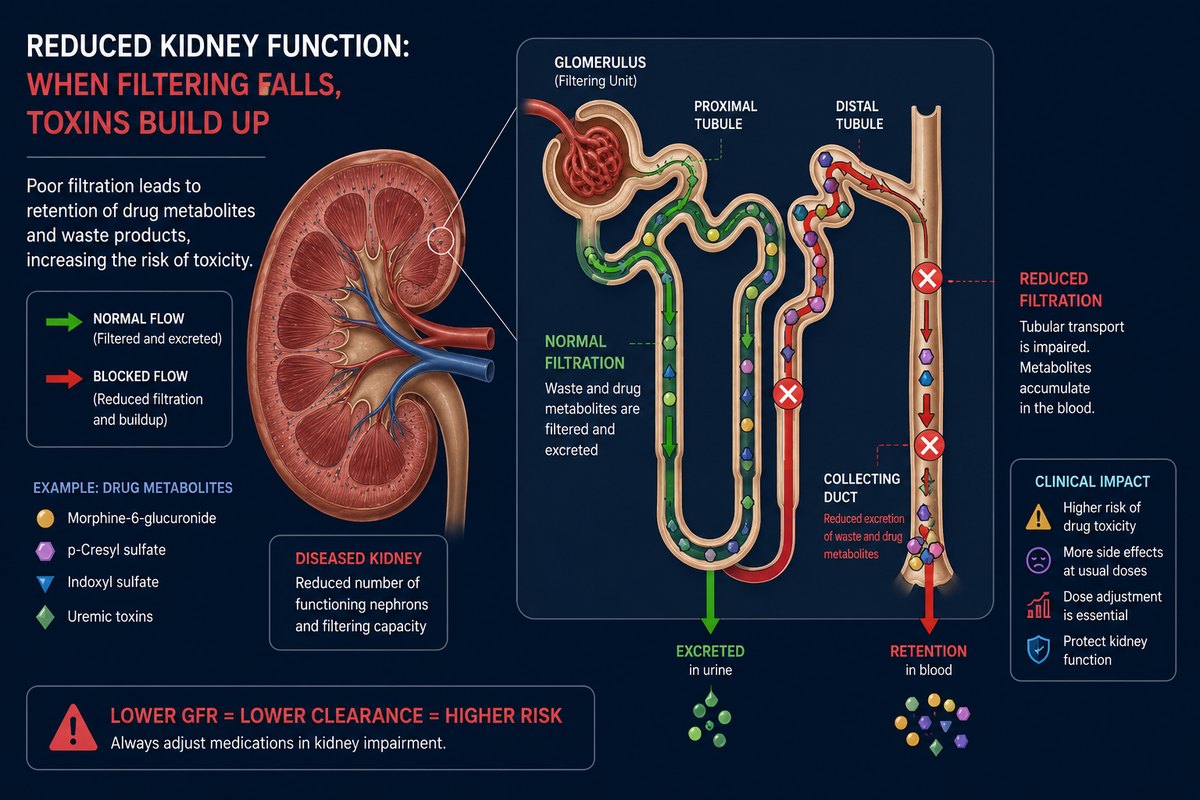 GuideHurt Without Harm: A Guide to Safe Pain Relief in Kidney DiseaseManaging pain safely with kidney disease — which painkillers to avoid, safe alternatives like paracetamol, gabapentin, and topical treatments for Filipino CKD patients.
- CalculatorCreatinine Clearance — Cockcroft-Gault (drug dosing)Estimate creatinine clearance for drug dosing with the Cockcroft-Gault equation using age, sex, weight, and serum creatinine, with ideal/adjusted body-weight options. With indications, formula, evidence, and references.
References
- U.S. Food and Drug Administration. KETROLAC TROMETHAMINE · Anthea Pharma Private Limited [US FDA-approved label, version 3, September 29, 2026]. Via DailyMed/openFDA. https://dailymed.nlm.nih.gov/dailymed/drugInfo.cfm?setid=7a7c8579-d423-4699-9435-69c4d127c654
- Food and Drug Administration Philippines. Verification portal (product registrations). https://verification.fda.gov.ph
- PNF Essential Medicines List, 8th ed. (as of November 2, 2022), DOH; https://www.philhealth.gov.ph/partners/providers/pdf/PNF-EML_11022022.pdf
- DOH Drug Price Reference Index (DPRI) 2021, 9th edition (as of September 17, 2021); https://caro.doh.gov.ph/wp-content/uploads/2021/09/2021DPRI-as-of-9-17-2021.pdf
- Anthea Pharma Private Limited. (2026). Ketorolac tromethamine injection [Prescribing information; US FDA-approved label, ANDA221041, set ID 7a7c8579-d423-4699-9435-69c4d127c654, version effective September 29, 2026]. DailyMed, U.S. National Library of Medicine. https://dailymed.nlm.nih.gov/dailymed/drugInfo.cfm?setid=7a7c8579-d423-4699-9435-69c4d127c654
- Zameer Pharmaceuticals LLC. (2025). Naproxen tablets [Prescribing information; US FDA-approved label, set ID d2e5553a-7c90-407c-9f07-3be65560c23a] (NSAID class labeling, section 7). DailyMed, U.S. National Library of Medicine. https://dailymed.nlm.nih.gov/dailymed/drugInfo.cfm?setid=d2e5553a-7c90-407c-9f07-3be65560c23a
renalcarematters.com content: Kidney and pediatric dosing: reviewed by William Gregory M. Rivero, MD, FPCP, DPSN on November 17, 2026. Dosing, interaction, adverse-effect and monitoring summary: reviewed by William Gregory M. Rivero, MD, FPCP, DPSN on November 17, 2026.
Last updated: .