WARNING Severe and sometimes fatal hepatitis associated with isoniazid therapy has been reported and may occur or may develop even after many months of treatment. The risk of developing hepatitis is age related. Approximate case rates by age are: less than 1 per 1,000 for persons under 20 years of age, 3 per 1,000 for persons in the 20 to 34 year age group, 12 per 1,000 for persons in the 35 to 49 year age group, 23 per 1,000 for persons in the 50 to 64 year age group and 8 per 1,000 for persons over 65 years of age.
The risk of hepatitis is increased with daily consumption of alcohol. Precise data to provide a fatality rate for isoniazid-related hepatitis is not available; however, in a U.S. Public Health Service Surveillance Study of 13,838 persons taking isoniazid, there were 8 deaths among 174 cases of hepatitis. Therefore, patients given isoniazid should be carefully monitored and interviewed at monthly intervals.
For persons 35 and older, in addition to monthly symptom reviews, hepatic enzymes (specifically, AST and ALT (formerly SGOT and SGPT, respectively)) should be measured prior to starting isoniazid therapy and periodically throughout treatment. Isoniazid-associated hepatitis usually occurs during the first three months of treatment.
Usually, enzyme levels return to normal despite continuance of drug, but in some cases progressive liver dysfunction occurs. Other factors associated with an increased risk of hepatitis include daily use of alcohol, chronic liver disease and injection drug use. A recent report suggests an increased risk of fatal hepatitis associated with isoniazid among women, particularly black and Hispanic women.
The risk may also be increased during the post-partum period. More careful monitoring should be considered in these groups, possibly including more frequent laboratory monitoring. If abnormalities of liver function exceed three to five times the upper limit of normal, discontinuation of isoniazid should be strongly considered.
Liver function tests are not a substitute for a clinical evaluation at monthly intervals or for the prompt assessment of signs or symptoms of adverse reactions occurring between regularly scheduled evaluations. Patients should be instructed to immediately report signs or symptoms consistent with liver damage or other adverse effects.
These include any of the following: unexplained anorexia, nausea, vomiting, dark urine, icterus, rash, persistent paresthesias of the hands and feet, persistent fatigue, weakness or fever of greater than 3 days duration and/or abdominal tenderness, especially right upper quadrant discomfort. If these symptoms appear or if signs suggestive of hepatic damage are detected, isoniazid should be discontinued promptly, since continued use of the drug in these cases has been reported to cause a more severe form of liver damage.
Patients with tuberculosis who have hepatitis attributed to isoniazid should be given appropriate treatment with alternative drugs. If isoniazid must be reinstituted, it should be reinstituted only after symptoms and laboratory abnormalities have cleared. The drug should be restarted in very small and gradually increasing doses and should be withdrawn immediately if there is any indication of recurrent liver involvement.
Preventive treatment should be deferred in persons with acute hepatic diseases.
Use: Labeled indications
- INDICATIONS AND USAGE Isoniazid is recommended for all forms of tuberculosis in which organisms are susceptible.
Full indications and usage US FDA label
INDICATIONS AND USAGE Isoniazid is recommended for all forms of tuberculosis in which organisms are susceptible. However, active tuberculosis must be treated with multiple concomitant anti-tuberculosis medications to prevent the emergence of drug resistance. Single-drug treatment of active tuberculosis with isoniazid, or any other medication is inadequate therapy.
Isoniazid is recommended as preventive therapy for the following groups, regardless of age. (Note: the criterion for a positive reaction to a skin test (in millimeters of induration) for each group is given in parentheses): 1. Persons with human immunodeficiency virus (HIV) infection (≥ 5 mm) and persons with risk factors for HIV infection whose HIV infection status is unknown but who are suspected of having HIV infection.
Preventive therapy may be considered for HIV infected persons who are tuberculin-negative but belong to groups in which the prevalence of tuberculosis infection is high. Candidates for preventive therapy who have HIV infection should have a minimum of 12 months of therapy. 2. Close contacts of persons with newly diagnosed infectious tuberculosis (≥ 5 mm).
In addition, tuberculin-negative (< 5 mm) children and adolescents who have been close contacts of infectious persons within the past 3 months are candidates for preventive therapy until a repeat tuberculin skin test is done 12 weeks after contact with the infectious source. If the repeat skin test is positive (> 5 mm), therapy should be continued. 3.
Recent converters, as indicated by a tuberculin skin test (≥ 10 mm increase within a 2-year period for those < 35 years old; ≥ 15 mm increase for those ≥ 35 years of age). All infants and children younger than 4 years of age with a > 10 mm skin test are included in this category. 4. Persons with abnormal chest radiographs that show fibrotic lesions likely to represent old healed tuberculosis (≥ 5 mm).
Candidates for preventive therapy who have fibrotic pulmonary lesions consistent with healed tuberculosis or who have pulmonary silicosis should have 12 months of isoniazid or 4 months of isoniazid and rifampin, concomitantly. 5. Intravenous drug users known to be HIV-seronegative (> 10 mm). 6. Persons with the following medical conditions that have been reported to increase the risk of tuberculosis (≥ 10 mm): silicosis; diabetes mellitus; prolonged therapy with adrenocorticosteroids; immunosuppressive therapy; some hematologic and reticuloendothelial diseases, such as leukemia or Hodgkin's disease; end-stage renal disease; clinical situations associated with substantial rapid weight loss or chronic undernutrition (including: intestinal bypass surgery for obesity, the postgastrectomy state (with or without weight loss), chronic peptic ulcer disease, chronic malabsorption syndromes, and carcinomas of the oropharynx and upper gastrointestinal tract that prevent adequate nutritional intake).
Candidates for preventive therapy who have fibrotic pulmonary lesions consistent with healed tuberculosis or who have pulmonary silicosis should have 12 months of isoniazid or 4 months of isoniazid and rifampin, concomitantly. Additionally, in the absence of any of the above risk factors, persons under the age of 35 with a tuberculin skin test reaction of 10 mm or more are also appropriate candidates for preventive therapy if they are a member of any of the following high-incidence groups: 1.
Foreign-born persons from high-prevalence countries who never received BCG vaccine. 2. Medically underserved low-income populations, including high-risk racial or ethnic minority populations, especially blacks, Hispanics, and Native Americans. 3. Residents of facilities for long-term care (e.g., correctional institutions, nursing homes, and mental institutions).
Children who are less than 4 years old are candidates for isoniazid preventive therapy if they have > 10 mm induration from a PPD Mantoux tuberculin skin test. Finally, persons under the age of 35 who a) have none of the above risk factors (1-6); b) belong to none of the high-incidence groups; and c) have a tuberculin skin test reaction of 15 mm or more, are appropriate candidates for preventive therapy.
The risk of hepatitis must be weighed against the risk of tuberculosis in positive tuberculin reactions over the age of 35. However, the use of isoniazid is recommended for those with the additional risk factors listed above (1-6) and on an individual basis in situations where there is likelihood of serious consequences to contacts who may become infected.
Contraindications
CONTRAINDICATIONS Isoniazid is contraindicated in patients who develop severe hypersensitivity reactions, including drug-induced hepatitis; previous isoniazid-associated hepatic injury; severe adverse reactions to isoniazid such as drug fever, chills, arthritis; and acute liver disease of any etiology.
US FDA labelDosing: Adult
Dosage and administration (US label) US FDA label
DOSAGE AND ADMINISTRATION (See also INDICATIONS AND USAGE) NOTE: For preventive therapy of tuberculous infection and treatment of tuberculosis, it is recommended that physicians be familiar with the following publications: (1) the recommendations of the Advisory Council for the Elimination of Tuberculosis, published in the MMWR: vol 42; RR-4, 1993 and (2) Treatment of Tuberculosis and Tuberculosis Infection in Adults and Children, American Journal of Respiratory and Critical Care Medicine: vol 149; 1359-1374, 1994. For Treatment of Tuberculosis Isoniazid is used in conjunction with other effective anti-tuberculous agents.
Drug susceptibility testing should be performed on the organisms initially isolated from all patients with newly diagnosed tuberculosis. If the bacilli becomes resistant, therapy must be changed to agents to which the bacilli are susceptible. Usual Oral Dosage (depending on the regimen used): Adults 5 mg/kg up to 300 mg daily in a single dose; or 15 mg/kg up to 900 mg/day, two or three times/week Children 10 mg/kg to 15 mg/kg up to 300 mg daily in a single dose; or 20 mg/kg to 40 mg/kg up to 900 mg/day, two or three times/week Patients with Pulmonary Tuberculosis Without HIV Infection There are 3 regimen options for the initial treatment of tuberculosis in children and adults: Option 1: Daily isoniazid, rifampin, and pyrazinamide for 8 weeks followed by 16 weeks of isoniazid and rifampin daily or 2 to 3 times weekly.
Ethambutol or streptomycin should be added to the initial regimen until sensitivity to isoniazid and rifampin is demonstrated. The addition of a fourth drug is optional if the relative prevalence of isoniazid-resistant Mycobacterium tuberculosis isolates in the community is less than or equal to four percent. Option 2: Daily isoniazid, rifampin, pyrazinamide, and streptomycin or ethambutol for 2 weeks followed by twice weekly administration of the same drugs for 6 weeks, subsequently twice weekly isoniazid and rifampin for 16 weeks.
Option 3: Three times weekly with isoniazid, rifampin, pyrazinamide and ethambutol or streptomycin for 6 months. * All regimens given twice weekly or 3 times weekly should be administered by directly observed therapy (see also Directly Observed Therapy (DOT)). The above treatment guidelines apply only when the disease is caused by organisms that are susceptible to the standard antituberculous agents.
Because of the impact of resistance to isoniazid and rifampin on the response to therapy, it is essential that physicians initiating therapy for tuberculosis be familiar with the prevalence of drug resistance in their communities. It is suggested that ethambutol not be used in children whose visual acuity cannot be monitored.
Patients with Pulmonary Tuberculosis and HIV Infection The response of the immunologically impaired host to treatment may not be as satisfactory as that of a person with normal host responsiveness. For this reason, therapeutic decisions for the impaired host must be individualized. Since patients co-infected with HIV may have problems with malabsorption, screening of antimycobacterial drug levels, especially in patients with advanced HIV disease, may be necessary to prevent the emergence of MDRTB.
Patients with Extra Pulmonary Tuberculosis The basic principles that underlie the treatment of pulmonary tuberculosis also apply to Extra pulmonary forms of the disease. Although there have not been the same kinds of carefully conducted controlled trials of treatment of Extra pulmonary tuberculosis as for pulmonary disease, increasing clinical experience indicates that a 6 to 9 month short-course regimen is effective.
Because of the insufficient data, miliary tuberculosis, bone/joint tuberculosis and tuberculous meningitis in infants and children should receive 12 month therapy. Bacteriologic evaluation of Extra pulmonary tuberculosis may be limited by the relative inaccessibility of the sites of disease. Thus, response to treatment often must be judged on the basis of clinical and radiographic findings.
The use of adjunctive therapies such as surgery and corticosteroids is more commonly required in Extra pulmonary tuberculosis than in pulmonary disease. Surgery may be necessary to obtain specimens for diagnosis and to treat such processes as constrictive pericarditis and spinal cord compression from Pott's Disease. Corticosteroids have been shown to be of benefit in preventing cardiac constriction from tuberculous pericarditis and in decreasing the neurologic sequelae of all stages of tuberculosis meningitis, especially when administered early in the course of the disease.
Pregnant Women with Tuberculosis The options listed above must be adjusted for the pregnant patient. Streptomycin interferes with in utero development of the ear and may cause congenital deafness. Routine use of pyrazinamide is also not recommended in pregnancy because of inadequate teratogenicity data. The initial treatment regimen should consist of isoniazid and rifampin.
Ethambutol should be included unless primary isoniazid resistance is unlikely (isoniazid resistance rate documented to be less than 4%). Treatment of Patients with Multi-Drug Resistant Tuberculosis (MDRTB) Multiple-drug resistant tuberculosis (i.e., resistance to at least isoniazid and rifampin) presents difficult treatment problems.
Treatment must be individualized and based on susceptibility studies. In such cases, consultation with an expert in tuberculosis is recommended. Directly Observed Therapy (DOT) A major cause of drug-resistant tuberculosis is patient non-compliance with treatment. The use of DOT can help assure patient compliance with drug therapy.
DOT is the observation of the patient by a health care provider or other responsible person as the patient ingests anti-tuberculosis medications. DOT can be achieved with daily, twice weekly or thrice weekly regimens, and is recommended for all patients. For Preventative Therapy of Tuberculosis Before isoniazid preventive therapy is initiated, bacteriologically positive or radiographically progressive tuberculosis must be excluded.
Appropriate evaluations should be performed if Extra pulmonary tuberculosis is suspected. Adults over 30 Kg: 300 mg per day in a single dose. Infants and Children 10 mg/kg (up to 300 mg daily) in a single dose. In situations where adherence with daily preventative therapy cannot be assured, 20 mg/kg to 30 mg/kg (not to exceed 900 mg) twice weekly under the direct observation of a health care worker at the time of administration 8.
Continuous administration of isoniazid for a sufficient period is an essential part of the regimen because relapse rates are higher if chemotherapy is stopped prematurely. In the treatment of tuberculosis, resistant organisms may multiply and the emergence of resistant organisms during the treatment may necessitate a change in the regimen.
For following patient compliance: the Potts-Cozart test 9, a simple colorimetric 6 method of checking for isoniazid in the urine, is a useful tool for assuring patient compliance, which is essential for effective tuberculosis control. Additionally, isoniazid test strips are also available to check patient compliance. Concomitant administration of pyridoxine (B 6) is recommended in the malnourished and in those predisposed to neuropathy (e.g., alcoholics and diabetics).
Dosing: Altered kidney function
No kidney-specific text is available from the US label for this generic yet. Check the Philippine package insert in the products table.
Kidney-specific guidance from renalcarematters.com: in preparation.
Dosage forms
Philippines
- Tablet: 100 mg, 300 mg, 400 mg
- Syrup: 100 mg/5 mL, 200 mg/5 mL
- Oral syrup: 100 mg/5 mL, 200 mg/5 mL
Registered products in the Philippines
24 products registered with the Food and Drug Administration (FDA) Philippines list Isoniazid as the generic name. Registration status changes; confirm a product's current status on the FDA portal before relying on it.
All registered products24
| Package insert | |||||||
|---|---|---|---|---|---|---|---|
Bacciter ForteIsoniazid | 200 mg/5 mL SyrupBoston Round Amber Glass Bottle x 60 mL and 120 mL (Box of 1's) | RxVAT-exempt | San Marino Laboratories CorporationPhilippines | — | DR-XY24866 | Feb 25, 2029 | |
EmizidIsoniazid | 200mg/5mL SyrupAmber Glass Bottle in 60mL and 120mL (Box of 1's); Amber Glass Bottle x 120mL (For DOH Use Only) (Box of 1's) | RxVAT-exempt | New Myrex Laboratories, Inc.Philippines | — | DRP-3286 | Sep 30, 2031 | |
IsaphzidIsoniazid | 300 mg TabletAlu/PVC Blister Pack x 10's (Box of 100's) | RxVAT-exempt | Sapphire Lifesciences Pvt. Ltd.India | Nelpa Lifesciences, Inc. | DRP-15566 | Aug 14, 2029 | |
IsonidIsoniazid | 300 mg TabletAluminum Foil Strip x 10's (Box of 100's) | RxVAT-exempt | Concept Pharmaceuticals Ltd.India | Phil Pharmawealth, Inc. | DR-XY43211 | Feb 26, 2029 | |
IsonixIsoniazid | 400 mg TabletAlu/Clear PVC Blister Pack x 10's (Box of 100's) | RxVAT-exempt | Drugmaker's Laboratories, Inc.Philippines | — | DRP-6401 | Sep 16, 2030 | |
IsotabIsoniazid | 300 mg TabletAlu/Clear PVC Blister pack x 10's (Box of 100's) | RxVAT-exempt | Drugmaker's Laboratories Inc.Philippines | — | DR-XY47046 | Sep 4, 2030 | |
IzonIsoniazid | 100 mg/5 mL Oral Syrup (Strawberry Flavor)Amber Boston Round Glass Bottle x 60 mL and 120 mL (Box of 1's) | RxVAT-exempt | Azarias Pharmaceutical Laboratories Inc.Philippines | — | DRP-3787 | May 30, 2027 | |
Izon DSIsoniazid | 200 mg/5 mL Oral Syrup (Cherry Flavor)Amber Boston Round Glass Bottle x 60 mL and 120 mL (Box of 1's) | RxVAT-exempt | Azarias Pharmaceutical Laboratories Inc.Philippines | — | DRP-3788 | May 30, 2027 | |
NoneIsoniazid | 100 mg/5 mL SyrupBoston Round Amber Glass Bottle x 60 mL (Box of 1's) | RxVAT-exempt | AM-Europharma Corporation - BranchPhilippines | — | DR-XY15354 | Jun 21, 2030 | |
NoneIsoniazid | 200 mg/5 mL SyrupAmber Glass Bottle x 120 mL (Box of 1's) | RxVAT-exempt | Lloyd Laboratories, Inc.Philippines | Trader: Dr. Zen’s Research, Inc. | DR-XY42659 | Sep 23, 2028 | |
NoneIsoniazid | 200 mg/5 mL Syrup120 mL Amber Bottle (Box of 1's) | RxVAT-exempt | Lloyd Laboratories, Inc.Philippines | Westfield Pharmaceuticals, Inc.Trader: Solvang Pharmaceuticals, Inc. | DRP-8682-01 | Aug 29, 2028 | |
NoneIsoniazid | 300 mg Tablet1,000 tablets packed in transparent LDPE Bag and further packed in white opaque HDPE container (sealed with aluminum tagger) with white opaque continuous threading cap | RxVAT-exempt | Macleods Pharmaceuticals LimitedIndia | S.M.H.P. Marketing & Consultancy | DR-XY46157 | Nov 10, 2027 | |
NoneIsoniazid | 300 mg tabletAlu/White Opaque PVC/PVDC Blister pack x 28 tablets (Box of 672 tablets) | RxVAT-exempt | Macleods Pharmaceuticals LimitedIndia | S.M.H.P. Marketing & Consultancy | DR-XY46158 | Nov 10, 2027 | |
NoneIsoniazid | 300 mg TabletAlu/Clear PVC Blister pack x 10's (Box of 100's) | RxVAT-exempt | Drugmaker's Laboratories, Inc.Philippines | TGP Pharma Inc. | DRP-7869-01 | Jul 15, 2029 | |
NoneIsoniazid | 300 mg TabletAlu/Clear PVC Blister pack x 10's (Box of 100's) | RxVAT-exempt | Drugmaker's Laboratories, Inc.Philippines | Drugmaker's Laboratories, Inc. | DRP-7869-02 | Jul 15, 2029 | |
NoneIsoniazid | 300mg TabletAlu/Clear PVC Blister pack x 10's (Box of 100's) | RxVAT-exempt | Drugmaker's Laboratories, Inc.Philippines | — | DRP-7869 | Jul 15, 2029 | |
RiniazidIsoniazid | 300 mg TabletAlu/PVC Blister Pack x 10's (Box of 100's) | RxVAT-exempt | J.M. Tolmann Laboratories Inc.Philippines | Trader: Vamsler Phils. Incorporated | DRP-2559 | Sep 22, 2029 | |
SolzidIsoniazid | 200 mg/5 mL Syrup120 mL Amber Bottle (Box of 1's) | RxVAT-exempt | Lloyd Laboratories, Inc.Philippines | Trader: Solvang Pharmaceuticals, Inc. | DRP-8682 | Aug 29, 2028 | |
TBZid-300Isoniazid | 300 mg TabletAlu/PVC Blister Pack x 10's | RxVAT-exempt | Huazhong Pharmaceutical Co., Ltd.China | AMB HK EnterprisesImporter: AMB HK Enterprises Inc. | DRP-15918 | Oct 1, 2029 | |
TBZid-400Isoniazid | 400 mg TabletAlu/PVC Blister Pack x 10's (Box of 100's) | RxVAT-exempt | Huazhong Pharmaceutical Co., Ltd.China | AMB HK Enterprises Inc. | DRP-15917 | Oct 1, 2029 | |
UnbrandedIsoniazid | 100 mg TabletAlu/White Opaque PVC/PVDC Blister Pack x 10's (Box of 100's) | RxVAT-exempt | Macleods Pharmaceuticals LimitedIndia | Macleods Pharmaceuticals Philippines, Inc. | DRP-6865 | Oct 11, 2031 | |
(no brand name)Isoniazid | 300 mg TabletAlu/PVC/PVDC Blister Pack x 10's (Box of 100's) | RxVAT-exempt | Lupin LimitedIndia | Lupin Philippines Inc | DR-XY49322 | Jan 28, 2030 | |
(no brand name)Isoniazid | 300 mg TabletLDPE Bag packed in HDPE Bottle sealed with Aluminum Tagger x 1,000's | RxVAT-exempt | Oxalis LabsIndia | SMHP Pharmaceuticals IncorporatedTrader: Macleods Pharmaceuticals Ltd. | DRP-12074 | Jun 7, 2027 | |
(no brand name)Isoniazid | 300 mg TabletAlu/White Opaque PVC/PVDC Blister Pack of 28 Tablets (Box of 24 blister packs x 28 Tablets) | RxVAT-exempt | Oxalis LabsIndia | SMHP Pharmaceuticals IncorporatedTrader: Macleods Pharmaceuticals Ltd. | DRP-12075 | Jun 7, 2027 |
Source: FDA Philippines product registration database. "Valid until" is the registration validity date listed by the FDA; a past date may mean a renewal is pending. Package insert links point to files published by the FDA.
Warnings/Precautions
The boxed warning is shown at the top of this page.
Warnings and precautions (US label) US FDA label
WARNINGS See the boxed warning. Severe Cutaneous Adverse Reactions Severe cutaneous adverse reactions (SCARs) including toxic epidermal necrolysis (TEN), Stevens-Johnson syndrome (SJS), drug reaction with eosinophilia and systemic symptoms (DRESS), and acute generalized exanthematous pustulosis (AGEP) have been reported with the use of isoniazid (see ADVERSE REACTIONS).
Symptoms can be serious and potentially life threatening. If symptoms or signs of SCARs develop, discontinue isoniazid tablets immediately and institute appropriate therapy. Cerebellar Syndrome Cerebellar syndrome which may include abnormal motor coordination presenting as gait, trunk, and limb ataxia, dysmetria and dysdiadochokinesia, intention tremor, dysarthria, or nystagmus, has been reported in postmarketing case reports with the use of isoniazid (see ADVERSE REACTIONS).
Most cases of cerebellar syndrome involved patients with chronic kidney disease (CKD), however, cerebellar syndrome was also reported in patients without CKD. Discontinue isoniazid tablets if symptoms or signs of cerebellar syndrome occur.
Drug interactions
Drug interactions (US label) US FDA label
Drug Interactions Food Isoniazid should not be administered with food. Studies have shown that the bioavailability of isoniazid is reduced significantly when administered with food. Tyramine-and histamine-containing foods should be avoided in patients receiving isoniazid. Because isoniazid has some monoamine oxidase inhibiting activity, an interaction with tyramine-containing foods (cheese, red wine) may occur.
Diamine oxidase may also be inhibited, causing exaggerated response (e.g., headache, sweating, palpitations, flushing, hypotension) to foods containing histamine (e.g., skipjack, tuna, other tropical fish). Acetaminophen A report of severe acetaminophen toxicity was reported in a patient receiving isoniazid. It is believed that the toxicity may have resulted from a previously unrecognized interaction between isoniazid and acetaminophen and a molecular basis for this interaction has been proposed.
However, current evidence suggests that isoniazid does induce P-450IIE1, a mixed-function oxidase enzyme that appears to generate the toxic metabolites, in the liver. Furthermore it has been proposed that isoniazid resulted in induction of P-450IIE1 in the patient's liver which, in turn, resulted in a greater proportion of the ingested acetaminophen being converted to the toxic metabolites.
Studies have demonstrated that pretreatment with isoniazid potentiates acetaminophen hepatotoxicity in rats 1,2. Carbamazepine Isoniazid is known to slow the metabolism of carbamazepine and increase its serum levels. Carbamazepine levels should be determined prior to concurrent administration with isoniazid, signs and symptoms of carbamazepine toxicity should be monitored closely, and appropriate dosage adjustment of the anticonvulsant should be made 3.
Ketoconazole Potential interaction of ketoconazole and isoniazid may exist. When ketoconazole is given in combination with isoniazid and rifampin the AUC of ketoconazole is decreased by as much as 88% after 5 months of concurrent isoniazid and rifampin therapy 4. Phenytoin Isoniazid may increase serum levels of phenytoin.
To avoid phenytoin intoxication, appropriate adjustment of the anticonvulsant should be made 5,6. Theophylline A recent study has shown that concomitant administration of isoniazid and theophylline may cause elevated plasma levels of theophylline, and in some instances a slight decrease in the elimination of isoniazid. Since the therapeutic range of theophylline is narrow, theophylline serum levels should be monitored closely, and appropriate dosage adjustments of theophylline should be made 7.
Valproate A recent case study has shown a possible increase in the plasma level of valproate when co-administered with isoniazid. Plasma valproate concentration should be monitored when isoniazid and valproate are co-administered and appropriate dosage adjustments of valproate should be made 5.
Adverse reactions
Adverse reactions (US label) US FDA label
ADVERSE REACTIONS The most frequent reactions are those affecting the nervous system and the liver. Nervous System Reactions: Peripheral neuropathy is the most common toxic effect. It is dose-related, occurs most often in the malnourished and in those predisposed to neuritis (e.g., alcoholics and diabetics), and is usually preceded by paresthesias of the feet and hands.
The incidence is higher in "slow inactivators". Cerebellar syndrome, which may include abnormal motor coordination manifesting as gait, trunk, and limb ataxia, dysmetria and dysdiadochokinesia, intention tremor, dysarthria, or nystagmus, have been reported in post marketing case reports (see WARNINGS). Other neurotoxic effects, which are uncommon with conventional doses, are convulsions, toxic encephalopathy, optic neuritis and atrophy, memory impairment and toxic psychosis.
Hepatic Reactions: See boxed warning. Elevated serum transaminase (SGOT; SGPT), bilirubinemia, bilirubinuria, jaundice, and occasionally severe and sometimes fatal hepatitis. The common prodromal symptoms of hepatitis are anorexia, nausea, vomiting, fatigue, malaise, and weakness. Mild hepatic dysfunction, evidenced by mild and transient elevation of serum transaminase levels occurs in 10 to 20 percent of patients taking isoniazid.
This abnormality usually appears in the first 1 to 3 months of treatment but can occur at any time during therapy. In most instances, enzyme levels return to normal, and generally, there is no necessity to discontinue medication during the period of mild serum transaminase elevation. In occasional instances, progressive liver damage occurs, with accompanying symptoms.
If the SGOT value exceeds three to five times the upper limit of normal, discontinuation of the isoniazid should be strongly considered. The frequency of progressive liver damage increases with age. It is rare in persons under 20, but occurs in up to 2.3 percent of those over 50 years of age. Gastrointestinal Reactions: Nausea, vomiting and epigastric distress.
Hematologic Reactions: Agranulocytosis; hemolytic, sideroblastic or aplastic anemia, thrombocytopenia and eosinophilia. Hypersensitivity Reactions: Fever, skin eruptions (morbilliform, maculopapular, purpuric, or exfoliative), lymphadenopathy, vasculitis, acute generalized exanthematous pustulosis (AGEP), Stevens-Johnson syndrome (SJS), toxic epidermal necrolysis, and drug reaction with eosinophilia syndrome (DRESS) (See WARNINGS).
Metabolic and Endocrine Reactions: Pyridoxine deficiency, pellagra, hyperglycemia, metabolic acidosis and gynecomastia. Miscellaneous Reactions: Rheumatic syndrome and systemic lupus erythematosus-like syndrome. To report SUSPECTED ADVERSE REACTIONS, contact Omnivium Pharmaceuticals LLC at 1-888-807-1048 or FDA at 1-800-FDA-1088 or www.fda.gov/medwatch.
Pregnancy considerations
Pregnancy (US label) US FDA label
Pregnancy Teratogenic Effects Pregnancy Category C Isoniazid has been shown to have an embryocidal effect in rats and rabbits when given orally during pregnancy. Isoniazid was not teratogenic in reproduction studies in mice, rats and rabbits. There are no adequate and well-controlled studies in pregnant women. Isoniazid should be used as a treatment for active tuberculosis during pregnancy because the benefit justifies the potential risk to the fetus.
The benefit of preventive therapy also should be weighed against a possible risk to the fetus. Preventive therapy generally should be started after delivery to prevent putting the fetus at risk of exposure; the low levels of isoniazid in breast milk do not threaten the neonate. Since isoniazid is known to cross the placental barrier, neonates of isoniazid treated mothers should be carefully observed for any evidence of adverse effects.
Nonteratogenic Effects Since isoniazid is known to cross the placental barrier, neonates of isoniazid-treated mothers should be carefully observed for any evidence of adverse effects.
Breastfeeding considerations
Lactation (US label) US FDA label
Nursing Mothers The small concentrations of isoniazid in breast milk do not produce toxicity in the nursing newborn; therefore, breast feeding should not be discouraged. However, because levels of isoniazid are so low in breast milk, they can not be relied upon for prophylaxis or therapy of nursing infants.
Pharmacokinetics
From 50 to 70 percent of a dose of isoniazid is excreted in the urine in 24 hours.
Pharmacokinetics (US label) US FDA label
CLINICAL PHARMACOLOGY Within 1 to 2 hours after oral administration, isoniazid produces peak blood levels which decline to 50 percent or less within 6 hours. It diffuses readily into all body fluids (cerebrospinal, pleural, and ascitic fluids), tissues, organs, and excreta (saliva, sputum, and feces). The drug also passes through the placental barrier and into milk in concentrations comparable to those in the plasma.
From 50 to 70 percent of a dose of isoniazid is excreted in the urine in 24 hours. Isoniazid is metabolized primarily by acetylation and dehydrazination. The rate of acetylation is genetically determined. Approximately 50 percent of Blacks and Caucasians are "slow inactivators" and the rest are "rapid inactivators"; the majority of Eskimos and Orientals are "rapid inactivators." The rate of acetylation does not significantly alter the effectiveness of isoniazid.
However, slow acetylation may lead to higher blood levels of the drug and, thus, to an increase in toxic reactions. Pyridoxine (vitamin B 6) deficiency is sometimes observed in adults with high doses of isoniazid and is considered probably due to its competition with pyridoxal phosphate for the enzyme apotryptophanase. Mechanism of Action Isoniazid inhibits the synthesis of mycolic acids, an essential component of the bacterial cell wall.
At therapeutic levels isoniazid is bacteriocidal against actively growing intracellular and extracellular Mycobacterium tuberculosis organisms. Resistance Resistance to isoniazid occurs because of mutations in the katG, inhA, kasA and ahpC genes. Resistance in M. tuberculosis develops rapidly when isoniazid monotherapy is administered.
Susceptibility Testing For specific information regarding susceptibility test criteria and associated test methods and quality control standards recognized by FDA for this drug, please see: www.fda.gov/STIC.
Formulary and pricing (Philippines)
Government price references
| Preparation | Price (PHP) | Unit | Type |
|---|---|---|---|
| Isoniazid 200 mg/5 mL, 120 mL Syrup | ₱70.00–₱74.00Reference ₱70.00 | per unit | DPRI procurement range |
| Isoniazid 300 mg tablet | ₱0.83 | per tablet | DPRI reference price |
Range = lowest-highest procurement price (highest usable only in GIDA areas); reference_price = 2021 DPRI ceiling (median) Reference price based on the DOH Central Office Bids and Awards Committee procurement price 2020
These are government procurement and reimbursement references, not retail prices. Sources:
- DOH Drug Price Reference Index (DPRI) 2021, 9th edition (as of September 17, 2021); https://caro.doh.gov.ph/wp-content/uploads/2021/09/2021DPRI-as-of-9-17-2021.pdf, as of September 17, 2021
Formulary and coverage
| Philippine National Formulary | Listed as Isoniazid |
| PNF listing | Oral: 300 mg and 400 mg tablet |
| PNF listing | Oral: 200 mg/5 mL syrup, 120 mL |
| PhilHealth GAMOT | No |
Sources:
- PNF Essential Medicines List, 8th ed. (as of November 2, 2022), DOH; https://www.philhealth.gov.ph/partners/providers/pdf/PNF-EML_11022022.pdf, as of November 2, 2022
Check availability
Prices and stock vary by branch; renalcarematters.com does not sell medicines or receive payment from pharmacies.
Related guides
Guides on renalcarematters.com for this medicine, for patients and clinicians.
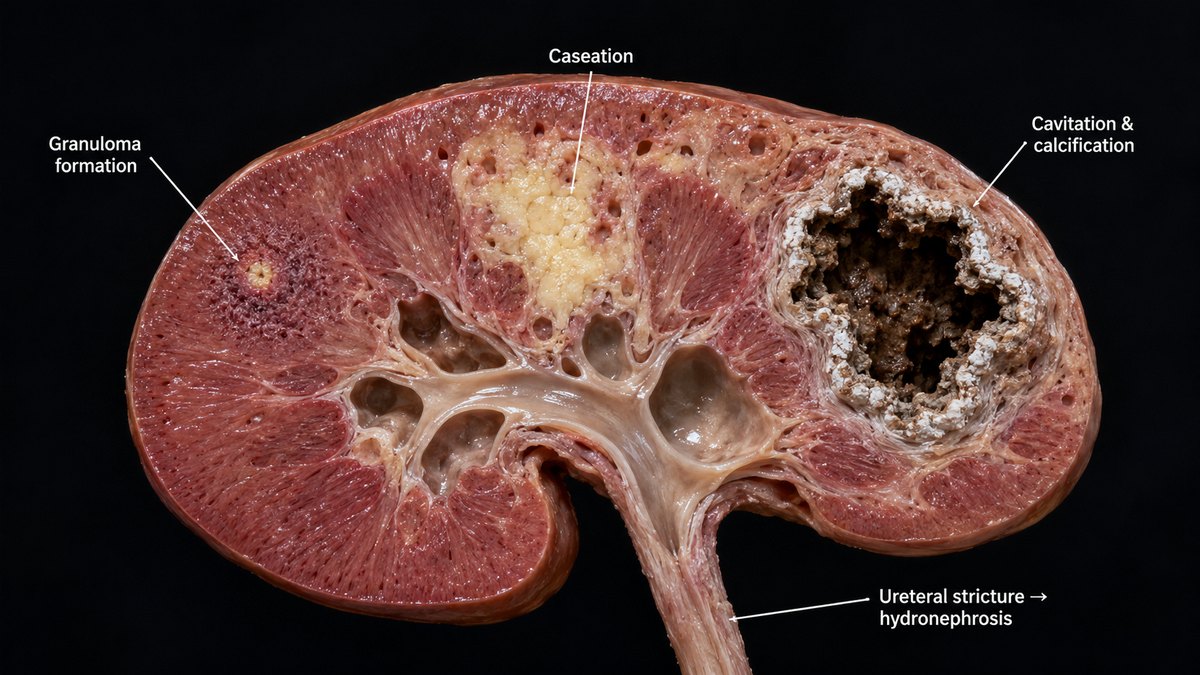 GuideTuberculosis and Kidney DiseaseTuberculosis and kidney disease in the Philippines — how CKD increases TB risk, kidney TB symptoms, treatment challenges, rifampicin dose adjustments in kidney failure.
 GuideThe CKD Prescriber's PlaybookClinician-focused operational guide: exactly how to start, titrate, and adjust SGLT2 inhibitors, ACEi/ARB, GLP-1 agonists, diuretics, phosphate binders, and ESAs in CKD and nephrology practice. KDIGO 2024 aligned.
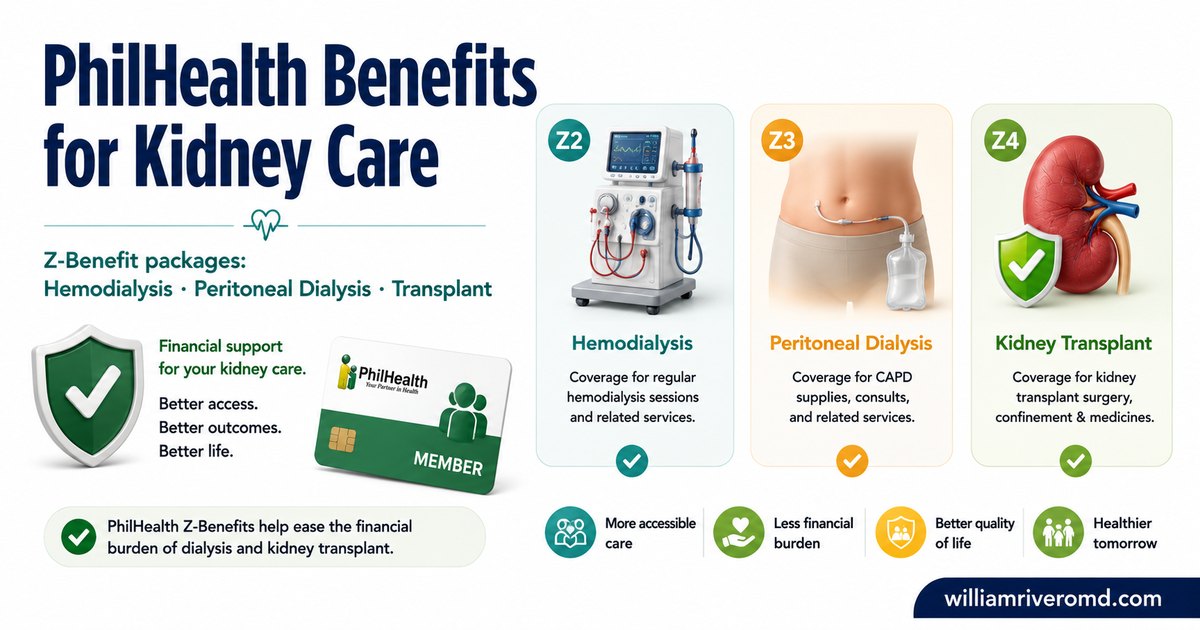 GuidePhilHealth Benefits: HD, PD & Kidney TransplantPhilHealth Z-Benefit package guide for dialysis and kidney transplant — what is covered, how to enroll, session limits, copayments, and PC 2024-0023 updates.
References
- U.S. Food and Drug Administration. isoniazid · OMNIVIUM PHARMACEUTICALS LLC. [US FDA-approved label, version 2, July 8, 2025]. Via DailyMed/openFDA. https://dailymed.nlm.nih.gov/dailymed/drugInfo.cfm?setid=35400f1d-fd25-4bfa-a382-ac390e21bf2e
- Food and Drug Administration Philippines. Verification portal (product registrations). https://verification.fda.gov.ph
- PNF Essential Medicines List, 8th ed. (as of November 2, 2022), DOH; https://www.philhealth.gov.ph/partners/providers/pdf/PNF-EML_11022022.pdf
- DOH Drug Price Reference Index (DPRI) 2021, 9th edition (as of September 17, 2021); https://caro.doh.gov.ph/wp-content/uploads/2021/09/2021DPRI-as-of-9-17-2021.pdf
This page shows official label and registry text only; no renalcarematters.com clinical summary has been approved for it yet.
Last updated: .