Use: Labeled indications
- LEQVIO ® is indicated as an adjunct to diet and exercise to reduce low-density lipoprotein cholesterol (LDL-C) in: adults with hypercholesterolemia. adults and pediatric patients aged 12 years and older with…
- adults and pediatric patients aged 12 years and older with heterozygous familial hypercholesterolemia (HeFH).
- pediatric patients aged 12 years and older with homozygous familial hypercholesterolemia (HoFH).
- Cardiovascular outcomes trials have demonstrated that reducing LDL-C lowers the risk for major adverse cardiovascular events (MACE) in adults at increased risk when treated with statins or monoclonal antibody PCSK9…
Full indications and usage US FDA label
1 INDICATIONS AND USAGE LEQVIO ® is indicated as an adjunct to diet and exercise to reduce low-density lipoprotein cholesterol (LDL-C) in: adults with hypercholesterolemia. adults and pediatric patients aged 12 years and older with heterozygous familial hypercholesterolemia (HeFH). pediatric patients aged 12 years and older with homozygous familial hypercholesterolemia (HoFH). Cardiovascular outcomes trials have demonstrated that reducing LDL-C lowers the risk for major adverse cardiovascular events (MACE) in adults at increased risk when treated with statins or monoclonal antibody proprotein convertase subtilisin kexin type 9 (PCSK9) inhibitors as an add-on to statin therapy.
LEQVIO is a small interfering RNA (siRNA) directed to proprotein convertase subtilisin kexin type 9 (PCSK9) mRNA indicated as an adjunct to diet and exercise to reduce low-density lipoprotein cholesterol (LDL-C) in: adults with hypercholesterolemia. (1) adults and pediatric patients aged 12 years and older with heterozygous familial hypercholesterolemia (HeFH).
(1) pediatric patients aged 12 years and older with homozygous familial hypercholesterolemia (HoFH). (1) Cardiovascular outcomes trials have demonstrated that reducing LDL-C lowers the risk for major adverse cardiovascular events (MACE) in adults at increased risk when treated with statins or monoclonal antibody PCSK9 inhibitors as an add-on to statin therapy.
(1)
Contraindications
4 CONTRAINDICATIONS LEQVIO is contraindicated in patients with a prior serious hypersensitivity reaction to inclisiran or any of the excipients in LEQVIO. Serious hypersensitivity reactions have included anaphylaxis and angioedema [see Adverse Reactions (6.2)]. Prior serious hypersensitivity reaction to inclisiran or any of the excipients in LEQVIO.
US FDA labelDosing: Adult
- The recommended dosage of LEQVIO for adults and pediatric patients aged 12 years and older is 284 mg administered as a single subcutaneous injection initially, again at 3 months, and then every 6 months. (2.1)
- LEQVIO should be administered by a healthcare professional. (2.2)
- Inject LEQVIO subcutaneously into the abdomen, upper arm, or thigh. (2.2)
2.1 Recommended Dosage
2.1 Recommended Dosage The recommended dosage of LEQVIO for adults and pediatric patients aged 12 years and older is 284 mg administered as a single subcutaneous injection initially, again at 3 months, and then every 6 months. If a planned dose is missed by less than 3 months, administer LEQVIO and maintain dosing according to the patient’s original schedule.
If a planned dose is missed by more than 3 months, restart with a new dosing schedule - administer LEQVIO initially, again at 3 months, and then every 6 months. Assess LDL-C when clinically indicated. The LDL-lowering effect of LEQVIO may be measured as early as 30 days after initiation and anytime thereafter without regard to timing of the dose.
2.2 Important Administration Instructions
2.2 Important Administration Instructions LEQVIO should be administered by a healthcare professional. Inject LEQVIO subcutaneously into the abdomen, upper arm, or thigh. Do not inject in areas of active skin disease or injury, such as sunburns, skin rashes, inflammation, or skin infections. Inspect LEQVIO visually before use.
It should appear clear and colorless to pale yellow. Do not use if particulate matter or discoloration is seen. For more detailed instruction on administration of the prefilled syringe, see Instructions for Use.
Dosing: Altered kidney function
8.6 Renal Impairment No dose adjustments are necessary for patients with mild, moderate, or severe renal impairment [see Clinical Pharmacology (12.3)]. LEQVIO has not been studied in patients with end stage renal disease [see Clinical Pharmacology (12.3)].
Patients with Renal Impairment Pharmacokinetic analysis of data from a dedicated renal impairment study reported increases in inclisiran C max and AUC of approximately 2.3 to 3.3-fold and 1.6 to 2.3-fold, respectively, in patients with mild, moderate or severe renal impairment, relative to patients with normal renal function. Despite the higher plasma exposures, reductions in LDL-C were similar across all groups based on renal function.
Kidney-specific guidance from renalcarematters.com: in preparation.
Dosing: Hepatic impairment
8.7 Hepatic Impairment No dose adjustment is necessary in patients with mild to moderate hepatic impairment. LEQVIO has not been studied in patients with severe hepatic impairment [see Clinical Pharmacology (12.3)].
US FDA labelDosing: Pediatric
Pediatric use (US label) US FDA label
8.4 Pediatric Use The safety and effectiveness of LEQVIO as an adjunct to diet and other LDL-C-lowering therapies for the treatment of HeFH have been established in pediatric patients aged 12 years and older. Use of LEQVIO for this indication is based on data from a 12-month, randomized, placebo-controlled, double-blind study in 141 pediatric patients with HeFH.
This indication is also supported by evidence from an adequate and well-controlled study in adults with HeFH. The safety profile reported in pediatric patients aged 12 years and older with HeFH was consistent with adult patients with hypercholesterolemia, with the exception of headache [see Adverse Reactions (6.1), Clinical Studies (14)].
The safety and effectiveness of LEQVIO as an adjunct to diet and other LDL-C-lowering therapies for the treatment of HoFH have been established in pediatric patients aged 12 years and older. Use of LEQVIO for this indication is based on data from a 12-month, randomized, placebo-controlled, double-blind study in 13 pediatric patients with HoFH [see Adverse Reactions (6.1), Clinical Studies (14)].
The safety and effectiveness of LEQVIO have not been established in pediatric patients with HeFH or HoFH younger than 12 years of age. The safety and effectiveness of LEQVIO have not been established in pediatric patients with other types of hypercholesterolemia.
Dosing: Older adult
Geriatric use (US label) US FDA label
8.5 Geriatric Use Of the 1,833 patients treated with LEQVIO in clinical trials, 981 (54%) patients were 65 years of age and older, while 239 (13%) patients were 75 years of age and older. No overall differences in safety or effectiveness were observed between patients 65 years of age and older and younger adult patients.
Administration
2.2 Important Administration Instructions LEQVIO should be administered by a healthcare professional. Inject LEQVIO subcutaneously into the abdomen, upper arm, or thigh. Do not inject in areas of active skin disease or injury, such as sunburns, skin rashes, inflammation, or skin infections. Inspect LEQVIO visually before use. It should appear clear and colorless to pale yellow. Do not use if particulate matter or discoloration is seen. For more detailed instruction on administration of the prefilled syringe, see Instructions for Use.
US FDA labelDosage forms
Philippines
- Solution for injection: 284 mg/1.5 mL
Registered products in the Philippines
1 product registered with the Food and Drug Administration (FDA) Philippines list Inclisiran as the generic name. Registration status changes; confirm a product's current status on the FDA portal before relying on it.
| Package insert | |||||||
|---|---|---|---|---|---|---|---|
SybravaInclisiran (as sodium) | 284 mg/1.5 mL Solution for Injection (SC)Pre-filled Syringe consisting of 2.25 mL-capacity Type I glass syringe with staked needle and rigid needle shield (RNS) sealed with a Type I bromobutyl FluoroTec B2-40 coated plunger (1.5 mL net content) [Box of 1's] | RxVAT-exempt | Corden Pharma Societa' Per AzioniItaly | Importer: Novartis Healthcare Philippines, Inc. | DR-XY48665 | Mar 23, 2028 |
Source: FDA Philippines product registration database. "Valid until" is the registration validity date listed by the FDA; a past date may mean a renewal is pending. Package insert links point to files published by the FDA.
United States (label)
Dosage forms and strengths (US label) US FDA label
3 DOSAGE FORMS AND STRENGTHS Injection: 284 mg/1.5 mL (189 mg/mL) of inclisiran as a clear and colorless to pale yellow solution in a single-dose prefilled syringe. Injection: 284 mg/1.5 mL (189 mg/mL) in a single-dose prefilled syringe. (3)
Warnings/Precautions
Warnings and precautions (US label) US FDA label
5 WARNINGS AND PRECAUTIONS Hypersensitivity Reactions: Have been reported in patients treated with LEQVIO. Advise patients on the signs and symptoms of hypersensitivity reactions and instruct patients to seek medical attention promptly. (5.1) 5.1 Hypersensitivity Reactions Hypersensitivity reactions, including anaphylaxis and angioedema, have been reported in patients treated with LEQVIO [see Adverse Reactions (6.2)].
Advise patients on the signs and symptoms of hypersensitivity reactions and instruct patients to seek medical attention promptly. LEQVIO is contraindicated in patients with a prior serious hypersensitivity reaction to inclisiran or any of the excipients in LEQVIO.
Drug interactions
Metabolism and transporters (CYP, P-gp, OATP; US label) US FDA label
Inclisiran is not a substrate for CYP450 or transporters.
Adverse reactions
The following adverse reactions are also discussed in other sections of the label: Hypersensitivity Reactions [see Warnings and Precautions (5.1)] Common adverse reactions in clinical trials (≥ 3%): injection site reaction, arthralgia, and bronchitis. (6) To report SUSPECTED ADVERSE REACTIONS, contact Novartis Pharmaceuticals Corporation at 1-888-669-6682 or FDA at 1-800-FDA-1088 or www.fda.gov/medwatch.
6.1 Clinical Trials Experience
6.1 Clinical Trials Experience Because clinical trials are conducted under widely varying conditions, adverse reaction rates observed in the clinical trials of a drug cannot be directly compared to rates in the clinical trials of another drug and may not reflect the rates observed in practice. Adverse Reactions in Adults with Hypercholesterolemia The data in Table 1 are derived from 3 placebo-controlled trials that included 1,833 adults with hypercholesterolemia treated with LEQVIO, including 1,682 exposed for 18 months (median treatment duration of 77 weeks) [see Clinical Studies (14)].
The mean age of the population was 64 years, 32% of the population were female, 92% were White, 6% were Black or African American, 1% were Asian, and < 1% were other races; 6% identified as Hispanic or Latino ethnicity. At baseline, 12% of patients had a diagnosis of HeFH and 85% had clinical atherosclerotic cardiovascular disease (ASCVD).
Adverse reactions reported in at least 3% of LEQVIO-treated patients, and more frequently than in placebo-treated patients, are shown in Table 1. Table 1: Adverse Reactions Occurring in Greater Than or Equal to 3% of LEQVIO-treated Adults with Hypercholesterolemia and More Frequently than with Placebo (Trials 1, 2, and 3) Adverse Reactions Placebo (N = 1,822) % LEQVIO (N = 1,833) % a includes related terms such as: injection site pain, erythema and rash Injection site reaction a 2 8 Arthralgia 4 5 Bronchitis 3 4 Adverse reactions led to discontinuation of treatment in 2.5% of patients treated with LEQVIO and 1.9% of patients treated with placebo.
The most common adverse reactions leading to treatment discontinuation in patients treated with LEQVIO were injection site reactions (0.2% versus 0% for LEQVIO and placebo, respectively). Adverse Reactions in Pediatric Patients with HeFH In a 24-month, two-part trial of 141 pediatric patients aged 12 years and older with HeFH (Trial 4), consisting of a 12-month randomized, double-blind, placebo-controlled part (Part 1/Year 1), followed by a 12-month open-label part (Part 2/Year 2), 93 patients received 284 mg of LEQVIO subcutaneously during Part 1 and 139 patients were treated with LEQVIO during Part 2 [see Clinical Studies (14)].
During Part 2, 91 patients continued LEQVIO treatment for a second year and 48 patients switched from placebo to LEQVIO for 1 year of treatment. The safety profile reported in pediatric patients with HeFH was consistent with the description above for adult patients with hypercholesterolemia, with the exception of headache.
In pediatric patients with HeFH, the incidence of headache was 6% among patients who received placebo versus 13% of LEQVIO-treated patients during the double-blind study period. Adverse Reactions in Pediatric Patients with HoFH In a 24-month, two-part trial of 13 pediatric patients aged 12 years and older with HoFH (Trial 5), consisting of a 12-month randomized, double-blind, placebo-controlled part (Part 1/Year 1), followed by a 12-month open-label part (Part 2/Year 2), 9 patients received 284 mg of LEQVIO administered subcutaneously during Part 1 and 13 patients were treated with LEQVIO during Part 2 [see Clinical Studies (14)].
During Part 2, 9 patients continued LEQVIO treatment for a second year and 4 patients switched from placebo to LEQVIO for 1 year of treatment. The safety profile reported in pediatric patients was consistent with adult patients with hypercholesterolemia.
6.2 Postmarketing Experience
6.2 Postmarketing Experience The following adverse reactions have been identified during post-approval use of LEQVIO. Because these reactions are reported voluntarily from a population of uncertain size, it is not always possible to reliably estimate their frequency or establish a causal relationship to drug exposure. Hypersensitivity: anaphylaxis, angioedema, rash, pruritus, and urticaria.
Adverse reaction frequency tables (US label) US FDA label
| Adverse Reactions | Placebo (N = 1,822) % | LEQVIO (N = 1,833) % |
|---|---|---|
| aincludes related terms such as: injection site pain, erythema and rash | ||
| Injection site reactiona | 2 | 8 |
| Arthralgia | 4 | 5 |
| Bronchitis | 3 | 4 |
Pregnancy considerations
Pregnancy (US label) US FDA label
8.1 Pregnancy Risk Summary Discontinue LEQVIO when pregnancy is recognized. Alternatively, consider the ongoing therapeutic needs of the individual patient. Inclisiran increases LDL-C uptake and lowers LDL-C levels in the circulation, thus decreasing cholesterol and possibly other biologically active substances derived from cholesterol; therefore, LEQVIO may cause fetal harm when administered to pregnant patients based on the mechanism of action [see Clinical Pharmacology (12.1)].
In addition, treatment of hypercholesterolemia is not generally necessary during pregnancy. Atherosclerosis is a chronic process and the discontinuation of lipid-lowering drugs during pregnancy should have little impact on the outcome of long-term therapy of hypercholesterolemia for most patients. There are no available data on the use of LEQVIO in pregnant patients to evaluate for a drug-associated risk of major birth defects, miscarriage or adverse maternal or fetal outcomes.
In animal reproduction studies, no adverse developmental effects were observed in rats and rabbits with subcutaneous administration of inclisiran during organogenesis at doses up to 5 to 10 times the maximum recommended human dose (MRHD) based on body surface area (BSA) comparison (see Data). No adverse developmental outcomes were observed in offspring of rats administered inclisiran from organogenesis through lactation at 5 times the MRHD based on BSA comparison (see Data).
The estimated background risk of major birth defects and miscarriage for the indicated population is unknown. In the U.S. general population, the estimated background risk of major birth defects and miscarriage in clinically recognized pregnancies is 2%–4% and 15%–20%, respectively. There is a pregnancy safety study for LEQVIO.
Report pregnancies by contacting Novartis at 1-888-669-6682 or [email protected]. Data Animal Data In embryo-fetal development studies conducted in Sprague-Dawley rats and New Zealand White rabbits, inclisiran was administered by subcutaneous injection at dose levels of 50, 100, and 150 mg/kg once daily during organogenesis (rats: Gestation Days 6 to 17; rabbits: Gestation Days 7 to 19).
There was no evidence of embryo-fetal toxicity or teratogenicity at doses up to 5 and 10 times, respectively, the MRHD based on BSA comparison/dose. Inclisiran crosses the placenta and was detected in rat fetal plasma at concentrations that were 65 to 154 times lower than maternal levels. In a pre- and postnatal development study conducted in Sprague-Dawley rats, inclisiran was administered once daily by subcutaneous injection at levels of 50, 100, and 150 mg/kg from Gestation Day 6 through Lactation Day 20.
Inclisiran was well-tolerated in maternal rats, with no evidence of maternal toxicity and no effects on maternal performance. There were no effects on the development of the F1 generation, including survival, growth, physical and reflexological development, behavior, and reproductive performance at doses up to 5 times the MRHD, based on BSA comparison/dose.
Mechanism of action
12.1 Mechanism of Action Inclisiran is a double-stranded small interfering ribonucleic acid (siRNA), conjugated on the sense strand with triantennary N-Acetylgalactosamine (GalNAc) to facilitate uptake by hepatocytes. In hepatocytes, inclisiran utilizes the RNA interference mechanism and directs catalytic breakdown of mRNA for PCSK9. This increases LDL-C receptor recycling and expression on the hepatocyte cell surface, which increases LDL-C uptake and lowers LDL-C levels in the circulation.
US FDA labelPharmacodynamics
Pharmacodynamics (US label) US FDA label
12.2 Pharmacodynamics Following a single subcutaneous administration of 284 mg of inclisiran, LDL-C reduction was apparent within 14 days post dose. Mean reductions of 38% to 51% for LDL-C were observed 30 to 180 days post dose. At Day 180, LDL-C levels were still reduced by approximately 53%. Following a dose at Day 1 and Day 90 of 284 mg of inclisiran, mean serum PCSK9 levels were reduced by approximately 75% and 69% at Day 120, and Day 180, respectively.
In the clinical trials, following four doses of LEQVIO at Day 1, Day 90 (3 months), Day 270 (~6 months) and Day 450 (~12 months), LDL-C, total cholesterol, ApoB, and non-HDL-C were reduced [see Clinical Studies (14)]. Cardiac Electrophysiology At a dose 3 times the maximum recommended dose, inclisiran does not prolong the QT interval to any clinically relevant extent.
Pharmacokinetics
Elimination The terminal elimination half-life of LEQVIO is approximately 9 hours, and no accumulation occurs with multiple dosing.
Excretion Approximately 16% of LEQVIO is cleared through the kidney.
Pharmacokinetics (US label) US FDA label
12.3 Pharmacokinetics Absorption Following a single subcutaneous administration, systemic exposure to inclisiran increased in a linear and dose proportional manner over a range from 25 mg to 800 mg of inclisiran sodium. At the recommended dosing regimen of 284 mg of LEQVIO, plasma concentrations reached peak in approximately 4 hours post dose with a mean C max of 509 ng/mL.
Concentrations reached undetectable levels after 24 to 48 hours post dosing. The mean area under the plasma concentration-time curve from dosing extrapolated to infinity was 7,980 ng*h/mL. Pharmacokinetic findings following multiple subcutaneous administrations of LEQVIO were similar to single-dose administration. Distribution Inclisiran is 87% protein bound in vitro at the relevant clinical plasma concentrations.
Following a single subcutaneous 284 mg dose of LEQVIO to healthy adults, the apparent volume of distribution is approximately 500 L. Inclisiran has been shown to have high uptake into, and selectively for the liver, the target organ for cholesterol lowering. Elimination The terminal elimination half-life of LEQVIO is approximately 9 hours, and no accumulation occurs with multiple dosing.
Metabolism Inclisiran is primarily metabolized by nucleases to shorter nucleotides of varying length. Inclisiran is not a substrate for CYP450 or transporters. Excretion Approximately 16% of LEQVIO is cleared through the kidney. Specific Populations Male and Female Patients and Racial or Ethnic Groups A population pharmacodynamic analysis was conducted on data from 4,328 patients.
Age, body weight, gender, race, and creatinine clearance were found not to significantly influence inclisiran pharmacokinetics. Pediatric Patients The pharmacokinetics of LEQVIO were evaluated in pediatric patients aged 12 years and older with HeFH (Trial 4) or HoFH (Trial 5) [see Use in Specific Populations (8.4), Clinical Studies (14)].
Inclisiran plasma concentrations in pediatric patients at the clinically recommended dose were similar to adults. Patients with Renal Impairment Pharmacokinetic analysis of data from a dedicated renal impairment study reported increases in inclisiran C max and AUC of approximately 2.3 to 3.3-fold and 1.6 to 2.3-fold, respectively, in patients with mild, moderate or severe renal impairment, relative to patients with normal renal function.
Despite the higher plasma exposures, reductions in LDL-C were similar across all groups based on renal function. Patients with Hepatic Impairment Pharmacokinetic analysis of data from a dedicated hepatic impairment study reported increases in inclisiran C max and AUC of approximately 1.1- to 2.1-fold and 1.3- to 2.0-fold, respectively, in patients with mild and moderate hepatic impairment, relative to patients with normal hepatic function.
Despite the higher plasma inclisiran exposures, reductions in LDL-C were similar between the groups of patients administered inclisiran with normal hepatic function and mild hepatic impairment. In patients with moderate hepatic impairment, baseline PCSK9 levels were lower and reductions in LDL-C were less than those observed in patients with normal hepatic function.
LEQVIO has not been studied in patients with severe hepatic impairment. Drug Interaction Studies No formal clinical drug interaction studies have been performed. The components of LEQVIO are not substrates, inhibitors or inducers of cytochrome P450 enzymes or transporters. In a population pharmacokinetic analysis, concomitant use of inclisiran did not have a clinically significant impact on atorvastatin or rosuvastatin concentrations.
LEQVIO is not expected to cause drug-drug interactions or to be affected by inhibitors or inducers of cytochrome P450 enzymes or transporters.
Formulary and pricing (Philippines)
Check availability
Prices and stock vary by branch; renalcarematters.com does not sell medicines or receive payment from pharmacies.
Related guides
Guides on renalcarematters.com for this medicine, for patients and clinicians.
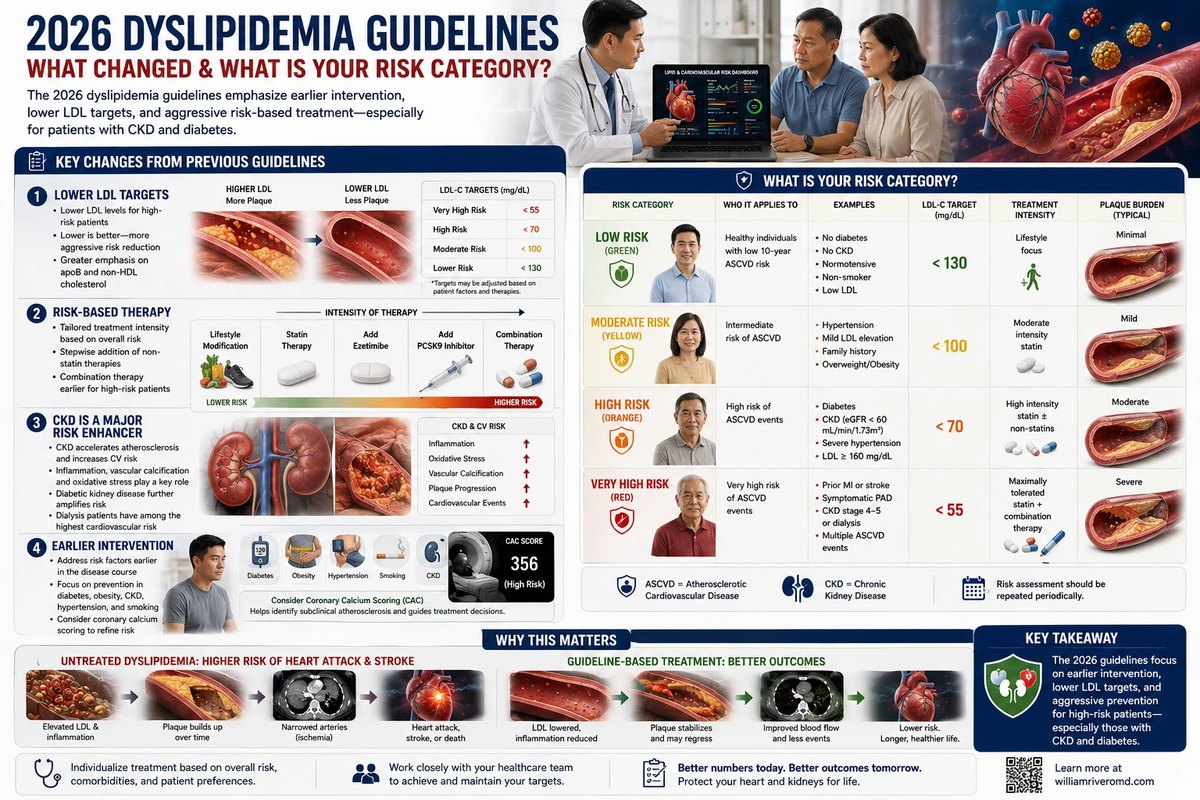 GuideDyslipidemia: 2026 Guidelines Update2026 cholesterol guidelines for CKD and dialysis patients — LDL targets, statin safety in kidney disease, non-statin options, and cardiovascular risk reduction.
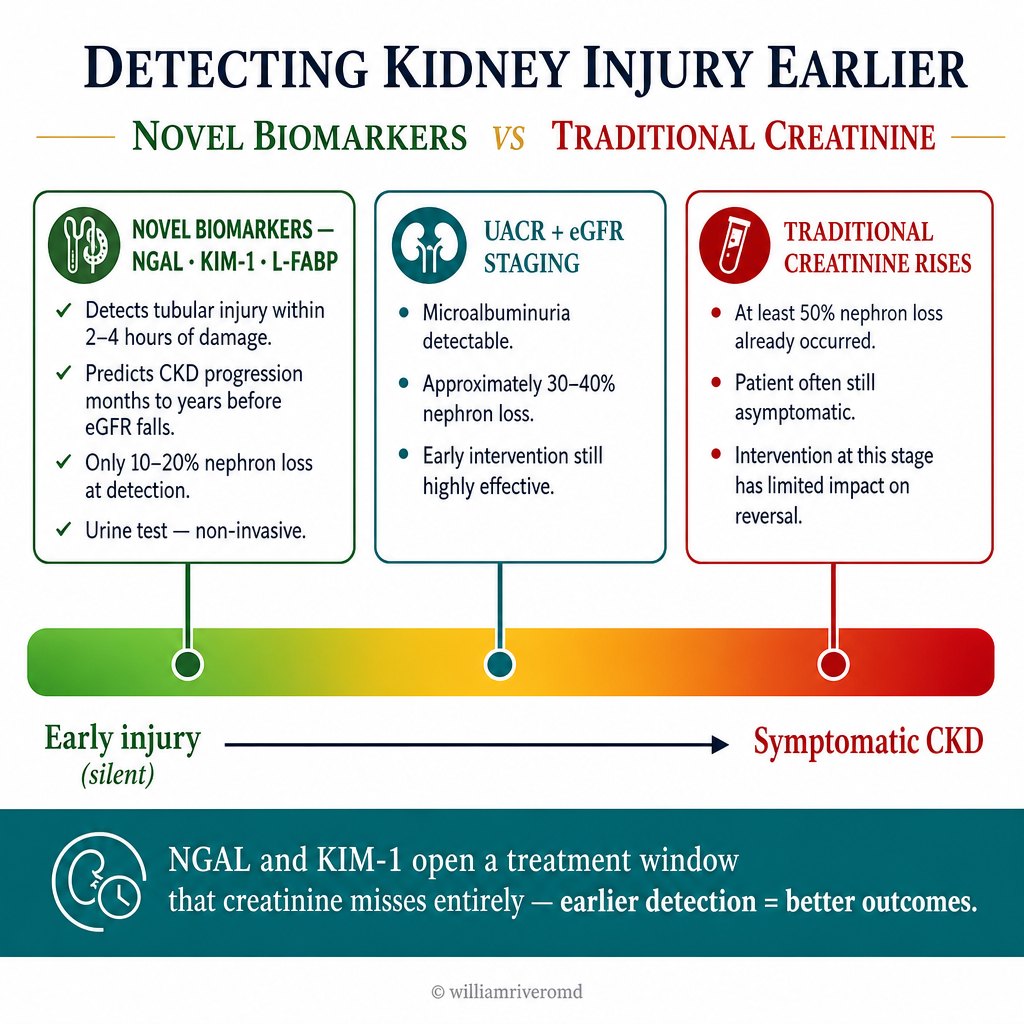 GuideInnovative Technologies in CKDNew technologies for kidney disease — wearable kidneys, biomarker tests, gene therapy, remote monitoring, and AI in nephrology care and the future of CKD treatment.
References
- U.S. Food and Drug Administration. LEQVIO · Novartis Pharmaceuticals Corporation [US FDA-approved label, version 13, August 19, 2026]. Via DailyMed/openFDA. https://dailymed.nlm.nih.gov/dailymed/drugInfo.cfm?setid=6fc0afca-4513-4c35-b594-6544aee29a44
- Food and Drug Administration Philippines. Verification portal (product registrations). https://verification.fda.gov.ph
This page shows official label and registry text only; no renalcarematters.com clinical summary has been approved for it yet.
Last updated: .