WARNING: HEPATOTOXICITY, CARDIOVASCULAR RISK, AND GASTROINTESTINAL RISK WARNING: HEPATOTOXICITY, CARDIOVASCULAR RISK AND GASTROINTESTINAL RISK See full prescribing information for complete boxed warning. COMBOGESIC contains acetaminophen, which has been associated with cases of acute liver failure, at times resulting in liver transplant and death.
Most of the cases of liver injury are associated with doses of acetaminophen that exceed 4,000 milligrams per day, and often involve more than one acetaminophen containing product (5.1). Nonsteroidal anti-inflammatory drugs (NSAIDS), like the ibuprofen in COMBOGESIC, cause an increased risk of serious cardiovascular thrombotic events, including myocardial infarction and stroke, which can be fatal.
This risk may occur early in treatment and may increase with duration of use (5.2). COMBOGESIC tablets are contraindicated in the setting of coronary artery bypass graft (CABG) surgery (5.2). NSAIDS, like the ibuprofen in COMBOGESIC, cause an increased risk of serious gastrointestinal adverse events including bleeding, ulceration, and perforation of the stomach or intestines, which can be fatal.
These events can occur at any time during use and without warning symptoms. Elderly patients and patients with a prior history of peptic ulcer disease and/or GI bleeding are at greater risk for serious GI events (5.3). HEPATOTOXICITY COMBOGESIC contains acetaminophen. Acetaminophen has been associated with cases of acute liver failure, at times resulting in liver transplant and death.
Most of the cases of liver injury are associated with the use of acetaminophen at doses that exceed 4,000 milligrams per day, and often involve more than one acetaminophen-containing product [see Warnings and Precautions (5.1)]. CARDIOVASCULAR RISK COMBOGESIC contains ibuprofen, a nonsteroidal anti-inflammatory drug (NSAID).
NSAIDs cause an increased risk of serious cardiovascular thrombotic events, including myocardial infarction, and stroke, which can be fatal. This risk may occur early in treatment and may increase with duration of use [see Warnings and Precautions (5.2)]. COMBOGESIC is contraindicated for treatment of peri-operative pain in the setting of coronary artery bypass graft (CABG) surgery [see Warnings and Precautions (5.2)].
GASTROINTESTINAL RISK NSAIDS cause an increased risk of serious gastrointestinal adverse events including bleeding, ulceration, and perforation of the stomach or intestines, which can be fatal. These events can occur at any time during use and without warning symptoms. Elderly patients and patients with a prior history of peptic ulcer disease and/or GI bleeding are at greater risk for serious GI events [see Warnings and Precautions (5.3)].
Use: Labeled indications
- COMBOGESIC is indicated in adults for the short-term management of mild to moderate acute pain.
Full indications and usage US FDA label
1 INDICATIONS AND USAGE COMBOGESIC is indicated in adults for the short-term management of mild to moderate acute pain. COMBOGESIC is a combination of acetaminophen and ibuprofen, a non-steroidal anti-inflammatory drug (NSAID), and is indicated in adults for the short term management of mild to moderate acute pain (1).
Contraindications
4 CONTRAINDICATIONS COMBOGESIC is contraindicated in: patients with a known hypersensitivity (e.g., anaphylactic reactions, serious skin reactions) to acetaminophen, ibuprofen, other NSAIDs, or to any of the excipients in this product [see Warnings and Precautions (5.7, 5.8, 5.9)]. patients with a history of asthma, urticaria, or other allergic-type reactions after taking aspirin or other NSAIDS [see Warnings and Precautions (5.7 and 5.8)]. the setting of coronary artery bypass graft (CABG) surgery [see Warnings and Precautions (5.2)]. COMBOGESIC is contraindicated in: patients with known hypersensitivity to acetaminophen, ibuprofen, other NSAIDs, or to any of the excipients in this product (4). patients with a history of asthma, urticaria, or other allergic-type reactions after taking aspirin or other NSAIDs.
Severe, sometimes fatal, anaphylactic reactions to NSAIDs have been reported in such patients (4). the setting of coronary artery bypass graft (CABG) surgery (4).
US FDA labelDosing: Adult
Dosage and administration (US label) US FDA label
2 DOSAGE AND ADMINISTRATION Use the lowest effective dosage for the shortest duration consistent with individual patient treatment goals [see Warnings and Precautions (5)]. Do not exceed the recommended dose of COMBOGESIC in 24 hours [see (2) below]. Do not co-administer COMBOGESIC with other acetaminophen- or NSAID-containing products [see Warnings and Precautions (5.1, 5.2, 5.3)].
The recommended dose of COMBOGESIC is 3 tablets every 6 hours as needed for pain relief, up to a maximum of 12 tablets per day. Use the lowest effective dosage for shortest duration consistent with individual patient treatment goals (2). Do not administer with other acetaminophen-containing products (2). Three tablets every 6 hours as needed for pain relief, up to a maximum of 12 tablets per day (2).
Dosing: Altered kidney function
Renal Impairment The pharmacokinetics of COMBOGESIC in patients with renal impairment has not been studied. [see Warnings and Precautions (5.6) and Use in Specific Populations (8.6)].
Kidney-specific guidance from renalcarematters.com: in preparation.
Dosing: Pediatric
Pediatric use (US label) US FDA label
8.4 Pediatric Use The safety and effectiveness of COMBOGESIC in pediatric patients have not been established. COMBOGESIC is not approved for patients under 18 years of age.
Dosing: Older adult
Geriatric use (US label) US FDA label
8.5 Geriatric Use Elderly patients, compared to younger patients, are at greater risk for NSAID-associated serious cardiovascular, gastrointestinal, and/or renal adverse reactions. If the anticipated benefit for the elderly patient outweighs these potential risks, start dosing at the low end of the dosing range, and monitor patients for adverse effects [see Warnings and Precautions (5.1, 5.2, 5.3, 5.4, 5.5, 5.6)].
This drug is known to be substantially excreted by the kidney, and the risk of adverse reactions to this drug may be greater in patients with impaired renal function. Because elderly patients are more likely to have decreased renal function, care should be taken in dose selection, and it may be useful to monitor renal function.
Dosage forms
Philippines
- Tablet: 200 mg/325 mg, 325 mg + 200 mg, 325 mg/200 mg, 400 mg/325 mg, 500 mg/400 mg
- Capsule: 200 mg/325 mg, 325 mg/200 mg
- Suspension: 125 mg/100 mg per 5 mL, 162.50 mg/100 mg
- Film-coated tablet: 200 mg/325 mg, 400 mg/325 mg
- Caplet: 400 mg/325 mg
- Ibuprofen as sodium dihydrate) tablet: 325 mg/200 mg (equivalent to 256.23 mg
Registered products in the Philippines
72 products registered with the Food and Drug Administration (FDA) Philippines list Ibuprofen + Paracetamol as the generic name. Registration status changes; confirm a product's current status on the FDA portal before relying on it.
All registered products72
| Package insert | |||||||
|---|---|---|---|---|---|---|---|
AcetafenParacetamol + Ibuprofen | 325mg/200mg CapsuleAlu-PVC/PVDC Blister Pack x 10's (Box of 30's, 100's and 200's) | OTC | Fredun Pharmaceuticals LimitedIndia | PhilRx Pharma Inc. | DRP-11278 | Feb 22, 2027 | |
AdvenolIbuprofen + Paracetamol | 200mg/325mg CapsuleAlu/Clear PVC Blister Pack x 10's (Box of 100's) | OTC | Drugmaker's Laboratories, Inc.Philippines | CHMI Pharma, Inc. | DRP-12777-02 | Oct 21, 2028 | |
AlaxanIbuprofen + Paracetamol | 200 mg/325 mg TabletAluminum/PVC Blister Pack x 10's (Box of 10's and 500's) | OTC | PT. Medifarma LaboratoriesIndonesia | Unilab, Inc. | DR-XY37938 | May 14, 2030 | |
Alaxan FRIbuprofen + Paracetamol | 200 mg / 325 mg CapsuleAluminum / PVC Blister Pack x 10's Box of 10's; Aluminum / PVC Blister Pack x 10's Box of 100's | OTC | PT. Medifarma LaboratoriesIndonesia | UNILAB, Inc. | DR-XY37939 | May 14, 2030 | |
AlaxanR Xtra (for BNC)Paracetamol + Ibuprofen | 325 mg / 200 mg (equivalent to 256.23 mg Ibuprofen as Sodium dihydrate) TabletLaminated Flex Foil x 4'x (Box of 100's) | OTC | UNILAB, Inc.Philippines | — | DR-XY48927 | Nov 22, 2028 | |
Algesic ForteIbuprofen + Paracetamol | 400 mg/325 mg TabletBlister Pack x 10's (Box of 120's) | Rx | Lloyd Laboratories, Inc.Philippines | TGIF Pharmaceutical Trading Inc.Trader: Euro-Health Care Exponents, Inc. | DRP-2626-02 | Oct 28, 2031 | |
AltolaxParacetamol + Ibuprofen | 325 mg/200 mg TabletAlu/PVC Blister Pack x 10's (Box of 100's) | OTC | Lloyd Laboratories, Inc.Philippines | Altomed Pharmaceuticals, Inc.Trader: Gamot Philippines, Inc. | DRP-962-03 | Mar 12, 2028 | |
AzalanIbuprofen + Paracetamol | 200 mg / 325 mg CapsuleAluminum foil/PVC film clear blister pack x 10’s (Box of 10’s and 30's) | OTC | Phil. United Pharma CorporationPhilippines | ATC Healthcare International Corp. | DRP-7430 | Oct 25, 2027 | |
Bupasaph-SParacetamol + Ibuprofen | 125 mg/100 mg per 5 mL SuspensionPET Round Amber Bottle with White HDPE Cap x 60 mL and 120 mL (Box of 1's) | Rx | Azine Healthcare Pvt. Ltd.India | Nelpa Lifesciences, Inc.Trader: Sapphire Lifesciences Pvt. Ltd. | DRP-9496 | Jan 25, 2031 | |
Bupasaph-TFParacetamol + Ibuprofen | 325 mg/200 mg TabletAlu/PVC Blister Pack x 10's (Box of 100's) | OTC | Genom Biotech Pvt. Ltd.India | Nelpa Lifesciences, Inc. | DRP-8475 | Oct 23, 2030 | |
DiatafenParacetamol + Ibuprofen | 325 mg/ 200 mg CapsuleAlu/Clear PVC Blister Pack x 10's Box of 100's | OTC | Diamond Laboratories, Inc.Philippines | Trader: Rilem Pharma Corp. | DRP-7173 | Nov 5, 2027 | |
Docxan ExtraIbuprofen + Paracetamol | 400 mg / 325 mg Film Coated TabletAlu/PVC Blister Pacl x 10's (Box of 10's, 30's and 100's) | OTC | Phil. United Pharma Corp.Philippines | Trader: Docteur's Choice Corporation | DRP-10690 | Dec 9, 2026 | |
DolosaphParacetamol + Ibuprofen | 325 mg/200 mg TabletAlu/Clear PVC Blister Pack x 10's (Box of 100's) | OTC | Sai Parenterals LimitedIndia | Nelpa Lifesciences Inc | DRP-17762 | Feb 27, 2031 | |
Efe_are 550Ibuprofen + Paracetamol | 200 mg/325 mg CapsuleAlu/PVC Blister Pack x 10’s (Box of 30’s and 100’s) | OTC | Hebei Tiancheng Pharmaceutical Co., Ltd.China | AMB HK Enterprises Inc. | DRP-8550 | Nov 14, 2029 | |
EnerlaxParacetamol + Ibuprofen | 325mg/200mg CapsuleClear PVC/ Alu Blister Pack x 10's (Box of 100's) | OTC | New Myrex Laboratories, Inc.Philippines | TGP Pharma Inc. | DRP-272-01 | Jul 18, 2031 | |
FasethParacetamol + Ibuprofen | 325 mg/200 mg TabletAlu/Clear PVC Blister Pack x 10's Box of 100's | OTC | Sapphire Lifesciences Pvt. Ltd.India | 777 Red Pharma IncImporter: Nelpa Lifesciences, Inc. | DRP-8475-01 | Jul 12, 2027 | |
FaslaxParacetamol + Ibuprofen | 325 mg/200 mg TabletAlu/Dark Brown PVC Blister Pack x 10's (Box of 100's) | OTC | J.M. TOLMANN LABORATORIES INC.Philippines | WESTFIELD PHARMACEUTICALS, INC. | DRP-3560 | Nov 5, 2028 | |
FasrelIbuprofen (as Sodium Dihydrate) + Paracetamol | 200 mg/325 mg Film-coated TabletAlu/PVC blister foil x 10's Box of 30's | OTC | UNILAB, Inc.Philippines | — | DR-XY46617 | Jun 18, 2029 | |
FasrelParacetamol + Ibuprofen (as sodium dihydrate) | 325 mg / 200 mg TabletLaminated Flex Foil x 4'x (Box of 100's) | OTC | UNILAB, Inc.Philippines | — | DR-XY49128 | Jul 9, 2029 | |
FasrelParacetamol + Ibuprofen (as sodium dihydrate) | 325 mg/ 200 mg TabletLaminated Flex Foil x 4's (Box of 100's) | OTC | UNILAB, Inc.Philippines | — | DR-XY48951 | Dec 28, 2028 | |
Flexigesic MPR CapsuleIbuprofen/Paracetamol | 200 mg/325 mg CapsuleBlister Pack x 20's (Box of 100's) | OTC | MEDI-RX, INC.Philippines | — | DR-XY30030 | Sep 22, 2029 | |
FlextamolIbuprofen + Paracetamol | 400 mg/ 325 mg TabletAlu/PVC Blister Pack x 10’s (Box of 100’s) | OTC | Brawn Laboratories LimitedIndia | Ambica International Corporation | DRP-4886 | Nov 4, 2028 | |
FlubrexIbuprofen + Paracetamol | 400 mg/325 mg TabletAlu/Clear PVC Blister Pack x 10's (Box of 100's) | Rx | Centurion Remedies Pvt. Ltd.India | Philgen Pharmaceuticals Inc. | DRP-5245 | Aug 17, 2029 | |
Golxan ExtraIbuprofen + Paracetamol | 400 mg / 325 mg Film-coated TabletAlu/PVC Film Clear Blister Pack x 10's (Box of 10's, 30's and 100's) | OTC | Phil. United Pharma CorporationCavite | Trader: Golden Dale Pharma Corp. | DRP-10003 | Jul 7, 2036 | |
Healthcare Kilim Pen MaxParacetamol + Ibuprofen | 500 mg/400 mg TabletAlu/Clear PVdC Blister Pack x 10's (Box of 10's) | Rx | Lloyd Laboratories, Inc.Philippines | — | DR-XY39936 (For Export Only) | Aug 17, 2031 | |
Healthcare KilimpenIbuprofen + Paracetamol | 400 mg/325 mg CapletAlu/Clear PVDC Blister Pack x 10's (Box of 10's) | Rx | Lloyd Laboratories, Inc.Philippines | — | DR-XY39491 (For Export Only) | May 19, 2031 | |
I-laxxParacetamol + Ibuprofen | 325mg/200mg CapsuleClear PVC/Alu Blister Pack x 10's (Box of 100's) | Rx | New Myrex Laboratories, Inc.Philippines | — | DRP-272 | Jul 18, 2031 | |
IbucureIbuprofen + Paracetamol | 200 mg/325 mg CapsuleAlu/Clear PVC Blister Pack x 10's (Box of 30's and 100's); Alu/Clear PVC Blister Pack x 20's (Box of 100's) | OTC | Azarias Pharmaceutical Laboratories Inc.Philippines | Jaac Healthline Marketing | DRP-4331-05 | Apr 1, 2028 | |
Ibugen PlusIbuprofen + Paracetamol | 200 mg/325 mg CapsuleAlu/Clear PVC Blister Pack x 10's Box of 30's and 100's | OTC | Azarias Pharmaceutical Laboratories Inc.Philippines | EBA GENERISCH TRADING INC. | DRP-4331-01 | Apr 1, 2028 | |
IbumolIbuprofen + Paracetamol | 200 mg/325 mg CapsuleBlister Pack x 10's (Box of 100's) | OTC | Interphil Laboratories, Inc.Philippines | — | DRP-3612 | Jul 26, 2027 | |
Ibuparex-TIbuprofen + Paracetamol | 200 mg/325mg CapsuleAlu/PVC Blister pack of 10’s | OTC | Next Wave (India)India | Aarex Pharma Distributor | DRP-11735 | Apr 26, 2027 | |
IbuquickIbuprofen + Paracetamol | 200 mg /325 mg CapsuleAlu/Clear PVC Blister Pack x 20's (Box of 100's) | OTC | Vonwelt Inc.Philippines | Metromed Distributors Inc. | DRP-13539-01 | Oct 12, 2030 | |
IbutamedIbuprofen + Paracetamol | 200mg / 325mg TabletAlu/PVC Blister of 10's packed in printed carton. Box of 100's | OTC | Saga Lifesciences LimitedIndia | Medinova Pharmaceutical Inc. | DRP-10766 | Nov 17, 2026Past listed date | |
Koprofen+Ibuprofen + Paracetamol | 200 mg/325 mg CapsuleAlu/Clear PVC Blister Pack x 10's (Box of 100's) | OTC | Azarias Pharmaceutical Laboratories Inc.Philippines | Konzept Convenience and Drug Store Corp. | DRP-4331-04 | Apr 1, 2028 | |
MaselaxParacetamol + Ibuprofen | 325mg / 200mg CapsuleAlu/PVC Blister Pack x 10's (Box of 100's) | OTC | Saga LaboratoriesIndia | Hexagon Pharmaceuticals | DR-XY48453 | Nov 4, 2027 | |
MegadolIbuprofen + Paracetamol | 200 mg/325 mg TabletBlister Pack x 10'S Box of 100's | OTC | Scheele Laboratories Phils., Inc.Philippines | Zeutica, Inc. | DRP-1583-03 | Aug 17, 2029 | |
MulaxParacetamol + Ibuprofen | 325 mg + 200 mg TabletAlu/PVC Blister Pack x 10's (Box of 100's) | OTC | Lloyd Laboratories, Inc.Philippines | Medhaus Pharma, IncorporatedTrader: Gamot Philippines, Inc. | DRP-962-01 | Mar 12, 2028 | |
MuskelaxIbuprofen + Paracetamol | 200 mg / 325 mg TabletBlister Pack x 20's (Box of 100's) | OTC | Amherst Laboratories, Inc.Philippines | Trader: UH Pharma, Inc. | DR-XY13304 | May 23, 2032 | |
NoneIbuprofen / Paracetamol | 200 mg / 325 mg TabletAlu / Clear PVC Blister Pack x 10's (Box of 100's) | OTC | Scheele Laboratories Phils., Inc.Philippines | OneSource Pharma Solutions, Inc. | DRP-1583-06 | Aug 17, 2029 | |
NoneIbuprofen + Paracetamol | 200 mg / 325 mg TabletAlu/PVC Blister Pack x 10s (Box of 100’s) | OTC | Brawn Laboratories LimitedIndia | Diafarm Inc.Importer: Ambica International Corporation | DRP-5366-01 | Jun 26, 2029 | |
NoneIbuprofen + Paracetamol | 200 mg/325 mg CapsuleAlu/Clear PVC Blister Pack x 20's (Box of 100's) | Rx | Vonwelt Inc.Philippines | — | DR-XY47084 | Oct 12, 2030 | |
NoneIbuprofen + Paracetamol | 200 mg/325 mg TabletFoil Strip x 4's (Box of 100's) | OTC | Hizon Laboratories, Inc.Philippines | — | DRP-2960 | Apr 22, 2030 | |
NoneIbuprofen + Paracetamol | 200 mg/325 mg TabletFoil Strip x 4’s (Box of 100’s) | OTC | Hizon Laboratories, Inc.Philippines | South Star Drug | DRP-2960-01 | May 6, 2031 | |
NoneIbuprofen + Paracetamol | 200mg/325mg CapsuleAlu/Clear PVC Blister pack x 10's Box of 100's | OTC | Drugmaker's Laboratories, Inc.Philippines | — | DRP-12777 | Oct 21, 2028 | |
NoneParacetamol + Ibuprofen | 325 mg/ 200mg CapsuleAlu/PVC Blister Pack x 10’s (Box of 100’s) | OTC | Sapphire Lifesciences Pvt. Ltd.India | Ambitech Biopharmaceuticals Inc.Importer: Nelpa Lifesciences, Inc. | DRP-11238-01 | Feb 16, 2027 | |
NoneIbuprofen + Paracetamol | 325 mg/200 mg TabletAlu/PVC Blister pack x 10's (Box of 100's) | OTC | Drugmaker's Laboratories, Inc.Philippines | TGP Pharma Inc. | DRP-263-04 | Jun 30, 2028 | |
NoneParacetamol + Ibuprofen | 325 mg/200 mg TabletAlu/PVC Blister Pack x 10's (Box of 100's) | OTC | Lloyd Laboratories, Inc.Philippines | Foramen Products CorporationTrader: Gamot Philippines, Inc. | DRP-962-05 | Mar 12, 2028 | |
NoneParacetamol + Ibuprofen | 325mg/200mg TabletAlu/PVC Blister Pack x 10's (Box of 100's) | OTC | Drugmaker's Laboratories, Inc.Philippines | — | DRP-263 | Jun 30, 2028 | |
OdrisofIbuprofen + Paracetamol | 200 mg/ 325 mg CapsuleBlister Pack x 10's (Box of 100's) | OTC | Interphil Laboratories Inc.Philippines | Audrey Pharma Inc. | DRP-3612-02 | Jul 26, 2027 | |
PainaideParacetamol + Ibuprofen | 125 mg/100 mg per 5 mL Suspension60 mL Amber Bottle sealed with Aluminum Cap (Box of 1's) | Rx | Azarias Pharmaceutical Laboratories Inc.Philippines | — | DRP-2933 | Apr 26, 2031 | |
PainaideIbuprofen + Paracetamol | 200 mg/325 mg CapsuleAlu/Clear PVC Blister Pack x 10's (Box of 30's and 100's); Alu/Clear PVC Blister Pack x 20's (Box of 100's) | OTC | Azarias Pharmaceutical Laboratories Inc.Philippines | — | DRP-4331 | Apr 1, 2028 | |
PainaideIbuprofen + Paracetamol | 200 mg/325 mg TabletAlu/Clear PVC Blister Pack x 10's (Box of 30's and 100's) | OTC | Azarias Pharmaceutical Laboratories Inc.Philippines | — | DRP-8278 | Jul 29, 2029 | |
ParabufenParacetamol +Ibuprofen | 162.50 mg/100 mg SuspensionPET Amber Bottle x 60 mL Box of 1's | OTC | SAKAR HEALTHCARE PVT. LTDIndia | Importer: EUROASIA PHARMACEUTICALS, INC | DRP-8549 | Nov 14, 2029 | |
ParabufenParacetamol + Ibuprofen | 325 mg / 200 mg TabletAlu/Clear PVC Blister Pack x 10's (Box of 30's) | OTC | SAGA LIFESCIENCES LIMITEDIndia | EUROASIA PHARMACEUTICALS, INC. | DR-XY44844 | Dec 4, 2028 | |
ParamaxIbuprofen + Paracetamol | 200 mg / 325 mg TabletAlu/Clear PVC Blister Pack x 10's (Box of 100's) | OTC | Scheele Laboratories Phils., Inc.Philippines | RiteMED Phils., Inc. | DRP-1583-05 | Aug 17, 2029 | |
Pastrong-SFIbuprofen + Paracetamol | 200 mg/325 mg CapsuleAlu/PVC Blister Pack x 10’s Box of 100’s | OTC | Flamingo Pharmaceuticals Ltd.India | Hexagon Pharmaceuticals | DR-XY42272 | Jul 22, 2028 | |
ProzetParacetamol + Ibuprofen | 325 mg/200 mg TabletAlu/PVC Blister Pack x 10's (Box of 100's) | OTC | Drugmaker's Laboratories, Inc.Philippines | Phil Pharmawealth, Inc. | DRP-263-05 | Jun 30, 2028 | |
RelaxidParacetamol + Ibuprofen | 325 mg/200 mg TabletAlu/PVC Blister Pack x 10's (Box of 100's) | OTC | Lloyd Laboratories, Inc.Philippines | Basic Pharmaceutical CorporationTrader: Gamot Philippines, Inc. | DRP-962-02 | Mar 12, 2028 | |
RemuxParacetamol + Ibuprofen | 125 mg/100 mg per 5mL Suspension (Orange Flavor)60mL Amber Bottle sealed with Aluminum Cap Box of 1's | OTC | Azarias Pharmaceutical Laboratories Inc.Philippines | St. Raphael Archangel Pharmaceutical Product Distribution | DRP-2933-01 | Apr 26, 2031 | |
RemuxIbuprofen + Paracetamol | 200 mg/325 mg CapsuleAlu/Clear PVC Blister Pack x 10's (Box of 30's and 100's); Alu/Clear PVC Blister Pack x 20's (Box of 100's) | OTC | Azarias Pharmaceutical Laboratories Inc.Philippines | St. Raphael Archangel Pharmaceutical Product Distribution | DRP-4331-02 | Apr 1, 2028 | |
RestolaxParacetamol + Ibuprofen | 325 mg/200 mg TabletAlu/PVC Blister Pack x 10's Box of 100's | OTC | Lloyd Laboratories, Inc.Philippines | Trader: Euro-Health Care Exponents, Inc. | DR-XY24007 | Jul 5, 2028 | |
Restolax ForteIbuprofen + Paracetamol | 400 mg/325 mg TabletBlister Pack x 10's (Box of 100's) | Rx | Lloyd Laboratories, Inc.Philippines | Randril International Co., Inc.Trader: Euro-Health Care Exponents, Inc. | DRP-2626 | Sep 23, 2030 | |
Saphrefen-PlusIbuprofen + Paracetamol | 325 mg/200 mg CapsuleAlu/PVC Blister Pack x 10's (Box of 100's) | OTC | Sapphire Lifesciences Pvt. Ltd.India | Importer: Nelpa Lifesciences, Inc. | DRP-11238 | Feb 16, 2027 | |
SaphyrefenParacetamol + Ibuprofen | 125 mg/100 mg per 5 mL SuspensionPET Round Amber Bottle with White HDPE Cap x 60 mL and 120 mL (Box of 1's) | Rx | Enicar Pharmaceuticals Pvt. Ltd.India | Importer: Nelpa Lifesciences, Inc.Trader: Sapphire Lifesciences Pvt. Ltd. | DRP-9502 | Jan 26, 2031 | |
ScheelaxIbuprofen/Paracetamol | 200 mg/325 mg tabletAlu/Clear PVC Blister Pack x 10's (Box of 100's) | OTC | Scheele Laboratories Phils., Inc.Philippines | — | DRP-1583 | Aug 17, 2029 | |
SelxanParacetamol + Ibuprofen | 325 mg/200 mg TabletBlister Pack x 10's (Box of 10's and 100's) | OTC | Lloyd Laboratories, Inc.Philippines | Trader: Prosel Pharmaceuticals & Distributors, Inc. | DR-XY24677 | Aug 16, 2028 | |
TanduminIbuprofen + Paracetamol | 200 mg / 325 mg TabletAlu/ PVC Blister Pack x 10's Box of 100's | OTC | Brawn Laboratories LimitedIndia | Ambica International Corporation | DRP-5366 | Jun 26, 2029 | |
UnbrandedIbuprofen/Paracetamol | 200 mg/325 mg CapsuleAlu-Clear PVC Blister Pack x 10's (Box of 100's) | OTC | Northfield Laboratories, Inc.Bulacan | Actimed, Inc.Trader: Innogen Pharmaceuticals, Inc. | DR-XY40185 | Oct 13, 2031 | |
UnbrandedIbuprofen + Paracetamol | 200mg / 325mg CapsuleAlu/Clear PVC Blister Pack x 10's Box of 10's; Alu/Clear PVC Blister Pack x 10's Box of 30's | OTC | PHIL. UNITED PHARMA CORPORATIONPhilippines | — | DRP-8158 | Apr 4, 2029 | |
UnbrandedIbuprofen + Paracetamol | 200mg/325mg CapsuleAlu/Clear PVC Blister Pack x 20's (Box of 100's) | Rx | Vonwelt Inc.Philippines | — | DRP-13539 | Oct 12, 2030 | |
(no brand name)Paracetamol + Ibuprofen | 325 mg/200 mg CapsuleWhite HDPE Bottle with Cap x 30's, 60's and 100's (Box of 1’s) | OTC | Azarias Pharmaceutical Laboratories Inc,Philippines | Trader: Daily Grace Unlimited, Inc. | DRP-11845 | May 11, 2027 | |
(no brand name)Ibuprofen + Paracetamol | 400 mg / 325 mg Film Coated TabletAlu/PVC Blister Pack x 10's (Box of 10's, 30's, and 100's) | OTC | Phil. United Pharma Corp.Philippines | — | DRP-10677 | Nov 29, 2026 |
Source: FDA Philippines product registration database. "Valid until" is the registration validity date listed by the FDA; a past date may mean a renewal is pending. Package insert links point to files published by the FDA.
United States (label)
Dosage forms and strengths (US label) US FDA label
3 DOSAGE FORMS AND STRENGTHS Tablets: white, biconvex, capsule-shaped, film-coated tablets, debossed with the letters "CG" on one side and plain on the other side, each containing 325 mg acetaminophen and 97.5 mg ibuprofen. Film-coated tablet containing 325 mg acetaminophen and 97.5 mg ibuprofen (3).
Warnings/Precautions
The boxed warning is shown at the top of this page.
Hypertension: Patients taking some antihypertensive medications may have impaired response to these therapies when taking NSAIDs. Monitor blood pressure (5.4). Heart Failure and Edema: Avoid use of COMBOGESIC in patients with severe heart failure unless benefits are expected to outweigh risk of worsening heart failure (5.5).
Renal Toxicity: Long-term administration of NSAIDs, including the ibuprofen component of COMBOGESIC, has resulted in renal papillary necrosis and other renal injury (5.6). Anaphylactic Reactions: Seek emergency help if an anaphylactic reaction occurs (5.7). Exacerbation of Asthma Related to Aspirin Sensitivity: COMBOGESIC is contraindicated in patients with aspirin-sensitive asthma.
Monitor patients with preexisting asthma (without aspirin sensitivity) (5.8). Serious Skin Reactions: Discontinue COMBOGESIC at first appearance of skin rash or other signs of hypersensitivity (5.9). Drug Reaction with Eosinophilia and Systemic Symptoms (DRESS): Discontinue and evaluate clinically (5.10). Fetal Toxicity: Limit use of NSAID-containing products, including COMBOGESIC, between about 20 to 30 weeks in pregnancy due to the risk of oligohydramnios/fetal renal dysfunction.
Avoid use of NSAID-containing products, including COMBOGESIC in women at about 30 weeks gestation and later in pregnancy due to the risks of oligohydramnios/fetal renal …
5.1 Hepatotoxicity Acetaminophen
5.1 Hepatotoxicity Acetaminophen COMBOGESIC contains acetaminophen. Acetaminophen has been associated with cases of acute liver failure, at times resulting in liver transplant and death. Most of the cases of liver injury are associated with the use of acetaminophen at doses that exceed 4,000 milligrams per day, and often involved more than one acetaminophen-containing product.
The excessive intake of acetaminophen may be intentional to cause self-harm or unintentional as patients attempt to obtain more pain relief or unknowingly take other acetaminophen-containing products. The risk of acute liver failure is higher in individuals with underlying liver disease and in individuals who ingest alcohol while taking acetaminophen.
Instruct patients to look for acetaminophen or APAP on package labels and not to use more than one product that contains acetaminophen. Instruct patients to seek medical attention immediately upon ingestion of more than 4,000 milligrams of acetaminophen per day, even if they feel well. Ibuprofen Elevations of ALT or AST (three or more times the upper limit of normal [ULN]) have been reported in approximately 1% of NSAID-treated patients in clinical trials.
In addition, rare, sometimes fatal, cases of severe hepatic injury, including fulminant hepatitis, liver necrosis, and hepatic failure have been reported. Elevations of ALT or AST (less than three times ULN) may occur in up to 15% of patients treated with NSAIDs including ibuprofen. Inform patients of the warning signs and symptoms of hepatotoxicity (e.g., nausea, fatigue, lethargy, diarrhea, pruritus, jaundice, right upper quadrant tenderness, and "flu-like" symptoms).
If clinical signs and symptoms consistent with liver disease develop, or if systemic manifestations occur (e.g., eosinophilia, rash, etc.), discontinue COMBOGESIC immediately, and perform a clinical evaluation of the patient. COMBOGESIC has not been studied in patients with impaired hepatic function. The use of COMBOGESIC in patients with hepatic impairment is not recommended.
5.2 Cardiovascular Thrombotic Events
5.2 Cardiovascular Thrombotic Events Clinical trials of several COX-2 selective and nonselective NSAIDs of up to three years duration have shown an increased risk of serious cardiovascular (CV) thrombotic events, including myocardial infarction (MI), and stroke, which can be fatal. Based on available data, it is unclear that the risk for CV thrombotic events is similar for all NSAIDs.
The relative increase in serious CV thrombotic events over baseline conferred by NSAID use appears to be similar in those with and without known CV disease or risk factors for CV disease. However, patients with known CV disease or risk factors had a higher absolute incidence of excess serious CV thrombotic events, due to their increased baseline rate.
Some observational studies found that this increased risk of serious CV thrombotic events began as early as the first weeks of treatment. The increase in CV thrombotic risk has been observed most consistently at higher doses. To minimize the potential risk for an adverse CV event in NSAID-treated patients, use the lowest effective dose for the shortest duration possible.
Physicians and patients should remain alert for the development of such events, throughout the entire treatment course, even in the absence of previous CV symptoms. Patients should be informed about the signs and/or symptoms of serious CV events and the steps to take if they occur. There is no consistent evidence that concurrent use of aspirin mitigates the increased risk of serious CV thrombotic events associated with NSAID use.
The concurrent use of aspirin and an NSAID, such as ibuprofen, increases the risk of serious gastrointestinal (GI) events [see Warnings and Precautions (5.3)]. Status Post Coronary Artery Bypass Graft (CABG) Surgery Two large, controlled clinical trials of a COX-2 selective NSAID for the treatment of pain in the first 10-14 days following CABG surgery found an increased incidence of myocardial infarction and stroke.
NSAIDs are contraindicated in the setting of CABG [see Contraindications (4)]. Post-MI Patients Observational studies conducted in the Danish National Registry have demonstrated that patients treated with NSAIDs in the post-MI period were at increased risk of reinfarction, CV-related death, and all-cause mortality beginning in the first week of treatment.
In this same cohort, the incidence of death in the first year post-MI was 20 per 100 person years in NSAID-treated patients compared to 12 per 100 person years in non-NSAID exposed patients. Although the absolute rate of death declined somewhat after the first year post-MI, the increased relative risk of death in NSAID users persisted over at least the next four years of follow-up.
Avoid the use of COMBOGESIC in patients with a recent MI unless the benefits are expected to outweigh the risk of recurrent CV thrombotic events. If COMBOGESIC is used in patients with a recent MI, monitor patients for signs of cardiac ischemia.
5.3 Gastrointestinal Bleeding, Ulceration, and Perforation
5.3 Gastrointestinal Bleeding, Ulceration, and Perforation NSAIDs, including the ibuprofen in COMBOGESIC tablets, can cause serious gastrointestinal (GI) adverse events including inflammation, bleeding, ulceration, and perforation of the esophagus, stomach, small intestine, or large intestine, which can be fatal. These serious adverse events can occur at any time, with or without warning symptoms, in patients treated with NSAIDs.
Only one in five patients, who develop a serious upper GI adverse event on NSAID therapy, is symptomatic. Upper GI ulcers, gross bleeding, or perforation caused by NSAIDs occur in approximately 1% of patients treated for 3-6 months, and in about 2-4% of patients treated for one year. However, even short-term therapy is not without risk.
Risk Factors for Bleeding, Ulceration, and Perforation Patients with a prior history of peptic ulcer disease and/or gastrointestinal bleeding who used NSAIDs had a greater than 10-fold increased risk for developing a GI bleed compared to patients without these risk factors. Other factors that increase the risk of GI bleeding in patients treated with NSAIDs include longer duration of NSAID therapy, concomitant use of oral corticosteroids, aspirin, anticoagulants, or selective serotonin reuptake inhibitors (SSRIs); smoking; use of alcohol; older age; and poor general health status.
Most postmarketing reports of fatal GI events occurred in elderly or debilitated patients. Additionally, patients with advanced liver disease and/or coagulopathy are at increased risk for GI bleeding. Strategies to Minimize the GI Risks in NSAID-treated patients: Use the lowest effective dosage for the shortest possible duration.
Avoid administration of more than one NSAID at a time. Avoid use in patients at higher risk unless the benefits are expected to outweigh the increased risk of bleeding. For such patients, as well as those with active GI bleeding, consider alternative therapies other than NSAIDs. Remain alert for signs and symptoms of GI ulcerations and bleeding during NSAID therapy.
If a serious GI adverse event is suspected, promptly initiate additional evaluation and treatment, and discontinue COMBOGESIC until a serious GI adverse event is ruled out. In the setting of concomitant use of low-dose aspirin for cardiac prophylaxis, monitor patients more closely for evidence of GI bleeding [see Drug Interactions (7)].
5.4 Hypertension
5.4 Hypertension NSAIDs, including the ibuprofen in COMBOGESIC, can lead to onset of new hypertension or worsening of preexisting hypertension, either of which may contribute to the increased incidence of CV events. Patients taking angiotensin converting enzyme (ACE) inhibitors, thiazide diuretics, or loop diuretics may have impaired response to these therapies when taking NSAIDs.
Monitor blood pressure (BP) during the initiation of NSAID treatment and throughout the course of therapy.
5.5 Heart Failure and Edema
5.5 Heart Failure and Edema The Coxib and traditional NSAID Trialists' Collaboration meta-analysis of randomized controlled trials demonstrated an approximately two-fold increase in hospitalizations for heart failure in COX-2 selective-treated patients and nonselective NSAID-treated patients compared to placebo-treated patients. In a Danish National Registry study of patients with heart failure, NSAID use increased the risk of MI, hospitalization for heart failure, and death.
Additionally, fluid retention and edema have been observed in some patients treated with NSAIDs. Use of ibuprofen may blunt the CV effects of several therapeutic agents used to treat these medical conditions (e.g., diuretics, ACE inhibitors, or angiotensin receptor blockers [ARBs]) [see Drug Interactions (7)]. Avoid the use of COMBOGESIC in patients with severe heart failure unless the benefits are expected to outweigh the risk of worsening heart failure.
If COMBOGESIC is used in patients with severe heart failure, monitor patients for signs of worsening heart failure.
5.6 Renal Toxicity and Hyperkalemia Renal
5.6 Renal Toxicity and Hyperkalemia Renal Toxicity Long-term administration of NSAIDs, including the ibuprofen component of COMBOGESIC, has resulted in renal papillary necrosis and other renal injury. Renal toxicity has also been seen in patients in whom renal prostaglandins have a compensatory role in the maintenance of renal perfusion.
In these patients, administration of a NSAID may cause a dose-dependent reduction in prostaglandin formation and, secondarily, in renal blood flow, which may precipitate overt renal decompensation. Patients at greatest risk of this reaction are those with impaired renal function, dehydration, hypovolemia, heart failure, liver dysfunction, those taking diuretics and ACE inhibitors or ARBs, and the elderly.
Discontinuation of NSAID therapy is usually followed by recovery to the pretreatment state. Hyperkalemia Increases in serum potassium concentration, including hyperkalemia, have been reported with use of NSAIDs, even in some patients without renal impairment. In patients with normal renal function, these effects have been attributed to a hyporeninemic-hypoaldosteronism state.
5.7 Anaphylaxis and Other Hypersensitivity Reactions Acetaminophen
5.7 Anaphylaxis and Other Hypersensitivity Reactions Acetaminophen There have been postmarketing reports of hypersensitivity and anaphylaxis associated with the use of acetaminophen. Clinical signs included swelling of the face, mouth, and throat, respiratory distress, urticaria, rash, pruritus, and vomiting. There were infrequent reports of life-threatening anaphylaxis requiring emergency medical attention.
Instruct patients to discontinue COMBOGESIC immediately and seek emergency medical care if they experience these symptoms. Do not prescribe COMBOGESIC for patients with acetaminophen allergy [see Contraindications (4)]. Ibuprofen NSAIDs, including the ibuprofen in COMBOGESIC, has been associated with anaphylactic reactions in patients with and without known hypersensitivity to ibuprofen and in patients with aspirin-sensitive asthma.
Instruct patients to discontinue COMBOGESIC immediately and seek emergency medical care if they experience these symptoms. Do not prescribe COMBOGESIC for patients with ibuprofen or NSAID allergy [see Contraindications (4) and Warnings and Precautions (5.8)].
5.8 Exacerbation of Asthma Related to Aspirin Sensitivity
5.8 Exacerbation of Asthma Related to Aspirin Sensitivity A subpopulation of patients with asthma may have aspirin-sensitive asthma which may include chronic rhinosinusitis complicated by nasal polyps; severe, potentially fatal bronchospasm; and/or intolerance to aspirin and other NSAIDs. Because cross-reactivity between aspirin and other NSAIDs has been reported in such aspirin-sensitive patients, COMBOGESIC is contraindicated in patients with this form of aspirin sensitivity [see Contraindications (4)].
When COMBOGESIC is used in patients with preexisting asthma (without known aspirin sensitivity), monitor patients for changes in the signs and symptoms of asthma.
5.9 Serious Skin Reactions
5.9 Serious Skin Reactions COMBOGESIC contains acetaminophen and ibuprofen. Acetaminophen or NSAIDs, including ibuprofen, may cause serious skin adverse events such as exfoliative dermatitis, acute generalized exanthematous pustulosis (AGEP), Stevens-Johnson Syndrome (SJS), and toxic epidermal necrolysis (TEN), which can be fatal.
NSAIDs can also cause fixed drug eruption (FDE). FDE may present as a more severe variant known as generalized bullous fixed drug eruption (GBFDE), which can be life-threatening. These serious events may occur without warning. Inform patients about the signs and symptoms of serious skin reactions and to discontinue the use of COMBOGESIC at the first appearance of skin rash or any other sign of hypersensitivity.
COMBOGESIC is contraindicated in patients with previous serious skin reactions to acetaminophen or NSAIDs [see Contraindications (4)].
5.10 Drug Reaction with Eosinophilia and Systemic Symptoms (DRESS) Drug
5.10 Drug Reaction with Eosinophilia and Systemic Symptoms (DRESS) Drug Reaction with Eosinophilia and Systemic Symptoms (DRESS) has been reported in patients taking NSAIDs, such as the ibuprofen in COMBOGESIC. Some of these events have been fatal or life-threatening. DRESS typically, although not exclusively, presents with fever, rash, lymphadenopathy, and/or facial swelling.
Other clinical manifestations may include hepatitis, nephritis, hematological abnormalities, myocarditis, or myositis. Sometimes symptoms of DRESS may resemble an acute viral infection. Eosinophilia is often present. Because this disorder is variable in its presentation, other organ systems not noted here may be involved.
It is important to note that early manifestations of hypersensitivity, such as fever or lymphadenopathy, may be present even though rash is not evident. If such signs or symptoms are present, discontinue COMBOGESIC and evaluate the patient immediately.
5.11 Fetal Toxicity Premature Closure of Fetal Ductus Arteriosus
5.11 Fetal Toxicity Premature Closure of Fetal Ductus Arteriosus Avoid use of NSAID-containing products, including COMBOGESIC, in pregnant women at about 30 weeks gestation and later. NSAID-containing products, including COMBOGESIC, increase the risk of premature closure of the fetal ductus arteriosus at approximately this gestational age.
Oligohydramnios/Neonatal Renal Impairment: Use of NSAID-containing products, including COMBOGESIC, at about 20 weeks gestation or later in pregnancy may cause fetal renal dysfunction leading to oligohydramnios and, in some cases, neonatal renal impairment. These adverse outcomes are seen, on average, after days to weeks of treatment, although oligohydramnios has been infrequently reported as soon as 48 hours after NSAID initiation.
Oligohydramnios is often, but not always, reversible with treatment discontinuation. Complications of prolonged oligohydramnios may, for example, include limb contractures and delayed lung maturation. In some post-marketing cases of impaired neonatal renal function, invasive procedures such as exchange transfusion or dialysis were required.
If, after careful consideration of alternative treatment options for pain management, NSAID- treatment is necessary between about 20 weeks and 30 weeks gestation, limit COMBOGESIC use to the lowest effective dose and shortest duration possible. Consider ultrasound monitoring of amniotic fluid if COMBOGESIC treatment extends beyond 48 hours.
Discontinue COMBOGESIC if oligohydramnios occurs and follow up according to clinical practice [see Use in Specific Populations (8.1)].
5.12 Hematologic Toxicity
5.12 Hematologic Toxicity Anemia has occurred in NSAID-treated patients. This may be due to occult or gross GI blood loss, fluid retention, or an incompletely described effect upon erythropoiesis. If a patient treated with COMBOGESIC has any signs or symptoms of anemia, monitor hemoglobin or hematocrit. NSAIDs, including the ibuprofen in COMBOGESIC, may increase the risk of bleeding events.
Co-morbid conditions such as coagulation disorders or concomitant use of warfarin, other anticoagulants, antiplatelet agents (e.g., aspirin), serotonin reuptake inhibitors (SSRIs) and serotonin norepinephrine reuptake inhibitors (SNRIs) may increase this risk. Monitor these patients for signs of bleeding [see Drug Interactions (7)].
5.13 Ophthalmological Effects Blurred
5.13 Ophthalmological Effects Blurred and/or diminished vision, scotomata, and/or changes in color vision have been reported in patients receiving ibuprofen. If a patient develops such complaints while receiving COMBOGESIC, the drug should be discontinued, and the patient should have an ophthalmologic examination which includes central visual fields and color vision testing.
5.14 Aseptic Meningitis
5.14 Aseptic Meningitis Aseptic meningitis with fever and coma has been observed on rare occasions in patients on ibuprofen therapy. Although it is probably more likely to occur in patients with systemic lupus erythematosus and related connective tissue diseases, it has been reported in patients who do not have an underlying chronic disease.
If signs or symptoms of meningitis develop in a patient on COMBOGESIC, the possibility of its being related to ibuprofen should be considered.
5.15 Masking of Inflammation and Fever
5.15 Masking of Inflammation and Fever The pharmacological activity of COMBOGESIC in reducing inflammation, and possibly fever, may diminish the utility of diagnostic signs in detecting infections.
5.16 Laboratory Monitoring
5.16 Laboratory Monitoring Because serious GI bleeding, hepatotoxicity, and renal injury can occur without warning symptoms or signs, consider monitoring patients on long-term NSAID treatment with a CBC and a chemistry profile periodically [see Warnings and Precautions (5.1, 5.3, 5.6)].
Drug interactions
Drug interactions (US label) US FDA label
7 DRUG INTERACTIONS Table 2: Clinically Significant Drug Interactions with COMBOGESIC Drugs That Interfere with Hemostasis Clinical Impact: Ibuprofen and anticoagulants such as warfarin have a synergistic effect on bleeding. The concomitant use of ibuprofen and anticoagulants have an increased risk of serious bleeding compared to the use of either drug alone.
Serotonin release by platelets plays an important role in hemostasis. Case-control and cohort epidemiological studies showed that concomitant use of drugs that interfere with serotonin reuptake and an NSAID may potentiate the risk of bleeding more than an NSAID alone. Intervention: Monitor patients with concomitant use of COMBOGESIC with anticoagulants (e.g., warfarin), antiplatelet agents (e.g., aspirin), selective serotonin reuptake inhibitors (SSRIs), and serotonin norepinephrine reuptake inhibitors (SNRIs) for signs of bleeding [see Warnings and Precautions (5.12)].
Aspirin Clinical Impact: Controlled clinical studies showed that the concomitant use of NSAIDs and analgesic doses of aspirin does not produce any greater therapeutic effect than the use of NSAIDs alone. In a clinical study, the concomitant use of an NSAID and aspirin was associated with a significantly increased incidence of GI adverse reactions as compared to use of the NSAID alone [see Warnings and Precautions (5.3)].
Intervention: Concomitant use of COMBOGESIC and analgesic doses of aspirin is not generally recommended because of the increased risk of bleeding [see Warnings and Precautions (5.3)]. COMBOGESIC is not a substitute for low dose aspirin for cardiovascular protection. ACE Inhibitors, Angiotensin Receptor Blockers, and Beta-Blockers Clinical Impact: NSAIDs may diminish the antihypertensive effect of angiotensin converting enzyme (ACE) inhibitors, angiotensin receptor blockers (ARBs), or beta-blockers (including propranolol).
In patients who are elderly, volume-depleted (including those on diuretic therapy), or have renal impairment, co-administration of an NSAID with ACE inhibitors or ARBs may result in deterioration of renal function, including possible acute renal failure. These effects are usually reversible. Intervention: During concomitant use of COMBOGESIC and ACE-inhibitors, ARBs, or beta-blockers, monitor blood pressure to ensure that the desired blood pressure is obtained.
During concomitant use of COMBOGESIC and ACE-inhibitors or ARBs in patients who are elderly, volume-depleted, or have impaired renal function, monitor for signs of worsening renal function [see Warnings and Precautions (5.6)]. When these drugs are administered concomitantly, patients should be adequately hydrated. Assess renal function at the beginning of the concomitant treatment and periodically thereafter.
Diuretics Clinical Impact: Clinical studies, as well as post-marketing observations, showed that NSAIDs reduced the natriuretic effect of loop diuretics (e.g., furosemide) and thiazide diuretics in some patients. This effect has been attributed to the NSAID inhibition of renal prostaglandin synthesis. Intervention: During concomitant use of COMBOGESIC with diuretics, observe patients for signs of worsening renal function, in addition to assuring diuretic efficacy including antihypertensive effects [see Warnings and Precautions (5.4 and 5.6)].
Digoxin Clinical Impact: The concomitant use of ibuprofen with digoxin has been reported to increase the serum concentration and prolong the half-life of digoxin. Intervention: During concomitant use of COMBOGESIC and digoxin, monitor serum digoxin levels. Lithium Clinical Impact: NSAIDs have produced elevations in plasma lithium levels and reductions in renal lithium clearance.
The mean minimum lithium concentration increased 15%, and the renal clearance decreased by approximately 20%. This effect has been attributed to NSAID inhibition of renal prostaglandin synthesis. Intervention: During concomitant use of COMBOGESIC and lithium, monitor patients for signs of lithium toxicity. Methotrexate Clinical Impact: Concomitant use of NSAIDs and methotrexate may increase the risk for methotrexate toxicity (e.g., neutropenia, thrombocytopenia, renal dysfunction).
Intervention: During concomitant use of COMBOGESIC and methotrexate, monitor patients for methotrexate toxicity. Cyclosporine Clinical Impact: Concomitant use of NSAIDS and cyclosporine may increase cyclosporine's nephrotoxicity. Intervention: During concomitant use of COMBOGESIC and cyclosporine, monitor patients for signs of worsening renal function.
NSAIDs and Salicylates Clinical Impact: Concomitant use of ibuprofen with other NSAIDs or salicylates (e.g., diflunisal, salsalate) increases the risk of GI toxicity, with little or no increase in efficacy [see Warnings and Precautions (5.3)]. Intervention: The concomitant use of ibuprofen with other NSAIDs or salicylates is not recommended.
Pemetrexed Clinical Impact: Concomitant use of NSAIDS and pemetrexed may increase the risk of pemetrexed-associated myelosuppression, renal, and GI toxicity (see the pemetrexed prescribing information). Intervention: During concomitant use of COMBOGESIC and pemetrexed, in patients with renal impairment whose creatinine clearance ranges from 45 to 79 mL/min, monitor for myelosuppression, renal and GI toxicity.
NSAIDs with short elimination half-lives (e.g., diclofenac, indomethacin) should be avoided for a period of two days before, the day of, and two days following administration of pemetrexed. In the absence of data regarding potential interaction between pemetrexed and NSAIDs with longer half-lives (e.g., meloxicam, nabumetone), patients taking these NSAIDs should interrupt dosing for at least five days before, the day of, and two days following pemetrexed administration.
A number of known or potential interactions between COMBOGESIC and other drugs/drug classes exist. Please refer to the Drug Interactions section (7) for further information.
Metabolism and transporters (CYP, P-gp, OATP; US label) US FDA label
The principal cytochrome P450 isoenzyme involved appears to be CYP2E1, with CYP1A2 and CYP3A4 as additional pathways.
Adverse reactions
The following clinically significant adverse reactions to ibuprofen or acetaminophen are described elsewhere in other sections of the labelling. Hepatotoxicity [see Warnings and Precautions (5.1)] Cardiovascular Thrombotic Events [see Warnings and Precautions (5.2)] Gastrointestinal Bleeding, Ulceration, and Perforation [see Warnings and Precautions (5.3)] Hypertension [see Warnings and Precautions (5.4)] Heart Failure and Edema [see Warnings and Precautions (5.5)] Renal Toxicity and Hyperkalemia [see Warnings and Precautions (5.6)] Anaphylaxis and Other Hypersensitivity Reactions [see Warnings and Precautions (5.7)] Serious Skin Reactions [see Warnings and Precautions (5.9)] Hematologic Toxicity [see Warnings and Precautions (5.12)] The most common adverse reactions (incidence of ≥ 2% for patients receiving COMBOGESIC) are: nausea, vomiting, headache, dizziness, somnolence, post-procedural hemorrhage, and swelling of the face (Table 1).
The most common adverse reactions (greater than or equal to 2%) are nausea, vomiting, headache, dizziness, somnolence, post-procedural hemorrhage, and swelling of the face (6). To report SUSPECTED ADVERSE REACTIONS, contact AFT Pharmaceuticals US, Inc at 01-248-631-4810 or FDA at 1-800-FDA-1088 or www.fda.gov/medwatch.
6.1 Clinical Trials Experience
6.1 Clinical Trials Experience Because clinical trials are conducted under varying conditions, adverse reaction rates observed in the clinical trials of one drug cannot be directly compared to the rates reported from clinical trials of another drug and may not reflect the rates observed in practice. The clinical trials of COMBOGESIC have been conducted in patients with postoperative pain following dental and arthroscopic procedures, who received double-blind treatment every 6 hours for 24 or 48 hours.
Most commonly (≥2%) reported adverse reactions by organ system during double-blind treatment are listed in the table below. Adverse reactions are closely related to the extent (the level and length) of exposure. The incidences of overall and individual adverse reactions reported during the double-blind treatment period did not suggest an increase of risks associated with short-term (up to one or two days) use of the combination drug, COMBOGESIC in comparison to each individual component, acetaminophen or ibuprofen, and to placebo.
Table 1: Most commonly (≥2%) reported adverse reactions by organ system during double-blind treatment COMBOGESIC Acetaminophen Ibuprofen Placebo N=261 N=231 N=231 N=199 Total number of AEs 145 142 101 133 % of patients with ≥1 AE 30 38 29 37 Gastrointestinal disorders Nausea 15 19 12 23 Vomiting 7 10 3 10 Constipation 1 2 1 1 Dyspepsia 0.4 1 2 1 Injury, poisoning and procedural complications Post Procedural Hemorrhage 2 0.4 1 2 Nervous system disorders Headache 5 6 4 7 Dizziness 3 4 4 5 Somnolence 2 1 0 1 Skin and subcutaneous tissue disorders Swelling face 2 4 4 3 Pruritus 0.4 0.4 0.4 3
6.2 Postmarketing Experience
6.2 Postmarketing Experience The following adverse reactions have been identified during postapproval use of acetaminophen and ibuprofen. Because these reactions are reported voluntarily from a population of uncertain size, it is not always possible to reliably estimate their frequency or establish a causal relationship to drug exposure.
Skin and Appendages: Exfoliative dermatitis, Stevens-Johnson Syndrome (SJS), toxic epidermal necrolysis (TEN), and fixed drug eruption (FDE).
Adverse reaction frequency tables (US label) US FDA label
| COMBOGESIC | Acetaminophen | Ibuprofen | Placebo | |
|---|---|---|---|---|
| N=261 | N=231 | N=231 | N=199 | |
| Total number of AEs | 145 | 142 | 101 | 133 |
| % of patients with ≥1 AE | 30 | 38 | 29 | 37 |
| Gastrointestinal disorders | ||||
| Nausea | 15 | 19 | 12 | 23 |
| Vomiting | 7 | 10 | 3 | 10 |
| Constipation | 1 | 2 | 1 | 1 |
| Dyspepsia | 0.4 | 1 | 2 | 1 |
| Injury, poisoning and procedural complications | ||||
| Post Procedural Hemorrhage | 2 | 0.4 | 1 | 2 |
| Nervous system disorders | ||||
| Headache | 5 | 6 | 4 | 7 |
| Dizziness | 3 | 4 | 4 | 5 |
| Somnolence | 2 | 1 | 0 | 1 |
| Skin and subcutaneous tissue disorders | ||||
| Swelling face | 2 | 4 | 4 | 3 |
| Pruritus | 0.4 | 0.4 | 0.4 | 3 |
Pregnancy considerations
Pregnancy (US label) US FDA label
8.1 Pregnancy Risk Summary Ibuprofen Use of NSAID-containing products, including COMBOGESIC, can cause premature closure of the fetal ductus arteriosus and fetal renal dysfunction leading to oligohydramnios and, in some cases, neonatal renal impairment. Because of these risks, limit dose and duration of COMBOGESIC use between about 20 and 30 weeks of gestation and avoid COMBOGESIC use at about 30 weeks of gestation and later in pregnancy (see Clinical Considerations, Data).
Premature Closure of Fetal Ductus Arteriosus: Use of NSAID-containing products, including COMBOGESIC, at about 30 weeks gestation or later in pregnancy increases the risk of premature closure of the fetal ductus arteriosus. Oligohydramnios/Neonatal Renal Impairment: Use of NSAID-containing products, including COMBOGESIC, at about 20 weeks gestation or later in pregnancy has been associated with cases of fetal renal dysfunction leading to oligohydramnios, and in some cases, neonatal renal impairment.
Data from observational studies regarding other potential embryofetal risks of NSAID use in women in the first or second trimester of pregnancy are inconclusive. In published animal reproduction studies, there were no clear developmental effects at doses up to 2.7-times the maximum human daily dose (MHDD) in the rabbit and 1.5-times in the MHDD rat when dosed throughout gestation.
In contrast, an increase in membranous ventricular septal defects was reported in rats treated on Gestation Days 9 & 10 with 2.2-times the MHDD. Based on animal data, prostaglandins have been shown to have an important role in endometrial vascular permeability, blastocyst implantation, and decidualization. In animal studies, administration of prostaglandin synthesis inhibitors such as ibuprofen, resulted in increased pre- and post-implantation loss.
Prostaglandins also have been shown to have an important role in fetal kidney development. In published animal studies, prostaglandin synthesis inhibitors have been reported to impair kidney development when administered at clinically relevant doses. Acetaminophen Prolonged experience with acetaminophen in pregnant women over several decades, based on published observational epidemiological studies and case reports, did not identify a drug associated risk of major birth defects, miscarriage or other adverse maternal or fetal outcomes (see Data).
Reproductive and developmental studies in rats and mice from the published literature have identified adverse events at clinically relevant doses of acetaminophen. Fetotoxicity, increases in bone variations in the fetuses, and necrosis in the fetus liver and kidney have been noted in studies in rats. In mice treated with acetaminophen at doses within the clinical dosing range, cumulative adverse effects on reproduction were seen in a continuous breeding study.
A reduction in number of litters of the parental mating pair was observed as well as retarded growth and abnormal sperm in their offspring and reduced birth weight in the next generation. The estimated background risk of major birth defects and miscarriage for the indicated population is unknown. All pregnancies have a background risk of birth defect, loss, or other adverse outcomes.
In the U.S. general population, the estimated background risk of major birth defects and miscarriage in clinically recognized pregnancies is 2% to 4% and 15% to 20%, respectively. Clinical Considerations Fetal/Neonatal Adverse Reactions Premature Closure of Fetal Ductus Arteriosus: Avoid use of NSAID-containing products, including COMBOGESIC, in women at about 30 weeks gestation and later in pregnancy, because NSAID-containing products, including COMBOGESIC, can cause premature closure of the fetal ductus arteriosus (see Data).
Oligohydramnios/Neonatal Renal Impairment: If, after consideration of alternative treatments for pain management, an NSAID-containing product, including COMBOGESIC, is necessary at about 20 weeks gestation or later in pregnancy, limit the use to the lowest effective dose and shortest duration possible. If COMBOGESIC treatment extends beyond 48 hours, consider monitoring with ultrasound for oligohydramnios.
If oligohydramnios occurs, discontinue COMBOGESIC and follow up according to clinical practice (see Data). Labor or Delivery There are no studies on the effects of COMBOGESIC during labor or delivery. In animal studies, NSAIDs, including ibuprofen, inhibit prostaglandin synthesis, cause delayed parturition, and increase the incidence of stillbirth.
Data Human Data Ibuprofen: Premature Closure of Fetal Ductus Arteriosus Published literature reports that the use of NSAIDs at about 30 weeks of gestation and later in pregnancy may cause premature closure of the fetal ductus arteriosus. Oligohydramnios/Neonatal Renal Impairment Published studies and postmarketing reports describe maternal NSAID use at about 20 weeks gestation or later in pregnancy associated with fetal renal dysfunction leading to oligohydramnios, and in some cases, neonatal renal impairment.
These adverse outcomes are seen, on average, after days to weeks of treatment, although oligohydramnios has been infrequently reported as soon as 48 hours after NSAID initiation. In many cases, but not all, the decrease in amniotic fluid was transient and reversible with cessation of the drug. There have been a limited number of case reports of maternal NSAID use and neonatal renal dysfunction without oligohydramnios, some of which were irreversible.
Some cases of neonatal renal dysfunction required treatment with invasive procedures, such as exchange transfusion or dialysis. Methodological limitations of these postmarketing studies and reports include lack of a control group; limited information regarding dose, duration, and timing of drug exposure; and concomitant use of other medications.
These limitations preclude establishing a reliable estimate of the risk of adverse fetal and neonatal outcomes with maternal NSAID use. Because the published safety data on neonatal outcomes involved mostly preterm infants, the generalizability of certain reported risks to the full-term infant exposed to NSAIDs through maternal use is uncertain.
Acetaminophen: The results from a large population-based prospective cohort, including data from 26,424 women with live born singletons who were exposed to oral acetaminophen during the first trimester, indicate no increased risk for congenital malformations, compared to a control group of unexposed children. The rate of congenital malformations (4.3%) was similar to the rate in the general population.
A population-based, case-control study from the National Birth Defects Prevention Study showed that 11,610 children with prenatal exposure to acetaminophen during the first trimester had no increased risk of major birth defects compared to 4,500 children in the control group. Other epidemiological data showed similar results.
However, these studies cannot definitely establish the absence of any risk because of methodological limitations, including recall bias. Animal Data Ibuprofen: In a published study, female rabbits given 7.5, 20, or 60 mg/kg ibuprofen (0.12, 0.33, or 0.99-times the maximum human daily dose of 1170 mg of ibuprofen based on a body surface area comparison) from Gestation Days 1 to 29, no clear treatment-related adverse developmental effects were noted.
This dose was associated with significant maternal toxicity (stomach ulcers, gastric lesions). In the same publication, female rats were administered 7.5, 20, 60, 180 mg/kg ibuprofen (0.06, 0.17, 0.50, 1.5-times the maximum daily dose) did not result in clear adverse developmental effects. Maternal toxicity (gastrointestinal lesions) was noted at 20 mg/kg and above.
In a published study, rats were orally dosed with 300 mg/kg ibuprofen (2.5-times the maximum human daily dose of 1170 mg based on a body surface area comparison) during Gestation Days 9 and 10 (critical time points for heart development in rats). Ibuprofen treatment resulted in an increase in the incidence of membranous ventricular septal defects.
This dose was associated with significant maternal toxicity including gastrointestinal toxicity. One incidence each of a membranous ventricular septal defect and gastroschisis was noted fetuses from rabbits treated with 500 mg/kg (8.3-times the maximum human daily dose) from Gestation Day 9 to 11. Acetaminophen: Studies in pregnant rats that received oral acetaminophen during organogenesis at doses up to 0.87-times the maximum human daily dose (MHDD = 3.9 grams/day, based on a body surface area comparison) showed evidence of fetotoxicity (reduced fetal weight and length) and a dose-related increase in bone variations (reduced ossification and rudimentary rib changes).
Offspring had no evidence of external, visceral, or skeletal malformations. When pregnant rats received oral acetaminophen throughout gestation at doses of 1.2-times the MHDD (based on a body surface area comparison), areas of necrosis occurred in both the liver and kidney of pregnant rats and fetuses. These effects did not occur in animals that received oral acetaminophen at doses 0.3-times the MHDD, based on a body surface area comparison.
In a continuous breeding study, pregnant mice received 0.25, 0.5, or 1.0% acetaminophen via the diet (357, 715, or 1430 mg/kg/day). These doses are approximately 0.45, 0.89, and 1.8 times the MHDD, respectively, based on a body surface area comparison. A dose-related reduction in body weights of fourth and fifth litter offspring of the treated mating pair occurred during lactation and post-weaning at all doses.
Animals in the high dose group had a reduced number of litters per mating pair, male offspring with an increased percentage of abnormal sperm, and reduced birth weights in the next generation pups.
Mechanism of action
12.1 Mechanism of Action Analgesia COMBOGESIC contains acetaminophen and ibuprofen. Acetaminophen is a non-opiate, non-salicylate analgesic. The precise mechanism of the analgesic properties of acetaminophen is not established but is thought to primarily involve central actions. Ibuprofen is a nonsteroidal anti-inflammatory drug (NSAID).
Its mechanism of action for analgesia, like that of other NSAIDs, is not completely understood, but involves inhibition of cyclooxygenase (COX-1 and COX-2). Ibuprofen is a potent inhibitor of prostaglandin synthesis in vitro. Prostaglandins sensitize afferent nerves and potentiate the action of bradykinin in inducing pain in animal models.
Prostaglandins are mediators of inflammation. Because ibuprofen is an inhibitor of prostaglandin synthesis, its mode of action may be due to a decrease of prostaglandins in peripheral tissues.
US FDA labelPharmacodynamics
Pharmacodynamics (US label) US FDA label
12.2 Pharmacodynamics Hematological Effects NSAIDs inhibit platelet aggregation and have been shown to prolong bleeding time in some patients. Unlike aspirin, their effect on platelet function is quantitatively less, of shorter duration, and reversible.
Pharmacokinetics
Elimination The half-life of acetaminophen is about 2 to 3 hours in adults.
Ibuprofen is rapidly metabolized and eliminated in the urine.
The elimination half-life of ibuprofen is in the range of 1.9 to 2.2 hours.
Excretion Less than 9% of acetaminophen is excreted unchanged in the urine.
The excretion of ibuprofen is virtually complete 24 hours after the last dose.
Pharmacokinetics (US label) US FDA label
12.3 Pharmacokinetics Absorption Peak plasma concentration following the administration of three COMBOGESIC tablets occurs at approximately 45 minutes and 1 hour 15 minutes after administration for acetaminophen and ibuprofen, respectively, under fasting condition. In the same study, the peak plasma concentration (C max) and the extent of absorption (AUC 0-inf) are 14.88 mcg/mL and 47.44 mcg.h/mL for acetaminophen and 25.58 mcg/mL and 95.62 mcg.h/mL for ibuprofen, respectively.
The C max and AUC 0-inf values for both acetaminophen and ibuprofen increase dose proportionally to increases in COMBOGESIC doses from one, to two, to three tablets. A single-dose pharmacokinetic study of COMBOGESIC in volunteers showed no drug interactions between acetaminophen and ibuprofen. Food effects When COMBOGESIC was administered with food, the time to peak plasma concentration was delayed by approximately 30 minutes for acetaminophen and was approximately the same when compared to fasting conditions for ibuprofen.
The peak plasma concentration of acetaminophen was reduced by approximately 30%, but the extent of absorption was not affected. Peak plasma concentration and the extent of absorption were not affected for ibuprofen. Distribution Acetaminophen appears to be widely distributed throughout most body tissues except fat. Its apparent volume of distribution is about 0.9 L/kg.
A relatively small portion (~20%) of acetaminophen is bound to plasma protein. Elimination The half-life of acetaminophen is about 2 to 3 hours in adults. It is somewhat shorter in children and somewhat longer in neonates and in cirrhotic patients. Acetaminophen is eliminated from the body primarily by formation of glucuronide and sulfate conjugates in a dose-dependent manner.
Ibuprofen is rapidly metabolized and eliminated in the urine. The elimination half-life of ibuprofen is in the range of 1.9 to 2.2 hours. Metabolism Acetaminophen is primarily metabolized in the liver by first-order kinetics and involves three principal separate pathways: a) conjugation with glucuronide; b) conjugation with sulfate; and c) oxidation via the cytochrome, P450-dependent, mixed-function oxidase enzyme pathway to form a reactive intermediate metabolite, which conjugates with glutathione and is then further metabolized to form cysteine and mercapturic acid conjugates.
The principal cytochrome P450 isoenzyme involved appears to be CYP2E1, with CYP1A2 and CYP3A4 as additional pathways. In adults, the majority of acetaminophen is conjugated with glucuronic acid and, to a lesser extent, with sulfate. These glucuronide-, sulfate-, and glutathione-derived metabolites lack biologic activity.
In premature infants, newborns, and young infants, the sulfate conjugate predominates. Excretion Less than 9% of acetaminophen is excreted unchanged in the urine. The excretion of ibuprofen is virtually complete 24 hours after the last dose. Studies have shown that following ingestion of ibuprofen 45% to 79% of the dose was recovered in the urine within 24 hours as metabolite A (25%), (+)-2-[p-(2hydroxymethyl-propyl) phenyl]propionic acid and metabolite B (37%), (+)-2-[p-(2carboxypropyl)phenyl]propionic acid; the percentages of free and conjugated ibuprofen were approximately 1% and 14%, respectively.
Specific Populations Pediatric Patients The pharmacokinetics of COMBOGESIC has not been studied in pediatric patients below 18 years of age. Hepatic Impairment The pharmacokinetics of COMBOGESIC in patients with impaired hepatic function has not been studied [see Warnings and Precautions (5.1) and Use in Specific Populations (8.7)].
Renal Impairment The pharmacokinetics of COMBOGESIC in patients with renal impairment has not been studied. [see Warnings and Precautions (5.6) and Use in Specific Populations (8.6)]. Drug Interaction Studies Aspirin: When ibuprofen is administered with aspirin, its protein binding is reduced, although the clearance of free ibuprofen is not altered.
The clinical significance of this interaction is not known [see Drug Interactions (7)].
Formulary and pricing (Philippines)
Check availability
Prices and stock vary by branch; renalcarematters.com does not sell medicines or receive payment from pharmacies.
Related guides & calculators
Guides and calculators on renalcarematters.com for this medicine, for patients and clinicians.
 GuideAlcohol & CKD — How Much Is Too Much?How alcohol affects kidneys with CKD — safe limits, Filipino drink equivalents (SMB, Red Horse, lambanog), drug interactions, and dialysis risks explained.
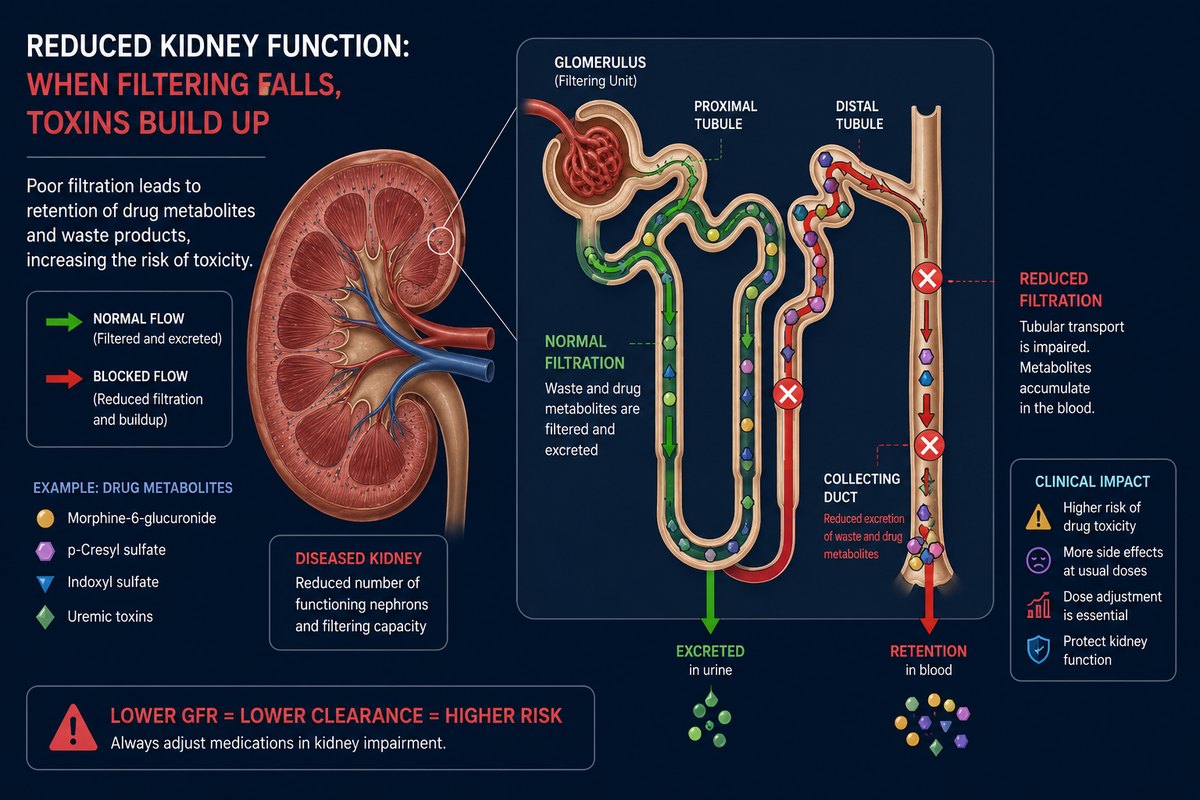 GuideHurt Without Harm: A Guide to Safe Pain Relief in Kidney DiseaseManaging pain safely with kidney disease — which painkillers to avoid, safe alternatives like paracetamol, gabapentin, and topical treatments for Filipino CKD patients.
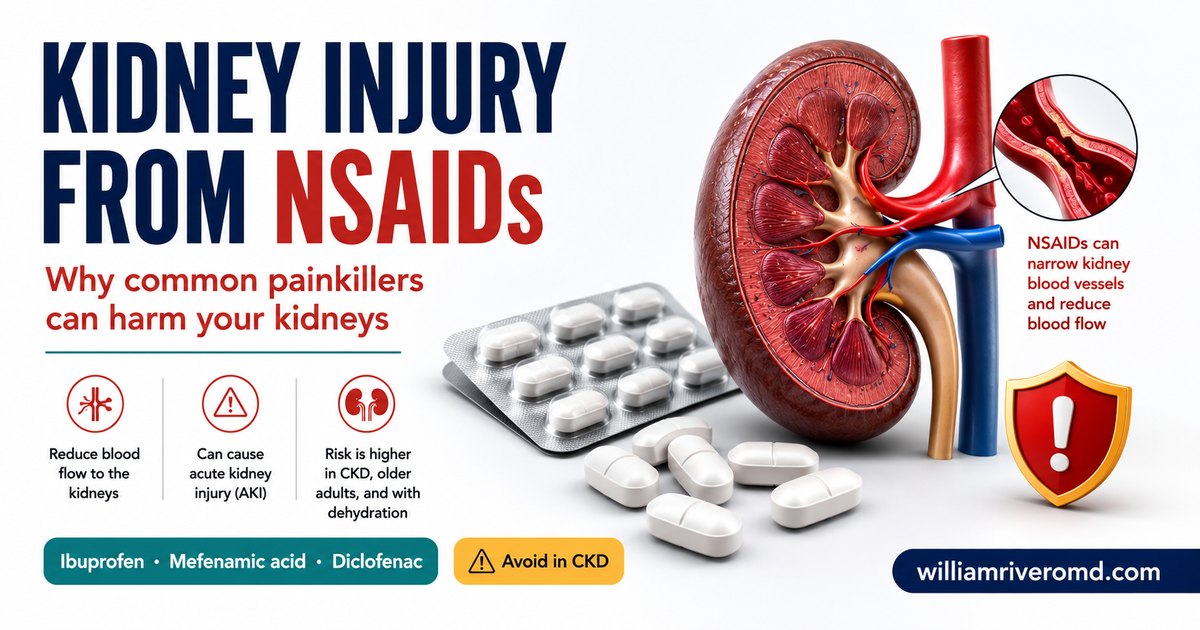 GuideNSAID-Induced Kidney InjuryNSAIDs and kidney injury — why ibuprofen, mefenamic acid (Ponstan), and diclofenac damage kidneys in CKD patients, and safer pain alternatives in the Philippines.
 GuideTop 5 Mistakes CKD Patients MakeThe 5 most common mistakes kidney patients make — stopping medications, ignoring diet, missing labs, using herbal remedies, and skipping nephrologist visits.
- CalculatorAcetaminophen Overdose & NAC ProtocolRumack-Matthew nomogram risk assessment and IV N-acetylcysteine (NAC) dosing for acetaminophen overdose. Includes renal implications and hepatorenal syndrome considerations.
References
- U.S. Food and Drug Administration. Combogesic · AFT Pharmaceuticals US, Inc. [US FDA-approved label, version 9, September 16, 2026]. Via DailyMed/openFDA. https://dailymed.nlm.nih.gov/dailymed/drugInfo.cfm?setid=f863558f-2a44-41f8-a6b7-271851d4c2ff
- Food and Drug Administration Philippines. Verification portal (product registrations). https://verification.fda.gov.ph
This page shows official label and registry text only; no renalcarematters.com clinical summary has been approved for it yet.
Last updated: .