Cardiovascular Thrombotic Events Nonsteroidal anti-inflammatory drugs (NSAIDs) cause an increased risk of serious cardiovascular thrombotic events, including myocardial infarction and stroke, which can be fatal. This risk may occur early in treatment and may increase with duration of use [see WARNINGS and PRECAUTIONS]. Ibuprofen Tablets are contraindicated in the setting of coronary artery bypass graft (CABG) surgery [see CONTRAINDICATIONS and WARNINGS].
Gastrointestinal Risk NSAIDs cause an increased risk of serious gastrointestinal adverse events including bleeding, ulceration, and perforation of the stomach or intestines, which can be fatal. These events can occur at any time during use and without warning symptoms. Elderly patients are at greater risk for serious gastrointestinal events [see WARNINGS].
Use: Labeled indications
- INDICATIONS AND USAGE Carefully consider the potential benefits and risks of Ibuprofen Tablets and other treatment options before deciding to use Ibuprofen Tablets.
Full indications and usage US FDA label
INDICATIONS AND USAGE Carefully consider the potential benefits and risks of Ibuprofen Tablets and other treatment options before deciding to use Ibuprofen Tablets. Use the lowest effective dose for the shortest duration consistent with individual patient treatment goals [see WARNINGS]. Ibuprofen Tablets are indicated for relief of the signs and symptoms of rheumatoid arthritis and osteoarthritis.
Ibuprofen Tablets are indicated for relief of mild to moderate pain. Ibuprofen Tablets are also indicated for the treatment of primary dysmenorrhea. Controlled clinical trials to establish the safety and effectiveness of Ibuprofen Tablets in children have not been conducted.
Contraindications
- Hypersensitivity to the drug
- Asthma, urticaria or allergic-type reaction after aspirin or other NSAIDs
- Setting of coronary artery bypass graft (CABG) surgery
Contraindications (US label) US FDA label
CONTRAINDICATIONS Ibuprofen tablets are contraindicated in patients with known hypersensitivity to ibuprofen. Ibuprofen tablets should not be given to patients who have experienced asthma, urticaria, or allergic-type reactions after taking aspirin or other NSAIDs. Severe, rarely fatal, anaphylactic-like reactions to NSAIDs have been reported in such patients [see WARNINGS, Anaphylactoid Reactions, and PRECAUTIONS, Preexisting Asthma]. In the setting of coronary artery bypass graft (CABG) surgery [see WARNINGS].
Dosing: Adult
- Mild to moderate pain: 400 mg every 4 to 6 hours as needed (higher single doses no more effective)
- Dysmenorrhea: 400 mg every 4 hours as needed
- Rheumatoid arthritis, osteoarthritis: 1,200 to 3,200 mg/day (400, 600 or 800 mg three or four times daily); maximum 3,200 mg/day
Dosage and administration (US label) US FDA label
DOSAGE AND ADMINISTRATION Carefully consider the potential benefits and risks of ibuprofen tablets and other treatment options before deciding to use ibuprofen tablets. Use the lowest effective dose for the shortest duration consistent with individual patient treatment goals [see WARNINGS]. After observing the response to initial therapy with ibuprofen tablets, the dose and frequency should be adjusted to suit an individual patient's needs.
Do not exceed 3200 mg total daily dose. If gastrointestinal complaints occur, administer ibuprofen tablets with meals or milk. Rheumatoid arthritis and osteoarthritis, including flare-ups of chronic disease: Suggested Dosage: 1200 mg to 3200 mg daily (400 mg, 600 mg or 800 mg tid or qid). Individual patients may show a better response to 3200 mg daily, as compared with 2400 mg, although in well-controlled clinical trials patients on 3200 mg did not show a better mean response in terms of efficacy.
Therefore, when treating patients with 3200 mg/day, the physician should observe sufficient increased clinical benefits to offset potential increased risk. The dose should be tailored to each patient, and may be lowered or raised depending on the severity of symptoms either at time of initiating drug therapy or as the patient responds or fails to respond.
In general, patients with rheumatoid arthritis seem to require higher doses of ibuprofen tablets than do patients with osteoarthritis. The smallest dose of ibuprofen tablets that yields acceptable control should be employed. A linear blood level dose-response relationship exists with single doses up to 800 mg [See CLINICAL PHARMACOLOGY for effects of food on rate of absorption].
The availability of three tablet strengths facilitates dosage adjustment. In chronic conditions, a therapeutic response to therapy with ibuprofen tablets is sometimes seen in a few days to a week but most often is observed by two weeks. After a satisfactory response has been achieved, the patient's dose should be reviewed and adjusted as required.
Mild to moderate pain: 400 mg every 4 to 6 hours as necessary for relief of pain. In controlled analgesic clinical trials, doses of ibuprofen tablets greater than 400 mg were no more effective than the 400 mg dose. Dysmenorrhea: For the treatment of dysmenorrhea, beginning with the earliest onset of such pain, ibuprofen tablets should be given in a dose of 400 mg every 4 hours as necessary for the relief of pain.
Dosing: Altered kidney function
Ibuprofen is a nonsteroidal anti-inflammatory drug (NSAID) eliminated in urine as inactive metabolites. NSAIDs reduce kidney blood flow and can cause acute kidney injury, especially with diuretics, ACE inhibitors, heart failure, liver disease, older age or existing kidney impairment. The US prescription label does not recommend ibuprofen in advanced renal disease.
Kidney function measure: Label uses 'impaired renal function' and 'advanced renal disease' without a CrCl number. Mapping 'advanced' to CrCl <30 is our judgment.
Show full dosing details
- CrCl ≥60 mL/min
- Usual: pain 400 mg every 4 to 6 hours as needed; arthritis 1,200 to 3,200 mg/day in 3 or 4 doses; maximum 3,200 mg/day (label). Lowest effective dose, shortest duration.
- CrCl 30–59 mL/min
- No label dose change. Impaired kidney function is a risk factor for NSAID kidney injury: monitor creatinine, potassium and blood pressure; avoid volume depletion and the ACE inhibitor or ARB plus diuretic combination.
- CrCl 15–29 mL/min
- Not recommended in advanced renal disease (no controlled data); if it must be started, monitor kidney function closely (label, Warnings: Advanced Renal Disease).
- CrCl <15 mL/min (not on dialysis)
- Not recommended in advanced renal disease (no controlled data); if it must be started, monitor kidney function closely (label, Warnings: Advanced Renal Disease).
- Hemodialysis (intermittent)
- Not recommended (advanced renal disease; label). NSAIDs may hasten loss of residual kidney function.
- Peritoneal dialysis
- Not recommended (advanced renal disease; label). NSAIDs may hasten loss of residual kidney function.
- CRRT
- Avoid: NSAIDs can worsen acute kidney injury.
- Dialyzable? Not stated in the label.
- Monitoring Creatinine, potassium and blood pressure in CKD, heart failure, liver disease, older adults, or with diuretics, ACE inhibitors or ARBs. Gastrointestinal bleeding; hemoglobin with long-term use.
Children (kidney dosing)
Show full dosing details
- eGFR ≥60
- No kidney dose change; keep the child hydrated. NSAID-associated acute kidney injury occurs in children, mostly after correctly dosed NSAIDs and with dehydration; children under 5 had more severe AKI (Misurac 2013). Avoid during vomiting, diarrhea or poor intake.
- eGFR 30–59
- Avoid if dehydrated; check serum creatinine with repeated use. NSAID-associated acute kidney injury occurs in children, mostly after correctly dosed NSAIDs and with dehydration; children under 5 had more severe AKI (Misurac 2013). Avoid during vomiting, diarrhea or poor intake.
- eGFR 15–29
- Avoid: NSAIDs are not recommended in advanced renal disease (label warning, not age-limited; site mapping to eGFR <30). NSAID-associated acute kidney injury occurs in children, mostly after correctly dosed NSAIDs and with dehydration; children under 5 had more severe AKI (Misurac 2013). Avoid during vomiting, diarrhea or poor intake.
- eGFR <15 (not on dialysis)
- Avoid: NSAIDs are not recommended in advanced renal disease (label warning, not age-limited; site mapping to eGFR <30). NSAID-associated acute kidney injury occurs in children, mostly after correctly dosed NSAIDs and with dehydration; children under 5 had more severe AKI (Misurac 2013). Avoid during vomiting, diarrhea or poor intake.
- Hemodialysis (intermittent)
- Avoid: advanced kidney disease or acute kidney injury (label warning, not age-limited); NSAIDs can worsen kidney injury.
- Peritoneal dialysis
- Avoid: advanced kidney disease or acute kidney injury (label warning, not age-limited); NSAIDs can worsen kidney injury.
- CRRT
- Avoid: advanced kidney disease or acute kidney injury (label warning, not age-limited); NSAIDs can worsen kidney injury.
Pediatric eGFR: bedside Schwartz equation, 0.413 × height (cm) / serum creatinine (mg/dL). Weight-based doses should not exceed the adult maximum.
renalcarematters.com guidance, reviewed by William Gregory M. Rivero, MD, FPCP, DPSN on November 17, 2026. Sources are listed under References. Use with the product's package insert and the patient's current kidney function.
Dosing: Pediatric
- Approved ages
- The selected prescription tablet label is not for children; PH registers ibuprofen oral suspensions and drops used for fever and pain in children (separate OTC labeling, not stored).
- Usual dose
- Not given in this label (pediatric suspensions are OTC products with separate labeling).
Kidney dosing in children: see Dosing: Altered kidney function.
renalcarematters.com, reviewedPediatric use (US label) US FDA label
Pediatric Use Safety and effectiveness of ibuprofen tablets in pediatric patients have not been established.
Dosing: Older adult
Geriatric use (US label) US FDA label
Geriatric Use As with any NSAIDs, caution should be exercised in treating the elderly (65 years and older).
Dosage forms
Philippines
- Suspension: 40 mg/mL, 100 mg per 5 mL, 100 mg/5 mL, 200 mg/5 mL
- Tablet: 200 mg, 400 mg
- Film-coated tablet: 200 mg, 400 mg
- Softgel capsule: 200 mg, 400 mg
- Oral suspension: 100 mg/5 mL, 200 mg per 5 mL, 200 mg/5 mL
- Capsule: 200 mg
- ) solution for i.v. infusion: 100 mg/mL (400 mg/4 mL
- Soft gelatin capsule: 400 mg
- Soft-gelatin capsule: 400 mg
- Solution for i. v. infusion: 100 mg/mL (800 mg/8 mL
Registered products in the Philippines
103 products registered with the Food and Drug Administration (FDA) Philippines list Ibuprofen as the generic name. Registration status changes; confirm a product's current status on the FDA portal before relying on it.
All registered products103
| Package insert | |||||||
|---|---|---|---|---|---|---|---|
AceprofenIbuprofen | 400 mg Film-Coated TabletAlu/PVC Foil Blister Pack x 10's (Box of 100's) | Rx | Umedica Laboratories Pvt. Ltd.India | Eon Pharmatek Inc. | DR-XY47467 | Oct 19, 2031 | |
AdvilIbuprofen | 100 mg/5 mL SuspensionWhite Polypropylene (PP) Plastic Bottle x 60 mL (Box of 1's) | OTC | Interphil Laboratories, Inc.Philippines | Trader: GlaxoSmithKline Consumer Healthcare Philippines, Inc. | DR-XY29056 | Oct 15, 2028 | |
AdvilIbuprofen | 200 mg Softgel CapsulePVDC/PVC/PE Blister pack x 10's Box of 100's and 10's; Physician sample (Flap by 1's) | OTC | Catalent Pharma Solutions, LLCUSA | Importer: GlaxoSmithKline Consumer Healthcare Philippines Inc. | DR-XY32938 | Dec 10, 2027 | |
Advil Children's Pain and Fever ReliefIbuprofen (For Export Only) | 100 mg/5 mL SuspensionAmber Glass Bottle with white PP cap (individually boxed with PP double ended measuring spoon) 100 mL and 200 mL | OTC | Interphil Laboratories Inc.Philippines | — | DR-XY36546 | Aug 27, 2029 | |
Advil Infant's Pain and Fever Relief (Grape Flavor)Ibuprofen | 40 mg/mL SuspensionAmber Bottle with dosing device x 40 mL (Box of 1's) | OTC | Interphil Laboratories, Inc.Philippines | Trader: Pfizer Consumer Healthcare | DR-XY35153 [For export only] | Nov 13, 2028 | |
AlaxproIbuprofen | 400 mg TabletAlu/Clear PVC Blister pack x 10's (Box of 100's) | Rx | Drugmaker's Laboratories, Inc.Philippines | Drugmaker's Laboratories, Inc. | DRP-5635-01 | Aug 19, 2028 | |
Anvil 200Ibuprofen | 200 mg Softgel CapsuleAluminum foil/PVC film clear blister pack x 10’s (Box of 10’s and 30’s) | OTC | Phil. United Pharma CorporationPhilippines | ATC Healthcare International Corp. | DRP-7504 | Nov 23, 2027 | |
Anvil 200Ibuprofen | 200mg Film-Coated tabletAlu/PVC Film Clear Blister Pack x 10's )Box of 10's, 20's and 100's) | Rx | Phil. United Pharma CorporationPhilippines | ATC Healthcare International Corp. | DRP-9452 | Jan 8, 2031 | |
Anvil 400Ibuprofen | 400mg Film-Coated TabletAlu/PVC Film Clear Blister Pack x 10's (Box of 10's, 30's and 100's) | Rx | Phil. United Pharma Corp.Philippines | ATC Healthcare International Corp. | DRP-9451 | Jan 8, 2031 | |
Anvil 400Ibuprofen | 400mg Softgel CapsuleAluminum foil/PVC film clear blister pack x 10’s (Box of 10’s); Aluminum foil/PVC film clear blister pack x 10’s B(ox of 30’s) | OTC | Phil. United Pharma CorporationPhilippines | ATC HEALTHCARE INTERNATIONAL CORP. | DRP-7503 | Nov 23, 2027 | |
AstrofenIbuprofen | 100 mg/5 mL Oral Suspension (Orange Flavor)Amber Glass Bottle x 60 mL (Box of 1's) | OTC | Lloyd Laboratories, Inc.Philippines | Nurturemed Pharma Inc.Trader: Solvang Pharmaceuticals, Inc. | DRP-3563-03 | Mar 16, 2031 | |
AstrofenIbuprofen | 200 mg/5 mL Suspension (Orange Flavor)Amber Glass Bottle x 60 mL (Box of 1's) | OTC | Lloyd Laboratories, Inc.Philippines | Nurturemed Pharma Inc.Trader: Solvang Pharmaceuticals, Inc. | DRP-3562-04 | Mar 25, 2031 | |
BrofenIbuprofen | 400mg Film-Coated TabletAlu/PVC Blister Pack x 10's (Box of 100's) | OTC | Mercury Laboratories Ltd.India | Philgen Pharmaceuticals Inc. | DRP-12607 | Sep 13, 2027 | |
BromedIbuprofen | 400 mg Film-Coated TabletAlu/PVC Blister Pack x 10's (Box of 100's) | OTC | Curis Lifesciences Pvt. Ltd.India | Philgen Pharmaceuticals Inc. | DRP-15654 | Aug 29, 2029 | |
BufenIbuprofen (Orange Flavor) | 100 mg/5 mL Oral SuspensionAmber Glass Bottle x 60 mL (Box of 1's) | OTC | Lloyd Laboratories, Inc.Philippines | Trader: Solvang Pharmaceuticals, Inc. | DRP-3563 | May 28, 2030 | |
BufenIbuprofen | 200 mg/5 mL Suspension (Orange Flavor)Amber Glass Bottle x 60 mL (Box of 1's) | Rx | Lloyd Laboratories, Inc.Philippines | Trader: Solvang Pharmaceuticals, Inc. | DRP-3562 | Jun 7, 2030 | |
BufenolIbuprofen (Orange flavor) | 100 mg/5 mL Oral SuspensionAmber Glass bottle x 60 mL (Box of 1's) | OTC | Lloyd Laboratories, Inc.Philippines | Vitalink Health Products, Inc.Trader: Solvang Pharmaceuticals, Inc. | DRP-3563-01 | May 28, 2030 | |
BuroidIbuprofen | 400 mg TabletBlister Pack of 10's (Box of 100's) | Rx | San Marino Laboratories CorporationPhilippines | — | DRP-3468 | Jan 3, 2029 | |
Dolan FPIbuprofen | 100 mg / 5 mL SuspensionHDPE Bottle with Child Resistant Propylene Cap x 60 mL | Rx | Amherst Laboratories, Inc.Philippines | Trader: UNILAB, Inc. | DRP-13866 | Dec 6, 2037 | |
Dolan FP ForteIbuprofen | 200 mg / 5 mL SuspensionHDPE Bottle with Child Resistant Propylene Cap x 60 mL (Box of 1's) | Rx | Amherst Laboratories, Inc.Philippines | Trader: UNILAB, Inc. | DRP-13865 | Dec 7, 2037 | |
DolexIbuprofen | 100 mg/5 mL Oral SuspensionWhite HDPE Plastic Bottle x 60 mL (Box of 1's) | OTC | Yangzhou No. 3 Pharmaceutical Co., Ltd.China | Global Pharmatrade | DR-XY41508 | Apr 17, 2028 | |
DolexIbuprofen | 100mg/5mL SuspensionPET Amber Bottle x 120mL (Box of 1's) | OTC | Yangzhou No. 3 Pharmaceutical Co., Ltd.China | Global Pharmatrade | DR-XY41395 | Nov 22, 2027 | |
DoupainIbuprofen | 400 mg TabletAlu/Clear PVC Blister Pack x 10's (Box of 30's and 100's) | Rx | Azarias Pharmaceutical Laboratories Inc.Philippines | — | DRP-8817 | Feb 9, 2037 | |
FasgesicIbuprofen | 400mg Soft-Gelatin CapsuleWhite Opaque PVC/Alu Blister Pack x 10's (Box of 10's) | OTC | Geltec Private LimitedIndia | Importer: Paradigm Pharma (Philippines) Corporation | DR-XY46714 | Sep 19, 2029 | |
FaspicIbuprofen (as L-arginine) | 400 mg Film-Coated TabletAlu-Alu Blister Pack x 6's (Box of 30's) | Rx | Zambon S. p.AItaly | The Cathay Drug Co., Inc. | DR-XY32482 | Aug 30, 2028 | |
FenlexIbuprofen | 200 mg / 5 mL SuspensionAmber Boston PP Bottle x 60 mL in a box | OTC | Square Pharmaceuticals, Inc.Philippines | Novomed Inc. | DRP-5227-02 | Mar 19, 2027 | |
FenlexIbuprofen | 200 mg/5 mL SuspensionBoston Round PP Bottle x 60 mL (Box of 1's) | OTC | LifeSquare Laboratories, Inc.Philippines | Novomed Inc. | DRP-8624-2 | Jan 15, 2030 | |
FensydIbuprofen | 200 mg Film-Coated TabletAlu/PVC Clear Blister Pack x 10's (Box of 100's) | OTC | Sydenham Laboratories, Inc.Philippines | — | DRP-10982 | Dec 28, 2026 | |
FeverfreeIbuprofen | 100 mg/5 mL SuspensionAmber Bottle x 60 mL (Box of 1's) | Rx | The United Drug (1996) Co., Ltd.Thailand | Endure Medical, Inc.Importer: Singapore Genebio, Inc. | DR-XY39147 | Mar 8, 2031 | |
Fevral ForteIbuprofen | 200 mg / 5 mL Oral SuspensionBoston Round Amber Bottle x 60 mL (Box of 1's) | OTC | Scheele Laboratories Phils., Inc.Philippines | — | DRP-8283 | Jul 31, 2029 | |
FinlaxIbuprofen | 400 mg Film-Coated TabletAlu/PVC Blister Pack x 10's (Box of 100's) | Rx | Y.S.P. Industries (M) Sdn. Bhd.Malaysia | Yung Shin (Philippines), Inc. | DR-XY30612 | Mar 16, 2030 | |
Gofen 400Ibuprofen | 400 mg Softgel CapsuleAlu Blister Pack x 10's (Box of 60's) | Rx | Mega Lifesciences Public Company LimitedThailand | Metro Drug, Inc.Importer: Mega Lifesciences Limited Inc. | DR-XY38708 | Nov 2, 2031 | |
Golfen 200Ibuprofen | Film-Coated Tablet ; 200mgAlu/PVC Film Clear Blister Pack x 10's (Box of 10's, 30's and 100's) | Rx | Phil. United Pharma CorporationPhilippines | Trader: Golden Dale Pharma Corp. | DRP-9525 | Feb 11, 2031 | |
Golfen 400Ibuprofen | 400 mg Film-Coated TabletAlu/PVC Film Clear Blister Pack x 10's (Box of 10's,30's and 100's) | Rx | Phil. United Pharma Corp.Philippines | Trader: Golden Dale Pharma Corp. | DRP-9526 | Feb 11, 2031 | |
IbuCareIbuprofen (Orange Flavor) | 100 mg/5 mL Oral SuspensionAmber Glass Bottle x 60 mL (Box of 1's) | OTC | Lloyd Laboratories, Inc.Philippines | Brigada Distributions, Inc.Trader: Solvang Pharmaceuticals, Inc. | DRP-3563-04 | May 28, 2030 | |
IbufenIbuprofen | 400 mg Film-Coated TabletAlu/PVC Blister Pack x 10's (Box of 100's) | OTC | Centurion Laboratories Pvt. Ltd.India | Philgen Pharmaceuticals Inc. | DRP-10724 | Nov 15, 2031 | |
Ibuglob-400Ibuprofen | 400mg Film Coated TabletsAlu-PVC Blister Pack x 10's (Box of 100's) | OTC | Globela Pharma Private Limited.India | AMB HK Enterprises Inc. | DRP-14831 | Jan 18, 2029 | |
Ibuprowell 200Ibuprofen | 200 mg Softgel CapsuleAlu/PVC Blister Pack x 10's (Box of 100's) | OTC | Humanwell Puracap Pharmaceuticals (Wuhan) Co., Ltd.China | Sandoval Distributors, Inc. | DRP-13917 | May 17, 2028 | |
Ibuprozet 400Ibuprofen | 400 mg TabletAlu/Clear PVC Blister Pack x 10’s (Box of 100’s) | OTC | Genom Biotech Pvt. Ltd.India | 999-Seth Pharmaceutical Inc.Importer: Nelpa Lifesciences, Inc. | DRP-9710-01 | Oct 23, 2030 | |
IburaphIbuprofen | 400 mg TabletAlu/Clear PVC Blister Pack x 10's (Box of 30's and 100's) | Rx | Azarias Pharmaceutical Laboratories Inc.Philippines | Trader: St. Raphael Archangel Pharmaceutical Product Distribution | DRP-8816 | Feb 11, 2037 | |
IburosaIbuprofen | 200 mg Softgel CapsuleAlu/PVC-PVDC Blister Pack x 10's (Box of 100's) | OTC | XL Laboratories Private LimitedIndia | Ambica International Corporation | DRP-18314 | Jun 10, 2032 | |
Ibusaph- ODIbuprofen | 40 mg/mL Suspension (Oral Drops)PET Round Amber Bottle with Aluminum ROPP Cap x 15 m L and 30 m L with Plastic Dropper ( Box of 1 ' s) | OTC | Enicar Pharmaceuticals Pvt. Ltd.India | Nelpa Lifesciences, Inc.Trader: Sapphire Lifesciences Pvt. Ltd. | DRP-9367 | Dec 15, 2030 | |
Ibusaph-100Ibuprofen | 100 mg/5 mL SuspensionPET Round Amber Bottle with Aluminum ROPP Cap x 60 mL and 120 mL (Box of 1's) | OTC | Enicar Pharmaceuticals Pvt. Ltd.India | Nelpa Lifesciences, Inc.Trader: Sapphire Lifesciences Pvt. Ltd. | DRP-9427 | Oct 19, 2031 | |
Ibusaph-200Ibuprofen | 200 mg/5 mL SuspensionPET Round Amber Bottle with Aluminum ROPP Cap x 60 mL and 120 mL (Box of 1's) | OTC | Enicar Pharmaceuticals Pvt. Ltd.India | Nelpa Lifesciences, Inc.Trader: Sapphire Lifesciences Pvt. Ltd. | DRP-9295 | Oct 19, 2031 | |
IbusoftIbuprofen | 400mg Soft Gelatin CapsuleAlu/PVC/PE/PVDC Blister Pack x 10's (Box of 50's and 100's) | OTC | Softech Pharma Private LimitedIndia | AMB HK Enterprises Inc. | DRP-14669 | Nov 29, 2028 | |
Ibusoft 200Ibuprofen | 200 mg Softgel CapsuleAlu/PVC Blister Pack x 10’s (Box of 30’s and 100’s) | Rx | Humanwell Puracap Pharmaceuticals (Wuhan) Co., LtdChina | AMB HK Enterprises Inc. | DRP-9952 | Apr 13, 2031 | |
Ibusoft 400Ibuprofen | 400 mg Softgel CapsuleAlu/PVC Blister Pack x 10’s (Box of 30’s and 100’s) | Rx | Humanwell Puracap Pharmaceuticals (Wuhan) Co., LtdChina | AMB HK Enterprises Inc. | DRP-9953 | Apr 13, 2031 | |
IbuwellIbuprofen | 200 mg TabletAlu/Clear PVC Blister Pack of 10's (Box of 100's) | OTC | S Kant Healthcare Ltd.India | Wellchem Pharmaceutical Products | DRP-17913 | Apr 8, 2031 | |
IbuwellIbuprofen | 400 mg TabletAlu/Clear PVC Blister Pack x 10's (Box of 100's) | OTC | S Kant Healthcare Ltd.India | Wellchem Pharmaceutical Products | DRP-14867 | Jan 25, 2029 | |
Ibuzet 200Ibuprofen | 200 mg/5 mL SuspensionPET Round Amber Bottle with White HDPE Cap x 60 mL and 120 mL (Box of 1's) | OTC | Enicar Pharmaceuticals Pvt. Ltd.India | 777 Red Pharma Inc.Importer: Nelpa Lifesciences, Inc.Trader: Sapphire Lifesciences Pvt. Ltd. | DRP-9295-03 | Nov 23, 2030 | |
ImuzenIbuprofen | 200 mg/5 mL Suspension (Orange Flavor)Boston Round PP Bottle x 60 mL Box of 1's | OTC | Lifesquare Laboratories Inc.Philippines | — | DRP-8624 | Jan 15, 2030 | |
IntrafenIbuprofen | 100 mg/mL (400 mg/4 mL) Solution for I.V. Infusion4 mL in 6 mL - capacity USP Type I clear and colorless glass vial sealed with grey butyl rubber stopper and blue aluminum flip-off seal (Box of 1's and Box of of 10's) | Rx | Gen İlaç ve Sağlık Ürünleri San. Ve Tic A.Ş.Turkey | Delex Pharma International, Inc. | DR-XY46120 | Aug 24, 2029 | |
IntrafenIbuprofen | 100 mg/mL (800 mg/8 mL Solution for I. V. Infusion.8 mL in 10 mL capacity USP Type I clear and colorless glass vial sealed with grey butyl rubber stopper and blue aluminum flip-off seal (Box of 1's and Box of 10's) | Rx | Gen İlaç ve Sağlık Ürünleri San. Ve Tic A.Ş.Turkey | Delex Pharma International, Inc. | DR-XY46190 | Aug 24, 2029 | |
IprofenIbuprofen | 400 mg TabletAlu/Clear PVC Blister Pack x 10's (Box of 100's) | Rx | Drugmaker's Laboratories IncPhilippines | — | DRP-8128 | Mar 21, 2031 | |
LaberfenIbuprofen | 400 mg TabletAlu/Clear PVC Blister Pack x 10's (Box of 100's); Alu/Clear PVC Blister Pack x 20's (Box of 100's) | Rx | Drugmaker's Laboratories, Inc.Philippines | — | DRP-5635 | Aug 19, 2028 | |
Levifen 200Ibuprofen | 200 mg Film-Coated TabletAlu/PVC Film Clear Blister Pack x 10's, 30's and 100's (Box of 10's) | Rx | Phil. United Pharma CorporationPhilippines | Trader: Docteur's Choice Corporation | DRP-9527 | Feb 11, 2031 | |
Levifen 400Ibuprofen | 400 mg Film-Coated TabletAlu/PVC Film Clear Blister Pack x 10's (Box of 10's,30's and 100's) | Rx | Phil. United Pharma CorporationPhilippines | Trader: Docteur's Choice Corporation | DRP-9528 | Feb 11, 2031 | |
MedbufenIbuprofen | 100 mg/5 mL SuspensionAmber Glass Bottle x 60 mL; Amber Glass Bottle x 15 mL (Physician Sample) | OTC | Lloyd Laboratories, Inc.Philippines | Trader: Medhaus Pharma Inc. | DR-XY34725 | Jul 17, 2028 | |
MedicolIbuprofen | 200 mg TabletAluminum Flex Foil x 10's (Box of 500's) | OTC | UNILAB, Inc.Philippines | — | DR-XY24958 | Oct 22, 2029 | |
Medicol AdvanceIbuprofen | 200 mg Softgel CapsuleAlu PVC Blister pack x 5`s and 10`s (Box of 5's and 100's) | OTC | Belmont Softgel Pharma CorporationPhilippines | Trader: UNILAB, Inc. | DR-XY34641 | Jun 6, 2032 | |
Medicol AdvanceIbuprofen | 200 mg Softgel CapsuleAlu/Clear PVC Blister Pack x 5's (Box of 5's); Alu/Clear PVC Blister Pack x 10's (Box of 100's) | OTC | PT. Darya-Varia Laboratoria Tbk.Indonesia | Unilab, Inc. | DR-XY46460 | Mar 16, 2030 | |
Medicol Advance 400Ibuprofen | 400 mg Softgel CapsuleAlu/PVC Blister Pack x 10's (Box of 100's) | OTC | Belmont Softgel Pharma CorporationPhilippines | Trader: UNILAB, Inc. | DR-XY41760 | Jun 6, 2037 | |
Medicol Advance 400Ibuprofen | 400 mg Softgel CapsuleAlu/Clear PVC Blister Pack x 10's (Box of 100's) | OTC | PT. Darya-Varia Laboratoria Tbk.Indonesia | Unilab, Inc. | DR-XY46461 | Mar 16, 2030 | |
Medicol I-400Ibuprofen | 400 mg TabletAluminum Flex Foil x 4's (Box of 100's) | OTC | UNILAB, Inc.Philippines | — | DR-XY24952 | Oct 21, 2029 | |
MidolIbuprofen | 200 mg TabletBlister Pack x 10’s (Box of 200’s and Box of 100’s (Box of 10’s x 10)) | OTC | Swisspharma Research Laboratories, Inc.Philippines | Trader: A. Menarini Philippines, Inc. | DR-XY30477 | Jan 17, 2030 | |
MorexenIbuprofen | 100 mg per 5 mL Suspension (Orange Flavor)Boston Round Amber Bottle with Metal Cap x 60 mL (Box of 1's) | Rx | Scheele Laboratories Phils., Inc.Philippines | — | DRP-9627 | Apr 13, 2031 | |
MylanIbuprofen | 200mg per 5mL Oral Suspension60 mL Amber Bottle per Box | Rx | New Myrex Laboratories, Inc.Philippines | Regimed Pharmaceutical Distributor | DRP-2840 | Mar 16, 2031 | |
MylanIbuprofen | 200mg TabletAlu/Clear PVC Blister Pack x 10's Box of 100's | OTC | Lumar Pharmaceutical Laboratory, Inc.Philippines | — | DR-XY43224 | Feb 26, 2029 | |
MylanIbuprofen | 40mg/mL Suspension (Oral Drops)Amber Glass Bottle x 15mL (Box of 1's) | Rx | New Myrex Laboratories, Inc.Philippines | Regimed Pharmaceutical Distributor | DRP-5250 | Aug 26, 2031 | |
MyvilIbuprofen | 100mg/5mL SuspensionAmber Glass Bottle x 60 mL (Box of 1's) | OTC | New Myrex Laboratories, Inc.Philippines | TGP Pharma Inc. | DRP-1897 | Oct 15, 2029 | |
NanbuproIbuprofen | 400 mg Film-Coated TabletAlu-PVC Blister Pack x 10’s (Box of 100’s) | OTC | Shandong Xinhua Pharmaceutical Co. Limited (Plant 206xy)China | Fosun Pharma (Philippines) Inc. | DRP-18143 | May 13, 2031 | |
New FevralIbuprofen | 400 mg TabletAlu / PVC Blister Pack x 10's (Box of 100's) | Rx | Scheele Laboratories Phils., Inc.Philippines | — | DRP-9550 | Feb 18, 2031 | |
New Fevral®Ibuprofen | 200 mg TabletAlu / PVC Blister Pack of 10's (Box of 100's) | Rx | Scheele Laboratories Phils., Inc.Philippines | — | DRP-9549 | Feb 18, 2031 | |
NoneIbuprofen | 200 mg / 5 mL SuspensionAmber Boston PP Bottle x 60 mL Box of 1's | OTC | Square Pharmaceuticals, Inc.Philippines | — | DRP-5227 | Mar 19, 2027 | |
NoneIbuprofen | 200 mg CapsuleAlu/Clear PVDC Blister Pack x 10's (Box of 100's) | OTC | Lloyd Laboratories, Inc.Philippines | Trader: Vamsler Phils. Incorporated | DR-XY42955 | Nov 15, 2028 | |
NoneIbuprofen | 200 mg CapsuleAlu/Clear PVDC Blister Pack x 10's (Box of 100's) | OTC | Lloyd Laboratories, Inc.Philippines | Trader: Vamsler Phils. Incorporated | DRP-16776 | Nov 15, 2028 | |
NoneIbuprofen | 200 mg CapsuleBlister Pack x 10's Box of 100's | OTC | Diamond Laboratories Inc.Philippines | — | DRP-7247 | Oct 18, 2027 | |
NoneIbuprofen | 200 mg Film-Coated TabletAlu/PVC Film Clear Blister Pack x 10's (Box of 10's, 30's and 100's) | Rx | Phil. United Pharma CorporationPhilippines | — | DRP-9464 | Jan 12, 2031 | |
NoneIbuprofen | 400 mg Film-Coated TabletAlu/PVC Film Clear Blister Pack x 10's (Box of 10's, 30's and 100's) | Rx | Phil. United Pharma CorporationPhilippines | — | DRP-9449 | Jan 7, 2031 | |
NoneIbuprofen | 400 mg Softgel CapsuleAlu/Clear PVC Blister Pack x 10's (Box of 10's and 30's) | Rx | Phil. United Pharma Corp.Philippines | — | DRP-9450 | Jan 8, 2031 | |
Pain GardIbuprofen | 200 mg TabletAlu/Clear PVC Blister Pack x 20's Box of 100's | OTC | Diamond Laboratories, Inc.Philippines | Full Health International Pharma | DRP-6980 | Apr 20, 2030 | |
Pain GardIbuprofen | 400 mg TabletAlu/Clear PVC Blister Pack x 10's Box of 100's | Rx | Diamond Laboratories Inc.Philippines | Full Health International Pharma | DRP-6986 | Apr 20, 2030 | |
PenfroIbuprofen | 200 mg/5 mL SuspensionBoston Round PP Bottle x 60 mL (Box of 1's) | OTC | Lifesquare Laboratories, Inc.Philippines | Alman Pharmaceuticals, Inc. | DRP-8624-01 | Jan 15, 2030 | |
ProfenIbuprofen | 100 mg/5 mL SuspensionAmber Glass Bottle x 120 mL (Box of 1's) | OTC | Lloyd Laboratories, Inc.Philippines | Trader: Westfield Pharmaceuticals, Inc. | DR-XY36581 | Sep 1, 2029 | |
ProfenIbuprofen | 200 mg/5 mL SuspensionAmber Glass Bottle x 120 mL (Box of 1's) | OTC | Lloyd Laboratories, Inc.Philippines | Trader: Westfield Pharmaceuticals, Inc. | DR-XY36580 | Sep 1, 2029 | |
ProfenIbuprofen | 200 mg/5 mL SuspensionAmber Glass Bottle x 120 mL (Box of 1's) | OTC | Lloyd Laboratories, Inc.Philippines | Trader: Westfield Pharmaceuticals, Inc. | DRP-18246 | Sep 1, 2029 | |
PropainIbuprofen | 400 mg TabletAlu/PVC Blister Pack x 10's (Box of 30's) | OTC | BDA Healthcare Pvt. Ltd.India | Lealmeds Pharmaceuticals Inc.Trader: Pandix Healthcare LLP | DRP-16496 | Apr 2, 2030 | |
QuikgesicIbuprofen | 400 mg Film-coated tabletAlu/PVC Blister Pack x 12's (Box of 12's) | OTC | Medreich Limited (Unit 3)India | Paradigm Pharma (Philippines) Corporation | DRP-17919 | Apr 8, 2031 | |
Rexprofen-200Ibuprofen | 200 mg TabletAlu/Clear PVC Blister Pack x 10's (Box of 100's) | OTC | Next Wave (India)India | Aarex Pharma Distributor | DRP-11734 | Apr 25, 2027 | |
Rexprofen-400Ibuprofen | 400 mg TabletAlu/ Clear PVC Blister Pack x 10's (Box of 100's) | OTC | Next Wave (India)India | Aarex Pharma Distributor | DRP-11733 | Apr 25, 2027 | |
RheuxanIbuprofen | 400 mg TabletAlu/Clear PVC Blister Pack x 10’s (Box of 100’s) | Rx | Flamingo Pharmaceuticals Ltd.India | Hexagon Pharmaceuticals | DRP-1942 | Aug 5, 2029 | |
Saphen-200Ibuprofen | 200mg TabletAlu/Clear PVC Blister Pack x 10's (Box of 100's) | OTC | Sapphire Lifesciences Pvt. Ltd.India | Importer: Nelpa Lifesciences, Inc. | DRP-11717 | Apr 21, 2027 | |
SAPHFEN-400Ibuprofen | 400 mg TabletAlu/Clear PVC Blister Pack x 10's (Box of 100's) | Rx | Sapphire Lifesciences Pvt. LtdIndia | Nelpa Lifesciences, Inc. | DRP-9710 | May 11, 2031 | |
Saphren 200Ibuprofen | 200 mg TabletAlu/Clear PVC Blister Pack x 10's (Box of 50's and 100's) | OTC | Genom Biotech Pvt. Ltd.India | Nelpa Lifesciences, Inc. | DRP-4296 | Oct 23, 2030 | |
Saphrofen-100Ibuprofen | Suspension 100 mg/5 mLPET Round Amber Bottle with White HDPE Cap x 60 mL and 120 mL (Box of 1's) | Rx | Azine Healthcare Pvt. Ltd.India | Nelpa Lifesciences, Inc.Trader: Sapphire Lifesciences Pvt. Ltd | DRP-9369 | Dec 15, 2030 | |
Saphrofen-200Ibuprofen | 200 mg/5 mL SuspensionPET Round Amber Bottle with White HDPE Cap x 60 mL and 120 mL (Box of 1's) | Rx | Azine Healthcare Pvt. Ltd.India | Nelpa Lifesciences, Inc.Trader: Sapphire Lifesciences Pvt. Ltd | DRP-9308 | Nov 23, 2030 | |
Saphrofen-ODIbuprofen | 40 mg/mL Suspension (Oral Drops)PET Round Amber Bottle with White HDPE Cap x 15 mL and 30 mL with Plastic Dropper (Box of 1's) | Rx | Sapphire Lifesciences Pvt. Ltd.India | Importer: Nelpa Lifesciences, Inc. | DRP-9426 | Jan 7, 2031 | |
SqfenIbuprofen | 200 mg / 5 mL SuspensionAmber Boston PP Bottle x 60 mL in a box | OTC | Square Pharmaceuticals, Inc.Philippines | Alman Pharmaceuticals, Inc. | DRP-5227-01 | Mar 19, 2027 | |
SqfenIbuprofen | 200 mg/5 mL Suspension (Orange Flavor)Boston Round PP Bottle x 60 mL (Box of 1's) | OTC | Lifesquare Laboratories, Inc.Philippines | Alman Pharmaceuticals, Inc. | DRP-8624-03 | Jan 15, 2030 | |
UnbrandedIbuprofen | 200 mg CapsuleBlister Pack x 10's (Box of 100's) | OTC | Interchemex Laboratories, Inc.Philippines | — | DR-XY46604 | Jun 4, 2036 | |
UnbrandedIbuprofen | 200 mg TabletAlu / PVC Blister Pack of 10's (Box of 100's) | OTC | Scheele Laboratories Phils., Inc.Philippines | RiteMED Phils., Inc. | DRP-9549-01 | Jan 23, 2032 | |
UnbrandedIbuprofen | 400 mg Softgel CapsuleAlu/PVC Blister Pack x 10's (Box of 30's) | Rx | Softgel Healthcare Pvt. Ltd.India | Synergen Pharma Inc.Trader: Synergen Asia Pte. Ltd. | DR-XY48952 | Dec 21, 2030 | |
(no brand name)Ibuprofen | 200 mg Softgel CapsuleAlu/PVC Blister Pack x 10's (Box of 100's) | OTC | Phil Inter Pharma Co., Ltd.Vietnam | RiteMED Phils., Inc. | DR-XY45438 | Oct 10, 2027 |
Source: FDA Philippines product registration database. "Valid until" is the registration validity date listed by the FDA; a past date may mean a renewal is pending. Package insert links point to files published by the FDA.
Warnings/Precautions
The boxed warning is shown at the top of this page.
Warnings and precautions (US label) US FDA label
WARNINGS CARDIOVASCULAR EFFECTS Cardiovascular Thrombotic Events Clinical trials of several COX-2 selective and nonselective NSAIDs of up to three years duration have shown an increased risk of serious cardiovascular (CV) thrombotic events, including myocardial infarction (MI) and stroke, which can be fatal. Based on available data, it is unclear that the risk for CV thrombotic events is similar for all NSAIDs.
The relative increase in serious CV thrombotic events over baseline conferred by NSAID use appears to be similar in those with and without known CV disease or risk factors for CV disease. However, patients with known CV disease or risk factors had a higher absolute incidence of excess serious CV thrombotic events, due to their increased baseline rate.
Some observational studies found that this increased risk of serious CV thrombotic events began as early as the first weeks of treatment. The increase in CV thrombotic risk has been observed most consistently at higher doses. To minimize the potential risk for an adverse CV event in NSAID-treated patients, use the lowest effective dose for the shortest duration possible.
Physicians and patients should remain alert for the development of such events, throughout the entire treatment course, even in the absence of previous CV symptoms. Patients should be informed about the symptoms of serious CV events and the steps to take if they occur. There is no consistent evidence that concurrent use of aspirin mitigates the increased risk of serious CV thrombotic events associated with NSAID use.
The concurrent use of aspirin and an NSAID, such as ibuprofen, increases the risk of serious gastrointestinal (GI) events [see WARNINGS]. Status Post Coronary Artery Bypass Graft (CABG) Surgery Two large, controlled clinical trials of a COX-2 selective NSAID for the treatment of pain in the first 10 to 14 days following CABG surgery found an increased incidence of myocardial infarction and stroke.
NSAIDs are contraindicated in the setting of CABG [see CONTRAINDICATIONS]. Post-MI Patients Observational studies conducted in the Danish National Registry have demonstrated that patients treated with NSAIDs in the post-MI period were at increased risk of reinfarction, CV-related death, and all-cause mortality beginning in the first week of treatment.
In this same cohort, the incidence of death in the first year post MI was 20 per 100 person years in NSAID-treated patients compared to 12 per 100 person years in non-NSAID exposed patients. Although the absolute rate of death declined somewhat after the first year post-MI, the increased relative risk of death in NSAID users persisted over at least the next four years of follow-up.
Avoid the use of ibuprofen tablets in patients with a recent MI unless the benefits are expected to outweigh the risk of recurrent CV thrombotic events. If ibuprofen tablets are used in patients with a recent MI, monitor patients for signs of cardiac ischemia. Hypertension NSAIDs including ibuprofen tablets can lead to onset of new hypertension or worsening of preexisting hypertension, either of which may contribute to the increased incidence of CV events.
Patients taking thiazides or loop diuretics may have impaired response to these therapies when taking NSAIDs. NSAIDs, including ibuprofen tablets should be used with caution in patients with hypertension. Blood pressure (BP) should be monitored closely during the initiation of NSAID treatment and throughout the course of therapy.
Heart Failure and Edema The Coxib and traditional NSAID Trialists’ Collaboration meta-analysis of randomized controlled trials demonstrated an approximately two-fold increase in hospitalizations for heart failure in COX-2 selective-treated patients and nonselective NSAID-treated patients compared to placebo-treated patients. In a Danish National Registry study of patients with heart failure, NSAID use increased the risk of MI, hospitalization for heart failure, and death.
Additionally, fluid retention and edema have been observed in some patients treated with NSAIDs. Use of Ibuprofen may blunt the CV effects of several therapeutic agents used to treat these medical conditions [e.g., diuretics, ACE inhibitors, or angiotensin receptor blockers (ARBs)] [see DRUG INTERACTIONS]. Avoid the use of ibuprofen tablets in patients with severe heart failure unless the benefits are expected to outweigh the risk of worsening heart failure.
If ibuprofen tablets are used in patients with severe heart failure, monitor patients for signs of worsening heart failure. Gastrointestinal Effects - Risk of Ulceration, Bleeding, and Perforation NSAIDs, including ibuprofen tablets can cause serious gastrointestinal (GI) adverse events including inflammation, bleeding, ulceration, and perforation of the stomach, small intestine, or large intestine, which can be fatal.
These serious adverse events can occur at any time, with or without warning symptoms, in patients treated with NSAIDs. Only one in five patients, who develop a serious upper GI adverse event on NSAID therapy, is symptomatic. Upper GI ulcers, gross bleeding, or perforation caused by NSAIDs occur in approximately 1% of patients treated for 3 to 6 months, and in about 2% to 4% of patients treated for one year.
These trends continue with longer duration of use, increasing the likelihood of developing a serious GI event at some time during the course of therapy. However, even short-term therapy is not without risk. NSAIDs should be prescribed with extreme caution in those with a prior history of ulcer disease or gastrointestinal bleeding.
Patients with a prior history of peptic ulcer disease and/or gastrointestinal bleeding who use NSAIDs have a greater than 10-fold increased risk for developing a GI bleed compared to patients treated with neither of these risk factors. Other factors that increase the risk of GI bleeding in patients treated with NSAIDs include concomitant use of oral corticosteroids or anticoagulants, longer duration of NSAID therapy, smoking, use of alcohol, older age, and poor general health status.
Most spontaneous reports of fatal GI events are in elderly or debilitated patients and therefore, special care should be taken in treating this population. To minimize the potential risk for an adverse GI event in patients treated with a NSAID, the lowest effective dose should be used for the shortest possible duration.
Patients and physicians should remain alert for signs and symptoms of GI ulcerations and bleeding during NSAID therapy and promptly initiate additional evaluation and treatment if a serious GI event is suspected. This should include discontinuation of the NSAID until a serious GI adverse event is ruled out. For high-risk patients, alternate therapies that do not involve NSAIDs should be considered.
Renal Effects Long-term administration of NSAIDs has resulted in renal papillary necrosis and other renal injury. Renal toxicity has also been seen in patients in whom renal prostaglandins have a compensatory role in the maintenance of renal perfusion. In these patients, administration of a NSAID may cause a dose-dependent reduction in prostaglandin formation and, secondarily, in renal blood flow, which may precipitate overt renal decompensation.
Patients at greatest risk of this reaction are those with impaired renal function, heart failure, liver dysfunction, those taking diuretics and ACE inhibitors, and the elderly. Discontinuation of NSAID therapy is usually followed by recovery to the pretreatment state. Advanced Renal Disease No information is available from controlled clinical studies regarding the use of ibuprofen tablets in patients with advanced renal disease.
Therefore, treatment with ibuprofen tablets is not recommended in these patients with advanced renal disease. If ibuprofen tablets therapy must be initiated, close monitoring of the patients renal function is advisable. Anaphylactoid Reactions As with other NSAIDs, anaphylactoid reactions may occur in patients without known prior exposure to ibuprofen tablets.
Ibuprofen tablets should not be given to patients with the aspirin triad. This symptom complex typically occurs in asthmatic patients who experience rhinitis with or without nasal polyps, or who exhibit severe, potentially fatal bronchospasm after taking aspirin or other NSAIDs [see CONTRAINDICATIONS and PRECAUTIONS, Preexisting Asthma].
Emergency help should be sought in cases where an anaphylactoid reaction occurs. Serious Skin Reactions NSAIDs, including ibuprofen tablets can cause serious skin adverse reactions such as exfoliative dermatitis, Stevens-Johnson Syndrome (SJS), and toxic epidermal necrolysis (TEN), which can be fatal. NSAIDs can also cause fixed drug eruption (FDE).
FDE may present as a more severe variant known as generalized bullous fixed drug eruption (GBFDE), which can be life-threatening. These serious events may occur without warning. Inform patients about the signs and symptoms of serious skin reactions, and to discontinue the use of ibuprofen tablets at the first appearance of skin rash or any other sign of hypersensitivity.
Ibuprofen tablets are contraindicated in patients with previous serious skin reactions to NSAIDs [see CONTRAINDICATIONS]. Drug Reaction with Eosinophilia and Systemic Symptoms (DRESS) Drug Reaction with Eosinophilia and Systemic Symptoms (DRESS) has been reported in patients taking NSAIDs such as ibuprofen tablets. Some of these events have been fatal or life-threatening.
DRESS typically, although not exclusively, presents with fever, rash, lymphadenopathy, and/or facial swelling. Other clinical manifestations may include hepatitis, nephritis, hematological abnormalities, myocarditis, or myositis. Sometimes symptoms of DRESS may resemble an acute viral infection. Eosinophilia is often present.
Because this disorder is variable in its presentation, other organ systems not noted here may be involved. It is important to note that early manifestations of hypersensitivity, such as fever or lymphadenopathy, may be present even though rash is not evident. If such signs or symptoms are present, discontinue ibuprofen tablets and evaluate the patient immediately.
Fetal Toxicity Premature Closure of Fetal Ductus Arteriosus: Avoid use of NSAIDs, including ibuprofen tablets, in pregnant women at about 30 weeks gestation and later. NSAIDs including ibuprofen tablets, increase the risk of premature closure of the fetal ductus arteriosus at approximately this gestational age. Oligohydramnios/Neonatal Renal Impairment: Use of NSAIDs, including ibuprofen tablets, at about 20 weeks gestation or later in pregnancy may cause fetal renal dysfunction leading to oligohydramnios and, in some cases, neonatal renal impairment.
These adverse outcomes are seen, on average, after days to weeks of treatment, although oligohydramnios has been infrequently reported as soon as 48 hours after NSAID initiation. Oligohydramnios is often, but not always, reversible with treatment discontinuation. Complications of prolonged oligohydramnios may, for example, include limb contractures and delayed lung maturation.
In some post-marketing cases of impaired neonatal renal function, invasive procedures such as exchange transfusion or dialysis were required. If NSAID treatment is necessary between about 20 weeks and 30 weeks gestation, limit ibuprofen tablets use to the lowest effective dose and shortest duration possible. Consider ultrasound monitoring of amniotic fluid if ibuprofen tablets treatment extends beyond 48 hours.
Discontinue ibuprofen tablets if oligohydramnios occurs and follow up according to clinical practice [see PRECAUTIONS, Pregnancy].
Drug interactions
| Drug or class | Severity | Effect | What to do |
|---|---|---|---|
| ACE inhibitors, ARBs, diuretics ("triple whammy") | Adjust or monitor | Less blood-pressure and diuretic effect; risk of acute kidney injury (label); hyperkalemia, especially in older, volume-depleted or CKD patients (NSAID class labeling). | Avoid the triple combination where possible; if used, check creatinine and potassium within 1 to 2 weeks and keep the patient hydrated. |
| Anticoagulants (warfarin), aspirin; SSRIs, SNRIs | Adjust or monitor | Higher risk of serious bleeding (label: warfarin, aspirin; SSRIs and SNRIs: NSAID class labeling). | Avoid if possible; otherwise monitor for bleeding. |
| Other NSAIDs or salicylates | Avoid | More gastrointestinal toxicity without added benefit (label). | Do not combine. |
| Lithium, methotrexate | Adjust or monitor | Higher lithium or methotrexate levels (label). | Monitor drug levels and kidney function. |
| Cyclosporine, digoxin | Adjust or monitor | More nephrotoxicity with cyclosporine; higher digoxin levels (NSAID class labeling). | Monitor creatinine and digoxin levels. |
| Low-dose aspirin (cardioprotection) | Adjust or monitor | Ibuprofen can block aspirin's antiplatelet effect (label). | Give immediate-release low-dose aspirin at least 2 hours before once-daily ibuprofen; not shown for enteric-coated aspirin (label). |
Severity scale (renalcarematters.com): Avoid: do not combine; Adjust or monitor: change the dose or monitor closely; Minor: usually no action.
renalcarematters.com, reviewedDrug interactions (US label) US FDA label
Drug Interactions ACE-inhibitors: Reports suggest that NSAIDs may diminish the antihypertensive effect of ACE-inhibitors. This interaction should be given consideration in patients taking NSAIDs concomitantly with ACE-inhibitors. Aspirin Pharmacodynamic studies have demonstrated interference with the antiplatelet activity of aspirin when ibuprofen 400 mg, given three times daily, is administered with enteric-coated low-dose aspirin.
The interaction exists even following a once-daily regimen of ibuprofen 400 mg, particularly when ibuprofen is dosed prior to aspirin. The interaction is alleviated if immediate-release low-dose aspirin is dosed at least 2 hours prior to a once-daily regimen of ibuprofen; however, this finding cannot be extended to enteric-coated low-dose aspirin [see CLINICAL PHARMACOLOGY, Pharmacodynamics].
Because there may be an increased risk of cardiovascular events due to the interference of ibuprofen with the antiplatelet effect of aspirin, for patients taking low-dose aspirin for cardioprotection who require analgesics, consider use of an NSAID that does not interfere with the antiplatelet effect of aspirin, or non-NSAID analgesics, where appropriate. When ibuprofen tablets are administered with aspirin, its protein binding is reduced, although the clearance of free ibuprofen tablets is not altered.
The clinical significance of this interaction is not known; however, as with other NSAIDs, concomitant administration of ibuprofen and aspirin is not generally recommended because of the potential for increased adverse effects. Diuretics Clinical studies, as well as post-marketing observations, have shown that ibuprofen tablets can reduce the natriuretic effect of furosemide and thiazides in some patients.
This response has been attributed to inhibition of renal prostaglandin synthesis. During concomitant therapy with NSAIDs, the patient should be observed closely for signs of renal failure [see WARNINGS, Renal Effects], as well as to assure diuretic efficacy. Lithium Ibuprofen produced an elevation of plasma lithium levels and a reduction in renal lithium clearance in a study of eleven normal volunteers.
The mean minimum lithium concentration increased 15% and the renal clearance of lithium was decreased by 19% during this period of concomitant drug administration. This effect has been attributed to inhibition of renal prostaglandin synthesis by ibuprofen. Thus, when ibuprofen and lithium are administered concurrently, subjects should be observed carefully for signs of lithium toxicity.
(Read circulars for lithium preparation before use of such concurrent therapy.) Methotrexate NSAIDs have been reported to competitively inhibit methotrexate accumulation in rabbit kidney slices. This may indicate that they could enhance the toxicity of methotrexate. Caution should be used when NSAIDs are administered concomitantly with methotrexate.
Warfarin-type anticoagulants Several short-term controlled studies failed to show that ibuprofen tablets significantly affected prothrombin times or a variety of other clotting factors when administered to individuals on coumarin-type anticoagulants. However, because bleeding has been reported when ibuprofen tablets and other NSAIDs have been administered to patients on coumarin-type anticoagulants, the physician should be cautious when administering ibuprofen tablets to patients on anticoagulants.
The effects of warfarin and NSAIDs on GI bleeding are synergistic, such that the users of both drugs together have a risk of serious GI bleeding higher than users of either drug alone. H-2 Antagonists In studies with human volunteers, co-administration of cimetidine or ranitidine with ibuprofen had no substantive effect on ibuprofen serum concentrations.
Adverse reactions
Common
- Gastrointestinal complaints (4% to 16% in trials), e.g., nausea, epigastric pain, heartburn
Serious
- Cardiovascular thrombotic events (boxed warning)
- Gastrointestinal bleeding, ulceration, perforation (boxed warning)
- Acute kidney injury, papillary necrosis; hyperkalemia (NSAID class labeling)
- Heart failure and edema; hypertension
- Hepatotoxicity
- Serious skin reactions, DRESS, anaphylaxis
Adverse reactions (US label) US FDA label
ADVERSE REACTIONS The most frequent type of adverse reaction occurring with ibuprofen tablets is gastrointestinal. In controlled clinical trials the percentage of patients reporting one or more gastrointestinal complaints ranged from 4% to 16%. In controlled studies when ibuprofen tablets were compared to aspirin and indomethacin in equally effective doses, the overall incidence of gastrointestinal complaints was about half that seen in either the aspirin- or indomethacin-treated patients.
Adverse reactions observed during controlled clinical trials at an incidence greater than 1% are listed in the table. Those reactions listed in Column one encompass observations in approximately 3,000 patients. More than 500 of these patients were treated for periods of at least 54 weeks. Still other reactions occurring less frequently than 1 in 100 were reported in controlled clinical trials and from marketing experience.
These reactions have been divided into two categories: Column two of the table lists reactions with therapy with ibuprofen tablets where the probability of a causal relationship exists: for the reactions in Column three, a causal relationship with ibuprofen tablets has not been established. Reported side effects were higher at doses of 3200 mg/day than at doses of 2400 mg or less per day in clinical trials of patients with rheumatoid arthritis.
The increases in incidence were slight and still within the ranges reported in the table. Incidence Greater Than 1% (but less than 3%) Probable Causal Relationship Precise Incidence Unknown (but less than 1%) Probable Causal Relationship** Precise Incidence Unknown (but less than 1%) Causal Relationship Unknown** GASTROINTESTINAL Nausea*, epigastric pain*, heartburn*, diarrhea, abdominal distress, nausea and vomiting, indigestion, constipation, abdominal cramps or pain, fullness of Gl tract (bloating and flatulence) Gastric or duodenal ulcer with bleeding and/or perforation, gastrointestinal hemorrhage, melena, gastritis, hepatitis, jaundice, abnormal liver function tests; pancreatitis CENTRAL NERVOUS SYSTEM Dizziness*, headache, nervousness Depression, insomnia, confusion, emotional liability, somnolence, aseptic meningitis with fever and coma [see PRECAUTIONS] Paresthesias, hallucinations, dream abnormalities, pseudotumor cerebri DERMATOLOGIC Rash* (including maculopapular type), pruritus Vesiculobullous eruptions, urticaria, erythema multiforme, Stevens-Johnson syndrome, alopecia Toxic epidermal necrolysis, photoallergic skin reactions SPECIAL SENSES Tinnitus Hearing loss, amblyopia (blurred and/or diminished vision, scotomata and/or changes in color vision) [see PRECAUTIONS] Conjunctivitis, diplopia, optic neuritis, cataracts HEMATOLOGIC Neutropenia, agranulocytosis, aplastic anemia, hemolytic anemia (sometimes Coombs positive), thrombocytopenia with or without purpura, eosinophilia, decreases in hemoglobin and hematocrit [see PRECAUTIONS] Bleeding episodes (e.g., epistaxis, menorrhagia) METABOLIC/ENDOCRINE Decreased appetite Gynecomastia, hypoglycemic reaction, acidosis CARDIOVASCULAR Edema, fluid retention (generally responds promptly to drug discontinuation) [see PRECAUTIONS] Congestive heart failure in patients with marginal cardiac function, elevated blood pressure, palpitations Arrhythmias (sinus tachycardia, sinus bradycardia) ALLERGIC Syndrome of abdominal pain, fever, chills, nausea and vomiting; anaphylaxis; bronchospasm [see CONTRAINDICATIONS] Serum sickness, lupus erythematosus syndrome, Henoch-Schonlein vasculitis, angioedema RENAL Acute renal failure [see PRECAUTIONS], decreased creatinine clearance, polyuria, azotemia, cystitis, hematuria Renal papillary necrosis MISCELLANEOUS Dry eyes and mouth, gingival ulcer, rhinitis tests * Reactions occurring in 3% to 9% of patients treated with ibuprofen tablets.
(Those reactions occurring in less than 3% of the patients are unmarked.) ** Reactions are classified under “Probable Causal Relationship (PCR)” if there has been one positive rechallenge or if three or more cases occur which might be causally related. Reactions are classified under “Causal Relationship Unknown” if seven or more events have been reported but the criteria for PCR have not been met.
To report SUSPECTED ADVERSE REACTIONS, contact Amneal Pharmaceuticals at 1-877-835-5472 or FDA at 1-800-FDA-1088 or www.fda.gov/medwatch Post-marketing Experience The following adverse reactions have been identified during postapproval use of ibuprofen. Because these reactions are reported voluntarily from a population of uncertain size, it is not always possible to reliably estimate their frequency or establish a causal relationship to drug exposure.
Skin and Appendages: Exfoliative dermatitis, Stevens-Johnson Syndrome (SJS), toxic epidermal necrolysis (TEN), and fixed drug eruption (FDE).
Adverse reaction frequency tables (US label) US FDA label
| Incidence Greater Than 1%(but less than 3%)Probable Causal Relationship | Precise Incidence Unknown(but less than 1%)Probable Causal Relationship** | Precise Incidence Unknown(but less than 1%)Causal Relationship Unknown** |
| GASTROINTESTINALNausea*, epigastric pain*, heartburn*, diarrhea, abdominal distress, nausea and vomiting, indigestion, constipation, abdominal cramps or pain, fullness of Gl tract (bloating and flatulence) | Gastric or duodenal ulcer with bleeding and/or perforation, gastrointestinal hemorrhage, melena, gastritis, hepatitis, jaundice, abnormal liver function tests; pancreatitis | |
| CENTRAL NERVOUS SYSTEMDizziness*, headache, nervousness | Depression, insomnia, confusion, emotional liability, somnolence, aseptic meningitis with fever and coma [see PRECAUTIONS] | Paresthesias, hallucinations, dream abnormalities, pseudotumor cerebri |
| DERMATOLOGICRash* (including maculopapular type), pruritus | Vesiculobullous eruptions, urticaria, erythema multiforme, Stevens-Johnson syndrome, alopecia | Toxic epidermal necrolysis, photoallergic skin reactions |
| SPECIAL SENSESTinnitus | Hearing loss, amblyopia (blurred and/or diminished vision, scotomata and/or changes in color vision) [see PRECAUTIONS] | Conjunctivitis, diplopia, optic neuritis, cataracts |
| HEMATOLOGIC | Neutropenia, agranulocytosis, aplastic anemia, hemolytic anemia (sometimes Coombs positive), thrombocytopenia with or without purpura, eosinophilia, decreases in hemoglobin and hematocrit [see PRECAUTIONS] | Bleeding episodes (e.g., epistaxis, menorrhagia) |
| METABOLIC/ENDOCRINEDecreased appetite | Gynecomastia, hypoglycemic reaction, acidosis | |
| CARDIOVASCULAREdema, fluid retention (generally responds promptly to drug discontinuation) [see PRECAUTIONS] | Congestive heart failure in patients with marginal cardiac function, elevated blood pressure, palpitations | Arrhythmias (sinus tachycardia, sinus bradycardia) |
| ALLERGIC | Syndrome of abdominal pain, fever, chills, nausea and vomiting; anaphylaxis; bronchospasm [see CONTRAINDICATIONS] | Serum sickness, lupus erythematosus syndrome, Henoch-Schonlein vasculitis, angioedema |
| RENAL | Acute renal failure [see PRECAUTIONS], decreased creatinine clearance, polyuria, azotemia, cystitis, hematuria | Renal papillary necrosis |
| MISCELLANEOUS | Dry eyes and mouth, gingival ulcer, rhinitis tests | |
| * Reactions occurring in 3% to 9% of patients treated with ibuprofen tablets. (Those reactions occurring in less than 3% of the patients are unmarked.)** Reactions are classified under “Probable Causal Relationship (PCR)” if there has been one positive rechallenge or if three or more cases occur which might be causally related. Reactions are classified under “Causal Relationship Unknown” if seven or more events have been reported but the criteria for PCR have not been met. | ||
Monitoring parameters
- Creatinine, potassium and blood pressure in CKD, heart failure, liver disease, older adults, or with diuretics, ACE inhibitors or ARBs. Gastrointestinal bleeding; hemoglobin with long-term use. Kidney
- Serum creatinine and potassium at baseline and during use in CKD, heart failure, cirrhosis, older adults, or with ACE inhibitors, ARBs or diuretics
- Blood pressure; signs of gastrointestinal bleeding; hemoglobin if anemia symptoms
Pregnancy considerations
Pregnancy (US label) US FDA label
Pregnancy Risk Summary Use of NSAIDs, including ibuprofen tablets, can cause premature closure of the fetal ductus arteriosus and fetal renal dysfunction leading to oligohydramnios and, in some cases, neonatal renal impairment. Because of these risks, limit dose and duration of ibuprofen tablets use between about 20 and 30 weeks of gestation, and avoid ibuprofen tablets use at about 30 weeks of gestation and later in pregnancy [see WARNINGS, Fetal Toxicity].
Premature Closure of Fetal Ductus Arteriosus Use of NSAIDs, including ibuprofen tablets, at about 30 weeks gestation or later in pregnancy increases the risk of premature closure of the fetal ductus arteriosus. Oligohydramnios/Neonatal Renal Impairment Use of NSAIDs at about 20 weeks gestation or later in pregnancy has been associated with cases of fetal renal dysfunction leading to oligohydramnios, and in some cases, neonatal renal impairment.
Data from observational studies regarding other potential embryofetal risks of NSAID use in women in the first or second trimesters of pregnancy are inconclusive. Reproductive studies conducted in rats and rabbits have not demonstrated evidence of developmental abnormalities. However, animal reproduction studies are not always predictive of human response.
Based on animal data, prostaglandins have been shown to have an important role in endometrial vascular permeability, blastocyst implantation, and decidualization. In animal studies, administration of prostaglandin synthesis inhibitors such as ibuprofen, resulted in increased pre- and post-implantation loss. Prostaglandins also have been shown to have an important role in fetal kidney development.
In published animal studies, prostaglandin synthesis inhibitors have been reported to impair kidney development when administered at clinically relevant doses. Based on animal data, prostaglandins have been shown to have an important role in endometrial vascular permeability, blastocyst implantation, and decidualization.
In animal studies, administration of prostaglandin synthesis inhibitors such as ibuprofen, resulted in increased pre- and post-implantation loss. Prostaglandins also have been shown to have an important role in fetal kidney development. In published animal studies, prostaglandin synthesis inhibitors have been reported to impair kidney development when administered at clinically relevant doses.
The estimated background risk of major birth defects and miscarriage for the indicated population(s) is unknown. All pregnancies have a background risk of birth defect, loss, or other adverse outcomes. In the U.S. general population, the estimated background risk of major birth defects and miscarriage in clinically recognized pregnancies is 2% to 4% and 15% to 20%, respectively.
Clinical Considerations Fetal/Neonatal Adverse Reactions Premature Closure of Fetal Ductus Arteriosus: Avoid use of NSAIDs in women at about 30 weeks gestation and later in pregnancy, because NSAIDs, including ibuprofen tablets, can cause premature closure of the fetal ductus arteriosus [see WARNINGS, Fetal Toxicity]. Oligohydramnios/Neonatal Renal Impairment If an NSAID is necessary at about 20 weeks gestation or later in pregnancy, limit the use to the lowest effective dose and shortest duration possible.
If ibuprofen tablets treatment extends beyond 48 hours, consider monitoring with ultrasound for oligohydramnios. If oligohydramnios occurs, discontinue ibuprofen tablets and follow up according to clinical practice [see WARNINGS, Fetal Toxicity]. Data Human Data There are no adequate, well-controlled studies in pregnant women.
Ibuprofen tablets should be used in pregnancy only if the potential benefit justifies the potential risk to the fetus. Premature Closure of Fetal Ductus Arteriosus: Published literature reports that the use of NSAIDs at about 30 weeks of gestation and later in pregnancy may cause premature closure of the fetal ductus arteriosus.
Oligohydramnios/Neonatal Renal Impairment: Published studies and post-marketing reports describe maternal NSAID use at about 20 weeks gestation or later in pregnancy associated with fetal renal dysfunction leading to oligohydramnios, and in some cases, neonatal renal impairment. These adverse outcomes are seen, on average, after days to weeks of treatment, although oligohydramnios has been infrequently reported as soon as 48 hours after NSAID initiation.
In many cases, but not all, the decrease in amniotic fluid was transient and reversible with cessation of the drug. There have been a limited number of case reports of maternal NSAID use and neonatal renal dysfunction without oligohydramnios, some of which were irreversible. Some cases of neonatal renal dysfunction required treatment with invasive procedures, such as exchange transfusion or dialysis.
Methodological limitations of these post-marketing studies and reports include lack of a control group; limited information regarding dose, duration, and timing of drug exposure; and concomitant use of other medications. These limitations preclude establishing a reliable estimate of the risk of adverse fetal and neonatal outcomes with maternal NSAID use.
Because the published safety data on neonatal outcomes involved mostly preterm infants, the generalizability of certain reported risks to the full-term infant exposed to NSAIDs through maternal use is uncertain. Labor and Delivery In rat studies with NSAIDs, as with other drugs known to inhibit prostaglandin synthesis, an increased incidence of dystocia, delayed parturition, and decreased pup survival occurred.
The effects of ibuprofen tablets on labor and delivery in pregnant women are unknown.
Breastfeeding considerations
Lactation (US label) US FDA label
Nursing Mothers It is not known whether this drug is excreted in human milk. Because many drugs are excreted in human milk and because of the potential for serious adverse reactions in nursing infants from ibuprofen tablets, a decision should be made whether to discontinue nursing or discontinue the drug, taking into account the importance of the drug to the mother.
Pharmacokinetics
Key PK parameters
| Time to peak | 1 to 2 hours |
|---|---|
| Half-life | 1.8 to 2 hours |
| Metabolism (CYP, transporters) | Hepatic oxidation to inactive metabolites A and B |
| Active metabolites | None |
| Renal excretion kidney | 45% to 79% of dose in urine within 24 hours (metabolites); about 1% free drug |
| Dialyzability kidney | Not stated |
Ibuprofen is rapidly metabolized and eliminated in the urine.
The excretion of ibuprofen is virtually complete 24 hours after the last dose.
The serum half-life is 1.8 to 2.0 hours.
Pharmacokinetics (US label) US FDA label
CLINICAL PHARMACOLOGY Ibuprofen tablets contain ibuprofen which possesses analgesic and antipyretic activities. Its mode of action, like that of other NSAIDs, is not completely understood, but may be related to prostaglandin synthetase inhibition. In clinical studies in patients with rheumatoid arthritis and osteoarthritis, ibuprofen tablets have been shown to be comparable to aspirin in controlling pain and inflammation and to be associated with a statistically significant reduction in the milder gastrointestinal side effects [see ADVERSE REACTIONS].
Ibuprofen tablets may be well tolerated in some patients who have had gastrointestinal side effects with aspirin, but these patients when treated with ibuprofen tablets should be carefully followed for signs and symptoms of gastrointestinal ulceration and bleeding. Although it is not definitely known whether ibuprofen tablets causes less peptic ulceration than aspirin, in one study involving 885 patients with rheumatoid arthritis treated for up to one year, there were no reports of gastric ulceration with ibuprofen tablets whereas frank ulceration was reported in 13 patients in the aspirin group (statistically significant p < 0.001).
Gastroscopic studies at varying doses show an increased tendency toward gastric irritation at higher doses. However, at comparable doses, gastric irritation is approximately half that seen with aspirin. Studies using 51 Cr-tagged red cells indicate that fecal blood loss associated with ibuprofen tablets in doses up to 2400 mg daily did not exceed the normal range, and was significantly less than that seen in aspirin-treated patients.
In clinical studies in patients with rheumatoid arthritis, ibuprofen tablets have been shown to be comparable to indomethacin in controlling the signs and symptoms of disease activity and to be associated with a statistically significant reduction of the milder gastrointestinal [see ADVERSE REACTIONS] and CNS side effects. Ibuprofen tablets may be used in combination with gold salts and/or corticosteroids.
Controlled studies have demonstrated that ibuprofen tablets are a more effective analgesic than propoxyphene for the relief of episiotomy pain, pain following dental extraction procedures, and for the relief of the symptoms of primary dysmenorrhea. In patients with primary dysmenorrhea, ibuprofen tablets have been shown to reduce elevated levels of prostaglandin activity in the menstrual fluid and to reduce resting and active intrauterine pressure, as well as the frequency of uterine contractions.
The probable mechanism of action is to inhibit prostaglandin synthesis rather than simply to provide analgesia. Pharmacodynamics In a healthy volunteer study, ibuprofen 400 mg given once daily, administered 2 hours prior to immediate-release aspirin (81 mg) for 6 days, showed an interaction with the antiplatelet activity of aspirin as measured by % serum thromboxane B2 (TxB2) inhibition at 24 hours following the day-6 aspirin dose [53%].
An interaction was still observed, but minimized, when ibuprofen 400 mg given once-daily was administered as early as 8 hours prior to the immediate-release aspirin dose [90.7%]. However, there was no interaction with the antiplatelet activity of aspirin when ibuprofen 400 mg, given once daily, was administered 2 hours after (but not concomitantly, 15 min, or 30 min after) the immediate-release aspirin dose [99.2%].
In another study, where immediate-release aspirin 81 mg was administered once daily with ibuprofen 400 mg given three times daily (1, 7, and 13 hours post-aspirin dose) for 10 consecutive days, the mean % serum thromboxane B2 (TxB2) inhibition suggested no interaction with the antiplatelet activity of aspirin [98.3%]. However, there were individual subjects with serum TxB2 inhibition below 95%, with the lowest being 90.2%.
When a similarly designed study was conducted with enteric-coated aspirin, where healthy subjects were administered enteric-coated aspirin 81 mg once daily for 6 days and ibuprofen 400 mg three times daily (2, 7 and 12 h post-aspirin dose) for 6 days, there was an interaction with the antiplatelet activity at 24 hours following the day-6 aspirin dose [67%] [see PRECAUTIONS, Drug Interactions]. Pharmacokinetics The ibuprofen in ibuprofen tablets is rapidly absorbed.
Peak serum ibuprofen levels are generally attained one to two hours after administration. With single doses up to 800 mg, a linear relationship exists between amount of drug administered and the integrated area under the serum drug concentration vs time curve. Above 800 mg, however, the area under the curve increases less than proportional to increases in dose.
There is no evidence of drug accumulation or enzyme induction. The administration of ibuprofen tablets either under fasting conditions or immediately before meals yields quite similar serum ibuprofen concentration-time profiles. When ibuprofen tablets are administered immediately after a meal, there is a reduction in the rate of absorption but no appreciable decrease in the extent of absorption.
The bioavailability of the drug is minimally altered by the presence of food. A bioavailability study has shown that there was no interference with the absorption of ibuprofen when ibuprofen tablets were given in conjunction with an antacid containing both aluminum hydroxide and magnesium hydroxide. Ibuprofen is rapidly metabolized and eliminated in the urine.
The excretion of ibuprofen is virtually complete 24 hours after the last dose. The serum half-life is 1.8 to 2.0 hours. Studies have shown that following ingestion of the drug, 45% to 79% of the dose was recovered in the urine within 24 hours as metabolite A (25%), (+)-2-[p -(2hydroxymethyl-propyl) phenyl] propionic acid and metabolite B (37%), (+)-2-[p -(2carboxypropyl)phenyl] propionic acid; the percentages of free and conjugated ibuprofen were approximately 1% and 14%, respectively.
Formulary and pricing (Philippines)
Government price references
| Preparation | Price (PHP) | Unit | Type |
|---|---|---|---|
| Ibuprofen 100 mg/5 mL, 60 mL Bottle | ₱24.89–₱58.32Reference ₱37.76 | per bottle | DPRI procurement range |
| Ibuprofen 200 mg Tablet | ₱0.88–₱1.75Reference ₱0.94 | per tablet | DPRI procurement range |
| Ibuprofen 200 mg/5 mL, 60 mL Bottle | ₱49.00–₱87.50Reference ₱68.74 | per bottle | DPRI procurement range |
| Ibuprofen 400 mg Tablet | ₱0.85–₱2.15Reference ₱0.98 | per tablet | DPRI procurement range |
| 100 mg/5 mL syrup/suspension in 60 mL | ₱67.75 | per unit | PhilHealth GAMOT fixed fee |
| 200 mg tablet | ₱5.00 | per tablet | PhilHealth GAMOT fixed fee |
| 200 mg/5 mL syrup/suspension in 60 mL | ₱103.75 | per unit | PhilHealth GAMOT fixed fee |
| 400 mg tablet | ₱8.75 | per tablet | PhilHealth GAMOT fixed fee |
PhilHealth GAMOT fixed fee paid to the accredited GAMOT pharmacy per unit dispensed Range = lowest-highest procurement price (highest usable only in GIDA areas); reference_price = 2021 DPRI ceiling (median)
These are government procurement and reimbursement references, not retail prices. Sources:
- DOH Drug Price Reference Index (DPRI) 2021, 9th edition (as of September 17, 2021); https://caro.doh.gov.ph/wp-content/uploads/2021/09/2021DPRI-as-of-9-17-2021.pdf, as of September 17, 2021
- PhilHealth Circular No. 2026-0018, Annex A.2 GAMOT Fixed Fee Schedule (249 preparations; fees otherwise unchanged from PC2025-0013); https://www.philhealth.gov.ph/circulars/2026/PC-2026-0018.pdf, as of October 13, 2026
Formulary and coverage
| Philippine National Formulary | Listed as Ibuprofen |
| PNF listing | Oral: 200 mg and 400 mg tablet |
| PNF listing | Oral: 100 mg/5 mL, 60 mL syrup/suspension |
| PNF listing | Oral: 200 mg/5 mL, 60 mL suspension |
| PhilHealth GAMOT | Yes (listed since July 28, 2025) |
Sources:
- PNF Essential Medicines List, 8th ed. (as of November 2, 2022), DOH; https://www.philhealth.gov.ph/partners/providers/pdf/PNF-EML_11022022.pdf, as of November 2, 2022
- PhilHealth Circular No. 2026-0018, Expanding Access to Outpatient First-line Anti-TB Drugs through PhilHealth GAMOT, Annex A.i GAMOT List (81 molecules); https://www.philhealth.gov.ph/circulars/2026/PC-2026-0018.pdf
Check availability
Prices and stock vary by branch; renalcarematters.com does not sell medicines or receive payment from pharmacies.
Related guides & calculators
Guides and calculators on renalcarematters.com for this medicine, for patients and clinicians.
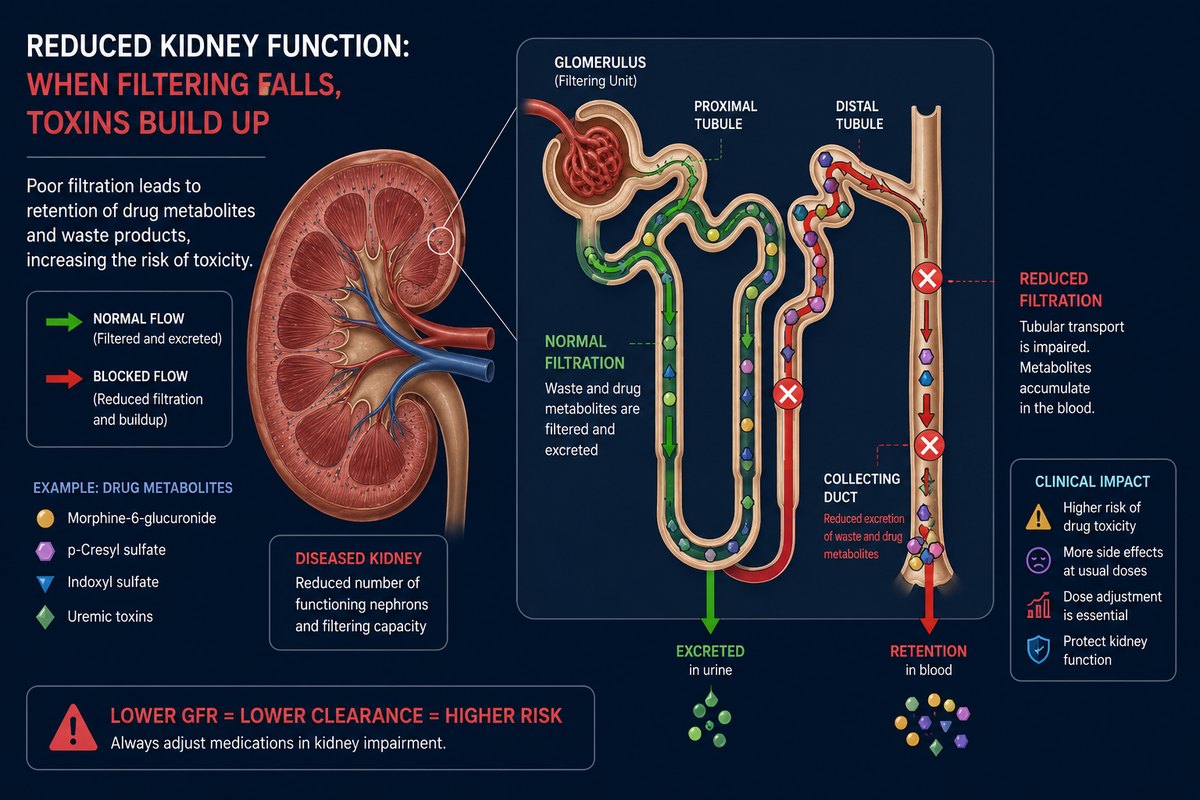 GuideHurt Without Harm: A Guide to Safe Pain Relief in Kidney DiseaseManaging pain safely with kidney disease — which painkillers to avoid, safe alternatives like paracetamol, gabapentin, and topical treatments for Filipino CKD patients.
 GuideAlcohol & CKD — How Much Is Too Much?How alcohol affects kidneys with CKD — safe limits, Filipino drink equivalents (SMB, Red Horse, lambanog), drug interactions, and dialysis risks explained.
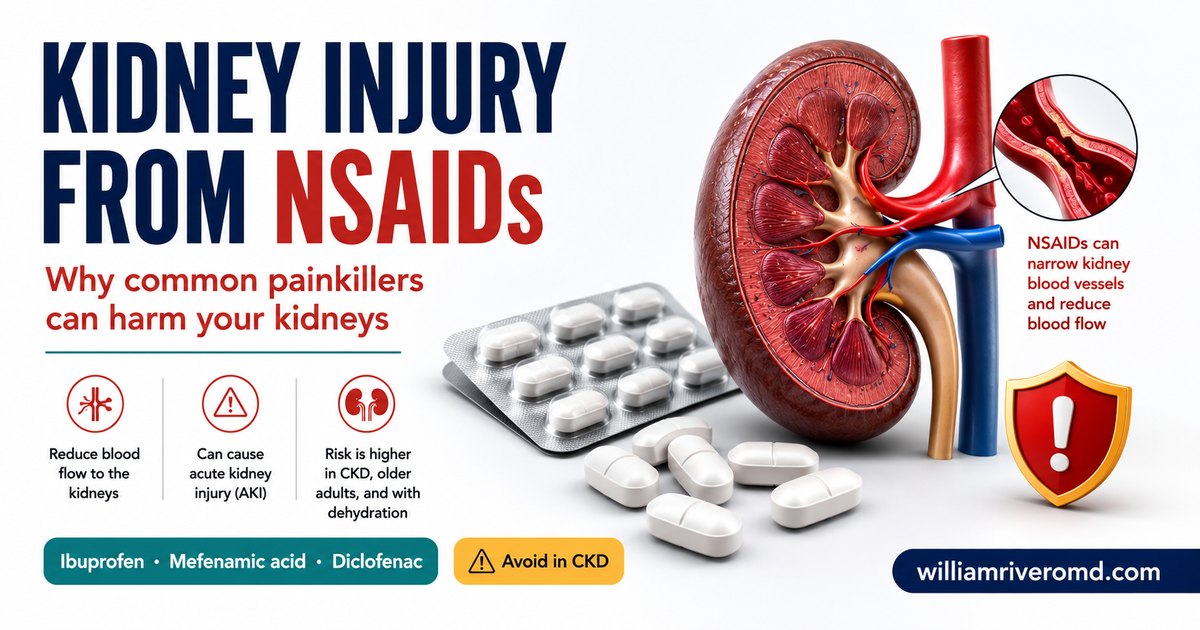 GuideNSAID-Induced Kidney InjuryNSAIDs and kidney injury — why ibuprofen, mefenamic acid (Ponstan), and diclofenac damage kidneys in CKD patients, and safer pain alternatives in the Philippines.
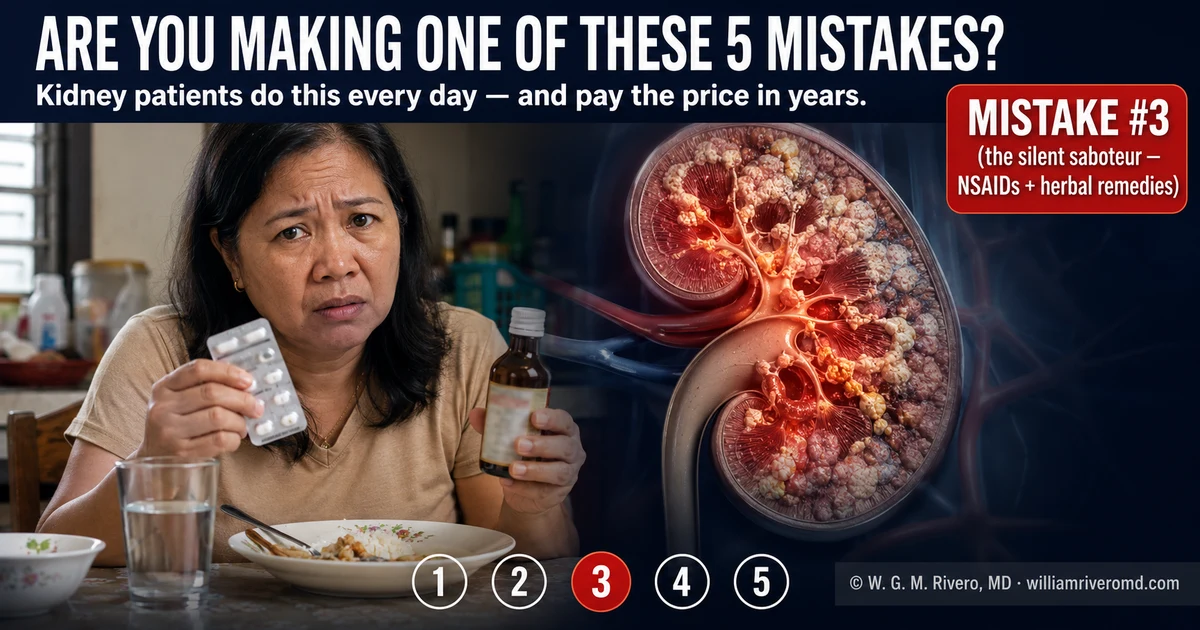 GuideTop 5 Mistakes CKD Patients MakeThe 5 most common mistakes kidney patients make — stopping medications, ignoring diet, missing labs, using herbal remedies, and skipping nephrologist visits.
- CalculatorCreatinine Clearance — Cockcroft-Gault (drug dosing)Estimate creatinine clearance for drug dosing with the Cockcroft-Gault equation using age, sex, weight, and serum creatinine, with ideal/adjusted body-weight options. With indications, formula, evidence, and references.
References
- U.S. Food and Drug Administration. Ibuprofen · Amneal Pharmaceuticals LLC [US FDA-approved label, version 11, July 29, 2026]. Via DailyMed/openFDA. https://dailymed.nlm.nih.gov/dailymed/drugInfo.cfm?setid=17577b3b-e755-45d1-8b53-775d058578b2
- Food and Drug Administration Philippines. Verification portal (product registrations). https://verification.fda.gov.ph
- PNF Essential Medicines List, 8th ed. (as of November 2, 2022), DOH; https://www.philhealth.gov.ph/partners/providers/pdf/PNF-EML_11022022.pdf
- PhilHealth Circular No. 2026-0018, Expanding Access to Outpatient First-line Anti-TB Drugs through PhilHealth GAMOT, Annex A.i GAMOT List (81 molecules); https://www.philhealth.gov.ph/circulars/2026/PC-2026-0018.pdf
- PhilHealth Circular No. 2026-0018, Annex A.2 GAMOT Fixed Fee Schedule (249 preparations; fees otherwise unchanged from PC2025-0013); https://www.philhealth.gov.ph/circulars/2026/PC-2026-0018.pdf
- DOH Drug Price Reference Index (DPRI) 2021, 9th edition (as of September 17, 2021); https://caro.doh.gov.ph/wp-content/uploads/2021/09/2021DPRI-as-of-9-17-2021.pdf
- Amneal Pharmaceuticals LLC. (2026). Ibuprofen tablets [Prescribing information; US FDA-approved label, ANDA078558, set ID 17577b3b-e755-45d1-8b53-775d058578b2, version effective July 29, 2026]. DailyMed, U.S. National Library of Medicine. https://dailymed.nlm.nih.gov/dailymed/drugInfo.cfm?setid=17577b3b-e755-45d1-8b53-775d058578b2
- Misurac, J. M., Knoderer, C. A., Leiser, J. D., Nailescu, C., Wilson, A. C., & Andreoli, S. P. (2013). Nonsteroidal anti-inflammatory drugs are an important cause of acute kidney injury in children. The Journal of Pediatrics, 162(6), 1153–1159.e1. https://doi.org/10.1016/j.jpeds.2012.11.069
- Zameer Pharmaceuticals LLC. (2025). Naproxen tablets [Prescribing information; US FDA-approved label, set ID d2e5553a-7c90-407c-9f07-3be65560c23a] (NSAID class labeling, section 7). DailyMed, U.S. National Library of Medicine. https://dailymed.nlm.nih.gov/dailymed/drugInfo.cfm?setid=d2e5553a-7c90-407c-9f07-3be65560c23a
renalcarematters.com content: Kidney and pediatric dosing: reviewed by William Gregory M. Rivero, MD, FPCP, DPSN on November 17, 2026. Dosing, interaction, adverse-effect and monitoring summary: reviewed by William Gregory M. Rivero, MD, FPCP, DPSN on November 17, 2026.
Last updated: .