Use: Labeled indications
SmPC 4.1 Therapeutic indications EU SmPC (EMA)
HBVAXPRO is indicated for active immunisation against hepatitis B virus infection caused by all known subtypes in individuals from birth through 15 years of age considered at risk of exposure to hepatitis B virus.
The specific at risk categories to be immunised are to be determined on the basis of the official recommendations.
It can be expected that hepatitis D will also be prevented by immunisation with HBVAXPRO as hepatitis D (caused by the delta agent) does not occur in the absence of hepatitis B infection.
Contraindications
SmPC 4.3 Contraindications EU SmPC (EMA)
-     History of hypersensitivity to the active substance, or to any of the excipients, or trace residuals
      (e.g. formaldehyde and potassium thiocyanate), see sections 6.1 and 6.2.
-     Vaccination should be postponed in individuals with a severe febrile illness or acute infection.
Dosing: Adult
SmPC 4.2 Posology and method of administration EU SmPC (EMA)
Posology
Individuals from birth through 15 years of age: 1 dose (0.5 mL) at each injection:
Primary vaccination:
A course of vaccination should include at least three injections.
Two primary immunisation schedules can be recommended:
0, 1, 6 months: two injections with an interval of one month; a third injection 6 months after the first administration.
0, 1, 2, 12 months: three injections with an interval of one month; a fourth dose should be administered at 12 months.
It is recommended that the vaccine be administered in the schedules indicated. Infants receiving the compressed regimen (0, 1, 2 months dosing schedule) must receive the 12 month booster to induce higher antibody titres.
Booster:
Immunocompetent vaccinees
The need for a booster dose in healthy individuals who have received a full primary vaccination course has not been established. However, some local vaccination schedules currently include a recommendation for a booster dose and these should be respected.
Immunocompromised vaccinees (e.g. dialysis patients, transplant patients, AIDS Patients)
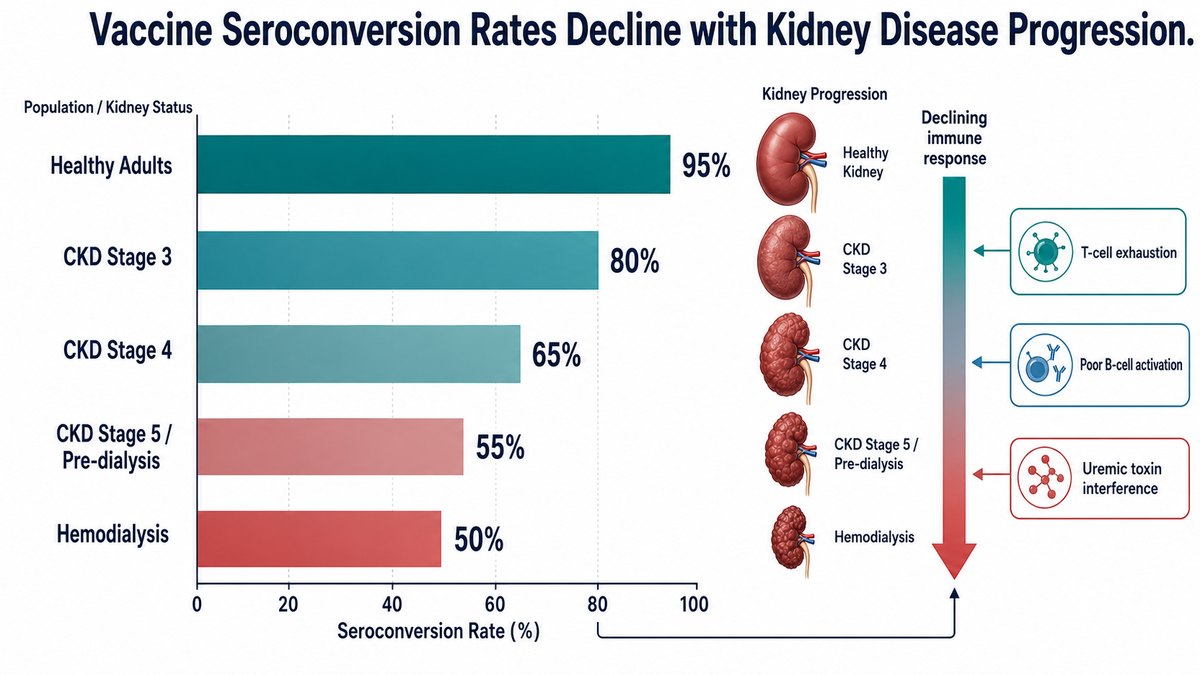
In vaccinees with an impaired immune system, administration of additional doses of vaccine should be considered if the antibody level against hepatitis B virus surface antigen (anti-HBsAg) is less than 10 IU/l.
Revaccination of nonresponders
When persons who do not respond to the primary vaccine series are revaccinated, 15-25 % produce an adequate antibody response after one additional dose and 30-50 % after three additional doses. However, because data are insufficient concerning the safety of hepatitis B vaccine when additional doses in excess of the recommended series are administered, revaccination following completion of the primary series is not routinely recommended. Revaccination should be considered for high-risk individuals, after weighing the benefits of vaccination against the potential risk of experiencing increased local or systemic adverse reactions.
Special dosage recommendations:
Dosage recommendation for neonates of mothers who are hepatitis B virus carriers
-     At birth, one dose of hepatitis B immunoglobulin (within 24 hours).
-     The first dose of the vaccine should be given within 7 days of birth and can be administered
      simultaneously with hepatitis B immunoglobulin but at a separate injection site.
-     Subsequent doses of vaccine should be given according to the locally recommended vaccination
      schedule.

Dosage recommendation for known or presumed exposure to hepatitis B virus (e.g. needlestick with
contaminated needle)

-     Hepatitis B immunoglobulin should be given as soon as possible after exposure (within 24 hours).
-     The first dose of the vaccine should be given within 7 days of exposure and can be administered
      simultaneously with hepatitis B immunoglobulin but at a separate injection site.
-     Serologic testing is also recommended, with the administration of subsequent doses of vaccine, if
necessary, (i.e. according to the serologic status of the patient) for short and long term protection.- In the case of unvaccinated or incompletely vaccinated individuals, additional doses should be given as in the recommended immunisation schedule. The accelerated schedule including the 12 month booster dose can be proposed.
Method of administration
This vaccine should be administered intramuscularly.
The anterolateral thigh is the preferred site for injection in neonates and infants. The deltoid muscle is the preferred site for injection in children and adolescents.
Do not inject intravascularly.
Exceptionally, the vaccine may be administered subcutaneously in patients with thrombocytopaenia or bleeding disorders.
Precautions to be taken before handling or administering the product: see section 6.6.
Dosing: Altered kidney function
In vaccinees with an impaired immune system, administration of additional doses of vaccine should be considered if the antibody level against hepatitis B virus surface antigen (anti-HBsAg) is less than 10 IU/l.
Source: EU Summary of Product Characteristics (EMA), HBVaxPro, revised November 7, 2025, reproduced with acknowledgment of the source (verbatim). This generic has no US FDA label.
Kidney-specific guidance from renalcarematters.com: in preparation.
Dosing: Pediatric
Pediatric population (SmPC 4.2) EU SmPC (EMA)
Dosage recommendation for neonates of mothers who are hepatitis B virus carriers
-     At birth, one dose of hepatitis B immunoglobulin (within 24 hours).
-     The first dose of the vaccine should be given within 7 days of birth and can be administered
      simultaneously with hepatitis B immunoglobulin but at a separate injection site.
-     Subsequent doses of vaccine should be given according to the locally recommended vaccination
      schedule.

Dosage recommendation for known or presumed exposure to hepatitis B virus (e.g. needlestick with
contaminated needle)

-     Hepatitis B immunoglobulin should be given as soon as possible after exposure (within 24 hours).
-     The first dose of the vaccine should be given within 7 days of exposure and can be administered
      simultaneously with hepatitis B immunoglobulin but at a separate injection site.
-     Serologic testing is also recommended, with the administration of subsequent doses of vaccine, if
necessary, (i.e. according to the serologic status of the patient) for short and long term protection.- In the case of unvaccinated or incompletely vaccinated individuals, additional doses should be given as in the recommended immunisation schedule. The accelerated schedule including the 12 month booster dose can be proposed.
Dosage forms
Philippines
- Suspension for injection: 10 mcg/0.5 mL, 20 mcg/mL
- ) solution for injection: 10 mcg/0.5 mL (100 mcg/5 mL
Registered products in the Philippines
11 products registered with the Food and Drug Administration (FDA) Philippines list Hepatitis b vaccine as the generic name. Registration status changes; confirm a product's current status on the FDA portal before relying on it.
All registered products11
| Package insert | |||||||
|---|---|---|---|---|---|---|---|
BevacHepatitis B Vaccine (rDNA) | 10mcg/0.5mL (100mcg/5mL) Solution for Injection (I.M)Multidose. 5 mL USP Type I glass vial closed with grey bromobutyl rubber stopper and sealed with aluminum flip-off cap with Vaccine Vial Monitor (VVM) (Box of 24's) | Rx | Biological E. LimitedIndia | IP Biotech, Inc. | BR-1414 | Aug 23, 2027 | |
Genvac BHepatitis B Vaccine (rDNA) | 10 mcg/0.5 mL Suspension for Injection (IM)Single dose. Glass Vial x 0.5mL (Box of 50's) | Rx | Serum Institute Of India Pvt., Ltd.India | Genpharm, Inc. | BR-567 | Jan 17, 2030 | |
Genvac-BHepatitis B Vaccine (rDNA) | 20 mcg/mL Suspension For Injection (IM)Single Dose. Type I clear glass ampoule x 1 mL (Box of 1's, 10's and 50's) | Rx | SERUM INSTITUTE OF INDIA PVT., LTD.India | GENPHARM, INC. | BR-680 | Jun 1, 2029 | |
Genvac-BHepatitis B Vaccine (rDNA) | 20mcg/mL Suspension for Injection (IM) (Single Dose) (Adult)Glass Vial x 1 mL (Box of 50's) | Rx | Serum Institute Of India Pvt., Ltd.India | Genpharm, Inc. | BR-574 | May 11, 2031 | |
HeplivHepatitis B Vaccine (rDNA) | 10 mcg/0.5 mL Suspension for Injection (IM)Single Pediatric Dose. 0.5 mL USP Type I clear glass vial (Box of 10's) | Rx | Bharat Biotech International Ltd.India | Phil. Pharmawealth, Inc. | BR-502 | Oct 9, 2031 | |
HeplivHepatitis B Vaccine (rDNA) | 20 mcg/mL Suspension for Injection (IM)Multidose. USP Type I Glass Vial x 10 mL (Box of 1's) | Rx | Bharat Biotech International Ltd.India | Phil. Pharmawealth, Inc. | BR-500 | Oct 9, 2031 | |
HeplivHepatitis B Vaccine (rDNA) | 20 mcg/mL Suspension for Injection (IM)Single Adult dose. USP Type I Clear Glass Vial x 1 mL. (Box of 10's) | Rx | Bharat Biotech International LimitedIndia | Phil. Pharmawealth, Inc. | BR-501 | Oct 9, 2031 | |
NoneHepatitis B Vaccine (rDNA) | 10 mcg/0.5 mL Suspension for Injection (IM) (Pediatric)5 mL Clear Glass Vial (Box of 25's and 50's) | Rx | Serum Institute Of India Pvt., Ltd.India | Genpharm, Inc. | BR-589 | Oct 5, 2030 | |
NoneHepatitis B vaccine (rDNA) | 20 mcg/mL Suspension for Injection (IM) (Adult)Multidose. Glass Vial x 10mL (Box of 25's and 50's) | Rx | Serum Institute of India Pvt. Ltd.India | Genpharm, Inc. | BR-568 | Jan 17, 2030 | |
Revac-B mcfHepatitis B Vaccine (rDNA) | 10 mcg/0.5 mL Suspension for Injection (IM)Single dose. Type I glass vial x 0.5 mL (Box of 1s) | Rx | Bharat Biotech International LimitedIndia | RiteMED Phils, Inc. | BR-725 | Apr 14, 2031 | |
Revac-B+Hepatitis B Vaccine (rDNA) | 20 mcg/mL Suspension for Injection (IM)Single Adult Dose. 1 mL Type I glass vial (Box of 1s) | Rx | Bharat Biotech International LimitedIndia | GB Distributors Inc.Importer: RiteMED Phils, Inc. | BR-724 | Apr 14, 2030 |
Source: FDA Philippines product registration database. "Valid until" is the registration validity date listed by the FDA; a past date may mean a renewal is pending. Package insert links point to files published by the FDA.
Warnings/Precautions
SmPC 4.4 Special warnings and precautions for use EU SmPC (EMA)
Traceability
In order to improve the traceability of biological medicinal products, the name and the batch number of the administered product should be clearly recorded.
As with all injectable vaccines, appropriate medical treatment should always be readily available in case of rare anaphylactic reactions following the administration of the vaccine (see section 4.8).
This vaccine may contain traces of formaldehyde and potassium thiocyanate, which are used during the manufacturing process. Therefore, hypersensitivity reactions may occur (see sections 2 and 4.8).
Use caution when vaccinating latex-sensitive individuals since the vial stopper contains dry natural latex rubber that may cause allergic reactions.
For clinical or laboratory monitoring regarding immunocompromised individuals or individuals with known or presumed exposure to hepatitis B virus, see section 4.2.
The potential risk of apnoea and the need for respiratory monitoring for 48 to 72 hours should be considered when administering the primary immunisation series to very premature infants (born ≤ 28 weeks of gestation) and particularly for those with a previous history of respiratory immaturity (see section 4.8). As the benefit of vaccination is high in this group of infants, vaccination should not be withheld or delayed.
Because of the long incubation period of hepatitis B, it is possible for unrecognised hepatitis B infection to be present at the time of vaccination. The vaccine may not prevent hepatitis B infection in such cases.
The vaccine will not prevent infection caused by other agents such as hepatitis A, hepatitis C and hepatitis E and other pathogens known to infect the liver.
Caution should be exercised when prescribing to pregnant or breast-feeding women (see section 4.6).
Excipient(s) with known effect: This medicinal product contains less than 1mmol sodium (23 mg) per dose, and is considered to be essentially sodium free.
Drug interactions
SmPC 4.5 Interaction with other medicinal products and other forms of interaction EU SmPC (EMA)
This vaccine can be administered:
-     with hepatitis B immunoglobulin, at a separate injection site.
-     to complete a primary immunisation course or as a booster dose in subjects who have previously
      received another hepatitis B vaccine.
-     concomitantly with other vaccines, using separate sites and syringes.
The concomitant administration of pneumococcal conjugate vaccine (PREVENAR) given with hepatitis B vaccine using the 0, 1 and 6 and 0, 1, 2 and 12 month schedules has not been sufficiently studied.
Adverse reactions
SmPC 4.8 Undesirable effects EU SmPC (EMA)
a. Summary of the safety profile
The most common side effects seen are injection-site reactions: transient soreness, erythema, induration.
b. Tabulated summary of adverse reactions
The following undesirable effects have been reported following the widespread use of the vaccine.
As with other hepatitis B vaccines, in many instances, the causal relationship to the vaccine has not been established.
                             Adverse reactions                                            Frequency
General disorders and administration site conditions
                                                                                           Common
Local reactions (injection site): Transient soreness, Erythema, Induration
                                                                                     (≥1/100 to, <1/10)
Fatigue, Fever, Malaise, Influenza-like symptoms                                     Very rare (<1/10,000)
Blood and the lymphatic system disorders
Thrombocytopaenia, Lymphadenopathy                                                   Very rare (<1/10,000)
Immune system disorders
Serum sickness, Anaphylaxis, Polyarteritis nodosa                                    Very rare (<1/10,000)
Nervous system disorders
Paresthesia, Paralysis (including Bell's palsy, facial paralysis), Peripheral
neuropathies (polyradiculoneuritis, Guillain Barre Syndrome), Neuritis
(including optical neuritis), Myelitis (including transverse Myelitis),              Very rare (<1/10,000)
Encephalitis, Demyelinating disease of the central nervous system, Exacerbation
of multiple sclerosis, Multiple sclerosis, Seizure, Headache, Dizziness, Syncope
Eye Disorders
Uveitis                                                                              Very rare (<1/10,000)
Vascular disorders
Hypotension, Vasculitis                                                              Very rare (<1/10,000)
Respiratory, thoracic and mediastinal disorders
Bronchospasm-like symptoms                                                           Very rare (<1/10,000)
Gastrointestinal disorders
Vomiting, Nausea, Diarrhoea, Abdominal pain                                          Very rare (<1/10,000)
Skin and subcutaneous tissue disorders
Rash, Alopecia, Pruritus, Urticaria, Erythema multiforme, Angioedema, Eczema         Very rare (<1/10,000)
Musculoskeletal, connective tissue and bone disorders
Arthralgia, Arthritis, Myalgia, Pain in extremity                                    Very rare (<1/10,000)
Investigations
Elevation of liver enzymes                                                           Very rare (<1/10,000)
c. Other special population
Apnoea in very premature infants (born ≤ 28 weeks of gestation) (see section 4.4).
Reporting of suspected adverse reactions
Reporting suspected adverse reactions after authorisation of the medicinal product is important. It allows continued monitoring of the benefit/risk balance of the medicinal product. Healthcare professionals are asked to report any suspected adverse reactions via the national reporting system listed in Appendix V.
Pregnancy considerations
SmPC 4.6 Fertility, pregnancy and lactation EU SmPC (EMA)
Fertility: HBVAXPRO has not been evaluated in fertility studies.
Pregnancy: There is no clinical data on the use of HBVAXPRO on pregnant women.
The vaccine should be used during pregnancy only if the potential benefit justifies the potential risk to the foetus.
Breast-feeding: There is no clinical data on the use of HBVAXPRO on breast-feeding women.
Breastfeeding considerations
Breastfeeding is covered in SmPC 4.6 Fertility, pregnancy and lactation, under Pregnancy considerations above.
Overdose
SmPC 4.9 Overdose EU SmPC (EMA)
There have been reports of administration of higher than recommended doses of HBVAXPRO. In general, the adverse event profile reported with overdose was comparable to that observed with the recommended dose of HBVAXPRO.
Mechanism of action
SmPC 5.1 Pharmacodynamic properties EU SmPC (EMA)
Pharmacotherapeutic group: anti-infectious, ATC code: J07BC01
The vaccine induces specific humoral antibodies against hepatitis B virus surface antigen (anti-HBsAg). Development of an antibody titre against hepatitis B virus surface antigen (anti-HBsAg) equal to or greater than 10 IU/l measured 1 to 2 months after the last injection correlates with protection to hepatitis B virus infection.
In clinical trials, 96 % of 1,497 healthy infants, children, adolescents and adults given a 3 dose course of a previous formulation of Merck’s recombinant hepatitis B vaccine developed a protective level of antibodies against hepatitis B virus surface antigen ( 10 IU/l). In two infant trials using different dosing schedules and concomitant vaccines, the proportion of infants with protective levels of antibodies were 97.5 % and 97.2 % with geometric mean titres of 214 and 297 IU/l, respectively.
The protective efficacy of a dose of hepatitis B immunoglobulin at birth followed by 3 doses of a previous formulation of Merck’s recombinant hepatitis B vaccine has been demonstrated fo r neonates born to mothers positive for both hepatitis B virus surface antigen (HBsAg) and hepatitis B virus e antigen (HBeAg). Among 130 vaccinated infants, the estimated efficacy in prevention of chronic hepatitis B infection was 95 % as compared to the infection rate in untreated historical controls.
Although the duration of the protective effect of a previous formulation of Merck’s recombinant hepatitis B vaccine in healthy vaccinees is unknown, follow-up over 5-9 years of approximately 3,000 high-risk subjects given a similar plasma-derived vaccine has revealed no cases of clinically apparent hepatitis B infection.
In addition, persistence of vaccine-induced immunologic memory for hepatitis B virus surface antigen (HBsAg) has been demonstrated through an anamnestic antibody response to a booster dose of a previous formulation of Merck’s recombinant hepatitis B vaccine. The duration of the protective effect in healthy vaccinees is unknown. The need for a booster dose of HBVAXPRO is not yet defined beyond the 12 month booster dose required for the 0, 1, 2 compressed schedule.
Reduced risk of Hepatocellular Carcinoma
Hepatocellular carcinoma is a serious complication of hepatitis B virus infection. Studies have demonstrated the link between chronic hepatitis B infection and hepatocellular carcinoma and 80 % of hepatocellular carcinomas are caused by hepatitis B virus infection. Hepatitis B vaccine has been recognised as the first anti-cancer vaccine because it can prevent primary liver cancer.
Pharmacokinetics
SmPC 5.2 Pharmacokinetic properties EU SmPC (EMA)
Not applicable.
Formulary and pricing (Philippines)
Government price references
| Preparation | Price (PHP) | Unit | Type |
|---|---|---|---|
| Vaccine, Hepatitis B (recombinant DNA) 10 mcg/0.5 mL (pediatric) Monodose Vial | ₱118.98–₱240.00Reference ₱132.77 | per vial | DPRI procurement range |
| Vaccine, Hepatitis B (recombinant DNA) 20 mcg/mL, 1 mL Vial | ₱122.33–₱187.44Reference ₱165.75 | per vial | DPRI procurement range |
| Vaccine, Hepatitis B (recombinant DNA) 20 mcg/mL, 10 mL Vial | ₱118.34–₱600.00Reference ₱118.34 | per vial | DPRI procurement range |
| Vaccine, Hepatitis B (recombinant DNA) 10 mcg/0.5 mL, 5 mL (10 dose/vial) | ₱183.00 | per vial | DPRI reference price |
Range = lowest-highest procurement price (highest usable only in GIDA areas); reference_price = 2021 DPRI ceiling (median) Reference price based on the DOH Central Office Bids and Awards Committee procurement price 2020
These are government procurement and reimbursement references, not retail prices. Sources:
- DOH Drug Price Reference Index (DPRI) 2021, 9th edition (as of September 17, 2021); https://caro.doh.gov.ph/wp-content/uploads/2021/09/2021DPRI-as-of-9-17-2021.pdf, as of September 17, 2021
Formulary and coverage
| Philippine National Formulary | Listed as Hepatitis B Vaccine (recombinant DNA) |
| PNF listing | Inj.: 10 micrograms/0.5 mL monodose vial (IM) (pediatric) |
| PNF listing | Inj.: 10 micrograms/0.5 mL, 5 mL (10 dose) vial (IM) |
| PNF listing | Inj.: 20 micrograms/mL monodose vial (IM) adult (For more than 10 years old) |
| PNF listing | Inj.: 20 micrograms/mL, 10 mL vial (10 doses/vial) adult |
| PNF listing | N.B.: Formulations of different manufacturers are of equal or similar immunogenicity. Follow strictly the recommended dose of each manufacturer. |
| PhilHealth GAMOT | No |
Sources:
- PNF Essential Medicines List, 8th ed. (as of November 2, 2022), DOH; https://www.philhealth.gov.ph/partners/providers/pdf/PNF-EML_11022022.pdf, as of November 2, 2022
Check availability
Prices and stock vary by branch; renalcarematters.com does not sell medicines or receive payment from pharmacies.
Related guides
Guides on renalcarematters.com for this medicine, for patients and clinicians.
References
- European Medicines Agency. HBVaxPro: EPAR, product information, Annex I, Summary of Product Characteristics [EU SmPC, last updated November 7, 2025; no US FDA label]. https://www.ema.europa.eu/en/medicines/human/EPAR/hbvaxpro © European Medicines Agency; reproduced with acknowledgment of the source.
- Food and Drug Administration Philippines. Verification portal (product registrations). https://verification.fda.gov.ph
- PNF Essential Medicines List, 8th ed. (as of November 2, 2022), DOH; https://www.philhealth.gov.ph/partners/providers/pdf/PNF-EML_11022022.pdf
- DOH Drug Price Reference Index (DPRI) 2021, 9th edition (as of September 17, 2021); https://caro.doh.gov.ph/wp-content/uploads/2021/09/2021DPRI-as-of-9-17-2021.pdf
This page shows official label and registry text only; no renalcarematters.com clinical summary has been approved for it yet.
Last updated: .