Use: Labeled indications
- Anticoagulant use in blood transfusions, extracorporeal circulation, and dialysis procedures.
Full indications and usage US FDA label
1 INDICATIONS AND USAGE Heparin Sodium Injection is indicated for:
- Prophylaxis and treatment of venous thrombosis and pulmonary embolism;
- Prevention of postoperative deep venous thrombosis and pulmonary embolism in patients undergoing major abdominothoracic surgery or who, for other reasons, are at risk of developing thromboembolic disease;
- Atrial fibrillation with embolization;
- Treatment of acute and chronic consumptive coagulopathies (disseminated intravascular coagulation);
- Prevention of clotting in arterial and cardiac surgery;
- Prophylaxis and treatment of peripheral arterial embolism.
- Anticoagulant use in blood transfusions, extracorporeal circulation, and dialysis procedures. HEPARIN SODIUM INJECTION is an anticoagulant indicated for (1)
- Prophylaxis and treatment of venous thrombosis and pulmonary embolism
- Prevention of postoperative deep venous thrombosis and pulmonary embolism in patients undergoing major abdominothoracic surgery or who, for other reasons, are at risk of developing thromboembolic disease
- Atrial fibrillation with embolization
- Treatment of acute and chronic consumptive coagulopathies (disseminated intravascular coagulation)
- Prevention of clotting in arterial and cardiac surgery
- Prophylaxis and treatment of peripheral arterial embolism
- Use as an anticoagulant in blood transfusions, extracorporeal circulation, and dialysis procedures
Contraindications
- History of heparin-induced thrombocytopenia
- Known hypersensitivity to heparin or pork products
- Inability to monitor coagulation for full-dose heparin (where required)
- Uncontrolled active bleeding (except from disseminated intravascular coagulation)
Contraindications (US label) US FDA label
4 CONTRAINDICATIONS The use of Heparin Sodium Injection is contraindicated in patients with the following conditions:
- History of heparin-induced thrombocytopenia and heparin-induced thrombocytopenia and thrombosis [see Warnings and Precautions (5.3)];
- Known hypersensitivity to heparin or pork products (e.g., anaphylactoid reactions) [see Adverse Reactions (6.1)];
- In whom suitable blood coagulation tests, e.g., the whole blood clotting time, partial thromboplastin time, etc., cannot be performed at appropriate intervals (this contraindication refers to full-dose heparin; there is usually no need to monitor coagulation parameters in patients receiving low-dose heparin);
- An uncontrolled active bleeding state [see Warnings and Precautions (5.4)], except when this is due to disseminated intravascular coagulation.
- History of heparin-induced thrombocytopenia (HIT) or heparin-induced thrombocytopenia and thrombosis (HITTS) (4)
- Known hypersensitivity to heparin or pork products (4)
- In whom suitable blood coagulation tests cannot be performed at appropriate intervals (4)
- An uncontrolled bleeding state, except when this is due to disseminated intravascular coagulation (4)
Dosing: Adult
- Full-dose therapy, continuous IV infusion (68 kg adult): 5,000 units IV bolus, then 20,000 to 40,000 units per 24 hours, adjusted to coagulation tests
- Full-dose therapy, deep subcutaneous: 5,000 units IV, then 10,000 to 20,000 units SC; then 8,000 to 10,000 units every 8 hours or 15,000 to 20,000 units every 12 hours
- Low-dose postoperative prophylaxis: 5,000 units SC 2 hours before surgery, then every 8 to 12 hours for 7 days or until ambulatory
- Hemodialysis circuit (if no equipment directions): 25 to 30 units/kg, then 1,500 to 2,000 units/hour
- Recommended Adult Dosages: • Therapeutic Anticoagulant Effect with Full-Dose Heparin† (2.3)
- Deep Subcutaneous (Intrafat) Injection Use a different site for each injection Initial Dose 5,000 units by intravenous injection followed by 10,000 to 20,000 units of a concentrated solution, subcutaneously Every 8 hours or Every 12 hours 8,000 to 10,000 units of a concentrated solution 15,000 to 20,000 units of a concentrated solution Intermittent Intravenous Injection Initial Dose 10,000 units, either undiluted or in 50 to 100 mL of 0.9% Sodium Chloride Injection, USP Every 4 to 6 hours 5,000 to 10,000 units, either undiluted or in 50 to 100 mL of 0.9% Sodium Chloride Injection, USP Intravenous Infusion Initial Dose 5,000 units by intravenous injection Continuous 20,000 to 40,000 units/24 hours in 1,000 mL of 0.9% Sodium Chloride Injection, USP (or in any compatible solution) for infusion † Based on 150 lb (68 kg) patient. Adjust dose based on laboratory monitoring.
2.1 Preparation for Administration
2.1 Preparation for Administration Confirm the choice of the correct Heparin Sodium Injection vial to ensure that the 1 mL vial is not confused with a “catheter lock flush” vial or other 1 mL vial of incorrect strength [s ee Warnings and Precautions (5.1)]. Confirm the selection of the correct formulation and strength prior to administration of the drug.
Inspect parenteral drug products visually for particulate matter and discoloration prior to administration, whenever solution and container permit. Use only if solution is clear and the seal is intact. Do not use if solution is discolored or contains a precipitate. When heparin is added to an infusion solution for continuous intravenous administration, the container should be inverted at least six times to ensure adequate mixing and prevent pooling of the heparin in the solution.
Administer Heparin Sodium Injection by intermittent intravenous injection, intravenous infusion, or deep subcutaneous (intrafat, i.e., above the iliac crest or abdominal fat layer) injection. The intramuscular route of administration should be avoided because of the frequent occurrence of hematoma at the injection site [see Adverse Reactions (6.1)].
2.2 Laboratory Monitoring for Efficacy and Safety
2.2 Laboratory Monitoring for Efficacy and Safety Adjust the dosage of Heparin Sodium Injection according to the patient's coagulation test results. Dosage is considered adequate when the activated partial thromboplastin time (aPTT) is 1.5 to 2 times normal or when the whole blood clotting time is elevated approximately 2.5 to 3 times the control value.
When initiating treatment with Heparin Sodium Injection by continuous intravenous infusion, determine the coagulation status (aPTT, INR, platelet count) at baseline and continue to follow aPTT approximately every 4 hours and then at appropriate intervals thereafter. When the drug is administered intermittently by intravenous injection, perform coagulation tests before each injection during the initiation of treatment and at appropriate intervals thereafter.
After deep subcutaneous (intrafat) injections, tests for adequacy of dosage are best performed on samples drawn 4 to 6 hours after the injection. Periodically monitor platelet counts, hematocrit, and occult blood in stool during the entire course of heparin therapy, regardless of the route of administration.
2.3 Therapeutic Anticoagulant Effect with Full-Dose
2.3 Therapeutic Anticoagulant Effect with Full-Dose Heparin The dosing recommendations in Table 1 are based on clinical experience. Although dosages must be adjusted for the individual patient according to the results of suitable laboratory tests, the following dosage schedules may be used as guidelines: Table 1: Recommended Adult Full-Dose Heparin Regimens for Therapeutic Anticoagulant Effect *Based on 68 kg patient METHOD OF ADMINISTRATION FREQUENCY RECOMMENDED DOSE Deep Subcutaneous (Intrafat) Injection Use a different site for each injection to prevent the development of hematoma Initial Dose 5,000 units by intravenous injection, followed by 10,000 to 20,000 units of a concentrated solution, subcutaneously Every 8 hours or 8,000 to 10,000 units of a concentrated solution Every 12 hours 15,000 to 20,000 units of a concentrated solution Intermittent Intravenous Injection Initial Dose 10,000 units, either undiluted or in 50 to 100 mL of 0.9% Sodium Chloride Injection, USP Every 4 to 6 hours 5,000 to 10,000 units, either undiluted or in 50 to 100 mL of 0.9% Sodium Chloride Injection, USP Continuous Intravenous Infusion Initial Dose 5,000 units by intravenous injection Continuous 20,000 to 40,000 units/24 hours in 1,000 mL of 0.9% Sodium Chloride Injection, USP (or in any compatible solution) for infusion
2.4 Pediatric Dosing
2.4 Pediatric Dosing Use preservative-free HEPARIN SODIUM INJECTION in neonates and infants [see Warnings and Precautions (5.4)]. There are no adequate and well controlled studies on heparin use in pediatric patients. Pediatric dosing recommendations are based on clinical experience. In general, the following dosage schedule may be used as a guideline in pediatric patients: Recommended Pediatric Use Initial Dose 75 to 100 units/kg (IV bolus over 10 minutes) Maintenance Dose Infants: 25 to 30 units/kg/hour; Infants < 2 months have the highest requirements (average 28 units/kg/hour) Children > 1 year of age: 18 to 20 units/kg/hour; Older children may require less heparin, similar to weight-adjusted adult dosage Monitoring Adjust heparin to maintain aPTT of 60 to 85 seconds, assuming this reflects an anti-Factor Xa level of 0.35 to 0.70
2.5 Cardiovascular Surgery
2.5 Cardiovascular Surgery Patients undergoing total body perfusion for open-heart surgery should receive an initial dose of not less than 150 units of heparin sodium per kilogram of body weight. Frequently, a dose of 300 units per kilogram is used for procedures estimated to last less than 60 minutes, or 400 units per kilogram for those estimated to last longer than 60 minutes.
2.6 Low-Dose Prophylaxis of Postoperative Thromboembolism
2.6 Low-Dose Prophylaxis of Postoperative Thromboembolism The most widely used dosage has been 5,000 units 2 hours before surgery and 5,000 units every 8 to 12 hours thereafter for 7 days or until the patient is fully ambulatory, whichever is longer. Administer the heparin by deep subcutaneous (intrafat, i.e., above the iliac crest or abdominal fat layer, arm, or thigh) injection with a fine (25 to 26-gauge) needle to minimize tissue trauma.
2.7 Converting to Warfarin
2.7 Converting to Warfarin To ensure continuous anticoagulation when converting from Heparin Sodium Injection to warfarin, continue full heparin therapy for several days until the INR (prothrombin time) has reached a stable therapeutic range. Heparin therapy may then be discontinued without tapering [see Drug Interactions (7.1)].
2.8 Converting to Oral
2.8 Converting to Oral Anticoagulants other than Warfarin For patients currently receiving intravenous heparin, stop intravenous infusion of heparin sodium immediately after administering the first dose of oral anticoagulant; or for intermittent intravenous administration of heparin sodium, start oral anticoagulant 0 to 2 hours before the time that the next dose of heparin was to have been administered.
2.9 Extracorporeal Dialysis
2.9 Extracorporeal Dialysis Follow equipment manufacturers' operating directions carefully. A dose of 25 to 30 units/kg followed by an infusion rate of 1,500 to 2,000 units/hour is suggested based on pharmacodynamic data if specific manufacturers' recommendations are not available.
Dosing: Altered kidney function
Unfractionated heparin is cleared mainly by binding to cells and proteins rather than by the kidneys, so the US label gives no kidney dose change; full-dose therapy is titrated to coagulation tests. The label gives a starting dose for anticoagulating the hemodialysis circuit when the equipment maker gives none. Watch for heparin-induced thrombocytopenia and bleeding.
Kidney function measure: Not applicable: dosing is by indication, weight and coagulation tests.
Show full dosing details
- CrCl ≥60 mL/min
- Full-dose IV: 5,000 units bolus, then 20,000 to 40,000 units/24 hours by infusion, adjusted to coagulation tests. Prophylaxis: 5,000 units SC 2 hours before surgery, then every 8 to 12 hours (label). No kidney dose adjustment in the label; dose by indication and coagulation tests (aPTT or anti-Xa for full-dose therapy).
- CrCl 30–59 mL/min
- No kidney dose adjustment in the label; dose by indication and coagulation tests (aPTT or anti-Xa for full-dose therapy).
- CrCl 15–29 mL/min
- No kidney dose adjustment in the label; dose by indication and coagulation tests (aPTT or anti-Xa for full-dose therapy). Not renally cleared: the usual parenteral anticoagulant when CrCl is under 30 or on dialysis, where low-molecular-weight heparins accumulate (see enoxaparin).
- CrCl <15 mL/min (not on dialysis)
- No kidney dose adjustment in the label; dose by indication and coagulation tests (aPTT or anti-Xa for full-dose therapy). Not renally cleared: the usual parenteral anticoagulant when CrCl is under 30 or on dialysis, where low-molecular-weight heparins accumulate (see enoxaparin).
- Hemodialysis (intermittent)
- Circuit anticoagulation: follow the equipment maker's directions; if none, 25 to 30 units/kg, then 1,500 to 2,000 units/hour (label 2.9). Systemic doses: no kidney adjustment. Not renally cleared: the usual parenteral anticoagulant when CrCl is under 30 or on dialysis, where low-molecular-weight heparins accumulate (see enoxaparin).
- Peritoneal dialysis
- No kidney dose adjustment in the label; dose by indication and coagulation tests (aPTT or anti-Xa for full-dose therapy).
- CRRT
- No CRRT-specific dose in the label (2.9 covers extracorporeal dialysis generally: follow the equipment maker's directions). Use the unit's CRRT anticoagulation protocol; specialist input.
- Dialyzable? Not stated in label.
- Monitoring aPTT (or anti-Xa) for full-dose therapy; platelet count (heparin-induced thrombocytopenia: stop if below 100,000/mm3 or new thrombosis); hemoglobin and signs of bleeding. Potassium in CKD: the label lists suppression of aldosterone synthesis (link to hyperkalemia is clinical extrapolation).
Children (kidney dosing)
Show full dosing details
- eGFR ≥60
- No kidney adjustment; aPTT-guided (label).
- eGFR 30–59
- No kidney adjustment; aPTT-guided (label).
- eGFR 15–29
- No kidney adjustment; aPTT-guided (label).
- eGFR <15 (not on dialysis)
- No kidney adjustment; aPTT-guided (label).
- Hemodialysis (intermittent)
- Follow the equipment maker's directions or unit protocol for circuit heparin (label 2.9 gives an adult starting dose); specialist.
- Peritoneal dialysis
- No kidney adjustment.
- CRRT
- No CRRT dose in label; unit protocol; specialist.
Pediatric eGFR: bedside Schwartz equation, 0.413 × height (cm) / serum creatinine (mg/dL). Weight-based doses should not exceed the adult maximum.
renalcarematters.com guidance, reviewed by William Gregory M. Rivero, MD, FPCP, DPSN on November 17, 2026. Sources are listed under References. Use with the product's package insert and the patient's current kidney function.
US label text: Renal impairment US FDA label
2.9 Extracorporeal Dialysis Follow equipment manufacturers' operating directions carefully. A dose of 25 to 30 units/kg followed by an infusion rate of 1,500 to 2,000 units/hour is suggested based on pharmacodynamic data if specific manufacturers' recommendations are not available.
Dosing: Pediatric
- Approved ages
- Used in children; no adequate controlled pediatric studies, dosing from clinical experience (label 8.4). Use preservative-free heparin in neonates and infants.
- Usual dose
- 75 to 100 units/kg IV bolus over 10 minutes, then infants 25 to 30 units/kg/hour (under 2 months average 28 units/kg/hour), children over 1 year 18 to 20 units/kg/hour; adjust to aPTT 60 to 85 seconds (label 2.4).
- Maximum dose
- aPTT-guided.
- Neonates
- Preservative-free formulation only (benzyl alcohol 'gasping syndrome'); infants under 2 months have the highest requirements (label).
Kidney dosing in children: see Dosing: Altered kidney function.
renalcarematters.com, reviewedPediatric use (US label) US FDA label
8.4 Pediatric Use There are no adequate and well controlled studies on heparin use in pediatric patients. Pediatric dosing recommendations are based on clinical experience [see Dosage and Administration (2.4)]. Carefully examine all Heparin Sodium Injection vials to confirm choice of the correct strength prior to administration of the drug.
Pediatric patients, including neonates, have died as a result of medication errors in which Heparin Sodium Injection vials have been confused with “catheter lock flush” vials [see Warnings and Precautions (5.1)]. Benzyl Alcohol Toxicity Use preservative-free Heparin Sodium Injection in neonates and infants. Serious adverse reactions including fatal reactions and the “gasping syndrome” occurred in premature neonates and infants in the neonatal intensive care unit who received drugs containing benzyl alcohol as a preservative.
In these cases, benzyl alcohol dosages of 99 to 234 mg/kg/day produced high levels of benzyl alcohol and its metabolites in the blood and urine (blood levels of benzyl alcohol were 0.61 to 1.378 mmol/L). Additional adverse reactions included gradual neurological deterioration, seizures, intracranial hemorrhage, hematologic abnormalities, skin breakdown, hepatic and renal failure, hypotension, bradycardia, and cardiovascular collapse.
Preterm, low-birth weight infants may be more likely to develop these reactions because they may be less able to metabolize benzyl alcohol.
Dosing: Older adult
Geriatric use (US label) US FDA label
8.5 Geriatric Use There are limited adequate and well-controlled studies in patients 65 years and older, however, a higher incidence of bleeding has been reported in patients, particularly women, over 60 years of age [see Warnings and Precautions (5.2)]. Patients over 60 years of age may require lower doses of heparin. Lower doses of heparin may be indicated in these patients [see Clinical Pharmacology (12.3)].
Administration
2.1 Preparation for Administration Confirm the choice of the correct Heparin Sodium Injection vial to ensure that the 1 mL vial is not confused with a “catheter lock flush” vial or other 1 mL vial of incorrect strength [ s ee Warnings and Precautions ( 5.1 )]. Confirm the selection of the correct formulation and strength prior to administration of the drug. Inspect parenteral drug products visually for particulate matter and discoloration prior to administration, whenever solution and container permit. Use only if solution is clear and the seal is intact. Do not use if solution is discolored or contains a precipitate. When heparin is added to an infusion solution for continuous intravenous administration, the container should be inverted at least six times to ensure adequate mixing and prevent pooling of the heparin in the solution. Administer Heparin Sodium Injection by intermittent intravenous injection, intravenous infusion, or deep subcutaneous (intrafat, i.e., above the iliac crest or abdominal fat layer) injection. The intramuscular route of administration should be avoided because of the frequent occurrence of hematoma at the injection site [see Adverse Reactions ( 6.1 )] .
US FDA labelDosage forms
Philippines
- Solution for injection: 000 IU/mL, 5 mL, 1,000 IU/mL, 1000 IU/mL, 5,000 IU/mL, 5000 IU/mL
- ) solution for injection: 5 mL, 1000 IU/mL (5000 IU/5 mL, 5000 IU/mL (2500 IU/5 mL, 5000 IU/mL (25000 IU/mL
- ): 5 mL
Registered products in the Philippines
38 products registered with the Food and Drug Administration (FDA) Philippines list Heparin as the generic name. Registration status changes; confirm a product's current status on the FDA portal before relying on it.
All registered products38
| Package insert | |||||||
|---|---|---|---|---|---|---|---|
Aprinol 25000Heparin Sodium | 5000IU/mL (2500IU/5 mL) Solution for Injection (IV/SC)Clear USP Type I Glass Vial x 5 mL (Box of 1’s) | Rx | U-Square Lifesciences Pvt. Ltd.India | A-Z Market Enterprise Developers Inc. | BR-1182 | Sep 26, 2031 | |
BluehepHeparin Sodium | 1,000 IU/mL Solution for Injection (IV/SC)USP Type I glass vial x 5 mL (Box of 1's) | Rx | Brawn Laboratories LimitedIndia | AGB Pharmaceutical Trading and Consultancy CorporationImporter: Ambica International Corporation | BRP-085-04 | Oct 11, 2028 | |
BluehepHeparin sodium | 5000 IU/mL Solution for Injection (IV/SC)USP Type I Clear Glass Vial x 5 mL (Box of 1's) | Rx | Brawn Laboratories LimitedIndia | AGB Pharmaceutical Trading And Consultancy CorporationImporter: Ambica International Corporation | BRP-093-07 | Apr 30, 2029 | |
BruhepHeparin Sodium | 1,000 IU/mL Solution for Injection (IV/SC)USP Type I glass vial x 5 mL (Box of 1’s) | Rx | Brawn Laboratories LimitedIndia | Ambica International Corporation | BRP-085 | Oct 11, 2028 | |
Bruhep 25000Heparin sodium | 5000 IU/mL Solution for Injection (IV/SC)USP Type I Clear Glass Vial x 5 mL (Box of 1's) | Rx | Brawn Laboratories LimitedIndia | Ambica International Corporation | BRP-093 | Apr 30, 2029 | |
CenprahepHeparin Sodium | 1,000 IU/mL Solution for Injection (IV/SC)USP Type I glass vial x 5 mL (Box of 1’s) | Rx | Brawn Laboratories LimitedIndia | Central West Medicale Inc.Importer: Ambica International Corporation | BRP-085-01 | Oct 11, 2028 | |
CenprahepHeparin sodium | 5000 IU/mL Solution for Injection (IV/SC)USP Type I Clear Glass Vial x 5 mL (Box of 1’s) | Rx | Brawn Laboratories LimitedIndia | Central West Medicale Inc.Importer: Ambica International Corporation | BRP-093-06 | Apr 30, 2029 | |
CeparinHeparin sodium | 1,000 I.U./mL ( 5,000 I.U./5mL ) Solution for Injection (I.V.)7 mL [Net Content: 5 mL] USP Type I Clear Glass Vial (Box of 10's) | Rx | North China Pharmaceutical Co., Ltd.China | CDM Marketing CenterTrader: NCPC International Corporation | BR-1435 | Dec 19, 2027 | |
CeparinHeparin (as Sodium) | 5,000 I.U./mL (25,000 I.U./5 mL Solution for Injection (I.V.)5 mL USP Type I Clear Glass Vial (Box of 10's) | Rx | North China Pharmaceutical Co., Ltd.China | CDM Marketing CenterTrader: NCPC International Corp. | DR-XY42377 | Oct 2, 2029 | |
EprigetHeparin Sodium | 1000 IU/mL (5000 IU/5mL) Solution for Injection (IV/SC)USP Type I amber glass vial with blue flip-off seal x 5mL (Box of 1's and 10's) | Rx | Troikaa Pharmaceuticals, Ltd.India | Getmeds Philippines Inc.Importer: Troikaa Pharmaceuticals Philippines, Inc. | BRP-136-03 | May 10, 2029 | |
EprigetHeparin Sodium | 5000 IU/mL (25000 IU/mL) Solution for Injection (IV/SC)5 mL USP Type I amber glass vial (Box of 10's) | Rx | Troikaa Pharmaceuticals Ltd.India | Getmeds Philippines, Inc.Importer: Troikaa Pharmaceuticals Philippines, Inc. | BRP-039-03 | Jan 2, 2027 | |
HemolateHeparin (as sodium) | 1000 I.U./ml (5000 I.U./5ml) Solution for Injection (I.V./S.C.)USP Type I amber glass vial with blue flip-off seal x 5mL (Box of 1's and 10's) | Rx | Troikaa Pharmaceuticals Ltd.India | Ellebasy Medicale Group Inc.Importer: Troikaa Pharmaceuticals Philippines, Inc. | BRP-136-01 | May 10, 2029 | |
HemolateHeparin Sodium | 5000 IU/ mL (25000 IU/mL) Solution for Injection (IV/SC)5 mL USP Type I amber glass vial (Box of 10's) | Rx | Troikaa Pharmaceuticals LimitedIndia | Ellebasy Medicale Group Inc.Importer: Troikaa Pharmaceuticals Philippines Inc. | BRP-039-01 | Jan 2, 2027 | |
HepacenHeparin Sodium | 1000 IU/mL (5000 IU/5mL) Solution for Injection (IV/SC)USP Type I amber glass vial with blue flip-off seal x 5 mL (Box of 1's and 10's) | Rx | Troikaa Pharmaceuticals LimitedIndia | Central West Medicale Inc.Importer: Troikaa Pharmaceuticals Philippines, Inc. | BRP-136-02 | May 10, 2029 | |
HepadurHeparin Sodium | 1000 IU/mL Solution for Injection (IV)Transparent USP Type I Vial X 5 mL (Box of 10's) | Rx | Tianjin Biochemical Pharmaceutical Co., Ltd.China | Endure Medical Inc. | BR-1481 | May 19, 2029 | |
HepadurHeparin Sodium | 5000 IU/mL Solution for Injection (IV)Transparent USP Type I vial X 5 mL (Box of 10's) | Rx | Tianjin Biochemical Pharmaceutical Co., LtdChina | Endure Medical Inc. | BR-1482 | May 19, 2029 | |
HepamedicaHeparin Sodium | 1,000 IU/mL Solution for Injection (IV/SC)USP Type I glass vial x 5 mL (Box of 1’s) | Rx | Brawn Laboratories LimitedIndia | Rifemedica CorporationImporter: Ambica International Corporation | BRP-085-02 | Oct 11, 2028 | |
HepamedicaHeparin sodium | 5000 IU/mL Solution for Injection (IV/SC)USP Type I Clear Glass Vial X 5 mL (Box of 1's) | Rx | Brawn Laboratories LimitedIndia | Rifemedica CorporationImporter: Ambica International Corporation | BRP-093-03 | Apr 30, 2029 | |
Heparin LeoHeparin Sodium | 1,000 IU/mL Solution For Injection (IV/SC)Type I clear glass vial with coated bromobutyl rubber stopper x 5mL (Box of 50 vials) | Rx | Leo Pharma A/SDenmark | Getz Bros. Philippines, Inc. | BR-1004 | Mar 9, 2028 | |
Heparin LeoHeparin Sodium | 5, 000 IU/mL Solution for Injection (IV/SC) | Rx | Leo Pharma A/S | GETZ BROS. PHILIPPINES, INC. | BR-1005 | Dec 3, 2026 | |
Heprabica-1000Heparin Sodium | 1,000 IU/ mL Solution for Injection (IV / SC)USP Type I glass vial x 5 mL (Box of 1’s) | Rx | Brawn Laboratories LimitedIndia | Ambicare Pharmaceuticals Inc.Importer: Ambica International Corporation | BRP-085-03 | Oct 11, 2028 | |
Heprabica-5000Heparin sodium | 5,000 IU/mL Solution for Injection (IV/SC)USP Type I Clear Glass Vial X 5 mL (Box of 1's) | Rx | Brawn Laboratories LimitedIndia | Ambicare Pharmaceuticals Inc.Importer: Ambica International Corporation | BRP-093-02 | Apr 30, 2029 | |
Hepravasc-5000Heparin sodium | 5000 IU/mL Solution for Injection (IV/SC)USP Type I Clear Glass Vial X 5 mL (Box of 1's) | Rx | Brawn Laboratories LimitedIndia | Ambitech Biopharmaceuticals Inc.Importer: Ambica International Corporation | BRP-093-01 | Apr 30, 2029 | |
HeprinHeparin Sodium | 1,000 IU/mL Solution for Injection (I.V./S.C.)USP Type I Glass Vial with Green flip-off Seal x 5 mL (Box of 25's) | Rx | Gland Pharma LimitedIndia | Endure Medical, Inc. | BR-1309 | Jun 30, 2029 | |
HeprinHeparin Sodium | 5000 IU/mL Solution for Injection (IV/SC)5 mL Type I Clear Glass Vial (Box of 10's) | Rx | Gland Pharma LimitedIndia | Endure Medical, Inc. | BR-1117 | May 25, 2031 | |
Hepryt-25000Heparin sodium | 5000 IU/mL Solution for Injection (IV/SC)USP Type I Clear Glass Vial x 5 mL (Box of 1's) | Rx | Brawn Laboratories LimitedIndia | Diafarm Inc.Importer: Ambica International Corporation | BRP-093-05 | Apr 30, 2029 | |
Hepryt-5000Heparin Sodium | 1,000 IU/mL Solution for Injection (IV/SC)USP Type I glass vial x 5 mL (Box of 1’s) | Rx | Brawn Laboratories LimitedIndia | Salgonz Pharma and Medical Supplies DistributionImporter: Ambica International Corporation | BRP-085-06 | Oct 11, 2028 | |
HepsarinHeparin Sodium | 1000 IU/mL (5000 IU/5 mL) Solution for Injection (IV/SC)USP Type I amber glass vial with blue flip-off seal x 5 mL (Box of 1's and 10's) | Rx | Troikaa Pharmaceuticals LimitedIndia | PSAHM Medpharma TradingImporter: Troikaa Pharmaceuticals Philippines, Inc. | BRP-136-04 | May 10, 2029 | |
HepsarinHeparin Sodium | 5000 IU/mL (25000 IU/mL) Solution for Injection (IV/SC)5 mL USP Type I amber glass vial (Box of 10's) | Rx | Troikaa Pharmaceuticals LimitedIndia | PSAHM Medpharma TradingImporter: Troikaa Pharmaceuticals Philippines, Inc. | BRP-039-02 | Jan 2, 2027 | |
MedparinHeparin Sodium | 1,000 IU/mL Solution for Injection (IV/SC)USP Type I glass vial x 5 mL (Box of 1’s) | Rx | Brawn Laboratories LimitedIndia | Biologic Life Sciences Corp.Importer: Ambica International Corporation | BRP-085-07 | Oct 11, 2028 | |
NoneHeparin Sodium | 1,000 IU/mL Solution for Injection (IV/SC)USP Type I glass vial x 5 mL (Box of 1’s) | Rx | Brawn Laboratories LimitedIndia | Ambitech Biopharmaceuticals Inc.Importer: Ambica International Corporation | BRP-085-05 | Oct 11, 2028 | |
NoneHeparin Sodium ( Bovine ) | 5,000 IU/mL Solution for Injection (SC)Type I Clear and Colorless Glass Vial x 5 mL | Rx | Ain Medicare Sdn. Bhd.Malaysia | DéGa International Pharma Corp. | BR-1076 | Jan 5, 2030 | |
NoneHeparin sodium | 5000 IU/mL Solution for Injection (IV/SC)USP Type I Clear Glass Vial X 5 mL (Box of 1's) | Rx | Brawn Laboratories LimitedIndia | Ritemed Phils., Inc.Importer: Ambica International Corporation | BRP-093-04 | Apr 30, 2029 | |
NuparinHeparin (as sodium) | 1000 I.U./mL (5000 I.U. / 5mL)USP Type I amber glass vial with blue flip-off seal x 5 mL (Box of 1's and 10's) | Rx | Troikaa Pharmaceuticals Ltd.India | Troikaa Pharmaceuticals Philippines, Inc. | DRP-3744 | May 10, 2029 | |
NuparinHeparin Sodium | 5000 IU/mL (25000 IU/mL) Solution for Injection (IV/SC)5 mL USP Type I amber glass vial (Box of 10's) | Rx | Troikaa Pharmaceuticals Ltd.India | Troikaa Pharmaceuticals Philippines Inc. | BRP-039 | Jan 2, 2032 | |
Sakarin 25000Heparin Sodium | 5000 IU/mL Solution for Injection (IV/SC)USP Type I Amber Glass Vial x 5 mL (Box of 1's) | Rx | Sakar Healthcare Pvt. Ltd.India | Macropharma Corporation | BRP-094 | Nov 28, 2028 | |
Sakarin 5000Heparin Sodium | 1000 IU/mL Solution For Injection (IV/SC)USP Type I Amber Glass Vial X 5 mL (Box of 1's) | Rx | SAKAR HEALTHCARE LIMITEDIndia | MACROPHARMA CORPORATION | BRP-095 | May 20, 2029 | |
UnihepaHeparin Sodium | 5,000 I.U./mL (25,000 I.U./5mL) Solution for Injection (IV/SC)Type I Clear Glass Vial x 5 mL (Box of 10's) | Rx | Duopharma (M) Sdn. Bhd.Malaysia | Importer: DB (Philippines), Inc. | BR-1450 | Feb 3, 2029 |
Source: FDA Philippines product registration database. "Valid until" is the registration validity date listed by the FDA; a past date may mean a renewal is pending. Package insert links point to files published by the FDA.
United States (label)
Dosage forms and strengths (US label) US FDA label
3 DOSAGE FORMS AND STRENGTHS Heparin Sodium Injection, USP is available as: Heparin Sodium Injection, USP, preservative free, is available as follows:
- 2,000 USP units per 2 mL, single-dose vial
- 5,000 USP units per 0.5 mL, single-dose vial Heparin Sodium Injection, USP contains benzyl alcohol and is available as follows:
- 50,000 USP units per 10 mL, multiple-dose vial
- 40,000 USP units per 4 mL, multiple-dose vial Heparin Sodium Injection, USP contains parabens and is available as follows:
- 1,000 USP units per mL, multiple-dose vial
- 10,000 USP units per 10 mL, multiple-dose vial
- 30,000 USP units per 30 mL, multiple-dose vial
- 5,000 USP units per mL, multiple-dose vial
- 10,000 USP units per mL, multiple-dose vial
- 50,000 USP units per 5 mL, multiple-dose vial
- 20,000 USP units per mL, multiple-dose vial Heparin Sodium Injection, USP (porcine), preservative free Heparin Sodium Injection, USP (porcine) contains benzyl alcohol Heparin Sodium Injection, USP (porcine) contains parabens 2 mL single-dose vial contains 2,000 USP units 10 mL multiple-dose vial contains 50,000 USP units 1 mL multiple-dose vial contains 1,000 USP units 0.5 mL single-dose vial contains 5,000 USP units 4 mL multiple-dose vial contains 40,000 USP units 10 mL multiple-dose vial contains 10,000 USP units 30 mL multiple-dose vial contains 30,000 USP units 1 mL multiple-dose vial contains 5,000 USP units 1 mL multiple-dose vial contains 10,000 USP units 5 mL multiple-dose vial contains 50,000 USP units 1 mL multiple-dose vial contains 20,000 USP units
Warnings/Precautions
- • Fatal Medication Errors: Confirm choice of correct strength prior to administration (5.1)
- • Hemorrhage: Hemorrhage, including fatal events, has occurred in patients receiving heparin. Use caution in conditions with increased risk of hemorrhage (5.2)
- • HIT and HITTS: Monitor for signs and symptoms and discontinue if indicative of HIT and HITTS (5.3)
- • Benzyl Alcohol Toxicity: Use preservative-free formulation in neonates and infants • Monitoring: Blood coagulation tests guide therapy for full-dose heparin. Periodically monitor platelet count, hematocrit, and occult blood in stool in all patients receiving heparin (5.5, 5.6)
5.1 Fatal Medication Errors
5.1 Fatal Medication Errors Do not use Heparin Sodium Injection as a “catheter lock flush” product. Heparin Sodium Injection is supplied in vials containing various strengths of heparin, including vials that contain a highly concentrated solution of 10,000 units in 1 mL. Fatal hemorrhages have occurred in pediatric patients due to medication errors in which 1 mL Heparin Sodium Injection vials were confused with 1 mL “catheter lock flush” vials.
Carefully examine all Heparin Sodium Injection vials to confirm the correct vial choice prior to administration of the drug.
5.2 Hemorrhage
5.2 Hemorrhage Avoid using heparin in the presence of major bleeding, except when the benefits of heparin therapy outweigh the potential risks. Hemorrhage can occur at virtually any site in patients receiving heparin. Fatal hemorrhages have occurred. Adrenal hemorrhage (with resultant acute adrenal insufficiency), ovarian hemorrhage, and retroperitoneal hemorrhage have occurred during anticoagulant therapy with heparin [see Adverse Reactions (6.1)].
A higher incidence of bleeding has been reported in patients, particularly women, over 60 years of age [see Clinical Pharmacology (12.3)]. An unexplained fall in hematocrit, fall in blood pressure or any other unexplained symptom should lead to serious consideration of a hemorrhagic event. Use heparin sodium with caution in disease states in which there is increased risk of hemorrhage, including:
- Cardiovascular - Subacute bacterial endocarditis, severe hypertension.
- Surgical - During and immediately following (a) spinal tap or spinal anesthesia or (b) major surgery, especially involving the brain, spinal cord, or eye.
- Hematologic - Conditions associated with increased bleeding tendencies, such as hemophilia, thrombocytopenia and some vascular purpuras.
- Patients with hereditary antithrombin III deficiency receiving concurrent antithrombin III therapy - The anticoagulant effect of heparin is enhanced by concurrent treatment with antithrombin III (human) in patients with hereditary antithrombin III deficiency. To reduce the risk of bleeding, reduce the heparin dose during concomitant treatment with antithrombin III (human).
- Gastrointestinal - Ulcerative lesions and continuous tube drainage of the stomach or small intestine.
- Other - Menstruation, liver disease with impaired hemostasis.
5.3 Heparin-Induced Thrombocytopenia
5.3 Heparin-Induced Thrombocytopenia and Heparin-Induced Thrombocytopenia and Thrombosis Heparin-induced thrombocytopenia (HIT) is a serious antibody-mediated reaction. HIT occurs in patients treated with heparin and is due to the development of antibodies to a platelet Factor 4-heparin complex that induce in vivo platelet aggregation.
HIT may progress to the development of venous and arterial thromboses, a condition referred to as heparin-induced thrombocytopenia with thrombosis (HITT). Thrombotic events may also be the initial presentation for HITT. These serious thromboembolic events include deep vein thrombosis, pulmonary embolism, cerebral vein thrombosis, limb ischemia, stroke, myocardial infarction, mesenteric thrombosis, renal arterial thrombosis, skin necrosis, gangrene of the extremities that may lead to amputation, and possibly death.
If the platelet count falls below 100,000/mm 3 or if recurrent thrombosis develops, promptly discontinue heparin, evaluate for HIT and HITT, and, if necessary, administer an alternative anticoagulant. HIT or HITT can occur up to several weeks after the discontinuation of heparin therapy. Patients presenting with thrombocytopenia or thrombosis after discontinuation of heparin sodium should be evaluated for HIT or HITT.
5.4 Risk of Serious Adverse Reactions in Infants Due to Benzyl Alcohol Preservative
5.4 Risk of Serious Adverse Reactions in Infants Due to Benzyl Alcohol Preservative Serious and fatal adverse reactions including “gasping syndrome” can occur in neonates and infants treated with benzyl alcohol-preserved drugs, including Heparin Sodium Injection multiple-dose vials. The “gasping syndrome” is characterized by central nervous system depression, metabolic acidosis, and gasping respirations.
When prescribing Heparin Sodium Injection multiple-dose vials in infants consider the combined daily metabolic load of benzyl alcohol from all sources including Heparin Sodium Injection multiple-dose vials and other drugs containing benzyl alcohol. The minimum amount of benzyl alcohol at which toxicity may occur is not known [see Use in Specific Populations (8.4)].
5.5 Thrombocytopenia
5.5 Thrombocytopenia Thrombocytopenia in patients receiving heparin has been reported at frequencies up to 30%. It can occur 2 to 20 days (average 5 to 9) following the onset of heparin therapy. Obtain platelet counts before and periodically during heparin therapy. Monitor thrombocytopenia of any degree closely. If the count falls below 100,000/mm 3 or if recurrent thrombosis develops, promptly discontinue heparin, evaluate for HIT and HITT, and, if necessary, administer an alternative anticoagulant [see Warnings and Precautions (5.3)].
5.6 Coagulation Testing and Monitoring
5.6 Coagulation Testing and Monitoring When using a full dose heparin regimen, adjust the heparin dose based on frequent blood coagulation tests. If the coagulation test is unduly prolonged or if hemorrhage occurs, discontinue heparin promptly [see Overdosage (10)]. Periodically monitor platelet counts, hematocrit, and occult blood in stool during the entire course of heparin therapy, regardless of the route of administration [see Dosage and Administration (2.2)].
5.7 Heparin Resistance
5.7 Heparin Resistance Resistance to heparin is frequently encountered in fever, thrombosis, thrombophlebitis, infections with thrombosing tendencies, myocardial infarction, cancer, in postsurgical patients, and patients with antithrombin III deficiency. Close monitoring of coagulation tests is recommended in these cases.
Adjustment of heparin doses based on anti-Factor Xa levels may be warranted.
5.8 Hypersensitivity
5.8 Hypersensitivity Patients with documented hypersensitivity to heparin should be given the drug only in clearly life-threatening situations [see Adverse Reactions (6.1)]. Because Heparin Sodium Injection is derived from animal tissue, it should be used with caution in patients with a history of allergy.
Drug interactions
| Drug or class | Severity | Effect | What to do |
|---|---|---|---|
| Antiplatelets, NSAIDs, other anticoagulants | Adjust or monitor | More bleeding (label 7.2). | Monitor for bleeding. |
| Warfarin | Minor | Heparin prolongs prothrombin time (label 7.1). | Draw PT at least 5 hours after IV or 24 hours after SC heparin. |
Severity scale (renalcarematters.com): Avoid: do not combine; Adjust or monitor: change the dose or monitor closely; Minor: usually no action.
renalcarematters.com, reviewedDrugs that interfere with coagulation, platelet aggregation or drugs that counteract coagulation may induce bleeding (7.2)
7.1 Oral Anticoagulants
7.1 Oral Anticoagulants Heparin sodium may prolong the one-stage prothrombin time. Therefore, when heparin sodium is given with dicumarol or warfarin sodium, a period of at least 5 hours after the last intravenous dose or 24 hours after the last subcutaneous dose should elapse before blood is drawn, if a valid prothrombin time is to be obtained.
7.2 Platelet Inhibitors
7.2 Platelet Inhibitors Drugs such as NSAIDS (including salicylic acid, ibuprofen, indomethacin, and celecoxib), dextran, phenylbutazone, thienopyridines, dipyridamole, hydroxychloroquine, glycoprotein IIb/IIIa antagonists (including abciximab, eptifibatide, and tirofiban), and others that interfere with platelet-aggregation reactions (the main hemostatic defense of heparinized patients) may induce bleeding and should be used with caution in patients receiving heparin sodium. To reduce the risk of bleeding, a reduction in the dose of antiplatelet agent or heparin is recommended.
7.3 Other Interactions
7.3 Other Interactions Digitalis, tetracyclines, nicotine or antihistamines may partially counteract the anticoagulant action of heparin sodium. Intravenous nitroglycerin administered to heparinized patients may result in a decrease of the partial thromboplastin time with subsequent rebound effect upon discontinuation of nitroglycerin.
Careful monitoring of partial thromboplastin time and adjustment of heparin dosage are recommended during coadministration of heparin and intravenous nitroglycerin. Antithrombin III (human) – The anticoagulant effect of heparin is enhanced by concurrent treatment with antithrombin III (human) in patients with hereditary antithrombin III deficiency.
To reduce the risk of bleeding, a reduced dosage of heparin is recommended during treatment with antithrombin III (human).
Adverse reactions
Common
- Hemorrhage
- Thrombocytopenia
- Injection-site irritation
- Elevated aminotransferases
Serious
- Major or fatal bleeding (including adrenal and retroperitoneal)
- Heparin-induced thrombocytopenia with thrombosis (can occur weeks after stopping)
- Hypersensitivity
- Osteoporosis with long-term high doses
- Suppression of aldosterone synthesis
- Fatal medication errors from vial confusion
Adverse reactions (US label) US FDA label
6 ADVERSE REACTIONS The following clinically significant adverse reactions are described elsewhere in the labeling:
- Hemorrhage [see Warnings and Precautions (5.2)]
- Heparin-Induced Thrombocytopenia and Heparin-Induced Thrombocytopenia and Thrombosis [see Warnings and Precautions (5.3)]
- Risk of Serious Adverse Reactions in Infants Due to Benzyl Alcohol Preservative [see Warnings and Precautions (5.4)]
- Thrombocytopenia [see Warnings and Precautions (5.5)]
- Heparin Resistance [see Warnings and Precautions (5.7)]
- Hypersensitivity [see Warnings and Precautions (5.8)] Most common adverse reactions are hemorrhage, thrombocytopenia, HIT and HITTS, injection site irritation, general hypersensitivity reactions, and elevations of aminotransferase levels. (6.1) To report SUSPECTED ADVERSE REACTIONS, contact Fresenius Kabi USA, LLC at 1-800-551-7176 or FDA at 1-800-FDA-1088 or www.fda.gov/medwatch. 6.1 Postmarketing Experience The following adverse reactions have been identified during post approval use of Heparin Sodium Injection. Because these reactions are reported voluntarily from a population of uncertain size, it is not always possible to reliably estimate their frequency or establish a causal relationship to drug exposure.
- Hemorrhage−Hemorrhage is the chief complication that may result from heparin therapy [see Warnings and Precautions (5.2)]. Gastrointestinal or urinary tract bleeding during anticoagulant therapy may indicate the presence of an underlying occult lesion. Bleeding can occur at any site but certain specific hemorrhagic complications may be difficult to detect including: o Adrenal hemorrhage, with resultant acute adrenal insufficiency, has occurred with heparin therapy, including fatal cases. o Ovarian (corpus luteum) hemorrhage developed in a number of women of reproductive age receiving short- or long-term heparin therapy. o Retroperitoneal hemorrhage
- HIT and HITT, including delayed onset cases [see Warnings and Precautions (5.3)].
- Local Irritation – Local irritation, erythema, mild pain, hematoma or ulceration may follow deep subcutaneous (intrafat) injection of heparin sodium. Because these complications are much more common after intramuscular use, the intramuscular route is not recommended.
- Histamine-like reactions – Such reactions have been observed at the site of injections. Necrosis of the skin has been reported at the site of subcutaneous injection of heparin, occasionally requiring skin grafting [see Warnings and Precautions (5.3)].
- Hypersensitivity – Generalized hypersensitivity reactions have been reported, with chills, fever and urticaria as the most usual manifestations, and asthma, rhinitis, lacrimation, headache, nausea and vomiting, and anaphylactoid reactions, including shock, occurring less frequently. Itching and burning, especially on the plantar side of the feet, may occur. [see Warnings and Precautions (5.8)]
- Elevations of aminotransferases – Significant elevations of aspartate aminotransferase (AST) and alanine aminotransferase (ALT) levels have occurred in patients who have received heparin.
- Others - Osteoporosis following long-term administration of high doses of heparin, cutaneous necrosis after systemic administration, suppression of aldosterone synthesis, delayed transient alopecia, priapism, and rebound hyperlipemia on discontinuation of heparin sodium have also been reported.
Monitoring parameters
- aPTT (or anti-Xa) for full-dose therapy; platelet count (heparin-induced thrombocytopenia: stop if below 100,000/mm3 or new thrombosis); hemoglobin and signs of bleeding. Potassium in CKD: the label lists suppression of aldosterone synthesis (link to hyperkalemia is clinical extrapolation). Kidney
- aPTT or anti-Xa
- Platelet count
- Hemoglobin; signs of bleeding
Pregnancy considerations
Pregnancy (US label) US FDA label
8.1 Pregnancy Risk Summary There are no available data on heparin sodium use in pregnant women to inform a drug- associated risk of major birth defects and miscarriage. In published reports, heparin exposure during pregnancy did not show evidence of an increased risk of adverse maternal or fetal outcomes in humans. No teratogenicity, but early embryo-fetal death was observed in animal reproduction studies with administration of heparin sodium to pregnant rats and rabbits during organogenesis at doses approximately 10 times the maximum recommended human dose (MRHD) of 45,000 units/day (see Data).
Consider the benefits and risks of Heparin Sodium Injection for the mother and possible risks to the fetus when prescribing Heparin Sodium Injection to a pregnant woman. If available, preservative-free Heparin Sodium Injection is recommended when heparin therapy is needed during pregnancy. There are no known adverse outcomes associated with fetal exposure to the preservative benzyl alcohol through maternal drug administration; however, the preservative benzyl alcohol can cause serious adverse events and death when administered intravenously to neonates and infants [see Use in Specific Populations (8.4)].
The estimated background risk of major birth defects and miscarriage for the indicated population is unknown. All pregnancies have a risk of birth defect, loss, or other adverse outcomes. In the U.S. general population, the estimated background risk of major birth defects and miscarriage in clinically recognized pregnancies is 2-4% and 15-20%, respectively.
Data Human Data The maternal and fetal outcomes associated with uses of heparin via various dosing methods and administration routes during pregnancy have been investigated in numerous studies. These studies generally reported normal deliveries with no maternal or fetal bleeding and no other complications. Animal Data In a published study conducted in rats and rabbits, pregnant animals received heparin intravenously during organogenesis at a dose of 10,000 units/kg/day, approximately 10 times the maximum human daily dose based on body weight.
The number of early resorptions increased in both species. There was no evidence of teratogenic effects.
Mechanism of action
12.1 Mechanism of Action Heparin interacts with the naturally occurring plasma protein, Antithrombin III, to induce a conformational change, which markedly enhances the serine protease activity of Antithrombin III, thereby inhibiting the activated coagulation factors involved in the clotting sequence, particularly Xa and IIa. Small amounts of heparin inhibit Factor Xa, and larger amounts inhibit thrombin (Factor IIa).
Heparin also prevents the formation of a stable fibrin clot by inhibiting the activation of the fibrin stabilizing factor. Heparin does not have fibrinolytic activity; therefore, it will not lyse existing clots.
US FDA labelPharmacodynamics
Pharmacodynamics (US label) US FDA label
12.2 Pharmacodynamics Various times (activated clotting time, activated partial thromboplastin time, prothrombin time, whole blood clotting time) are prolonged by full therapeutic doses of heparin; in most cases, they are not measurably affected by low doses of heparin. The bleeding time is usually unaffected by heparin.
Pharmacokinetics
Key PK parameters
| Onset | Immediate (IV) |
|---|---|
| Half-life | 0.5 to 2 hours (dose-dependent) |
| Volume of distribution | 0.07 L/kg |
| Protein binding | Extensive (antithrombin, fibrinogen, globulins, lipoproteins) |
| Metabolism (CYP, transporters) | Saturable cellular uptake (endothelium, macrophages) plus slower first-order clearance |
| Renal excretion kidney | Not stated in label |
| Dialyzability kidney | Not stated |
Excretion Heparin is mainly cleared from the circulation by liver and reticuloendothelial cells mediated uptake into extravascular space.
The plasma half-life is dose-dependent and it ranges from 0.5 to 2 h.
Pharmacokinetics (US label) US FDA label
12.3 Pharmacokinetics Absorption Heparin is not absorbed through the gastrointestinal tract and therefore administered via parenteral route. Peak plasma concentration and the onset of action are achieved immediately after intravenous administration. Distribution Heparin is highly bound to antithrombin, fibrinogens, globulins, serum proteases and lipoproteins.
The volume of distribution is 0.07 L/kg. Elimination Metabolism Heparin does not undergo enzymatic degradation. Excretion Heparin is mainly cleared from the circulation by liver and reticuloendothelial cells mediated uptake into extravascular space. Heparin undergoes biphasic clearance, a) rapid saturable clearance (zero order process due to binding to proteins, endothelial cells and macrophage) and b) slower first order elimination.
The plasma half-life is dose-dependent and it ranges from 0.5 to 2 h. Specific Populations Geriatric patients Patients over 60 years of age, following similar doses of heparin, may have higher plasma levels of heparin and longer activated partial thromboplastin times (aPTTs) compared with patients under 60 years of age [see Use in Specific Populations (8.5)].
Formulary and pricing (Philippines)
Government price references
| Preparation | Price (PHP) | Unit | Type |
|---|---|---|---|
| Heparin (as Sodium) 1000 IU/mL, 5 mL Vial | ₱42.23–₱134.22Reference ₱46.49 | per vial | DPRI procurement range |
| Heparin (as Sodium) 5000 IU/mL, 5 mL Vial | ₱140.00–₱180.00Reference ₱148.44 | per vial | DPRI procurement range |
Range = lowest-highest procurement price (highest usable only in GIDA areas); reference_price = 2021 DPRI ceiling (median)
These are government procurement and reimbursement references, not retail prices. Sources:
- DOH Drug Price Reference Index (DPRI) 2021, 9th edition (as of September 17, 2021); https://caro.doh.gov.ph/wp-content/uploads/2021/09/2021DPRI-as-of-9-17-2021.pdf, as of September 17, 2021
Formulary and coverage
| Philippine National Formulary | Listed as Heparin (unfractionated) (as sodium salt) |
| PNF listing | Inj.: 1000 IU/mL and 5000 IU/mL, 5 mL vial (IV infusion, SC) (bovine origin)Restrictions: Specific expertise, diagnostic precision, or special equipment required for proper use (PNF code 1); Limited indications or narrow spectrum of activity (PNF code 2) |
| PhilHealth GAMOT | No |
Sources:
- PNF Essential Medicines List, 8th ed. (as of November 2, 2022), DOH; https://www.philhealth.gov.ph/partners/providers/pdf/PNF-EML_11022022.pdf, as of November 2, 2022
Check availability
Prices and stock vary by branch; renalcarematters.com does not sell medicines or receive payment from pharmacies.
Related guides & calculators
Guides and calculators on renalcarematters.com for this medicine, for patients and clinicians.
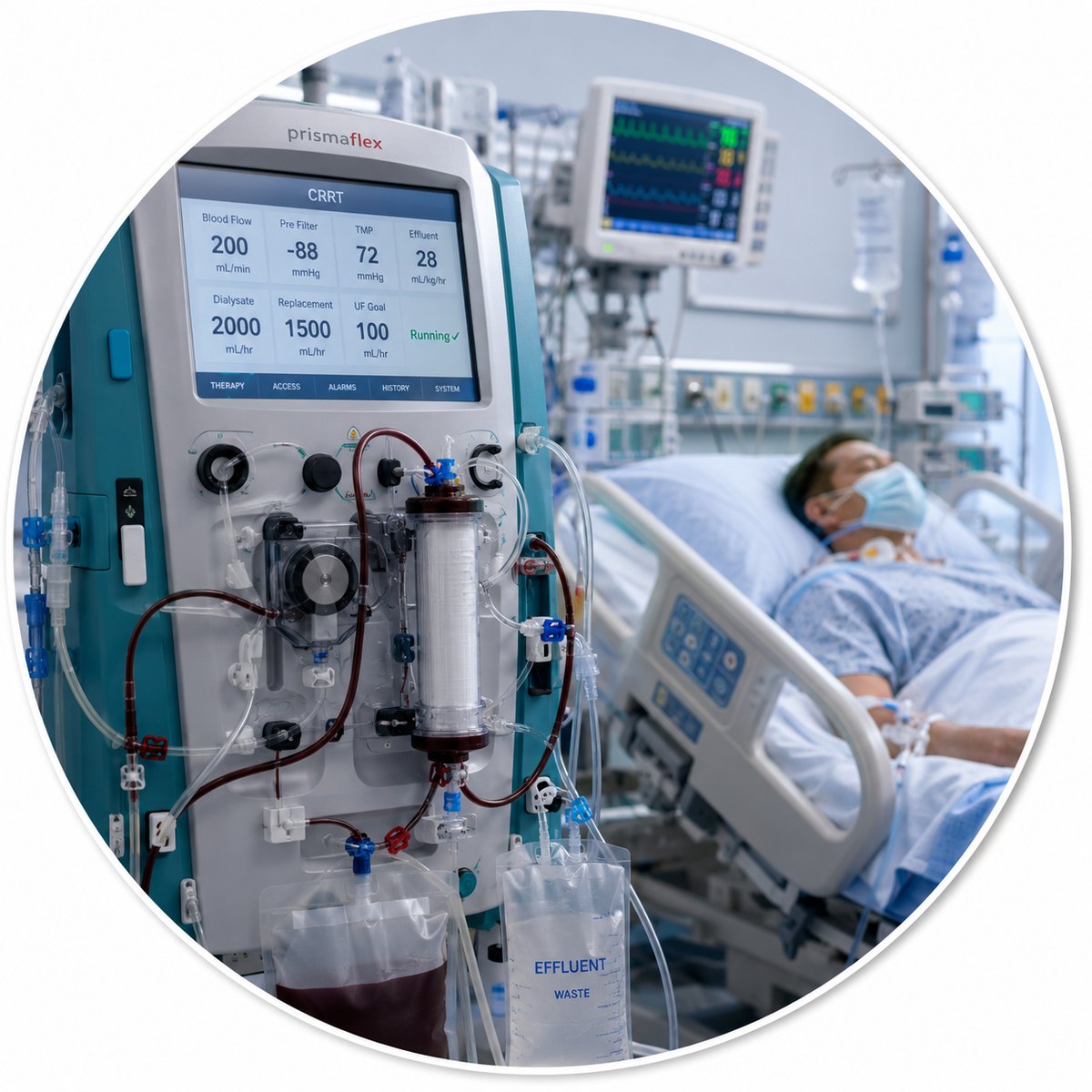 GuideContinuous Renal Replacement Therapy (CRRT) — A Clinical Reference, Basics to AdvancedA layered CRRT bedside reference for the ICU team: physiology and modalities (SCUF/CVVH/CVVHD/CVVHDF), patient selection and timing evidence, prescription and effluent dosing, vascular access, regional citrate anticoagulation, setup and pri
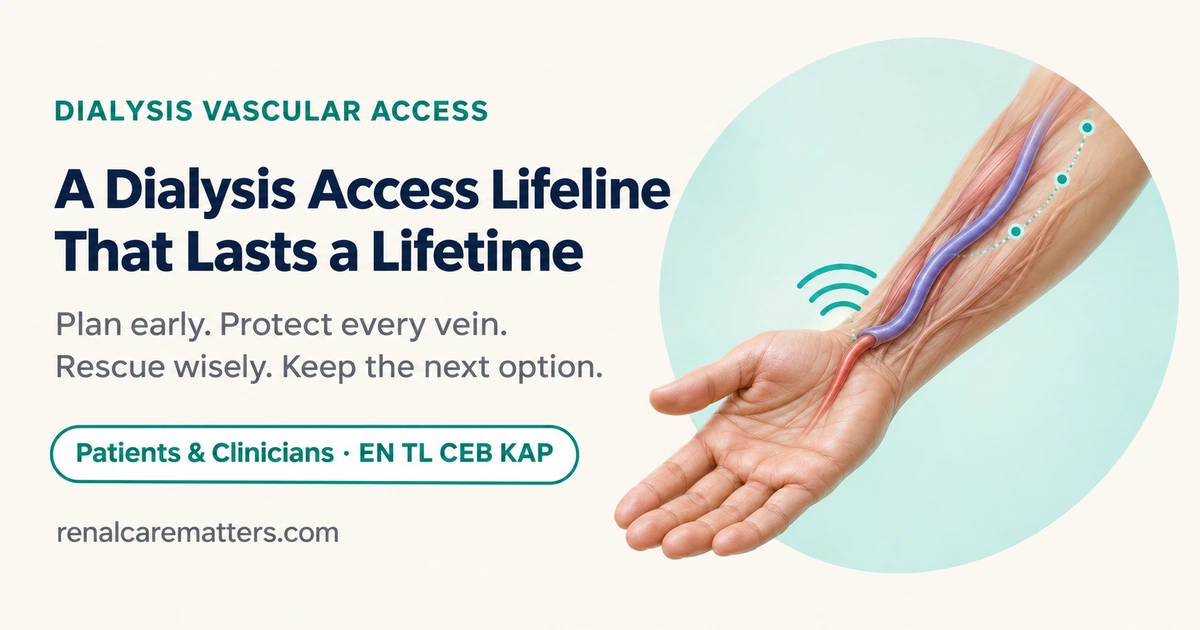 GuideTransforming the Achilles Heel of Hemodialysis Access into a "Lifeline That Lasts for a Lifetime"A lifetime strategy for hemodialysis vascular access for patients and clinicians: plan early, protect every vein, choose a fistula, graft, or catheter together, recognize trouble, rescue wisely, and preserve the next option. Verified 2026 e
 GuideThe CKD Prescriber's PlaybookClinician-focused operational guide: exactly how to start, titrate, and adjust SGLT2 inhibitors, ACEi/ARB, GLP-1 agonists, diuretics, phosphate binders, and ESAs in CKD and nephrology practice. KDIGO 2024 aligned.
 GuideAntibiotic Stewardship in Hemodialysis: Using Antibiotics WiselyA patient and clinician guide to antibiotic stewardship on hemodialysis — why cultures come before antibiotics, how dialysis changes dosing, the 48–72-hour antibiotic timeout, source control, and preventing catheter and bloodstream infectio
- Calculator4Ts Score — Heparin-Induced ThrombocytopeniaCalculate the 4Ts pretest probability score for heparin-induced thrombocytopenia (HIT). Low score rules out HIT; high score warrants immediate heparin cessation and alternative anticoagulation.
- CalculatorCreatinine Clearance — Cockcroft-Gault (drug dosing)Estimate creatinine clearance for drug dosing with the Cockcroft-Gault equation using age, sex, weight, and serum creatinine, with ideal/adjusted body-weight options. With indications, formula, evidence, and references.
References
- U.S. Food and Drug Administration. Heparin Sodium · Fresenius Kabi USA, LLC [US FDA-approved label, version 6, April 30, 2026]. Via DailyMed/openFDA. https://dailymed.nlm.nih.gov/dailymed/drugInfo.cfm?setid=2a173253-dfdc-4d9d-8dee-b9c13e6fa9f5
- Food and Drug Administration Philippines. Verification portal (product registrations). https://verification.fda.gov.ph
- PNF Essential Medicines List, 8th ed. (as of November 2, 2022), DOH; https://www.philhealth.gov.ph/partners/providers/pdf/PNF-EML_11022022.pdf
- DOH Drug Price Reference Index (DPRI) 2021, 9th edition (as of September 17, 2021); https://caro.doh.gov.ph/wp-content/uploads/2021/09/2021DPRI-as-of-9-17-2021.pdf
- Fresenius Kabi USA, LLC. (2026). Heparin sodium injection [Prescribing information; US FDA-approved label, NDA017029, set ID 2a173253-dfdc-4d9d-8dee-b9c13e6fa9f5, version effective April 30, 2026]. DailyMed, U.S. National Library of Medicine. https://dailymed.nlm.nih.gov/dailymed/drugInfo.cfm?setid=2a173253-dfdc-4d9d-8dee-b9c13e6fa9f5
renalcarematters.com content: Kidney and pediatric dosing: reviewed by William Gregory M. Rivero, MD, FPCP, DPSN on November 17, 2026. Dosing, interaction, adverse-effect and monitoring summary: reviewed by William Gregory M. Rivero, MD, FPCP, DPSN on November 17, 2026.
Last updated: .