Use: Labeled indications
- INDICATIONS AND USAGE Glipizide and metformin hydrochloride tablets, USP are indicated as an adjunct to diet and exercise to improve glycemic control in adults with type 2 diabetes mellitus.
Full indications and usage US FDA label
INDICATIONS AND USAGE Glipizide and metformin hydrochloride tablets, USP are indicated as an adjunct to diet and exercise to improve glycemic control in adults with type 2 diabetes mellitus.
Contraindications
CONTRAINDICATIONS Glipizide and metformin hydrochloride tablets are contraindicated in patients with: Severe renal impairment (eGFR below 30 mlL/min/1.73 m²) (see WARNINGS and PRECAUTIONS). Known hypersensitivity to glipizide or metformin hydrochloride. Acute or chronic metabolic acidosis, including diabetic ketoacidosis, with or without coma.
Diabetic ketoacidosis should be treated with insulin. WARNINGS SPECIAL WARNING ON INCREASED RISK OF CARDIOVASCULAR MORTALITY The administration of oral hypoglycemic drugs has been reported to be associated with increased cardiovascular mortality as compared to treatment with diet alone or diet plus insulin. This warning is based on the study conducted by the University Group Diabetes Program (UGDP), a long-term prospective clinical trial designed to evaluate the effectiveness of glucose-lowering drugs in preventing or delaying vascular complications in patients with non-insulin-dependent diabetes.
The study involved 823 patients who were randomly assigned to 1 of 4 treatment groups (Diabetes 19 (Suppl. 2):747-830, 1970). UGDP reported that patients treated for 5 years to 8 years with diet plus a fixed dose of tolbutamide (1.5 grams per day) had a rate of cardiovascular mortality approximately 2½ times that of patients treated with diet alone.
A significant increase in total mortality was not observed, but the use of tolbutamide was discontinued based on the increase in cardiovascular mortality, thus limiting the opportunity for the study to show an increase in overall mortality. Despite controversy regarding the interpretation of these results, the findings of the UGDP study provide an adequate basis for this warning.
The patient should be informed of the potential risks and benefits of glipizide and of alternative modes of therapy. Although only 1 drug in the sulfonylurea class (tolbutamide) was included in this study, it is prudent from a safety standpoint to consider that this warning may also apply to other hypoglycemic drugs in this class, in view of their close similarities in mode of action and chemical structure.
US FDA labelDosing: Adult
Dosage and administration (US label) US FDA label
DOSAGE AND ADMINISTRATION General Considerations: Dosage of glipizide and metformin hydrochloride tablets must be individualized on the basis of both effectiveness and tolerance while not exceeding the maximum recommended daily dose of 20 mg glipizide/2,000 mg metformin. Glipizide and metformin hydrochloride tablets should be given with meals and should be initiated at a low dose, with gradual dose escalation as described below, in order to avoid hypoglycemia (largely due to glipizide), reduce GI side effects (largely due to metformin), and permit determination of the minimum effective dose for adequate control of blood glucose for the individual patient.
With initial treatment and during dose titration, appropriate blood glucose monitoring should be used to determine the therapeutic response to glipizide and metformin hydrochloride tablets and to identify the minimum effective dose for the patient. Thereafter, HbA 1c should be measured at intervals of approximately 3 months to assess the effectiveness of therapy.
The therapeutic goal in all patients with type 2 diabetes is to decrease FPG, PPG, and HbA 1c to normal or as near normal as possible. Ideally, the response to therapy should be evaluated using HbA 1c, which is a better indicator of long-term glycemic control than FPG alone. No studies have been performed specifically examining the safety and efficacy of switching to glipizide and metformin hydrochloride tablets therapy in patients taking concomitant glipizide (or other sulfonylurea) plus metformin.
Changes in glycemic control may occur in such patients, with either hyperglycemia or hypoglycemia possible. Any change in therapy of type 2 diabetes should be undertaken with care and appropriate monitoring. When colesevelam is coadministered with glipizide ER, maximum plasma concentration and total exposure to glipizide is reduced.
Therefore, glipizide and metformin hydrochloride tablets should be administered at least 4 hours prior to colesevelam. Glipizide and Metformin Hydrochloride Tablets in Patients with Inadequate Glycemic Control on Diet and Exercise Alone For patients with type 2 diabetes whose hyperglycemia cannot be satisfactorily managed with diet and exercise alone, the recommended starting dose of glipizide and metformin hydrochloride tablets is 2.5 mg/250 mg once a day with a meal.
For patients whose FPG is 280 mg/dL to 320 mg/dL a starting dose of glipizide and metformin hydrochloride tablets 2.5 mg/500 mg twice daily should be considered. The efficacy of glipizide and metformin hydrochloride tablets in patients whose FPG exceeds 320 mg/dL has not been established. Dosage increases to achieve adequate glycemic control should be made in increments of 1 tablet per day every 2 weeks up to maximum of 10 mg/1,000 mg or 10 mg/2,000 mg glipizide and metformin hydrochloride tablets per day given in divided doses.
In clinical trials of glipizide and metformin hydrochloride tablets as initial therapy, there was no experience with total daily doses ˃10 mg/2,000 mg per day. Glipizide and Metformin Hydrochloride Tablets in Patients with Inadequate Glycemic Control on a Sulfonylurea and/or Metformin For patients not adequately controlled on either glipizide (or another sulfonylurea) or metformin alone, the recommended starting dose of glipizide and metformin hydrochloride tablets is 2.5 mg/500 mg or 5 mg/500 mg twice daily with the morning and evening meals.
In order to avoid hypoglycemia, the starting dose of glipizide and metformin hydrochloride tablets should not exceed the daily doses of glipizide or metformin already being taken. The daily dose should be titrated in increments of no more than 5 mg/500 mg up to the minimum effective dose to achieve adequate control of blood glucose or to a maximum dose of 20 mg/2,000 mg per day.
Patients previously treated with combination therapy of glipizide (or another sulfonylurea) plus metformin may be switched to glipizide and metformin hydrochloride tablets 2.5 mg/500 mg or 5 mg/500 mg; the starting dose should not exceed the daily dose of glipizide (or equivalent dose of another sulfonylurea) and metformin already being taken. The decision to switch to the nearest equivalent dose or to titrate should be based on clinical judgment.
Patients should be monitored closely for signs and symptoms of hypoglycemia following such a switch and the dose of glipizide and metformin hydrochloride tablets should be titrated as described above to achieve adequate control of blood glucose. Recommendations for Use in Renal Impairment Assess renal function prior to initiation of glipizide and metformin hydrochloride and periodically thereafter.
Glipizide and metformin hydrochloride is contraindicated in patients with an estimated glomerular filtration rate (eGFR) below 30 mL/minute/1.73 m². Initiation of glipizide and metformin hydrochloride in patients with an eGFR between 30 mL/minute/1.73 m² to 45 mL/minute/1.73 m² is not recommended. In patients taking glipizide and metformin hydrochloride whose eGFR later falls below 45 mL/min/1.73 m², assess the benefit risk of continuing therapy.
Discontinue glipizide and metformin hydrochloride if the patient's eGFR later falls below 30 mL/minute/1.73 m². (See WARNINGS.) Discontinuation for Iodinated Contrast Imaging Procedures Discontinue glipizide and metformin hydrochloride at the time of, or prior to, an iodinated contrast imaging procedure in patients with an eGFR between 30 mL/min/1.73 m² and 60 mL/min/1.73 m²; in patients with a history of liver disease, alcoholism or heart failure; or in patients who will be administered intra-arterial iodinated contrast.
Re-evaluate eGFR 48 hours after the imaging procedure; restart glipizide and metformin hydrochloride if renal function is stable. Specific Patient Populations: Glipizide and metformin hydrochloride tablets are not recommended for use during pregnancy or for use in pediatric patients. The initial and maintenance dosing of glipizide and metformin hydrochloride tablets should be conservative in patients with advanced age, due to the potential for decreased renal function in this population.
Any dosage adjustment requires a careful assessment of renal function. Generally, elderly, debilitated, and malnourished patients should not be titrated to the maximum dose of glipizide and metformin hydrochloride tablets to avoid the risk of hypoglycemia. Monitoring of renal function is necessary to aid in prevention of metformin-associated lactic acidosis, particularly in the elderly (see WARNINGS and PRECAUTIONS).
Dosing: Altered kidney function
Renal Impairment Assess renal function prior to initiation of glipizide and metformin hydrochloride and periodically thereafter. Glipizide and metformin hydrochloride is contraindicated in patients with an estimated glomerular filtration rate (eGFR) below 30 mL/minute/1.73 m². Initiation of glipizide and metformin hydrochloride in patients with an eGFR between 30 mL/minute/1.73 m² to 45 mL/minute/1.73 m² is not recommended.
In patients taking glipizide and metformin hydrochloride whose eGFR later falls below 45 mL/min/1.73 m², assess the benefit risk of continuing therapy. Discontinue glipizide and metformin hydrochloride if the patient's eGFR later falls below 30 mL/minute/1.73 m². (See WARNINGS.) Discontinuation for Iodinated Contrast Imaging Procedures Discontinue glipizide and metformin hydrochloride at the time of, or prior to, an iodinated contrast imaging procedure in patients with an eGFR between 30 mL/min/1.73 m² and 60 mL/min/1.73 m²; in patients with a history of liver disease, alcoholism or heart failure; or in patients who will be administered intra-arterial iodinated contrast.
Re-evaluate eGFR 48 hours after the imaging procedure; restart glipizide and metformin hydrochloride if renal function is stable. Specific Patient Populations: Glipizide and metformin hydrochloride tablets are not recommended for use during pregnancy or for use in pediatric patients. The initial and maintenance dosing of glipizide and metformin hydrochloride tablets should be conservative in patients with advanced age, due to the potential for decreased renal function in this population.
Any dosage adjustment requires a careful assessment of renal function. Generally, elderly, debilitated, and malnourished patients should not be titrated to the maximum dose of glipizide and metformin hydrochloride tablets to avoid the risk of hypoglycemia. Monitoring of renal function is necessary to aid in prevention of metformin-associated lactic acidosis, particularly in the elderly (see WARNINGS and PRECAUTIONS).
Renal Impairment The metabolism and excretion of glipizide may be slowed in patients with impaired renal function (see CONTRAINDICATIONS, WARNINGS, PRECAUTIONS, and DOSAGE AND ADMINISTRATION). In patients with decreased renal function, the plasma and blood half-life of metformin is prolonged and the renal clearance is decreased (see Table 1; also, see WARNINGS).
Kidney-specific guidance from renalcarematters.com: in preparation.
Dosing: Pediatric
Pediatric use (US label) US FDA label
Pediatric Use: Safety and effectiveness of glipizide and metformin hydrochloride tablets in pediatric patients have not been established.
Dosing: Older adult
Geriatric use (US label) US FDA label
Geriatric Use: Of the 345 patients who received glipizide and metformin hydrochloride tablets 2.5 mg/250 mg and 2.5 mg/500 mg in the initial therapy trial, 67 (19.4%) were aged 65 and older while 5 (1.4%) were aged 75 and older. Of the 87 patients who received glipizide and metformin hydrochloride tablets in the second-line therapy trial, 17 (19.5%) were aged 65 and older while 1 (1.1%) was at least aged 75.
No overall differences in effectiveness or safety were observed between these patients and younger patients in either the initial therapy trial or the second-line therapy trial, and other reported clinical experience has not identified differences in response between the elderly and younger patients, but greater sensitivity of some older individuals cannot be ruled out. In general, dose selection for an elderly patient should be cautious, usually starting at the low end of the dosing range, reflecting the greater frequency of decreased hepatic, renal, or cardiac function, and of concomitant disease or other drug therapy and the higher risk of lactic acidosis.
Assess renal function more frequently in elderly patients (see also WARNINGS, PRECAUTION and DOSAGE AND ADMINISTRATION).
Dosage forms
Philippines
- Tablet: 500 mg/5 mg
Registered products in the Philippines
1 product registered with the Food and Drug Administration (FDA) Philippines list Glipizide + Metformin as the generic name. Registration status changes; confirm a product's current status on the FDA portal before relying on it.
| Package insert | |||||||
|---|---|---|---|---|---|---|---|
Dibizide MMetformin Hydrochloride + Glipizide | 500 mg/5 mg TabletAlu/PVC Blister Pack x 10's (Box of 30's) | RxVAT-exempt | Micro Labs LimitedIndia | Importer: Brown & Burk Philippines, Inc. | DR-XY43997 | Dec 16, 2029 |
Source: FDA Philippines product registration database. "Valid until" is the registration validity date listed by the FDA; a past date may mean a renewal is pending. Package insert links point to files published by the FDA.
Warnings/Precautions
Warnings and precautions (US label) US FDA label
WARNINGS: LACTIC ACIDOSIS Post-marketing cases of metformin-associated lactic acidosis have resulted in death, hypothermia, hypotension, and resistant bradyarrhythmias. The onset of metformin-associated lactic acidosis is often subtle, accompanied only by nonspecific symptoms such as malaise, myalgias, respiratory distress, somnolence, and abdominal pain.
Metformin-associated lactic acidosis was characterized by elevated blood lactate levels (> 5 mmol/Liter), anion gap acidosis (without evidence of ketonuria or ketonemia), an increased lactate/pyruvate ratio; and metformin plasma levels generally > 5 mcg/mL [see PRECAUTIONS] Risk factors for metformin-associated lactic acidosis include renal impairment, concomitant use of certain drugs (e.g., carbonic anhydrase inhibitors such as topiramate), age 65 years old or greater, having a radiological study with contrast, surgery and other procedures, hypoxic states (e.g., acute congestive heart failure), excessive alcohol intake, hepatic impairment, and mitochondrial disease. Steps to reduce the risk of and manage metformin-associated lactic acidosis in these high risk groups are provided [see PRECAUTIONS].
If metformin-associated lactic acidosis is suspected, immediately discontinue glipizide and metformin hydrochloride and institute general supportive measures in a hospital setting. Prompt hemodialysis is recommended [see PRECAUTIONS].
Drug interactions
Drug interactions (US label) US FDA label
Drug Interactions:
Adverse reactions
Adverse reactions (US label) US FDA label
ADVERSE REACTIONS Glipizide and Metformin Hydrochloride Tablets: In a double-blind 24 week clinical trial involving glipizide and metformin hydrochloride tablets as initial therapy, a total of 172 patients received glipizide and metformin hydrochloride tablets, 2.5 mg/250 mg, 173 received glipizide and metformin hydrochloride tablets, 2.5 mg/500 mg, 170 received glipizide, and 177 received metformin. The most common clinical adverse events in these treatment groups are listed in Table 4.
Table 4 Clinical Adverse Events >5% in any Treatment Group, by Primary Term, in Initial Therapy Study Adverse Event Number (%) of Patients Glipizide Tablets 5 mg N=170 Metformin Tablets 500 mg N=177 Glipizide and Metformin Hydrochloride Tablets 2.5 mg/250 mg N=172 Glipizide and Metformin Hydrochloride Tablets 2.5 mg/500 mg N=173 Upper respiratory infection 12 (7.1) 15 (8.5) 17 (9.9) 14 (8.1) Diarrhea 8 (4.7) 15 (8.5) 4 (2.3) 9 (5.2) Dizziness 9 (5.3) 2 (1.1) 3 (1.7) 9 (5.2) Hypertension 17 (10) 10 (5.6) 5 (2.9) 6 (3.5) Nausea/vomiting 6 (3.5) 9 (5.1) 1 (0.6) 3 (1.7) In a double-blind 18 week clinical trial involving glipizide and metformin hydrochloride tablets as second-line therapy, a total of 87 patients received glipizide and metformin hydrochloride tablets, 84 received glipizide, and 75 received metformin. The most common clinical adverse events in this clinical trial are listed in Table 5.
Table 5 Clinical Adverse Events >5% in any Treatment Group, by Primary Term, in Second-Line Therapy Study a The dose of glipizide was fixed at 30 mg daily; doses of metformin and glipizide and metformin hydrochloride tablets were titrated. Adverse Event Number (%) of Patients Glipizide Tablets a 5 mg N=84 Metformin Tablets a 500 mg N=75 Glipizide and Metformin Hydrochloride Tablets a 5 mg/500 mg N=87 Diarrhea 11 (13.1) 13 (17.3) 16 (18.4) Headache 5 (6) 4 (5.3) 11 (12.6) Upper respiratory infection 11 (13.1) 8 (10.7) 9 (10.3) Musculoskeletal pain 6 (7.1) 5 (6.7) 7 (8) Nausea/vomiting 5 (6) 6 (8) 7 (8) Abdominal pain 7 (8.3) 5 (6.7) 5 (5.7) UTI 4 (4.8) 6 (8) 1 (1.1) Hypoglycemia: In a controlled initial therapy trial of glipizide and metformin hydrochloride tablets, 2.5 mg/250 mg and 2.5 mg/500 mg the numbers of patients with hypoglycemia documented by symptoms (such as dizziness, shakiness, sweating, and hunger) and a fingerstick blood glucose measurement ≤50 mg/dL were 5 (2.9%) for glipizide, 0 (0%) for metformin, 13 (7.6%) for glipizide and metformin hydrochloride tablets, 2.5 mg/250 mg, and 16 (9.3%) for glipizide and metformin hydrochloride tablets, 2.5 mg/500 mg.
Among patients taking either glipizide and metformin hydrochloride tablets, 2.5 mg/250 mg or glipizide and metformin hydrochloride tablets, 2.5 mg/500 mg, 9 (2.6%) patients discontinued glipizide and metformin hydrochloride tablets due to hypoglycemic symptoms and 1 required medical intervention due to hypoglycemia. In a controlled second-line therapy trial of glipizide and metformin hydrochloride tablets, 5 mg/500 mg, the numbers of patients with hypoglycemia documented by symptoms and a fingerstick blood glucose measurement ≤50 mg/dL were 0 (0%) for glipizide, 1 (1.3%) for metformin, and 11 (12.6%) for glipizide and metformin hydrochloride tablets.
One (1.1%) patient discontinued glipizide and metformin hydrochloride tablets therapy due to hypoglycemic symptoms and none required medical intervention due to hypoglycemia (see PRECAUTIONS). Gastrointestinal Reactions: Among the most common clinical adverse events in the initial therapy trial were diarrhea and nausea/vomiting; the incidences of these events were lower with both glipizide and metformin hydrochloride tablets dosage strengths than with metformin therapy.
There were 4 (1.2%) patients in the initial therapy trial who discontinued glipizide and metformin hydrochloride tablets therapy due to gastrointestinal (GI) adverse events. Gastrointestinal symptoms of diarrhea, nausea/vomiting, and abdominal pain were comparable among glipizide and metformin hydrochloride tablets, glipizide and metformin in the second-line therapy trial.
There were 4 (4.6%) patients in the second-line therapy trial who discontinued glipizide and metformin hydrochloride tablets therapy due to GI adverse events. Glipizide Gastrointestinal Reactions Cholestatic and hepatocellular forms of liver injury accompanied by jaundice have been reported rarely in association with glipizide; glipizide and metformin hydrochloride tablets should be discontinued if this occurs.
Adverse reaction frequency tables (US label) US FDA label
| Adverse Event | Number (%) of Patients | |||
| Glipizide Tablets 5 mg N=170 | Metformin Tablets 500 mg N=177 | Glipizide and Metformin Hydrochloride Tablets 2.5 mg/250 mg N=172 | Glipizide and Metformin Hydrochloride Tablets 2.5 mg/500 mg N=173 | |
| Upper respiratory infection | 12 (7.1) | 15 (8.5) | 17 (9.9) | 14 (8.1) |
| Diarrhea | 8 (4.7) | 15 (8.5) | 4 (2.3) | 9 (5.2) |
| Dizziness | 9 (5.3) | 2 (1.1) | 3 (1.7) | 9 (5.2) |
| Hypertension | 17 (10) | 10 (5.6) | 5 (2.9) | 6 (3.5) |
| Nausea/vomiting | 6 (3.5) | 9 (5.1) | 1 (0.6) | 3 (1.7) |
| a The dose of glipizide was fixed at 30 mg daily; doses of metformin and glipizide and metformin hydrochloride tablets were titrated. | |||
| Adverse Event | Number (%) of Patients | ||
| Glipizide Tabletsa 5 mg N=84 | Metformin Tabletsa 500 mg N=75 | Glipizide and Metformin Hydrochloride Tabletsa 5 mg/500 mg N=87 | |
| Diarrhea | 11 (13.1) | 13 (17.3) | 16 (18.4) |
| Headache | 5 (6) | 4 (5.3) | 11 (12.6) |
| Upper respiratory infection | 11 (13.1) | 8 (10.7) | 9 (10.3) |
| Musculoskeletal pain | 6 (7.1) | 5 (6.7) | 7 (8) |
| Nausea/vomiting | 5 (6) | 6 (8) | 7 (8) |
| Abdominal pain | 7 (8.3) | 5 (6.7) | 5 (5.7) |
| UTI | 4 (4.8) | 6 (8) | 1 (1.1) |
Pregnancy considerations
Pregnancy (US label) US FDA label
Pregnancy:
Breastfeeding considerations
Lactation (US label) US FDA label
Nursing Mothers: Although it is not known whether glipizide is excreted in human milk, some sulfonylurea drugs are known to be excreted in human milk. Studies in lactating rats show that metformin is excreted into milk and reaches levels comparable to those in plasma. Similar studies have not been conducted in nursing mothers.
Because the potential for hypoglycemia in nursing infants may exist, a decision should be made whether to discontinue nursing or to discontinue glipizide and metformin hydrochloride tablets, taking into account the importance of the drug to the mother. If glipizide and metformin hydrochloride tablets are discontinued, and if diet alone is inadequate for controlling blood glucose, insulin therapy should be considered.
Mechanism of action
Mechanism of Action: Glipizide and metformin hydrochloride tablet combines glipizide and metformin hydrochloride, 2 antihyperglycemic agents with complementary mechanisms of action, to improve glycemic control in patients with type 2 diabetes. Glipizide appears to lower blood glucose acutely by stimulating the release of insulin from the pancreas, an effect dependent upon functioning beta cells in the pancreatic islets.
Extrapancreatic effects may play a part in the mechanism of action of oral sulfonylurea hypoglycemic drugs. The mechanism by which glipizide lowers blood glucose during long-term administration has not been clearly established. In man, stimulation of insulin secretion by glipizide in response to a meal is undoubtedly of major importance.
Fasting insulin levels are not elevated even on long-term glipizide administration, but the postprandial insulin response continues to be enhanced after at least 6 months of treatment. Metformin hydrochloride is an antihyperglycemic agent that improves glucose tolerance in patients with type 2 diabetes, lowering both basal and postprandial plasma glucose.
Metformin hydrochloride decreases hepatic glucose production, decreases intestinal absorption of glucose, and improves insulin sensitivity by increasing peripheral glucose uptake and utilization.
US FDA labelPharmacokinetics
Pharmacokinetics (US label) US FDA label
Pharmacokinetics:
Formulary and pricing (Philippines)
Check availability
Prices and stock vary by branch; renalcarematters.com does not sell medicines or receive payment from pharmacies.
Related guides & calculators
Guides and calculators on renalcarematters.com for this medicine, for patients and clinicians.
 GuideEating Smart with Diabetes — A Filipino Food GuideEvidence-based diabetic diet guide for Filipinos — glycemic index of rice, Filipino food GI chart, meal sequencing, 7-day meal plan, and palengke-friendly strategies for blood sugar control.
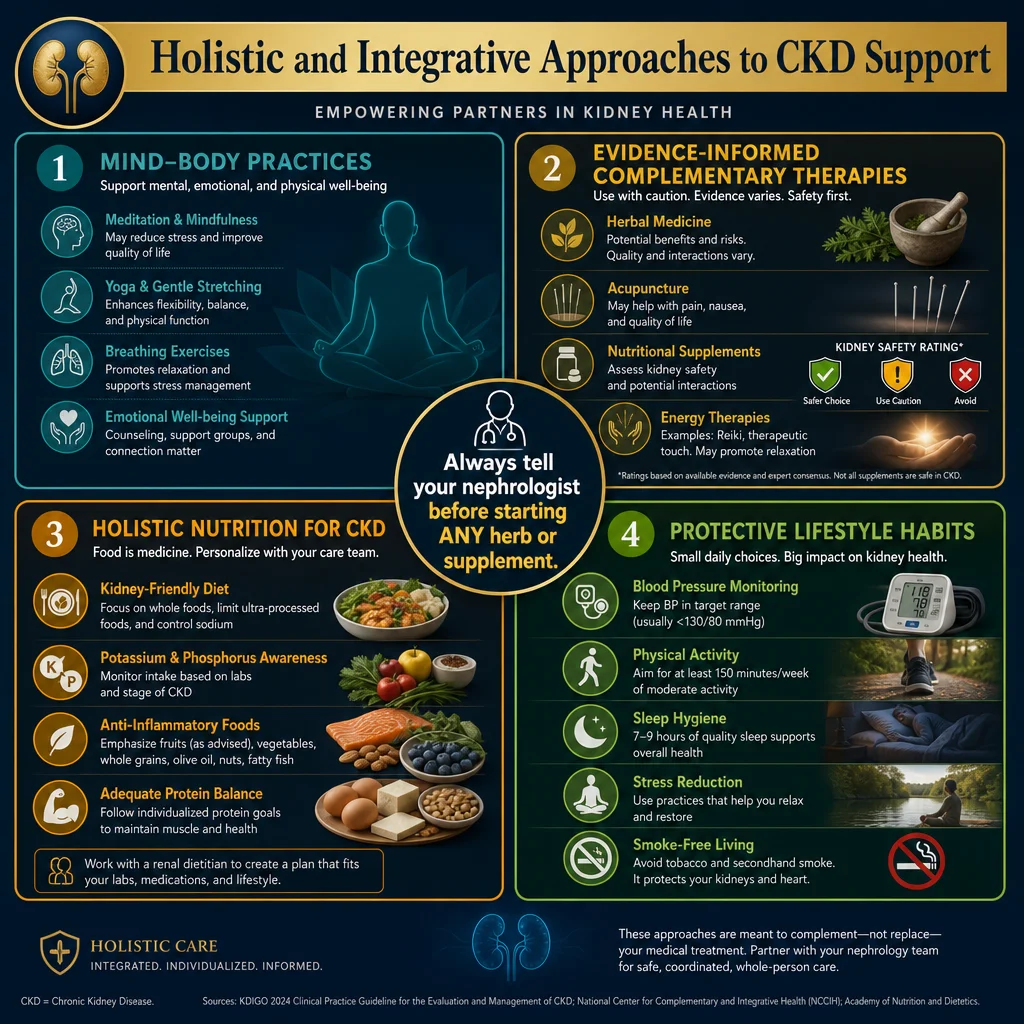 GuideCKD and Alternative Medicine: Fact vs. FictionWhich herbal and holistic treatments are safe for kidney disease, which are harmful, and how integrative medicine can work alongside nephrology care in the Philippines.
- CalculatorMetformin Safety Checker in CKD (eGFR hold/continue)eGFR-based metformin hold, continue, or discontinue guidance in CKD per the 2023 ADA Standards of Care and the FDA label, with dose-capping advice, transient-hold triggers (contrast, acute illness, surgery), monitoring, and references.
References
- U.S. Food and Drug Administration. Glipizide and Metformin Hydrochloride · Zydus Pharmaceuticals USA Inc. [US FDA-approved label, version 11, June 27, 2026]. Via DailyMed/openFDA. https://dailymed.nlm.nih.gov/dailymed/drugInfo.cfm?setid=1b18b903-eb52-4d08-b4a5-f984957eb116
- Food and Drug Administration Philippines. Verification portal (product registrations). https://verification.fda.gov.ph
This page shows official label and registry text only; no renalcarematters.com clinical summary has been approved for it yet.
Last updated: .