WARNING: LACTIC ACIDOSIS Postmarketing cases of metformin-associated lactic acidosis have resulted in death, hypothermia, hypotension, and resistant bradyarrhythmias. The onset of metformin associated lactic acidosis is often subtle, accompanied only by nonspecific symptoms such as malaise, myalgias, respiratory distress, somnolence, and abdominal pain.
Metformin-associated lactic acidosis was characterized by elevated blood lactate levels (>5 mmol/Liter), anion gap acidosis (without evidence of ketonuria or ketonemia), an increased lactate/pyruvate ratio; and metformin plasma levels generally >5 mcg/mL [see Warnings and Precautions (5.1)]. Risk factors for metformin-associated lactic acidosis include renal impairment, concomitant use of certain drugs (e.g., carbonic anhydrase inhibitors such as topiramate), age 65 years old or greater, having a radiological study with contrast, surgery and other procedures, hypoxic states (e.g., acute congestive heart failure), excessive alcohol intake, hepatic impairment, and mitochondrial diseases [see Warnings and Precautions (5.1)].
Steps to reduce the risk of and manage metformin-associated lactic acidosis in these high risk groups are provided [see Dosage and Administration (2.3), Contraindications (4) and Warnings and Precautions (5.1)]. If metformin-associated lactic acidosis is suspected, immediately discontinue glyburide and metformin hydrochloride and institute general supportive measures in a hospital setting.
Prompt hemodialysis is recommended [see Warnings and Precautions (5.1)]. WARNING: LACTIC ACIDOSIS See full prescribing information for complete boxed warning.
- Post-marketing cases of metformin-associated lactic acidosis have resulted in death, hypothermia, hypotension, and resistant bradyarrhythmias. Symptoms include malaise, myalgias, respiratory distress, somnolence, and abdominal pain. Laboratory abnormalities included elevated blood lactate levels, anion gap acidosis, increased lactate/pyruvate ratio; and metformin plasma levels generally >5 mcg/mL. (5.1)
- Risk factors include renal impairment, concomitant use of certain drugs, age > 65 years old, radiological study with contrast, surgery and other procedures, hypoxic states, excessive alcohol intake, hepatic impairment, and mitochondrial diseases. Steps to reduce the risk of and manage metformin associated lactic acidosis in these high risk groups are provided in the Full Prescribing Information. (5.1)
- If lactic acidosis is suspected, discontinue glyburide and metformin hydrochloride and institute general supportive measures in a hospital setting. Prompt hemodialysis is recommended. (5.1)
Use: Labeled indications
- Glyburide and metformin hydrochloride tablets is indicated as an adjunct to diet and exercise to improve glycemic control in adults with type 2 diabetes mellitus.
Full indications and usage US FDA label
1 INDICATIONS AND USAGE Glyburide and metformin hydrochloride tablets is indicated as an adjunct to diet and exercise to improve glycemic control in adults with type 2 diabetes mellitus. Glyburide and metformin hydrochloride tablets are a combination of glyburide, a sulfonylurea, and metformin hydrochloride (HCl), a biguanide, indicated as an adjunct to diet and exercise to improve glycemic control in adults with type 2 diabetes mellitus. (1)
Contraindications
4 CONTRAINDICATIONS Glyburide and metformin hydrochloride tablets is contraindicated in patients with:
- Severe renal impairment (eGFR below 30 mL/min/1.73 m²) [see Warnings and Precautions (5.1)].
- Hypersensitivity to metformin or glyburide.
- Acute or chronic metabolic acidosis, including diabetic ketoacidosis, with or without coma.
- Concomitant administration of bosentan [see Drug Interactions (7)].
- Severe renal impairment (eGFR below 30 mL/min/1.73 m²) (4, 5.1)
- Hypersensitivity to metformin or glyburide. (4)
- Acute or chronic metabolic acidosis, including diabetic ketoacidosis, with or without coma. (4)
- Concomitant administration of bosentan. (4, 7)
Dosing: Adult
- Adult Dosage: • Give glyburide and metformin hydrochloride tablets in divided doses, twice daily, with meals. (2.1)
- • For patients not treated with either glyburide (or another sulfonylurea) or metformin HCl, initiate treatment with another formulation with a dose of 1.25 mg glyburide and 250mg metformin HCl orally, once or twice daily with meals. (2.1)
- • For patients not adequately controlled on either glyburide (or another sulfonylurea) or metformin HCl alone, the recommended starting dose is 2.5 mg/500 mg or 5 mg/500 mg orally twice daily with meals. (2.1)
- • For patients previously treated with a combination therapy of glyburide (or another sulfonylurea) and metformin HCl, the starting dose should not exceed the daily dose of glyburide (or equivalent dose of another sulfonylurea) and metformin HCl already being taken. (2.1)
- • Increase the dose gradually on the basis of glycemic control and tolerability, up to a maximum to a maximum dose of 20 mg glyburide/2,000 mg metformin HCl daily. (2.1)
- Renal Impairment: Prior to initiation, assess renal function with estimated glomerular filtration rate (eGFR) (2.4)
- o Do not use in patients with eGFR below 30 mL/minute/1.73 m² (2.4)
- o Initiation is not recommended in patients with eGFR between 30 to 45 mL/minute/1.73 m² (2.4)
- o Assess risk/benefit if eGFR falls below 45 mL/minute/1.73 m² (2.4)
- o Discontinue if …
2.1 Dosage
2.1 Dosage
- Give glyburide and metformin hydrochloride tablets in divided doses, twice daily, with meals.
- For patients not treated with either glyburide (or another sulfonylurea) or metformin hydrochloride (HCl), initiate treatment with another formulation of glyburide and metformin HCl at a starting dose of 1.25 mg glyburide and 250mg metformin HCl orally, once or twice daily with meals.
- For patients not adequately controlled on either glyburide (or another sulfonylurea) or metformin HCl alone, the recommended starting dose of glyburide and metformin hydrochloride tablets is 2.5 mg/500 mg or 5 mg/500 mg orally twice daily with meals.
- For patients previously treated with a combination therapy of glyburide (or another sulfonylurea) and metformin HCl, the starting dose of glyburide and metformin hydrochloride tablets should not exceed the daily dose of glyburide (or equivalent dose of another sulfonylurea) and metformin HCl already being taken.
- Increase the dose gradually on the basis of glycemic control and tolerability, up to a maximum to a maximum dose of 20 mg glyburide/2,000 mg metformin HCl daily.
2.2 Patients Receiving Colesevelam
2.2 Patients Receiving Colesevelam
- Administer glyburide and metformin hydrochloride tablets at least 4 hours prior to colesevelam for patients taking both drugs concomitantly [see Drug Interactions (7)].
2.3 Recommendations for Use in Renal Impairment
2.3 Recommendations for Use in Renal Impairment
- Assess renal function prior to initiation of glyburide and metformin hydrochloride tablets and periodically thereafter.
- Glyburide and metformin hydrochloride tablets is contraindicated in patients with an estimated glomerular filtration rate (eGFR) below 30 mL/minute/1.73 m².
- Initiation of glyburide and metformin hydrochloride tablets in patients with an eGFR between 30 to 45 mL/minute/1.73 m² is not recommended.
- In patients taking glyburide and metformin hydrochloride tablets whose eGFR later falls below 45 mL/min/1.73 m², assess the benefit risk of continuing therapy.
- Discontinue glyburide and metformin hydrochloride tablets if the patient’s eGFR later falls below 30 mL/minute/1.73 m² [see Warnings and Precautions (5.1)].
2.4 Discontinuation for Iodinated Contrast Imaging Procedures
2.4 Discontinuation for Iodinated Contrast Imaging Procedures
- Discontinue glyburide and metformin hydrochloride tablets at the time of, or prior to, an iodinated contrast imaging procedure in patients with an eGFR between 30 and 60 mL/min/1.73 m²; in patients with a history of liver disease, alcoholism or heart failure; or in patients who will be administered intra-arterial iodinated contrast.
- Re-evaluate eGFR 48 hours after the imaging procedure; restart glyburide and metformin hydrochloride tablets if renal function is stable.
Dosing: Altered kidney function
2.3 Recommendations for Use in Renal Impairment
- Assess renal function prior to initiation of glyburide and metformin hydrochloride tablets and periodically thereafter.
- Glyburide and metformin hydrochloride tablets is contraindicated in patients with an estimated glomerular filtration rate (eGFR) below 30 mL/minute/1.73 m².
- Initiation of glyburide and metformin hydrochloride tablets in patients with an eGFR between 30 to 45 mL/minute/1.73 m² is not recommended.
- In patients taking glyburide and metformin hydrochloride tablets whose eGFR later falls below 45 mL/min/1.73 m², assess the benefit risk of continuing therapy.
- Discontinue glyburide and metformin hydrochloride tablets if the patient’s eGFR later falls below 30 mL/minute/1.73 m² [see Warnings and Precautions (5.1)].
8.6 Renal Impairment Metformin is substantially excreted by the kidney, and the risk of metformin accumulation and lactic acidosis increases with the degree of renal impairment. glyburide and metformin hydrochloride is contraindicated in severe renal impairment, patients with an estimated glomerular filtration rate (eGFR) below 30 mL/min/1.73 m² [see Dosage and Administration (2.3), Contraindications (4), Warnings and Precautions (5.1), and Clinical Pharmacology (12.3)].
Renal Impairment No information is available on the pharmacokinetics of glyburide in patients with renal insufficiency. In patients with decreased renal function the plasma and blood half-life of metformin is prolonged and the renal clearance is decreased (Table 4); [see Dosage and Administration (2), Contraindications (4), and Warnings and Precautions (5.1)].
Kidney-specific guidance from renalcarematters.com: in preparation.
Dosing: Hepatic impairment
8.7 Hepatic Impairment Use of metformin in patients with hepatic impairment has been associated with some cases of lactic acidosis. glyburide and metformin hydrochloride is not recommended in patients with hepatic impairment [see Warnings and Precautions (5.1)].
US FDA labelDosage forms
Philippines
- Film-coated tablet: 500 mg/2.5 mg, 500 mg/2.50 mg, 500 mg/5 mg
- Tablet: 5 mg/500 mg, 500 mg/5 mg
Registered products in the Philippines
14 products registered with the Food and Drug Administration (FDA) Philippines list Glibenclamide + Metformin as the generic name. Registration status changes; confirm a product's current status on the FDA portal before relying on it.
All registered products14
| Package insert | |||||||
|---|---|---|---|---|---|---|---|
BemeforMetformin Hydrochloride + Glibenclamide | 500mg/2.5mg Film-Coated TabletAlu/Alu Blister Pack x 10's (Box of 30's) | RxVAT-exempt | Lek Pharmaceuticals D.D.Slovenia | Importer: Sandoz Philippines Corporation | DRP-3747 | May 15, 2027 | |
BemeforMetformin Hydrochloride + Glibenclamide | 500mg/5mg Film-Coated TabletAlu/Alu Blister Pack x 10's (Box of 30's) | RxVAT-exempt | Lek Pharmaceuticals D.D.Slovenia | Importer: Sandoz Philippines Corporation | DRP-3761 | May 17, 2027 | |
DiacomMetformin (as Hydrochloride) + Glibenclamide | 500 mg/ 5 mg Film-Coated TabletPVC/Alu Clear Blister Pack x 10's (Box of 120's) | RxVAT-exempt | Hovid BerhadMalaysia | Hovid Inc. | DRP-10039 | May 31, 2031 | |
GlixfortMetformin hydrochloride + Glibenclamide | 500 mg/5 mg TabletAlu/PVC Blister Pack x 10's (Box of 3 blister packs x 10 tablets) | RxVAT-exempt | Acme Formulation Pvt. Ltd.India | Ambica International Corporation | DRP-13703 | Mar 29, 2028 | |
GlucovanceMetformin (as hydrochloride) + Glibenclamide | 500 mg / 5 mg Film-Coated TabletClear PVC/Alu Blister Pack x 15's (Box of 30's) | RxVAT-exempt | PT. Merck TbkIndonesia | Importer: Merck, Inc. | DR-XY49136 | Jul 31, 2029 | |
GlucovanceMetformin (as Hydrochloride) + Glibenclamide | 500 mg/ 2.5 mg Film-Coated TabletPVC/PVDC Blister Pack x 15's box of 30's | RxVAT-exempt | Merck Sante s.a.s.France | Importer: Merck, Inc | DR-XY28382 | Mar 5, 2028 | |
GlucovanceMetformin (as Hydrochloride) + Glibenclamide | 500 mg/ 5 mg Film-Coated TabletBlister Pack x 15's (Box of 30's) | RxVAT-exempt | Merck SanteFrance | Importer: Merck, Inc. | DR-XY28255 | Mar 5, 2028 | |
GlucovanceMetformin (as hydrochloride) + Glibenclamide | 500 mg/2.50 mg Film-Coated TabletClear PVC/Alu Blister Pack x 15's (Box of 30's) of 30's) | RxVAT-exempt | PT. Merck TbkIndonesia | Importer: Merck, Inc. | DR-XY49137 | Jul 31, 2029 | |
GlycometMetformin Hydrochloride + Glibenclamide | 500 mg / 2.5 mg Film-Coated TabletAlu / PVC Blister Pack x 10's (Box of 60's) | RxVAT-exempt | Pharmatec Pakistan (Pvt.) Ltd.Pakistan | Sahar International Trading, Inc. | DRP-17458 | Aug 11, 2029 | |
GlycometMetformin Hydrochloride + Glibenclamide | 500 mg/2.5 mg Film-Coated TabletAlu/PVC Blister Pack x 10's Box of 60's | RxVAT-exempt | Pharmatec Pakistan (Pvt.) Ltd.Pakistan | Sahar International Trading, Inc. | DR-XY43614 | Aug 11, 2029 | |
Glycomet PlusMetformin Hydrochloride + Glibenclamide | 500 mg / 5 mg Film-Coated TabletAlu/PVC Blister Pack x 10's (Box of 60's) | RxVAT-exempt | Pharmatec Pakistan (Pvt.) Ltd.Pakistan | Sahar International Trading, Inc. | DRP-17459 | Aug 11, 2029 | |
Glycomet PlusMetformin Hydrochloride + Glibenclamide | 500 mg/5 mg Film-Coated TabletAlu/PVC Blister Pack x 10's (Box of 60's) | RxVAT-exempt | Pharmatec Pakistan (Pvt.) Ltd.Pakistan | Sahar International Trading, Inc. | DR-XY43615 | Aug 11, 2029 | |
GlynovaGlibenclamide + Metformin Hydrochloride | 5mg/ 500mg TabletAlu/PVC Blister Pack x 10's (Box of 30's) | RxVAT-exempt | Acme Formulation Pvt. Ltd.India | Medinova Pharmaceutical Inc. | DRP-12035 | May 31, 2027 | |
NoneMetformin Hydrochloride + Glibenclamide | 500 mg/5 mg Film Coated TabletAlu/PVC Blister Pack x 10's (Box of 30's) | RxVAT-exempt | USV Private LimitedIndia | USV Pharma Philippines Inc. | DR-XY49833 | Oct 28, 2031 |
Source: FDA Philippines product registration database. "Valid until" is the registration validity date listed by the FDA; a past date may mean a renewal is pending. Package insert links point to files published by the FDA.
United States (label)
Dosage forms and strengths (US label) US FDA label
3 DOSAGE FORMS AND STRENGTHS Glyburide and metformin hydrochloride tablets, USP is available as:
- Glyburide 1.25 mg and metformin HCl 250 mg pale yellow, oval-shaped, biconvex, film-coated tablets with "I25" debossed on one side and plain on the other side.
- Glyburide 2.5 mg and metformin HCl 500 mg pale orange, oval-shaped, biconvex, film-coated tablets with "I23" debossed on one side and plain on the other side.
- Glyburide 5 mg and metformin HCl 500 mg yellow, oval-shaped, biconvex, film-coated tablets with "I24" debossed on one side and plain on the other side.
- Tablets: 1.25 mg glyburide and 250 mg metformin HCl (3)
- Tablets: 2.5 mg glyburide and 500 mg metformin HCl (3)
- Tablets: 5 mg glyburide and 500 mg metformin HCl (3)
Warnings/Precautions
The boxed warning is shown at the top of this page.
- • Lactic Acidosis: See boxed warning. (5.1)
- • Hypoglycemia: May be severe. Ensure proper patient selection, dosing, and instructions, particularly in at-risk populations (e.g., elderly, renally impaired) and when used with other anti-diabetic medications. (5.2)
- • Potential Increased Risk of Cardiovascular Mortality with Sulfonylureas: Inform patient of risks, benefits and treatment alternatives. (5.3)
- • Hemolytic anemia: Can occur if glucose 6-phosphate dehydrogenase (G6PD) deficient. Consider a non-sulfonylurea alternative. (5.4)
- • Vitamin B12 Deficiency: Metformin may lower vitamin B12 levels. • Measure hematological parameters annually and vitamin B12 at 2 to 3 year intervals and manage any abnormalities. (5.5)
5.1 Lactic Acidosis
5.1 Lactic Acidosis There have been postmarketing cases of metformin-associated lactic acidosis, including fatal cases. These cases had a subtle onset and were accompanied by nonspecific symptoms such as malaise, myalgias, abdominal pain, respiratory distress, or increased somnolence; however, hypotension and resistant bradyarrhythmias have occurred with severe acidosis.
Metformin-associated lactic acidosis was characterized by elevated blood lactate concentrations (>5 mmol/L), anion gap acidosis (without evidence of ketonuria or ketonemia), and an increased lactate: pyruvate ratio; metformin plasma levels were generally >5 mcg/mL. Metformin decreases liver uptake of lactate increasing lactate blood levels which may increase the risk of lactic acidosis, especially in patients at risk.
If metformin-associated lactic acidosis is suspected, general supportive measures should be instituted promptly in a hospital setting, along with immediate discontinuation of glyburide and metformin hydrochloride. In Glyburide and metformin hydrochloride treated patients with a diagnosis or strong suspicion of lactic acidosis, prompt hemodialysis is recommended to correct the acidosis and remove accumulated metformin (metformin HCl is dialyzable with a clearance of up to 170 mL/min under good hemodynamic conditions).
Hemodialysis has often resulted in reversal of symptoms and recovery. Educate patients and their families about the symptoms of lactic acidosis and, if these symptoms occur, instruct them to discontinue Glyburide and metformin hydrochloride and report these symptoms to their healthcare provider. For each of the known and possible risk factors for metformin-associated lactic acidosis, recommendations to reduce the risk of and manage metformin-associated lactic acidosis are provided below:
- Renal Impairment —The postmarketing metformin-associated lactic acidosis cases primarily occurred in patients with significant renal impairment. The risk of metformin accumulation and metformin-associated lactic acidosis increases with the severity of renal impairment because metformin is substantially excreted by the kidney. Clinical recommendations based upon the patient’s renal function include [see Dosage and Administration (2.1), Clinical Pharmacology (12.3)]: o Before initiating glyburide and metformin hydrochloride, obtain an estimated glomerular filtration rate (eGFR). o Glyburide and metformin hydrochloride is contraindicated in patients with an eGFR less than 30 mL/min/1.73 m² [see CONTRAINDICATIONS (4)]. o Initiation of glyburide and metformin hydrochloride is not recommended in patients with eGFR between 30 to 45 mL/min/1.73 m². o Obtain an eGFR at least annually in all patient taking glyburide and metformin hydrochloride. In patients at risk for the development of renal impairment (e.g., the elderly), renal function should be assessed more frequently. o In patients taking glyburide and metformin hydrochloride whose eGFR falls below 45 mL/min/1.73 m², assess the benefit and risk of continuing therapy.
- Drug interactions —The concomitant use of glyburide and metformin hydrochloride with specific drugs may increase the risk of metformin-associated lactic acidosis: those that impair renal function, result in significant hemodynamic change, interfere with acid-base balance, or increase metformin accumulation [see Drug Interactions (7)]. Consider more frequent monitoring of patients.
- Age 65 or Greater —The risk of metformin-associated lactic acidosis increases with the patient’s age because elderly patients have a greater likelihood of having hepatic, renal, or cardiac impairment than younger patients. Assess renal function more frequently in elderly patients.
- Radiologic studies with contrast —Administration of intravascular iodinated contrast agents in metformin-treated patients has led to an acute decrease in renal function and the occurrence of lactic acidosis. Stop glyburide and metformin hydrochloride at the time of, or prior to, an iodinated contrast imaging procedure in patients with an eGFR between 30 and 60 mL/min/1.73 m²; in patients with a history of hepatic impairment, alcoholism or heart failure, or in patients who will be administered intra-arterial iodinated contrast. Reevaluate eGFR 48 hours after the imaging procedure, and restart glyburide and metformin hydrochloride if renal function is stable.
- Surgery and other procedures —Withholding of food and fluids during surgical or other procedures may increase the risk for volume depletion, hypotension, and renal impairment. Glyburide and metformin hydrochloride should be temporarily discontinued while patients have restricted food and fluid intake.
- Hypoxic states —Several of the postmarketing cases of metformin-associated lactic acidosis occurred in the setting of acute congestive heart failure (particularly when accompanied by hypoperfusion and hypoxemia). Cardiovascular collapse (shock), acute myocardial infarction, sepsis, and other conditions associated with hypoxemia have been associated with lactic acidosis and may cause prerenal azotemia. When such an event occurs, discontinue glyburide and metformin hydrochloride.
- Excessive Alcohol intake —Alcohol potentiates the effect of metformin on lactate metabolism. Patients should be warned against excessive alcohol intake, acute or chronic, while receiving glyburide and metformin hydrochloride.
- Hepatic impairment —Patients with hepatic impairment have developed cases of metformin-associated lactic acidosis. This may be due to impaired lactate clearance resulting in higher lactate blood levels. Therefore, avoid use of glyburide and metformin hydrochloride in patients with clinical or laboratory evidence of hepatic disease.
- Mitochondrial Diseases: Metformin may increase the risk of lactic acidosis in patients with mitochondrial diseases such as mitochondrial encephalomyopathy with lactic acidosis, and stroke-like episodes (MELAS) syndrome and maternally inherited diabetes and deafness (MIDD). Glyburide and metformin hydrochloride tablets are not recommended in patients with mitochondrial diseases such as MELAS syndrome and MIDD. If a patient taking glyburide and metformin hydrochloride tablets develops elevated lactic acid levels (with or without accompanying neurologic signs and symptoms), discontinue glyburide and metformin hydrochloride tablets. Depending on the clinical context, consider evaluating the patient for MELAS, MIDD, or other mitochondrial disease.
5.2 Hypoglycemia
5.2 Hypoglycemia All sulfonylurea drugs, including glyburide and metformin hydrochloride, are capable of producing severe hypoglycemia [see Adverse Reactions (6)]. Concomitant use of glyburide and metformin hydrochloride with other antidiabetic medication can increase the risk of hypoglycemia. A lower dose of glyburide and metformin hydrochloride may be required to minimize the risk of hypoglycemia when combining it with other antidiabetic medications.
Educate patients to recognize and manage hypoglycemia. When initiating and increasing glyburide and metformin hydrochloride in patients who may be predisposed to hypoglycemia (e.g., the elderly, patients with renal impairment, patients on other anti-diabetic medications) start with a lower dose. Debilitated or malnourished patients, and those with adrenal, pituitary, or hepatic impairment are particularly susceptible to the hypoglycemic action of anti-diabetic medications.
Hypoglycemia is also more likely to occur when caloric intake is deficient, after severe or prolonged exercise, or when alcohol is ingested. The patient's ability to concentrate and react may be impaired as a result of hypoglycemia. Early warning symptoms of hypoglycemia may be different or less pronounced in patients with autonomic neuropathy, the elderly, and in patients who are taking beta-adrenergic blocking medications or other sympatholytic agents.
These situations may result in severe hypoglycemia before the patient is aware of the hypoglycemia. These impairments may present a risk in situations where these abilities are especially important, such as driving or operating other machinery. Severe hypoglycemia can lead to unconsciousness or convulsions and may result in temporary or permanent impairment of brain function or death.
5.3 Cardiovascular Mortality
5.3 Cardiovascular Mortality The administration of oral hypoglycemic drugs has been reported to be associated with increased cardiovascular mortality as compared to treatment with diet alone or diet plus insulin. This warning is based on the study conducted by the University Group Diabetes Program (UGDP), a long-term prospective clinical study designed to evaluate the effectiveness of glucose-lowering drugs in preventing or delaying vascular complications in patients with type 2 diabetes mellitus.
The study involved 823 patients who were randomly assigned to 1 of 4 treatment groups. UGDP reported that patients treated for 5 to 8 years with diet plus a fixed dose of tolbutamide (1.5 grams per day) had a rate of cardiovascular mortality approximately 2½ times that of patients treated with diet alone. A significant increase in total mortality was not observed, but the use of tolbutamide was discontinued based on the increase in cardiovascular mortality, thus limiting the opportunity for the study to show an increase in overall mortality.
Despite controversy regarding the interpretation of these results, the findings of the UGDP study provide an adequate basis for this warning. The patient should be informed of the potential risks and benefits of glyburide and of alternative modes of therapy. Although only one drug in the sulfonylurea class (tolbutamide) was included in this study, it is prudent from a safety standpoint to consider that this warning may also apply to other hypoglycemic drugs in this class, in view of their close similarities in mode of action and chemical structure.
5.4 Hemolytic Anemia
5.4 Hemolytic Anemia Treatment of patients with glucose-6-phosphate dehydrogenase (G6PD) deficiency with sulfonylurea agents, including glyburide and metformin hydrochloride, can lead to hemolytic anemia. Avoid use of glyburide and metformin hydrochloride in patients with G6PD deficiency. In postmarketing reports, hemolytic anemia has also been reported in patients who did not have known G6PD deficiency.
5.5 Vitamin B12 Deficiency
5.5 Vitamin B12 Deficiency In clinical studies of 29-week duration with metformin HCl tablets, a decrease to subnormal levels of previously normal serum vitamin B12 levels, was observed in approximately 7% of patients. Such decrease, possibly due to interference with B12 absorption from the B12 -intrinsic factor complex, may be associated with anemia but appears to be rapidly reversible with discontinuation of metformin or vitamin B12 supplementation.
Certain individuals (those with inadequate vitamin B12 or calcium intake or absorption) appear to be predisposed to developing subnormal vitamin B12 levels. Measure hematologic parameters on an annual basis and vitamin B12 at 2 to 3 year intervals in patients on glyburide and metformin hydrochloride and manage any abnormalities [see Adverse Reactions (6.1)].
5.6 Macrovascular Outcomes
5.6 Macrovascular Outcomes There have been no clinical studies establishing conclusive evidence of macrovascular risk reduction with glyburide and metformin hydrochloride.
Drug interactions
Drug interactions (US label) US FDA label
7 DRUG INTERACTIONS Table 3 presents clinically significant drug interactions with glyburide and metformin hydrochloride. Table 3: Clinically Significant Drug Interactions with Glyburide and Metformin Hydrochloride Carbonic Anhydrase Inhibitors Clinical Impact: Carbonic anhydrase inhibitors frequently cause a decrease in serum bicarbonate and induce non-anion gap, hyperchloremic metabolic acidosis.
Concomitant use of these drugs with glyburide and metformin hydrochloride may increase the risk for lactic acidosis. Intervention: Consider more frequent monitoring of these patients. Examples: Topiramate, zonisamide, acetazolamide and dichlorphenamide. Drugs that Reduce Metformin Clearance Clinical Impact: Concomitant use of drugs that interfere with common renal tubular transport systems involved in the renal elimination of metformin (e.g., organic cationic transporter-2 [OCT2] / multidrug and toxin extrusion [MATE] inhibitors) could increase systemic exposure to metformin and may increase the risk for lactic acidosis [see Clinical Pharmacology (12.3)].
Intervention: Consider the benefits and risks of concomitant use with glyburide and metformin hydrochloride. Examples: Ranolazine, vandetanib, dolutegravir, and cimetidine. Alcohol Clinical Impact: Alcohol is known to potentiate the effect of metformin on lactate metabolism. Intervention: Warn patients against excessive alcohol intake while receiving glyburide and metformin hydrochloride.
Drugs that potentiate the hypoglycemic action of glyburide and metformin hydrochloride Clinical Impact: Certain drugs may potentiate the hypoglycemic action of sulfonylureas, one of the components of glyburide and metformin hydrochloride. Intervention: Closely observe patient for hypoglycemia during co-administration and for loss of glycemic control when withdrawing these agents.
Examples: Nonsteroidal anti-inflammatory agents and other highly protein-boind drugs, salicylcates, sulfonamides, chloramphenicol, probenecid, coumarins, monoamine oxidase inhibitors, beta-adrenergic blocking agents; potentially with ciprofloxacin, micronazole. Bosentan Clinical Impact: Increased risk of liver enzyme elevations was observed.
Intervention: Concomitant administration is contraindicated. Colesevalam Clinical Impact: Concomitant administration may led to reduced glyburide absorption (AUC and Cmax: -32% and -47%, respectively). Intervention: Glyburide and metformin hydrochloride should be administered at least 4 hours prior to colesevelam. Drugs Reducing Glycemic Control Clinical Impact: Certain drugs tend to produce hyperglycemia and may lead to loss of glycemic control.
Intervention: When such drugs are administered to a patient receiving glyburide and metformin hydrochloride observe the patient closely for loss of blood glucose control. When such drugs are withdrawn from a patient receiving glyburide and metformin hydrochloride, observe the patient closely for hypoglycemia. Examples: Thiazides and other diuretics, corticosteroids, phenothiazines, thyroid products, estrogens, oral contraceptives, phenytoin, nicotinic acid, sympathomimetics, calcium channel blockers, and isoniazid.
- Carbonic anhydrase inhibitors may increase risk of lactic acidosis. Consider more frequent monitoring. (7)
- Drugs that reduce metformin clearance (such as ranolazine, vandetanib, dolutegravir, and cimetidine) may increase the accumulation of metformin. Consider the benefits and risks of concomitant use. (7)
- Alcohol can potentiate the effect of metformin on lactate metabolism. Warn patients against excessive alcohol intake. (7)
- The hypoglycemic action of glyburide and metformin hydrochloride tablets may be potentiated by certain drugs. (7)
- Concomitant administration of colesevalam may led to reduced glyburide absorption. (7)
Metabolism and transporters (CYP, P-gp, OATP; US label) US FDA label
Drugs that Reduce Metformin Clearance Clinical Impact: Concomitant use of drugs that interfere with common renal tubular transport systems involved in the renal elimination of metformin (e.g., organic cationic transporter-2 [OCT2] / multidrug and toxin extrusion [MATE] inhibitors) could increase systemic exposure to metformin and may increase the risk for lactic acidosis [ see Clinical Pharmacology ( 12.3 ) ].
Adverse reactions
- The following adverse reactions are also discussed elsewhere in the labeling: • Lactic Acidosis [see Boxed Warning and Warnings and Precautions (5.1)] • Hypoglycemia [see Warnings and Precautions (5.2)] • Cardiovascular mortality [see Warnings and Precautions (5.3)] • Hemolytic anemia [see Warnings and Precautions (5.4)] • Vitamin B12 Deficiency [see Warnings and Precautions (5.5)] Most common (>5%) adverse reactions to glyburide and metformin hydrochloride tablets diarrhea, headache, nausea/vomiting, abdominal pain, and dizziness. (6.1)
- To report SUSPECTED ADVERSE REACTIONS, contact Avet Pharmaceuticals Inc. at 1-866-901-DRUG (3784) or FDA at 1-800-FDA-1088 or www.fda.gov/medwatch.
6.1 Clinical Studies Experience
6.1 Clinical Studies Experience Because clinical studies are conducted under widely varying conditions, adverse reaction rates observed in the clinical studies of a drug cannot be directly compared to rates in the clinical studies of another drug and may not reflect the rates observed in practice. In double-blind clinical studies with glyburide and metformin hydrochloride as initial therapy or as second-line therapy of 20 and 14 weeks, respectively (see section 14), a total of 642 patients received glyburide and metformin hydrochloride, 312 received metformin HCl, 324 received glyburide, and 161 received placebo.
Adverse reactions are listed in Table 1. Table 1: Adverse Reactions Occurring >5% in Double-Blind Clinical Studies of Glyburide and Metformin Hydrochloride Used as Initial (20 Weeks) or Second-Line (14 Weeks) Therapy Number (%) of Patients Adverse Reaction Placebo N=161 Glyburide N=324 Metformin HCl N=312 Glyburide and Metformin Hydrochloride N=642 Diarrhea 6% 6% 21% 17% Headache 11% 11% 9% 9% Nausea/vomiting 6% 5% 12% 8% Abdominal pain 4% 3% 8% 7% Dizziness 4% 6% 4% 6% Hypoglycemia The incidence of reported symptoms of hypoglycemia (such as dizziness, shakiness, sweating, and hunger), in the initial therapy study of glyburide and metformin hydrochloride are summarized in Table 2.
For patients with a baseline HbA1c between 8% and 11% treated with glyburide and metformin hydrochloride 2.5 mg/500 mg as initial therapy, the frequency of hypoglycemic symptoms was 30% to 35%. As second-line therapy in patients inadequately controlled on sulfonylurea alone, approximately 6.8% of all patients treated with glyburide and metformin hydrochloride experienced hypoglycemic symptoms.
Gastrointestinal Reactions The incidence of gastrointestinal (GI) side effects (diarrhea, nausea/vomiting, and abdominal pain) in the glyburide and metformin hydrochloride initial therapy study are summarized in Table 2. Across all glyburide and metformin hydrochloride studies, GI symptoms were the most common adverse events with glyburide and metformin hydrochloride and were more frequent at higher dose levels.
In controlled studies, <2% of patients discontinued glyburide and metformin hydrochloride therapy due to GI adverse events. Table 2: Hypoglycemia or Gastrointestinal Adverse Reactions in a Placebo and Active-Controlled Study of Glyburide and Metformin Hydrochloride as Initial Therapy (20 Weeks) Variable Placebo N=161 Glyburide Tablets N=160 Metformin HCl Tablets N=159 Glyburide and Metformin Hydrochloride 1.25 mg/250 mg Tablets N=158 Glyburide and Metformin Hydrochloride 2.5 mg/500 mg Tablets N=162 Number (%) of patients with symptoms of hypoglycemia 3% 21% 3% 11% 38% Number (%) of patients with gastrointestinal adverse events 24% 24% 43% 32% 38% Dermatologic Reactions Allergic skin reactions, e.g., pruritus, erythema, urticaria, and morbilliform or maculopapular eruptions, occur in 1.5% of glyburide-treated patients.
These may be transient and may disappear despite continued use.
6.2 Postmarketing Adverse Reactions
6.2 Postmarketing Adverse Reactions The following adverse reactions have been identified during post-approval use of glyburide and metformin hydrochloride. Because these reactions are reported voluntarily from a population of uncertain size, it is not always possible to reliably estimate their frequency or establish a causal relationship to drug exposure.
Allergic: Angioedema, arthralgia, myalgia, and vasculitis have been reported. Dermatologic: Porphyria cutanea tarda and photosensitivity reactions have been reported with sulfonylureas. Hematologic: Leukopenia, agranulocytosis, thrombocytopenia, which occasionally may present as purpura, hemolytic anemia, aplastic anemia, and pancytopenia, have been reported with sulfonylureas.
Hepatic: Cholestatic, hepatocellular, and mixed hepatocellular liver injury have been reported with postmarketing use of metformin. Cholestatic jaundice and hepatitis may occur rarely with glyburide, which may progress to liver failure. Liver function abnormalities, including isolated transaminase elevations, have been reported.
Metabolic: Hepatic porphyria reactions have been reported with sulfonylureas; however, these have not been reported with glyburide. Disulfiram-like reactions have been reported very rarely with glyburide. Cases of hyponatremia have been reported with glyburide and all other sulfonylureas, most often in patients who are on other medications or have medical conditions known to cause hyponatremia or increase release of antidiuretic hormone.
Other Reactions: Changes in accommodation and/or blurred vision have been reported with glyburide and other sulfonylureas. These are thought to be related to fluctuation in glucose levels.
Adverse reaction frequency tables (US label) US FDA label
| Number (%) of Patients | ||||
| Adverse Reaction | Placebo N=161 | Glyburide N=324 | Metformin HCl N=312 | Glyburide and Metformin Hydrochloride N=642 |
| Diarrhea | 6% | 6% | 21% | 17% |
| Headache | 11% | 11% | 9% | 9% |
| Nausea/vomiting | 6% | 5% | 12% | 8% |
| Abdominal pain | 4% | 3% | 8% | 7% |
| Dizziness | 4% | 6% | 4% | 6% |
| Variable | Placebo N=161 | Glyburide Tablets N=160 | Metformin HCl Tablets N=159 | Glyburide and Metformin Hydrochloride 1.25 mg/250 mg Tablets N=158 | Glyburide and Metformin Hydrochloride 2.5 mg/500 mg Tablets N=162 |
| Number (%) of patients with symptoms of hypoglycemia | 3% | 21% | 3% | 11% | 38% |
| Number (%) of patients with gastrointestinal adverse events | 24% | 24% | 43% | 32% | 38% |
Mechanism of action
12.1 Mechanism of Action Glyburide primarily lowers blood glucose by stimulating the release of insulin from the pancreas, an effect dependent upon functioning beta cells in the pancreatic islets. Sulfonylureas bind to the sulfonylurea receptor in the pancreatic beta-cell plasma membrane, leading to closure of the ATP-sensitive potassium channel, thereby stimulating the release of insulin.
Metformin is an antihyperglycemic agent that improves glucose tolerance in patients with type 2 diabetes, lowering both basal and postprandial plasma glucose. Metformin decreases hepatic glucose production, decreases intestinal absorption of glucose, and improves insulin sensitivity by increasing peripheral glucose uptake and utilization.
With metformin therapy, insulin secretion remains unchanged while fasting insulin levels and daylong plasma insulin response may decrease.
US FDA labelPharmacokinetics
Metabolism and Elimination Glyburide The decrease of glyburide in the serum of normal healthy individuals is biphasic; the terminal half-life is about 10 hours.
Glyburide is excreted as metabolites in the bile and urine, approximately 50% by each route.
This dual excretory pathway is qualitatively different from that of other sulfonylureas, which are excreted primarily in the urine.
Metformin Intravenous single-dose studies in normal subjects demonstrate that metformin is excreted unchanged in the urine and does not undergo hepatic metabolism (no metabolites have been identified in humans) nor biliary excretion.
Renal clearance (see Table 4) is approximately 3.5 times greater than creatinine clearance, which indicates that tubular secretion is the major route of metformin elimination.
Pharmacokinetics (US label) US FDA label
12 CLINICAL PHARMACOLOGY 12.1 Mechanism of Action Glyburide primarily lowers blood glucose by stimulating the release of insulin from the pancreas, an effect dependent upon functioning beta cells in the pancreatic islets. Sulfonylureas bind to the sulfonylurea receptor in the pancreatic beta-cell plasma membrane, leading to closure of the ATP-sensitive potassium channel, thereby stimulating the release of insulin.
Metformin is an antihyperglycemic agent that improves glucose tolerance in patients with type 2 diabetes, lowering both basal and postprandial plasma glucose. Metformin decreases hepatic glucose production, decreases intestinal absorption of glucose, and improves insulin sensitivity by increasing peripheral glucose uptake and utilization.
With metformin therapy, insulin secretion remains unchanged while fasting insulin levels and daylong plasma insulin response may decrease. 12.3 Pharmacokinetics Absorption Glyburide and Metformin Hydrochloride In bioavailability studies of glyburide and metformin hydrochloride, 2.5 mg/500 mg and 5 mg/500 mg, the mean area under the plasma concentration versus time curve (AUC) for the glyburide component was 18% and 7%, respectively, greater than that of standard particle-size glyburide coadministered with metformin. The pharmacokinetics of metformin HCl component of glyburide and metformin hydrochloride was consistent with that of metformin HCl co-administered with glyburide.
Effect of food: Following administration of a single glyburide and metformin hydrochloride 5 mg/500 mg tablet with either a 20% glucose solution or a 20% glucose solution with food, there was no effect of food on the C max and a relatively small effect of food on the AUC of the glyburide component. The Tmax for the glyburide component was shortened from 7.5 hours to 2.75 hours with food compared to the same tablet strength administered fasting with a 20% glucose solution.
The effect of food on the pharmacokinetics of the metformin component of glyburide and metformin hydrochloride was indeterminate. However, food is known to decrease the extent of and slightly delay the absorption of metformin, as shown by approximately a 40% lower mean peak plasma concentration (Cmax), a 25% lower area under the plasma concentration versus time curve (AUC), and a 35-minute prolongation of time to peak plasma concentration (T max) following administration of a single 850 mg tablet of metformin with food, compared to the same tablet strength administered fasting.
The clinical relevance of these decreases is unknown. Glyburide Single-dose studies with standard particle-size glyburide tablets in normal subjects demonstrate significant absorption of glyburide within 1 hour, peak drug levels at about 4 hours, and low but detectable levels at 24 hours. Mean serum levels of glyburide, as reflected by areas under the serum concentration-time curve, increase in proportion to corresponding increases in dose.
Bioequivalence has not been established between glyburide and metformin hydrochloride and single-ingredient standard particle-size glyburide products. Metformin The absolute bioavailability of a 500 mg metformin tablet given under fasting conditions is approximately 50% to 60%. Studies using single oral doses of metformin tablets of 500 mg and 1,500 mg, and 850 mg to 2,550 mg, indicate that there is a lack of dose proportionality with increasing doses, which is due to decreased absorption rather than an alteration in elimination.
At usual clinical doses and dosing schedules of metformin, steady-state plasma concentrations of metformin are reached within 24 to 48 hours and are generally <1 mcg/mL. Distribution Glyburide Sulfonylurea drugs are extensively bound to serum proteins. Displacement from protein binding sites by other drugs may lead to enhanced hypoglycemic action.
In vitro, the protein binding exhibited by glyburide is predominantly non-ionic, whereas that of other sulfonylureas (chlorpropamide, tolbutamide, tolazamide) is predominantly ionic. Acidic drugs, such as phenylbutazone, warfarin, and salicylates, displace the ionic-binding sulfonylureas from serum proteins to a far greater extent than the non-ionic binding glyburide.
It has not been shown that this difference in protein binding results in fewer drug-drug interactions with glyburide tablets in clinical use. Metformin The apparent volume of distribution (V/F) of metformin following single oral doses of 850 mg averaged 654±358 L. Metformin is negligibly bound to plasma proteins. Metformin partitions into erythrocytes, most likely as a function of time.
Metabolism and Elimination Glyburide The decrease of glyburide in the serum of normal healthy individuals is biphasic; the terminal half-life is about 10 hours. The major metabolite of glyburide is the 4-trans-hydroxy derivative. A second metabolite, the 3-cis-hydroxy derivative, also occurs. These metabolites probably contribute no significant hypoglycemic action in humans since they are only weakly active (1/400 and 1/40 as active, respectively, as glyburide) in rabbits.
Glyburide is excreted as metabolites in the bile and urine, approximately 50% by each route. This dual excretory pathway is qualitatively different from that of other sulfonylureas, which are excreted primarily in the urine. Metformin Intravenous single-dose studies in normal subjects demonstrate that metformin is excreted unchanged in the urine and does not undergo hepatic metabolism (no metabolites have been identified in humans) nor biliary excretion.
Renal clearance (see Table 4) is approximately 3.5 times greater than creatinine clearance, which indicates that tubular secretion is the major route of metformin elimination. Following oral administration, approximately 90% of the absorbed drug is eliminated via the renal route within the first 24 hours, with a plasma elimination half-life of approximately 6.2 hours.
In blood, the elimination half-life is approximately 17.6 hours, suggesting that the erythrocyte mass may be a compartment of distribution. Specific Populations Hepatic Impairment No pharmacokinetic studies have been conducted in patients with hepatic insufficiency for either glyburide or metformin [see Warnings and Precautions (8.7)].
Renal Impairment No information is available on the pharmacokinetics of glyburide in patients with renal insufficiency. In patients with decreased renal function the plasma and blood half-life of metformin is prolonged and the renal clearance is decreased (Table 4); [see Dosage and Administration (2), Contraindications (4), and Warnings and Precautions (5.1)].
Geriatrics There is no information on the pharmacokinetics of glyburide in elderly patients. Limited data from controlled pharmacokinetic studies of metformin in healthy elderly subjects suggest that total plasma clearance is decreased, the half-life is prolonged, and Cmax is increased, when compared to healthy young subjects.
From these data, it appears that the change in metformin pharmacokinetics with aging is primarily accounted for by a change in renal function (Table4); [see Dosage and Administration (2.3) and Warnings and Precautions (5.1)]. Table 4: Select Mean (±SD) Metformin Pharmacokinetic Parameters Following Single or Multiple Oral Doses of Metformin HCl Subject Groups: Metformin HCl Dose a (number of subjects) Cmax b (mcg/mL) Tmax c (hrs) Renal Clearance (mL/min) Healthy, nondiabetic adults: 500 mg SD d (24) 850 mg SD (74) e 850 mg t.i.d. for 19 doses f (9) 1.03 (±0.33) 1.60 (±0.38) 2.01 (±0.42) 2.75 (±0.81) 2.64 (±0.82) 1.79 (±0.94) 600 (±132) 552 (±139) 642 (±173) Adults with type 2 diabetes: 850 mg SD (23) 850 mg t.i.d. for 19 doses f (9) 1.48 (±0.5) 1.90 (±0.62) 3.32 (±1.08) 2.01 (±1.22) 491 (±138) 550 (±160) Elderly g, healthy nondiabetic adults: 850 mg SD (12) 2.45 (±0.70) 2.71 (±1.05) 412 (±98) Renal-impaired adults: 850 mg SD Mild (CLcr h 61 to 90 mL/min) (5) Moderate (CLcr 31 to 60 mL/min) (4) Severe (CLcr 10 to 30 mL/min) (6) 1.86 (±0.52) 4.12 (±1.83) 3.93 (±0.92) 3.20 (±0.45) 3.75 (±0.50) 4.01 (±1.10) 384 (±122) 108 (±57) 130 (±90) a All doses given fasting except the first 18 doses of the multiple-dose studies b Peak plasma concentration c Time to peak plasma concentration d SD=single dose e Combined results (average means) of 5 studies: mean age 32 years (range 23 to 59 years) f Kinetic study done following dose 19, given fasting g Elderly subjects, mean age 71 years (range 65 to 81 years) h CL cr =creatinine clearance normalized to body surface area of 1.73 m² Gender There is no information on the effect of gender on the pharmacokinetics of glyburide.
Metformin pharmacokinetic parameters did not differ significantly in subjects with or without type 2 diabetes when analyzed according to gender (males=19, females=16). Race No information is available on race differences in the pharmacokinetics of glyburide. No studies of metformin pharmacokinetic parameters according to race have been performed.
Formulary and pricing (Philippines)
Check availability
Prices and stock vary by branch; renalcarematters.com does not sell medicines or receive payment from pharmacies.
Related guides & calculators
Guides and calculators on renalcarematters.com for this medicine, for patients and clinicians.
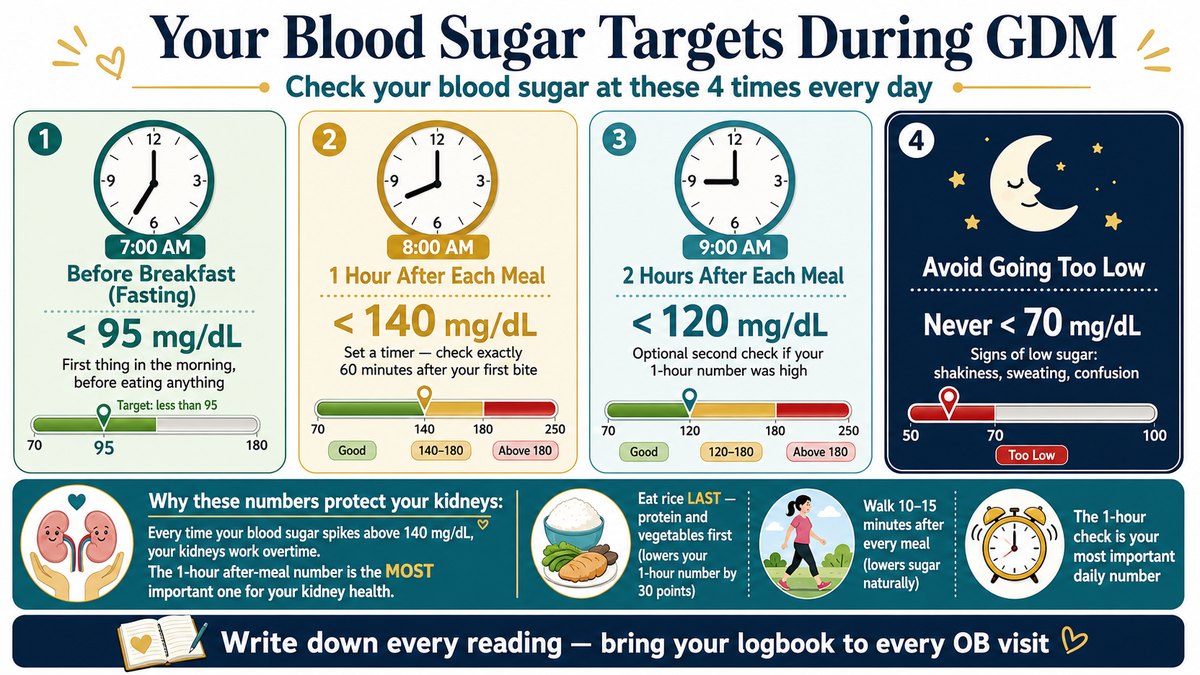 GuideGDM Nutrition & Meal Planning — A Nephrologist's PerspectiveGestational diabetes and kidney health — nutrition guidance for pregnant Filipino women to protect kidneys and reduce future CKD risk after gestational diabetes.
 GuideEating Smart with Diabetes — A Filipino Food GuideEvidence-based diabetic diet guide for Filipinos — glycemic index of rice, Filipino food GI chart, meal sequencing, 7-day meal plan, and palengke-friendly strategies for blood sugar control.
 GuideThe CKD Prescriber's PlaybookClinician-focused operational guide: exactly how to start, titrate, and adjust SGLT2 inhibitors, ACEi/ARB, GLP-1 agonists, diuretics, phosphate binders, and ESAs in CKD and nephrology practice. KDIGO 2024 aligned.
- CalculatorMetformin Safety Checker in CKD (eGFR hold/continue)eGFR-based metformin hold, continue, or discontinue guidance in CKD per the 2023 ADA Standards of Care and the FDA label, with dose-capping advice, transient-hold triggers (contrast, acute illness, surgery), monitoring, and references.
References
- U.S. Food and Drug Administration. glyburide-metformin hydrochloride · Heritage Pharmaceuticals Inc. d/b/a Avet Pharmaceuticals Inc. [US FDA-approved label, version 18, July 7, 2026]. Via DailyMed/openFDA. https://dailymed.nlm.nih.gov/dailymed/drugInfo.cfm?setid=b38213bb-d663-4c95-a1b2-96c23ee5be09
- Food and Drug Administration Philippines. Verification portal (product registrations). https://verification.fda.gov.ph
This page shows official label and registry text only; no renalcarematters.com clinical summary has been approved for it yet.
Last updated: .