WARNINGS Patients treated with aminoglycosides should be under close clinical observation because of the potential toxicity associated with their use. As with other aminoglycosides, gentamicin sulfate is potentially nephrotoxic. The risk of nephrotoxicity is greater in patients with impaired renal function and in those who receive high dosage or prolonged therapy.
Neurotoxicity manifested by ototoxicity, both vestibular and auditory, can occur in patients treated with gentamicin sulfate, primarily those with pre-existing renal damage and in patients with normal renal function treated with higher doses and/or for longer periods than recommended. Aminoglycoside-induced ototoxicity is usually irreversible.
Other manifestations of neurotoxicity may include numbness, skin tingling, muscle twitching and convulsions. Renal and eighth cranial nerve function should be closely monitored, especially in patients with known or suspected reduced renal function at onset of therapy and also in those whose renal function is initially normal but who develop signs of renal dysfunction during therapy.
Urine should be examined for decreased specific gravity, increased excretion of protein, and the presence of cells or casts. Blood urea nitrogen (BUN), serum creatinine, or creatinine clearance should be determined periodically. When feasible, it is recommended that serial audiograms be obtained in patients old enough to be tested, particularly high-risk patients.
Evidence of ototoxicity (dizziness, vertigo, tinnitus, roaring in the ears or hearing loss) or nephrotoxicity requires dosage adjustment or discontinuance of the drug. As with the other aminoglycosides, on rare occasions changes in renal and eighth cranial nerve function may not become manifest until soon after completion of therapy.
Serum concentrations of aminoglycosides should be monitored when feasible to assure adequate levels and to avoid potentially toxic levels. When monitoring gentamicin peak concentrations, dosage should be adjusted so that prolonged levels above 12 mcg/mL are avoided. When monitoring gentamicin trough concentrations, dosage should be adjusted so that levels above 2 mcg/mL are avoided.
Excessive peak and/or trough serum concentrations of aminoglycosides may increase the risk of renal and eighth cranial nerve toxicity. In the event of overdose or toxic reactions, hemodialysis may aid in the removal of gentamicin from the blood, especially if renal function is, or becomes compromised. The rate of removal of gentamicin is considerably lower by peritoneal dialysis than it is by hemodialysis.
Concurrent and/or sequential systemic or topical use of other potentially neurotoxic and/or nephrotoxic drugs, such as cisplatin, cephaloridine, kanamycin, amikacin, neomycin, polymyxin B, colistin, paromomycin, streptomycin, tobramycin, vancomycin, and viomycin, should be avoided (see PRECAUTIONS, Drug Interactions section). Other factors which may increase patient risk of toxicity are advanced age and dehydration (see PRECAUTIONS, Geriatric Use and DOSAGE AND ADMINISTRATION sections).
The concurrent use of gentamicin with potent diuretics, such as ethacrynic acid or furosemide, should be avoided, since certain diuretics by themselves may cause ototoxicity. In addition, when administered intravenously, diuretics may enhance aminoglycoside toxicity by altering the antibiotic concentration in serum and tissue (see PRECAUTIONS, Drug Interactions section).
Aminoglycosides can cause fetal harm when administered to a pregnant woman (see WARNINGS and PRECAUTIONS, Pregnancy sections).
Use: Labeled indications
- INDICATIONS AND USAGE To reduce the development of drug-resistant bacteria and maintain the effectiveness of Gentamicin Sulfate in 0.9% Sodium Chloride Injection and other antibacterial drugs, Gentamicin Sulfate in 0.9%…
Full indications and usage US FDA label
INDICATIONS AND USAGE To reduce the development of drug-resistant bacteria and maintain the effectiveness of Gentamicin Sulfate in 0.9% Sodium Chloride Injection and other antibacterial drugs, Gentamicin Sulfate in 0.9% Sodium Chloride Injection should be used only to treat or prevent infections that are proven or strongly suspected to be caused by susceptible bacteria. When culture and susceptibility information are available, they should be considered in selecting or modifying antibacterial therapy.
In the absence of such data, local epidemiology and susceptibility patterns may contribute to the empiric selection of therapy. Gentamicin Sulfate in 0.9% Sodium Chloride Injection is indicated in the treatment of serious infections caused by susceptible strains of the following microorganisms: Pseudomonas aeruginosa, Proteus species (indole-positive and indole-negative), Escherichia coli, Klebsiella-Enterobacter- Serratia species, Citrobacter species, and Staphylococcus species (coagulase-positive and coagulase-negative).
Clinical studies have shown gentamicin sulfate to be effective in bacterial neonatal sepsis; bacterial septicemia; and serious bacterial infections of the central nervous system (meningitis), urinary tract, respiratory tract, gastrointestinal tract (including peritonitis), skin, bone and soft tissue (including burns). Aminoglycosides, including gentamicin, are not indicated in uncomplicated initial episodes of urinary tract infections unless the causative organisms are susceptible to these antibiotics and are not susceptible to antibiotics having less potential for toxicity.
Specimens for bacterial culture should be obtained to isolate and identify causative organisms and to determine their susceptibility to gentamicin. Gentamicin Sulfate in 0.9% Sodium Chloride Injection may be considered as initial therapy in suspected or confirmed gram-negative infections, and therapy may be instituted before obtaining results of susceptibility testing.
The decision to continue therapy with this drug should be based on the results of susceptibility tests, the severity of the infection, and the important additional concepts contained in the boxed WARNINGS. If the causative organisms are resistant to gentamicin, other appropriate therapy should be instituted. In serious infections when the causative organisms are unknown, Gentamicin Sulfate in 0.9% Sodium Chloride Injection may be administered as initial therapy in conjunction with a penicillin-type or cephalosporin-type drug before obtaining results of susceptibility testing.
If anaerobic organisms are suspected as etiologic agents, consideration should be given to using other suitable antimicrobial therapy in conjunction with gentamicin. Following identification of the organism and its susceptibility, appropriate antibiotic therapy should then be continued. Gentamicin injection has been used effectively in combination with carbenicillin for the treatment of life-threatening infections caused by Pseudomonas aeruginosa.
It has also been found effective when used in conjunction with a penicillin-type drug for the treatment of endocarditis caused by group D streptococci. Gentamicin injection has also been shown to be effective in the treatment of serious staphylococcal infections. While not the antibiotic of first choice, gentamicin may be considered when penicillins or other less potentially toxic drugs are contraindicated and bacterial susceptibility tests and clinical judgement indicate its use.
It may also be considered in mixed infections caused by susceptible strains of staphylococci and gram-negative organisms. In the neonate with suspected bacterial sepsis or staphylococcal pneumonia, a penicillin-type drug is also usually indicated as concomitant therapy with gentamicin (see PRECAUTIONS, Pediatric Use and DOSAGE AND ADMINISTRATION sections).
Contraindications
- Hypersensitivity to gentamicin (serious reaction to other aminoglycosides may contraindicate)
Contraindications (US label) US FDA label
CONTRAINDICATIONS Hypersensitivity to gentamicin is a contraindication to its use. A history of hypersensitivity or serious toxic reactions to other aminoglycosides may contraindicate use of gentamicin because of known cross-sensitivity of patients to drugs in this class.
Dosing: Adult
- Serious infections (normal kidney function): 3 mg/kg/day IV in 3 doses every 8 hours; up to 5 mg/kg/day for life-threatening infection, reduced as soon as possible; usually 7 to 10 days
- Hemodialysis: 1 to 1.7 mg/kg after each dialysis
Dosage and administration (US label) US FDA label
DOSAGE AND ADMINISTRATION Gentamicin Sulfate in 0.9% Sodium Chloride Injection is for intravenous use only. The patient’s pretreatment body weight should be obtained for calculation of correct dosage. The dosage of aminoglycosides in obese patients should be based on an estimate of the lean body mass. It is desirable to limit the duration of treatment with aminoglycosides to short term.
Patients with Normal Renal Function Adults: The recommended dosage of Gentamicin Sulfate in 0.9% Sodium Chloride Injection for patients with serious infections and normal renal function is 3 mg/kg/day administered in three equal doses every eight hours (Table 3). For patients with life-threatening infections, dosages up to 5 mg/kg/day may be administered in three or four equal doses.
The dosage should be reduced to 3 mg/kg/day as soon as clinically indicated (Table 3). It is desirable to measure both peak and trough serum concentrations of gentamicin to determine the adequacy and safety of the dosage. When such measurements are feasible, they should be carried out periodically during therapy to assure adequate but not excessive drug levels.
For example, the peak concentration (at 30 to 60 minutes following cessation of infusion) is expected to be in the range of 4 to 6 mcg/mL. When monitoring peak concentrations, dosage should be adjusted so that prolonged levels above 12 mcg/mL are avoided. When monitoring trough concentrations (just prior to the next dose), dosage should be adjusted so that levels above 2 mcg/mL are avoided.
Determination of the adequacy of a serum level for a particular patient must take into consideration the susceptibility of the causative organism, the severity of the infection, and the status of the patient’s host-defense mechanisms. In patients with extensive burns, altered pharmacokinetics may result in reduced serum concentrations of aminoglycosides.
In such patients treated with gentamicin, measurement of serum concentrations is recommended as a basis for dosage adjustment. Table 3: Dosage Schedule Guide for Adults With Normal Renal Function (Dosage at Eight-Hour Intervals) Patient’s Weight The dosage of aminoglycosides in obese patients should be based on an estimate of the lean body mass.
Usual Dose for Serious Infections 1 mg/kg q8h (3 mg/kg/day) Dose for Life-Threatening Infections (Reduce as Soon as Clinically Indicated) 1.7 mg/kg q8h For q6h schedules, dosage should be recalculated. (5 mg/kg/day) kg (lb) mg/dose q8h mg/dose q8h 40 (88) 40 66 45 (99) 45 75 50 (110) 50 83 55 (121) 55 91 60 (132) 60 100 65 (143) 65 108 70 (154) 70 116 75 (165) 75 125 80 (176) 80 133 85 (187) 85 141 90 (198) 90 150 95 (209) 95 158 100 (220) 100 166 Children: 6 to 7.5 mg/kg/day (2 to 2.5 mg/kg administered every eight hours).
Infants and Neonates: 7.5 mg/kg/day (2.5 mg/kg administered every eight hours). Premature or Full-Term Neonates One Week of Age or Less: 5 mg/kg/day (2.5 mg/kg administered every 12 hours). NOTE: For further information concerning the use of gentamicin in infants and children, see Pediatric Gentamicin Sulfate Injection product information.
The usual duration of treatment for all patients is seven to ten days. In difficult and complicated infections, a longer course of therapy may be necessary. In such cases monitoring of renal, auditory, and vestibular functions is recommended, since toxicity is more apt to occur with treatment extended for more than ten days.
Dosage should be reduced if clinically indicated. For Intravenous Administration The intravenous administration of gentamicin may be particularly useful for treating patients with bacterial septicemia or those in shock. It may also be the preferred route of administration for some patients with congestive heart failure, hematologic disorders, severe burns, or those with reduced muscle mass.
For intermittent intravenous administration in adults, a single dose of Gentamicin Sulfate in 0.9% Sodium Chloride Injection may be administered according to individual patient requirements from the appropriate premixed container. The solution may be infused over a period of one-half to two hours. Gentamicin Sulfate Injection should not be physically premixed with other drugs, but should be administered separately in accordance with the recommended route of administration and dosage schedule.
Patients with Impaired Renal Function Dosage must be adjusted in patients with impaired renal function to assure therapeutically adequate, but not excessive blood levels. Whenever possible, serum concentrations of gentamicin should be monitored. One method of dosage adjustment is to increase the interval between administration of the usual doses.
Since the serum creatinine concentration has a high correlation with the serum half-life of gentamicin, this laboratory test may provide guidance for adjustment of the interval between doses. The interval between doses (in hours) may be approximated by multiplying the serum creatinine level (mg/100 mL) by 8. For example, a patient weighing 60 kg with a serum creatinine level of 2 mg/100 mL could be given 60 mg (1 mg/kg) every 16 hours (2 x 8).
In patients with serious systemic infections and renal impairment, it may be desirable to administer the antibiotic more frequently but in reduced dosage. In such patients, serum concentrations of gentamicin should be measured so that adequate, but not excessive levels result. A peak and trough concentration measured intermittently during therapy will provide optimal guidance for adjusting dosage.
After the usual initial dose, a rough guide for determining reduced dosage at eight-hour intervals is to divide the normally recommended dose by the serum creatinine level (Table 4). For example, after an initial dose of 60 mg (1 mg/kg), a patient weighing 60 kg with a serum creatinine level of 2 mg/100 mL could be given 30 mg every eight hours (60 ÷ 2).
It should be noted that the status of renal function may be changing over the course of the infectious process. It is important to recognize that deteriorating renal function may require a greater reduction of dosage than that specified in the above guidelines for patients with stable renal impairment. This container system may be inappropriate for the dosage requirements of children, infants, and neonates.
Other dosage forms may be more appropriate. Table 4: Dosage Adjustment Guide For Patients With Renal Impairment (Dosage at Eight-Hour Intervals After the Usual Initial Dose) Serum Creatinine (mg %) Approximate Creatinine Clearance (mL/min/1.73 m² Percent of Usual Doses Shown in Table 3 ≤1 >100 100 1.1 - 1.3 70 - 100 80 1.4 - 1.6 55 - 70 65 1.7 - 1.9 45 - 55 55 2 - 2.2 40 - 45 50 2.3 - 2.5 35 - 40 40 2.6 - 3 30 - 35 35 3.1 - 3.5 25 - 30 30 3.6 - 4 20 - 25 25 4.1 - 5.1 15 - 20 20 5.2 - 6.6 10 - 15 15 6.7 - 8 <10 10 In adults with renal failure undergoing hemodialysis, the amount of gentamicin removed from the blood may vary depending upon several factors including the dialysis method used.
An eight hour hemodialysis may reduce serum concentrations of gentamicin by approximately 50%. The recommended dosage at the end of each dialysis period is 1 to 1.7 mg/kg depending upon the severity of infection. In children, a dose of 2 mg/kg may be administered. The above dosage schedules are not intended as rigid recommendations but are provided as guides to dosage when the measurement of gentamicin serum levels is not feasible.
A variety of methods are available to measure gentamicin concentrations in body fluids; these include microbiologic, enzymatic and radioimmunoassay techniques. Gentamicin Sulfate in 0.9% Sodium Chloride Injection is a ready-to-use isotonic solution. No dilution or buffering is required. If the prescribed dose is exactly 60, 80, or 100 mg use the appropriate container.
If the prescribed dose is higher or lower than that of the supplied container adjustments can be made. If the dose is higher than the contents of a 100 mg container the additional amount should be removed from a container of gentamicin sulfate (60 mg/mL) and added to the 100 mg container. If the prescribed dose is less than that contained in a supplied container, use the container with the dose closest to (but above) the prescribed dose, removing and discarding an appropriate amount from it.
Do not use plastic containers in series connection. Parenteral drug products should be inspected visually for particulate matter and discoloration prior to administration, whenever solution and container permit. Use only if solution is clear and container and seals are intact. If administration is controlled by a pumping device, care must be taken to discontinue pumping action before the container runs dry or air embolism may result.
These solutions are intended for intravenous administration using sterile equipment. It is recommended that intravenous administration apparatus be replaced at least once every 24 hours. Instructions for the Administration of Gentamicin Sulfate in 0.9% Sodium Chloride Injection. This product is intended for use only as an IV secondary medication unit.
Use aseptic technique when removing contents from these units. Do not add other drugs to Gentamicin Sulfate in 0.9% Sodium Chloride Injection. All injections in Viaflex Plus plastic containers are intended for intravenous administration using sterile equipment.
Dosing: Altered kidney function
Gentamicin is an aminoglycoside cleared by glomerular filtration; it is nephrotoxic and ototoxic (boxed warning), with higher risk in kidney impairment. The US label adjusts by serum creatinine (interval = serum creatinine × 8 hours, or a reduced-dose table) with serum-level monitoring, and gives 1 to 1.7 mg/kg at the end of each hemodialysis (2 mg/kg in children). Peritoneal dialysis removes it much more slowly than hemodialysis. Injection only: eye/ear drops and cream need no kidney dose adjustment.
Kidney function measure: Label uses serum creatinine (mg/dL) with an approximate CrCl (mL/min/1.73 m2) table.
Show full dosing details
- CrCl ≥60 mL/min
- Normal kidney function: 3 mg/kg/day in 3 doses every 8 hours; up to 5 mg/kg/day for life-threatening infection, reduced as soon as possible. Obese patients: dose by lean body mass. Measure peaks (4 to 6 mcg/mL) and troughs (label). Alternative (not in label): extended-interval dosing, e.g., 7 mg/kg with interval by CrCl (≥60: every 24 h; 40–59: every 36 h; 20–39: every 48 h) and a single-level nomogram (Nicolau 1995). Not validated below CrCl 20 or on dialysis: use the label method with levels.
- CrCl 30–59 mL/min
- After the usual first dose, either extend the interval (hours = serum creatinine in mg/dL × 8) or keep 8-hourly doses reduced by the label's serum creatinine table (Table 4) or by dividing the normal dose by serum creatinine. Avoid prolonged peaks above 12 mcg/mL and troughs above 2 mcg/mL; measure levels (label). Table 4 examples: CrCl about 40–45 (SCr 2–2.2): 50%; 30–35 (SCr 2.6–3): 35% of the usual dose every 8 hours. Alternative (not in label): extended-interval dosing, e.g., 7 mg/kg with interval by CrCl (≥60: every 24 h; 40–59: every 36 h; 20–39: every 48 h) and a single-level nomogram (Nicolau 1995). Not validated below CrCl 20 or on dialysis: use the label method with levels. In AKI, creatinine lags; the label warns that deteriorating kidney function needs a greater reduction than these tables.
- CrCl 15–29 mL/min
- After the usual first dose, either extend the interval (hours = serum creatinine in mg/dL × 8) or keep 8-hourly doses reduced by the label's serum creatinine table (Table 4) or by dividing the normal dose by serum creatinine. Avoid prolonged peaks above 12 mcg/mL and troughs above 2 mcg/mL; measure levels (label). Table 4 example: CrCl about 20–25: 25%; 15–20: 20% of the usual dose every 8 hours. Alternative (not in label): extended-interval dosing, e.g., 7 mg/kg with interval by CrCl (≥60: every 24 h; 40–59: every 36 h; 20–39: every 48 h) and a single-level nomogram (Nicolau 1995). Not validated below CrCl 20 or on dialysis: use the label method with levels. In AKI, creatinine lags; the label warns that deteriorating kidney function needs a greater reduction than these tables.
- CrCl <15 mL/min (not on dialysis)
- After the usual first dose, either extend the interval (hours = serum creatinine in mg/dL × 8) or keep 8-hourly doses reduced by the label's serum creatinine table (Table 4) or by dividing the normal dose by serum creatinine. Avoid prolonged peaks above 12 mcg/mL and troughs above 2 mcg/mL; measure levels (label). Table 4: CrCl about 10–15: 15%; under 10: 10% of the usual dose every 8 hours. Specialist input. In AKI, creatinine lags; the label warns that deteriorating kidney function needs a greater reduction than these tables.
- Hemodialysis (intermittent)
- 1 to 1.7 mg/kg at the end of each dialysis, depending on severity of infection; an 8-hour hemodialysis lowers levels by about 50% (label). Check levels.
- Peritoneal dialysis
- No PD dose in label; removal by peritoneal dialysis is much slower than by hemodialysis. For PD-associated peritonitis (ISPD 2022): 0.6 mg/kg intraperitoneally once daily, intermittent (in one exchange daily with a dwell of at least 6 hours); continuous dosing is not advised. Check levels; specialist input.
- CRRT
- No data in label, and gentamicin is not in the Li 2020 CRRT table. Level-guided dosing with specialist input.
- Dialyzable? Yes by hemodialysis (about 50% over 8 hours; label); much less by peritoneal dialysis. Protein binding 0% to 30%.
- Monitoring Peak and trough levels; serum creatinine before and during therapy; urinalysis; hearing and vestibular function; magnesium, calcium and potassium (wasting, Fanconi-like syndrome reported). Avoid other nephrotoxic drugs and potent diuretics.
Children (kidney dosing)
Show full dosing details
- eGFR ≥60
- Usual weight-based dose; TDM (label).
- eGFR 30–59
- Label serum creatinine methods are not age-limited; monitor levels. Specialist input in children.
- eGFR 15–29
- As above.
- eGFR <15 (not on dialysis)
- As above; specialist input.
- Hemodialysis (intermittent)
- Children: 2 mg/kg at the end of each dialysis (label). Check levels.
- Peritoneal dialysis
- No label dose; see ISPD 2022; specialist.
- CRRT
- No data; level-guided; specialist.
Pediatric eGFR: bedside Schwartz equation, 0.413 × height (cm) / serum creatinine (mg/dL). Weight-based doses should not exceed the adult maximum.
renalcarematters.com guidance, reviewed by William Gregory M. Rivero, MD, FPCP, DPSN on November 18, 2026. Sources are listed under References. Use with the product's package insert and the patient's current kidney function.
US label text: Renal impairment US FDA label
Patients with Impaired Renal Function Dosage must be adjusted in patients with impaired renal function to assure therapeutically adequate, but not excessive blood levels. Whenever possible, serum concentrations of gentamicin should be monitored. One method of dosage adjustment is to increase the interval between administration of the usual doses.
Since the serum creatinine concentration has a high correlation with the serum half-life of gentamicin, this laboratory test may provide guidance for adjustment of the interval between doses. The interval between doses (in hours) may be approximated by multiplying the serum creatinine level (mg/100 mL) by 8. For example, a patient weighing 60 kg with a serum creatinine level of 2 mg/100 mL could be given 60 mg (1 mg/kg) every 16 hours (2 x 8).
In patients with serious systemic infections and renal impairment, it may be desirable to administer the antibiotic more frequently but in reduced dosage. In such patients, serum concentrations of gentamicin should be measured so that adequate, but not excessive levels result. A peak and trough concentration measured intermittently during therapy will provide optimal guidance for adjusting dosage.
After the usual initial dose, a rough guide for determining reduced dosage at eight-hour intervals is to divide the normally recommended dose by the serum creatinine level (Table 4). For example, after an initial dose of 60 mg (1 mg/kg), a patient weighing 60 kg with a serum creatinine level of 2 mg/100 mL could be given 30 mg every eight hours (60 ÷ 2).
It should be noted that the status of renal function may be changing over the course of the infectious process. It is important to recognize that deteriorating renal function may require a greater reduction of dosage than that specified in the above guidelines for patients with stable renal impairment. This container system may be inappropriate for the dosage requirements of children, infants, and neonates.
Other dosage forms may be more appropriate. Table 4: Dosage Adjustment Guide For Patients With Renal Impairment (Dosage at Eight-Hour Intervals After the Usual Initial Dose) Serum Creatinine (mg %) Approximate Creatinine Clearance (mL/min/1.73 m² Percent of Usual Doses Shown in Table 3 ≤1 >100 100 1.1 - 1.3 70 - 100 80 1.4 - 1.6 55 - 70 65 1.7 - 1.9 45 - 55 55 2 - 2.2 40 - 45 50 2.3 - 2.5 35 - 40 40 2.6 - 3 30 - 35 35 3.1 - 3.5 25 - 30 30 3.6 - 4 20 - 25 25 4.1 - 5.1 15 - 20 20 5.2 - 6.6 10 - 15 15 6.7 - 8 <10 10 In adults with renal failure undergoing hemodialysis, the amount of gentamicin removed from the blood may vary depending upon several factors including the dialysis method used.
An eight hour hemodialysis may reduce serum concentrations of gentamicin by approximately 50%. The recommended dosage at the end of each dialysis period is 1 to 1.7 mg/kg depending upon the severity of infection. In children, a dose of 2 mg/kg may be administered. The above dosage schedules are not intended as rigid recommendations but are provided as guides to dosage when the measurement of gentamicin serum levels is not feasible.
A variety of methods are available to measure gentamicin concentrations in body fluids; these include microbiologic, enzymatic and radioimmunoassay techniques. Gentamicin Sulfate in 0.9% Sodium Chloride Injection is a ready-to-use isotonic solution. No dilution or buffering is required. If the prescribed dose is exactly 60, 80, or 100 mg use the appropriate container.
If the prescribed dose is higher or lower than that of the supplied container adjustments can be made. If the dose is higher than the contents of a 100 mg container the additional amount should be removed from a container of gentamicin sulfate (60 mg/mL) and added to the 100 mg container. If the prescribed dose is less than that contained in a supplied container, use the container with the dose closest to (but above) the prescribed dose, removing and discarding an appropriate amount from it.
Do not use plastic containers in series connection. Parenteral drug p
Dosing: Pediatric
- Approved ages
- Children, infants and neonates (label; this premixed bag may not suit small children).
- Usual dose
- Children: 6 to 7.5 mg/kg/day (2 to 2.5 mg/kg every 8 hours). Infants and neonates: 7.5 mg/kg/day (2.5 mg/kg every 8 hours) (label).
- Maximum dose
- 7.5 mg/kg/day (usual pediatric range).
- Neonates
- Premature or full-term neonates 1 week of age or less: 5 mg/kg/day (2.5 mg/kg every 12 hours) (label). Practice outside the US label: international neonatal guidelines vary from 4 to 6 mg/kg per dose every 24 to 48 hours; a model-based analysis proposed 7.5 mg/kg at 36- to 48-hour intervals set by gestational and postnatal age, with levels for courses beyond 3 days (van Donge 2018). Preterm infants need higher doses at extended intervals than term neonates (Fuchs 2014). With standard dosing, about half of neonates missed the target trough (1 mg/L or less) or peak (8 to 12 mg/L) (Hollander 2023). Check serum creatinine, and levels when treatment runs beyond 48 to 72 hours: unmonitored 5 mg/kg daily dosing was associated with acute kidney injury in a small study of term neonates (James 2024).
Kidney dosing in children: see Dosing: Altered kidney function.
renalcarematters.com, reviewedPediatric use (US label) US FDA label
Pediatric Use In the neonate with suspected bacterial sepsis or staphylococcal pneumonia, a penicillin-type drug is also usually indicated as concomitant therapy with gentamicin. During or following gentamicin therapy, paresthesias, tetany, positive Chvostek and Trousseau signs and mental confusion have been described in patients with hypomagnesemia, hypocalcemia and hypokalemia.
When this has occurred in infants, tetany and muscle weakness have been described. Both adults and infants required appropriate corrective electrolyte therapy. A Fanconi-like syndrome, with aminoaciduria and metabolic acidosis has been reported in some adults and infants being given gentamicin injections.
Dosing: Older adult
Geriatric use (US label) US FDA label
Geriatric Use This drug is known to be substantially excreted by the kidney, and the risk of toxic reactions to this drug may be greater in patients with impaired renal function. Because elderly patients are more likely to have decreased renal function, care should be taken in dose selection, and it may be useful to monitor renal function.
Elderly patients may have reduced renal function which may not be evident in the results of routine screening tests such as BUN or serum creatinine. A creatinine clearance determination may be more useful. Monitoring of renal function during treatment with gentamicin, as with other aminoglycosides, is particularly important in such patients.
Dosage forms
Philippines
- ) solution for injection: 40 mg/mL (80 mg/2 mL, 40 mg/mL (80 mg/mL, 80 mg/2 mL (40 mg/mL
- Ophthalmic/otic solution: 3 mg/mL
- Solution for injection: 40 mg/mL
- Ophthalmic solution: 3 mg/mL
- Sterile ophthalmic solution: 3 mg/mL
- ) sterile solution for injection: 40 mg/mL (80 mg/2 mL
- Ophthalmic/ otic solution: 3 mg/mL
- Ophthamlic/otic solution: 3 mg/mL
- Topical cream: 1 mg/g
- W/v) sterile ophthalmic solution: 3 mg/mL (0.3 %
Registered products in the Philippines
38 products registered with the Food and Drug Administration (FDA) Philippines list Gentamicin as the generic name. Registration status changes; confirm a product's current status on the FDA portal before relying on it.
All registered products38
| Package insert | |||||||
|---|---|---|---|---|---|---|---|
EyvantaGentamicin (as sulfate) | 3mg/ml (0.3% w/w) Ophthalmic SolutionHDPE Plastic Bottle x 5 mL (Box of 1's) | Rx | Mercury Laboratories Ltd.India | Despina Pharma Inc. | DRP-18859 | Sep 24, 2031 | |
GaracareGentamicin (as sulfate) | 40 mg/mL (80 mg/2 mL) Solution for Injection (IM/IV)3-mL capacity USP Type I Clear colorless borosilicate glass vial with light grey butyl rubber closure and aluminum cap with red polypropylene plastic flip-off cap x 2 mL (Box of 1's) | Rx | Vesco Pharmaceutical Company LimitedThailand | Euro-Care Products Philippines | DRP-9773 | Jun 7, 2031 | |
GaraveeGentamicin (as sulfate) | 40 mg/mL (80 mg/2 mL) Solution for Injection (IM/IV)3-mL capacity USP Type I Clear colorless borosilicate glass vial with light grey butyl rubber closure and aluminum cap with red polypropylene plastic flip-off cap x 2 mL (Box of 1's) | Rx | Vesco Pharmaceutical Company LimitedThailand | Asianmeds, Inc.Importer: Euro-Care Products Philippines | DRP-9773-01 | Jun 7, 2031 | |
GenomGentamicin (as Sulfate) | 40mg/mL Solution for Injection (IM/IV)Clear Glass Ampoule x 2mL (Box of 1 blister pack x 10's) | Rx | GEOFMAN PHARMACEUTICALSPakistan | SAHAR INTERNATIONAL TRADING INC. | DRP-972 | Oct 30, 2027 | |
GentacareGentamicin (as Sulfate) | 3 mg/mL (0.3% w/v) Ophthamlic/Otic SolutionLDPE Bottle with Nozzle x 8 mL (Box of 1's) | Rx | EBE PHARMACEUTICAL CO., LTD.China | AGLOBAL CARE, INC. | DRP-7265 | Apr 22, 2029 | |
GentacareGentamicin (as sulfate) | 80 mg/2 mL (40 mg/mL) Solution for Injection (I.M./I.V.)USP Type I Clear Glass Ampoule x 2 mL (Box of 10’s) | Rx | GRAND PHARMACEUTICAL (CHINA) CO., LTD.China | AGLOBAL CARE, INC. | DRP-11323 | Sep 2, 2028 | |
GentagemGentamicin (as sulfate) | 40 mg/mL (80 mg/2 mL) Solution for Injection (I.M./I.V.)2 mL USP Type I Borosilicate Amber Glass Ampoule (Box of 10's) | Rx | Furen Pharmaceutical Group Co., Ltd.China | Euro-Care Products Philippines | DRP-10328 | Sep 10, 2031 | |
GentagoGentamicin (as sulfate) | 3 mg/mL (0.3% w/v) Ophthalmic/Otic Solution (Drops)Opaque Low Density Polyethylene (LDPE) plastic bottle enclosed by a tamper-proof High Density Polyethylene (HDPE) white screw cap with transparent Low Density Polyethylene (LDPE) plastic dropper x 5 mL (Box of 1's) | Rx | Egyptian International Pharmaceutical Industries Co. (EIPICO)Egypt | Applied Pharmaceutical Distribution IncImporter: Ambica International Corporation | DRP-10946-01 | Dec 8, 2031 | |
GentalyfGentamicin (as sulfate) | 3 mg/mL (0.3 % w/v) Ophthalmic/Otic Solution (Drops)Opaque Low Density Polyethylene (LDPE) plastic bottle enclosed by a tamper-proof High Density Polyethylene (HDPE) white screw cap with transparent Low Density Polyethylene (LDPE) plastic dropper x 5 mL (Box of 1's) | Rx | Egyptian International Pharmaceutical Industries Co. (EIPICO)Egypt | AGB Pharmaceutical Trading and Consultancy CorporationImporter: Ambica International Corporation | DRP-10946-03 | Nov 19, 2031 | |
GentamGentamicin (as Sulfate) | 40 mg/mL (80 mg/2mL) Solution for Injection2 mL Type I Low Borosilicate Amber Glass Ampoule x 10's in a box | Rx | ANHUI CHANGJIANG PHARMACEUTICAL CO., LTD.China | AGLOBAL CARE, INC. | DRP-8056 | Feb 25, 2030 | |
GentambcinGentamicin (as sulfate) | 40mg/mL (80mg/2mL) Solution for Injection (IM/IV) | Rx | Guizhou Tiandi Pharmaceutical Co., Ltd.China | AMB HK Enterprises, Inc. | DRP-17676 | Feb 13, 2031 | |
GentameedGentamicin (as sulfate) | 3 mg/ mL (0.3 % w/v) Ophthalmic/ Otic Solution (Drops)Opaque Low Density Polyethylene (LDPE) plastic bottle enclosed by a tamper-proof High Density Polyethylene (HDPE) white screw cap with transparent Low Density Polyethylene (LDPE) plastic dropper x 5 mL (Box of 1's) | Rx | Egyptian International Pharmaceutical Industries Co. (EIPICO)Egypt | Ambicare Pharmaceuticals Inc.Importer: Ambica International Corporation | DRP-10946-02 | Dec 8, 2031 | |
GentaminGentamicin (as Sulfate) | 40 mg/mL (80 mg/2 mL) Solution for Injection (IM/IV)USP Type I Amber Glass Ampoule x 2 mL (Box of 10's) | Rx | Furen Pharmaceutical Group Co., Ltd.China | Endure Medical, Inc. | DR-XY46512 | Feb 1, 2029 | |
GentamiteGentamicin (as sulfate) | 40 mg/mL (80 mg/ 2 mL) Solution for Injection (I.M./I.V.)USP Type I clear colourless glass ampoule x 2 mL (Box of 10's) | Rx | Swiss Parenterals Ltd. (Block-B)India | Applied Pharmaceutical Distribution, Inc. | DRP-13635 | Mar 21, 2028 | |
GentaproGentamicin (as sulfate) | 3 mg/mL (0.3% w/v) Sterile Ophthalmic SolutionLDPE White Plastic Dropper tip Bottle and HDPE cap x 5 mL (Box of 1’s) | Rx | Laboratorios Ashford Lda.China | Marrion Pharma Inc. | DRP-6032 | Nov 11, 2030 | |
Gentasaph-40Gentamicin (as Sulfate) | 40mg/mL (80mg/2mL) Solution For Injection (IM/IV)Amber Colored Ampoule with Pantone Brown 6C Ring at Constriction x 2 mL (Box of 10's) | Rx | Kilitch Drugs (India) Ltd.India | Nelpa Lifesciences, Inc.Trader: Sapphire Lifesciences Pvt. Ltd. | DRP-13039 | Nov 21, 2027 | |
GentasaveGentamicin (as Sulfate) | 40 mg/mL (80 mg/2mL) Solution for Injection2 mL Type I Low Borosilicate Amber Glass Ampoule x 10's in a box (Box of 10's) | Rx | Anhui Changjiang Pharmaceutical Co., Ltd.China | Savelink Pharma and Trading Co.Importer: Aglobal Care, Inc. | DRP-8056-03 | Feb 25, 2030 | |
GentaxinGentamicin Sulfate | 40 mg/mL (80 mg/2mL) Sterile Solution for Injection (I.M. / I.V.)USP Type I Clear Glass Ampoule x 2mL (Box of 10's) | Rx | Gland Pharma Ltd.India | Endure Medical, Inc. | DR-XY33997 | Nov 28, 2030 | |
Gentix EyeGentamicin | 3 mg/mL (0.3% w/v) Ophthalmic Solution (Eye Drops)Opaque White LDPE Dropper Bottle Sealed with HDPE Cap x 10 mL (Box of 1's) | Rx | East African (India) OverseasIndia | Airlife International Trading Corporation | DRP-14724 | Dec 13, 2028 | |
GentrineGentamicin (as Sulfate) | 3 mg/mL (0.3% w/v) Sterile Ophthalmic Solution5 mL white opaque LDPE bottle, white opaque LDPE nozzle and white opaque HDPE cap (Box of 1's) | Rx | Indiana OphthalmicsIndia | Medinova Pharmaceutical Inc. | DRP-13505 | Feb 28, 2028 | |
GentrobexGentamicin (as Sulfate) | 40mg/mL (80mg/2mL) Solution for Injection (I.M./I.V.)Clear and Colorless Glass Vial with Rubber Stopper and Blue Flip-off Seal (Box of 10's) | Rx | Vysali Pharmaceutical Ltd.India | EURO-CARE PRODUCTS PHILIPPINES | DRP-697 | Apr 24, 2028 | |
GlycocinGentamicin (as sulfate) | 40 mg/mL (80 mg/2 mL) Solution for Injection (I.M./I.V.)2 mL USP Type 1 Clear and Colorless Glass Ampoule (Box of 1’s) | Rx | Maxitech Pharma (Pvt.) Ltd.Pakistan | Accesspoint International Trading, Inc. | DRP-18302 | Sep 8, 2031 | |
GxacinGentamicin (as sulfate) | 3mg/mL (0.3%w/v) Sterile Ophthalmic Solution (eye drops)5mL LDPE bottle (Box of 1's) | Rx | Axa Parenterals LimitedIndia | Brady Pharma Inc. | DRP-12119 | Apr 23, 2031 | |
KLONTARGentamicin Sulfate | 3 mg/mL Ophthalmic/Otic SolutionPlastic Dropper-Tipped Bottle x 5 mL Box of 1's | Rx | Ashford Pharmaceutical Laboratories, Inc.Philippines | Trader: Medilife Pharma, Inc. | DRP-423 | Oct 8, 2029 | |
LormiginGentamicin (as sulfate) | 40 mg/mL Solution for Injection (IM/IV)2mL colorless glass vial w/ rubber stopper & aluminum metal shell (Box of 1's) | Rx | T.P. Drug Laboratories (1969) Co., Ltd.Thailand | Lordla Pharma Sales | DRP-1273 | Oct 31, 2027 | |
MaxigenGentamicin (as sulfate) | 40 mg/mL (80 mg/2 mL) Solution for Injection (I.M./I.V.)USP Type I Clear and Colorless Glass Ampoule x 2 mL (Box of 10's) | Rx | Zhejiang Ruixin Pharmaceutical Co., Ltd.China | Global Pharmatrade | DR-XY41946 | Apr 10, 2028 | |
MaxigenGentamicin (as sulfate) | 40 mg/mL (80 mg/mL) Solution for Injection (I.M./I.V.)Type I Amber Glass Ampoule x 2 mL (Box of 10's) | Rx | Zhejiang Ruixin Pharmaceutical Co., Ltd.China | Global Pharmatrade | DR-XY41633 | Sep 2, 2028 | |
MycinGentamicin (as Sulfate) | 40 mg/mL Solution for Injection (IM/IV)Amber Ampoule x 2 mL (Box of 10's) | Rx | Neon Laboratories LimitedIndia | Elin Pharmaceuticals, Inc. | DR-XY17861 | Dec 27, 2031 | |
NeogentaGentamicin (as sulfate) | Ophthalmic/ Otic Solution (Drops) 3mg/mL (0.3% w/v)Opaque Low Density Polyethylene (LDPE) plastic bottle enclosed by a tamper-proof High Density Polyethylene (HDPE) white screw cap with transparent Low Density Polyethylene (LDPE) plastic dropper x 5 mL (Box of 1's) | Rx | Egyptian International Pharmaceutical Industries Co. (EIPICO)Egypt | Diafarm, Inc.Importer: Ambica International Corporation | DRP-10946-05 | Dec 8, 2031 | |
NoneGentamicin (as sulfate) | 3 mg/mL (0.3 % w/v) Ophthalmic/Otic Solution (Drops)Opaque Low Density Polyethylene (LDPE) plastic bottle enclosed by a tamper-proof High Density Polyethylene (HDPE) white screw cap with transparent Low Density Polyethylene (LDPE) plastic dropper x 5 mL (Box of 1's) | Rx | Egyptian International Pharmaceutical Industries Co. (EIPICO)Egypt | TGP Pharma Inc.Importer: Ambica International Corporation | DRP-10946-04 | Nov 6, 2031 | |
NoneGentamicin (as sulfate) | 40 mg/mL Solution for Injection (IM/IV)USP Type I Clear and Colorless Glass Vial x 2 mL | Rx | Atlantic Laboratories Corporation Ltd.Thailand | Phil Pharmawealth, Inc. | DR-XY27161 | Dec 23, 2029 | |
OptigentGentamicin (as sulfate) | 3 mg/mL (0.3% w/v) Ophthalmic/Otic Solution (Drops)Opaque Low Density Polyethylene (LDPE) plastic bottle enclosed by a tamper-proof High Density Polyethylene (HDPE) white screw cap with transparent Low Density Polyethylene (LDPE) plastic dropper x 5 mL (Box of 1's) | Rx | Egyptian International Pharmaceutical Industries Co. (EIPICO)Egypt | Pharmabiz Solutions, Inc.Importer: Ambica International Corporation | DRP-10946 | Dec 21, 2031 | |
PurogenGentamicin (as sulfate) | 40 mg/mL Solution for Injection (IM/IV)Amber glass ampoule x 2 mL (Box of 10’s) | Rx | SHANDONG SHENGLU PHARMACEUTICAL CO., LTD.China | AGLOBAL CARE, INC.Trader: SAINTSUN PHARMA CO. LTD. | DR-XY46084 | Oct 9, 2027 | |
RetamicinGentamicin (as sulfate) | 3 mg/mL (0.3% w/v) Ophthalmic/Otic Solution (Drops)Opaque Low Density Polyethylene (LDPE) plastic bottle enclosed by a tamper-proof High Density Polyethylene (HDPE) white screw cap with transparent Low Density Polyethylene (LDPE) plastic dropper x 5 mL (Box of 1's) | Rx | Egyptian International Pharmaceutical Industries Co. (EIPICO)Egypt | Reta DrugImporter: Ambica International Corporation | DRP-10946-06 | Oct 10, 2031 | |
Rocy GenGentamicin (as sulfate) | 40 mg/mL (80 mg/2 mL) Solution for Injection (I.M/I.V.)Amber Glass Ampoule x 2 mL (Box of 10's) | Rx | Panpharma GmbHGermany | Duopharma Trade Phils., Inc. | DRP-8320 | Sep 15, 2028 | |
SugentacinGentamicin (as sulfate) | 40 mg/mL (80 mg/2 mL) Solution for Injection (I.M./I.V.)USP Type I Glass Ampoule x 2 mL (Box of 10's) | Rx | Umedica Laboratories Pvt. Ltd.India | Suhitas Pharmaceuticals Inc. | DRP-2664 | Dec 23, 2030 | |
TamigenGentamicin (As Sulfate) | 40 mg/mL (80 mg/2 mL) Solution For Injection (IM/IV)USP Type III Amber Glass Vial x 2 mL (Box of 1's and 10's) | Rx | SYNCOM FORMULATIONS (INDIA) LTD.India | ARVINCARE PHARMA INC. | DRP-123 | Jul 8, 2028 | |
UnbrandedGentamicin (as Sulfate) | 1 mg/g (0.1% w/w) Topical CreamAluminum Collapsible Tube x 10 g Not Applicable | Rx | MCB Dermatological ProductsPhilippines | — | DR-XY45760 | Jan 26, 2032 |
Source: FDA Philippines product registration database. "Valid until" is the registration validity date listed by the FDA; a past date may mean a renewal is pending. Package insert links point to files published by the FDA.
Warnings/Precautions
The boxed warning is shown at the top of this page.
Warnings and precautions (US label) US FDA label
WARNINGS (See boxed WARNINGS.) Aminoglycosides can cause fetal harm when administered to a pregnant woman. Aminoglycoside antibiotics cross the placenta, and there have been several reports of total irreversible bilateral congenital deafness in children whose mothers received streptomycin during pregnancy. Serious side effects to mother, fetus or newborn have not been reported in the treatment of pregnant women with other aminoglycosides.
Animal reproduction studies conducted on rats and rabbits did not reveal evidence of impaired fertility or harm to the fetus due to gentamicin sulfate. It is not known whether gentamicin sulfate can cause fetal harm when administered to a pregnant woman or can affect reproduction capacity. If gentamicin is used during pregnancy or if the patient becomes pregnant while taking gentamicin, she should be apprised of the potential hazard to the fetus.
Solutions containing sodium ions should be used with great care, if at all, in patients with congestive heart failure, severe renal insufficiency, and in clinical states in which there exists edema with sodium retention. Risk of Ototoxicity Due to Mitochondrial DNA Variants Cases of ototoxicity with aminoglycosides have been observed in patients with certain variants in the mitochondrially encoded 12S rRNA gene (MT-RNR1), particularly the m.1555A>G variant.
Ototoxicity occurred in some patients even when their aminoglycoside serum levels were within the recommended range. Mitochondrial DNA variants are present in less than 1% of the general US population, and the proportion of the variant carriers who may develop ototoxicity as well as the severity of ototoxicity is unknown.
In case of known maternal history of ototoxicity due to aminoglycoside use or a known mitochondrial DNA variant in the patient, consider alternative treatments other than aminoglycosides unless the increased risk of permanent hearing loss is outweighed by the severity of infection and lack of safe and effective alternative therapies.
Drug interactions
| Drug or class | Severity | Effect | What to do |
|---|---|---|---|
| Other nephrotoxic or neurotoxic drugs (cisplatin, vancomycin, polymyxin B, colistin, other aminoglycosides) | Avoid | Additive nephrotoxicity and ototoxicity (label). | Avoid; if needed, monitor levels and kidney function. |
| Potent diuretics (furosemide, ethacrynic acid) | Avoid | Ototoxicity; higher aminoglycoside toxicity (label). | Avoid the combination. |
| Neuromuscular blockers, anesthesia | Adjust or monitor | Neuromuscular blockade, respiratory paralysis (label). | Monitor. |
Severity scale (renalcarematters.com): Avoid: do not combine; Adjust or monitor: change the dose or monitor closely; Minor: usually no action.
renalcarematters.com, reviewedDrug interactions (US label) US FDA label
Drug Interactions The concurrent use of gentamicin with potent diuretics, such as ethacrynic acid or furosemide, should be avoided, since certain diuretics by themselves may cause ototoxicity. In addition, when administered intravenously, diuretics may enhance aminoglycoside toxicity by altering the antibiotic concentration in serum and tissue.
Concurrent and/or sequential systemic or topical use of other potentially neurotoxic and/or nephrotoxic drugs such as cisplatin, cephaloridine, kanamycin, amikacin, neomycin, polymyxin B, colistin, paromomycin, streptomycin, tobramycin, vancomycin, and viomycin, should be avoided. Increased nephrotoxicity has been reported following concomitant administration of aminoglycoside antibiotics and cephalosporins.
Neuromuscular blockade and respiratory paralysis have been reported in the cat receiving high doses (40 mg/kg) of gentamicin. The possibility of these phenomena occurring in man should be considered if aminoglycosides are administered by any route to patients receiving anesthetics, or to patients receiving neuro-muscular blocking agents, such as succinylcholine, tubocurarine, or decamethonium, or in patients receiving massive transfusions of citrate-anticoagulated blood.
If neuromuscular blockade occurs, calcium salts may reverse it. Although the in vitro mixing of gentamicin and carbenicillin results in a rapid and significant inactivation of gentamicin, this interaction has not been demonstrated in patients with normal renal function who received both drugs by different routes of administration.
A reduction in gentamicin serum half-life has been reported in patients with severe renal impairment receiving carbenicillin concomitantly with gentamicin. Probenecid does not affect renal tubular transport of gentamicin.
Adverse reactions
Common
- Nephrotoxicity (rising creatinine, casts, protein)
- Vestibular and auditory toxicity
Serious
- Acute kidney injury (boxed warning)
- Irreversible ototoxicity (boxed warning)
- Neuromuscular blockade, respiratory paralysis
- Hypomagnesemia, hypocalcemia, hypokalemia; Fanconi-like syndrome
Adverse reactions (US label) US FDA label
ADVERSE REACTIONS Nephrotoxicity - Adverse renal effects, as demonstrated by the presence of casts, cells, or protein in the urine or by rising BUN, NPN, serum creatinine and oliguria, have been reported. They occur more frequently in patients with a history of renal impairment and in patients treated for longer periods or with larger dosages than recommended.
Neurotoxicity - Serious adverse effects on both vestibular and auditory branches of the eighth cranial nerve have been reported, primarily in patients with renal impairment (especially if hemodialysis is required) and in patients on high doses and/or prolonged therapy. Symptoms include dizziness, vertigo, tinnitus, roaring in the ears and also hearing loss, which, as with the other aminoglycosides, may be irreversible.
Hearing loss is usually manifested initially by diminishing high-tone acuity. Other factors which may increase the risk of toxicity include excessive dosage, dehydration and previous exposure to other ototoxic drugs. Peripheral neuropathy or encephalopathy, including numbness, skin tingling, muscle twitching, convulsions, and a myasthenia gravis-like syndrome, have been reported.
Note: This risk of toxic reactions is low in patients with normal renal function who do not receive gentamicin sulfate at higher doses or for longer periods of time than recommended. Other reported adverse reactions possibly related to gentamicin include: respiratory depression, lethargy, confusion, depression, visual disturbances, decreased appetite, weight loss, hypotension and hypertension; rash, itching, urticaria, generalized burning, laryngeal edema, anaphylactoid reactions, fever, and headache; nausea, vomiting, increased salivation, and stomatitis; purpura, pseudotumor cerebri, acute organic brain syndrome, pulmonary fibrosis, alopecia, joint pain, transient hepatomegaly, and splenomegaly.
Laboratory abnormalities possibly related to gentamicin include: increased levels of serum transaminase (SGOT, SGPT), serum LDH and bilirubin; decreased serum calcium, magnesium, sodium and potassium; anemia, leukopenia, granulocytopenia, transient agranulocytosis, eosinophilia, increased and decreased reticulocyte counts and thrombocytopenia. While clinical laboratory test abnormalities may be isolated findings, they may also be associated with clinically related signs and symptoms.
For example, tetany and muscle weakness may be associated with hypomagnesemia, hypocalcemia, and hypokalemia. While local tolerance of gentamicin sulfate is generally excellent, there has been an occasional report of pain at the injection site. Subcutaneous atrophy or fat necrosis suggesting local irritation has been reported rarely.
Reactions which may occur because of the solution or the technique of administration include febrile response, infection at the site of injection, venous thrombosis or phlebitis extending from the site of injection, extravasation, and hypervolemia. If an adverse reaction does occur, discontinue the infusion, evaluate the patient, institute appropriate therapeutic countermeasures, and save the remainder of the fluid for examination if deemed necessary.
Monitoring parameters
- Peak and trough levels; serum creatinine before and during therapy; urinalysis; hearing and vestibular function; magnesium, calcium and potassium (wasting, Fanconi-like syndrome reported). Avoid other nephrotoxic drugs and potent diuretics. Kidney
- Peak and trough levels
- Serum creatinine
- Hearing and vestibular function
- Magnesium, calcium, potassium
Pregnancy considerations
Pregnancy (US label) US FDA label
Pregnancy See WARNINGS section. Aminoglycosides can cause fetal harm when administered to a pregnant woman. Aminoglycoside antibiotics cross the placenta and there have been several reports of total irreversible bilateral congenital deafness in children whose mothers received streptomycin during pregnancy. Serious side effects to mother, fetus, or newborn have not been reported in the treatment of pregnant women with other aminoglycosides.
Animal reproduction studies conducted on rats and rabbits did not reveal evidence of impaired fertility or harm to the fetus due to gentamicin sulfate. It is not known whether gentamicin sulfate can cause fetal harm when administered to a pregnant woman or can affect reproduction capacity. If gentamicin is used during pregnancy or if the patient becomes pregnant while taking gentamicin, she should be apprised of the potential hazard to the fetus.
Breastfeeding considerations
Lactation (US label) US FDA label
Nursing Mothers It is not known whether this drug is excreted in human milk. Because many drugs are excreted in human milk and because of the potential for serious adverse reactions in nursing infants from gentamicin, a decision should be made whether to discontinue the drug, taking into account the importance of the drug to the mother.
Mechanism of action
Mechanism of Action Gentamicin, an aminoglycoside, binds to the prokaryotic ribosome, inhibiting protein synthesis in susceptible bacteria. It is bactericidal in vitro against Gram-positive and Gram-negative bacteria.
US FDA labelPharmacokinetics
Key PK parameters
| Time to peak | 30 to 60 minutes (IM); similar after a 2-hour IV infusion |
|---|---|
| Half-life | Not stated numerically in label |
| Half-life in kidney failure (ESKD) kidney | Markedly prolonged (correlates with serum creatinine; label) |
| Protein binding | 0% to 30% |
| Metabolism (CYP, transporters) | Not metabolized |
| Active metabolites | None |
| Renal excretion kidney | 70% or more of dose in urine within 24 hours (normal function); glomerular filtration |
| Dialyzability kidney | Yes by hemodialysis; slower by peritoneal dialysis (label) |
Febrile and anemic states may be associated with a shorter than usual serum half-life.
(Dosage adjustment is usually not necessary.) In severely burned patients, the half-life may be significantly decreased and resulting serum concentrations may be lower than anticipated from the mg/kg dose.
Little, if any, metabolic transformation occurs; the drug is excreted principally by glomerular filtration.
After several days of treatment, the amount of gentamicin excreted in the urine approaches the daily dose administered.
Renal clearance of gentamicin is similar to that of endogenous creatinine.
Pharmacokinetics (US label) US FDA label
CLINICAL PHARMACOLOGY After intramuscular (IM) administration of gentamicin sulfate, peak serum concentrations usually occur between 30 to 60 minutes and serum levels are measurable for 6 to 8 hours. When gentamicin is administered by intravenous (IV) infusion over a two-hour period, the serum concentrations are similar to those obtained by intramuscular administration.
In patients with normal renal function, peak serum concentrations of gentamicin (mcg/mL) are usually up to four times the single intramuscular dose (mg/kg); for example, a 1 mg/kg injection in adults may be expected to result in a peak serum concentration up to 4 mcg/mL; a 1.5 mg/kg dose may produce levels up to 6 mcg/mL. While some variation is to be expected due to a number of variables such as age, body temperature, surface area and physiologic differences, the individual patient given the same dose tends to have similar levels in repeated determinations.
Gentamicin administered at 1 mg/kg every eight hours for the usual 7- to 10-day treatment period to patients with normal renal function does not accumulate in the serum. Gentamicin, like all aminoglycosides, may accumulate in the serum and tissue of patients treated with higher doses and/or for prolonged periods, particularly in the presence of impaired renal function.
In adult patients, treatment with gentamicin dosages of 4 mg/kg/day or higher for seven to ten days may result in a slight, progressive rise in both peak and trough concentrations. In patients with impaired renal function, gentamicin is cleared from the body more slowly than in patients with normal renal function. The more severe the impairment, the slower the clearance.
Dosage must be adjusted. Since gentamicin is distributed in extracellular fluid, peak serum concentrations may be lower than usual in adult patients who have a large volume of this fluid. Serum concentrations of gentamicin in febrile patients may be lower than those in afebrile patients given the same dose. When body temperature returns to normal, serum concentrations of the drug may rise.
Febrile and anemic states may be associated with a shorter than usual serum half-life. (Dosage adjustment is usually not necessary.) In severely burned patients, the half-life may be significantly decreased and resulting serum concentrations may be lower than anticipated from the mg/kg dose. Protein binding studies have indicated that the degree of gentamicin binding is low.
Depending upon the methods used for testing, this may be between 0 and 30%. After initial administration to patients with normal renal function, generally 70% or more of the gentamicin dose is recoverable in the urine in 24 hours; concentrations in urine above 100 mcg/mL may be achieved. Little, if any, metabolic transformation occurs; the drug is excreted principally by glomerular filtration.
After several days of treatment, the amount of gentamicin excreted in the urine approaches the daily dose administered. As with other aminoglycosides, a small amount of the gentamicin dose may be retained in the tissues, especially in the kidneys. Minute quantities of aminoglycosides have been detected in the urine weeks after the drug administration was discontinued.
Renal clearance of gentamicin is similar to that of endogenous creatinine. In patients with marked impairment of renal function, there is a decrease in the concentration of aminoglycosides in urine and in their penetration into defective renal parenchyma. This decreased drug excretion, together with the potential nephrotoxicity of aminoglycosides, should be considered when treating such patients who have urinary tract infections.
Probenecid does not affect renal tubular transport of gentamicin. The endogenous creatinine clearance rate and serum creatinine level have a high correlation with the half-life of gentamicin in serum. Results of these tests may serve as guides for adjusting dosage in patients with renal impairment (see DOSAGE AND ADMINISTRATION).
Following parenteral administration, gentamicin can be detected in serum, lymph, tissues, sputum, and in pleural, synovial, and peritoneal fluids. Concentrations in renal cortex sometimes may be eight times higher than the usual serum levels. Concentrations in bile, in general, have been low and have suggested minimal biliary excretion.
Gentamicin crosses the peritoneal as well as the placental membranes (see PRECAUTIONS, Pregnancy section). Since aminoglycosides diffuse poorly into the subarachnoid space after parenteral administration, concentrations of gentamicin in cerebrospinal fluid are often low and dependent upon dose, rate of penetration, and degree of meningeal inflammation.
There is minimal penetration of gentamicin into ocular tissues following intramuscular or intravenous administration. Microbiology Mechanism of Action Gentamicin, an aminoglycoside, binds to the prokaryotic ribosome, inhibiting protein synthesis in susceptible bacteria. It is bactericidal in vitro against Gram-positive and Gram-negative bacteria.
Mechanism of Resistance Bacterial resistance to gentamicin is generally developed slowly. Bacteria resistant to one aminoglycoside may be resistant to one or more other aminoglycosides. The following bacteria are usually resistant to the aminoglycosides, including gentamicin: most streptococcal species (including Streptococcus pneumoniae and the Group D streptococci), most enterococcal species (including Enterococcus faecalis, E. faecium, and E. durans), and anaerobic organisms, such as Bacteroides species and Clostridium species.
Aminoglycosides are known to be not effective against Salmonella and Shigella species in patients. Therefore, in vitro susceptibility test results should not be reported. Interactions with Other Antimicrobials In vitro studies show that an aminoglycoside combined with an antibiotic that interferes with cell wall synthesis may act synergistically against some enterococcal strains.
The combination of gentamicin and penicillin G has a synergistic bactericidal effect against strains of Enterococcus faecalis, E. faecium and E. durans. An enhanced killing effect against many of these strains has also been shown in vitro with combinations of gentamicin and ampicillin, carbenicillin, nafcillin or oxacillin.
The combined effect of gentamicin and carbenicillin is synergistic for many strains of Pseudomonas aeruginosa. In vitro synergism against other Gram-negative organisms has been shown with combinations of gentamicin and cephalosporins. Gentamicin may be active against clinical isolates of bacteria resistant to other aminoglycosides.
Antibacterial Activity Gentamicin has been shown to be active against most of the following bacteria, both in vitro and in clinical infections [see INDICATIONS AND USAGE]. Gram-Positive Bacteria Staphylococcus species Gram-Negative Bacteria Citrobacter species Enterobacter species Escherichia coli Klebsiella species Proteus species Serratia species Pseudomonas aeruginosa Susceptibility Test Methods For specific information regarding susceptibility test interpretive criteria and associated test methods and quality control standards recognized by FDA for this drug, please see: http://www.fda.gov/STIC.
Formulary and pricing (Philippines)
Government price references
| Preparation | Price (PHP) | Unit | Type |
|---|---|---|---|
| Gentamicin 40 mg/mL, 2 mL Ampule | ₱3.12–₱15.00Reference ₱3.40 | per ampule | DPRI procurement range |
Range = lowest-highest procurement price (highest usable only in GIDA areas); reference_price = 2021 DPRI ceiling (median)
These are government procurement and reimbursement references, not retail prices. Sources:
- DOH Drug Price Reference Index (DPRI) 2021, 9th edition (as of September 17, 2021); https://caro.doh.gov.ph/wp-content/uploads/2021/09/2021DPRI-as-of-9-17-2021.pdf, as of September 17, 2021
Formulary and coverage
| Philippine National Formulary | Listed as Gentamicin (as sulfate) |
| PNF listing | Inj.: 10 mg/mL, 2 mL ampul/vial (IM, IV) |
| PNF listing | Inj.: 40 mg/mL, 2 mL ampul/vial (IM, IV) |
| PhilHealth GAMOT | No |
Sources:
- PNF Essential Medicines List, 8th ed. (as of November 2, 2022), DOH; https://www.philhealth.gov.ph/partners/providers/pdf/PNF-EML_11022022.pdf, as of November 2, 2022
Check availability
Prices and stock vary by branch; renalcarematters.com does not sell medicines or receive payment from pharmacies.
Related guides & calculators
Guides and calculators on renalcarematters.com for this medicine, for patients and clinicians.
 GuideWhen the Access Gets InfectedA clinical and patient guide to dialysis access infections — AV fistula, graft, tunneled catheter, and PD exit-site infections. Signs, antibiotics, catheter removal decisions, and prevention.
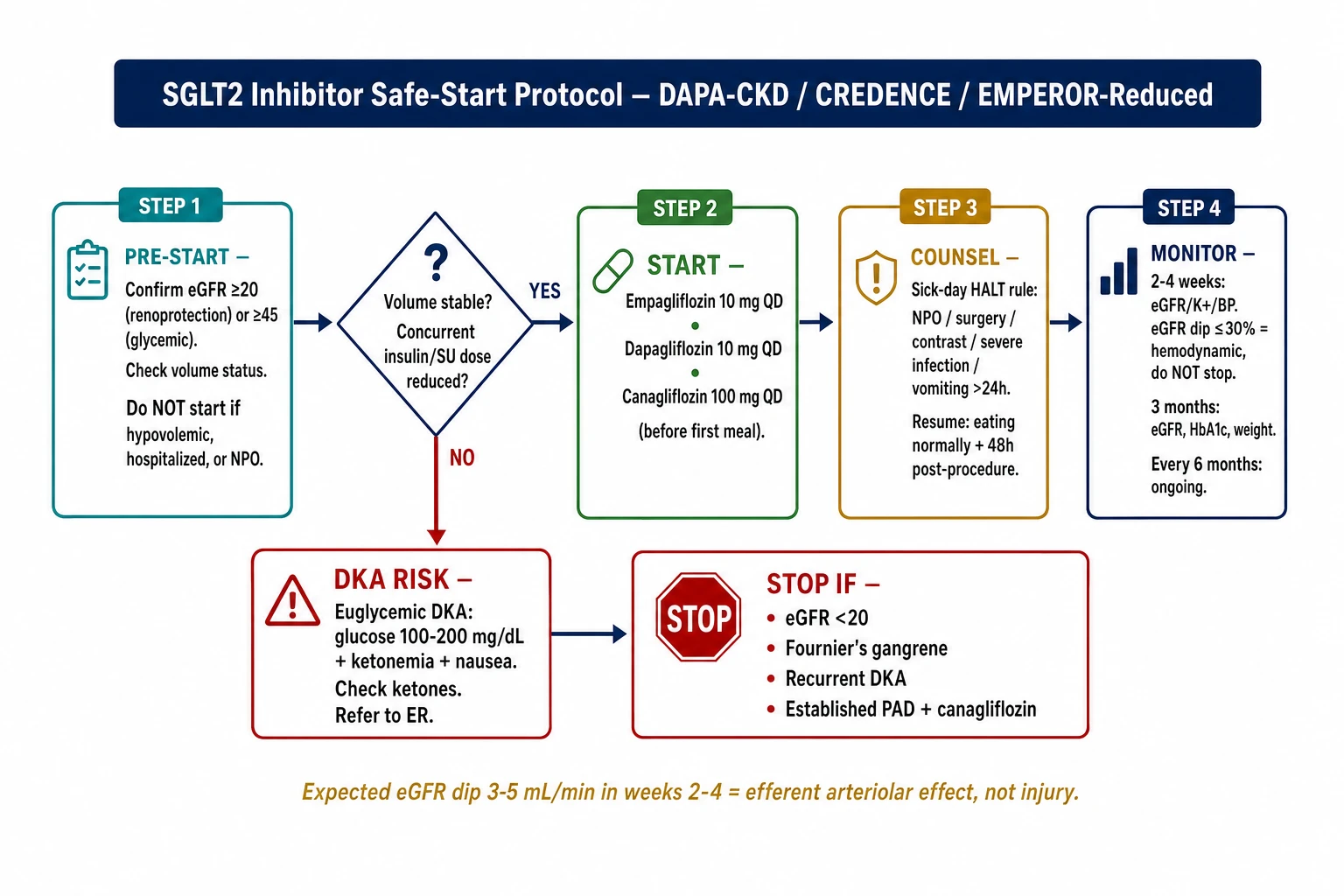 GuideThe CKD Prescriber's PlaybookClinician-focused operational guide: exactly how to start, titrate, and adjust SGLT2 inhibitors, ACEi/ARB, GLP-1 agonists, diuretics, phosphate binders, and ESAs in CKD and nephrology practice. KDIGO 2024 aligned.
- CalculatorAminoglycoside Dose & Interval Calculator (gentamicin, tobramycin, amikacin)Calculate gentamicin, tobramycin, or amikacin dose and dosing interval by Cockcroft-Gault creatinine clearance — extended-interval (once-daily, Hartford) and conventional multiple-daily regimens, with ideal/adjusted body-weight dosing. With
- CalculatorCreatinine Clearance — Cockcroft-Gault (drug dosing)Estimate creatinine clearance for drug dosing with the Cockcroft-Gault equation using age, sex, weight, and serum creatinine, with ideal/adjusted body-weight options. With indications, formula, evidence, and references.
References
- U.S. Food and Drug Administration. Gentamicin Sulfate in Sodium Chloride · Baxter Healthcare Corporation [US FDA-approved label, version 21, January 26, 2023]. Via DailyMed/openFDA. https://dailymed.nlm.nih.gov/dailymed/drugInfo.cfm?setid=449c9a41-d61e-49fd-b5e3-d76f74b92acf
- Food and Drug Administration Philippines. Verification portal (product registrations). https://verification.fda.gov.ph
- PNF Essential Medicines List, 8th ed. (as of November 2, 2022), DOH; https://www.philhealth.gov.ph/partners/providers/pdf/PNF-EML_11022022.pdf
- DOH Drug Price Reference Index (DPRI) 2021, 9th edition (as of September 17, 2021); https://caro.doh.gov.ph/wp-content/uploads/2021/09/2021DPRI-as-of-9-17-2021.pdf
- Baxter Healthcare Corporation. (2023). Gentamicin sulfate in 0.9% sodium chloride injection [Prescribing information; US FDA-approved label, ANDA062373, set ID 449c9a41-d61e-49fd-b5e3-d76f74b92acf, version effective January 26, 2023]. DailyMed, U.S. National Library of Medicine. https://dailymed.nlm.nih.gov/dailymed/drugInfo.cfm?setid=449c9a41-d61e-49fd-b5e3-d76f74b92acf
- Li, P. K., Chow, K. M., Cho, Y., Fan, S., Figueiredo, A. E., Harris, T., Kanjanabuch, T., Kim, Y. L., Madero, M., Malyszko, J., Mehrotra, R., Okpechi, I. G., Perl, J., Piraino, B., Runnegar, N., Teitelbaum, I., Wong, J. K., Yu, X., & Johnson, D. W. (2022). ISPD peritonitis guideline recommendations: 2022 update on prevention and treatment. Peritoneal Dialysis International, 42(2), 110–153. https://doi.org/10.1177/08968608221080586
- Nicolau, D. P., Freeman, C. D., Belliveau, P. P., Nightingale, C. H., Ross, J. W., & Quintiliani, R. (1995). Experience with a once-daily aminoglycoside program administered to 2,184 adult patients. Antimicrobial Agents and Chemotherapy, 39(3), 650–655. https://doi.org/10.1128/AAC.39.3.650
- van Donge, T., Pfister, M., Bielicki, J., Csajka, C., Rodieux, F., van den Anker, J., & Fuchs, A. (2018). Quantitative analysis of gentamicin exposure in neonates and infants calls into question its current dosing recommendations. Antimicrobial Agents and Chemotherapy, 62(4), e02004-17. https://doi.org/10.1128/AAC.02004-17
- Fuchs, A., Guidi, M., Giannoni, E., Werner, D., Buclin, T., Widmer, N., & Csajka, C. (2014). Population pharmacokinetic study of gentamicin in a large cohort of premature and term neonates. British Journal of Clinical Pharmacology, 78(5), 1090–1101. https://doi.org/10.1111/bcp.12444
- Hollander, E. M., van Tuinen, E. L., Schölvinck, E. H., Bergman, K. A., Bourgonje, A. R., Gracchi, V., Kneyber, M. C. J., Touw, D. J., & Mian, P. (2023). Evaluation of dosing guidelines for gentamicin in neonates and children. Antibiotics, 12(5), 810. https://doi.org/10.3390/antibiotics12050810
- James, M. E., Naburi, H., Mugusi, S., Kunambi, P. P., Mwakyandile, T., Mnkugwe, R. H., Khalfan, M. A., Moshi, M. J., Minzi, O. M., & Sasi, P. (2024). Gentamicin concentration and acute kidney injury in term neonates treated for neonatal sepsis with gentamicin and ampicillin-cloxacillin combination. Antimicrobial Agents and Chemotherapy, 68(6), e0149523. https://doi.org/10.1128/aac.01495-23
renalcarematters.com content: Kidney and pediatric dosing: reviewed by William Gregory M. Rivero, MD, FPCP, DPSN on November 18, 2026. Dosing, interaction, adverse-effect and monitoring summary: reviewed by William Gregory M. Rivero, MD, FPCP, DPSN on November 17, 2026.
Last updated: .