Component information
No US or EU label exists for this exact combination, so information is shown for each component.
Use: The treatment of edema associated with heart failure, cirrhosis of the liver, and renal disease US FDA label
Use: Klor-Con is indicated for the treatment and prophylaxis of hypokalemia with or without metabolic alkalosis, in patients for whom dietary management with potassium-rich foods or diuretic dose reduction is insufficient. US FDA label
Kidney dosing: Potassium chloride (single-agent)Show full dosing details
- CrCl ≥60 mL/min
- Hypokalemia treatment: 40 to 100 mEq/day in divided doses, no more than 40 mEq per dose; prevention: about 20 mEq/day. Use IV potassium if serum potassium is below 2.5 mEq/L (label).
- CrCl 30–59 mL/min
- Reduced potassium excretion and a much higher risk of hyperkalemia: start at the low end of the dose range, especially with RAAS inhibitors or NSAIDs; monitor serum potassium frequently and kidney function periodically (label 8.7). IV concentrate: must be diluted; never IV push (see IV label).
- CrCl 15–29 mL/min
- Reduced potassium excretion and a much higher risk of hyperkalemia: start at the low end of the dose range, especially with RAAS inhibitors or NSAIDs; monitor serum potassium frequently and kidney function periodically (label 8.7). IV concentrate: must be diluted; never IV push (see IV label).
- CrCl <15 mL/min (not on dialysis)
- Reduced potassium excretion and a much higher risk of hyperkalemia: start at the low end of the dose range, especially with RAAS inhibitors or NSAIDs; monitor serum potassium frequently and kidney function periodically (label 8.7). Specialist input. IV concentrate: must be diluted; never IV push (see IV label).
- Hemodialysis (intermittent)
- No dialysis dose in label; potassium removal depends on the dialysate. Give only for documented hypokalemia, start low and check potassium frequently (label 8.7); specialist input. IV concentrate (2 mEq/mL) must be diluted before use; never give by IV push or undiluted (fatal arrhythmia and cardiac arrest reported). In kidney impairment potassium is retained: use the low end of the infusion rate in the IV product label, with ECG monitoring as needed, and recheck potassium after each replacement. Concentration and rate limits: see the IV product label.
- Peritoneal dialysis
- No PD dose in label. PD patients can become hypokalemic; replace by measured potassium, starting low (label 8.7); specialist input. Hypokalemia is a modifiable risk factor for PD peritonitis (ISPD 2022).
- CRRT
- No data in label; replacement guided by frequent potassium levels and CRRT fluid potassium. Specialist input.
- Dialyzable? Potassium is removed by hemodialysis and peritoneal dialysis (label lists dialysis among hyperkalemia treatments).
- Monitoring Serum potassium frequently in kidney impairment and periodically on maintenance; kidney function; magnesium, acid-base status and ECG in cardiac or kidney disease (label 2.1, 8.7).
From the Potassium chloride monograph (renalcarematters.com, reviewed).
Note: Fixed-dose combinations may not allow the dose changes advised for each component; check the strength and use the single agents if a component needs adjusting.
Dosing: Altered kidney function
No kidney-specific text is available from the US label for this generic yet. Check the Philippine package insert in the products table.
Kidney dosing for each component (single-agent) is shown under Component information.
Kidney-specific guidance from renalcarematters.com: in preparation.
Dosage forms
Philippines
- Film-coated tablet: 40 mg/600 mg
Registered products in the Philippines
1 product registered with the Food and Drug Administration (FDA) Philippines list Furosemide + Potassium chloride as the generic name. Registration status changes; confirm a product's current status on the FDA portal before relying on it.
| Package insert | |||||||
|---|---|---|---|---|---|---|---|
Diumide-KFurosemide + Potassium Chloride | 40mg/600 mg Film-coated TabletFoil Strip x 10's (Box of 50's) | RxVAT-exempt | Interphil Laboratories, Inc.Philippines | Trader: Pascual Pharma Corp. | DR-XY2615 | May 9, 2027 |
Source: FDA Philippines product registration database. "Valid until" is the registration validity date listed by the FDA; a past date may mean a renewal is pending. Package insert links point to files published by the FDA.
Formulary and pricing (Philippines)
Check availability
Prices and stock vary by branch; renalcarematters.com does not sell medicines or receive payment from pharmacies.
Related guides & calculators
Guides and calculators on renalcarematters.com for this medicine, for patients and clinicians.
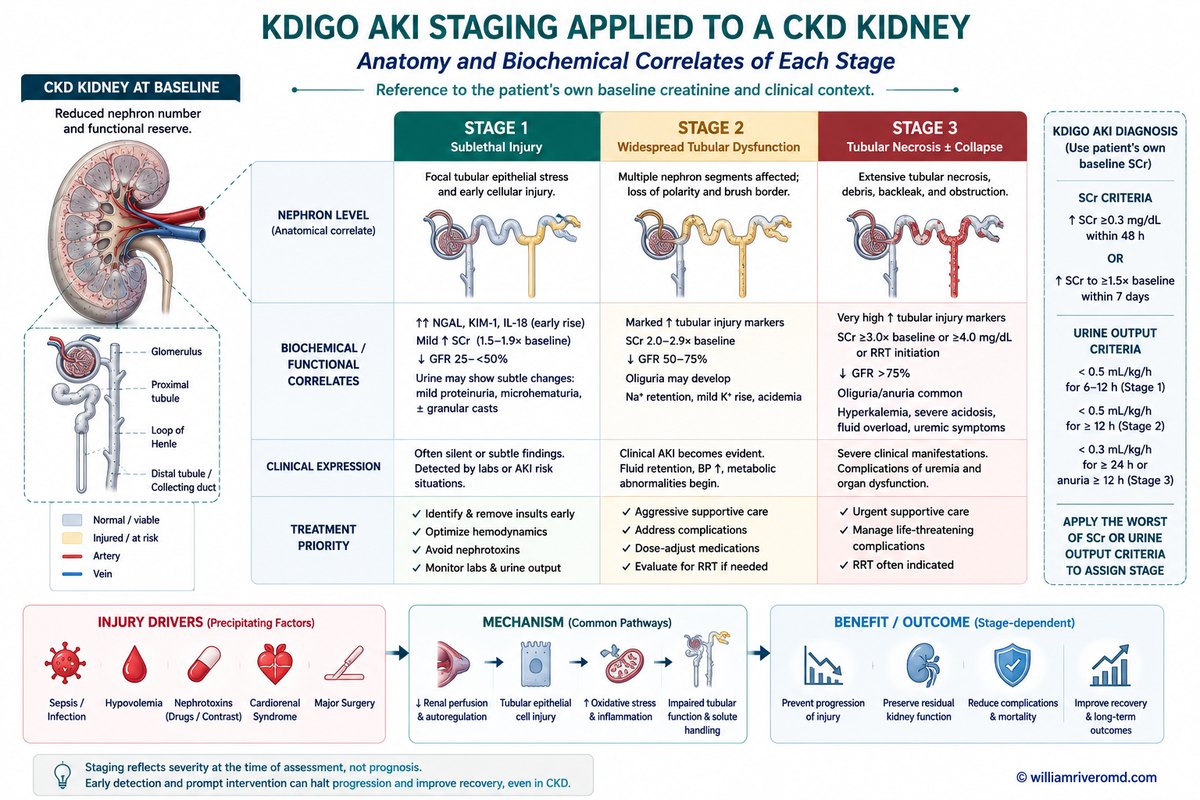 GuideAcute Kidney Injury on Top of CKD (AKI-on-CKD)Sudden worsening of kidney function in CKD patients: causes, warning signs, treatment, and how to protect remaining kidney function in the Philippines.
- CalculatorElectrolyte Repletion — Potassium, Magnesium, PhosphateEstimate replacement doses for hypokalemia, hypomagnesemia, and hypophosphatemia using common rules of thumb. Choose the electrolyte, enter the level, and get an estimated repletion dose plus a route/monitoring note — with a strong CKD cave
References
- Food and Drug Administration Philippines. Verification portal (product registrations). https://verification.fda.gov.ph
This page shows official label and registry text only; no renalcarematters.com clinical summary has been approved for it yet.
Last updated: .