Use: Labeled indications
- INDICATIONS AND USAGE Fosfomycin Tromethamine is indicated only for the treatment of uncomplicated urinary tract infections (acute cystitis) in women due to susceptible strains of Escherichia coli and Enterococcus…
Full indications and usage US FDA label
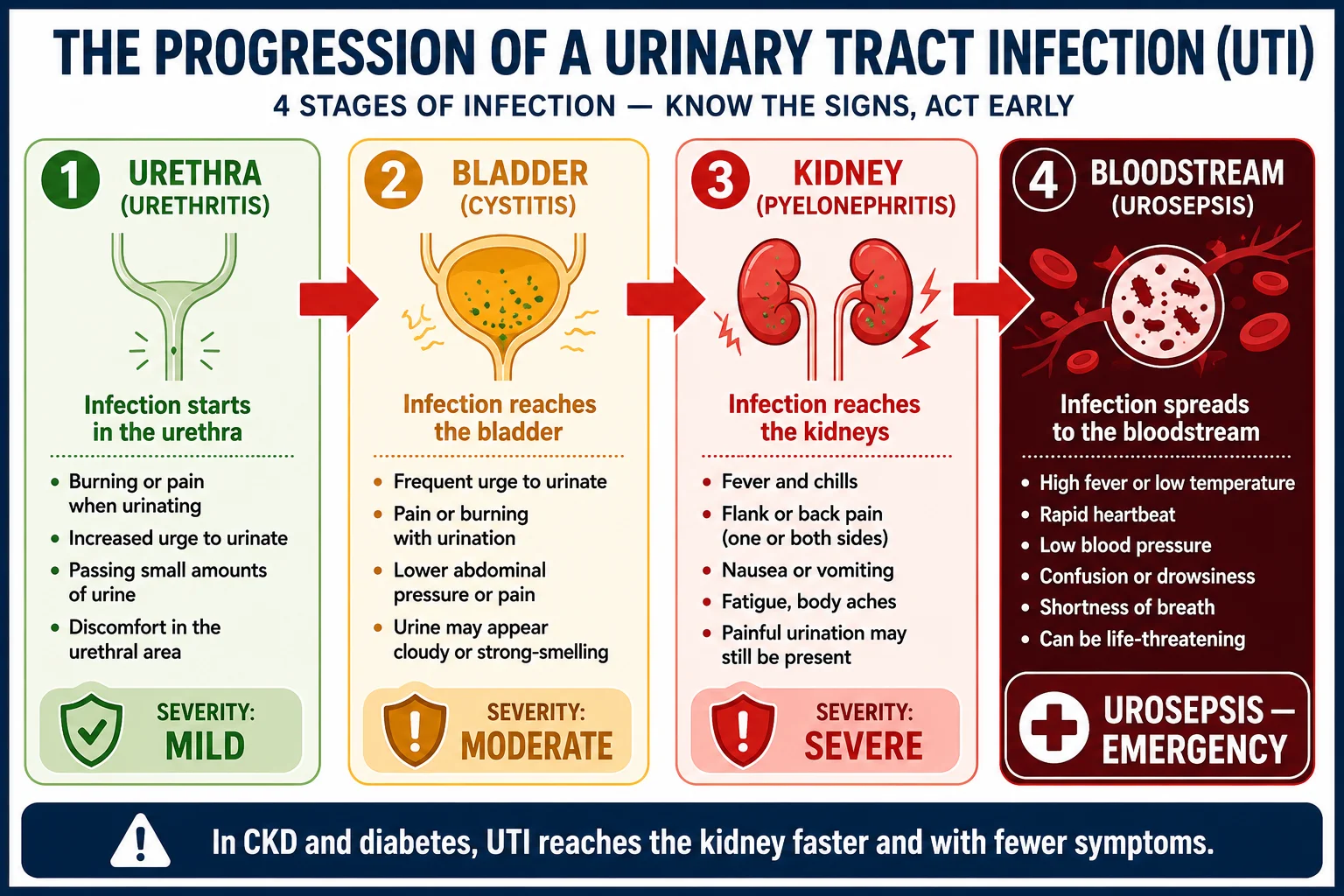
INDICATIONS AND USAGE Fosfomycin Tromethamine is indicated only for the treatment of uncomplicated urinary tract infections (acute cystitis) in women due to susceptible strains of Escherichia coli and Enterococcus faecalis. Fosfomycin Tromethamine is not indicated for the treatment of pyelonephritis or perinephric abscess. If persistence or reappearance of bacteriuria occurs after treatment with Fosfomycin Tromethamine, other therapeutic agents should be selected. (See PRECAUTIONS and CLINICAL STUDIES sections.)
Contraindications
CONTRAINDICATIONS Fosfomycin Tromethamine is contraindicated in patients with known hypersensitivity to the drug.
US FDA labelDosing: Adult
Dosage and administration (US label) US FDA label
DOSAGE AND ADMINISTRATION The recommended dosage for women 18 years of age and older for uncomplicated urinary tract infection (acute cystitis) is one sachet of Fosfomycin Tromethamine. Fosfomycin Tromethamine may be taken with or without food. Fosfomycin Tromethamine should not be taken in its dry form. Always mix Fosfomycin Tromethamine with water before ingesting. (See PREPARATION section.)
Dosing: Altered kidney function
Renal Insufficiency: In 5 anuric patients undergoing hemodialysis, the t 1/2 of fosfomycin during hemodialysis was 40 hours. In patients with varying degrees of renal impairment (creatinine clearances varying from 54 mL/min to 7 mL/min), the t 1/2 of fosfomycin increased from 11 hours to 50 hours. The percent of fosfomycin recovered in urine decreased from 32% to 11% indicating that renal impairment significantly decreases the excretion of fosfomycin.
Microbiology Fosfomycin (the active component of fosfomycin tromethamine) has in vitro activity against a broad range of gram-positive and gram-negative aerobic microorganisms which are associated with uncomplicated urinary tract infections. Fosfomycin is bactericidal in urine at therapeutic doses. The bactericidal action of fosfomycin is due to its inactivation of the enzyme enolpyruvyl transferase, thereby irreversibly blocking the condensation of uridine diphosphate-N-acetylglucosamine with p-enolpyruvate, one of the first steps in bacterial cell wall synthesis.
It also reduces adherence of bacteria to uroepithelial cells. There is generally no cross-resistance between fosfomycin and other classes of antibacterial agents such as beta-lactams and aminoglycosides. Fosfomycin has been shown to be active against most strains of the following microorganisms, both in vitro and in clinical infections as described in the INDICATIONS AND USAGE section: Aerobic gram-positive microorganisms Enterococcus faecalis Aerobic gram-negative microorganisms Escherichia coli The following in vitro data are available, but their clinical significance is unknown.
Fosfomycin exhibits in vitro minimum inhibitory concentrations (MIC’s) of 64 mcg/mL or less against most (≥ 90%) strains of the following microorganisms; however, the safety and effectiveness of fosfomycin in treating clinical infections due to these microorganisms has not been established in adequate and well-controlled clinical trials: Aerobic gram-positive microorganisms Enterococcus faecium Aerobic gram-negative microorganisms Citrobacter diversus Citrobacter freundii Enterobacter aerogenes Klebsiella oxytoca Klebsiella pneuomoniae Proteus mirabilis Proteus vulgaris Serratia marcescens SUSCEPTIBILITY TESTING For specific information regarding susceptibility test interpretive criteria and associated test methods and quality control standards recognized by FDA for this drug, please see: https://www.fda.gov/STIC.
Kidney-specific guidance from renalcarematters.com: in preparation.
Dosing: Pediatric
Pediatric use (US label) US FDA label
Pediatric Use Safety and effectiveness in children age 12 years and under have not been established in adequate and well-controlled studies.
Dosing: Older adult
Geriatric use (US label) US FDA label
Geriatric Use Clinical studies of Fosfomycin Tromethamine did not include sufficient numbers of subjects aged 65 and over to determine whether they respond differently from younger subjects. Other reported clinical experience has not identified differences in responses between the elderly and younger patients. In general, dose selection for an elderly patient should be cautious, usually starting at the low end of the dosing range, reflecting the greater frequency of decreased hepatic, renal, or cardiac function, and of concomitant disease or other drug therapy.
Dosage forms
Philippines
- Granule for oral solution: 3 g, 3 g per Sachet
- Powder for oral solution: 3 g, 3 g per sachet
- Granule for solution: 3 g
- Powder for injection: 4 g
Registered products in the Philippines
17 products registered with the Food and Drug Administration (FDA) Philippines list Fosfomycin as the generic name. Registration status changes; confirm a product's current status on the FDA portal before relying on it.
All registered products17
| Package insert | |||||||
|---|---|---|---|---|---|---|---|
BactrumFosfomycin | 3 g Granules For SolutionAluminum Foil Sachet x 1’S (Box of 1’s, 10’s and 30’s) | Rx | Azarias Pharmaceutical Laboratories Inc.Philippines | — | DRP-19042 | Oct 21, 2031 | |
ExelfosFosfomycin (as trometamol) | 3g Granules For Oral SolutionSurlyn/Aluminum/low density polyethylene/paper sachet x 8 g (Box of 1's) | Rx | Labiana Pharmaceuticals, SLUSpain | Embil International Philippines, Inc. | DRP-15045 | Mar 27, 2029 | |
FhosmyxxFosfomycin (as trometamol) | 3 g per sachet Powder for Oral SolutionAluminum Sachet x 3 g (Box of 1's) | Rx | Stallion Laboratories Pvt. Ltd.India | Ambicare Pharmaceuticals Inc.Importer: Ambica International Corporation | DRP-14467-01 | Sep 8, 2028 | |
FosfoFosfomycin (as trometamol) | 3 g Powder for Oral SolutionAluminium Film Sachet x 8 g (Box of 3's) | Rx | Nexpharm Korea Co., Ltd.Korea | Endure Medical, Inc. | DR-XY49169 | Aug 14, 2029 | |
FosfomedFosfomycin (as trometamol) | 3 g per Sachet Granules for Oral SolutionCoated-paper/LDPE/Alu/LDPE x 8 g sachet (Box of 1's). | Rx | World Medicine İlaç Sanayi ve Ticaret A.Ş.Turkey | Biocare Lifesciences, Inc. | DRP-14648 | Nov 14, 2028 | |
FosfostalFosfomycin (as trometamol) | 3 g per sachet Powder For Oral SolutionAluminum Sachet x 3g (Box of 1's) | Rx | Stallion Laboratories Pvt. Ltd.India | Ambica International Corporation | DRP-14467 | Sep 8, 2028 | |
FosinarFosfomycin (as sodium) | 4 g Powder for Injection (I.V.)50 mL-capacity USP Type I clear and colorless glass vial with grey bromobutyl rubber stopper and aluminum seal with white plastic flip-off cap- vial) | Rx | Indasi Lifescience Pvt. Ltd.India | Philcare Pharma, Inc.Importer: SRS Life Sciences, Inc | DR-XY49404 | May 26, 2030 | |
FosmolFosfomycin (as trometamol) | 3 g Granules For Oral SolutionSurlyn/Aluminum/low density polyethylene/paper sachet x l's (Box of 1's) | Rx | Labiana Pharmaceuticals, S.1. USpain | Qualicare Pharma, Inc. | DR-XY48316 | Aug 26, 2027 | |
FosvantaFosfomycin (as trometamol) | 3 g per sachet Powder For Oral SolutionAluminum Sachet x 3g (Box of 1's) | Rx | Stallion Laboratories Pvt. Ltd.India | Terramedic, Inc.Importer: Ambica International Corporation | DRP-14467-03 | Sep 8, 2028 | |
MBCINFosfomycin (as Trometamol) | 3 g Granules for Oral SolutionAluminum Sachet x 1’s (Box of 1’s) | Rx | Hebei Tiancheng Pharmaceutical Co., Ltd.China | AMB HK Enterprises Inc.Trader: N/A | DRP-16978 | Sep 3, 2030 | |
MonurolFosfomycin Trometamol | 3 g Granules For SolutionSachet x 3 g (Box of 1's) | Rx | Zambon Switzerland Ltd.Switzerland | The Cathay Drug Co., Inc. | DR-XY23723 | Jun 11, 2031 | |
NoneFosfomycin (as trometamol) | 3 g Granules for Oral Solution (Orange Flavor)Aluminum Sachet x 1’s (Box of 1’s) | Rx | Globela Pharma Pvt. Ltd.India | CCL Pharmaceuticals (Philippines), Inc.Importer: AMB HK Enterprises Inc. | DRP-17400-02 | Dec 10, 2030 | |
Od-mycinFosfomycin (as trometamol) | 3 g per sachet Powder for Oral SolutionAluminum Sachet x 3 g (Box of 1's) | Rx | Stallion Laboratories Pvt. Ltd.India | GX International, Inc.Importer: Ambica International Corporation | DRP-14467-04 | Sep 8, 2028 | |
OxyfosFosfomycin (as trometamol) | 3 g Granules for Oral Solution (Orange Flavor)Aluminum Sachet x 1's (Box of 1's) | Rx | Globela Pharma Pvt. Ltd.India | AMB HK Enterprises, Inc. | DRP-17400 | Dec 10, 2030 | |
SaphfomyFosfomycin (as trometamol) | 3 g Granules for Oral Solution (Orange flavor)Aluminum Sachet x 3 g (Box of 1's) | Rx | Avantika Medex Private LimitedIndia | Nelpa Lifesciences, Inc. | DRP-17845 | Mar 23, 2031 | |
UnifosFosfomycin (as trometamol) | 3 g Granules for Oral SolutionPE/ALU/PAP foil sachet x 3 g (Box of 1's) | Rx | Neutec Ilac San. Tic. A.Ş.Turkey | Unilab, Inc. | DRP-12820 | Oct 10, 2027 | |
UnifosFosfomycin (as trometamol) | 3 g per sachet Powder for Oral SolutionAluminum Sachet x 3g (Box of 1's) | Rx | Stallion Laboratories Pvt. Ltd.India | UNILAB, Inc.Importer: Ambica International Corporation | DRP-14467-02 | Sep 8, 2028 |
Source: FDA Philippines product registration database. "Valid until" is the registration validity date listed by the FDA; a past date may mean a renewal is pending. Package insert links point to files published by the FDA.
Warnings/Precautions
Warnings and precautions (US label) US FDA label
WARNINGS Clostridium difficile associated diarrhea (CDAD) has been reported with use of nearly all antibacterial agents, including Fosfomycin Tromethamine, and may range in severity from mild diarrhea to fatal colitis. Treatment with antibacterial agents alters the normal flora of the colon leading to overgrowth of C. difficile.
C. difficile produces toxins A and B which contribute to the development of CDAD. Hypertoxin producing strains of C. difficile cause increased morbidity and mortality, as these infections can be refractory to antimicrobial therapy and may require colectomy. CDAD must be considered in all patients who present with diarrhea following antibiotic use.
Careful medical history is necessary since CDAD has been reported to occur over two months after the administration of antibacterial agents. If CDAD is suspected or confirmed, ongoing antibiotic use not directed against C. difficile may need to be discontinued. Appropriate fluid and electrolyte management, protein supplementation, antibiotic treatment of C. difficile, and surgical evaluation should be instituted as clinically indicated.
Drug interactions
Drug interactions (US label) US FDA label
Drug Interactions Metoclopramide: When coadministered with Fosfomycin Tromethamine, metoclopramide, a drug which increases gastrointestinal motility, lowers the serum concentration and urinary excretion of fosfomycin. Other drugs that increase gastrointestinal motility may produce similar effects. Cimetidine: Cimetidine does not affect the pharmacokinetics of fosfomycin when coadministered with Fosfomycin Tromethamine.
Adverse reactions
Adverse reactions (US label) US FDA label
ADVERSE REACTIONS Clinical Trials: In clinical studies, drug related adverse events which were reported in greater than 1% of the fosfomycin-treated study population are listed below: Drug-Related Adverse Events (%) in Fosfomycin and Comparator Populations Adverse Events Fosfomycin N=1233 Nitrofurantoin N=374 Trimethoprim/ sulfamethoxazole N=428 Ciprofoxacin N=455 Diarrhea 9.0 6.4 2.3 3.1 Vaginitis 5.5 5.3 4.7 6.3 Nausea 4.1 7.2 8.6 3.4 Headache 3.9 5.9 5.4 3.4 Dizziness 1.3 1.9 2.3 2.2 Asthenia 1.1 0.3 0.5 0.0 Dyspepsia 1.1 2.1 0.7 1.1 In clinical trials, the most frequently reported adverse events occurring in > 1% of the study population regardless of drug relationship were: diarrhea 10.4%, headache 10.3%, vaginitis 7.6%, nausea 5.2%, rhinitis 4.5%, back pain 3.0%, dysmenorrheal 2.6%, pharyngitis 2.5%, dizziness 2.3%, abdominal pain 2.2%, pain 2.2%, dyspepsia 1.8%, asthenia 1.7%, and rash 1.4%. The following adverse events occurred in clinical trials at a rate of less than 1%, regardless of drug relationship: abnormal stools, anorexia, constipation, dry mouth, dysuria, ear disorder, fever, flatulence, flu syndrome, hematuria, infection, insomnia, lymphadenopathy, menstrual disorder, migraine, myalgia, nervousness, paresthesia, pruritus, SGPT increased, skin disorder, somnolence, and vomiting.
One patient developed unilateral optic neuritis, an event considered possibly related to Fosfomycin Tromethamine therapy. Post-marketing Experience: Serious adverse events from the marketing experience with Fosfomycin Tromethamine outside of the United States have been rarely reported and include: angioedema, aplastic anemia, asthma (exacerbation), cholestatic jaundice, hepatic necrosis, and toxic megacolon.
Although causality has not been established, during post marketing surveillance, the following events have occurred in patients prescribed Fosfomycin Tromethamine: anaphylaxis and hearing loss. Laboratory Changes: Significant laboratory changes reported in U.S. clinical trials of Fosfomycin Tromethamine without regard to drug relationship include: increased eosinophil count, increased or decreased WBC count, increased bilirubin, increased SGPT, increased SGOT, increased alkaline phosphatase, decreased hematocrit, decreased hemoglobin, increased and decreased platelet count.
The changes were generally transient and were not clinically significant.
Adverse reaction frequency tables (US label) US FDA label
| Drug-Related Adverse Events (%) in Fosfomycin and Comparator Populations | ||||
| Adverse Events | Fosfomycin N=1233 | Nitrofurantoin N=374 | Trimethoprim/ sulfamethoxazole N=428 | Ciprofoxacin N=455 |
| Diarrhea | 9.0 | 6.4 | 2.3 | 3.1 |
| Vaginitis | 5.5 | 5.3 | 4.7 | 6.3 |
| Nausea | 4.1 | 7.2 | 8.6 | 3.4 |
| Headache | 3.9 | 5.9 | 5.4 | 3.4 |
| Dizziness | 1.3 | 1.9 | 2.3 | 2.2 |
| Asthenia | 1.1 | 0.3 | 0.5 | 0.0 |
| Dyspepsia | 1.1 | 2.1 | 0.7 | 1.1 |
Pregnancy considerations
Pregnancy (US label) US FDA label
Pregnancy: Teratogenic Effects When administered intramuscularly as the sodium salt at a dose of 1 gram to pregnant women, fosfomycin crosses the placental barrier. Fosfomycin Tromethamine crosses the placental barrier of rats; it does not produce teratogenic effects in pregnant rats at dosages as high as 1000 mg/kg/day (approximately 9 and 1.4 times the human dose based on body weight and mg/m 2, respectively).
When administered to pregnant female rabbits at dosages as high as 1000 mg/kg/day (approximately 9 and 2.7 times the human dose based on body weight and mg/m 2, respectively), fetotoxicities were observed. However, these toxicities were seen at maternally toxic doses and were considered to be due to the sensitivity of the rabbit to changes in the intestinal microflora resulting from the antibiotic administration.
There are, however, no adequate and well-controlled studies in pregnant women. Because animal reproduction studies are not always predictive of human response, this drug should be used during pregnancy only if clearly needed.
Breastfeeding considerations
Lactation (US label) US FDA label
Nursing Mothers It is not known whether fosfomycin tromethamine is excreted in human milk. Because many drugs are excreted in human milk and because of the potential for serious adverse reactions in nursing infants from Fosfomycin Tromethamine, a decision should be made whether to discontinue nursing or to not administer the drug, taking into account the importance of the drug to the mother.
Pharmacokinetics
Metoclopramide lowers the serum concentrations and urinary excretion of fosfomycin when coadministered with Fosfomycin Tromethamine.
Excretion: Fosfomycin is excreted unchanged in both urine and feces.
Following oral administration of Fosfomycin Tromethamine, the mean total body clearance (CL TB ) and mean renal clearance (CL R ) of fosfomycin were 16.9 (± 3.5) L/hr and 6.3 (± 1.7) L/hr, respectively.
The mean urinary concentration of fosfomycin was 10 mcg/mL in samples collected 72-84 hours following a single oral dose of Fosfomycin Tromethamine.
Although the rate of urinary excretion of fosfomycin was reduced under fed conditions, the cumulative amount of fosfomycin excreted in the urine was the same, 1118 (± 201) mg (fed) vs. 1140 mg (± 238) (fasting).
Pharmacokinetics (US label) US FDA label
CLINICAL PHARMACOLOGY Absorption: Fosfomycin tromethamine is rapidly absorbed following oral administration and converted to the free acid, fosfomycin. Absolute oral bioavailability under fasting conditions is 37%. After a single 3-gram dose of Fosfomycin Tromethamine, the mean (± 1 SD) maximum serum concentration (C max) achieved was 26.1 (± 9.1) mcg/mL within 2 hours.
The oral bioavailability of fosfomycin is reduced to 30% under fed conditions. Following a single 3-gram oral dose of Fosfomycin Tromethamine with a high-fat meal, the mean C max achieved was 17.6 (± 4.4) mcg/mL within 4 hours. Cimetidine does not affect the pharmacokinetics of fosfomycin when coadministered with Fosfomycin Tromethamine.
Metoclopramide lowers the serum concentrations and urinary excretion of fosfomycin when coadministered with Fosfomycin Tromethamine. (See PRECAUTIONS, Drug Interactions.) Distribution: The mean apparent steady-state volume of distribution (V ss) is 136.1 (±44.1) L following oral administration of Fosfomycin Tromethamine.
Fosfomycin is not bound to plasma proteins. Fosfomycin is distributed to the kidneys, bladder wall, prostate, and seminal vesicles. Following a 50 mg/kg dose of fosfomycin to patients undergoing urological surgery for bladder carcinoma, the mean concentration of fosfomycin in the bladder, taken at a distance from the neoplastic site, was 18.0 mcg per gram of tissue at 3 hours after dosing.
Fosfomycin has been shown to cross the placental barrier in animals and man. Excretion: Fosfomycin is excreted unchanged in both urine and feces. Following oral administration of Fosfomycin Tromethamine, the mean total body clearance (CL TB) and mean renal clearance (CL R) of fosfomycin were 16.9 (± 3.5) L/hr and 6.3 (± 1.7) L/hr, respectively.
Approximately 38% of a 3-gram dose of Fosfomycin Tromethamine is recovered from urine, and 18% is recovered from feces. Following intravenous administration, the mean CL TB and mean CL R of fosfomycin were 6.1 (±1.0) L/hr and 5.5 (± 1.2) L/hr, respectively. A mean urine fosfomycin concentration of 706 (± 466) mcg/mL was attained within 2-4 hours after a single oral 3-gm dose of Fosfomycin Tromethamine under fasting conditions.
The mean urinary concentration of fosfomycin was 10 mcg/mL in samples collected 72-84 hours following a single oral dose of Fosfomycin Tromethamine. Following a 3-gram dose of Fosfomycin Tromethamine administered with a high fat meal, a mean urine fosfomycin concentration of 537 (± 252) mcg/mL was attained within 6-8 hours.
Although the rate of urinary excretion of fosfomycin was reduced under fed conditions, the cumulative amount of fosfomycin excreted in the urine was the same, 1118 (± 201) mg (fed) vs. 1140 mg (± 238) (fasting). Further, urinary concentrations equal to or greater than 100 mcg/mL were maintained for the same duration, 26 hours, indicating that Fosfomycin Tromethamine can be taken without regard to food.
Following oral administration of Fosfomycin Tromethamine, the mean half-life for elimination (t 1/2) is 5.7 (± 2.8) hours. Special Populations: Geriatric: Based on limited data regarding 24-hour urinary drug concentrations, no differences in urinary excretion of fosfomycin have been observed in elderly subjects. No dosage adjustment is necessary in the elderly.
Gender: There are no gender differences in the pharmacokinetics of fosfomycin. Renal Insufficiency: In 5 anuric patients undergoing hemodialysis, the t 1/2 of fosfomycin during hemodialysis was 40 hours. In patients with varying degrees of renal impairment (creatinine clearances varying from 54 mL/min to 7 mL/min), the t 1/2 of fosfomycin increased from 11 hours to 50 hours.
The percent of fosfomycin recovered in urine decreased from 32% to 11% indicating that renal impairment significantly decreases the excretion of fosfomycin. Microbiology Fosfomycin (the active component of fosfomycin tromethamine) has in vitro activity against a broad range of gram-positive and gram-negative aerobic microorganisms which are associated with uncomplicated urinary tract infections.
Fosfomycin is bactericidal in urine at therapeutic doses. The bactericidal action of fosfomycin is due to its inactivation of the enzyme enolpyruvyl transferase, thereby irreversibly blocking the condensation of uridine diphosphate-N-acetylglucosamine with p-enolpyruvate, one of the first steps in bacterial cell wall synthesis.
It also reduces adherence of bacteria to uroepithelial cells. There is generally no cross-resistance between fosfomycin and other classes of antibacterial agents such as beta-lactams and aminoglycosides. Fosfomycin has been shown to be active against most strains of the following microorganisms, both in vitro and in clinical infections as described in the INDICATIONS AND USAGE section: Aerobic gram-positive microorganisms Enterococcus faecalis Aerobic gram-negative microorganisms Escherichia coli The following in vitro data are available, but their clinical significance is unknown.
Fosfomycin exhibits in vitro minimum inhibitory concentrations (MIC’s) of 64 mcg/mL or less against most (≥ 90%) strains of the following microorganisms; however, the safety and effectiveness of fosfomycin in treating clinical infections due to these microorganisms has not been established in adequate and well-controlled clinical trials: Aerobic gram-positive microorganisms Enterococcus faecium Aerobic gram-negative microorganisms Citrobacter diversus Citrobacter freundii Enterobacter aerogenes Klebsiella oxytoca Klebsiella pneuomoniae Proteus mirabilis Proteus vulgaris Serratia marcescens SUSCEPTIBILITY TESTING For specific information regarding susceptibility test interpretive criteria and associated test methods and quality control standards recognized by FDA for this drug, please see: https://www.fda.gov/STIC.
Formulary and pricing (Philippines)
Government price references
| Preparation | Price (PHP) | Unit | Type |
|---|---|---|---|
| Fosfomycin 3 g Sachet | ₱370.00–₱439.60Reference ₱370.00 | per sachet | DPRI procurement range |
Range = lowest-highest procurement price (highest usable only in GIDA areas); reference_price = 2021 DPRI ceiling (median)
These are government procurement and reimbursement references, not retail prices. Sources:
- DOH Drug Price Reference Index (DPRI) 2021, 9th edition (as of September 17, 2021); https://caro.doh.gov.ph/wp-content/uploads/2021/09/2021DPRI-as-of-9-17-2021.pdf, as of September 17, 2021
Formulary and coverage
| Philippine National Formulary | Listed as Fosfomycin |
| PNF listing | Oral: 3 g granules for solution |
| PhilHealth GAMOT | No |
Sources:
- PNF Essential Medicines List, 8th ed. (as of November 2, 2022), DOH; https://www.philhealth.gov.ph/partners/providers/pdf/PNF-EML_11022022.pdf, as of November 2, 2022
Check availability
Prices and stock vary by branch; renalcarematters.com does not sell medicines or receive payment from pharmacies.
Related guides
Guides on renalcarematters.com for this medicine, for patients and clinicians.
References
- U.S. Food and Drug Administration. FOSFOMYCIN TROMETHAMINE · XIROMED LLC [US FDA-approved label, version 9, November 11, 2020]. Via DailyMed/openFDA. https://dailymed.nlm.nih.gov/dailymed/drugInfo.cfm?setid=c3ba67e7-aaca-e682-277a-94e20b0abad7
- Food and Drug Administration Philippines. Verification portal (product registrations). https://verification.fda.gov.ph
- PNF Essential Medicines List, 8th ed. (as of November 2, 2022), DOH; https://www.philhealth.gov.ph/partners/providers/pdf/PNF-EML_11022022.pdf
- DOH Drug Price Reference Index (DPRI) 2021, 9th edition (as of September 17, 2021); https://caro.doh.gov.ph/wp-content/uploads/2021/09/2021DPRI-as-of-9-17-2021.pdf
This page shows official label and registry text only; no renalcarematters.com clinical summary has been approved for it yet.
Last updated: .