Use: Labeled indications
- reduce the risk of sustained estimated glomerular filtration rate (eGFR) decline, end-stage kidney disease, cardiovascular death, non-fatal myocardial infarction, and hospitalization for heart failure in adults with…
- reduce urinary albumin-to-creatinine ratio (UACR), which is expected to reduce the risk of sustained eGFR decline and end-stage kidney disease in adults with CKD associated with Type 1 diabetes mellitus (T1DM).
- reduce the risk of cardiovascular death, hospitalization for heart failure, and urgent heart failure visits in adults with heart failure with left ventricular ejection fraction (LVEF) ≥ 40%.
Full indications and usage US FDA label
1 INDICATIONS AND USAGE Kerendia is indicated to: reduce the risk of sustained estimated glomerular filtration rate (eGFR) decline, end-stage kidney disease, cardiovascular death, non-fatal myocardial infarction, and hospitalization for heart failure in adults with chronic kidney disease (CKD) associated with Type 2 diabetes mellitus (T2DM) [see Clinical Studies (14.1)]. reduce urinary albumin-to-creatinine ratio (UACR), which is expected to reduce the risk of sustained eGFR decline and end-stage kidney disease in adults with CKD associated with Type 1 diabetes mellitus (T1DM) [see Clinical Studies (14.2)]. reduce the risk of cardiovascular death, hospitalization for heart failure, and urgent heart failure visits in adults with heart failure with left ventricular ejection fraction (LVEF) ≥ 40% [see Clinical Studies (14.3)]. Kerendia is a non-steroidal mineralocorticoid receptor antagonist (nsMRA) indicated to: reduce the risk of sustained estimated glomerular filtration rate (eGFR) decline, end-stage kidney disease, cardiovascular death, non-fatal myocardial infarction, and hospitalization for heart failure in adults with chronic kidney disease (CKD) associated with Type 2 diabetes mellitus (T2DM).
(1) reduce urinary albumin-to-creatinine ratio (UACR), which is expected to reduce the risk of sustained eGFR decline and end-stage kidney disease in adults with CKD associated with Type 1 diabetes mellitus (T1DM). (1) reduce the risk of cardiovascular death, hospitalization for heart failure, and urgent heart failure visits in adults with heart failure with left ventricular ejection fraction (LVEF) ≥ 40%.
(1)
Contraindications
- Concomitant strong CYP3A4 inhibitors
- Adrenal insufficiency
- Hypersensitivity to any component
Contraindications (US label) US FDA label
4 CONTRAINDICATIONS Kerendia is contraindicated in patients: Who are hypersensitive to any component of this product [see Adverse Reactions (6.2)]. Who are receiving concomitant treatment with strong CYP3A4 inhibitors [see Drug Interactions (7.1)]. With adrenal insufficiency. Hypersensitivity to any component of this product. (4) Concomitant use with strong CYP3A4 inhibitors. (4, 7.1) Patients with adrenal insufficiency. (4)
Dosing: Adult
- CKD with type 2 (or type 1) diabetes: Start 10 mg (eGFR 25 to <60) or 20 mg (eGFR ≥60) once daily if K ≤5.0 mEq/L; target 20 mg once daily after 4 weeks
- Heart failure with LVEF ≥40%: Start by eGFR as above; target 20 mg or 40 mg once daily
- The recommended starting dosage is 10 mg or 20 mg orally once daily based on eGFR and serum potassium thresholds. (2.1, 2.2)
- Increase dosage after 4 weeks to the target dose of 20 mg once daily for CKD associated with T2DM or T1DM based on eGFR and serum potassium thresholds. (2.3)
- Increase dosage after 4 weeks to the target dose of 20 mg or 40 mg once daily for heart failure with LVEF ≥ 40% based on eGFR and serum potassium thresholds. (2.3)
- Tablets may be taken with or without food. (2.2)
2.1 Prior to Initiation of Kerendia
2.1 Prior to Initiation of Kerendia Measure serum potassium levels and eGFR before initiation. Do not initiate treatment if serum potassium is > 5.0 mEq/L [see Warnings and Precautions (5.1)].
2.2 Recommended Starting Dosage
2.2 Recommended Starting Dosage The recommended starting dose of Kerendia is based on eGFR and is presented in Table 1. Table 1: Recommended Starting Dosage eGFR (mL/min/1.73 m²) Starting Dose ≥ 60 20 mg orally once daily ≥ 25 to < 60 10 mg orally once daily < 25 Initiation is not recommended For patients who are unable to swallow whole tablets, Kerendia may be crushed and mixed with water or soft foods such as applesauce immediately prior to use and administered orally [see Clinical Pharmacology (12.3)].
2.3 Monitoring and Dosage Adjustment
2.3 Monitoring and Dosage Adjustment CKD associated with T2DM or T1DM The target daily dose of Kerendia is 20 mg orally. Measure serum potassium 4 weeks after initiating treatment and adjust dose (see Table 2); if serum potassium levels are > 4.8 to 5.0 mEq/L, initiation of Kerendia treatment may be considered with additional serum potassium monitoring within the first 4 weeks based on clinical judgment and serum potassium levels [see Warnings and Precautions (5.1)].
Measure serum potassium 4 weeks after a dose adjustment and periodically throughout treatment, and adjust the dose as needed (see Table 2) [see Warnings and Precautions (5.1) and Drug Interactions (7.1)]. Table 2: Dose Adjustment Based on Current Serum Potassium Concentration and Current Dose (CKD associated with T2DM or T1DM) Current Kerendia Dose 10 mg once daily 20 mg once daily Current Serum Potassium (mEq/L) ≤ 4.8 Increase the dose to 20 mg once daily.
If eGFR has decreased by more than 30% compared to previous measurement, maintain 10 mg dose. Maintain 20 mg once daily. > 4.8 – 5.5 Maintain 10 mg once daily. Maintain 20 mg once daily. > 5.5 Withhold Kerendia. Consider restarting at 10 mg once daily when serum potassium ≤ 5.0 mEq/L. Withhold Kerendia. Restart at 10 mg once daily when serum potassium ≤ 5.0 mEq/L.
Heart Failure with LVEF ≥ 40% The target daily dose of Kerendia for heart failure (LVEF ≥ 40%) is dependent on renal function (eGFR) at initiation of Kerendia treatment (see Table 3). The target daily dose is 40 mg orally once daily if eGFR at initiation is ≥ 60 mL/min/1.73 m². The target daily dose is 20 mg orally once daily if eGFR at initiation is ≥ 25 to < 60 mL/min/1.73 m².
Measure serum potassium and eGFR 4 weeks after initiating treatment and adjust dose (see Table 3). Measure serum potassium and eGFR 4 weeks after a dose adjustment and monitor periodically throughout treatment, and adjust the dose as needed (see Table 3) [see Warnings and Precautions (5.1 & 5.2) and Drug Interactions (7.1)].
Table 3: Dose Adjustment Based on Current Serum Potassium Concentration, eGFR, and Current Dose (Heart Failure (LVEF ≥ 40%)) Current Kerendia Dose 10 mg once daily 20 mg once daily 40 mg once daily Current Serum Potassium (mEq/L) < 5.0 Increase the dose to 20 mg once daily If eGFR has decreased by more than 30% compared to previous measurement, maintain current dose. Maintain 20 mg once daily if eGFR < 60 mL/min/1.73 m² at initiation.
Otherwise increase the dose to 40 mg once daily Maintain 40 mg once daily. ≥ 5.0 to < 5.5 Maintain current dose. ≥ 5.5 to < 6.0 Withhold Kerendia. Restart at 10 mg once daily when serum potassium < 5.5 mEq/L. Decrease to 10 mg once daily. Decrease to 20 mg once daily. ≥ 6.0 Withhold Kerendia. Restart at 10 mg once daily when serum potassium < 5.5 mEq/L.
If repeated serum potassium measurements are ≥5.5 mEq/L, restart Kerendia at 10 mg once daily when serum potassium < 5.0 mEq/L.
2.4 Missed Doses
2.4 Missed Doses Direct a patient to take a missed dose as soon as possible after it is noticed, but only on the same day. If this is not possible, the patient should skip the dose and continue with the next dose as prescribed.
Dosing: Altered kidney function
Finerenone is a nonsteroidal mineralocorticoid receptor antagonist (MRA). The US label sets the starting dose by estimated glomerular filtration rate (eGFR) and serum potassium, and does not recommend starting it below eGFR 25 mL/min/1.73 m2.
Kidney function measure: Label uses eGFR (mL/min/1.73 m2).
Show full dosing details
- eGFR ≥60
- Start 20 mg once daily (label). Do not start if serum potassium >5.0 mEq/L. CKD with diabetes: target 20 mg. Heart failure (LVEF ≥40%): target 40 mg.
- eGFR 30–59
- Start 10 mg once daily (label: eGFR ≥25 to <60). CKD with diabetes: recheck potassium at 4 weeks; increase to 20 mg if K ≤4.8 mEq/L and eGFR has not fallen >30%. Heart failure: target 20 mg; uptitrate if K <5.0 mEq/L (label Table 3).
- eGFR 15–29
- eGFR 25–29: start 10 mg once daily as above. eGFR <25: initiation not recommended (label).
- eGFR <15 (not on dialysis)
- Initiation not recommended (label: eGFR <25). Label silent on continuing if eGFR falls below 25 during treatment; continue only with close potassium monitoring and specialist input.
- Hemodialysis (intermittent)
- No data in label. Insufficient data: avoid or use with specialist input.
- Peritoneal dialysis
- No data in label. Insufficient data: avoid or use with specialist input.
- CRRT
- No data in label. Insufficient data: avoid.
- Dialyzable? Unlikely to be removed by hemodialysis (about 90% protein bound; label).
- Monitoring Serum potassium and eGFR before starting, 4 weeks after starting or changing dose, and periodically. CKD with diabetes: withhold if K >5.5 mEq/L; restart at 10 mg when K ≤5.0 mEq/L. Heart failure: uptitrate if K <5.0; K 5.5 to <6.0 reduce one step (withhold if on 10 mg); K ≥6.0 withhold; restart at 10 mg when K <5.5 (label Table 3).
Children (kidney dosing)
Show full dosing details
- eGFR ≥60
- Not established in children.
- eGFR 30–59
- Not established in children.
- eGFR 15–29
- Not established in children.
- eGFR <15 (not on dialysis)
- Not established in children.
- Hemodialysis (intermittent)
- Not established.
- Peritoneal dialysis
- Not established.
- CRRT
- Not established.
Pediatric eGFR: bedside Schwartz equation, 0.413 × height (cm) / serum creatinine (mg/dL). Weight-based doses should not exceed the adult maximum.
renalcarematters.com guidance, reviewed by William Gregory M. Rivero, MD, FPCP, DPSN on November 16, 2026. Sources are listed under References. Use with the product's package insert and the patient's current kidney function.
US label text: Renal impairment US FDA label
Renal Impairment There were no clinically relevant differences in finerenone AUC or C max values in patients with eGFR 15 to < 90 mL/min/1.73 m² compared to eGFR ≥ 90 mL/min/1.73 m². For dosing recommendations based on eGFR and serum potassium levels [see Dosage and Administration (2)].
Dosing: Hepatic impairment
8.6 Hepatic Impairment Avoid use of Kerendia in patients with severe hepatic impairment (Child Pugh C). No dosage adjustment is recommended in patients with mild or moderate hepatic impairment (Child Pugh A or B). Consider additional serum potassium monitoring in patients with moderate hepatic impairment (Child Pugh B) [see Dosage and Administration (2.3) and Clinical Pharmacology (12.3)].
US FDA labelDosing: Pediatric
- Approved ages
- Safety and efficacy not established below 18 years (label).
- Usual dose
- Not established.
- Maximum dose
- Not applicable.
- Neonates
- Neonates: not established.
Kidney dosing in children: see Dosing: Altered kidney function.
renalcarematters.com, reviewedPediatric use (US label) US FDA label
8.4 Pediatric Use The safety and efficacy of Kerendia have not been established in patients below 18 years of age.
Dosing: Older adult
Geriatric use (US label) US FDA label
8.5 Geriatric Use Of the 6510 patients who received Kerendia in the FIDELIO-DKD and FIGARO-DKD studies, 55% were 65 years and older, and 14% were 75 years and older. Of the 2993 patients who received Kerendia in the FINEARTS-HF study, 79% were 65 years and older, and 43% were 75 years and older. Of the 119 patients who received Kerendia in the FINE-ONE study, 22% were 65 years and older, and 3% were 75 years and older. No overall differences in safety or efficacy were observed between these patients and younger patients. No dose adjustment is required.
Dosage forms
Philippines
- Film-coated tablet: 10 mg, 20 mg
Registered products in the Philippines
2 products registered with the Food and Drug Administration (FDA) Philippines list Finerenone as the generic name. Registration status changes; confirm a product's current status on the FDA portal before relying on it.
| Package insert | |||||||
|---|---|---|---|---|---|---|---|
FirialtaFinerenone | 10 mg Film-Coated TabletAl/PVC/PVDC blister pack x 14's (Box of 28's, 98's, 100's; Box of 14's-physician sample) | RxVAT-exempt | Bayer AGGermany | Importer: Bayer Philippines, Inc. | DR-XY48852 | Aug 23, 2028 | |
FirialtaFinerenone | 20 mg Film-Coated TabletAl/PVC/PVDC blister pack x 14's (Box of 28's, 98's, 100's; Box of 14's-physician sample) | RxVAT-exempt | Bayer AGGermany | Importer: Bayer Philippines, Inc. | DR-XY48853 | Aug 23, 2028 |
Source: FDA Philippines product registration database. "Valid until" is the registration validity date listed by the FDA; a past date may mean a renewal is pending. Package insert links point to files published by the FDA.
United States (label)
Dosage forms and strengths (US label) US FDA label
3 DOSAGE FORMS AND STRENGTHS Kerendia is available as film-coated, oblong tablets in three strengths. 10 mg: pink, with "FI" on one side, "10" on the other side. 20 mg: yellow, with "FI" on one side, "20" on the other side. 40 mg: gray-orange, with "FI" on one side, "40" on the other side. Tablets: 10 mg, 20 mg, and 40 mg. (3)
Warnings/Precautions
- Hyperkalemia. Patients with decreased kidney function and higher baseline potassium levels are at increased risk. Monitor serum potassium levels and adjust dose as needed. (2.1, 2.2, 2.3, 5.1)
- Worsening of Renal Function in Patients with Heart Failure. Measure eGFR and adjust dose as needed. (2.1, 2.3, 6.1)
5.1 Hyperkalemia
5.1 Hyperkalemia Kerendia can cause hyperkalemia [see Adverse Reactions (6.1)]. The risk for developing hyperkalemia increases with decreasing kidney function and is greater in patients with higher baseline potassium levels or other risk factors for hyperkalemia. Measure serum potassium and eGFR in all patients before initiation of treatment with Kerendia and dose accordingly [see Dosage and Administration (2.1)].
Do not initiate Kerendia if serum potassium is > 5.0 mEq/L. Measure serum potassium periodically during treatment with Kerendia and adjust dose accordingly [see Dosage and Administration (2.3)]. More frequent monitoring may be necessary for patients at risk for hyperkalemia, including those on concomitant medications that impair potassium excretion or increase serum potassium [see Drug Interactions (7.1, 7.2)].
5.2 Worsening of Renal Function in Patients with Heart Failure
5.2 Worsening of Renal Function in Patients with Heart Failure Kerendia can cause worsening of renal function in patients with heart failure. Rarely, severe events associated with worsening renal function, including events requiring hospitalization, have been observed [see Adverse Reactions (6.1)]. Measure eGFR in all patients before initiation of treatment or with dose titration of Kerendia and dose accordingly [see Dosage and Administration (2.1, 2.3)].
Initiation of Kerendia in patients with heart failure and an eGFR <25 mL/min/1.73 m² is not recommended. Measure eGFR periodically during maintenance treatment with Kerendia in patients with heart failure. Consider delaying up-titration or interrupting treatment with Kerendia in patients who develop clinically significant worsening of renal function.
Drug interactions
| Drug or class | Severity | Effect | What to do |
|---|---|---|---|
| Strong CYP3A4 inhibitors | Avoid | Higher finerenone exposure. | Contraindicated. |
| Grapefruit or grapefruit juice | Avoid | Higher finerenone exposure. | Avoid. |
| Moderate or weak CYP3A4 inhibitors | Adjust or monitor | Higher finerenone exposure. | Monitor potassium when starting or changing either drug; adjust finerenone. |
| Strong or moderate CYP3A4 inducers | Avoid | Lower finerenone exposure; less efficacy. | Avoid. |
| Drugs or supplements that raise potassium | Adjust or monitor | Higher hyperkalemia risk. | Check potassium more often. |
| Sensitive CYP2C8 substrates (with finerenone 40 mg) | Adjust or monitor | Higher substrate exposure. | Monitor more often for their adverse reactions. |
Severity scale (renalcarematters.com): Avoid: do not combine; Adjust or monitor: change the dose or monitor closely; Minor: usually no action.
renalcarematters.com, reviewed- Strong CYP3A4 Inhibitors: Use is contraindicated. (7.1)
- Grapefruit or grapefruit juice: Avoid concomitant use. (7.1)
- Moderate or weak CYP3A4 Inhibitors: Monitor serum potassium during drug initiation or dosage adjustment of either Kerendia or the moderate or weak CYP3A4 inhibitor, and adjust Kerendia dosage as appropriate. (7.1)
- Strong or moderate CYP3A4 Inducers: Avoid concomitant use. (7.1)
- Sensitive CYP2C8 substrates at Kerendia 40 mg: Monitor more frequently for adverse reactions. (7.2)
7.1 Effect of Other Drugs on Kerendia Strong CYP3A4 Inhibitors
7.1 Effect of Other Drugs on Kerendia Strong CYP3A4 Inhibitors Kerendia is a CYP3A4 substrate. Concomitant use with a strong CYP3A4 inhibitor increases finerenone exposure [see Clinical Pharmacology (12.3)], which may increase the risk of Kerendia adverse reactions. Concomitant use of Kerendia with strong CYP3A4 inhibitors is contraindicated [see Contraindications (4)].
Avoid concomitant intake of grapefruit or grapefruit juice. Moderate and Weak CYP3A4 Inhibitors Kerendia is a CYP3A4 substrate. Concomitant use with a moderate or weak CYP3A4 inhibitor increases finerenone exposure [see Clinical Pharmacology (12.3)], which may increase the risk of Kerendia adverse reactions. Monitor serum potassium during drug initiation or dosage adjustment of either Kerendia or the moderate or weak CYP3A4 inhibitor, and adjust Kerendia dosage as appropriate [see Dosage and Administration (2.3) and Drug Interactions (7.2)].
Strong and Moderate CYP3A4 Inducers Kerendia is a CYP3A4 substrate. Concomitant use of Kerendia with a strong or moderate CYP3A4 inducer decreases finerenone exposure [see Clinical Pharmacology (12.3)], which may reduce the efficacy of Kerendia. Avoid concomitant use of Kerendia with strong or moderate CYP3A4 inducers.
7.2 Effect of Kerendia on Other Drugs CYP2C8 Substrates
7.2 Effect of Kerendia on Other Drugs CYP2C8 Substrates Kerendia is a weak CYP2C8 inhibitor at 40 mg. Kerendia increases exposure of CYP2C8 substrates at 40 mg dose [see Clinical Pharmacology (12.3)], which may increase the risk of adverse reactions related to these substrates. Monitor patients more frequently for adverse reactions caused by sensitive CYP2C8 substrates if Kerendia 40 mg is co-administered with such substrates since minimal concentration changes may lead to serious adverse reactions.
7.3 Drugs That Affect Serum Potassium
7.3 Drugs That Affect Serum Potassium More frequent serum potassium monitoring is warranted in patients receiving concomitant therapy with drugs or supplements that increase serum potassium [see Dosage and Administration (2.3) and Warnings and Precautions (5.1)].
Metabolism and transporters (CYP, P-gp, OATP; US label) US FDA label
Metabolism Finerenone is primarily metabolized by CYP3A4 (90%) and to a lesser extent by CYP2C8 (10%) to inactive metabolites.
Drug Interaction Studies Clinical Studies and Model-Informed Approaches Strong CYP3A Inhibitors : Concomitant use of itraconazole (strong CYP3A4 inhibitor) was predicted to increase finerenone AUC by > 400%.
Moderate CYP3A Inhibitors : Concomitant use of erythromycin (moderate CYP3A4 inhibitor) increased finerenone mean AUC and C max by 248% and 88%, respectively.
Concomitant use of verapamil (moderate CYP3A4 inhibitor) increased finerenone mean AUC and C max by 170% and 122%, respectively.
Weak CYP3A Inhibitors : Concomitant use of amiodarone (weak CYP3A4 inhibitor) increased finerenone AUC by 21%.
Strong or Moderate CYP3A Inducers : Concomitant use of efavirenz (moderate CYP3A4 inducer) and rifampicin (strong CYP3A4 inducer) was predicted to decrease finerenone AUC by 80% and 90%, respectively.
CYP3A4 Substrates : Concomitant use of multiple finerenone 40 mg doses once daily with midazolam (sensitive CYP3A4 substrate) increased the mean AUC by 31% with no effect on C max .
CYP2C8 Substrates: Concomitant use of multiple finerenone 40 mg doses once daily with repaglinide (sensitive CYP2C8 substrate) increased the mean AUC and C max of repaglinide by 59% and 30%, respectively.
Adverse reactions
Common
- Hyperkalemia (14.0% vs 6.9% placebo)
- Hypotension (4.6%)
- Hyponatremia (1.3%)
Serious
- Hyperkalemia
- Worsening kidney function in heart failure
- The following serious adverse reactions are discussed elsewhere in the labeling: Hyperkalemia [see Warnings and Precautions (5.1)] Adverse reactions occurring in ≥ 1% of patients on Kerendia and more frequently than placebo are hyperkalemia, hypotension, and hyponatremia. (6.1)
- To report SUSPECTED ADVERSE REACTIONS, contact Bayer HealthCare Pharmaceuticals Inc. at 1-888-842-2937 or FDA at 1-800-FDA-1088 or www.fda.gov/medwatch.
6.1 Clinical Trials Experience
6.1 Clinical Trials Experience Because clinical trials are conducted under widely varying conditions, adverse reaction rates observed in the clinical trials of a drug cannot be directly compared to rates in the clinical trials of another drug and may not reflect the rates observed in practice. CKD associated with T2DM The safety of Kerendia in patients with CKD associated with T2DM was evaluated in 2 randomized, double-blind, placebo-controlled, multicenter pivotal phase 3 studies, FIDELIO-DKD and FIGARO-DKD, in which a total of 6510 patients were treated with 10 or 20 mg once daily over a mean duration of 2.2 and 2.9 years, respectively.
Overall, serious adverse events occurred in 32% of patients receiving Kerendia and in 34% of patients receiving placebo in the FIDELIO-DKD study; the findings were similar in the FIGARO-DKD study. Permanent discontinuations due to adverse events also occurred in a similar proportion of patients in the two studies (6-7% of patients receiving Kerendia and in 5-6% of patients receiving placebo).
The most frequently reported (≥ 10%) adverse reaction was hyperkalemia [see Warnings and Precautions (5.1)]. Hospitalization due to hyperkalemia for the Kerendia group was 0.9% vs 0.2% in the placebo group across both studies. Hyperkalemia led to permanent discontinuation of treatment in 1.7% receiving Kerendia versus 0.6% of patients receiving placebo across both studies.
Table 4 shows adverse reactions that occurred more commonly on Kerendia than on placebo, and in at least 1% of patients treated with Kerendia. Table 4: Adverse reactions reported in ≥ 1% of patients on Kerendia and more frequently than placebo (Pooled data from FIDELIO-DKD and FIGARO-DKD) Adverse reactions Kerendia N=6510 n (%) Placebo N=6489 n (%) Hyperkalemia 912 (14.0) 448 (6.9) Hypotension 302 (4.6) 194 (3.0) Hyponatremia 82 (1.3) 47 (0.7) CKD associated with T1DM The safety of Kerendia in patients with CKD associated with T1DM was evaluated in the randomized, double-blind, placebo-controlled, multicenter pivotal phase 3 study, FINE-ONE.
In this study, 119 patients received Kerendia (10 mg or 20 mg) once daily over a mean duration of treatment of 5.9 months. The overall safety profile of Kerendia in the FINE-ONE study was consistent with the adverse reactions reported in patients with CKD associated with T2DM (Table 4). Heart Failure with LVEF ≥ 40% The safety of Kerendia in patients with heart failure (LVEF ≥ 40%) was evaluated in the randomized, double-blind, placebo-controlled, multicenter pivotal phase 3 study, FINEARTS-HF, in which a total of 2,993 patients were treated with 10 mg, 20 mg, or 40 mg once daily of Kerendia with a mean duration of treatment of 2.3 years.
The overall safety profile of Kerendia in the FINEARTS-HF study was largely consistent with the adverse reactions reported in patients with CKD and T2DM (Table 4). However, adverse reactions related to worsening renal function were reported more frequently in the Kerendia group (18%) compared with placebo (12%) in FINEARTS-HF.
The most frequently reported adverse reactions included renal impairment (7% vs. 4%), eGFR decreased (5% vs. 4%), acute kidney injury (4% vs. 2%) and renal failure (3% vs. 2%). The majority of events were reported to be mild to moderate. These events led to dose modifications in 9% of patients receiving Kerendia versus 4% of patients receiving placebo.
Hospitalization due to events related to worsening of renal function for the Kerendia group was 2.0% versus 1.3% in the placebo group. Laboratory Test Initiation of Kerendia may cause an initial small increase in blood creatinine levels (mean change <0.1 mg/dL) and a small decrease in eGFR (mean change 2-3 mL/min) that occurs within the first 4 weeks of starting therapy and then stabilizes.
These changes were reversible after treatment discontinuation. Initiation of Kerendia may also cause a small increase in serum uric acid. This increase appears to attenuate over time.
6.2 Postmarketing Experience
6.2 Postmarketing Experience The following additional adverse reactions have been reported in postmarketing experience with finerenone. Because these reactions are reported voluntarily from a population of uncertain size, it is not always possible to estimate their frequency reliably or to establish a causal relationship to drug exposure: Hypersensitivity: Angioedema, Rash and Urticaria
Adverse reaction frequency tables (US label) US FDA label
| Adverse reactions | Kerendia N=6510 n (%) | Placebo N=6489 n (%) |
|---|---|---|
| Hyperkalemia | 912 (14.0) | 448 (6.9) |
| Hypotension | 302 (4.6) | 194 (3.0) |
| Hyponatremia | 82 (1.3) | 47 (0.7) |
Monitoring parameters
- Serum potassium and eGFR before starting, 4 weeks after starting or changing dose, and periodically. CKD with diabetes: withhold if K >5.5 mEq/L; restart at 10 mg when K ≤5.0 mEq/L. Heart failure: uptitrate if K <5.0; K 5.5 to <6.0 reduce one step (withhold if on 10 mg); K ≥6.0 withhold; restart at 10 mg when K <5.5 (label Table 3). Kidney
- Serum potassium and eGFR before starting, at 4 weeks, after dose changes and periodically
- Kidney function in heart failure
Pregnancy considerations
Pregnancy (US label) US FDA label
8.1 Pregnancy Risk Summary There are no available data on Kerendia use in pregnancy to evaluate for a drug-associated risk of major birth defects, miscarriage, or adverse maternal or fetal outcomes. Animal studies have shown developmental toxicity at exposures about 2 times those expected in humans (see Data). The clinical significance of these findings is unclear.
The estimated background risk of major birth defects and miscarriage for the indicated population is unknown. All pregnancies have a background risk of birth defect, loss or other adverse outcomes. In the U.S. general population, the estimated background risk of major birth defects and miscarriage in clinically recognized pregnancies is 2 to 4% and 15 to 20%, respectively.
Data Animal Data In the embryo-fetal toxicity study in rats, finerenone resulted in reduced placental weights and signs of fetal toxicity, including reduced fetal weights and retarded ossification at the maternal toxic dose of 10 mg/kg/day corresponding to an AUC unbound of at least 7 times that in humans. At 30 mg/kg/day, the incidence of visceral and skeletal variations was increased (slight edema, shortened umbilical cord, slightly enlarged fontanelle) and one fetus showed complex malformations including a rare malformation (double aortic arch) at an AUC unbound of about 10 times that in humans at the 40 mg dose and about 25 times that in humans at the 20 mg dose.
The doses free of any findings (low dose in rats, high dose in rabbits) provide safety margins of 4 to 5 times for the AUC unbound expected in humans. When rats were exposed during pregnancy and lactation in the pre- and postnatal developmental toxicity study, increased pup mortality and other adverse effects (lower pup weight, delayed pinna unfolding) were observed at about 2 or 4 times the AUC unbound expected in humans at the dose of 40 mg and 20 mg, respectively.
In addition, the offspring showed slightly increased locomotor activity, but no other neurobehavioral changes starting at about 2 or 4 times the AUC unbound expected in humans at the dose of 40 mg and 20 mg, respectively. The dose free of findings provides a safety margin of about 2 times for the AUC unbound expected in humans for the 20 mg dose and is in the therapeutic range for the 40 mg dose.
Mechanism of action
12.1 Mechanism of Action Finerenone is a nonsteroidal, selective antagonist of the mineralocorticoid receptor (MR), which is activated by aldosterone and cortisol and regulates gene transcription. Finerenone blocks MR mediated sodium reabsorption and MR overactivation in both epithelial (e.g., kidney) and nonepithelial (e.g., heart, and blood vessels) tissues. MR overactivation is thought to contribute to fibrosis and inflammation. Finerenone has a high potency and selectivity for the MR and has no relevant affinity for androgen, progesterone, estrogen, and glucocorticoid receptors.
US FDA labelPharmacodynamics
Pharmacodynamics (US label) US FDA label
12.2 Pharmacodynamics In ARTS DN, a randomized, double-blind, placebo-controlled, multicenter phase IIb dose finding study in adults with CKD and T2DM, the placebo-corrected relative reduction in UACR at Day 90 was 25% and 38% in patients treated with finerenone 10 mg and 20 mg once daily, respectively. In patients treated with Kerendia, the mean systolic blood pressure decreased by 3 mmHg and the mean diastolic blood pressure decreased by 1-2 mmHg at month 1, remaining stable thereafter.
In FIDELIO-DKD and FIGARO-DKD, randomized, double-blind, placebo-controlled, multicenter studies in adult patients with CKD associated with T2DM, the placebo-corrected relative reduction in UACR in patients randomized to finerenone was 31% (95% CI 29-34%), and 32% (95% CI 30-35%), respectively, at Month 4 and remained stable for the duration of the trial. Cardiac Electrophysiology At a dose 2 times the maximum approved recommended dose, finerenone does not prolong the QT interval to any clinically relevant extent.
Pharmacokinetics
Key PK parameters
| Bioavailability | 44% (complete absorption, first-pass metabolism) |
|---|---|
| Half-life | About 2 to 3 hours |
| Half-life in kidney failure (ESKD) kidney | Not reported; no clinically relevant AUC change at eGFR 15 to <90 (label) |
| Volume of distribution | 52.6 L (Vss) |
| Protein binding | 92% (albumin) |
| Metabolism (CYP, transporters) | CYP3A4 (90%) and CYP2C8 (10%) to inactive metabolites |
| Active metabolites | None |
| Renal excretion kidney | About 80% in urine (under 1% unchanged); about 20% in feces |
| Dialyzability kidney | Unlikely to be efficiently removed (about 90% protein bound; label). |
Elimination The terminal half-life of finerenone is about 2 to 3 hours, and the systemic blood clearance is about 25 L/h.
Excretion About 80% of the administered dose is excreted in urine (<1% as unchanged) and approximately 20% in feces (< 0.2% as unchanged).
Pharmacokinetics (US label) US FDA label
12.3 Pharmacokinetics Finerenone exposure increased proportionally over a dose range of 1.25 to 80 mg (0.06 to 4 times the maximum approved recommended dosage). Steady state of finerenone was achieved after 2 days of dosing. The estimated steady-state geometric mean C max,md was 166 µg/L and steady-state geometric mean AUC τ,md was 718 µg.h/L following administration of finerenone 20 mg to patients.
Absorption Finerenone is completely absorbed after oral administration but undergoes metabolism resulting in absolute bioavailability of 44%. Finerenone C max was achieved between 0.5 and 1.25 hours after dosing. Effect of Food There was no clinically significant effect on finerenone AUC following administration with high fat, high calorie food.
Distribution The volume of distribution at steady-state (Vss) of finerenone is 52.6 L. Plasma protein binding of finerenone is 92%, primarily to serum albumin, in vitro. Elimination The terminal half-life of finerenone is about 2 to 3 hours, and the systemic blood clearance is about 25 L/h. Metabolism Finerenone is primarily metabolized by CYP3A4 (90%) and to a lesser extent by CYP2C8 (10%) to inactive metabolites.
Excretion About 80% of the administered dose is excreted in urine (<1% as unchanged) and approximately 20% in feces (< 0.2% as unchanged). Specific Populations There are no clinically significant effects of age (18 to 86 years), sex, race/ethnicity (White, Asian, Black, and Hispanic), or weight (54 to 126 kg) on the pharmacokinetics of finerenone.
Renal Impairment There were no clinically relevant differences in finerenone AUC or C max values in patients with eGFR 15 to < 90 mL/min/1.73 m² compared to eGFR ≥ 90 mL/min/1.73 m². For dosing recommendations based on eGFR and serum potassium levels [see Dosage and Administration (2)]. Hepatic Impairment There was no clinically significant effect on finerenone exposure in cirrhotic patients with mild hepatic impairment (Child Pugh A).
Finerenone mean AUC was increased by 38% and C max was unchanged in cirrhotic patients with moderate hepatic impairment (Child Pugh B) compared to healthy control subjects. The effect of severe hepatic impairment (Child Pugh C) on finerenone exposure was not studied. Drug Interaction Studies Clinical Studies and Model-Informed Approaches Strong CYP3A Inhibitors: Concomitant use of itraconazole (strong CYP3A4 inhibitor) was predicted to increase finerenone AUC by > 400%.
Moderate CYP3A Inhibitors: Concomitant use of erythromycin (moderate CYP3A4 inhibitor) increased finerenone mean AUC and C max by 248% and 88%, respectively. Concomitant use of verapamil (moderate CYP3A4 inhibitor) increased finerenone mean AUC and C max by 170% and 122%, respectively. Weak CYP3A Inhibitors: Concomitant use of amiodarone (weak CYP3A4 inhibitor) increased finerenone AUC by 21%.
Strong or Moderate CYP3A Inducers: Concomitant use of efavirenz (moderate CYP3A4 inducer) and rifampicin (strong CYP3A4 inducer) was predicted to decrease finerenone AUC by 80% and 90%, respectively. CYP3A4 Substrates: Concomitant use of multiple finerenone 40 mg doses once daily with midazolam (sensitive CYP3A4 substrate) increased the mean AUC by 31% with no effect on C max.
There were no clinically significant differences in the pharmacokinetics of midazolam when used concomitantly with multiple finerenone 20 mg doses once daily. CYP2C8 Substrates: Concomitant use of multiple finerenone 40 mg doses once daily with repaglinide (sensitive CYP2C8 substrate) increased the mean AUC and C max of repaglinide by 59% and 30%, respectively.
There were no clinically significant differences in the pharmacokinetics of repaglinide when used concomitantly with multiple finerenone 20 mg doses once daily. Other Drugs: No clinically significant differences in the pharmacokinetics of the following drugs were observed or predicted when used concomitantly with finerenone: S-warfarin (CYP2C9 substrate), digoxin (P-gp substrate), and rosuvastatin (BCRP and OATP substrate).
There was no clinically significant difference in finerenone pharmacokinetics when used concomitantly with gemfibrozil (strong CYP2C8 inhibitor).
Formulary and pricing (Philippines)
Check availability
Prices and stock vary by branch; renalcarematters.com does not sell medicines or receive payment from pharmacies.
Related guides & calculators
Guides and calculators on renalcarematters.com for this medicine, for patients and clinicians.
 GuideThe CKD Prescriber's PlaybookClinician-focused operational guide: exactly how to start, titrate, and adjust SGLT2 inhibitors, ACEi/ARB, GLP-1 agonists, diuretics, phosphate binders, and ESAs in CKD and nephrology practice. KDIGO 2024 aligned.
 GuideMetabolic Reprogramming in Diabetic Kidney Disease: From Fuel Selection to FerroptosisHow diabetic kidneys change fuel use, why lipid damage may injure tubules and podocytes, and which treatments have evidence for protecting kidney function.
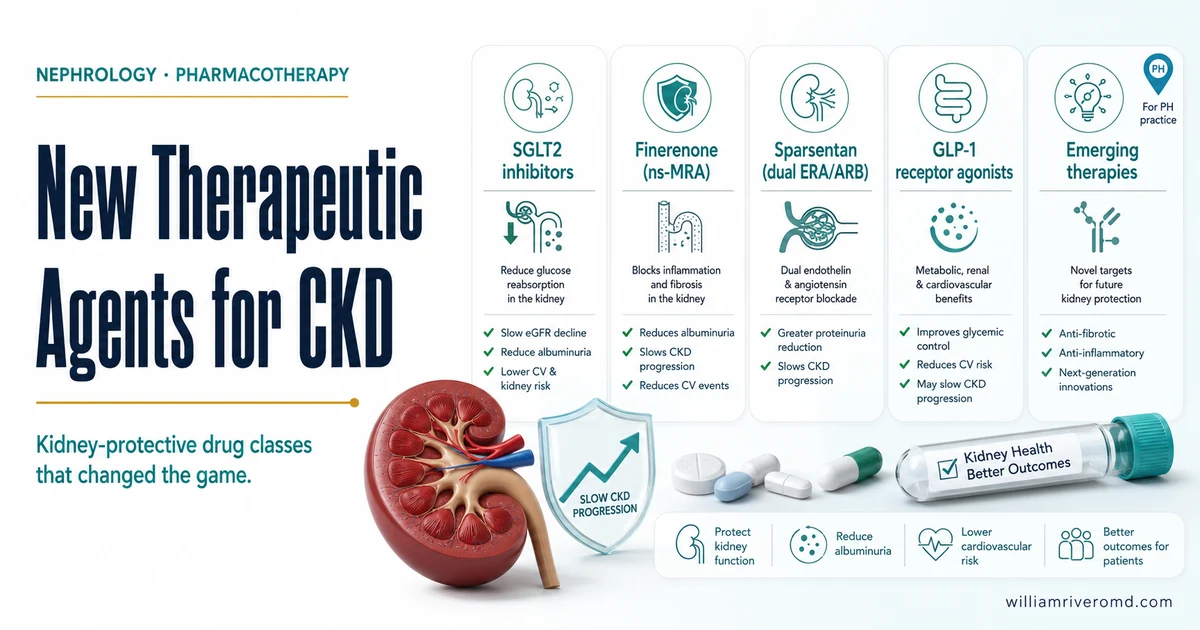 GuideNew Therapeutic Agents for CKDNew CKD drugs — SGLT2 inhibitors, finerenone, sparsentan, GLP-1 agonists, and emerging therapies that have transformed kidney disease treatment in the Philippines.
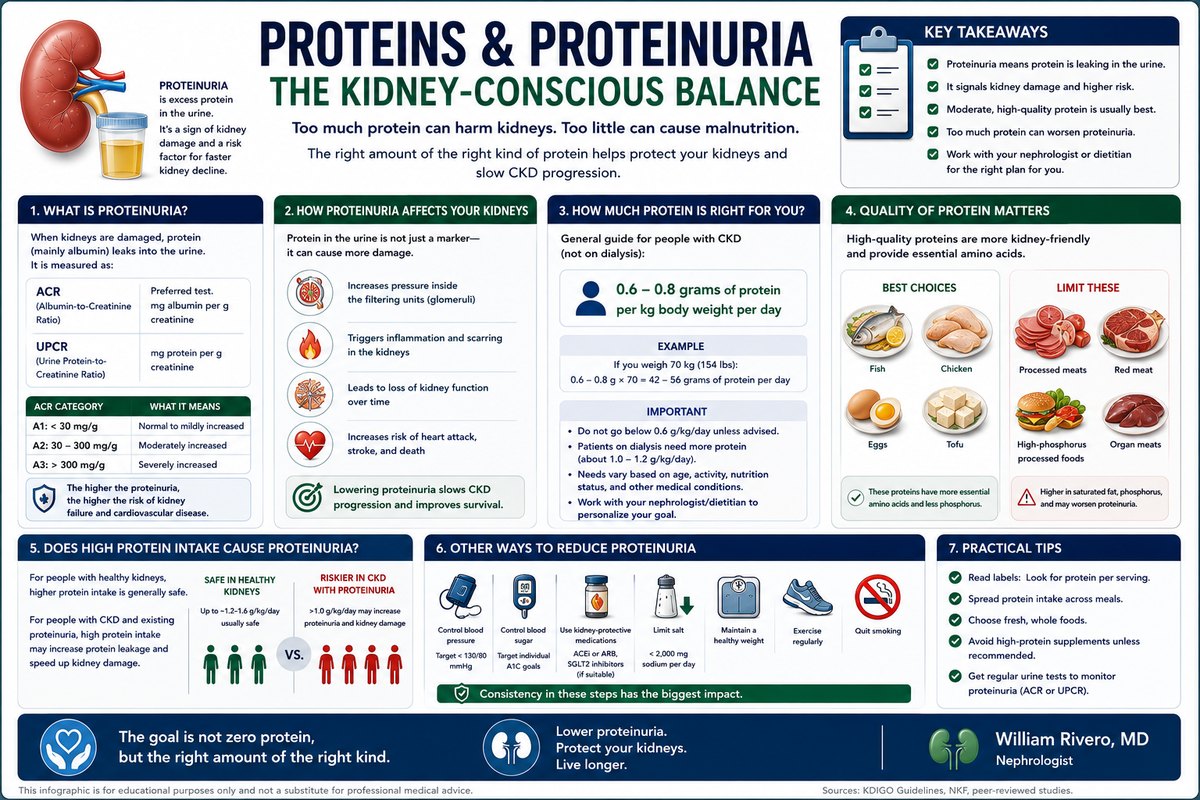 GuideProteins & ProteinuriaProtein in urine (proteinuria) — what it means, how it is measured, why it damages kidneys, and proven strategies including ACE inhibitors and ARBs to reduce it.
- CalculatoreGFR Calculator — CKD-EPI 2021 (race-free)Estimate GFR from serum creatinine using the race-free CKD-EPI 2021 creatinine equation. Enter age, sex, and creatinine to get eGFR and CKD stage. With indications, formula, evidence, and references.
References
- U.S. Food and Drug Administration. Kerendia · Bayer HealthCare Pharmaceuticals Inc. [US FDA-approved label, version 15, September 21, 2026]. Via DailyMed/openFDA. https://dailymed.nlm.nih.gov/dailymed/drugInfo.cfm?setid=fc726765-5d5a-4d6e-b037-b847bda9fb7c
- Food and Drug Administration Philippines. Verification portal (product registrations). https://verification.fda.gov.ph
- Bayer HealthCare Pharmaceuticals Inc.. (2026). Kerendia (finerenone) [Prescribing information; US FDA-approved label, NDA215341, set ID fc726765-5d5a-4d6e-b037-b847bda9fb7c, version effective September 21, 2026]. DailyMed, U.S. National Library of Medicine. https://dailymed.nlm.nih.gov/dailymed/drugInfo.cfm?setid=fc726765-5d5a-4d6e-b037-b847bda9fb7c
- Schwartz, G. J., Muñoz, A., Schneider, M. F., Mak, R. H., Kaskel, F., Warady, B. A., & Furth, S. L. (2009). New equations to estimate GFR in children with CKD. Journal of the American Society of Nephrology, 20(3), 629–637. https://doi.org/10.1681/ASN.2008030287
renalcarematters.com content: Kidney and pediatric dosing: reviewed by William Gregory M. Rivero, MD, FPCP, DPSN on November 16, 2026. Dosing, interaction, adverse-effect and monitoring summary: reviewed by William Gregory M. Rivero, MD, FPCP, DPSN on November 16, 2026.
Last updated: .