Use: Labeled indications
SmPC 4.1 Therapeutic indications EU SmPC (EMA)
NeoRecormon is indicated for:
- Treatment of symptomatic anaemia associated with chronic renal failure in adult and paediatric patients.
- Prevention of anaemia of prematurity in infants with a birth weight of 750 to 1 500 g and a gestational age of less than 34 weeks.
- Treatment of symptomatic anaemia in adult patients with non-myeloid malignancies receiving chemotherapy.
- Increasing the yield of autologous blood from patients in a pre-donation programme. Its use in this indication must be balanced against the reported increased risk of thromboembolic events. Treatment should only be given to patients with moderate anaemia (Hb 10 - 13 g/dl [6.21 - 8.07 mmol/l], no iron deficiency) if blood conserving procedures are not available or insufficient when the scheduled major elective surgery requires a large volume of blood (4 or more units of blood for females or 5 or more units for males). See section 5.1
Contraindications
- Poorly controlled hypertension
- Hypersensitivity
- Multidose formulation (benzyl alcohol): children under 3 years
SmPC 4.3 Contraindications EU SmPC (EMA)
Hypersensitivity to the active substance or any of the excipients listed in section 6.1.
Poorly controlled hypertension.
In the indication “increasing the yield of autologous blood”: myocardial infarction or stroke in the month preceding treatment, unstable angina pectoris, increased risk of deep venous thrombosis such as history of venous thromboembolic disease.
Dosing: Adult
- Anemia of chronic kidney failure, correction (SC): 20 IU/kg three times weekly; increase by 20 IU/kg three times weekly every 4 weeks if needed; maximum 720 IU/kg/week
- Anemia of chronic kidney failure, correction (IV): 40 IU/kg three times weekly; after 4 weeks 80 IU/kg three times weekly, then 20 IU/kg increments monthly; maximum 720 IU/kg/week
- Maintenance: Halve the correction dose, then adjust every 1 to 2 weeks to Hb 10 to 12 g/dL; SC once weekly or every 2 weeks when stable (KDIGO 2026: keep Hb below 11.5 g/dL)
SmPC 4.2 Posology and method of administration EU SmPC (EMA)
Therapy with NeoRecormon should be initiated by physicians experienced in the above-mentioned indications. As anaphylactoid reactions were observed in isolated cases, it is recommended that the first dose be administered under medical supervision.
Posology
Treatment of symptomatic anaemia in adult and paediatric chronic renal failure patients Anaemia symptoms and sequelae may vary with age, gender, and overall burden of disease; a physician’s evaluation of the individual patient’s clinical course and condition is necessary. NeoRecormon should be administered either subcutaneously or intravenously in order to increase haemoglobin to not greater than 12 g/dl (7.45 mmol/l). Subcutaneous use is preferable in patients who are not receiving haemodialysis to avoid puncture of peripheral veins. In case of intravenous administration, the solution should be injected over approx. 2 minutes, e.g. in haemodialysis patients via the arteriovenous fistula at the end of dialysis.
Due to intra-patient variability, occasional individual haemoglobin values for a patient above and below the desired haemoglobin level may be observed. Haemoglobin variability should be addressed through dose management, with consideration for the haemoglobin target range of 10 g/dl (6.21 mmol/l) to 12 g/dl (7.45 mmol/l). A sustained haemoglobin level of greater than 12 g/dl (7.45 mmol/l) should be avoided; guidance for appropriate dose adjustment for when haemoglobin values exceeding 12 g/dl (7.45 mmol/l) are observed are described below.
A rise in haemoglobin of greater than 2 g/dl (1.25 mmol/l) over a four-week period should be avoided. If it occurs, appropriate dose adjustment should be made as provided. If the rate of rise in haemoglobin is greater than 2 g/dl (1.25 mmol/l) in one month or if the haemoglobin level is increasing and approaching 12 g/dl (7.45 mmol/l), the dose is to be reduced by approximately 25%. If the haemoglobin level continues to increase, therapy should be interrupted until the hemoglobin level begins to decrease, at which point therapy should be restarted at a dose approximately 25% below the previously administered dose.
Patients should be monitored closely to ensure that the lowest approved effective dose of NeoRecormon is used to provide adequate control of the symptoms of anaemia whilst maintaining a haemoglobin concentration below to 12 g/dl (7.45 mmol/l).
Caution should be exercised with escalation of NeoRecormon doses in patients with chronic renal failure. In patients with a poor haemoglobin response to NeoRecormon, alternative explanations for the poor response should be considered (see sections 4.4 and 5.1).
In the presence of hypertension or existing cardiovascular, cerebrovascular, or peripheral vascular diseases, the weekly increase in Hb and the target Hb should be determined individually taking into account the clinical picture.
Treatment with NeoRecormon is divided into two stages.
1. Correction phase
- Subcutaneous administration: The initial dosage is 3 x 20 IU/kg body weight per week. The dosage may be increased every 4 weeks by 3 x 20 IU/kg and week if the increase of Hb is not adequate (< 0.25 g/dl per week). The weekly dose can also be divided into daily doses.
- Intravenous administration: The initial dosage is 3 x 40 IU/kg per week. The dosage may be raised after 4 weeks to 80 IU/kg - three times per week - and by further increments of 20 IU/kg if needed, three times per week, at monthly intervals. For both routes of administration, the maximum dose should not exceed 720 IU/kg per week.
2. Maintenance phase
To maintain an Hb of between 10 and 12 g/dl, the dosage is initially reduced to half of the previously administered amount. Subsequently, the dose is adjusted at intervals of one or two weeks individually for the patient (maintenance dose).
In the case of subcutaneous administration, the weekly dose can be given as one injection per week or in divided doses three or seven times per week. Patients who are stable on a once weekly dosing regimen may be switched to once every two weeks administration. In this case, dose increases may be necessary.
Results of clinical studies in children have shown that, on average, the younger the patients, the higher the NeoRecormon doses required. Nevertheless, the recommended dosing schedule should be followed as the individual response cannot be predicted.
Treatment with NeoRecormon is normally a long-term therapy. It can, however, be interrupted, if necessary, at any time. Data on the once weekly dosing schedule are based on clinical studies with a treatment duration of 24 weeks.
Prevention of anaemia of prematurity
The solution is administered subcutaneously at a dose of 3 x 250 IU/kg b.w. per week. Premature infants who have already been transfused by the start of treatment with NeoRecormon are not likely to benefit as much as untransfused infants. The recommended treatment duration is 6 weeks.
Treatment of symptomatic chemotherapy-induced anaemia in cancer patients
NeoRecormon should be administered by the subcutaneous route to patients with anaemia (e.g. haemoglobin concentration ≤ 10g/dl (6.21 mmol/l). Anaemia symptoms and sequelae may vary with age, gender, and overall burden of disease; a physician’s evaluation of the individual patient’s clinical course and condition is necessary.
The weekly dose can be given as one injection per week or in divided doses 3 to 7 times per week.
The recommended initial dose is 30 000 IU per week (corresponding to approximately 450 IU/kg body weight per week, based on an average weighted patient).
Due to intra-patient variability, occasional individual haemoglobin values for a patient above and below the desired haemoglobin level may be observed. Haemoglobin variability should be addressed through dose management, with consideration for the haemoglobin target range of 10 g/dl (6.21 mmol/l) to 12 g/dl (7.45 mmol/l). A sustained haemoglobin level of greater than 12 g/dl (7.45 mmol/l) should be avoided; guidance for appropriate dose adjustment for when haemoglobin values exceeding 12 g/dl (7.45 mmol/l) are observed are described below.
If, after 4 weeks of therapy, the haemoglobin value has increased by at least 1 g/dl (0.62 mmol/l), the current dose should be continued. If the haemoglobin value has not increased by at least 1 g/dl (0.62 mmol/l), a doubling of the weekly dose should be considered. If, after 8 weeks of therapy, the haemoglobin value has not increased by at least 1 g/dl (0.62 mmol/l), response is unlikely, and treatment should be discontinued.
The therapy should be continued for up to 4 weeks after the end of chemotherapy.
The maximum dose should not exceed 60 000 IU per week.
Once the therapeutic objective for an individual patient has been achieved, the dose should be reduced by 25 to 50% in order to maintain haemoglobin at that level. Appropriate dose titration should be considered.
If the haemoglobin exceeds 12 g/dl (7.45 mmol/l), the dose should be reduced by approximately 25 to 50%. Treatment with NeoRecormon should be temporarily discontinued if haemoglobin levels exceed 13 g/dl (8.1 mmol/l). Therapy should be reinitiated at approximately 25% lower than the previous dose after haemoglobin levels fall to 12 g/dl (7.45 mmol/l) or below.
If the rise in haemoglobin is greater than 2 g/dl (1.3 mmol/l) in 4 weeks, the dose should be reduced by 25 to 50%.
Patients should be monitored closely to ensure that the lowest approved dose of NeoRecormon is used to provide adequate control of the symptoms of anaemia.
Treatment for increasing the amount of autologous blood
The solution is administered intravenously over approx. 2 minutes or subcutaneously. NeoRecormon is administered twice weekly over 4 weeks. On those occasions where the patient’s PCV allows blood donation, i.e. PCV ≥ 33%, NeoRecormon is administered at the end of blood donation. During the entire treatment period, a PCV of 48% should not be exceeded.
The dosage must be determined by the surgical team individually for each patient as a function of the required amount of pre-donated blood and the endogenous red cell reserve: 1. The required amount of pre-donated blood depends on the anticipated blood loss, use of blood conserving procedures and the physical condition of the patient. This amount should be that quantity which is expected to be sufficient to avoid homologous blood transfusions. The required amount of pre-donated blood is expressed in units whereby one unit in the nomogram is equivalent to 180 ml red cells. 2. The ability to donate blood depends predominantly on the patient’s blood volume and baseline PCV. Both variables determine the endogenous red cell reserve, which can be calculated according to the following formula.
      Endogenous red cell reserve = blood volume [ml] x (PCV - 33) ÷ 100
      Women:     blood volume [ml] = 41 [ml/kg] x body weight [kg] + 1 200 [ml]
      Men:       blood volume [ml] = 44 [ml/kg] x body weight [kg] + 1 600 [ml]
      (body weight ≥ 45 kg)

The indication for treatment with NeoRecormon and, if given, the single dose, should be determined
from the required amount of pre-donated blood and the endogenous red cell reserve according to the
following graphs.

        Female patients                                Male patients
Required amount of pre-donated blood         Required amount of pre-donated blood
[units]                                      [units]

Endogenous red cell reserve [ml]               Endogenous red cell reserve [ml]
The single dose thus determined is administered twice weekly over 4 weeks. The maximum dose should not exceed 1 600 IU/kg body weight per week for intravenous or 1 200 IU/kg per week for subcutaneous administration.
Method of administration
The NeoRecormon pre-filled syringe is ready for use. Only solutions which are clear or slightly opalescent, colourless and practically free of visible particles may be injected. NeoRecormon in pre-filled syringe is a sterile but unpreserved product. Under no circumstances should more than one dose be administered per syringe; the medicinal product is for single use only.
Dosing: Altered kidney function
Epoetin beta is an erythropoiesis-stimulating agent (ESA) for anemia of chronic kidney failure; it is not dosed by kidney function but titrated to hemoglobin (Hb), with a European label target of 10 to 12 g/dL (KDIGO 2026: keep Hb below 11.5 g/dL during maintenance) and a rise of no more than 2 g/dL in 4 weeks. Higher Hb targets raise the risk of death, stroke and cardiovascular events. It has no US FDA label (the related methoxy polyethylene glycol-epoetin beta does).
Kidney function measure: Dose follows hemoglobin, not kidney function. Bands shown on creatinine clearance (CrCl).
Show full dosing details
- CrCl ≥60 mL/min
- No kidney dose adjustment; dose is titrated to hemoglobin. Correction: 20 IU/kg SC three times weekly (or 40 IU/kg IV three times weekly), increased every 4 weeks if Hb rises less than 0.25 g/dL per week; maximum 720 IU/kg/week. European label target Hb 10 to 12 g/dL (SmPC); KDIGO 2026 advises keeping Hb below 11.5 g/dL during maintenance.
- CrCl 30–59 mL/min
- No kidney dose adjustment; dose is titrated to hemoglobin. Correction: 20 IU/kg SC three times weekly (or 40 IU/kg IV three times weekly), increased every 4 weeks if Hb rises less than 0.25 g/dL per week; maximum 720 IU/kg/week. European label target Hb 10 to 12 g/dL (SmPC); KDIGO 2026 advises keeping Hb below 11.5 g/dL during maintenance.
- CrCl 15–29 mL/min
- No kidney dose adjustment; dose is titrated to hemoglobin. Correction: 20 IU/kg SC three times weekly (or 40 IU/kg IV three times weekly), increased every 4 weeks if Hb rises less than 0.25 g/dL per week; maximum 720 IU/kg/week. European label target Hb 10 to 12 g/dL (SmPC); KDIGO 2026 advises keeping Hb below 11.5 g/dL during maintenance.
- CrCl <15 mL/min (not on dialysis)
- No kidney dose adjustment; dose is titrated to hemoglobin. Correction: 20 IU/kg SC three times weekly (or 40 IU/kg IV three times weekly), increased every 4 weeks if Hb rises less than 0.25 g/dL per week; maximum 720 IU/kg/week. European label target Hb 10 to 12 g/dL (SmPC); KDIGO 2026 advises keeping Hb below 11.5 g/dL during maintenance.
- Hemodialysis (intermittent)
- Same Hb-titrated dosing; IV (40 IU/kg three times weekly to start) or SC. Heparin needs often rise on dialysis; watch for access thrombosis (SmPC).
- Peritoneal dialysis
- Same Hb-titrated SC dosing (SmPC).
- CRRT
- Not studied in acute kidney injury or CRRT; ESAs are not used for acute anemia. Specialist input.
- Dialyzable? Not stated in the SmPC.
- Monitoring Hb regularly (avoid sustained Hb above 12 g/dL; reduce dose about 25% if Hb rises more than 2 g/dL in a month or nears 12). Blood pressure, especially early and between dialysis sessions. Platelets during the first 8 weeks. Potassium and phosphate; if potassium is high or rising, consider stopping until it is corrected. Iron status before and during therapy. Sudden Hb fall with low reticulocytes: stop and test for anti-erythropoietin antibodies (pure red cell aplasia) (SmPC 4.2, 4.4).
Children (kidney dosing)
Show full dosing details
- eGFR ≥60
- Weight-based schedule titrated to Hb (SmPC).
- eGFR 30–59
- Weight-based schedule titrated to Hb (SmPC).
- eGFR 15–29
- Weight-based schedule titrated to Hb (SmPC).
- eGFR <15 (not on dialysis)
- Weight-based schedule titrated to Hb (SmPC).
- Hemodialysis (intermittent)
- Same weight-based, Hb-titrated dosing.
- Peritoneal dialysis
- Same weight-based, Hb-titrated dosing.
- CRRT
- Not studied.
Pediatric eGFR: bedside Schwartz equation, 0.413 × height (cm) / serum creatinine (mg/dL). Weight-based doses should not exceed the adult maximum.
renalcarematters.com guidance, reviewed by William Gregory M. Rivero, MD, FPCP, DPSN on November 17, 2026. Sources are listed under References. Use with the product's package insert and the patient's current kidney function.
Source: EMA product information (March 15, 2023). This generic has no US FDA label.
EU SmPC text: renal impairment EU SmPC (EMA)
Treatment of symptomatic anaemia in adult and paediatric chronic renal failure patients Anaemia symptoms and sequelae may vary with age, gender, and overall burden of disease; a physician’s evaluation of the individual patient’s clinical course and condition is necessary. NeoRecormon should be administered either subcutaneously or intravenously in order to increase haemoglobin to not greater than 12 g/dl (7.45 mmol/l). Subcutaneous use is preferable in patients who are not receiving haemodialysis to avoid puncture of peripheral veins. In case of intravenous administration, the solution should be injected over approx. 2 minutes, e.g. in haemodialysis patients via the arteriovenous fistula at the end of dialysis.
Caution should be exercised with escalation of NeoRecormon doses in patients with chronic renal failure. In patients with a poor haemoglobin response to NeoRecormon, alternative explanations for the poor response should be considered (see sections 4.4 and 5.1).
Dosing: Pediatric
- Approved ages
- Children with anemia of chronic kidney failure; multidose formulation (benzyl alcohol) not under 3 years (EMA).
- Usual dose
- Same weight-based schedule as adults; younger children often need higher doses (SmPC).
Kidney dosing in children: see Dosing: Altered kidney function.
renalcarematters.com, reviewedDosage forms
Philippines
- Solution for injection: 0.3 mL, 10,000 IU/0.6 mL, 30,000 IU/0.6 mL
Registered products in the Philippines
4 products registered with the Food and Drug Administration (FDA) Philippines list Epoetin beta as the generic name. Registration status changes; confirm a product's current status on the FDA portal before relying on it.
All registered products4
| Package insert | |||||||
|---|---|---|---|---|---|---|---|
RecormonEpoetin Beta | 10,000 IU/0.6 mL Solution For Injection (IV/SC)1 mL (Net content: 0.6 mL) Type I borosilicate glass syringe barrel with bromobutyl rubber plunger stopper bromobutyl rubber tip cap (Box of 6's) | RxVAT-exempt | Roche Diagnostics GmbHGermany | Roche (Philippines), Inc. | BR-1062 | Mar 17, 2028 | |
RecormonEpoetin beta | 2,000 I.U./0.3 mL Solution for Injection (S.C./I.V.)Pre-filled syringe of 0.3 mL with needle 27G 1/2" (Box of 6's) | RxVAT-exempt | F. Hoffmann-La Roche AGSwitzerland | Roche (Philippines), Inc., | BR-1091 | Mar 3, 2030 | |
RecormonEpoetin Beta | 30,000 IU/0.6 mL Solution for Injection (IV/SC)1 mL Pre-filled Syringe with Needle (Box of 1's) | RxVAT-exempt | Roche Diagnostics GmbHGermany | Roche (Philippines) Inc. | BR-1060 | Dec 3, 2030 | |
RecormonEpoetin beta | 5,000 I.U./0.3 mL Solution for Injection (S.C./I.V.)Pre-filled syringe of 0.3 mL with needle 27G 1/2" (Box of 6's) | RxVAT-exempt | F. Hoffmann-La Roche AGSwitzerland | Roche (Philippines), Inc., | BRP-084 | Mar 3, 2030 |
Source: FDA Philippines product registration database. "Valid until" is the registration validity date listed by the FDA; a past date may mean a renewal is pending. Package insert links point to files published by the FDA.
Warnings/Precautions
SmPC 4.4 Special warnings and precautions for use EU SmPC (EMA)
Traceability
In order to improve the traceability of biological medicinal products, the name and the batch number of the administered product should be clearly recorded.
NeoRecormon should be used with caution in the presence of refractory anaemia with excess blasts in transformation, epilepsy, thrombocytosis, and chronic liver failure. Folic acid and vitamin B12 deficiencies should be ruled out as they reduce the effectiveness of NeoRecormon.
Caution should be exercised with escalation of NeoRecormon doses in patients with chronic renal failure since high cumulative epoetin doses may be associated with an increased risk of mortality, serious cardiovascular and cerebrovascular events. In patients with a poor haemoglobin response to epoetins, alternative explanations for the poor response should be considered (see sections 4.2 and 5.1).
In order to ensure effective erythropoiesis, iron status should be evaluated for all patients prior to and during treatment, and supplementary iron therapy may be necessary and conducted in accordance with therapeutic guidelines.
Severe aluminium overload due to treatment of renal failure may compromise the effectiveness of NeoRecormon.
The indication for treatment with NeoRecormon of nephrosclerotic patients not yet undergoing dialysis should be defined individually, as a possible acceleration of progression of renal failure cannot be ruled out with certainty.
Pure red cell aplasia (PRCA)
PRCA caused by neutralising anti-erythropoietin antibodies has been reported in association with erythropoietin therapy, including NeoRecormon. These antibodies have been shown to cross-react with all erythropoietic proteins, and patients suspected or confirmed to have neutralising antibodies to erythropoietin should not be switched to NeoRecormon (see section 4.8).
PRCA in patients with Hepatitis C
A paradoxical decrease in haemoglobin and development of severe anaemia associated with low reticulocyte counts should prompt to discontinue treatment with epoetin and perform anti-erythropoietin antibody testing. Cases have been reported in patients with hepatitis C treated with interferon and ribavirin, when epoetins are used concomitantly. Epoetins are not approved in the management of anaemia associated with hepatitis C.
Blood pressure monitoring
An increase in blood pressure or aggravation of existing hypertension, especially in cases of rapid PCV increase can occur. These increases in blood pressure can be treated with medicinal products. If blood pressure rises cannot be controlled by drug therapy, a transient interruption of NeoRecormon therapy is recommended. Particularly at the beginning of therapy, regular monitoring of the blood pressure is recommended, including between dialyses. Hypertensive crisis with encephalopathy-like symptoms may occur and require the immediate attention of a physician and intensive medical care. Particular attention should be paid to sudden stabbing migraine-like headaches as a possible warning sign.
Severe cutaneous adverse reactions (SCARs) including Stevens-Johnson syndrome (SJS) and toxic epidermal necrolysis (TEN), which can be life-threatening or fatal, have been reported in association with epoetin treatment (see section 4.8). More severe cases have been observed with long-acting epoetins. At the time of prescription, patients should be advised of the signs and symptoms and monitored closely for skin reactions. If signs and symptoms suggestive of these reactions appear, NeoRecormon should be withdrawn immediately and an alternative treatement considered. If the patient has developed a severe cutaneous skin reaction such as SJS or TEN due to the use of NeoRecormon, treatment with erythropoiesis stimulating agent (ESA) must not be restarted in this patient at any time.
Chronic renal failure
In chronic renal failure patients, there may be a moderate dose-dependent rise in the platelet count within the normal range during treatment with NeoRecormon, especially after intravenous administration. This regresses during the course of continued therapy. It is recommended that the platelet count be monitored regularly during the first 8 weeks of therapy.
Haemoglobin concentration
In patients with chronic renal failure, maintenance haemoglobin concentration should not exceed the upper limit of the target haemoglobin concentration recommended in section 4.2. In clinical trials, an increased risk of death and serious cardiovascular events or cerebrovascular events including stroke was observed when ESAs were administered to target a haemoglobin of greater than 12 g/dl (7.45 mmol/l).
Controlled clinical trials have not shown significant benefits attributable to the administration of epoetins when haemoglobin concentration is increased beyond the level necessary to control symptoms of anaemia and to avoid blood transfusion.
In premature infants there may be a slight rise in platelet counts, particularly up to day 12 - 14 of life, therefore platelets should be monitored regularly.
Effect on tumour growth
Epoetins are growth factors that primarily stimulate red blood cell production. Erythropoietin receptors may be expressed on the surface of a variety of tumour cells. As with all growth factors, there is a concern that epoetins could stimulate the growth of tumours. In several controlled studies, epoetins have not been shown to improve overall survival or decrease the risk of tumour progression in patients with anaemia associated with cancer. In controlled clinical studies, use of NeoRecormon and other ESAs have shown:
- shortened time to tumour progression in patients with advanced head and neck cancer receiving radiation therapy when administered to target a haemoglobin of greater than 14 g/dl (8.69 mmol/l),
- shortened overall survival and increased deaths attributed to disease progression at 4 months in patients with metastatic breast cancer receiving chemotherapy when administered to target a haemoglobin of 12-14 g/dl (7.45-8.69 mmol/l),
- increased risk of death when administered to target a haemoglobin of 12 g/dl (7.45 mmol/l) in patients with active malignant disease receiving neither chemotherapy nor radiation therapy. ESAs are not indicated for use in this patient population.
In view of the above, in some clinical situations blood transfusion should be the preferred treatment for the management of anaemia in patients with cancer. The decision to administer recombinant erythropoietins should be based on a benefit-risk assessment with the participation of the individual patient, which should take into account the specific clinical context. Factors that should be considered in this assessment should include the type of tumour and its stage; the degree of anaemia; life-expectancy; the environment in which the patient is being treated; and patient preference (see section 5.1)
There may be an increase in blood pressure which can be treated with drugs. It is therefore recommended to monitor blood pressure, in particular in the initial treatment phase in cancer patients.
Platelet counts and haemoglobin level should also be monitored at regular intervals in cancer patients.
In patients in an autologous blood pre-donation programme there may be an increase in platelet count, mostly within the normal range. Therefore, it is recommended that the platelet count be determined at least once a week in these patients. If there is an increase in platelets of more than 150 x 109 /l or if platelets rise above the normal range, treatment with NeoRecormon should be discontinued.
In preterm infants, a potential risk of erythropoietin to cause retinopathy could not be excluded, therefore caution should be exercised and the decision to treat a preterm infant should be balanced against the potential benefit and risk of this treatment and available alternative options.
In chronic renal failure patients, an increase in heparin dose during haemodialysis is frequently required during the course of therapy with NeoRecormon as a result of the increased packed cell volume. Occlusion of the dialysis system is possible if heparinisation is not optimum.
Early shunt revision and thrombosis prophylaxis by administration of acetylsalicylic acid, for example, should be considered in chronic renal failure patients at risk of shunt thrombosis.
Serum potassium and phosphate levels should be monitored regularly during therapy with NeoRecormon. Potassium elevation has been reported in a few uraemic patients receiving NeoRecormon, though causality has not been established. If an elevated or rising potassium level is observed, then consideration should be given to ceasing administration of NeoRecormon until the level has been corrected.
For use of NeoRecormon in an autologous pre-donation programme, the official guidelines on
principles of blood donation must be considered, in particular:
-     only patients with a PCV ≥ 33% (haemoglobin ≥ 11 g/dl [6.83 mmol/l]) should donate;
-     special care should be taken with patients below 50 kg weight;
- the single volume drawn should not exceed approx. 12% of the patient’s estimated blood volume. Treatment should be reserved for patients in whom it is considered of particular importance to avoid homologous blood transfusion taking into consideration the risk/benefit assessment for homologous transfusions.
Misuse
Misuse by healthy persons may lead to an excessive increase in packed cell volume. This may be associated with life-threatening complications of the cardiovascular system.
Excipients
NeoRecormon in pre-filled syringe contains up to 0.3 mg phenylalanine/syringe as an excipient. Therefore, this should be taken into consideration in patients affected with severe forms of phenylketonuria.
This medicine contains less than 1 mmol sodium (23 mg) per syringe, that is to say essentially “sodium-free”.
This medicinal product contains polysorbate 20 (0.034 mg/syringe nominal volume 0.3 ml and 0.063 mg/syringe nominal volume 0.6 ml). Polysorbates may cause allergic reactions.
Drug interactions
| Drug or class | Severity | Effect | What to do |
|---|---|---|---|
| Heparin during hemodialysis | Adjust or monitor | Higher Hb can increase circuit clotting. | Heparin dose may need to rise. |
Severity scale (renalcarematters.com): Avoid: do not combine; Adjust or monitor: change the dose or monitor closely; Minor: usually no action.
renalcarematters.com, reviewedSmPC 4.5 Interaction with other medicinal products and other forms of interaction EU SmPC (EMA)
The clinical results obtained so far do not indicate any interaction of NeoRecormon with other medicinal products. Animal experiments revealed that epoetin beta does not increase the myelotoxicity of cytostatic medicinal products like etoposide, cisplatin, cyclophosphamide, and fluorouracil.
Adverse reactions
Common
- Hypertension
- Headache
- Thromboembolic events (including access thrombosis)
Serious
- Hypertensive crisis with encephalopathy-like symptoms
- Pure red cell aplasia (anti-erythropoietin antibodies)
- Stroke, cardiovascular events and death at high Hb targets
- Stevens-Johnson syndrome, toxic epidermal necrolysis
- Hyperkalemia
- Tumor progression and shorter survival in patients with cancer (use with great caution in active malignancy)
- Seizures (caution in epilepsy)
SmPC 4.8 Undesirable effects EU SmPC (EMA)
Summary of the safety profile
Based on results from clinical trials including 1 725 patients, approximately 8% of patients treated with NeoRecormon are expected to experience adverse reactions.
Anaemic patients with chronic renal failure
The most frequent adverse reaction during treatment with NeoRecormon is an increase in blood pressure or aggravation of existing hypertension, especially in cases of rapid PCV increase (see section 4.4). Hypertensive crisis with encephalopathy-like symptoms (e.g. headaches and confused state, sensorimotor disorders - such as speech disturbance or impaired gait - up to tonoclonic seizures) may also occur in individual patients with otherwise normal or low blood pressure (see section 4.4).
Shunt thromboses may occur, especially in patients who have a tendency to hypotension or whose arteriovenous fistulae exhibit complications (e.g. stenoses, aneurisms), see section 4.4. In most cases, a fall in serum ferritin values simultaneous with a rise in packed cell volume is observed (see section 4.4). In addition, transient increases in serum potassium and phosphate levels have been observed in isolated cases (see section 4.4).
In isolated cases, neutralising anti-erythropoietin antibody-mediated pure red cell aplasia (PRCA) associated with NeoRecormon therapy has been reported. In case anti-erythropoietin antibody-mediated PRCA is diagnosed, therapy with NeoRecormon must be discontinued and patients should not be switched to another erythropoietic protein (see section 4.4). Adverse reactions are listed in Table 1 below.
Patients with cancer
Epoetin beta treatment-related headache and hypertension which can be treated with drugs are common (see section 4.4).
In some patients, a fall in serum iron parameters is observed (see section 4.4).
Clinical studies have shown a higher frequency of thromboembolic events in cancer patients treated with NeoRecormon compared to untreated controls or placebo. In patients treated with NeoRecormon, this incidence is 7% compared to 4% in controls; this is not associated with any increase in thromboembolic mortality compared with controls. Adverse reactions are listed in Table 2 below.
Patients in an autologous blood pre-donation programme
Patients in an autologous blood pre-donation programme have been reported to show a slightly higher frequency of thromboembolic events. However, a causal relationship with treatment with NeoRecormon could not be established.
In placebo-controlled trials, temporary iron deficiency was more pronounced in patients treated with NeoRecormon than in controls (see section 4.4). Adverse reactions are listed in Table 3 below.
Severe cutaneous adverse reactions (SCARs) including Stevens-Johnson syndrome (SJS) and toxic epidermal necrolysis (TEN), which can be life-threatening or fatal, have been reported in association with epoetin treatment (see section 4.4)
Tabulated list of adverse reactions
Adverse reactions are listed according to MedDRA system organ class and frequency category. Frequency categories are defined using the following convention: very common (≥1/10); common (≥1/100 to <1/10); uncommon (≥1/1 000 to <1/100); rare (≥1/10 000 to <1/1 000); very rare (<1/10 000); not known (cannot be estimated from the available data).
Table 1:     Adverse reactions attributed to the treatment with NeoRecormon in controlled clinical
trials in CKD patients
   System organ class           Adverse reaction                Frequency
   Vascular disorders           Hypertension                    Common
                                Hypertensive crisis             Uncommon
   Nervous system disorders     Headache                        Common
   Blood and lymphatic          Shunt thrombosis                Rare
   system disorders             Thrombocytosis                  Very rare

Table 2:      Adverse reactions attributed to the treatment with NeoRecormon in controlled clinical
trials in cancer patients
   System organ class            Adverse reaction               Frequency
   Vascular disorders            Hypertension                   Common
   Blood and lymphatic           Thromboembolic event           Common
   system disorders
   Nervous system disorders      Headache                       Common

Table 3:      Adverse reactions attributed to the treatment with NeoRecormon in controlled clinical
trials in patients in an autologous blood pre-donation programme
   System organ class             Adverse reaction              Frequency
   Nervous system disorders       Headache                      Common
Premature infants
A fall in serum ferritin values is very common (see section 4.4).
Description of selected adverse reactions
Rarely, epoetin beta treatment-related skin reactions such as rash, pruritus, urticaria or injection site reactions may occur. In very rare cases, epoetin beta treatment-related anaphylactoid reactions have been reported. However, in controlled clinical studies no increased incidence of hypersensitivity reactions was found.
In very rare cases, particularly when starting treatment, epoetin beta treatment-related flu-like symptoms such as fever, chills, headaches, pain in the limbs, malaise and/or bone pain have been reported. These reactions were mild or moderate in nature and subsided after a couple of hours or days.
Data from a controlled clinical trial with epoetin alfa or darbepoetin alfa, reported an incidence of stroke as common.
Reporting of suspected adverse reactions
Reporting suspected adverse reactions after authorisation of the medicinal product is important. It allows continued monitoring of the benefit/risk balance of the medicinal product. Healthcare professionals are asked to report any suspected adverse reactions via the national reporting system listed in Appendix V.
Monitoring parameters
- Hb regularly (avoid sustained Hb above 12 g/dL; reduce dose about 25% if Hb rises more than 2 g/dL in a month or nears 12). Blood pressure, especially early and between dialysis sessions. Platelets during the first 8 weeks. Potassium and phosphate; if potassium is high or rising, consider stopping until it is corrected. Iron status before and during therapy. Sudden Hb fall with low reticulocytes: stop and test for anti-erythropoietin antibodies (pure red cell aplasia) (SmPC 4.2, 4.4). Kidney
- Hb regularly (label target 10 to 12 g/dL; KDIGO 2026: keep below 11.5 g/dL during maintenance)
- Blood pressure
- Iron status
- Platelets (first 8 weeks), potassium, phosphate
- Active malignancy: weigh risks before use (SmPC 4.4)
- Correct iron deficiency and other causes of anemia before starting (KDIGO 2026)
Pregnancy considerations
SmPC 4.6 Fertility, pregnancy and lactation EU SmPC (EMA)
Pregnancy
For epoetin beta no clinical data on exposed pregnancies are available. Caution should be exercised when prescribing to pregnant women.
Breast-feeding
It is unknown whether epoetin beta is excreted in human milk. A decision on whether to continue/discontinue breast-feeding or to continue/discontinue therapy with epoetin beta should be made taking into account the benefit of breast-feeding to the child and the benefit of epoetin beta therapy to the woman.
Fertility
Animal studies do not indicate direct or indirect harmful effects with respect to pregnancy, embryonal/foetal development, parturition or postnatal development (see section 5.3).
Breastfeeding considerations
Breastfeeding is covered in SmPC 4.6 Fertility, pregnancy and lactation, under Pregnancy considerations above.
Overdose
SmPC 4.9 Overdose EU SmPC (EMA)
The therapeutic margin of NeoRecormon is very wide. Even at very high serum levels no symptoms of poisoning have been observed.
Mechanism of action
SmPC 5.1 Pharmacodynamic properties EU SmPC (EMA)
Pharmacotherapeutic group: antianemic, ATC code: B03XA01
Mechanism of action
Erythropoietin is a glycoprotein that stimulates the formation of erythrocytes from its committed progenitors. It acts as a mitosis stimulating factor and differentiation hormone. Epoetin beta, the active substance of NeoRecormon, is identical in its amino acid and carbohydrate composition to erythropoietin that has been isolated from the urine of anaemic patients.
The biological efficacy of epoetin beta has been demonstrated after intravenous and subcutaneous administration in various animal models in vivo (normal and uraemic rats, polycythaemic mice, dogs). After administration of epoetin beta, the number of erythrocytes, the Hb values and reticulocyte counts increase as well as the 59 Fe-incorporation rate.
An increased 3 H-thymidine incorporation in the erythroid nucleated spleen cells has been found in vitro (mouse spleen cell culture) after incubation with epoetin beta. Investigations in cell cultures of human bone marrow cells showed that epoetin beta stimulates erythropoiesis specifically and does not affect leucopoiesis. Cytotoxic actions of epoetin beta on bone marrow or on human skin cells were not detected.
After single dose administration of epoetin beta no effects on behaviour or locomotor activity of mice and circulatory or respiratory function of dogs were observed.
Clinical efficacy and safety
In a randomised, double-blind, placebo-controlled study of 4 038 chronic renal failure patients not on dialysis with type 2 diabetes and haemoglobin levels ≤ 11 g/dl, patients received either treatment with darbepoetin alfa to target haemoglobin levels of 13 g/dl or placebo (see section 4.4). The study did not meet either primary objective of demonstrating a reduction in risk for all-cause mortality, cardiovascular morbidity, or end-stage renal disease (ESRD). Analysis of the individual components of the composite endpoints showed the following HR (95% CI): death 1.05 (0.92, 1.21), stroke 1.92 (1.38, 2.68), congestive heart failure (CHF) 0.89 (0.74, 1.08), myocardial infarction (MI) 0.96 (0.75, 1.23), hospitalisation for myocardial ischaemia 0.84 (0.55, 1.27), ESRD 1.02 (0.87, 1.18).
Pooled post-hoc analyses of clinical studies with ESAs have been performed in CRF patients (on dialysis, not on dialysis, with or without diabetes). A tendency towards increased risk estimates for all-cause mortality, cardiovascular and cerebrovascular events associated with higher cumulative ESA doses independent of the diabetes or dialysis status was observed (see sections 4.2 and 4.4).
Erythropoietin is a growth factor that primarily stimulates red cell production. Erythropoietin receptors may be expressed on the surface of a variety of tumour cells.
Survival and tumour progression have been examined in five large controlled studies involving a total of 2 833 patients, of which four were double-blind placebo-controlled studies and one was an open-label study. Two of the studies recruited patients who were being treated with chemotherapy. The target haemoglobin concentration in two studies was > 13 g/dl; in the remaining three studies it was 12 -14 g/dl. In the open-label study there was no difference in overall survival between patients treated with recombinant human erythropoietin and controls. In the four placebo-controlled studies the hazard ratios for overall survival ranged between 1.25 and 2.47 in favour of controls. These studies have shown a consistent unexplained statistically significant excess mortality in patients who have anaemia, associated with various common cancers, who received recombinant human erythropoietin compared to controls. Overall survival outcome in the trials could not be satisfactorily explained by
differences in the incidence of thrombosis and related complications between those given recombinant human erythropoietin and those in the control group.
An individual patient data based meta-analysis, which included data from all 12 controlled clinical studies in anaemic cancer patients conducted with NeoRecormon (n=2 301), showed an overall hazard ratio point estimate for survival of 1.13 in favour of controls (95% CI 0.87, 1.46). In patients with baseline haemoglobin ≤ 10 g/dl (n=899), the hazard ratio point estimate for survival was 0.98 (95% CI 0.68 to 1.40). An increased relative risk for thromboembolic events was observed in the overall population (RR 1.62, 95% CI: 1.13, 2.31).
A patient-level data analysis has also been performed on more than 13 900 cancer patients (chemo-, radio-, chemoradio- or no therapy) participating in 53 controlled clinical trials involving several epoetins. Meta-analysis of overall survival data produced a hazard ratio point estimate of 1.06 in favour of controls (95% CI: 1.00, 1.12; 53 trials and 13 933 patients) and for cancer patients receiving chemotherapy, the overall survival hazard ratio was 1.04 (95% CI: 0.97, 1.11; 38 trials and 10 441 patients). Meta-analyses also indicate consistently a significantly increased relative risk of thromboembolic events in cancer patients receiving recombinant human erythropoietin (see section 4.4).
In very rare cases, neutralising anti-erythropoietin antibodies with or without pure red cell aplasia (PRCA) occurred during rHuEPO therapy.
Pharmacokinetics
Key PK parameters
| Bioavailability | SC 23% to 42% of IV |
|---|---|
| Time to peak | SC 12 to 28 hours |
| Half-life | IV 4 to 12 hours; SC 13 to 28 hours |
| Volume of distribution | 1 to 2 times plasma volume |
| Dialyzability kidney | Not stated |
SmPC 5.2 Pharmacokinetic properties EU SmPC (EMA)
Pharmacokinetic investigations in healthy volunteers and uraemic patients show that the half-life of intravenously administered epoetin beta is between 4 and 12 hours and that the distribution volume corresponds to one to two times the plasma volume. Analogous results have been found in animal experiments in uraemic and normal rats.
After subcutaneous administration of epoetin beta to uraemic patients, the protracted absorption results in a serum concentration plateau, whereby the maximum concentration is reached after an average of 12 - 28 hours. The terminal half-life is higher than after intravenous administration, with an average of 13 - 28 hours.
Bioavailability of epoetin beta after subcutaneous administration is between 23 and 42% as compared with intravenous administration.
Formulary and pricing (Philippines)
Government price references
| Preparation | Price (PHP) | Unit | Type |
|---|---|---|---|
| Epoetin Beta (recombinant erythropoietin) 2000 IU/ 0.3 mL Pre-filled syringe | ₱448.00–₱530.00Reference ₱448.00 | per syringe | DPRI procurement range |
| Epoetin Beta (recombinant erythropoietin) 5000IU/0.3ml Pre-filled syringe | ₱978.00–₱1,278.98Reference ₱978.00 | per syringe | DPRI procurement range |
Range = lowest-highest procurement price (highest usable only in GIDA areas); reference_price = 2021 DPRI ceiling (median)
These are government procurement and reimbursement references, not retail prices. Sources:
- DOH Drug Price Reference Index (DPRI) 2021, 9th edition (as of September 17, 2021); https://caro.doh.gov.ph/wp-content/uploads/2021/09/2021DPRI-as-of-9-17-2021.pdf, as of September 17, 2021
Formulary and coverage
| Philippine National Formulary | Listed as Epoetin Beta (recombinant erythropoietin) |
| PNF listing | Inj.: 2000 IU/0.3 mL, pre-filled syringe with needle (IV, SC)Restrictions: Specific expertise, diagnostic precision, or special equipment required for proper use (PNF code 1); Limited indications or narrow spectrum of activity (PNF code 2) |
| PNF listing | Inj.: 5000 IU/0.3 mL, pre-filled syringe with needle (IV, SC)Restrictions: Specific expertise, diagnostic precision, or special equipment required for proper use (PNF code 1); Limited indications or narrow spectrum of activity (PNF code 2) |
| PNF listing | Inj.: 10,000 IU/0.6 mL, pre-filled syringe (IV, SC)Restrictions: Specific expertise, diagnostic precision, or special equipment required for proper use (PNF code 1); Limited indications or narrow spectrum of activity (PNF code 2) |
| PhilHealth GAMOT | No |
Sources:
- PNF Essential Medicines List, 8th ed. (as of November 2, 2022), DOH; https://www.philhealth.gov.ph/partners/providers/pdf/PNF-EML_11022022.pdf, as of November 2, 2022
Check availability
Prices and stock vary by branch; renalcarematters.com does not sell medicines or receive payment from pharmacies.
Related guides & calculators
Guides and calculators on renalcarematters.com for this medicine, for patients and clinicians.
- GuideAnemia ManagementAnemia in kidney disease explained (KDIGO 2026-aligned): population-specific pathways for non-dialysis CKD, hemodialysis, peritoneal dialysis, transplant, and pediatrics; iron route, ESA vs. HIF-PHI, Filipino iron-rich foods, and individual
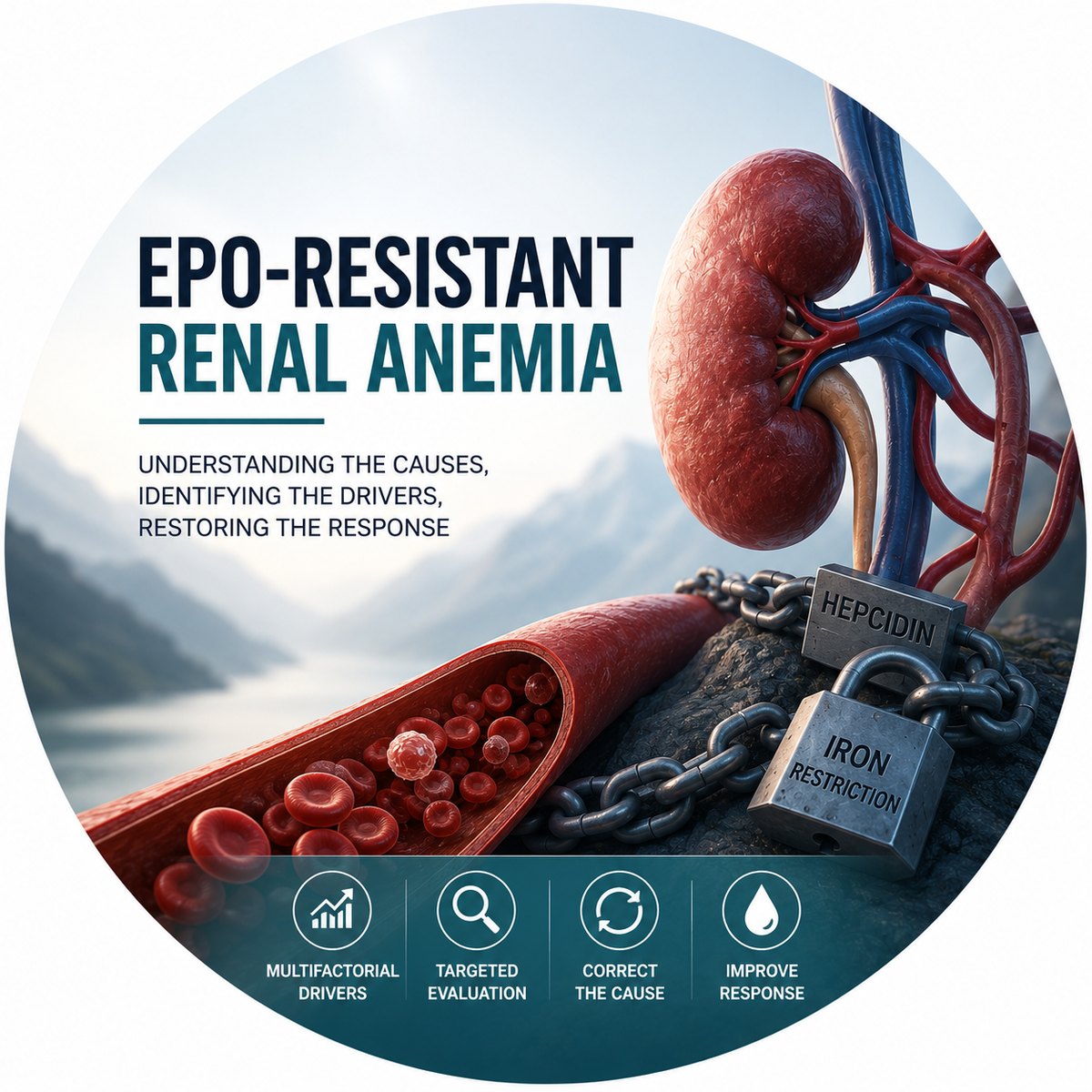 GuideEPO-Resistant Renal Anemia: ESA Hyporesponsiveness in CKDESA hyporesponsiveness in chronic kidney disease — why hemoglobin stalls on rising EPO doses, the hepcidin-iron axis, KDIGO 2026 targets, cause-directed workup, and an integrative treatment ladder (iron, HIF-PHI, vitamin D, L-carnitine).
- CalculatorESA / EPO Dose Adjustment (CKD Anemia)KDIGO-based ESA dose adjustment calculator for CKD anemia. Enter ESA agent, current hemoglobin, Hgb change, and current dose — receive a color-coded action (Hold / Reduce / Maintain / Increase) with suggested new dose. With indications, pea
- CalculatorIron Status in CKD — TSAT & Ferritin Interpretation CalculatorIron status calculator for CKD — compute transferrin saturation (TSAT) from serum iron and TIBC, interpret ferritin, and apply KDIGO 2026 iron initiation and withhold criteria. With formulas, evidence, and pearls.
- CalculatorCreatinine Clearance — Cockcroft-Gault (drug dosing)Estimate creatinine clearance for drug dosing with the Cockcroft-Gault equation using age, sex, weight, and serum creatinine, with ideal/adjusted body-weight options. With indications, formula, evidence, and references.
References
- European Medicines Agency. NeoRecormon: EPAR, product information, Annex I, Summary of Product Characteristics [EU SmPC, last updated May 2, 2025; no US FDA label]. https://www.ema.europa.eu/en/medicines/human/EPAR/neorecormon © European Medicines Agency; reproduced with acknowledgment of the source.
- European Medicines Agency. NeoRecormon EPAR product information (SmPC) [EMA product information, March 15, 2023; no US FDA label]. https://www.ema.europa.eu/en/documents/product-information/neorecormon-epar-product-information_en.pdf
- Food and Drug Administration Philippines. Verification portal (product registrations). https://verification.fda.gov.ph
- PNF Essential Medicines List, 8th ed. (as of November 2, 2022), DOH; https://www.philhealth.gov.ph/partners/providers/pdf/PNF-EML_11022022.pdf
- DOH Drug Price Reference Index (DPRI) 2021, 9th edition (as of September 17, 2021); https://caro.doh.gov.ph/wp-content/uploads/2021/09/2021DPRI-as-of-9-17-2021.pdf
- European Medicines Agency. (2023). NeoRecormon (epoetin beta): EPAR product information [Summary of product characteristics; last updated March 15, 2023]. Roche Registration GmbH. https://www.ema.europa.eu/en/documents/product-information/neorecormon-epar-product-information_en.pdf
- Kidney Disease: Improving Global Outcomes (KDIGO) Anemia Work Group. (2026). KDIGO 2026 clinical practice guideline for the management of anemia in chronic kidney disease (CKD). Kidney International, 109(1S), S1–S99. https://doi.org/10.1016/j.kint.2025.06.006
- Hedayati, S. S., Babitt, J. L., Berns, J. S., Bozkurt, B., Cheung, R. S., Cuevas, Y., Effa, E. E., Eisenga, M. F., Fishbane, S., Ginzburg, Y. Z., Haase, V. H., Kim, S., Moura-Neto, J. A., Rossignol, P., Sahay, M., Tanaka, T., Wang, A. Y., Wheeler, D. C., Robinson, K. A., . . . Nagler, E. V. (2026). Evaluation and management of anemia in chronic kidney disease: Synopsis of the Kidney Disease: Improving Global Outcomes 2026 clinical practice guideline. Annals of Internal Medicine. Advance online publication. https://doi.org/10.7326/ANNALS-26-02326
renalcarematters.com content: Kidney and pediatric dosing: reviewed by William Gregory M. Rivero, MD, FPCP, DPSN on November 17, 2026. Dosing, interaction, adverse-effect and monitoring summary: reviewed by William Gregory M. Rivero, MD, FPCP, DPSN on November 17, 2026.
Last updated: .