WARNING: ESAs INCREASE THE RISK OF DEATH, MYOCARDIAL INFARCTION, STROKE, VENOUS THROMBOEMBOLISM, THROMBOSIS OF VASCULAR ACCESS AND TUMOR PROGRESSION OR RECURRENCE Chronic Kidney Disease: In controlled trials, patients with chronic kidney disease (CKD) experienced greater risks for death, serious adverse cardiovascular reactions, and stroke when administered erythropoiesis-stimulating agents (ESAs) to target a hemoglobin level of greater than 11 g/dL [see Warnings and Precautions (5.1)]. No trial has identified a hemoglobin target level, E SA dose, or dosing strategy that does not increase these risks [see Dosage and Administration (2.2)].
Use the lowest Epogen dose sufficient to reduce the need for red blood cell (RBC) transfusions [see Warnings and Precautions (5.1)]. Cancer: ESAs shortened overall survival and/or increased the risk of tumor progression or recurrence in clinical studies of patients with breast, non-small cell lung, head and neck, lymphoid, and cervical cancers [see Warnings and Precautions (5.2)].
To decrease these risks, as well as the risk of serious cardiovascular and thromboembolic reactions, use the lowest dose needed to avoid RBC transfusions [see Dosage and Administration (2.4)]. Use ESAs only for anemia from myelosuppressive chemotherapy [see Indications and Usage (1.3)]. ESAs are not indicated for patients receiving myelosuppressive chemotherapy when the anticipated outcome is cure [see Indications and Usage (1.5)].
Discontinue following the completion of a chemotherapy course [see Dosage and Administration (2.4)]. Perisurgery: Due to increased risk of Deep Venous Thrombosis (DVT), DVT prophylaxis is recommended [see Dosage and Administration (2.5), Warnings and Precautions (5.1)]. WARNING: ESAs INCREASE THE RISK OF DEATH, MYOCARDIAL INFARCTION, STROKE, VENOUS THROMBOEMBOLISM, THROMBOSIS OF VASCULAR ACCESS AND TUMOR PROGRESSION OR RECURRENCE See full prescribing information for complete boxed warning.
Chronic Kidney Disease: In controlled trials, patients experienced greater risks for death, serious adverse cardiovascular reactions, and stroke when administered erythropoiesis-stimulating agents (ESAs) to target a hemoglobin level of greater than 11 g/dL (5.1). No trial has identified a hemoglobin target level, E SA dose, or dosing strategy that does not increase these risks (2.2).
Use the lowest Epogen dose sufficient to reduce the need for red blood cell (RBC) transfusions (5.1). Cancer: ESAs shortened overall survival and/or increased the risk of tumor progression or recurrence in clinical studies of patients with breast, non-small cell lung, head and neck, lymphoid, and cervical cancers (5.2).
Use the lowest dose to avoid RBC transfusions (2.4). Use ESAs only for anemia from myelosuppressive chemotherapy (1.3). ESAs are not indicated for patients receiving myelosuppressive chemotherapy when the anticipated outcome is cure (1.5). Discontinue following the completion of a chemotherapy course (2.4). Perisurgery: Due to increased risk of deep venous thrombosis (DVT), DVT prophylaxis is recommended (5.1).
Use: Labeled indications
- Treatment of anemia due to: - Chronic Kidney Disease (CKD) in patients on dialysis and not on dialysis
- . - Zidovudine in patients with Human Immunodeficiency Virus (HIV) infection
- . - The effects of concomitant myelosuppressive chemotherapy, and upon initiation, there is a minimum of two additional months of planned chemotherapy
- .
Full indications and usage US FDA label
1 INDICATIONS AND USAGE Epogen is an erythropoiesis-stimulating agent (ESA) indicated for: Treatment of anemia due to: - Chronic Kidney Disease (CKD) in patients on dialysis and not on dialysis (1.1). - Zidovudine in patients with Human Immunodeficiency Virus (HIV) infection (1.2). - The effects of concomitant myelosuppressive chemotherapy, and upon initiation, there is a minimum of two additional months of planned chemotherapy (1.3). Reduction of allogeneic red blood cell (RBC) transfusions in patients undergoing elective, noncardiac, nonvascular surgery (1.4).
Limitations of Use Epogen has not been shown to improve quality of life, fatigue, or patient well-being (1.5). Epogen is not indicated for use: In patients with cancer receiving hormonal agents, biologic products, or radiotherapy, unless also receiving concomitant myelosuppressive chemotherapy (1.5). In patients with cancer receiving myelosuppressive chemotherapy when the anticipated outcome is cure (1.5).
In patients with cancer receiving myelosuppressive chemotherapy in whom the anemia can be managed by transfusion (1.5). In patients scheduled for surgery who are willing to donate autologous blood (1.5). In patients undergoing cardiac or vascular surgery (1.5). As a substitute for RBC transfusions in patients who require immediate correction of anemia (1.5). 1.1 Anemia Due to Chronic Kidney Disease Epogen is indicated for the treatment of anemia due to chronic kidney disease (CKD), including patients on dialysis and not on dialysis to decrease the need for red blood cell (RBC) transfusion. 1.2 Anemia Due to Zidovudine in Patients with HIV Infection Epogen is indicated for the treatment of anemia due to zidovudine administered at ≤ 4200 mg/week in patients with HIV infection with endogenous serum erythropoietin levels of ≤ 500 mUnits/mL. 1.3 Anemia Due to Chemotherapy in Patients with Cancer Epogen is indicated for the treatment of anemia in patients with non-myeloid malignancies where anemia is due to the effect of concomitant myelosuppressive chemotherapy, and upon initiation, there is a minimum of two additional months of planned chemotherapy. 1.4 Reduction of Allogeneic Red Blood Cell Transfusions in Patients Undergoing Elective, Noncardiac, Nonvascular Surgery Epogen is indicated to reduce the need for allogeneic RBC transfusions among patients with perioperative hemoglobin > 10 to ≤ 13 g/dL who are at high risk for perioperative blood loss from elective, noncardiac, nonvascular surgery.
Epogen is not indicated for patients who are willing to donate autologous blood pre-operatively. 1.5 Limitations of Use Epogen has not been shown to improve quality of life, fatigue, or patient well-being. Epogen is not indicated for use: In patients with cancer receiving hormonal agents, biologic products, or radiotherapy, unless also receiving concomitant myelosuppressive chemotherapy.
In patients with cancer receiving myelosuppressive chemotherapy when the anticipated outcome is cure. In patients with cancer receiving myelosuppressive chemotherapy in whom the anemia can be managed by transfusion. In patients scheduled for surgery who are willing to donate autologous blood. In patients undergoing cardiac or vascular surgery.
As a substitute for RBC transfusions in patients who require immediate correction of anemia.
Contraindications
- Uncontrolled hypertension
- Pure red cell aplasia after any erythropoietin protein drug
- Serious allergic reactions to epoetin alfa
- Multiple-dose vials (benzyl alcohol): neonates, infants, pregnant and lactating women
Contraindications (US label) US FDA label
4 CONTRAINDICATIONS Epogen is contraindicated in patients with: Uncontrolled hypertension [see Warnings and Precautions (5.3)] Pure red cell aplasia (PRCA) that begins after treatment with Epogen or other erythropoietin protein drugs [see Warnings and Precautions (5.6)] Serious allergic reactions to Epogen [see Warnings and Precautions (5.7)] Epogen from multiple-dose vials contains benzyl alcohol and is contraindicated in: Neonates, infants, pregnant women, and lactating women [see Warnings and Precautions (5.9), Use in Specific Populations (8.1, 8.2, 8.4)]. Uncontrolled hypertension (4) Pure red cell aplasia (PRCA) that begins after treatment with Epogen or other erythropoietin protein drugs (4) Serious allergic reactions to Epogen (4) Use of the multiple-dose vials containing benzyl alcohol in neonates, infants, pregnant women, and lactating women (4)
Dosing: Adult
- Anemia of CKD (adults): 50 to 100 Units/kg 3 times weekly IV or SC; IV route recommended in hemodialysis; individualize maintenance
- Anemia from zidovudine in HIV: 100 Units/kg 3 times weekly
- Chemotherapy-induced anemia: 40,000 Units weekly or 150 Units/kg 3 times weekly
- Reduction of allogeneic transfusion in surgery: 300 Units/kg/day for 15 days or 600 Units/kg weekly
Evaluate iron status before and during treatment and maintain iron repletion. Correct or exclude other causes of anemia before initiating treatment (2.1). In pregnant women, lactating women, neonates, infants: Use only single-dose vials (2.1). Patients with CKD: Initial dose: 50 to 100 Units/kg 3 times weekly (adults) and 50 Units/kg 3 times weekly (pediatric patients).
Individualize maintenance dose. Intravenous route recommended for patients on hemodialysis (2.2). Patients on Zidovudine due to HIV infection: 100 Units/kg 3 times weekly (2.3). Patients with Cancer on Chemotherapy: 40,000 Units weekly or 150 Units/kg 3 times weekly (adults); 600 Units/kg intravenously weekly (pediatric patients ≥ 5 years) (2.4).
Surgery Patients: 300 Units/kg per day daily for 15 days or 600 Units/kg weekly (2.5).
2.1 Important Dosing Information Evaluation of Iron Stores and Nutritional Factors
2.1 Important Dosing Information Evaluation of Iron Stores and Nutritional Factors Evaluate the iron status in all patients before and during treatment. Administer supplemental iron therapy when serum ferritin is less than 100 mcg/L or when serum transferrin saturation is less than 20%. The majority of patients with CKD will require supplemental iron during the course of ESA therapy.
Monitoring of Response to Therapy Correct or exclude other causes of anemia (e.g., vitamin deficiency, metabolic or chronic inflammatory conditions, bleeding, etc.) before initiating Epogen. Following initiation of therapy and after each dose adjustment, monitor hemoglobin weekly until the hemoglobin level is stable and sufficient to minimize the need for RBC transfusion.
Selection of Formulation In pregnant women, lactating women, neonates, and infants use only single-dose vials (the benzyl alcohol-free formulation) [see Contraindication s (4) and Use in Specific Populations (8.1, 8.2, and 8.4)].
2.2 Patients with Chronic Kidney Disease
2.2 Patients with Chronic Kidney Disease In controlled trials, patients experienced greater risks for death, serious adverse cardiovascular reactions, and stroke when administered ESAs to target a hemoglobin level of greater than 11 g/dL. No trial has identified a hemoglobin target level, ESA dose, or dosing strategy that does not increase these risks.
Individualize dosing and use the lowest dose of Epogen sufficient to reduce the need for RBC transfusions [see Warnings and Precautions (5.1)]. Physicians and patients should weigh the possible benefits of decreasing transfusions against the increased risks of death and other serious cardiovascular adverse reactions [see Boxed Warning and Clinical Studies (14)].
For all patients with CKD: When initiating or adjusting therapy, monitor hemoglobin levels at least weekly until stable, then monitor at least monthly. When adjusting therapy consider hemoglobin rate of rise, rate of decline, ESA responsiveness and hemoglobin variability. A single hemoglobin excursion may not require a dosing change.
Do not increase the dose more frequently than once every 4 weeks. Decreases in dose can occur more frequently. Avoid frequent dose adjustments. If the hemoglobin rises rapidly (e.g., more than 1 g/dL in any 2-week period), reduce the dose of Epogen by 25% or more as needed to reduce rapid responses. For patients who do not respond adequately, if the hemoglobin has not increased by more than 1 g/dL after 4 weeks of therapy, increase the dose by 25%.
For patients who do not respond adequately over a 12-week escalation period, increasing the Epogen dose further is unlikely to improve response and may increase risks. Use the lowest dose that will maintain a hemoglobin level sufficient to reduce the need for RBC transfusions. Evaluate other causes of anemia. Discontinue Epogen if responsiveness does not improve.
For adult patients with CKD on dialysis: Initiate Epogen treatment when the hemoglobin level is less than 10 g/dL. If the hemoglobin level approaches or exceeds 11 g/dL, reduce or interrupt the dose of Epogen. The recommended starting dose for adult patients is 50 to 100 Units/kg 3 times weekly intravenously or subcutaneously.
The intravenous route is recommended for patients on hemodialysis. For adult patients with CKD not on dialysis: Consider initiating Epogen treatment only when the hemoglobin level is less than 10 g/dL and the following considerations apply: The rate of hemoglobin decline indicates the likelihood of requiring a RBC transfusion and, Reducing the risk of alloimmunization and/or other RBC transfusion-related risks is a goal If the hemoglobin level exceeds 10 g/dL, reduce or interrupt the dose of Epogen, and use the lowest dose of Epogen sufficient to reduce the need for RBC transfusions.
The recommended starting dose for adult patients is 50 to 100 Units/kg 3 times weekly intravenously or subcutaneously. For pediatric patients with CKD:
- Initiate Epogen treatment only when the hemoglobin level is less than 10 g/dL.
- If the hemoglobin level approaches or exceeds 12 g/dL, reduce or interrupt the dose of Epogen.
- The recommended starting dose for pediatric patients (ages 1 month or older) is 50 Units/kg 3 times weekly intravenously or subcutaneously. When treating patients who have chronic kidney disease and cancer, physicians should refer to Warnings and Precautions (5.1 and 5.2).
2.3 Zidovudine-treated Patients with HIV Infection Starting Dose
2.3 Zidovudine-treated Patients with HIV Infection Starting Dose The recommended starting dose in adults is 100 Units/kg as an intravenous or subcutaneous injection 3 times per week. Dose Adjustment If hemoglobin does not increase after 8 weeks of therapy, increase Epogen dose by approximately 50 to 100 Units/kg at 4- to 8-week intervals until hemoglobin reaches a level needed to avoid RBC transfusions or 300 Units/kg.
Withhold Epogen if hemoglobin exceeds 12 g/dL. Resume therapy at a dose 25% below the previous dose when hemoglobin declines to less than 11 g/dL. Discontinue Epogen if an increase in hemoglobin is not achieved at a dose of 300 Units/kg for 8 weeks.
2.4 Patients on Cancer Chemotherapy
2.4 Patients on Cancer Chemotherapy Initiate Epogen in patients on cancer chemotherapy only if the hemoglobin is less than 10 g/dL, and if there is a minimum of two additional months of planned chemotherapy. Use the lowest dose of Epogen necessary to avoid RBC transfusions. Recommended Starting Dose Adults: 150 Units/kg subcutaneously 3 times per week until completion of a chemotherapy course or 40,000 Units subcutaneously weekly until completion of a chemotherapy course.
Pediatric Patients (5 to 18 years): 600 Units/kg intravenously weekly until completion of a chemotherapy course. Dose Reduction Reduce dose by 25% if: Hemoglobin increases greater than 1 g/dL in any 2-week period or Hemoglobin reaches a level needed to avoid RBC transfusion. Withhold dose if hemoglobin exceeds a level needed to avoid RBC transfusion.
Reinitiate at a dose 25% below the previous dose when hemoglobin approaches a level where RBC transfusions may be required. Dose Increase After the initial 4 weeks of Epogen therapy, if hemoglobin increases by less than 1 g/dL and remains below 10 g/dL, increase dose to: 300 Units/kg three times per week in adults or 60,000 Units weekly in adults 900 Units/kg (maximum 60,000 Units) weekly in pediatric patients After 8 weeks of therapy, if there is no response as measured by hemoglobin levels or if RBC transfusions are still required, discontinue Epogen.
2.5 Surgery Patients
2.5 Surgery Patients The recommended Epogen regimens are: 300 Units/kg per day subcutaneously for 15 days total: administered daily for 10 days before surgery, on the day of surgery, and for 4 days after surgery. 600 Units/kg subcutaneously in 4 doses administered 21, 14, and 7 days before surgery and on the day of surgery. Deep venous thrombosis prophylaxis is recommended during Epogen therapy [see Warning s and Precautions (5.1)].
2.6 Preparation and Administration
2.6 Preparation and Administration Do not shake. Do not use Epogen that has been shaken or frozen. Protect vials from light. Parenteral drug products should be inspected visually for particulate matter and discoloration prior to administration. Do not use any vials exhibiting particulate matter or discoloration. Discard unused portions of Epogen in preservative-free vials.
Do not re-enter preservative-free vials. Store unused portions of Epogen in multiple-dose vials at 36°F to 46°F (2°C to 8°C). Discard 21 days after initial entry. Do not dilute. Do not mix with other drug solutions except for admixing as described below: Preservative-free Epogen from single-dose vials may be admixed in a syringe with bacteriostatic 0.9% sodium chloride injection, USP, with benzyl alcohol 0.9% (bacteriostatic saline) in a 1:1 ratio using aseptic technique at the time of administration.
Do not mix Epogen with bacteriostatic saline when administering to pregnant women, lactating women, neonates, and infants [see Use in Specific Populations (8.1, 8.2, 8.4)].
Dosing: Altered kidney function
Epoetin alfa is an erythropoiesis-stimulating agent (ESA) for anemia of chronic kidney disease (CKD). Its dose is set by hemoglobin response, not by kidney function. The US label starts treatment when hemoglobin is below 10 g/dL and warns that targeting hemoglobin above 11 g/dL raises the risk of death, cardiovascular events and stroke.
Kidney function measure: Dosing is by hemoglobin, not eGFR; the label separates CKD on dialysis from CKD not on dialysis.
Show full dosing details
- eGFR ≥60
- Kidney-function dosing does not apply; CKD-anemia rules as for CKD not on dialysis when indicated.
- eGFR 30–59
- CKD not on dialysis: consider starting only if hemoglobin <10 g/dL and transfusion risk reduction is a goal; start 50 to 100 Units/kg 3 times weekly intravenously (IV) or subcutaneously (SC); reduce or interrupt if hemoglobin exceeds 10 g/dL (label).
- eGFR 15–29
- As for CKD not on dialysis (label).
- eGFR <15 (not on dialysis)
- As for CKD not on dialysis (label).
- Hemodialysis (intermittent)
- Start when hemoglobin <10 g/dL; 50 to 100 Units/kg 3 times weekly, IV route recommended for hemodialysis; reduce or interrupt if hemoglobin approaches or exceeds 11 g/dL (label).
- Peritoneal dialysis
- CKD on dialysis rules (start when hemoglobin <10 g/dL; 50 to 100 Units/kg 3 times weekly IV or SC; reduce or interrupt near 11 g/dL) (label).
- CRRT
- Not addressed in label.
- Dialyzable? Half-life in adults with serum creatinine >3 mg/dL is similar on and off dialysis (label).
- Monitoring Hemoglobin at least weekly after starting or changing dose until stable, then at least monthly; do not increase more often than every 4 weeks; reduce by 25% or more if hemoglobin rises >1 g/dL in 2 weeks; iron status; blood pressure (label). See also the KDIGO 2026 anemia in CKD guideline for ESA initiation, hemoglobin targets and iron management.
Children (kidney dosing)
Show full dosing details
- eGFR ≥60
- Dosing is by hemoglobin, not eGFR: 50 Units/kg 3 times weekly when hemoglobin <10 g/dL (label).
- eGFR 30–59
- Dosing is by hemoglobin, not eGFR: 50 Units/kg 3 times weekly when hemoglobin <10 g/dL (label).
- eGFR 15–29
- Dosing is by hemoglobin, not eGFR: 50 Units/kg 3 times weekly when hemoglobin <10 g/dL (label).
- eGFR <15 (not on dialysis)
- Dosing is by hemoglobin, not eGFR: 50 Units/kg 3 times weekly when hemoglobin <10 g/dL (label).
- Hemodialysis (intermittent)
- Same pediatric CKD rules; IV route recommended for hemodialysis (label).
- Peritoneal dialysis
- Same pediatric CKD rules (label).
- CRRT
- Not addressed.
Pediatric eGFR: bedside Schwartz equation, 0.413 × height (cm) / serum creatinine (mg/dL). Weight-based doses should not exceed the adult maximum.
renalcarematters.com guidance, reviewed by William Gregory M. Rivero, MD, FPCP, DPSN on November 16, 2026. Sources are listed under References. Use with the product's package insert and the patient's current kidney function.
US label text: Renal impairment US FDA label
2.2 Patients with Chronic Kidney Disease In controlled trials, patients experienced greater risks for death, serious adverse cardiovascular reactions, and stroke when administered ESAs to target a hemoglobin level of greater than 11 g/dL. No trial has identified a hemoglobin target level, ESA dose, or dosing strategy that does not increase these risks.
Individualize dosing and use the lowest dose of Epogen sufficient to reduce the need for RBC transfusions [see Warnings and Precautions (5.1)]. Physicians and patients should weigh the possible benefits of decreasing transfusions against the increased risks of death and other serious cardiovascular adverse reactions [see Boxed Warning and Clinical Studies (14)].
For all patients with CKD: When initiating or adjusting therapy, monitor hemoglobin levels at least weekly until stable, then monitor at least monthly. When adjusting therapy consider hemoglobin rate of rise, rate of decline, ESA responsiveness and hemoglobin variability. A single hemoglobin excursion may not require a dosing change.
Do not increase the dose more frequently than once every 4 weeks. Decreases in dose can occur more frequently. Avoid frequent dose adjustments. If the hemoglobin rises rapidly (e.g., more than 1 g/dL in any 2-week period), reduce the dose of Epogen by 25% or more as needed to reduce rapid responses. For patients who do not respond adequately, if the hemoglobin has not increased by more than 1 g/dL after 4 weeks of therapy, increase the dose by 25%.
For patients who do not respond adequately over a 12-week escalation period, increasing the Epogen dose further is unlikely to improve response and may increase risks. Use the lowest dose that will maintain a hemoglobin level sufficient to reduce the need for RBC transfusions. Evaluate other causes of anemia. Discontinue Epogen if responsiveness does not improve.
For adult patients with CKD on dialysis: Initiate Epogen treatment when the hemoglobin level is less than 10 g/dL. If the hemoglobin level approaches or exceeds 11 g/dL, reduce or interrupt the dose of Epogen. The recommended starting dose for adult patients is 50 to 100 Units/kg 3 times weekly intravenously or subcutaneously.
The intravenous route is recommended for patients on hemodialysis. For adult patients with CKD not on dialysis: Consider initiating Epogen treatment only when the hemoglobin level is less than 10 g/dL and the following considerations apply: The rate of hemoglobin decline indicates the likelihood of requiring a RBC transfusion and, Reducing the risk of alloimmunization and/or other RBC transfusion-related risks is a goal If the hemoglobin level exceeds 10 g/dL, reduce or interrupt the dose of Epogen, and use the lowest dose of Epogen sufficient to reduce the need for RBC transfusions.
The recommended starting dose for adult patients is 50 to 100 Units/kg 3 times weekly intravenously or subcutaneously. For pediatric patients with CKD:
- Initiate Epogen treatment only when the hemoglobin level is less than 10 g/dL.
- If the hemoglobin level approaches or exceeds 12 g/dL, reduce or interrupt the dose of Epogen.
- The recommended starting dose for pediatric patients (ages 1 month or older) is 50 Units/kg 3 times weekly intravenously or subcutaneously. When treating patients who have chronic kidney disease and cancer, physicians should refer to Warnings and Precautions (5.1 and 5.2).
Dosing: Pediatric
- Approved ages
- Anemia due to CKD on dialysis: 1 month to 16 years (label); use in CKD not on dialysis is supported by extrapolation (label 8.4).
- Usual dose
- CKD: start only when hemoglobin <10 g/dL; 50 Units/kg 3 times weekly IV or SC; reduce or interrupt if hemoglobin approaches or exceeds 12 g/dL (label).
- Maximum dose
- No absolute cap in the label for pediatric CKD; titrate to the lowest dose that avoids transfusion.
- Neonates
- Neonates and infants: use the single-dose (benzyl alcohol-free) vial; multiple-dose vials are contraindicated (label). Dose: specialist input.
Kidney dosing in children: see Dosing: Altered kidney function.
renalcarematters.com, reviewedPediatric use (US label) US FDA label
8.4 Pediatric Use The multiple-dose vials are formulated with benzyl alcohol and are contraindicated for use in neonates and infants [see Contraindications (4), Warnings and Precautions (5.9)]. When therapy with Epogen is needed in neonates and infants, use the single-dose vial, which is a benzyl alcohol-free formulation.
Do not mix the single-dose vials with bacteriostatic saline when administering Epogen to neonates or infants because it contains benzyl alcohol [se e Dosage and Administration (2.6)]. Serious adverse reactions including fatal reactions and the “gasping syndrome” occurred in premature neonates and infants in the neonatal intensive care unit who received drugs containing benzyl alcohol as a preservative.
In these cases, benzyl alcohol dosages of 99 to 234 mg/kg/day produced high levels of benzyl alcohol and its metabolites in the blood and urine (blood levels of benzyl alcohol were 0.61 to 1.378 mmol/L). Additional adverse reactions included gradual neurological deterioration, seizures, intracranial hemorrhage, hematologic abnormalities, skin breakdown, hepatic and renal failure, hypotension, bradycardia, and cardiovascular collapse.
Preterm, low birth weight infants may be more likely to develop these reactions because they may be less able to metabolize benzyl alcohol. The minimum amount of benzyl alcohol at which serious adverse reactions may occur is not known [see Warnings and Precautions (5.9)]. Pediatric Patients with CKD Epogen is indicated in pediatric patients, ages 1 month to 16 years of age, for the treatment of anemia associated with CKD requiring dialysis.
Safety and effectiveness in pediatric patients less than 1 month old have not been established [see Clinical Studies (14.1)]. Use of Epogen in pediatric patients with CKD not requiring dialysis is supported by efficacy in pediatric patients requiring dialysis. The mechanism of action of Epogen is the same for these two populations.
Published literature also has reported the use of Epogen in pediatric patients with CKD not requiring dialysis. Dose-dependent increases in hemoglobin and hematocrit were observed with reductions in transfusion requirements. The safety data from the pediatric studies and postmarketing reports are similar to those obtained from the studies of Epogen in adult patients with CKD [see Warnings and Precautions (5) and Adverse Reactions (6.1)].
Postmarketing reports do not indicate a difference in safety profiles in pediatric patients with CKD requiring dialysis and not requiring dialysis. Pediatric Patients with Cancer on Chemotherapy Epogen is indicated in patients 5 to 18 years old for the treatment of anemia due to concomitant myelosuppressive chemotherapy.
Safety and effectiveness in pediatric patients less than 5 years of age have not been established [see Clinical Studies (14.3)]. The safety data from these studies are similar to those obtained from the studies of Epogen in adult patients with cancer [see Warnings and Precautions (5.1, 5.2) and Adverse Reactions (6.1)].
Pediatric Patients with HIV I nfection Receiving Zidovudine Published literature has reported the use of Epogen in 20 zidovudine-treated, anemic, pediatric patients with HIV infection, ages 8 months to 17 years, treated with 50 to 400 Units/kg subcutaneously or intravenously 2 to 3 times per week. Increases in hemoglobin levels and in reticulocyte counts and decreases in or elimination of RBC transfusions were observed.
Pharmacokinetics in N eonates Limited pharmacokinetic data from a study of 7 preterm, very low birth weight neonates and 10 healthy adults given intravenous erythropoietin suggested that distribution volume was approximately 1.5 to 2 times higher in the preterm neonates than in the healthy adults, and clearance was approximately 3 times higher in the preterm neonates than in the healthy adults.
Dosing: Older adult
Geriatric use (US label) US FDA label
8.5 Geriatric Use Of the 4553 patients who received Epogen in the 6 studies for treatment of anemia due to CKD not receiving dialysis, 2726 (60%) were age 65 years and over, while 1418 (31%) were 75 years and over. Of the 757 patients who received Epogen in the 3 studies of CKD patients on dialysis, 361 (47%) were age 65 years and over, while 100 (13%) were 75 years and over.
No differences in safety or effectiveness were observed between geriatric and younger patients. Dose selection and adjustment for an elderly patient should be individualized to achieve and maintain the target hemoglobin [see Dosage and Administration (2)]. Among 778 patients enrolled in the 3 clinical studies of Epogen for the treatment of anemia due to concomitant chemotherapy, 419 received Epogen and 359 received placebo.
Of the 419 who received Epogen, 247 (59%) were age 65 years and over, while 78 (19%) were 75 years and over. No overall differences in safety or effectiveness were observed between geriatric and younger patients. The dose requirements for Epogen in geriatric and younger patients within the 3 studies were similar. Among 1731 patients enrolled in the 6 clinical studies of Epogen for reduction of allogeneic RBC transfusions in patients undergoing elective surgery, 1085 received Epogen and 646 received placebo or standard of care treatment.
Of the 1085 patients who received Epogen, 582 (54%) were age 65 years and over, while 245 (23%) were 75 years and over. No overall differences in safety or effectiveness were observed between geriatric and younger patients. The dose requirements for Epogen in geriatric and younger patients within the 4 studies using the 3 times weekly schedule and 2 studies using the weekly schedule were similar.
Insufficient numbers of patients age 65 years or older were enrolled in clinical studies of Epogen for the treatment of patients treated with zidovudine for HIV infection to determine whether they respond differently from younger patients.
Administration
2.6 Preparation and Administration Do not shake. Do not use Epogen that has been shaken or frozen. Protect vials from light. Parenteral drug products should be inspected visually for particulate matter and discoloration prior to administration. Do not use any vials exhibiting particulate matter or discoloration. Discard unused portions of Epogen in preservative-free vials. Do not re-enter preservative-free vials. Store unused portions of Epogen in multiple-dose vials at 36°F to 46°F (2°C to 8°C). Discard 21 days after initial entry. Do not dilute. Do not mix with other drug solutions except for admixing as described below: Preservative-free Epogen from single-dose vials may be admixed in a syringe with bacteriostatic 0.9% sodium chloride injection, USP, with benzyl alcohol 0.9% (bacteriostatic saline) in a 1:1 ratio using aseptic technique at the time of administration. Do not mix Epogen with bacteriostatic saline when administering to pregnant women, lactating women, neonates, and infants [see Use in Specific Populations ( 8.1 , 8.2 , 8.4 )].
US FDA labelDosage forms
Philippines
- Solution for injection: 0.5 mL, 2,000 IU/0.5 mL, 2,000 IU/mL, 2000 IU/mL, 4,000 IU/0.4 mL, 4,000 IU/mL, 4000 IU/0.4 mL, 4000 IU/mL, 6,000 IU/mL, 10,000 IU/mL
Registered products in the Philippines
52 products registered with the Food and Drug Administration (FDA) Philippines list Epoetin alfa as the generic name. Registration status changes; confirm a product's current status on the FDA portal before relying on it.
All registered products52
| Package insert | |||||||
|---|---|---|---|---|---|---|---|
AepotinEpoetin alfa | 4000 IU/ml Solution for Injection (IV/SC)1 mL Type I pre-filled glass syringe with chlorobutyl plunger stopper and stainless-steel needle with a polyisoprene needle shield and sealed in blister (Box of 1’s) | RxVAT-exempt | Shenyang Sunshine Pharmaceutical Co., Ltd.China | Dynasty PharmaceuticalsImporter: AMB HK Enterprises Inc. | BRP-100-10 | Dec 14, 2031 | |
AropotinEpoetin alfa | 4000 IU/ml Solution for Injection (IV/SC)1 ml Type I pre-filled glass syringe with chlorobutyl plunger stopper and stainless-steel needle with a polyisoprene needle shield and sealed in blister (Box of 1’s) | RxVAT-exempt | Shenyang Sunshine Pharmaceutical Co., Ltd.China | Zenaust Pharma, IncImporter: AMB HK Enterprises Inc. | BRP-100-14 | Dec 14, 2031 | |
BinocritEpoetin Alfa | 4,000 IU/0.4 mL Solution for Injection (IV/SC)Type I clear pre-filled glass syringe x 0.4 mL with 27 G 1/2" needle and needle safety guard, with bromobutyl rubber plunger stopper in a blister (Box of 6's) | RxVAT-exempt | IDT Biologika GmbHGermany | Importer: Sandoz Philippines CorporationTrader: Sandoz GmbH | BRP-092 | Apr 2, 2030 | |
DypotinEpoetin Alfa (Recombinant Human Erythropoietin) | 4,000 IU/mL Solution for Injection (IV/SC)Type I Pre-Filled Glass Syringe (1 mL net content) with Needle and Plunger (Box of 1's and 6's) | RxVAT-exempt | NCPC Genetech Biotechnology Co., Ltd.China | Dynasty Pharmaceuticals | BR-1216 | May 9, 2027 | |
DypotinEpoetin Alfa (Recombinant Human Erythropoietin) | 4,000 IU/mL Solution for Injection (IV/SC)Type I Pre-Filled Glass Syringe (1 mL net content) with Needle and Plunger (Box of 1's and 6's) | RxVAT-exempt | NCPC Genetech Biotechnology Co., Ltd.China | Dynasty Pharmaceuticals | BRP-148 | May 9, 2027 | |
EmatepEpoetin Alfa | 4000 IU/mL Solution for Injection (IV/SC)1 mL Type I pre-filled glass syringe with chlorobutyl plunger stopper and stainless-steel needle with a polyisoprene needle shield and sealed in blister (Box of 1’s) | RxVAT-exempt | Shenyang Sunshine Pharmaceutical Co., Ltd.China | H & B Pharma International Inc.Importer: AMB HK Enterprises Inc. | BRP-100-05 | Dec 14, 2031 | |
EpiaoEpoetin Alfa | 4000 IU/mL Solution for Injection (IV/SC)1 mL Type I pre-filled glass syringe with chlorobutyl plunger stopper and stainless-steel needle with a polyisoprene needle shield and sealed in blister (Box of 1's) | RxVAT-exempt | Shenyang Sunshine Pharmaceutical Co., Ltd.China | Bell-Kenz Pharma Inc.Importer: AMB HK Enterprises Inc. | BRP-100 | Dec 14, 2031 | |
Epo-AceEpoetin Alfa | 4,000 IU/mL Solution for Injection (IV/SC)Single dose. USP Type I Pre-filled Glass Syringe x 1 mL (Box of 1's) | RxVAT-exempt | Wockhardt LimitedIndia | Genace Pharma DistributorImporter: Ambica International Corporation | BRP-109-01 | Apr 21, 2030 | |
EpoedenEpoetin Alfa | 4000 IU/mL Solution for Injection (IV/SC)1 mL Type I pre-filled glass syringe with chlorobutyl plunger plunger stopper and stainless-steel needle with a polyisoprene needle shield and sealed in blister (Box of 1's) | RxVAT-exempt | Shenyang Sunshine Pharmaceutical Co., Ltd.China | Cyden Medicale Trading Inc.Importer: AMB HK Enterprises Inc. | BRP-100-03 | Dec 14, 2031 | |
EpogenEpoetin Alfa | 4000 IU/mL Solution for Injection (IV/SC)1 mL prefilled glass syringe with red push rod and chlorobutyl rubber stopper in blister pack (Box of 1’s and Box of 1's x 10) | RxVAT-exempt | Harbin Pharmaceutical Group Bioengineering Co., LtdChina | Endure Medical, Inc. | BR-645 | Oct 8, 2029 | |
EpokineEpoetin Alfa (Recombinant Human Erythropoietin) | 2,000 IU/0.5 mL Solution for Injection (IV/SC)0.5 mL Pre-filled Glass Syringe (Box of 6's) | RxVAT-exempt | HK inno.N CORPORATIONRepublic of Korea | MACROPHARMA CORPORATION | BRP-104 | Jul 25, 2027 | |
EpokineEpoetin Alfa (Recombinant Human Erythropoietin) | 4,000 IU/0.4 mL Solution for Injection (IV/SC)0.4 mL Pre-filled Glass Syringe (Box of 6's) | RxVAT-exempt | HK inno.N CORPORATIONRepublic of Korea | MACROPHARMA CORPORATION | BRP-103 | Jul 25, 2027 | |
EpokineEpoetin Alfa | 4,000 IU/mL Solution for Injection (IV/SC)1 mL Clear Vial (Box of 10's) | RxVAT-exempt | HK Inno.N CorporationRepublic of Korea | Macropharma Corporation | BRP-101 | Oct 20, 2031 | |
EpokorEpoetin Alfa (Recombinant Human Erythropoietin) | 4,000 IU/0.4 mL Solution for Injection (IV/SC)0.4 mL Pre-filled Glass Syringe (Box of 6's) | RxVAT-exempt | HK Inno.N CorporationRepublic of Korea | Caledan Pharma CorpImporter: Macropharma Corporation | BRP-103-01 | Jul 25, 2027 | |
EpolevateEpoetin Alfa | 4000 IU/ml Solution for Injection (IV/SC)1 ml Type I pre-filled glass syringe with chlorobutyl plunger stopper and stainless-steel needle with a polyisoprene needle shield and sealed in blister (Box of 1’s) | RxVAT-exempt | Shenyang Sunshine Pharmaceutical Co., Ltd.China | Caledan Pharma CorpImporter: AMB HK Enterprises Inc. | BRP-100-16 | Dec 14, 2031 | |
EpolittEpoetin Alfa | 4,000 IU/mL Solution for Injection (IV/SC)1 mL Type I Pre-filled Glass Syringe with Chlorobutyl Plunger Stopper and Stainless-Steel needle with a Polyisoprene needle shield and sealed in Blister (Box of 1's) | RxVAT-exempt | Shenyang Sunshine Pharmaceutical Co., Ltd.China | Littman Drug CorporationImporter: AMB HK Enterprises Inc. | BRP-100-04 | Dec 14, 2026 | |
EporifeEpoetin Alfa | 4000 IU/mL Solution for Injection (IV/SC)1 mL Type I pre-filled glass syringe with chlorobutyl plunger stopper and stainless-steel needle with a polyisoprene needle shield and sealed in blister (Box of 1's) | RxVAT-exempt | Shenyang Sunshine Pharmaceutical Co., Ltd.China | Dynasty PharmaceuticalsImporter: AMB HK Enterprises Inc. | BRP-100-02 | Dec 14, 2026 | |
EporifeEpoetin Alfa | 4000 IU/ml Solution for Injection (IV/SC)1 mL Type I pre-filled glass syringe with chlorobutyl plunger stopper and stainless-steel needle with a polyisoprene needle shield and sealed in blister (Box of 1’s) | RxVAT-exempt | Shenyang Sunshine Pharmaceutical Co., Ltd.China | Rifemedica CorporationImporter: AMB HK Enterprises Inc. | BRP-100-15 | Dec 14, 2031 | |
EporifeEpoetin Alfa | 4000 IU/mL Solution for Injection (IV/SC)1 mL Type I pre-filled glass syringe with chlorobutyl plunger stopper and stainless-steel needle with a polyisoprene needle shield and sealed in blister Box of 1's | RxVAT-exempt | Shenyang Sunshine Pharmaceutical Co., Ltd.China | Dynasty PharmaceuticalsImporter: AMB HK Enterprises Inc. | BRP-395479-01 | Dec 14, 2026 | |
EposinoEpoetin Alfa | 10,000 IU/mL Solution For Injection (IV/SC)Pre-filled Glass Syringe x 1 mL (Box of 1's) | RxVAT-exempt | Kexing Biopharm Co., Ltd.China | Goodfellow Pharma Corporation | BR-779 | Jan 18, 2031 | |
EposinoEpoetin Alfa (Recombinant Human Erythropoietin) | 2,000 IU/mL Solution for Injection (IV/SC)Pre-filled Glass Syringe x 1 mL (Box of 1's) | RxVAT-exempt | Kexing Biopharm Co. Ltd.China | Goodfellow Pharma Corporation | BR-755 | Oct 18, 2030 | |
EposinoEpoetin Alfa | 4,000 IU/mL Solution for Injection (IV/SC)Pre-filled glass syringe x 1 mL (Box of 1's) | RxVAT-exempt | Kexing Biopharm Co., LtdChina | Goodfellow Pharma Corporation | BR-756 | Oct 18, 2030 | |
EposinoEpoetin Alfa | 6,000 IU/mL Solution for Injection (IV/SC)Pre-filled glass syringe X 1 mL (Box of 1's) | RxVAT-exempt | Kexing Biopharm Co., Ltd.China | Goodfellow Pharma Corporation | BR-754 | Oct 18, 2030 | |
EposisEpoetin Alfa | 4000 IU/0.4 mL Solution for Injection (IV/SC)0.4 mL pre-filled Type I glass syringe with needle in individually sealed plastic tray (Box of 6's) | RxVAT-exempt | Daewoong Pharmaceutical Co., Ltd.Republic of Korea | New Marketlink Pharmaceutical Corporation | BRP-105 | May 7, 2027 | |
EpotinEpoetin Alfa (Recombinant Human Erythropoietin) | 4,000 IU/mL Solution for Injection (IV/SC)Glass vial x 1mL (Box of 10's) | RxVAT-exempt | Gulf Pharmaceutical Industries (Julphar)UAE | DéGa International Pharma Corp. | BR-632 | Aug 19, 2031 | |
EpotineEpoetin Alfa | 4000 IU/mL Solution for Injection (IV/SC)1 mL Type I pre-filled glass syringe with chlorobutyl plunger stopper and stainless-steel needle with a polyisoprene needle shield and sealed in blister (Box of 1's) | RxVAT-exempt | Shenyang Sunshine Pharmaceutical Co., Ltd.China | PhilRx Pharma Inc.Importer: AMB HK Enterprises Inc. | BRP-100-08 | Dec 14, 2031 | |
EpovaxEpoetin Alfa (Recombinant Human Erythropoietin) | 4000 IU/mL Solution for Injection (IV/ SC)Glass vial x 1 mL (Box of 10's) | RxVAT-exempt | Shanxi Weiqida Guangming Pharmaceutical Co., Ltd.China | RABVAX AND SERUM ASIA PHARMACEUTICAL DISTRIBUTOR | BR-936 | Feb 13, 2029 | |
EprohabEpoetin Alfa | 4000 IU/mL Solution for Injection (IV/SC)1 ml Type I pre-filled glass syringe with chlorobutyl plunger stopper and stainless-steel needle with a polyisoprene needle shield and sealed in blister (Box of 1's) | RxVAT-exempt | Shenyang Sunshine Pharmaceutical Co., Ltd.China | Medicos Bio-Life Sciences, Inc.Importer: AMB HK Enterprises Inc. | BRP-100-06 | Dec 14, 2026 | |
EprosenzEpoetin Alfa | 4000 IU/mL Solution for Injection (IV/SC)1 mL Type I pre-filled glass syringe with chlorobutyl plunger stopper and stainless-steel needle with a polyisoprene needle shield and sealed in blister (Box of 1's) | RxVAT-exempt | Shenyang Sunshine Pharmaceutical Co., Ltd.China | Pharmaessence Inc.Importer: AMB HK Enterprises Inc. | BRP-100-07 | Dec 14, 2026 | |
EprotexEpoetin Alfa | 4000 IU/mL Solution for Injection (IV/SC)1 ml Type I pre-filled glass syringe with chlorobutyl plunger stopper and stainless-steel needle with a polyisoprene needle shield and sealed in blister (Box of 1’s) | RxVAT-exempt | Shenyang Sunshine Pharmaceutical Co., Ltd.China | Corbridge Group Phils., Inc.Importer: AMB HK Enterprises Inc. | BRP-100-09 | Dec 14, 2026 | |
Epson 4000IUEpoetin Alfa | 4000 IU/mL Solution for Injection (IV/SC)1 mL Type I pre-filled glass syringe with chlorobutyl plunger stopper and stainless-steel needle with a polyisoprene needle shield and sealed in blister (Box of 1’s) | RxVAT-exempt | Shenyang Sunshine Pharmaceutical Co., Ltd.China | Pill Corp.Importer: AMB HK Enterprises Inc. | BRP-100-12 | Dec 14, 2031 | |
ErysaaEpoetin Alfa | 2,000 IU/0.5 mL Solution for Injection (IV)1 mL (Net content: 0.5 mL) Type I pre-filled glass syringe with bromobutyl plunger stopper, 27G 12" needle and rubber needle shield (Box of 6's). | RxVAT-exempt | PanGen Biotech Inc.Korea | DB (Philippines), Inc. | BR-1426 | Oct 17, 2027 | |
ErysaaEpoetin Alfa | 4,000 IU/0.4 mL Solution for Injection (IV)1 mL (Net content: 0.4 mL) Type I pre-filled glass syringe with bromobutyl plunger stopper, 276 12" needle and rubber needle shield (Box of 6's) | RxVAT-exempt | PanGen Biotech Inc.Korea | DB (Philippines), Inc. | BR-1409 | Aug 16, 2027 | |
EspogenEpoetin Alfa (Recombinant Human Erythropoietin) | 2,000 I.U./0.5 mL Solution for Injection (S.C./I.V.)Pre-filled syringes x 6's (Box of 6's) | RxVAT-exempt | LG Chem, Ltd.Korea | A-Z Market Enterprise Developers Inc. | BR-971 | Feb 9, 2028 | |
EspogenEpoetin Alfa (Recombinant Human Erythropoietin) | 4000IU/0.4mL Solution for Injection (SC/IV)Pre-filled Syringe x 6's (Box of 6's) | RxVAT-exempt | LG Chem, Ltd.Republic of Korea | A-Z Market Enterprise Developers Inc. | BR-972 | Sep 12, 2031 | |
GepotinEpoetin Alfa | 4,000 IU/mL Solution for Injection (IV/SC)1 mL Prefilled syringe with needle in sealed plastic tray (Box of 5’s) | RxVAT-exempt | NCPC Genetech Biotechnology Co., Ltd.China | Bell-Kenz Pharma Inc.Importer: CDM Marketing Center | BRP-087 | May 5, 2029 | |
GoteinEpoetin Alfa | 4000 IU / mL Solution for Injection (IV/SC)1 mL Type I pre-filled glass syringe with chlorobutyl plunger stopper and stainless-steel needle with a polyisoprene needle shield and sealed in blister (Box of 1's) | RxVAT-exempt | Shenyang Sunshine Pharmaceutical Co., Ltd.China | Applied Pharmaceutical Distribution Inc.Importer: AMB HK Enterprises Inc. | BRP-100-13 | Dec 14, 2026 | |
HemactivEpoetin Alfa | 4,000 IU/mL Solution for Injection (IV/SC)Pre-filled Glass (Type I) Syringe with Needle (Box of 1's) | RxVAT-exempt | M.R. Pharma S.A. (Building I)Argentine Republic | The Cathay YSS Distributors Co., Inc.Importer: Biocare Lifesciences, Inc.Trader: Laboratorio Elea S.A.C.I.F. y A | BRP-067-02 | Jan 25, 2028 | |
HemactivEpoetin Alfa | 4000 IU/mL Solution for Injection (IV/SC)1 mL Type I pre-filled glass syringe with chlorobutyl plunger stopper and stainless-steel needle with a polyisoprene needle shield and sealed in blister (Box of 1’s) | RxVAT-exempt | Shenyang Sunshine Pharmaceutical Co., Ltd.China | The Cathay YSS Distributors Co., Inc.Importer: AMB HK Enterprises Inc. | BRP-100-17 | Dec 14, 2026 | |
HemapoEpoetin alfa | 10,000 IU/mL Solution for Injection (IV/SC)2 mL [Net content: 1 mL] USP Type I clear, colorless glass vial with blue flip-off cap (Box of 10's) | RxVAT-exempt | Center for Molecular Immunology (CIM)Cuba | Globo Asiatico Enterprises Inc. | BR-734 | Oct 29, 2029 | |
HemapoEpoetin alfa | 4000 IU/mL Solution for Injection (IV/SC)2 mL [Net content: 1 mL] USP Type I clear, colorless glass vial with blue flip-off cap (Box of 10's) | RxVAT-exempt | Center for Molecular Immunology (CIM)Cuba | Globo Asiatico Enterprises Inc. | BR-735 | Oct 29, 2029 | |
NephrotineEpoetin Alfa | 4000 IU/mL Solution for Injection (IV/SC)1 mL Type-I prefilled glass syringe with chlorobutyl plunger stopper and stainless-steel needle with a polyisoprene needle shield and sealed in blister (Box of 1's) | RxVAT-exempt | Shenyang Sunshine Pharmaceutical Co., Ltd.China | TPR Medical Distributor Inc.Importer: AMB HK Enterprises Inc. | BRP-100-18 | Dec 14, 2031 | |
NoneEpoetin Alfa (Recombinant Human Erythropoietin) | 4,000 IU/mL Solution for Injection (IV/SC)Type I Pre-Filled Glass Syringe (1 mL net content) with Needle and Plunger (Box of 10’s) | RxVAT-exempt | NCPC Genetech Biotechnology Co., Ltd.China | Getmeds Philippines Inc.Importer: Dynasty Pharmaceuticals | BRP-148-01 | May 9, 2027 | |
NoneEpoetin Alfa | 4000 IU/mL Solution for Injection (IV/SC)1 ml Type I pre-filled glass syringe with chlorobutyl plunger stopper and stainless-steel needle with a polyisoprene needle shield and sealed in blister (Box of 1's) | RxVAT-exempt | Shenyang Sunshine Pharmaceutical Co., Ltd.China | Applied Pharmaceutical Distribution Inc.Importer: AMB HK Enterprises Inc. | BRP-100-11 | Dec 14, 2026 | |
PronivelEpoetin Alfa | 4000 IU/ mL Solution for Injection (IV/SC)Pre-filled Glass (Type I) Syringe with Needle Box of 1's | RxVAT-exempt | M.R. Pharma S.A. (Building I)Argentine Republic | Biocare Lifesciences, Inc.Trader: Laboratorio Elea S.A.C.I.F. y A | BRP-067 | Jan 25, 2028 | |
RBCplusEpoetin Alfa | 4,000 IU/mL Solution for Injection (IV/SC)Single dose. USP Type I Pre-filled Glass Syringe x 1 mL (Box of 1's) | RxVAT-exempt | Wockhardt Ltd.India | Scriptmed, Inc.Importer: Ambica International Corporation | BRP-109-03 | Apr 21, 2030 | |
RenogenEpoetin Alfa | 10,000 IU/ mL Solution for Injection (IV/SC)USP Type I pre-filled glass syringe with needle x 1 mL (Box of 1's) | RxVAT-exempt | Intas Pharmaceuticals, Ltd.India | UNILAB, Inc. | BR-981 | Oct 3, 2029 | |
RenogenEpoetin alfa | 2,000 IU/mL Solution for Injection (IV/SC)Single Use. 1 mL Clear Glass Vial (Box of 1's) | RxVAT-exempt | Shenzhen Sciprogen Bio-Pharmaceutical Co., Ltd.China | Importer: UNILAB, Inc. | BR-825 | Apr 18, 2031 | |
RenogenEpoetin alfa | 2000 IU/mL Solution for Injection (IV/SC)1 mL pre-filled glass syringe. Single Dose. (Box of 1's) | RxVAT-exempt | INTAS PHARMACEUTICALS LTD.India | UNILAB, Inc. | BR-938 | Mar 18, 2029 | |
RenogenEpoetin alfa | 4000 IU/mL Solution for Injection (IV/SC)1 mL pre-filled glass syringe. Single Dose. (Box of 1's) | RxVAT-exempt | INTAS PHARMACEUTICALS LTD.India | UNILAB, Inc. | BR-940 | Apr 14, 2029 | |
Repoitin 4000Epoetin Alfa | 4,000 IU/0.4 mL Solution for Injection (IV/SC)0.4 mL in 1 mL Type I pre-filled glass syringe with rubber plunger stopper, polypropylene plunger rod, and affixed needle (27G x 1/2") with rigid needle shield, in a plastic tray in a box [Box of 6's]. | RxVAT-exempt | Serum Institute of India Pvt. Ltd.India | Britton Distributions, Inc. | BR-944 | Mar 21, 2028 | |
Wepox 4000Epoetin Alfa | 4,000 IU/mL Solution for Injection (IV/SC)Single dose. USP Type I Pre-filled Glass Syringe x 1 mL (Box of 1's) | RxVAT-exempt | Wockhardt Ltd.India | Ambica International Corporation | BRP-109 | Apr 21, 2030 |
Source: FDA Philippines product registration database. "Valid until" is the registration validity date listed by the FDA; a past date may mean a renewal is pending. Package insert links point to files published by the FDA.
United States (label)
Dosage forms and strengths (US label) US FDA label
3 DOSAGE FORMS AND STRENGTHS Injection: 2,000 Units/mL, 3,000 Units/mL, 4,000 Units/mL, and 10,000 Units/mL of Epogen as a clear and colorless liquid in single-dose vials. 20,000 Units/2 mL (10,000 Units/mL) and 20,000 Units/mL of Epogen as a clear and colorless liquid in multiple-dose vials (contains benzyl alcohol). Injection 2,000 Units/mL, 3,000 Units/mL, 4,000 Units/mL, and 10,000 Units/mL in single-dose vials (3) 20,000 Units/2 mL (10,000 Units/mL) and 20,000 Units/mL in multiple-dose vials containing benzyl alcohol (3)
Warnings/Precautions
The boxed warning is shown at the top of this page.
Increased Mortality, Myocardial Infarction, Stroke, and Thromboembolism: Using ESAs to target a hemoglobin level of greater than 11 g/dL increases the risk of serious adverse cardiovascular reactions and has not been shown to provide additional benefit (5.1 and 14.1). Use caution in patients with coexistent cardiovascular disease and stroke (5.1).
Increased Mortality and/or Increased Risk of Tumor Progression or Recurrence in Patients with Cancer (5.2). Hypertension: Control hypertension prior to initiating and during treatment with Epogen (5.3). Seizures: Epogen increases the risk for seizures in patients with CKD (5.4). Increase monitoring of these patients for changes in seizure frequency or premonitory symptoms (5.4).
PRCA: If severe anemia and low reticulocyte count develop during Epogen treatment, withhold Epogen and evaluate for PRCA (5.6). Serious Allergic Reactions: Discontinue Epogen and manage reactions (5.7). Severe Cutaneous Reactions: Discontinue Epogen (5.8).
5.1 Increased Mortality, Myocardial Infarction, Stroke, and Thromboembolism
5.1 Increased Mortality, Myocardial Infarction, Stroke, and Thromboembolism In controlled clinical trials of patients with CKD comparing higher hemoglobin targets (13 – 14 g/dL) to lower targets (9 - 11.3 g/dL), Epogen and other ESAs increased the risk of death, myocardial infarction, stroke, congestive heart failure, thrombosis of hemodialysis vascular access, and other thromboembolic events in the higher target groups. Using ESAs to target a hemoglobin level of greater than 11 g/dL increases the risk of serious adverse cardiovascular reactions and has not been shown to provide additional benefit [see Clinical Studies (14.1)].
Use caution in patients with coexistent cardiovascular disease and stroke [see Dosage and Administration (2.2)]. Patients with CKD and an insufficient hemoglobin response to ESA therapy may be at even greater risk for cardiovascular reactions and mortality than other patients. A rate of hemoglobin rise of greater than 1 g/dL over 2 weeks may contribute to these risks.
In controlled clinical trials of patients with cancer, Epogen and other ESAs increased the risks for death and serious adverse cardiovascular reactions. These adverse reactions included myocardial infarction and stroke. In controlled clinical trials, ESAs increased the risk of death in patients undergoing coronary artery bypass graft surgery (CABG) and the risk of deep venous thrombosis (DVT) in patients undergoing orthopedic procedures.
The design and overall results of the 3 large trials comparing higher and lower hemoglobin targets are shown in Table 1. Table 1. Randomized Controlled Trials Showing Adverse Cardiovascular Outcomes in Patients with CKD Normal Hematocrit Study (NHS) (N = 1265) CHOIR (N = 1432) TREAT (N = 4038) Time Period of Trial 1993 to 1996 2003 to 2006 2004 to 2009 Population CKD patients on hemodialysis with coexisting CHF or CAD, hematocrit 30 ± 3% on epoetin alfa CKD patients not on dialysis with hemoglobin < 11 g/dL not previously administered epoetin alfa CKD patients not on dialysis with type II diabetes, hemoglobin ≤ 11 g/dL Hemoglobin Target; Higher vs.
Lower (g/dL) 14.0 vs. 10.0 13.5 vs. 11.3 13.0 vs. ≥ 9.0 Median (Q1, Q3) Achieved Hemoglobin level (g/dL) 12.6 (11.6, 13.3) vs. 10.3 (10.0, 10.7) 13.0 (12.2, 13.4) vs. 11.4 (11.1, 11.6) 12.5 (12.0, 12.8) vs. 10.6 (9.9, 11.3) Primary Endpoint All-cause mortality or non-fatal MI All-cause mortality, MI, hospitalization for CHF, or stroke All-cause mortality, MI, myocardial ischemia, heart failure, and stroke Hazard Ratio or Relative Risk (95% CI) 1.28 (1.06 - 1.56) 1.34 (1.03 - 1.74) 1.05 (0.94 - 1.17) Adverse Outcome for Higher Target Group All-cause mortality All-cause mortality Stroke Hazard Ratio or Relative Risk (95% CI) 1.27 (1.04 - 1.54) 1.48 (0.97 - 2.27) 1.92 (1.38 - 2.68) Patients with Chronic Kidney Disease Normal Hematocrit Study (NHS): A prospective, randomized, open-label study of 1265 patients with chronic kidney disease on dialysis with documented evidence of congestive heart failure or ischemic heart disease was designed to test the hypothesis that a higher target hematocrit (Hct) would result in improved outcomes compared with a lower target Hct. In this study, patients were randomized to epoetin alfa treatment targeted to a maintenance hemoglobin of either 14 ± 1 g/dL or 10 ± 1 g/dL.
The trial was terminated early with adverse safety findings of higher mortality in the high hematocrit target group. Higher mortality (35% vs. 29%) was observed for the patients randomized to a target hemoglobin of 14 g/dL than for the patients randomized to a target hemoglobin of 10 g/dL. For all-cause mortality, the HR = 1.27; 95% CI (1.04, 1.54); p = 0.018.
The incidence of nonfatal myocardial infarction, vascular access thrombosis, and other thrombotic events was also higher in the group randomized to a target hemoglobin of 14 g/dL. CHOIR: A randomized, prospective trial, 1432 patients with anemia due to CKD who were not undergoing dialysis and who had not previously received epoetin alfa therapy were randomized to epoetin alfa treatment targeting a maintenance hemoglobin concentration of either 13.5 g/dL or 11.3 g/dL.
The trial was terminated early with adverse safety findings. A major cardiovascular event (death, myocardial infarction, stroke, or hospitalization for congestive heart failure) occurred in 125 of the 715 patients (18%) in the higher hemoglobin group compared to 97 of the 717 patients (14%) in the lower hemoglobin group [hazard ratio (HR) 1.34, 95% CI: 1.03, 1.74; p = 0.03].
TREAT: A randomized, double-blind, placebo-controlled, prospective trial of 4038 patients with: CKD not on dialysis (eGFR of 20 – 60 mL/min), anemia (hemoglobin levels ≤ 11 g/dL), and type 2 diabetes mellitus, patients were randomized to receive either darbepoetin alfa treatment or a matching placebo. Placebo group patients also received darbepoetin alfa when their hemoglobin levels were below 9 g/dL.
The trial objectives were to demonstrate the benefit of darbepoetin alfa treatment of the anemia to a target hemoglobin level of 13 g/dL, when compared to a "placebo" group, by reducing the occurrence of either of two primary endpoints: (1) a composite cardiovascular endpoint of all-cause mortality or a specified cardiovascular event (myocardial ischemia, CHF, MI, and CVA) or (2) a composite renal endpoint of all-cause mortality or progression to end stage renal disease. The overall risks for each of the two primary endpoints (the cardiovascular composite and the renal composite) were not reduced with darbepoetin alfa treatment (see Table 1), but the risk of stroke was increased nearly two-fold in the darbepoetin alfa-treated group versus the placebo group: annualized stroke rate 2.1% vs. 1.1%, respectively, HR 1.92; 95% CI: 1.38, 2.68; p < 0.001.
The relative risk of stroke was particularly high in patients with a prior stroke: annualized stroke rate 5.2% in the darbepoetin alfa-treated group and 1.9% in the placebo group, HR 3.07; 95% CI: 1.44, 6.54. Also, among darbepoetin alfa-treated subjects with a past history of cancer, there were more deaths due to all causes and more deaths adjudicated as due to cancer, in comparison with the control group.
Patients with Cancer An increased incidence of thromboembolic reactions, some serious and life-threatening, occurred in patients with cancer treated with ESAs. In a randomized, placebo-controlled study (Study 2 in Table 2 [see Warnings and Precautions (5.2)]) of 939 women with metastatic breast cancer receiving chemotherapy, patients received either weekly epoetin alfa or placebo for up to a year.
This study was designed to show that survival was superior when epoetin alfa was administered to prevent anemia (maintain hemoglobin levels between 12 and 14 g/dL or hematocrit between 36% and 42%). This study was terminated prematurely when interim results demonstrated a higher mortality at 4 months (8.7% vs. 3.4%) and a higher rate of fatal thrombotic reactions (1.1% vs. 0.2%) in the first 4 months of the study among patients treated with epoetin alfa.
Based on Kaplan-Meier estimates, at the time of study termination, the 12-month survival was lower in the epoetin alfa group than in the placebo group (70% vs. 76%; HR 1.37, 95% CI: 1.07, 1.75; p = 0.012). Patients Having Surgery An increased incidence of deep venous thrombosis (DVT) in patients receiving epoetin alfa undergoing surgical orthopedic procedures was demonstrated [see Adverse Reactions (6.1)].
In a randomized, controlled study, 680 adult patients, not receiving prophylactic anticoagulation and undergoing spinal surgery, were randomized to 4 doses of 600 Units/kg epoetin alfa (7, 14, and 21 days before surgery, and the day of surgery) and standard of care (SOC) treatment (n = 340) or to SOC treatment alone (n = 340). A higher incidence of DVTs, determined by either color flow duplex imaging or by clinical symptoms, was observed in the epoetin alfa group (16 [4.7%] patients) compared with the SOC group (7 [2.1%] patients).
In addition to the 23 patients with DVTs included in the primary analysis, 19 [2.8%] patients (n = 680) experienced 1 other thrombovascular event (TVE) each (12 [3.5%] in the epoetin alfa group and 7 [2.1%] in the SOC group). Deep venous thrombosis prophylaxis is strongly recommended when ESAs are used for the reduction of allogeneic RBC transfusions in surgical patients [see Dosage and Administration (2.5)].
Increased mortality was observed in a randomized, placebo-controlled study of Epogen in adult patients who were undergoing CABG surgery (7 deaths in 126 patients randomized to Epogen versus no deaths among 56 patients receiving placebo). Four of these deaths occurred during the period of study drug administration and all 4 deaths were associated with thrombotic events.
5.2 Increased Mortality
5.2 Increased Mortality and/or Increased Risk of Tumor Progression or Recurrence in Patients with Cancer ESAs resulted in decreased locoregional control/progression-free survival (PFS) and/or overall survival (OS) (see Table 2). Adverse effects on PFS and/or OS were observed in studies of patients receiving chemotherapy for breast cancer (Studies 1, 2, and 4), lymphoid malignancy (Study 3), and cervical cancer (Study 5); in patients with advanced head and neck cancer receiving radiation therapy (Studies 6 and 7); and in patients with non-small cell lung cancer or various malignancies who were not receiving chemotherapy or radiotherapy (Studies 8 and 9).
Table 2. Randomized, Controlled Studies with Decreased Survival and/or Decreased Locoregional Control Study/Tumor/(n) Hemoglobin Target Achieved Hemoglobin (Median; Q1, Q3 Q1 = 25 th percentile; Q3 = 75 th percentile) Primary Efficacy Outcome Adverse Outcome for ESA- containing Arm Chemotherapy Study 1 Metastatic breast cancer (n = 2098) ≤ 12 g/dL This study did not include a defined hemoglobin target.
Doses were titrated to achieve and maintain the lowest hemoglobin level sufficient to avoid transfusion and not to exceed 12 g/dL. 11.6 g/dL; 10.7, 12.1 g/dL Progression-free survival (PFS) Decreased progression-free and overall survival Study 2 Metastatic breast cancer (n = 939) 12-14 g/dL 12.9 g/dL; 12.2, 13.3 g/dL 12-month overall survival Decreased 12- month survival Study 3 Lymphoid malignancy (n = 344) 13-15 g/dL (M) 13-14 g/dL (F) 11 g/dL; 9.8, 12.1 g/dL Proportion of patients achieving a hemoglobin response Decreased overall survival Study 4 Early breast cancer (n = 733) 12.5-13 g/dL 13.1 g/dL; 12.5, 13.7 g/dL Relapse-free and overall survival Decreased 3-year relapse-free and overall survival Study 5 Cervical cancer (n = 114) 12-14 g/dL 12.7 g/dL; 12.1, 13.3 g/dL Progression-free and overall survival and locoregional control Decreased 3-year progression-free and overall survival and locoregional control Radiotherapy Alone Study 6 Head and neck cancer (n = 351) ≥ 15 g/dL (M) ≥ 14 g/dL (F) Not available Locoregional progression-free survival Decreased 5-year locoregional progression-free and overall survival Study 7 Head and neck cancer (n = 522) 14-15.5 g/dL Not available Locoregional disease control Decreased locoregional disease control No Chemotherapy or Radiotherapy Study 8 Non-small cell lung cancer (n = 70) 12-14 g/dL Not available Quality of life Decreased overall survival Study 9 Non-myeloid malignancy (n = 989) 12-13 g/dL 10.6 g/dL; 9.4, 11.8 g/dL RBC transfusions Decreased overall survival Decreased Overall Survival Study 2 was described in the previous section [see Warnings and Precautions (5.1)]. Mortality at 4 months (8.7% vs. 3.4%) was significantly higher in the epoetin alfa arm.
The most common investigator-attributed cause of death within the first 4 months was disease progression; 28 of 41 deaths in the epoetin alfa arm and 13 of 16 deaths in the placebo arm were attributed to disease progression. Investigator-assessed time to tumor progression was not different between the 2 groups. Survival at 12 months was significantly lower in the epoetin alfa arm (70% vs. 76%; HR 1.37, 95% CI: 1.07, 1.75; p = 0.012).
Study 3 was a randomized, double-blind study (darbepoetin alfa vs. placebo) conducted in 344 anemic patients with lymphoid malignancy receiving chemotherapy. With a median follow-up of 29 months, overall mortality rates were significantly higher among patients randomized to darbepoetin alfa as compared to placebo (HR 1.36, 95% CI: 1.02, 1.82).
Study 8 was a multicenter, randomized, double-blind study (epoetin alfa vs. placebo) in which patients with advanced non-small cell lung cancer receiving only palliative radiotherapy or no active therapy were treated with epoetin alfa to achieve and maintain hemoglobin levels between 12 and 14 g/dL. Following an interim analysis of 70 patients (planned accrual 300 patients), a significant difference in survival in favor of the patients in the placebo arm of the study was observed (median survival 63 vs. 129 days; HR 1.84; p = 0.04).
Study 9 was a randomized, double-blind study (darbepoetin alfa vs. placebo) in 989 anemic patients with active malignant disease, neither receiving nor planning to receive chemotherapy or radiation therapy. There was no evidence of a statistically significant reduction in proportion of patients receiving RBC transfusions.
The median survival was shorter in the darbepoetin alfa treatment group than in the placebo group (8 months vs. 10.8 months; HR 1.30, 95% CI: 1.07, 1.57). Decreased Progression-free Survival and Overall Survival Study 1 was a randomized, open-label, multicenter study in 2,098 anemic women with metastatic breast cancer, who received first line or second line chemotherapy.
This was a non-inferiority study designed to rule out a 15% risk increase in tumor progression or death of epoetin alfa plus standard of care (SOC) as compared with SOC alone. At the time of clinical data cutoff, the median progression-free survival (PFS) per investigator assessment of disease progression was 7.4 months in each arm (HR 1.09, 95% CI: 0.99, 1.20), indicating the study objective was not met.
There were more deaths from disease progression in the epoetin alfa plus SOC arm (59% vs. 56%) and more thrombotic vascular events in the epoetin alfa plus SOC arm (3% vs. 1%). At the final analysis, 1653 deaths were reported (79.8% subjects in the epoetin alfa plus SOC group and 77.8% subjects in the SOC group. Median overall survival in the epoetin alfa plus SOC group was 17.8 months compared with 18.0 months in the SOC alone group (HR 1.07, 95% CI: 0.97, 1.18).
Study 4 was a randomized, open-label, controlled, factorial design study in which darbepoetin alfa was administered to prevent anemia in 733 women receiving neo-adjuvant breast cancer treatment. A final analysis was performed after a median follow-up of approximately 3 years. The 3-year survival rate was lower (86% vs. 90%; HR 1.42, 95% CI: 0.93, 2.18) and the 3-year relapse-free survival rate was lower (72% vs. 78%; HR 1.33, 95% CI: 0.99, 1.79) in the darbepoetin alfa-treated arm compared to the control arm.
Study 5 was a randomized, open-label, controlled study that enrolled 114 of a planned 460 cervical cancer patients receiving chemotherapy and radiotherapy. Patients were randomized to receive epoetin alfa to maintain hemoglobin between 12 and 14 g/dL or to RBC transfusion support as needed. The study was terminated prematurely due to an increase in thromboembolic adverse reactions in epoetin alfa-treated patients compared to control (19% vs. 9%).
Both local recurrence (21% vs. 20%) and distant recurrence (12% vs. 7%) were more frequent in epoetin alfa-treated patients compared to control. Progression-free survival at 3 years was lower in the epoetin alfa-treated group compared to control (59% vs. 62%; HR 1.06, 95% CI: 0.58, 1.91). Overall survival at 3 years was lower in the epoetin alfa-treated group compared to control (61% vs. 71%; HR 1.28, 95% CI: 0.68, 2.42).
Study 6 was a randomized, placebo-controlled study in 351 head and neck cancer patients where epoetin beta or placebo was administered to achieve target hemoglobins ≥ 14 and ≥ 15 g/dL for women and men, respectively. Locoregional progression-free survival was significantly shorter in patients receiving epoetin beta (HR 1.62, 95% CI: 1.22, 2.14; p = 0.0008) with medians of 406 days and 745 days in the epoetin beta and placebo arms, respectively.
Overall survival was significantly shorter in patients receiving epoetin beta (HR 1.39, 95% CI: 1.05, 1.84; p = 0.02). Decreased Locoregional Control Study 7 was a randomized, open-label, controlled study conducted in 522 patients with primary squamous cell carcinoma of the head and neck receiving radiation therapy alone (no chemotherapy) who were randomized to receive darbepoetin alfa to maintain hemoglobin levels of 14 to 15.5 g/dL or no darbepoetin alfa.
An interim analysis performed on 484 patients demonstrated that locoregional control at 5 years was significantly shorter in patients receiving darbepoetin alfa (RR 1.44, 95% CI: 1.06, 1.96; p = 0.02). Overall survival was shorter in patients receiving darbepoetin alfa (RR 1.28, 95% CI: 0.98, 1.68; p = 0.08).
5.3 Hypertension
5.3 Hypertension Epogen is contraindicated in patients with uncontrolled hypertension. Following initiation and titration of Epogen, approximately 25% of patients on dialysis required initiation of or increases in antihypertensive therapy; hypertensive encephalopathy and seizures have been reported in patients with CKD receiving Epogen.
Appropriately control hypertension prior to initiation of and during treatment with Epogen. Reduce or withhold Epogen if blood pressure becomes difficult to control. Advise patients of the importance of compliance with antihypertensive therapy and dietary restrictions [see Patient Counseling Information (17)].
5.4 Seizures
5.4 Seizures Epogen increases the risk of seizures in patients with CKD. During the first several months following initiation of Epogen, monitor patients closely for premonitory neurologic symptoms. Advise patients to contact their healthcare practitioner for new-onset seizures, premonitory symptoms or change in seizure frequency.
5.5 Lack or Loss of Hemoglobin Response to Epogen
5.5 Lack or Loss of Hemoglobin Response to Epogen For lack or loss of hemoglobin response to Epogen, initiate a search for causative factors (e.g., iron deficiency, infection, inflammation, bleeding). If typical causes of lack or loss of hemoglobin response are excluded, evaluate for PRCA [see Warnings and Precautions (5.6)].
In the absence of PRCA, follow dosing recommendations for management of patients with an insufficient hemoglobin response to Epogen therapy [see Dosage and Administration (2.2)].
5.6 Pure Red Cell Aplasia Cases
5.6 Pure Red Cell Aplasia Cases of PRCA and of severe anemia, with or without other cytopenias that arise following the development of neutralizing antibodies to erythropoietin have been reported in patients treated with Epogen. This has been reported predominantly in patients with CKD receiving ESAs by subcutaneous administration.
PRCA has also been reported in patients receiving ESAs for anemia related to hepatitis C treatment (an indication for which Epogen is not approved). If severe anemia and low reticulocyte count develop during treatment with Epogen, withhold Epogen and evaluate patients for neutralizing antibodies to erythropoietin. Contact Amgen (1-800-77-AMGEN) to perform assays for binding and neutralizing antibodies.
Permanently discontinue Epogen in patients who develop PRCA following treatment with Epogen or other erythropoietin protein drugs. Do not switch patients to other ESAs.
5.7 Serious Allergic Reactions
5.7 Serious Allergic Reactions Serious allergic reactions, including anaphylactic reactions, angioedema, bronchospasm, skin rash, and urticaria may occur with Epogen. Immediately and permanently discontinue Epogen and administer appropriate therapy if a serious allergic or anaphylactic reaction occurs.
5.8 Severe Cutaneous Reactions
5.8 Severe Cutaneous Reactions Blistering and skin exfoliation reactions including Erythema multiforme and Stevens-Johnson Syndrome (SJS)/Toxic Epidermal Necrolysis (TEN), have been reported in patients treated with ESAs (including Epogen) in the postmarketing setting. Discontinue Epogen therapy immediately if a severe cutaneous reaction, such as SJS/TEN, is suspected.
5.9 Risk of Serious Adverse Reactions Due to Benzyl Alcohol Preservative
5.9 Risk of Serious Adverse Reactions Due to Benzyl Alcohol Preservative Epogen from multiple-dose vials contains benzyl alcohol and is contraindicated for use in neonates, infants, pregnant women, and lactating women [see Contraindications (4)]. In addition, do not mix Epogen with bacteriostatic saline (which also contains benzyl alcohol) when administering Epogen to these patient populations [see Dosage and Administration (2)].
Serious and fatal reactions including “gasping syndrome” can occur in neonates and infants treated with benzyl alcohol-preserved drugs, including Epogen multiple-dose vials. The “gasping syndrome” is characterized by central nervous system (CNS) depression, metabolic acidosis, and gasping respirations. There is a potential for similar risks to fetuses and infants exposed to benzyl alcohol in utero or in breast-fed milk, respectively.
Epogen multiple-dose vials contain 11 mg of benzyl alcohol per mL. The minimum amount of benzyl alcohol at which serious adverse reactions may occur is not known [see Use in Specific Populations (8.1, 8.2, and 8.4)].
5.10 Risk of Infectious Diseases Due to Albumin (Human) Content
5.10 Risk of Infectious Diseases Due to Albumin (Human) Content Epogen contains albumin, a derivative of human blood [see Description (11)]. Based on effective donor screening and product manufacturing processes, it carries an extremely remote risk for transmission of viral diseases. A theoretical risk for transmission of Creutzfeldt-Jakob disease (CJD) also is considered extremely remote.
No cases of transmission of viral diseases or CJD have ever been identified for albumin.
5.11 Dialysis Management
5.11 Dialysis Management Patients may require adjustments in their dialysis prescriptions after initiation of Epogen. Patients receiving Epogen may require increased anticoagulation with heparin to prevent clotting of the extracorporeal circuit during hemodialysis.
Adverse reactions
Common
- CKD (≥5%): hypertension, arthralgia, muscle spasm, pyrexia, dizziness, medical device malfunction, vascular occlusion, upper respiratory tract infection
Serious
- Death, myocardial infarction, stroke, venous thromboembolism, vascular access thrombosis (boxed warning; risk higher when targeting hemoglobin >11 g/dL)
- Tumor progression or shortened survival in cancer
- Hypertension
- Seizures
- Pure red cell aplasia
- Serious allergic reactions
- Severe cutaneous reactions
The following serious adverse reactions are discussed in greater detail in other sections of the label: Increased Mortality, Myocardial Infarction, Stroke, and Thromboembolism [see Warnings and Precautions (5.1)] Increased Mortality and/or Increased Risk of Tumor Progression or Recurrence in Patients with Cancer [see Warnings and Precautions (5.2)] Hypertension [see Warnings and Precautions (5.3)] Seizures [see Warnings and Precautions (5.4)] PRCA [see Warnings and Precautions (5.6)] Serious Allergic Reactions [see Warnings and Precautions (5.7)] Severe Cutaneous Reactions [see Warnings and Precautions (5.8)] Patients with CKD: Adverse reactions in ≥ 5% of Epogen-treated patients in clinical studies were hypertension, arthralgia, muscle spasm, pyrexia, dizziness, medical device malfunction, vascular occlusion, and upper respiratory tract infection (6.1). Patients on Zidovudine due to HIV infection: Adverse reactions in ≥ 5% of Epogen-treated patients in clinical studies were pyrexia, cough, rash, and injection site irritation (6.1).
Patients with Cancer on Chemotherapy: Adverse reactions in ≥ 5% of Epogen-treated patients in clinical studies were nausea, vomiting, myalgia, arthralgia, stomatitis, cough, weight decrease, leukopenia, bone pain, rash, hyperglycemia, insomnia, headache, depression, dysphagia, hypokalemia, and thrombosis (6.1). Surgery Patients: …
6.1 Clinical Trial Experience
6.1 Clinical Trial Experience Because clinical trials are conducted under widely varying conditions, adverse reaction rates observed in the clinical trials of a drug cannot be directly compared to rates in the clinical trials of other drugs and may not reflect the rates observed in practice. Patients with Chronic Kidney Disease Adult Patients Three double-blind, placebo-controlled studies, including 244 patients with CKD on dialysis, were used to identify the adverse reactions to Epogen.
In these studies, the mean age of patients was 48 years (range: 20 to 80 years). One hundred and thirty-three (55%) patients were men. The racial distribution was as follows: 177 (73%) patients were white, 48 (20%) patients were black, 4 (2%) patients were Asian, 12 (5%) patients were other, and racial information was missing for 3 (1%) patients.
Two double-blind, placebo-controlled studies, including 210 patients with CKD not on dialysis, were used to identify the adverse reactions to Epogen. In these studies, the mean age of patients was 57 years (range: 24 to 79 years). One hundred and twenty-one (58%) patients were men. The racial distribution was as follows: 164 (78%) patients were white, 38 (18%) patients were black, 3 (1%) patients were Asian, 3 (1%) patients were other, and racial information was missing for 2 (1%) patients.
The adverse reactions with a reported incidence of ≥ 5% in Epogen-treated patients and that occurred at a ≥ 1% higher frequency than in placebo-treated patients are shown in the table below: Table 3. Adverse Reactions in Patients with CKD on Dialysis Adverse Reaction Epogen -treated Patients (n = 148) Placebo- t reated Patients (n = 96) Hypertension 27.7% 12.5% Arthralgia 16.2% 3.1% Muscle spasm 7.4% 6.3% Pyrexia 10.1% 8.3% Dizziness 9.5% 8.3% Medical Device Malfunction (artificial kidney clotting during dialysis) 8.1% 4.2% Vascular Occlusion (vascular access thrombosis) 8.1% 2.1% Upper respiratory tract infection 6.8% 5.2% An additional serious adverse reaction that occurred in less than 5% of epoetin alfa-treated dialysis patients and greater than placebo was thrombosis (2.7% Epogen and 1% placebo) [see Warnings and Precautions (5.1)].
The adverse reactions with a reported incidence of ≥ 5% in Epogen-treated patients and that occurred at a ≥ 1% higher frequency than in placebo-treated patients are shown in the table below: Table 4. Adverse Reactions in Patients with CKD Not on Dialysis Adverse Reaction Epogen-treated Patients (n = 131) Placebo-treated Patients (n = 79) Hypertension 13.7% 10.1% Arthralgia 12.2% 7.6% Additional serious adverse reactions that occurred in less than 5% of epoetin alfa-treated patients not on dialysis and greater than placebo were erythema (0.8% Epogen and 0% placebo) and myocardial infarction (0.8% Epogen and 0% placebo) [see Warnings and Precautions (5.1)].
Pediatric Patients In pediatric patients with CKD on dialysis, the pattern of adverse reactions was similar to that found in adults. Zidovudine-treated Patients with HIV Infect ion A total of 297 zidovudine-treated patients with HIV infection were studied in 4 placebo-controlled studies. A total of 144 (48%) patients were randomly assigned to receive Epogen and 153 (52%) patients were randomly assigned to receive placebo.
Epogen was administered at doses between 100 and 200 Units/kg 3 times weekly subcutaneously for up to 12 weeks. For the combined Epogen treatment groups, a total of 141 (98%) men and 3 (2%) women between the ages of 24 and 64 years were enrolled. The racial distribution of the combined Epogen treatment groups was as follows: 129 (90%) white, 8 (6%) black, 1 (1%) Asian, and 6 (4%) other.
In double-blind, placebo-controlled studies of 3 months duration involving approximately 300 zidovudine-treated patients with HIV infection, adverse reactions with an incidence of ≥ 1% in patients treated with Epogen were: Table 5. Adverse Reactions in Zidovudine-treated Patients with HIV infection Adverse Reaction Epogen (n = 144) Placebo (n = 153) Pyrexia 42% 34% Cough 26% 14% Rash 19% 7% Injection site irritation 7% 4% Urticaria 3% 1% Respiratory tract congestion 1% Not reported Pulmonary embolism 1% Not reported Patients with Cancer on Chemotherapy The data below were obtained in Study C1, a 16-week, double-blind, placebo-controlled study that enrolled 344 patients with anemia secondary to chemotherapy.
There were 333 patients who were evaluable for safety; 168 of 174 patients (97%) randomized to Epogen received at least 1 dose of study drug, and 165 of 170 patients (97%) randomized to placebo received at least 1 placebo dose. For the once weekly Epogen-treatment group, a total of 76 men (45%) and 92 women (55%) between the ages of 20 and 88 years were treated.
The racial distribution of the Epogen-treatment group was 158 white (94%) and 10 black (6%). Epogen was administered once weekly for an average of 13 weeks at a dose of 20,000 to 60,000 IU subcutaneously (mean weekly dose was 49,000 IU). The adverse reactions with a reported incidence of ≥ 5% in Epogen-treated patients that occurred at a higher frequency than in placebo-treated patients are shown in the table below: Table 6.
Adverse Reactions in Patients with Cancer Adverse Reaction Epogen (n = 168) Placebo (n = 165) Nausea 35% 30% Vomiting 20% 16% Myalgia 10% 5% Arthralgia 10% 6% Stomatitis 10% 8% Cough 9% 7% Weight decrease 9% 5% Leukopenia 8% 7% Bone pain 7% 4% Rash 7% 5% Hyperglycemia 6% 4% Insomnia 6% 2% Headache 5% 4% Depression 5% 4% Dysphagia 5% 2% Hypokalemia 5% 3% Thrombosis 5% 3% Surgery Patients Four hundred sixty-one patients undergoing major orthopedic surgery were studied in a placebo-controlled study (S1) and a comparative dosing study (2 dosing regimens, S2). A total of 358 patients were randomly assigned to receive Epogen and 103 (22%) patients were randomly assigned to receive placebo.
Epogen was administered daily at a dose of 100 to 300 IU/kg subcutaneously for 15 days or at 600 IU/kg once weekly for 4 weeks. For the combined Epogen treatment groups, a total of 90 (25%) men and 268 (75%) women between the ages of 29 and 89 years were enrolled. The racial distribution of the combined Epogen treatment groups was as follows: 288 (80%) white, 64 (18%) black, 1 (< 1%) Asian, and 5 (1%) other.
The adverse reactions with a reported incidence of ≥ 1% in Epogen-treated patients that occurred at a higher frequency than in placebo-treated patients are shown in the table below: Table 7. Adverse Reactions in Surgery Patients Study S1 Study S2 Adverse Reaction Epogen 300 U/kg (n = 112) Study included patients undergoing orthopedic surgery treated with Epogen or placebo for 15 days.
Epogen 100 U/kg (n = 101) Placebo (n = 103) Epogen 600 U/kg × 4 weeks (n = 73) Study included patients undergoing orthopedic surgery treated with Epogen 600 U/kg weekly for 4 weeks or 300 U/kg daily for 15 days. Epogen 300 U/kg × 15 days (n = 72) Nausea 47% 43% 45% 45% 56% Vomiting 21% 12% 14% 19% 28% Pruritus 16% 16% 14% 12% 21% Headache 13% 11% 9% 10% 18% Injection site pain 13% 9% 8% 12% 11% Chills 7% 4% 1% 1% 0% Deep vein thrombosis 6% 3% 3% 0% DVTs were determined by clinical symptoms. 0% Cough 5% 4% 0% 4% 4% Hypertension 5% 3% 5% 5% 6% Rash 2% 2% 1% 3% 3% Edema 1% 2% 2% 1% 3%
6.2 Postmarketing Experience
6.2 Postmarketing Experience The following adverse reactions have been identified during post-approval use of Epogen. Because these reactions are reported voluntarily from a population of uncertain size, it is not always possible to reliably estimate their frequency or establish a causal relationship to drug exposure. Seizures [see Warnings and Precautions (5.4)] PRCA [see Warnings and Precautions (5.6)] Serious Allergic Reactions [see Warnings and Precautions (5.7)] Injection Site Reactions, including irritation and pain Porphyria Severe Cutaneous Reactions [see Warnings and Precautions (5.8)]
6.3 Immunogenicity
6.3 Immunogenicity As with all therapeutic proteins, there is a potential for immunogenicity. The detection of antibody formation is highly dependent on the sensitivity and specificity of the assay. Additionally, the observed incidence of antibody (including neutralizing antibody) positivity in an assay may be influenced by several factors, including assay methodology, sample handling, timing of sample collection, concomitant medications, and underlying disease.
For these reasons, comparison of the incidence of antibodies to epoetin alfa with the incidence of antibodies to other products may be misleading. Neutralizing antibodies to epoetin alfa that cross-react with endogenous erythropoietin and other ESAs can result in PRCA or severe anemia (with or without other cytopenias) [see Warnings and Precautions (5.6)].
Adverse reaction frequency tables (US label) US FDA label
| Adverse Reaction | Epogen-treated Patients (n = 148) | Placebo-treated Patients (n = 96) |
| Hypertension | 27.7% | 12.5% |
| Arthralgia | 16.2% | 3.1% |
| Muscle spasm | 7.4% | 6.3% |
| Pyrexia | 10.1% | 8.3% |
| Dizziness | 9.5% | 8.3% |
| Medical Device Malfunction (artificial kidney clotting during dialysis) | 8.1% | 4.2% |
| Vascular Occlusion (vascular access thrombosis) | 8.1% | 2.1% |
| Upper respiratory tract infection | 6.8% | 5.2% |
| Adverse Reaction | Epogen-treated Patients (n = 131) | Placebo-treated Patients (n = 79) |
| Hypertension | 13.7% | 10.1% |
| Arthralgia | 12.2% | 7.6% |
| Adverse Reaction | Epogen (n = 144) | Placebo (n = 153) |
| Pyrexia | 42% | 34% |
| Cough | 26% | 14% |
| Rash | 19% | 7% |
| Injection site irritation | 7% | 4% |
| Urticaria | 3% | 1% |
| Respiratory tract congestion | 1% | Not reported |
| Pulmonary embolism | 1% | Not reported |
| Adverse Reaction | Epogen (n = 168) | Placebo (n = 165) |
| Nausea | 35% | 30% |
| Vomiting | 20% | 16% |
| Myalgia | 10% | 5% |
| Arthralgia | 10% | 6% |
| Stomatitis | 10% | 8% |
| Cough | 9% | 7% |
| Weight decrease | 9% | 5% |
| Leukopenia | 8% | 7% |
| Bone pain | 7% | 4% |
| Rash | 7% | 5% |
| Hyperglycemia | 6% | 4% |
| Insomnia | 6% | 2% |
| Headache | 5% | 4% |
| Depression | 5% | 4% |
| Dysphagia | 5% | 2% |
| Hypokalemia | 5% | 3% |
| Thrombosis | 5% | 3% |
| Study S1 | Study S2 | ||||
| Adverse Reaction | Epogen 300 U/kg (n = 112)Study included patients undergoing orthopedic surgery treated with Epogen or placebo for 15 days. | Epogen 100 U/kg (n = 101) | Placebo (n = 103) | Epogen 600 U/kg × 4 weeks (n = 73)Study included patients undergoing orthopedic surgery treated with Epogen 600 U/kg weekly for 4 weeks or 300 U/kg daily for 15 days. | Epogen 300 U/kg × 15 days (n = 72) |
| Nausea | 47% | 43% | 45% | 45% | 56% |
| Vomiting | 21% | 12% | 14% | 19% | 28% |
| Pruritus | 16% | 16% | 14% | 12% | 21% |
| Headache | 13% | 11% | 9% | 10% | 18% |
| Injection site pain | 13% | 9% | 8% | 12% | 11% |
| Chills | 7% | 4% | 1% | 1% | 0% |
| Deep vein thrombosis | 6% | 3% | 3% | 0%DVTs were determined by clinical symptoms. | 0% |
| Cough | 5% | 4% | 0% | 4% | 4% |
| Hypertension | 5% | 3% | 5% | 5% | 6% |
| Rash | 2% | 2% | 1% | 3% | 3% |
| Edema | 1% | 2% | 2% | 1% | 3% |
Monitoring parameters
- Hemoglobin at least weekly after starting or changing dose until stable, then at least monthly; do not increase more often than every 4 weeks; reduce by 25% or more if hemoglobin rises >1 g/dL in 2 weeks; iron status; blood pressure (label). See also the KDIGO 2026 anemia in CKD guideline for ESA initiation, hemoglobin targets and iron management. Kidney
- Hemoglobin at least weekly when starting or adjusting, then at least monthly; do not raise the dose more often than every 4 weeks
- Iron status before and during treatment
- Blood pressure
- Dialysis prescription and heparinization may need adjustment (label 5.11)
Pregnancy considerations
Pregnancy (US label) US FDA label
8.1 Pregnancy Risk Summary Epogen from multiple-dose vials contains benzyl alcohol and is contraindicated in pregnant women [see Contraindications (4)]. When therapy with Epogen is needed during pregnancy, use a benzyl alcohol-free formulation (i.e., single-dose vial). Do not mix Epogen with bacteriostatic saline when administering to pregnant women because it contains benzyl alcohol (see Clinical Considerations) [see Dosage and Administration (2.1)].
The limited available data on Epogen use in pregnant women are insufficient to determine a drug-associated risk of adverse developmental outcomes. In animal reproductive and developmental toxicity studies, adverse fetal effects including embryo-fetal death, skeletal anomalies, and growth defects occurred when pregnant rats received epoetin alfa at doses approximating the clinical recommended starting doses (see Dat a).
Consider the benefits and risks of Epogen single-dose vials for the mother and possible risks to the fetus when prescribing Epogen to a pregnant woman. The estimated background risk of major birth defects and miscarriage for the indicated population is unknown. All pregnancies have a background risk of birth defect, loss, or other adverse outcomes.
In the U.S. general population, the estimated background risks of major birth defects and miscarriage in clinically recognized pregnancies is 2-4% and 15-20%, respectively. Clinical Considerations Fetal / Neonatal Adverse Reactions The multiple-dose vials of Epogen contain benzyl alcohol. The preservative benzyl alcohol has been associated with serious adverse reactions and death when administered intravenously to neonates and infants [see Warnings and Precautions (5.9), Use in Specific Populations (8.4)].
There is a potential for similar risks to fetuses exposed to benzyl alcohol in utero. Data Human Data There are reports of pregnant women with anemia alone or anemia associated with severe renal disease and other hematologic disorders who received Epogen. Polyhydramnios and intrauterine growth restriction were reported in women with chronic renal disease, which is associated with an increased risk for these adverse pregnancy outcomes.
Due to the limited number of exposed pregnancies and multiple confounding factors (such as underlying maternal conditions, other maternal medications, and gestational timing of exposure), these published case reports and studies do not reliably estimate the frequency, presence or absence of adverse outcomes. Animal Data When rats received Epogen at doses greater than or equal to 100 Units/kg/day during mating and through early pregnancy (dosing stopped prior to organogenesis), there were slight increases in the incidences of pre- and post-implantation loss, and a decrease in live fetuses in the presence of maternal toxicity (red limbs/pinna, focal splenic capsular toxicity, increased organ weights).
This animal dose level of 100 Units/kg/day may approximate the clinical recommended starting dose, depending on the treatment indication. When pregnant rats and rabbits received intravenous doses of up to 500 mg/kg/day of Epogen only during organogenesis (gestational days 7 to 17 in rats and gestational days 6 to 18 in rabbits), no teratogenic effects were observed in the offspring.
The offspring (F1 generation) of the treated rats were observed postnatally; rats from the F1 generation reached maturity and were mated; no Epogen-related effects were apparent for their offspring (F2 generation fetuses). When pregnant rats received Epogen at doses of 500 Units/kg/day late in pregnancy (after the period of organogenesis from day 17 of gestation through day 21 of lactation), pups exhibited decreased number of caudal vertebrae, decreased body weight gain, and delayed appearance of abdominal hair, eyelid opening, and ossification in the presence of maternal toxicity (red limbs/pinna, increased organ weights).
This animal dose level of 500 U/kg/day is approximately five times the clinical recommended starting dose depending on the patient’s treatment indication.
Mechanism of action
12.1 Mechanism of Action Epogen stimulates erythropoiesis by the same mechanism as endogenous erythropoietin.
US FDA labelPharmacodynamics
Pharmacodynamics (US label) US FDA label
12.2 Pharmacodynamics Epogen increases the reticulocyte count within 10 days of initiation, followed by increases in the RBC count, hemoglobin, and hematocrit, usually within 2 to 6 weeks. The rate of hemoglobin increase varies among patients and is dependent upon the dose of Epogen administered. For correction of anemia in hemodialysis patients, a greater biologic response is not observed at doses exceeding 300 Units/kg 3 times weekly.
Pharmacokinetics
Key PK parameters
| Half-life | 4 to 13 hours after IV dosing in CKD |
|---|---|
| Half-life in kidney failure (ESKD) kidney | Similar on and off dialysis in adults with serum creatinine >3 mg/dL (label) |
| Dialyzability kidney | Not stated; half-life similar on and off dialysis (label). |
12.3 Pharmacokinetics In adult and pediatric patients with CKD, the elimination half-life (t 1/2 ) of plasma erythropoietin after intravenous administration of Epogen ranged from 4 to 13 hours.
Pharmacokinetics (US label) US FDA label
12.3 Pharmacokinetics In adult and pediatric patients with CKD, the elimination half-life (t 1/2) of plasma erythropoietin after intravenous administration of Epogen ranged from 4 to 13 hours. After subcutaneous administration, C max was achieved within 5 to 24 hours. The t 1/2 in adult patients with serum creatinine greater than 3 mg/dL was similar between those not on dialysis and those maintained on dialysis.
The pharmacokinetic data indicate no apparent difference in Epogen t 1/2 among adult patients above or below 65 years of age. A pharmacokinetic study comparing 150 Units/kg subcutaneous 3 times weekly to 40,000 Units subcutaneous weekly dosing regimen was conducted for 4 weeks in healthy subjects (n = 12) and for 6 weeks in anemic cancer patients (n = 32) receiving cyclic chemotherapy.
There was no accumulation of serum erythropoietin after the 2 dosing regimens during the study period. The 40,000 Units weekly regimen had a higher C max (3- to 7-fold), longer T max (2- to 3-fold), higher AUC 0-168 h (2- to 3-fold) of erythropoietin and lower clearance (CL) (50%) than the 150 Units/kg 3 times weekly regimen.
In anemic cancer patients, the average t 1/2 was similar (40 hours with range of 16 to 67 hours) after both dosing regimens. After the 150 Units/kg 3 times weekly dosing, the values of T max and CL were similar (13.3 ± 12.4 vs. 14.2 ± 6.7 hours, and 20.2 ± 15.9 vs. 23.6 ± 9.5 mL/hr/kg) between week 1 when patients were receiving chemotherapy (n = 14) and week 3 when patients were not receiving chemotherapy (n = 4).
Differences were observed after the 40,000 Units weekly dosing with longer T max (38 ± 18 hours) and lower CL (9.2 ± 4.7 mL/hr/kg) during week 1 when patients were receiving chemotherapy (n = 18) compared with those (22 ± 4.5 hours, 13.9 ± 7.6 mL/hr/kg, respectively) during week 3 when patients were not receiving chemotherapy (n = 7). The pharmacokinetic profile of Epogen in pediatric patients appeared similar to that of adults.
The pharmacokinetics of Epogen has not been studied in patients with HIV infection.
Formulary and pricing (Philippines)
Government price references
| Preparation | Price (PHP) | Unit | Type |
|---|---|---|---|
| Epoetin Alfa (recombinant human erythropoietin) 2000 IU/0.5 mL Pre-filled syringe | ₱250.00–₱350.00Reference ₱283.79 | per syringe | DPRI procurement range |
| Epoetin Alfa (recombinant human erythropoietin) 4000 IU/0.4 mL Pre-filled syringe | ₱183.32–₱550.00Reference ₱350.00 | per syringe | DPRI procurement range |
| Epoetin Alfa (recombinant human erythropoietin) 4000 IU/mL, 1 mL Vial | ₱182.44–₱298.43Reference ₱220.00 | per vial | DPRI procurement range |
| Epoetin Alfa (recombinant human erythropoietin) 10,000 IU/mL Pre-filled syringe | ₱1,198.00–₱1,781.00Reference ₱1,498.00 | per syringe | DPRI procurement range |
Range = lowest-highest procurement price (highest usable only in GIDA areas); reference_price = 2021 DPRI ceiling (median)
These are government procurement and reimbursement references, not retail prices. Sources:
- DOH Drug Price Reference Index (DPRI) 2021, 9th edition (as of September 17, 2021); https://caro.doh.gov.ph/wp-content/uploads/2021/09/2021DPRI-as-of-9-17-2021.pdf, as of September 17, 2021
Formulary and coverage
| Philippine National Formulary | Listed as Epoetin Alfa (recombinant human erythropoietin); Epoetin Alfa |
| PNF listing | Inj.: 2000 IU/0.5 mL, pre-filled syringe (IV, SC)Restrictions: Specific expertise, diagnostic precision, or special equipment required for proper use (PNF code 1); Limited indications or narrow spectrum of activity (PNF code 2) |
| PNF listing | Inj.: 4000 IU/0.4 mL, pre-filled syringe (IV, SC)Restrictions: Specific expertise, diagnostic precision, or special equipment required for proper use (PNF code 1); Limited indications or narrow spectrum of activity (PNF code 2) |
| PNF listing | Inj.: 4000 IU/mL, 1 mL vial (IV, SC)Restrictions: Specific expertise, diagnostic precision, or special equipment required for proper use (PNF code 1); Limited indications or narrow spectrum of activity (PNF code 2) |
| PNF listing | Inj.: 10,000 IU/mL, pre-filled syringe (IV, SC)Restrictions: Specific expertise, diagnostic precision, or special equipment required for proper use (PNF code 1); Limited indications or narrow spectrum of activity (PNF code 2) |
| PNF listing | 4,000 IU/mL solution, 1 mL prefilled glass syringe (recombinant human erythropoietin) |
| PhilHealth GAMOT | No |
Sources:
- PNF Essential Medicines List, 8th ed. (as of November 2, 2022), DOH; https://www.philhealth.gov.ph/partners/providers/pdf/PNF-EML_11022022.pdf, as of November 2, 2022
- PhilHealth Advisory No. 2024-0026, PNF 8th ed. EML 2019 as of November 2, 2022 with newly approved medicines as of April 25, 2024; DOH-DC No. 2023-0060 (included 2023-02-01); https://www.philhealth.gov.ph/advisories/2024/PA2024-0026.pdf, as of February 1, 2023
Check availability
Prices and stock vary by branch; renalcarematters.com does not sell medicines or receive payment from pharmacies.
Related guides & calculators
Guides and calculators on renalcarematters.com for this medicine, for patients and clinicians.
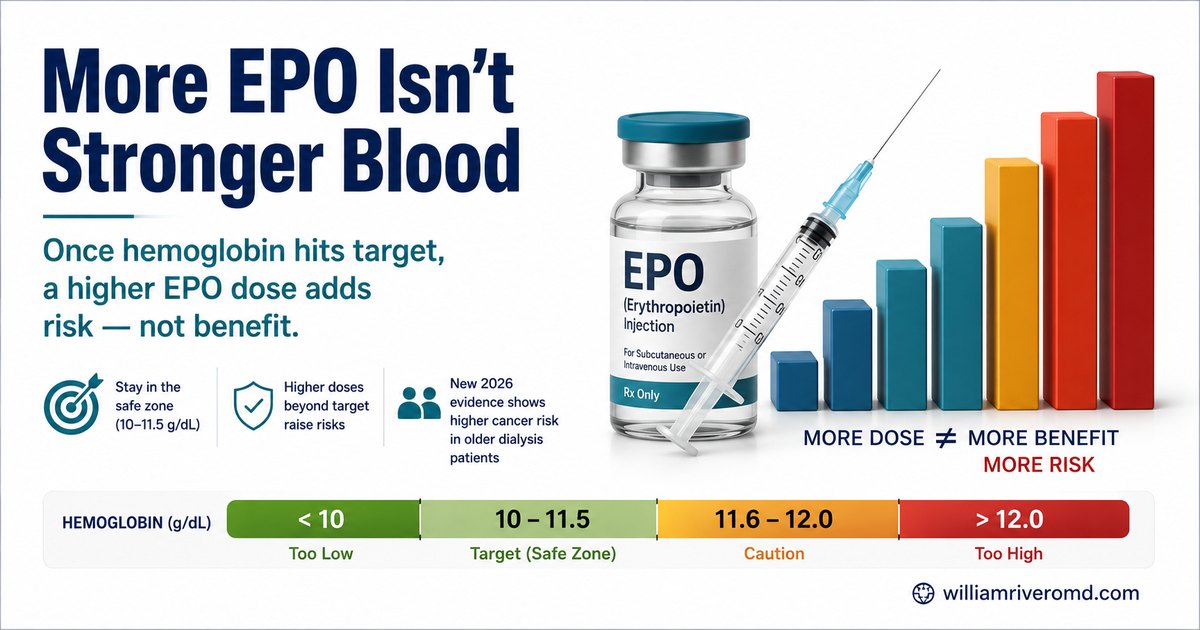 GuideMore EPO Is Not Better: ESA Dose, Hemoglobin Targets & Cancer Risk in DialysisWhy your nephrologist will not keep raising your EPO (erythropoietin) dose once your hemoglobin reaches the KDIGO target — even when PhilHealth will cover it. A patient and clinician guide to ESA dosing, hemoglobin targets, and the 2026 evi
- GuideAnemia ManagementAnemia in kidney disease explained (KDIGO 2026-aligned): population-specific pathways for non-dialysis CKD, hemodialysis, peritoneal dialysis, transplant, and pediatrics; iron route, ESA vs. HIF-PHI, Filipino iron-rich foods, and individual
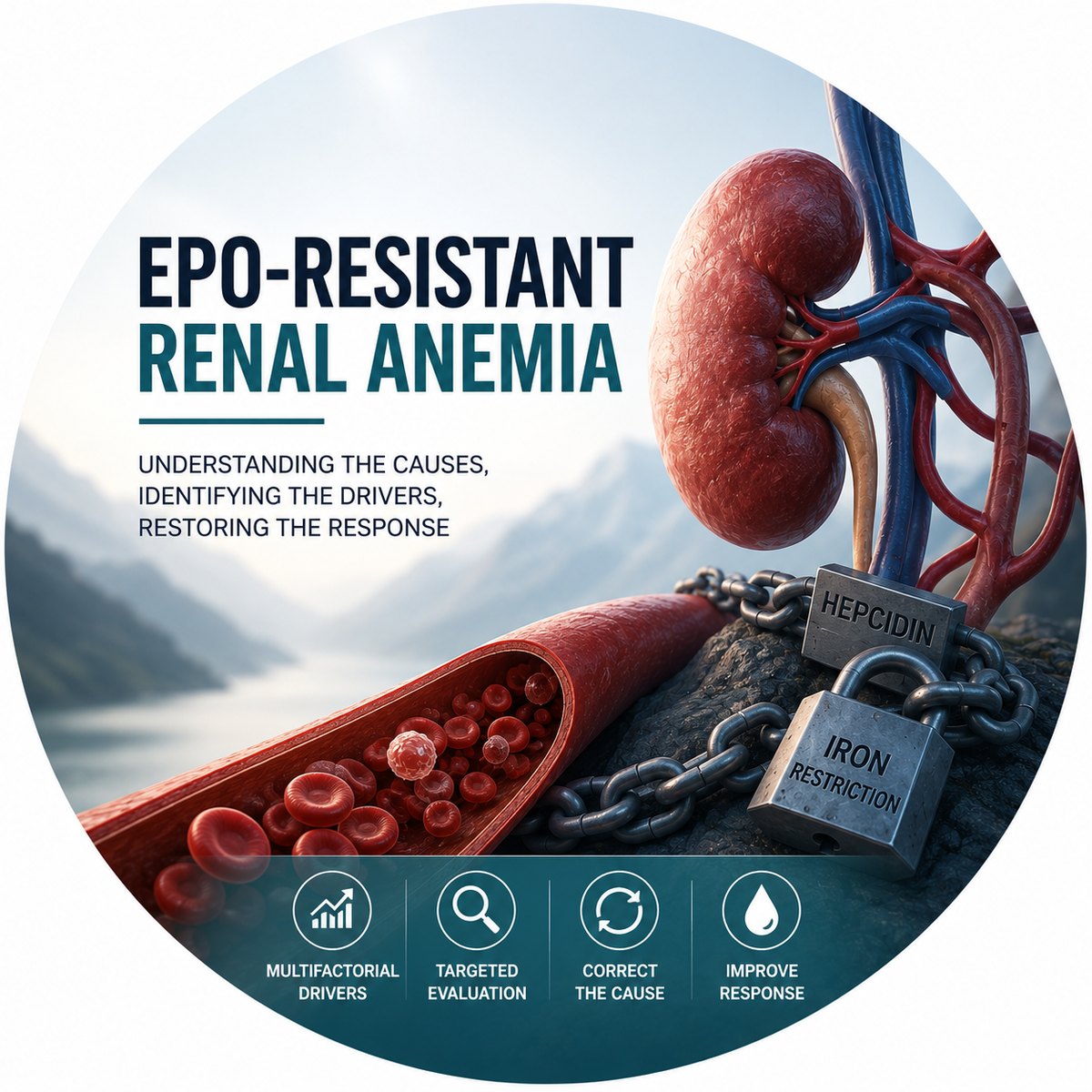 GuideEPO-Resistant Renal Anemia: ESA Hyporesponsiveness in CKDESA hyporesponsiveness in chronic kidney disease — why hemoglobin stalls on rising EPO doses, the hepcidin-iron axis, KDIGO 2026 targets, cause-directed workup, and an integrative treatment ladder (iron, HIF-PHI, vitamin D, L-carnitine).
- CalculatorESA / EPO Dose Adjustment (CKD Anemia)KDIGO-based ESA dose adjustment calculator for CKD anemia. Enter ESA agent, current hemoglobin, Hgb change, and current dose — receive a color-coded action (Hold / Reduce / Maintain / Increase) with suggested new dose. With indications, pea
- CalculatorIron Status in CKD — TSAT & Ferritin Interpretation CalculatorIron status calculator for CKD — compute transferrin saturation (TSAT) from serum iron and TIBC, interpret ferritin, and apply KDIGO 2026 iron initiation and withhold criteria. With formulas, evidence, and pearls.
- CalculatoreGFR Calculator — CKD-EPI 2021 (race-free)Estimate GFR from serum creatinine using the race-free CKD-EPI 2021 creatinine equation. Enter age, sex, and creatinine to get eGFR and CKD stage. With indications, formula, evidence, and references.
References
- U.S. Food and Drug Administration. EPOGEN · Amgen, Inc [US FDA-approved label, version 137, June 23, 2026]. Via DailyMed/openFDA. https://dailymed.nlm.nih.gov/dailymed/drugInfo.cfm?setid=1f2d0b28-9cc5-4523-80b8-637fdaf3f7a5
- Food and Drug Administration Philippines. Verification portal (product registrations). https://verification.fda.gov.ph
- PNF Essential Medicines List, 8th ed. (as of November 2, 2022), DOH; https://www.philhealth.gov.ph/partners/providers/pdf/PNF-EML_11022022.pdf
- PhilHealth Advisory No. 2024-0026, PNF 8th ed. EML 2019 as of November 2, 2022 with newly approved medicines as of April 25, 2024; DOH-DC No. 2023-0060 (included 2023-02-01); https://www.philhealth.gov.ph/advisories/2024/PA2024-0026.pdf
- DOH Drug Price Reference Index (DPRI) 2021, 9th edition (as of September 17, 2021); https://caro.doh.gov.ph/wp-content/uploads/2021/09/2021DPRI-as-of-9-17-2021.pdf
- Amgen, Inc. (2026). EPOGEN (epoetin alfa) [Prescribing information; US FDA-approved label, BLA103234, set ID 1f2d0b28-9cc5-4523-80b8-637fdaf3f7a5, version effective June 23, 2026]. DailyMed, U.S. National Library of Medicine. https://dailymed.nlm.nih.gov/dailymed/drugInfo.cfm?setid=1f2d0b28-9cc5-4523-80b8-637fdaf3f7a5
- Babitt, J. L., Berns, J. S., Bozkurt, B., Cheung Khedairy, R. S., Cuevas, Y., Effa, E. E., Eisenga, M. F., Fishbane, S., Ginzburg, Y. Z., Haase, V. H., Hedayati, S. S., Kim, S., Moura-Neto, J. A., Nagler, E. V., Rossignol, P., Sahay, M., Tanaka, T., Yee-Moon Wang, A., Wheeler, D. C., ... Tonelli, M. (2026). Executive summary of the KDIGO 2026 clinical practice guideline for the management of anemia in chronic kidney disease (CKD). Kidney International, 109(1), 44–56. https://doi.org/10.1016/j.kint.2025.06.005
- Schwartz, G. J., Muñoz, A., Schneider, M. F., Mak, R. H., Kaskel, F., Warady, B. A., & Furth, S. L. (2009). New equations to estimate GFR in children with CKD. Journal of the American Society of Nephrology, 20(3), 629–637. https://doi.org/10.1681/ASN.2008030287
renalcarematters.com content: Kidney and pediatric dosing: reviewed by William Gregory M. Rivero, MD, FPCP, DPSN on November 16, 2026. Dosing, interaction, adverse-effect and monitoring summary: reviewed by William Gregory M. Rivero, MD, FPCP, DPSN on November 16, 2026.
Last updated: .