WARNING: POSTTREATMENT ACUTE EXACERBATION OF HEPATITIS B and RISK OF DRUG RESISTANCE WITH USE OF TRUVADA FOR HIV-1 PRE-EXPOSURE PROPHYLAXIS (PrEP) IN UNDIAGNOSED EARLY HIV-1 INFECTION Severe acute exacerbations of hepatitis B (HBV) have been reported in HBV-infected individuals who have discontinued TRUVADA. Hepatic function should be monitored closely with both clinical and laboratory follow-up for at least several months in individuals who are infected with HBV and discontinue TRUVADA.
If appropriate, anti-hepatitis B therapy may be warranted [see Warnings and Precautions (5.1)]. TRUVADA used for HIV-1 PrEP must only be prescribed to individuals confirmed to be HIV-negative immediately prior to initiating and at least every 3 months during use. Drug-resistant HIV-1 variants have been identified with use of TRUVADA for HIV-1 PrEP following undetected acute HIV-1 infection.
Do not initiate TRUVADA for HIV-1 PrEP if signs or symptoms of acute HIV-1 infection are present unless negative infection status is confirmed [see Warnings and Precautions (5.2)]. WARNING: POSTTREATMENT ACUTE EXACERBATION OF HEPATITIS B and RISK OF DRUG RESISTANCE WITH USE OF TRUVADA FOR HIV-1 PRE-EXPOSURE PROPHYLAXIS (PrEP) IN UNDIAGNOSED EARLY HIV-1 INFECTION See full prescribing information for complete boxed warning.
Severe acute exacerbations of hepatitis B (HBV) have been reported in HBV-infected individuals who have discontinued TRUVADA. Hepatic function should be monitored closely in these individuals who discontinue TRUVADA. If appropriate anti-hepatitis B therapy may be warranted. (5.1) TRUVADA used for HIV-1 PrEP must only be prescribed to individuals confirmed to be HIV-negative immediately prior to initiating and at least every 3 months during use.
Drug-resistant HIV-1 variants have been identified with the use of TRUVADA for HIV-1 PrEP following undetected acute HIV-1 infection. Do not initiate TRUVADA for HIV-1 PrEP if signs or symptoms of acute HIV infection are present unless negative infection status is confirmed. (5.2)
Use: Labeled indications
- HIV-1 Treatment
- in combination with other antiretroviral agents for the treatment of HIV-1 infection in adults and pediatric patients weighing at least 17 kg.
Full indications and usage US FDA label
1 INDICATIONS AND USAGE HIV-1 Treatment (1.1) TRUVADA is a two-drug combination of emtricitabine (FTC) and tenofovir disoproxil fumarate (TDF), both HIV-1 nucleoside analog reverse transcriptase inhibitors, and is indicated: in combination with other antiretroviral agents for the treatment of HIV-1 infection in adults and pediatric patients weighing at least 17 kg. HIV-1 PrEP (1.2): TRUVADA is indicated in at-risk adults and adolescents weighing at least 35 kg for pre-exposure prophylaxis (PrEP) to reduce the risk of sexually acquired HIV-1 infection.
Individuals must have a negative HIV-1 test immediately prior to initiating TRUVADA for HIV-1 PrEP. 1.1 Treatment of HIV-1 Infection TRUVADA is indicated in combination with other antiretroviral agents for the treatment of HIV-1 infection in adults and pediatric patients weighing at least 17 kg [see Clinical Studies (14)]. 1.2 HIV-1 Pre-Exposure Prophylaxis (PrEP) TRUVADA is indicated in at-risk adults and adolescents weighing at least 35 kg for pre-exposure prophylaxis (PrEP) to reduce the risk of sexually acquired HIV-1 infection. Individuals must have a negative HIV-1 test immediately prior to initiating TRUVADA for HIV-1 PrEP [see Dosage and Administration (2.2), Warnings and Precautions (5.2)].
Contraindications
4 CONTRAINDICATIONS TRUVADA for HIV-1 PrEP is contraindicated in individuals with unknown or positive HIV-1 status [see Warnings and Precautions (5.2)]. TRUVADA for HIV-1 PrEP is contraindicated in individuals with unknown or positive HIV-1 status. (4)
US FDA labelDosing: Adult
- Testing: Prior to or when initiating TRUVADA test for hepatitis B virus infection. Prior to initiation and during use of TRUVADA, on a clinically appropriate schedule, assess serum creatinine, estimated creatinine clearance, urine glucose, and urine protein in all individuals. In individuals with chronic kidney disease, also assess serum phosphorus. (2.1)
- HIV-1 Screening: Screen all individuals for HIV-1 infection immediately prior to initiating TRUVADA for HIV-1 PrEP and at least once every 3 months while taking TRUVADA, and upon diagnosis of any other sexually transmitted infections (STIs). (2.2)
- Treatment of HIV-1 Infection Recommended dosage in adults and pediatric patients weighing at least 35 kg: One TRUVADA tablet (containing 200 mg of FTC and 300 mg of TDF) once daily taken orally with or without food. (2.3)
- Recommended dosage in pediatric patients weighing at least 17 kg: One TRUVADA low-strength tablet (100 mg/150 mg, 133 mg/200 mg, or 167 mg/250 mg based on body weight) once daily taken orally with or without food. (2.4)
- Recommended dosage in renally impaired HIV-1 infected adult patients: Creatinine clearance (CrCl) 30−49 mL/min: 1 tablet every 48 hours. (2.6)
- CrCl below 30 mL/min or hemodialysis: TRUVADA is not recommended. (2.6)
- HIV-1 Pre-Exposure Prophylaxis (PrEP) Recommended dosage in HIV-1 uninfected adults and adolescents weighing at least 35 kg: …
2.1 Testing Prior to Initiation
2.1 Testing Prior to Initiation of TRUVADA for Treatment of HIV-1 Infection or for HIV-1 PrEP Prior to or when initiating TRUVADA, test individuals for hepatitis B virus infection [see Warnings and Precautions (5.1)]. Prior to initiation, and during use of TRUVADA, on a clinically appropriate schedule, assess serum creatinine, estimated creatinine clearance, urine glucose, and urine protein in all individuals.
In individuals with chronic kidney disease, also assess serum phosphorus [see Warnings and Precautions (5.3)].
2.2 HIV-1 Screening for Individuals Receiving
2.2 HIV-1 Screening for Individuals Receiving TRUVADA for HIV-1 PrEP Screen all individuals for HIV-1 infection immediately prior to initiating TRUVADA for HIV-1 PrEP and at least once every 3 months while taking TRUVADA, and upon diagnosis of any other sexually transmitted infections (STIs) [see Indications and Usage (1.2), Contraindications (4), and Warnings and Precautions (5.2)]. If recent (<1 month) exposures to HIV-1 are suspected or clinical symptoms consistent with acute HIV-1 infection are present, use a test approved or cleared by the FDA as an aid in the diagnosis of acute or primary HIV-1 infection [see Warnings and Precautions (5.2), Use in Specific Populations (8.4), and Clinical Studies (14.3 and 14.4)].
2.3 Recommended Dosage for Treatment of HIV-1 Infection in Adults and Pediatric Patients…
2.3 Recommended Dosage for Treatment of HIV-1 Infection in Adults and Pediatric Patients Weighing at Least 35 kg TRUVADA is a two-drug fixed dose combination product containing emtricitabine (FTC) and tenofovir disoproxil fumarate (TDF). The recommended dosage of TRUVADA in adults and in pediatric patients weighing at least 35 kg is one tablet (containing 200 mg of FTC and 300 mg of TDF) once daily taken orally with or without food [see Clinical Pharmacology (12.3)].
2.4 Recommended Dosage for Treatment of HIV-1 Infection in Pediatric Patients Weighing
2.4 Recommended Dosage for Treatment of HIV-1 Infection in Pediatric Patients Weighing at Least 17 kg and Able to Swallow a Tablet The recommended oral dosage of TRUVADA for pediatric patients weighing at least 17 kg and who can swallow a tablet is presented in Table 1. Tablets should be taken once daily with or without food.
Weight should be monitored periodically and the TRUVADA dose adjusted accordingly. Table 1 Dosing for Treatment of HIV-1 Infection in Pediatric Patients Weighing 17 kg to less than 35 kg Body Weight (kg) Dosing of TRUVADA (FTC/TDF) 17 to less than 22 one 100 mg /150 mg tablet once daily 22 to less than 28 one 133 mg /200 mg tablet once daily 28 to less than 35 one 167 mg /250 mg tablet once daily
2.5 Recommended Dosage for HIV-1 PrEP in Adults and Adolescents Weighing
2.5 Recommended Dosage for HIV-1 PrEP in Adults and Adolescents Weighing at Least 35 kg The dosage of TRUVADA for HIV-1 PrEP is one tablet (containing 200 mg of FTC and 300 mg of TDF) once daily taken orally with or without food in HIV-1 uninfected adults and adolescents weighing at least 35 kg [see Clinical Pharmacology (12.3)].
2.6 Dosage Adjustment in Individuals with Renal Impairment Treatment of HIV-1 Infection
2.6 Dosage Adjustment in Individuals with Renal Impairment Treatment of HIV-1 Infection Table 2 provides dosage interval adjustment for patients with renal impairment. No dosage adjustment is necessary for HIV-1 infected patients with mild renal impairment (creatinine clearance 50–80 mL/min). The safety and effectiveness of the dosing interval adjustment recommendations in patients with moderate renal impairment (creatinine clearance 30–49 mL/min) have not been clinically evaluated; therefore, clinical response to treatment and renal function should be closely monitored in these patients [see Warnings and Precautions (5.3)].
No data are available to make dosage recommendations in pediatric patients with renal impairment. Table 2 Dosage Interval Adjustment for HIV-1 Infected Adult Patients with Altered Creatinine Clearance Creatinine Clearance (mL/min) Calculated using ideal (lean) body weight ≥50 30–49 <30 (Including Patients Requiring Hemodialysis) Recommended Dosing Interval Every 24 hours Every 48 hours TRUVADA is not recommended.
HIV-1 PrEP TRUVADA for HIV-1 PrEP is not recommended in HIV-1 uninfected individuals with estimated creatinine clearance below 60 mL/min [see Warnings and Precautions (5.3)]. If a decrease in estimated creatinine clearance is observed in uninfected individuals while using TRUVADA for HIV-1 PrEP, evaluate potential causes and re-assess potential risks and benefits of continued use [see Warnings and Precautions (5.3)].
Dosing: Altered kidney function
2.6 Dosage Adjustment in Individuals with Renal Impairment Treatment of HIV-1 Infection Table 2 provides dosage interval adjustment for patients with renal impairment. No dosage adjustment is necessary for HIV-1 infected patients with mild renal impairment (creatinine clearance 50–80 mL/min). The safety and effectiveness of the dosing interval adjustment recommendations in patients with moderate renal impairment (creatinine clearance 30–49 mL/min) have not been clinically evaluated; therefore, clinical response to treatment and renal function should be closely monitored in these patients [see Warnings and Precautions (5.3)].
No data are available to make dosage recommendations in pediatric patients with renal impairment. Table 2 Dosage Interval Adjustment for HIV-1 Infected Adult Patients with Altered Creatinine Clearance Creatinine Clearance (mL/min) Calculated using ideal (lean) body weight ≥50 30–49 <30 (Including Patients Requiring Hemodialysis) Recommended Dosing Interval Every 24 hours Every 48 hours TRUVADA is not recommended.
HIV-1 PrEP TRUVADA for HIV-1 PrEP is not recommended in HIV-1 uninfected individuals with estimated creatinine clearance below 60 mL/min [see Warnings and Precautions (5.3)]. If a decrease in estimated creatinine clearance is observed in uninfected individuals while using TRUVADA for HIV-1 PrEP, evaluate potential causes and re-assess potential risks and benefits of continued use [see Warnings and Precautions (5.3)].
8.6 Renal Impairment Treatment of HIV-1 Infection The dosing interval for TRUVADA should be modified in HIV-infected adult individuals with estimated creatinine clearance of 30–49 mL/min. TRUVADA is not recommended in individuals with estimated creatinine clearance below 30 mL/min and in individuals with end-stage renal disease requiring dialysis [see Dosage and Administration (2.6)].
HIV-1 PrEP TRUVADA for HIV-1 PrEP is not recommended in HIV-1 uninfected individuals with estimated creatinine clearance below 60 mL/min. If a decrease in estimated creatinine clearance is observed in uninfected individuals while using TRUVADA for HIV-1 PrEP, evaluate potential causes and re-assess potential risks and benefits of continued use [see Dosage and Administration (2.6)].
Patients with Renal Impairment The pharmacokinetics of FTC and tenofovir are altered in subjects with renal impairment [see Warnings and Precautions (5.3)]. In adult subjects with creatinine clearance below 50 mL/min, C max and AUC 0–∞ of FTC and tenofovir were increased. No data are available to make dosage recommendations in pediatric patients with renal impairment.
Kidney-specific guidance from renalcarematters.com: in preparation.
Dosing: Pediatric
Pediatric use (US label) US FDA label
8.4 Pediatric Use Treatment of HIV-1 Infection No pediatric clinical trial was conducted to evaluate the safety and efficacy of TRUVADA in patients with HIV-1 infection. Data from previously conducted trials with the individual drug products, FTC and TDF, were relied upon to support dosage recommendations for TRUVADA. For additional information, consult the prescribing information for EMTRIVA and VIREAD.
TRUVADA should only be administered to HIV-1 infected pediatric patients with body weight greater than or equal to 17 kg and who are able to swallow a tablet. Because it is a fixed-dose combination tablet, TRUVADA cannot be adjusted for patients of lower weight [see Warnings and Precautions (5.5), Adverse Reactions (6.1) and Clinical Pharmacology (12.3)].
TRUVADA is not approved for use in pediatric patients weighing less than 17 kg. HIV-1 PrEP The safety and effectiveness of TRUVADA for HIV-1 PrEP in at-risk adolescents weighing at least 35 kg is supported by data from adequate and well-controlled studies of TRUVADA for HIV-1 PrEP in adults with additional data from safety and pharmacokinetic studies in previously conducted trials with the individual drug products, FTC and TDF, in HIV-1 infected adults and pediatric subjects [see Dosage and Administration (2.5), Adverse Reactions (6.1), Clinical Pharmacology (12.3 and 12.4), and Clinical Studies (14.3 and 14.4)].
Safety, adherence, and resistance were evaluated in a single-arm, open-label clinical trial (ATN113) in which 67 HIV-1 uninfected at-risk adolescent men who have sex with men received TRUVADA once daily for HIV-1 PrEP. The mean age of subjects was 17 years (range 15 to 18 years); 46% were Hispanic, 52% Black, and 37% White.
The safety profile of TRUVADA in ATN113 was similar to that observed in the adult HIV-1 PrEP trials [see Adverse Reactions (6.1)]. In the ATN113 trial, HIV-1 seroconversion occurred in 3 subjects. Tenofovir diphosphate levels in dried blood spot assays indicate that these subjects had poor adherence. No tenofovir- or FTC-associated HIV-1 resistance substitutions were detected in virus isolated from the 3 subjects who seroconverted [see Microbiology (12.4)].
Adherence to study drug, as demonstrated by tenofovir diphosphate levels in dried blood spot assays, declined markedly after Week 12 once subjects switched from monthly to quarterly visits, suggesting that adolescents may benefit from more frequent visits and counseling [see Warnings and Precautions (5.2)]. Safety and effectiveness of Truvada for HIV-1 PrEP in pediatric patients weighing less than 35 kg have not been established.
Dosing: Older adult
Geriatric use (US label) US FDA label
8.5 Geriatric Use Clinical trials of FTC, TDF, or TRUVADA did not include sufficient numbers of subjects aged 65 and over to determine whether they respond differently from younger subjects.
Dosage forms
Philippines
- Film-coated tablet: 200 mg/300 mg
Registered products in the Philippines
1 product registered with the Food and Drug Administration (FDA) Philippines list Emtricitabine + Tenofovir disoproxil as the generic name. Registration status changes; confirm a product's current status on the FDA portal before relying on it.
| Package insert | |||||||
|---|---|---|---|---|---|---|---|
Teno-EmEmtricitabine + Tenofovir Disoproxil Fumarate | 200 mg/300 mg Film-Coated TabletWhite HDPE Round Bottle x 30's (Box of 30's) | Rx | The Government Pharmaceutical OrganizationThailand | Philcare Pharma, Inc. | DR-XY48151 | Jun 30, 2027 |
Source: FDA Philippines product registration database. "Valid until" is the registration validity date listed by the FDA; a past date may mean a renewal is pending. Package insert links point to files published by the FDA.
United States (label)
Dosage forms and strengths (US label) US FDA label
3 DOSAGE FORMS AND STRENGTHS TRUVADA tablets are available in four dose strengths. 100 mg/150 mg Tablets: 100 mg of emtricitabine (FTC) and 150 mg of tenofovir disoproxil fumarate (TDF) (equivalent to 123 mg of tenofovir disoproxil): blue, oval shaped, film coated, debossed with "GSI" on one side and with "703" on the other side. 133 mg/200 mg Tablets: 133 mg of FTC and 200 mg of TDF (equivalent to 163 mg of tenofovir disoproxil): blue, rectangular shaped, film coated, debossed with "GSI" on one side and with "704" on the other side. 167 mg/250 mg Tablets: 167 mg of FTC and 250 mg of TDF (equivalent to 204 mg of tenofovir disoproxil): blue, modified capsule shaped, film coated, debossed with "GSI" on one side and with "705" on the other side. 200 mg/300 mg Tablets: 200 mg of FTC and 300 mg of TDF (equivalent to 245 mg of tenofovir disoproxil): blue, capsule shaped, film coated, debossed with "GILEAD" on one side and with "701" on the other side. Tablets: 200 mg/300 mg, 167 mg/250 mg, 133 mg/200 mg, and 100 mg/150 mg of emtricitabine and tenofovir disoproxil fumarate, respectively.
(3)
Warnings/Precautions
The boxed warning is shown at the top of this page.
- Comprehensive management to reduce the risk of acquiring HIV-1 when TRUVADA is used for HIV-1 PrEP: Use as part of a comprehensive prevention strategy including other prevention measures; strictly adhere to dosing schedule. (5.2)
- Management to reduce the risk of acquiring HIV-1 drug resistance when TRUVADA is used for HIV-1 PrEP: refer to full prescribing information for additional detail. (5.2)
- New onset or worsening renal impairment: Can include acute renal failure and Fanconi syndrome. Avoid administering TRUVADA with concurrent or recent use of nephrotoxic drugs. (5.3)
- Immune reconstitution syndrome during treatment of HIV-1 infection: May necessitate further evaluation and treatment. (5.4)
- Decreases in bone mineral density (BMD): Consider assessment of BMD in individuals with a history of pathologic fracture or other risk factors for osteoporosis or bone loss. (5.5)
- Lactic acidosis/severe hepatomegaly with steatosis: Discontinue TRUVADA in individuals who develop symptoms or laboratory findings suggestive of lactic acidosis or pronounced hepatotoxicity. (5.6)
5.1 Severe Acute Exacerbation of Hepatitis B in Individuals with HBV Infection
5.1 Severe Acute Exacerbation of Hepatitis B in Individuals with HBV Infection All individuals should be tested for the presence of chronic hepatitis B virus (HBV) before or when initiating TRUVADA [see Dosage and Administration (2.1)]. Severe acute exacerbations of hepatitis B (e.g., liver decompensation and liver failure) have been reported in HBV-infected individuals who have discontinued TRUVADA.
Individuals infected with HBV who discontinue TRUVADA should be closely monitored with both clinical and laboratory follow-up for at least several months after stopping treatment. If appropriate, anti-hepatitis B therapy may be warranted, especially in individuals with advanced liver disease or cirrhosis, since posttreatment exacerbation of hepatitis may lead to hepatic decompensation and liver failure.
HBV-uninfected individuals should be offered vaccination.
5.2 Comprehensive Management
5.2 Comprehensive Management to Reduce the Risk of Sexually Transmitted Infections, Including HIV-1, and Development of HIV-1 Resistance When TRUVADA Is Used for HIV-1 PrEP Use TRUVADA for HIV-1 PrEP to reduce the risk of HIV-1 infection as part of a comprehensive prevention strategy that includes other prevention measures, including adherence to daily administration and safer sex practices, including condoms, to reduce the risk of sexually transmitted infections (STIs). The time from initiation of TRUVADA for HIV-1 PrEP to maximal protection against HIV-1 infection is unknown.
Risk for HIV-1 acquisition includes behavioral, biological, or epidemiologic factors including but not limited to condomless sex, past or current STIs, self-identified HIV risk, having sexual partners of unknown HIV-1 viremic status, or sexual activity in a high prevalence area or network. Counsel individuals on the use of other prevention measures (e.g., consistent and correct condom use, knowledge of partner(s)' HIV-1 status, including viral suppression status, regular testing for STIs that can facilitate HIV-1 transmission).
Inform uninfected individuals about and support their efforts in reducing sexual risk behavior. Use TRUVADA to reduce the risk of acquiring HIV-1 only in individuals confirmed to be HIV-negative. HIV-1 resistance substitutions may emerge in individuals with undetected HIV-1 infection who are taking only TRUVADA, because TRUVADA alone does not constitute a complete regimen for HIV-1 treatment [see Microbiology (12.4)]; therefore, care should be taken to minimize the risk of initiating or continuing TRUVADA before confirming the individual is HIV-1 negative.
Some HIV-1 tests only detect anti-HIV antibodies and may not identify HIV-1 during the acute stage of infection. Prior to initiating TRUVADA for HIV-1 PrEP, ask seronegative individuals about recent (in past month) potential exposure events (e.g., condomless sex or condom breaking during sex with a partner of unknown HIV-1 status or unknown viremic status, or a recent STI), and evaluate for current or recent signs or symptoms consistent with acute HIV-1 infection (e.g., fever, fatigue, myalgia, skin rash).
If recent (<1 month) exposures to HIV-1 are suspected or clinical symptoms consistent with acute HIV-1 infection are present, use a test approved or cleared by the FDA as an aid in the diagnosis of acute or primary HIV-1 infection. While using TRUVADA for HIV-1 PrEP, HIV-1 testing should be repeated at least every 3 months, and upon diagnosis of any other STIs.
If an HIV-1 test indicates possible HIV-1 infection, or if symptoms consistent with acute HIV-1 infection develop following a potential exposure event, convert the HIV-1 PrEP regimen to an HIV treatment regimen until negative infection status is confirmed using a test approved or cleared by the FDA as an aid in the diagnosis of acute or primary HIV-1 infection. Counsel HIV-1 uninfected individuals to strictly adhere to the once daily TRUVADA dosing schedule.
The effectiveness of TRUVADA in reducing the risk of acquiring HIV-1 is strongly correlated with adherence, as demonstrated by measurable drug levels in clinical trials of TRUVADA for HIV-1 PrEP. Some individuals, such as adolescents, may benefit from more frequent visits and counseling to support adherence [see Use in Specific Populations (8.4), Microbiology (12.4), and Clinical Studies (14.3 and 14.4)].
5.3 New Onset or Worsening Renal Impairment
5.3 New Onset or Worsening Renal Impairment Emtricitabine and tenofovir are principally eliminated by the kidney. Renal impairment, including cases of acute renal failure and Fanconi syndrome (renal tubular injury with severe hypophosphatemia), has been reported with the use of TDF, a component of TRUVADA [see Adverse Reactions (6.2)].
Prior to initiation and during use of TRUVADA, on a clinically appropriate schedule, assess serum creatinine, estimated creatinine clearance, urine glucose, and urine protein in all individuals. In individuals with chronic kidney disease, also assess serum phosphorus. TRUVADA should be avoided with concurrent or recent use of a nephrotoxic agent (e.g., high-dose or multiple non-steroidal anti-inflammatory drugs [NSAIDs]) [see Drug Interactions (7.1)].
Cases of acute renal failure after initiation of high-dose or multiple NSAIDs have been reported in HIV-infected patients with risk factors for renal dysfunction who appeared stable on TDF. Some patients required hospitalization and renal replacement therapy. Alternatives to NSAIDs should be considered, if needed, in patients at risk for renal dysfunction.
Persistent or worsening bone pain, pain in extremities, fractures, and/or muscular pain or weakness may be manifestations of proximal renal tubulopathy and should prompt an evaluation of renal function in individuals at risk of renal dysfunction. Treatment of HIV-1 Infection Dosing interval adjustment of TRUVADA and close monitoring of renal function are recommended in all patients with estimated creatinine clearance 30–49 mL/min [see Dosage and Administration (2.6)].
No safety or efficacy data are available in patients with renal impairment who received TRUVADA using these dosing guidelines, so the potential benefit of TRUVADA therapy should be assessed against the potential risk of renal toxicity. TRUVADA is not recommended in patients with estimated creatinine clearance below 30 mL/min or patients requiring hemodialysis.
HIV-1 PrEP TRUVADA for HIV-1 PrEP is not recommended in uninfected individuals with estimated creatinine clearance less than 60 mL/min. If a decrease in estimated creatinine clearance is observed while using TRUVADA for HIV-1 PrEP, evaluate potential causes and re-assess potential risks and benefits of continued use [see Dosage and Administration (2.6)].
5.4 Immune Reconstitution Syndrome
5.4 Immune Reconstitution Syndrome Immune reconstitution syndrome has been reported in HIV-1 infected patients treated with combination antiretroviral therapy, including TRUVADA. During the initial phase of combination antiretroviral treatment, HIV-1 infected patients whose immune system responds may develop an inflammatory response to indolent or residual opportunistic infections (such as Mycobacterium avium infection, cytomegalovirus, Pneumocystis jirovecii pneumonia [PCP], or tuberculosis), which may necessitate further evaluation and treatment.
Autoimmune disorders (such as Graves' disease, polymyositis, Guillain-Barré syndrome, and autoimmune hepatitis) have also been reported to occur in the setting of immune reconstitution; however, the time to onset is more variable and can occur many months after initiation of treatment.
5.5 Bone Loss and Mineralization Defects Bone
5.5 Bone Loss and Mineralization Defects Bone Mineral Density In clinical trials in HIV-1 infected adults and in a clinical trial of HIV-1 uninfected individuals, TDF (a component of TRUVADA) was associated with slightly greater decreases in bone mineral density (BMD) and increases in biochemical markers of bone metabolism, suggesting increased bone turnover relative to comparators [see Adverse Reactions (6.1)]. Serum parathyroid hormone levels and 1,25 Vitamin D levels were also higher in subjects receiving TDF.
Clinical trials evaluating TDF in pediatric and adolescent subjects were conducted. Under normal circumstances, BMD increases rapidly in pediatric patients. In HIV-1 infected subjects aged 2 years to less than 18 years, bone effects were similar to those observed in adult subjects and suggest increased bone turnover. Total body BMD gain was less in the TDF-treated HIV-1 infected pediatric subjects as compared to the control groups.
Similar trends were observed in adolescent subjects aged 12 years to less than 18 years treated for chronic hepatitis B. In all pediatric trials, skeletal growth (height) appeared to be unaffected. The effects of TDF-associated changes in BMD and biochemical markers on long-term bone health and future fracture risk are unknown.
Assessment of BMD should be considered for adult and pediatric patients who have a history of pathologic bone fracture or other risk factors for osteoporosis or bone loss. Although the effect of supplementation with calcium and vitamin D was not studied, such supplementation may be beneficial. If bone abnormalities are suspected, appropriate consultation should be obtained.
Mineralization Defects Cases of osteomalacia associated with proximal renal tubulopathy, manifested as bone pain or pain in extremities and which may contribute to fractures, have been reported in association with TDF use [see Adverse Reactions (6.1)]. Arthralgia and muscle pain or weakness have also been reported in cases of proximal renal tubulopathy.
Hypophosphatemia and osteomalacia secondary to proximal renal tubulopathy should be considered in patients at risk of renal dysfunction who present with persistent or worsening bone or muscle symptoms while receiving TDF-containing products [see Warnings and Precautions (5.3)].
5.6 Lactic Acidosis/Severe Hepatomegaly with Steatosis
5.6 Lactic Acidosis/Severe Hepatomegaly with Steatosis Lactic acidosis and severe hepatomegaly with steatosis, including fatal cases, have been reported with the use of nucleoside analogs, including FTC and TDF, components of TRUVADA, alone or in combination with other antiretrovirals. Treatment with TRUVADA should be suspended in any individual who develops clinical or laboratory findings suggestive of lactic acidosis or pronounced hepatotoxicity (which may include hepatomegaly and steatosis even in the absence of marked transaminase elevations).
5.7 Risk of Adverse Reactions Due to Drug Interactions
5.7 Risk of Adverse Reactions Due to Drug Interactions The concomitant use of TRUVADA and other drugs may result in known or potentially significant drug interactions, some of which may lead to possible clinically significant adverse reactions from greater exposures of concomitant drugs [see Drug Interactions (7.2)]. See Table 7 for steps to prevent or manage these possible and known significant drug interactions, including dosing recommendations.
Consider the potential for drug interactions prior to and during therapy with TRUVADA; review concomitant medications during therapy with TRUVADA; and monitor for adverse reactions associated with the concomitant drugs.
Drug interactions
- Tenofovir disoproxil fumarate increases didanosine concentrations. Dose reduction and close monitoring for didanosine toxicity are warranted. (7.2)
- Coadministration decreases atazanavir concentrations. When coadministered with TRUVADA, use atazanavir given with ritonavir. (7.2)
- Coadministration of TRUVADA with certain HIV-1 protease inhibitors or certain drugs to treat HCV increases tenofovir concentrations. Monitor for evidence of tenofovir toxicity. (7.2)
- Consult Full Prescribing Information prior to and during treatment for important drug interactions. (7.2)
7.1 Drugs Affecting Renal Function
7.1 Drugs Affecting Renal Function FTC and tenofovir are primarily excreted by the kidneys by a combination of glomerular filtration and active tubular secretion [see Clinical Pharmacology (12.3)]. No drug-drug interactions due to competition for renal excretion have been observed; however, coadministration of TRUVADA with drugs that are eliminated by active tubular secretion may increase concentrations of FTC, tenofovir, and/or the coadministered drug.
Some examples include, but are not limited to, acyclovir, adefovir dipivoxil, cidofovir, ganciclovir, valacyclovir, valganciclovir, aminoglycosides (e.g., gentamicin), and high-dose or multiple NSAIDs [see Warnings and Precautions (5.3)]. Drugs that decrease renal function may increase concentrations of FTC and/or tenofovir.
7.2 Established and Significant Interactions
7.2 Established and Significant Interactions Table 7 provides a listing of established or clinically significant drug interactions. The drug interactions described are based on studies conducted with either TRUVADA, the components of TRUVADA (FTC and TDF) as individual agents and/or in combination, or are predicted drug interactions that may occur with TRUVADA [see Clinical Pharmacology (12.3)].
Table 7 Established and Significant This table is not all inclusive. Drug Interactions: Alteration in Dose or Regimen May Be Recommended Based on Drug Interaction Trials Concomitant Drug Class: Drug Name Effect on Concentration ↑=Increase, ↓=Decrease Clinical Comment NRTI: didanosine Indicates that a drug-drug interaction trial was conducted. ↑ didanosine Patients receiving TRUVADA and didanosine should be monitored closely for didanosine-associated adverse reactions.
Discontinue didanosine in patients who develop didanosine-associated adverse reactions. Higher didanosine concentrations could potentiate didanosine-associated adverse reactions, including pancreatitis, and neuropathy. Suppression of CD4+ cell counts has been observed in patients receiving TDF with didanosine 400 mg daily.
In patients weighing greater than 60 kg, reduce the didanosine dose to 250 mg when it is coadministered with TRUVADA. Data are not available to recommend a dose adjustment of didanosine for adult or pediatric patients weighing less than 60 kg. When coadministered, TRUVADA and Videx EC may be taken under fasted conditions or with a light meal (less than 400 kcal, 20% fat).
HIV-1 Protease Inhibitors: atazanavir ↓ atazanavir When coadministered with TRUVADA, atazanavir 300 mg should be given with ritonavir 100 mg. lopinavir/ritonavir atazanavir/ritonavir darunavir/ritonavir ↑ tenofovir Monitor patients receiving TRUVADA concomitantly with lopinavir/ritonavir, ritonavir-boosted atazanavir, or ritonavir-boosted darunavir for TDF-associated adverse reactions. Discontinue TRUVADA in patients who develop TDF-associated adverse reactions.
Hepatitis C Antiviral Agents: sofosbuvir/velpatasvir sofosbuvir/velpatasvir/voxilaprevir ↑ tenofovir Monitor patients receiving TRUVADA concomitantly with EPCLUSA ® (sofosbuvir/velpatasvir) or VOSEVI ® (sofosbuvir/velpatasvir/voxilaprevir) for adverse reactions associated with TDF. ledipasvir/sofosbuvir Monitor patients receiving TRUVADA concomitantly with HARVONI ® (ledipasvir/sofosbuvir) without an HIV-1 protease inhibitor/ritonavir or an HIV-1 protease inhibitor/cobicistat combination for adverse reactions associated with TDF. In patients receiving TRUVADA concomitantly with HARVONI and an HIV-1 protease inhibitor/ritonavir or an HIV-1 protease inhibitor/cobicistat combination, consider an alternative HCV or antiretroviral therapy, as the safety of increased tenofovir concentrations in this setting has not been established.
If coadministration is necessary, monitor for adverse reactions associated with TDF.
Metabolism and transporters (CYP, P-gp, OATP; US label) US FDA label
TDF is a substrate of P-glycoprotein (P-gp) and breast cancer resistance protein (BCRP) transporters.
Adverse reactions
- The following adverse reactions are discussed in other sections of the labeling: Severe Acute Exacerbations of Hepatitis B in Patients with HBV Infection [see Warnings and Precautions (5.1)]. New Onset or Worsening Renal Impairment [see Warnings and Precautions (5.3)]. Immune Reconstitution Syndrome [see Warnings and Precautions (5.4)]. Bone Loss and Mineralization Defects [see Warnings and Precautions (5.5)]. Lactic Acidosis/Severe Hepatomegaly with Steatosis [see Warnings and Precautions (5.6)]. In HIV-1 infected patients, the most common adverse reactions (incidence greater than or equal to 10%) are diarrhea, nausea, fatigue, headache, dizziness, depression, insomnia, abnormal dreams, and rash. (6.1)
- In HIV-1 uninfected adults in PrEP trials, adverse reactions that were reported by more than 2% of TRUVADA participants and more frequently than by placebo participants were headache, abdominal pain, and weight decreased. (6.1)
- To report SUSPECTED ADVERSE REACTIONS, contact Gilead Sciences, Inc. at 1-800-445-3235 or FDA at 1-800-FDA-1088 or www.fda.gov/medwatch
6.1 Clinical Trials Experience
6.1 Clinical Trials Experience Because clinical trials are conducted under widely varying conditions, adverse reaction rates observed in the clinical trials of a drug cannot be directly compared to rates in the clinical trials of another drug and may not reflect the rates observed in practice. Adverse Reactions from Clinical Trials Experience in HIV-1 Infected Subjects Clinical Trials in Adult Subjects In Study 934, 511 antiretroviral-naïve subjects received efavirenz (EFV) administered in combination with either FTC+TDF (N=257) or zidovudine (AZT)/lamivudine (3TC) (N=254) for 144 weeks.
The most common adverse reactions (incidence greater than or equal to 10%, all grades) included diarrhea, nausea, fatigue, headache, dizziness, depression, insomnia, abnormal dreams, and rash. Table 3 provides the treatment-emergent adverse reactions (Grades 2–4) occurring in greater than or equal to 5% of subjects treated in any treatment group.
Skin discoloration, manifested by hyperpigmentation, occurred in 3% of subjects taking FTC+TDF, and was generally mild and asymptomatic. The mechanism and clinical significance are unknown. Table 3 Selected Adverse Reactions Frequencies of adverse reactions are based on all treatment-emergent adverse events, regardless of relationship to study drug.
(Grades 2–4) Reported in ≥5% in Any Treatment Group in Study 934 (0–144 Weeks) FTC+TDF+EFV From Weeks 96 to 144 of the trial, subjects received TRUVADA with efavirenz in place of FTC+TDF with efavirenz. AZT/3TC+EFV N=257 N=254 Fatigue 9% 8% Depression 9% 7% Nausea 9% 7% Diarrhea 9% 5% Dizziness 8% 7% Upper respiratory tract infections 8% 5% Sinusitis 8% 4% Rash event Rash event includes rash, exfoliative rash, rash generalized, rash macular, rash maculo-papular, rash pruritic, and rash vesicular. 7% 9% Headache 6% 5% Insomnia 5% 7% Nasopharyngitis 5% 3% Vomiting 2% 5% Laboratory Abnormalities: Laboratory abnormalities observed in this trial were generally consistent with those seen in other trials of TDF and/or FTC (Table 4).
Table 4 Significant Laboratory Abnormalities Reported in ≥1% of Subjects in Any Treatment Group in Study 934 (0–144 Weeks) FTC+TDF+EFV From Weeks 96 to 144 of the trial, subjects received TRUVADA with efavirenz in place of FTC+TDF with efavirenz. AZT/3TC+EFV N=257 N=254 Any ≥ Grade 3 Laboratory Abnormality 30% 26% Fasting Cholesterol (>240 mg/dL) 22% 24% Creatine Kinase (M: >990 U/L) (F: >845 U/L) 9% 7% Serum Amylase (>175 U/L) 8% 4% Alkaline Phosphatase (>550 U/L) 1% 0% AST (M: >180 U/L) (F: >170 U/L) 3% 3% ALT (M: >215 U/L) (F: >170 U/L) 2% 3% Hemoglobin (<8.0 mg/dL) 0% 4% Hyperglycemia (>250 mg/dL) 2% 1% Hematuria (>75 RBC/HPF) 3% 2% Glycosuria (≥3+) <1% 1% Neutrophils (<750/mm 3) 3% 5% Fasting Triglycerides (>750 mg/dL) 4% 2% Clinical Trials in Pediatric Subjects Emtricitabine: In addition to the adverse reactions reported in adults, anemia and hyperpigmentation were observed in 7% and 32%, respectively, of pediatric subjects (3 months to less than 18 years of age) who received treatment with FTC in the larger of two open-label, uncontrolled pediatric trials (N=116).
Tenofovir Disoproxil Fumarate: In pediatric clinical trials (Studies 352 and 321) conducted in 184 HIV-1 infected subjects 2 to less than 18 years of age, the adverse reactions observed in pediatric subjects who received treatment with TDF were consistent with those observed in clinical trials of TDF in adults. In Study 352 (2 to less than 12 years of age), 89 pediatric subjects received TDF for a median exposure of 104 weeks.
Of these, 4 subjects discontinued from the trial due to adverse reactions consistent with proximal renal tubulopathy. Three of these 4 subjects presented with hypophosphatemia and had decreases in total body or spine BMD Z-score [see Warnings and Precautions (5.5)]. Total body BMD gain at Week 48 was less in the TDF group compared to the stavudine (d4T) or zidovudine (AZT) treatment groups.
The mean rate of BMD gain in lumbar spine was similar between treatment groups. One TDF-treated subject and none of the d4T- or AZT-treated subjects experienced significant (greater than 4%) lumbar spine BMD loss at Week 48. Changes from baseline in BMD Z-scores were −0.012 for lumbar spine and −0.338 for total body in the 64 subjects who were treated with TDF for 96 weeks.
In Study 321 (12 to less than 18 years of age), the mean rate of BMD gain at Week 48 was less in the TDF compared to the placebo treatment group. Six TDF-treated subjects and one placebo-treated subject had significant (greater than 4%) lumbar spine BMD loss at Week 48. Changes from baseline BMD Z-scores were −0.341 for lumbar spine and −0.458 for total body in the 28 subjects who were treated with TDF for 96 weeks.
In both trials, skeletal growth (height) appeared to be unaffected. Adverse Reactions from Clinical Trial Experience in Uninfected Subjects Taking TRUVADA for HIV-1 PrEP Clinical Trials in Adult Subjects The safety profile of TRUVADA for HIV-1 PrEP was comparable to that observed in clinical trials of HIV-infected subjects based on two randomized placebo-controlled clinical trials (iPrEx, Partners PrEP) in which 2,830 HIV-1 uninfected adults received TRUVADA once daily for HIV-1 PrEP.
Subjects were followed for a median of 71 weeks and 87 weeks, respectively. Table 5 provides a list of selected adverse events that occurred in 2% or more of subjects in any treatment group in the iPrEx trial, with an incidence greater than placebo. Table 5 Selected Adverse Events (All Grades) Reported in ≥2% in Any Treatment Group in the iPrEx Trial and Greater than Placebo FTC/TDF (N=1251) Placebo (N=1248) Headache 7% 6% Abdominal pain 4% 2% Weight decreased 3% 2% In the Partners PrEP trial, the frequency of adverse events in the TRUVADA treatment group was generally either less than or the same as in the placebo group.
Laboratory Abnormalities: Table 6 provides a list of Grade 2–4 laboratory abnormalities observed in the iPrEx and Partners PrEP trials. Six subjects in the TDF-containing arms of the Partners PrEP trial discontinued from the trial due to an increase in serum creatinine compared with no discontinuations in the placebo group.
One subject in the TRUVADA arm of the iPrEx trial discontinued from the trial due to an increase in serum creatinine and another subject discontinued due to low serum phosphorus. Grades 2−3 proteinuria (2–4+) and/or glycosuria (3+) occurred in less than 1% of subjects treated with TRUVADA in the iPrEx trial and Partners PrEP trial.
Table 6 Laboratory Abnormalities (Highest Toxicity Grade Reported for Each Subject) in the iPrEx Trial and Partners PrEP Trial iPrEx Trial Partners PrEP Trial Grade 2–4 Grading is per DAIDS criteria. FTC/TDF (N=1251) Placebo (N=1248) FTC/TDF (N=1579) Placebo (N=1584) Creatinine (>1.4 × ULN) <1% <1% <1% <1% Phosphorus (<2.0 mg/dL) 10% 8% 9% 9% AST (>2.6 × ULN) 5% 5% <1% <1% ALT (>2.6 × ULN) 7% 7% <1% <1% Hemoglobin (<9.4 mg/dL) 1% 2% 2% 2% Neutrophils (<750/mm 3) <1% <1% 5% 3% Changes in Bone Mineral Density: In clinical trials of HIV-1 uninfected individuals, decreases in BMD were observed.
In the iPrEx trial, a substudy of 503 subjects found mean changes from baseline in BMD ranging from –0.4% to –1.0% across total hip, spine, femoral neck, and trochanter in the TRUVADA group compared with the placebo group, which returned toward baseline after discontinuation of treatment. Thirteen percent of TRUVADA-treated subjects versus 6% of placebo-treated subjects lost at least 5% of BMD at the spine during treatment.
Bone fractures were reported in 1.7% of the TRUVADA group compared with 1.4% in the placebo group. No correlation between BMD and fractures was noted [see Clinical Studies (14.3)]. The Partners PrEP trial found similar fracture rates between the treatment and placebo groups (0.8% and 0.6%, respectively); no BMD evaluations were performed in this trial [see Clinical Studies (14.4)].
Clinical Trials in Adolescent Subjects In a single-arm, open-label clinical trial (ATN113), in which 67 HIV-1 uninfected adolescent (15 to 18 years of age) men who have sex with men received TRUVADA once daily for HIV-1 PrEP, the safety profile of TRUVADA was similar to that observed in adults. Median duration to exposure of TRUVADA was 47 weeks [see Use in Specific Populations (8.4)].
In the ATN113 trial, median BMD increased from baseline to Week 48, +2.58% for lumbar spine and +0.72% for total body. One subject had significant (greater than or equal to 4%) total body BMD loss at Week 24. Median changes from baseline BMD Z-scores were 0.0 for lumbar spine and −0.2 for total body at Week 48. Three subjects showed a worsening (change from > −2 to ≤ −2) from baseline in their lumbar spine or total body BMD Z-scores at Week 24 or 48.
Interpretation of these data, however, may be limited by the low rate of adherence to TRUVADA by Week 48.
6.2 Postmarketing Experience
6.2 Postmarketing Experience The following adverse reactions have been identified during postapproval use of TDF. No additional adverse reactions have been identified during postapproval use of FTC. Because postmarketing reactions are reported voluntarily from a population of uncertain size, it is not always possible to reliably estimate their frequency or establish a causal relationship to drug exposure.
Immune System Disorders allergic reaction, including angioedema Metabolism and Nutrition Disorders lactic acidosis, hypokalemia, hypophosphatemia Respiratory, Thoracic, and Mediastinal Disorders dyspnea Gastrointestinal Disorders pancreatitis, increased amylase, abdominal pain Hepatobiliary Disorders hepatic steatosis, hepatitis, increased liver enzymes (most commonly AST, ALT gamma GT) Skin and Subcutaneous Tissue Disorders rash Musculoskeletal and Connective Tissue Disorders rhabdomyolysis, osteomalacia (manifested as bone pain and which may contribute to fractures), muscular weakness, myopathy Renal and Urinary Disorders acute renal failure, renal failure, acute tubular necrosis, Fanconi syndrome, proximal renal tubulopathy, interstitial nephritis (including acute cases), nephrogenic diabetes insipidus, renal insufficiency, increased creatinine, proteinuria, polyuria General Disorders and Administration Site Conditions asthenia The following adverse reactions, listed under the body system headings above, may occur as a consequence of proximal renal tubulopathy: rhabdomyolysis, osteomalacia, hypokalemia, muscular weakness, myopathy, hypophosphatemia.
Adverse reaction frequency tables (US label) US FDA label
| FTC+TDF+EFVFrom Weeks 96 to 144 of the trial, subjects received TRUVADA with efavirenz in place of FTC+TDF with efavirenz. | AZT/3TC+EFV | |
|---|---|---|
| N=257 | N=254 | |
| Fatigue | 9% | 8% |
| Depression | 9% | 7% |
| Nausea | 9% | 7% |
| Diarrhea | 9% | 5% |
| Dizziness | 8% | 7% |
| Upper respiratory tract infections | 8% | 5% |
| Sinusitis | 8% | 4% |
| Rash eventRash event includes rash, exfoliative rash, rash generalized, rash macular, rash maculo-papular, rash pruritic, and rash vesicular. | 7% | 9% |
| Headache | 6% | 5% |
| Insomnia | 5% | 7% |
| Nasopharyngitis | 5% | 3% |
| Vomiting | 2% | 5% |
| FTC+TDF+EFVFrom Weeks 96 to 144 of the trial, subjects received TRUVADA with efavirenz in place of FTC+TDF with efavirenz. | AZT/3TC+EFV | |
|---|---|---|
| N=257 | N=254 | |
| Any ≥ Grade 3 Laboratory Abnormality | 30% | 26% |
| Fasting Cholesterol (>240 mg/dL) | 22% | 24% |
| Creatine Kinase (M: >990 U/L) (F: >845 U/L) | 9% | 7% |
| Serum Amylase (>175 U/L) | 8% | 4% |
| Alkaline Phosphatase (>550 U/L) | 1% | 0% |
| AST (M: >180 U/L) (F: >170 U/L) | 3% | 3% |
| ALT (M: >215 U/L) (F: >170 U/L) | 2% | 3% |
| Hemoglobin (<8.0 mg/dL) | 0% | 4% |
| Hyperglycemia (>250 mg/dL) | 2% | 1% |
| Hematuria (>75 RBC/HPF) | 3% | 2% |
| Glycosuria (≥3+) | <1% | 1% |
| Neutrophils (<750/mm3) | 3% | 5% |
| Fasting Triglycerides (>750 mg/dL) | 4% | 2% |
| FTC/TDF (N=1251) | Placebo (N=1248) | |
|---|---|---|
| Headache | 7% | 6% |
| Abdominal pain | 4% | 2% |
| Weight decreased | 3% | 2% |
| iPrEx Trial | Partners PrEP Trial | |||
|---|---|---|---|---|
| Grade 2–4Grading is per DAIDS criteria. | FTC/TDF (N=1251) | Placebo (N=1248) | FTC/TDF (N=1579) | Placebo (N=1584) |
| Creatinine (>1.4 × ULN) | <1% | <1% | <1% | <1% |
| Phosphorus (<2.0 mg/dL) | 10% | 8% | 9% | 9% |
| AST (>2.6 × ULN) | 5% | 5% | <1% | <1% |
| ALT (>2.6 × ULN) | 7% | 7% | <1% | <1% |
| Hemoglobin (<9.4 mg/dL) | 1% | 2% | 2% | 2% |
| Neutrophils (<750/mm3) | <1% | <1% | 5% | 3% |
Pregnancy considerations
Pregnancy (US label) US FDA label
8.1 Pregnancy Pregnancy Exposure Registry There is a pregnancy exposure registry that monitors pregnancy outcomes in women exposed to TRUVADA during pregnancy. Healthcare providers are encouraged to register patients by calling the Antiretroviral Pregnancy Registry (APR) at 1-800-258-4263. Risk Summary Data on the use of TRUVADA during pregnancy from observational studies have shown no increased risk of major birth defects.
Available data from the APR show no significant difference in the overall risk of major birth defects with first trimester exposure for emtricitabine (FTC) (2.3%) or tenofovir disoproxil fumarate (TDF) (2.1%) compared with the background rate for major birth defects of 2.7% in a U.S. reference population of the Metropolitan Atlanta Congenital Defects Program (MACDP) (see Data). The rate of miscarriage for individual drugs is not reported in the APR.
In the U.S. general population, the estimated background risk of miscarriage in clinically recognized pregnancies is 15–20%. In animal reproduction studies, no adverse developmental effects were observed when the components of TRUVADA were administered separately at doses/exposures ≥60 (FTC), ≥14 (TDF) and 2.7 (tenofovir) times those of the recommended daily dose of TRUVADA (see Data).
Clinical Considerations Disease-associated maternal and/or embryo/fetal risk HIV-1 PrEP: Published studies indicate an increased risk of HIV-1 infection during pregnancy and an increased risk of mother to child transmission during acute HIV-1 infection. In women at risk of acquiring HIV-1, consideration should be given to methods to prevent acquisition of HIV, including continuing or initiating TRUVADA for HIV-1 PrEP, during pregnancy.
Data Human Data TRUVADA for HIV-1 PrEP: In an observational study based on prospective reports to the APR, 78 HIV-seronegative women exposed to TRUVADA during pregnancy delivered live-born infants with no major malformations. All but one were first trimester exposures, and the median duration of exposure was 10.5 weeks.
There were no new safety findings in the women receiving TRUVADA for HIV-1 PrEP compared with HIV-1 infected women treated with other antiretroviral medications. Emtricitabine: Based on prospective reports to the APR of exposures to FTC-containing regimens during pregnancy resulting in live births (including over 3,300 exposed in the first trimester and over 1,300 exposed in the second/third trimester), the prevalence of major birth defects in live births was 2.6% (95% CI: 2.1% to 3.2%) and 2.3% (95% CI: 1.6% to 3.3%) following first and second/third trimester exposure, respectively, to FTC-containing regimens.
Tenofovir Disoproxil Fumarate: Based on prospective reports to the APR of exposures to TDF-containing regimens during pregnancy resulting in live births (including over 4,000 exposed in the first trimester and over 1,700 exposed in the second/third trimester), the prevalence of major birth defects in live births was 2.4% (95% CI: 2.0% to 2.9%) and 2.4% (95% CI: 1.7% to 3.2%) following first and second/third trimester exposure, respectively, to TDF-containing regimens. Methodologic limitations of the APR include the use of MACDP as the external comparator group.
The MACDP population is not disease-specific, evaluates women and infants from a limited geographic area, and does not include outcomes for births that occurred at <20 weeks gestation. Additionally, published observational studies on emtricitabine and tenofovir exposure in pregnancy have not shown an increased risk for major malformations.
Animal Data Emtricitabine: FTC was administered orally to pregnant mice (at 0, 250, 500, or 1,000 mg/kg/day), and rabbits (at 0, 100, 300, or 1,000 mg/kg/day) through organogenesis (on gestation days 6 through 15, and 7 through 19, respectively). No significant toxicological effects were observed in embryo-fetal toxicity studies performed with FTC in mice at exposures (AUC) approximately 60 times higher and in rabbits at approximately 120 times higher than human exposures at the recommended daily dose.
In a pre/postnatal development study in mice, FTC was administered orally at doses up to 1,000 mg/kg/day; no significant adverse effects directly related to drug were observed in the offspring exposed daily from before birth (in utero) through sexual maturity at daily exposures (AUC) of approximately 60 times higher than human exposures at the recommended daily dose. Tenofovir Disoproxil Fumarate: TDF was administered orally to pregnant rats (at 0, 50, 150, or 450 mg/kg/day) and rabbits (at 0, 30, 100, or 300 mg/kg/day) through organogenesis (on gestation days 7 through 17, and 6 through 18, respectively).
No significant toxicological effects were observed in embryo-fetal toxicity studies performed with TDF in rats at doses up to 14 times the human dose based on body surface area comparisons and in rabbits at doses up to 19 times the human dose based on body surface area comparisons. In a pre/postnatal development study in rats, TDF was administered orally through lactation at doses up to 600 mg/kg/day; no adverse effects were observed in the offspring at tenofovir exposures of approximately 2.7 times higher than human exposures at the recommended daily dose of TRUVADA.
Mechanism of action
12.1 Mechanism of Action TRUVADA is a fixed-dose combination of antiviral drugs FTC and TDF [see Microbiology (12.4)].
US FDA labelPharmacokinetics
Following a single oral dose of FTC, the plasma FTC half-life is approximately 10 hours.
Following a single oral dose of TDF, the terminal elimination half-life of tenofovir is approximately 17 hours.
Table 8 Single Dose Pharmacokinetic Parameters for FTC and Tenofovir in Adults NC=Not calculated FTC Tenofovir Fasted Oral Bioavailability Median (range) (%) 92 (83.1–106.4) 25 (NC–45.0) Plasma Terminal Elimination Half-Life (hr) 10 (7.4–18.0) 17 (12.0–25.7) C max Mean (± SD) (μg/mL) 1.8±0.72 Data presented as steady state values 0.30±0.09 AUC (μg ∙ hr/mL) 10.0±3.12 2.29±0.69 CL/F (mL/min) 302±94 1043±115 CL renal (mL/min) 213±89 243±33 Effects of Food on Oral Absorption TRUVADA may be administered with or without food.
Pharmacokinetics (US label) US FDA label
12.3 Pharmacokinetics TRUVADA: One TRUVADA tablet was comparable to one FTC capsule (200 mg) plus one TDF tablet (300 mg) following single-dose administration to fasting healthy subjects (N=39). Emtricitabine: The pharmacokinetic properties of FTC are summarized in Table 8. Following oral administration of FTC, FTC is rapidly absorbed with peak plasma concentrations occurring at 1–2 hours postdose.
Less than 4% of FTC binds to human plasma proteins in vitro, and the binding is independent of concentration over the range of 0.02–200 μg/mL. Following administration of radiolabelled FTC, approximately 86% is recovered in the urine and 13% is recovered as metabolites. The metabolites of FTC include 3′-sulfoxide diastereomers and their glucuronic acid conjugate.
Emtricitabine is eliminated by a combination of glomerular filtration and active tubular secretion. Following a single oral dose of FTC, the plasma FTC half-life is approximately 10 hours. Tenofovir Disoproxil Fumarate: The pharmacokinetic properties of TDF are summarized in Table 8. Following oral administration of TDF, maximum tenofovir serum concentrations are achieved in 1.0 ± 0.4 hour.
Less than 0.7% of tenofovir binds to human plasma proteins in vitro, and the binding is independent of concentration over the range of 0.01–25 µg/mL. Approximately 70–80% of the intravenous dose of tenofovir is recovered as unchanged drug in the urine. Tenofovir is eliminated by a combination of glomerular filtration and active tubular secretion.
Following a single oral dose of TDF, the terminal elimination half-life of tenofovir is approximately 17 hours. Table 8 Single Dose Pharmacokinetic Parameters for FTC and Tenofovir in Adults NC=Not calculated FTC Tenofovir Fasted Oral Bioavailability Median (range) (%) 92 (83.1–106.4) 25 (NC–45.0) Plasma Terminal Elimination Half-Life (hr) 10 (7.4–18.0) 17 (12.0–25.7) C max Mean (± SD) (μg/mL) 1.8±0.72 Data presented as steady state values 0.30±0.09 AUC (μg ∙ hr/mL) 10.0±3.12 2.29±0.69 CL/F (mL/min) 302±94 1043±115 CL renal (mL/min) 213±89 243±33 Effects of Food on Oral Absorption TRUVADA may be administered with or without food.
Administration of TRUVADA following a high fat meal (784 kcal; 49 grams of fat) or a light meal (373 kcal; 8 grams of fat) delayed the time of tenofovir C max by approximately 0.75 hour. The mean increases in tenofovir AUC and C max were approximately 35% and 15%, respectively, when administered with a high fat or light meal, compared to administration in the fasted state.
In previous safety and efficacy trials, TDF (tenofovir) was taken under fed conditions. FTC systemic exposures (AUC and C max) were unaffected when TRUVADA was administered with either a high fat or a light meal. Specific Populations Race Emtricitabine: No pharmacokinetic differences due to race have been identified following the administration of FTC.
Tenofovir Disoproxil Fumarate: There were insufficient numbers from racial and ethnic groups other than Caucasian to adequately determine potential pharmacokinetic differences among these populations following the administration of TDF. Gender Emtricitabine and Tenofovir Disoproxil Fumarate: FTC and tenofovir pharmacokinetics are similar in male and female subjects.
Pediatric Patients Treatment of HIV-1 Infection: The pharmacokinetic data for tenofovir and FTC following administration of TRUVADA in pediatric subjects weighing 17 kg and above are not available. The dosage recommendations of TRUVADA in this population are based on the dosage recommendations of FTC and TDF in this population.
Refer to the EMTRIVA and VIREAD prescribing information for pharmacokinetic information on the individual products in pediatric patients. HIV-1 PrEP: The pharmacokinetic data for tenofovir and FTC following administration of TRUVADA in HIV-1 uninfected adolescents weighing 35 kg and above are not available. The dosage recommendations of TRUVADA for HIV-1 PrEP in this population are based on safety and adherence data from the ATN113 trial [see Use in Specific Populations (8.4)] and known pharmacokinetic information in HIV-infected adolescents taking TDF and FTC for treatment.
Geriatric Patients Pharmacokinetics of FTC and tenofovir have not been fully evaluated in the elderly (65 years of age and older). Patients with Renal Impairment The pharmacokinetics of FTC and tenofovir are altered in subjects with renal impairment [see Warnings and Precautions (5.3)]. In adult subjects with creatinine clearance below 50 mL/min, C max and AUC 0–∞ of FTC and tenofovir were increased.
No data are available to make dosage recommendations in pediatric patients with renal impairment. Patients with Hepatic Impairment The pharmacokinetics of tenofovir following a 300 mg dose of TDF have been studied in non-HIV infected subjects with moderate to severe hepatic impairment. There were no substantial alterations in tenofovir pharmacokinetics in subjects with hepatic impairment compared with unimpaired subjects.
The pharmacokinetics of TRUVADA or FTC have not been studied in subjects with hepatic impairment; however, FTC is not significantly metabolized by liver enzymes, so the impact of liver impairment should be limited. Assessment of Drug Interactions The steady state pharmacokinetics of FTC and tenofovir were unaffected when FTC and TDF were administered together versus each agent dosed alone.
In vitro studies and clinical pharmacokinetic drug-drug interaction trials have shown that the potential for CYP mediated interactions involving FTC and tenofovir with other medicinal products is low. TDF is a substrate of P-glycoprotein (P-gp) and breast cancer resistance protein (BCRP) transporters. When TDF is coadministered with an inhibitor of these transporters, an increase in absorption may be observed.
No clinically significant drug interactions have been observed between FTC and famciclovir, indinavir, stavudine, TDF, and zidovudine (Tables 9 and 10). Similarly, no clinically significant drug interactions have been observed between TDF and efavirenz, methadone, nelfinavir, oral contraceptives, ribavirin, or sofosbuvir in trials conducted in healthy volunteers (Tables 11 and 12).
Table 9 Drug Interactions: Changes in Pharmacokinetic Parameters for FTC in the Presence of the Coadministered Drug All interaction trials conducted in healthy volunteers Coadministered Drug Dose of Coadministered Drug (mg) FTC Dose (mg) N % Change of FTC Pharmacokinetic Parameters ↑ = Increase; ⇔ = No Effect; NA = Not Applicable (90% CI) C max AUC C min TDF 300 once daily × 7 days 200 once daily × 7 days 17 ⇔ ⇔ ↑ 20 (↑ 12 to ↑ 29) Zidovudine 300 twice daily × 7 days 200 once daily × 7 days 27 ⇔ ⇔ ⇔ Indinavir 800 × 1 200 × 1 12 ⇔ ⇔ NA Famciclovir 500 × 1 200 × 1 12 ⇔ ⇔ NA Stavudine 40 × 1 200 × 1 6 ⇔ ⇔ NA Table 10 Drug Interactions: Changes in Pharmacokinetic Parameters for Coadministered Drug in the Presence of FTC All interaction trials conducted in healthy volunteers Coadministered Drug Dose of Coadministered Drug (mg) FTC Dose (mg) N % Change of Coadministered Drug Pharmacokinetic Parameters ↑ = Increase; ⇔ = No Effect; NA = Not Applicable (90% CI) C max AUC C min TDF 300 once daily × 7 days 200 once daily × 7 days 17 ⇔ ⇔ ⇔ Zidovudine 300 twice daily × 7 days 200 once daily × 7 days 27 ↑ 17 (↑ 0 to ↑ 38) ↑ 13 (↑ 5 to ↑ 20) ⇔ Indinavir 800 × 1 200 × 1 12 ⇔ ⇔ NA Famciclovir 500 × 1 200 × 1 12 ⇔ ⇔ NA Stavudine 40 × 1 200 × 1 6 ⇔ ⇔ NA Table 11 Drug Interactions: Changes in Pharmacokinetic Parameters for Tenofovir Subjects received VIREAD 300 mg once daily. in the Presence of the Coadministered Drug Coadministered Drug Dose of Coadministered Drug (mg) N % Change of Tenofovir Pharmacokinetic Parameters Increase = ↑; Decrease = ↓; No Effect = ⇔ (90% CI) C max AUC C min Atazanavir Reyataz Prescribing Information. 400 once daily × 14 days 33 ↑ 14 (↑ 8 to ↑ 20) ↑ 24 (↑ 21 to ↑ 28) ↑ 22 (↑ 15 to ↑ 30) Atazanavir/ Ritonavir 300/100 once daily 12 ↑ 34 (↑ 20 to ↑ 51) ↑ 37 (↑ 30 to ↑ 45) ↑ 29 (↑ 21 to ↑ 36) Darunavir/ Ritonavir Prezista Prescribing Information. 300/100 twice daily 12 ↑ 24 (↑ 8 to ↑ 42) ↑ 22 (↑ 10 to ↑ 35) ↑ 37 (↑ 19 to ↑ 57) Indinavir 800 three times daily × 7 days 13 ↑ 14 (↓ 3 to ↑ 33) ⇔ ⇔ Ledipasvir/ Sofosbuvir Data generated from simultaneous dosing with HARVONI (ledipasvir/sofosbuvir). Staggered administration (12 hours apart) provided similar results., Comparison based on exposures when administered as atazanavir/ritonavir + FTC/TDF. 90/400 once daily × 10 days 24 ↑ 47 (↑ 37 to ↑ 58) ↑ 35 (↑ 29 to ↑42) ↑ 47 (↑ 38 to ↑ 57) Ledipasvir/ Sofosbuvir, Comparison based on exposures when administered as darunavir/ritonavir + FTC/TDF. 23 ↑ 64 (↑ 54 to ↑ 74) ↑ 50 (↑ 42 to ↑ 59) ↑ 59 (↑ 49 to ↑ 70) Ledipasvir/ Sofosbuvir Study conducted with ATRIPLA (efavirenz/FTC/TDF) coadministered with HARVONI. 90/400 once daily × 14 days 15 ↑ 79 (↑ 56 to ↑ 104) ↑ 98 (↑ 77 to ↑ 123) ↑ 163 (↑ 132 to ↑ 197) Ledipasvir/ Sofosbuvir Study conducted with COMPLERA (FTC/rilpivirine/TDF) coadministered with HARVONI. 90/400 once daily × 10 days 14 ↑ 32 (↑ 25 to ↑ 39) ↑ 40 (↑ 31 to ↑ 50) ↑ 91 (↑ 74 to ↑ 110) Ledipasvir/ Sofosbuvir Study conducted with TRUVADA (FTC/TDF) + dolutegravir coadministered with HARVONI. 90/400 once daily × 10 days 29 ↑ 61 (↑ 51 to ↑ 72) ↑ 65 (↑ 59 to ↑ 71) ↑ 115 (↑ 105 to ↑ 126) Lopinavir/ Ritonavir 400/100 twice daily × 14 days 24 ⇔ ↑ 32 (↑ 25 to ↑ 38) ↑ 51 (↑ 37 to ↑ 66) Saquinavir/ Ritonavir 1000/100 twice daily × 14 days 35 ⇔ ⇔ ↑ 23 (↑ 16 to ↑ 30) Sofosbuvir Study conducted with ATRIPLA coadministered with SOVALDI ® (sofosbuvir). 400 single dose 16 ↑ 25 (↑ 8 to ↑ 45) ⇔ ⇔ Sofosbuvir/ Velpatasvir Study conducted with COMPLERA coadministered with EPCLUSA; coadministration with EPCLUSA also results in comparable increases in tenofovir exposures when TDF is administered as ATRIPLA, STRIBILD, TRUVADA + atazanavir/ritonavir, or TRUVADA + darunavir/ritonavir. 400/100 once daily 24 ↑ 44 (↑ 33 to ↑ 55) ↑ 40 (↑ 34 to ↑ 46) ↑ 84 (↑ 76 to ↑ 92) Sofosbuvir/ Velpatasvir Administered as raltegravir + FTC/TDF. 400/100 once daily 30 ↑ 46 (↑ 39 to ↑ 54) ↑ 40 (↑ 34 to ↑ 45) ↑ 70 (↑ 61 to ↑ 79) Sofosbuvir/ Velpatasvir/Voxilaprevir Comparison based on exposures when administered as darunavir + ritonavir + FTC/TDF. 400/100/100 + Voxilaprevir Study conducted with additional voxilaprevir 100 mg to achieve voxilaprevir exposures expected in HCV-infected patients 100 once daily 29 ↑ 48 (↑ 36 to ↑ 61) ↑ 39 (↑ 32 to ↑ 46) ↑ 47 (↑ 38 to ↑ 56) Tacrolimus 0.05 mg/kg twice daily × 7 days 21 ↑ 13 (↑ 1 to ↑ 27) ⇔ ⇔ Tipranavir/ Ritonavir Aptivus Prescribing Information. 500/100 twice daily 22 ↓ 23 (↓ 32 to ↓ 13) ↓ 2 (↓ 9 to ↑ 5) ↑ 7 (↓ 2 to ↑ 17) 750/200 twice daily (23 doses) 20 ↓ 38 (↓ 46 to ↓ 29) ↑ 2 (↓ 6 to ↑ 10) ↑ 14 (↑ 1 to ↑ 27) No effect on the pharmacokinetic parameters of the following coadministered drugs was observed with TRUVADA: abacavir, didanosine (buffered tablets), FTC, entecavir, and lamivudine.
Table 12 Drug Interactions: Changes in Pharmacokinetic Parameters for Coadministered Drug in the Presence of Tenofovir Coadministered Drug Dose of Coadministered Drug (mg) N % Change of Coadministered Drug Pharmacokinetic Parameters Increase = ↑; Decrease = ↓; No Effect = ⇔; NA = Not Applicable (90% CI) C max AUC C min Abacavir 300 once 8 ↑ 12 (↓ 1 to ↑ 26) ⇔ NA Atazanavir Reyataz Prescribing Information. 400 once daily × 14 days 34 ↓ 21 (↓ 27 to ↓ 14) ↓ 25 (↓ 30 to ↓ 19) ↓ 40 (↓ 48 to ↓ 32) Atazanavir Atazanavir/Ritonavir 300/100 once daily × 42 days 10 ↓ 28 (↓ 50 to ↑ 5) ↓ 25 In HIV-infected subjects, addition of TDF to atazanavir 300 mg plus ritonavir 100 mg resulted in AUC and C min values of atazanavir that were 2.3- and 4-fold higher than the respective values observed for atazanavir 400 mg when given alone. (↓ 42 to ↓ 3) ↓ 23 (↓ 46 to ↑ 10) Darunavir Prezista Prescribing Information.
Darunavir/Ritonavir 300/100 once daily 12 ↑ 16 (↓ 6 to ↑ 42) ↑ 21 (↓ 5 to ↑ 54) ↑ 24 (↓ 10 to ↑ 69) Didanosine Videx EC Prescribing Information. Subjects received didanosine enteric-coated capsules. When didanosine 250 mg enteric-coated capsules were administered with TDF, systemic exposures of didanosine were similar to those seen with the 400 mg enteric-coated capsules alone under fasted conditions. 250 once, simultaneously with TDF and a light meal 373 kcal, 8.2 g fat 33 ↓ 20 Compared with didanosine (enteric-coated) 400 mg administered alone under fasting conditions.
(↓ 32 to ↓ 7) ⇔ NA Emtricitabine 200 once daily × 7 days 17 ⇔ ⇔ ↑ 20 (↑ 12 to ↑ 29) Indinavir 800 three times daily × 7 days 12 ↓ 11 (↓ 30 to ↑ 12) ⇔ ⇔ Entecavir 1 once daily × 10 days 28 ⇔ ↑ 13 (↑ 11 to ↑ 15) ⇔ Lamivudine 150 twice daily × 7 days 15 ↓ 24 (↓ 34 to ↓ 12) ⇔ ⇔ Lopinavir Lopinavir/Ritonavir 400/100 twice daily × 14 days 24 ⇔ ⇔ ⇔ Ritonavir ⇔ ⇔ ⇔ Saquinavir Saquinavir/Ritonavir 1000/100 twice daily × 14 days 32 ↑ 22 (↑ 6 to ↑41) ↑ 29 Increases in AUC and C min are not expected to be clinically relevant; hence, no dose adjustments are required when TDF and ritonavir-boosted saquinavir are coadministered. (↑ 12 to ↑ 48) ↑ 47 (↑ 23 to ↑ 76) Ritonavir ⇔ ⇔ ↑ 23 (↑ 3 to ↑ 46) Tacrolimus 0.05 mg/kg twice daily × 7 days 21 ⇔ ⇔ ⇔ Tipranavir Aptivus Prescribing Information.
Tipranavir/Ritonavir 500/100 twice daily 22 ↓ 17 (↓ 26 to ↓ 6) ↓ 18 (↓ 25 to ↓ 9) ↓ 21 (↓ 30 to ↓ 10) Tipranavir/Ritonavir 750/200 twice daily (23 doses) 20 ↓ 11 (↓ 16 to ↓ 4) ↓ 9 (↓ 15 to ↓ 3) ↓ 12 (↓ 22 to 0)
Formulary and pricing (Philippines)
Formulary and coverage
| Philippine National Formulary | Listed as Emtricitabine + Tenofovir Disoproxil Fumarate |
| PNF listing | Oral: 200 mg FDC Emtricitabine + 300 mg Tenofovir Disoproxil Fumarate (fixed-dose combination) tablet |
| PhilHealth GAMOT | No |
Sources:
- PNF Essential Medicines List, 8th ed. (as of November 2, 2022), DOH; https://www.philhealth.gov.ph/partners/providers/pdf/PNF-EML_11022022.pdf, as of November 2, 2022
Check availability
Prices and stock vary by branch; renalcarematters.com does not sell medicines or receive payment from pharmacies.
Related guides
Guides on renalcarematters.com for this medicine, for patients and clinicians.
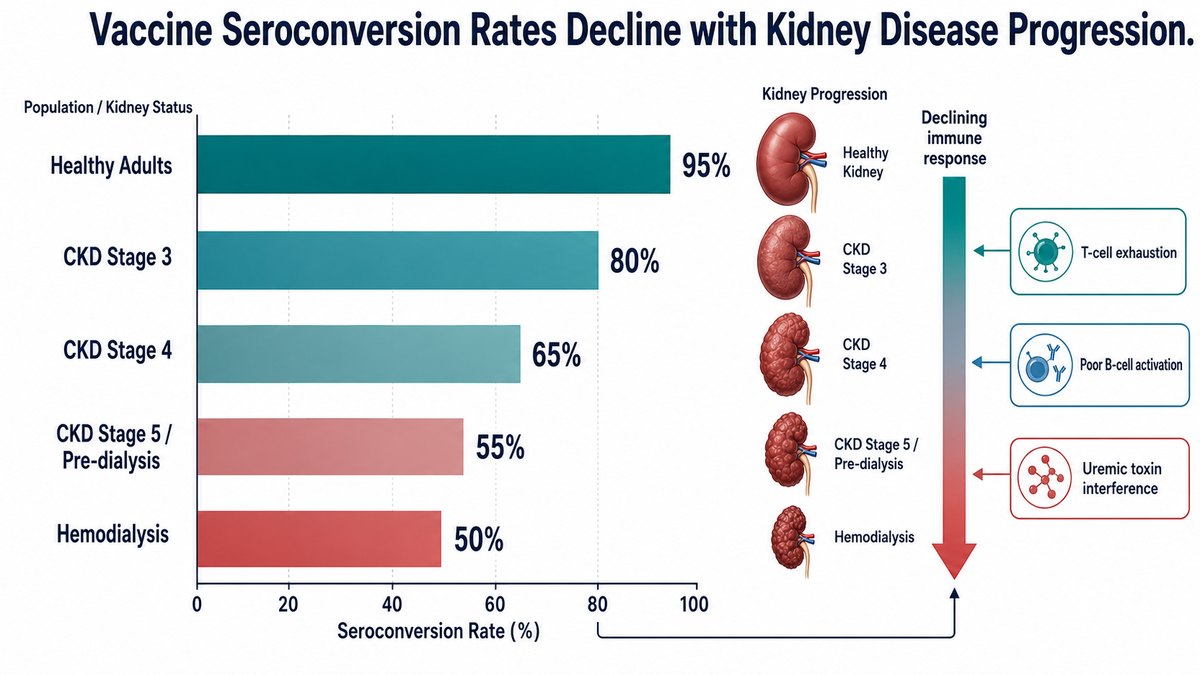 GuideViral Infections & Vaccinations in CKDViral infections and vaccinations for CKD and dialysis patients — COVID-19, hepatitis B, influenza, pneumonia vaccines, and immune protection in the Philippines.
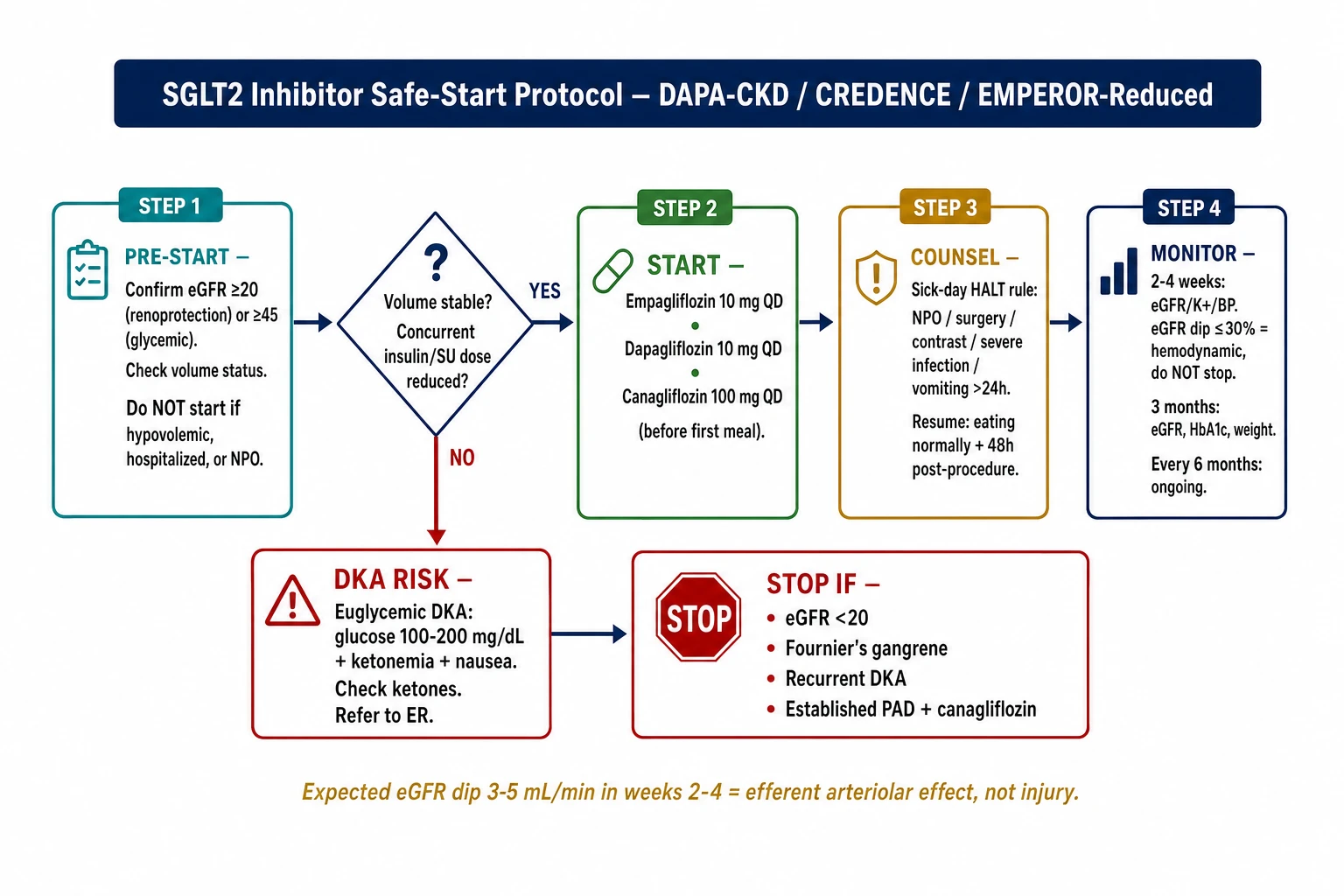 GuideThe CKD Prescriber's PlaybookClinician-focused operational guide: exactly how to start, titrate, and adjust SGLT2 inhibitors, ACEi/ARB, GLP-1 agonists, diuretics, phosphate binders, and ESAs in CKD and nephrology practice. KDIGO 2024 aligned.
References
- U.S. Food and Drug Administration. Truvada · Gilead Sciences, Inc [US FDA-approved label, version 32, July 16, 2025]. Via DailyMed/openFDA. https://dailymed.nlm.nih.gov/dailymed/drugInfo.cfm?setid=54e82b13-a037-49ed-b4b3-030b37c0ecdd
- Food and Drug Administration Philippines. Verification portal (product registrations). https://verification.fda.gov.ph
- PNF Essential Medicines List, 8th ed. (as of November 2, 2022), DOH; https://www.philhealth.gov.ph/partners/providers/pdf/PNF-EML_11022022.pdf
This page shows official label and registry text only; no renalcarematters.com clinical summary has been approved for it yet.
Last updated: .