WARNING: POST-TREATMENT ACUTE EXACERBATION OF HEPATITIS B and RISK OF DRUG RESISTANCE WITH USE OF DESCOVY FOR HIV-1 PRE-EXPOSURE PROPHYLAXIS (PrEP) IN UNDIAGNOSED EARLY HIV-1 INFECTION Severe acute exacerbations of hepatitis B (HBV) have been reported in individuals with HBV who have discontinued products containing emtricitabine (FTC) and/or tenofovir disoproxil fumarate (TDF) and may occur with discontinuation of DESCOVY. Hepatic function should be monitored closely with both clinical and laboratory follow-up for at least several months in individuals with HBV who discontinue DESCOVY.
If appropriate, anti-hepatitis B therapy may be warranted [see Warnings and Precautions (5.1)]. DESCOVY used for HIV-1 PrEP must only be prescribed to individuals confirmed to be HIV-negative immediately prior to initiating and at least every 3 months during use. Drug-resistant HIV-1 variants have been identified with use of FTC/TDF for HIV-1 PrEP following undetected acute HIV-1 infection.
Do not initiate DESCOVY for HIV-1 PrEP if signs or symptoms of acute HIV-1 infection are present unless negative infection status is confirmed [see Warnings and Precautions (5.2)]. WARNING: POST-TREATMENT ACUTE EXACERBATION OF HEPATITIS B and RISK OF DRUG RESISTANCE WITH USE OF DESCOVY FOR HIV-1 PRE-EXPOSURE PROPHYLAXIS (PrEP) IN UNDIAGNOSED EARLY HIV-1 INFECTION See full prescribing information for complete boxed warning.
Severe acute exacerbations of hepatitis B (HBV) have been reported in individuals with HBV who have discontinued products containing emtricitabine (FTC) and/or tenofovir disoproxil fumarate (TDF), and may occur with discontinuation of DESCOVY. Hepatic function should be monitored closely in these individuals. If appropriate, anti-hepatitis B therapy may be warranted.
(5.1) DESCOVY used for HIV-1 PrEP must only be prescribed to individuals confirmed to be HIV-negative immediately prior to initiating and at least every 3 months during use. Drug-resistant HIV-1 variants have been identified with use of FTC/TDF for HIV-1 PrEP following undetected acute HIV-1 infection. Do not initiate DESCOVY for HIV-1 PrEP if signs or symptoms of acute HIV-1 infection are present unless negative infection status is confirmed.
(5.2)
Use: Labeled indications
- HIV-1 Treatment
- in combination with other antiretroviral agents for the treatment of HIV-1 infection in adults and adolescent patients weighing at least 35 kg. for the treatment of HIV-1 infection in pediatric patients weighing at…
Full indications and usage US FDA label
1 INDICATIONS AND USAGE HIV-1 Treatment (1.1): DESCOVY is a two-drug combination of emtricitabine (FTC) and tenofovir alafenamide (TAF), both HIV nucleoside analog reverse transcriptase inhibitors (NRTIs), and is indicated: in combination with other antiretroviral agents for the treatment of HIV-1 infection in adults and adolescent patients weighing at least 35 kg. for the treatment of HIV-1 infection in pediatric patients weighing at least 14 kg to less than 35 kg in combination with other antiretroviral agents, including darunavir and cobicistat but not other protease inhibitors that require a CYP3A inhibitor. HIV-1 PrEP (1.2): DESCOVY is indicated in at-risk adults and adolescents weighing at least 35 kg for pre-exposure prophylaxis (PrEP) to reduce the risk of HIV-1 infection from sexual acquisition, excluding individuals at risk from receptive vaginal sex.
Individuals must have a negative HIV-1 test immediately prior to initiating DESCOVY for HIV-1 PrEP. Limitations of Use (1.2): The indication does not include use of DESCOVY in individuals at risk of HIV-1 from receptive vaginal sex because effectiveness in this population has not been evaluated. 1.1 Treatment of HIV-1 Infection DESCOVY is indicated in combination with other antiretroviral agents for the treatment of HIV-1 infection in adults and adolescent patients weighing at least 35 kg.
DESCOVY is indicated for the treatment of HIV-1 infection in pediatric patients weighing at least 14 kg to less than 35 kg in combination with other antiretroviral agents, including darunavir and cobicistat but not other protease inhibitors that require a CYP3A inhibitor. 1.2 HIV-1 Pre-Exposure Prophylaxis (PrEP) DESCOVY is indicated in at-risk adults and adolescents weighing at least 35 kg for pre-exposure prophylaxis (PrEP) to reduce the risk of HIV-1 infection from sexual acquisition, excluding individuals at risk from receptive vaginal sex. Individuals must have a negative HIV-1 test immediately prior to initiating DESCOVY for HIV-1 PrEP [see Dosage and Administration (2.2) and Warnings and Precautions (5.2)].
Limitations of Use: The indication does not include use of DESCOVY in individuals at risk of HIV-1 from receptive vaginal sex because effectiveness in this population has not been evaluated [see Clinical Studies (14.3)].
Contraindications
4 CONTRAINDICATIONS DESCOVY for HIV-1 PrEP is contraindicated in individuals with unknown or positive HIV-1 status [see Warnings and Precautions (5.2)]. DESCOVY for HIV-1 PrEP is contraindicated in individuals with unknown or positive HIV-1 status. (4)
US FDA labelDosing: Adult
- Testing: Prior to or when initiating DESCOVY, test for hepatitis B virus infection. Prior to or when initiating DESCOVY, and during use on a clinically appropriate schedule, assess serum creatinine, estimated creatinine clearance, urine glucose, and urine protein in all individuals. In individuals with chronic kidney disease, also assess serum phosphorus. (2.1)
- HIV-1 Screening: Screen all individuals for HIV-1 infection immediately prior to initiating DESCOVY for HIV-1 PrEP and at least once every 3 months while taking DESCOVY, and upon diagnosis of any other sexually transmitted infections (STIs). (2.2)
- Recommended dosage: Treatment of HIV-1 Infection: Adult and pediatric patients weighing at least 35 kg: One 200 mg/25 mg tablet once daily with or without food. (2.3)
- Pediatric patients receiving DESCOVY with other antiretroviral agents, including darunavir and cobicistat but not other protease inhibitors administered with either ritonavir or cobicistat, and weighing: at least 25 to less than 35 kg: One 200 mg/25 mg tablet once daily with or without food. (2.4)
- at least 14 to less than 25 kg: One 120 mg/15 mg tablet once daily with or without food. (2.4)
- HIV-1 PrEP: One 200 mg/25 mg tablet once daily with or without food in individuals with body weight at least 35 kg. (2.5)
- Renal impairment: DESCOVY is not recommended in individuals with estimated creatinine …
2.1 Testing When Initiating and During Use
2.1 Testing When Initiating and During Use of DESCOVY for Treatment of HIV-1 Infection or for HIV-1 PrEP Prior to or when initiating DESCOVY, test individuals for hepatitis B virus infection [see Warnings and Precautions (5.1)]. Prior to or when initiating DESCOVY, and during use of DESCOVY on a clinically appropriate schedule, assess serum creatinine, estimated creatinine clearance, urine glucose, and urine protein in all individuals.
In individuals with chronic kidney disease, also assess serum phosphorus [see Warnings and Precautions (5.4)].
2.2 HIV-1 Screening for Individuals Receiving
2.2 HIV-1 Screening for Individuals Receiving DESCOVY for HIV-1 PrEP Screen all individuals for HIV-1 infection immediately prior to initiating DESCOVY for HIV-1 PrEP and at least once every 3 months while taking DESCOVY, and upon diagnosis of any other sexually transmitted infections (STIs) [see Indications and Usage (1.2), Contraindications (4), and Warnings and Precautions (5.2)]. If recent (<1 month) exposures to HIV-1 are suspected or clinical symptoms consistent with acute HIV-1 infection are present, use a test approved or cleared by the FDA as an aid in the diagnosis of acute or primary HIV-1 infection [see Warnings and Precautions (5.2), Use in Specific Populations (8.4), and Clinical Studies (14.3)].
2.3 Recommended Dosage for Treatment of HIV-1 Infection in Adults and Pediatric Patients…
2.3 Recommended Dosage for Treatment of HIV-1 Infection in Adults and Pediatric Patients Weighing at Least 35 kg DESCOVY is a two-drug fixed dose combination product containing emtricitabine (FTC) and tenofovir alafenamide (TAF). The recommended dosage of DESCOVY for treatment of HIV-1 is one tablet containing 200 mg FTC and 25 mg of TAF taken orally once daily with or without food in: adults and pediatric patients with body weight at least 35 kg and estimated creatinine clearance greater than or equal to 30 mL per minute; or adults with creatinine clearance below 15 mL per minute who are receiving chronic hemodialysis.
On days of hemodialysis, administer the daily dose of DESCOVY after completion of hemodialysis treatment [see Use in Specific Populations (8.6) and Clinical Pharmacology (12.3)]. The safety and effectiveness of DESCOVY coadministered with an HIV-1 protease inhibitor that is administered with either ritonavir or cobicistat have not been established in adults with creatinine clearance below 15 mL per minute, with or without hemodialysis.
For specific dosing recommendations for coadministered antiretroviral drugs, refer to their respective prescribing information [see Drug Interactions (7)].
2.4 Recommended Dosage for Treatment of HIV-1 Infection in Pediatric Patients Weighing
2.4 Recommended Dosage for Treatment of HIV-1 Infection in Pediatric Patients Weighing at Least 14 kg to Less than 35 kg The recommended dosage of DESCOVY for treatment of HIV-1 in pediatric patients is based on body weight and is provided in Table 1. This dosing information is applicable to pediatric patients with estimated creatinine clearance greater than or equal to 30 mL per minute [see Use in Specific Populations (8.6) and Clinical Pharmacology (12.3)] who are receiving DESCOVY with other antiretroviral agents, including darunavir (DRV) and cobicistat (COBI) but not including other HIV-1 protease inhibitors that are administered with either ritonavir or cobicistat.
Table 1 Dosing for Treatment of HIV-1 Infection in Pediatric Patients Weighing 14 to Less than 35 kg Body Weight (kg) DESCOVY Dosage 25 kg to less than 35 kg One tablet containing 200 mg of FTC and 25 mg of TAF taken orally once daily 14 kg to less than 25 kg One tablet containing 120 mg of FTC and 15 mg of TAF taken orally once daily For specific dosing recommendations for coadministered antiretroviral drugs, refer to their respective prescribing information [see Drug Interactions (7)].
2.5 Recommended Dosage for HIV-1 PrEP in Adults and Adolescents Weighing
2.5 Recommended Dosage for HIV-1 PrEP in Adults and Adolescents Weighing at Least 35 kg The dosage of DESCOVY for HIV-1 PrEP is one tablet (containing 200 mg of FTC and 25 mg of TAF) once daily taken orally with or without food in: adults and adolescents without HIV-1 weighing at least 35 kg and with a creatinine clearance greater than or equal to 30 mL per minute; or adults without HIV-1 and with creatinine clearance below 15 mL per minute who are receiving chronic hemodialysis. On days of hemodialysis, administer the daily dose of DESCOVY after completion of hemodialysis treatment [see Indications and Usage (1.2) and Clinical Pharmacology (12.3)].
2.6 Not Recommended in Individuals with Severe Renal Impairment for Treatment of HIV-1
2.6 Not Recommended in Individuals with Severe Renal Impairment for Treatment of HIV-1 Infection or for HIV-1 PrEP DESCOVY is not recommended in individuals with: severe renal impairment (estimated creatinine clearance of 15 to below 30 mL per minute); or end stage renal disease (ESRD; estimated creatinine clearance below 15 mL per minute) who are not receiving chronic hemodialysis [see Dosage and Administration (2.3, 2.5) and Use in Specific Populations (8.6)].
Dosing: Altered kidney function
2.6 Not Recommended in Individuals with Severe Renal Impairment for Treatment of HIV-1 Infection or for HIV-1 PrEP DESCOVY is not recommended in individuals with: severe renal impairment (estimated creatinine clearance of 15 to below 30 mL per minute); or end stage renal disease (ESRD; estimated creatinine clearance below 15 mL per minute) who are not receiving chronic hemodialysis [see Dosage and Administration (2.3, 2.5) and Use in Specific Populations (8.6)].
8.6 Renal Impairment No dosage adjustment of DESCOVY is recommended in individuals with estimated creatinine clearance greater than or equal to 30 mL per minute, or in adults with ESRD (estimated creatinine clearance below 15 mL per minute) who are receiving chronic hemodialysis. On days of hemodialysis, administer the daily dose of DESCOVY after completion of hemodialysis treatment.
Safety and effectiveness of DESCOVY coadministered with an HIV-1 protease inhibitor that is administered with either ritonavir or cobicistat have not been established in patients with ESRD [see Dosage and Administration (2.3)]. DESCOVY is not recommended in individuals with severe renal impairment (estimated creatinine clearance of 15 to below 30 mL per minute), or in individuals with ESRD who are not receiving chronic hemodialysis, as the safety of DESCOVY has not been established in these populations [see Dosage and Administration (2.6) and Clinical Studies (14.2)].
Patients with Renal Impairment The pharmacokinetics of FTC+TAF combined with EVG+COBI in participants with HIV-1 and renal impairment (eGFR 30 to 69 mL per minute by Cockcroft-Gault method), and in participants with HIV-1 and ESRD (eGFR less than 15 mL per minute by Cockcroft-Gault method) receiving chronic hemodialysis were evaluated in subsets of virologically-suppressed participants in open-label trials. The pharmacokinetics of TAF were similar among healthy participants, participants with HIV-1 and mild or moderate renal impairment, and participants with HIV-1 and ESRD receiving chronic hemodialysis; increases in FTC and TFV exposures in participants with HIV-1 and renal impairment were not considered clinically relevant (Table 14).
Table 14 Pharmacokinetics of the Components of DESCOVY and a Metabolite of TAF (Tenofovir) in Adults with HIV-1 and Renal Impairment Compared to Participants with HIV-1 and Normal Renal Function AUC tau (microgram∙hour per mL) Mean (CV%) Estimated Creatinine Clearance By Cockcroft-Gault method. ≥90 mL per minute (N=18) From a phase 2 trial in adults with HIV-1 and normal renal function treated with FTC+TAF with EVG+COBI. 60–89 mL per minute (N=11) These participants had an eGFR ranging from 60 to 69 mL per minute. 30–59 mL per minute (N=18) From a phase 3 trial in adults with HIV-1 and renal impairment treated with FTC+TAF with EVG+COBI. <15 mL per minute (N=12) From a phase 3 trial in adults with HIV-1 and ESRD receiving chronic hemodialysis treated with FTC+TAF with EVG+COBI; PK assessed prior to hemodialysis following 3 consecutive daily doses of FTC+TAF with EVG+COBI. Emtricitabine 11.4 (11.9) 17.6 (18.2) 23.0 (23.6) 62.9 (48.0) N = 11.
Tenofovir 0.32 (14.9) 0.46 (31.5) 0.61 (28.4) 8.72 (39.4) N = 10.
Kidney-specific guidance from renalcarematters.com: in preparation.
Dosing: Hepatic impairment
8.7 Hepatic Impairment No dosage adjustment of DESCOVY is recommended in individuals with mild (Child-Pugh Class A) or moderate (Child-Pugh Class B) hepatic impairment. DESCOVY has not been studied in individuals with severe hepatic impairment (Child-Pugh Class C) [see Clinical Pharmacology (12.3)].
US FDA labelDosing: Pediatric
Pediatric use (US label) US FDA label
8.4 Pediatric Use The safety and effectiveness of DESCOVY for the treatment of HIV-1 infection have been established in pediatric patients weighing at least 14 kg [see Indications and Usage (1.1) and Dosage and Administration (2.2)]. Treatment of HIV-1 Infection Adolescent Patients Weighing at Least 35 kg: The safety and effectiveness of DESCOVY in combination with other antiretroviral agents for the treatment of HIV-1 infection was established in adolescent patients weighing at least 35 kg.
Use of DESCOVY in adolescent patients is supported by adequate and well controlled trials of FTC+TAF with EVG+COBI in adults and by an open-label trial in antiretroviral treatment-naïve pediatric participants with HIV-1 aged 12 to less than 18 years and weighing at least 35 kg through Week 48 (N=50; Study 106 [cohort 1]) administered FTC+TAF with EVG+COBI. The safety and effectiveness of FTC+TAF with EVG+COBI in adolescent participants was similar to that in adults on this regimen [see Adverse Reactions (6.1), Clinical Pharmacology (12.3), and Clinical Studies (14.2)].
Pediatric Patients Weighing at least 14 kg and Less than 35 kg: The safety and effectiveness of DESCOVY in combination with other antiretroviral agents, including darunavir and cobicistat (DRV+COBI) but not including other protease inhibitors that require a CYP3A inhibitor, for the treatment of HIV-1 infection was established in pediatric patients weighing at least 14 kg to less than 35 kg [see Adverse Reactions (6.1), Clinical Pharmacology (12.3), and Clinical Studies (14.2)]. Use of DESCOVY in pediatric patients weighing at least 14 kg to less than 35 kg is supported by: adequate and well controlled trials of FTC+TAF with EVG+COBI in adults; an open-label trial in virologically-suppressed pediatric participants aged 6 to less than 12 years and weighing at least 25 kg (N=52; Study 106 [cohort 2]) administered FTC+TAF with EVG+COBI through Week 48; an open-label trial of DESCOVY administered in combination with DRV+COBI in virologically-suppressed pediatric participants at least 2 years of age and weighing at least 14 kg to less than 40 kg (n=20; Study 128 [cohort 2 and 3]) through Week 48; an open-label trial of FTC+TAF with bictegravir in virologically-suppressed pediatric participants at least 2 years of age and weighing at least 14 to less than 25 kg through Week 24 (N=22; Study 1474 [cohort 3]).
Overall, the safety and effectiveness of FTC+TAF in pediatric participants in these trials were similar to that observed in adults. Specifically, the safety and efficacy of FTC+TAF with EVG+COBI in participants 6 to 12 years of age and weighing at least 25 kg were similar to that in antiretroviral treatment-naïve adults and adolescents receiving this regimen, with the exception of a decrease from baseline in CD4+ cell count.
The safety and effectiveness of DESCOVY when administered with DRV+COBI in pediatric participants weighing at least 14 kg to less than 40 kg were similar to that in adults. Use of DESCOVY with Other Protease Inhibitors that Require CYP3A Inhibition in Pediatric Patients Weighing at least 14 kg to Less than 35 kg: The use of DESCOVY with atazanavir and cobicistat (ATV+COBI) is not recommended in pediatric patients weighing at least 14 kg to less than 35 kg.
The use of DESCOVY with ATV+COBI was studied in pediatric patients weighing at least 14 kg to less than 35 kg. In Study 128, participants who received ATV+COBI in cohort 2 (25 kg to <40 kg, n=14) and cohort 3 (14 kg to <25 kg, n=15) showed TAF exposures (C max and AUC) that exceeded adult exposures by 4–5-fold in cohort 2, and 2–3-fold in cohort 3.
Limited safety data were available to support the increased TAF exposures. Therefore, the use of DESCOVY with ATV+COBI is not recommended in pediatric patients weighing at least 14 kg to less than 35 kg. Safety and effectiveness of DESCOVY in combination with protease inhibitors that require ritonavir in pediatric patients weighing at least 14 kg to less than 35 kg have not been established.
Pediatric Patients Weighing less than 14 kg: Safety and effectiveness of DESCOVY for treatment of HIV-1 infection in pediatric patients weighing less than 14 kg have not been established. HIV-1 PrEP Safety and effectiveness of DESCOVY for HIV-1 PrEP in at-risk adolescents weighing at least 35 kg, excluding individuals at risk from receptive vaginal sex, is supported by data from an adequate and well-controlled trial of DESCOVY for HIV-1 PrEP in adults with additional data from safety and pharmacokinetic studies in previously conducted trials with the individual drug products, FTC and TAF, with EVG+COBI, in adults and pediatric participants with HIV-1 [see Dosage and Administration (2.5), Adverse Reactions (6.1), Clinical Pharmacology (12.3 and 12.4), and Clinical Studies (14)].
While using DESCOVY for HIV-1 PrEP, HIV-1 testing should be repeated at least every 3 months, and upon diagnosis of any other STIs. Previous studies in at-risk adolescents indicated waning adherence to a daily oral PrEP regimen once visits were switched from monthly to quarterly visits. Adolescents may therefore benefit from more frequent visits and counseling [see Warnings and Precautions (5.2)].
Safety and effectiveness of DESCOVY for HIV-1 PrEP in pediatric individuals weighing less than 35 kg have not been established.
Dosing: Older adult
Geriatric use (US label) US FDA label
8.5 Geriatric Use In clinical trials of an FTC+TAF-containing regimen for treatment of HIV-1, 80 of the 97 participants enrolled aged 65 years and over received FTC+TAF and EVG+COBI. No differences in safety or efficacy have been observed between elderly participants and adults between 18 and less than 65 years of age.
Dosage forms
Philippines
- Film-coated tablet: 200 mg/25 mg
- Tablet: 200 mg/25 mg
Registered products in the Philippines
2 products registered with the Food and Drug Administration (FDA) Philippines list Emtricitabine + Tenofovir alafenamide as the generic name. Registration status changes; confirm a product's current status on the FDA portal before relying on it.
| Package insert | |||||||
|---|---|---|---|---|---|---|---|
Tafnext -EmEmtricitabine + Tenofovir alafenamide (as hemifumarate) | 200 mg/25 mg TabletHDPE Bottle x 30's (Box of 1 bottle x 30 tablets) | Rx | Annora Pharma Private LimitedIndia | Camber Pharmaceuticals, Inc.Trader: Hetero Labs Limited | DR-XY48460 | Nov 9, 2027 | |
(no brand name)Emtricitabine + Tenofovir Alafenamide (as Fumarate) | 200 mg/25 mg Film-Coated Tablet60 cc white opaque HDPE bottle x 30's (bottle of 30's); 85 cc white opaque HDPE bottle x 90's (bottle of 90's) | Rx | Laurus Labs LimitedIndia | I.E. Medica, Inc. | DR-XY49521 | Sep 17, 2030 |
Source: FDA Philippines product registration database. "Valid until" is the registration validity date listed by the FDA; a past date may mean a renewal is pending. Package insert links point to files published by the FDA.
United States (label)
Dosage forms and strengths (US label) US FDA label
3 DOSAGE FORMS AND STRENGTHS DESCOVY tablets are available in two dose strengths: 200 mg/25 mg tablets: 200 mg of emtricitabine (FTC) and 25 mg of tenofovir alafenamide (TAF) (equivalent to 28 mg of tenofovir alafenamide fumarate). These tablets are blue, rectangular-shaped, film-coated, debossed with “GSI” on one side and “225” on the other side. 120 mg/15 mg tablets: 120 mg of FTC and 15 mg of TAF (equivalent to 16.8 mg of tenofovir alafenamide fumarate).
These tablets are white, round-shaped, film coated, debossed with “GSI” on one side and “15” on the other side. Tablets: 200 mg/25 mg and 120 mg/15 mg of FTC and TAF respectively (3)
Warnings/Precautions
The boxed warning is shown at the top of this page.
- Comprehensive management to reduce the risk of sexually transmitted infections (STIs), including HIV-1, when DESCOVY is used for HIV-1 PrEP: Counsel on adherence to daily dosing and safer sex practices, including condoms, to reduce the risk of STIs. (5.2)
- Management to reduce the risk of acquiring HIV-1 drug resistance when DESCOVY is used for HIV-1 PrEP: refer to full prescribing information for additional detail. (5.2)
- Immune reconstitution syndrome during treatment of HIV-1 infection: May necessitate further evaluation and treatment. (5.3)
- New onset or worsening renal impairment: Assess serum creatinine, estimated creatinine clearance, urine glucose, and urine protein when initiating DESCOVY and during use on a clinically appropriate schedule in all individuals. Also assess serum phosphorus in individuals with chronic kidney disease. (5.4)
- Lactic acidosis/severe hepatomegaly with steatosis: Discontinue DESCOVY in individuals who develop symptoms or laboratory findings suggestive of lactic acidosis or pronounced hepatotoxicity. (5.5)
5.1 Severe Acute Exacerbation of Hepatitis B in Individuals with HBV
5.1 Severe Acute Exacerbation of Hepatitis B in Individuals with HBV All individuals should be tested for the presence of hepatitis B virus (HBV) before or when initiating DESCOVY [see Dosage and Administration (2.1)]. Severe acute exacerbations of hepatitis B (e.g., liver decompensation and liver failure) have been reported in individuals with HBV who have discontinued products containing FTC and/or tenofovir disoproxil fumarate (TDF) and may occur with discontinuation of DESCOVY.
Individuals with HBV who discontinue DESCOVY should be closely monitored with both clinical and laboratory follow-up for at least several months after stopping treatment. If appropriate, anti-hepatitis B therapy may be warranted, especially in individuals with advanced liver disease or cirrhosis, since post-treatment exacerbation of hepatitis may lead to hepatic decompensation and liver failure.
Individuals without HBV should be offered vaccination.
5.2 Comprehensive Management
5.2 Comprehensive Management to Reduce the Risk of Sexually Transmitted Infections, Including HIV-1, and Development of HIV-1 Resistance When DESCOVY Is Used for HIV-1 PrEP Use DESCOVY for HIV-1 PrEP to reduce the risk of HIV-1 infection as part of a comprehensive prevention strategy, including adherence to daily administration and safer sex practices, including condoms, to reduce the risk of sexually transmitted infections (STIs). The time from initiation of DESCOVY for HIV-1 PrEP to maximal protection against HIV-1 infection is unknown.
Risk for HIV-1 acquisition includes behavioral, biological, or epidemiologic factors including but not limited to condomless sex, past or current STIs, self-identified HIV risk, having sexual partners of unknown HIV-1 viremic status, or sexual activity in a high prevalence area or network. Counsel individuals on the use of other prevention measures (e.g., consistent and correct condom use, knowledge of partner(s)’ HIV-1 status, including viral suppression status, regular testing for STIs that can facilitate HIV-1 transmission).
Inform individuals without HIV-1 about, and support their efforts in, reducing sexual risk behavior. Use DESCOVY to reduce the risk of acquiring HIV-1 only in individuals confirmed to be HIV-1 negative. HIV-1 resistance substitutions may emerge in individuals with undetected HIV-1 infection who are taking only DESCOVY, because DESCOVY alone does not constitute a complete regimen for HIV-1 treatment [see Microbiology (12.4)]; therefore, care should be taken to minimize the risk of initiating or continuing DESCOVY before confirming the individual is HIV-1 negative.
Some HIV-1 tests only detect anti-HIV antibodies and may not identify HIV-1 during the acute stage of infection. Prior to initiating DESCOVY for HIV-1 PrEP, ask seronegative individuals about recent (in past month) potential exposure events (e.g., condomless sex or condom breaking during sex with a partner of unknown HIV-1 status or unknown viremic status, or a recent STI), and evaluate for current or recent signs or symptoms consistent with acute HIV-1 infection (e.g., fever, fatigue, myalgia, skin rash).
If recent (<1 month) exposures to HIV-1 are suspected or clinical symptoms consistent with acute HIV-1 infection are present, use a test approved or cleared by the FDA as an aid in the diagnosis of acute or primary HIV-1 infection. While using DESCOVY for HIV-1 PrEP, HIV-1 testing should be repeated at least every 3 months, and upon diagnosis of any other STIs.
If an HIV-1 test indicates possible HIV-1 infection, or if symptoms consistent with acute HIV-1 infection develop following a potential exposure event, convert the HIV-1 PrEP regimen to an HIV treatment regimen until negative infection status is confirmed using a test approved or cleared by the FDA as an aid in the diagnosis of acute or primary HIV-1 infection. Counsel individuals without HIV-1 to strictly adhere to the once daily DESCOVY dosing schedule.
The effectiveness of DESCOVY in reducing the risk of acquiring HIV-1 is strongly correlated with adherence, as demonstrated by measurable drug levels in a clinical trial of DESCOVY for HIV-1 PrEP. Some individuals, such as adolescents, may benefit from more frequent visits and counseling to support adherence [see Use in Specific Populations (8.4), Microbiology (12.4), and Clinical Studies (14.3)].
5.3 Immune Reconstitution Syndrome
5.3 Immune Reconstitution Syndrome Immune reconstitution syndrome has been reported in patients with HIV-1 treated with combination antiretroviral therapy, including FTC, a component of DESCOVY. During the initial phase of combination antiretroviral treatment, patients with HIV-1 whose immune system responds may develop an inflammatory response to indolent or residual opportunistic infections (such as Mycobacterium avium infection, cytomegalovirus, Pneumocystis jirovecii pneumonia [PCP], or tuberculosis), which may necessitate further evaluation and treatment.
Autoimmune disorders (such as Graves’ disease, polymyositis, Guillain-Barré syndrome, and autoimmune hepatitis) have also been reported to occur in the setting of immune reconstitution; however, the time to onset is more variable, and can occur many months after initiation of treatment.
5.4 New Onset or Worsening Renal Impairment
5.4 New Onset or Worsening Renal Impairment Postmarketing cases of renal impairment, including acute renal failure, proximal renal tubulopathy (PRT), and Fanconi syndrome have been reported with TAF-containing products; while most of these cases were characterized by potential confounders that may have contributed to the reported renal events, it is also possible these factors may have predisposed patients to tenofovir-related adverse events [see Adverse Reactions (6.1, 6.2)]. DESCOVY is not recommended in individuals with estimated creatinine clearance of 15 to below 30 mL per minute, or in individuals with estimated creatinine clearance below 15 mL per minute who are not receiving chronic hemodialysis.
Individuals taking tenofovir prodrugs who have impaired renal function and those taking nephrotoxic agents including non-steroidal anti-inflammatory drugs are at increased risk of developing renal-related adverse reactions. Prior to or when initiating DESCOVY, and during treatment with DESCOVY on a clinically appropriate schedule, assess serum creatinine, estimated creatinine clearance, urine glucose, and urine protein in all individuals.
In individuals with chronic kidney disease, also assess serum phosphorus. Discontinue DESCOVY in individuals who develop clinically significant decreases in renal function or evidence of Fanconi syndrome.
5.5 Lactic Acidosis/Severe Hepatomegaly with Steatosis
5.5 Lactic Acidosis/Severe Hepatomegaly with Steatosis Lactic acidosis and severe hepatomegaly with steatosis, including fatal cases, have been reported with the use of nucleoside analogs, including emtricitabine, a component of DESCOVY, and tenofovir DF, another prodrug of tenofovir, alone or in combination with other antiretrovirals. Treatment with DESCOVY should be suspended in any individual who develops clinical or laboratory findings suggestive of lactic acidosis or pronounced hepatotoxicity (which may include hepatomegaly and steatosis even in the absence of marked transaminase elevations).
Drug interactions
Consult the Full Prescribing Information prior to and during use for potential drug interactions. (7, 12.3)
7.1 Potential for Other Drugs to Affect One or More Components
7.1 Potential for Other Drugs to Affect One or More Components of DESCOVY TAF, a component of DESCOVY, is a substrate of P-gp, BCRP, OATP1B1, and OATP1B3. Drugs that strongly affect P-gp and BCRP activity may lead to changes in TAF absorption (see Table 6). Drugs that induce P-gp activity are expected to decrease the absorption of TAF, resulting in decreased plasma concentration of TAF, which may lead to loss of therapeutic effect of DESCOVY and development of resistance.
Coadministration of DESCOVY with other drugs that inhibit P-gp and BCRP may increase the absorption and plasma concentration of TAF. TAF is not an inhibitor of CYP1A2, CYP2B6, CYP2C8, CYP2C9, CYP2C19, CYP2D6, or UGT1A1. TAF is a weak inhibitor of CYP3A in vitro. TAF is not an inhibitor or inducer of CYP3A in vivo.
7.2 Drugs Affecting Renal Function Because
7.2 Drugs Affecting Renal Function Because FTC and tenofovir are primarily excreted by the kidneys by a combination of glomerular filtration and active tubular secretion, coadministration of DESCOVY with drugs that reduce renal function or compete for active tubular secretion may increase concentrations of FTC, tenofovir, and other renally eliminated drugs and this may increase the risk of adverse reactions. Some examples of drugs that are eliminated by active tubular secretion include, but are not limited to, acyclovir, cidofovir, ganciclovir, valacyclovir, valganciclovir, aminoglycosides (e.g., gentamicin), and high-dose or multiple NSAIDs [see Warnings and Precautions (5.4)].
7.3 Established and Other Potentially Significant Interactions
7.3 Established and Other Potentially Significant Interactions Table 6 provides a listing of established or potentially clinically significant drug interactions with recommended steps to prevent or manage the drug interaction (the table is not all inclusive). The drug interactions described are based on studies conducted with either DESCOVY, the components of DESCOVY (emtricitabine and tenofovir alafenamide) as individual agents, or are predicted drug interactions that may occur with DESCOVY.
For magnitude of interaction, see Clinical Pharmacology (12.3). Table 6 Established and Other Potentially Significant This table is not all inclusive. Drug Interactions Concomitant Drug Class: Drug Name Effect on Concentration ↓=Decrease Clinical Comment ↑= Increase Antiretroviral Agents: Protease Inhibitors (PI) tipranavir/ritonavir ↓ TAF Coadministration with DESCOVY is not recommended. atazanavir/cobicistat ↑ TAF Coadministration with DESCOVY in pediatric patients weighing 14 to < 35 kg is not recommended [see Use in Specific Populations (8.4)].
Other Agents Anticonvulsants: carbamazepine oxcarbazepine phenobarbital phenytoin ↓ TAF Consider alternative anticonvulsant. Antimycobacterials: rifabutin rifampin rifapentine ↓ TAF Coadministration of DESCOVY with rifabutin, rifampin, or rifapentine is not recommended. Herbal Products: St. John’s wort (Hypericum perforatum) ↓ TAF Coadministration of DESCOVY with St.
John’s wort is not recommended.
7.4 Drugs
7.4 Drugs without Clinically Significant Interactions with DESCOVY Based on drug interaction studies conducted with the components of DESCOVY, no clinically significant drug interactions have been either observed or are expected when DESCOVY is combined with the following antiretroviral agents: atazanavir with ritonavir, atazanavir with cobicistat (in those weighing ≥35 kg), darunavir with ritonavir or cobicistat, dolutegravir, efavirenz, ledipasvir, lopinavir/ritonavir, maraviroc, nevirapine, raltegravir, rilpivirine, and sofosbuvir. No clinically significant drug interactions have been either observed or are expected when DESCOVY is combined with the following drugs: buprenorphine, itraconazole, ketoconazole, lorazepam, methadone, midazolam, naloxone, norbuprenorphine, norgestimate/ethinyl estradiol, and sertraline.
Metabolism and transporters (CYP, P-gp, OATP; US label) US FDA label
Upon coadministration with the moderate CYP3A inducer probe efavirenz, TAF exposure was unaffected.
(PBMCs) CES1 (hepatocytes) CYP3A (minimal) Elimination Major route of elimination Glomerular filtration and active tubular secretion Metabolism (>80% of oral dose) t 1/2 (h) t 1/2 values refer to median terminal plasma half-life.
( 7 , 12.3 ) 7.1 Potential for Other Drugs to Affect One or More Components of DESCOVY TAF, a component of DESCOVY, is a substrate of P-gp, BCRP, OATP1B1, and OATP1B3.
Drugs that strongly affect P-gp and BCRP activity may lead to changes in TAF absorption (see Table 6 ).
Drugs that induce P-gp activity are expected to decrease the absorption of TAF, resulting in decreased plasma concentration of TAF, which may lead to loss of therapeutic effect of DESCOVY and development of resistance.
Coadministration of DESCOVY with other drugs that inhibit P-gp and BCRP may increase the absorption and plasma concentration of TAF.
TAF is not an inhibitor of CYP1A2, CYP2B6, CYP2C8, CYP2C9, CYP2C19, CYP2D6, or UGT1A1.
TAF is a weak inhibitor of CYP3A in vitro .
Adverse reactions
- The following adverse reactions are discussed in other sections of the labeling: Severe Acute Exacerbations of Hepatitis B [see Warnings and Precautions (5.1)]. Immune Reconstitution Syndrome [see Warnings and Precautions (5.3)]. New Onset or Worsening Renal Impairment [see Warnings and Precautions (5.4)]. Lactic Acidosis/Severe Hepatomegaly with Steatosis [see Warnings and Precautions (5.5)]. In participants with HIV-1, the most common adverse reaction (incidence greater than or equal to 10%, all grades) was nausea. (6.1)
- In adults without HIV-1 in a PrEP trial, the most common adverse reaction (incidence greater than or equal to 5%, all grades) was diarrhea. (6.1)
- To report SUSPECTED ADVERSE REACTIONS, contact Gilead Sciences, Inc. at 1-800-GILEAD-5 or FDA at 1-800-FDA-1088 or www.fda.gov/medwatch.
6.1 Clinical Trials Experience
6.1 Clinical Trials Experience Because clinical trials are conducted under widely varying conditions, adverse reaction rates observed in the clinical trials of a drug (or a drug given in various combinations with other concomitant therapy) cannot be directly compared to rates in the clinical trials of another drug (or drug given in the same or different combination therapy) and may not reflect the rates observed in practice. Adverse Reactions in Clinical Trials of FTC+TAF with Elvitegravir (EVG) plus Cobicistat (COBI) in Treatment-Naïve Adults with HIV-1 In pooled 48-week trials of antiretroviral treatment-naïve adult participants with HIV-1, the most common adverse reaction in participants treated with FTC+TAF with EVG+COBI (N=866) (incidence greater than or equal to 10%, all grades) was nausea (10%).
In this treatment group, 0.9% of participants discontinued FTC+TAF with EVG+COBI due to adverse events during the 48-week treatment period [see Clinical Studies (14.2)]. The safety profile was similar in virologically-suppressed adults with HIV-1 who were switched to FTC+TAF with EVG+COBI (N=799). Antiretroviral treatment-naïve adult participants with HIV-1 treated with FTC+TAF with EVG+COBI experienced mean increases of 30 mg/dL of total cholesterol, 15 mg/dL of LDL cholesterol, 7 mg/dL of HDL cholesterol, and 29 mg/dL of triglycerides after 48 weeks of use.
Renal Laboratory Tests In two 48-week trials in antiretroviral treatment-naïve adults with HIV-1 treated with FTC+TAF with EVG+COBI (N=866) with a median baseline eGFR of 115 mL per minute, mean serum creatinine increased by 0.1 mg per dL from baseline to Week 48. Median urine protein-to-creatinine ratio (UPCR) was 44 mg per gram at baseline and at Week 48.
In a 48-week trial in virologically-suppressed TDF-treated adults with HIV-1 who switched to FTC+TAF with EVG+COBI (N=959) with a mean baseline eGFR of 112 mL per minute, mean serum creatinine was similar to baseline at Week 48; median UPCR was 61 mg per gram at baseline and 46 mg per gram at Week 48. Across these trials, renal serious adverse events or discontinuations due to renal adverse reactions were encountered in less than 1% of participants treated with FTC+TAF with EVG+COBI.
In a 24-week trial in adults with HIV-1 and renal impairment (baseline eGFR 30 to 69 mL per minute) who received FTC+TAF with EVG+COBI (N=248), mean serum creatinine was 1.5 mg per dL at both baseline and Week 24. Median UPCR was 161 mg per gram at baseline and 93 mg per gram at Week 24. FTC+TAF with EVG+COBI was permanently discontinued due to worsening renal function in two of 80 (3%) participants.
Bone Mineral Density Effects In the pooled analysis of two 48-week trials of antiretroviral treatment-naïve adult participants with HIV-1, bone mineral density (BMD) from baseline to Week 48 was assessed by dual-energy X-ray absorptiometry (DXA). Mean BMD decreased from baseline to Week 48 −1.30% with FTC+TAF with EVG+COBI at the lumbar spine and −0.66% at the total hip.
BMD declines of 5% or greater at the lumbar spine were experienced by 10% of FTC+TAF with EVG+COBI participants. BMD declines of 7% or greater at the femoral neck were experienced by 7% of FTC+TAF with EVG+COBI participants. The long-term clinical significance of these BMD changes is not known. In 799 virologically-suppressed TDF-treated adult participants with HIV-1 that switched to FTC+TAF with EVG+COBI, at Week 48 mean BMD increased (1.86% lumbar spine, 1.95% total hip).
BMD declines of 5% or greater at the lumbar spine were experienced by 1% of FTC+TAF with EVG+COBI participants. BMD declines of 7% or greater at the femoral neck were experienced by 1% of FTC+TAF with EVG+COBI participants. Adverse Reactions in a Clinical Trial of FTC+TAF with EVG+COBI in Virologically-Suppressed Adults with HIV-1 and End Stage Renal Disease (ESRD) Receiving Chronic Hemodialysis In a 48-week trial of virologically-suppressed adult participants with HIV-1 and end stage renal disease (ESRD) (estimated creatinine clearance of less than 15 mL/min) on chronic hemodialysis treated with FTC+TAF with EVG+COBI (N=55), the most commonly reported adverse reaction (adverse event assessed as causally related by investigator and all grades) was nausea (7%).
Serious adverse events were reported in 53% of participants and the most common serious adverse events were pneumonia (13%), fluid overload (7%), hyperkalemia (7%) and osteomyelitis (7%). Overall 5% of participants permanently discontinued treatment due to an adverse event. Adverse Reactions in Clinical Trials in Pediatric Participants with HIV-1 Study 106: Adverse Reactions in a Clinical Trial of FTC+TAF with EVG+COBI in Pediatric Participants Weighing at Least 25 kg The safety profile of FTC+TAF in pediatric participants weighing at least 25 kg is informed by an open-label trial of antiretroviral treatment-naïve pediatric participants with HIV-1 between the ages of 12 to less than 18 years weighing at least 35 kg through 48 weeks (N=50; cohort 1) and virologically-suppressed participants with HIV-1 between the ages of 6 to less than 12 years weighing at least 25 kg (N=52; cohort 2).
Participants received FTC+TAF with EVG+COBI through 48 weeks. With the exception of a decrease in the mean CD4+ cell count observed in cohort 2, the safety of this combination was similar to that in adults. Bone Mineral Density Effects Cohort 1: Treatment-naïve adolescents (12 to less than 18 years; at least 35 kg) Among the participants in cohort 1 receiving FTC+TAF with EVG+COBI, mean BMD increased from baseline to Week 48, +4.2% at the lumbar spine and +1.3% for the total body less head (TBLH).
Mean changes from baseline BMD Z-scores were −0.07 for lumbar spine and −0.20 for TBLH at Week 48. One participant had significant (at least 4%) lumbar spine BMD loss at Week 48. Cohort 2: Virologically-suppressed children (6 to less than 12 years; at least 25 kg) Among the participants in cohort 2 receiving FTC+TAF with EVG+COBI, mean BMD increased from baseline to Week 48, +3.9% at the lumbar spine and +4.2% for TBLH.
Mean changes from baseline BMD Z-scores were -0.24 for lumbar spine and -0.19 for TBLH at Week 48. Six participants had significant (at least 4%) lumbar spine BMD loss at Week 48 and 2 participants also had at least 4% TBLH BMD loss at Week 48. Change from Baseline in CD4+ cell counts Cohort 2: Virologically-suppressed children (6 to less than 12 years; at least 25 kg) Cohort 2 evaluated pediatric participants (N=52) who were virologically-suppressed and who switched from their antiretroviral regimen to FTC+TAF with EVG+COBI.
Although all participants had HIV-1 RNA < 50 copies/mL, there was a decrease from baseline in CD4+ cell count at Weeks 24 and 48. The mean baseline and mean change from baseline in CD4+ cell count and in CD4% from Week 2 to Week 48 are presented in Table 2. All participants maintained their CD4+ cell counts above 400 cells/mm 3 [see Use in Specific Populations (8.4)].
Table 2 Mean Change in CD4+ Count and CD4 Percentage from Baseline to Week 48 in Virologically-Suppressed Pediatric Participants from 6 to <12 Years Who Switched to FTC+TAF with EVG+COBI Mean Change from Baseline Baseline Week 2 Week 4 Week 12 Week 24 Week 32 Week 48 CD4+ Cell Count (cells/mm 3) 961 (275.5) Mean (SD) -117 -114 -112 -118 -62 -66 CD4% 38 (6.4) +0.3% -0.1% -0.8% -0.8% -1.0% -0.6% Study 1474: Adverse Reactions in a Clinical Trial of FTC+TAF with Bictegravir in Pediatric Participants Weighing at Least 14 to Less Than 25 kg In a separate open-label trial of virologically-suppressed participants at least 2 years of age and weighing at least 14 to less than 25 kg (N=22; cohort 3) who received FTC+TAF with bictegravir through 24 weeks, no new adverse reactions or laboratory abnormalities were identified compared to those observed in adults. In this trial, the mean (SD) change from baseline to Week 24 in CD4+ cell count was −126 (264) cells per mm 3 and the mean (SD) change in CD4% from baseline to Week 24 was 0.2% (4.4%).
Study 128: Adverse Reactions in a Clinical Trial of DESCOVY in combination with Darunavir+Cobicistat (DRV+COBI) in Pediatric Participants Weighing at Least 14 kg The safety profile of DESCOVY is also informed by a separate open-label trial of virologically-suppressed pediatric participants between the ages of 6 to less than 12 years and weighing at least 25 to less than 40 kg (N=9; cohort 2), and virologically-suppressed pediatric participants at least 2 years of age and weighing at least 14 to less than 25 kg (N=11; cohort 3) who received DESCOVY in combination with DRV+COBI through Week 48. In this study, the safety profile of DESCOVY was similar to that in adults.
Bone Mineral Density Effects Cohort 2: Pediatric Participants Weighing at Least 25 to Less Than 40 kg Among the participants in cohort 2 who had both baseline and Week 48 measurements (n=8 and 9 for lumbar spine and TBLH, respectively), mean BMD increased from baseline to Week 48, +6.1% at lumbar spine and +4.4% for TBLH. Cohort 3: Pediatric Participants Weighing at Least 15 to less Than 25 kg Among the participants in cohort 3 who had both baseline and Week 48 measurements (n=7 and 10 for lumbar spine and TBLH, respectively), mean BMD increased from baseline to Week 48, +8.7% at lumbar spine and +6.9% for TBLH.
Adverse Reactions from Clinical Trial Experience in Individuals without HIV-1 Taking DESCOVY for HIV-1 PrEP The safety profile of DESCOVY for HIV-1 PrEP was comparable to that observed in clinical trials of participants with HIV based on a double-blind, randomized, active-controlled trial (DISCOVER) in which a total of 5,387 adult men and transgender women without HIV-1 who have sex with men received DESCOVY (N=2,694) or TRUVADA (N=2,693) once daily for HIV-1 PrEP [see Clinical Studies (14.3)]. Median duration of exposure was 86 and 87 weeks, respectively.
The most common adverse reaction in participants who received DESCOVY (incidence greater than or equal to 5%, all grades) was diarrhea (5%). Table 3 provides a list of the most common adverse reactions that occurred in 2% or more of participants in either treatment group. The proportion of participants who discontinued treatment with DESCOVY or TRUVADA due to adverse events, regardless of severity, was 1.3% and 1.8%, respectively.
Table 3 Adverse Reactions (All Grades) Reported in ≥2% in Either Arm in the DISCOVER Trial of Participants without HIV-1 DESCOVY (N=2,694) TRUVADA (N=2,693) Diarrhea 5% 6% Nausea 4% 5% Headache 2% 2% Fatigue 2% 3% Abdominal pain Includes the following terms: abdominal pain, abdominal pain upper, abdominal pain lower, gastrointestinal pain, and abdominal discomfort 2% 3% Renal Laboratory Tests Changes from baseline to Week 48 in renal laboratory data are presented in Table 4. The long-term clinical significance of these renal laboratory changes on adverse reaction frequencies between DESCOVY and TRUVADA is not known.
Table 4 Laboratory Assessments of Renal Function Reported in Participants without HIV-1 Receiving DESCOVY or TRUVADA in the DISCOVER Trial DESCOVY (N=2,694) TRUVADA (N=2,693) eGFR CG =estimated Glomerular Filtration Rate by Cockcroft-Gault; UPCR=urine protein/creatinine ratio Serum Creatinine (mg/dL) Mean (SD). Change at Week 48 −0.01 (0.107) 0.01 (0.111) eGFR CG (mL/min) Median (Q1, Q3).
Change at Week 48 1.8 (−7.2, 11.1) −2.3 (−10.8, 7.2) Percentage of Participants who Developed UPCR >200 mg/g Based on N who had normal UPCR (≤ 200 mg/g) at baseline. At Week 48 0.7% 1.5% Bone Mineral Density Effects In the DISCOVER trial, mean increases from baseline to Week 48 of 0.5% at the lumbar spine (N=159) and 0.2% at the total hip (N=158) were observed in participants receiving DESCOVY, compared to mean decreases of 1.1% at the lumbar spine (N=160) and 1.0% at the total hip (N=158) in participants receiving TRUVADA.
BMD declines of 5% or greater at the lumbar spine and 7% or greater at the total hip were experienced by 4% and 1% of participants, respectively, in both treatment groups at Week 48. The long-term clinical significance of these BMD changes is not known. Serum Lipids Changes from baseline to Week 48 in total cholesterol, HDL-cholesterol, LDL-cholesterol, triglycerides, and total cholesterol to HDL ratio are presented in Table 5.
Table 5 Fasting Lipid Values, Mean Change from Baseline, Reported in Participants without HIV-1 Receiving DESCOVY or TRUVADA in the DISCOVER Trial Excludes participants who received lipid lowering agents during the treatment period. DESCOVY (N=2,694) TRUVADA (N=2,693) Baseline Week 48 Baseline Week 48 mg/dL Change The baseline and change from baseline are for participants with both baseline and Week 48 values. mg/dL Change Total Cholesterol (fasted) 176 N=1,098 0 176 N=1,124 -12 HDL-Cholesterol (fasted) 51 -2 51 -5 LDL-Cholesterol (fasted) 103 N=1,079 0 103 N=1,107 -7 Triglycerides (fasted) 109 +9 111 -1 Total Cholesterol to HDL ratio 3.7 0.2 3.7 0.1
6.2 Postmarketing Experience
6.2 Postmarketing Experience The following adverse reactions have been identified during post-approval use of products containing TAF. Because these reactions are reported voluntarily from a population of uncertain size, it is not always possible to reliably estimate their frequency or establish a causal relationship to drug exposure.
Skin and Subcutaneous Tissue Disorders Angioedema, urticaria, and rash Renal and Urinary Disorders Acute renal failure, acute tubular necrosis, proximal renal tubulopathy, and Fanconi syndrome
Adverse reaction frequency tables (US label) US FDA label
| Mean Change from Baseline | |||||||
|---|---|---|---|---|---|---|---|
| Baseline | Week 2 | Week 4 | Week 12 | Week 24 | Week 32 | Week 48 | |
| CD4+ Cell Count (cells/mm3) | 961 (275.5)Mean (SD) | -117 | -114 | -112 | -118 | -62 | -66 |
| CD4% | 38 (6.4) | +0.3% | -0.1% | -0.8% | -0.8% | -1.0% | -0.6% |
| DESCOVY (N=2,694) | TRUVADA (N=2,693) | |
|---|---|---|
| Diarrhea | 5% | 6% |
| Nausea | 4% | 5% |
| Headache | 2% | 2% |
| Fatigue | 2% | 3% |
| Abdominal painIncludes the following terms: abdominal pain, abdominal pain upper, abdominal pain lower, gastrointestinal pain, and abdominal discomfort | 2% | 3% |
| DESCOVY (N=2,694) | TRUVADA (N=2,693) | |
|---|---|---|
| eGFRCG=estimated Glomerular Filtration Rate by Cockcroft-Gault; UPCR=urine protein/creatinine ratio | ||
| Serum Creatinine (mg/dL)Mean (SD). | ||
| Change at Week 48 | −0.01 (0.107) | 0.01 (0.111) |
| eGFRCG (mL/min)Median (Q1, Q3). | ||
| Change at Week 48 | 1.8 (−7.2, 11.1) | −2.3 (−10.8, 7.2) |
| Percentage of Participants who Developed UPCR >200 mg/gBased on N who had normal UPCR (≤ 200 mg/g) at baseline. | ||
| At Week 48 | 0.7% | 1.5% |
| DESCOVY (N=2,694) | TRUVADA (N=2,693) | |||
|---|---|---|---|---|
| Baseline | Week 48 | Baseline | Week 48 | |
| mg/dL | ChangeThe baseline and change from baseline are for participants with both baseline and Week 48 values. | mg/dL | Change | |
| Total Cholesterol (fasted) | 176 N=1,098 | 0 | 176 N=1,124 | -12 |
| HDL-Cholesterol (fasted) | 51 | -2 | 51 | -5 |
| LDL-Cholesterol (fasted) | 103 N=1,079 | 0 | 103 N=1,107 | -7 |
| Triglycerides (fasted) | 109 | +9 | 111 | -1 |
| Total Cholesterol to HDL ratio | 3.7 | 0.2 | 3.7 | 0.1 |
Pregnancy considerations
Pregnancy (US label) US FDA label
8.1 Pregnancy Pregnancy Exposure Registry There is a pregnancy exposure registry that monitors pregnancy outcomes in individuals exposed to DESCOVY during pregnancy. Healthcare providers are encouraged to register individuals by calling the Antiretroviral Pregnancy Registry (APR) at 1-800-258-4263. Risk Summary Available data from the APR show no statistically significant difference in the overall risk of major birth defects for emtricitabine (FTC) or tenofovir alafenamide (TAF) compared with the background rate for major birth defects of 2.7% in a U.S. reference population of the Metropolitan Atlanta Congenital Defects Program (MACDP) (see Data).
The rate of miscarriage for individual drugs is not reported in the APR. The estimated background rate of miscarriage in the clinically recognized pregnancies in the U.S. general population is 15–20%. In animal studies, no adverse developmental effects were observed when the components of DESCOVY were administered separately during the period of organogenesis at exposures 60 and 108 times (mice and rabbits, respectively) the FTC exposure and at exposure equal to or 53 times (rats and rabbits, respectively) the TAF exposure at the recommended daily dose of DESCOVY (see Data).
Likewise, no adverse developmental effects were seen when FTC was administered to mice through lactation at exposures up to approximately 60 times the exposure at the recommended daily dose of DESCOVY. No adverse effects were observed in the offspring when TDF was administered through lactation at tenofovir exposures of approximately 14 times the exposure at the recommended daily dosage of DESCOVY.
Data Human Data Prospective reports from the APR of overall major birth defects in pregnancies exposed to the components of DESCOVY are compared with a U.S. background major birth defect rate. Methodological limitations of the APR include the use of MACDP as the external comparator group. The MACDP population is not disease-specific, evaluates women and infants from a limited geographic area, and does not include outcomes for births that occurred at less than 20 weeks gestation.
Emtricitabine (FTC): Based on prospective reports to the APR of over 7300 exposures to FTC-containing regimens during pregnancy resulting in live births (including over 5400 exposed in the first trimester and over 1800 exposed in the second/third trimester), the prevalence of birth defects in live births was 3.0% (95% CI: 2.5% to 3.5%) and 2.7% (95% CI: 2.0% to 3.6%) following first and second/third trimester exposure, respectively, to FTC-containing regimens. Tenofovir Alafenamide (TAF): Based on prospective reports to the APR of over 1600 exposures to TAF-containing regimens during pregnancy resulting in live births (including over 1300 exposed in the first trimester and over 300 exposed in the second/third trimester), the prevalence of birth defects in live births was 3.9% (95% CI: 2.9% to 5.2%) and 4.7% (95% CI: 2.6% to 7.7%) following first and second/third trimester exposure, respectively, to TAF-containing regimens.
Animal Data Emtricitabine: FTC was administered orally to pregnant mice (250, 500, or 1000 mg/kg/day) and rabbits (100, 300, or 1000 mg/kg/day) through organogenesis (on gestation days 6 through 15, and 7 through 19, respectively). No significant toxicological effects were observed in embryo-fetal toxicity studies performed with FTC in mice at exposures (area under the curve [AUC]) approximately 60 times higher and in rabbits at approximately 108 times higher than human exposures at the recommended daily dose.
In a pre/postnatal development study with FTC, mice were administered doses up to 1000 mg/kg/day; no significant adverse effects directly related to drug were observed in the offspring exposed daily from before birth (in utero) through sexual maturity at daily exposures (AUC) of approximately 60-fold higher than human exposures at the recommended daily dose. Tenofovir Alafenamide: TAF was administered orally to pregnant rats (25, 100, or 250 mg/kg/day) and rabbits (10, 30, or 100 mg/kg/day) through organogenesis (on gestation days 6 through 17, and 7 through 20, respectively).
No adverse embryo-fetal effects were observed in rats and rabbits at TAF exposures approximately similar to (rats) and 53 (rabbits) times higher than the exposure in humans at the recommended daily dose of DESCOVY. TAF is rapidly converted to tenofovir; the observed tenofovir exposures in rats and rabbits were 59 (rats) and 93 (rabbits) times higher than human tenofovir exposures at the recommended daily dose.
Since TAF is rapidly converted to tenofovir and a lower tenofovir exposure in rats and mice was observed after TAF administration compared to tenofovir disoproxil fumarate (TDF, another prodrug for tenofovir) administration, a pre/postnatal development study in rats was conducted only with TDF. Doses up to 600 mg/kg/day were administered through lactation; no adverse effects were observed in the offspring on gestation day 7 (and lactation day 20) at tenofovir exposures of approximately 14 (21) times higher than the exposures in humans at the recommended daily dose of DESCOVY.
Mechanism of action
12.1 Mechanism of Action DESCOVY is a fixed dose combination of antiretroviral drugs emtricitabine (FTC) and tenofovir alafenamide (TAF) [see Microbiology (12.4)].
US FDA labelPharmacodynamics
Pharmacodynamics (US label) US FDA label
12.2 Pharmacodynamics Cardiac Electrophysiology In a thorough QT/QTc study in 48 healthy participants, TAF at the recommended dose or at a dose approximately 5 times the recommended dose, did not affect the QT/QTc interval and did not prolong the PR interval. The effect of the other component of DESCOVY, FTC, or the combination of FTC and TAF on the QT interval is not known.
Pharmacokinetics
12.3 Pharmacokinetics Absorption, Distribution, Metabolism, and Excretion The pharmacokinetic (PK) properties of the components of DESCOVY are provided in Table 7 .
(PBMCs) CES1 (hepatocytes) CYP3A (minimal) Elimination Major route of elimination Glomerular filtration and active tubular secretion Metabolism (>80% of oral dose) t 1/2 (h) t 1/2 values refer to median terminal plasma half-life.
Note that the pharmacologically active metabolite, tenofovir diphosphate, has a half-life of 150-180 hours within PBMCs. 10 0.51 % Of dose excreted in urine Dosing in mass balance studies: FTC (single dose administration of [ 14 C] emtricitabine after multiple dosing of emtricitabine for 10 days);
TAF (single dose administration of [ 14 C] tenofovir alafenamide). 70 <1 % Of dose excreted in feces 13.7 31.7 Table 8 Multiple Dose PK Parameters of Emtricitabine, Tenofovir Alafenamide and its Metabolite Tenofovir Following Oral Administration with Food in Adults with HIV-1 Parameter Mean (CV%) Emtricitabine From Intensive PK analysis in a phase 2 trial in adults with HIV-1 treated with FTC+TAF and EVG+COBI.
Pharmacokinetics (US label) US FDA label
12.3 Pharmacokinetics Absorption, Distribution, Metabolism, and Excretion The pharmacokinetic (PK) properties of the components of DESCOVY are provided in Table 7. The multiple dose PK parameters of FTC and TAF and its metabolite tenofovir are provided in Table 8. HIV status has no effect on the pharmacokinetics of FTC and TAF in adults.
Table 7 Pharmacokinetic Properties of the Components of DESCOVY Emtricitabine Tenofovir Alafenamide PBMCs=peripheral blood mononuclear cells; CES1=carboxylesterase 1 Absorption T max (h) 3 1 Effect of high fat meal (relative to fasting) Values refer to geometric mean ratio [High-fat meal/ fasting] in PK parameters and (90% confidence interval). High-calorie/high-fat meal = ~800 kcal, 50% fat.
AUC Ratio = 0.91 (0.89, 0.93) C max Ratio = 0.74 (0.69, 0.78) AUC Ratio = 1.75 (1.64, 1.88) C max Ratio= 0.85 (0.75, 0.95) Distribution % Bound to human plasma proteins <4 ~80 Source of protein binding data In vitro Ex vivo Blood-to-plasma ratio 0.6 1.0 Metabolism Metabolism Not significantly metabolized Cathepsin A In vivo, TAF is hydrolyzed within cells to form tenofovir (major metabolite), which is phosphorylated to the active metabolite, tenofovir diphosphate. In vitro studies have shown that TAF is metabolized to tenofovir by cathepsin A in PBMCs and macrophages; and by CES1 in hepatocytes.
Upon coadministration with the moderate CYP3A inducer probe efavirenz, TAF exposure was unaffected. (PBMCs) CES1 (hepatocytes) CYP3A (minimal) Elimination Major route of elimination Glomerular filtration and active tubular secretion Metabolism (>80% of oral dose) t 1/2 (h) t 1/2 values refer to median terminal plasma half-life.
Note that the pharmacologically active metabolite, tenofovir diphosphate, has a half-life of 150-180 hours within PBMCs. 10 0.51 % Of dose excreted in urine Dosing in mass balance studies: FTC (single dose administration of [14 C] emtricitabine after multiple dosing of emtricitabine for 10 days); TAF (single dose administration of [14 C] tenofovir alafenamide). 70 <1 % Of dose excreted in feces 13.7 31.7 Table 8 Multiple Dose PK Parameters of Emtricitabine, Tenofovir Alafenamide and its Metabolite Tenofovir Following Oral Administration with Food in Adults with HIV-1 Parameter Mean (CV%) Emtricitabine From Intensive PK analysis in a phase 2 trial in adults with HIV-1 treated with FTC+TAF and EVG+COBI. Tenofovir Alafenamide From Population PK analysis in two trials of treatment-naïve adults with HIV-1 treated with FTC+TAF with EVG+COBI (N=539).
Tenofovir From Population PK analysis in two trials of treatment-naïve adults with HIV-1 treated with FTC+TAF with EVG+COBI (N=841). CV=Coefficient of Variation; NA=Not Applicable C max (microgram per mL) 2.1 (20.2) 0.16 (51.1) 0.02 (26.1) AUC tau (microgram•hour per mL) 11.7 (16.6) 0.21 (71.8) 0.29 (27.4) C trough (microgram per mL) 0.10 (46.7) NA 0.01 (28.5) Specific Populations Geriatric Patients Pharmacokinetics of FTC and TAF have not been fully evaluated in the elderly (65 years of age and older).
Population pharmacokinetics analysis of participants with HIV in Phase 2 and Phase 3 trials of FTC+TAF and EVG+COBI showed that age did not have a clinically relevant effect on exposures of TAF up to 75 years of age [see Use in Specific Populations (8.5)]. Pediatric Patients Treatment of HIV-1 Infection: Mean exposures of TAF in 24 pediatric participants with HIV-1 aged 12 to less than 18 years who received FTC+TAF with EVG+COBI were decreased (23% for AUC) and FTC exposures were similar compared to exposures achieved in treatment-naïve adults following administration of this dosage regimen.
The TAF exposure differences are not thought to be clinically significant based on exposure-response relationships (Table 9). Table 9 Multiple Dose PK Parameters of Emtricitabine, Tenofovir Alafenamide, and its Metabolite Tenofovir Following Oral Administration of FTC+TAF with EVG+COBI in Pediatric Participants with HIV-1 Aged 12 to less than 18 Years From Intensive PK analysis in a trial in treatment-naïve pediatric participants with HIV-1 infection (N=24).
Parameter Mean (CV%) Emtricitabine Tenofovir Alafenamide Tenofovir CV = Coefficient of Variation; NA = Not Applicable C max (microgram per mL) 2.3 (22.5) 0.17 (64.4) 0.02 (23.7) AUC tau (microgram•hour per mL) 14.4 (23.9) 0.20 N=23 (50.0) 0.29 (18.8) C trough (microgram per mL) 0.10 (38.9) NA 0.01 (21.4) Exposures of FTC and TAF achieved in 23 pediatric participants with HIV-1 between the ages of 6 to less than 12 years and weighing at least 25 kg (55 lbs) who received FTC+TAF with EVG+COBI were higher (20% to 80% for AUC) than exposures achieved in adults receiving this same dosage regimen; the increases were not considered clinically significant (Table 10) [see Use in Specific Populations (8.4)]. Table 10 Multiple Dose PK Parameters of Emtricitabine, Tenofovir Alafenamide and its Metabolite Tenofovir Following Oral Administration of FTC+TAF with EVG+COBI in Pediatric Participants with HIV-1 Aged 6 to less than 12 Years From Intensive PK analysis in a trial in virologically-suppressed pediatric participants with HIV-1 (N=23).
Parameter Mean (CV%) Emtricitabine Tenofovir Alafenamide Tenofovir CV = Coefficient of Variation; NA = Not Applicable C max (microgram per mL) 3.4 (27.0) 0.31 (61.2) 0.03 (20.8) AUC tau (microgram•hour per mL) 20.6 N=22 (18.9) 0.33 (44.8) 0.44 (20.9) C trough (microgram per mL) 0.11 (24.1) NA 0.02 (24.9) Exposures of FTC and TAF (AUC tau and C max) achieved in 22 pediatric participants with HIV-1 at least 2 years of age and weighing from 14 to less than 25 kg who received FTC+TAF with bictegravir were higher than exposures in adults; the increases were not considered clinically significant as the safety profiles were similar in adult and pediatric patients (Table 11) [see Use in Specific Populations (8.4)]. Table 11 Multiple Dose Pharmacokinetic Parameters of Emtricitabine and Tenofovir Alafenamide Following Oral Administration of FTC+TAF with Bictegravir in Pediatric Participants with HIV-1 at least 2 Years of Age and Weighing from 14 to Less than 25 kg This trial enrolled virologically-suppressed pediatric participants with HIV-1 from 3 to 9 years of age.
Parameter Mean (CV%) Emtricitabine From Intensive PK analysis (n=12 except n=11 for C trough for FTC). Tenofovir Alafenamide CV = Coefficient of Variation; NA = Not Applicable C max (microgram per mL) 3.85 (34.7) 0.414 (31.0) AUC tau (microgram•h per mL) 15.0 (21.9) 0.305 (42.6) C trough (microgram per mL) 0.210 (243) NA Exposures of FTC and TAF (AUC tau and C max) achieved in 9 pediatric participants with HIV-1 between the ages of 6 to less than 12 years and weighing at least 25 kg to less than 40 kg who received DESCOVY in combination with DRV+COBI were generally higher than exposures achieved in adults; however, the increases were not considered clinically significant (Table 12).
Table 12 Multiple Dose Pharmacokinetic Parameters of Emtricitabine, Tenofovir Alafenamide and its Metabolite Tenofovir Following Oral Administration of DESCOVY with DRV+COBI in Pediatric Participants with HIV-1 Aged 6 to less than 12 Years and Weighing from 25 to less than 40 kg From Intensive PK analysis in a trial of pediatric participants (n=9) Parameter Mean (CV%) Emtricitabine Tenofovir Alafenamide Tenofovir CV = Coefficient of Variation; NA = Not Applicable C max (microgram per mL) 4.17 (25.9) 0.27 n=8 (58.1) 0.06 (12.9) AUC tau (microgram•h per mL) 29.4 (35.7) 0.53 n=6 (82.9) 1.11 (15.8) C trough (microgram per mL) 0.17 (39.4) NA 0.04 (19.3) Exposures of FTC and TAF (AUC tau and C max) achieved in 11 pediatric participants with HIV-1 at least 2 years of age and weighing at least 14 to less than 25 kg who received DESCOVY in combination with DRV+COBI were generally higher than exposures achieved in adults; however, the increases were not considered clinically significant (Table 13). Table 13 Multiple Dose Pharmacokinetic Parameters of Emtricitabine, Tenofovir Alafenamide and its Metabolite Tenofovir Following Oral Administration of DESCOVY with DRV+COBI in Pediatric Participants with HIV-1 at least 2 Years of Age and Weighing from 14 kg to less than 25 kg From Intensive PK analysis in a trial of pediatric participants (n=11) Parameter Mean (CV%) Emtricitabine Tenofovir Alafenamide Tenofovir CV = Coefficient of Variation; NA = Not Applicable C max (microgram per mL) 4.40 (16.5) 0.48 n=10 (38.8) 0.06 (36.7) AUC tau (microgram•h per mL) 22.9 (13.8) 0.43 n=9 (75.9) 1.05 (38.8) C trough (microgram per mL) 0.10 (36.7) NA 0.03 (36.6) HIV-1 PrEP: The pharmacokinetic data for FTC and TAF following administration of DESCOVY in adolescents without HIV-1 weighing 35 kg and above are not available.
The dosage recommendations of DESCOVY for HIV-1 PrEP in this population are based on known pharmacokinetic information in adolescents with HIV-1 taking FTC and TAF for treatment [see Use in Specific Populations (8.4)]. Race and Gender Based on population pharmacokinetic analyses, there are no clinically meaningful differences based on race or gender.
Patients with Renal Impairment The pharmacokinetics of FTC+TAF combined with EVG+COBI in participants with HIV-1 and renal impairment (eGFR 30 to 69 mL per minute by Cockcroft-Gault method), and in participants with HIV-1 and ESRD (eGFR less than 15 mL per minute by Cockcroft-Gault method) receiving chronic hemodialysis were evaluated in subsets of virologically-suppressed participants in open-label trials. The pharmacokinetics of TAF were similar among healthy participants, participants with HIV-1 and mild or moderate renal impairment, and participants with HIV-1 and ESRD receiving chronic hemodialysis; increases in FTC and TFV exposures in participants with HIV-1 and renal impairment were not considered clinically relevant (Table 14).
Table 14 Pharmacokinetics of the Components of DESCOVY and a Metabolite of TAF (Tenofovir) in Adults with HIV-1 and Renal Impairment Compared to Participants with HIV-1 and Normal Renal Function AUC tau (microgram∙hour per mL) Mean (CV%) Estimated Creatinine Clearance By Cockcroft-Gault method. ≥90 mL per minute (N=18) From a phase 2 trial in adults with HIV-1 and normal renal function treated with FTC+TAF with EVG+COBI. 60–89 mL per minute (N=11) These participants had an eGFR ranging from 60 to 69 mL per minute. 30–59 mL per minute (N=18) From a phase 3 trial in adults with HIV-1 and renal impairment treated with FTC+TAF with EVG+COBI. <15 mL per minute (N=12) From a phase 3 trial in adults with HIV-1 and ESRD receiving chronic hemodialysis treated with FTC+TAF with EVG+COBI; PK assessed prior to hemodialysis following 3 consecutive daily doses of FTC+TAF with EVG+COBI. Emtricitabine 11.4 (11.9) 17.6 (18.2) 23.0 (23.6) 62.9 (48.0) N = 11.
Tenofovir 0.32 (14.9) 0.46 (31.5) 0.61 (28.4) 8.72 (39.4) N = 10. Patients with Hepatic Impairment Emtricitabine: The pharmacokinetics of FTC has not been studied in participants with hepatic impairment; however, FTC is not significantly metabolized by liver enzymes, so the impact of hepatic impairment should be limited.
Tenofovir Alafenamide: Clinically relevant changes in tenofovir pharmacokinetics in participants with hepatic impairment were not observed in participants with mild to moderate (Child-Pugh Class A and B) hepatic impairment [see Use in Specific Populations (8.7)]. Hepatitis B and/or Hepatitis C Virus Infection The pharmacokinetics of FTC and TAF have not been fully evaluated in participants with hepatitis B and/or C virus.
Drug Interaction Studies The effects of coadministered drugs on the exposure of TAF are shown in Table 15 and the effects of DESCOVY or its components on the exposure of coadministered drugs are shown in Table 16 [these studies were conducted with DESCOVY or the components of DESCOVY (FTC or TAF) administered alone]. For information regarding clinical recommendations, see Drug Interactions (7).
Table 15 Drug Interactions: Changes in TAF Pharmacokinetic Parameters in the Presence of Coadministered Drug(s) All interaction studies conducted in healthy participants. Coadministered Drug Coadministered Drug(s) Dosage (once daily) (mg) Tenofovir Alafenamide Dosage (once daily) (mg) N Mean Ratio of TAF PK Parameters (90% CI); No effect = 1.00 C max AUC C min NC=Not Calculated Atazanavir 300 (+100 ritonavir) 10 10 1.77 (1.28, 2.44) 1.91 (1.55, 2.35) NC Cobicistat 150 8 12 2.83 (2.20, 3.65) 2.65 (2.29, 3.07) NC Darunavir 800 (+150 cobicistat) 25 Study conducted with DESCOVY (FTC/TAF). 11 0.93 (0.72, 1.21) 0.98 (0.80, 1.19) NC Darunavir 800 (+100 ritonavir) 10 10 1.42 (0.96, 2.09) 1.06 (0.84, 1.35) NC Dolutegravir 50 10 10 1.24 (0.88, 1.74) 1.19 (0.96, 1.48) NC Efavirenz 600 40 11 0.78 (0.58, 1.05) 0.86 (0.72, 1.02) NC Lopinavir 800 (+200 ritonavir) 10 10 2.19 (1.72, 2.79) 1.47 (1.17, 1.85) NC Rilpivirine 25 25 17 1.01 (0.84, 1.22) 1.01 (0.94, 1.09) NC Sertraline 50 (dosed as a single dose) 10 Study conducted with FTC+TAF with EVG+COBI. 19 1.00 (0.86, 1.16) 0.96 (0.89, 1.03) NC Table 16 Drug Interactions: Changes in PK Parameters for Coadministered Drug in the Presence of DESCOVY or the Individual Components All interaction studies conducted in healthy participants.
Coadministered Drug Coadministered Drug Dosage (once daily) (mg) Tenofovir Alafenamide Dosage (once daily) (mg) N Mean Ratio of Coadministered Drug PK Parameters (90% CI); No effect = 1.00 C max AUC C min NC=Not Calculated Atazanavir 300 +100 ritonavir 10 10 0.98 (0.89, 1.07) 0.99 (0.96, 1.01) 1.00 (0.96, 1.04) Darunavir 800 +150 cobicistat 25 Study conducted with DESCOVY (FTC/TAF). 11 1.02 (0.96, 1.09) 0.99 (0.92, 1.07) 0.97 (0.82, 1.15) Darunavir 800 +100 ritonavir 10 10 0.99 (0.91, 1.08) 1.01 (0.96, 1.06) 1.13 (0.95, 1.34) Dolutegravir 50 mg 10 10 1.15 (1.04, 1.27) 1.02 (0.97, 1.08) 1.05 (0.97, 1.13) Lopinavir 800 +200 ritonavir 10 10 1.00 (0.95, 1.06) 1.00 (0.92, 1.09) 0.98 (0.85, 1.12) Midazolam A sensitive CYP3A4 substrate. 2.5 (single dose, orally) 25 18 1.02 (0.92, 1.13) 1.13 (1.04, 1.23) NC 1 (single dose, intravenous) 0.99 (0.89, 1.11) 1.08 (1.04, 1.14) NC Rilpivirine 25 25 16 0.93 (0.87, 0.99) 1.01 (0.96, 1.06) 1.13 (1.04, 1.23) Sertraline 50 (single dose) 10 Study conducted with FTC+TAF with EVG+COBI. 19 1.14 (0.94, 1.38) 0.93 (0.77, 1.13) NC
Formulary and pricing (Philippines)
Check availability
Prices and stock vary by branch; renalcarematters.com does not sell medicines or receive payment from pharmacies.
Related guides
Guides on renalcarematters.com for this medicine, for patients and clinicians.
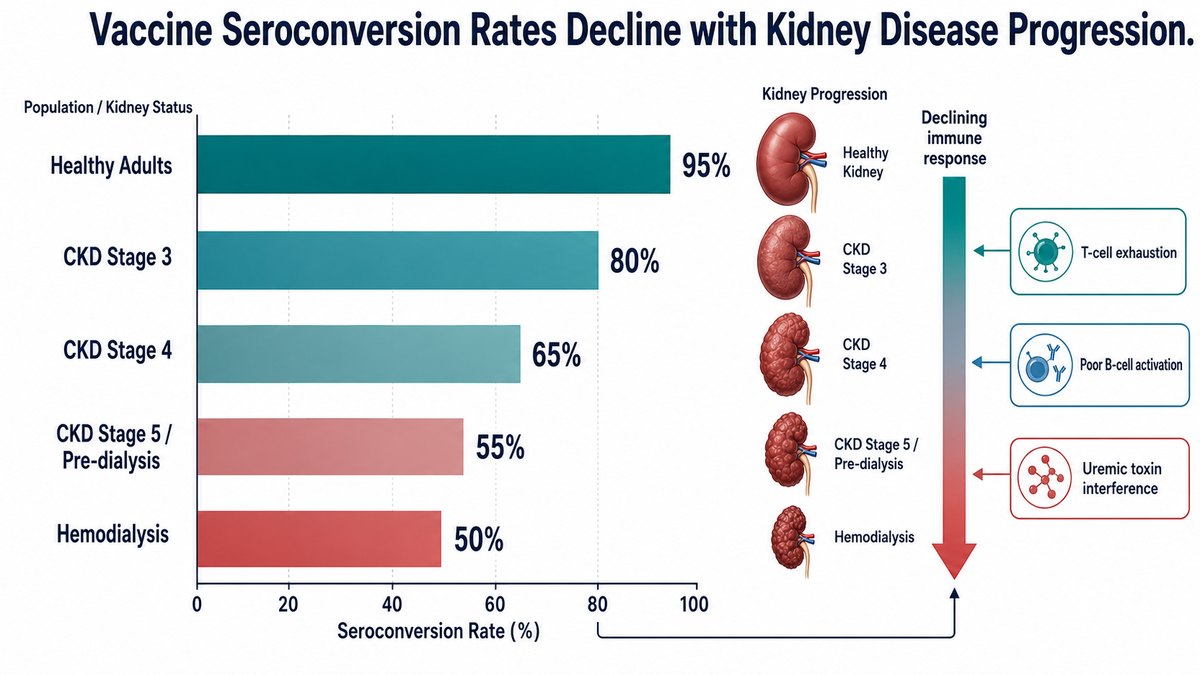 GuideViral Infections & Vaccinations in CKDViral infections and vaccinations for CKD and dialysis patients — COVID-19, hepatitis B, influenza, pneumonia vaccines, and immune protection in the Philippines.
 GuideThe CKD Prescriber's PlaybookClinician-focused operational guide: exactly how to start, titrate, and adjust SGLT2 inhibitors, ACEi/ARB, GLP-1 agonists, diuretics, phosphate binders, and ESAs in CKD and nephrology practice. KDIGO 2024 aligned.
References
- U.S. Food and Drug Administration. DESCOVY · Gilead Sciences, Inc. [US FDA-approved label, version 13, July 7, 2026]. Via DailyMed/openFDA. https://dailymed.nlm.nih.gov/dailymed/drugInfo.cfm?setid=06f66e98-e6ee-4538-9506-6c1282cc14c1
- Food and Drug Administration Philippines. Verification portal (product registrations). https://verification.fda.gov.ph
This page shows official label and registry text only; no renalcarematters.com clinical summary has been approved for it yet.
Last updated: .