Use: Labeled indications
- to reduce the risk of cardiovascular death and hospitalization for heart failure in adults with heart failure. to reduce the risk of sustained decline in eGFR, end-stage kidney disease, cardiovascular death, and…
- To reduce the risk of sustained decline in eGFR, end-stage kidney disease, cardiovascular death, and hospitalization in adults with chronic kidney disease at risk of progression.
- To reduce the risk of cardiovascular death in adults with type 2 diabetes mellitus and established cardiovascular disease.
- As an adjunct to diet and exercise to improve glycemic control in adults and pediatric patients aged 10 years and older with type 2 diabetes mellitus.
Full indications and usage US FDA label
1 INDICATIONS AND USAGE JARDIANCE is indicated: to reduce the risk of cardiovascular death and hospitalization for heart failure in adults with heart failure. to reduce the risk of sustained decline in eGFR, end-stage kidney disease, cardiovascular death, and hospitalization in adults with chronic kidney disease at risk of progression. to reduce the risk of cardiovascular death in adults with type 2 diabetes mellitus and established cardiovascular disease. as an adjunct to diet and exercise to improve glycemic control in adults and pediatric patients aged 10 years and older with type 2 diabetes mellitus. JARDIANCE is a sodium-glucose co-transporter 2 (SGLT2) inhibitor indicated: To reduce the risk of cardiovascular death and hospitalization for heart failure in adults with heart failure.
(1) To reduce the risk of sustained decline in eGFR, end-stage kidney disease, cardiovascular death, and hospitalization in adults with chronic kidney disease at risk of progression. (1) To reduce the risk of cardiovascular death in adults with type 2 diabetes mellitus and established cardiovascular disease. (1) As an adjunct to diet and exercise to improve glycemic control in adults and pediatric patients aged 10 years and older with type 2 diabetes mellitus.
(1) Limitations of Use: Not recommended for use to improve glycemic control in patients with type 1 diabetes mellitus. It may increase the risk of diabetic ketoacidosis in these patients. (1) Not recommended for use to improve glycemic control in patients with type 2 diabetes mellitus with an eGFR less than 30 mL/min/1.73 m².
(1) Not recommended for the treatment of chronic kidney disease in patients with polycystic kidney disease or patients requiring or with a recent history of intravenous immunosuppressive therapy or greater than 45 mg of prednisone or equivalent for kidney disease. JARDIANCE is not expected to be effective in these populations.
(1) Limitations of Use JARDIANCE is not recommended for use to improve glycemic control in patients with type 1 diabetes mellitus. It may increase the risk of diabetic ketoacidosis in these patients [see Warnings and Precautions (5.1)]. JARDIANCE is not recommended for use to improve glycemic control in patients with type 2 diabetes mellitus with an eGFR less than 30 mL/min/1.73 m².
JARDIANCE is likely to be ineffective in this setting based upon its mechanism of action. JARDIANCE is not recommended for the treatment of chronic kidney disease in patients with polycystic kidney disease or patients requiring or with a recent history of intravenous immunosuppressive therapy or greater than 45 mg of prednisone or equivalent for kidney disease [see Clinical Studies (14.5)].
JARDIANCE is not expected to be effective in these populations.
Contraindications
- Hypersensitivity to empagliflozin or any excipient
Contraindications (US label) US FDA label
4 CONTRAINDICATIONS JARDIANCE is contraindicated in patients: with a hypersensitivity to empagliflozin or any of the excipients in JARDIANCE, reactions such as angioedema have occurred [see Warnings and Precautions (5.6)]. Hypersensitivity to empagliflozin or any of the excipients in JARDIANCE. (4)
Dosing: Adult
- Heart failure; CKD at risk of progression; cardiovascular risk in type 2 diabetes: 10 mg once daily in the morning
- Glycemic control, type 2 diabetes: 10 mg once daily; may increase to 25 mg (not recommended for glycemic control if eGFR <30)
- Assess renal function before initiating and as clinically indicated. Assess volume status and correct volume depletion before initiating. (2.1)
- Recommended dosage is 10 mg orally once daily in the morning, taken with or without food. (2.2)
- For additional glycemic control, dosage may be increased to 25 mg orally once daily in patients tolerating JARDIANCE. (2.2)
- Withhold JARDIANCE for at least 3 days, if possible, prior to surgery or procedures associated with prolonged fasting. (2.3)
2.1 Testing Prior to Initiation
2.1 Testing Prior to Initiation of JARDIANCE Assess renal function before initiating JARDIANCE and as clinically indicated [see Warnings and Precautions (5.2)]. Use for glycemic control is not recommended in patients with an eGFR less than 30 mL/min/1.73 m² [see Use in Specific Populations (8.6)]. Assess volume status. In patients with volume depletion, correct this condition before initiating JARDIANCE [see Warnings and Precautions (5.2) and Use in Specific Populations (8.5, 8.6)].
2.2 Recommended Dosage
2.2 Recommended Dosage Table 1 presents the recommended dosage of JARDIANCE in adult and pediatric patients aged 10 years and older. Table 1 Recommended Dosage of JARDIANCE Population Indication Recommended Dosage Adults Reduce the risk of cardiovascular death and hospitalization in patients with heart failure 10 mg orally once daily in the morning, taken with or without food.
Reduce the risk of sustained decline in eGFR, end-stage kidney disease, cardiovascular death, and hospitalization in adults with chronic kidney disease at risk of progression. Reduce the risk of cardiovascular death in patients with type 2 diabetes mellitus with established cardiovascular disease Glycemic control in type 2 diabetes mellitus 10 mg orally once daily in the morning, taken with or without food.
For additional glycemic control, may increase to 25 mg orally once daily in patients tolerating 10 mg once daily. Pediatric patients aged 10 years and older Glycemic control in type 2 diabetes mellitus 10 mg orally once daily in the morning, taken with or without food. For additional glycemic control, may increase to 25 mg orally once daily in patients tolerating 10 mg once daily.
2.3 Temporary Interruption for Surgery Withhold
2.3 Temporary Interruption for Surgery Withhold JARDIANCE for at least 3 days, if possible, prior to surgery or procedures associated with prolonged fasting. Resume JARDIANCE when the patient is clinically stable and has resumed oral intake [see Warnings and Precautions (5.1) and Clinical Pharmacology (12.2)].
2.4 Recommendations Regarding Missed Dose
2.4 Recommendations Regarding Missed Dose If a dose is missed, instruct patients to take the dose as soon as possible. Advise patients not to double up the next dose.
Dosing: Altered kidney function
Empagliflozin is a sodium-glucose cotransporter-2 (SGLT2) inhibitor. The US label does not recommend it for glucose lowering below an estimated glomerular filtration rate (eGFR) of 30 mL/min/1.73 m2; its outcome trials enrolled adults down to eGFR 20 and let patients continue below 20 or after starting dialysis.
Kidney function measure: Label uses eGFR (mL/min/1.73 m2).
Show full dosing details
- eGFR ≥60
- 10 mg once daily for heart failure, chronic kidney disease (CKD) and cardiovascular indications; glycemic control 10 mg, may increase to 25 mg (label).
- eGFR 30–59
- No dose adjustment in the label. Glucose-lowering effect of 25 mg falls as kidney function worsens; volume depletion and urinary infection risks rise (label).
- eGFR 15–29
- Glycemic control: not recommended below eGFR 30 (label). CKD and heart failure: may start at eGFR ≥20 (EMPA-KIDNEY floor; KDIGO 2024); eGFR 15–19: do not start, but patients already taking it may continue.
- eGFR <15 (not on dialysis)
- Do not start (trials did not enroll eGFR <20). May continue if already taking, until kidney replacement therapy (label: trial patients were not required to stop; ADA-KDIGO 2022).
- Hemodialysis (intermittent)
- Not studied in efficacy trials; trial patients who started dialysis were not required to stop (label). Exposure about 48% higher on dialysis. Insufficient data: specialist input.
- Peritoneal dialysis
- Not studied (label). Insufficient data: specialist input.
- CRRT
- No data in label. Insufficient data: specialist input; usually held in acute illness.
- Dialyzable? Unknown: removal by hemodialysis has not been studied (label).
- Monitoring Kidney function and volume status before starting; correct volume depletion. Withhold at least 3 days before surgery or prolonged fasting (label). Watch for ketoacidosis and genital or urinary infections.
Children (kidney dosing)
Show full dosing details
- eGFR ≥60
- Usual dose.
- eGFR 30–59
- Usual dose; label gives no pediatric kidney adjustment.
- eGFR 15–29
- Glycemic use not recommended below eGFR 30 (label).
- eGFR <15 (not on dialysis)
- Not recommended.
- Hemodialysis (intermittent)
- Not recommended.
- Peritoneal dialysis
- Not recommended.
- CRRT
- No data.
Pediatric eGFR: bedside Schwartz equation, 0.413 × height (cm) / serum creatinine (mg/dL). Weight-based doses should not exceed the adult maximum.
renalcarematters.com guidance, reviewed by William Gregory M. Rivero, MD, FPCP, DPSN on November 16, 2026. Sources are listed under References. Use with the product's package insert and the patient's current kidney function.
US label text: Renal impairment US FDA label
8.6 Renal Impairment The efficacy and safety of JARDIANCE for glycemic control were evaluated in a trial of adult patients with type 2 diabetes mellitus with mild and moderate renal impairment (eGFR 30 to less than 90 mL/min/1.73 m²) [see Clinical Studies (14.1)]. In this trial, 195 adult patients exposed to JARDIANCE had an eGFR between 60 and 90 mL/min/1.73 m², 91 adult patients exposed to JARDIANCE had an eGFR between 45 and 60 mL/min/1.73 m², and 97 patients exposed to JARDIANCE had an eGFR between 30 and 45 mL/min/1.73 m².
The glucose lowering benefit of JARDIANCE 25 mg decreased in adult patients with worsening renal function. The risks of renal impairment, volume depletion adverse reactions and urinary tract infection-related adverse reactions increased with worsening renal function [see Warnings and Precautions (5.2)]. Use of JARDIANCE for glycemic control in patients without established cardiovascular disease or cardiovascular risk factors is not recommended when eGFR is less than 30 mL/min/1.73 m².
JARDIANCE was evaluated in 7,020 adult patients with type 2 diabetes and established cardiovascular disease (eGFR greater than or equal to 30 mL/min/1.73 m²) in the EMPA-REG OUTCOME trial, in a total of 9,718 patients with heart failure (eGFR greater than or equal to 20 mL/min/1.73 m²) in the EMPEROR-Reduced and EMPEROR-Preserved trials, and in 6,609 adult patients with chronic kidney disease (eGFR 20 to 90 mL/min/1.73 m²) in the EMPA-KIDNEY study. The safety profile across eGFR subgroups in these trials was consistent with the known safety profile [see Adverse Reactions (6.1) and Clinical Studies (14.3, 14.4, 14.5)].
Efficacy and safety trials with JARDIANCE did not enroll adult patients with an eGFR less than 20 mL/min/1.73 m² or on dialysis. Once enrolled, adult patients in the EMPA-REG OUTCOME, EMPEROR-Reduced, EMPEROR-Preserved, and EMPA-KIDNEY trials were not required to discontinue therapy for worsening of eGFR to less than 20 mL/min/1.73 m² or initiation of dialysis [see Clinical Studies (14.3, 14.4, 14.5)].
Patients with Renal Impairment In adult patients with type 2 diabetes mellitus with mild (eGFR: 60 to less than 90 mL/min/1.73 m²), moderate (eGFR: 30 to less than 60 mL/min/1.73 m²), and severe (eGFR: less than 30 mL/min/1.73 m²) renal impairment and patients on dialysis due to kidney failure, AUC of empagliflozin increased by approximately 18%, 20%, 66%, and 48%, respectively, compared to subjects with normal renal function. Peak plasma levels of empagliflozin were similar in patients with moderate renal impairment and patients on dialysis due to kidney failure compared to subjects with normal renal function.
Peak plasma levels of empagliflozin were roughly 20% higher in patients with mild and severe renal impairment as compared to patients with normal renal function. Population pharmacokinetic analysis showed that the apparent oral clearance of empagliflozin decreased, with a decrease in eGFR leading to an increase in drug exposure.
However, the fraction of empagliflozin that was excreted unchanged in urine, and urinary glucose excretion, declined with decrease in eGFR.
Dosing: Hepatic impairment
8.7 Hepatic Impairment JARDIANCE may be used in patients with hepatic impairment [see Clinical Pharmacology (12.3)].
US FDA labelDosing: Pediatric
- Approved ages
- Type 2 diabetes glycemic control: 10 years and older. Not established under 10 years, or in children for heart failure or CKD (label).
- Usual dose
- Type 2 diabetes, 10 years and older: 10 mg once daily in the morning; may increase to 25 mg (label gives fixed doses, not mg/kg).
- Maximum dose
- 25 mg once daily (label).
- Neonates
- Neonates: not applicable (not established under 10 years).
Higher hypoglycemia risk in pediatric patients than in adults, with or without insulin (label).
Kidney dosing in children: see Dosing: Altered kidney function.
renalcarematters.com, reviewedPediatric use (US label) US FDA label
8.4 Pediatric Use The safety and effectiveness of JARDIANCE as an adjunct to diet and exercise to improve glycemic control in type 2 diabetes mellitus have been established in pediatric patients aged 10 years and older. Use of JARDIANCE for this indication is supported by evidence from a 26-week double-blind, placebo-controlled clinical trial, with a double-blind active treatment safety extension period of up to 52 weeks in 157 pediatric patients aged 10 to 17 years with type 2 diabetes mellitus and a pediatric pharmacokinetic study [see Clinical Pharmacology (12.3) and Clinical Studies (14.2)].
The safety profile of pediatric patients treated with JARDIANCE was similar to that observed in adults with type 2 diabetes mellitus, with the exception of hypoglycemia risk which was higher in pediatric patients treated with JARDIANCE regardless of concomitant insulin use [see Warnings and Precautions (5.4) and Adverse Reactions (6.1)]. The safety and effectiveness of JARDIANCE have not been established in pediatric patients less than 10 years of age as an adjunct to diet and exercise to improve glycemic control in type 2 diabetes mellitus.
The safety and effectiveness of JARDIANCE have not been established in pediatric patients to reduce the risk of: cardiovascular death and hospitalization for heart failure in patients with heart failure. sustained decline in eGFR, end-stage kidney disease, cardiovascular death, and hospitalization in patients with chronic kidney disease at risk of progression. cardiovascular death in patients with type 2 diabetes mellitus and established cardiovascular disease.
Dosing: Older adult
Geriatric use (US label) US FDA label
8.5 Geriatric Use In glycemic control trials in patients with type 2 diabetes mellitus, a total of 2,721 (32%) patients treated with JARDIANCE were 65 years of age and older, and 491 (6%) were 75 years of age and older. JARDIANCE is expected to have diminished glycemic efficacy in elderly patients with renal impairment [see Use in Specific Populations (8.6)].
The risk of volume depletion-related adverse reactions increased in patients who were 75 years of age and older to 2.1%, 2.3%, and 4.4% for placebo, JARDIANCE 10 mg, and JARDIANCE 25 mg. The risk of urinary tract infections increased in patients who were 75 years of age and older to 10.5%, 15.7%, and 15.1% in patients randomized to placebo, JARDIANCE 10 mg, and JARDIANCE 25 mg, respectively [see Warnings and Precautions (5.2) and Adverse Reactions (6.1)].
In the EMPEROR-Reduced, EMPEROR-Preserved, and EMPA-KIDNEY trials, no overall differences in safety and effectiveness have been observed between patients 65 years of age and older and younger adult patients. EMPEROR-Reduced included 1,188 (64%) patients treated with JARDIANCE 65 years of age and older, and 503 (27%) patients 75 years of age and older.
EMPEROR-Preserved included 2,403 (80%) patients treated with JARDIANCE 65 years of age and older, and 1,281 (43%) patients 75 years of age and older. EMPA-KIDNEY included 1,803 (55%) patients treated with JARDIANCE 65 years of age and older, and 758 (23%) patients 75 years of age and older.
Dosage forms
Philippines
- Film-coated tablet: 10 mg, 25 mg
- Tablet: 25 mg
Registered products in the Philippines
35 products registered with the Food and Drug Administration (FDA) Philippines list Empagliflozin as the generic name. Registration status changes; confirm a product's current status on the FDA portal before relying on it.
All registered products35
| Package insert | |||||||
|---|---|---|---|---|---|---|---|
AglifozEmpagliflozin | 25 mg Film-Coated TabletAlu-Alu Blister Pack x 10's (Box of 30's) | RxVAT-exempt | Scott-Edil Pharmacia Limited (Unit II)India | Greencore Pharma Inc. | DRP-18180 | May 25, 2031 | |
Cardiglyx 10Empagliflozin | 10 mg Film-Coated TabletAlu/PVC Blister Pack x 10's (Box of 30's & 100's) | RxVAT-exempt | Ratnatris Pharmaceuticals Private LimitedIndia | GA2 Pharmaceutical IncImporter: Medinova Pharmaceutical Inc. | DRP-16614-01 | May 20, 2030 | |
Cardiglyx 25Empagliflozin | 25 mg Film-Coated TabletAlu / PVC Blister Pack x 10's (Box of 30's & 100's) | RxVAT-exempt | Ratnatris Pharmaceuticals Private LimitedIndia | GA2 Pharmaceutical IncImporter: Medinova Pharmaceutical Inc. | DRP-16615-01 | May 20, 2030 | |
Diacard 10Empagliflozin | 10 mg Film-Coated TabletAlu/PVC Blister Pack x 10’s (Box of 30’s) | RxVAT-exempt | Exemed PharmaceuticalsIndia | JustRight HealthCare Inc.Importer: AMB HK Enterprises Inc. | DRP-16371-04 | Feb 20, 2030 | |
Diacard 25Empagliflozin | 25 mg Film-Coated TabletAlu/PVC Blister Pack x 10’s (Box of 30’s) | RxVAT-exempt | Exemed PharmaceuticalsIndia | JustRight Healthcare Inc.Importer: AMB HK Enterprises Inc. | DRP-16372-04 | Feb 20, 2030 | |
EmfazEmpagliflozin | 10 mg Film-Coated TabletAlu/Alu Blister Pack x 10's (Box of 20's) | RxVAT-exempt | The Acme Laboratories LimitedBangladesh | Uno Medique Pharmaceuticals OPC | DR-XY49527 | Sep 30, 2030 | |
EmfazEmpagliflozin | 25 mg Film-coated TabletAlu/Alu Blister Pack x 10's (Box of 20's) | RxVAT-exempt | The Acme Laboratories LimitedBangladesh | Uno Medique Pharmaceuticals OPC | DR-XY49526 | Sep 30, 2030 | |
Empabez 10Empagliflozin | 10 mg Film-Coated TabletAlu/PVC Blister Pack x 10's (Box of 30's) | RxVAT-exempt | Exemed PharmaceuticalsIndia | Emcure Pharma Philippines, Inc.Importer: AMB HK Enterprises, Inc. | DRP-16371-03 | Feb 20, 2030 | |
Empabez 25Empagliflozin | 25 mg Film-Coated TabletAlu /PVC Blister Pack x 10's (Box of 30's) | RxVAT-exempt | Exemed PharmaceuticalsIndia | Emcure Pharma Philippines, Inc.Importer: AMB HK Enterprises, Inc. | DRP-16372-02 | Feb 20, 2030 | |
EmpagemEmpagliflozin | 10 mg Film Coated TabletAlu/PVC Blister Pack x 10's (Box of 30's) | RxVAT-exempt | Exemed PharmaceuticalsIndia | Unilab, Inc.Importer: AMB HK Enterprises Inc. | DRP-16371-02 | Feb 20, 2030 | |
EmpagemEmpagliflozin | 25 mg Film Coated TabletAlu/PVC Blister Pack x 10's (Box of 30's) | RxVAT-exempt | Exemed PharmaceuticalsIndia | UNILAB, Inc.Importer: AMB HK Enterprises Inc. | DRP-16372-01 | Feb 20, 2030 | |
EmpagemEmpagliflozin | 25 mg Film-Coated TabletAlu/Alu Blister Pack x 10's (Box of 10's) | RxVAT-exempt | Eskayef Pharmaceuticals Ltd.Bangladesh | UNILAB, Inc. | DRP-18378 | Jun 24, 2031 | |
Empaglinov 10Empagliflozin | 10 mg Film-Coated TabletAlu/PVC Blister Pack x 10's (Box of 30's & 100's) | RxVAT-exempt | Ratnatris Pharmaceuticals Private Limited.India | Medinova Pharmaceutical Inc. | DRP-16614 | May 20, 2030 | |
Empaglinov 25Empagliflozin | 25 mg Film-Coated TabletAlu/PVC Blister Pack x 10's (Box of 30's & 100's) | RxVAT-exempt | Ratnatris Pharmaceuticals Private Limited.India | Medinova Pharmaceutical Inc. | DRP-16615 | May 20, 2030 | |
EmpaglitecEmpagliflozin | 25 mg Film-Coated TabletAlu/Alu Blister Pack x 10's (Box of 30's) | RxVAT-exempt | MAGBRO HEALTHCARE PVT. LTD.India | Pharmakon Biotec Inc. | DRP-18819 | Sep 14, 2031 | |
EmpajarEmpagliflozin | 25 mg Film-Coated TabletAlu/PVC Blister Pack x 10’s (Box of 30’s) | RxVAT-exempt | Exemed PharmaceuticalsIndia | The Cathay YSS Distributors Co., Inc.Importer: AMB HK Enterprises Inc. | DRP-16372-03 | Feb 20, 2030 | |
Empazor 10Empagliflozin | 10 mg Film-Coated TabletAlu/PVC Blister Pack x 10's (Box of 30's & 100's) | RxVAT-exempt | Ratnatris Pharmaceuticals Private LimitedIndia | GA2 Pharmaceutical IncImporter: Medinova Pharmaceutical Inc. | DRP-16614-02 | May 20, 2030 | |
Empazor 25Empagliflozin | 25 mg Film-Coated TabletAlu / PVC Blister Pack x 10's (Box of 30's & 100's) | RxVAT-exempt | Ratnatris Pharmaceuticals Private LimitedIndia | GA2 Pharmaceutical IncImporter: Medinova Pharmaceutical Inc. | DRP-16615-02 | May 20, 2030 | |
Empazox 25Empagliflozin | 25 mg Film-Coated TabletAlu/PVC blister pack x 10's (Box of 30's) | RxVAT-exempt | Annora Pharma Private LimitedIndia | Camber Pharmaceuticals, Inc. | DRP-15760 | Sep 11, 2029 | |
EmpedEmpagliflozin | 25 mg Film-Coated TabletAlu/PVC Blister Pack x 10's (Box of 30's) | RxVAT-exempt | Baroque Pharmaceuticals Private LimitedIndia | AMB HK Enterprises Inc. | DRP-18102 | May 5, 2031 | |
EmperaEmpagliflozin | 10 mg Film-Coated TabletAlu/Alu Blister Pack x 10's (Box of 30's) | RxVAT-exempt | Ajanta Pharma LimitedIndia | Ajanta Pharma Philippines, Inc. | DRP-16309 | Dec 13, 2029 | |
EmperaEmpagliflozin | 25 mg Film-Coated TabletAlu/Alu Blister Pack x 10's (Box of 30's) | RxVAT-exempt | Ajanta Pharma LimitedIndia | Ajanta Pharma Philippines, Inc. | DRP-16308 | Dec 13, 2029 | |
Empex-10Empagliflozin | 10mg Film Coated TabletAlu-Pvc Blister Pack X 10'S (Box of 30's) | RxVAT-exempt | Base Medico Private LimitedIndia | AMB HK Enterprises, Inc. | DRP-18827 | Sep 14, 2031 | |
Empex-25Empagliflozin | 25mg Film Coated TabletAlu/PVC Blister Pack X 10'S (Box of 30's) | RxVAT-exempt | Base Medico Private LimitedIndia | AMB HK Enterprises, Inc. | DRP-18826 | Sep 14, 2031 | |
EmpovanceEmpagliflozin | 10 mg Film Coated TabletAlu/PVC Blister Pack x 10’s (Box of 30’s) | RxVAT-exempt | Exemed PharmaceuticalsIndia | Pharmazel, Inc.Importer: AMB HK Enterprises Inc. | DRP-16371-01 | Feb 20, 2030 | |
Emprolif-25Empagliflozin | 25 mg Film-Coated TabletAlu/Alu Blister Pack x 10’s (Box of 30’s) | RxVAT-exempt | West-Coast Pharmaceutical Works Ltd.India | Aglobal Care, Inc. | DRP-18602 | Aug 11, 2031 | |
Foremp 25Empagliflozin | 25mg TabletAlu/PVdC Blister Pack x 10’s (Box of 30’s) | RxVAT-exempt | MSN Laboratories Private Limited (Formulations Division)India | MSN Labs Philippines Inc. | DRP-19090 | Oct 27, 2031 | |
GluflozinEmpagliflozin | 10 mg Film-Coated TabletAlu/PVC Blister Pack x 10’s (Box of 30’s) | RxVAT-exempt | Exemed PharmaceuticalsIndia | Equinox Medical CorporationImporter: AMB HK Enterprises Inc. | DRP-16371-05 | Feb 20, 2030 | |
GLUFLOZINEmpagliflozin | 25 mg Film-Coated TabletAlu/PVC Blister Pack x 10’s (Box of 30’s) | RxVAT-exempt | Exemed PharmaceuticalsIndia | Equinox Medical CorporationImporter: AMB HK ENTERPRISES INC. | DRP-16372-05 | Feb 20, 2030 | |
GlyflozinEmpagliflozin | 10 mg Film Coated TabletAlu/PVC Blister Pack x 10 (Box of 100’s) | RxVAT-exempt | KOPRAN LIMITEDIndia | Triple Tact Import & Export Corp. | DRP-18733 | Aug 27, 2031 | |
ImaglifEmpagliflozin | 10 mg Film Coated TabletAlu/PVC Blister Pack x 10's (Box of 30's) | RxVAT-exempt | Exemed PharmaceuticalsIndia | AMB HK Enterprises Inc. | DRP-16371 | Feb 20, 2030 | |
ImaglifEmpagliflozin | 25 mg Film Coated TabletAlu/PVC Blister Pack x 10's (Box of 30's) | RxVAT-exempt | Exemed PharmaceuticalsIndia | AMB HK Enterprises Inc. | DRP-16372 | Feb 20, 2030 | |
LifeflozinEmpagliflozin | 25 mg Film Coated Tablet | RxVAT-exempt | Flourish PharmaIndia | Biophil Medical Equipment and Supplies Trading | DRP-17592 | Feb 6, 2031 | |
PagliEmpagliflozin | 25 mg Film Coated TabletAlu-PVC Blister Pack x 10’s (Box of 30’s) | RxVAT-exempt | Cooper Pharma LimitedIndia | Suhitas Pharmaceuticals Inc. | DRP-18958 | Oct 7, 2031 | |
(no brand name)Empagliflozin | 25 mg Film-Coated TabletAlu-Alu Blister Pack x 10's (Box of 30's) | RxVAT-exempt | Mankind Pharma LimitedIndia | Rite Med Phils., Inc. | DRP-18371 | Jun 30, 2031 |
Source: FDA Philippines product registration database. "Valid until" is the registration validity date listed by the FDA; a past date may mean a renewal is pending. Package insert links point to files published by the FDA.
United States (label)
Dosage forms and strengths (US label) US FDA label
3 DOSAGE FORMS AND STRENGTHS JARDIANCE tablets available as: 10 mg pale yellow, round, biconvex and bevel-edged, film-coated tablets debossed with "S 10" on one side and the Boehringer Ingelheim company symbol on the other side. 25 mg pale yellow, oval, biconvex, film-coated tablets debossed with "S 25" on one side and the Boehringer Ingelheim company symbol on the other side. Tablets: 10 mg, 25 mg (3)
Warnings/Precautions
- Diabetic Ketoacidosis in Patients with Type 1 Diabetes Mellitus and Other Ketoacidosis: Consider ketone monitoring in patients with type 1 diabetes mellitus and consider ketone monitoring in others at risk for ketoacidosis, as indicated. Assess for ketoacidosis regardless of presenting blood glucose levels and discontinue JARDIANCE if ketoacidosis is suspected. Monitor patients for resolution of ketoacidosis before restarting. (5.1)
- Volume Depletion: Before initiating JARDIANCE, assess volume status and renal function in patients with impaired renal function, elderly patients, or patients on loop diuretics. Monitor for signs and symptoms during therapy. (5.2)
- Genitourinary Infections, including Urosepsis, Pyelonephritis, Necrotizing Fasciitis of the Perineum (Fournier's Gangrene), and Genital Mycotic Infections: Monitor patients for signs and symptoms of genitourinary infections and treat promptly, if indicated. Immediately evaluate patients presenting with pain or tenderness, erythema, or swelling in the genital or perineal area, along with fever or malaise, for necrotizing fasciitis and if suspected, discontinue JARDIANCE, and promptly institute appropriate medical and/or surgical intervention. (5.3)
- Hypoglycemia: Adult patients taking an insulin secretagogue or insulin may have an increased risk of hypoglycemia. In pediatric patients 10 years of age and older, the …
5.1 Diabetic Ketoacidosis in Patients with Type 1
5.1 Diabetic Ketoacidosis in Patients with Type 1 Diabetes Mellitus and Other Ketoacidosis In patients with type 1 diabetes mellitus, JARDIANCE significantly increases the risk of diabetic ketoacidosis, a life-threatening event, beyond the background rate. In placebo-controlled trials of patients with type 1 diabetes mellitus, the risk of ketoacidosis was markedly increased in patients who received sodium glucose co-transporter 2 (SGLT2) inhibitors compared to patients who received placebo and fatal ketoacidosis has occurred with JARDIANCE.
JARDIANCE is not indicated for glycemic control in patients with type 1 diabetes mellitus. Type 2 diabetes mellitus and pancreatic disorders (e.g., history of pancreatitis or pancreatic surgery) are also risk factors for ketoacidosis. There have been postmarketing reports of fatal events of ketoacidosis in patients with type 2 diabetes mellitus using SGLT2 inhibitors, including JARDIANCE.
Precipitating conditions for diabetic ketoacidosis or other ketoacidosis include under-insulinization due to insulin dose reduction or missed insulin doses, acute febrile illness, reduced caloric intake, ketogenic diet, surgery, volume depletion, and alcohol abuse. Signs and symptoms are consistent with dehydration and severe metabolic acidosis and include nausea, vomiting, abdominal pain, generalized malaise, and shortness of breath.
Blood glucose levels at presentation may be below those typically expected for diabetic ketoacidosis (e.g., less than 250 mg/dL). Ketoacidosis and glucosuria may persist longer than typically expected. Urinary glucose excretion persists for 3 days after discontinuing JARDIANCE [see Clinical Pharmacology (12.2)]; however, there have been postmarketing reports of ketoacidosis and/or glucosuria lasting greater than 6 days and some up to 2 weeks after discontinuation of SGLT2 inhibitors.
Consider ketone monitoring in patients with type 1 diabetes mellitus and consider ketone monitoring in others at risk for ketoacidosis if indicated by the clinical situation. Assess for ketoacidosis regardless of presenting blood glucose levels in patients who present with signs and symptoms consistent with severe metabolic acidosis.
If ketoacidosis is suspected, discontinue JARDIANCE, promptly evaluate, and treat ketoacidosis, if confirmed. Monitor patients for resolution of ketoacidosis before restarting JARDIANCE. Withhold JARDIANCE, if possible, in temporary clinical situations that could predispose patients to ketoacidosis. Resume JARDIANCE when the patient is clinically stable and has resumed oral intake [see Dosage and Administration (2.3)].
Educate all patients on the signs and symptoms of ketoacidosis and instruct patients to discontinue JARDIANCE and seek medical attention immediately if signs and symptoms occur.
5.2 Volume Depletion
5.2 Volume Depletion JARDIANCE can cause intravascular volume depletion which may sometimes manifest as symptomatic hypotension or acute transient changes in creatinine [see Adverse Reactions (6.1)]. There have been post-marketing reports of acute kidney injury, some requiring hospitalization and dialysis, in patients with type 2 diabetes mellitus receiving SGLT2 inhibitors, including JARDIANCE.
Patients with impaired renal function (eGFR less than 60 mL/min/1.73 m²), elderly patients, or patients on loop diuretics may be at increased risk for volume depletion or hypotension. Before initiating JARDIANCE in patients with one or more of these characteristics, assess volume status and renal function. In patients with volume depletion, correct this condition before initiating JARDIANCE.
Monitor for signs and symptoms of volume depletion, and renal function after initiating therapy.
5.3 Genitourinary
5.3 Genitourinary Infections, including Urosepsis, Pyelonephritis, Necrotizing Fasciitis of the Perineum (Fournier's Gangrene), and Genital Mycotic Infections JARDIANCE increases urinary glucose excretion [see Clinical Pharmacology (12.2)] and increases the risk of genitourinary infections including urinary tract infections and genital mycotic infections in both male and female patients [see Adverse Reactions (6.1)]. Serious genitourinary infections, including urosepsis, pyelonephritis, and necrotizing fasciitis of the perineum (Fournier's gangrene, a rare life-threatening infection requiring urgent surgical intervention), have occurred in patients with and without diabetes mellitus receiving SGLT2 inhibitors, including JARDIANCE [see Adverse Reactions (6.2)].
Cases have required hospitalization. In patients with Fournier's gangrene, serious outcomes have included multiple surgeries and death. Patients with a history of chronic or recurrent genitourinary infections are more likely to develop genitourinary infections when using JARDIANCE. Monitor patients for signs and symptoms of genitourinary infections and treat promptly, if indicated.
Immediately evaluate patients presenting with pain or tenderness, erythema, or swelling in the genital or perineal area, along with fever or malaise, for necrotizing fasciitis. If suspected, discontinue JARDIANCE and promptly institute appropriate medical and/or surgical intervention.
5.4 Hypoglycemia
5.4 Hypoglycemia Insulin and insulin secretagogues are known to cause hypoglycemia. In adult patients, the risk of hypoglycemia may be increased when JARDIANCE is used in combination with insulin secretagogues (e.g., sulfonylurea) or insulin. In pediatric patients aged 10 years and older, the risk of hypoglycemia was higher with JARDIANCE regardless of insulin use [see Adverse Reactions (6.1)].
The risk of hypoglycemia may be lowered by a reduction in the dose of sulfonylurea (or other concomitantly administered insulin secretagogues) or insulin. Inform patients using these concomitant medications and pediatric patients of the risk of hypoglycemia and educate them on the signs and symptoms of hypoglycemia.
5.5 Lower Limb Amputation
5.5 Lower Limb Amputation In some clinical studies with SGLT2 inhibitors an imbalance in the incidence of lower limb amputation has been observed. Across four JARDIANCE outcome trials, lower limb amputation event rates were 4.3 and 5.0 events per 1,000 patient-years in the placebo group and the JARDIANCE 10 mg or 25 mg dose group, respectively, with a HR of 1.05 (95 % CI) (0.81, 1.36).
In a long-term cardio-renal outcome trial [see Clinical Studies 14.5], in patients with chronic kidney disease, the occurrence of lower limb amputations was reported with event rates of 2.9, and 4.3 events per 1,000 patient-years in the placebo, and JARDIANCE 10 mg treatment arms, respectively. Amputation of the toe and mid-foot were most frequent (21 out of 28 JARDIANCE 10 mg treated patients with lower limb amputations), and some involving above and below the knee.
Some patients had multiple amputations. Peripheral artery disease, and diabetic foot infection (including osteomyelitis), were the most common precipitating medical events leading to the need for an amputation. The risk of amputation was highest in patients with a baseline history of diabetic foot, peripheral artery disease (including previous amputation) or diabetes.
Counsel patients about the importance of routine preventative foot care. Monitor patients receiving JARDIANCE for signs and symptoms of diabetic foot infection (including osteomyelitis), new pain or tenderness, sores or ulcers involving the lower limbs, and institute appropriate treatment.
5.6 Hypersensitivity Reactions
5.6 Hypersensitivity Reactions There have been postmarketing reports of serious hypersensitivity reactions (e.g., angioedema) in patients treated with JARDIANCE. If a hypersensitivity reaction occurs, discontinue JARDIANCE; treat promptly per standard of care, and monitor until signs and symptoms resolve. JARDIANCE is contraindicated in patients with hypersensitivity to empagliflozin or any of the excipients in JARDIANCE [see Contraindications (4)].
Drug interactions
| Drug or class | Severity | Effect | What to do |
|---|---|---|---|
| Diuretics | Adjust or monitor | More urine volume and voiding; volume depletion risk. | Check volume status and kidney function before starting; monitor after. |
| Insulin or insulin secretagogues (e.g., sulfonylureas) | Adjust or monitor | More hypoglycemia. | Lower insulin or secretagogue doses may be needed. |
| Lithium | Adjust or monitor | Lower serum lithium. | Check lithium levels more often when starting or changing the dose. |
| Urine glucose and 1,5-anhydroglucitol tests | Minor | Positive urine glucose; unreliable 1,5-AG. | Use other methods to monitor glycemic control. |
Severity scale (renalcarematters.com): Avoid: do not combine; Adjust or monitor: change the dose or monitor closely; Minor: usually no action.
renalcarematters.com, reviewedDrug interactions (US label) US FDA label
7 DRUG INTERACTIONS See Table 4 for clinically relevant interactions with JARDIANCE. Table 4 Clinically Relevant Interactions with JARDIANCE Diuretics Clinical Impact Coadministration of empagliflozin with diuretics resulted in increased urine volume and frequency of voids, which might enhance the potential for volume depletion.
Intervention Before initiating JARDIANCE, assess volume status and renal function. In patients with volume depletion, correct this condition before initiating JARDIANCE. Monitor for signs and symptoms of volume depletion, and renal function after initiating therapy. Insulin or Insulin Secretagogues Clinical Impact The risk of hypoglycemia is increased when JARDIANCE is used in combination with insulin secretagogues (e.g., sulfonylurea) or insulin.
Intervention Coadministration of JARDIANCE with an insulin secretagogue (e.g., sulfonylurea) or insulin may require lower dosages of the insulin secretagogue or insulin to reduce the risk of hypoglycemia. Lithium Clinical Impact Concomitant use of an SGLT2 inhibitor with lithium may decrease serum lithium concentrations.
Intervention Monitor serum lithium concentration more frequently during JARDIANCE initiation and dosage changes. Positive Urine Glucose Test Clinical Impact SGLT2 inhibitors increase urinary glucose excretion and will lead to positive urine glucose tests. Intervention Monitoring glycemic control with urine glucose tests is not recommended in patients taking SGLT2 inhibitors.
Use alternative methods to monitor glycemic control. Interference with 1,5-anhydroglucitol (1,5-AG) Assay Clinical Impact Measurements of 1,5-AG are unreliable in assessing glycemic control in patients taking SGLT2 inhibitors. Intervention Monitoring glycemic control with 1,5-AG assay is not recommended. Use alternative methods to monitor glycemic control.
See full prescribing information for information on drug interactions and interference of JARDIANCE with laboratory tests. (7)
Metabolism and transporters (CYP, P-gp, OATP; US label) US FDA label
Systemic exposure of each metabolite was less than 10% of total drug-related material.
In vitro studies suggested that the primary route of metabolism of empagliflozin in humans is glucuronidation by the uridine 5'-diphospho-glucuronosyltransferases UGT2B7, UGT1A3, UGT1A8, and UGT1A9.
Drug Interaction Studies In vitro Assessment of Drug Interactions Empagliflozin does not inhibit, inactivate, or induce CYP450 isoforms.
In vitro data suggest that the primary route of metabolism of empagliflozin in humans is glucuronidation by the uridine 5'-diphospho-glucuronosyltransferases UGT1A3, UGT1A8, UGT1A9, and UGT2B7.
Empagliflozin does not inhibit UGT1A1, UGT1A3, UGT1A8, UGT1A9, or UGT2B7.
Therefore, no effect of empagliflozin is anticipated on concomitantly administered drugs that are substrates of the major CYP450 isoforms or UGT1A1, UGT1A3, UGT1A8, UGT1A9, or UGT2B7.
Empagliflozin is a substrate for P-glycoprotein (P-gp) and breast cancer resistance protein (BCRP), but it does not inhibit these efflux transporters at therapeutic doses.
Based on in vitro studies, empagliflozin is considered unlikely to cause interactions with drugs that are P-gp substrates.
Adverse reactions
Common
- Urinary tract infections and female genital mycotic infections (≥5%)
Serious
- Ketoacidosis (type 1 diabetes and other ketoacidosis)
- Volume depletion
- Urosepsis, pyelonephritis, Fournier's gangrene
- Hypoglycemia with insulin or secretagogues
- Lower limb amputation (signal in some SGLT2 inhibitor studies)
- Serious hypersensitivity (angioedema)
- The following important adverse reactions are described below and elsewhere in the labeling: Diabetic Ketoacidosis in Patients with Type 1 Diabetes Mellitus and Other Ketoacidosis [see Warnings and Precautions (5.1)] Volume Depletion [see Warnings and Precautions (5.2)] Genitourinary Infections, including Urosepsis, Pyelonephritis, Necrotizing Fasciitis of the Perineum (Fournier's Gangrene), and Genital Mycotic Infections [see Warnings and Precautions (5.3)] Hypoglycemia [see Warnings and Precautions (5.4)] Hypersensitivity Reactions [see Warnings and Precautions (5.6)] Most common adverse reactions (5% or greater incidence) were urinary tract infections and female genital mycotic infections (6.1)
- To report SUSPECTED ADVERSE REACTIONS, contact Boehringer Ingelheim Pharmaceuticals, Inc. at 1-800-542-6257 or FDA at 1-800-FDA-1088 or www.fda.gov/medwatch.
6.1 Clinical Trials Experience
6.1 Clinical Trials Experience Because clinical trials are conducted under widely varying conditions, adverse reaction rates observed in the clinical trials of a drug cannot be directly compared to rates in the clinical trials of another drug and may not reflect the rates observed in practice. JARDIANCE has been evaluated in clinical trials in adult and pediatric patients aged 10 to 17 years with type 2 diabetes mellitus, in adults with heart failure, and in adults with chronic kidney disease.
The overall safety profile of JARDIANCE was generally consistent across the studied indications. Clinical Trials in Adults with Type 2 Diabetes Mellitus The data in Table 2 are derived from a pool of four 24-week placebo-controlled trials and 18-week data from a placebo-controlled trial with insulin in adult patients with type 2 diabetes mellitus.
JARDIANCE was used as monotherapy in one trial and as add-on therapy in four trials [see Clinical Studies (14.1)]. These data reflect exposure of 1,976 adult patients to JARDIANCE with a mean exposure duration of approximately 23 weeks. Patients received placebo (N=995), JARDIANCE 10 mg (N=999), or JARDIANCE 25 mg (N=977) once daily.
The mean age of the population was 56 years and 3% were older than 75 years of age. More than half (55%) of the population was male; 46% were White, 50% were Asian, and 3% were Black or African American. At baseline, 57% of the population had diabetes mellitus more than 5 years and had a mean hemoglobin A1c (HbA1c) of 8%.
Established microvascular complications of diabetes mellitus at baseline included diabetic nephropathy (7%), retinopathy (8%), or neuropathy (16%). Baseline renal function was normal or mildly impaired in 91% of patients and moderately impaired in 9% of patients (mean eGFR 86.8 mL/min/1.73 m²). Table 2 shows adverse reactions (excluding hypoglycemia) that were not present at baseline, occurred more commonly in JARDIANCE-treated patients than on placebo and occurred in greater than or equal to 2% JARDIANCE-treated patients.
Table 2 Adverse Reactions Reported in ≥2% of Adults with Type 2 Diabetes Mellitus Treated with JARDIANCE and Greater than Placebo in Pooled Placebo-Controlled Clinical Trials of JARDIANCE Monotherapy or Combination Therapy Adverse Reactions Placebo (%) N=995 JARDIANCE 10 mg (%) N=999 JARDIANCE 25 mg (%) N=977 a Predefined adverse event grouping, including, but not limited to, urinary tract infection, asymptomatic bacteriuria, cystitis b Female genital mycotic infections include the following adverse reactions: vulvovaginal mycotic infection, vaginal infection, vulvitis, vulvovaginal candidiasis, genital infection, genital candidiasis, genital infection fungal, genitourinary tract infection, vulvovaginitis, cervicitis, urogenital infection fungal, vaginitis bacterial. Percentages calculated with the number of female subjects in each group as denominator: placebo (N=481), JARDIANCE 10 mg (N=443), JARDIANCE 25 mg (N=420). c Predefined adverse event grouping, including, but not limited to, polyuria, pollakiuria, and nocturia d Male genital mycotic infections include the following adverse reactions: balanoposthitis, balanitis, genital infections fungal, genitourinary tract infection, balanitis candida, scrotal abscess, penile infection.
Percentages calculated with the number of male subjects in each group as denominator: placebo (N=514), JARDIANCE 10 mg (N=556), JARDIANCE 25 mg (N=557). Urinary tract infection a 7.6 9.3 7.6 Female genital mycotic infections b 1.5 5.4
6.4 Upper
6.4 Upper respiratory tract infection 3.8 3.1 4.0 Increased urination c 1.0 3.4 3.2 Dyslipidemia 3.4 3.9 2.9 Arthralgia 2.2 2.4 2.3 Male genital mycotic infections d 0.4 3.1 1.6 Nausea 1.4 2.3 1.1 Thirst (including polydipsia) was reported in 0%, 1.7%, and 1.5% for placebo, JARDIANCE 10 mg, and JARDIANCE 25 mg, respectively. Volume Depletion JARDIANCE causes an osmotic diuresis, which may lead to intravascular volume contraction and adverse reactions related to volume depletion.
In the pool of five placebo-controlled clinical trials in adults, adverse reactions related to volume depletion (e.g., blood pressure (ambulatory) decreased, blood pressure systolic decreased, dehydration, hypotension, hypovolemia, orthostatic hypotension, and syncope) were reported by 0.3%, 0.5%, and 0.3% of patients treated with placebo, JARDIANCE 10 mg, and JARDIANCE 25 mg, respectively. JARDIANCE may increase the risk of hypotension in patients at risk for volume contraction [see Use in Specific Populations (8.5, 8.6)].
Increased Urination In the pool of five placebo-controlled clinical trials in adults, adverse reactions of increased urination (e.g., polyuria, pollakiuria, and nocturia) occurred more frequently on JARDIANCE than on placebo (see Table 2). Specifically, nocturia was reported by 0.4%, 0.3%, and 0.8% of patients treated with placebo, JARDIANCE 10 mg, and JARDIANCE 25 mg, respectively.
Hypoglycemia in Clinical Trials for Glycemic Control in Adults with Type 2 Diabetes Mellitus The incidence of hypoglycemia in adults by trial is shown in Table 3. The incidence of hypoglycemia increased when JARDIANCE was administered with insulin or sulfonylurea. Table 3 Incidence of Overall a and Severe b Hypoglycemic Events in Placebo-Controlled Clinical Trials for Glycemic Control in Adults with Type 2 Diabetes Mellitus c a Overall hypoglycemic events: plasma or capillary glucose of less than or equal to 70 mg/dL b Severe hypoglycemic events: requiring assistance regardless of blood glucose c Treated set (patients who had received at least one dosage of trial drug) d Insulin dosage could not be adjusted during the initial 18-week treatment period Monotherapy (24 weeks) Placebo (n=229) JARDIANCE 10 mg (n=224) JARDIANCE 25 mg (n=223) Overall (%) 0.4 0.4 0.4 Severe (%) 0 0 0 In Combination with Metformin (24 weeks) Placebo + Metformin (n=206) JARDIANCE 10 mg + Metformin (n=217) JARDIANCE 25 mg + Metformin (n=214) Overall (%) 0.5 1.8 1.4 Severe (%) 0 0 0 In Combination with Metformin + Sulfonylurea (24 weeks) Placebo (n=225) JARDIANCE 10 mg + Metformin + Sulfonylurea (n=224) JARDIANCE 25 mg + Metformin + Sulfonylurea (n=217) Overall (%) 8.4 16.1 11.5 Severe (%) 0 0 0 In Combination with Pioglitazone +/- Metformin (24 weeks) Placebo (n=165) JARDIANCE 10 mg + Pioglitazone +/- Metformin (n=165) JARDIANCE 25 mg + Pioglitazone +/- Metformin (n=168) Overall (%) 1.8 1.2 2.4 Severe (%) 0 0 0 In Combination with Basal Insulin +/- Metformin (18 weeks d) Placebo (n=170) JARDIANCE 10 mg (n=169) JARDIANCE 25 mg (n=155) Overall (%) 20.6 19.5 28.4 Severe (%) 0 0 1.3 In Combination with MDI Insulin +/-Metformin (18 weeks d) Placebo (n=188) JARDIANCE 10 mg (n=186) JARDIANCE 25 mg (n=189) Overall (%) 37.2 39.8 41.3 Severe (%) 0.5 0.5 0.5 Other Adverse Reactions in Clinical Trials for Glycemic Control in Adults with Type 2 Diabetes Mellitus Genital Mycotic Infections: In the pool of five placebo-controlled clinical trials in adults, the incidence of genital mycotic infections (e.g., vaginal mycotic infection, vaginal infection, genital infection fungal, vulvovaginal candidiasis, and vulvitis) was increased in patients treated with JARDIANCE compared to placebo, occurring in 0.9%, 4.1%, and 3.7% of patients randomized to placebo, JARDIANCE 10 mg, and JARDIANCE 25 mg, respectively.
Discontinuation from trial due to genital infection occurred in 0% of placebo-treated patients and 0.2% of patients treated with either JARDIANCE 10 mg or 25 mg. Genital mycotic infections occurred more frequently in female than male patients (see Table 2). Phimosis occurred more frequently in male patients treated with JARDIANCE 10 mg (less than 0.1%) and JARDIANCE 25 mg (0.1%) than placebo (0%).
Urinary Tract Infections: In the pool of five placebo-controlled clinical trials in adults, the incidence of urinary tract infections (e.g., urinary tract infection, asymptomatic bacteriuria, and cystitis) was increased in patients treated with JARDIANCE compared to placebo (see Table 2). Patients with a history of chronic or recurrent urinary tract infections were more likely to experience a urinary tract infection.
The rate of treatment discontinuation due to urinary tract infections was 0.1%, 0.2%, and 0.1% for placebo, JARDIANCE 10 mg, and JARDIANCE 25 mg, respectively. Urinary tract infections occurred more frequently in female patients. The incidence of urinary tract infections in female patients randomized to placebo, JARDIANCE 10 mg, and JARDIANCE 25 mg was 16.6%, 18.4%, and 17.0%, respectively.
The incidence of urinary tract infections in male patients randomized to placebo, JARDIANCE 10 mg, and JARDIANCE 25 mg was 3.2%, 3.6%, and 4.1%, respectively [see Use in Specific Populations (8.5)]. Clinical Trial in Pediatric Patients Aged 10 to 17 Years with Type 2 Diabetes Mellitus JARDIANCE was administered to 52 patients in a trial of 157 pediatric patients aged 10 to 17 years with type 2 diabetes mellitus with a mean exposure to JARDIANCE of 23.8 weeks [see Clinical Studies (14.2)].
Background therapies as adjunct to diet and exercise included metformin (51%), a combination of metformin and insulin (40.1%), insulin (3.2%), or none (5.7%). The mean HbA1c at baseline was 8.0% and the mean duration of type 2 diabetes mellitus was 2.1 years. The mean age was 14.5 years (range: 10-17 years) and 51.6% were aged 15 years and older.
Approximately, 50% were White, 6% were Asian, 31% were Black or African American, and 38% were of Hispanic or Latino ethnicity. The mean BMI was 36.0 kg/m 2 and mean BMI Z-score was 3.0. Approximately 25% of the trial population had microalbuminuria or macroalbuminuria. The risk of hypoglycemia was higher in pediatric patients treated with JARDIANCE regardless of concomitant insulin use.
Hypoglycemia, defined as a blood glucose <54 mg/dL, occurred in 10 (19.2%) patients and in 4 (7.5%) patients treated with JARDIANCE and placebo, respectively. No severe hypoglycemic events occurred (severe hypoglycemia was defined as an event requiring the assistance of another person to actively administer carbohydrates, glucagon or take other corrective actions).
Clinical Trials in Adults with Heart Failure No new adverse reactions were identified in EMPEROR-Reduced or EMPEROR-Preserved heart failure trials. Clinical Trial in Adults with Chronic Kidney Disease The safety profile in patients with chronic kidney disease was generally consistent with that observed across the studied indications.
In a long-term cardio-renal outcome trial [see Clinical Studies 14.5], in patients with chronic kidney disease, the occurrence of lower limb amputations was reported with event rates of 2.9, and 4.3 events per 1,000 patient-years in the placebo, and JARDIANCE 10 mg treatment arms, respectively [see Warnings and Precautions (5.5)]. Laboratory Test Abnormalities in Clinical Trials Increases in Serum Creatinine and Decreases in eGFR Initiation of JARDIANCE causes an increase in serum creatinine and decrease in eGFR within weeks of starting therapy and then these changes stabilize.
In a trial of adults with moderate renal impairment, larger mean changes were observed. In a long-term cardiovascular outcomes trial, the increase in serum creatinine and decrease in eGFR generally did not exceed 0.1 mg/dL and -9.0 mL/min/1.73 m², respectively, at Week 4, and reversed after treatment discontinuation, suggesting acute hemodynamic changes may play a role in the renal function changes observed with JARDIANCE.
Increase in Low-Density Lipoprotein Cholesterol (LDL-C) Dose-related increases in low-density lipoprotein cholesterol (LDL-C) were observed in adults treated with JARDIANCE. LDL-C increased by 2.3%, 4.6%, and 6.5% in patients treated with placebo, JARDIANCE 10 mg, and JARDIANCE 25 mg, respectively. The range of mean baseline LDL-C levels was 90.3 to 90.6 mg/dL across treatment groups.
Increase in Hematocrit In a pool of four placebo-controlled trials in adults, median hematocrit decreased by 1.3% in placebo and increased by 2.8% in JARDIANCE 10 mg and 2.8% in JARDIANCE 25 mg treated patients. At the end of treatment, 0.6%, 2.7%, and 3.5% of patients with hematocrits initially within the reference range had values above the upper limit of the reference range with placebo, JARDIANCE 10 mg, and JARDIANCE 25 mg, respectively.
6.2 Postmarketing Experience
6.2 Postmarketing Experience Additional adverse reactions have been identified during postapproval use of JARDIANCE. Because these reactions are reported voluntarily from a population of uncertain size, it is generally not possible to reliably estimate their frequency or establish a causal relationship to drug exposure.
Gastrointestinal Disorders: Constipation Infections: Necrotizing fasciitis of the perineum (Fournier's gangrene), urosepsis and pyelonephritis Metabolism and Nutrition Disorders: Ketoacidosis Renal and Urinary Disorders: Acute kidney injury Skin and Subcutaneous Tissue Disorders: Angioedema, skin reactions (e.g., rash, urticaria)
Adverse reaction frequency tables (US label) US FDA label
| Adverse Reactions | Placebo (%) N=995 | JARDIANCE 10 mg (%) N=999 | JARDIANCE 25 mg (%) N=977 |
|---|---|---|---|
| aPredefined adverse event grouping, including, but not limited to, urinary tract infection, asymptomatic bacteriuria, cystitis bFemale genital mycotic infections include the following adverse reactions: vulvovaginal mycotic infection, vaginal infection, vulvitis, vulvovaginal candidiasis, genital infection, genital candidiasis, genital infection fungal, genitourinary tract infection, vulvovaginitis, cervicitis, urogenital infection fungal, vaginitis bacterial. Percentages calculated with the number of female subjects in each group as denominator: placebo (N=481), JARDIANCE 10 mg (N=443), JARDIANCE 25 mg (N=420). cPredefined adverse event grouping, including, but not limited to, polyuria, pollakiuria, and nocturia dMale genital mycotic infections include the following adverse reactions: balanoposthitis, balanitis, genital infections fungal, genitourinary tract infection, balanitis candida, scrotal abscess, penile infection. Percentages calculated with the number of male subjects in each group as denominator: placebo (N=514), JARDIANCE 10 mg (N=556), JARDIANCE 25 mg (N=557). | |||
| Urinary tract infection a | 7.6 | 9.3 | 7.6 |
| Female genital mycotic infections b | 1.5 | 5.4 | 6.4 |
| Upper respiratory tract infection | 3.8 | 3.1 | 4.0 |
| Increased urination c | 1.0 | 3.4 | 3.2 |
| Dyslipidemia | 3.4 | 3.9 | 2.9 |
| Arthralgia | 2.2 | 2.4 | 2.3 |
| Male genital mycotic infections d | 0.4 | 3.1 | 1.6 |
| Nausea | 1.4 | 2.3 | 1.1 |
| aOverall hypoglycemic events: plasma or capillary glucose of less than or equal to 70 mg/dL bSevere hypoglycemic events: requiring assistance regardless of blood glucose cTreated set (patients who had received at least one dosage of trial drug) dInsulin dosage could not be adjusted during the initial 18-week treatment period | |||
| Monotherapy (24 weeks) | Placebo (n=229) | JARDIANCE 10 mg (n=224) | JARDIANCE 25 mg (n=223) |
| Overall (%) | 0.4 | 0.4 | 0.4 |
| Severe (%) | 0 | 0 | 0 |
| In Combination with Metformin (24 weeks) | Placebo + Metformin (n=206) | JARDIANCE 10 mg + Metformin (n=217) | JARDIANCE 25 mg + Metformin (n=214) |
| Overall (%) | 0.5 | 1.8 | 1.4 |
| Severe (%) | 0 | 0 | 0 |
| In Combination with Metformin + Sulfonylurea (24 weeks) | Placebo (n=225) | JARDIANCE 10 mg + Metformin + Sulfonylurea (n=224) | JARDIANCE 25 mg + Metformin + Sulfonylurea (n=217) |
| Overall (%) | 8.4 | 16.1 | 11.5 |
| Severe (%) | 0 | 0 | 0 |
| In Combination with Pioglitazone +/- Metformin (24 weeks) | Placebo (n=165) | JARDIANCE 10 mg + Pioglitazone +/- Metformin (n=165) | JARDIANCE 25 mg + Pioglitazone +/- Metformin (n=168) |
| Overall (%) | 1.8 | 1.2 | 2.4 |
| Severe (%) | 0 | 0 | 0 |
| In Combination with Basal Insulin +/- Metformin (18 weeks d) | Placebo (n=170) | JARDIANCE 10 mg (n=169) | JARDIANCE 25 mg (n=155) |
| Overall (%) | 20.6 | 19.5 | 28.4 |
| Severe (%) | 0 | 0 | 1.3 |
| In Combination with MDI Insulin +/-Metformin (18 weeks d) | Placebo (n=188) | JARDIANCE 10 mg (n=186) | JARDIANCE 25 mg (n=189) |
| Overall (%) | 37.2 | 39.8 | 41.3 |
| Severe (%) | 0.5 | 0.5 | 0.5 |
Monitoring parameters
- Kidney function and volume status before starting; correct volume depletion. Withhold at least 3 days before surgery or prolonged fasting (label). Watch for ketoacidosis and genital or urinary infections. Kidney
- Kidney function before starting and as indicated
- Volume status before starting (correct depletion)
- Withhold at least 3 days before surgery or prolonged fasting; watch for ketoacidosis
- Genital and urinary infection symptoms; foot ulcers
Pregnancy considerations
Pregnancy (US label) US FDA label
8.1 Pregnancy Risk Summary Based on animal data showing adverse renal effects, JARDIANCE is not recommended during the second and third trimesters of pregnancy. The limited available data with JARDIANCE in pregnant women are not sufficient to determine a drug-associated risk for major birth defects and miscarriage. There are risks to the mother and fetus associated with poorly controlled diabetes in pregnancy [see Clinical Considerations].
In animal studies, adverse renal changes were observed in rats when empagliflozin was administered during a period of renal development corresponding to the late second and third trimesters of human pregnancy. Doses approximately 13-times the maximum clinical dose caused renal pelvic and tubule dilatations that were reversible [see Data].
The estimated background risk of major birth defects is 6% to 10% in women with pre-gestational diabetes with a HbA1c >7 and has been reported to be as high as 20% to 25% in women with HbA1c >10. The estimated background risk of miscarriage for the indicated population is unknown. In the U.S. general population, the estimated background risk of major birth defects and miscarriage in clinically recognized pregnancies is 2% to 4% and 15% to 20%, respectively.
Clinical Considerations Disease-associated maternal and/or embryo/fetal risk Poorly controlled diabetes in pregnancy increases the maternal risk for diabetic ketoacidosis, pre-eclampsia, spontaneous abortions, preterm delivery, and delivery complications. Poorly controlled diabetes increases the fetal risk for major birth defects, stillbirth, and macrosomia related morbidity.
Data Animal Data Empagliflozin dosed directly to juvenile rats from postnatal day (PND) 21 until PND 90 at doses of 1, 10, 30, and 100 mg/kg/day caused increased kidney weights and renal tubular and pelvic dilatation at 100 mg/kg/day, which approximates 13-times the maximum clinical dose of 25 mg, based on AUC. These findings were not observed after a 13-week, drug-free recovery period.
These outcomes occurred with drug exposure during periods of renal development in rats that correspond to the late second and third trimester of human renal development. In embryo-fetal development studies in rats and rabbits, empagliflozin was administered for intervals coinciding with the first trimester period of organogenesis in humans.
Doses up to 300 mg/kg/day, which approximates 48-times (rats) and 128-times (rabbits) the maximum clinical dose of 25 mg (based on AUC), did not result in adverse developmental effects. In rats, at higher doses of empagliflozin causing maternal toxicity, malformations of limb bones increased in fetuses at 700 mg/kg/day or 154-times the 25 mg maximum clinical dose.
Empagliflozin crosses the placenta and reaches fetal tissues in rats. In the rabbit, higher doses of empagliflozin resulted in maternal and fetal toxicity at 700 mg/kg/day, or 139-times the 25 mg maximum clinical dose. In pre- and postnatal development studies in pregnant rats, empagliflozin was administered from gestation day 6 through to lactation day 20 (weaning) at up to 100 mg/kg/day (approximately 16-times the 25 mg maximum clinical dose) without maternal toxicity.
Reduced body weight was observed in the offspring at greater than or equal to 30 mg/kg/day (approximately 4-times the 25 mg maximum clinical dose).
Mechanism of action
12.1 Mechanism of Action Empagliflozin is an inhibitor of SGLT2, the predominant transporter responsible for reabsorption of glucose from the glomerular filtrate back into the circulation. By inhibiting SGLT2, empagliflozin reduces renal reabsorption of filtered glucose and lowers the renal threshold for glucose, and thereby increases urinary glucose excretion.
Empagliflozin also reduces sodium reabsorption and increases the delivery of sodium to the distal tubule. This may influence several physiological functions including, but not restricted to, increasing tubuloglomerular feedback and reducing intraglomerular pressure, lowering both pre- and afterload of the heart and downregulating sympathetic activity.
US FDA labelPharmacodynamics
Pharmacodynamics (US label) US FDA label
12.2 Pharmacodynamics Urinary Glucose Excretion In patients with type 2 diabetes mellitus, urinary glucose excretion increased immediately following a dose of empagliflozin and was maintained at the end of a 4-week treatment period averaging at approximately 64 grams per day with 10 mg empagliflozin and 78 grams per day with 25 mg empagliflozin once daily [see Clinical Studies (14)]. Data from single oral doses of empagliflozin in healthy subjects indicate that, on average, the elevation in urinary glucose excretion approaches baseline by about 3 days for the 10 mg and 25 mg doses.
Urinary Volume In a 5-day study, mean 24-hour urine volume increase from baseline was 341 mL on Day 1 and 135 mL on Day 5 of empagliflozin 25 mg once daily treatment. Cardiac Electrophysiology In a randomized, placebo-controlled, active-comparator, crossover study, 30 healthy subjects were administered a single oral dose of empagliflozin 25 mg, empagliflozin 200 mg (8 times the maximum dose), moxifloxacin, and placebo.
No increase in QTc was observed with either 25 mg or 200 mg empagliflozin.
Pharmacokinetics
Key PK parameters
| Time to peak | 1.5 hours |
|---|---|
| Half-life | About 12.4 hours |
| Half-life in kidney failure (ESKD) kidney | Not reported; AUC about 48% higher in patients on dialysis (label) |
| Volume of distribution | 73.8 L (apparent, steady state) |
| Protein binding | 86.2% |
| Metabolism (CYP, transporters) | Glucuronidation (UGT2B7, UGT1A3, UGT1A8, UGT1A9); no major plasma metabolites |
| Active metabolites | None major |
| Renal excretion kidney | 54.4% of radioactivity in urine (about half unchanged); 41.2% in feces |
| Dialyzability kidney | Unknown: removal by hemodialysis not studied (label). |
Elimination The apparent terminal elimination half-life of empagliflozin was estimated to be 12.4 h and apparent oral clearance was 10.6 L/h based on the population pharmacokinetic analysis.
Excretion Following administration of an oral [ 14 C]-empagliflozin solution to healthy subjects, approximately 95.6% of the drug-related radioactivity was eliminated in feces (41.2%) or urine (54.4%).
The majority of drug-related radioactivity recovered in feces was unchanged parent drug and approximately half of drug-related radioactivity excreted in urine was unchanged parent drug.
However, the fraction of empagliflozin that was excreted unchanged in urine, and urinary glucose excretion, declined with decrease in eGFR.
In subjects with normal renal function, coadministration of empagliflozin with probenecid resulted in a 30% decrease in the fraction of empagliflozin excreted in urine without any effect on 24-hour urinary glucose excretion.
Pharmacokinetics (US label) US FDA label
12.3 Pharmacokinetics The pharmacokinetics of empagliflozin has been characterized in healthy volunteers and patients with type 2 diabetes mellitus and no clinically relevant differences were noted between the two populations. The steady-state mean plasma AUC and C max were 1,870 nmol∙h/L and 259 nmol/L, respectively, with 10 mg empagliflozin once daily treatment, and 4,740 nmol∙h/L and 687 nmol/L, respectively, with 25 mg empagliflozin once daily treatment.
Systemic exposure of empagliflozin increased in a dose-proportional manner in the therapeutic dose range. Empagliflozin does not appear to have time-dependent pharmacokinetic characteristics. Following once-daily dosing, up to 22% accumulation, with respect to plasma AUC, was observed at steady-state. Absorption After oral administration, peak plasma concentrations of empagliflozin were reached at 1.5 hours post-dose.
Administration of 25 mg empagliflozin after intake of a high-fat and high-calorie meal resulted in slightly lower exposure; AUC decreased by approximately 16% and C max decreased by approximately 37%, compared to fasted condition. The observed effect of food on empagliflozin pharmacokinetics was not considered clinically relevant and empagliflozin may be administered with or without food.
Distribution The apparent steady-state volume of distribution was estimated to be 73.8 L based on a population pharmacokinetic analysis. Following administration of an oral [14 C]-empagliflozin solution to healthy subjects, the red blood cell partitioning was approximately 36.8% and plasma protein binding was 86.2%. Elimination The apparent terminal elimination half-life of empagliflozin was estimated to be 12.4 h and apparent oral clearance was 10.6 L/h based on the population pharmacokinetic analysis.
Metabolism No major metabolites of empagliflozin were detected in human plasma and the most abundant metabolites were three glucuronide conjugates (2-O-, 3-O-, and 6-O-glucuronide). Systemic exposure of each metabolite was less than 10% of total drug-related material. In vitro studies suggested that the primary route of metabolism of empagliflozin in humans is glucuronidation by the uridine 5'-diphospho-glucuronosyltransferases UGT2B7, UGT1A3, UGT1A8, and UGT1A9.
Excretion Following administration of an oral [14 C]-empagliflozin solution to healthy subjects, approximately 95.6% of the drug-related radioactivity was eliminated in feces (41.2%) or urine (54.4%). The majority of drug-related radioactivity recovered in feces was unchanged parent drug and approximately half of drug-related radioactivity excreted in urine was unchanged parent drug.
Specific Populations Pediatric Patients The pharmacokinetics and pharmacodynamics of empagliflozin were investigated in pediatric patients aged 10 to 17 years with type 2 diabetes mellitus. Oral administration of empagliflozin at 10 mg and 25 mg resulted in exposure within the range observed in adult patients. Effects of Age, Body Mass Index, Gender, and Race Age, body mass index (BMI), gender and race (Asians versus primarily Whites) do not have a clinically meaningful effect on pharmacokinetics of empagliflozin.
Patients with Hepatic Impairment In adult patients with mild, moderate, and severe hepatic impairment according to the Child-Pugh classification, AUC of empagliflozin increased by approximately 23%, 47%, and 75%, and C max increased by approximately 4%, 23%, and 48%, respectively, compared to subjects with normal hepatic function. Patients with Renal Impairment In adult patients with type 2 diabetes mellitus with mild (eGFR: 60 to less than 90 mL/min/1.73 m²), moderate (eGFR: 30 to less than 60 mL/min/1.73 m²), and severe (eGFR: less than 30 mL/min/1.73 m²) renal impairment and patients on dialysis due to kidney failure, AUC of empagliflozin increased by approximately 18%, 20%, 66%, and 48%, respectively, compared to subjects with normal renal function.
Peak plasma levels of empagliflozin were similar in patients with moderate renal impairment and patients on dialysis due to kidney failure compared to subjects with normal renal function. Peak plasma levels of empagliflozin were roughly 20% higher in patients with mild and severe renal impairment as compared to patients with normal renal function.
Population pharmacokinetic analysis showed that the apparent oral clearance of empagliflozin decreased, with a decrease in eGFR leading to an increase in drug exposure. However, the fraction of empagliflozin that was excreted unchanged in urine, and urinary glucose excretion, declined with decrease in eGFR. Drug Interaction Studies In vitro Assessment of Drug Interactions Empagliflozin does not inhibit, inactivate, or induce CYP450 isoforms.
In vitro data suggest that the primary route of metabolism of empagliflozin in humans is glucuronidation by the uridine 5'-diphospho-glucuronosyltransferases UGT1A3, UGT1A8, UGT1A9, and UGT2B7. Empagliflozin does not inhibit UGT1A1, UGT1A3, UGT1A8, UGT1A9, or UGT2B7. Therefore, no effect of empagliflozin is anticipated on concomitantly administered drugs that are substrates of the major CYP450 isoforms or UGT1A1, UGT1A3, UGT1A8, UGT1A9, or UGT2B7.
The effect of UGT induction (e.g., induction by rifampicin or any other UGT enzyme inducer) on empagliflozin exposure has not been evaluated. Empagliflozin is a substrate for P-glycoprotein (P-gp) and breast cancer resistance protein (BCRP), but it does not inhibit these efflux transporters at therapeutic doses. Based on in vitro studies, empagliflozin is considered unlikely to cause interactions with drugs that are P-gp substrates.
Empagliflozin is a substrate of the human uptake transporters OAT3, OATP1B1, and OATP1B3, but not OAT1 and OCT2. Empagliflozin does not inhibit any of these human uptake transporters at clinically relevant plasma concentrations and, therefore, no effect of empagliflozin is anticipated on concomitantly administered drugs that are substrates of these uptake transporters.
In vivo Assessment of Drug Interactions Empagliflozin pharmacokinetics were similar with and without coadministration of metformin, glimepiride, pioglitazone, sitagliptin, linagliptin, warfarin, verapamil, ramipril, and simvastatin in healthy volunteers and with or without coadministration of hydrochlorothiazide and torsemide in patients with type 2 diabetes mellitus (see Figure 1). In subjects with normal renal function, coadministration of empagliflozin with probenecid resulted in a 30% decrease in the fraction of empagliflozin excreted in urine without any effect on 24-hour urinary glucose excretion.
The relevance of this observation to patients with renal impairment is unknown. Figure 1 Effect of Various Medications on the Pharmacokinetics of Empagliflozin as Displayed as 90% Confidence Interval of Geometric Mean AUC and C max Ratios [reference lines indicate 100% (80% - 125%)] a empagliflozin, 50 mg, once daily; b empagliflozin, 25 mg, single dose; c empagliflozin, 25 mg, once daily; d empagliflozin, 10 mg, single dose Empagliflozin had no clinically relevant effect on the pharmacokinetics of metformin, glimepiride, pioglitazone, sitagliptin, linagliptin, warfarin, digoxin, ramipril, simvastatin, hydrochlorothiazide, torsemide, and oral contraceptives when coadministered in healthy volunteers (see Figure 2).
Figure 2 Effect of Empagliflozin on the Pharmacokinetics of Various Medications as Displayed as 90% Confidence Interval of Geometric Mean AUC and C max Ratios [reference lines indicate 100% (80% - 125%)] a empagliflozin, 50 mg, once daily; b empagliflozin, 25 mg, once daily; c empagliflozin, 25 mg, single dose; d administered as simvastatin; e administered as warfarin racemic mixture; f administered as Microgynon ®; g administered as ramipril Figure 1 Figure 2
Formulary and pricing (Philippines)
Check availability
Prices and stock vary by branch; renalcarematters.com does not sell medicines or receive payment from pharmacies.
Related guides & calculators
Guides and calculators on renalcarematters.com for this medicine, for patients and clinicians.
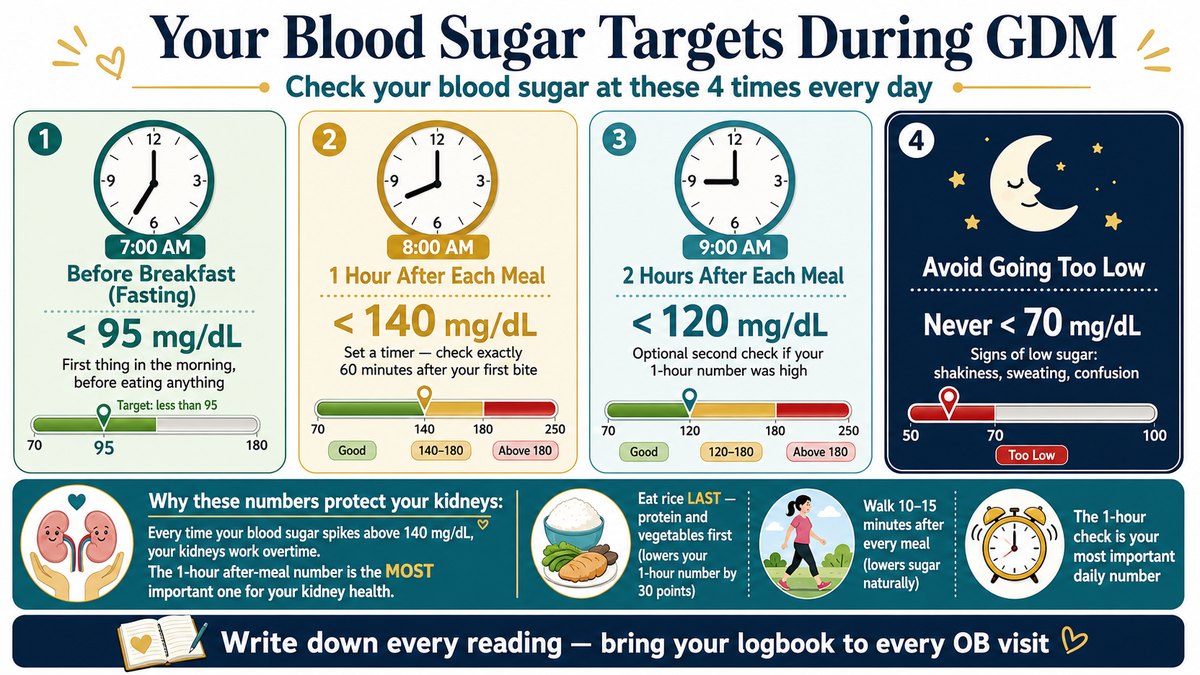 GuideGDM Nutrition & Meal Planning — A Nephrologist's PerspectiveGestational diabetes and kidney health — nutrition guidance for pregnant Filipino women to protect kidneys and reduce future CKD risk after gestational diabetes.
 GuideMetabolic Reprogramming in Diabetic Kidney Disease: From Fuel Selection to FerroptosisHow diabetic kidneys change fuel use, why lipid damage may injure tubules and podocytes, and which treatments have evidence for protecting kidney function.
 GuideYour Kidneys and Blood Sugar: How the Kidney Controls GlucoseA dual-audience guide to the kidney's role in glucose homeostasis: filtered load, transport maximum and the glucose threshold, SGLT2 and SGLT1, renal gluconeogenesis and hypoglycemia in CKD, the maladaptive reabsorption loop of diabetes, an
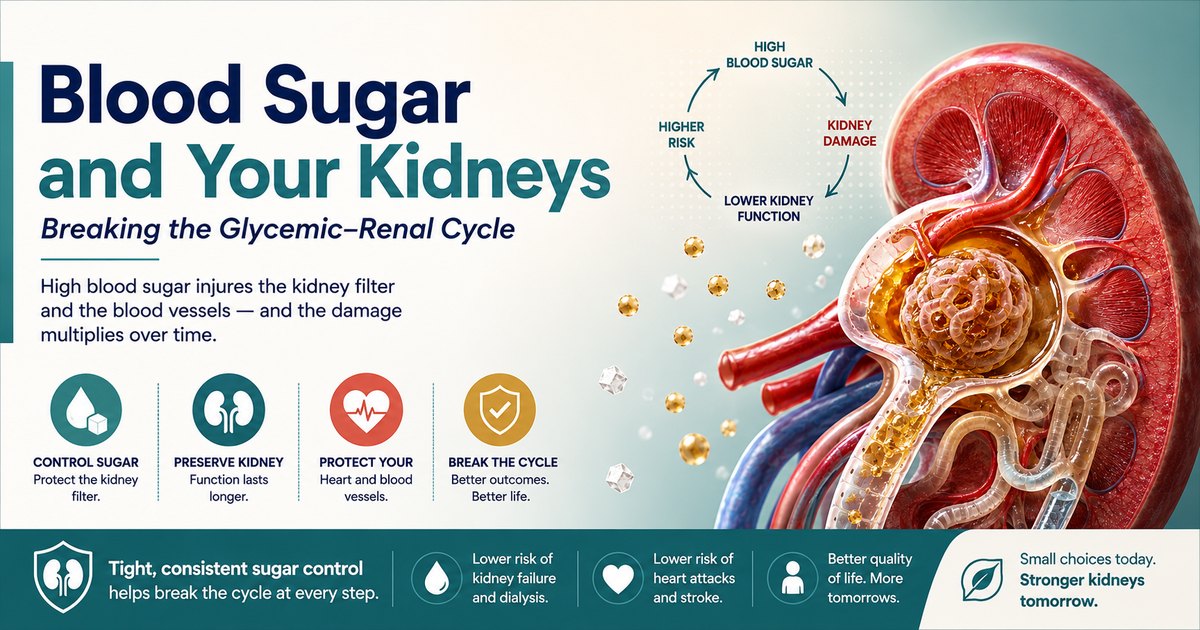 GuideBlood Sugar and Your Kidneys: Breaking the Glycemic-Renal CycleA dual-mode (patient + clinician) guide to glycemic management across the CKD spectrum. Why high sugar is 'syrup in the filter', your individualized HbA1c target, Filipino food and movement, and the SGLT2i/GLP-1RA medicines that protect sug
- CalculatorSGLT2 Inhibitor Eligibility & Dose Check (CKD / HF / T2DM)Check SGLT2 inhibitor eligibility and starting dose for dapagliflozin and empagliflozin by eGFR and indication (CKD, heart failure, or type 2 diabetes), with dialysis and type 1 diabetes flags. With initiation thresholds, safety counseling,
- CalculatoreGFR Calculator — CKD-EPI 2021 (race-free)Estimate GFR from serum creatinine using the race-free CKD-EPI 2021 creatinine equation. Enter age, sex, and creatinine to get eGFR and CKD stage. With indications, formula, evidence, and references.
References
- U.S. Food and Drug Administration. Jardiance · Redpharm Drug [US FDA-approved label, version 1, August 26, 2026]. Via DailyMed/openFDA. https://dailymed.nlm.nih.gov/dailymed/drugInfo.cfm?setid=59ed43d9-b4e0-72a2-e063-6394a90a327d
- Food and Drug Administration Philippines. Verification portal (product registrations). https://verification.fda.gov.ph
- Redpharm Drug. (2026). Jardiance (empagliflozin) [Prescribing information; US FDA-approved label, NDA204629, set ID 59ed43d9-b4e0-72a2-e063-6394a90a327d, version effective August 26, 2026]. DailyMed, U.S. National Library of Medicine. https://dailymed.nlm.nih.gov/dailymed/drugInfo.cfm?setid=59ed43d9-b4e0-72a2-e063-6394a90a327d
- Kidney Disease: Improving Global Outcomes (KDIGO) CKD Work Group. (2024). KDIGO 2024 clinical practice guideline for the evaluation and management of chronic kidney disease. Kidney International, 105(4S), S117–S314. https://doi.org/10.1016/j.kint.2023.10.018
- de Boer, I. H., Khunti, K., Sadusky, T., Tuttle, K. R., Neumiller, J. J., Rhee, C. M., Rosas, S. E., Rossing, P., & Bakris, G. (2022). Diabetes management in chronic kidney disease: A consensus report by the American Diabetes Association (ADA) and Kidney Disease: Improving Global Outcomes (KDIGO). Diabetes Care, 45(12), 3075–3090. https://doi.org/10.2337/dci22-0027
- Schwartz, G. J., Muñoz, A., Schneider, M. F., Mak, R. H., Kaskel, F., Warady, B. A., & Furth, S. L. (2009). New equations to estimate GFR in children with CKD. Journal of the American Society of Nephrology, 20(3), 629–637. https://doi.org/10.1681/ASN.2008030287
renalcarematters.com content: Kidney and pediatric dosing: reviewed by William Gregory M. Rivero, MD, FPCP, DPSN on November 16, 2026. Dosing, interaction, adverse-effect and monitoring summary: reviewed by William Gregory M. Rivero, MD, FPCP, DPSN on November 16, 2026.
Last updated: .