WARNING: RISK OF SERIOUS CARDIOVASCULAR AND GASTROINTESTINAL EVENTS Cardiovascular Thrombotic Events
- Nonsteroidal anti-inflammatory drugs (NSAIDs) cause an increased risk of serious cardiovascular thrombotic events, including myocardial infarction, and stroke, which can be fatal. This risk may occur early in the treatment and may increase with duration of use [see Warnings and Precautions (5.1)].
- CELEBREX is contraindicated in the setting of coronary artery bypass graft (CABG) surgery [see Contraindications (4) and Warnings and Precautions (5.1)]. Gastrointestinal Bleeding, Ulceration, and Perforation
- NSAIDs cause an increased risk of serious gastrointestinal (GI) adverse events including bleeding, ulceration, and perforation of the stomach or intestines, which can be fatal. These events can occur at any time during use and without warning symptoms. Elderly patients and patients with a prior history of peptic ulcer disease and/or GI bleeding are at greater risk for serious GI events [see Warnings and Precautions (5.2)]. WARNING: RISK OF SERIOUS CARDIOVASCULAR AND GASTROINTESTINAL EVENTS See full prescribing information for complete boxed warning.
- Nonsteroidal anti-inflammatory drugs (NSAIDs) cause an increased risk of serious cardiovascular thrombotic events, including myocardial infarction and stroke, which can be fatal. This risk may occur early in the treatment and may increase with duration of use. (5.1)
- CELEBREX is contraindicated in the setting of coronary artery bypass graft (CABG) surgery. (4, 5.1)
- NSAIDs cause an increased risk of serious gastrointestinal (GI) adverse events including bleeding, ulceration, and perforation of the stomach or intestines, which can be fatal. These events can occur at any time during use and without warning symptoms. Elderly patients and patients with a prior history of peptic ulcer disease and/or GI bleeding are at greater risk for serious GI events. (5.2)
Use: Labeled indications
- Osteoarthritis (OA)
- Rheumatoid Arthritis (RA)
- Juvenile Rheumatoid Arthritis (JRA) in patients 2 years and older
- Ankylosing Spondylitis (AS)
- Acute Pain (AP)
- Primary Dysmenorrhea (PD)
Full indications and usage US FDA label
1 INDICATIONS AND USAGE CELEBREX is indicated CELEBREX is a nonsteroidal anti-inflammatory drug indicated for:
- Osteoarthritis (OA) (1.1)
- Rheumatoid Arthritis (RA) (1.2)
- Juvenile Rheumatoid Arthritis (JRA) in patients 2 years and older (1.3)
- Ankylosing Spondylitis (AS) (1.4)
- Acute Pain (AP) (1.5)
- Primary Dysmenorrhea (PD) (1.6) 1.1 Osteoarthritis (OA) For the management of the signs and symptoms of OA [see Clinical Studies (14.1)]. 1.2 Rheumatoid Arthritis (RA) For the management of the signs and symptoms of RA [see Clinical Studies (14.2)]. 1.3 Juvenile Rheumatoid Arthritis (JRA) For the management of the signs and symptoms of JRA in patients 2 years and older [see Clinical Studies (14.3)]. 1.4 Ankylosing Spondylitis (AS) For the management of the signs and symptoms of AS [see Clinical Studies (14.4)]. 1.5 Acute Pain For the management of acute pain in adults [see Clinical Studies (14.5)]. 1.6 Primary Dysmenorrhea For the management of primary dysmenorrhea [see Clinical Studies (14.5)].
Contraindications
- Hypersensitivity to the drug
- Asthma, urticaria or allergic-type reaction after aspirin or other NSAIDs
- Setting of coronary artery bypass graft (CABG) surgery
- Allergic-type reaction to sulfonamides
Contraindications (US label) US FDA label
4 CONTRAINDICATIONS CELEBREX is contraindicated in the following patients:
- Known hypersensitivity (e.g., anaphylactic reactions and serious skin reactions) to celecoxib, any components of the drug product [see Warnings and Precautions (5.7, 5.9)].
- History of asthma, urticaria, or other allergic-type reactions after taking aspirin or other NSAIDs. Severe, sometimes fatal, anaphylactic reactions to NSAIDs, have been reported in such patients [see Warnings and Precautions (5.7, 5.8)].
- In the setting of CABG surgery [see Warnings and Precautions (5.1)].
- In patients who have demonstrated allergic-type reactions to sulfonamides [see Warnings and Precautions (5.7)].
- Known hypersensitivity to celecoxib, or any components of the drug product or sulfonamides. (4)
- History of asthma, urticaria, or other allergic-type reactions after taking aspirin or other NSAIDs. (4)
- In the setting of CABG surgery. (4)
Dosing: Adult
- Osteoarthritis: 200 mg once daily or 100 mg twice daily
- Rheumatoid arthritis: 100 to 200 mg twice daily
- Ankylosing spondylitis: 200 mg daily; may try 400 mg daily after 6 weeks
- Acute pain, primary dysmenorrhea: 400 mg once, then 200 mg if needed on day 1; then 200 mg twice daily as needed
- Moderate hepatic impairment (Child-Pugh B) or CYP2C9 poor metabolizer: Reduce dose by 50%
- • Use the lowest effective dosage for shortest duration consistent with individual patient treatment goals. (2.1)
- • OA: 200 mg once daily or 100 mg twice daily. (2.2, 14.1)
- • RA: 100 mg to 200 mg twice daily. (2.3, 14.2)
- • JRA: 50 mg twice daily in patients 10 kg to 25 kg. 100 mg twice daily in patients more than 25 kg. (2.4, 14.3)
- • AS: 200 mg once daily single dose or 100 mg twice daily. If no effect is observed after 6 weeks, a trial of 400 mg (single or divided doses) may be of benefit. (2.5, 14.4)
- • AP and PD: 400 mg initially, followed by 200 mg dose if needed on first day. On subsequent days, 200 mg twice daily as needed. (2.6, 14.5)
- Hepatic Impairment: Reduce daily dose by 50% in patients with moderate hepatic impairment (Child-Pugh Class B). (2.7, 8.6, 12.3)
- Poor Metabolizers of CYP2C9 Substrates: Consider a dose reduction by 50% (or alternative management for JRA) in patients who are known or suspected to be CYP2C9 poor metabolizers. (2.7, 8.8, 12.3)
2.1 General Dosing Instructions
2.1 General Dosing Instructions Carefully consider the potential benefits and risks of CELEBREX and other treatment options before deciding to use CELEBREX. Use the lowest effective dosage for the shortest duration consistent with individual patient treatment goals [see Warnings and Precautions (5)]. These doses can be given without regard to timing of meals.
2.2 Osteoarthritis For
2.2 Osteoarthritis For OA, the dosage is 200 mg per day administered as a single dose or as 100 mg twice daily.
2.3 Rheumatoid Arthritis For
2.3 Rheumatoid Arthritis For RA, the dosage is 100 mg to 200 mg twice daily.
2.4 Juvenile Rheumatoid Arthritis For
2.4 Juvenile Rheumatoid Arthritis For JRA, the dosage for pediatric patients (age 2 years and older) is based on weight. For patients ≥10 kg to ≤25 kg the recommended dose is 50 mg twice daily. For patients >25 kg the recommended dose is 100 mg twice daily. For patients who have difficulty swallowing capsules, the contents of a CELEBREX capsule can be added to applesauce.
The entire capsule contents are carefully emptied onto a level teaspoon of cool or room temperature applesauce and ingested immediately with water. The sprinkled capsule contents on applesauce are stable for up to 6 hours under refrigerated conditions (2°C to 8°C/35°F to 45°F).
2.5 Ankylosing Spondylitis For
2.5 Ankylosing Spondylitis For AS, the dosage of CELEBREX is 200 mg daily in single (once per day) or divided (twice per day) doses. If no effect is observed after 6 weeks, a trial of 400 mg daily may be worthwhile. If no effect is observed after 6 weeks on 400 mg daily, a response is not likely and consideration should be given to alternate treatment options.
2.6 Management of Acute Pain and Treatment of Primary Dysmenorrhea
2.6 Management of Acute Pain and Treatment of Primary Dysmenorrhea For management of Acute Pain and Treatment of Primary Dysmenorrhea, the dosage is 400 mg initially, followed by an additional 200 mg dose if needed on the first day. On subsequent days, the recommended dose is 200 mg twice daily as needed.
2.7 Special Populations Hepatic Impairment
2.7 Special Populations Hepatic Impairment In patients with moderate hepatic impairment (Child-Pugh Class B), reduce the dose by 50%. The use of CELEBREX in patients with severe hepatic impairment is not recommended [see Warnings and Precautions (5.3), Use in Specific Populations (8.6), and Clinical Pharmacology (12.3)].
Poor Metabolizers of CYP2C9 Substrates In adult patients who are known or suspected to be poor CYP2C9 metabolizers based on genotype or previous history/experience with other CYP2C9 substrates (such as warfarin, phenytoin), initiate treatment with half of the lowest recommended dose. In patients with JRA who are known or suspected to be poor CYP2C9 metabolizers, consider using alternative treatments [see Use in Specific Populations (8.8) and Clinical Pharmacology (12.5)].
Dosing: Altered kidney function
Celecoxib is a cyclooxygenase-2 (COX-2) selective nonsteroidal anti-inflammatory drug (NSAID) cleared mainly by liver metabolism (CYP2C9). Like other NSAIDs it can cause acute kidney injury, hyperkalemia, fluid retention and hypertension. The US label gives no dose change for mild to moderate kidney impairment and does not recommend it in severe renal insufficiency, which was not studied.
Kidney function measure: Label states kidney function qualitatively (mild, moderate, severe renal insufficiency); the PK study used GFR 35–60 mL/min. Mapping 'severe' to CrCl <30 is our judgment.
Show full dosing details
- CrCl ≥60 mL/min
- Usual dose by indication (osteoarthritis 200 mg/day; rheumatoid arthritis 100 to 200 mg twice daily). Lowest effective dose, shortest duration (label).
- CrCl 30–59 mL/min
- No dose change in the label for mild to moderate impairment (AUC about 40% lower at GFR 35–60). NSAIDs reduce kidney blood flow: monitor creatinine, potassium and blood pressure; avoid with volume depletion and avoid combining with ACE inhibitors or ARBs plus diuretics.
- CrCl 15–29 mL/min
- Not recommended in severe renal insufficiency (label 8.7); not studied. Avoid in advanced kidney disease unless benefits outweigh the risk of worsening kidney function (label 5.6).
- CrCl <15 mL/min (not on dialysis)
- Not recommended in severe renal insufficiency (label 8.7); not studied. Avoid in advanced kidney disease unless benefits outweigh the risk of worsening kidney function (label 5.6).
- Hemodialysis (intermittent)
- Not recommended (severe renal insufficiency; label). Not studied in dialysis. NSAIDs may hasten loss of residual kidney function.
- Peritoneal dialysis
- Not recommended (severe renal insufficiency; label). NSAIDs may hasten loss of residual kidney function.
- CRRT
- Avoid: NSAIDs can worsen acute kidney injury; severe renal insufficiency not recommended (label).
- Dialyzable? Unlikely: no data, but over 97% protein-bound, so hemodialysis is unlikely to help in overdose (label 10).
- Monitoring Creatinine, potassium and blood pressure in CKD, heart failure, liver disease, dehydration or with ACE inhibitors, ARBs or diuretics (label 5.6). Edema and heart failure. Hemoglobin if anemia symptoms.
Children (kidney dosing)
Show full dosing details
- eGFR ≥60
- JRA weight-based dose (label).
- eGFR 30–59
- No pediatric kidney data; label kidney warnings apply to all patients: monitor creatinine, potassium and blood pressure.
- eGFR 15–29
- Not recommended in severe renal insufficiency (label statement not limited by age).
- eGFR <15 (not on dialysis)
- Not recommended in severe renal insufficiency.
- Hemodialysis (intermittent)
- Not recommended.
- Peritoneal dialysis
- Not recommended.
- CRRT
- Avoid (acute kidney injury).
Pediatric eGFR: bedside Schwartz equation, 0.413 × height (cm) / serum creatinine (mg/dL). Weight-based doses should not exceed the adult maximum.
renalcarematters.com guidance, reviewed by William Gregory M. Rivero, MD, FPCP, DPSN on November 17, 2026. Sources are listed under References. Use with the product's package insert and the patient's current kidney function.
US label text: Renal impairment US FDA label
8.7 Renal Impairment CELEBREX is not recommended in patients with severe renal insufficiency [see Warnings and Precautions (5.6) and Clinical Pharmacology (12.3)].
Renal Impairment In a cross-study comparison, celecoxib AUC was approximately 40% lower in patients with chronic renal insufficiency (GFR 35-60 mL/min) than that seen in subjects with normal renal function. No significant relationship was found between GFR and celecoxib clearance.
Dosing: Hepatic impairment
8.6 Hepatic Impairment The daily recommended dose of CELEBREX capsules in patients with moderate hepatic impairment (Child-Pugh Class B) should be reduced by 50%. The use of CELEBREX in patients with severe hepatic impairment is not recommended [see Dosage and Administration (2.7) and Clinical Pharmacology (12.3)].
2.7 Special Populations Hepatic Impairment In patients with moderate hepatic impairment (Child-Pugh Class B), reduce the dose by 50%. The use of CELEBREX in patients with severe hepatic impairment is not recommended [see Warnings and Precautions (5.3), Use in Specific Populations (8.6), and Clinical Pharmacology (12.3)].
Poor Metabolizers of CYP2C9 Substrates In adult patients who are known or suspected to be poor CYP2C9 metabolizers based on genotype or previous history/experience with other CYP2C9 substrates (such as warfarin, phenytoin), initiate treatment with half of the lowest recommended dose. In patients with JRA who are known or suspected to be poor CYP2C9 metabolizers, consider using alternative treatments [see Use in Specific Populations (8.8) and Clinical Pharmacology (12.5)].
US FDA labelDosing: Pediatric
- Approved ages
- Juvenile rheumatoid arthritis (JRA), 2 years and older, weight 10 kg or more (label).
- Usual dose
- JRA: 10 to 25 kg, 50 mg twice daily; over 25 kg, 100 mg twice daily (label).
- Maximum dose
- 100 mg twice daily (JRA, over 25 kg).
Kidney dosing in children: see Dosing: Altered kidney function.
renalcarematters.com, reviewedPediatric use (US label) US FDA label
8.4 Pediatric Use CELEBREX is approved for relief of the signs and symptoms of Juvenile Rheumatoid Arthritis in patients 2 years and older. Safety and efficacy have not been studied beyond six months in children. The long-term cardiovascular toxicity in children exposed to CELEBREX has not been evaluated and it is unknown if long-term risks may be similar to that seen in adults exposed to CELEBREX or other COX-2 selective and non-selective NSAIDs [see Boxed Warning, Warnings and Precautions (5.5), and Clinical Studies (14.3)].
The use of celecoxib in patients 2 years to 17 years of age with pauciarticular, polyarticular course JRA or in patients with systemic onset JRA was studied in a 12-week, double-blind, active controlled, pharmacokinetic, safety and efficacy study, with a 12-week open-label extension. Celecoxib has not been studied in patients under the age of 2 years, in patients with body weight less than 10 kg (22 lbs), and in patients with active systemic features.
Patients with systemic onset JRA (without active systemic features) appear to be at risk for the development of abnormal coagulation laboratory tests. In some patients with systemic onset JRA, both celecoxib and naproxen were associated with mild prolongation of activated partial thromboplastin time (APTT) but not prothrombin time (PT).
When NSAIDs including celecoxib are used in patients with systemic onset JRA, monitor patients for signs and symptoms of abnormal clotting or bleeding, due to the risk of disseminated intravascular coagulation. Patients with systemic onset JRA should be monitored for the development of abnormal coagulation tests [see Dosage and Administration (2.4), Warnings and Precautions (5.15), Adverse Reactions (6.1), Animal Toxicology (13.2), Clinical Studies (14.3)].
Alternative therapies for treatment of JRA should be considered in pediatric patients identified to be CYP2C9 poor metabolizers [see Poor Metabolizers of CYP2C9 Substrates (8.8)].
Dosing: Older adult
Geriatric use (US label) US FDA label
8.5 Geriatric Use Elderly patients, compared to younger patients, are at greater risk for NSAID-associated serious cardiovascular, gastrointestinal, and/or renal adverse reactions. If the anticipated benefit for the elderly patient outweighs these potential risks, start dosing at the low end of the dosing range, and monitor patients for adverse effects [see Warnings and Precautions (5.1, 5.2, 5.3, 5.6, 5.14)].
Of the total number of patients who received CELEBREX in pre-approval clinical trials, more than 3,300 were 65-74 years of age, while approximately 1,300 additional patients were 75 years and over. No substantial differences in effectiveness were observed between these subjects and younger subjects. In clinical studies comparing renal function as measured by the GFR, BUN and creatinine, and platelet function as measured by bleeding time and platelet aggregation, the results were not different between elderly and young volunteers.
However, as with other NSAIDs, including those that selectively inhibit COX-2, there have been more spontaneous post-marketing reports of fatal GI events and acute renal failure in the elderly than in younger patients [see Warnings and Precautions (5.2, 5.6)].
Dosage forms
Philippines
- Capsule: 100 mg, 200 mg, 400 mg
Registered products in the Philippines
204 products registered with the Food and Drug Administration (FDA) Philippines list Celecoxib as the generic name. Registration status changes; confirm a product's current status on the FDA portal before relying on it.
All registered products204
| Package insert | |||||||
|---|---|---|---|---|---|---|---|
AlcoxibCelecoxib | 200 mg CapsuleAlu/PVC/PVDC Blister Pack x 10's (Box of 30's) | Rx | Lloyd Laboratories, Inc.Philippines | Altomed Pharmaceuticals, Inc.Trader: Foramen Products Corporation | DRP-936-08 | Dec 13, 2029 | |
ArgicoxCelecoxib | 200 mg CapsuleAlu/Alu Blister Pack x 10's (Box of 30's) | Rx | XL Laboratories Pvt. Ltd.India | Checktrade Pharma, Inc.Importer: Ambica International Corporation | DRP-2321-02 | Dec 1, 2029 | |
AubrexCelecoxib | 200 mg CapsuleBlister Pack x 10's (Box of 50's) | Rx | Lloyd Laboratories, Inc.Philippines | Trader: Corbridge Group Phils., Inc. | DR-XY34912 | Sep 10, 2028 | |
AubrexCelecoxib | 400 mg CapsuleAlu/Clear PVDC blister pack x 10's (Box of 50's) | Rx | Lloyd Laboratories, Inc.Philippines | Trader: Corbridge Group Phils., Inc. | DR-XY41549 | Dec 3, 2028 | |
BioxibCelecoxib | 200 mg CapsuleAlu/PVC/PVDC Blister Pack x 10's Box of 30's | Rx | Lloyd Laboratories, Inc.Philippines | Sunpharma, IncorporatedTrader: Foramen Products Corporation | DRP-936-03 | Dec 13, 2029 | |
BlocoxxCelecoxib | 200 mg CapsuleAlu/Alu Blister Pack x 10's (Box of 30's and 100's) | Rx | Gracure Pharmaceutical Ltd.India | CSP Lifesciences Philippines Inc. | DRP-17798 | Mar 11, 2031 | |
BrexenCelecoxib | 200 mg CapsuleAlu/Clear PVC Blister Pack x 10's (Box of 100's) | Rx | Centaur Pharmaceuticals Private LimitedIndia | ADP Pharma CoporationImporter: Stangen Pharmaceuticals Philippines, Inc. | DRP-8565 | Sep 9, 2029 | |
BrexenCelecoxib | 200 mg CapsuleAlu/Alu Blister Pack X 10's (Box of 100's) | Rx | Zim Laboratories LimitedIndia | Stangen Pharmaceuticals Philipines Inc | DRP-9184 | Oct 6, 2030 | |
C-flamCelecoxib | 200 mg CapsuleAlu/Alu Blister Pack x 10's (Box of 30's and 50's) | Rx | Stallion Laboratories Pvt. Ltd.India | Alkem Laboratories CorporationImporter: Ambica International CorporationTrader: Endurance Healthcare Pvt. Ltd. | DRP-2655-21 | Dec 20, 2028 | |
Capxibb-400Celecoxib | 400 mg CapsuleAlu/Alu Blister Pack x 10's (Box of 20's) | Rx | XL Laboratories Pvt. Ltd.India | AGB Pharmaceutical Trading and Consultancy CorporationImporter: Ambica International Corporation | DRP-5312-03 | May 27, 2029 | |
CecoxiaCelecoxib | 200 mg CapsulePVC/Alu Blister Pack x 10's (Box of 50's) | Rx | Renata LimitedBangladesh | Euro Generics International Phils., Inc. | DRP-1531 | Mar 14, 2029 | |
Celbex 200Celecoxib | 200 mg CapsuleAlu/Alu Blister Pack x 10's (Box of 30's) | Rx | XL Laboratories Pvt. Ltd.India | AGB Pharmaceutical Trading and Consultancy CorporationImporter: Ambica International Corporation | DRP-2321-04 | Dec 1, 2029 | |
Celbex 400Celecoxib | 400 mg CapsuleAlu/Alu Blister Pack x 10's (Box of 20's) | Rx | XL Laboratories Pvt. Ltd.India | Ambicare Pharmaceuticals Inc.Importer: Ambica International Corporation | DRP-5312-02 | May 27, 2029 | |
Celcix-400Celecoxib | 400 mg CapsuleAlu/Alu Blister Pack of 10’s (Box of 60's) | Rx | Magbro Healthcare Pvt. Ltd.India 174101 | Rexmed Pharmaceutical SalesImporter: Teramedix Pharma Trading Inc. | DRP-14470 | Sep 4, 2031 | |
CelcoxgenCelecoxib | 200 mg CapsuleAlu/Alu Blister Pack x 10's Box of 100's | Rx | Stallion Laboratories Pvt. Ltd.India | Generics Pharmacal Phils., Inc.Importer: Ambica International CorporationTrader: Endurance Healthcare Ltd. | DRP-2655-01 | Dec 20, 2028 | |
CelcoxxCelecoxib | 100 mg CapsuleAlu-Alu Blister Pack x 10's (Box of 20's) | Rx | Getz Pharma Pvt. LtdPakistan | Getz Pharma (Phils.), Inc. | DR-XY32842 | Mar 5, 2030 | |
CelcoxxCelecoxib | 100 mg CapsuleAlu-Alu Blister Pack x 10’s (Box of 20's) | Rx | Getz Pharma Pvt. Ltd.Pakistan | Getz Pharma (Phils.), Inc. | DRP-16024 | Jan 15, 2027 | |
CelcoxxCelecoxib | 200 mg CapsuleAlu-Alu Blister Pack x 10's (Box of 20's) | Rx | Getz Pharma Pvt. Ltd.Pakistan | Getz Pharma (Phils.), Inc. | DR-XY32771 | Mar 5, 2030 | |
CelcoxxCelecoxib | 200 mg CapsuleAlu-Alu Blister Pack x 10’s (Box of 20's) | Rx | Getz Pharma Pvt. Ltd.Pakistan | Getz Pharma (Phils.), Inc. | DRP-16025 | Dec 19, 2026 | |
CelcoxxCelecoxib | 400 mg CapsuleAlu-Alu Blister Pack x 10's (Box of 20's) | Rx | Getz Pharma Pvt. LtdPakistan | Getz Pharma (Phils.), Inc. | DR-XY36564 | Mar 5, 2030 | |
CelcoxxCelecoxib | 400 mg CapsuleAlu-Alu Blister Pack x 10’s (Box of 20's) | Rx | Getz Pharma (Pvt.), Ltd.Pakistan | Getz Pharma (Phils.), Inc. | DRP-16026 | Aug 26, 2029 | |
Celdol 200Celecoxib | 200 mg CapsuleAlu/PVC Blister pack x 10 (Box of 30's) | Rx | Aurobindo Pharma Limited (Unit VII)India | Medethix, Inc. | DRP-14288 | Aug 10, 2028 | |
Celeb-200Celecoxib | 200 mg CapsuleAlu/Alu Blister Pack x 10’s (Box of 30’s and 100's) | Rx | Gracure Pharmaceutical Ltd.India | NJT EnterprisesImporter: AGlobal Care, Inc. | DRP-11373-01 | Nov 23, 2036 | |
CelebrexCelecoxib | 100 mg CapsuleBlister Pack X 10's (Box of 60's) | Rx | Pfizer Pharmaceuticals LLCUSA | Importer: Viatris, Inc. | DRP-2056 | Nov 13, 2027 | |
CelebrexCelecoxib | 200 mg CapsuleBlister Pack x 10's Box of 60's | Rx | Pfizer Pharmaceuticals LLCUSA | Importer: VIATRIS, INC. | DRP-2052 | Nov 13, 2027 | |
Celebrex 400Celecoxib | 400 mg CapsuleAlu/PVC Blister Foil x 10's Box of 60's | Rx | Pfizer Pharmaceuticals LLCUSA | Importer: Viatris, Inc. | DRP-2057 | Jul 8, 2029 | |
CelecocircCelecoxib | 200 mg CapsuleAlu/Alu Blister Pack x 10's (Box of 30's) | Rx | Zim Laboratories LimitedIndia | PharmaCircle Enterprise CorporationImporter: Pharmakon Biotec Inc. | DRP-11695-01 | Apr 20, 2027 | |
CelecopharCelecoxib | 200 mg CapsuleAlu/Alu Blister Pack x 10's (Box of 30's) | Rx | Zim Laboratories LimitedIndia | Pharmakon Biotec Inc. | DRP-11695 | Apr 20, 2027 | |
CelecorvicCelecoxib | 200 mg CapsuleAlu/Alu Blister Pack x 10's (Box of 100's) | Rx | Stallion Laboratories Pvt. Ltd.India | Vidar Pharmaceutical EnterprisesImporter: Ambica International CorporationTrader: Endurance Healthcare Pvt. Ltd. | DRP-2655-25 | Dec 20, 2028 | |
CelecosanCelecoxib | 400 mg CapsuleAlu/Alu Blister Pack x 10’s (Box of 100’s) | Rx | Hiral Labs LimitedIndia | Sannovex Pharmaceutical DistributorImporter: Aglobal Care, Inc. | DRP-11054-02 | Jan 19, 2027 | |
CelecureCelecoxib | 200 mg CapsuleAlu/Alu Blister Pack x 10's Box of 30's, 50's and 100's | Rx | Stallion Laboratories Pvt. Ltd.India | Speed Cure PharmaImporter: Ambica International CorporationTrader: Endurance Healthcare Pvt. Ltd. | DRP-2655-08 | Dec 20, 2028 | |
CeleflamCelecoxib | 200 mg CapsuleAlu/Alu Blister Pack x 10's (Box of 100's) | Rx | Stallion Laboratories Pvt. Ltd.India | Excelcare, Inc.Importer: Ambica International CorporationTrader: Endurance Healthcare Pvt. Ltd. | DRP-2655-30 | Dec 20, 2028 | |
Celeflex 400Celecoxib | 400 mg CapsuleAlu/Clear PVC Blister Pack x 10's (Box of 30's) | Rx | Yiling Pharmaceutical LimitedChina | ATC Healthcare International Corp. | DRP-17807 | Mar 12, 2031 | |
CelehanCelecoxib | 200 mg CapsuleAlu/Alu Blister Pack x 10's (Box of 100's) | Rx | Stallion Laboratories Pvt. Ltd.India | Meedpharma Medical Supplies & Equipment DistributorImporter: Ambica International CorporationTrader: Endurance Healthcare Pvt. Ltd. | DRP-2655-04 | Dec 20, 2028 | |
CelehilCelecoxib | 200 mg CapsuleAlu/Alu Blister Pack x 10's (Box of 30's and 100's) | Rx | Gracure Pharmaceutical Ltd.India | Hillcross Prime, Inc.Importer: Sanimed Pharmaceuticals Inc. | DRP-13102-02 | Dec 1, 2027 | |
CelejysCelecoxib | 200 mg CapsuleAlu/Alu Blister Pack x 10's (Box of 100's) | Rx | Stallion Laboratories Pvt. Ltd.India | Jjysrinn Trading Inc.Importer: Ambica International CorporationTrader: Endurance Healthcare Pvt. Ltd. | DRP-2655-24 | Dec 20, 2028 | |
CelekopCelecoxib | 200 mg CapsuleAlu/PVC/PE/PVDC Blister Pack x 10 (Box of 100's) | Rx | Kopran LimitedIndia | Triple Tact Import & Export Corp. | DRP-10534 | Oct 12, 2031 | |
CelenavCelecoxib | 200 mg CapsuleAlu/Alu Blister Pack x 10's (Box of 30's) | Rx | Zim Laboratories LimitedIndia | Rexmed Pharmaceutical SalesImporter: Pharmakon Biotec Inc. | DRP-11695-02 | Apr 20, 2027 | |
Celence-200Celecoxib | 200 mg CapsuleAlu/Alu Blister Pack x 10's (Box of 30's,50's and 100's) | Rx | Stallion Laboratories Pvt. Ltd.India | Altomed Pharmaceuticals, Inc.Importer: Ambica International CorporationTrader: Endurance Healthcare Pvt. Ltd. | DRP-2655 | Dec 20, 2028 | |
Celence-400Celecoxib | 400 mg CapsuleAlu/Alu Blister Pack x 10's (Box of 10's and 30's) | Rx | Stallion Laboratories Pvt. Ltd.India | Altomed Pharmaceuticals, Inc.Importer: Ambica International Corporation | DRP-4804 | Oct 11, 2028 | |
CelenovaCelecoxib | 200 mg CapsuleAlu/Alu Blister Pack x 10's (Box of 100's) | Rx | Ratnamani Healthcare Pvt. Ltd.India | Medinova Pharmaceutical Inc. | DRP-12528 | Aug 26, 2027 | |
CelenovaCelecoxib | 400 mg Capsule | Rx | Titan Laboratories Pvt. Ltd.India | Medinova Pharmaceutical Inc. | DRP-17689 | Feb 18, 2031 | |
CelerichCelecoxib | 200 mg CapsuleAlu/Alu Blister Pack x 10's (Box of 30's) | Rx | Stallion Laboratories Pvt. Ltd.India | AGB Pharmaceutical Trading and Consultancy CorporationImporter: Ambica International CorporationTrader: Endurance Healthcare Pvt. Ltd. | DRP-2655-17 | Dec 20, 2028 | |
CeleskyCelecoxib | 200 mg CapsuleAlu/Alu Blister Pack x 10's (Box of 30's and Box of 100's) | Rx | Ratnatris Pharmaceuticals Pvt. Ltd.India | Skymed Pharma DistributorImporter: Medinova Pharmaceutical Inc. | DRP-12528-05 | Aug 26, 2027 | |
Celestar 200Celecoxib | 200mg CapsuleAlu/Alu blister pack x 10 capsules (box of 30 capsules) | Rx | Celogen Generics Private Ltd.India | Pharmastar International Trading Corporation | DRP-11770 | Apr 27, 2027 | |
CelethixCelecoxib | 200 mg capsuleAlu/Alu Blister Pack x 10's Box of 30's and 100's | Rx | Medico Remedies LimitedIndia | Pharmacom DistributionImporter: Medethix, Inc. | DRP-4627-01 | Aug 16, 2028 | |
Celetor-200Celecoxib | 200 mg CapsuleAlu/PVC/PVDC Bister Pack x 10's (Box of 60's) | Rx | Torrent Pharmaceuticals Ltd.India | Torrent Pharma Philippines, Inc. | DR-XY46924 | Jul 14, 2031 | |
CelevexCelecoxib | 200 mg CapsulePVC-Alu Blister Pack x 10's (Box of 30's) | Rx | Korea United Pharm IncKorea | SANNOVEX PHARMACEUTICAL DISTRIBUTOR | DR-XY46234 | Jan 29, 2028 | |
CelevidCelecoxib | 200mg CapsuleAlu/PVC Blister (Box of 10's, 30's, and 100's) | Rx | Hovid Bhd.Malaysia | Hovid Inc. | DRP-11696 | Apr 21, 2027 | |
CelevueCelecoxib | 200 mg CapsuleAlu/Alu Blister Pack x 10's (Box of 100's) | Rx | Stallion Laboratories Pvt. Ltd.India | CV Clearvue Pharma, Inc.Importer: Ambica International CorporationTrader: Endurance Healthcare Pvt. Ltd. | DRP-2655-19 | Dec 20, 2028 | |
CelexCelecoxib | 200 mg CapsuleAlu/PVC/PVDC Blister Pack x 10's (Box of 30's) | Rx | Lloyd Laboratories, Inc.Philippines | Better Option Pharmaceuticals, Inc.Trader: Foramen Products Corporation | DRP-936-07 | Dec 13, 2029 | |
CelexibCelecoxib | 200 mg CapsuleAlu/PVC Blister Pack x 10's (Box of 100's) | Rx | Lloyd Laboratories, Inc.Philippines | Trader: Innogen Pharmaceuticals, Inc. | DRP-5502 | Mar 29, 2032 | |
CelexocapCelecoxib | 200 mg CapsuleAlu/Alu Blister Pack x 10's (Box of 30's, 50's and 100's) | Rx | Stallion Laboratories Pvt. Ltd.India | Diafarm Inc.Importer: Ambica International CorporationTrader: Endurance Healthcare Pvt. Ltd. | DRP-2655-27 | Dec 20, 2028 | |
Celixa-400Celecoxib | 400 mg CapsuleAlu/Alu Blister Pack x 10's (Box of 30's) | Rx | Hiral Labs LimitedIndia | Bellus Life Solutions, Inc.Importer: Aglobal Care, Inc. | DRP-11054-01 | Jan 19, 2027 | |
Celodix-200Celecoxib | 200mg CapsuleAlu/Alu Blister Pack x 10's (Box of 30's) | Rx | Zim Laboratories LimitedIndia | Teramedix Pharma Trading Inc. | DR-XY48023 | May 18, 2027 | |
CeltrixCelecoxib | 200 mg CapsuleAlu/Clear PVDC Blister Pack x 10's Box of 30's | Rx | Lloyd Laboratories, Inc.Philippines | Medirich Pharma Distribution Corp.Trader: Westfield Pharmaceuticals, Inc. | DRP-9346 | Nov 21, 2029 | |
CeltrixCelecoxib | 400 mg CapsuleAlu/Clear PVDC Blister Pack x 10's (Box of 30's) | Rx | Lloyd Laboratories, Inc.Philippines | — | DR-XY44773 | Sep 2, 2031 | |
CofidecCelecoxib | 100 mg CapsuleAlu/PVC/TE/PVDC Blister Pack x 10's Box of 20's and 60's | Rx | Lek Pharmaceuticals d.d.Slovenia | Importer: Sandoz Philippines Corporation | DRP-3856 | Jul 24, 2027 | |
CofidecCelecoxib | 200 mg CapsuleAlu/PVC/TE/PVDC Blister Pack x 10's Box of 60's | Rx | Lek Pharmaceuticals d.d.Slovenia | Importer: Sandoz Philippines Corporation | DRP-3857 | Jul 24, 2027 | |
Cox-2Celecoxib | 200 mg CapsuleAlu/PVC/PVDC Blister Pack x 10's (Box of 30's) | Rx | Lloyd Laboratories, Inc.Philippines | TGP Pharma Inc.Trader: Foramen Products Corporation | DRP-936-02 | Dec 13, 2029 | |
Cox-2Celecoxib | 400 mg CapsuleAlu/Clear PVDC Blister Pack x 10's (Box of 30's) | Rx | Lloyd Laboratories, Inc.Philippines | TGP PHARMA INC.Trader: Foramen Products Corporation | DRP-3546-01 | Aug 18, 2031 | |
CoxapillCelecoxib | 200 mg CapsuleAlu/Alu Blister Pack x 10's Box of 30's, 50's and 100's | Rx | Stallion Laboratories Pvt. Ltd.India | Quad-Gen PharmaceuticalsImporter: Ambica International CorporationTrader: Endurance Healthcare Pvt. Ltd. | DRP-2655-28 | Dec 20, 2028 | |
Coxapill 400Celecoxib | 400 mg CapsuleAlu/Alu Blister Pack x 10's (Box of 20's) | Rx | XL Laboratories Pvt. Ltd.India | Quad-Gen PharmaceuticalsImporter: Ambica International Corporation | DRP-5312-06 | May 27, 2029 | |
Coxbitor 200Celecoxib | 200 mg CapsuleAlu/Clear PVDC Blister Pack x 10's Box of 100's | Rx | Lloyd Laboratories, Inc.Philippines | Justright Healthcare Inc.Trader: Eadriex Pharmaceuticals, Phils., Inc. | DRP-8481-01 | Dec 1, 2029 | |
Coxbitor 400Celecoxib | 400 mg CapsuleAlu/Clear PVDC Blister Pack x 10's (Box of 30's) | Rx | Lloyd Laboratories, Inc.Philippines | Trader: Justright Healthcare Inc. | DR-XY44440 | Apr 28, 2030 | |
CoxcelCelecoxib | 200 mg CapsuleAlu/Clear PVDC Blister Pack x 10's (Box of 30's) | Rx | Lloyd Laboratories, Inc.Philippines | Trader: Solvang Pharmaceuticals, Inc. | DR-XY44436 | Apr 28, 2030 | |
CoxcelCelecoxib | 200 mg CapsuleAlu/Clear PVDC Blister Pack x 10's (Box of 30's) | Rx | Lloyd Laboratories,Inc.Philippines | Trader: Solvang Pharmaceuticals, Inc. | DRP-17495 | Apr 28, 2030 | |
CoxcelCelecoxib | 400 mg CapsuleAlu/Clear PVDC Blister Pack x 10's (Box of 30's) | Rx | Lloyd Laboratories, Inc.Philippines | Trader: Solvang Pharmaceuticals, Inc. | DR-XY43451 | May 29, 2029 | |
CoxelCelecoxib | 200 mg CapsuleAlu/PVC/PVDC Blister Pack x 10's (Box of 30's) | Rx | LLOYD LABORATORIES, INC.Philippines | Nutripharm, Inc.Trader: Foramen Products Corporation | DRP-936-05 | Dec 13, 2029 | |
CoxibetCelecoxib | 200 mg CapsuleAlu-Alu Blister Pack x 10's (Box of 30's & 100's) | Rx | Stallion Laboratories Pvt. Ltd.India | Better Option Pharmaceuticals, Inc.Importer: Suhitas Pharmaceuticals Inc. | DRP-2828-01 | Sep 23, 2031 | |
CoxibralCelecoxib | 200 mg CapsuleAlu/Alu Blister Pack x 10's (Box of 100's) | Rx | Ratnatris Pharmaceuticals Pvt. Ltd.India | Reta DrugImporter: Medinova Pharmaceutical Inc. | DRP-12528-01 | Aug 26, 2027 | |
CoxibwellCelecoxib | 400 mg CapsuleAlu/Alu Blister Pack x 10's Box of 20's | Rx | XL Laboratories Pvt. Ltd.India | Ambicare Pharmaceuticals Inc.Importer: Ambica International Corporation | DRP-5312-05 | May 27, 2029 | |
CoxidCelecoxib | 200 mg CapsuleAlu/PVC/TE/PVDC Blister Pack x 10's Box of 60's | Rx | Lek Pharmaceuticals d.d.Slovenia | UNILAB, Inc.Importer: Sandoz Philippines Corporation | DRP-3857-03 | Jul 24, 2027 | |
CoxidCelecoxib | 200 mg CapsuleAlu-Alu Blister Pack x 10's (Box of 30's) | Rx | Ajanta Pharma LimitedIndia | UNILAB, Inc. | DRP-4285 | Mar 5, 2031 | |
CoxidCelecoxib | 400 mg CapsuleAlu-Alu Blister Pack x 10's (Box of 30'S) | Rx | Ajanta Pharma LimitedIndia | UNILAB, Inc. | DRP-4275 | Mar 15, 2031 | |
CoxidiaCelecoxib | 100 mg CapsuleAlu/PVC Blister Pack x 10's (Box of 30's and 100's) | Rx | Stallion Laboratories Pvt. Ltd.India | The Cathay Drug Co., Inc.Importer: Ambica International CorporationTrader: Endurance Healthcare Ltd. | DRP-3245 | Oct 11, 2029 | |
CoxidiaCelecoxib | 200 mg CapsuleAlu/Alu Blister Pack x 10's (Box of 30's) | Rx | Stallion Laboratories Pvt. Ltd.India | The Cathay Drug Co., Inc.Importer: Ambica International CorporationTrader: Endurance Healthcare Pvt. Ltd. | DRP-2655-13 | Dec 20, 2028 | |
CoxidiaCelecoxib | 400 mg CapsuleAlu/Alu Blister Pack x 10's (Box of 10's) | Rx | Stallion Laboratories Pvt. Ltd.India | The Cathay Drug Co., Inc.Importer: Ambica International Corporation | DRP-4803 | Oct 11, 2028 | |
CoxihilCelecoxib | 200 mg CapsuleAlu / Alu Blister Pack x 10's (Box of 100's) | Rx | Gracure Pharmaceutical Ltd.India | Hillcross Prime, Inc.Importer: Sanimed Pharmaceuticals Inc. | DRP-13102-01 | Dec 1, 2027 | |
CoxilecapCelecoxib | 200 mg CapsuleAlu/Alu Blister Pack x 10's (Box of 30's) | Rx | XL Laboratories Pvt. Ltd.India | Ambicare Pharmaceuticals Inc.Importer: Ambica International Corporation | DRP-2321-05 | Dec 1, 2029 | |
CoxilifeCelecoxib | 400 mg CapsuleAlu/Alu blister pack x 10's (Box of 100's) | Rx | Fredun Pharmaceuticals LimitedIndia | Life and Health Source Pharmaceutical Distribution Co.Importer: AMB HK Enterprises Inc. | DRP-12908-01 | Oct 27, 2027 | |
Coxilife 200Celecoxib | 200 mg CapsuleAlu/Alu Blister Pack x 10's (Box of 100's) | Rx | Fredun Pharmaceuticals LimitedIndia | Life and Health Source Pharmaceutical Distribution Co.Importer: AMB HK Enterprises Inc. | DRP-9903-03 | May 26, 2031 | |
Coxiollen-B400Celecoxib | 400 mg CapsuleAlu/Alu Blister Pack x 10's (Box of 30's and 100's) | Rx | Belco PharmaIndia | Ollen Pharma Trading Inc. | DRP-17507 | Jan 19, 2031 | |
Coxired 400Celecoxib | 400 mg CapsuleAlu/Alu Blister pack of 10’s (Box of 100’s) | Rx | Genom Biotech Pvt. Ltd.India | 999-Seth Pharmaceutical Inc.Importer: Nelpa Lifesciences, Inc. | DRP-9808-02 | Aug 29, 2030 | |
Coxollen-200Celecoxib | 200 mg CapsuleAlu / Alu Blister pack of 10's (Box of 30’s and 100's) | Rx | Genom Biotech Pvt. Ltd.India | Ollen Pharma Trading Inc.Importer: Nelpa Lifesciences, Inc. | DRP-4859-02 | Sep 19, 2030 | |
Coxollen-400Celecoxib | 400 mg CapsuleAlu/ Alu Blister pack of 10's (Box of 100’s) | Rx | Genom Biotech Pvt. Ltd.India | Ollen Pharma Trading Inc.Importer: Nelpa Lifesciences Inc. | DRP-9808-01 | Aug 29, 2030 | |
CoxoralCelecoxib | 200 mg CapsuleAlu/Alu Blister Pack x 10's (Box of 50's) | Rx | Micro Labs LimitedIndia | Zuellig Pharma CorporationImporter: OEP Philippines, Inc. | DR-XY34911 | Sep 10, 2028 | |
CoxsilvCelecoxib | 200 mg CapsuleAlu/Alu Blister Pack x 10's Box of 100's | Rx | Stallion Laboratories Pvt. Ltd.India | Pharmasilv TradingImporter: Ambica International CorporationTrader: Endurance Healthcare Pvt. Ltd. | DRP-2655-03 | Dec 20, 2028 | |
CoxtoCelecoxib | 200 mg CapsuleAlu/Alu Blister Pack x 10’s Box of 30’s | Rx | Flamingo Pharmaceuticals Ltd.India | Hexagon Pharmaceuticals | DRP-2688 | Nov 9, 2029 | |
CoxyzanCelecoxib | 200 mg CapsuleAlu-PVC Blister Pack x 10's (Box of 20's and 100's) | Rx | Saludcare (I) Pvt. Ltd.India | GA2 Pharmaceutical IncImporter: Medinova Pharmaceutical Inc. | DRP-15713-01 | Sep 5, 2029 | |
CoxzelCelecoxib | 200 mg CapsuleAlu-Alu Blister Pack x 10's (Box of 30's, 50's & 100's) | Rx | Stallion Laboratories Pvt. Ltd.India | Starpharm, Inc.Importer: Suhitas Pharmaceuticals Inc. | DRP-2828-02 | Oct 20, 2031 | |
DancoxibCelecoxib | 200 mg CapsuleAlu/Alu Blister Pack x 10's (Box of 100's) | Rx | Stallion Laboratories Pvt. Ltd.India | D&G PharmaImporter: Ambica International CorporationTrader: Endurance Healthcare Pvt. Ltd. | DRP-2655-12 | Dec 20, 2028 | |
DesicoxCelecoxib | 200 mg CapsuleAlu/Clear PVC Blister Pack x 10’s (Box of 30’s, 60’s & 100’s) | Rx | Pinnacle Life Science Pvt. Ltd.India | Epione Lifecare Inc.Importer: Despina Pharma Inc. | DRP-14515-01 | Sep 27, 2028 | |
DialexibCelecoxib | 200 mg CapsuleAlu/Alu Blister Pack x 10's (Box of 30's, 50's and 100's) | Rx | Stallion Laboratories Pvt. Ltd.India | Diafarm Inc.Importer: Ambica International CorporationTrader: Endurance Healthcare Pvt. Ltd. | DRP-2655-22 | Dec 20, 2028 | |
Dialexib 400Celecoxib | 400 mg CapsuleAlu/Alu Blister Pack x 10's (Box of 10's) | Rx | Stallion Laboratories Pvt. Ltd.India | Diafarm Inc.Importer: Ambica International Corporation | DRP-4804-04 | Oct 11, 2028 | |
Diaxib 200Celecoxib | 200 mg CapsuleAlu/Alu Blister Pack x 10's Box of 100's | Rx | Stallion Laboratories Pvt. Ltd.India | Dynasty PharmaceuticalsImporter: Ambica International CorporationTrader: Endurance Healthcare Pvt. Ltd. | DRP-2655-18 | Dec 20, 2028 | |
Diaxib-400Celecoxib | 400 mg CapsuleAlu/Alu Blister Pack x 10's (Box of 10's); Alu/Alu Blister Pack x 10's (Box of 30's) | Rx | Stallion Laboratories Pvt. Ltd.India | Dynasty PharmaceuticalsImporter: Ambica International Corporation | DRP-4804-02 | Oct 11, 2028 | |
Dolcelox 200Celecoxib | 200 mg CapsuleAlu-Alu Blister Pack x 10's (Box of 30's) | Rx | Medchem International Ltd.India | Pharma-Surrey International, Inc. | DRP-2032 | Aug 3, 2029 | |
EmicoxCelecoxib | 200 mg CapsuleAlu/Alu blister pack x 10's (Box of 100's) | Rx | Baroque Pharmaceuticals Pvt Ltd.India | AMB HK Enterprises Inc. | DRP-16303 | Jan 31, 2030 | |
EmicoxCelecoxib | 200 mg CapsuleAlu/Alu Blister Pack x 10’s (Box of 100’s) | Rx | Fredun Pharmaceuticals LimitedIndia | AMB HK Enterprises Inc. | DRP-9903 | May 26, 2031 | |
Emicox-400Celecoxib | 400 mg CapsuleAlu/Alu blister pack x 10's (Box of 100's) | Rx | Baroque Pharmaceuticals Pvt Ltd.India | AMB HK Enterprises Inc. | DRP-16304 | Jan 31, 2030 | |
Emicox-400Celecoxib | 400mg CapsuleAlu/Alu blister pack x 10's (Box of 100's) | Rx | Fredun Pharmaceuticals LimitedIndia | AMB HK Enterprises Inc. | DRP-12908 | Oct 27, 2027 | |
ExecoxibCelecoxib | 200 mg CapsuleAlu/Alu Blister Pack x 10's Box of 100's | Rx | Stallion Laboratories Pvt. Ltd.India | AMK Pharma International TradingImporter: Ambica International CorporationTrader: Endurance Healthcare Pvt. Ltd. | DRP-2655-11 | Dec 20, 2028 | |
FlacoxtoCelecoxib | 200 mg capsuleAlu/Alu Blister Pack x 10's (Box of 10's, 30's and 100's) | Rx | Medico Remedies LimitedIndia | Meedpharma Medical Supplies & Equipment DistributorImporter: Medethix, Inc. | DRP-4627 | Aug 16, 2028 | |
FlamacoxCelecoxib | 200 mg CapsuleAlu/PVC Blister Pack x 10's (Box of 60's) | Rx | Sydenham Laboratories, Inc.Philippines | Trader: SEA-King Pharma Inc. | DRP-5489 | Apr 3, 2028 | |
FlamarCelecoxib | 200 mg CapsuleAlu/Alu Blister Pack x 10's Box of 30's | Rx | Stallion Laboratories Pvt. Ltd.India | Euroasia Pharmaceuticals, Inc.Importer: Ambica International CorporationTrader: Endurance Healthcare Pvt. Ltd. | DRP-2655-23 | Dec 20, 2028 | |
Flamar 400Celecoxib | 400 mg capsuleAlu/Alu Blister Pack x 10's (Box of 30's) | Rx | Saga LifeSciences LimitedIndia | Euroasia Pharmaceuticals, Inc. | DR-XY44930 | Dec 10, 2030 | |
Geloxib-200Celecoxib | 200mg CapsuleAlu/Alu blister Pack x 10's (Box of 30's and 100's) | Rx | Gracure Pharmaceutical Ltd.India | Dreamax Incorporated | DRP-14499 | Sep 14, 2028 | |
GeocoxibCelecoxib | 200 mg CapsuleAlu/Alu Blister Pack x 10's Box of 10's and 100's | Rx | Geofman PharmaceuticalsPakistan | Sahar International Trading Inc. | DRP-3969 | Jul 20, 2029 | |
GeocoxibCelecoxib | 400 mg CapsuleAlu/Alu Blister Pack x 10's (Box of 20's and 100's) | Rx | Geofman PharmaceuticalsPakistan | Importer: Sahar International Trading Inc. | DRP-4339 | Feb 14, 2027 | |
GeoxcibCelecoxib | 200 mg CapsuleAlu/Alu Blister Pack x 10's (Box of 100's) | Rx | Stallion Laboratories Pvt. Ltd.India | GPC Geo Pharma CorporationImporter: Ambica International CorporationTrader: Endurance Healthcare Pvt. Ltd. | DRP-2655-15 | Dec 20, 2028 | |
Geoxcib 200Celecoxib | 200 mg capsuleAlu/Alu Blister Pack x 10's (Box of 100's) | Rx | Medico Remedies LimitedIndia | GPC Geo Pharma CorporationImporter: Medethix, Inc. | DRP-4627-05 | Aug 16, 2028 | |
GicoxCelecoxib | 200 mg CapsuleAlu/PVC/PE/PVDC Blister Pack x 10 (Box of 100's) | Rx | Kopran LimitedIndia | Gijun Trading Inc.Importer: Triple Tact Import & Export Corp. | DRP-10534-01 | Oct 12, 2031 | |
Gocox 200Celecoxib | 200 mg CapsuleAlu/Alu Blister Pack x 10's (Box of 100's) | Rx | Ratnatris Pharmaceuticals Pvt. Ltd.India | Applied Pharmaceutical Distribution IncImporter: Medinova Pharmaceutical Inc. | DRP-12528-02 | Aug 26, 2027 | |
GoxibCelecoxib | 200 mg CapsuleAlu/Alu Blister Pack x 10's Box of 100's | Rx | Stallion Laboratories Pvt. Ltd.India | Applied Pharmaceutical Distribution Inc.Importer: Ambica International CorporationTrader: Endurance Healthcare Pvt. Ltd. | DRP-2655-14 | Dec 20, 2028 | |
GoxibCelecoxib | 400 mg CapsuleAlu/Alu Blister Pack x 10's Box of 20's | Rx | XL Laboratories Pvt. Ltd.India | Applied Pharmaceutical DistributionImporter: Ambica International Corporation | DRP-5312-04 | May 27, 2029 | |
Goxib 400Celecoxib | 400 mg CapsuleAlu/Alu Blister Pack x 10's (Box of 10's and 30's) | Rx | Stallion Laboratories Pvt. Ltd.India | Applied Pharmaceutical Distribution Inc.Importer: Ambica International Corporation | DRP-4803-01 | Oct 11, 2028 | |
Hiroxib-100Celecoxib | 100 mg CapsuleAlu/Alu Blister Pack x 10's (Box of 30's) | Rx | Hiral Labs LimitedIndia | Aglobal Care, Inc. | DRP-11056 | Jan 19, 2027 | |
Hiroxib-200Celecoxib | 200 mg CapsuleAlu/Alu Blister Pack x 10's (Box of 30's) | Rx | Hiral Labs LimitedIndia | Aglobal Care, Inc. | DRP-11055 | Jan 19, 2027 | |
Hiroxib-400Celecoxib | 400 mg CapsuleAlu/Alu Blister Pack x 10's (Box of 30's) | Rx | Hiral Labs LimitedIndia | Aglobal Care, Inc. | DRP-11054 | Jan 19, 2027 | |
IcoxCelecoxib | 200 mg CapsuleAlu/Alu Blister Pack x 10's (Box of 100's) | Rx | Medico Remedies LimitedIndia | Bell-Kenz Pharma Inc.Importer: Medethix, Inc. | DRP-4627-02 | Aug 16, 2028 | |
IcoxCelecoxib | 200 mg CapsuleAlu/Alu Blister Pack x 10's (Box of 30's) | Rx | Zim Laboratories LimitedIndia | Bell-Kenz Pharma Inc.Importer: I.E. Medica, Inc. | DRP-9162-01 | Sep 21, 2028 | |
KairoxibCelecoxib | 200 mg CapsuleAlu/Alu Blister Pack x 10's Box of 30's | Rx | Stallion Laboratories Pvt. Ltd.India | Pharmacom DistributionImporter: Ambica International CorporationTrader: Endurance Healthcare Pvt. Ltd. | DRP-2655-20 | Dec 20, 2028 | |
KoxibCelecoxib | 200 mg CapsuleAlu/Clear PVDC Blister Pack x 10's (Box of 100's) | Rx | Lloyd Laboratories, Inc.Philippines | Trader: Randril Internation Co., Inc. | DR-XY42540 | Sep 6, 2028 | |
KoxibCelecoxib | 200 mg CapsuleAlu/Clear PVDC Blister Pack x 10's (Box of 100's) | Rx | Lloyd Laboratories, IncPhilippines | Trader: Randril International Co., Inc. | DRP-15317 | Sep 6, 2028 | |
Lecox-200Celecoxib | 200 mg CapsuleAlu/Alu Blister Pack x 10's (Box of 30's) | Rx | Gracure Pharmaceutical Ltd.India | Aglobal Care, Inc. | DR-XY47562 | Nov 23, 2026 | |
Lecox-200Celecoxib | 200 mg CapsuleAlu/Alu Blister Pack x 10’s (Box of 30’s and 100's) | Rx | Gracure Pharmaceutical Ltd.India | Aglobal Care, Inc. | DRP-11373 | Nov 23, 2031 | |
Lecoxigan-200Celecoxib | 200 mg CapsuleAlu/Alu Blister Pack x 10's (Box of 50's) | Rx | Stallion Laboratories Pvt. Ltd.India | GX International, Inc.Importer: Ambica International Corporation | DRP-6597 | Jul 15, 2029 | |
LexibCelecoxib | 200 mg CapsuleAlu/PVC/PVDC Blister Pack x 10's (Box of 30's) | Rx | Lloyd Laboratories, Inc.Philippines | 999 Seth Pharmaceutical Inc.Trader: Foramen Products Corporation | DRP-936-01 | Dec 13, 2029 | |
MaboxibCelecoxib | 200 mg CapsuleAlu/Alu Blister Pack x 10’s (Box of 100's) | Rx | Gracure Pharmaceutical Ltd.India | Medconcern Drugs And General Merchandise, Inc.Importer: Aglobal Care, Inc. | DRP-11373-03 | Nov 23, 2031 | |
MedibrexCelecoxib | 200 mg CapsuleAlu/Alu Blister Pack x 10's (Box of 100's) | Rx | Ratnatris Pharmaceuticals Pvt. Ltd.India | GA2 Pharmaceutical IncImporter: Medinova Pharmaceutical Inc. | DRP-12528-03 | Aug 26, 2027 | |
NacoxibCelecoxib | 200 mg CapsuleAlu/Alu Blister Pack x 10's (Box of 30's) | Rx | XL Laboratories Pvt. Ltd.India | TITANIUM PHARMAImporter: Ambica International Corporation | DRP-2321-01 | Dec 1, 2029 | |
NeocoxibCelecoxib | 200 mg CapsuleAlu/Alu Blister Pack x 10's Box of 100's | Rx | Stallion Laboratories Pvt. Ltd.India | Neo-Care PhilippinesImporter: Ambica International CorporationTrader: Endurance Healthcare Pvt. Ltd. | DRP-2655-06 | Dec 20, 2028 | |
NoneCelecoxib | 200 mg CapsuleAlu/Clear PVDC Blister Pack x10's (Box of 30's) | Rx | Lloyd Laboratories, Inc.Philippines | Trader: Dyna Drug Corporation | DR-XY44441 | Apr 28, 2030 | |
NoneCelecoxib | 200 mg CapsuleClear PVC/Aluminum foil blister x 10's (Box of 60's) | Rx | Pfizer Pharmaceuticals LLCUSA | Philusa CorporationImporter: Viatris, Inc. | DRP-2052-01 | Nov 13, 2027 | |
NoneCelecoxib | 200 mg CapsuleBlister Pack x 10's (Box of 60's) | Rx | Viatris Pharmaceuticals LLCUSA | Viatris Pharmaceuticals, Inc.Importer: Viatris, Inc. | DRP-2052-02 | Nov 13, 2027 | |
NoneCelecoxib | 200 mg CapsuleAlu/Alu Blister Pack x 10's (Box of 30's) | Rx | XL Laboratories Pvt. Ltd.India | Actimed, Inc.Importer: Ambica International Corporation | DRP-2321-03 | Dec 1, 2029 | |
NoneCelecoxib | 200 mg CapsuleAlu/Alu Blister Pack x 10's (Box of 100's) | Rx | Stallion Laboratories Pvt. Ltd.India | Actimed, Inc.Importer: Ambica International CorporationTrader: Endurance Healthcare Pvt. Ltd. | DRP-2655-10 | Dec 20, 2028 | |
NoneCelecoxib | 200 mg CapsuleAlu/Alu Blister Pack x 10's (Box of 30's, 50's and 100's) | Rx | Stallion Laboratories Pvt. Ltd.India | International Pharmaceuticals, Inc.Importer: Ambica International CorporationTrader: Endurance Healthcare Pvt. Ltd. | DRP-2655-26 | Dec 20, 2028 | |
NoneCelecoxib | 200 mg CapsuleAlu/Alu Blister Pack x 10’s (Box of 100’s) | Rx | Stallion Laboratories Pvt. Ltd.India | Red Drug Pharmaceutical IncImporter: Ambica International CorporationTrader: Endurance Healthcare Pvt. Ltd. | DRP-2655-31 | Dec 20, 2028 | |
NoneCelecoxib | 200 mg CapsuleAlu/Alu Blister Pack x 10’s (Box of 30’s) | Rx | Flamingo Pharmaceuticals Ltd.India | Qualifirst Health Inc.Importer: Hexagon Pharmaceuticals | DRP-2688-09 | Nov 9, 2029 | |
NoneCelecoxib | 200 mg CapsuleAlu/PVC/TE/PVDC Blister Pack x 10's Box of 60's | Rx | Lek Pharmaceuticals d.d.Slovenia | Ritemed Phils., Inc.Importer: Sandoz Philippines Corporation | DRP-3857-01 | Jul 24, 2027 | |
NoneCelecoxib | 200 mg CapsuleAlu/PVDC/TE/PVDC Blister Pack x 10's (Box of 60's) | Rx | Lek Pharmaceuticals d.d.Slovenia | TGP Pharma Inc.Importer: Sandoz Philippines Corporation | DRP-3857-02 | Jul 24, 2027 | |
NoneCelecoxib | 200 mg CapsuleAlu/Alu Blister Pack x 10's (Box of 10's); Alu/Alu Blister Pack x 10's (Box of 30's); Alu/Alu Blister Pack x 10's (Box of 100's) | Rx | Medico Remedies LimitedIndia | Actimed, Inc.Importer: I.E. Medica, Inc. | DRP-4628 | Aug 16, 2028 | |
NoneCelecoxib | 200 mg CapsuleAlu/PVC Blister Pack x 10's (Box of 100's) | Rx | Lloyd Laboratories, Inc.Philippines | St. Joseph DrugstoreTrader: Innogen Pharmaceuticals, Inc. | DRP-5502-01 | Mar 29, 2027 | |
NoneCelecoxib | 200 mg CapsuleAlu/PVC Blister Pack x 10's (Box of 100's) | Rx | Lloyd Laboratories, Inc.Philippines | Dr. Zen’s Research, Inc.Trader: Innogen Pharmaceuticals, Inc. | DRP-5502-02 | Mar 29, 2027 | |
NoneCelecoxib | 200 mg CapsuleAlu/PVC Blister Pack x 10's (Box of 100’s) | Rx | Lloyd Laboratories, Inc.Philippines | Watsons Personal Care Stores (Philippines), Inc.Trader: Innogen Pharmaceuticals, Inc. | DRP-5502-03 | Mar 29, 2027 | |
NoneCelecoxib | 200 mg CapsuleAlu/PVC Blister Pack x 10's (Box of 100’s) | Rx | Lloyd Laboratories, Inc.Philippines | Rose Pharmacy, IncorporatedTrader: Innogen Pharmaceuticals, Inc. | DRP-5502-04 | Mar 29, 2027 | |
NoneCelecoxib | 200 mg CapsuleAlu/PVC Blister Pack x 10's (Box of 100's) | Rx | Lloyd Laboratories, Inc.Philippines | South Star DrugTrader: Innogen Pharmaceuticals, Inc. | DRP-5502-05 | Mar 29, 2027 | |
NoneCelecoxib | 200 mg CapsuleAlu/Red PVC Blister pack x 10's (Box of 30's) | Rx | Drugmaker's Laboratories, Inc.Philippines | TGP Pharma Inc. | DRP-5708-02 | Jul 20, 2028 | |
NoneCelecoxib | 200 mg CapsuleAlu/Alu Blister Pack x 10's (Box of 30's) | Rx | Zim Laboratories LimitedIndia | Actimed, Inc.Importer: I.E. Medica, Inc. | DRP-9162 | Sep 21, 2028 | |
NoneCelecoxib | 200 mg CapsuleAlu Alu Blister Pack x 10's (Box of 30's) | Rx | ZIM LABORATORIES LIMITEDIndia | I.E. Medica, Inc. | DRP-9163 | Sep 21, 2028 | |
NoneCelecoxib | 200 mg CapsuleAlu/PVC/PVDC Blister Pack x 10's (Box of 100's) | Rx | Lloyd Laboratories, Inc.Philippines | Gamot Philippines, Inc.Trader: Foramen Products Corporation | DRP-936-10 | Dec 13, 2029 | |
NoneCelecoxib | 400 mg CapsuleAlu/Alu Blister Pack x 10's (Box of 100’s) | Rx | Baroque Pharmaceuticals Pvt Ltd.India | Qualifirst Health Inc.Importer: AMB HK Enterprises Inc. | DRP-16304-01 | Jan 31, 2030 | |
NoneCelecoxib | 400 mg CapsuleAlu/PVC Blister Foil x 10's (Box of 60's) | Rx | Pfizer Pharmaceuticals LLCUSA | Philusa CorporationImporter: Viatris, Inc. | DRP-2057-01 | Jul 8, 2029 | |
NoneCelecoxib | 400 mg CapsuleAlu/Alu Blister Pack x 10's (Box of 10's and 30's) | Rx | Stallion Laboratories Pvt. Ltd.India | Actimed, Inc.Importer: Ambica International Corporation | DRP-4804-01 | Oct 11, 2028 | |
NoneCelecoxib | 400 mg CapsuleAlu-Alu Blister Pack x 10's (Box of 10's); Alu-Alu Blister Pack x 10's (Box of 30's) | Rx | Stallion Laboratories Pvt. Ltd.India | International Pharmaceuticals, Inc.Importer: Ambica International Corporation | DRP-4804-03 | Oct 11, 2028 | |
NoneCelecoxib | 400 mg CapsuleAlu/Alu Blister Pack x 10's (Box of 30's) | Rx | Stallion Laboratories Pvt. Ltd.India | RiteMED Phils., Inc.Importer: Ambica International Corporation | DRP-4804-05 | Oct 11, 2028 | |
NoneCelecoxib | 400 mg CapsuleAlu/Alu Blister Pack x 10's (Box of 30’s) | Rx | Stallion Laboratories Pvt. Ltd.India | TGP Pharma Inc.Importer: Ambica International Corporation | DRP-4804-06 | Oct 11, 2028 | |
NoneCelecoxib | 400 mg CapsuleAlu/Red PVC Blister Pack x 10's (Box of 30's) | Rx | Drugmaker’s Laboratories Inc.Philippines | TGP Pharma Inc. | DRP-5523-02 | Jul 20, 2028 | |
Novabrex 200Celecoxib | 200 mg CapsuleAlu/Alu Blister Pack x 10's (Box of 100's) | Rx | Ratnatris Pharmaceuticals Pvt. Ltd.India | GA2 Pharmaceutical IncImporter: Medinova Pharmaceutical Inc. | DRP-12528-04 | Aug 26, 2027 | |
NovexibCelecoxib | 200 mg CapsuleAluminum Foil Strip x 10's (Box of 30's) | Rx | PT. Novell Pharmaceutical LaboratoriesIndonesia | Prosweal Healthcare, Inc. | DR-XY49148 | Aug 7, 2029 | |
OccibCelecoxib | 200 mg CapsuleAlu/Clear PVDC Blister Pack x 10's (Box of 100's) | Rx | Lloyd Laboratories, Inc.Philippines | Trader: Medhaus Pharma, Inc. | DR-XY43447 | May 27, 2029 | |
PaintabCelecoxib | 100 mg CapsuleAlu/PVC Blister Pack x 10's Box of 30's and 100's | Rx | Stallion Laboratories Pvt. Ltd.India | TGP Pharma, Inc.Importer: Ambica International CorporationTrader: Endurance Healthcare Ltd. | DRP-3245-01 | Oct 11, 2029 | |
PenxibCelecoxib | 200 mg CapsuleAlu/Alu Blister Pack x 10’s Box of 30’s | Rx | Flamingo Pharmaceuticals Ltd.India | Planetarium Enterprise, Inc.Importer: Hexagon Pharmaceuticals | DRP-2688-01 | Nov 9, 2029 | |
PhilicoxibCelecoxib | 200 mg CapsuleAlu/Alu Blister Pack x 10's (Box of 100's) | Rx | Stallion Laboratories Pvt. Ltd.India | Cassandras Care Pharmaceutical DistributorImporter: Ambica International CorporationTrader: Endurance Healthcare Pvt. Ltd. | DRP-2655-29 | Dec 20, 2028 | |
ProvicoxibCelecoxib | 200 mg CapsuleAlu/Alu Blister Pack x 10's (Box of 100's) | Rx | Stallion Laboratories Pvt. Ltd.India | Providencia Medica Inc.Importer: Ambica International CorporationTrader: Endurance Healthcare Pvt. Ltd. | DRP-2655-16 | Dec 20, 2028 | |
RecosanCelecoxib | 200 mg CapsuleAlu/Alu Blister x 10's (Box of 30's) | Rx | Zim Laboratories LimitedIndia | Philmeds TradingImporter: I.E. Medica, Inc. | DRP-9163-01 | Sep 21, 2028 | |
Recosan 200Celecoxib | 200 mg capsuleAlu/Alu Blister Pack x 10's (Box of 30's and 100's) | Rx | MEDICO REMEDIES LIMITEDIndia | Philmeds TradingImporter: I.E. Medica, Inc. | DRP-4628-01 | Aug 16, 2028 | |
ReduflamCelecoxib | 400 mg Capsule | Rx | Lloyd Laboratories, Inc. | Trader: Gold Life Distribution Phils. Inc. | DR-XY40526 | Jan 13, 2027 | |
RetacoxCelecoxib | 200 mg CapsuleAlu/Alu Blister Pack x 10’s (Box of 30’s and 100's) | Rx | Gracure Pharmaceutical Ltd.India | Reta DrugImporter: AGlobal Care, Inc. | DRP-11373-2 | Nov 23, 2031 | |
Retacox2Celecoxib | 200 mg CapsuleAlu/Clear PVC Blister Pack x 10’s (Box of 30’s, 60’s, 100's) | Rx | Pinnacle Life Science Pvt. Ltd.India | Reta DrugImporter: Despina Pharma Inc. | DRP-14515-02 | Sep 27, 2028 | |
RicoxibCelecoxib | 200 mg CapsuleAlu/PVC/PVDC/Blister Pack x 10's (Box of 30's) | Rx | Lloyd Laboratories, Inc.Philippines | Eadriex Pharmaceuticals Phils., Inc.Trader: Foramen Products Corporation | DRP-936-06 | Dec 13, 2029 | |
RifoxibCelecoxib | 200 mg CapsuleAlu/Clear PVDC Blister Pack x 10's (Box of 100's) | Rx | Lloyd Laboratories, Inc.Philippines | Trader: Eadriex Pharmaceuticals, Phils., Inc. | DRP-8481 | Dec 1, 2029 | |
RoxibCelecoxib | 200 mg CapsuleAlu-Alu Blister Pack x 10's (Box of 100's) | Rx | Stallion Laboratories Pvt. Ltd.India | Redrocks Pharma and Medical Supplies DistributionImporter: Suhitas Pharmaceuticals Inc. | DRP-2828-04 | Dec 12, 2030 | |
SanxibCelecoxib | 200 mg CapsuleAlu/Alu Blister Pack x 10's (Box of 30's and 100's) | Rx | Gracure Pharmaceutical Ltd.India | Sanimed Pharmaceuticals Inc. | DRP-13102 | Dec 1, 2027 | |
Saphlecox 200Celecoxib | 200 mg CapsuleAlu/Alu Blister pack of 10's (Box of 30's & 100's) | Rx | Genom Biotech Pvt. Ltd.India | Nelpa Lifesciences Inc. | DRP-4859 | Sep 19, 2030 | |
Saphlecox-400Celecoxib | 400 mg CapsuleAlu/Alu Blister pack of 10's (Box of 100's) | Rx | Genom Biotech Pvt. Ltd.India | Nelpa Lifesciences Inc. | DRP-9808 | Aug 29, 2030 | |
Selecap 400Celecoxib | 400 mg CapsuleAlu/Alu Blister Pack x 10's Box of 20's | Rx | XL Laboratories Pvt. Ltd.India | Ambica International Corporation | DRP-5312 | May 27, 2029 | |
Selecap-200Celecoxib | 200 mg CapsuleAlu/Alu Blister Pack x 10's (Box of 30's) | Rx | XL Laboratories Pvt. Ltd.India | Better Option Pharmaceuticals, Inc.Importer: Ambica International Corporation | DRP-2321 | Dec 1, 2029 | |
SelexCelecoxib | 200 mg CapsuleAlu/Red PVC Blister Pack x 10's (Box of 30's) | Rx | Drugmaker's Laboratories, Inc.Philippines | — | DRP-5708 | Jul 20, 2028 | |
SelexCelecoxib | 400 mg CapsuleAlu/Red PVC Blister Pack x 10's (Box of 30's) | Rx | Drugmaker’s Laboratories Inc.Philippines | — | DRP-5523 | Jul 20, 2028 | |
SolarexCelecoxib | 200 mg CapsuleAlu/PVC/PE/PVDC Blister Pack x 10 (Box of 100's) | Rx | Kopran LimitedIndia | Nutramedica Inc.Importer: Triple Tact Import & Export Corp. | DRP-10534-0-04 | Oct 12, 2031 | |
SwelcidCelecoxib | 200 mg CapsuleAlu-Alu Blister Pack x 10’s (Box of 30’s; 50’s; 100’s) | Rx | Stallion Laboratories Pvt. Ltd.India | Suhitas Pharmaceuticals Inc. | DRP- 2828 | Dec 12, 2030 | |
TerecoxibCelecoxib | 200 mg CapsuleAlu/Clear PVDC Blister Pack x 10's (Box of 30's) | Rx | Lloyd Laboratories, Inc.Philippines | Basic Pharmaceutical CorporationTrader: Solvang Pharmaceuticals, Inc. | DRP-17495-01 | Apr 28, 2030 | |
TrucoxCelecoxib | 200 mg CapsuleAlu/Alu Blister Pack x 10’s Box of 30’s | Rx | Flamingo Pharmaceuticals Ltd.India | Trumed PharmaceuticalsImporter: Hexagon Pharmaceuticals | DRP-2688-05 | Nov 9, 2029 | |
UnbrandedCelecoxib | 200 mg CapsuleAlu/ PVC/ PE/ PVDC Blister Pack x 10 (Box of 100's) | Rx | Kopran LimitedIndia | Qualifirst Health Inc.Importer: Triple Tact Import & Export Corp. | DRP-10534-03 | Oct 12, 2031 | |
UnbrandedCelecoxib | 200 mg CapsuleAlu-Alu Blister Pack x 10's (Box of 30's) | Rx | Ajanta Pharma LimitedIndia | RiteMED Phils., Inc.Importer: UNILAB, Inc. | DRP-4285-01 | Oct 31, 2031 | |
UnbrandedCelecoxib | 200 mg CapsuleAlu/Alu Blister Pack x 10's (Box of 30's and 100's); Alu/Alu Blister Pack x 10's (Box of 10's ) (as Physician's sample) | Rx | Zydus Lifesciences LimitedIndia | Zydus Healthcare Philippines Inc. | DRP-7904 | Feb 6, 2032 | |
UnbrandedCelecoxib | 400 mg CapsuleAlu/Alu Blister Pack x 10's (Box of 10’s) | Rx | Stallion Laboratories Pvt. Ltd.India | AGB Pharmaceutical Trading and Consultancy CorporationImporter: Ambica International Corporation | DRP-4803-02 | Oct 11, 2028 | |
UnbrandedCelecoxib | 400 mg CapsuleAlu/Alu Blister Pack x 10's Box of 20's | Rx | XL Laboratories Pvt. Ltd.India | Actimed, Inc.Importer: Ambica International Corporation | DRP-5312-01 | May 27, 2029 | |
VicoxivCelecoxib | 200 mg CapsuleAlu/Alu Blister Pack x 10's (Box of 30's) | Rx | Stallion Laboratories Pvt. Ltd.India | Ambicare Pharmaceuticals Inc.Importer: Ambica International CorporationTrader: Endurance Healthcare Pvt. Ltd. | DRP-2655-07 | Dec 20, 2028 | |
ZecroxilCelecoxib | 200 mg CapsuleAlu/PVC/PVDC Blister Pack x 10's (Box of 30's) | Rx | Lloyd Laboratories, Inc.Philippines | MedRep Plus Pharmaceuticals Inc.Trader: Foramen Products Corporation | DRP-936 | Dec 13, 2029 | |
ZecroxilCelecoxib | 400 mg CapsuleAlu/Clear PVDC Blister Pack x 10's (Box of 30's) | Rx | Lloyd Laboratories, Inc.Philippines | Trader: Foramen Products Corporation | DRP-3546 | May 9, 2031 | |
ZelectaCelecoxib | 200 mg CapsuleAlu/Clear PVDC Blister Pack x 10's (Box of 30's) | Rx | Lloyd Laboratories, Inc.Philippines | Trader: Metz Pharmaceuticals, Inc | DR-XY44439 | Apr 28, 2030 | |
ZelectaCelecoxib | 400 mg CapsuleAlu/Clear PVDC Blister Pack x 10's (Box of 30's) | Rx | Lloyd Laboratories, Inc.Philippines | Trader: Metz Pharmaceuticals, Inc. | DR-XY44435 | Apr 28, 2030 | |
Zeleflam 200Celecoxib | 200mg CapsuleAlu/Clear PVC Blister Pack x 10's (Box of 30's, 60's and 100's) | Rx | Pinnacle Life Science Pvt. Ltd.India | Despina Pharma, Inc. | DRP-14515 | Sep 27, 2028 | |
ZelexCelecoxib | 200 mg CapsuleAlu/Clear PVDC Blister Pack x 10's (Box of 100's) | Rx | Lloyd Laboratories, Inc.Philippines | Trader: Aldril Pharmaceuticals, Inc. | DR-XY41715 | Feb 21, 2028 | |
ZelexCelecoxib | 200 mg CapsuleAlu/ Clear PVDC Blister Pack x 10's (Box of 100's) | Rx | Lloyd Laboratories, Inc.Philippines | Trader: Aldril Pharmaceuticals, Inc. | DRP-15458 | Feb 21, 2028 | |
Zycel 100Celecoxib | 100 mg CapsuleAlu/Alu Blister Pack x 10's (Box of 30's); Alu/Alu Blister Pack x 10's (Box of 10's) - physician's sample | Rx | Cadila Healthcare LimitedIndia | Zydus Healthcare Philippines, Inc. | DRP-7909 | Feb 6, 2027 | |
(no brand name)Celecoxib | 100mg CapsuleAlu/PVC Blister Pack x 10's (Box of 10 blister packs x 10 capsules) | Rx | Centurion Laboratories Pvt. Ltd.India | Philgen Pharmaceuticals Inc. | DRP-12696 | Sep 23, 2027 | |
(no brand name)Celecoxib | 200 mg CapsuleAlu/PVC Blister Pack x 10's (Box of 10 blister packs x 10 capsules) | Rx | Centurion Laboratories Pvt. Ltd.India | Philgen Pharmaceuticals Inc. | DRP-12695 | Sep 23, 2027 | |
(no brand name)Celecoxib | 200 mg CapsuleAlu/PVC Blister pack x 10 (Box of 30's) | Rx | Aurobindo Pharma Limited (Unit VII)India | Medethix, Inc. | DRP-14289 | Aug 10, 2028 | |
(no brand name)Celecoxib | 400 mg CapsuleAlu/PVC Blister Pack x 10's (Box of 100's) | Rx | Centurion Laboratories Pvt. Ltd.India | Philgen Pharmaceuticals Inc. | DRP-12510 | Aug 25, 2027 |
Source: FDA Philippines product registration database. "Valid until" is the registration validity date listed by the FDA; a past date may mean a renewal is pending. Package insert links point to files published by the FDA.
United States (label)
Dosage forms and strengths (US label) US FDA label
3 DOSAGE FORMS AND STRENGTHS CELEBREX (celecoxib) capsules: • 50 mg white, with reverse printed white on red band of body and cap with markings of 7767 on the cap and 50 on the body. • 100 mg white, with reverse printed white on blue band of body and cap with markings of 7767 on the cap and 100 on the body. • 200 mg white, with reverse printed white on gold band with markings of 7767 on the cap and 200 on the body. • 400 mg white, with reverse printed white on green band with markings of 7767 on the cap and 400 on the body. CELEBREX (celecoxib) capsules: 50 mg, 100 mg, 200 mg, and 400 mg (3)
Warnings/Precautions
The boxed warning is shown at the top of this page.
- • Hepatotoxicity: Inform patients of warning signs and symptoms of hepatotoxicity. Discontinue if abnormal liver tests persist or worsen or if clinical signs and symptoms of liver disease develop. (5.3)
- • Hypertension: Patients taking some antihypertensive medications may have impaired response to these therapies when taking NSAIDs. Monitor blood pressure. (5.4, 7) • Heart Failure and Edema: Avoid use of CELEBREX in patients with severe heart failure unless benefits are expected to outweigh risk of worsening heart failure. (5.5)
- • Renal Toxicity: Monitor renal function in patients with renal or hepatic impairment, heart failure, dehydration, or hypovolemia. Avoid use of CELEBREX in patients with advanced renal disease unless benefits are expected to outweigh risk of worsening renal function. (5.6)
- • Anaphylactic Reactions: Seek emergency help if an anaphylactic reaction occurs. (5.7)
- • Exacerbation of Asthma Related to Aspirin Sensitivity: CELEBREX is contraindicated in patients with aspirin-sensitive asthma. Monitor patients with preexisting asthma (without aspirin sensitivity). (5.8)
- • Serious Skin Reactions: Discontinue CELEBREX at first appearance of skin rash or other signs of hypersensitivity. (5.9)
- • Drug Reaction with Eosinophilia and Systemic Symptoms (DRESS): Discontinue and evaluate clinically. (5.10)
- • Fetal Toxicity: Limit use of NSAIDs, …
5.1 Cardiovascular Thrombotic Events
5.1 Cardiovascular Thrombotic Events Clinical trials of several cyclooxygenase-2 (COX-2) selective and nonselective NSAIDs of up to three years duration have shown an increased risk of serious cardiovascular (CV) thrombotic events, including myocardial infarction (MI) and stroke, which can be fatal. Based on available data, it is unclear that the risk for CV thrombotic events is similar for all NSAIDs.
The relative increase in serious CV thrombotic events over baseline conferred by NSAID use appears to be similar in those with and without known CV disease or risk factors for CV disease. However, patients with known CV disease or risk factors had a higher absolute incidence of excess serious CV thrombotic events, due to their increased baseline rate.
Some observational studies found that this increased risk of serious CV thrombotic events began as early as the first weeks of treatment. The increase in CV thrombotic risk has been observed most consistently at higher doses. In the APC (Adenoma Prevention with Celecoxib) trial, there was about a threefold increased risk of the composite endpoint of cardiovascular death, MI, or stroke for the CELEBREX 400 mg twice daily and CELEBREX 200 mg twice daily treatment arms compared to placebo.
The increases in both celecoxib dose groups versus placebo-treated patients were mainly due to an increased incidence of myocardial infarction [see Clinical Studies (14.7)]. A randomized controlled trial entitled the Prospective Randomized Evaluation of Celecoxib Integrated Safety vs. Ibuprofen Or Naproxen (PRECISION) was conducted to assess the relative cardiovascular thrombotic risk of a COX-2 inhibitor, celecoxib, compared to the non-selective NSAIDs naproxen and ibuprofen.
Celecoxib 100 mg twice daily was non-inferior to naproxen 375 to 500 mg twice daily and ibuprofen 600 to 800 mg three times daily for the composite endpoint of the Antiplatelet Trialists’ Collaboration (APTC), which consists of cardiovascular death (including hemorrhagic death), non-fatal myocardial infarction, and non-fatal stroke [see Clinical Studies (14.6)]. To minimize the potential risk for an adverse CV event in NSAID-treated patients, use the lowest effective dose for the shortest duration possible.
Physicians and patients should remain alert for the development of such events, throughout the entire treatment course, even in the absence of previous CV symptoms. Patients should be informed about the symptoms of serious CV events and the steps to take if they occur. There is no consistent evidence that concurrent use of aspirin mitigates the increased risk of serious CV thrombotic events associated with NSAID use.
The concurrent use of aspirin and an NSAID, such as celecoxib, increases the risk of serious gastrointestinal (GI) events [see Warnings and Precautions (5.2)]. Status Post Coronary Artery Bypass Graft (CABG) Surgery Two large, controlled clinical trials of a COX-2 selective NSAID for the treatment of pain in the first 10 to 14 days following CABG surgery found an increased incidence of myocardial infarction and stroke.
NSAIDs are contraindicated in the setting of CABG [see Contraindications (4)]. Post-MI Patients Observational studies conducted in the Danish National Registry have demonstrated that patients treated with NSAIDs in the post-MI period were at increased risk of reinfarction, CV-related death, and all-cause mortality beginning in the first week of treatment.
In this same cohort, the incidence of death in the first year post-MI was 20 per 100 person years in NSAID-treated patients compared to 12 per 100 person years in non-NSAID exposed patients. Although the absolute rate of death declined somewhat after the first year post-MI, the increased relative risk of death in NSAID users persisted over at least the next four years of follow-up.
Avoid the use of CELEBREX in patients with a recent MI unless the benefits are expected to outweigh the risk of recurrent CV thrombotic events. If CELEBREX is used in patients with a recent MI, monitor patients for signs of cardiac ischemia.
5.2 Gastrointestinal Bleeding, Ulceration, and Perforation
5.2 Gastrointestinal Bleeding, Ulceration, and Perforation NSAIDs, including celecoxib cause serious gastrointestinal (GI) adverse events including inflammation, bleeding, ulceration, and perforation of the esophagus, stomach, small intestine, or large intestine, which can be fatal. These serious adverse events can occur at any time, with or without warning symptoms, in patients treated with CELEBREX.
Only one in five patients who develop a serious upper GI adverse event on NSAID therapy is symptomatic. Upper GI ulcers, gross bleeding, or perforation caused by NSAIDs occurred in approximately 1% of patients treated for 3 to 6 months, and in about 2% to 4% of patients treated for one year. However, even short-term NSAID therapy is not without risk.
Risk Factors for GI Bleeding, Ulceration, and Perforation Patients with a prior history of peptic ulcer disease and/or GI bleeding who used NSAIDs had a greater than 10-fold increased risk for developing a GI bleed compared to patients without these risk factors. Other factors that increase the risk of GI bleeding in patients treated with NSAIDs include longer duration of NSAID therapy; concomitant use of oral corticosteroids, antiplatelet drugs (such as aspirin), anticoagulants; or selective serotonin reuptake inhibitors (SSRIs); smoking; use of alcohol; older age; and poor general health status.
Most postmarketing reports of fatal GI events occurred in elderly or debilitated patients. Additionally, patients with advanced liver disease and/or coagulopathy are at increased risk for GI bleeding. Complicated and symptomatic ulcer rates were 0.78% at nine months for all patients in the CLASS trial, and 2.19% for the subgroup on low-dose ASA.
Patients 65 years of age and older had an incidence of 1.40% at nine months, 3.06% when also taking ASA [see Clinical Studies (14.7)]. Strategies to Minimize the GI Risks in NSAID-treated Patients:
- Use the lowest effective dosage for the shortest possible duration.
- Avoid administration of more than one NSAID at a time.
- Avoid use in patients at higher risk unless benefits are expected to outweigh the increased risk of bleeding. For such patients, as well as those with active GI bleeding, consider alternate therapies other than NSAIDs.
- Remain alert for signs and symptoms of GI ulceration and bleeding during NSAID therapy.
- If a serious GI adverse event is suspected, promptly initiate evaluation and treatment, and discontinue CELEBREX until a serious GI adverse event is ruled out.
- In the setting of concomitant use of low-dose aspirin for cardiac prophylaxis, monitor patients more closely for evidence of GI bleeding [see Drug Interactions (7)].
5.3 Hepatotoxicity Elevations of ALT or AST
5.3 Hepatotoxicity Elevations of ALT or AST (three or more times the upper limit of normal [ULN]) have been reported in approximately 1% of NSAID-treated patients in clinical trials. In addition, rare, sometimes fatal, cases of severe hepatic injury, including fulminant hepatitis, liver necrosis, and hepatic failure have been reported.
Elevations of ALT or AST (less than three times ULN) may occur in up to 15% of patients treated with NSAIDs including celecoxib. In controlled clinical trials of CELEBREX, the incidence of borderline elevations (greater than or equal to 1.2 times and less than 3 times the upper limit of normal) of liver associated enzymes was 6% for CELEBREX and 5% for placebo, and approximately 0.2% of patients taking CELEBREX and 0.3% of patients taking placebo had notable elevations of ALT and AST.
Inform patients of the warning signs and symptoms of hepatotoxicity (e.g., nausea, fatigue, lethargy, diarrhea, pruritus, jaundice, right upper quadrant tenderness, and “flu-like” symptoms). If clinical signs and symptoms consistent with liver disease develop, or if systemic manifestations occur (e.g., eosinophilia, rash), discontinue CELEBREX immediately, and perform a clinical evaluation of the patient.
5.4 Hypertension
5.4 Hypertension NSAIDs, including CELEBREX, can lead to new onset of hypertension or worsening of preexisting hypertension, either of which may contribute to the increased incidence of CV events. Patients taking angiotensin converting enzyme (ACE) inhibitors, thiazide diuretics or loop diuretics may have impaired response to these therapies when taking NSAIDs [see Drug Interactions (7)].
See Clinical Studies (14.6, 14.7) for additional blood pressure data for CELEBREX. Monitor blood pressure (BP) during the initiation of NSAID treatment and throughout the course of therapy.
5.5 Heart Failure and Edema
5.5 Heart Failure and Edema The Coxib and traditional NSAID Trialists’ Collaboration meta-analysis of randomized controlled trials demonstrated an approximately two-fold increase in hospitalizations for heart failure in COX-2 selective-treated patients and nonselective NSAID-treated patients compared to placebo-treated patients. In a Danish National Registry study of patients with heart failure, NSAID use increased the risk of MI, hospitalization for heart failure, and death.
Additionally, fluid retention and edema have been observed in some patients treated with NSAIDs. Use of celecoxib may blunt the CV effects of several therapeutic agents used to treat these medical conditions (e.g., diuretics, ACE inhibitors, or angiotensin receptor blockers [ARBs]) [see Drug Interactions (7)]. In the CLASS study [see Clinical Studies (14.7)], the Kaplan-Meier cumulative rates at 9 months of peripheral edema in patients on CELEBREX 400 mg twice daily (4-fold and 2-fold the recommended OA and RA doses, respectively), ibuprofen 800 mg three times daily and diclofenac 75 mg twice daily were 4.5%, 6.9% and 4.7%, respectively.
Avoid the use of CELEBREX in patients with severe heart failure unless the benefits are expected to outweigh the risk of worsening heart failure. If CELEBREX is used in patients with severe heart failure, monitor patients for signs of worsening heart failure.
5.6 Renal Toxicity and Hyperkalemia Renal
5.6 Renal Toxicity and Hyperkalemia Renal Toxicity Long-term administration of NSAIDs has resulted in renal papillary necrosis and other renal injury. Renal toxicity has also been seen in patients in whom renal prostaglandins have a compensatory role in the maintenance of renal perfusion. In these patients, administration of an NSAID may cause a dose-dependent reduction in prostaglandin formation and, secondarily, in renal blood flow, which may precipitate overt renal decompensation.
Patients at greatest risk of this reaction are those with impaired renal function, dehydration, hypovolemia, heart failure, liver dysfunction, those taking diuretics, ACE inhibitors or the ARBs, and the elderly. Discontinuation of NSAID therapy is usually followed by recovery to the pretreatment state. No information is available from controlled clinical studies regarding the use of CELEBREX in patients with advanced renal disease.
The renal effects of CELEBREX may hasten the progression of renal dysfunction in patients with preexisting renal disease. Correct volume status in dehydrated or hypovolemic patients prior to initiating CELEBREX. Monitor renal function in patients with renal or hepatic impairment, heart failure, dehydration, or hypovolemia during use of CELEBREX [see Drug Interactions (7)].
Avoid the use of CELEBREX in patients with advanced renal disease unless the benefits are expected to outweigh the risk of worsening renal function. If CELEBREX is used in patients with advanced renal disease, monitor patients for signs of worsening renal function. Hyperkalemia Increases in serum potassium concentration, including hyperkalemia, have been reported with use of NSAIDs, even in some patients without renal impairment.
In patients with normal renal function, these effects have been attributed to a hyporeninemic-hypoaldosteronism state.
5.7 Anaphylactic Reactions
5.7 Anaphylactic Reactions Celecoxib has been associated with anaphylactic reactions in patients with and without known hypersensitivity to celecoxib and in patients with aspirin sensitive asthma. CELEBREX is a sulfonamide and both NSAIDs and sulfonamides may cause allergic type reactions including anaphylactic symptoms and life-threatening or less severe asthmatic episodes in certain susceptible people [see Contraindications (4) and Warnings and Precautions (5.8)].
Seek emergency help if any anaphylactic reaction occurs.
5.8 Exacerbation of Asthma Related to Aspirin Sensitivity
5.8 Exacerbation of Asthma Related to Aspirin Sensitivity A subpopulation of patients with asthma may have aspirin-sensitive asthma which may include chronic rhinosinusitis complicated by nasal polyps; severe, potentially fatal bronchospasm; and/or intolerance to aspirin and other NSAIDs. Because cross-reactivity between aspirin and other NSAIDs has been reported in such aspirin-sensitive patients, CELEBREX is contraindicated in patients with this form of aspirin sensitivity [see Contraindications (4)].
When CELEBREX is used in patients with preexisting asthma (without known aspirin sensitivity), monitor patients for changes in the signs and symptoms of asthma.
5.9 Serious Skin Reactions
5.9 Serious Skin Reactions Serious skin reactions have occurred following treatment with CELEBREX, including erythema multiforme, exfoliative dermatitis, Stevens-Johnson Syndrome (SJS), toxic epidermal necrolysis (TEN), drug reaction with eosinophilia and systemic symptoms (DRESS), acute generalized exanthematous pustulosis (AGEP), and fixed drug eruption (FDE) which may present as a more severe variant known as generalized bullous fixed drug eruption (GBFDE). These serious events may occur without warning and can be fatal.
Inform patients about the signs and symptoms of serious skin reactions, and to discontinue the use of CELEBREX at the first appearance of skin rash or any other sign of hypersensitivity. CELEBREX is contraindicated in patients with previous serious skin reactions to NSAIDs [see Contraindications (4)].
5.10 Drug Reaction with Eosinophilia and Systemic Symptoms (DRESS) Drug
5.10 Drug Reaction with Eosinophilia and Systemic Symptoms (DRESS) Drug Reaction with Eosinophilia and Systemic Symptoms (DRESS) has been reported in patients taking NSAIDs such as CELEBREX. Some of these events have been fatal or life-threatening. DRESS typically, although not exclusively, presents with fever, rash, lymphadenopathy, and/or facial swelling.
Other clinical manifestations may include hepatitis, nephritis, hematological abnormalities, myocarditis, or myositis. Sometimes symptoms of DRESS may resemble an acute viral infection. Eosinophilia is often present. Because this disorder is variable in its presentation, other organ systems not noted here may be involved.
It is important to note that early manifestations of hypersensitivity, such as fever or lymphadenopathy, may be present even though rash is not evident. If such signs or symptoms are present, discontinue CELEBREX and evaluate the patient immediately.
5.11 Fetal Toxicity Premature Closure of Fetal Ductus Arteriosus
5.11 Fetal Toxicity Premature Closure of Fetal Ductus Arteriosus Avoid use of NSAIDs, including CELEBREX, in pregnant women at about 30 weeks gestation and later. NSAIDs, including CELEBREX, increase the risk of premature closure of the fetal ductus arteriosus at approximately this gestational age. Oligohydramnios/Neonatal Renal Impairment Use of NSAIDs, including CELEBREX, at about 20 weeks gestation or later in pregnancy may cause fetal renal dysfunction leading to oligohydramnios and, in some cases, neonatal renal impairment.
These adverse outcomes are seen, on average, after days to weeks of treatment, although oligohydramnios has been infrequently reported as soon as 48 hours after NSAID initiation. Oligohydramnios is often, but not always, reversible with treatment discontinuation. Complications of prolonged oligohydramnios may, for example, include limb contractures and delayed lung maturation.
In some postmarketing cases of impaired neonatal renal function, invasive procedures such as exchange transfusion or dialysis were required. If NSAID treatment is necessary between about 20 weeks and 30 weeks gestation, limit CELEBREX use to the lowest effective dose and shortest duration possible. Consider ultrasound monitoring of amniotic fluid if CELEBREX treatment extends beyond 48 hours.
Discontinue CELEBREX if oligohydramnios occurs and follow up according to clinical practice [see Use in Specific Populations (8.1)].
5.12 Hematologic Toxicity
5.12 Hematologic Toxicity Anemia has occurred in NSAID-treated patients. This may be due to occult or gross blood loss, fluid retention, or an incompletely described effect on erythropoiesis. If a patient treated with CELEBREX has any signs or symptoms of anemia, monitor hemoglobin or hematocrit. In controlled clinical trials the incidence of anemia was 0.6% with CELEBREX and 0.4% with placebo.
Patients on long-term treatment with CELEBREX should have their hemoglobin or hematocrit checked if they exhibit any signs or symptoms of anemia or blood loss. NSAIDs, including CELEBREX, may increase the risk of bleeding events. Co-morbid conditions such as coagulation disorders or concomitant use of warfarin, other anticoagulants, antiplatelet drugs (e.g., aspirin), SSRIs and serotonin norepinephrine reuptake inhibitors (SNRIs) may increase this risk.
Monitor these patients for signs of bleeding [see Drug Interactions (7)].
5.13 Masking of Inflammation and Fever
5.13 Masking of Inflammation and Fever The pharmacological activity of CELEBREX in reducing inflammation, and possibly fever, may diminish the utility of diagnostic signs in detecting infections.
5.14 Laboratory Monitoring
5.14 Laboratory Monitoring Because serious GI bleeding, hepatotoxicity, and renal injury can occur without warning symptoms or signs, consider monitoring patients on long-term NSAID treatment with a CBC and a chemistry profile periodically [see Warnings and Precautions (5.2, 5.3, 5.6)]. In controlled clinical trials, elevated BUN occurred more frequently in patients receiving CELEBREX compared with patients on placebo.
This laboratory abnormality was also seen in patients who received comparator NSAIDs in these studies. The clinical significance of this abnormality has not been established.
5.15 Disseminated Intravascular Coagulation (DIC)
5.15 Disseminated Intravascular Coagulation (DIC) Because of the risk of disseminated intravascular coagulation with use of CELEBREX in pediatric patients with systemic onset JRA, monitor patients for signs and symptoms of abnormal clotting or bleeding, and inform patients and their caregivers to report symptoms as soon as possible.
Drug interactions
| Drug or class | Severity | Effect | What to do |
|---|---|---|---|
| ACE inhibitors, ARBs, diuretics ("triple whammy") | Adjust or monitor | Less blood-pressure and diuretic effect; risk of acute kidney injury and hyperkalemia, especially in older, volume-depleted or CKD patients (label). | Avoid the triple combination where possible; if used, check creatinine and potassium within 1 to 2 weeks and keep the patient hydrated. |
| Anticoagulants, antiplatelets (including aspirin), SSRIs, SNRIs | Adjust or monitor | Higher risk of serious bleeding (label). | Avoid if possible; otherwise monitor for bleeding. |
| Other NSAIDs or salicylates | Avoid | More gastrointestinal toxicity without added benefit (label). | Do not combine. |
| Lithium, methotrexate, cyclosporine, digoxin | Adjust or monitor | Higher levels or more nephrotoxicity (label). | Monitor drug levels and kidney function. |
| Fluconazole and other CYP2C9 inhibitors | Adjust or monitor | Higher celecoxib exposure (label). | Start at the lowest dose. |
Severity scale (renalcarematters.com): Avoid: do not combine; Adjust or monitor: change the dose or monitor closely; Minor: usually no action.
renalcarematters.com, reviewedDrug interactions (US label) US FDA label
7 DRUG INTERACTIONS See Table 3 for clinically significant drug interactions with celecoxib. Table 3: Clinically Significant Drug Interactions with Celecoxib Drugs that Interfere with Hemostasis Clinical Impact:
- Celecoxib and anticoagulants such as warfarin have a synergistic effect on bleeding. The concomitant use of Celecoxib and anticoagulants have an increased risk of serious bleeding compared to the use of either drug alone.
- Serotonin release by platelets plays an important role in hemostasis. Case-control and cohort epidemiological studies showed that concomitant use of drugs that interfere with serotonin reuptake and an NSAID may potentiate the risk of bleeding more than an NSAID alone. Intervention: Monitor patients with concomitant use of CELEBREX with anticoagulants (e.g., warfarin), antiplatelet drugs (e.g., aspirin), SSRIs, and SNRIs for signs of bleeding [see Warnings and Precautions (5.12)]. Aspirin Clinical Impact: Controlled clinical studies showed that the concomitant use of NSAIDs and analgesic doses of aspirin does not produce any greater therapeutic effect than the use of NSAIDs alone. In a clinical study, the concomitant use of an NSAID and aspirin was associated with a significantly increased incidence of GI adverse reactions as compared to use of the NSAID alone [see Warnings and Precautions (5.2)]. In two studies in healthy volunteers, and in patients with osteoarthritis and established heart disease respectively, celecoxib (200 mg to 400 mg daily) has demonstrated a lack of interference with the cardioprotective antiplatelet effect of aspirin (100 mg to 325 mg). Intervention: Concomitant use of CELEBREX and analgesic doses of aspirin is not generally recommended because of the increased risk of bleeding [see Warnings and Precautions (5.12)]. CELEBREX is not a substitute for low dose aspirin for cardiovascular protection. ACE Inhibitors, Angiotensin Receptor Blockers, and Beta-Blockers Clinical Impact:
- NSAIDs may diminish the antihypertensive effect of ACE inhibitors, ARBs, or beta-blockers (including propranolol).
- In patients who are elderly, volume-depleted (including those on diuretic therapy), or have renal impairment, co-administration of an NSAID with ACE inhibitors or ARBs may result in deterioration of renal function, including possible acute renal failure. These effects are usually reversible. Intervention:
- During concomitant use of CELEBREX and ACE inhibitors, ARBs, or beta-blockers, monitor blood pressure to ensure that the desired blood pressure is obtained.
- During concomitant use of CELEBREX and ACE inhibitors or ARBs in patients who are elderly, volume-depleted, or have impaired renal function, monitor for signs of worsening renal function [see Warnings and Precautions (5.6)].
- When these drugs are administered concomitantly, patients should be adequately hydrated. Assess renal function at the beginning of the concomitant treatment and periodically thereafter. Diuretics Clinical Impact: Clinical studies, as well as post-marketing observations, showed that NSAIDs reduced the natriuretic effect of loop diuretics (e.g., furosemide) and thiazide diuretics in some patients. This effect has been attributed to the NSAID inhibition of renal prostaglandin synthesis. Intervention: During concomitant use of CELEBREX with diuretics, observe patients for signs of worsening renal function, in addition to assuring diuretic efficacy including antihypertensive effects [see Warnings and Precautions (5.6)]. Digoxin Clinical Impact: The concomitant use of Celecoxib with digoxin has been reported to increase the serum concentration and prolong the half-life of digoxin. Intervention: During concomitant use of CELEBREX and digoxin, monitor serum digoxin levels. Lithium Clinical Impact: NSAIDs have produced elevations in plasma lithium levels and reductions in renal lithium clearance. The mean minimum lithium concentration increased 15%, and the renal clearance decreased by approximately 20%. This effect has been attributed to NSAID inhibition of renal prostaglandin synthesis. Intervention: During concomitant use of CELEBREX and lithium, monitor patients for signs of lithium toxicity. Methotrexate Clinical Impact: Concomitant use of NSAIDs and methotrexate may increase the risk for methotrexate toxicity (e.g., neutropenia, thrombocytopenia, renal dysfunction). CELEBREX has no effect on methotrexate pharmacokinetics. Intervention: During concomitant use of CELEBREX and methotrexate, monitor patients for methotrexate toxicity. Cyclosporine Clinical Impact: Concomitant use of CELEBREX and cyclosporine may increase cyclosporine’s nephrotoxicity. Intervention: During concomitant use of CELEBREX and cyclosporine, monitor patients for signs of worsening renal function. NSAIDs and Salicylates Clinical Impact: Concomitant use of Celecoxib with other NSAIDs or salicylates (e.g., diflunisal, salsalate) increases the risk of GI toxicity, with little or no increase in efficacy [see Warnings and Precautions (5.2)]. Intervention: The concomitant use of Celecoxib with other NSAIDs or salicylates is not recommended. Pemetrexed Clinical Impact: Concomitant use of CELEBREX and pemetrexed may increase the risk of pemetrexed-associated myelosuppression, renal, and GI toxicity (see the pemetrexed prescribing information). Intervention: During concomitant use of CELEBREX and pemetrexed, in patients with renal impairment whose creatinine clearance ranges from 45 to 79 mL/min, monitor for myelosuppression, renal and GI toxicity. NSAIDs with short elimination half-lives (e.g., diclofenac, indomethacin) should be avoided for a period of two days before, the day of, and two days following administration of pemetrexed. In the absence of data regarding potential interaction between pemetrexed and NSAIDs with longer half-lives (e.g., meloxicam, nabumetone), patients taking these NSAIDs should interrupt dosing for at least five days before, the day of, and two days following pemetrexed administration. CYP2C9 Inhibitors or Inducers Clinical Impact: Celecoxib metabolism is predominantly mediated via cytochrome P450 (CYP) 2C9 in the liver. Co-administration of celecoxib with drugs that are known to inhibit CYP2C9 (e.g., fluconazole) may enhance the exposure and toxicity of celecoxib whereas co-administration with CYP2C9 inducers (e.g., rifampin) may lead to compromised efficacy of celecoxib. Intervention: Evaluate each patient’s medical history when consideration is given to prescribing celecoxib. A dosage adjustment may be warranted when celecoxib is administered with CYP2C9 inhibitors or inducers [see Clinical Pharmacology (12.3)]. CYP2D6 substrates Clinical Impact: In vitro studies indicate that celecoxib, although not a substrate, is an inhibitor of CYP2D6. Therefore, there is a potential for an in vivo drug interaction with drugs that are metabolized by CYP2D6 (e.g., atomoxetine), and celecoxib may enhance the exposure and toxicity of these drugs. Intervention: Evaluate each patient’s medical history when consideration is given to prescribing celecoxib. A dosage adjustment may be warranted when celecoxib is administered with CYP2D6 substrates [see Clinical Pharmacology (12.3)]. Corticosteroids Clinical Impact: Concomitant use of corticosteroids with CELEBREX may increase the risk of GI ulceration or bleeding. Intervention: Monitor patients with concomitant use of CELEBREX with corticosteroids for signs of bleeding [see Warnings and Precautions (5.2)].
- Drugs that Interfere with Hemostasis (e.g., warfarin, aspirin, selective serotonin reuptake inhibitors [SSRIs]/serotonin norepinephrine reuptake inhibitors [SNRIs]): Monitor patients for bleeding who are concomitantly taking CELEBREX with drugs that interfere with hemostasis. Concomitant use of CELEBREX and analgesic doses of aspirin is not generally recommended. (7)
- Angiotensin Converting Enzyme (ACE) Inhibitors, Angiotensin Receptor Blockers (ARB), or Beta-Blockers: Concomitant use with CELEBREX may diminish the antihypertensive effect of these drugs. Monitor blood pressure. (7)
- ACE Inhibitors and ARBs: Concomitant use with CELEBREX in elderly, volume depleted, or those with renal impairment may result in deterioration of renal function. In such high risk patients, monitor for signs of worsening renal function. (7)
- Diuretics: NSAIDs can reduce natriuretic effect of furosemide and thiazide diuretics. Monitor patients to assure diuretic efficacy including antihypertensive effects. (7)
- Digoxin: Concomitant use with CELEBREX can increase serum concentration and prolong half-life of digoxin. Monitor serum digoxin levels. (7)
Metabolism and transporters (CYP, P-gp, OATP; US label) US FDA label
It is primarily metabolized by CYP2C9 with a half-life of approximately 11 hours.
Elimination Metabolism Celecoxib metabolism is primarily mediated via CYP2C9.
CYP2C9 Inhibitors or Inducers Clinical Impact: Celecoxib metabolism is predominantly mediated via cytochrome P450 (CYP) 2C9 in the liver.
Co-administration of celecoxib with drugs that are known to inhibit CYP2C9 (e.g., fluconazole) may enhance the exposure and toxicity of celecoxib whereas co-administration with CYP2C9 inducers (e.g., rifampin) may lead to compromised efficacy of celecoxib.
A dosage adjustment may be warranted when celecoxib is administered with CYP2C9 inhibitors or inducers [see Clinical Pharmacology (12.3) ] .
CYP2D6 substrates Clinical Impact: In vitro studies indicate that celecoxib, although not a substrate, is an inhibitor of CYP2D6.
Therefore, there is a potential for an in vivo drug interaction with drugs that are metabolized by CYP2D6 (e.g., atomoxetine), and celecoxib may enhance the exposure and toxicity of these drugs.
A dosage adjustment may be warranted when celecoxib is administered with CYP2D6 substrates [see Clinical Pharmacology (12.3) ] .
Adverse reactions
Common
- Abdominal pain, dyspepsia, diarrhea, flatulence
- Peripheral edema
- Dizziness, upper respiratory infection, rash
Serious
- Cardiovascular thrombotic events (boxed warning)
- Gastrointestinal bleeding, ulceration, perforation (boxed warning)
- Acute kidney injury, papillary necrosis, hyperkalemia
- Heart failure and edema; hypertension
- Hepatotoxicity
- Serious skin reactions, DRESS, anaphylaxis
- The following adverse reactions are discussed in greater detail in other sections of the labeling: • Cardiovascular Thrombotic Events [see Warnings and Precautions (5.1)] • GI Bleeding, Ulceration and Perforation [see Warnings and Precautions (5.2)] • Hepatotoxicity [see Warnings and Precautions (5.3)] • Hypertension [see Warnings and Precautions (5.4)] • Heart Failure and Edema [see Warnings and Precautions (5.5)] • Renal Toxicity and Hyperkalemia [see Warnings and Precautions (5.6)] • Anaphylactic Reactions [see Warnings and Precautions (5.7)] • Serious Skin Reactions [see Warnings and Precautions (5.9)] • Hematologic Toxicity [see Warnings and Precautions (5.12)] Most common adverse reactions in arthritis trials (>2% and >placebo) are: abdominal pain, diarrhea, dyspepsia, flatulence, peripheral edema, accidental injury, dizziness, pharyngitis, rhinitis, sinusitis, upper respiratory tract infection, rash. (6.1)
- To report SUSPECTED ADVERSE REACTIONS, contact Viatris at 1-877-446-3679 (1-877-4-INFO-RX) or FDA at 1-800-FDA-1088 or www.fda.gov/medwatch.
6.1 Clinical Trials Experience
6.1 Clinical Trials Experience Because clinical trials are conducted under widely varying conditions, adverse reaction rates observed in the clinical trials of a drug cannot be directly compared to rates in the clinical trials of another drug and may not reflect the rates observed in practice. The adverse reaction information from clinical trials does, however, provide a basis for identifying the adverse events that appear to be related to drug use and for approximating rates.
Of the CELEBREX-treated patients in the pre-marketing controlled clinical trials, approximately 4,250 were patients with OA, approximately 2,100 were patients with RA, and approximately 1,050 were patients with post-surgical pain. More than 8,500 patients received a total daily dose of CELEBREX of 200 mg (100 mg twice daily or 200 mg once daily) or more, including more than 400 treated at 800 mg (400 mg twice daily).
Approximately 3,900 patients received CELEBREX at these doses for 6 months or more; approximately 2,300 of these have received it for 1 year or more and 124 of these have received it for 2 years or more. Pre-marketing Controlled Arthritis Trials Table 1 lists all adverse events, regardless of causality, occurring in ≥2% of patients receiving CELEBREX from 12 controlled studies conducted in patients with OA or RA that included a placebo and/or a positive control group.
Since these 12 trials were of different durations, and patients in the trials may not have been exposed for the same duration of time, these percentages do not capture cumulative rates of occurrence. Table 1: Adverse Events Occurring in ≥2% of CELEBREX Patients from Pre-marketing Controlled Arthritis Trials CBX = CELEBREX 100 mg to 200 mg twice daily or 200 mg once daily; NAP = Naproxen 500 mg twice daily; DCF = Diclofenac 75 mg twice daily; IBU = Ibuprofen 800 mg three times daily.
CBX N=414 6 Placebo N=1864 NAP N=1366 DCF N=387 IBU N=345 Gastrointestinal Abdominal Pain 4.1% 2.8% 7.7% 9.0% 9.0% Diarrhea 5.6% 3.8% 5.3% 9.3% 5.8% Dyspepsia 8.8% 6.2% 12.2% 10.9% 12.8% Flatulence 2.2% 1.0% 3.6% 4.1% 3.5% Nausea 3.5% 4.2% 6.0% 3.4% 6.7% Body as a whole Back Pain 2.8% 3.6% 2.2% 2.6% 0.9% Peripheral Edema 2.1% 1.1% 2.1% 1.0% 3.5% Injury-Accidental 2.9% 2.3% 3.0% 2.6% 3.2% Central, Peripheral Nervous system Dizziness 2.0% 1.7% 2.6% 1.3% 2.3% Headache 15.8% 20.2% 14.5% 15.5% 15.4% Psychiatric Insomnia 2.3% 2.3% 2.9% 1.3% 1.4% Respiratory Pharyngitis 2.3% 1.1% 1.7% 1.6% 2.6% Rhinitis 2.0% 1.3% 2.4% 2.3% 0.6% Sinusitis 5.0% 4.3% 4.0% 5.4% 5.8% Upper Respiratory Infection 8.1% 6.7% 9.9% 9.8% 9.9% Skin Rash 2.2% 2.1% 2.1% 1.3% 1.2% In placebo- or active-controlled clinical trials, the discontinuation rate due to adverse events was 7.1% for patients receiving CELEBREX and 6.1% for patients receiving placebo. Among the most common reasons for discontinuation due to adverse events in the CELEBREX treatment groups were dyspepsia and abdominal pain (cited as reasons for discontinuation in 0.8% and 0.7% of CELEBREX patients, respectively).
Among patients receiving placebo, 0.6% discontinued due to dyspepsia and 0.6% withdrew due to abdominal pain. The following adverse reactions occurred in 0.1% to 1.9% of patients treated with CELEBREX (100 mg to 200 mg twice daily or 200 mg once daily): Gastrointestinal: Constipation, diverticulitis, dysphagia, eructation, esophagitis, gastritis, gastroenteritis, gastroesophageal reflux, hemorrhoids, hiatal hernia, melena, dry mouth, stomatitis, tenesmus, vomiting Cardiovascular: Aggravated hypertension, angina pectoris, coronary artery disorder, myocardial infarction General: Hypersensitivity, allergic reaction, chest pain, cyst NOS, edema generalized, face edema, fatigue, fever, hot flushes, influenza-like symptoms, pain, peripheral pain Central, peripheral nervous system: Leg cramps, hypertonia, hypoesthesia, migraine, paresthesia, vertigo Hearing and vestibular: Deafness, tinnitus Heart rate and rhythm: Palpitation, tachycardia Liver and biliary: Hepatic enzyme increased (including SGOT increased, SGPT increased) Metabolic and nutritional: blood urea nitrogen (BUN) increased, creatine phosphokinase (CPK) increased, hypercholesterolemia, hyperglycemia, hypokalemia, NPN increased, creatinine increased, alkaline phosphatase increased, weight increased Musculoskeletal: Arthralgia, arthrosis, myalgia, synovitis, tendinitis Platelets (bleeding or clotting): Ecchymosis, epistaxis, thrombocythemia Psychiatric: Anorexia, anxiety, appetite increased, depression, nervousness, somnolence Hemic: Anemia Respiratory: Bronchitis, bronchospasm, bronchospasm aggravated, cough, dyspnea, laryngitis, pneumonia Skin and appendages: Alopecia, dermatitis, photosensitivity reaction, pruritus, rash erythematous, rash maculopapular, skin disorder, skin dry, sweating increased, urticaria Application site disorders: Cellulitis, dermatitis contact Urinary: Albuminuria, cystitis, dysuria, hematuria, micturition frequency, renal calculus The following serious adverse events (causality not evaluated) occurred in <0.1% of patients: Cardiovascular: Syncope, congestive heart failure, ventricular fibrillation, pulmonary embolism, cerebrovascular accident, peripheral gangrene, thrombophlebitis Gastrointestinal: Intestinal obstruction, intestinal perforation, gastrointestinal bleeding, colitis with bleeding, esophageal perforation, pancreatitis, ileus General: Sepsis, sudden death Liver and biliary: Cholelithiasis Hemic and lymphatic: Thrombocytopenia Nervous: Ataxia, suicide [see Drug Interactions (7)] Renal: Acute renal failure The Celecoxib Long-Term Arthritis Safety Study [see Clinical Studies (14.7)] Hematological Events: The incidence of clinically significant decreases in hemoglobin (>2 g/dL) was lower in patients on CELEBREX 400 mg twice daily (0.5%) compared to patients on either diclofenac 75 mg twice daily (1.3%) or ibuprofen 800 mg three times daily 1.9%.
The lower incidence of events with CELEBREX was maintained with or without aspirin use [see Clinical Pharmacology (12.2)]. Withdrawals/Serious Adverse Events: Kaplan-Meier cumulative rates at 9 months for withdrawals due to adverse events for CELEBREX, diclofenac and ibuprofen were 24%, 29%, and 26%, respectively. Rates for serious adverse events (i.e., causing hospitalization or felt to be life-threatening or otherwise medically significant), regardless of causality, were not different across treatment groups (8%, 7%, and 8%, respectively).
Juvenile Rheumatoid Arthritis Study In a 12-week, double-blind, active-controlled study, 242 JRA patients 2 years to 17 years of age were treated with celecoxib or naproxen; 77 JRA patients were treated with celecoxib 3 mg/kg twice daily, 82 patients were treated with celecoxib 6 mg/kg twice daily, and 83 patients were treated with naproxen 7.5 mg/kg twice daily. The most commonly occurring (≥5%) adverse events in celecoxib treated patients were headache, fever (pyrexia), upper abdominal pain, cough, nasopharyngitis, abdominal pain, nausea, arthralgia, diarrhea, and vomiting.
The most commonly occurring (≥5%) adverse experiences for naproxen-treated patients were headache, nausea, vomiting, fever, upper abdominal pain, diarrhea, cough, abdominal pain, and dizziness (Table 2). Compared with naproxen, celecoxib at doses of 3 and 6 mg/kg twice daily had no observable deleterious effect on growth and development during the course of the 12-week double-blind study.
There was no substantial difference in the number of clinical exacerbations of uveitis or systemic features of JRA among treatment groups. In a 12-week, open-label extension of the double-blind study described above, 202 JRA patients were treated with celecoxib 6 mg/kg twice daily. The incidence of adverse events was similar to that observed during the double-blind study; no unexpected adverse events of clinical importance emerged.
Table 2: Adverse Events Occurring in ≥5% of JRA Patients in Any Treatment Group, by System Organ Class (% of patients with events) All Doses Twice Daily System Organ Class Preferred Term Celecoxib 3 mg/kg N=77 Celecoxib 6 mg/kg N=82 Naproxen 7.5 mg/kg N=83 Any Event 64 70 72 Eye Disorders 5 5 5 Gastrointestinal 26 24 36 Abdominal pain NOS 4 7 7 Abdominal pain upper 8 6 10 Vomiting NOS 3 6 11 Diarrhea NOS 5 4 8 Nausea 7 4 11 General 13 11 18 Pyrexia 8 9 11 Infections 25 20 27 Nasopharyngitis 5 6 5 Injury and Poisoning 4 6 5 Investigations Abnormal laboratory tests, which include: Prolonged activated partial thromboplastin time, Bacteriuria NOS present, Blood creatine phosphokinase increased, Blood culture positive, Blood glucose increased, Blood pressure increased, Blood uric acid increased, Hematocrit decreased, Hematuria present, Hemoglobin decreased, Liver function tests NOS abnormal, Proteinuria present, Transaminase NOS increased, Urine analysis abnormal NOS 3 11 7 Musculoskeletal 8 10 17 Arthralgia 3 7 4 Nervous System 17 11 21 Headache NOS 13 10 16 Dizziness (excl vertigo) 1 1 7 Respiratory 8 15 15 Cough 7 7 8 Skin & Subcutaneous 10 7 18 Other Pre-Approval Studies Adverse Events from Ankylosing Spondylitis Studies A total of 378 patients were treated with CELEBREX in placebo- and active-controlled AS studies. Doses up to 400 mg once daily were studied.
The types of adverse events reported in the AS studies were similar to those reported in the OA/RA studies. Adverse Events from Analgesia and Dysmenorrhea Studies Approximately 1,700 patients were treated with CELEBREX in analgesia and dysmenorrhea studies. All patients in post-oral surgery pain studies received a single dose of study medication.
Doses up to 600 mg/day of CELEBREX were studied in primary dysmenorrhea and post-orthopedic surgery pain studies. The types of adverse events in the analgesia and dysmenorrhea studies were similar to those reported in arthritis studies. The only additional adverse event reported was post-dental extraction alveolar osteitis (dry socket) in the post-oral surgery pain studies.
The APC and PreSAP Trials Adverse Reactions from Long-term, Placebo-controlled Polyp Prevention Studies Exposure to CELEBREX in the APC and PreSAP trials was 400 mg to 800 mg daily for up to 3 years [see Clinical Studies (14.7)]. Some adverse reactions occurred in higher percentages of patients than in the arthritis pre-marketing trials (treatment durations up to 12 weeks; see Adverse events from CELEBREX pre-marketing controlled arthritis trials, above).
The adverse reactions for which these differences in patients treated with CELEBREX were greater as compared to the arthritis pre-marketing trials were as follows: CELEBREX (400 to 800 mg daily) N = 2285 Placebo N=1303 Diarrhea 10.5% 7.0% Gastroesophageal reflux disease 4.7% 3.1% Nausea 6.8% 5.3% Vomiting 3.2% 2.1% Dyspnea 2.8% 1.6% Hypertension 12.5% 9.8% Nephrolithiasis 2.1% 0.8% The following additional adverse reactions occurred in ≥0.1% and <1% of patients taking CELEBREX, at an incidence greater than placebo in the long-term polyp prevention studies, and were either not reported during the controlled arthritis pre-marketing trials or occurred with greater frequency in the long-term, placebo-controlled polyp prevention studies: Nervous system disorders: Cerebral infarction Eye disorders: Vitreous floaters, conjunctival hemorrhage Ear and labyrinth: Labyrinthitis Cardiac disorders: Angina unstable, aortic valve incompetence, coronary artery atherosclerosis, sinus bradycardia, ventricular hypertrophy Vascular disorders: Deep vein thrombosis Reproductive system and breast disorders: Ovarian cyst Investigations: Blood potassium increased, blood sodium increased, blood testosterone decreased Injury, poisoning, and procedural complications: Epicondylitis, tendon rupture
6.2 Postmarketing Experience
6.2 Postmarketing Experience The following adverse reactions have been identified during post approval use of CELEBREX. Because these reactions are reported voluntarily from a population of uncertain size, it is not always possible to reliably estimate their frequency or establish a causal relationship to drug exposure Cardiovascular: Vasculitis, deep venous thrombosis General: Anaphylactoid reaction, angioedema Liver and biliary: Liver necrosis, hepatitis, jaundice, hepatic failure Hemic and lymphatic: Agranulocytosis, aplastic anemia, pancytopenia, leucopenia Metabolic: Hypoglycemia, hyponatremia Nervous: Aseptic meningitis, ageusia, anosmia, fatal intracranial hemorrhage Renal: Interstitial nephritis Skin and Appendages: Erythema multiforme, exfoliative dermatitis, Stevens-Johnson Syndrome (SJS), toxic epidermal necrolysis (TEN), drug reaction with eosinophilia and systemic symptoms (DRESS), acute generalized exanthematous pustulosis (AGEP), and fixed drug eruption (FDE)
Adverse reaction frequency tables (US label) US FDA label
| CBX = CELEBREX 100 mg to 200 mg twice daily or 200 mg once daily; NAP = Naproxen 500 mg twice daily; | |||||
| DCF = Diclofenac 75 mg twice daily; | |||||
| IBU = Ibuprofen 800 mg three times daily. | |||||
| CBX N=414 6 | Placebo N=1864 | NAP N=1366 | DCF N=387 | IBU N=345 | |
| Gastrointestinal | |||||
| Abdominal Pain | 4.1% | 2.8% | 7.7% | 9.0% | 9.0% |
| Diarrhea | 5.6% | 3.8% | 5.3% | 9.3% | 5.8% |
| Dyspepsia | 8.8% | 6.2% | 12.2% | 10.9% | 12.8% |
| Flatulence | 2.2% | 1.0% | 3.6% | 4.1% | 3.5% |
| Nausea | 3.5% | 4.2% | 6.0% | 3.4% | 6.7% |
| Body as a whole | |||||
| Back Pain | 2.8% | 3.6% | 2.2% | 2.6% | 0.9% |
| Peripheral Edema | 2.1% | 1.1% | 2.1% | 1.0% | 3.5% |
| Injury-Accidental | 2.9% | 2.3% | 3.0% | 2.6% | 3.2% |
| Central, Peripheral Nervous system | |||||
| Dizziness | 2.0% | 1.7% | 2.6% | 1.3% | 2.3% |
| Headache | 15.8% | 20.2% | 14.5% | 15.5% | 15.4% |
| Psychiatric | |||||
| Insomnia | 2.3% | 2.3% | 2.9% | 1.3% | 1.4% |
| Respiratory | |||||
| Pharyngitis | 2.3% | 1.1% | 1.7% | 1.6% | 2.6% |
| Rhinitis | 2.0% | 1.3% | 2.4% | 2.3% | 0.6% |
| Sinusitis | 5.0% | 4.3% | 4.0% | 5.4% | 5.8% |
| Upper Respiratory Infection | 8.1% | 6.7% | 9.9% | 9.8% | 9.9% |
| Skin | |||||
| Rash | 2.2% | 2.1% | 2.1% | 1.3% | 1.2% |
| All Doses Twice Daily | |||
| System Organ Class Preferred Term | Celecoxib 3 mg/kg N=77 | Celecoxib 6 mg/kg N=82 | Naproxen 7.5 mg/kg N=83 |
| Any Event | 64 | 70 | 72 |
| Eye Disorders | 5 | 5 | 5 |
| Gastrointestinal | 26 | 24 | 36 |
| Abdominal pain NOS | 4 | 7 | 7 |
| Abdominal pain upper | 8 | 6 | 10 |
| Vomiting NOS | 3 | 6 | 11 |
| Diarrhea NOS | 5 | 4 | 8 |
| Nausea | 7 | 4 | 11 |
| General | 13 | 11 | 18 |
| Pyrexia | 8 | 9 | 11 |
| Infections | 25 | 20 | 27 |
| Nasopharyngitis | 5 | 6 | 5 |
| Injury and Poisoning | 4 | 6 | 5 |
| InvestigationsAbnormal laboratory tests, which include: Prolonged activated partial thromboplastin time, Bacteriuria NOS present, Blood creatine phosphokinase increased, Blood culture positive, Blood glucose increased, Blood pressure increased, Blood uric acid increased, Hematocrit decreased, Hematuria present, Hemoglobin decreased, Liver function tests NOS abnormal, Proteinuria present, Transaminase NOS increased, Urine analysis abnormal NOS | 3 | 11 | 7 |
| Musculoskeletal | 8 | 10 | 17 |
| Arthralgia | 3 | 7 | 4 |
| Nervous System | 17 | 11 | 21 |
| Headache NOS | 13 | 10 | 16 |
| Dizziness (excl vertigo) | 1 | 1 | 7 |
| Respiratory | 8 | 15 | 15 |
| Cough | 7 | 7 | 8 |
| Skin & Subcutaneous | 10 | 7 | 18 |
| CELEBREX (400 to 800 mg daily) N = 2285 | Placebo N=1303 | |
| Diarrhea | 10.5% | 7.0% |
| Gastroesophageal reflux disease | 4.7% | 3.1% |
| Nausea | 6.8% | 5.3% |
| Vomiting | 3.2% | 2.1% |
| Dyspnea | 2.8% | 1.6% |
| Hypertension | 12.5% | 9.8% |
| Nephrolithiasis | 2.1% | 0.8% |
Monitoring parameters
- Creatinine, potassium and blood pressure in CKD, heart failure, liver disease, dehydration or with ACE inhibitors, ARBs or diuretics (label 5.6). Edema and heart failure. Hemoglobin if anemia symptoms. Kidney
- Serum creatinine and potassium at baseline and during use in CKD, heart failure, cirrhosis, older adults, or with ACE inhibitors, ARBs or diuretics
- Blood pressure; signs of gastrointestinal bleeding; hemoglobin if anemia symptoms
Pregnancy considerations
Pregnancy (US label) US FDA label
8.1 Pregnancy Risk Summary Use of NSAIDs, including CELEBREX, can cause premature closure of the fetal ductus arteriosus and fetal renal dysfunction leading to oligohydramnios and, in some cases, neonatal renal impairment. Because of these risks, limit dose and duration of CELEBREX use between about 20 and 30 weeks of gestation and avoid CELEBREX use at about 30 weeks of gestation and later in pregnancy (see Clinical Considerations, Data).
Premature Closure of Fetal Ductus Arteriosus Use of NSAIDs, including CELEBREX, at about 30 weeks gestation or later in pregnancy increases the risk of premature closure of the fetal ductus arteriosus. Oligohydramnios/Neonatal Renal Impairment Use of NSAIDs at about 20 weeks gestation or later in pregnancy has been associated with cases of fetal renal dysfunction leading to oligohydramnios, and in some cases, neonatal renal impairment.
Data from observational studies regarding other potential embryofetal risks of NSAID use in women in the first or second trimesters of pregnancy are inconclusive. In animal reproduction studies, embryo-fetal deaths and an increase in diaphragmatic hernias were observed in rats administered celecoxib daily during the period of organogenesis at oral doses approximately 6 times the maximum recommended human dose (MRHD) of 200 mg twice daily.
In addition, structural abnormalities (e.g., septal defects, ribs fused, sternebrae fused and sternebrae misshapen) were observed in rabbits given daily oral doses of celecoxib during the period of organogenesis at approximately 2 times the MRHD (see Data). Based on animal data, prostaglandins have been shown to have an important role in endometrial vascular permeability, blastocyst implantation, and decidualization.
In animal studies, administration of prostaglandin synthesis inhibitors such as celecoxib, resulted in increased pre- and post-implantation loss. Prostaglandins also have been shown to have an important role in fetal kidney development. In published animal studies, prostaglandin synthesis inhibitors have been reported to impair kidney development when administered at clinically relevant doses.
The estimated background risk of major birth defects and miscarriage for the indicated population is unknown. All pregnancies have a background risk of birth defect, loss, or other adverse outcomes. In the U.S. general population, the estimated background risk of major birth defects and miscarriage in clinically recognized pregnancies is 2% to 4% and 15% to 20%, respectively.
Clinical Considerations Fetal/Neonatal Adverse Reactions Premature Closure of Fetal Ductus Arteriosus: Avoid use of NSAIDs in women at about 30 weeks gestation and later in pregnancy, because NSAIDs, including CELEBREX, can cause premature closure of the fetal ductus arteriosus (see Data). Oligohydramnios/Neonatal Renal Impairment: If an NSAID is necessary at about 20 weeks gestation or later in pregnancy, limit the use to the lowest effective dose and shortest duration possible.
If CELEBREX treatment extends beyond 48 hours, consider monitoring with ultrasound for oligohydramnios. If oligohydramnios occurs, discontinue CELEBREX and follow up according to clinical practice (see Data). Labor or Delivery There are no studies on the effects of CELEBREX during labor or delivery. In animal studies, NSAIDs, including celecoxib, inhibit prostaglandin synthesis, cause delayed parturition, and increase the incidence of stillbirth.
Data Human Data The available data do not establish the presence or absence of developmental toxicity related to the use of CELEBREX. Premature Closure of Fetal Ductus Arteriosus: Published literature reports that the use of NSAIDs at about 30 weeks of gestation and later in pregnancy may cause premature closure of the fetal ductus arteriosus.
Oligohydramnios/Neonatal Renal Impairment: Published studies and postmarketing reports describe maternal NSAID use at about 20 weeks gestation or later in pregnancy associated with fetal renal dysfunction leading to oligohydramnios, and in some cases, neonatal renal impairment. These adverse outcomes are seen, on average, after days to weeks of treatment, although oligohydramnios has been infrequently reported as soon as 48 hours after NSAID initiation.
In many cases, but not all, the decrease in amniotic fluid was transient and reversible with cessation of the drug. There have been a limited number of case reports of maternal NSAID use and neonatal renal dysfunction without oligohydramnios, some of which were irreversible. Some cases of neonatal renal dysfunction required treatment with invasive procedures, such as exchange transfusion or dialysis.
Methodological limitations of these postmarketing studies and reports include lack of a control group; limited information regarding dose, duration, and timing of drug exposure; and concomitant use of other medications. These limitations preclude establishing a reliable estimate of the risk of adverse fetal and neonatal outcomes with maternal NSAID use.
Because the published safety data on neonatal outcomes involved mostly preterm infants, the generalizability of certain reported risks to the full-term infant exposed to NSAIDs through maternal use is uncertain. Animal Data Celecoxib at oral doses ≥150 mg/kg/day (approximately 2 times the human exposure at 200 mg twice daily as measured by AUC 0-24), caused an increased incidence of ventricular septal defects, a rare event, and fetal alterations, such as ribs fused, sternebrae fused and sternebrae misshapen when rabbits were treated throughout organogenesis.
A dose-dependent increase in diaphragmatic hernias was observed when rats were given celecoxib at oral doses ≥30 mg/kg/day (approximately 6 times human exposure based on the AUC 0-24 at 200 mg twice daily for RA) throughout organogenesis. In rats, exposure to celecoxib during early embryonic development resulted in pre-implantation and post-implantation losses at oral doses ≥50 mg/kg/day (approximately 6 times human exposure based on the AUC 0-24 at 200 mg twice daily for RA).
Celecoxib produced no evidence of delayed labor or parturition at oral doses up to 100 mg/kg in rats (approximately 7-fold human exposure as measured by the AUC 0-24 at 200 mg twice daily). The effects of CELEBREX on labor and delivery in pregnant women are unknown.
Mechanism of action
12.1 Mechanism of Action Celecoxib has analgesic, anti-inflammatory, and antipyretic properties. The mechanism of action of CELEBREX is believed to be due to inhibition of prostaglandin synthesis, primarily via inhibition of COX-2. Celecoxib is a potent inhibitor of prostaglandin synthesis in vitro. Celecoxib concentrations reached during therapy have produced in vivo effects.
Prostaglandins sensitize afferent nerves and potentiate the action of bradykinin in inducing pain in animal models. Prostaglandins are mediators of inflammation. Since celecoxib is an inhibitor of prostaglandin synthesis, its mode of action may be due to a decrease of prostaglandins in peripheral tissues.
US FDA labelPharmacodynamics
Pharmacodynamics (US label) US FDA label
12.2 Pharmacodynamics Platelets In clinical trials using normal volunteers, CELEBREX at single doses up to 800 mg and multiple doses of 600 mg twice daily for up to 7 days duration (higher than recommended therapeutic doses) had no effect on reduction of platelet aggregation or increase in bleeding time. Because of its lack of platelet effects, CELEBREX is not a substitute for aspirin for cardiovascular prophylaxis.
It is not known if there are any effects of CELEBREX on platelets that may contribute to the increased risk of serious cardiovascular thrombotic adverse events associated with the use of CELEBREX. Fluid Retention Inhibition of PGE2 synthesis may lead to sodium and water retention through increased reabsorption in the renal medullary thick ascending loop of Henle and perhaps other segments of the distal nephron.
In the collecting ducts, PGE2 appears to inhibit water reabsorption by counteracting the action of antidiuretic hormone.
Pharmacokinetics
Key PK parameters
| Time to peak | About 3 hours |
|---|---|
| Half-life | About 11 hours |
| Half-life in kidney failure (ESKD) kidney | Not studied in severe impairment |
| Volume of distribution | About 400 L |
| Protein binding | About 97% |
| Metabolism (CYP, transporters) | Hepatic, mainly CYP2C9; inactive metabolites |
| Active metabolites | None |
| Renal excretion kidney | 27% of dose in urine (as metabolites); under 3% unchanged |
| Dialyzability kidney | Unlikely (over 97% protein-bound; label) |
It is primarily metabolized by CYP2C9 with a half-life of approximately 11 hours.
Excretion Celecoxib is eliminated predominantly by hepatic metabolism with little (<3%) unchanged drug recovered in the urine and feces.
Following a single oral dose of radiolabeled drug, approximately 57% of the dose was excreted in the feces and 27% was excreted into the urine.
It appears that the low solubility of the drug prolongs the absorption process making terminal half-life (t 1/2 ) determinations more variable.
The effective half-life is approximately 11 hours under fasted conditions.
Pharmacokinetics (US label) US FDA label
12.3 Pharmacokinetics Celecoxib exhibits dose-proportional increase in exposure after oral administration up to 200 mg twice daily and less than proportional increase at higher doses. It has extensive distribution and high protein binding. It is primarily metabolized by CYP2C9 with a half-life of approximately 11 hours. Absorption Peak plasma levels of celecoxib occur approximately 3 hours after an oral dose.
Under fasting conditions, both peak plasma levels (C max) and area under the curve (AUC) are roughly dose-proportional up to 200 mg twice daily; at higher doses there are less than proportional increases in C max and AUC (see Food Effects). Absolute bioavailability studies have not been conducted. With multiple dosing, steady-state conditions are reached on or before Day 5.
The pharmacokinetic parameters of celecoxib in a group of healthy subjects are shown in Table 4. Table 4. Summary of Single Dose (200 mg) Disposition Kinetics of Celecoxib in Healthy Subjects Subjects under fasting conditions (n=36, 19-52 yrs.) Mean (%CV) PK Parameter Values C max, ng/mL T max, hr Effective t 1/2, hr V ss /F, L CL/F, L/hr 705 (38) 2.8 (37) 11.2 (31) 429 (34) 27.7 (28) Food Effects When CELEBREX capsules were taken with a high fat meal, peak plasma levels were delayed for about 1 to 2 hours with an increase in total absorption (AUC) of 10% to 20%.
Under fasting conditions, at doses above 200 mg, there is less than a proportional increase in C max and AUC, which is thought to be due to the low solubility of the drug in aqueous media. Coadministration of CELEBREX with an aluminum- and magnesium-containing antacids resulted in a reduction in plasma celecoxib concentrations with a decrease of 37% in C max and 10% in AUC.
CELEBREX, at doses up to 200 mg twice daily, can be administered without regard to timing of meals. Higher doses (400 mg twice daily) should be administered with food to improve absorption. In healthy adult volunteers, the overall systemic exposure (AUC) of celecoxib was equivalent when celecoxib was administered as intact capsule or capsule contents sprinkled on applesauce.
There were no significant alterations in C max, T max or t 1/2 after administration of capsule contents on applesauce [see Dosage and Administration (2)]. Distribution In healthy subjects, celecoxib is highly protein bound (~97%) within the clinical dose range. In vitro studies indicate that celecoxib binds primarily to albumin and, to a lesser extent, α 1 -acid glycoprotein.
The apparent volume of distribution at steady state (V ss /F) is approximately 400 L, suggesting extensive distribution into the tissues. Celecoxib is not preferentially bound to red blood cells. Elimination Metabolism Celecoxib metabolism is primarily mediated via CYP2C9. Three metabolites, a primary alcohol, the corresponding carboxylic acid and its glucuronide conjugate, have been identified in human plasma.
These metabolites are inactive as COX-1 or COX-2 inhibitors. Excretion Celecoxib is eliminated predominantly by hepatic metabolism with little (<3%) unchanged drug recovered in the urine and feces. Following a single oral dose of radiolabeled drug, approximately 57% of the dose was excreted in the feces and 27% was excreted into the urine.
The primary metabolite in both urine and feces was the carboxylic acid metabolite (73% of dose) with low amounts of the glucuronide also appearing in the urine. It appears that the low solubility of the drug prolongs the absorption process making terminal half-life (t 1/2) determinations more variable. The effective half-life is approximately 11 hours under fasted conditions.
The apparent plasma clearance (CL/F) is about 500 mL/min. Specific Populations Geriatric At steady state, elderly subjects (over 65 years old) had a 40% higher C max and a 50% higher AUC compared to the young subjects. In elderly females, celecoxib C max and AUC are higher than those for elderly males, but these increases are predominantly due to lower body weight in elderly females.
Dose adjustment in the elderly is not generally necessary. However, for patients of less than 50 kg in body weight, initiate therapy at the lowest recommended dose [see Use in Specific Populations (8.5)]. Pediatric The steady state pharmacokinetics of celecoxib administered as an investigational oral suspension was evaluated in 152 JRA patients 2 years to 17 years of age weighing ≥10 kg with pauciarticular or polyarticular course JRA and in patients with systemic onset JRA.
Population pharmacokinetic analysis indicated that the oral clearance (unadjusted for body weight) of celecoxib increases less than proportionally to increasing weight, with 10 kg and 25 kg patients predicted to have 40% and 24% lower clearance, respectively, compared with a 70 kg adult RA patient. Twice-daily administration of 50 mg capsules to JRA patients weighing ≥12 to ≤25 kg and 100 mg capsules to JRA patients weighing >25 kg should achieve plasma concentrations similar to those observed in a clinical trial that demonstrated the non-inferiority of celecoxib to naproxen 7.5 mg/kg twice daily [see Dosage and Administration (2.4)].
Celecoxib has not been studied in JRA patients under the age of 2 years, in patients with body weight less than 10 kg (22 lbs), or beyond 24 weeks. Race Meta-analysis of pharmacokinetic studies has suggested an approximately 40% higher AUC of celecoxib in Blacks compared to Caucasians. The cause and clinical significance of this finding is unknown.
Hepatic Impairment A pharmacokinetic study in subjects with mild (Child-Pugh Class A) and moderate (Child-Pugh Class B) hepatic impairment has shown that steady-state celecoxib AUC is increased about 40% and 180%, respectively, above that seen in healthy control subjects. Therefore, the daily recommended dose of CELEBREX capsules should be reduced by approximately 50% in patients with moderate (Child-Pugh Class B) hepatic impairment.
Patients with severe hepatic impairment (Child-Pugh Class C) have not been studied. The use of CELEBREX in patients with severe hepatic impairment is not recommended [see Dosage and Administration (2.7) and Use in Specific Populations (8.6)]. Renal Impairment In a cross-study comparison, celecoxib AUC was approximately 40% lower in patients with chronic renal insufficiency (GFR 35-60 mL/min) than that seen in subjects with normal renal function.
No significant relationship was found between GFR and celecoxib clearance. Patients with severe renal insufficiency have not been studied. Similar to other NSAIDs, CELEBREX is not recommended in patients with severe renal insufficiency [see Warnings and Precautions (5.6)]. Drug Interaction Studies In vitro studies indicate that celecoxib is not an inhibitor of cytochrome P450 2C9, 2C19 or 3A4.
In vivo studies have shown the following: Aspirin When NSAIDs were administered with aspirin, the protein binding of NSAIDs were reduced, although the clearance of free NSAID was not altered. The clinical significance of this interaction is not known. See Table 3 for clinically significant drug interactions of NSAIDs with aspirin [see Drug Interactions (7)].
Lithium In a study conducted in healthy subjects, mean steady-state lithium plasma levels increased approximately 17% in subjects receiving lithium 450 mg twice daily with CELEBREX 200 mg twice daily as compared to subjects receiving lithium alone [see Drug Interactions (7)]. Fluconazole Concomitant administration of fluconazole at 200 mg once daily resulted in a two-fold increase in celecoxib plasma concentration.
This increase is due to the inhibition of celecoxib metabolism via P450 2C9 by fluconazole [see Drug Interactions (7)]. Other Drugs The effects of celecoxib on the pharmacokinetics and/or pharmacodynamics of glyburide, ketoconazole, [see Drug Interactions (7)], phenytoin, and tolbutamide have been studied in vivo and clinically important interactions have not been found.
Formulary and pricing (Philippines)
Government price references
| Preparation | Price (PHP) | Unit | Type |
|---|---|---|---|
| Celecoxib 100 mg Capsule | ₱4.00–₱4.80Reference ₱4.00 | per capsule | DPRI procurement range |
| Celecoxib 200 mg Capsule | ₱1.82–₱10.00Reference ₱3.40 | per capsule | DPRI procurement range |
| Celecoxib 400 mg Capsule | ₱3.50–₱16.50Reference ₱13.00 | per capsule | DPRI procurement range |
| 100 mg capsule | ₱31.00 | per capsule | PhilHealth GAMOT fixed fee |
| 200 mg capsule | ₱21.00 | per capsule | PhilHealth GAMOT fixed fee |
| 400 mg capsule | ₱39.50 | per capsule | PhilHealth GAMOT fixed fee |
PhilHealth GAMOT fixed fee paid to the accredited GAMOT pharmacy per unit dispensed Range = lowest-highest procurement price (highest usable only in GIDA areas); reference_price = 2021 DPRI ceiling (median)
These are government procurement and reimbursement references, not retail prices. Sources:
- DOH Drug Price Reference Index (DPRI) 2021, 9th edition (as of September 17, 2021); https://caro.doh.gov.ph/wp-content/uploads/2021/09/2021DPRI-as-of-9-17-2021.pdf, as of September 17, 2021
- PhilHealth Circular No. 2026-0018, Annex A.2 GAMOT Fixed Fee Schedule (249 preparations; fees otherwise unchanged from PC2025-0013); https://www.philhealth.gov.ph/circulars/2026/PC-2026-0018.pdf, as of October 13, 2026
Formulary and coverage
| Philippine National Formulary | Listed as Celecoxib |
| PNF listing | Oral: 100 mg, 200 mg and 400 mg capsule |
| PhilHealth GAMOT | Yes (listed since July 28, 2025) |
Sources:
- PNF Essential Medicines List, 8th ed. (as of November 2, 2022), DOH; https://www.philhealth.gov.ph/partners/providers/pdf/PNF-EML_11022022.pdf, as of November 2, 2022
- PhilHealth Circular No. 2026-0018, Expanding Access to Outpatient First-line Anti-TB Drugs through PhilHealth GAMOT, Annex A.i GAMOT List (81 molecules); https://www.philhealth.gov.ph/circulars/2026/PC-2026-0018.pdf
Check availability
Prices and stock vary by branch; renalcarematters.com does not sell medicines or receive payment from pharmacies.
Related guides & calculators
Guides and calculators on renalcarematters.com for this medicine, for patients and clinicians.
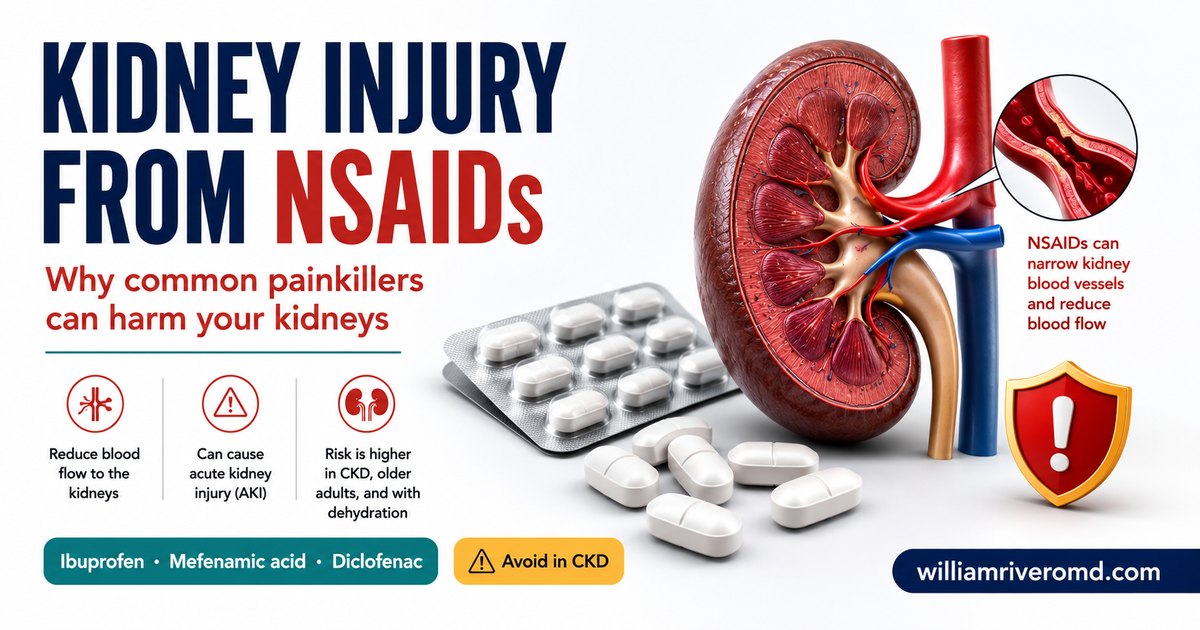 GuideNSAID-Induced Kidney InjuryNSAIDs and kidney injury — why ibuprofen, mefenamic acid (Ponstan), and diclofenac damage kidneys in CKD patients, and safer pain alternatives in the Philippines.
- CalculatorCreatinine Clearance — Cockcroft-Gault (drug dosing)Estimate creatinine clearance for drug dosing with the Cockcroft-Gault equation using age, sex, weight, and serum creatinine, with ideal/adjusted body-weight options. With indications, formula, evidence, and references.
References
- U.S. Food and Drug Administration. CELEBREX · Viatris Specialty LLC [US FDA-approved label, version 13, November 22, 2024]. Via DailyMed/openFDA. https://dailymed.nlm.nih.gov/dailymed/drugInfo.cfm?setid=2d6675e4-5859-4be2-8037-a20ce9f707aa
- Food and Drug Administration Philippines. Verification portal (product registrations). https://verification.fda.gov.ph
- PNF Essential Medicines List, 8th ed. (as of November 2, 2022), DOH; https://www.philhealth.gov.ph/partners/providers/pdf/PNF-EML_11022022.pdf
- PhilHealth Circular No. 2026-0018, Expanding Access to Outpatient First-line Anti-TB Drugs through PhilHealth GAMOT, Annex A.i GAMOT List (81 molecules); https://www.philhealth.gov.ph/circulars/2026/PC-2026-0018.pdf
- PhilHealth Circular No. 2026-0018, Annex A.2 GAMOT Fixed Fee Schedule (249 preparations; fees otherwise unchanged from PC2025-0013); https://www.philhealth.gov.ph/circulars/2026/PC-2026-0018.pdf
- DOH Drug Price Reference Index (DPRI) 2021, 9th edition (as of September 17, 2021); https://caro.doh.gov.ph/wp-content/uploads/2021/09/2021DPRI-as-of-9-17-2021.pdf
- Viatris Specialty LLC. (2024). CELEBREX (celecoxib) capsules [Prescribing information; US FDA-approved label, NDA020998, set ID 2d6675e4-5859-4be2-8037-a20ce9f707aa, version effective November 22, 2024]. DailyMed, U.S. National Library of Medicine. https://dailymed.nlm.nih.gov/dailymed/drugInfo.cfm?setid=2d6675e4-5859-4be2-8037-a20ce9f707aa
renalcarematters.com content: Kidney and pediatric dosing: reviewed by William Gregory M. Rivero, MD, FPCP, DPSN on November 17, 2026. Dosing, interaction, adverse-effect and monitoring summary: reviewed by William Gregory M. Rivero, MD, FPCP, DPSN on November 17, 2026.
Last updated: .