- Health Canada DPD: RESONIUM CALCIUM (SANOFI-AVENTIS CANADA INC, DIN 02017741) · product monograph (PDF)
Links only. These regulators' terms do not clearly permit reproducing the documents, so no text is shown here. Check the Philippine package insert in the products table.
Contraindications
- Plasma potassium below 5 mmol/L
- Hypercalcemia-associated conditions
- Obstructive bowel disease or reduced gut motility; risk of colonic necrosis
- Concomitant sorbitol
- Oral use in neonates
- Hypersensitivity
Dosing: Adult
- Hyperkalemia in acute or chronic kidney insufficiency, including dialysis (oral): 15 g three or four times daily (Calcium Resonium); some products use 20 g 1 to 3 times daily; stop when potassium falls to 5 mmol/L
- Rectal (retention enema): 30 g in 150 mL water or 10% dextrose (Calcium Resonium); some products use 40 g
Dosing: Altered kidney function
Calcium polystyrene sulfonate is a non-absorbed resin that exchanges calcium for potassium in the gut (about 0.7 mmol potassium per gram). The Irish label indicates it for hyperkalemia in acute and chronic kidney insufficiency, including dialysis, so no kidney dose change applies; dosing follows serum potassium. It is not effective enough alone for potassium above 6.5 mmol/L or ECG changes. It has no US FDA label.
Kidney function measure: Not renally cleared; dose is titrated to serum potassium. Bands shown on creatinine clearance (CrCl).
Show full dosing details
- CrCl ≥60 mL/min
- Kidney-indicated drug; dose is set by serum potassium, not kidney function. Usual: 15 g orally three or four times daily (Calcium Resonium SmPC 2024); some products use 20 g 1 to 3 times daily (Sorbisterit). Rectal: 30 g as a retention enema. Stop when potassium falls to 5 mmol/L.
- CrCl 30–59 mL/min
- Kidney-indicated drug; dose is set by serum potassium, not kidney function. Usual: 15 g orally three or four times daily (Calcium Resonium SmPC 2024); some products use 20 g 1 to 3 times daily (Sorbisterit). Rectal: 30 g as a retention enema. Stop when potassium falls to 5 mmol/L.
- CrCl 15–29 mL/min
- Kidney-indicated drug; dose is set by serum potassium, not kidney function. Usual: 15 g orally three or four times daily (Calcium Resonium SmPC 2024); some products use 20 g 1 to 3 times daily (Sorbisterit). Rectal: 30 g as a retention enema. Stop when potassium falls to 5 mmol/L.
- CrCl <15 mL/min (not on dialysis)
- Kidney-indicated drug; dose is set by serum potassium, not kidney function. Usual: 15 g orally three or four times daily (Calcium Resonium SmPC 2024); some products use 20 g 1 to 3 times daily (Sorbisterit). Rectal: 30 g as a retention enema. Stop when potassium falls to 5 mmol/L.
- Hemodialysis (intermittent)
- Indicated in dialysis patients; same dosing by potassium (SmPC). Not a substitute for dialysis in severe hyperkalemia.
- Peritoneal dialysis
- Same dosing by potassium (SmPC indication includes dialysis).
- CRRT
- Same dosing by potassium only if gut function allows; contraindicated with reduced gut motility or ileus. Colonic necrosis can occur even without sorbitol.
- Dialyzable? Not applicable (not absorbed).
- Monitoring Serum potassium (stop at 5 mmol/L). Serum calcium weekly (hypercalcemia, especially with calcium binders or vitamin D analogues) and magnesium. Give at least 3 hours before or after any other oral medicine (6 hours with gastroparesis). Constipation (stop if significant); never give with sorbitol. Colonic necrosis can occur even without sorbitol (SmPC 4.2, 4.4; Harel 2013).
Children (kidney dosing)
Show full dosing details
- eGFR ≥60
- Dose by potassium: 0.5 to 1 g/kg/day in 3 or more divided doses (SmPC).
- eGFR 30–59
- Dose by potassium: 0.5 to 1 g/kg/day in 3 or more divided doses (SmPC).
- eGFR 15–29
- Dose by potassium: 0.5 to 1 g/kg/day in 3 or more divided doses (SmPC).
- eGFR <15 (not on dialysis)
- Dose by potassium: 0.5 to 1 g/kg/day in 3 or more divided doses (SmPC).
- Hemodialysis (intermittent)
- Same weight-based dosing by potassium.
- Peritoneal dialysis
- Same weight-based dosing by potassium.
- CRRT
- Same weight-based dosing by potassium.
Pediatric eGFR: bedside Schwartz equation, 0.413 × height (cm) / serum creatinine (mg/dL). Weight-based doses should not exceed the adult maximum.
renalcarematters.com guidance, reviewed by William Gregory M. Rivero, MD, FPCP, DPSN on November 17, 2026. Sources are listed under References. Use with the product's package insert and the patient's current kidney function.
Source: HPRA (Ireland) product information (December 2007). This generic has no US FDA label.
Dosing: Pediatric
- Approved ages
- Children; not for oral use in neonates (SmPC).
- Usual dose
- Children: 0.5 to 1 g/kg/day orally in at least 3 divided doses; rectal dose at least as large when oral is not possible (SmPC).
Neonates: no oral use; no use by any route with reduced gut motility. Fecal impaction after rectal use in children reported.
Kidney dosing in children: see Dosing: Altered kidney function.
renalcarematters.com, reviewedDosage forms
Philippines
- Powder for oral suspension: 5 g, 14.96 g, 15 g
- Powder for suspension: 5 g
Registered products in the Philippines
7 products registered with the Food and Drug Administration (FDA) Philippines list Calcium polystyrene sulfonate as the generic name (including products registered under a variant spelling). Registration status changes; confirm a product's current status on the FDA portal before relying on it.
Also registered under: Calcium Polystyrene Sulphonate (3 products). Products registered under these spellings are included in the table and marked.
All registered products7
| Package insert | |||||||
|---|---|---|---|---|---|---|---|
CalfonateCalcium Polystyrene Sulfonate | 5 g Powder for Oral SuspensionAluminum Foil Sachet x 5 g (Box of 10’s) | Rx | Pharose Remedies LimitedIndia | Corbridge Group Phils., Inc.Importer: Medethix, Inc. | DRP-18687 | Aug 24, 2031 | |
CanuriaCalcium Polystyrene Sulfonate | 5 g Powder for Oral SuspensionAluminum Foil Sachet x 5 g (Box of 10’s) | Rx | Pharose Remedies LimitedIndia | I.E. Medica, Inc. | DRP-18688 | Aug 24, 2031 | |
15 g Powder for Oral SuspensionAluminum Foil Sachet x 15 g (Box of 20's) | Rx | Acme Life Tech LLPIndia | Stangen Pharmaceuticals Philippines Inc. | DRP-16376 | Feb 24, 2030 | ||
KalaraCalcium Polystyrene Sulfonate | 5 g Powder for Oral SuspensionPolyethylene foil sachet x 5 g and 15 g (Box of 10's) | Rx | Globela Pharma Private LimitedIndia | AMB HK Enterprises Inc. | DRP-17121 | Oct 1, 2030 | |
15 g Powder for Oral SuspensionAluminum Foil Sachet x 15 g (Box of 20's) | Rx | Acme Life Tech LLPIndia | Ellebasy Medicale Group IncImporter: Stangen Pharmaceuticals Philippines Inc | DRP-16376-01 | Feb 24, 2030 | ||
KalimateCalcium Polystyrene Sulfonate | 5 g Powder for suspensionFoil sachet x 5g (Box of 21's) | Rx | Kowa Pharmaceutical Company LTDJapan | Dega International Pharma CorpImporter: FVA Medical Specialties Inc | DR-XY30280 | Nov 12, 2029 | |
14.96 g Powder for Oral SuspensionPaper/Aluminum/Polyethylene sachets x 15 g (Box of 26's) | Rx | Laboratorios Rubio S.A.Spain | Macropharma Corporation | DR-XY39274 | Feb 7, 2037 |
Source: FDA Philippines product registration database. "Valid until" is the registration validity date listed by the FDA; a past date may mean a renewal is pending. Package insert links point to files published by the FDA.
Drug interactions
| Drug or class | Severity | Effect | What to do |
|---|---|---|---|
| Sorbitol (oral or rectal) | Avoid | Colonic necrosis. | Contraindicated. |
| All other oral medicines | Adjust or monitor | Reduced absorption. | Separate by at least 3 hours (6 hours with gastroparesis). |
| Aluminum or magnesium hydroxide, calcium carbonate | Adjust or monitor | Systemic alkalosis; intestinal obstruction (aluminum). | Separate doses by at least 3 hours. |
| Digoxin and other digitalis glycosides | Adjust or monitor | Toxicity if hypokalemia or hypercalcemia develops. | Monitor potassium and calcium. |
| Lithium, levothyroxine, tetracyclines | Adjust or monitor | Reduced absorption. | Separate doses. |
| Thiazide and loop diuretics | Minor | More hypokalemia. | Monitor potassium. |
Severity scale (renalcarematters.com): Avoid: do not combine; Adjust or monitor: change the dose or monitor closely; Minor: usually no action.
renalcarematters.com, reviewedAdverse reactions
Common
- Hypercalcemia, hypokalemia, hypomagnesemia
- Nausea, vomiting
Serious
- Colonic necrosis and perforation
- Intestinal obstruction, fecal impaction, ileus
- Aspiration bronchitis or pneumonia
Monitoring parameters
- Serum potassium (stop at 5 mmol/L). Serum calcium weekly (hypercalcemia, especially with calcium binders or vitamin D analogues) and magnesium. Give at least 3 hours before or after any other oral medicine (6 hours with gastroparesis). Constipation (stop if significant); never give with sorbitol. Colonic necrosis can occur even without sorbitol (SmPC 4.2, 4.4; Harel 2013). Kidney
- Potassium; calcium weekly; magnesium
- Separate from all other oral medicines by at least 3 hours (6 hours with gastroparesis)
- Bowel habit (constipation); colonic necrosis can occur even without sorbitol
Pharmacokinetics
Key PK parameters
| Bioavailability | Not absorbed (calcium released is partly absorbed) |
|---|---|
| Metabolism (CYP, transporters) | None |
| Renal excretion kidney | None; excreted in feces with bound potassium |
| Dialyzability kidney | Not applicable |
Formulary and pricing (Philippines)
Check availability
Prices and stock vary by branch; renalcarematters.com does not sell medicines or receive payment from pharmacies.
Related guides & calculators
Guides and calculators on renalcarematters.com for this medicine, for patients and clinicians.
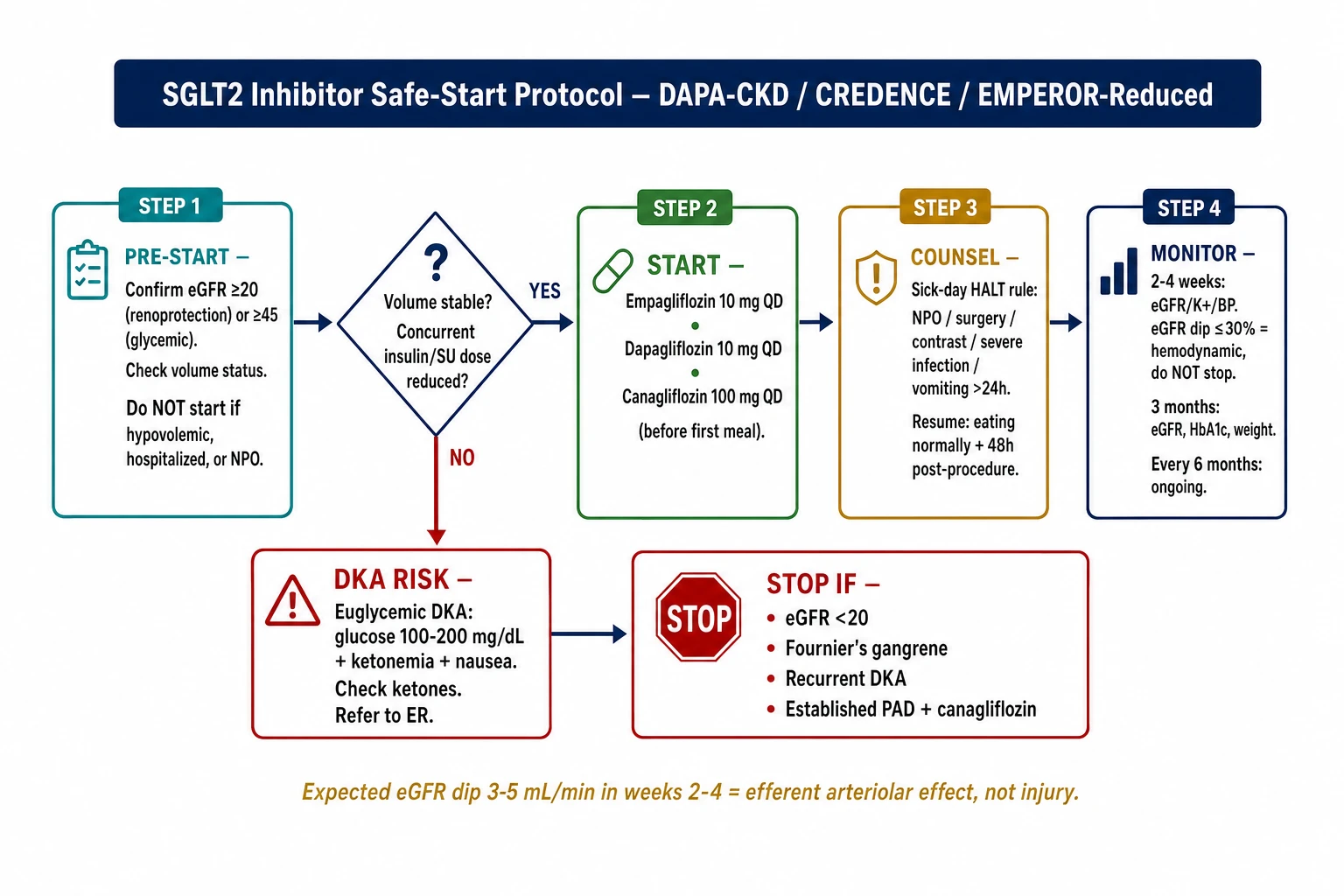 GuideThe CKD Prescriber's PlaybookClinician-focused operational guide: exactly how to start, titrate, and adjust SGLT2 inhibitors, ACEi/ARB, GLP-1 agonists, diuretics, phosphate binders, and ESAs in CKD and nephrology practice. KDIGO 2024 aligned.
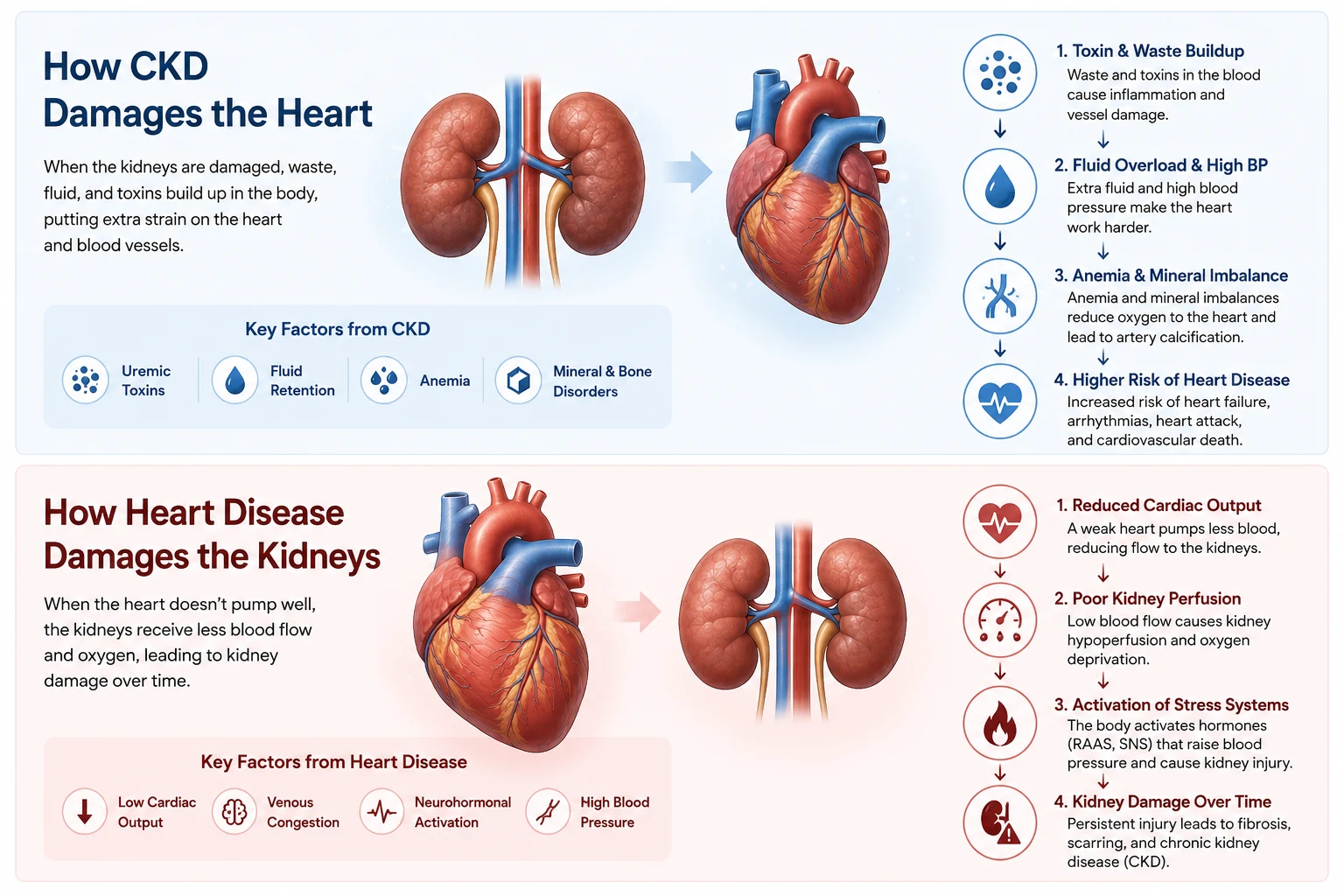 GuideHeart & Kidney Connection — When Protecting One Saves BothWhy heart and kidney disease occur together — how each organ affects the other, cardiorenal syndrome, and strategies to protect both in Filipino patients.
- CalculatorPotassium Dietary Load Estimator — Filipino Foods (CKD)Estimate daily dietary potassium (mg/day) from common Filipino foods and compare it to CKD / hyperkalemia targets, with a high-potassium avoidance guide and double-boil leaching tips. Indications, sources, and references.
- CalculatorCreatinine Clearance — Cockcroft-Gault (drug dosing)Estimate creatinine clearance for drug dosing with the Cockcroft-Gault equation using age, sex, weight, and serum creatinine, with ideal/adjusted body-weight options. With indications, formula, evidence, and references.
References
- Health Products Regulatory Authority (Ireland). Sorbisterit powder SmPC (PA1350/002/001) [HPRA (Ireland) product information, December 2007; no US FDA label]. https://assets.hpra.ie/products/Human/26831/LicenseSPC_PA1350-002-001_01122007021148.pdf
- Food and Drug Administration Philippines. Verification portal (product registrations). https://verification.fda.gov.ph
- Aventis Pharma Limited (Sanofi). (2024). Calcium Resonium 99.934% w/w powder for oral/rectal suspension (calcium polystyrene sulfonate) [Summary of product characteristics; text revised January 11, 2024]. Electronic Medicines Compendium (UK). https://www.medicines.org.uk/emc/product/1439/smpc
- Fresenius Medical Care Nephrologica Deutschland GmbH. (2007). Sorbisterit powder for oral/rectal suspension (calcium polystyrene sulfonate) [Summary of product characteristics, licence PA1350/002/001; text revised not stated (printed December 2007)]. Health Products Regulatory Authority (Ireland). https://assets.hpra.ie/products/Human/26831/LicenseSPC_PA1350-002-001_01122007021148.pdf
- Harel, Z., Harel, S., Shah, P. S., Wald, R., Perl, J., & Bell, C. M. (2013). Gastrointestinal adverse events with sodium polystyrene sulfonate (Kayexalate) use: A systematic review. The American Journal of Medicine, 126(3), 264.e9–264.e24. https://doi.org/10.1016/j.amjmed.2012.08.016
renalcarematters.com content: Kidney and pediatric dosing: reviewed by William Gregory M. Rivero, MD, FPCP, DPSN on November 17, 2026. Dosing, interaction, adverse-effect and monitoring summary: reviewed by William Gregory M. Rivero, MD, FPCP, DPSN on November 17, 2026.
Last updated: .