Use: Labeled indications
- INDICATIONS AND USAGE Predialysis Patients Calcitriol is indicated in the management of secondary hyperparathyroidism and resultant metabolic bone disease in patients with moderate to severe chronic renal failure (Ccr…
Full indications and usage US FDA label
INDICATIONS AND USAGE Predialysis Patients Calcitriol is indicated in the management of secondary hyperparathyroidism and resultant metabolic bone disease in patients with moderate to severe chronic renal failure (Ccr 15 to 55 mL/min) not yet on dialysis. In children, the creatinine clearance value must be corrected for a surface area of 1.73 square meters.
A serum iPTH level of ≥100 pg/mL is strongly suggestive of secondary hyperparathyroidism. Dialysis Patients Calcitriol is indicated in the management of hypocalcemia and the resultant metabolic bone disease in patients undergoing chronic renal dialysis. In these patients, calcitriol administration enhances calcium absorption, reduces serum alkaline phosphatase levels, and may reduce elevated parathyroid hormone levels and the histological manifestations of osteitis fibrosa cystica and defective mineralization.
Hypoparathyroidism Patients Calcitriol is also indicated in the management of hypocalcemia and its clinical manifestations in patients with postsurgical hypoparathyroidism, idiopathic hypoparathyroidism, and pseudohypoparathyroidism.
Contraindications
- Hypercalcemia or evidence of vitamin D toxicity
- Hypersensitivity to calcitriol, the drug class, or inactive ingredients
Contraindications (US label) US FDA label
CONTRAINDICATIONS Calcitriol capsules should not be given to patients with hypercalcemia or evidence of vitamin D toxicity. Use of calcitriol in patients with known hypersensitivity to calcitriol (or drugs of the same class) or any of the inactive ingredients is contraindicated.
Dosing: Adult
- Dialysis patients (hypocalcemia, metabolic bone disease): Start 0.25 mcg/day; increase by 0.25 mcg/day every 4 to 8 weeks; most hemodialysis patients respond to 0.5 to 1 mcg/day
- Predialysis secondary hyperparathyroidism (Ccr 15 to 55 mL/min): Start 0.25 mcg/day; may increase to 0.5 mcg/day
Dosage and administration (US label) US FDA label
DOSAGE AND ADMINISTRATION The optimal daily dose of calcitriol must be carefully determined for each patient. Calcitriol capsules should be administered orally. Calcitriol therapy should always be started at the lowest possible dose and should not be increased without careful monitoring of serum calcium. The effectiveness of calcitriol therapy is predicated on the assumption that each patient is receiving an adequate but not excessive daily intake of calcium.
Patients are advised to have a dietary intake of calcium at a minimum of 600 mg daily. The U.S. RDA for calcium in adults is 800 mg to 1200 mg. To ensure that each patient receives an adequate daily intake of calcium, the physician should either prescribe a calcium supplement or instruct the patient in proper dietary measures.
Because of improved calcium absorption from the gastrointestinal tract, some patients on calcitriol may be maintained on a lower calcium intake. Patients who tend to develop hypercalcemia may require only low doses of calcium or no supplementation at all. During the titration period of treatment with calcitriol, serum calcium levels should be checked at least twice weekly.
When the optimal dosage of calcitriol has been determined, serum calcium levels should be checked every month (or as given below for individual indications). Samples for serum calcium estimation should be taken without a tourniquet. Dialysis Patients The recommended initial dose of calcitriol is 0.25 mcg/day. If a satisfactory response in the biochemical parameters and clinical manifestations of the disease state is not observed, dosage may be increased by 0.25 mcg/day at 4 to 8-week intervals.
During this titration period, serum calcium levels should be obtained at least twice weekly, and if hypercalcemia is noted, the drug should be immediately discontinued until normocalcemia ensues (see PRECAUTIONS: General). Phosphorus, magnesium, and alkaline phosphatase should be determined periodically. Patients with normal or only slightly reduced serum calcium levels may respond to calcitriol doses of 0.25 mcg every other day.
Most patients undergoing hemodialysis respond to doses between 0.5 and 1 mcg/day. Oral calcitriol may normalize plasma-ionized calcium in some uremic patients, yet fail to suppress parathyroid hyperfunction. In these individuals with autonomous parathyroid hyperfunction, oral calcitriol may be useful to maintain normocalcemia, but has not been shown to be adequate treatment for hyperparathyroidism.
Hypoparathyroidism The recommended initial dosage of calcitriol is 0.25 mcg/day given in the morning. If a satisfactory response in the biochemical parameters and clinical manifestations of the disease is not observed, the dose may be increased at 2- to 4-week intervals. During the dosage titration period, serum calcium levels should be obtained at least twice weekly and, if hypercalcemia is noted, calcitriol should be immediately discontinued until normocalcemia ensues (see PRECAUTIONS: General).
Careful consideration should also be given to lowering the dietary calcium intake. Serum calcium, phosphorus, and 24-hour urinary calcium should be determined periodically. Most adult patients and pediatric patients age 6 years and older have responded to dosages in the range of 0.5 mcg to 2 mcg daily. Pediatric patients in the 1 to 5-year age group with hypoparathyroidism have usually been given 0.25 mcg to 0.75 mcg daily.
The number of treated patients with pseudohypoparathyroidism less than 6 years of age is too small to make dosage recommendations. Malabsorption is occasionally noted in patients with hypoparathyroidism; hence, larger doses of calcitriol may be needed. Predialysis Patients The recommended initial dosage of calcitriol is 0.25 mcg/day in adults and pediatric patients 3 years of age and older.
This dosage may be increased if necessary to 0.5 mcg/day. For pediatric patients less than 3 years of age, the recommended initial dosage of calcitriol is 10 to 15 ng/kg/day.
Dosing: Altered kidney function
Calcitriol is active vitamin D for secondary hyperparathyroidism and low calcium in chronic kidney disease (CKD). Its dose is titrated to serum calcium, phosphorus and parathyroid hormone (PTH), not reduced for kidney function. The half-life at least doubles in kidney failure.
Kidney function measure: Label indication for predialysis CKD uses creatinine clearance (Ccr 15 to 55 mL/min).
Show full dosing details
- eGFR ≥60
- No CKD indication at this level in the label.
- eGFR 30–59
- Predialysis secondary hyperparathyroidism (label: Ccr 15 to 55): start 0.25 mcg/day; may increase to 0.5 mcg/day. KDIGO 2017: not routinely used in G3a–G5 non-dialysis; reserve for G4–G5 with severe, progressive hyperparathyroidism.
- eGFR 15–29
- Predialysis: start 0.25 mcg/day; may increase to 0.5 mcg/day (label). KDIGO 2017: not routinely used in G3a–G5 non-dialysis; reserve for G4–G5 with severe, progressive hyperparathyroidism.
- eGFR <15 (not on dialysis)
- Label indication covers Ccr 15 to 55; below 15 not on dialysis is not addressed. Specialist input.
- Hemodialysis (intermittent)
- Start 0.25 mcg/day; increase by 0.25 mcg/day every 4 to 8 weeks; check calcium at least twice weekly during titration. Most hemodialysis patients respond to 0.5 to 1 mcg/day (label).
- Peritoneal dialysis
- Dialysis-patient dosing as above applies (label lists dialysis without modality restriction). Calcium-free dialysate PD has been used for hypercalcemia (label).
- CRRT
- Not addressed in label.
- Dialyzable? Not stated. Hypercalcemia in dialysis patients can be corrected by dialysis against a calcium-free dialysate (label).
- Monitoring Serum calcium at least twice weekly during titration; phosphorus, magnesium, alkaline phosphatase periodically; stop if hypercalcemia until normocalcemia (label). Intact PTH periodically; stop if PTH normalizes (label) and avoid oversuppression. Follow KDIGO CKD-mineral and bone disorder (CKD-MBD) targets.
Children (kidney dosing)
Show full dosing details
- eGFR ≥60
- No CKD indication.
- eGFR 30–59
- Predialysis dosing as above (label Ccr 15 to 55, corrected to 1.73 m2).
- eGFR 15–29
- Predialysis dosing as above.
- eGFR <15 (not on dialysis)
- Not addressed; specialist input.
- Hemodialysis (intermittent)
- Label dialysis dosing is not age-specific; pediatric dialysis dosing: specialist input.
- Peritoneal dialysis
- Label PK data include children 1.8 to 16 years on peritoneal dialysis (half-life about 27 h); dose: specialist input.
- CRRT
- Not addressed.
Pediatric eGFR: bedside Schwartz equation, 0.413 × height (cm) / serum creatinine (mg/dL). Weight-based doses should not exceed the adult maximum.
renalcarematters.com guidance, reviewed by William Gregory M. Rivero, MD, FPCP, DPSN on November 16, 2026. Sources are listed under References. Use with the product's package insert and the patient's current kidney function.
US label text: Renal impairment US FDA label
Renal Insufficiency: Lower predose and peak calcitriol levels in serum were observed in patients with nephrotic syndrome and in patients undergoing hemodialysis compared with healthy subjects. The elimination half-life of calcitriol increased by at least twofold in chronic renal failure and hemodialysis patients compared with healthy subjects. Peak serum levels in patients with nephrotic syndrome were reached in 4 hours. For patients requiring hemodialysis peak serum levels were reached in 8 to 12 hours; half-lives were estimated to be 16.2 and 21.9 hours, respectively.
Dosing: Pediatric
- Approved ages
- Predialysis CKD: pediatric patients (label corrects Ccr to 1.73 m2 in children). Hypoparathyroidism: 1 year and older.
- Usual dose
- Predialysis: 0.25 mcg/day in children 3 years and older; under 3 years, 10 to 15 ng/kg/day (label).
- Maximum dose
- Predialysis: may increase to 0.5 mcg/day (label).
- Neonates
- Neonates: specialist input.
Kidney dosing in children: see Dosing: Altered kidney function.
renalcarematters.com, reviewedPediatric use (US label) US FDA label
Pediatric Use Safety and effectiveness of calcitriol in pediatric patients undergoing dialysis have not been established. The safety and effectiveness of calcitriol in pediatric predialysis patients is based on evidence from adequate and well-controlled studies of calcitriol in adults with predialysis chronic renal failure and additional supportive data from non-placebo controlled studies in pediatric patients.
Dosing guidelines have not been established for pediatric patients under 1 year of age with hypoparathyroidism or for pediatric patients less than 6 years of age with pseudohypoparathyroidism (see DOSAGE AND ADMINISTRATION: Hypoparathyroidism). Oral doses of calcitriol ranging from 10 to 55 ng/kg/day have been shown to improve calcium homeostasis and bone disease in pediatric patients with chronic renal failure for whom hemodialysis is not yet required (predialysis).
Long-term calcitriol therapy is well tolerated by pediatric patients. The most common safety issues are mild, transient episodes of hypercalcemia, hyperphosphatemia, and increases in the serum calcium times phosphate (Ca x P) product which are managed effectively by dosage adjustment or temporary discontinuation of the vitamin D derivative.
Dosing: Older adult
Geriatric use (US label) US FDA label
Geriatric Use Clinical studies of calcitriol did not include sufficient numbers of subjects aged 65 and over to determine whether they respond differently from younger subjects. Other reported clinical experience has not identified differences in responses between the elderly and younger patients. In general, dose selection for an elderly patient should be cautious, usually starting at the low end of the dosing range, reflecting the greater frequency of decreased hepatic, renal, or cardiac function, and of concomitant disease or other drug therapy.
Dosage forms
Philippines
- Softgel capsule: 0.25 mcg
- Soft gelatin capsule: 0.25 mcg
- Soft-gelatin capsule: 0.25 mcg
Registered products in the Philippines
12 products registered with the Food and Drug Administration (FDA) Philippines list Calcitriol as the generic name. Registration status changes; confirm a product's current status on the FDA portal before relying on it.
All registered products12
| Package insert | |||||||
|---|---|---|---|---|---|---|---|
AmcitrolCalcitriol | 0.25 mcg Softgel CapsuleAlu/Clear PVC Blister Pack x 10's (Box of 30's) | Rx | AMN LIFE SCIENCES PVT. LTD.India | CORBRIDGE GROUP PHILS., INC.Importer: BIOCARE LIFESCIENCES, INC. | DRP-4876 | Oct 30, 2028 | |
CaltriCalcitriol | 0.25 mcg Soft Gelatin CapsuleAlu/PVC Blister Pack x 10's Box of 10's | Rx | XL Laboratories Pvt. Ltd.India | Ambicare Pharmaceuticals Inc.Importer: Ambica International Corporation | DRP-6335-01 | Sep 11, 2030 | |
CholergolCalcitriol | 0.25 mcg Softgel CapsuleAlu/PVDC Blister Pack x 10's (Box of 6 blister packs x 10 softgel capsules) | Rx | Yuyu Pharma, Inc.Korea | Ambicare Pharmaceuticals Inc.Importer: Ambicare Pharmaceuticals, Inc. | DRP-13353 | Feb 2, 2028 | |
NoneCalcitriol | 0.25 mcg Softgel CapsuleAlu/PVDC Blister Pack x 10’s (Box of 6 blister packs x 10 softgel capsules) | Rx | Yuyu Pharma, Inc.Republic of Korea | Ambica International CorporationImporter: Ambicare Pharmaceuticals Inc. | DRP-13353-2 | Feb 2, 2028 | |
OsteomegCalcitriol | 0.25 mcg Softgel CapsuleBlister Pack x 10's (Box of 30's) | Rx | Mega Lifesciences Public Company LimitedThailand | Metro Drug, Inc.Importer: Mega Lifesciences Limited Inc. | DR-XY28774 | Mar 16, 2031 | |
OstovelCalcitriol | 0.25 mcg Softgel CapsulePolyethylene bottle with polypropylene cap x 30's (Box of 1's) | Rx | PT. Novell Pharmaceutical LaboratoriesIndonesia | Importer: Prosweal Healthcare Inc. | DR-XY45985 | Aug 24, 2027 | |
RenatrolCalcitriol | 0.25 mcg Softgel CapsuleAlu/Clear PVC Blister Pack x 10's (Box of 30's and 100's) | Rx | Phil Inter Pharma Co. Ltd.Vietnam | Scriptmed, Inc.Importer: JMN Brothers Pharma Limited Inc. | DRP-8439 | Oct 30, 2030 | |
RentrolCalcitriol | 0.25 mcg Soft Gelatin CapsuleAlu/PVC Blister Pack x 10's (Box of 10's) | Rx | XL Laboratories Pvt. Ltd.India | Scriptmed, Inc.Importer: Ambica International Corporation | DRP-6335-02 | Sep 11, 2030 | |
RentrolCalcitriol | 0.25 mcg Softgel CapsuleAlu / PVDC Blister Pack x 10's (Box of 6 blister packs x 10 softgel capsules) | Rx | Yuyu Pharma, Inc.Republic of Korea | Scriptmed, Inc.Importer: Ambicare Pharmaceuticals Inc. | DRP-13353-01 | Feb 2, 2028 | |
RocaldinCalcitriol | 0.25 mcg Soft Gelatin CapsuleAlu/PVC Blister Pack x 10's (Box of 10's and 100's) | Rx | XL Laboratories Pvt. Ltd.India | Medchoice Endocrine Group, Inc.Importer: Ambica International Corporation | DRP-6335-03 | Sep 11, 2030 | |
RocaltrolCalcitriol | 0.25 mcg Soft-Gelatin CapsuleBlister Pack x 10's (Box of 100's) | Rx | Catalent Germany Eberbach GmbHGermany | Zuellig Pharma Corporation | DR-XY28641 | May 12, 2028 | |
VitadolCalcitriol | 0.25 mcg Soft Gelatin CapsuleAlu/PVC Blister Pack x 10's (Box of 10's and 100's) | Rx | XL Laboratories Pvt. Ltd.India | Ambica International Corporation | DRP-6335 | Sep 11, 2030 |
Source: FDA Philippines product registration database. "Valid until" is the registration validity date listed by the FDA; a past date may mean a renewal is pending. Package insert links point to files published by the FDA.
Warnings/Precautions
Warnings and precautions (US label) US FDA label
WARNINGS Overdosage of any form of vitamin D is dangerous (see OVERDOSAGE). Progressive hypercalcemia due to overdosage of vitamin D and its metabolites may be so severe as to require emergency attention. Chronic hypercalcemia can lead to generalized vascular calcification, nephrocalcinosis and other soft-tissue calcification.
The serum calcium times phosphate (Ca x P) product should not be allowed to exceed 70 mg 2 /dL 2. Radiographic evaluation of suspect anatomical regions may be useful in the early detection of this condition. Calcitriol is the most potent metabolite of vitamin D available. The administration of calcitriol to patients in excess of their daily requirements can cause hypercalcemia, hypercalciuria, and hyperphosphatemia.
Therefore, pharmacologic doses of vitamin D and its derivatives should be withheld during calcitriol treatment to avoid possible additive effects and hypercalcemia. If treatment is switched from ergocalciferol (vitamin D 2) to calcitriol, it may take several months for the ergocalciferol level in the blood to return to the baseline value (see OVERDOSAGE).
Calcitriol increases inorganic phosphate levels in serum. While this is desirable in patients with hypophosphatemia, caution is called for in patients with renal failure because of the danger of ectopic calcification. A non-aluminum phosphate-binding compound and a low-phosphate diet should be used to control serum phosphorus levels in patients undergoing dialysis.
Magnesium-containing preparations (e.g., antacids) and calcitriol should not be used concomitantly in patients on chronic renal dialysis because such use may lead to the development of hypermagnesemia. Studies in dogs and rats given calcitriol for up to 26 weeks have shown that small increases of calcitriol above endogenous levels can lead to abnormalities of calcium metabolism with the potential for calcification of many tissues in the body.
Drug interactions
| Drug or class | Severity | Effect | What to do |
|---|---|---|---|
| Thiazide diuretics | Adjust or monitor | Hypercalcemia reported with the combination. | Use with caution; monitor calcium. |
| Digitalis (digoxin) | Adjust or monitor | Hypercalcemia may trigger arrhythmias. | Set the calcitriol dose with care; monitor calcium. |
| Vitamin D and its derivatives | Avoid | Additive effect and hypercalcemia. | Withhold pharmacologic vitamin D doses during calcitriol. |
| Magnesium-containing products (e.g., antacids) | Avoid | Hypermagnesemia in chronic dialysis patients. | Do not use during calcitriol therapy in dialysis patients. |
| Calcium supplements | Adjust or monitor | Hypercalcemia. | Avoid uncontrolled extra calcium intake. |
| Phosphate binders | Adjust or monitor | Calcitriol changes phosphate transport. | Adjust the binder dose to serum phosphate. |
| Cholestyramine | Minor | May reduce calcitriol absorption. | Separate or monitor response. |
| Phenytoin, phenobarbital | Adjust or monitor | Lower endogenous 25(OH)D3; calcitriol needs may rise. | Higher calcitriol doses may be needed. |
Severity scale (renalcarematters.com): Avoid: do not combine; Adjust or monitor: change the dose or monitor closely; Minor: usually no action.
renalcarematters.com, reviewedDrug interactions (US label) US FDA label
Drug Interactions Cholestyramine: Cholestyramine has been reported to reduce intestinal absorption of fat-soluble vitamins; as such it may impair intestinal absorption of calcitriol (see WARNINGS and PRECAUTIONS: General). Phenytoin/Phenobarbital: The coadministration of phenytoin or phenobarbital will not affect plasma concentrations of calcitriol, but may reduce endogenous plasma levels of 25(OH)D 3 by accelerating metabolism.
Since blood level of calcitriol will be reduced, higher doses of calcitriol may be necessary if these drugs are administered simultaneously. Thiazides: Thiazides are known to induce hypercalcemia by the reduction of calcium excretion in urine. Some reports have shown that the concomitant administration of thiazides with calcitriol causes hypercalcemia.
Therefore, precaution should be taken when coadministration is necessary. Digitalis: Calcitriol dosage must be determined with care in patients undergoing treatment with digitalis, as hypercalcemia in such patients may precipitate cardiac arrhythmias (see PRECAUTIONS: General). Ketoconazole: Ketoconazole may inhibit both synthetic and catabolic enzymes of calcitriol.
Reductions in serum endogenous calcitriol concentrations have been observed following the administration of 300 mg/day to 1200 mg/day ketoconazole for a week to healthy men. However, in vivo drug interaction studies of ketoconazole with calcitriol have not been investigated. Corticosteroids: A relationship of functional antagonism exists between vitamin D analogues, which promote calcium absorption, and corticosteroids, which inhibit calcium absorption.
Phosphate-Binding Agents: Since calcitriol also has an effect on phosphate transport in the intestine, kidneys and bones, the dosage of phosphate-binding agents must be adjusted in accordance with the serum phosphate concentration. Vitamin D: Since calcitriol is the most potent active metabolite of vitamin D 3, pharmacological doses of vitamin D and its derivatives should be withheld during treatment with calcitriol to avoid possible additive effects and hypercalcemia (see WARNINGS).
Calcium Supplements: Uncontrolled intake of additional calcium-containing preparations should be avoided (see PRECAUTIONS: General). Magnesium: Magnesium-containing preparations (e.g., antacids) may cause hypermagnesemia and should therefore not be taken during therapy with calcitriol by patients on chronic renal dialysis.
Metabolism and transporters (CYP, P-gp, OATP; US label) US FDA label
There is evidence that maternal calcitriol may enter the fetal circulation.
Adverse reactions
Common
- Label gives no frequencies; adverse effects mirror vitamin D excess (hypercalcemia syndrome)
Serious
- Hypercalcemia (can need emergency care)
- Vascular and soft-tissue calcification, nephrocalcinosis (chronic hypercalcemia)
Adverse reactions (US label) US FDA label
ADVERSE REACTIONS Since calcitriol is believed to be the active hormone which exerts vitamin D activity in the body, adverse effects are, in general, similar to those encountered with excessive vitamin D intake, i.e., hypercalcemia syndrome or calcium intoxication, depending on the severity and duration of hypercalcemia (see WARNINGS). Because of the short biological half-life of calcitriol, pharmacokinetic investigations have shown normalization of elevated serum calcium within a few days of treatment withdrawal, i.e., much faster than in treatment with vitamin D 3 preparations.
The early and late signs and symptoms of vitamin D intoxication associated with hypercalcemia include: Early: weakness, headache, somnolence, nausea, vomiting, dry mouth, constipation, muscle pain, bone pain, metallic taste, and anorexia, abdominal pain or stomach ache. Late: polyuria, polydipsia, anorexia, weight loss, nocturia, conjunctivitis (calcific), pancreatitis, photophobia, rhinorrhea, pruritus, hyperthermia, decreased libido, elevated BUN, albuminuria, hypercholesterolemia, elevated SGOT (AST) and SGPT (ALT), ectopic calcification, nephrocalcinosis, hypertension, cardiac arrhythmias, dystrophy, sensory disturbances, dehydration, apathy, arrested growth, urinary tract infections, and, rarely, overt psychosis.
In clinical studies on hypoparathyroidism and pseudohypoparathyroidism, hypercalcemia was noted on at least one occasion in about 1 in 3 patients and hypercalciuria in about 1 in 7 patients. Elevated serum creatinine levels were observed in about 1 in 6 patients (approximately one half of whom had normal levels at baseline).
In concurrent hypercalcemia and hyperphosphatemia, soft-tissue calcification may occur; this can be seen radiographically (see WARNINGS). In patients with normal renal function, chronic hypercalcemia may be associated with an increase in serum creatinine (see PRECAUTIONS: General). Hypersensitivity reactions (pruritus, rash, urticaria, and very rarely severe erythematous skin disorders) may occur in susceptible individuals.
One case of erythema multiforme and one case of allergic reaction (swelling of lips and hives all over the body) were confirmed by rechallenge. To report SUSPECTED ADVERSE REACTIONS, contact Hikma Pharmaceuticals USA Inc. at 1-800-962-8364 or FDA at 1-800-FDA-1088 or www.fda.gov/medwatch.
Monitoring parameters
- Serum calcium at least twice weekly during titration; phosphorus, magnesium, alkaline phosphatase periodically; stop if hypercalcemia until normocalcemia (label). Intact PTH periodically; stop if PTH normalizes (label) and avoid oversuppression. Follow KDIGO CKD-mineral and bone disorder (CKD-MBD) targets. Kidney
- Serum calcium at least twice weekly during titration, then monthly
- Phosphorus, magnesium and alkaline phosphatase periodically
- Serum calcium and phosphate individually (KDIGO 2017; avoid hypercalcemia). Label: Ca×P should not exceed 70 mg²/dL².
Pregnancy considerations
Pregnancy (US label) US FDA label
Pregnancy Teratogenic Effects: Pregnancy Category C: Calcitriol has been found to be teratogenic in rabbits when given at doses of 0.08 and 0.3 mcg/kg (approximately 2 and 6 times the maximum recommended dose based on mg/m 2). All 15 fetuses in 3 litters at these doses showed external and skeletal abnormalities. However, none of the other 23 litters (156 fetuses) showed external and skeletal abnormalities compared with controls.
Teratogenicity studies in rats at doses up to 0.45 mcg/kg (approximately 5 times maximum recommended dose based on mg/m 2) showed no evidence of teratogenic potential. There are no adequate and well-controlled studies in pregnant women. Calcitriol should be used during pregnancy only if the potential benefit justifies the potential risk to the fetus.
Nonteratogenic Effects: In the rabbit, dosages of 0.3 mcg/kg/day (approximately 6 times maximum recommended dose based on surface area) administered on days 7 to 18 of gestation resulted in 19% maternal mortality, a decrease in mean fetal body weight, and a reduced number of newborn surviving to 24 hours. A study of perinatal and postnatal development in rats resulted in hypercalcemia in the offspring of dams given calcitriol at doses of 0.08 or 0.3 mcg/kg/day (approximately 1 and 3 times the maximum recommended dose based on mg/m 2), hypercalcemia and hypophosphatemia in dams given calcitriol at a dose of 0.08 or 0.3 mcg/kg/day, and increased serum urea nitrogen in dams given calcitriol at a dose of 0.3 mcg/kg/day.
In another study in rats, maternal weight gain was slightly reduced at a dose of 0.3 mcg/kg/day (approximately 3 times the maximum recommended dose based on mg/m 2) administered on days 7 to 15 of gestation. The offspring of a woman administered 17 mcg/day to 36 mcg/day of calcitriol (approximately 17 to 36 times the maximum recommended dose) during pregnancy manifested mild hypercalcemia in the first 2 days of life which returned to normal at day 3.
Breastfeeding considerations
Lactation (US label) US FDA label
Nursing Mothers Calcitriol from ingested calcitriol capsules may be excreted in human milk. Because many drugs are excreted in human milk and because of the potential for serious adverse reactions from calcitriol in nursing infants, a mother should not nurse while taking calcitriol capsules.
Pharmacodynamics
Pharmacodynamics (US label) US FDA label
Pharmacodynamics The two known sites of action of calcitriol are intestine and bone. A calcitriol receptor-binding protein appears to exist in the mucosa of human intestine. Additional evidence suggests that calcitriol may also act on the kidney and the parathyroid glands. Calcitriol is the most active known form of vitamin D 3 in stimulating intestinal calcium transport.
In acutely uremic rats calcitriol has been shown to stimulate intestinal calcium absorption. The kidneys of uremic patients cannot adequately synthesize calcitriol, the active hormone formed from precursor vitamin D. Resultant hypocalcemia and secondary hyperparathyroidism are a major cause of the metabolic bone disease of renal failure.
However, other bone-toxic substances which accumulate in uremia (e.g., aluminum) may also contribute. The beneficial effect of calcitriol in renal osteodystrophy appears to result from correction of hypocalcemia and secondary hyperparathyroidism. It is uncertain whether calcitriol produces other independent beneficial effects.
Calcitriol treatment is not associated with an accelerated rate of renal function deterioration. No radiographic evidence of extraskeletal calcification has been found in predialysis patients following treatment. The duration of pharmacologic activity of a single dose of calcitriol is about 3 to 5 days.
Pharmacokinetics
Key PK parameters
| Time to peak | 3 to 6 hours (healthy); 8 to 12 hours in hemodialysis patients |
|---|---|
| Half-life | 5 to 8 hours (single oral dose, healthy adults) |
| Half-life in kidney failure (ESKD) kidney | About 21.9 hours in hemodialysis patients; at least twofold longer in chronic renal failure (label) |
| Protein binding | About 99.9% bound in blood (vitamin D binding protein) |
| Metabolism (CYP, transporters) | 24-hydroxylation pathway to calcitroic acid; lactone pathway |
| Renal excretion kidney | About 10% of an oral dose in urine at 24 hours; mainly fecal (biliary) |
| Dialyzability kidney | Not stated; hypercalcemia can be corrected by dialysis against calcium-free dialysate (label). |
Excretion: Enterohepatic recycling and biliary excretion of calcitriol occur.
The metabolites of calcitriol are excreted primarily in feces.
Cumulative excretion of radioactivity on the sixth day following intravenous administration of radiolabeled calcitriol averaged 16% in urine and 49% in feces.
The elimination half-life of calcitriol in serum after single oral doses is about 5 to 8 hours in normal subjects.
Pharmacokinetics (US label) US FDA label
Pharmacokinetics Absorption: Calcitriol is rapidly absorbed from the intestine. Peak serum concentrations (above basal values) were reached within 3 to 6 hours following oral administration of single doses of 0.25 to 1.0 mcg of calcitriol. Following a single oral dose of 0.5 mcg, mean serum concentrations of calcitriol rose from a baseline value of 40.0 ± 4.4 (SD) pg/mL to 60.0 ± 4.4 pg/mL at 2 hours, and declined to 53.0 ± 6.9 at 4 hours, 50.0 ± 7.0 at 8 hours, 44.0 ± 4.6 at 12 hours, and 41.5 ± 5.1 at 24 hours.
Following multiple-dose administration, serum calcitriol levels reached steady-state within 7 days. Distribution: Calcitriol is approximately 99.9% bound in blood. Calcitriol and other vitamin D metabolites are transported in blood, by an alpha-globulin vitamin D binding protein. There is evidence that maternal calcitriol may enter the fetal circulation.
Calcitriol is transferred into human breast milk at low levels (i.e., 2.2 ± 0.1 pg/mL). Metabolism: In vivo and in vitro studies indicate the presence of two pathways of metabolism for calcitriol. The first pathway involves the 24-hydroxylase as the first step in catabolism of calcitriol. There is definite evidence of 24-hydroxylase activity in the kidney; this enzyme is also present in many target tissues which possess the vitamin D receptor such as the intestine.
The end product of this pathway is a side chain shortened metabolite, calcitroic acid. The second pathway involves the conversion of calcitriol via the stepwise hydroxylation of carbon-26 and carbon-23, and cyclization to yield ultimately 1α, 25R(OH) 2 -26, 23S-lactone D 3. The lactone appears to be the major metabolite circulating in humans, with mean serum concentrations of 131 ± 17 pg/mL.
In addition, several other metabolites of calcitriol have been identified: 1α, 25(OH) 2 -24-oxo-D 3; 1α, 23,25(OH) 3 -24-oxo-D 3; 1α, 24R,25(OH) 3 D 3; 1α, 25S,26(OH) 3 D 3; 1α, 25(OH) 2 -23-oxo-D 3; 1α, 25R,26(OH) 3 -23-oxo-D 3; 1α, (OH)24,25,26,27-tetranor-COOH-D 3. Excretion: Enterohepatic recycling and biliary excretion of calcitriol occur.
The metabolites of calcitriol are excreted primarily in feces. Following intravenous administration of radiolabeled calcitriol in normal subjects, approximately 27% and 7% of the radioactivity appeared in the feces and urine, respectively, within 24 hours. When a 1-mcg oral dose of radiolabeled calcitriol was administered to normal subjects, approximately 10% of the total radioactivity appeared in urine within 24 hours.
Cumulative excretion of radioactivity on the sixth day following intravenous administration of radiolabeled calcitriol averaged 16% in urine and 49% in feces. The elimination half-life of calcitriol in serum after single oral doses is about 5 to 8 hours in normal subjects.
Formulary and pricing (Philippines)
Government price references
| Preparation | Price (PHP) | Unit | Type |
|---|---|---|---|
| Calcitriol 0.25 mcg Capsule | ₱14.58–₱20.00Reference ₱14.58 | per capsule | DPRI procurement range |
Range = lowest-highest procurement price (highest usable only in GIDA areas); reference_price = 2021 DPRI ceiling (median)
These are government procurement and reimbursement references, not retail prices. Sources:
- DOH Drug Price Reference Index (DPRI) 2021, 9th edition (as of September 17, 2021); https://caro.doh.gov.ph/wp-content/uploads/2021/09/2021DPRI-as-of-9-17-2021.pdf, as of September 17, 2021
Formulary and coverage
| Philippine National Formulary | Listed as Calcitriol |
| PNF listing | Oral: 0.25 microgram capsuleRestrictions: Specific expertise, diagnostic precision, or special equipment required for proper use (PNF code 1); Limited indications or narrow spectrum of activity (PNF code 2) |
| PhilHealth GAMOT | No |
Sources:
- PNF Essential Medicines List, 8th ed. (as of November 2, 2022), DOH; https://www.philhealth.gov.ph/partners/providers/pdf/PNF-EML_11022022.pdf, as of November 2, 2022
Check availability
Prices and stock vary by branch; renalcarematters.com does not sell medicines or receive payment from pharmacies.
Related guides & calculators
Guides and calculators on renalcarematters.com for this medicine, for patients and clinicians.
 GuideVitamin D in the Philippines: The Sunshine Paradox and the Kidney ConnectionWhy can Filipinos have low vitamin D despite year-round sunshine? Learn how sunlight, diet, obesity, and kidney function affect vitamin D, testing, and safe treatment.
 GuideNovel Regulators and Functions in Mineral MetabolismHow kidney, bone, gut, parathyroid, marrow and blood vessels regulate calcium and phosphate: FGF23 and Klotho, kidney phosphate sensing by glycerol-3-phosphate, osteoblast GPAT2, activin A, calciprotein particles and T50, IV iron and hypoph
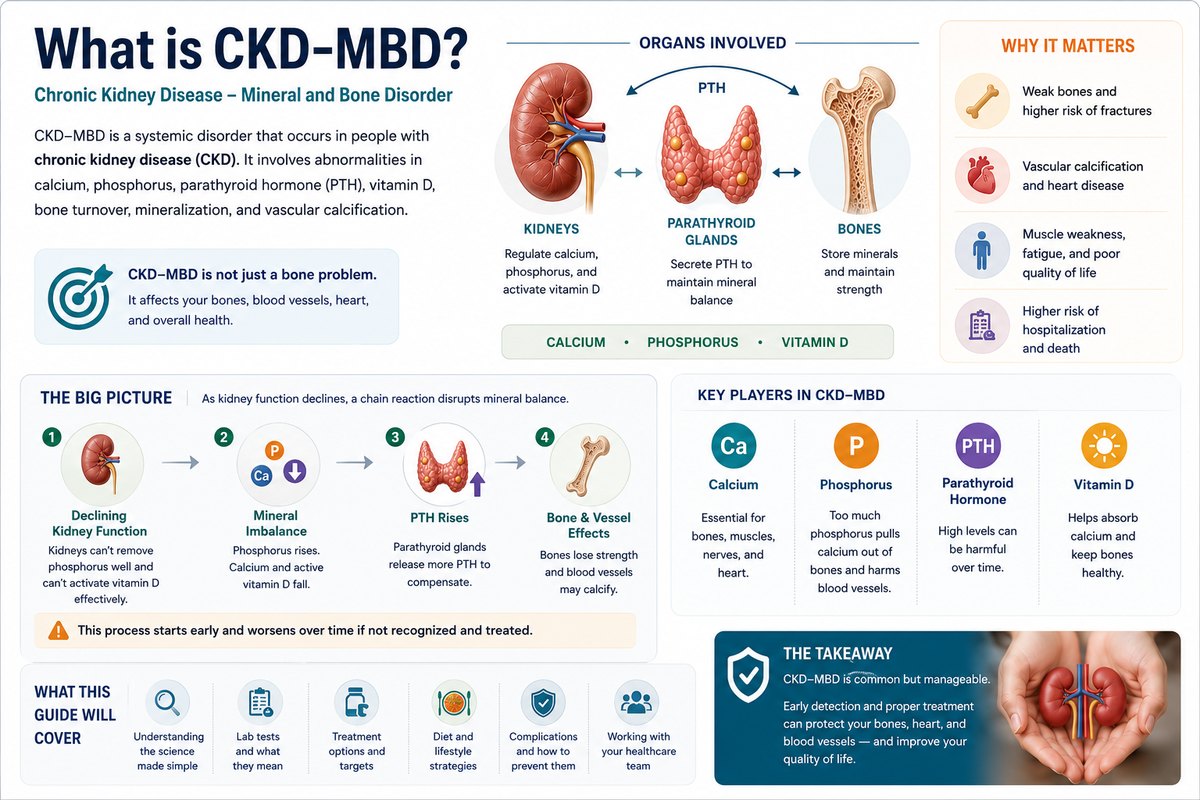 GuideCKD-MBD: Kidney, Bone & HeartCKD-mineral bone disease: how kidney failure disrupts calcium, phosphorus, vitamin D, and PTH — causing bone loss and vessel hardening — with treatment options.
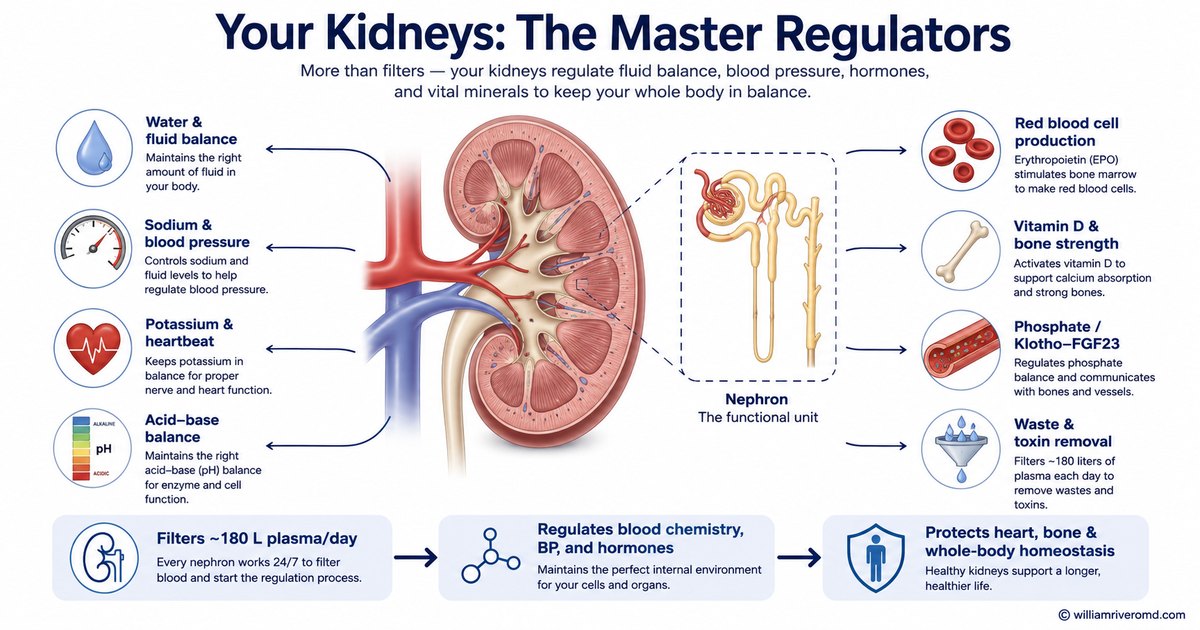 GuideYour Kidneys: The Master Regulators of Your BodyYour kidneys are not just filters. Discover the 20 vital jobs healthy kidneys perform every second — regulating water, salt, potassium, blood pressure, blood production, bone health, acid-base balance, metabolism, and the whole body's homeo
- CalculatorCKD-MBD Calculator: Ca×P Product, Corrected Calcium & PTH StagingInteractive CKD-MBD calculator — calcium–phosphorus product, albumin-corrected calcium, and KDIGO PTH target staging by CKD stage or dialysis status. With indications, formula, evidence, and references.
- CalculatorCreatinine Clearance — Cockcroft-Gault (drug dosing)Estimate creatinine clearance for drug dosing with the Cockcroft-Gault equation using age, sex, weight, and serum creatinine, with ideal/adjusted body-weight options. With indications, formula, evidence, and references.
References
- U.S. Food and Drug Administration. Calcitriol · Hikma Pharmaceuticals USA Inc. [US FDA-approved label, version 17, July 10, 2026]. Via DailyMed/openFDA. https://dailymed.nlm.nih.gov/dailymed/drugInfo.cfm?setid=cdcaffc6-e14e-4607-b77b-fc78a8382f60
- Food and Drug Administration Philippines. Verification portal (product registrations). https://verification.fda.gov.ph
- PNF Essential Medicines List, 8th ed. (as of November 2, 2022), DOH; https://www.philhealth.gov.ph/partners/providers/pdf/PNF-EML_11022022.pdf
- DOH Drug Price Reference Index (DPRI) 2021, 9th edition (as of September 17, 2021); https://caro.doh.gov.ph/wp-content/uploads/2021/09/2021DPRI-as-of-9-17-2021.pdf
- ANI Pharmaceuticals, Inc.. (2026). Calcitriol (calcitriol) [Prescribing information; US FDA-approved label, NDA021068, set ID bdb9c0d4-bdb3-4174-a4d9-55c423f38476, version effective July 10, 2026]. DailyMed, U.S. National Library of Medicine. https://dailymed.nlm.nih.gov/dailymed/drugInfo.cfm?setid=bdb9c0d4-bdb3-4174-a4d9-55c423f38476
- Ketteler, M., Block, G. A., Evenepoel, P., Fukagawa, M., Herzog, C. A., McCann, L., Moe, S. M., Shroff, R., Tonelli, M. A., Toussaint, N. D., Vervloet, M. G., & Leonard, M. B. (2017). Executive summary of the 2017 KDIGO Chronic Kidney Disease-Mineral and Bone Disorder (CKD-MBD) guideline update: What's changed and why it matters. Kidney International, 92(1), 26–36. https://doi.org/10.1016/j.kint.2017.04.006
- Schwartz, G. J., Muñoz, A., Schneider, M. F., Mak, R. H., Kaskel, F., Warady, B. A., & Furth, S. L. (2009). New equations to estimate GFR in children with CKD. Journal of the American Society of Nephrology, 20(3), 629–637. https://doi.org/10.1681/ASN.2008030287
renalcarematters.com content: Kidney and pediatric dosing: reviewed by William Gregory M. Rivero, MD, FPCP, DPSN on November 16, 2026. Dosing, interaction, adverse-effect and monitoring summary: reviewed by William Gregory M. Rivero, MD, FPCP, DPSN on November 16, 2026.
Last updated: .