WARNING: (A) PREMATURE DISCONTINUATION OF ELIQUIS INCREASES THE RISK OF THROMBOTIC EVENTS (B) SPINAL/EPIDURAL HEMATOMA (A) PREMATURE DISCONTINUATION OF ELIQUIS INCREASES THE RISK OF THROMBOTIC EVENTS Premature discontinuation of any oral anticoagulant, including ELIQUIS, increases the risk of thrombotic events. If anticoagulation with ELIQUIS is discontinued for a reason other than pathological bleeding or completion of a course of therapy, consider coverage with another anticoagulant [see Dosage and Administration (2.5), Warnings and Precautions (5.1), and Clinical Studies (14.1)].
(B) SPINAL/EPIDURAL HEMATOMA Epidural or spinal hematomas may occur in patients treated with ELIQUIS who are receiving neuraxial anesthesia or undergoing spinal puncture. These hematomas may result in long-term or permanent paralysis. Consider these risks when scheduling patients for spinal procedures. Factors that can increase the risk of developing epidural or spinal hematomas in these patients include:
- use of indwelling epidural catheters
- concomitant use of other drugs that affect hemostasis, such as nonsteroidal anti-inflammatory drugs (NSAIDs), platelet inhibitors, other anticoagulants
- a history of traumatic or repeated epidural or spinal punctures
- a history of spinal deformity or spinal surgery
- optimal timing between the administration of ELIQUIS and neuraxial procedures is not known [see Warnings and Precautions (5.3)] Monitor patients frequently for signs and symptoms of neurological impairment. If neurological compromise is noted, urgent treatment is necessary [see Warnings and Precautions (5.3)]. Consider the benefits and risks before neuraxial intervention in patients anticoagulated or to be anticoagulated [see Warnings and Precautions (5.3)]. WARNING: (A) PREMATURE DISCONTINUATION OF ELIQUIS INCREASES THE RISK OF THROMBOTIC EVENTS (B) SPINAL/EPIDURAL HEMATOMA See full prescribing information for complete boxed warning. (A) PREMATURE DISCONTINUATION OF ELIQUIS INCREASES THE RISK OF THROMBOTIC EVENTS: Premature discontinuation of any oral anticoagulant, including ELIQUIS, increases the risk of thrombotic events. To reduce this risk, consider coverage with another anticoagulant if ELIQUIS is discontinued for a reason other than pathological bleeding or completion of a course of therapy. (2.5, 5.1, 14.1) (B) SPINAL/EPIDURAL HEMATOMA: Epidural or spinal hematomas may occur in patients treated with ELIQUIS who are receiving neuraxial anesthesia or undergoing spinal puncture. These hematomas may result in long-term or permanent paralysis. Consider these risks when scheduling patients for spinal procedures. (5.3)
Use: Labeled indications
- to reduce the risk of stroke and systemic embolism in adult patients with nonvalvular atrial fibrillation.
- for the prophylaxis of deep vein thrombosis (DVT), which may lead to pulmonary embolism (PE), in adult patients who have undergone hip or knee replacement surgery.
- Treatment of venous thromboembolism (VTE) and reduction in the risk of recurrent VTE in pediatric patients from birth and older after at least 5 days of initial anticoagulant treatment.
Full indications and usage US FDA label
1 INDICATIONS AND USAGE ELIQUIS is a factor Xa inhibitor indicated:
- to reduce the risk of stroke and systemic embolism in adult patients with nonvalvular atrial fibrillation. (1.1)
- for the prophylaxis of deep vein thrombosis (DVT), which may lead to pulmonary embolism (PE), in adult patients who have undergone hip or knee replacement surgery. (1.2)
- for the treatment of DVT and PE, and for the reduction in the risk of recurrent DVT and PE in adult patients following initial therapy. (1.3, 1.4, 1.5)
- Treatment of venous thromboembolism (VTE) and reduction in the risk of recurrent VTE in pediatric patients from birth and older after at least 5 days of initial anticoagulant treatment. (1.6) 1.1 Reduction of Risk of Stroke and Systemic Embolism in Nonvalvular Atrial Fibrillation ELIQUIS is indicated to reduce the risk of stroke and systemic embolism in adult patients with nonvalvular atrial fibrillation. 1.2 Prophylaxis of Deep Vein Thrombosis Following Hip or Knee Replacement Surgery ELIQUIS is indicated for the prophylaxis of deep vein thrombosis (DVT), which may lead to pulmonary embolism (PE), in adult patients who have undergone hip or knee replacement surgery. 1.3 Treatment of Deep Vein Thrombosis ELIQUIS is indicated for the treatment of adults with deep vein thrombosis (DVT). 1.4 Treatment of Pulmonary Embolism ELIQUIS is indicated for the treatment of adults with pulmonary embolism (PE). 1.5 Reduction in the Risk of Recurrence of Deep Vein Thrombosis and Pulmonary Embolism ELIQUIS is indicated to reduce the risk of recurrent deep vein thrombosis (DVT) and pulmonary embolism (PE) in adult patients following initial therapy. 1.6 Treatment of Venous Thromboembolism and Reduction in the Risk of Recurrent Venous Thromboembolism in Pediatric Patients ELIQUIS is indicated for the treatment of venous thromboembolism (VTE) and reduction in the risk of recurrent VTE in pediatric patients from birth and older after at least 5 days of initial anticoagulant treatment.
Contraindications
- Active pathological bleeding
- Severe hypersensitivity to apixaban (e.g., anaphylaxis)
Contraindications (US label) US FDA label
4 CONTRAINDICATIONS ELIQUIS is contraindicated in patients with the following conditions: • Active pathological bleeding [see Warnings and Precautions (5.2) and Adverse Reactions (6.1)] • Severe hypersensitivity reaction to ELIQUIS (e.g., anaphylactic reactions) [see Adverse Reactions (6.1)] • Active pathological bleeding. (4) • Severe hypersensitivity to ELIQUIS. (4)
Dosing: Adult
- Nonvalvular atrial fibrillation: 5 mg twice daily; 2.5 mg twice daily if at least 2 of: age ≥80 years, weight ≤60 kg, serum creatinine ≥1.5 mg/dL
- DVT prophylaxis after hip or knee replacement: 2.5 mg twice daily (35 days hip, 12 days knee)
- DVT/PE treatment: 10 mg twice daily for 7 days, then 5 mg twice daily
- Reduce recurrent DVT/PE after initial therapy: 2.5 mg twice daily
- • Reduction of risk of stroke and systemic embolism in nonvalvular atrial fibrillation: • The recommended dose is 5 mg orally twice daily. (2.1)
- • In patients with at least 2 of the following characteristics: age greater than or equal to 80 years, body weight less than or equal to 60 kg, or serum creatinine greater than or equal to 1.5 mg/dL, the recommended dose is 2.5 mg orally twice daily. (2.1)
- • Prophylaxis of DVT following hip or knee replacement surgery: • The recommended dose is 2.5 mg orally twice daily. (2.1)
- • Treatment of DVT and PE: • The recommended dose is 10 mg taken orally twice daily for 7 days, followed by 5 mg taken orally twice daily. (2.1)
- • Reduction in the risk of recurrent DVT and PE following initial therapy: • The recommended dose is 2.5 mg taken orally twice daily. (2.1)
- • Treatment of VTE and reduction in the risk of recurrent VTE in pediatric patients from birth and older after at least 5 days of initial anticoagulant treatment: • See dosing recommendations in the Full Prescribing Information. (2.2)
2.1 Recommended Dose in Adult Patients Reduction of Risk of Stroke and Systemic Embolism
2.1 Recommended Dose in Adult Patients Reduction of Risk of Stroke and Systemic Embolism in Patients with Nonvalvular Atrial Fibrillation The recommended dose of ELIQUIS for most patients is 5 mg taken orally twice daily. The recommended dose of ELIQUIS is 2.5 mg twice daily in patients with at least two of the following characteristics:
- age greater than or equal to 80 years
- body weight less than or equal to 60 kg
- serum creatinine greater than or equal to 1.5 mg/dL Prophylaxis of Deep Vein Thrombosis Following Hip or Knee Replacement Surgery The recommended dose of ELIQUIS is 2.5 mg taken orally twice daily. The initial dose should be taken 12 to 24 hours after surgery.
- In patients undergoing hip replacement surgery, the recommended duration of treatment is 35 days.
- In patients undergoing knee replacement surgery, the recommended duration of treatment is 12 days. Treatment of DVT and PE The recommended dose of ELIQUIS is 10 mg taken orally twice daily for the first 7 days of therapy. After 7 days, the recommended dose is 5 mg taken orally twice daily. Reduction in the Risk of Recurrence of DVT and PE The recommended dose of ELIQUIS is 2.5 mg taken orally twice daily after at least 6 months of treatment for DVT or PE [see Clinical Studies (14.3)].
2.2 Recommended Dose in Pediatric Patients Treatment of Venous Thromboembolism (VTE) and…
2.2 Recommended Dose in Pediatric Patients Treatment of Venous Thromboembolism (VTE) and Reduction in the Risk of Recurrent VTE in Pediatric Patients The recommended dose of ELIQUIS is based on the patient’s weight, see Table 1. Adjust the dose according to weight-tier as treatment progresses. Initiate ELIQUIS treatment for pediatric patients from birth to less than 18 years of age following at least 5 days of initial anticoagulation therapy.
Individualize duration of overall therapy after careful assessment of the treatment benefit and the risk for bleeding. Table 1: Dose Recommendation in Pediatric Patients from Birth to less than 18 Years of Age for the Treatment of VTE and Reduction in the Risk of Recurrent VTE Days 1-7 Days 8 and beyond Presentation Body weight (kg) Dosing schedule Dosing schedule Powder in Capsule 0.15 mg For pediatric use 2.6 to less than 4 0.3 mg twice daily 0.15 mg twice daily Tablet 0.5 mg For pediatric use 4 to less than 6 1 mg twice daily 0.5 mg twice daily 6 to less than 9 2 mg twice daily 1 mg twice daily 9 to less than 12 3 mg twice daily 1.5 mg twice daily 12 to less than 18 4 mg twice daily 2 mg twice daily 18 to less than 25 6 mg twice daily 3 mg twice daily 25 to less than 35 8 mg twice daily 4 mg twice daily Tablets 2.5 mg and 5 mg greater than or equal to 35 10 mg twice daily 5 mg twice daily ELIQUIS is not recommended for use in pediatric patients less than 2.6 kg because ELIQUIS was not studied in these patients.
2.3 Missed Dose
2.3 Missed Dose If a dose of ELIQUIS is not taken at the scheduled time, the dose should be taken as soon as possible on the same day and twice-daily administration should be resumed. The dose should not be doubled to make up for a missed dose.
2.4 Temporary Interruption for Surgery and Other Interventions
2.4 Temporary Interruption for Surgery and Other Interventions ELIQUIS should be discontinued at least 48 hours prior to elective surgery or invasive procedures with a moderate or high risk of unacceptable or clinically significant bleeding [see Warnings and Precautions (5.2)]. ELIQUIS should be discontinued at least 24 hours prior to elective surgery or invasive procedures with a low risk of bleeding or where the bleeding would be non-critical in location and easily controlled.
Bridging anticoagulation during the 24 to 48 hours after stopping ELIQUIS and prior to the intervention is not generally required. ELIQUIS should be restarted after the surgical or other procedures as soon as adequate hemostasis has been established.
2.5 Converting from
2.5 Converting from or to ELIQUIS Switching from warfarin to ELIQUIS: Warfarin should be discontinued and ELIQUIS started when the international normalized ratio (INR) is below 2.0. Switching from ELIQUIS to warfarin: ELIQUIS affects INR, so that initial INR measurements during the transition to warfarin may not be useful for determining the appropriate dose of warfarin.
One approach is to discontinue ELIQUIS and begin both a parenteral anticoagulant and warfarin at the time the next dose of ELIQUIS would have been taken, discontinuing the parenteral anticoagulant when INR reaches an acceptable range. Switching from ELIQUIS to anticoagulants other than warfarin (oral or parenteral): Discontinue ELIQUIS and begin taking the new anticoagulant other than warfarin at the usual time of the next dose of ELIQUIS.
Switching from anticoagulants other than warfarin (oral or parenteral) to ELIQUIS: Discontinue the anticoagulant other than warfarin and begin taking ELIQUIS at the usual time of the next dose of the anticoagulant other than warfarin.
2.6 Combined P-gp and Strong CYP3A4 Inhibitors
2.6 Combined P-gp and Strong CYP3A4 Inhibitors For adult patients receiving ELIQUIS doses of 5 mg or 10 mg twice daily, reduce the dose by 50% when ELIQUIS is coadministered with drugs that are combined P-glycoprotein (P-gp) and strong cytochrome P450 3A4 (CYP3A4) inhibitors (e.g., ketoconazole, itraconazole, ritonavir) [see Clinical Pharmacology (12.3)]. In patients already taking 2.5 mg twice daily, avoid coadministration of ELIQUIS with combined P-gp and strong CYP3A4 inhibitors [see Drug Interactions (7.1)].
2.7 Administration Options
2.7 Administration Options Adult and pediatric patients weighing greater than or equal to 35 kg. For patients who are unable to swallow whole tablets, 5 mg and 2.5 mg ELIQUIS tablets may be crushed and suspended in water, 5% dextrose in water (D5W), or apple juice, or mixed with applesauce and promptly administered orally [see Clinical Pharmacology (12.3)].
Alternatively, ELIQUIS tablets may be crushed and suspended in 60 mL of water or D5W and promptly delivered through a 12 French nasogastric tube [see Clinical Pharmacology (12.3)]. Following administration of the dose, the nasogastric tube should be flushed with an additional 20 mL of water or D5W. Crushed ELIQUIS tablets are stable in water, D5W, apple juice, and applesauce for up to 4 hours.
Pediatric patients weighing less than 35 kg. Capsules The 0.15 mg ELIQUIS SPRINKLE capsule must be opened, and the entire contents sprinkled in water or infant formula, mixed, and administered as described in the Instructions for Use (IFU). The liquid mixtures should be administered within 2 hours. Do not swallow capsule.
Tablets for oral suspension The 0.5 mg ELIQUIS tablet in a packet for oral suspension should be mixed with water, infant formula, apple juice, or apple sauce as described in the IFU. The liquid mixtures with water, infant formula or apple juice should be administered within 2 hours and the mixture in apple sauce should be administered immediately.
Each packet is for single use only. For pediatric patients who have difficulty swallowing, the liquid mixture can be delivered through a 5 French, 6.5 French or 12 French nasogastric tube or gastrostomy tube. See IFU.
Dosing: Altered kidney function
For atrial fibrillation, the US apixaban label lowers the dose to 2.5 mg twice daily when at least two of three criteria apply: age 80 or older, weight 60 kg or less, serum creatinine 1.5 mg/dL or more. In hemodialysis the label supports the usual dose (2.5 mg if age ≥80 or weight ≤60 kg); small pharmacokinetic studies disagree on whether 5 mg twice daily is excessive, and outcome trials were underpowered (specialist decision).
Kidney function measure: Atrial fibrillation dosing uses serum creatinine (≥1.5 mg/dL), age and weight, not eGFR or CrCl bands.
Show full dosing details
- eGFR ≥60
- Atrial fibrillation (AF): 5 mg twice daily; 2.5 mg twice daily if 2 of: age ≥80 years, weight ≤60 kg, serum creatinine ≥1.5 mg/dL. Venous thromboembolism (VTE) treatment, prophylaxis: no kidney adjustment (label).
- eGFR 30–59
- As above; serum creatinine ≥1.5 mg/dL counts as one criterion (label). Do not reduce the dose for kidney function alone; 2.5 mg twice daily requires 2 of the 3 criteria.
- eGFR 15–29
- As above (label gives no separate band).
- eGFR <15 (not on dialysis)
- As above. Not separately addressed in the label. Specialist input.
- Hemodialysis (intermittent)
- Label: trials did not enroll dialysis patients; the usual recommended dose (5 mg twice daily, or 2.5 mg twice daily if age ≥80 or weight ≤60 kg) gives exposure similar to ARISTOTLE; VTE indications need no adjustment. Literature: 2.5 mg twice daily gave exposure comparable to 5 mg in normal kidney function and 5 mg twice daily was supratherapeutic (Mavrakanas 2017). Small trials (RENAL-AF, AXADIA-AFNET 8) were underpowered for outcomes. Specialist decision.
- Peritoneal dialysis
- No data in label. Insufficient data: specialist input.
- CRRT
- No data in label. Insufficient data: specialist input.
- Dialyzable? Minimally: dialysis clearance about 18 mL/min; exposure about 14% lower on dialysis; 92–94% protein bound (label). Mavrakanas 2017: about 4% removed in a session.
- Monitoring Bleeding; kidney function, hemoglobin.
Children (kidney dosing)
Show full dosing details
- eGFR ≥60
- Weight-tiered dosing (label).
- eGFR 30–59
- Weight-tiered dosing; no adjustment stated (label).
- eGFR 15–29
- 2 years and older: not recommended if eGFR <30 mL/min/1.73 m2 (label, bedside Schwartz).
- eGFR <15 (not on dialysis)
- Not recommended (eGFR <30).
- Hemodialysis (intermittent)
- Not recommended (eGFR <30).
- Peritoneal dialysis
- Not recommended.
- CRRT
- Not recommended.
Pediatric eGFR: bedside Schwartz equation, 0.413 × height (cm) / serum creatinine (mg/dL). Weight-based doses should not exceed the adult maximum.
renalcarematters.com guidance, reviewed by William Gregory M. Rivero, MD, FPCP, DPSN on November 16, 2026. Sources are listed under References. Use with the product's package insert and the patient's current kidney function.
US label text: Renal impairment US FDA label
8.6 Renal Impairment Reduction of Risk of Stroke and Systemic Embolism in Patients with Nonvalvular Atrial Fibrillation The recommended dose is 2.5 mg twice daily in patients with at least two of the following characteristics [see Dosage and Administration (2.1)]:
- age greater than or equal to 80 years
- body weight less than or equal to 60 kg
- serum creatinine greater than or equal to 1.5 mg/dL Patients with End-Stage Renal Disease on Dialysis Clinical efficacy and safety studies with ELIQUIS did not enroll patients with end-stage renal disease (ESRD) on dialysis. In patients with ESRD maintained on intermittent hemodialysis, administration of ELIQUIS at the usually recommended dose [see Dosage and Administration (2.1)] will result in concentrations of apixaban and pharmacodynamic activity similar to those observed in the ARISTOTLE study [see Clinical Pharmacology (12.3)]. It is not known whether these concentrations will lead to similar stroke reduction and bleeding risk in patients with ESRD on dialysis as was seen in ARISTOTLE. Prophylaxis of Deep Vein Thrombosis Following Hip or Knee Replacement Surgery, and Treatment of DVT and PE and Reduction in the Risk of Recurrence of DVT and PE No dose adjustment is recommended for patients with renal impairment, including those with ESRD on dialysis [see Dosage and Administration (2.1)]. Clinical efficacy and safety studies with ELIQUIS did not enroll patients with ESRD on dialysis or patients with a CrCl <15 mL/min; therefore, dosing recommendations are based on pharmacokinetic and pharmacodynamic (anti-FXa activity) data in subjects with ESRD maintained on dialysis [see Clinical Pharmacology (12.3)]. Treatment of Venous Thromboembolism (VTE) and Reduction in the Risk of Recurrent VTE in Pediatric Patients In pediatric patients equal to or greater than 2 years of age, ELIQUIS is not recommended in patients with an estimated glomerular filtration rate (eGFR) <30 mL/min/1.73 m² body surface area (BSA). In patients less than 2 years of age, ELIQUIS is not recommended in patients with inadequate renal function defined by sex and postnatal age as used in the pediatric VTE trial for ELIQUIS (see Table 12 below). To estimate GFR, the pediatric VTE trial for ELIQUIS used the updated Schwartz formula, eGFR (ml/min/1.73 m²) = 0.413 * height (cm)/serum creatinine (mg/dL) for serum creatinine measured by an enzymatic creatinine method calibrated to be traceable to isotope dilution mass spectrometry (IDMS). Table 12: Inadequate renal function by sex and post-natal age in pediatric patients <2 years of age as defined in the pediatric VTE trial for ELIQUIS Inadequate renal function was defined as <30% of 1 standard deviation (SD) below normal GFR for age and size as determined by the updated Schwartz formula for ages up to 2 years. Beyond 2 years of age, the qualifying GFR for the pediatric VTE study was ≥30 mL/min/1.73 m². Postnatal age (gender) Threshold eGFR used to define inadequate renal function (mL/min/1.73 m²) 1 week (males and females) <8 2–8 weeks (males and females) <12 >8 weeks to <2 years (males and females) <22
Dosing: Hepatic impairment
8.7 Hepatic Impairment No dose adjustment is required in patients with mild hepatic impairment (Child-Pugh class A). Because patients with moderate hepatic impairment (Child-Pugh class B) may have intrinsic coagulation abnormalities and there is limited clinical experience with ELIQUIS in these patients, dosing recommendations cannot be provided [see Clinical Pharmacology (12.2)]. ELIQUIS is not recommended in patients with severe hepatic impairment (Child-Pugh class C) [see Clinical Pharmacology (12.2)]. ELIQUIS has not been studied in pediatric patients with hepatic impairment.
US FDA labelDosing: Pediatric
- Approved ages
- Treatment of VTE and reduction in risk of recurrent VTE: birth and older, after at least 5 days of initial anticoagulation; not studied under 2.6 kg (label).
- Usual dose
- Weight-tiered fixed doses (label Table 1). Example tiers: 2.6 to <4 kg, 0.3 mg twice daily for 7 days then 0.15 mg twice daily; ≥35 kg, 10 mg twice daily for 7 days then 5 mg twice daily. No mg/kg dose in the label.
- Maximum dose
- 10 mg twice daily (days 1–7), then 5 mg twice daily (≥35 kg tier).
- Neonates
- Under 2 years: not recommended with inadequate kidney function defined by sex and postnatal age (label Table 12). Not studied under 2.6 kg.
The label's pediatric VTE trial estimated GFR with the bedside Schwartz equation (0.413 x height/serum creatinine), matching this site's pediatric bands.
Kidney dosing in children: see Dosing: Altered kidney function.
renalcarematters.com, reviewedPediatric use (US label) US FDA label
8.4 Pediatric Use The safety and effectiveness of ELIQUIS for the treatment of VTE and the reduction in the risk of recurrent VTE have been established in pediatric patients aged birth and older. Use of ELIQUIS for this indication is supported by evidence from adequate and well-controlled studies in adults with additional pharmacokinetic, safety, and efficacy data in pediatric patients. These studies included a randomized, active controlled, open label, multi-center study of ELIQUIS [see Adverse Reactions (6.1) and Clinical Studies (14.4)].
Dosing: Older adult
Geriatric use (US label) US FDA label
8.5 Geriatric Use Of the total subjects in the ARISTOTLE and AVERROES clinical studies, >69% were 65 years of age and older, and >31% were 75 years of age and older. In the ADVANCE-1, ADVANCE-2, and ADVANCE-3 clinical studies, 50% of subjects were 65 years of age and older, while 16% were 75 years of age and older. In the AMPLIFY and AMPLIFY-EXT clinical studies, >32% of subjects were 65 years of age and older and >13% were 75 years of age and older. No clinically significant differences in safety or effectiveness were observed when comparing subjects in different age groups.
Administration
2.7 Administration Options Adult and pediatric patients weighing greater than or equal to 35 kg. For patients who are unable to swallow whole tablets, 5 mg and 2.5 mg ELIQUIS tablets may be crushed and suspended in water, 5% dextrose in water (D5W), or apple juice, or mixed with applesauce and promptly administered orally [see Clinical Pharmacology (12.3) ] . Alternatively, ELIQUIS tablets may be crushed and suspended in 60 mL of water or D5W and promptly delivered through a 12 French nasogastric tube [see Clinical Pharmacology (12.3) ] . Following administration of the dose, the nasogastric tube should be flushed with an additional 20 mL of water or D5W. Crushed ELIQUIS tablets are stable in water, D5W, apple juice, and applesauce for up to 4 hours. Pediatric patients weighing less than 35 kg. Capsules The 0.15 mg ELIQUIS SPRINKLE capsule must be opened, and the entire contents sprinkled in water or infant formula, mixed, and administered as described in the Instructions for Use (IFU). The liquid mixtures should be administered within 2 hours. Do not swallow capsule. Tablets for oral suspension The 0.5 mg ELIQUIS tablet in a packet for oral suspension should be mixed with water, infant formula, apple juice, or apple sauce as described in the IFU. The liquid mixtures with water, infant formula or apple juice should be administered within 2 hours and the mixture in apple sauce should be administered immediately. Each packet is for single use only. For pediatric patients who have difficulty swallowing, the liquid mixture can be delivered through a 5 French, 6.5 French or 12 French nasogastric tube or gastrostomy tube. See IFU.
US FDA labelDosage forms
Philippines
- Film-coated tablet: 2.5 mg, 5 mg
- Tablet: 2.5 mg, 5 mg
- Film-coated tablet and: 2.5 mg
Registered products in the Philippines
119 products registered with the Food and Drug Administration (FDA) Philippines list Apixaban as the generic name. Registration status changes; confirm a product's current status on the FDA portal before relying on it.
All registered products119
| Package insert | |||||||
|---|---|---|---|---|---|---|---|
Abanvex 2.5Apixaban | 2.5 mg Film-Coated TabletAlu/Clear PVC Blister Pack x 10's (Box of 30's) | Rx | Stallion Laboratories Pvt. Ltd.India | VE Pharma Inc.Importer: Ambica International Corporation | DRP-13984-03 | May 31, 2028 | |
Apiban 2.5Apixaban | 2.5 mg Film-Coated TabletAlu-PVC/PVDC Blister Pack x 10's (Box of 10's, 30's and 100's) | Rx | MSN Laboratories Private LimitedIndia | MSN Labs Philippines | DR-XY49419 | Jun 10, 2030 | |
Apiban 5Apixaban | 5 mg Film-Coated TabletAlu-PVC/PVDC Blister Pack x 10's (Box of 10's, 30's and 100's) | Rx | MSN Laboratories Private LimitedIndia | MSN Labs Philippines Inc. | DR-XY49088 | May 22, 2029 | |
Apicog-2.5Apixaban | 2.5 mg Film-Coated TabletAlu-PVC/PVDC Blister Pack x 10's (Box of 30's) | Rx | Unison Pharmaceuticals Pvt. Ltd.India | Macropharma Corporation | DRP-16070 | Oct 30, 2029 | |
Apicog-5Apixaban | 5 mg Film-Coated TabletAlu-PVC/PVDC Blister Pack x 10's (Box of 30's) | Rx | Unison Pharmaceuticals Pvt. Ltd.India | Macropharma Corporation | DRP-16069 | Oct 30, 2029 | |
Apigat 2.5Apixaban | 2.5 mg Film-Coated TabletAlu-Clear PVC/PE/PVDC Blister Pack x 10's (Box of 10 blister packs x 10 tablets) | Rx | Natco Pharma Limited (Unit IV and V)India | Natco Lifesciences Philippines Inc. | DRP-13352 | Feb 2, 2028 | |
ApiklotApixaban | 2.5 mg Film-Coated TabletAlu-PVC/PVDC Blister Pack x 10's (Box of 30's) | Rx | Unison Pharmaceuticals Pvt. Ltd.India | The Cathay YSS Distributors Co., Inc.Importer: Medinova Pharmaceutical Inc. | DRP-13833-01 | Apr 26, 2028 | |
ApiklotApixaban | 5 mg Film-Coated TabletAlu-PVC/PVDC Blister Pack x 10's (Box of 30's) | Rx | Unison Pharmaceuticals Pvt. Ltd.India | The Cathay Yss Distributors Co., Inc.Importer: Medinova Pharmaceutical, Inc. | DRP-13776-01 | Apr 17, 2028 | |
ApivasApixaban | 2.5 mg Film Coated TabletAlu-Alu Blister Pack x 10’s (Box of 30’s) | Rx | Micro Labs LimitedIndia | Brown & Burk Phils., Inc. | DR-XY 48698 | Oct 7, 2031 | |
ApivasApixaban | 5 mg Film Coated TabletAlu-Alu Blister Pack x 10’s (Box of 30’s) | Rx | Micro Labs LimitedIndia | Brown & Burk Phils., Inc. | DR-XY48699 | Oct 7, 2031 | |
ApivraApixaban | 2.5 mg Film-Coated TabletAlu/PVC-PVDC blister pack x 10’s (Box of 10's) | Rx | Baroque Pharmaceuticals Pvt. Ltd.India | CCL Pharmaceuticals (Philippines), Inc.Importer: AMB HK Enterprises Inc. | DRP-14605-03 | Oct 27, 2028 | |
ApivraApixaban | 5 mg Film-Coated TabletAlu / PVC-PVDC blister pack x 10’s (Box of 10's) | Rx | Baroque Pharmaceuticals Pvt. Ltd.India | CCL Pharmaceuticals (Philippines), Inc.Importer: AMB HK Enterprises Inc. | DRP-14606-04 | Oct 27, 2028 | |
ApixaApixaban | 2.5 mg Film Coated TabletAlu-PVC/PVDC Blister Pack x 10's (Box of 30's) Pack x | Rx | Unison Pharmaceuticals Pvt. Ltd.India | Euroasia Pharmaceuticals, Inc. | DRP-14180 | Jul 14, 2028 | |
Apixa 5Apixaban | 5 mg Film Coated TabletAlu-PVC/PVDC Blister Pack x 10's (Box of 30's) | Rx | Unison Pharmaceuticals Pvt. Ltd.India | Euroasia Pharmaceuticals, Inc. | DRP-14179 | Jul 14, 2028 | |
ApixabekApixaban | 2.5 mg Film-Coated TabletAlu/PVC/PvDC Crystal Grey Blister Pack x 15's (Box of 30's and 60's) | Rx | Beker LaboratoriesAlgeria | Firmlink Pharma Phils. Co | DR-XY49713 | May 13, 2031 | |
ApixabekApixaban | 5 mg Film-Coated TabletAlu/PVC/PvDC Crystal Grey Blister Pack x 15's (Box of 30's and 60's) | Rx | Beker LaboratoriesAlgeria | Firmlink Pharma Phils. Co | DR-XY49712 | May 13, 2031 | |
Apixagard-2.5Apixaban | 2.5 mg Film-Coated TabletAlu-PVC/PVDC Blister Pack x 10's (Box of 30's) | Rx | Unison Pharmaceuticals Pvt. Ltd.India | Healol Pharma CorporationImporter: Medinova Pharmaceutical, Inc. | DRP-13833-04 | Apr 26, 2028 | |
Apixanov-2.5Apixaban | 2.5 mg Film-Coated TabletAlu-PVC/PVDC Blister Pack x 10's (Box of 30's) | Rx | Unison Pharmaceuticals Pvt. Ltd.India | Medinova Pharmaceutical, Inc. | DRP-13833 | Apr 26, 2028 | |
Apixanov-5Apixaban | 5 mg Film Coated TabletAlu-PVC/PVDC Blister Pack x 10's (Box of 30's) | Rx | Unison Pharmaceuticals Pvt. Ltd.India | Medinova Pharmaceutical, Inc. | DRP-13776 | Apr 17, 2028 | |
ApixarApixaban | 2.5 mg Film Coated TabletAlu/PVC/PVDC Blister Pack x 10's (Box of 30's) | Rx | Exemed PharmaceuticalsIndia | Amb Hk Enterprises Inc. | DRP-16370 | Feb 20, 2030 | |
ApixarApixaban | 5 mg Film-Coated TabletAlu/PVC-PVDC blister pack x 10's (Box of 10's) | Rx | Baroque Pharmaceuticals Pvt. Ltd.India | AMB HK Enterprises Inc. | DRP-14606 | Oct 27, 2028 | |
Apixastal-2.5Apixaban | 2.5 mg Film-Coated TabletAlu/Clear PVC Blister Pack x 10's (Box of 30's) | Rx | Stallion Laboratories Pvt. Ltd.India | Ambica International Corporation.Importer: Ambica International Corporation | DRP-13984 | May 31, 2028 | |
Apixastal-5Apixaban | 5 mg Film-Coated TabletAlu/Clear PVC Blister Pack x 10's (Box of 30's) | Rx | Stallion Laboratories Pvt. Ltd.India | Ambica International Corporation | DRP-13983 | May 31, 2028 | |
Apixero 2.5Apixaban | 2.5 mg Film Coated TabletAlu/Alu Blister Pack x 10's (Box of 30's) | Rx | Hetero Labs Limited (Unit V)India | Camber Pharmaceuticals Inc. | DRP-16284 | Jan 27, 2030 | |
Apixero 5Apixaban | 5 mg Film Coated TabletAlu/Alu Blister Pack x 10's (Box of 30's) | Rx | Hetero Labs Limited (Unit V)India | Camber Pharmaceuticals Inc. | DRP-16283 | Jan 27, 2030 | |
Apixmase 2.5Apixaban | 2.5 mg Film-Coated TabletAlu/Clear PVC Blister Pack x 10's (Box of 30's) | Rx | Stallion Laboratories Pvt. Ltd.India | Macropharma CorporationImporter: Ambica International Corporation | DRP-13984-07 | May 31, 2028 | |
Apixmase 5Apixaban | 5 mg Film-Coated TabletAlu/Clear PVC Blister Pack x 10's (Box of 30's) | Rx | Stallion Laboratories Pvt. Ltd.India | Macropharma CorporationImporter: Ambica International Corporation | DRP-13983-08 | May 31, 2028 | |
ApixpremApixaban | 5 mg Film-Coated TabletAlu/PVC -PVDC blister pack x 10's (Box of 10's) | Rx | Baroque Pharmaceuticals Private LimitedIndia | Premier Pharmaceuticals Marketing Corp.Importer: AMB HK Enterprises Inc. | DRP-14606-03 | Oct 27, 2028 | |
Apixtra 5Apixaban | 5 mg Film-Coated TabletAlu-Alu Blister Pack x 10's (Box of 10 blister packs x 10 tablets) | Rx | Hetero Labs Limited (Unit V)India | Camber Pharmaceuticals, Inc. | DRP-15374 | Jun 28, 2029 | |
Apizalife-2.5Apixaban | 2.5 mg Film-Coated TabletAlu/Clear PVC Blister Pack x 10's (Box of 30's) | Rx | Stallion Laboratories Pvt. Ltd.India | One Technodrug Life Sciences Inc.Importer: Ambica International Corporation | DRP-13984-12 | May 31, 2028 | |
Apizalife-5Apixaban | 5 mg Film-Coated TabletAlu/Clear PVC Blister Pack x 10's (Box of 30's) | Rx | Stallion Laboratories Pvt. Ltd.India | One Technodrug Life Sciences Inc.Importer: Ambica International Corporation | DRP-13983-14 | May 31, 2028 | |
ApxiaApixaban | 2.5 mg Film Coated TabletAlu/PVC/PVDC Blister pack x 10's (Box of 3 blister packs x 10 tablets) | Rx | Micro Labs LimitedIndia | Brown & Burk Phils., Inc. | DR-XY48698 | Apr 13, 2028 | |
Axasoar 2.5Apixaban | 2.5 mg Film-Coated TabletAlu/clear PVC/PVDC Blister Pack x 10's (Box of 10's and 60's) | Rx | USV Private LimitedIndia | SRS Life Sciences Inc. | DR-XY48910 | Oct 23, 2028 | |
Axasoar 5Apixaban | 5 mg Film-Coated TabletAlu/clear PVC/PVDC Blister Pack x 10's (Box of 10's and 60's) | Rx | USV Private LimitedIndia | SRS Life Sciences Inc. | DR-XY48909 | Oct 23, 2028 | |
AxibanApixaban | 2.5 mg Film-Coated TabletAlu/PVC-PVDC blister pack x 10's (Box of 10's) | Rx | Baroque Pharmaceuticals Pvt. Ltd.India | AMB HK Enterprises Inc. | DRP-14605 | Oct 27, 2028 | |
BioquisApixaban | 5 mg Film-Coated TabletAlu/PVC-PVDC blister pack x 10’s (Box of 10's) | Rx | Baroque Pharmaceuticals Pvt. Ltd.India | Bio Erixx Pharma DistributionImporter: AMB HK Enterprises Inc. | DRP-14606-05 | Oct 27, 2028 | |
CarepixbanApixaban | 5 mg Film-Coated TabletAlu/Clear PVC Blister Pack of 10's (Box of 30's) | Rx | Stallion Laboratories Pvt. Ltd.India | Ambicare Pharmaceuticals Inc.Importer: Ambica International Corporation | DRP-13983-05 | May 31, 2028 | |
ClotgoApixaban | 2.5 mg Film-Coated TabletOpaque white HDPE bottle with opaque white child- resistant plastic closure and silica gel canisters x 20, 30, 60 and 180 tablets (box of 20, 30, 60 and 180 tablets) | Rx | Dr. Reddy's Laboratories LimitedIndia | Dr. Reddy's Laboratories Philippines, Inc. | DR-XY49615 | Jan 27, 2031 | |
ClotgoApixaban | 5 mg Film-Coated TabletOpaque white HDPE bottle with opaque white child- resistant plastic closure and silica gel canisters x 20, 30, 60 and 180 tablets (box of 20, 30, 60 and 180 tablets) | Rx | Dr. Reddy's Laboratories LimitedIndia | Dr. Reddy's Laboratories Philippines, Inc. | DR-XY49614 | Jan 27, 2031 | |
CogxinApixaban | 5mg Film-Coated TabletAlu/PVC Clear Blister Pack x 10’s (Box of 30’s, 50’s and 100’s) | Rx | Azarias Pharmaceutical Laboratories Inc.Philippines | — | DRP-19044 | Oct 21, 2031 | |
EliquisApixaban | 2.5 mg Film-Coated TabletAlu/PVC/PVDC Blister Pack x 10's (Box of 10's); Alu/PVC/PVDC Blister Pack x 1's (Box of 1's -Physician's sample)) | Rx | Pfizer Ireland PharmaceuticalsIreland | Pfizer, Inc. | DRP-12468 | Jun 28, 2028 | |
EliquisApixaban | 5 mg Film-Coated TabletAlu/PVC/PVDC Blister Pack x 10's (Box of 10's); Alu/PVC/PVDC Blister Pack x 1's (Box of 1's) [Physician's Sample] | Rx | Pfizer Ireland PharmaceuticalsIreland | Importer: Pfizer, Inc. | DRP-12469 | Feb 26, 2029 | |
ElixabanApixaban | 2.5 mg Film-Coated TabletAlu/PVC-PVDC blister pack x 10’s (Box of 10’s) | Rx | Baroque Pharmaceuticals Pvt. Ltd.India | Lakeside Pharmaceuticals Phil., Inc.Importer: AMB HK Enterprises Inc. | DRP-14605-02 | Oct 27, 2028 | |
ElixabanApixaban | 5 mg Film-Coated TabletAlu/PVC-PVDC Blister Pack x 10’s (Box of 10’s) | Rx | Baroque Pharmaceuticals Pvt. Ltd.India | Lakeside Pharmaceuticals Phils., Inc.Importer: AMB HK Enterprises Inc. | DRP-14606-02 | Oct 27, 2028 | |
Emlis 2.5Apixaban | 2.5 mg Film-Coated TabletAlu-Alu Blister Pack x 10’s (Box of 10’s) | Rx | Aksharam Pharma Private LimitedIndia | Airlife International Trading Corp. | DRP-18152 | May 18, 2031 | |
FixulateApixaban | 2.5 mg Film-Coated TabletAlu/Clear PVC Blister Pack x 10's (Box of 30's) | Rx | Stallion Laboratories Pvt. Ltd.India | D & G PharmaImporter: Ambica International Corporation | DRP-13984-05 | May 31, 2028 | |
FixulateApixaban | 5 mg Film-Coated TabletAlu/Clear PVC Blister Pack x 10's (Box of 30's) | Rx | Stallion Laboratories Pvt. Ltd.India | D & G PharmaImporter: Ambica International Corporation | DRP-13983-06 | May 31, 2028 | |
HemapixApixaban | 2.5 mg Film-Coated TabletPVC/PVDC Alu blister pack x 10's (Box of 3 blister packs x 10 tablets) | Rx | Sandoz Private LimitedIndia | Sandoz Philippines Corporation | DRP-14061 | Jun 9, 2028 | |
HemapixApixaban | 5 mg Film-Coated TabletPVC/PVDC Alu blister pack x 10's | Rx | Sandoz Private LimitedIndia | Sandoz Philippines Corporation | DRP-14062 | Jun 9, 2028 | |
LifexabanApixaban | 2.5 mg Film-Coated TabletAlu/PVC Blister Pack x 10's (Box of 10's, 30's and 100's) | Rx | Flourish PharmaIndia | Speed Med Pharmaceuticals, IncImporter: Biophil Medical Equipment and Supplies Trading | DRP-16706 | Jul 1, 2030 | |
LifexabanApixaban | 2.5 mg Film-Coated TabletAlu/Pvc Blister Pack Of 10'S (Box of 10's, 30's and 100's) | Rx | Innovative HealthcareIndia | Biophil Medical Equipment and Supplies Trading | DRP-18567 | Jul 30, 2031 | |
LifexabanApixaban | 5 mg Film coated TabletAlu/PVC Blister Pack x 10's (Box of 10's, 30's & 100's) | Rx | Flourish PharmaIndia | Biophil Medical Equipment and Supplies Trading | DRP-16566 | Apr 29, 2030 | |
LifexabanApixaban | 5 mg Film-Coated TabletAlu/Pvc Blister Pack Of 10'S (Box of 10's, 30's and 100's) | Rx | Innovative HealthcareIndia | Biophil Medical Equipment and Supplies Trading | DRP-18566 | Jul 30, 2031 | |
LinoacApixaban | 2.5 mg Film-Coated TabletAlu/Clear PVC Blister Pack x 10's (Box of 30's) | Rx | Stallion Laboratories Pvt. Ltd.India | Littman Drug CorporationImporter: Ambica International Corporation | DRP-13984-06 | May 31, 2028 | |
LinoacApixaban | 5 mg Film-Coated TabletAlu/Clear PVC Blister Pack x 10's (Box of 30's) | Rx | Stallion Laboratories Pvt. Ltd.India | Littman Drug CorporationImporter: Ambica International Corporation | DRP-13983-07 | May 31, 2028 | |
Mediqax 2.5Apixaban | 2.5 mg Film-Coated TabletAlu-PVC/PVDC Blister Pack x 10's (Box of 30's) | Rx | Unison Pharmaceuticals Pvt. Ltd.India | Amediqo Phils., Inc.Importer: Medinova Pharmaceutical Inc. | DRP-13833-03 | Apr 26, 2028 | |
Mediqax 5Apixaban | 5 mg Film-Coated TabletAlu-PVC/PVDC Blister Pack x 10's (Box of 30's) | Rx | Unison Pharmaceuticals Pvt. Ltd.India | Amediqo Phils., Inc.Importer: Medinova Pharmaceutical Inc. | DRP-13776-02 | Apr 17, 2028 | |
NeoxabanApixaban | 2.5 mg Film-Coated TabletAlu/Clear PVC Blister Pack x 10’s (Box of 30's) | Rx | Stallion Laboratories Pvt. Ltd.India | AGB Pharmaceutical Trading and Consultancy CorporationImporter: Ambica International Corporation | DRP-13984-08 | May 31, 2028 | |
NeoxabanApixaban | 5 mg Film-Coated TabletAlu / Clear PVC Blister Pack x 10's (Box of 30's) | Rx | Stallion Laboratories Pvt. Ltd.India | AGB Pharmaceutical Trading and Consultancy CorporationImporter: Ambica International Corporation | DRP-13983-10 | May 31, 2028 | |
NoaxApixaban | 2.5 mg Film-Coated TabletAlu/Clear PVC Blister Pack x 10's (Box of 30's) | Rx | Stallion Laboratories Pvt. Ltd.India | GX International, Inc.Importer: Ambica International Corporation | DRP-13984-10 | May 31, 2028 | |
NoaxApixaban | 5 mg Film-Coated TabletAlu/Clear PVC Blister Pack x 10's (Box of 30's) | Rx | Stallion Laboratories Pvt. Ltd.India | GX International, Inc.Importer: Ambica International Corporation | DRP-13983-11 | May 31, 2028 | |
NoneApixaban | 2.5 mg Film-Coated TabletAlu/PVC/PVDC Blister Pack x 10 Tablets (Box of 30 Tablets); Alu/PVC/PVDC Blister Pack x 10 Tablets (Box of 10 Tablets) as Physician's Sample | Rx | Cadila Healthcare LimitedIndia | Zydus Healthcare Philippines, Inc. | DRP-12362 | Jul 7, 2027 | |
NoneApixaban | 2.5 mg Film-Coated TabletAlu/Clear PVC Blister Pack x 10's (Box of 30's) | Rx | Stallion Laboratories Pvt. Ltd.India | AGB Pharmaceutical Trading and Consultancy CorporationImporter: Ambica International Corporation | DRP-13984-04 | May 31, 2028 | |
NoneApixaban | 2.5 mg Film-Coated TabletAlu/Clear PVC Blister Pack x 10's (Box of 30's) | Rx | Stallion Laboratories Pvt. Ltd.India | Reta DrugImporter: Ambica International Corporation | DRP-13984-11 | May 31, 2028 | |
NoneApixaban | 5 mg Film-Coated TabletAlu/PVC/PVDC Blister Pack x 10 Tablets (Box of 30 tablets); Alu/PVC/PVDC Blister Pack x 10 Tablets (Box of 10 tablets) as Physician's Sample | Rx | Cadila Healthcare LimitedIndia | Zydus Healthcare Philippines, Inc. | DRP-12445 | Jul 8, 2027 | |
NoneApixaban | 5 mg Film-Coated TabletAlu/Clear PVC Blister Pack x 10's (Box of 30's) | Rx | Stallion Laboratories Pvt. Ltd.India | AGB Pharmaceutical Trading and Consultancy CorporationImporter: Ambica International Corporation | DRP-13983-01 | May 31, 2028 | |
NoneApixaban | 5 mg Film-Coated TabletAlu/Clear PVC Blister Pack x 10's (Box of 30's) | Rx | Stallion Laboratories Pvt. Ltd.India | Reta DrugImporter: Ambica International Corporation | DRP-13983-12 | May 31, 2028 | |
NoneApixaban | 5 mg Film-Coated TabletAlu/PvDC Clear Blister Pack x 14’s (Box of 28’s) | Rx | BAFNA Pharmaceuticals LimitedIndia | Medethix, Inc. | DRP-18085 | Sep 22, 2031 | |
PaxibanApixaban | 2.5 mg Film-Coated TabletPVC-PE-PVDC/Alu Blister Pack x 7's (Box of 56's) | Rx | Nobel İlaç Sanayii ve Ticaret A.Ş.Turkey | Ambicare Pharmaceuticals Inc.Importer: Ambicare Pharmaceuticals, Inc. | DRP-14592 | Oct 20, 2028 | |
PaxibanApixaban | 5 mg Film-Coated TabletPVC-PE-PVDC/Alu Blister Pack x 7's (Box of 56's) | Rx | Nobel İlaç Sanayii ve Ticaret A.Ş.Turkey | Ambicare Pharmaceuticals Inc.Importer: Ambicare Pharmaceuticals, Inc. | DRP-14591 | Oct 20, 2028 | |
PixabApixaban | 2.5 mg Film-Coated TabletAlu-PVC/PVDC Blister Pack x 10's (Box of 30's). | Rx | Intas Pharmaceuticals LimitedIndia | Oxpharm Inc.Importer: One Dexcel Pharma, Inc. | DRP-14038 | Jun 7, 2028 | |
PixabApixaban | 5 mg Film-Coated TabletAlu-PVC/PVDC Blister Pack x 10's (Box of 30's) | Rx | Intas Pharmaceuticals LimitedIndia | Oxpharm Inc.Importer: One Dexcel Pharma, Inc. | DRP-13986 | May 31, 2028 | |
PixagenApixaban | 2.5 mg Film-Coated TabletAlu/Clear Pvc-Pvdc Blister Pack X 10'S (Box of 10's) | Rx | Lloyd Laboratories, Inc.Philippines | Trader: Innogen Pharmaceuticals, Inc. | DRP-18353 | Jun 8, 2031 | |
PiXagenApixaban | 5 mg Film-Coated TabletAlu/Clear Pvc-Pvdc Blister Pack X 10'S (Box of 10's) | Rx | Lloyd Laboratories, Inc.Philippines | Trader: Innogen Pharmaceuticals, Inc. | DRP-18354 | Jun 18, 2031 | |
PixalyfApixaban | 5 mg Film-Coated TabletAlu/Clear PVC Blister Pack x 10's (Box of 30's) | Rx | Stallion Laboratories Pvt. Ltd.India | Medlink Pharma Phils., Inc.Importer: Ambica International Corporation | DRP-13983-13 | May 31, 2028 | |
Pixamed 2.5Apixaban | 2.5 mg Film-Coated TabletAlu/Clear PVC-PVDC Blister Pack x 10's (Box of 60's) | Rx | Acme Generics Private LimitedIndia | Dreamax Incorporated | DRP-15802 | Sep 13, 2029 | |
Pixan 5Apixaban | 5 mg Film Coated TabletAlu-PVC/PVDC Blister Pack X 10's (Box of 30's) | Rx | Unison Pharmaceuticals PVT. LTD.India | PH Phil Asia Medica Co. | DRP-16443 | Mar 13, 2030 | |
PIXXTAV-2.5Apixaban | 2.5 mg Film-Coated TabletAlu/Clear PVC Blister Pack x 10's (Box of 30's) | Rx | Stallion Laboratories Pvt. Ltd.India | TGP Pharma Inc.Importer: Ambica International Corporation | DRP-13984-13 | May 31, 2028 | |
ProfixamedApixaban | 5 mg Film-Coated TabletAlu/Clear PVC Blister Pack x 10's (Box of 30's) | Rx | Stallion Laboratories Pvt. Ltd.India | Pro Medica Inc.Importer: Ambica International Corporation | DRP-13983-03 | May 31, 2028 | |
Saphbosis-2.5Apixaban | 2.5 mg Film-Coated TabletAlu/PVC Blister Pack x 10’s (Box of 10’s, 30’s, & 100’s) | Rx | Sai Parenterals Ltd.India | Nelpa Lifesciences, Inc. | DRP-18087 | May 5, 2031 | |
Saphbosis-5Apixaban | 5 mg Film-Coated TabletAlu/PVC Blister Pack x 10’s (Box of 10’s, 30’s, & 100’s) | Rx | Sai Parenterals Ltd.India | Nelpa Lifesciences, Inc. | DRP-18086 | May 5, 2031 | |
Saphbosis-GE2.5Apixaban | 2.5 mg Film-Coated TabletAlu/PVC Blister pack x 10's (Box of 10's, 30's and 100's) | Rx | Genom Biotech Pvt. Ltd.India | Nelpa Lifesciences, Inc. | DRP-17185 | Oct 17, 2030 | |
Saphbosis-GE5Apixaban | 5 mg Film-Coated TabletAlu/PVC Blister pack x 10's (Box of 10's, 30's and 100's) | Rx | Genom Biotech Pvt. Ltd.India | Nelpa Lifesciences, Inc. | DRP-17184 | Oct 17, 2030 | |
Saphbosis-GE5Apixaban | 5 mg Film-Coated TabletAlu/PVC Blister Pack x 10's (Box of 10's, 30's, & 100's) | Rx | Genom Biotech Pvt. Ltd.India | Nelpa Lifesciences, Inc. | DRP-18271 | Jun 9, 2031 | |
Thromboxain 2.5Apixaban | 2.5mg Film Coated TabletPVC/PVDC-Alu blister pack x 10's (Box of 10's) | Rx | Intas Pharmaceuticals LimitedIndia | Accord Healthcare Limited - Philippine Branch OfficeImporter: Accord Healthcare Limited-Philippine Branch Office | DR-XY48194 | Jul 14, 2027 | |
Thromboxain 5Apixaban | 5mg Film Coated TabletPVC/PVDC-Alu blister pack x 10's (Box of 10's) | Rx | Intas Pharmaceuticals LimitedIndia | Accord Healthcare Limited - Philippine Branch OfficeImporter: Accord Healthcare Limited-Philippine Branch Office | DR-XY48193 | Jul 14, 2027 | |
Torapix 2.5Apixaban | 2.5mg Film-Coated TabletAlu-Alu blister pack x 10's (Box of 10 blister packs x 10 tablets) | Rx | Torrent Pharmaceuticals Ltd.India | Torrent Pharma Philippines Inc. | DR-XY48606 | Feb 3, 2028 | |
Torapix 5Apixaban | 5mg Film-Coated TabletAlu-Alu Blister Pack of 10's | Rx | Torrent Pharmaceuticals Ltd.India | Torrent Pharma Philippines Inc. | DR-XY48605 | Feb 3, 2028 | |
UraniaApixaban | 2.5 mg Film-Coated TabletAlu/PVC-PVDC blister pack x 10's (Box of 10’s) | Rx | Baroque Pharmaceuticals Pvt. Ltd.India | Corbridge Group Phils., Inc.Importer: AMB HK Enterprises Inc. | DRP-14605-01 | Oct 27, 2028 | |
UraniaApixaban | 5 mg Film-Coated TabletAlu/PVC-PVDC blister pack x 10’s (Box of 10’s) | Rx | Baroque Pharmaceuticals Pvt. Ltd.India | Corbridge Group Phils., Inc.Importer: AMB HK Enterprises Inc. | DRP-14606-01 | Oct 27, 2028 | |
Valixyr 2.5Apixaban | 2.5 mg Film-Coated TabletAlu-PVC/PVDC Blister Pack x 10's (Box of 30's) | Rx | Unison Pharmaceuticals Pvt. Ltd.India | GA2 Pharmaceutical IncImporter: Medinova Pharmaceutical Inc. | DRP-13833-02 | Apr 26, 2028 | |
Valixyr 5Apixaban | 5 mg Film-Coated TabletAlu-PVC/PVDC Blister Pack x 10's (Box of 30's) | Rx | Unison Pharmaceuticals Pvt. Ltd.India | GA2 Pharmaceutical IncImporter: Medinova Pharmaceutical Inc. | DRP-13776-03 | Apr 17, 2028 | |
VerapixApixaban | 2.5 mg Film-Coated TabletAlu-PVC/PVDC Blister Pack x 10's (Box of 30's) | Rx | Intas Pharmaceuticals LimitedIndia | Philippine Home PharmaceuticalsImporter: One Dexcel Pharma Inc. | DRP-14038-02 | Jun 7, 2028 | |
VerapixApixaban | 5 mg Film-Coated TabletAlu-PVC/PVDC Blister Pack x 10's (Box of 30's) | Rx | Intas Pharmaceuticals LimitedIndia | Philippine Home PharmaceuticalsImporter: One Dexcel Pharma Inc. | DRP-13986-02 | May 31, 2028 | |
Xabitor 2.5Apixaban | 2.5 mg Film-Coated TabletAlu-PVC / PVDC Blister Pack x 10’s (Box of 30's) | Rx | Intas Pharmaceuticals LimitedIndia | Justright Healthcare Inc.Importer: One Dexcel Pharma Inc. | DRP-14038-01 | Jun 7, 2028 | |
Xabitor 2.5Apixaban | 2.5 mg Film-Coated TabletAlu/PVC Blister Pack x 10's (Box of 30's) | Rx | Genom Biotech Pvt. Ltd.India | Justright Healthcare Inc.Importer: Nelpa Lifesciences, Inc. | DRP-17185-01 | Oct 17, 2030 | |
Xabitor 5Apixaban | 5 mg Film-Coated TabletAlu-PVC/PVDC Blister Pack x 10’s (Box of 30's) | Rx | Intas Pharmaceuticals LimitedIndia | Justright Healthcare Inc.Importer: One Dexcel Pharma, Inc. | DRP-13986-01 | May 31, 2028 | |
Xabitor 5Apixaban | 5 mg Film-Coated TabletAlu/PVC Blister Pack x 10's (Box of 30's) | Rx | Genom Biotech Pvt. Ltd.India | Justright Healthcare Inc.Importer: Nelpa Lifesciences, Inc. | DRP-17184-01 | Oct 17, 2030 | |
Xagulant 2.5Apixaban | 2.5 mg Film-Coated TabletPVC/PVDC-Alu blister pack x 10's (Box of 1 blister pack x 10 tablets) and PVC/PVDC-Alu blister pack x 2's (Box of 1 blister pack x 2 tablets as Physician's Sample | Rx | Mylan Laboratories LimitedIndia | Viatris Pharmaceuticals, Inc. | DR-XY48806 | Jul 7, 2028 | |
Xagulant 2.5Apixaban | Film-Coated Tablet and 2.5mgPVC/PVDC-Alu blister pack x 10's (Box of 1 blister pack x 10 tablets); PVC/PVDC-Alu blister pack x 2's (Box of 1 blister pack x 2 tablets as Physician's Sample) | Rx | Mylan Laboratories LimitedIndia | Viatris Pharmaceuticals, Inc. | DRP-16019 | Jul 7, 2028 | |
Xagulant 5Apixaban | 5 mg Film-Coated TabletPVC/PVDC-Alu blister pack x 10's (Box of 1 blister pack x 10 tablets) and PVC/PVDC-Alu blister pack x 2's (Box of 1 blister pack x 2 tablets as Physician's Sample | Rx | Mylan Laboratories Limited.India | Viatris Pharmaceuticals | DR-XY48807 | Jul 7, 2028 | |
Xagulant 5Apixaban | 5 mg Film-Coated TabletPVC/PVDC-Alu blister pack x 10's (Box of 1 blister pack x 10 tablets); PVC/PVDC-Alu blister pack x 2's (Box of 1 blister pack x 2 tablets as Physician's Sample) | Rx | Mylan Laboratories LimitedIndia | Viatris Pharmaceuticals, Inc. | DRP-16125 | Jul 7, 2028 | |
XaviApixaban | 2.5 mg Film Coated TabletAlu-Clear PVC/PE/PVDC Blister Pack x 10's (Box of 10 blister packs x 10 tablets) | Rx | Natco Pharma Limited (Unit IV and V)India | Ajanta Pharma Philippines Inc.Importer: Natco Lifesciences Philippines Inc. | DRP-13352-01 | Feb 2, 2028 | |
XaviApixaban | 2.5 mg Film-Coated TabletAlu/Clear PVC Blister Pack x 10's (Box of 30's) | Rx | Stallion Laboratories Pvt. Ltd.India | Ajanta Pharma Philippines IncImporter: Ambica International Corporation | DRP-13984-09 | May 31, 2028 | |
XaviApixaban | 5 mg Film Coated TabletAlu-PVC/PE/PVDC Blister Pack x 10's (Box of 30's and 60's) | Rx | Nacto Pharma Limited (Unit IV and V)India | Ajanta Pharma Philippines Inc.Importer: Natco Lifesciences Philippines Inc. | DRP-13266-01 | Aug 26, 2031 | |
XaviApixaban | 5 mg Film-Coated TabletAlu/Clear PVC Blister Pack x 10's (Box of 30's) | Rx | Stallion Laboratories Pvt. Ltd.India | Ajanta Pharma Philippines IncImporter: Ambica International Corporation | DRP-13983-09 | May 31, 2028 | |
XibanthixApixaban | 2.5 mg TabletAlu/ Clear PVDC Blister Pack x 2 x 14's (Box of 28's) | Rx | Bafna Pharmaceuticals LimitedIndia | Medethix, Inc. | DRP-18437 | Jul 10, 2028 | |
XibanthixApixaban | 5 mg TabletAlu/ Clear PVDC Blister Pack x 14's (Box of 28's) | Rx | Bafna Pharmaceuticals LimitedIndia | Medethix, Inc. | DRP-18436 | Jul 10, 2028 | |
(no brand name)Apixaban | 2.5 mg Film- Coated TabletAlu/PVC/PVDC blister pack x 10 tablets (box of 30 tablets; Alu/PVC/PVDC blister pack x 10 tablets (box of 10 tablets) as Physician's Sample | Rx | Cadila Healthcare LimitedIndia | Zydus Healthcare Philippines, Inc. | DR-XY48169 | Jul 7, 2027 | |
(no brand name)Apixaban | 2.5 mg Film- Coated TabletAlu-PVC/PVDC Blister Pack x 10's (Box of 30's) | Rx | Zydus Lifesciences LimitedIndia | Zydus Healthcare Philippines Inc. | DRP-14093 | Jun 20, 2028 | |
(no brand name)Apixaban | 2.5 mg Film-Coated TabletPVC/PVDC-Alu blister pack x 10's (Box of 3 blister packs x 10 tablets) | Rx | Intas Pharmaceuticals Ltd.India | Onesource Pharma Solutions, Inc. | DRP-12943 | Nov 15, 2027 | |
(no brand name)Apixaban | 2.5 mg TabletAlu-Pvc/Pvdc Blister X 10's (Box of 100's) | Rx | Aizant Drug Research Solutions Pvt. Ltd.India | Medethix, Inc. | DRP-18434 | Jul 9, 2031 | |
(no brand name)Apixaban | 5 mg Film Coated TabletHDPE Bottle x 60's | Rx | Natco Pharma Limited (Unit IV and V)India | Natco Lifesciences Philippines Inc. | DRP-13266 | Dec 4, 2028 | |
(no brand name)Apixaban | 5 mg Film- Coated TabletAlu/PVC/PVDC blister pack x 10 tablets (box of 30 tablets; Alu/PVC/PVDC blister pack x 10 tablets (box of 10 tablets) as Physician's Sample | Rx | Cadila Healthcare LimitedIndia | Zydus Healthcare Philippines, Inc. | DR-XY48170 | Jul 8, 2027 | |
(no brand name)Apixaban | 5 mg Film- Coated TabletAlu-PVC/PVDC Blister Pack x 10's (Box of 30's) | Rx | Zydus Lifesciences LimitedIndia | Zydus Healthcare Philippines Inc. | DRP-14092 | Jun 20, 2028 | |
(no brand name)Apixaban | 5 mg Film-Coated TabletAlu-PVC/PVDC Blister Pack x 10's (Box of 30's) | Rx | Macleods Pharmaceuticals LimitedIndia | Macleods Pharmaceutical Philippines, Inc. | DR-XY49523 | Sep 30, 2030 | |
(no brand name)Apixaban | 5 mg Film-Coated TabletPVC/PVDC-Alu blister pack x 10's (Box of 3 blister packs x 10 tablets) | Rx | Intas Pharmaceuticals Ltd.India | Onesource Pharma Solutions, Inc. | DRP-12944 | Nov 15, 2027 | |
(no brand name)Apixaban | 5 mg Film-Coated TabletAlu/clear PVC/PE/PVDC Blister Pack x 10's (Box of 100's) | Rx | Natco Pharma Limited Pharma Division (Unit IV and V)India | Natco Lifesciences Philippines, Inc. | DRP-14600 | Oct 25, 2028 | |
(no brand name)Apixaban | 5 mg Film-Coated TabletAlu/PVC-PVDC Blister Pack x 10's (Box of 100's) | Rx | Aizant Drug Research Solutions Pvt. Ltd.India | Medethix, Inc. | DRP-17905 | Apr 7, 2031 |
Source: FDA Philippines product registration database. "Valid until" is the registration validity date listed by the FDA; a past date may mean a renewal is pending. Package insert links point to files published by the FDA.
United States (label)
Dosage forms and strengths (US label) US FDA label
3 DOSAGE FORMS AND STRENGTHS
- 0.5 mg, pink, round, film-coated tablets for oral suspension packaged in packets. 1-count (0.5 mg), 3-count (1.5 mg), and 4-count (2 mg).
- 2.5 mg, yellow, round, biconvex, film-coated tablets with “893” debossed on one side and “2½” on the other side.
- 5 mg, pink, oval-shaped, biconvex, film-coated tablets with “894” debossed on one side and “5” on the other side.
- 0.15 mg, white to pale yellow powder for oral suspension, in a yellow opaque capsule marked “898”.
- Tablets: 2.5 mg and 5 mg. (3)
- Tablet For Oral Suspension: 0.5 mg. (3)
- For Oral Suspension: 0.15 mg in a yellow opaque capsule. (3)
Warnings/Precautions
The boxed warning is shown at the top of this page.
- • ELIQUIS can cause serious, potentially fatal, bleeding. Promptly evaluate signs and symptoms of blood loss. (5.2)
- • Prosthetic heart valves: ELIQUIS use not recommended. (5.4)
- • Increased Risk of Thrombosis in Patients with Triple Positive Antiphospholipid Syndrome: ELIQUIS use not recommended. (5.6)
5.1 Increased Risk of Thrombotic
5.1 Increased Risk of Thrombotic Events after Premature Discontinuation Premature discontinuation of any oral anticoagulant, including ELIQUIS, in the absence of adequate alternative anticoagulation increases the risk of thrombotic events. An increased rate of stroke was observed during the transition from ELIQUIS to warfarin in clinical trials in atrial fibrillation patients.
If ELIQUIS is discontinued for a reason other than pathological bleeding or completion of a course of therapy, consider coverage with another anticoagulant [see Dosage and Administration (2.5) and Clinical Studies (14.1)].
5.2 Bleeding
5.2 Bleeding ELIQUIS increases the risk of bleeding and can cause serious, potentially fatal, bleeding [see Dosage and Administration (2.1) and Adverse Reactions (6.1)]. Concomitant use of drugs affecting hemostasis increases the risk of bleeding. These include aspirin and other antiplatelet agents, other anticoagulants, heparin, thrombolytic agents, selective serotonin reuptake inhibitors, serotonin norepinephrine reuptake inhibitors, and nonsteroidal anti-inflammatory drugs (NSAIDs) [see Drug Interactions (7.3)].
Advise patients of signs and symptoms of blood loss and to report them immediately or go to an emergency room. Discontinue ELIQUIS in patients with active pathological hemorrhage. Reversal of Anticoagulant Effect The pharmacodynamic effect of ELIQUIS can be expected to persist for at least 24 hours after the last dose, i.e., for about two drug half-lives.
Prothrombin complex concentrate (PCC), activated prothrombin complex concentrate or recombinant factor VIIa may be considered, but have not been evaluated in clinical studies [see Clinical Pharmacology (12.2)]. When PCCs are used, monitoring for the anticoagulation effect of apixaban using a clotting test (PT, INR, or aPTT) or anti-factor Xa (FXa) activity is not useful and is not recommended.
Activated oral charcoal reduces absorption of apixaban, thereby lowering apixaban plasma concentration [see Overdosage (10)]. Hemodialysis does not appear to have a substantial impact on apixaban exposure [see Clinical Pharmacology (12.3)]. Protamine sulfate and vitamin K are not expected to affect the anticoagulant activity of apixaban.
There is no experience with antifibrinolytic agents (tranexamic acid, aminocaproic acid) in individuals receiving apixaban. There is no experience with systemic hemostatics (desmopressin) in individuals receiving ELIQUIS, and they are not expected to be effective as a reversal agent.
5.3 Spinal/Epidural Anesthesia or Puncture
5.3 Spinal/Epidural Anesthesia or Puncture When neuraxial anesthesia (spinal/epidural anesthesia) or spinal/epidural puncture is employed, patients treated with antithrombotic agents for prevention of thromboembolic complications are at risk of developing an epidural or spinal hematoma which can result in long-term or permanent paralysis. The risk of these events may be increased by the postoperative use of indwelling epidural catheters or the concomitant use of medicinal products affecting hemostasis.
Indwelling epidural or intrathecal catheters should not be removed earlier than 24 hours after the last administration of ELIQUIS. The next dose of ELIQUIS should not be administered earlier than 5 hours after the removal of the catheter. The risk may also be increased by traumatic or repeated epidural or spinal puncture.
If traumatic puncture occurs, delay the administration of ELIQUIS for 48 hours. Monitor patients frequently for signs and symptoms of neurological impairment (e.g., numbness or weakness of the legs, or bowel or bladder dysfunction). If neurological compromise is noted, urgent diagnosis and treatment is necessary. Prior to neuraxial intervention the physician should consider the potential benefit versus the risk in anticoagulated patients or in patients to be anticoagulated for thromboprophylaxis.
No data are available on the timing of the placement or removal of neuraxial catheters in pediatric patients while on ELIQUIS. In such cases, discontinue ELIQUIS and consider a short acting parenteral anticoagulant.
5.4 Patients with Prosthetic Heart Valves
5.4 Patients with Prosthetic Heart Valves The safety and efficacy of ELIQUIS have not been studied in patients with prosthetic heart valves. Therefore, use of ELIQUIS is not recommended in these patients.
5.5 Acute PE in Hemodynamically Unstable Patients
5.5 Acute PE in Hemodynamically Unstable Patients or Patients who Require Thrombolysis or Pulmonary Embolectomy Initiation of ELIQUIS is not recommended as an alternative to unfractionated heparin for the initial treatment of patients with PE who present with hemodynamic instability or who may receive thrombolysis or pulmonary embolectomy.
5.6 Increased Risk of Thrombosis in Patients with Triple Positive Antiphospholipid Syndrome
5.6 Increased Risk of Thrombosis in Patients with Triple Positive Antiphospholipid Syndrome Direct-acting oral anticoagulants (DOACs), including ELIQUIS, are not recommended for use in patients with triple-positive antiphospholipid syndrome (APS). For patients with APS (especially those who are triple positive [positive for lupus anticoagulant, anticardiolipin, and anti–beta 2-glycoprotein I antibodies]), treatment with DOACs has been associated with increased rates of recurrent thrombotic events compared with vitamin K antagonist therapy.
Drug interactions
| Drug or class | Severity | Effect | What to do |
|---|---|---|---|
| Combined P-gp and strong CYP3A4 inhibitors (e.g., ketoconazole, itraconazole, ritonavir) | Adjust or monitor | Higher apixaban exposure and bleeding risk. | On 5 or 10 mg twice daily: cut the dose by 50%. On 2.5 mg twice daily: avoid the combination. (Clarithromycin: no adjustment.) |
| Combined P-gp and strong CYP3A4 inducers (e.g., rifampin, carbamazepine, phenytoin, St. John's wort) | Avoid | Lower apixaban exposure; more stroke and thromboembolism. | Avoid concomitant use. |
| Antiplatelets, aspirin, fibrinolytics, heparin, chronic NSAIDs | Adjust or monitor | Higher bleeding risk (ARISTOTLE: aspirin raised bleeding from 1.8% to 3.4% per year). | Weigh the need; watch for bleeding. |
Severity scale (renalcarematters.com): Avoid: do not combine; Adjust or monitor: change the dose or monitor closely; Minor: usually no action.
renalcarematters.com, reviewed- • Combined P-gp and strong CYP3A4 inhibitors increase blood levels of apixaban. Reduce ELIQUIS dose or avoid coadministration. (2.6, 7.1, 12.3)
- • Simultaneous use of combined P-gp and strong CYP3A4 inducers reduces blood levels of apixaban: Avoid concomitant use. (7.2, 12.3)
7.1 Combined P-gp and Strong CYP3A4 Inhibitors
7.1 Combined P-gp and Strong CYP3A4 Inhibitors For patients receiving ELIQUIS 5 mg or 10 mg twice daily, the dose of ELIQUIS should be decreased by 50% when coadministered with drugs that are combined P-gp and strong CYP3A4 inhibitors (e.g., ketoconazole, itraconazole, ritonavir) [see Dosage and Administration (2.6) and Clinical Pharmacology (12.3)]. For patients receiving ELIQUIS at a dose of 2.5 mg twice daily, avoid coadministration with combined P-gp and strong CYP3A4 inhibitors [see Dosage and Administration (2.6) and Clinical Pharmacology (12.3)].
Concomitant administration of combined P-gp and strong CYP3A4 inhibitors has not been studied in pediatric patients. Apixaban is a substrate of both CYP3A4 and P-gp. Concomitant use with drugs that are combined P-gp and strong CYP3A4 inhibitors increases exposure to apixaban [see Clinical Pharmacology (12.3)] which increases the risk for bleeding.
Clarithromycin Although clarithromycin is a combined P-gp and strong CYP3A4 inhibitor, pharmacokinetic data suggest that no dose adjustment is necessary with concomitant administration with ELIQUIS [see Clinical Pharmacology (12.3)].
7.2 Combined P-gp and Strong CYP3A4 Inducers
7.2 Combined P-gp and Strong CYP3A4 Inducers Avoid concomitant use of ELIQUIS with combined P-gp and strong CYP3A4 inducers (e.g., rifampin, carbamazepine, phenytoin, St. John’s wort) because such drugs will decrease exposure to apixaban [see Clinical Pharmacology (12.3)]. Apixaban is a substrate of both CYP3A4 and P-gp.
Concomitant use with drugs that are combined P-gp and strong CYP3A4 inducers decreases exposure to apixaban [see Clinical Pharmacology (12.3)] which increases the risk for stroke and other thromboembolic events.
7.3 Anticoagulants and Antiplatelet Agents
7.3 Anticoagulants and Antiplatelet Agents Coadministration of antiplatelet agents, fibrinolytics, heparin, aspirin, and chronic NSAID use increases the risk of bleeding. APPRAISE-2, a placebo-controlled clinical trial of ELIQUIS in high-risk, post-acute coronary syndrome patients treated with aspirin or the combination of aspirin and clopidogrel, was terminated early due to a higher rate of bleeding with ELIQUIS compared to placebo.
The rate of ISTH major bleeding was 2.8% per year with ELIQUIS versus 0.6% per year with placebo in patients receiving single antiplatelet therapy and was 5.9% per year with ELIQUIS versus 2.5% per year with placebo in those receiving dual antiplatelet therapy. In ARISTOTLE, concomitant use of aspirin increased the bleeding risk on ELIQUIS from 1.8% per year to 3.4% per year and concomitant use of aspirin and warfarin increased the bleeding risk from 2.7% per year to 4.6% per year.
In this clinical trial, there was limited (2.3%) use of dual antiplatelet therapy with ELIQUIS.
Metabolism and transporters (CYP, P-gp, OATP; US label) US FDA label
Apixaban is metabolized mainly via CYP3A4 with minor contributions from CYP1A2, 2C8, 2C9, 2C19, and 2J2.
Apixaban is a substrate of transport proteins: P-gp and breast cancer resistance protein.
Drug Interaction Studies In in vitro apixaban studies at concentrations significantly greater than therapeutic exposures, no inhibitory effect on the activity of CYP1A2, CYP2A6, CYP2B6, CYP2C8, CYP2C9, CYP2D6, CYP3A4/5, or CYP2C19, nor induction effect on the activity of CYP1A2, CYP2B6, or CYP3A4/5 were observed.
Apixaban is not a significant inhibitor of P-gp.
7 DRUG INTERACTIONS • Combined P-gp and strong CYP3A4 inhibitors increase blood levels of apixaban.
( 2.6 , 7.1 , 12.3 ) • Simultaneous use of combined P-gp and strong CYP3A4 inducers reduces blood levels of apixaban: Avoid concomitant use.
( 7.2 , 12.3 ) 7.1 Combined P-gp and Strong CYP3A4 Inhibitors For patients receiving ELIQUIS 5 mg or 10 mg twice daily, the dose of ELIQUIS should be decreased by 50% when coadministered with drugs that are combined P-gp and strong CYP3A4 inhibitors (e.g., ketoconazole, itraconazole, ritonavir) [see Dosage and Administration (2.6) and Clinical Pharmacology (12.3) ] .
For patients receiving ELIQUIS at a dose of 2.5 mg twice daily, avoid coadministration with combined P-gp and strong CYP3A4 inhibitors [see Dosage and Administration (2.6) and Clinical Pharmacology (12.3) ] .
Adverse reactions
Common
- Bleeding-related reactions (most common, >1%)
- Children: headache, vomiting, heavy menstrual bleeding (≥10%)
Serious
- Major or fatal bleeding
- Thrombotic events after premature discontinuation (boxed warning)
- Spinal/epidural hematoma with neuraxial anesthesia or puncture (boxed warning)
- Thrombosis in triple-positive antiphospholipid syndrome
Adverse reactions (US label) US FDA label
6 ADVERSE REACTIONS The following clinically significant adverse reactions are discussed in greater detail in other sections of the prescribing information.
- Increased Risk of Thrombotic Events After Premature Discontinuation [see Warnings and Precautions (5.1)]
- Bleeding [see Warnings and Precautions (5.2)]
- Spinal/Epidural Anesthesia or Puncture [see Warnings and Precautions (5.3)]
- Most common adverse reactions (>1%) in adult patients are related to bleeding. (6.1)
- The most common adverse reactions (≥10%) in pediatric patients were headache, vomiting, and excessive menstrual bleeding. (6.1) To report SUSPECTED ADVERSE REACTIONS, contact Bristol-Myers Squibb at 1-800-721-5072 or FDA at 1-800-FDA-1088 or www.fda.gov/medwatch. 6.1 Clinical Trials Experience Adult Patients Because clinical trials are conducted under widely varying conditions, adverse reaction rates observed in the clinical trials of a drug cannot be directly compared to rates in the clinical trials of another drug and may not reflect the rates observed in practice. Reduction of Risk of Stroke and Systemic Embolism in Patients with Nonvalvular Atrial Fibrillation The safety of ELIQUIS was evaluated in the ARISTOTLE and AVERROES studies [see Clinical Studies (14)], including 11,284 patients exposed to ELIQUIS 5 mg twice daily and 602 patients exposed to ELIQUIS 2.5 mg twice daily. The duration of ELIQUIS exposure was ≥12 months for 9375 patients and ≥24 months for 3369 patients in the two studies. In ARISTOTLE, the mean duration of exposure was 89 weeks (>15,000 patient-years). In AVERROES, the mean duration of exposure was approximately 59 weeks (>3000 patient-years). The most common reason for treatment discontinuation in both studies was for bleeding-related adverse reactions; in ARISTOTLE this occurred in 1.7% and 2.5% of patients treated with ELIQUIS and warfarin, respectively, and in AVERROES, in 1.5% and 1.3% on ELIQUIS and aspirin, respectively. Bleeding in Patients with Nonvalvular Atrial Fibrillation in ARISTOTLE and AVERROES Tables 2 and 3 show the number of patients experiencing major bleeding during the treatment period and the bleeding rate (percentage of subjects with at least one bleeding event per 100 patient-years) in ARISTOTLE and AVERROES. Table 2: Bleeding Events in Patients with Nonvalvular Atrial Fibrillation in ARISTOTLE Bleeding events within each subcategory were counted once per subject, but subjects may have contributed events to multiple endpoints. Bleeding events were counted during treatment or within 2 days of stopping study treatment (on-treatment period). ELIQUIS N=9088 n (per 100 pt-year) Warfarin N=9052 n (per 100 pt-year) Hazard Ratio (95% CI) P-value Major Defined as clinically overt bleeding accompanied by one or more of the following: a decrease in hemoglobin of ≥2 g/dL, a transfusion of 2 or more units of packed red blood cells, bleeding at a critical site: intracranial, intraspinal, intraocular, pericardial, intra-articular, intramuscular with compartment syndrome, retroperitoneal or with fatal outcome. 327 (2.13) 462 (3.09) 0.69 (0.60, 0.80) <0.0001 Intracranial (ICH) Intracranial bleed includes intracerebral, intraventricular, subdural, and subarachnoid bleeding. Any type of hemorrhagic stroke was adjudicated and counted as an intracranial major bleed. 52 (0.33) 125 (0.82) 0.41 (0.30, 0.57) - Hemorrhagic stroke On-treatment analysis based on the safety population, compared to ITT analysis presented in Section 14. 38 (0.24) 74 (0.49) 0.51 (0.34, 0.75) - Other ICH 15 (0.10) 51 (0.34) 0.29 (0.16, 0.51) - Gastrointestinal (GI) GI bleed includes upper GI, lower GI, and rectal bleeding. 128 (0.83) 141 (0.93) 0.89 (0.70, 1.14) - Fatal Fatal bleeding is an adjudicated death with the primary cause of death as intracranial bleeding or non-intracranial bleeding during the on-treatment period. 10 (0.06) 37 (0.24) 0.27 (0.13, 0.53) - Intracranial 4 (0.03) 30 (0.20) 0.13 (0.05, 0.37) - Non-intracranial 6 (0.04) 7 (0.05) 0.84 (0.28, 2.15) - In ARISTOTLE, the results for major bleeding were generally consistent across most major subgroups including age, weight, CHADS 2 score (a scale from 0 to 6 used to estimate risk of stroke, with higher scores predicting greater risk), prior warfarin use, geographic region, and aspirin use at randomization (Figure 1). Subjects treated with ELIQUIS with diabetes bled more (3% per year) than did subjects without diabetes (1.9% per year). Figure 1: Major Bleeding Hazard Ratios by Baseline Characteristics - ARISTOTLE Study Note: The figure above presents effects in various subgroups, all of which are baseline characteristics and all of which were prespecified, if not the groupings. The 95% confidence limits that are shown do not take into account how many comparisons were made, nor do they reflect the effect of a particular factor after adjustment for all other factors. Apparent homogeneity or heterogeneity among groups should not be over-interpreted. Table 3: Bleeding Events in Patients with Nonvalvular Atrial Fibrillation in AVERROES Events associated with each endpoint were counted once per subject, but subjects may have contributed events to multiple endpoints. ELIQUIS N=2798 n (%/year) Aspirin N=2780 n (%/year) Hazard Ratio (95% CI) P-value Major 45 (1.41) 29 (0.92) 1.54 (0.96, 2.45) 0.07 Fatal 5 (0.16) 5 (0.16) 0.99 (0.23, 4.29) - Intracranial 11 (0.34) 11 (0.35) 0.99 (0.39, 2.51) - ARISTOTLE Major Bleeding Forest Plot Other Adverse Reactions Hypersensitivity reactions (including drug hypersensitivity, such as skin rash, and anaphylactic reactions, such as allergic edema) and syncope were reported in <1% of patients receiving ELIQUIS. Prophylaxis of Deep Vein Thrombosis Following Hip or Knee Replacement Surgery The safety of ELIQUIS has been evaluated in 1 Phase II and 3 Phase III studies including 5924 patients exposed to ELIQUIS 2.5 mg twice daily undergoing major orthopedic surgery of the lower limbs (elective hip replacement or elective knee replacement) treated for up to 38 days. In total, 11% of the patients treated with ELIQUIS 2.5 mg twice daily experienced adverse reactions. Bleeding results during the treatment period in the Phase III studies are shown in Table 4. Bleeding was assessed in each study beginning with the first dose of double-blind study drug. Table 4: Bleeding During the Treatment Period in Patients Undergoing Elective Hip or Knee Replacement Surgery Bleeding Endpoint All bleeding criteria included surgical site bleeding. ADVANCE-3 Hip Replacement Surgery ADVANCE-2 Knee Replacement Surgery ADVANCE-1 Knee Replacement Surgery ELIQUIS 2.5 mg po bid 35±3 days Enoxaparin 40 mg sc qd 35±3 days ELIQUIS 2.5 mg po bid 12±2 days Enoxaparin 40 mg sc qd 12±2 days ELIQUIS 2.5 mg po bid 12±2 days Enoxaparin 30 mg sc q12h 12±2 days First dose 12 to 24 hours post surgery First dose 9 to 15 hours prior to surgery First dose 12 to 24 hours post surgery First dose 9 to 15 hours prior to surgery First dose 12 to 24 hours post surgery First dose 12 to 24 hours post surgery All treated N=2673 N=2659 N=1501 N=1508 N=1596 N=1588 Major (including surgical site) 22 (0.82%) Includes 13 subjects with major bleeding events that occurred before the first dose of ELIQUIS (administered 12 to 24 hours post surgery). 18 (0.68%) 9 (0.60%) Includes 5 subjects with major bleeding events that occurred before the first dose of ELIQUIS (administered 12 to 24 hours post surgery). 14 (0.93%) 11 (0.69%) 22 (1.39%) Fatal 0 0 0 0 0 1 (0.06%) Hgb decrease ≥2 g/dL 13 (0.49%) 10 (0.38%) 8 (0.53%) 9 (0.60%) 10 (0.63%) 16 (1.01%) Transfusion of ≥2 units RBC 16 (0.60%) 14 (0.53%) 5 (0.33%) 9 (0.60%) 9 (0.56%) 18 (1.13%) Bleed at critical site Intracranial, intraspinal, intraocular, pericardial, an operated joint requiring re-operation or intervention, intramuscular with compartment syndrome, or retroperitoneal. Bleeding into an operated joint requiring re-operation or intervention was present in all patients with this category of bleeding. Events and event rates include one enoxaparin-treated patient in ADVANCE-1 who also had intracranial hemorrhage. 1 (0.04%) 1 (0.04%) 1 (0.07%) 2 (0.13%) 1 (0.06%) 4 (0.25%) Major + CRNM CRNM = clinically relevant nonmajor. 129 (4.83%) 134 (5.04%) 53 (3.53%) 72 (4.77%) 46 (2.88%) 68 (4.28%) All 313 (11.71%) 334 (12.56%) 104 (6.93%) 126 (8.36%) 85 (5.33%) 108 (6.80%) Adverse reactions occurring in ≥1% of patients undergoing hip or knee replacement surgery in the 1 Phase II study and the 3 Phase III studies are listed in Table 5. Table 5: Adverse Reactions Occurring in ≥1% of Patients in Either Group Undergoing Hip or Knee Replacement Surgery ELIQUIS, n (%) 2.5 mg po bid N=5924 Enoxaparin, n (%) 40 mg sc qd or 30 mg sc q12h N=5904 Nausea 153 (2.6) 159 (2.7) Anemia (including postoperative and hemorrhagic anemia, and respective laboratory parameters) 153 (2.6) 178 (3.0) Contusion 83 (1.4) 115 (1.9) Hemorrhage (including hematoma, and vaginal and urethral hemorrhage) 67 (1.1) 81 (1.4) Postprocedural hemorrhage (including postprocedural hematoma, wound hemorrhage, vessel puncture-site hematoma, and catheter-site hemorrhage) 54 (0.9) 60 (1.0) Transaminases increased (including alanine aminotransferase increased and alanine aminotransferase abnormal) 50 (0.8) 71 (1.2) Aspartate aminotransferase increased 47 (0.8) 69 (1.2) Gamma-glutamyltransferase increased 38 (0.6) 65 (1.1) Less common adverse reactions in ELIQUIS-treated patients undergoing hip or knee replacement surgery occurring at a frequency of ≥0.1% to <1%: Blood and lymphatic system disorders: thrombocytopenia (including platelet count decreases) Vascular disorders: hypotension (including procedural hypotension) Respiratory, thoracic, and mediastinal disorders: epistaxis Gastrointestinal disorders: gastrointestinal hemorrhage (including hematemesis and melena), hematochezia Hepatobiliary disorders: liver function test abnormal, blood alkaline phosphatase increased, blood bilirubin increased Renal and urinary disorders: hematuria (including respective laboratory parameters) Injury, poisoning, and procedural complications: wound secretion, incision-site hemorrhage (including incision-site hematoma), operative hemorrhage Less common adverse reactions in ELIQUIS-treated patients undergoing hip or knee replacement surgery occurring at a frequency of <0.1%: Gingival bleeding, hemoptysis, hypersensitivity, muscle hemorrhage, ocular hemorrhage (including conjunctival hemorrhage), rectal hemorrhage Treatment of DVT and PE and Reduction in the Risk of Recurrence of DVT or PE The safety of ELIQUIS has been evaluated in the AMPLIFY and AMPLIFY-EXT studies, including 2676 patients exposed to ELIQUIS 10 mg twice daily, 3359 patients exposed to ELIQUIS 5 mg twice daily, and 840 patients exposed to ELIQUIS 2.5 mg twice daily. Common adverse reactions (≥1%) were gingival bleeding, epistaxis, contusion, hematuria, rectal hemorrhage, hematoma, menorrhagia, and hemoptysis. AMPLIFY Study The mean duration of exposure to ELIQUIS was 154 days and to enoxaparin/warfarin was 152 days in the AMPLIFY study. Adverse reactions related to bleeding occurred in 417 (15.6%) ELIQUIS-treated patients compared to 661 (24.6%) enoxaparin/warfarin-treated patients. The discontinuation rate due to bleeding events was 0.7% in the ELIQUIS-treated patients compared to 1.7% in enoxaparin/warfarin-treated patients in the AMPLIFY study. In the AMPLIFY study, ELIQUIS was statistically superior to enoxaparin/warfarin in the primary safety endpoint of major bleeding (relative risk 0.31, 95% CI [0.17, 0.55], P-value <0.0001). Bleeding results from the AMPLIFY study are summarized in Table 6. Table 6: Bleeding Results in the AMPLIFY Study ELIQUIS N=2676 n (%) Enoxaparin/Warfarin N=2689 n (%) Relative Risk (95% CI) Major 15 (0.6) 49 (1.8) 0.31 (0.17, 0.55) p<0.0001 CRNM CRNM = clinically relevant nonmajor bleeding. Events associated with each endpoint were counted once per subject, but subjects may have contributed events to multiple endpoints. 103 (3.9) 215 (8.0) Major + CRNM 115 (4.3) 261 (9.7) Minor 313 (11.7) 505 (18.8) All 402 (15.0) 676 (25.1) Adverse reactions occurring in ≥1% of patients in the AMPLIFY study are listed in Table 7. Table 7: Adverse Reactions Occurring in ≥1% of Patients Treated for DVT and PE in the AMPLIFY Study ELIQUIS N=2676 n (%) Enoxaparin/Warfarin N=2689 n (%) Epistaxis 77 (2.9) 146 (5.4) Contusion 49 (1.8) 97 (3.6) Hematuria 46 (1.7) 102 (3.8) Menorrhagia 38 (1.4) 30 (1.1) Hematoma 35 (1.3) 76 (2.8) Hemoptysis 32 (1.2) 31 (1.2) Rectal hemorrhage 26 (1.0) 39 (1.5) Gingival bleeding 26 (1.0) 50 (1.9) AMPLIFY-EXT Study The mean duration of exposure to ELIQUIS was approximately 330 days and to placebo was 312 days in the AMPLIFY-EXT study. Adverse reactions related to bleeding occurred in 219 (13.3%) ELIQUIS-treated patients compared to 72 (8.7%) placebo-treated patients. The discontinuation rate due to bleeding events was approximately 1% in the ELIQUIS-treated patients compared to 0.4% in those patients in the placebo group in the AMPLIFY-EXT study. Bleeding results from the AMPLIFY-EXT study are summarized in Table 8. Table 8: Bleeding Results in the AMPLIFY-EXT Study ELIQUIS 2.5 mg bid N=840 n (%) ELIQUIS 5 mg bid N=811 n (%) Placebo N=826 n (%) Major 2 (0.2) 1 (0.1) 4 (0.5) CRNM CRNM = clinically relevant nonmajor bleeding. Events associated with each endpoint were counted once per subject, but subjects may have contributed events to multiple endpoints. 25 (3.0) 34 (4.2) 19 (2.3) Major + CRNM 27 (3.2) 35 (4.3) 22 (2.7) Minor 75 (8.9) 98 (12.1) 58 (7.0) All 94 (11.2) 121 (14.9) 74 (9.0) Adverse reactions occurring in ≥1% of patients in the AMPLIFY-EXT study are listed in Table 9. Table 9: Adverse Reactions Occurring in ≥1% of Patients Undergoing Extended Treatment for DVT and PE in the AMPLIFY-EXT Study ELIQUIS 2.5 mg bid N=840 n (%) ELIQUIS 5 mg bid N=811 n (%) Placebo N=826 n (%) Epistaxis 13 (1.5) 29 (3.6) 9 (1.1) Hematuria 12 (1.4) 17 (2.1) 9 (1.1) Hematoma 13 (1.5) 16 (2.0) 10 (1.2) Contusion 18 (2.1) 18 (2.2) 18 (2.2) Gingival bleeding 12 (1.4) 9 (1.1) 3 (0.4) Other Adverse Reactions Less common adverse reactions in ELIQUIS-treated patients in the AMPLIFY or AMPLIFY-EXT studies occurring at a frequency of ≥0.1% to <1%: Blood and lymphatic system disorders: hemorrhagic anemia Gastrointestinal disorders: hematochezia, hemorrhoidal hemorrhage, gastrointestinal hemorrhage, hematemesis, melena, anal hemorrhage Injury, poisoning, and procedural complications: wound hemorrhage, postprocedural hemorrhage, traumatic hematoma, periorbital hematoma Musculoskeletal and connective tissue disorders: muscle hemorrhage Reproductive system and breast disorders: vaginal hemorrhage, metrorrhagia, menometrorrhagia, genital hemorrhage Vascular disorders: hemorrhage Skin and subcutaneous tissue disorders: ecchymosis, skin hemorrhage, petechiae Eye disorders: conjunctival hemorrhage, retinal hemorrhage, eye hemorrhage Investigations: blood urine present, occult blood positive, occult blood, red blood cells urine positive General disorders and administration-site conditions: injection-site hematoma, vessel puncture-site hematoma Pediatric Patients Treatment of Venous Thromboembolism (VTE) and Reduction in the Risk of Recurrent VTE in Pediatric Patients The safety assessment of ELIQUIS is based on data from CV185325, a phase 3 study in 225 patients from birth and older. Patients were randomized 2:1 to receive body weight-adjusted doses of an age-appropriate formulation of ELIQUIS or standard of care. The standard of care treatments included unfractionated heparin (UFH), low molecular weight heparin (LMWH), or vitamin K antagonist (VKA). Overall, the safety profile of ELIQUIS in pediatric patients from birth and older was generally similar to that in adults and consistent across different pediatric age groups. In pediatric patients, excessive menstrual bleeding occurred in 17 (11%) patients in the ELIQUIS group and 3 (4%) patients in the standard of care group. Epistaxis occurred in 24 (16%) patients in the ELIQUIS group and 14 (19%) patients in the standard of care group. Bleeding results from Study CV185325 in pediatric patients with VTE are summarized in Table 10. Table 10: Bleeding Results in Study CV185325 – Safety Analysis Set – Main Phase Events associated with each endpoint were counted once per subject, but subjects may have contributed events to multiple endpoints. ELIQUIS N=152 Standard of care UFH/LMWH for patients less than 2 years of age and UFH/LMWH/VKA for those equal to or greater than 2 years of age. N=73 Major Bleeding Number (%) Subjects with Event 95% Confidence Interval 95% Confidence Interval calculated using the Clopper-Pearson exact method. 0 0 CRNM CRNM = clinically relevant nonmajor bleeding. Number (%) Subjects with Event 2 (1.3) 1 (1.4) 95% Confidence Interval (0.2, 4.7) (0.0, 7.4) Minor Bleeding Number (%) Subjects with Event 54 (35.5) 21 (28.8) 95% Confidence Interval (27.9, 43.7) (18.8, 40.6) All Number (%) Subjects with Event 55 (36.2) 21 (28.8) 95% Confidence Interval (28.6, 44.4) (18.8, 40.6) Non-bleeding adverse reactions occurring in ≥10% of patients in study CV185325 are listed in Table 11. Table 11: Other Adverse Reactions Occurring in ≥10% of Patients in Study CV185325 Number of Subjects Evaluable for Adverse Reaction ELIQUIS N=152 n (%) Standard of Care N=73 n (%) Headache 25 (16.4) 11 (15.1) Vomiting 21 (13.8) 5 (6.8)
Adverse reaction frequency tables (US label) US FDA label
| ELIQUIS N=9088 n (per 100 pt-year) | Warfarin N=9052 n (per 100 pt-year) | Hazard Ratio (95% CI) | P-value | |
| MajorDefined as clinically overt bleeding accompanied by one or more of the following: a decrease in hemoglobin of ≥2 g/dL, a transfusion of 2 or more units of packed red blood cells, bleeding at a critical site: intracranial, intraspinal, intraocular, pericardial, intra-articular, intramuscular with compartment syndrome, retroperitoneal or with fatal outcome. | 327 (2.13) | 462 (3.09) | 0.69 (0.60, 0.80) | <0.0001 |
| | 52 (0.33) | 125 (0.82) | 0.41 (0.30, 0.57) | - |
| | 38 (0.24) | 74 (0.49) | 0.51 (0.34, 0.75) | - |
| | 15 (0.10) | 51 (0.34) | 0.29 (0.16, 0.51) | - |
| | 128 (0.83) | 141 (0.93) | 0.89 (0.70, 1.14) | - |
| | 10 (0.06) | 37 (0.24) | 0.27 (0.13, 0.53) | - |
| | 4 (0.03) | 30 (0.20) | 0.13 (0.05, 0.37) | - |
| | 6 (0.04) | 7 (0.05) | 0.84 (0.28, 2.15) | - |
| Events associated with each endpoint were counted once per subject, but subjects may have contributed events to multiple endpoints. | ||||
| ELIQUIS N=2798 n (%/year) | Aspirin N=2780 n (%/year) | Hazard Ratio (95% CI) | P-value | |
| Major | 45 (1.41) | 29 (0.92) | 1.54 (0.96, 2.45) | 0.07 |
| | 5 (0.16) | 5 (0.16) | 0.99 (0.23, 4.29) | - |
| | 11 (0.34) | 11 (0.35) | 0.99 (0.39, 2.51) | - |
| Bleeding Endpoint All bleeding criteria included surgical site bleeding. | ADVANCE-3 Hip Replacement Surgery | ADVANCE-2 Knee Replacement Surgery | ADVANCE-1 Knee Replacement Surgery | |||
| ELIQUIS 2.5 mg po bid 35±3 days | Enoxaparin 40 mg sc qd 35±3 days | ELIQUIS 2.5 mg po bid 12±2 days | Enoxaparin 40 mg sc qd 12±2 days | ELIQUIS 2.5 mg po bid 12±2 days | Enoxaparin 30 mg sc q12h 12±2 days | |
| First dose 12 to 24 hours post surgery | First dose 9 to 15 hours prior to surgery | First dose 12 to 24 hours post surgery | First dose 9 to 15 hours prior to surgery | First dose 12 to 24 hours post surgery | First dose 12 to 24 hours post surgery | |
| All treated | N=2673 | N=2659 | N=1501 | N=1508 | N=1596 | N=1588 |
| Major (including surgical site) | 22 (0.82%)Includes 13 subjects with major bleeding events that occurred before the first dose of ELIQUIS (administered 12 to 24 hours post surgery). | 18 (0.68%) | 9 (0.60%)Includes 5 subjects with major bleeding events that occurred before the first dose of ELIQUIS (administered 12 to 24 hours post surgery). | 14 (0.93%) | 11 (0.69%) | 22 (1.39%) |
| | 0 | 0 | 0 | 0 | 0 | 1 (0.06%) |
| | 13 (0.49%) | 10 (0.38%) | 8 (0.53%) | 9 (0.60%) | 10 (0.63%) | 16 (1.01%) |
| | 16 (0.60%) | 14 (0.53%) | 5 (0.33%) | 9 (0.60%) | 9 (0.56%) | 18 (1.13%) |
| | 1 (0.04%) | 1 (0.04%) | 1 (0.07%) | 2 (0.13%) | 1 (0.06%) | 4 (0.25%) |
| Major + CRNMCRNM = clinically relevant nonmajor. | 129 (4.83%) | 134 (5.04%) | 53 (3.53%) | 72 (4.77%) | 46 (2.88%) | 68 (4.28%) |
| All | 313 (11.71%) | 334 (12.56%) | 104 (6.93%) | 126 (8.36%) | 85 (5.33%) | 108 (6.80%) |
| ELIQUIS, n (%) 2.5 mg po bid N=5924 | Enoxaparin, n (%) 40 mg sc qd or 30 mg sc q12h N=5904 | |
| Nausea | 153 (2.6) | 159 (2.7) |
| Anemia (including postoperative and hemorrhagic anemia, and respective laboratory parameters) | 153 (2.6) | 178 (3.0) |
| Contusion | 83 (1.4) | 115 (1.9) |
| Hemorrhage (including hematoma, and vaginal and urethral hemorrhage) | 67 (1.1) | 81 (1.4) |
| Postprocedural hemorrhage (including postprocedural hematoma, wound hemorrhage, vessel puncture-site hematoma, and catheter-site hemorrhage) | 54 (0.9) | 60 (1.0) |
| Transaminases increased (including alanine aminotransferase increased and alanine aminotransferase abnormal) | 50 (0.8) | 71 (1.2) |
| Aspartate aminotransferase increased | 47 (0.8) | 69 (1.2) |
| Gamma-glutamyltransferase increased | 38 (0.6) | 65 (1.1) |
| ELIQUIS N=2676 n (%) | Enoxaparin/Warfarin N=2689 n (%) | Relative Risk (95% CI) | |
| Major | 15 (0.6) | 49 (1.8) | 0.31 (0.17, 0.55) p<0.0001 |
| CRNMCRNM = clinically relevant nonmajor bleeding. Events associated with each endpoint were counted once per subject, but subjects may have contributed events to multiple endpoints. | 103 (3.9) | 215 (8.0) | |
| Major + CRNM | 115 (4.3) | 261 (9.7) | |
| Minor | 313 (11.7) | 505 (18.8) | |
| All | 402 (15.0) | 676 (25.1) |
| ELIQUIS N=2676 n (%) | Enoxaparin/Warfarin N=2689 n (%) | |
| Epistaxis | 77 (2.9) | 146 (5.4) |
| Contusion | 49 (1.8) | 97 (3.6) |
| Hematuria | 46 (1.7) | 102 (3.8) |
| Menorrhagia | 38 (1.4) | 30 (1.1) |
| Hematoma | 35 (1.3) | 76 (2.8) |
| Hemoptysis | 32 (1.2) | 31 (1.2) |
| Rectal hemorrhage | 26 (1.0) | 39 (1.5) |
| Gingival bleeding | 26 (1.0) | 50 (1.9) |
| ELIQUIS 2.5 mg bid N=840 n (%) | ELIQUIS 5 mg bid N=811 n (%) | Placebo N=826 n (%) | |
| Major | 2 (0.2) | 1 (0.1) | 4 (0.5) |
| CRNMCRNM = clinically relevant nonmajor bleeding. Events associated with each endpoint were counted once per subject, but subjects may have contributed events to multiple endpoints. | 25 (3.0) | 34 (4.2) | 19 (2.3) |
| Major + CRNM | 27 (3.2) | 35 (4.3) | 22 (2.7) |
| Minor | 75 (8.9) | 98 (12.1) | 58 (7.0) |
| All | 94 (11.2) | 121 (14.9) | 74 (9.0) |
| ELIQUIS 2.5 mg bid N=840 n (%) | ELIQUIS 5 mg bid N=811 n (%) | Placebo N=826 n (%) | |
| Epistaxis | 13 (1.5) | 29 (3.6) | 9 (1.1) |
| Hematuria | 12 (1.4) | 17 (2.1) | 9 (1.1) |
| Hematoma | 13 (1.5) | 16 (2.0) | 10 (1.2) |
| Contusion | 18 (2.1) | 18 (2.2) | 18 (2.2) |
| Gingival bleeding | 12 (1.4) | 9 (1.1) | 3 (0.4) |
| Events associated with each endpoint were counted once per subject, but subjects may have contributed events to multiple endpoints. | ||
| ELIQUIS N=152 | Standard of care UFH/LMWH for patients less than 2 years of age and UFH/LMWH/VKA for those equal to or greater than 2 years of age. N=73 | |
| Major Bleeding | ||
| Number (%) Subjects with Event 95% Confidence Interval95% Confidence Interval calculated using the Clopper-Pearson exact method. | 0 | 0 |
| CRNMCRNM = clinically relevant nonmajor bleeding. | ||
| Number (%) Subjects with Event | 2 (1.3) | 1 (1.4) |
| 95% Confidence Interval | (0.2, 4.7) | (0.0, 7.4) |
| Minor Bleeding | ||
| Number (%) Subjects with Event | 54 (35.5) | 21 (28.8) |
| 95% Confidence Interval | (27.9, 43.7) | (18.8, 40.6) |
| All | ||
| Number (%) Subjects with Event | 55 (36.2) | 21 (28.8) |
| 95% Confidence Interval | (28.6, 44.4) | (18.8, 40.6) |
| Number of Subjects Evaluable for Adverse Reaction | ELIQUIS N=152 n (%) | Standard of Care N=73 n (%) |
| Headache | 25 (16.4) | 11 (15.1) |
| Vomiting | 21 (13.8) | 5 (6.8) |
Monitoring parameters
- Bleeding; kidney function, hemoglobin. Kidney
- Signs of bleeding; hemoglobin when clinically indicated
- Serum creatinine, age and weight to check the atrial fibrillation dose criteria
Pregnancy considerations
Pregnancy (US label) US FDA label
8.1 Pregnancy Risk Summary The limited available data on ELIQUIS use in pregnant women are insufficient to inform drug-associated risks of major birth defects, miscarriage, or adverse developmental outcomes. Treatment may increase the risk of bleeding during pregnancy and delivery. In animal reproduction studies, no adverse developmental effects were seen when apixaban was administered to rats (orally), rabbits (intravenously) and mice (orally) during organogenesis at unbound apixaban exposure levels up to 4, 1 and 19 times, respectively, the human exposure based on area under plasma-concentration time curve (AUC) at the Maximum Recommended Human Dose (MRHD) of 5 mg twice daily.
The estimated background risk of major birth defects and miscarriage for the indicated populations is unknown. All pregnancies have a background risk of birth defect, loss, or other adverse outcomes. In the U.S. general population, the estimated background risk of major birth defects and miscarriage in clinically recognized pregnancies is 2% to 4% and 15% to 20%, respectively.
Clinical Considerations Disease-associated maternal and/or embryo/fetal risk Pregnancy confers an increased risk of thromboembolism that is higher for women with underlying thromboembolic disease and certain high-risk pregnancy conditions. Published data describe that women with a previous history of venous thrombosis are at high risk for recurrence during pregnancy.
Fetal/Neonatal adverse reactions Use of anticoagulants, including ELIQUIS, may increase the risk of bleeding in the fetus and neonate. Labor or delivery All patients receiving anticoagulants, including pregnant women, are at risk for bleeding. ELIQUIS use during labor or delivery in women who are receiving neuraxial anesthesia may result in epidural or spinal hematomas.
Consider use of a shorter acting anticoagulant as delivery approaches [see Warnings and Precautions (5.3)]. Data Animal Data No developmental toxicities were observed when apixaban was administered during organogenesis to rats (orally), rabbits (intravenously) and mice (orally) at unbound apixaban exposure levels 4, 1, and 19 times, respectively, the human exposures at the MRHD.
There was no evidence of fetal bleeding, although conceptus exposure was confirmed in rats and rabbits. Oral administration of apixaban to rat dams from gestation day 6 through lactation day 21 at maternal unbound apixaban exposures ranging from 1.4 to 5 times the human exposures at the MRHD was not associated with reduced maternal mortality or reduced conceptus/neonatal viability, although increased incidences of peri-vaginal bleeding were observed in dams at all doses.
There was no evidence of neonatal bleeding.
Mechanism of action
12.1 Mechanism of Action Apixaban is a selective inhibitor of FXa. It does not require antithrombin III for antithrombotic activity. Apixaban inhibits free and clot-bound FXa, and prothrombinase activity. Apixaban has no direct effect on platelet aggregation, but indirectly inhibits platelet aggregation induced by thrombin. By inhibiting FXa, apixaban decreases thrombin generation and thrombus development.
US FDA labelPharmacodynamics
Pharmacodynamics (US label) US FDA label
12.2 Pharmacodynamics As a result of FXa inhibition, apixaban prolongs clotting tests such as prothrombin time (PT), INR, and activated partial thromboplastin time (aPTT). Changes observed in these clotting tests at the expected therapeutic dose, however, are small, subject to a high degree of variability, and not useful in monitoring the anticoagulation effect of apixaban.
The Rotachrom ® Heparin chromogenic assay was used to measure the effect of apixaban on FXa activity in humans primarily during the apixaban adult development program. A concentration-dependent increase in anti-FXa activity was observed in the dose range tested and was similar in healthy subjects and patients with AF. This test is not recommended for assessing the anticoagulant effect of apixaban.
Effect of PCCs on Pharmacodynamics of ELIQUIS There is no clinical experience to reverse bleeding with the use of 4-factor PCC products in individuals who have received ELIQUIS. Effects of 4-factor PCCs on the pharmacodynamics of apixaban were studied in healthy subjects. Following administration of apixaban dosed to steady state, endogenous thrombin potential (ETP) returned to pre-apixaban levels 4 hours after the initiation of a 30-minute PCC infusion, compared to 45 hours with placebo.
Mean ETP levels continued to increase and exceeded pre-apixaban levels reaching a maximum (34%-51% increase over pre-apixaban levels) at 21 hours after initiating PCC and remained elevated (21%-27% increase) at the end of the study (69 hours after initiation of PCC). The clinical relevance of this increase in ETP is unknown.
Pharmacodynamic Drug Interaction Studies Pharmacodynamic drug interaction studies with aspirin, clopidogrel, aspirin and clopidogrel, prasugrel, enoxaparin, and naproxen were conducted. No pharmacodynamic interactions were observed with aspirin, clopidogrel, or prasugrel [see Warnings and Precautions (5.2)]. A 50% to 60% increase in anti-FXa activity was observed when ELIQUIS was coadministered with enoxaparin or naproxen.
Specific Populations Renal impairment: Anti-FXa activity adjusted for exposure to apixaban was similar across renal function categories. Hepatic impairment: Changes in anti-FXa activity were similar in patients with mild-to-moderate hepatic impairment and healthy subjects. However, in patients with moderate hepatic impairment, there is no clear understanding of the impact of this degree of hepatic function impairment on the coagulation cascade and its relationship to efficacy and bleeding.
Patients with severe hepatic impairment were not studied. Pediatric patients: In pediatric patients treated with apixaban, the correlation between anti-FXa activity and plasma concentration is linear with a slope close to 1. Cardiac Electrophysiology Apixaban has no effect on the QTc interval in humans at doses up to 50 mg.
Pharmacokinetics
Key PK parameters
| Bioavailability | About 50% (doses up to 10 mg) |
|---|---|
| Half-life | About 12 hours (oral) |
| Volume of distribution | About 21 L (Vss) |
| Protein binding | About 87% (label); 92% to 94% in both healthy and ESRD subjects in the hemodialysis study. |
| Metabolism (CYP, transporters) | Mainly CYP3A4 (minor CYP1A2, 2C8, 2C9, 2C19, 2J2); P-gp substrate |
| Active metabolites | None circulating |
| Renal excretion kidney | About 27% of total clearance |
| Dialyzability kidney | Minimal: dialysis clearance about 18 mL/min; exposure 14% lower on dialysis (label). |
Renal excretion accounts for about 27% of total clearance.
Biliary and direct intestinal excretion contributes to elimination of apixaban in the feces.
Apixaban has a total clearance of approximately 3.3 L/hour and an apparent half-life of approximately 12 hours following oral administration.
Pharmacokinetics (US label) US FDA label
12.3 Pharmacokinetics Apixaban demonstrates linear pharmacokinetics with dose-proportional increases in exposure for oral doses up to 10 mg. Absorption The absolute bioavailability of apixaban is approximately 50% for doses up to 10 mg of ELIQUIS. Food does not affect the bioavailability of apixaban. Maximum concentrations (C max) of apixaban appear 3 to 4 hours after oral administration of ELIQUIS.
At doses ≥25 mg, apixaban displays dissolution-limited absorption with decreased bioavailability. Following oral administration of 10 mg of apixaban as 2 crushed 5 mg tablets suspended in 30 mL of water, exposure was similar to that after oral administration of 2 intact 5 mg tablets. Following oral administration of 10 mg of apixaban as 2 crushed 5 mg tablets mixed with 30 g of applesauce, the C max and AUC were 20% and 16% lower, respectively, when compared to administration of 2 intact 5 mg tablets.
Following administration of a crushed 5 mg ELIQUIS tablet that was suspended in 60 mL D5W and delivered through a nasogastric tube, exposure was similar to that seen in other clinical trials involving healthy volunteers receiving a single oral 5 mg tablet dose. Distribution Plasma protein binding in humans is approximately 87%.
The volume of distribution (Vss) is approximately 21 liters. Metabolism Approximately 25% of an orally administered apixaban dose is recovered in urine and feces as metabolites. Apixaban is metabolized mainly via CYP3A4 with minor contributions from CYP1A2, 2C8, 2C9, 2C19, and 2J2. O-demethylation and hydroxylation at the 3-oxopiperidinyl moiety are the major sites of biotransformation.
Unchanged apixaban is the major drug-related component in human plasma; there are no active circulating metabolites. Elimination Apixaban is eliminated in both urine and feces. Renal excretion accounts for about 27% of total clearance. Biliary and direct intestinal excretion contributes to elimination of apixaban in the feces.
Apixaban has a total clearance of approximately 3.3 L/hour and an apparent half-life of approximately 12 hours following oral administration. Apixaban is a substrate of transport proteins: P-gp and breast cancer resistance protein. Drug Interaction Studies In in vitro apixaban studies at concentrations significantly greater than therapeutic exposures, no inhibitory effect on the activity of CYP1A2, CYP2A6, CYP2B6, CYP2C8, CYP2C9, CYP2D6, CYP3A4/5, or CYP2C19, nor induction effect on the activity of CYP1A2, CYP2B6, or CYP3A4/5 were observed.
Therefore, apixaban is not expected to alter the metabolic clearance of coadministered drugs that are metabolized by these enzymes. Apixaban is not a significant inhibitor of P-gp. The effects of coadministered drugs on the pharmacokinetics of apixaban are summarized in Figure 2 [see also Warnings and Precautions (5.2) and Drug Interactions (7)].
Figure 2: Effect of Coadministered Drugs on the Pharmacokinetics of Apixaban In dedicated studies conducted in healthy subjects, famotidine, atenolol, prasugrel, and enoxaparin did not meaningfully alter the pharmacokinetics of apixaban. In studies conducted in healthy subjects, apixaban did not meaningfully alter the pharmacokinetics of digoxin, naproxen, atenolol, prasugrel, or acetylsalicylic acid.
Effect of Coadministered Drugs on Pharmacokinetics of Apixaban Specific Populations The effects of level of renal impairment, age, body weight, and level of hepatic impairment on the pharmacokinetics of apixaban are summarized in Figure 3. Figure 3: Effect of Specific Populations on the Pharmacokinetics of Apixaban * ESRD subjects treated with intermittent hemodialysis; reported PK findings are following single dose of apixaban posthemodialysis. † Results reflect CrCl of 15 mL/min based on regression analysis. ‡ Dashed vertical lines illustrate pharmacokinetic changes that were used to inform dosing recommendations. § No dose adjustment is recommended for nonvalvular atrial fibrillation patients unless at least 2 of the following patient characteristics (age greater than or equal to 80 years, body weight less than or equal to 60 kg, or serum creatinine greater than or equal to 1.5 mg/dL) are present.
Gender: A study in healthy subjects comparing the pharmacokinetics in males and females showed no meaningful difference. Race: The results across pharmacokinetic studies in normal subjects showed no differences in apixaban pharmacokinetics among White/Caucasian, Asian, and Black/African American subjects. No dose adjustment is required based on race/ethnicity.
Hemodialysis in ESRD subjects: Systemic exposure to apixaban administered as a single 5 mg dose in ESRD subjects dosed immediately after the completion of a 4-hour hemodialysis session (postdialysis) is 36% higher when compared to subjects with normal renal function (Figure 3). The systemic exposure to apixaban administered 2 hours prior to a 4-hour hemodialysis session with a dialysate flow rate of 500 mL/min and a blood flow rate in the range of 350 to 500 mL/min is 17% higher compared to those with normal renal function.
The dialysis clearance of apixaban is approximately 18 mL/min. The systemic exposure of apixaban is 14% lower on dialysis when compared to not on dialysis. Protein binding was similar (92%-94%) between healthy controls and ESRD subjects during the on-dialysis and off-dialysis periods. Pediatric Patients: Apixaban reached maximum concentration (C max) in pediatric patients approximately 2 hours after single-dose administration.
In pediatric patients, apixaban has a total apparent clearance of about 3.0 L/h. An exploratory analysis in pediatric patients did not reveal relevant differences in apixaban exposure based on gender or race. Effect of Specific Populations on the Pharmacokinetics of Apixaban
Formulary and pricing (Philippines)
Formulary and coverage
| Philippine National Formulary | Listed as Apixaban |
| PNF listing | 2.5 mg film-coated tablet |
| PNF listing | 5 mg film-coated tablet |
| PhilHealth GAMOT | No |
Sources:
- PhilHealth Advisory No. 2024-0026, PNF 8th ed. EML 2019 as of November 2, 2022 with newly approved medicines as of April 25, 2024; DOH-DC No. 2023-0282 (included 2023-06-22); https://www.philhealth.gov.ph/advisories/2024/PA2024-0026.pdf, as of June 22, 2023
Check availability
Prices and stock vary by branch; renalcarematters.com does not sell medicines or receive payment from pharmacies.
Related guides & calculators
Guides and calculators on renalcarematters.com for this medicine, for patients and clinicians.
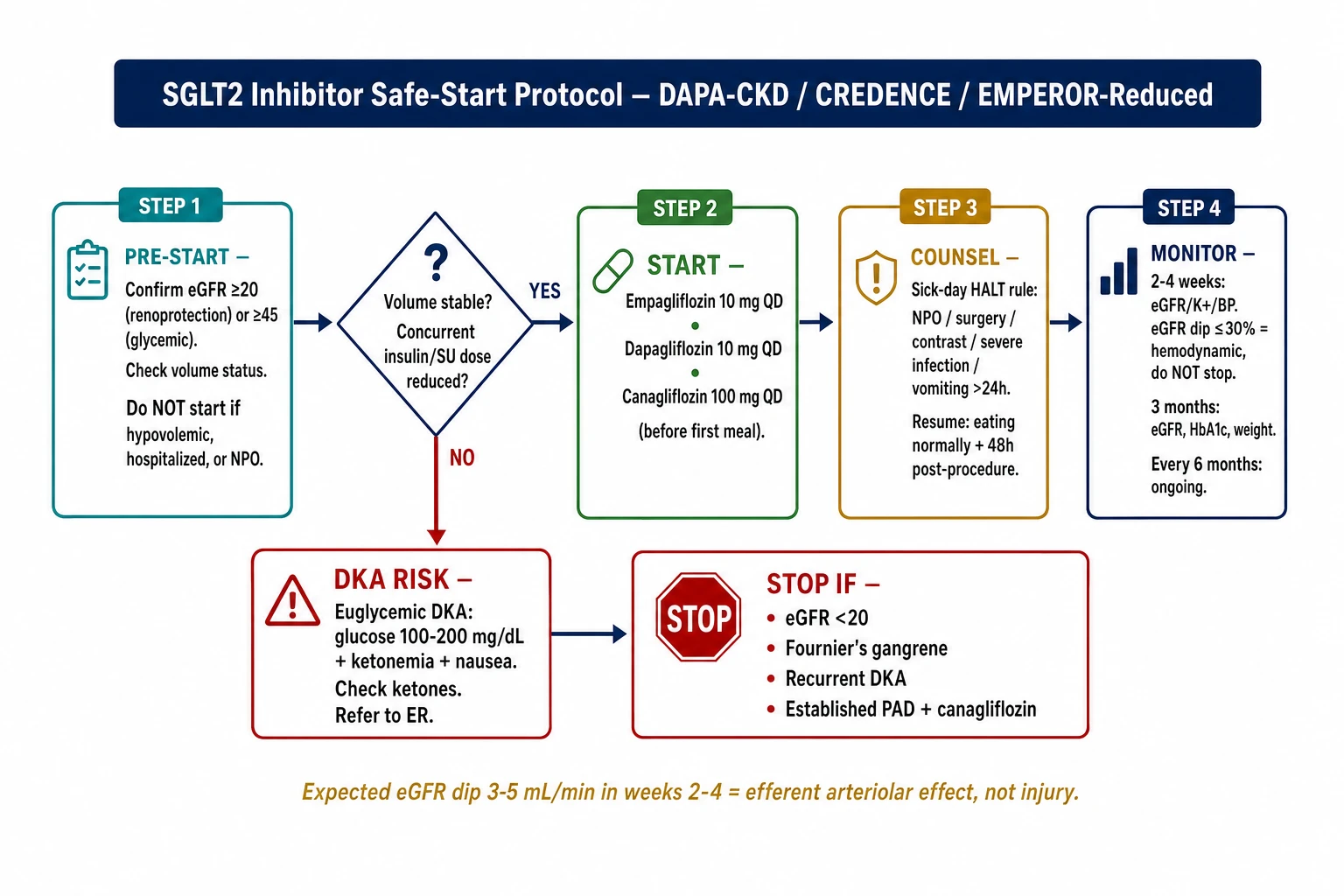 GuideThe CKD Prescriber's PlaybookClinician-focused operational guide: exactly how to start, titrate, and adjust SGLT2 inhibitors, ACEi/ARB, GLP-1 agonists, diuretics, phosphate binders, and ESAs in CKD and nephrology practice. KDIGO 2024 aligned.
 GuideTransforming the Achilles Heel of Hemodialysis Access into a "Lifeline That Lasts for a Lifetime"A lifetime strategy for hemodialysis vascular access for patients and clinicians: plan early, protect every vein, choose a fistula, graft, or catheter together, recognize trouble, rescue wisely, and preserve the next option. Verified 2026 e
- CalculatorDOAC Dose Adjustment in Renal Impairment — Apixaban, Rivaroxaban, Dabigatran, EdoxabanDetermine the FDA-labeled dose of apixaban, rivaroxaban, dabigatran, or edoxaban by indication and renal function. Computes Cockcroft-Gault creatinine clearance and applies the label dose-adjustment and avoid/contraindicated thresholds, wit
- CalculatorCHA₂DS₂-VASc Stroke Risk + Anticoagulation in CKDCalculate the CHA₂DS₂-VASc stroke risk score in non-valvular atrial fibrillation, see the adjusted annual stroke risk and OAC recommendation, plus a CKD-specific overlay with DOAC renal-dosing notes (apixaban, rivaroxaban, dabigatran, edoxa
- CalculatorHAS-BLED Score — Bleeding Risk in AnticoagulationCalculate the HAS-BLED score to estimate major bleeding risk in patients on anticoagulation for atrial fibrillation. Identifies modifiable bleeding risk factors.
References
- U.S. Food and Drug Administration. ELIQUIS · E.R. Squibb & Sons, L.L.C. [US FDA-approved label, version 39, August 17, 2026]. Via DailyMed/openFDA. https://dailymed.nlm.nih.gov/dailymed/drugInfo.cfm?setid=e9481622-7cc6-418a-acb6-c5450daae9b0
- Food and Drug Administration Philippines. Verification portal (product registrations). https://verification.fda.gov.ph
- PhilHealth Advisory No. 2024-0026, PNF 8th ed. EML 2019 as of November 2, 2022 with newly approved medicines as of April 25, 2024; DOH-DC No. 2023-0282 (included 2023-06-22); https://www.philhealth.gov.ph/advisories/2024/PA2024-0026.pdf
- E.R. Squibb & Sons, L.L.C.. (2026). ELIQUIS (apixaban) [Prescribing information; US FDA-approved label, NDA202155, set ID e9481622-7cc6-418a-acb6-c5450daae9b0, version effective August 17, 2026]. DailyMed, U.S. National Library of Medicine. https://dailymed.nlm.nih.gov/dailymed/drugInfo.cfm?setid=e9481622-7cc6-418a-acb6-c5450daae9b0
- Mavrakanas, T. A., Samer, C. F., Nessim, S. J., Frisch, G., & Lipman, M. L. (2017). Apixaban pharmacokinetics at steady state in hemodialysis patients. Journal of the American Society of Nephrology, 28(7), 2241–2248. https://doi.org/10.1681/ASN.2016090980
- Pokorney, S. D., Chertow, G. M., Al-Khalidi, H. R., Gallup, D., Dignacco, P., Mussina, K., Bansal, N., Gadegbeku, C. A., Garcia, D. A., Garonzik, S., Lopes, R. D., Mahaffey, K. W., Matsuda, K., Middleton, J. P., Rymer, J. A., Sands, G. H., Thadhani, R., Thomas, K. L., Washam, J. B., Winkelmayer, W. C., & Granger, C. B. (2022). Apixaban for patients with atrial fibrillation on hemodialysis: A multicenter randomized controlled trial. Circulation, 146(23), 1735–1745. https://doi.org/10.1161/CIRCULATIONAHA.121.054990
- Reinecke, H., Engelbertz, C., Bauersachs, R., Breithardt, G., Echterhoff, H.-H., Gerß, J., Haeusler, K. G., Hewing, B., Hoyer, J., Juergensmeyer, S., Klingenheben, T., Knapp, G., Rump, L. C., Schmidt-Guertler, H., Wanner, C., Kirchhof, P., & Goerlich, D. (2023). A randomized controlled trial comparing apixaban with the vitamin K antagonist phenprocoumon in patients on chronic hemodialysis: The AXADIA-AFNET 8 study. Circulation, 147(4), 296–309. https://doi.org/10.1161/CIRCULATIONAHA.122.062779
- Joglar, J. A., Chung, M. K., Armbruster, A. L., Benjamin, E. J., Chyou, J. Y., Cronin, E. M., Deswal, A., Eckhardt, L. L., Goldberger, Z. D., Gopinathannair, R., Gorenek, B., Hess, P. L., Hlatky, M., Hogan, G., Ibeh, C., Indik, J. H., Kido, K., Kusumoto, F., Link, M. S., ... Van Wagoner, D. R. (2024). 2023 ACC/AHA/ACCP/HRS guideline for the diagnosis and management of atrial fibrillation: A report of the American College of Cardiology/American Heart Association Joint Committee on Clinical Practice Guidelines. Circulation, 149(1), e1–e156. https://doi.org/10.1161/CIR.0000000000001193
- Schwartz, G. J., Muñoz, A., Schneider, M. F., Mak, R. H., Kaskel, F., Warady, B. A., & Furth, S. L. (2009). New equations to estimate GFR in children with CKD. Journal of the American Society of Nephrology, 20(3), 629–637. https://doi.org/10.1681/ASN.2008030287
renalcarematters.com content: Kidney and pediatric dosing: reviewed by William Gregory M. Rivero, MD, FPCP, DPSN on November 16, 2026. Dosing, interaction, adverse-effect and monitoring summary: reviewed by William Gregory M. Rivero, MD, FPCP, DPSN on November 16, 2026.
Last updated: .