WARNING: FETAL TOXICITY When pregnancy is detected, discontinue Exforge as soon as possible. (5.1) Drugs that act directly on the renin-angiotensin system can cause injury and death to the developing fetus. (5.1) WARNING: FETAL TOXICITY See full prescribing information for complete boxed warning. When pregnancy is detected, discontinue Exforge as soon as possible. (5.1) Drugs that act directly on the renin-angiotensin system can cause injury and death to the developing fetus. (5.1)
Use: Labeled indications
- Exforge is the combination tablet of amlodipine, a dihydropyridine calcium channel blocker (DHP CCB), and valsartan, an angiotensin II receptor blocker (ARB).
- As initial therapy in patients likely to need multiple drugs to achieve their blood pressure goals
Full indications and usage US FDA label
1 INDICATIONS AND USAGE Exforge is the combination tablet of amlodipine, a dihydropyridine calcium channel blocker (DHP CCB), and valsartan, an angiotensin II receptor blocker (ARB). Exforge is indicated for the treatment of hypertension, to lower blood pressure: In patients not adequately controlled on monotherapy (1) As initial therapy in patients likely to need multiple drugs to achieve their blood pressure goals (1) Lowering blood pressure reduces the risk of fatal and nonfatal cardiovascular events, primarily strokes and myocardial infarctions.
Figure 1: Probability of Achieving Systolic Blood Pressure <140 mmHg at Week 8 Figure 2: Probability of Achieving Diastolic Blood Pressure <90 mmHg at Week 8 Figure 3: Probability of Achieving Systolic Blood Pressure <130 mmHg at Week 8 Figure 4: Probability of Achieving Diastolic Blood Pressure <80 mmHg at Week 8 1.1 Hypertension Exforge (amlodipine and valsartan) is indicated for the treatment of hypertension, to lower blood pressure. Lowering blood pressure reduces the risk of fatal and nonfatal cardiovascular events, primarily strokes and myocardial infarctions.
These benefits have been seen in controlled trials of antihypertensive drugs from a wide variety of pharmacologic classes, including amlodipine and the angiotensin II receptor blocker (ARB) class to which valsartan principally belongs. There are no controlled trials demonstrating risk reduction with Exforge. Control of high blood pressure should be part of comprehensive cardiovascular risk management, including, as appropriate, lipid control, diabetes management, antithrombotic therapy, smoking cessation, exercise, and limited sodium intake.
Many patients will require more than 1 drug to achieve blood pressure goals. For specific advice on goals and management, see published guidelines, such as those of the National High Blood Pressure Education Program’s Joint National Committee on Prevention, Detection, Evaluation, and Treatment of High Blood Pressure (JNC).
Numerous antihypertensive drugs, from a variety of pharmacologic classes and with different mechanisms of action, have been shown in randomized controlled trials to reduce cardiovascular morbidity and mortality, and it can be concluded that it is blood pressure reduction, and not some other pharmacologic property of the drugs, that is largely responsible for those benefits. The largest and most consistent cardiovascular outcome benefit has been a reduction in the risk of stroke, but reductions in myocardial infarction and cardiovascular mortality also have been seen regularly.
Elevated systolic or diastolic pressure causes increased cardiovascular risk, and the absolute risk increase per mmHg is greater at higher blood pressures, so that even modest reductions of severe hypertension can provide substantial benefit. Relative risk reduction from blood pressure reduction is similar across populations with varying absolute risk, so the absolute benefit is greater in patients who are at higher risk independent of their hypertension (for example, patients with diabetes or hyperlipidemia), and such patients would be expected to benefit from more aggressive treatment to a lower blood pressure goal.
Some antihypertensive drugs have smaller blood pressure effects (as monotherapy) in black patients, and many antihypertensive drugs have additional approved indications and effects (e.g., on angina, heart failure, or diabetic kidney disease). These considerations may guide selection of therapy. Exforge (amlodipine and valsartan) is indicated for the treatment of hypertension.
Exforge may be used in patients whose blood pressure is not adequately controlled on either monotherapy. Exforge may also be used as initial therapy in patients who are likely to need multiple drugs to achieve their blood pressure goals. The choice of Exforge as initial therapy for hypertension should be based on an assessment of potential benefits and risks including whether the patient is likely to tolerate the lowest dose of Exforge.
Patients with stage 2 hypertension (moderate or severe) are at a relatively higher risk for cardiovascular events (such as strokes, heart attacks, and heart failure), kidney failure and vision problems, so prompt treatment is clinically relevant. The decision to use a combination as initial therapy should be individualized and should be shaped by considerations such as baseline blood pressure, the target goal and the incremental likelihood of achieving goal with a combination compared to monotherapy.
Individual blood pressure goals may vary based upon the patient’s risk. Data from the high-dose multifactorial study [see Clinical Studies (14)] provide estimates of the probability of reaching a blood pressure goal with Exforge compared to amlodipine or valsartan monotherapy. The figures below provide estimates of the likelihood of achieving systolic or diastolic blood pressure control with Exforge 10/320 mg, based upon baseline systolic or diastolic blood pressure.
The curve of each treatment group was estimated by logistic regression modeling. The estimated likelihood at the right tail of each curve is less reliable due to small numbers of subjects with high baseline blood pressures. Figure 1: Probability of Achieving Systolic Blood Pressure <140 mmHg at Week 8 Figure 2: Probability of Achieving Diastolic Blood Pressure <90 mmHg at Week 8 Figure 3: Probability of Achieving Systolic Blood Pressure <130 mmHg at Week 8 Figure 4: Probability of Achieving Diastolic Blood Pressure <80 mmHg at Week 8 For example, a patient with a baseline blood pressure of 160/100 mmHg has about a 67% likelihood of achieving a goal of < 140 mmHg (systolic) and 80% likelihood of achieving < 90 mmHg (diastolic) on amlodipine alone, and the likelihood of achieving these goals on valsartan alone is about 47% (systolic) or 62% (diastolic).
The likelihood of achieving these goals on Exforge rises to about 80% (systolic) or 85% (diastolic). The likelihood of achieving these goals on placebo is about 28% (systolic) or 37% (diastolic).
Contraindications
4 CONTRAINDICATIONS Do not use in patients with known hypersensitivity to any component. Do not coadminister aliskiren with Exforge in patients with diabetes [see Drug Interactions (7)]. Known hypersensitivity to any component; Do not coadminister aliskiren with Exforge in patients with diabetes (4)
US FDA labelDosing: Adult
- General Considerations: Majority of effect attained within 2 weeks (2.1)
- May be administered with other antihypertensive agents (2.1)
- Hypertension: May be used as add-on therapy for patients not controlled on monotherapy (2.2)
- Patients who experience dose-limiting adverse reactions on monotherapy may be switched to Exforge containing a lower dose of that component (2.2)
- May be substituted for titrated components (2.3)
- When used as initial therapy: Initiate with 5/160 mg, then titrate upwards as necessary to a maximum of 10/320 mg once daily (2.4)
2.1 General Considerations
2.1 General Considerations Dose once daily. The dosage can be increased after 1 to 2 weeks of therapy to a maximum of one 10/320 mg tablet once daily as needed to control blood pressure. The majority of the antihypertensive effect is attained within 2 weeks after initiation of therapy or a change in dose. Exforge may be administered with other antihypertensive agents.
2.2 Add-on Therapy
2.2 Add-on Therapy A patient whose blood pressure is not adequately controlled with amlodipine (or another dihydropyridine calcium-channel blocker) alone or with valsartan (or another ARB) alone may be switched to combination therapy with Exforge. A patient who experiences dose-limiting adverse reactions on either component alone may be switched to Exforge containing a lower dose of that component in combination with the other to achieve similar blood pressure reductions.
The clinical response to Exforge should be subsequently evaluated and if blood pressure remains uncontrolled after 3 to 4 weeks of therapy, the dose may be titrated up to a maximum of 10/320 mg.
2.3 Replacement Therapy
2.3 Replacement Therapy For convenience, patients receiving amlodipine and valsartan from separate tablets may instead wish to receive tablets of Exforge containing the same component doses.
2.4 Initial Therapy
2.4 Initial Therapy A patient may be initiated on Exforge if it is unlikely that control of blood pressure would be achieved with a single agent. The usual starting dose is Exforge 5/160 mg once daily in patients who are not volume-depleted.
Dosing: Altered kidney function
8.6 Renal Impairment Safety and effectiveness of Exforge in patients with severe renal impairment (CrCl < 30 mL/min) have not been established. No dose adjustment is required in patients with mild (CrCl 60 to 90 mL/min) or moderate (CrCl 30 to 60 mL/min) renal impairment.
Renal Insufficiency Amlodipine: The pharmacokinetics of amlodipine is not significantly influenced by renal impairment. Valsartan: There is no apparent correlation between renal function (measured by creatinine clearance) and exposure (measured by AUC) to valsartan in patients with different degrees of renal impairment.
Consequently, dose adjustment is not required in patients with mild-to-moderate renal dysfunction. No studies have been performed in patients with severe impairment of renal function (creatinine clearance <10 mL/min). Valsartan is not removed from the plasma by hemodialysis. In the case of severe renal disease, exercise care with dosing of valsartan.
Kidney-specific guidance from renalcarematters.com: in preparation.
Dosing: Hepatic impairment
8.7 Hepatic Impairment Amlodipine Exposure to amlodipine is increased in patients with hepatic insufficiency [see Clinical Pharmacology (12.3)]. The recommended initial dose of amlodipine in patients with hepatic impairment is 2.5 mg, which is not an available strength with Exforge. Valsartan No dose adjustment is necessary for patients with mild-to-moderate disease. No dosing recommendations can be provided for patients with severe liver disease.
US FDA labelDosing: Pediatric
Pediatric use (US label) US FDA label
8.4 Pediatric Use Safety and effectiveness of Exforge in pediatric patients have not been established.
Dosing: Older adult
Geriatric use (US label) US FDA label
8.5 Geriatric Use In controlled clinical trials, 323 (22.5%) hypertensive patients treated with Exforge were ≥ 65 years and 79 (5.5%) were ≥ 75 years. No overall differences in the efficacy or safety of Exforge was observed in this patient population, but greater sensitivity of some older individuals cannot be ruled out.
Amlodipine: The recommended starting dose of amlodipine 2.5 mg is not an available strength with Exforge. Clinical studies of amlodipine besylate tablets did not include sufficient numbers of subjects aged 65 and over to determine whether they respond differently from younger subjects. Other reported clinical experience has not identified differences in responses between the elderly and younger patients.
In general, dose selection for an elderly patient should be cautious, usually starting at the low end of the dosing range, reflecting the greater frequency of decreased hepatic, renal or cardiac function, and of concomitant disease or other drug therapy. Elderly patients have decreased clearance of amlodipine with a resulting increase of area under the curve (AUC) of approximately 40% to 60%.
Valsartan: In the controlled clinical trials of valsartan, 1214 (36.2%) of hypertensive patients treated with valsartan were ≥ 65 years and 265 (7.9%) were ≥ 75 years. No overall difference in the efficacy or safety of valsartan was observed in this patient population, but greater sensitivity of some older individuals cannot be ruled out.
Dosage forms
Philippines
- Film-coated tablet: 5 mg/160 mg, 5 mg/80 mg, 10 mg/160 mg, 80 mg/5 mg, 160 mg/10 mg, 160 mg/5 mg
- Film-coated tablet film-coated tablet: 5 mg/160 mg
Registered products in the Philippines
75 products registered with the Food and Drug Administration (FDA) Philippines list Amlodipine + Valsartan as the generic name (including products registered under a variant spelling). Registration status changes; confirm a product's current status on the FDA portal before relying on it.
Also registered under: Valsartan Amlodipine (as besilate) (1 product). Products registered under these spellings are included in the table and marked.
All registered products75
| Package insert | |||||||
|---|---|---|---|---|---|---|---|
Amapine V 10/160Amlodipine (As Besilate)+Valsartan | 10 mg/160 mg Film-Coated TabletAlu-alu Blister Pack x 10's (Box of 30's) | RxVAT-exempt | Zim Laboratories Ltd.India | SRS Pharmaceuticals Phils Inc.Trader: SRS Pharmaceuticals Pvt. Ltd. | DRP-9941 | Mar 28, 2027 | |
Amapine V 5/160Amlodipine (as besilate) + Valsartan | 5 mg /160 mg Film-Coated TabletAlu-Alu Blister Pack x 10's (Box of 30's) | RxVAT-exempt | Adnova Healthcare Pvt. LtdIndia | SRS Life Sciences Inc. | DRP-9951 | Aug 15, 2030 | |
AmbiforgeAmlodipine (as besilate) + Valsartan | 10 mg / 160 mg Film Coated TabletAlu/Alu Blister Pack x 10's (Box of 100's) | RxVAT-exempt | Globela Pharma Private LimitedIndia | AMB HK Enterprises Inc. | DRP-17126 | Oct 1, 2030 | |
AmbiforgeAmlodipine (as besylate) + Valsartan | 10mg/160mg Film coated TabletAlu/Alu Blister Pack x 10's (Box of 100's) | RxVAT-exempt | Globela Pharma Private LimitedIndia | AMB HK Enterprises Inc. | DRP-14081 | Jun 16, 2028 | |
AmbiforgeAmlodipine (as besilate) + Valsartan | 5 mg/160 mg Film-Coated Tablet Film Coated TabletAlu/Alu Blister Pack x 10's (Box of 100's) | RxVAT-exempt | Globela Pharma Private LimitedIndia | AMB HK Enterprises, Inc.Importer: AMB HK Enterprises Inc. | DRP-13932 | May 28, 2028 | |
AmevalAmlodipine (as besilate) + Valsartan | 10mg/160mg Film-Coated TabletAlu-Alu Blister pack x 10's (Box of 30's) | RxVAT-exempt | Magbro Healthcare Pvt. Ltd.India | Teramedix Pharma Trading Inc | DRP-15617 | Aug 13, 2029 | |
AmevalAmlodipine (as besilate) + Valsartan | 5mg/160mg Film-Coated TabletAlu-Alu Blister pack x 10's (Box of 30's) | RxVAT-exempt | Magbro Healthcare Pvt. Ltd.India | Teramedix Pharma Trading Inc | DRP-15616 | Aug 13, 2029 | |
AmevalAmlodipine (as besilate) + Valsartan | 5mg/80mg Film-Coated TabletAlu-Alu Blister pack x 10's (Box of 30's) | RxVAT-exempt | Magbro Healthcare Pvt. Ltd.India | Teramedix Pharma Trading Inc | DRP-15618 | Aug 13, 2029 | |
Amloval 160 + 10Valsartan + Amlodipine (as besilate) | 160 mg/ 10 mg Film-Coated TabletAlu/Alu Blister Pack x 10's (Box of 30's) | RxVAT-exempt | Stallion Laboratories Pvt. Ltd.India | Torrent Pharma Philippines, Inc.Importer: Ambica International Corporation | DRP-8913-05 | Jun 24, 2030 | |
Amloval 160+5Valsartan + Amlodipine (as besilate) | 160 mg/5 mg Film-Coated TabletAlu/Alu Blister Pack x 10's (Box of 30's) | RxVAT-exempt | Stallion Laboratories Pvt. Ltd.India | Torrent Pharma Philippines, Inc.Importer: Ambica International Corporation | DRP-8914-05 | Jun 24, 2030 | |
Amloval 160/10Valsartan + Amlodipine (as besilate) | 160 mg/10 mg Film-Coated TabletOPA/ALU/PVC Blister Pack x 10's (Box of 30's) | RxVAT-exempt | TORRENT PHARMACEUTICALS LTD.India | TORRENT PHARMA PHILIPPINES, INC. | DRP-7002 | Sep 27, 2028 | |
Amloval 160/5Valsartan + Amlodipine (as besilate) | 160 mg/5 mg Film-Coated TabletOPA/ALU/PVC Blister Pack x 10's (Box of 30's) | RxVAT-exempt | TORRENT PHARMACEUTICALS LTDIndia | TORRENT PHARMA PHILIPPINES, INC. | DRP-6792 | Sep 27, 2028 | |
Amloval 80+5Valsartan + Amlodipine (as besilate) | 80 mg/5 mg Film-Coated TabletAlu/Alu Blister Pack x 10's (Box of 30's) | RxVAT-exempt | Stallion Laboratories Pvt. Ltd.India | Torrent Pharma Philippines, Inc.Importer: Ambica International Corporation | DRP-9693-04 | Oct 27, 2031 | |
Amloval 80/5Valsartan + Amlodipine (as besilate) | 80 mg/5 mg Film-Coated TabletOPA / ALU / PVC Blister Pack x 10's (Box of 30's) | RxVAT-exempt | TORRENT PHARMACEUTICALS LTDIndia | TORRENT PHARMA PHILIPPINES, INC. | DRP-6791 | Sep 27, 2028 | |
Amlovart 160/ 10Valsartan + Amlodipine (as besilate) | 160 mg / 10 mg Film-Coated TabletTransparent PVC/PVDC-Alu Blister Pack x 14’s (Box of 28’s) | RxVAT-exempt | Humanis Saglik Anonim SirketiTurkey | Epione Lifecare Inc.Importer: Despina Pharma Inc. | DRP-15284-01 | Jun 6, 2029 | |
Amlovart 160/5Valsartan + Amlodipine (as besilate) | 160 mg /5 mg Film-Coated TabletTransparent PVC/PVDC-Alu Blister Pack x 14’s (Box of 28’s) | RxVAT-exempt | Humanis Saglik Anonim SirketiTurkey | Epione Lifecare Inc.Importer: Despina Pharma Inc. | DRP-15285-01 | Jun 6, 2029 | |
ArtivessAmlodipine (as besilate) + Valsartan | 10 mg/ 160m Film-Coated TabletAlu/Alu Blister Pack x 10's (Box of 30's) | RxVAT-exempt | Healer's Lab Unit IIIndia | Pharmakon Biotec Inc. | DRP-16893 | Aug 11, 2030 | |
ArtivessAmlodipine (as besilate) + Valsartan | 5 mg/ 80mg Film-Coated TabletAlu/Alu Blister Pack x 10's (Box of 30's) | RxVAT-exempt | Healer's Lab Unit IIIndia | Pharmakon Biotec Inc. | DRP-16892 | Aug 11, 2030 | |
AvazartAmlodipine (as besilate) + Valsartan | 10mg/160mg Film-Coated TabletAlu-Alu Blister pack x 10's (Box of 30's) | RxVAT-exempt | Healer's Lab (Unit II)India | Teramedix Pharma Trading Inc | DRP-15407 | Jul 3, 2029 | |
AvazartAmlodipine (as besilate) + Valsartan | 5mg/160mg Film-Coated TabletAlu-Alu Blister pack x 10's (Box of 30's) | RxVAT-exempt | Healer's Lab (Unit II)India | Teramedix Pharma Trading Inc | DRP-15408 | Jul 4, 2029 | |
AvazartAmlodipine (as besilate) + Valsartan | 5mg/80mg Film-Coated TabletAlu-Alu Blister pack x 10's (Box of 30's) | RxVAT-exempt | Healer's Lab (Unit II)India | Teramedix Pharma Trading Inc | DRP-15409 | Jul 4, 2029 | |
AvsarAmlodipine (as besilate) + Valsartan | 10 mg / 160 mg Film-Coated TabletAlu/Alu Blister Pack x 7's (Box of 14's and 70's); Alu/Alu Blister Pack x 1's (Box of 1's) as Physician's Sample | RxVAT-exempt | PharmEvo (Pvt.) Ltd.Pakistan | Accesspoint International Trading Inc. | DRP-17366 | Jul 5, 2031 | |
AvsarAmlodipine (as besilate) + Valsartan | 5 mg / 80 mg Film-Coated TabletAlu/ Alu Blister Pack x 7's (Box of 14's and 70's); Alu/ Alu Blister Pack x 1's (Box of 1's) [as Physician's Sample] | RxVAT-exempt | PharmEvo (Pvt.) Ltd.Pakistan | Accesspoint International Trading Inc. | DRP-17354 | Jul 5, 2031 | |
ExforgeAmlodipine (as besilate) + Valsartan | 10 mg/160 mg Film-coated TabletAlu/Alu Blister Pack x 7's (Box of 7's) | RxVAT-exempt | Novartis Farma S.p.A.Italy | Importer: Novartis Healthcare Philippines, Inc. | DRP-4868 | Jan 29, 2028 | |
ExforgeAmlodipine (as besilate) + Valsartan | 5 mg / 80 mg Film-coated TabletAlu/Alu Blister Pack x 7's (Box of 7's) | RxVAT-exempt | Novartis Farma S.p.A.Italy | Importer: Novartis Healthcare Philippines, Inc. | DRP-4862 | Jan 29, 2028 | |
ExforgeAmlodipine (as besilate) + Valsartan | 5 mg/160 mg Film-Coated TabletAlu/Alu Blister Pack x 7's (Box of 7's) | RxVAT-exempt | Novartis Farma S.p.A.Italy | Importer: Novartis Healthcare Philippines, Inc. | DRP-4869 | Jan 29, 2028 | |
Hybip-165Valsartan + Amlodipine (as besilate) | 160 mg/5 mg Film-Coated TabletAlu/Alu Blister Pack x 10's (Box of 30's) | RxVAT-exempt | Stallion Laboratories Pvt. Ltd.India | K Pharma Medical Corp.Importer: Ambica International Corporation | DRP-8914 | Jun 24, 2030 | |
Hybip-170Valsartan + Amlodipine (as besilate) | 160 mg/ 10 mg Film-Coated TabletAlu/Alu Blister Pack x 10's (Box of 30's) | RxVAT-exempt | Stallion Laboratories Pvt. Ltd.India | Ambica International Corporation | DRP-8913 | Jun 24, 2030 | |
Hybip-85Valsartan + Amlodipine (as besilate) | 80 mg/5 mg Film-Coated TabletAlu/Alu Blister Pack x 10's (Box of 30's) | RxVAT-exempt | Stallion Laboratories Pvt. Ltd.India | Ambica International Corporation | DRP-9693 | May 5, 2031 | |
Medivasc PlusValsartan + Amlodipine (as besilate) | 80 mg/5 mg Film-Coated TabletAlu/Alu Blister Pack x 10's (Box of 30's) | RxVAT-exempt | Stallion Laboratories Pvt. Ltd.India | Medlink Pharma Phils., Inc.Importer: Ambica International Corporation | DRP-9693-01 | Aug 6, 2037 | |
NoneAmlodipine (as Besilate) + Valsartan | 10 mg/160 mg Film-Coated TabletAlu/Alu Blister Pack x 7's (Box of 21's) | RxVAT-exempt | Lloyd Laboratories, Inc.Philippines | Watsons Personal Care Stores (Philippines), Inc.Trader: Innogen Pharmaceuticals, Inc. | DRP-6286-02 | Jan 26, 2027 | |
NoneValsartan + Amlodipine (as besilate) | 160 mg/10 mg Film-Coated TabletAlu/Alu Blister Pack x 8's (Box of 24's) | RxVAT-exempt | Lloyd Laboratories, Inc.Philippines | — | DRP-8908 | Jun 23, 2030 | |
NoneValsartan + Amlodipine (as Besilate) | 160 mg/10 mg Film-Coated TabletAlu/Alu Blister Pack x 8's (Box of 24's) | RxVAT-exempt | Lloyd Laboratories, Inc.Philippines | Trader: Solvang Pharmaceuticals, Inc. | DRP-9117 | Sep 14, 2030 | |
NoneAmlodipine (as besilate) + Valsartan | 5 mg/80 mg Film-Coated TabletAlu/Alu Blister Pack x 10's Box of 30's | RxVAT-exempt | Lloyd Laboratories, Inc.Philippines | Watsons Personal Care Stores (Philippines), Inc.Trader: Innogen Pharmaceuticals, Inc. | DRP-6311-01 | Sep 4, 2027 | |
160 mg/ 10 mg Film-Coated TabletTransparent PVC/PVDC-Alu Blister Pack x 14's (Box of 28's) | Rx | Humanis Sağlik Anonim ŞirketiTurkey | Despina Pharma Inc. | DRP-15284 | Jun 6, 2029 | ||
RovalpinValsartan + Amlodipine (as besilate) | 160 mg/ 5 mg Film-Coated TabletTransparent PVC/PVDC-Alu Blister Pack x 14's (Box of 28's) | RxVAT-exempt | Humanis Sağlik Anonim ŞirketiTurkey | Despina Pharma Inc. | DRP-15285 | Jun 6, 2029 | |
SaphlovalAmlodipine (as besilate) + Valsartan | 5 mg /80 mg Film-Coated TabletAlu/Alu blister pack x 10's (Box of 30's); Alu/Alu blister pack x 7's (Box of 35's) | RxVAT-exempt | Genom Biotech Pvt. LtdIndia | Ollen Pharma Trading Inc. | DRP-17176 | Oct 16, 2030 | |
SaphlovalAmlodipine (as besilate) + Valsartan | 5 mg/160 mg Film-Coated TabletAlu/Alu blister pack x 10's (Box of 30's); Alu/Alu blister pack x 7's (Box of 35's) | RxVAT-exempt | Genom Biotech Pvt. LtdIndia | Genom Biotech Pvt. Ltd | DRP-17177 | Oct 16, 2030 | |
Trivan PlusValsartan + Amlodipine (as besilate) | 160 mg/10 mg Film-Coated TabletAlu/Alu Blister Pack x 8's (Box of 24's) | RxVAT-exempt | Lloyd Laboratories, Inc.Philippines | Trader: Ultramed Pharma, Inc. | DRP-8983 | Jul 21, 2031 | |
UnbrandedValsartan + Amlodipine (as besilate) | 160 mg/10 mg Film-Coated TabletAlu/Alu Blister Pack x 8's (Box of 24's) | RxVAT-exempt | Lloyd Laboratories, Inc.Philippines | Trader: Euro-Health Care Exponents, Inc. | DRP-8979 | Jul 21, 2030 | |
UnbrandedValsartan + Amlodipine (as besilate) | 160 mg/10 mg Film-Coated TabletAlu/Alu Blister Pack x 8's (Box of 24's) | RxVAT-exempt | Lloyd Laboratories, Inc.Philippines | Trader: Vitalink Health Products, Inc. | DRP-8981 | Jul 21, 2030 | |
Valazyd AM 10Amlodipine (as Besilate) + Valsartan | 10 mg/160 mg Film-Coated TabletAlu/Alu Blister Pack x 7's (Box of 21's) | RxVAT-exempt | Lloyd Laboratories, Inc.Philippines | Zydus Healthcare Philippines Inc.Trader: Innogen Pharmaceuticals, Inc. | DRP-6286-01 | Jan 26, 2027 | |
Valazyd AM 10/160Amlodipine (as Besilate) + Valsartan | 10 mg/160 mg Film Coated TabletAlu/Alu Blister Pack x 10's (Box of 30's); Box of 10's as Physician's Sample | RxVAT-exempt | Cadila Healthcare LimitedIndia | Zydus Healthcare Philippines, Inc. | DRP-11466 | Mar 30, 2027 | |
Valazyd AM 5Amlodipine (as Besilate) + Valsartan | 5 mg/160 mg Film-coated TabletAlu-Alu Blister Pack x 7's Box of 21's | RxVAT-exempt | Lloyd Laboratories, Inc.Philippines | Zydus Healthcare Philippines Inc.Trader: Innogen Pharmaceuticals, Inc. | DRP-6287-01 | Sep 10, 2027 | |
Valazyd AM 5/160Amlodipine (as Besilate) + Valsartan | 5 mg/ 160 mg Film Coated TabletAlu/Alu Blister Pack x 10's (Box of 30's); Box of 10's as Physician's Sample | RxVAT-exempt | Cadila Healthcare LimitedIndia | Zydus Healthcare Philippines, Inc. | DRP-11468 | Mar 31, 2027 | |
Valazyd AM 5/80Amlodipine (as Besilate) + Valsartan | 5 mg/80 mg Film Coated TabletAlu/Alu Blister Pack x 10's (Box of 30's); Box of 10's as Physician's Sample | RxVAT-exempt | Cadila Healthcare LimitedIndia | Zydus Healthcare Philippines, Inc. | DRP-11467 | Mar 30, 2027 | |
ValcampAmlodipine (As Besilate)+ Valsartan | 10 mg / 160 mg Film-Coated TabletAlu/Alu Blister Pack x 7's (Box of 7's) | RxVAT-exempt | Novartis Farmaceutica S.P.A.Italy | Sandoz Philippines Corporation | DRP-4868-01 | Apr 29, 2028 | |
ValcampAmlodipine (as besilate) + Valsartan | 5 mg / 160 mg Film-Coated TabletAlu/Alu Blister Pack x 7's (Box of 7's) | RxVAT-exempt | Novartis Farmaceutica S.P.A.Italy | Sandoz Philippines Corporation | DRP-4869-01 | Apr 29, 2028 | |
ValcampAmlodipine (as besilate) + Valsartan | 5 mg / 80 mg Film-Coated TabletAlu/Alu Blister Pack x 7's (Box of 7's) | RxVAT-exempt | Novartis Farmaceutica S.P.AItaly | Sandoz Philippines Corporation | DRP-4862-01 | Jan 29, 2028 | |
ValianzAmlodipine (as Besilate) + Valsartan | 10 mg/ 160 mg Film-Coated TabletAlu/Alu Blister Pack x 7's (Box of 21's) | RxVAT-exempt | Lloyd Laboratories, Inc.Philippines | Trader: Innogen Pharmaceuticals, Inc. | DRP-6286 | Jan 26, 2027 | |
ValianzValsartan + Amlodipine (as besilate) | 160 mg / 10 mg Film-Coated TabletAlu/Alu Blister Pack x 8's (Box of 24's) | RxVAT-exempt | Lloyd Laboratories, Inc.Philippines | Trader: Innogen Pharmaceuticals, Inc. | DRP-8984 | Jul 30, 2030 | |
ValianzAmlodipine (as Besilate) + Valsartan | 5 mg/160 mg Film-Coated TabletAlu-Alu Blister Pack x 7's (Box of 21's) | RxVAT-exempt | Lloyd Laboratories, Inc.Philippines | Trader: Innogen Pharmaceuticals, Inc. | DRP-6287 | Sep 10, 2027 | |
ValianzAmlodipine (as Besilate) + Valsartan | 5 mg/80 mg Film-Coated TabletAlu-Alu Blister Pack x 10's Box of 30's | RxVAT-exempt | Lloyd Laboratories, Inc.Philippines | Trader: Innogen Pharmaceuticals, Inc. | DRP-6311 | Sep 4, 2027 | |
ValmodinAmlodipine(as besylate) + Valsartan | 5mg/80mg Film-Coated TabletAlu-Alu Blister Pack x 10's (Box of 30's) | RxVAT-exempt | Healer's Lab (Unit II)India | Rule Med Pharma Corp.Importer: Teramedix Pharma Trading Inc. | DRP-15409-01 | Jul 4, 2029 | |
Valnorm Duo 165Valsartan + Amlodipine (as besilate) | 160 mg/5 mg Film-Coated TabletAlu/Alu Blister Pack x 10's (Box of 30's) | RxVAT-exempt | Stallion Laboratories Pvt. Ltd.India | Prodrom Nutritionals, IncorporatedImporter: Ambica International Corporation | DRP-8914-01 | Jun 24, 2030 | |
ValrexpinValsartan + Amlodipine (as besilate) | 160 mg/5 mg Film-Coated TabletAlu/Alu Blister Pack x 10's (Box of 30's) | RxVAT-exempt | Stallion Laboratories Pvt. Ltd.India | Rexmed Pharmaceutical SalesImporter: Ambica International Corporation | DRP-8914-03 | Jun 24, 2030 | |
Valsadex-165Valsartan + Amlodipine (as besilate) | 160 mg/5 mg Film-Coated TabletAlu/Alu Blister Pack x 10's (Box of 30's) | RxVAT-exempt | Stallion Laboratories Pvt. Ltd.India | Labmate Pharma Inc.Importer: Ambica International Corporation | DRP-8914-02 | Jun 24, 2030 | |
Valsadex-170Valsartan + Amlodipine (as besilate) | 160 mg/ 10 mg Film-Coated TabletAlu/Alu Blister Pack x 10's (Box of 30's) | RxVAT-exempt | Stallion Laboratories Pvt. Ltd.India | Labmate Pharma Inc.Importer: Ambica International Corporation | DRP-8913-01 | Jun 24, 2030 | |
Valsar PlusValsartan + Amlodipine (as besilate) | 80mg/5mg Film-Coated TabletAlu/Alu Blister Pack x 14's (Box of 14's) | RxVAT-exempt | TABROS PHARMA (PVT.) LTDPakistan | EuroAsia Pharmaceuticals, Inc. | DRP-6900 | Feb 27, 2030 | |
Valsar Plus 160 / 10Valsartan + Amlodipine (as besilate) | 160 mg/10 mg Film-Coated TabletAlu/Alu Blister Pack x 10's (Box of 30's) | RxVAT-exempt | Stallion Laboratories Pvt. Ltd.India | Euroasia Pharmaceuticals, Inc.Importer: Ambica International Corporation | DRP-8913-02 | Jun 24, 2030 | |
ValsaramAmlodipine (as besilate) + Valsartan | 10 mg/160 mg Film-coated TabletAlu/Alu Blister Pack x 14's (Box of 28's) | RxVAT-exempt | GENUONE Sciences Inc.Republic of Korea | Justright Healthcare Inc. | DR-XY47039 | Sep 9, 2030 | |
ValsaramAmlodipine (as besilate) + Valsartan | 5 mg/160 mg Film-coated TabletAlu/Alu Blister Pack x 14's (Box of 28's) | RxVAT-exempt | GENUONE Sciences Inc.Republic of Korea | Justright Healthcare Inc. | DR-XY47040 | Sep 9, 2030 | |
ValsaramAmlodipine (as besilate) + Valsartan | 5 mg/80 mg Film-Coated TabletAlu/Alu Blister Pack x 14's (Box of 28's) | RxVAT-exempt | GENUONE Sciences Inc.Republic of Korea | Justright Healthcare Inc. | DR-XY47041 | Sep 9, 2030 | |
Valvex-A (160/10)Valsartan + Amlodipine (as besilate) | 160 mg/ 10 mg Film- Coated TabletAlu/Alu Blister Pack x 10’s (Box of 30’s) | RxVAT-exempt | West Coast Pharmaceutical Works. LtdIndia | VE PHARMA INC.Trader: Vexxa Lifesciences Pvt. Ltd | DRP-7023 | Jan 12, 2030 | |
Valvex-A (160/10)Valsartan + Amlodipine (as besilate) | 160 mg/ 10 mg Film-Coated TabletAlu/Alu Blister Pack x 10's (Box of 30's) | RxVAT-exempt | Stallion Laboratories Pvt. Ltd.India | VE Pharma Inc.Importer: Ambica International Corporation | DRP-8913-03 | Jun 24, 2030 | |
Valvex-A (160/5)Valsartan + Amlodipine (as Besilate) | 160 mg/5 mg Film- Coated TabletAlu/Alu Blister Pack x 10’s Box of 30’s | RxVAT-exempt | West Coast Pharmaceutical Works Ltd.India | VE Pharma Inc.Trader: Vexxa Lifesciences Pvt. Ltd. | DR-XY44039 | Jan 12, 2030 | |
Valvex-A (160/5)Valsartan + Amlodipine (as besilate) | 160 mg/5 mg Film-Coated TabletAlu/Alu Blister Pack x 10's (Box of 30's) | RxVAT-exempt | Stallion Laboratories Pvt. Ltd.India | VE Pharma Inc.Importer: Ambica International Corporation | DRP-8914-04 | Jun 24, 2030 | |
Valvex-A (80/5)Valsartan + Amlodipine (as besilate) | 80 mg/ 5 mg Film-Coated TabletAlu/Alu Blister Pack x 10's (Box of 30's) | RxVAT-exempt | Stallion Laboratories Pvt. Ltd.India | VE Pharma Inc.Importer: Ambica International Corporation | DRP-9693-02 | Jul 15, 2037 | |
Valvex-A (80/5)Valsartan + Amlodipine (as besilate) | 80 mg/5 mg Film-Coated TabletAlu/Alu Blister Pack x 10’s (Box of 30’s) | RxVAT-exempt | West Coast Pharmaceutical Works. LtdIndia | VE PHARMA INC.Trader: Vexxa Lifesciences Pvt. Ltd | DR-XY43972 | Jan 12, 2030 | |
VasorixValsartan + Amlodipine (as besilate) | 160 mg/10 mg Film-Coated TabletAlu/Alu Blister Pack x 10’s (Box of 30's) | RxVAT-exempt | Stallion Laboratories Pvt. Ltd.India | TGP Pharma Inc.Importer: Ambica International Corporation | DRP-8913-04 | Jun 24, 2030 | |
VasorixValsartan + Amlodipine (as besilate) | 80 mg/ 5 mg Film-Coated TabletAlu/Alu Blister Pack x 10's (Box of 30's) | RxVAT-exempt | Stallion Laboratories Pvt. Ltd.India | TGP Pharma Inc.Importer: Ambica International Corporation | DRP-9693-03 | Aug 7, 2037 | |
VaspinValsartan + Amlodipine (as besilate) | 160 mg/10 mg Film-Coated TabletAlu/Alu blister pack x 10 tablets (Box of 30 tablets) | RxVAT-exempt | Magbro Healthcare Pvt. Ltd.India | Pharmakon Biotec, Inc. | DRP-13490 | Feb 27, 2028 | |
VaspinValsartan + Amlodipine (as besilate) | 160 mg/5 mg Film-Coated TabletAlu/Alu blister pack x 10 tablets (Box of 30 tablets) | RxVAT-exempt | Magbro Healthcare Pvt. Ltd.India | Pharmakon Biotec, Inc. | DRP-13491 | Feb 27, 2028 | |
VaspinValsartan + Amlodipine (as besilate) | 80mg/5mg Film-Coated TabletAlu/Alu blister pack x 10 tablets (Box of 30 tablets) | RxVAT-exempt | Magbro Healthcare Pvt. Ltd.India | Pharmakon Biotec, Inc. | DRP-13492 | Feb 27, 2028 | |
(no brand name)Amlodipine (as besilate) + Valsartan | 5 mg/160 mg Film-Coated TabletAlu/Alu Blister Pack x 8's (Box of 24's) | RxVAT-exempt | Lloyd Laboratories, Inc.Philippines | — | DRP-10813 | Nov 29, 2026 |
Source: FDA Philippines product registration database. "Valid until" is the registration validity date listed by the FDA; a past date may mean a renewal is pending. Package insert links point to files published by the FDA.
United States (label)
Dosage forms and strengths (US label) US FDA label
3 DOSAGE FORMS AND STRENGTHS Exforge (amlodipine and valsartan) tablets are available as follows: 5/160 mg tablets, debossed with NVR/ECE (side 1/side 2) 10/160 mg tablets, debossed with NVR/UIC 5/320 mg tablets, debossed with NVR/CSF 10/320 mg tablets, debossed with NVR/LUF Tablets (amlodipine/valsartan mg): 5/160, 10/160, 5/320, 10/320 (3)
Warnings/Precautions
The boxed warning is shown at the top of this page.
- Hypotension: Correct volume depletion prior to initiation (5.2)
- Increased angina and/or myocardial infarction (5.3)
- Monitor renal function and potassium in susceptible patients (5.4, 5.5)
5.1 Fetal Toxicity
5.1 Fetal Toxicity Exforge can cause fetal harm when administered to a pregnant woman. Use of drugs that act on the renin-angiotensin system during the second and third trimesters of pregnancy reduces fetal renal function and increases fetal and neonatal morbidity and death. Resulting oligohydramnios can be associated with fetal lung hypoplasia and skeletal deformations.
Potential neonatal adverse effects include skull hypoplasia, anuria, hypotension, renal failure, and death. When pregnancy is detected, discontinue Exforge as soon as possible [see Use in Specific Populations (8.1)].
5.2 Hypotension
5.2 Hypotension Excessive hypotension was seen in 0.4% of patients with uncomplicated hypertension treated with Exforge in placebo-controlled studies. In patients with an activated renin-angiotensin system, such as volume- and/or salt-depleted patients receiving high doses of diuretics, symptomatic hypotension may occur in patients receiving angiotensin receptor blockers.
Volume depletion should be corrected prior to administration of Exforge. Treatment with Exforge should start under close medical supervision. Initiate therapy cautiously in patients with heart failure or recent myocardial infarction and in patients undergoing surgery or dialysis. Patients with heart failure or post-myocardial infarction patients given valsartan commonly have some reduction in blood pressure, but discontinuation of therapy because of continuing symptomatic hypotension usually is not necessary when dosing instructions are followed.
In controlled trials in heart failure patients, the incidence of hypotension in valsartan-treated patients was 5.5% compared to 1.8% in placebo-treated patients. In the Valsartan in Acute Myocardial Infarction Trial (VALIANT), hypotension in post-myocardial infarction patients led to permanent discontinuation of therapy in 1.4% of valsartan-treated patients and 0.8% of captopril-treated patients.
Since the vasodilation induced by amlodipine is gradual in onset, acute hypotension has rarely been reported after oral administration. Nonetheless, caution, as with any other peripheral vasodilator, should be exercised when administering amlodipine, particularly in patients with severe aortic stenosis. If excessive hypotension occurs with Exforge, place the patient in a supine position and, if necessary, give intravenous normal saline.
A transient hypotensive response is not a contraindication to further treatment, which usually can be continued without difficulty once the blood pressure has stabilized.
5.3 Risk of Myocardial Infarction or Increased Angina
5.3 Risk of Myocardial Infarction or Increased Angina Worsening angina and acute myocardial infarction can develop after starting or increasing the dose of amlodipine, particularly in patients with severe obstructive coronary artery disease.
5.4 Impaired Renal Function
5.4 Impaired Renal Function Changes in renal function including acute renal failure can be caused by drugs that inhibit the renin-angiotensin system and by diuretics. Patients whose renal function may depend in part on the activity of the renin-angiotensin system (e.g., patients with renal artery stenosis, chronic kidney disease, severe congestive heart failure, or volume depletion) may be at particular risk of developing acute renal failure on Exforge.
Monitor renal function periodically in these patients. Consider withholding or discontinuing therapy in patients who develop a clinically significant decrease in renal function on Exforge [see Drug Interactions (7)].
5.5 Hyperkalemia
5.5 Hyperkalemia Drugs that inhibit the renin-angiotensin system can cause hyperkalemia. Monitor serum electrolytes periodically. Some patients with heart failure have developed increases in potassium with valsartan therapy. These effects are usually minor and transient, and they are more likely to occur in patients with pre-existing renal impairment.
Dosage reduction and/or discontinuation of Exforge may be required [see Adverse Reactions (6.1)].
Drug interactions
Drug interactions (US label) US FDA label
7 DRUG INTERACTIONS No drug interaction studies have been conducted with Exforge and other drugs, although studies have been conducted with the individual amlodipine and valsartan components. Amlodipine Impact of Other Drugs on Amlodipine CYP3A Inhibitors Coadministration with CYP3A inhibitors (moderate and strong) results in increased systemic exposure to amlodipine and may require dose reduction.
Monitor for symptoms of hypotension and edema when amlodipine is coadministered with CYP3A inhibitors to determine the need for dose adjustment [see Clinical Pharmacology (12.3)]. CYP3A Inducers No information is available on the quantitative effects of CYP3A inducers on amlodipine. Blood pressure should be closely monitored when amlodipine is coadministered with CYP3A inducers (e.g. rifampicin, St.
John's Wort). Sildenafil Monitor for hypotension when sildenafil is coadministered with amlodipine [see Clinical Pharmacology (12.2)]. Impact of Amlodipine on Other Drugs Simvastatin Coadministration of simvastatin with amlodipine increases the systemic exposure of simvastatin. Limit the dose of simvastatin in patients on amlodipine to 20 mg daily [see Clinical Pharmacology (12.3)].
Immunosuppressants Amlodipine may increase the systemic exposure of cyclosporine or tacrolimus when coadministered. Frequent monitoring of trough blood levels of cyclosporine and tacrolimus is recommended and adjust the dose when appropriate [see Clinical Pharmacology (12.3)]. Valsartan Agents Increasing Serum Potassium: Concomitant use of valsartan with other agents that block the renin-angiotensin system, potassium-sparing diuretics (e.g., spironolactone, triamterene, amiloride), potassium supplements, salt substitutes containing potassium or other drugs that may increase potassium levels (e.g., heparin) may lead to increases in serum potassium and in heart failure patients to increases in serum creatinine.
If co-medication is considered necessary, monitoring of serum potassium is advisable. Non-Steroidal Anti-Inflammatory Agents Including Selective Cyclooxygenase-2 Inhibitors (COX-2 Inhibitors): In patients who are elderly, volume-depleted (including those on diuretic therapy), or with compromised renal function, coadministration of NSAIDs, including selective COX-2 inhibitors, with angiotensin II receptor antagonists, including valsartan, may result in deterioration of renal function, including possible acute renal failure.
These effects are usually reversible. Monitor renal function periodically in patients receiving valsartan and NSAID therapy. The antihypertensive effect of angiotensin II receptor antagonists, including valsartan, may be attenuated by NSAIDs including selective COX-2 inhibitors. Dual Blockade of the Renin-Angiotensin System (RAS): Dual blockade of the RAS with angiotensin receptor blockers, ACE inhibitors, or aliskiren is associated with increased risks of hypotension, hyperkalemia, and changes in renal function (including acute renal failure) compared to monotherapy.
Most patients receiving the combination of two RAS inhibitors do not obtain any additional benefit compared to monotherapy. In general, avoid combined use of RAS inhibitors. Closely monitor blood pressure, renal function and electrolytes in patients on valsartan and other agents that affect the RAS. Do not coadminister aliskiren with Exforge in patients with diabetes.
Avoid use of aliskiren with Exforge in patients with renal impairment (GFR <60 mL/min). Lithium: Increases in serum lithium concentrations and lithium toxicity have been reported during concomitant administration of lithium with angiotensin II receptor antagonists. Monitor serum lithium levels during concomitant use. If simvastatin is coadministered with amlodipine, do not exceed doses greater than 20 mg daily of simvastatin (7) Non-Steroidal Anti-Inflammatory Drug (NSAID) use may lead to increased risk of renal impairment and loss of anti-hypertensive effect (7) Dual inhibition of the renin-angiotensin system: Increased risk of renal impairment, hypotension, and hyperkalemia (7) Lithium: Increases in serum lithium level and lithium toxicity (7)
Metabolism and transporters (CYP, P-gp, OATP; US label) US FDA label
In vitro metabolism studies involving recombinant CYP 450 enzymes indicated that the CYP 2C9 isoenzyme is responsible for the formation of valeryl-4-hydroxy valsartan.
Valsartan does not inhibit CYP 450 isozymes at clinically relevant concentrations.
CYP 450 mediated drug interaction between valsartan and coadministered drugs are unlikely because of the low extent of metabolism.
CYP3A Inhibitors: Co-administration of a 180 mg daily dose of diltiazem with 5 mg amlodipine in elderly hypertensive patients resulted in a 60% increase in amlodipine systemic exposure.
However, strong inhibitors of CYP3A (e.g., itraconazole, clarithromycin) may increase the plasma concentrations of amlodipine to a greater extent [see Drug Interactions (7)] .
Tacrolimus: A prospective study in healthy Chinese volunteers (N=9) with CYP3A5 expressers showed a 2.5-to 4-fold increase in tacrolimus exposure when concomitantly administered with amlodipine compared to tacrolimus alone.
This finding was not observed in CYP3A5 non-expressers (N=6).
However, a 3-fold increase in plasma exposure to tacrolimus in a renal transplant patient (CYP3A5 non-expresser) upon initiation of amlodipine for the treatment of post-transplant hypertension resulting in reduction of tacrolimus dose has been reported.
Adverse reactions
- In placebo-controlled clinical trials, discontinuation due to side effects occurred in 1.8% of patients in the Exforge-treated patients and 2.1% in the placebo-treated group. The most common reasons for discontinuation of therapy with Exforge were peripheral edema and vertigo. The adverse experiences that occurred in clinical trials (≥ 2% of patients) at a higher incidence than placebo included peripheral edema, nasopharyngitis, upper respiratory tract infection, and dizziness. (6.1)
- To report SUSPECTED ADVERSE REACTIONS, contact Novartis Pharmaceuticals Corporation at 1-888-669-6682 or FDA at 1-800-FDA-1088 or www.fda.gov/medwatch.
6.1 Clinical Trials Experience
6.1 Clinical Trials Experience Because clinical trials are conducted under widely varying conditions, adverse reaction rates observed in the clinical trials of a drug cannot be directly compared to rates in the clinical trials of another drug and may not reflect the rates observed in practice. The adverse reaction information from clinical trials does, however, provide a basis for identifying the adverse events that appear to be related to drug use and for approximating rates.
Studies with Exforge: Exforge has been evaluated for safety in over 2600 patients with hypertension; over 1440 of these patients were treated for at least 6 months and over 540 of these patients were treated for at least 1 year. Adverse reactions have generally been mild and transient in nature and have only infrequently required discontinuation of therapy.
The hazards [see Warnings and Precautions (5)] of valsartan are generally independent of dose; those of amlodipine are a mixture of dose-dependent phenomena (primarily peripheral edema) and dose-independent phenomena, the former much more common than the latter. The overall frequency of adverse reactions was neither dose-related nor related to gender, age, or race.
In placebo-controlled clinical trials, discontinuation due to side effects occurred in 1.8% of patients in the Exforge-treated patients and 2.1% in the placebo-treated group. The most common reasons for discontinuation of therapy with Exforge were peripheral edema (0.4%), and vertigo (0.2%). The adverse reactions that occurred in placebo-controlled clinical trials in at least 2% of patients treated with Exforge but at a higher incidence in amlodipine/valsartan patients (n=1437) than placebo (n=337) included peripheral edema (5.4% vs 3.0%), nasopharyngitis (4.3% vs 1.8%), upper respiratory tract infection (2.9% vs 2.1%) and dizziness (2.1% vs 0.9%).
Orthostatic events (orthostatic hypotension and postural dizziness) were seen in less than 1% of patients. Studies with Valsartan: Diovan ® has been evaluated for safety in more than 4000 hypertensive patients in clinical trials. In trials in which valsartan was compared to an angiotensin-converting enzyme (ACE) inhibitor with or without placebo, the incidence of dry cough was significantly greater in the ACE inhibitor group (7.9%) than in the groups who received valsartan (2.6%) or placebo (1.5%).
In a 129-patient trial limited to patients who had had dry cough when they had previously received ACE inhibitors, the incidences of cough in patients who received valsartan, HCTZ, or lisinopril were 20%, 19%, and 69% respectively (p<0.001). Clinical Lab Test Findings: Creatinine: In heart failure patients, greater than 50% increases in creatinine were observed in 3.9% of valsartan-treated patients compared to 0.9% of placebo-treated patients.
In post-myocardial infarction patients, doubling of serum creatinine was observed in 4.2% of valsartan-treated patients and 3.4% of captopril-treated patients. Blood Urea Nitrogen (BUN): In hypertensive patients, greater than 50% increases in BUN were observed in 5.5% of Exforge-treated patients compared to 4.7% of placebo-treated patients.
In heart failure patients, greater than 50% increases in BUN were observed in 16.6% of valsartan-treated patients compared to 6.3% of placebo-treated patients [see Warnings and Precautions (5.4)]. Neutropenia: Neutropenia was observed in 1.9% of patients treated with Diovan and 0.8% of patients treated with placebo.
6.2 Postmarketing Experience
6.2 Postmarketing Experience The following additional adverse reactions have been reported in postmarketing experience. Because these reactions are reported voluntarily from a population of uncertain size, it is not always possible to reliably estimate their frequency or establish a causal relationship to drug exposure.
Amlodipine: Gynecomastia has been reported infrequently and a causal relationship is uncertain. Jaundice and hepatic enzyme elevations (mostly consistent with cholestasis or hepatitis), in some cases severe enough to require hospitalization, have been reported in association with use of amlodipine. Valsartan: The following additional adverse reactions have been reported in postmarketing experience with valsartan: Hypersensitivity: Angioedema has been reported.
Some of these patients previously experienced angioedema with other drugs including ACE inhibitors. Diovan should not be re-administered to patients who have had angioedema. Digestive: Elevated liver enzymes and reports of hepatitis Musculoskeletal: Rhabdomyolysis Renal: Impaired renal function, renal failure Dermatologic: Alopecia, bullous dermatitis Blood and Lymphatic: Thrombocytopenia Vascular: Vasculitis
Pregnancy considerations
Pregnancy (US label) US FDA label
8.1 Pregnancy Risk Summary Exforge can cause fetal harm when administered to a pregnant woman. Use of drugs that act on the renin-angiotensin system during the second and third trimesters of pregnancy reduces fetal renal function and increases fetal and neonatal morbidity and death. Most epidemiologic studies examining fetal abnormalities after exposure to antihypertensive use in the first trimester have not distinguished drugs affecting the renin-angiotensin system from other antihypertensive agents.
Published reports include cases of anhydramnios and oligohydramnios in pregnant women treated with valsartan (see Clinical Considerations). When pregnancy is detected, discontinue EXFORGE as soon as possible. The estimated background risk of major birth defects and miscarriage for the indicated population is unknown. All pregnancies have a background risk of birth defect, loss, or other adverse outcomes.
In the U.S. general population, the estimated background risk of major birth defects and miscarriage in clinically recognized pregnancies is 2-4% and 15-20%, respectively. Clinical Considerations Disease-Associated Maternal and/or Embryo/Fetal risk Hypertension in pregnancy increases the maternal risk for pre-eclampsia, gestational diabetes, premature delivery, and delivery complications (e.g., need for cesarean section, and post-partum hemorrhage).
Hypertension increases the fetal risk for intrauterine growth restriction and intrauterine death. Pregnant women with hypertension should be carefully monitored and managed accordingly. Fetal/Neonatal Adverse Reactions Oligohydramnios in pregnant women who use drugs affecting the renin-angiotensin system in the second and third trimesters of pregnancy can result in the following: reduced fetal renal function leading to anuria and renal failure, fetal lung hypoplasia, skeletal deformations, including skull hypoplasia, hypotension and death.
Perform serial ultrasound examinations to assess the intra-amniotic environment. Fetal testing may be appropriate, based on the week of gestation. Patients and physicians should be aware, however, that oligohydramnios may not appear until after the fetus has sustained irreversible injury. If oligohydramnios is observed, consider alternative drug treatment.
Closely observe neonates with histories of in utero exposure to Exforge for hypotension, oliguria, and hyperkalemia. In neonates with a history of in utero exposure to Exforge, if oliguria or hypotension occurs, support blood pressure and renal perfusion. Exchange transfusions or dialysis may be required as a means of reversing hypotension and replacing renal function.
Data Animal Data In rats, administered 20 mg/kg/day amlodipine plus 320 mg/kg/day valsartan, treatment-related maternal and fetal effects (developmental delays and alterations noted in the presence of significant maternal toxicity) were noted with the high dose combination. This corresponds to dose multiples of 9 and 19.5 times, respectively, the maximum recommended human dose (MRHD) of 10 mg/day for amlodipine and 320 mg/day for valsartan (based on body surface area and considering a 60 kg patient).
Mechanism of action
12.1 Mechanism of Action Amlodipine Amlodipine is a dihydropyridine calcium channel blocker that inhibits the transmembrane influx of calcium ions into vascular smooth muscle and cardiac muscle. Experimental data suggest that amlodipine binds to both dihydropyridine and nondihydropyridine binding sites. The contractile processes of cardiac muscle and vascular smooth muscle are dependent upon the movement of extracellular calcium ions into these cells through specific ion channels.
Amlodipine inhibits calcium ion influx across cell membranes selectively, with a greater effect on vascular smooth muscle cells than on cardiac muscle cells. Negative inotropic effects can be detected in vitro but such effects have not been seen in intact animals at therapeutic doses. Serum calcium concentration is not affected by amlodipine.
Within the physiologic pH range, amlodipine is an ionized compound (pKa=8.6), and its kinetic interaction with the calcium channel receptor is characterized by a gradual rate of association and dissociation with the receptor binding site, resulting in a gradual onset of effect. Amlodipine is a peripheral arterial vasodilator that acts directly on vascular smooth muscle to cause a reduction in peripheral vascular resistance and reduction in blood pressure.
Valsartan Angiotensin II is formed from angiotensin I in a reaction catalyzed by angiotensin-converting enzyme (ACE, kininase II). Angiotensin II is the principal pressor agent of the renin-angiotensin system, with effects that include vasoconstriction, stimulation of synthesis and release of aldosterone, cardiac stimulation, and renal reabsorption of sodium.
Valsartan blocks the vasoconstrictor and aldosterone-secreting effects of angiotensin II by selectively blocking the binding of angiotensin II to the AT 1 receptor in many tissues, such as vascular smooth muscle and the adrenal gland. Its action is therefore independent of the pathways for angiotensin II synthesis. There is also an AT 2 receptor found in many tissues, but AT 2 is not known to be associated with cardiovascular homeostasis.
Valsartan has much greater affinity (about 20,000-fold) for the AT 1 receptor than for the AT 2 receptor. The increased plasma levels of angiotensin following AT 1 receptor blockade with valsartan may stimulate the unblocked AT 2 receptor. The primary metabolite of valsartan is essentially inactive with an affinity for the AT 1 receptor about one-200 th that of valsartan itself.
Blockade of the renin-angiotensin system with ACE inhibitors, which inhibit the biosynthesis of angiotensin II from angiotensin I, is widely used in the treatment of hypertension. ACE inhibitors also inhibit the degradation of bradykinin, a reaction also catalyzed by ACE. Because valsartan does not inhibit ACE (kininase II), it does not affect the response to bradykinin.
Whether this difference has clinical relevance is not yet known. Valsartan does not bind to or block other hormone receptors or ion channels known to be important in cardiovascular regulation. Blockade of the angiotensin II receptor inhibits the negative regulatory feedback of angiotensin II on renin secretion, but the resulting increased plasma renin activity and angiotensin II circulating levels do not overcome the effect of valsartan on blood pressure.
US FDA labelPharmacodynamics
Pharmacodynamics (US label) US FDA label
12.2 Pharmacodynamics Amlodipine Following administration of therapeutic doses to patients with hypertension, amlodipine produces vasodilation resulting in a reduction of supine and standing blood pressures. These decreases in blood pressure are not accompanied by a significant change in heart rate or plasma catecholamine levels with chronic dosing.
Although the acute intravenous administration of amlodipine decreases arterial blood pressure and increases heart rate in hemodynamic studies of patients with chronic stable angina, chronic oral administration of amlodipine in clinical trials did not lead to clinically significant changes in heart rate or blood pressures in normotensive patients with angina. With chronic, once-daily administration, antihypertensive effectiveness is maintained for at least 24 hours.
Plasma concentrations correlate with effect in both young and elderly patients. The magnitude of reduction in blood pressure with amlodipine is also correlated with the height of pretreatment elevation; thus, individuals with moderate hypertension (diastolic pressure 105-114 mmHg) had about a 50% greater response than patients with mild hypertension (diastolic pressure 90-104 mmHg).
Normotensive subjects experienced no clinically significant change in blood pressure (+1/-2 mmHg). In hypertensive patients with normal renal function, therapeutic doses of amlodipine resulted in a decrease in renal vascular resistance and an increase in glomerular filtration rate and effective renal plasma flow without change in filtration fraction or proteinuria.
As with other calcium channel blockers, hemodynamic measurements of cardiac function at rest and during exercise (or pacing) in patients with normal ventricular function treated with amlodipine have generally demonstrated a small increase in cardiac index without significant influence on dP/dt or on left ventricular end diastolic pressure or volume. In hemodynamic studies, amlodipine has not been associated with a negative inotropic effect when administered in the therapeutic dose range to intact animals and man, even when coadministered with beta-blockers to man.
Similar findings, however, have been observed in normal or well-compensated patients with heart failure with agents possessing significant negative inotropic effects. Amlodipine does not change sinoatrial nodal function or atrioventricular (AV) conduction in intact animals or man. In patients with chronic stable angina, intravenous administration of 10 mg did not significantly alter A-H and H-V conduction and sinus node recovery time after pacing.
Similar results were obtained in patients receiving amlodipine and concomitant beta-blockers. In clinical studies in which amlodipine was administered in combination with beta-blockers to patients with either hypertension or angina, no adverse effects of electrocardiographic (ECG) parameters were observed. In clinical trials with angina patients alone, amlodipine therapy did not alter electrocardiographic intervals or produce higher degrees of AV blocks.
Amlodipine has indications other than hypertension which can be found in the Norvasc* package insert. Drug Interactions Sildenafil When amlodipine and sildenafil were used in combination, each agent independently exerted its own blood pressure lowering effect [see Drug Interactions (7)]. Valsartan Valsartan inhibits the pressor effect of angiotensin II infusions.
An oral dose of 80 mg inhibits the pressor effect by about 80% at peak with approximately 30% inhibition persisting for 24 hours. No information on the effect of larger doses is available. Removal of the negative feedback of angiotensin II causes a 2- to 3-fold rise in plasma renin and consequent rise in angiotensin II plasma concentration in hypertensive patients.
Minimal decreases in plasma aldosterone were observed after administration of valsartan; very little effect on serum potassium was observed. In multiple dose studies in hypertensive patients with stable renal insufficiency and patients with renovascular hypertension, valsartan had no clinically significant effects on glomerular filtration rate, filtration fraction, creatinine clearance, or renal plasma flow.
Administration of valsartan to patients with essential hypertension results in a significant reduction of sitting, supine, and standing systolic blood pressure, usually with little or no orthostatic change. Valsartan has indications other than hypertension which can be found in the Diovan package insert. Exforge Exforge has been shown to be effective in lowering blood pressure.
Both amlodipine and valsartan lower blood pressure by reducing peripheral resistance, but calcium influx blockade and reduction of angiotensin II vasoconstriction are complementary mechanisms.
Pharmacokinetics
Amlodipine is extensively (about 90%) converted to inactive metabolites via hepatic metabolism with 10% of the parent compound and 60% of the metabolites excreted in the urine.
Elimination of amlodipine from the plasma is biphasic with a terminal elimination half-life of about 30 to 50 hours.
Valsartan shows biexponential decay kinetics following intravenous administration with an average elimination half-life of about 6 hours.
Following intravenous administration, plasma clearance of valsartan is about 2 L/h and its renal clearance is 0.62 L/h (about 30% of total clearance).
Specific Populations Geriatric Amlodipine: Elderly patients have decreased clearance of amlodipine with a resulting increase in peak plasma levels, elimination half-life and AUC.
Pharmacokinetics (US label) US FDA label
12.3 Pharmacokinetics Amlodipine Peak plasma concentrations of amlodipine are reached 6 to 12 hours after administration of amlodipine alone. Absolute bioavailability has been estimated to be between 64% and 90%. The bioavailability of amlodipine is not altered by the presence of food. The apparent volume of distribution of amlodipine is 21 L/kg.
Approximately 93% of circulating amlodipine is bound to plasma proteins in hypertensive patients. Amlodipine is extensively (about 90%) converted to inactive metabolites via hepatic metabolism with 10% of the parent compound and 60% of the metabolites excreted in the urine. Elimination of amlodipine from the plasma is biphasic with a terminal elimination half-life of about 30 to 50 hours.
Steady state plasma levels of amlodipine are reached after 7 to 8 days of consecutive daily dosing. Valsartan Following oral administration of valsartan alone peak plasma concentrations of valsartan are reached in 2 to 4 hours. Absolute bioavailability is about 25% (range 10% to 35%). Food decreases the exposure (as measured by AUC) to valsartan by about 40% and peak plasma concentration (C max) by about 50%.
The steady state volume of distribution of valsartan after intravenous administration is 17 L, indicating that valsartan does not distribute into tissues extensively. Valsartan is highly bound to serum proteins (95%), mainly serum albumin. Valsartan shows biexponential decay kinetics following intravenous administration with an average elimination half-life of about 6 hours.
The recovery is mainly as unchanged drug, with only about 20% of dose recovered as metabolites. The primary metabolite, accounting for about 9% of dose, is valeryl 4-hydroxy valsartan. In vitro metabolism studies involving recombinant CYP 450 enzymes indicated that the CYP 2C9 isoenzyme is responsible for the formation of valeryl-4-hydroxy valsartan.
Valsartan does not inhibit CYP 450 isozymes at clinically relevant concentrations. CYP 450 mediated drug interaction between valsartan and coadministered drugs are unlikely because of the low extent of metabolism. Valsartan, when administered as an oral solution, is primarily recovered in feces (about 83% of dose) and urine (about 13% of dose).
Following intravenous administration, plasma clearance of valsartan is about 2 L/h and its renal clearance is 0.62 L/h (about 30% of total clearance). Exforge Following oral administration of Exforge in normal healthy adults, peak plasma concentrations of valsartan and amlodipine are reached in 3 and 6 to 8 hours, respectively.
The rate and extent of absorption of valsartan and amlodipine from Exforge are the same as when administered as individual tablets. The bioavailabilities of amlodipine and valsartan are not altered by the coadministration of food. Exforge may be administered with or without food. Specific Populations Geriatric Amlodipine: Elderly patients have decreased clearance of amlodipine with a resulting increase in peak plasma levels, elimination half-life and AUC.
Valsartan: Exposure (measured by AUC) to valsartan is higher by 70% and the half-life is longer by 35% in the elderly than in the young. No dosage adjustment is necessary. Gender Valsartan: Pharmacokinetics of valsartan does not differ significantly between males and females. Renal Insufficiency Amlodipine: The pharmacokinetics of amlodipine is not significantly influenced by renal impairment.
Valsartan: There is no apparent correlation between renal function (measured by creatinine clearance) and exposure (measured by AUC) to valsartan in patients with different degrees of renal impairment. Consequently, dose adjustment is not required in patients with mild-to-moderate renal dysfunction. No studies have been performed in patients with severe impairment of renal function (creatinine clearance <10 mL/min).
Valsartan is not removed from the plasma by hemodialysis. In the case of severe renal disease, exercise care with dosing of valsartan. Hepatic Insufficiency Amlodipine: Patients with hepatic insufficiency have decreased clearance of amlodipine with resulting increase in AUC of approximately 40% to 60%. Valsartan: On average, patients with mild-to-moderate chronic liver disease have twice the exposure (measured by AUC values) to valsartan of healthy volunteers (matched by age, sex and weight).
In general, no dosage adjustment is needed in patients with mild-to-moderate liver disease. Care should be exercised in patients with liver disease. Drug Interactions Amlodipine In vitro data in human plasma indicate that amlodipine has no effect on the protein binding of digoxin, phenytoin, warfarin and indomethacin. Impact of Other Drugs on Amlodipine Coadministered cimetidine, magnesium-and aluminum hydroxide antacids, sildenafil, and grapefruit juice have no impact on the exposure to amlodipine.
CYP3A Inhibitors: Co-administration of a 180 mg daily dose of diltiazem with 5 mg amlodipine in elderly hypertensive patients resulted in a 60% increase in amlodipine systemic exposure. Erythromycin co-administration in healthy volunteers did not significantly change amlodipine systemic exposure. However, strong inhibitors of CYP3A (e.g., itraconazole, clarithromycin) may increase the plasma concentrations of amlodipine to a greater extent [see Drug Interactions (7)].
Impact of Amlodipine on Other Drugs Coadministered amlodipine does not affect the exposure to atorvastatin, digoxin, ethanol and the warfarin prothrombin response time. Simvastatin: Coadministration of multiple doses of 10 mg of amlodipine with 80 mg simvastatin resulted in a 77% increase in exposure to simvastatin compared to simvastatin alone [see Drug Interactions (7)].
Cyclosporine: A prospective study in renal transplant patients (N=11) showed an average of 40% increase in trough cyclosporine levels when concomitantly treated with amlodipine [see Drug Interactions (7)]. Tacrolimus: A prospective study in healthy Chinese volunteers (N=9) with CYP3A5 expressers showed a 2.5-to 4-fold increase in tacrolimus exposure when concomitantly administered with amlodipine compared to tacrolimus alone.
This finding was not observed in CYP3A5 non-expressers (N=6). However, a 3-fold increase in plasma exposure to tacrolimus in a renal transplant patient (CYP3A5 non-expresser) upon initiation of amlodipine for the treatment of post-transplant hypertension resulting in reduction of tacrolimus dose has been reported. Irrespective of the CYP3A5 genotype status, the possibility of an interaction cannot be excluded with these drugs [see Drug Interactions (7)].
Valsartan No clinically significant pharmacokinetic interactions were observed when valsartan was coadministered with amlodipine, atenolol, cimetidine, digoxin, furosemide, glyburide, hydrochlorothiazide, or indomethacin. The valsartan-atenolol combination was more antihypertensive than either component, but it did not lower the heart rate more than atenolol alone.
Coadministration of valsartan and warfarin did not change the pharmacokinetics of valsartan or the time-course of the anticoagulant properties of warfarin. Transporters: The results from an in vitro study with human liver tissue indicate that valsartan is a substrate of the hepatic uptake transporter OATP1B1 and the hepatic efflux transporter MRP2.
Coadministration of inhibitors of the uptake transporter (rifampin, cyclosporine) or efflux transporter (ritonavir) may increase the systemic exposure to valsartan.
Formulary and pricing (Philippines)
Check availability
Prices and stock vary by branch; renalcarematters.com does not sell medicines or receive payment from pharmacies.
Related guides
Guides on renalcarematters.com for this medicine, for patients and clinicians.
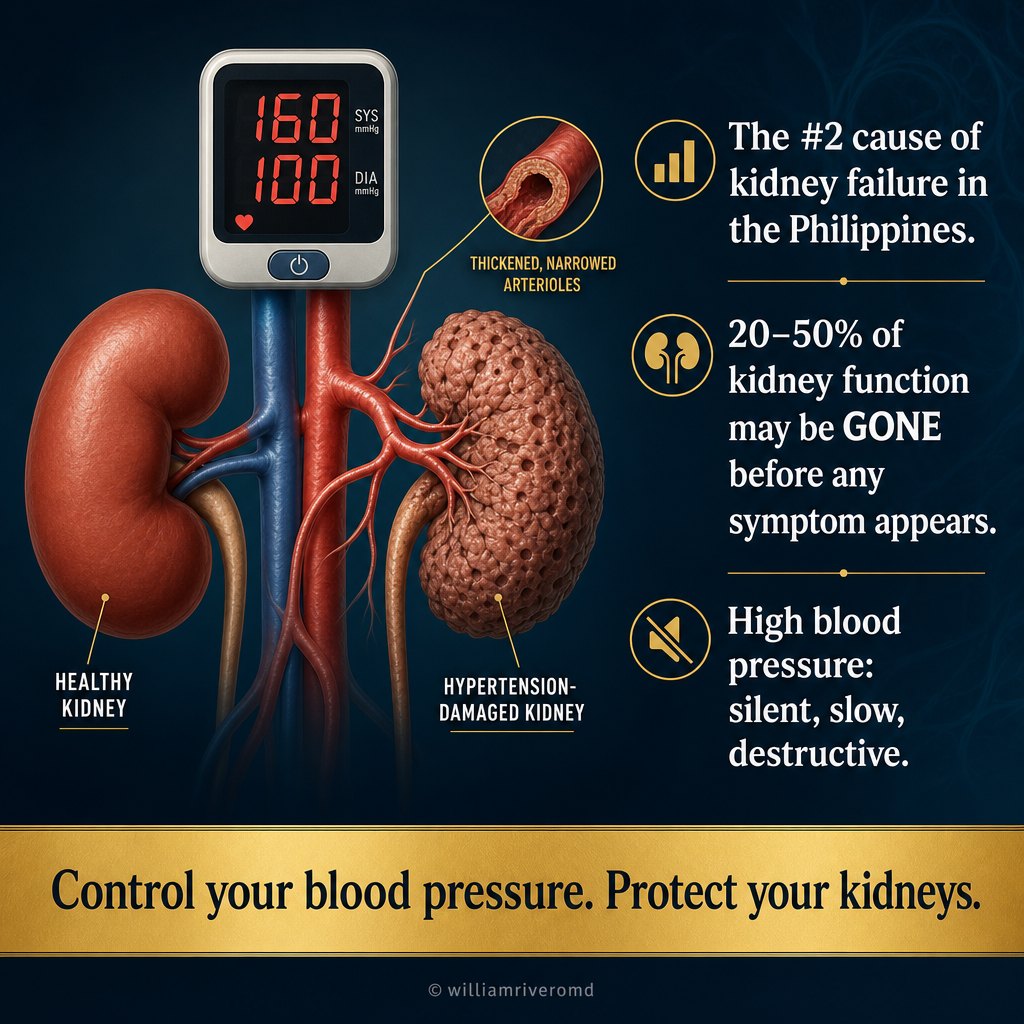 GuideHypertensive Kidney Disease (Non-Diabetic)High blood pressure and kidney disease — how hypertension damages kidneys, blood pressure targets, medications, and lifestyle changes for Filipino CKD patients.
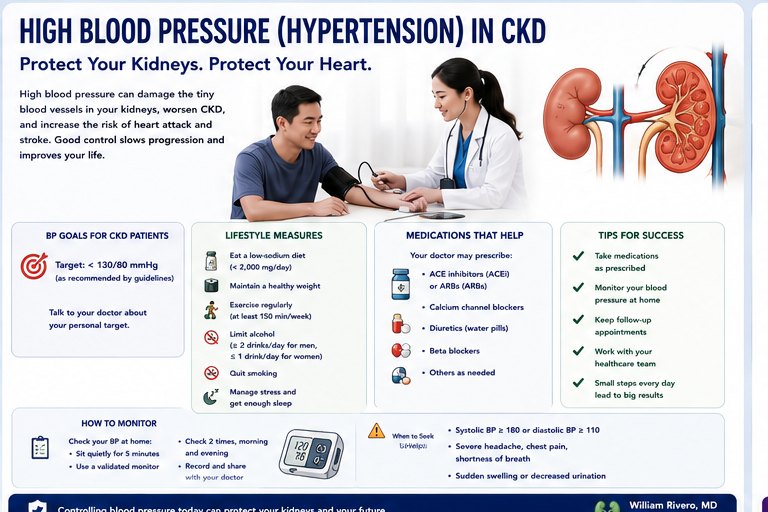 GuideManaging High Blood PressureManaging high blood pressure — home monitoring, antihypertensive medications, lifestyle changes, salt reduction, and blood pressure targets for Filipino patients.
References
- U.S. Food and Drug Administration. Exforge · Novartis Pharmaceuticals Corporation [US FDA-approved label, version 36, February 17, 2026]. Via DailyMed/openFDA. https://dailymed.nlm.nih.gov/dailymed/drugInfo.cfm?setid=d0caec89-96ec-411d-a933-63eda74a6da7
- Food and Drug Administration Philippines. Verification portal (product registrations). https://verification.fda.gov.ph
This page shows official label and registry text only; no renalcarematters.com clinical summary has been approved for it yet.
Last updated: .