After this module you should be able toPagkatapos ng modyul na ito, dapat kaya mong
- Explain why kidney disease affects the heart, eyes, feet, bones, mouth and moodMaipaliwanag kung bakit naaapektuhan ng sakit sa bato ang puso, mata, paa, buto, bibig at mood
- Do simple self-checks, such as a daily foot check, and know what to reportMakagawa ng simpleng pagsusuri sa sarili, gaya ng araw-araw na pagtingin sa paa, at alamin ang dapat iulat
- Keep a yearly list of checks, vaccines and screening tests to discuss with your teamMagkaroon ng taunang listahan ng mga pagsusuri, bakuna at screening test na pag-uusapan kasama ang team mo
Suggested earlier modules: C02, K03. You may read any module in any order; the suggestion only helps the lessons build on each other.Mga modyul na mainam basahin muna: C02, K03. Puwede mong basahin ang kahit anong modyul sa kahit anong pagkakasunod; tumutulong lang ang mungkahing ito para magkakabit ang mga aralin.
The everyday pictureAng larawan sa araw-araw
Heart and blood vesselsPuso at mga ugat
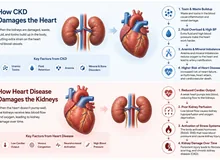
Heart disease is the most common serious problem in people with kidney disease. Protecting the heart is part of kidney care.
- Check your blood pressure at home if your team asks you to, and bring the log to visits.
- Do not smoke or vape; ask for help to quit.
- Take heart and cholesterol medicines as prescribed, and keep moving (Module D07).
- Report new breathlessness, swelling, palpitations, or pain in the legs when walking.
Sakit sa puso ang pinakakaraniwang malubhang problema sa mga may sakit sa bato. Bahagi ng kidney care ang pagprotekta sa puso.
- I-check ang blood pressure mo sa bahay kung hihilingin ng team mo, at dalhin ang log sa konsulta.
- Huwag manigarilyo o mag-vape; humingi ng tulong para tumigil.
- Inumin ang mga gamot sa puso at cholesterol ayon sa reseta, at patuloy na gumalaw (Modyul D07).
- Iulat ang bagong paghingal, pamamaga, palpitation, o pananakit ng binti kapag naglalakad.
Eyes, feet and blood sugarMata, paa at blood sugar
- If you have diabetes, follow your diabetes plan and ask how your glycated hemoglobin (HbA1c) or other sugar tests are read in kidney disease.
- Have an eye examination as often as your doctor advises, usually at least once a year if you have diabetes, even when your eyesight seems fine.
- Check your feet every day, including between the toes and the soles, using a mirror or a family member's help. Look for cuts, blisters, color changes, swelling or sores.
- Protect your feet: wear shoes or closed slippers that fit, never walk barefoot, keep the skin moisturized but not between the toes, and do not cut corns yourself.
- Kung may diabetes ka, sundin ang plano mo para sa diabetes at itanong kung paano binabasa ang glycated hemoglobin (HbA1c) o iba pang sugar test kapag may sakit sa bato.
- Magpasuri ng mata ayon sa payo ng doktor mo, kadalasang kahit minsan sa isang taon kung may diabetes ka, kahit mukhang maayos ang paningin mo.
- Tingnan ang paa mo araw-araw, kasama ang pagitan ng mga daliri at talampakan, gamit ang salamin o tulong ng kapamilya. Hanapin ang hiwa, paltos, pagbabago ng kulay, pamamaga o sugat.
- Protektahan ang paa mo: magsuot ng sapatos o saradong tsinelas na kasya, huwag kailanman maglakad nang nakayapak, panatilihing hindi tuyo ang balat pero huwag lagyan ng lotion sa pagitan ng mga daliri, at huwag putulin nang mag-isa ang kalyo.
Mouth, bones, skin and moodBibig, buto, balat at mood
- Mouth: brush twice a day, see a dentist regularly, and tell the dentist about your kidney disease and medicines. If you are on hemodialysis, ask your team whether dental work should be on a non-dialysis day, because of the blood thinner used during sessions.
- Bones: kidney disease upsets calcium, phosphorus and parathyroid hormone (PTH). Take your binders and other bone medicines as prescribed, and ask about your bone test results (Module H04).
- Falls: keep floors clear and well lit, use handrails, and stand up slowly.
- Skin: itching is common; tell your team rather than buying creams or pills on your own.
- Mood and sleep: low mood, worry and poor sleep are common and treatable. Tell your team if you feel down most days (Module C09).
- Bibig: magsipilyo dalawang beses sa isang araw, regular na magpatingin sa dentista, at sabihin sa dentista ang tungkol sa sakit mo sa bato at mga gamot. Kung nagha-hemodialysis ka, itanong sa team mo kung dapat sa araw na walang dialysis gawin ang dental work, dahil sa pampalabnaw ng dugo na ginagamit habang nagda-dialysis.
- Buto: ginugulo ng sakit sa bato ang calcium, phosphorus at parathyroid hormone (PTH). Inumin ang mga binder at iba pang gamot sa buto ayon sa reseta, at itanong ang mga resulta ng bone test mo (Modyul H04).
- Pagkahulog: panatilihing walang kalat at maliwanag ang sahig, gumamit ng hawakan, at dahan-dahang tumayo.
- Balat: karaniwan ang pangangati; sabihin sa team mo sa halip na bumili nang mag-isa ng cream o tableta.
- Mood at tulog: karaniwan at nagagamot ang kalungkutan, pag-aalala at hirap sa pagtulog. Sabihin sa team mo kung malungkot ka sa karamihan ng araw (Modyul C09).
Infections, vaccines and screeningImpeksyon, bakuna at screening
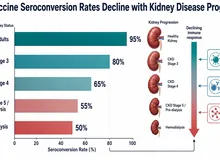
- Hepatitis B vaccine: recommended for people on dialysis or likely to need it. Ask whether you have completed the series and whether your protection has been checked.
- Flu and pneumonia vaccines, and others your doctor advises: ask which ones you need and when.
- Tuberculosis: report a cough lasting more than two weeks, fever, night sweats or weight loss.
- Cancer screening (for example breast, cervix and colon) should be decided with your doctor, based on your age, health and plans, including whether you are preparing for a transplant.
- Keep a yearly body check list with the date of each check, and bring it to your nephrologist once a year.
- Bakuna sa hepatitis B: inirerekomenda para sa mga nagda-dialysis o malamang na mangailangan nito. Itanong kung nakumpleto mo na ang serye at kung na-check na ang proteksyon mo.
- Bakuna sa flu at pneumonia, at iba pang ipinapayo ng doktor mo: itanong kung alin ang kailangan mo at kailan.
- Tuberculosis: iulat ang ubong mahigit dalawang linggo na, lagnat, pagpapawis sa gabi o pagpayat.
- Cancer screening (halimbawa sa suso, cervix at colon) ay dapat pagpasyahan kasama ang doktor mo, batay sa edad, kalusugan at mga plano mo, kasama kung naghahanda ka para sa transplant.
- Magkaroon ng taunang body check list na may petsa ng bawat pagsusuri, at dalhin ito sa nephrologist mo minsan sa isang taon.
The blister from new slippersAng paltos mula sa bagong tsinelas
Mang Isko, 61, has diabetes and is on hemodialysis. He buys new slippers for a fiesta and gets a small blister on his heel. It does not hurt, so he ignores it. A week later the area is red and warm and has a dark center. He mentions it at dialysis only because his sock is stained.
Si Mang Isko, 61, ay may diabetes at nagha-hemodialysis. Bumili siya ng bagong tsinelas para sa fiesta at nagkaroon ng maliit na paltos sa sakong. Hindi ito masakit kaya hindi niya pinansin. Pagkalipas ng isang linggo, mapula at mainit na ang paligid at may itim sa gitna. Binanggit lang niya ito sa dialysis dahil namantsahan ang medyas niya.
Before reading on: what would you do, and whom would you call?Bago magpatuloy: ano ang gagawin mo, at sino ang tatawagan mo?
How sure are we?Gaano tayo kasigurado? Moderate evidenceKatamtamang ebidensya
Foot ulcers and amputations are much more common in people on dialysis, especially with diabetes, and diabetes guidelines recommend regular foot and eye examinations. Oral disease is common in people on dialysis. Hepatitis B vaccination is recommended for people on dialysis. Kidney guidelines advise regular monitoring of bone and mineral tests, and cancer screening in kidney failure is best decided case by case. The evidence ranges from guideline recommendations to observational studies.Mas karaniwan nang husto ang sugat sa paa at amputation sa mga nagda-dialysis, lalo na kung may diabetes, at inirerekomenda ng mga guideline sa diabetes ang regular na pagsusuri sa paa at mata. Karaniwan ang sakit sa bibig sa mga nagda-dialysis. Inirerekomenda ang bakuna sa hepatitis B para sa mga nagda-dialysis. Ipinapayo ng mga kidney guideline ang regular na pagsubaybay sa mga test ng buto at mineral, at pinakamainam na pagpasyahan nang isa-isa ang cancer screening kapag may kidney failure. Mula sa mga rekomendasyon ng guideline hanggang sa observational na pag-aaral ang ebidensya.1,2,3,4,5,6
Questions to ask your teamMga tanong para sa iyong care team
- Which checks, vaccines and screening tests do I need this year?Aling mga pagsusuri, bakuna at screening test ang kailangan ko ngayong taon?
- Have I completed my hepatitis B vaccine series?Nakumpleto ko na ba ang serye ng bakuna ko sa hepatitis B?
- Should dental work be on a non-dialysis day for me?Dapat bang sa araw na walang dialysis gawin ang dental work para sa akin?
Try it, then say it in your own wordsSubukan, saka ipaliwanag sa sarili mong salita
Practice. Use W31 to make your yearly body check list, and fill in the dates you know. Worksheet W31: My yearly body check is ready to print. Use invented details when practicing; keep your real health information on paper, not online.
Pagsasanay. Gamitin ang W31 para gumawa ng taunang body check list mo, at punan ang mga petsang alam mo. Handa nang i-print ang worksheet na W31: My yearly body check (nasa Ingles). Gumamit ng gawa-gawang detalye habang nagsasanay; itago sa papel, hindi online, ang totoong impormasyon tungkol sa iyong kalusugan.
Three quick questionsTatlong mabilis na tanong
Choose the best answer for each, then select Check answers. An explanation appears under the best answer. Try again as often as you like. Questions marked Safety question (1 here) must be answered correctly before the module counts as complete; the explanation shows you why. Nothing you select is sent anywhere.
Piliin ang pinakamahusay na sagot sa bawat tanong, saka pindutin ang Check answers. Lalabas ang paliwanag sa ilalim ng pinakamahusay na sagot. Puwede kang umulit kahit ilang beses. Ang mga tanong na may markang Tanong pangkaligtasan (1 dito) ay dapat masagot nang tama bago maituring na tapos ang modyul; ipinapakita ng paliwanag kung bakit. Walang ipinapadala kahit saan ang mga pinili mo.
Read next on this siteBasahin din sa site na ito (nasa Ingles)
- Viral Infections and Vaccinations in Kidney DiseaseVaccines and infections in kidney disease.Mga viral na impeksyon at bakuna sa chronic kidney disease (CKD).
- Heart & Kidney Connection — When Protecting One Saves BothThe heart and the kidneys.Ang ugnayan ng puso at bato.
- Kidney, Bone, and Heart: Mineral and Bone DisorderBone and mineral health.chronic kidney disease–mineral and bone disorder (CKD-MBD): buto at mineral sa sakit sa bato.
- CKD, Mental Health & SleepMood and sleep.Mental health at tulog sa CKD.
Choose your own path on the course home. Last checked November 29, 2026.
Piliin ang sarili mong landas sa course home. Huling sinuri noong Nobyembre 29, 2026.
Module 40 of 40Last module