Infection prevention, water safety and shared exposures
Prevent bloodborne and catheter infections, protect dialysis water, and respond to a cluster.
PublishedNailathalaGipatikPepalwal:ReferencesMga SanggunianMga TinubdanReng Reperensya:13Audience: Adult and pediatric nephrology fellows · internal medicine and pediatric residents · medical interns on medicine, pediatrics, ICU and dialysis rotations, and residents who work shifts as dialysis physicians on dutyRead timeOras ng pagbasaOras sa pagbasaOras ning pamamasa:
Training track for nephrology fellows, residents and medical interns
Study material for medical interns, residents and fellows. It explains the reasoning behind common decisions; it is not a protocol and gives no drug doses. Doses, rates and order sets come from current guidelines, product labels, your institution’s approved protocols and your supervising physician. Benefit rules change: confirm them on the date of service. Every case is fictional.
Learning objectives
After this module you should be able to
Intern: Follow hand hygiene at every patient contact in the dialysis unit, apply the unit’s isolation rules for hepatitis B, and know why hepatitis C and human immunodeficiency virus (HIV) are managed with standard precautions.
Resident: Recognize a catheter-related bloodstream infection and a cluster of febrile reactions, and tell an infection in one patient from a shared exposure affecting several.
Fellow: Lead the response to an infection outbreak or a water event: stop exposure, find the source with the technician and the infection control team, report, and change the system.
Pre-testBefore you read, answer the 5 self-assessment questions and note your score. After the module, select New set of questions and compare. The difference is what you learned; the questions you still miss are what to reread.
Start here
The big picture, in plain words
Your role · the shared room and the shared waterThe intern owns the most effective prevention in the unit: clean hands before and after every contact with a patient, a machine or a line. The resident on the dialysis rotation, or moonlighting as physician on duty, recognizes fever in the chair, cultures before antibiotics, and notices when one febrile patient becomes three. The fellow, with the attending nephrologist, the medical director and the water technician, leads the response when the cause is shared: a lapse in infection control, a contaminated supply or the water itself.
In plain wordsPicture a jeepney terminal at rush hour: dozens of people in one room, touching the same rails, sitting where someone else sat an hour ago, all drinking from the same water dispenser. If one passenger carries a virus, or the dispenser is contaminated, everyone downstream is exposed. A dialysis unit is that terminal, three shifts a day, six days a week.
The picture has a limit. Terminal passengers touch rails and drink a glass of water. Dialysis patients have needles or catheters in their great vessels, their blood leaves the body and returns, and each session exposes their blood across a membrane to well over a hundred liters of dialysate made from treated water. Their immunity is blunted by uremia. A tiny lapse (an unwashed glove, a shared multidose vial, a carbon tank past its limit) reaches the bloodstream directly. That is why hepatitis B and C have spread in dialysis units, why catheter infections remain a major cause of admission, and why contaminated water has killed dozens of patients in a single unit.
Figure 1 · Key numbers
hepatitis C virus (HCV) screening of in-center hemodialysis (HD) patients (KDIGO 2022, 1B)Every 6 months by immunoassay or nucleic acid test
Dedicated machines for HCV (KDIGO 2022, 1D)Recommended against; isolation of HCV patients suggested against (2C)
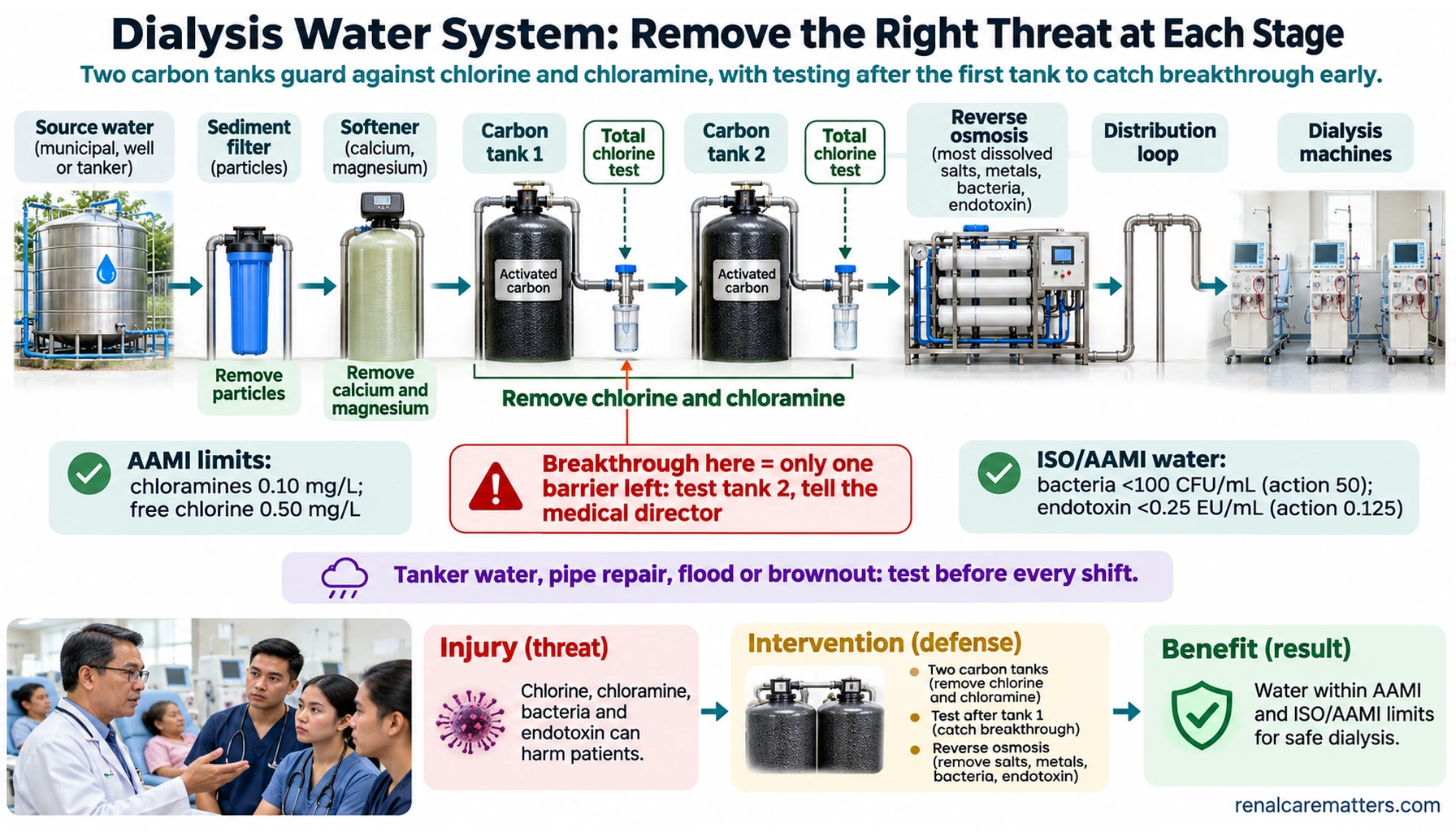
Association for the Advancement of Medical Instrumentation (AAMI) chemical limits for dialysis waterChloramines 0.10 mg/L; free chlorine 0.50 mg/L
International Organization for Standardization (ISO) and AAMI microbial limits for waterUnder 100 CFU/mL (action at 50); endotoxin under 0.25 EU/mL (action at 0.125)
Centers for Disease Control and Prevention (CDC) bloodstream infection collaborative (17 units)Modeled access-related infections fell 54% after the core interventions (no control arm)
Most fevers in a dialysis chair are one patient’s infection, most often from a catheter. A few are a shared event: a cluster from a lapse in technique, a contaminated supply, or water that has broken through its treatment. Your work is to protect every patient with the basics every time, to treat the individual infection correctly, and to recognize early when the cause is shared, because then the next shift is already exposed.
Opening case · fictional
Case: Three patients with chills
Tuesday, 2:30 p.m., a freestanding hemodialysis unit in Lipa City, Batangas. The municipal water supply was cut for a day after a pipe repair, and the unit received water by tanker truck yesterday and this morning. The technician changed nothing in the treatment system.
The physician on duty, Dr. Andrea Cruz, a second-year internal medicine resident, is called to chair 4: Mr. Danilo Ramos, 59, dialyzing through a fistula, has rigors 50 minutes into his session, temperature 38.7 °C, blood pressure 128/76 mm Hg. Ten minutes later the nurse calls her to chair 7: Mrs. Teresita Laurel, 66, dialyzing through a tunneled catheter, also shivering, 38.9 °C, pressure 96/58 mm Hg, with redness at the catheter exit site. By 3:15 p.m., a third patient, on a fistula, at chair 2, has chills and a headache.
Ms. Arlene Medina, the charge nurse, says all three started within the first hour of their sessions. The technician tells Dr. Cruz that this morning’s chlorine test after the first carbon tank was “a bit higher than usual” but that the second tank reading was fine. The attending nephrologist is at a conference in Manila.
Before reading on, decide:
What do you do at each chair right now?
Is this three separate infections or one shared exposure, and how do you tell?
What should the unit do today and this week?
Keep your answers in mind. The lesson gives you what you need, and the case review near the end shows one sound response.
Lesson · part 1
Hepatitis B, hepatitis C and HIV: why the rules differ
Bloodborne viruses spread in dialysis units through blood: on hands and gloves, on shared surfaces and equipment, through shared medication vials and supply carts. Each virus has its own survival and dose, and that explains why the rules differ.
Virus
Why it matters in dialysis
What the unit does
Hepatitis B
Very high concentration in blood and survives on surfaces, so tiny contaminations transmit
Test all patients; vaccinate susceptible patients and check their antibody response; test susceptible patients regularly; dialyze patients who carry hepatitis B surface antigen (HBsAg) in a separate room with dedicated machines, equipment and supplies, with staff who do not care for susceptible patients on the same shift1
Hepatitis C
Transmission follows lapses in standard precautions and injection safety
Standard precautions, audits, screening every 6 months, tracking every result; no dedicated machines or isolation required by KDIGO2,3
HIV
Low transmission risk with standard precautions
Standard precautions; no isolation or dedicated machine1
The hepatitis B measures come from the Centers for Disease Control and Prevention (CDC) recommendations for chronic hemodialysis units, which also define immunity after vaccination as an antibody to surface antigen (anti-HBs) level of at least 10 mIU/mL and advise revaccination of nonresponders.1 Patients with kidney failure respond less well to the vaccine than healthy adults, which is why the post-vaccination check matters.
Hepatitis C: the guideline and local practice
The Kidney Disease: Improving Global Outcomes (KDIGO) 2022 hepatitis C guideline recommends that hemodialysis facilities adhere to standard infection control procedures (1A) with regular observational audits (1C); recommends not using dedicated dialysis machines for patients with hepatitis C virus (HCV) infection (1D); suggests not isolating them (2C); suggests their dialyzers can be reused if standard procedures are followed (2D); recommends that centers examine and track all HCV test results (1B); and recommends screening in-center hemodialysis patients every 6 months (1B). When a new infection is likely acquired in the unit, it recommends aggressive measures to improve hand hygiene, injection safety and environmental cleaning (1A).2 A review of HCV transmission in dialysis settings emphasizes regular audits and staff training, and a protocol for investigating suspected unit-acquired cases.3
Many Philippine units still assign dedicated machines or areas to HCV-positive patients. KDIGO’s reasoning is that transmission tracks breaks in technique, not shared machines, and that a dedicated machine can create a false sense of safety while hands and vials keep spreading the virus. Its recommendation against dedicated machines is graded 1D, low certainty. Follow your unit’s licensing requirements and written policy under the Department of Health (DOH) rules,4 and never let a dedicated machine stand in for hand hygiene.
Figure 2 · Hand hygiene at the chair
Before touching the patient or the machineAlcohol rub or wash; new gloves.
Before any aseptic taskBefore needling, catheter connection, medication preparation.
After body fluid riskAfter needle removal, catheter disconnection, handling blood lines or waste.
After touching the patientRemove gloves and clean hands before moving to the next chair.
After touching the surroundingsThe machine, the chair, the table count as the patient’s zone.
The CDC lists hand hygiene observations every month, with feedback to staff, among its core interventions for dialysis bloodstream infection prevention.5 For the intern, this is the lesson that matters most: the habit of clean hands at every chair is the main barrier between one infected patient and the rest of the room.
In childrenChildren in a mixed or adult unit need the same standard precautions and the same hepatitis B vaccination and testing, with schedules and doses from the pediatric team, and a family that understands catheter care at home. Water quality matters even more where small bodies receive large volumes of dialysate. See Attending Pediatric Nephrologist, Module 25.
RememberHepatitis B gets a separate room, machine and staff; hepatitis C and HIV get flawless standard precautions. Every patient gets clean hands at every contact.
Lesson · part 2
Bloodstream infection: the catheter, the fistula and the culture
A central venous catheter is a plastic bridge from the skin and the hub to the right atrium. Bacteria travel along the outside from the exit site, or along the inside from the hub each time it is opened, and settle in a biofilm that shields them from antibiotics and from the patient’s defenses. A fistula is the patient’s own vessel, punctured fresh each session, and carries far less risk. Reducing catheter use through timely permanent access is part of the end-stage kidney disease life-plan in the Kidney Disease Outcomes Quality Initiative (KDOQI) 2019 vascular access guideline.6
Clue
What it suggests
What you do
Fever or rigors in a catheter patient, especially soon after connection
Catheter-related bloodstream infection until proven otherwise
Blood cultures before antibiotics, per protocol; inspect the exit site and tunnel; call
Redness, pus or tenderness at the exit site or along the tunnel
Exit-site or tunnel infection
Culture any discharge; the attending decides on catheter management
Fever with low pressure, confusion or rising lactate
Sepsis
Sepsis protocol; end the session with the attending; transfer if needed
Fever in a fistula patient with a hot, swollen access
Access infection
Do not cannulate the infected area; cultures; call
Fever and chills in several patients on the same shift
A shared source: water, dialysate, a supply, a lapse
See the cluster lesson below; tell the charge nurse and technician now
The Infectious Diseases Society of America (IDSA) 2009 guideline on intravascular catheter infection describes how to diagnose catheter-related bloodstream infection with paired cultures and how management depends on the bacterium or fungus and whether the catheter is kept, exchanged or removed, including hemodialysis-specific approaches when peripheral veins must be saved for future access.7 Antibiotic choice and doses come from your unit’s protocol, the culture and the attending.
Prevention works when it is a system
In a CDC collaborative, 17 outpatient units reported infections to the National Healthcare Safety Network and implemented a package: chlorhexidine for catheter exit-site care, staff training and competency checks on catheter care and aseptic technique, hand hygiene and vascular access care audits, and feedback of infection and adherence rates to staff. Pooled bloodstream infection rates went from 1.09 to 0.89 per 100 patient-months, and access-related infections from 0.73 to 0.42; modeled rates fell 32% and 54%. There was no control arm, and the participating units were volunteers.8 CDC now publishes the package as its core interventions.5 The design means these numbers show what is possible, not a guaranteed effect, but no unit has an excuse not to try.
Philippine reality. Many patients start dialysis on a catheter because they reached kidney failure without a fistula, and many stay on one because access surgery costs money, the surgeon is far away, or the fistula failed. Every catheter month is risk. The resident’s contribution is to ask at each review, “why is this patient still on a catheter, and who is fixing that?”
RememberCulture before antibiotics, inspect the exit site, and ask every catheter patient’s team when the catheter will come out.
Lesson · part 3
Water: the largest exposure in the room
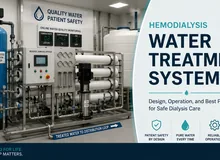
Tap water is safe to drink because the gut is a selective barrier and we drink a liter or two a day. Dialysate is separated from blood only by a thin membrane, and each session exposes the patient to well over a hundred liters. Small molecules, including chloramine, aluminum and copper, cross into the blood, and fragments of bacteria (endotoxin) can cross or trigger inflammation. So dialysis water is treated in stages: sediment filters and softener, activated carbon to remove chlorine and chloramine, reverse osmosis to remove most dissolved substances, and a distribution loop kept free of biofilm.9
Figure 3. Each stage removes a different threat. The carbon tanks guard against chlorine and chloramine; test after the first tank to catch breakthrough before the second one is the only barrier left.
Contaminant
Limit used in standards
What happens if it breaks through
Chloramines
0.10 mg/L (Association for the Advancement of Medical Instrumentation, AAMI)9
Oxidative damage to red cells: hemolysis, methemoglobinemia, falling hemoglobin
Bone disease, anemia, encephalopathy with chronic exposure
Carbon tanks are the defense against chlorine and chloramine, and they exhaust silently. The United States rule requires two carbon tanks in series; if the reading after the first tank is above 0.5 mg/L free chlorine or 0.1 mg/L chloramines, or at or above 0.1 mg/L total chlorine, the second tank must be tested, and the rule sets what happens when the second tank also fails.10 Philippine dialysis facilities follow the DOH water guidelines issued under the licensing rules, which set the analysis, monitoring and maintenance of dialysis water.11 Know your own unit’s written test schedule and action levels; the technician holds the log, but the physician is responsible for acting on it.
What happens when water fails
In 1996, after a drought, all 126 patients in a hemodialysis unit in Caruaru, Brazil, developed acute neurotoxicity and toxic hepatitis after the unit used water from a lake with a massive growth of cyanobacteria; 60 died. Microcystins, the algal toxins, were found in patients’ serum, dialysis filters and water-treatment columns.12 In a Brazilian unit in 2004, dialysate chloramine levels rose from below 0.1 to 0.27 in three months and an outbreak of anemia followed; hemoglobin recovered within a month of replacing the activated charcoal column, without changing erythropoietin doses.13 The first was a catastrophe from source water; the second a slow, silent exhaustion of carbon. Both are possible in the Philippines: units that draw from wells, that receive water by tanker after a pipe break or a typhoon, or that delay a carbon change.
Philippine reality. Tanker water, interrupted municipal supply, brownouts that stop the treatment system, floods that reach the water room, and well water with variable quality all stress the treatment train. A change in source water is a reason to test more often, not less. The site’s carbon tank empty-bed contact time calculator helps the technician and the medical director check whether the carbon stage is sized for the flow.
RememberA change in the water (a tanker, a well, a pipe repair, a flood) is a reason to test chlorine before every shift and to suspect the water first when several patients react.
Lesson · part 4
From one patient to a cluster: leading the response
A cluster is more cases than expected, close together in time or place. In a dialysis unit, two or three patients with fever, chills, hemolysis or a new hepatitis result in a short period is a cluster until shown otherwise. The pattern of cases points to the source.
Pattern
Likely shared source
First checks
Fever and chills early in the session, in patients with fistulas and catheters alike, on the same shift
Water or dialysate: endotoxin or bacteria (a pyrogenic reaction), or chemical contamination
Stop new sessions on the affected loop; water and dialysate cultures and endotoxin; chlorine; review the treatment log
Hemolysis or falling hemoglobin across many patients
Chloramine or other oxidant breakthrough; a faulty supply lot
Total chlorine before and after each carbon tank; keep tubing and packaging
Bloodstream infections with the same bacterium, mostly catheter patients
A lapse in catheter care, a contaminated antiseptic or priming solution
Audit technique; cultures of products; review who connected the catheters
A new hepatitis C or B result in a previously negative patient
Unit-acquired transmission
Review all results, station and staff assignments, vial use; enhanced audits; report
A pyrogenic reaction from endotoxin typically begins during the session, often within the first hour, and settles after the session stops, with negative blood cultures. A true bloodstream infection tends to persist and produces positive cultures. At the chair you often cannot tell them apart, so culture every febrile patient before antibiotics and treat the sick ones; the pattern across patients, and the cultures, answer the question later.
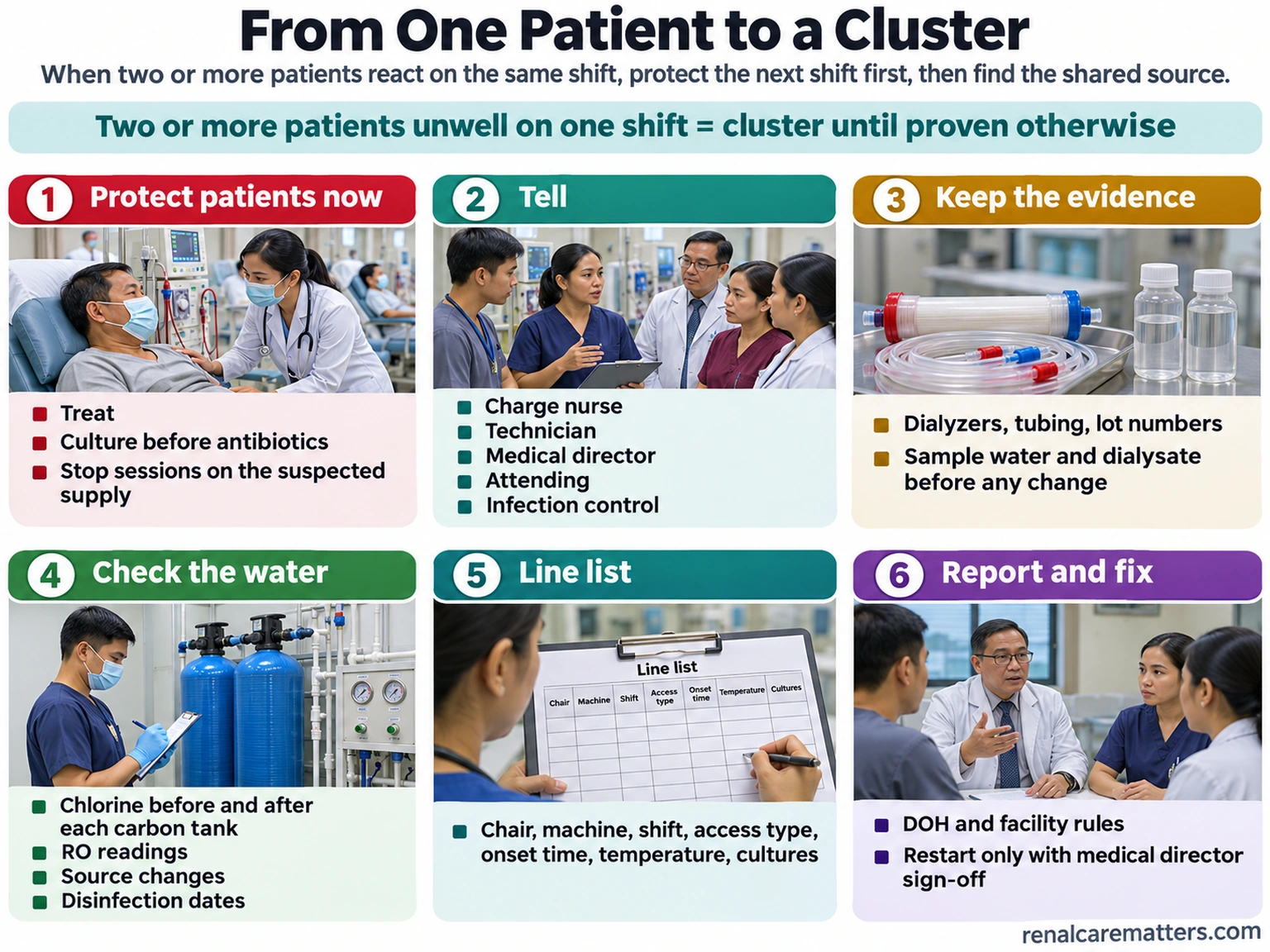
Figure 4 · Responding to a suspected cluster or water event
Protect patients nowTreat each patient; culture before antibiotics; stop sessions on the suspected supply or loop; do not start new patients until the source is checked.
Tell the right peopleCharge nurse, water technician, medical director and attending nephrologist, at once. Notify infection control.
Keep the evidenceSave dialyzers, tubing, packaging and lot numbers; draw water and dialysate samples from the points the technician names before any change is made.
Check the waterTotal chlorine before and after each carbon tank; reverse osmosis alarms and readings; any change in source water; disinfection dates.
Line listEvery affected patient: chair, machine, shift, access type, onset time, symptoms, temperature, cultures.
Report and fixReport per DOH and facility rules; correct the source; restart only when the medical director signs off; review with the team.
The same-event drill on this site follows one water event through every role in the unit, from technician to head nurse to physician on duty; work through it with your unit before you need it.
Stop and callStop and call the attending nephrologist and the medical director at once, per unit protocol, but always ask the attending nephrologist for guidance:
Two or more patients with fever, chills, hemolysis or hypotension on the same shift
A chlorine or chloramine reading at or above the unit’s action level after any carbon tank
Any change in source water (tanker, well, repair, flood) with patient symptoms
A febrile catheter patient with low blood pressure or confusion
A new hepatitis B or C result in a previously negative patient
Figure 5. From one patient to a cluster. When two or more patients react on the same shift, protect the next shift first, then find the shared source.
RememberWhen more than one patient becomes unwell, stop thinking about each patient alone: protect the next shift, keep the evidence, and test the water.
On the floor
Real situations: problems and solutions
These are fictional but typical. For each one, cover the answer, decide what you would do, then compare. Where a step depends on local rules, your unit’s procedure and your supervisor’s direction come first.
The new hepatitis C result
What you see
At a Quezon City unit, a patient negative for hepatitis C antibody six months ago now tests positive. He has no drug use or transfusion history and dialyzes on the Monday-Wednesday-Friday morning shift.
What is likely going on
Possible unit-acquired HCV infection from a lapse in standard precautions.
What to do
Confirm the result, tell the medical director and attending, review all HCV results and station assignments, audit hand hygiene, vial use and cleaning, and report per facility and DOH rules.
Why it matters
KDIGO 2022 recommends tracking all HCV results (1B) and aggressive hand hygiene, injection safety and cleaning measures when unit-acquired infection is likely (1A).
The catheter that never came out
What you see
A 47-year-old vendor in Cagayan de Oro has dialyzed through a tunneled catheter for 14 months. This is his third bloodstream infection. His fistula referral was never completed because of cost.
What is likely going on
Repeated catheter-related bloodstream infection from prolonged catheter dependence.
What to do
Treat this infection per protocol with the attending; then make the access plan an explicit problem: referral, Malasakit or charity support, a named person to follow it up.
Why it matters
Every catheter month adds infection risk; reducing catheters is part of the access life-plan and the CDC core interventions.
Brownout and a silent RO unit
What you see
After a typhoon in Tacloban, power returns to a unit at 5 a.m. The technician restarts the water system; the first shift is due at 6 a.m.
What is likely going on
Stagnant water in the loop, possible bacterial growth and uncertain carbon and reverse osmosis performance.
What to do
Ask the technician to flush and test per the unit protocol, including total chlorine after each carbon tank, before the first patient connects; delay the shift if needed.
Why it matters
A delay of an hour is safer than exposing a full shift to untested water.
The bleach smell
What you see
A nurse in a Bulacan unit notices that the product water smells faintly of chlorine on a Monday after a weekend disinfection.
What is likely going on
Residual disinfectant in the loop or a carbon failure.
What to do
Do not start patients; the technician tests for residual disinfectant and total chlorine and rinses until the test is negative; document.
Why it matters
Disinfectant or chloramine reaching patients causes hemolysis; the test, not the smell, decides when to start.
Field notes
Learn where the water log is kept and read the morning chlorine readings yourself at the start of every Physician on duty (POD) shift.
Write the access type next to each febrile patient on the line list; fever in fistula patients points away from catheters.
Keep blood culture bottles in the unit stocked and check their expiry dates.
When source water changes, ask the technician to test chlorine before every shift until the supply is stable.
Know your unit’s reporting route to infection control and the DOH before you need it.
Case review
Back to the case: Three patients with chills
At each chair now. Dr. Cruz examines each patient, takes temperature, pressure and pulse, and has blood cultures drawn before any antibiotic, per protocol. Mrs. Laurel, with a red catheter exit site and a falling pressure, gets the hypotension and sepsis steps, cultures from the catheter and a swab of the exit site, and a call to the attending about ending her session and starting antibiotics. The two fistula patients are stable; she watches them closely and, with the charge nurse, stops starting new patients on the same water until the source is checked. To rehearse it as a team, run the Academy’s Same event, every role drill.
Three infections or one exposure? Three patients on one shift, two with fistulas, all starting within the first hour, the day after the unit switched to tanker water, with a higher-than-usual chlorine reading after the first carbon tank: this is a shared exposure until proven otherwise. Endotoxin or bacteria from the new water (a pyrogenic reaction) best fit the fistula patients; Mrs. Laurel may have that, a catheter infection, or both. Cultures of blood, water and dialysate, endotoxin tests and the chlorine readings before and after each tank will separate them.
Today and this week. Today: tell the charge nurse, technician, medical director and attending at once; keep dialyzers, tubing and lot numbers; sample water and dialysate before any change; test total chlorine before and after each carbon tank before every shift; make a line list of all patients treated today; and report per DOH rules. This week: with the medical director, review the tanker source and the carbon stage, disinfect the loop if cultures or endotoxin are high, audit hand hygiene and catheter care, and, for Mrs. Laurel, push her fistula referral forward so the catheter can come out.
Interactive case · fictional
Interactive case: A new hepatitis C result
Work through a shift one decision at a time. The panel at the top changes with what you choose. After each choice you see why it is, or is not, the best move; after a weaker one you can try again or carry on and see where it leads. Your first choice at each step is scored. The score stays on this device and nothing is sent anywhere. In real practice, your unit’s protocol and the people responsible for each decision come first.
Skills lab · with your preceptor
Skills checklist: Infection prevention and water safety in the dialysis unit
Complete in your dialysis unit with the charge nurse, the water technician and your preceptor. Sign-off is local. Your preceptor rates each step as satisfactory, needs practice, or not observed. Steps marked Critical must all be satisfactory before sign-off. This checklist supports supervised learning; your unit’s own procedure and competency form are the authority. A printable version of every checklist is on the trainer page.
Performs hand hygiene at all five moments during a dialysis shift, observed by the charge nurse
States the unit’s hepatitis B isolation rules and the KDIGO position on hepatitis C machines, with grades
Assesses a febrile catheter patient: exit site, tunnel, cultures before antibiotics, sepsis screen, call
Reads the water treatment log with the technician, including total chlorine after each carbon tank and the action levels
Builds a line list for a simulated cluster and names the samples to take before any change
Walks through the same-event drill for a water event with the unit team
Placement activity. Hemodialysis unit, including the water treatment room
Self-assessment
Check your understanding
Each visit draws 5 questions at random from this module’s 5-question bank. Choose the single best answer for each, then select Check answers; an explanation appears under the best answer. Select New set of questions for a different mix. A good target is 4 of 5 on two different sets. Nothing you select is sent anywhere; scoring happens in your browser.
Centers for Disease Control and Prevention. (2001). Recommendations for preventing transmission of infections among chronic hemodialysis patients. MMWR Recommendations and Reports, 50(RR-5), 1–43. https://www.cdc.gov/mmwr/preview/mmwrhtml/rr5005a1.htm
Kidney Disease: Improving Global Outcomes (KDIGO) Hepatitis C Work Group. (2022). KDIGO 2022 clinical practice guideline for the prevention, diagnosis, evaluation, and treatment of hepatitis C in chronic kidney disease. Kidney International, 102(6S), S129–S205. https://doi.org/10.1016/j.kint.2022.07.013
Nguyen, D. B., Bixler, D., & Patel, P. R. (2019). Transmission of hepatitis C virus in the dialysis setting and strategies for its prevention. Seminars in Dialysis, 32(2), 127–134. https://doi.org/10.1111/sdi.12761
Lok, C. E., Huber, T. S., Lee, T., Shenoy, S., Yevzlin, A. S., Abreo, K., Allon, M., Asif, A., Astor, B. C., Glickman, M. H., Graham, J., Moist, L. M., Rajan, D. K., Roberts, C., Vachharajani, T. J., Valentini, R. P., & National Kidney Foundation. (2020). KDOQI clinical practice guideline for vascular access: 2019 update. American Journal of Kidney Diseases, 75(4 Suppl 2), S1–S164. https://doi.org/10.1053/j.ajkd.2019.12.001
Mermel, L. A., Allon, M., Bouza, E., Craven, D. E., Flynn, P., O’Grady, N. P., Raad, I. I., Rijnders, B. J., Sherertz, R. J., & Warren, D. K. (2009). Clinical practice guidelines for the diagnosis and management of intravascular catheter-related infection: 2009 update by the Infectious Diseases Society of America. Clinical Infectious Diseases, 49(1), 1–45. https://doi.org/10.1086/599376
Patel, P. R., Yi, S. H., Booth, S., Bren, V., Downham, G., Hess, S., Kelley, K., Lincoln, M., Morrissette, K., Lindberg, C., Jernigan, J. A., & Kallen, A. J. (2013). Bloodstream infection rates in outpatient hemodialysis facilities participating in a collaborative prevention effort: A quality improvement report. American Journal of Kidney Diseases, 62(2), 322–330. https://doi.org/10.1053/j.ajkd.2013.03.011
Kasparek, T., & Rodriguez, O. E. (2015). What medical directors need to know about dialysis facility water management. Clinical Journal of the American Society of Nephrology, 10(6), 1061–1071. https://doi.org/10.2215/CJN.11851214
Centers for Medicare and Medicaid Services (CMS). (2008). Condition: Water and dialysate quality (42 C.F.R. § 494.40). Legal Information Institute. https://www.law.cornell.edu/cfr/text/42/494.40
Department of Health. (2013). Implementing guidelines in the analysis, monitoring and maintenance of water used in dialysis facilities pursuant to Administrative Order No. 2012-0001 (Administrative Order No. 2013-0003). Health Facilities and Services Regulatory Bureau. https://hfsrb.doh.gov.ph/dialysis-clinic/
Pouria, S., de Andrade, A., Barbosa, J., Cavalcanti, R. L., Barreto, V. T., Ward, C. J., Preiser, W., Poon, G. K., Neild, G. H., & Codd, G. A. (1998). Fatal microcystin intoxication in haemodialysis unit in Caruaru, Brazil. The Lancet, 352(9121), 21–26. https://doi.org/10.1016/s0140-6736(97)12285-1
de Oliveira, R. M., de los Santos, C. A., Antonello, I., & d’Avila, D. (2009). Warning: An anemia outbreak due to chloramine exposure in a clean hemodialysis unit—an issue to be revisited. Renal Failure, 31(1), 81–83. https://doi.org/10.1080/08860220802546503
Educational self-study for physicians in training. Clinical tasks need your institution’s authorization and supervision. Completing this track is an Academy learning record only. It does not confer licensure, specialist status, PSN or PNSP membership or board eligibility, procedural privileges, CPD units, or completion of an institutional training program, and it does not replace current guidelines, regulations, your institution’s protocols and formulary, or your supervisor.